Cracking a skill-specific interview, like one for Incident Reporting and Response, requires understanding the nuances of the role. In this blog, we present the questions you’re most likely to encounter, along with insights into how to answer them effectively. Let’s ensure you’re ready to make a strong impression.
Questions Asked in Incident Reporting and Response Interview
Q 1. Describe your experience with incident triage and prioritization.
Incident triage and prioritization is the critical first step in incident response, determining which incidents require immediate attention and which can wait. It involves assessing the severity, urgency, and impact of each incident to assign appropriate resources and response levels.
My process typically involves using a prioritization matrix considering factors like:
- Impact: How many users are affected? What systems are down? What’s the financial impact?
- Urgency: How quickly does this need to be resolved? Is there a Service Level Agreement (SLA) to meet?
- Severity: How serious is the incident? Is it a critical failure, a minor inconvenience, or something in between?
For example, a complete database outage impacting all customer transactions would be prioritized far higher than a minor UI bug affecting a small percentage of users. I utilize tools like ticketing systems to track and manage this process, using predefined severity levels and assigning tickets to the appropriate teams based on expertise.
Q 2. Explain the incident response lifecycle.
The incident response lifecycle is a structured process for handling security incidents. It’s a cyclical process, meaning that lessons learned from one incident inform improvements for future responses. The key phases are:
- Preparation: Developing incident response plans, establishing communication channels, defining roles and responsibilities, and assembling a response team.
- Identification: Detecting the incident through monitoring systems, alerts, or user reports.
- Analysis: Gathering information about the incident to understand its scope and impact.
- Containment: Isolating the affected systems or data to prevent further damage or spread.
- Eradication: Removing the root cause of the incident and restoring the affected systems to a secure state.
- Recovery: Restoring systems and data to normal operation.
- Post-Incident Activity: Conducting a thorough review of the incident response process, identifying areas for improvement, and updating the incident response plan.
Imagine a scenario where a server crashes. Identification would be the detection of the crash. Containment would be isolating the server. Eradication would be fixing the root cause. Recovery would be bringing the server back online. Post-incident activity would be reviewing what happened to prevent future occurrences.
Q 3. How do you determine the root cause of an incident?
Determining the root cause of an incident is crucial for preventing future occurrences. This is often a methodical investigation employing various techniques:
- Reviewing logs and monitoring data: This provides a chronological record of events leading up to the incident.
- Conducting interviews with affected users and personnel: Obtaining firsthand accounts of what happened.
- Analyzing network traffic and system configurations: Identifying anomalies and potential vulnerabilities.
- Using specialized forensic tools: Investigating malware or other malicious activity.
- Employing the ‘5 Whys’ technique: Repeatedly asking ‘why’ to drill down to the underlying cause. For instance: The website crashed (Why?). Because the server failed (Why?). Because the hard drive failed (Why?). Because it wasn’t properly maintained (Why?). Because our maintenance schedule was inadequate (Why?). Because of insufficient staffing (Root Cause).
A robust root cause analysis is essential for effective incident response and prevents recurrence. It requires detailed investigation and collaborative effort from different teams.
Q 4. What tools and technologies are you proficient in for incident response?
My proficiency in incident response tools and technologies spans a range of areas. I’m adept at using:
- Ticketing systems: Such as Jira, ServiceNow, or Zendesk, for managing incident reports and tracking progress.
- Security Information and Event Management (SIEM) systems: Such as Splunk or QRadar, for monitoring security events and identifying potential incidents.
- Network monitoring tools: Such as SolarWinds or PRTG, for analyzing network performance and identifying bottlenecks.
- Forensic analysis tools: Such as EnCase or FTK, for investigating malware or other malicious activity.
- Collaboration tools: Such as Slack or Microsoft Teams, for coordinating the response effort amongst team members.
My experience ensures I can effectively leverage these tools to streamline the incident response process, facilitate communication, and enhance the efficiency of the investigation.
Q 5. Describe your experience with incident documentation and reporting.
Thorough incident documentation and reporting are vital for improving future responses and meeting compliance requirements. My process includes:
- Detailed incident reports: Including a chronological account of events, impact assessment, root cause analysis, and remediation steps.
- Comprehensive logs and data: Preserving all relevant information for future reference.
- Post-incident reviews: Analyzing the incident response process to identify areas for improvement.
- Regular reporting to stakeholders: Keeping them informed about the progress of the incident and any impacts.
For example, a detailed incident report would include the timestamp of the incident, the affected systems, the number of users impacted, the root cause, steps taken to resolve the issue, and lessons learned. This allows for clear communication and continuous improvement.
Q 6. How do you handle escalating incidents?
Escalating incidents require a structured approach to ensure prompt resolution and minimize further impact. My approach involves:
- Predefined escalation paths: Clearly defining who to contact and when based on the severity and urgency of the incident.
- Clear communication channels: Using established communication tools to keep stakeholders informed.
- Effective communication: Providing concise and accurate updates on the incident’s status and progress.
- Collaboration with specialized teams: Engaging experts as needed based on the nature of the incident.
For instance, a major system outage might require escalating to senior management, while a minor security breach might only need escalation to the security team. The key is having a clear process in place.
Q 7. Explain your process for communicating incident updates to stakeholders.
Communicating incident updates to stakeholders is critical for maintaining transparency, trust, and minimizing disruption. My approach involves:
- Regular updates: Providing timely updates on the incident’s status, progress, and impact.
- Consistent messaging: Using clear and concise language to ensure everyone understands the situation.
- Multiple communication channels: Using email, phone calls, and other appropriate methods to reach all stakeholders.
- Targeted communication: Tailoring the message to the audience’s needs and level of understanding.
- Transparency and honesty: Openly communicating about challenges and uncertainties.
For example, I might provide regular email updates to executive leadership and more frequent, concise updates through a communication platform to the technical teams. Transparency builds trust and fosters collaboration during a crisis.
Q 8. How do you ensure the confidentiality, integrity, and availability of data during an incident?
Ensuring the CIA triad – Confidentiality, Integrity, and Availability – during an incident is paramount. It’s like protecting a high-security vault; you need multiple layers of defense. Confidentiality means preventing unauthorized access to sensitive data. This involves immediately isolating affected systems, implementing strong access controls, and potentially using data encryption techniques. Integrity ensures data hasn’t been tampered with. We achieve this through robust logging, version control, and checksum verification. Finally, Availability focuses on restoring access to systems and data as quickly as possible while minimizing disruption. This requires having robust backup and recovery plans, disaster recovery sites, and well-defined escalation procedures.
For example, if a ransomware attack occurs, we’d immediately isolate the affected systems to prevent further spread (Availability and Confidentiality). We’d then analyze the encrypted data to assess the damage and determine if backups are clean (Integrity). Finally, we’d restore systems from clean backups and implement stronger security measures to prevent future attacks (Availability and Confidentiality).
Q 9. What is your experience with vulnerability management in relation to incident response?
Vulnerability management is crucial for proactive incident response. Think of it as regular health checkups for your IT infrastructure. My experience involves conducting regular vulnerability scans and penetration testing to identify weaknesses before attackers can exploit them. This includes using tools like Nessus or OpenVAS to scan for known vulnerabilities, analyzing the results, and prioritizing remediation based on risk. I also have experience with implementing and managing vulnerability scanners within a continuous integration/continuous deployment (CI/CD) pipeline to catch vulnerabilities early in the development lifecycle.
For instance, during a recent engagement, we identified a critical vulnerability in a web application through a penetration test. By addressing the vulnerability before it could be exploited, we prevented a potential data breach. This highlights the importance of proactive vulnerability management in reducing the likelihood and impact of security incidents.
Q 10. Describe your experience with post-incident activities, such as lessons learned and remediation.
Post-incident activities are just as important as the response itself. They’re like conducting a post-mortem after a surgery – to learn from what happened and improve future outcomes. My experience includes leading lessons-learned sessions with the incident response team, documenting the entire incident lifecycle, and developing remediation plans to address root causes. This involves identifying weaknesses in our processes, security controls, and employee training. We then implement changes to prevent similar incidents from occurring in the future. A typical remediation might include updating security software, patching vulnerabilities, enhancing access controls, or implementing additional security awareness training.
For example, after a phishing attack, we reviewed our security awareness training materials, strengthened our email filtering, and implemented multi-factor authentication across all critical systems. This multi-pronged approach addressed the weaknesses exploited in the attack and made the organization significantly more resilient.
Q 11. How do you manage competing priorities during an incident?
Managing competing priorities during an incident is like being an air traffic controller during a storm. You must prioritize tasks based on their impact and urgency. I use a prioritization matrix, often a combination of impact and likelihood, to identify the most critical tasks. This helps focus the team’s efforts on the most impactful actions first. For example, containing a system compromise takes precedence over investigating the root cause initially. This is because containment prevents further damage, while the root cause analysis can happen after the immediate threat is neutralized.
Effective communication is key here. Regular updates to stakeholders are essential to maintain transparency and manage expectations. Clear communication also helps prevent duplicated efforts and ensures everyone is working towards the same goals.
Q 12. How do you handle pressure and stress during a critical incident?
Handling pressure during a critical incident requires a calm and methodical approach. It’s like being a firefighter – you need to remain composed and focus on the task at hand. I use techniques like deep breathing, prioritizing tasks systematically, and delegating responsibilities effectively to manage stress. Having a well-defined incident response plan, including pre-defined roles and responsibilities, greatly reduces stress during an actual incident.
I also value regular debriefing sessions after major incidents to process the emotional and psychological impact on the team and provide support to everyone involved. Post-incident mental health is just as important as fixing the technical issue.
Q 13. Describe your experience with different incident types (e.g., security breaches, system outages).
I’ve handled a wide range of incident types, from simple system outages to sophisticated security breaches. System outages, such as server failures or network disruptions, often require quick troubleshooting and restoration of services. My experience involves diagnosing the root cause, implementing workarounds, and escalating to appropriate teams. Security breaches, such as ransomware attacks or phishing campaigns, demand a more thorough and coordinated response. This includes containment, investigation, eradication, recovery, and post-incident analysis.
For instance, I managed a ransomware attack where we utilized a combination of system isolation, forensic analysis, and data recovery from offline backups. We also collaborated with law enforcement and cybersecurity specialists to investigate the incident thoroughly.
Q 14. Explain your understanding of incident response frameworks (e.g., NIST, ISO 27001).
I’m familiar with several incident response frameworks, including NIST Cybersecurity Framework and ISO 27001. The NIST framework provides a flexible and comprehensive approach to managing cybersecurity risk, encompassing identify, protect, detect, respond, and recover phases. ISO 27001 focuses on establishing, implementing, maintaining, and continually improving an information security management system (ISMS). Both frameworks provide valuable guidance on establishing incident response plans, roles, and responsibilities, and managing the entire incident lifecycle. They guide our approach to risk management and incident response planning. Understanding these frameworks ensures a structured and efficient response, minimizing disruption and maximizing data protection.
In practice, we often adapt elements from both frameworks to create a tailored incident response plan that best suits our organization’s specific needs and risk profile.
Q 15. How do you collaborate with different teams during an incident response?
Effective incident response hinges on seamless collaboration. Think of it like a well-oiled machine – each team plays a crucial role. During an incident, I establish clear communication channels, often using a collaborative platform like Slack or Microsoft Teams. This allows for real-time updates and prevents information silos.
- Engineering/DevOps: They are crucial for patching vulnerabilities, isolating affected systems, and restoring services. I work closely with them to understand the technical impact and implement the necessary fixes. For example, during a recent DDoS attack, we collaborated to implement rate limiting and traffic filtering.
- Security Team: They provide expertise in threat analysis, malware removal, and forensic investigation. I rely on them for in-depth analysis to identify the root cause and prevent future incidents. We might jointly analyze logs and network traffic to pinpoint the attack vector.
- Legal and Compliance: They guide us on regulatory reporting requirements and ensure we adhere to legal obligations. For example, if a data breach occurs, they provide critical guidance on notification processes and data privacy laws like GDPR or CCPA.
- Public Relations/Communications: They handle communication with stakeholders, customers, and the media during a public-facing incident, crafting consistent messaging to minimize reputational damage. In a recent incident involving a service outage, they proactively communicated updates to customers.
Regular meetings, clear roles and responsibilities, and a shared communication platform are essential for success. Consistent communication ensures everyone is informed and working towards a common goal.
Career Expert Tips:
- Ace those interviews! Prepare effectively by reviewing the Top 50 Most Common Interview Questions on ResumeGemini.
- Navigate your job search with confidence! Explore a wide range of Career Tips on ResumeGemini. Learn about common challenges and recommendations to overcome them.
- Craft the perfect resume! Master the Art of Resume Writing with ResumeGemini’s guide. Showcase your unique qualifications and achievements effectively.
- Don’t miss out on holiday savings! Build your dream resume with ResumeGemini’s ATS optimized templates.
Q 16. Describe your experience with incident response playbooks or runbooks.
Incident response playbooks, or runbooks, are our lifesavers. They’re pre-defined, documented processes that outline the steps to take during various incident types. Think of them as detailed instructions for handling specific emergencies. My experience includes developing and maintaining playbooks for various scenarios, from security breaches to system outages.
These playbooks typically include:
- Incident identification and escalation procedures: Clear steps for detecting, reporting, and escalating incidents based on severity.
- Containment and eradication strategies: Steps to isolate affected systems and remove malware or vulnerabilities.
- Recovery and restoration plans: Processes for restoring systems and services to a normal operational state.
- Post-incident review and analysis: Guidelines for conducting a thorough review to learn from the incident and improve future responses.
We regularly update our playbooks to reflect lessons learned and evolving threats. A recent update to our DDoS playbook incorporated new techniques for mitigating volumetric attacks. Using these playbooks ensures consistency and efficiency during high-pressure situations, minimizing downtime and potential damage.
Q 17. How do you measure the effectiveness of your incident response efforts?
Measuring the effectiveness of incident response isn’t just about the speed of recovery, it’s about continuous improvement. We use a multi-faceted approach:
- Mean Time To Detect (MTTD): How quickly we identified the incident. A lower MTTD signifies improved detection capabilities.
- Mean Time To Respond (MTTR): How long it took to contain and resolve the incident. A lower MTTR shows efficient response.
- Mean Time To Recovery (MTTR): How long it took to restore services to normal. A lower MTTR demonstrates effective restoration strategies.
- Post-incident reviews: We conduct thorough post-mortem analyses to pinpoint areas for improvement. These are invaluable for identifying gaps in our procedures.
- Security awareness training effectiveness: We track the impact of security awareness training on employee behavior to minimize human error.
By tracking these metrics over time and conducting regular reviews, we gain valuable insights to refine our strategies, training, and tools, ultimately strengthening our overall security posture.
Q 18. What are some key metrics you track for incident response?
Key metrics we track for incident response are focused on speed, effectiveness, and future prevention:
- Number of incidents: Tracks the overall frequency of security events.
- Incident severity: Categorizes incidents based on their impact (e.g., low, medium, high, critical).
- Mean Time To Detect (MTTD): How long it took to discover an incident.
- Mean Time To Respond (MTTR): How long it took to start remediation.
- Mean Time To Recovery (MTTR): How long it took to restore full functionality.
- Financial impact of incidents: Direct costs associated with an incident, including lost productivity, remediation expenses, and potential fines.
- Number of vulnerabilities remediated: Tracks the progress made in patching known vulnerabilities.
These metrics are essential for demonstrating the effectiveness of our incident response program, identifying trends, and justifying investments in security tools and training.
Q 19. How do you stay up-to-date with the latest threats and vulnerabilities?
Staying ahead of the curve in threat intelligence is paramount. We utilize a combination of resources:
- Threat intelligence feeds: We subscribe to reputable threat intelligence platforms that provide real-time updates on emerging threats and vulnerabilities. These feeds help us proactively identify and address potential risks.
- Security advisories and vulnerability databases: We actively monitor security advisories from vendors and consult vulnerability databases like the National Vulnerability Database (NVD) to stay aware of newly discovered vulnerabilities.
- Security blogs and newsletters: We regularly read security blogs, newsletters, and participate in online forums to stay informed about current threats and trends.
- Security conferences and training: Attending industry conferences and participating in training sessions helps us network with peers and learn best practices.
This multifaceted approach allows us to identify emerging threats, prioritize remediation efforts, and adapt our defenses accordingly. Think of it like having a sophisticated early warning system for our security infrastructure.
Q 20. Describe your experience with forensic analysis techniques.
Forensic analysis is crucial for understanding the root cause of an incident. My experience includes utilizing various techniques, both digital and network-based. It’s like solving a complex puzzle, piecing together clues to reconstruct the events leading up to and during the incident.
Some techniques I’m proficient in include:
- Log analysis: Examining system logs, security logs, and application logs to identify suspicious activity and reconstruct timelines. For example, we might examine web server logs to trace the source of a malicious attack.
- Network forensics: Analyzing network traffic using tools like Wireshark to identify compromised systems, malware communication, and attack patterns.
- Malware analysis: Using sandboxing and reverse-engineering techniques to analyze malicious software and understand its functionality and impact.
- Memory forensics: Analyzing system memory to identify evidence of malicious activity that may not be present in traditional log files.
The choice of technique depends on the nature of the incident. Thorough forensic analysis is essential for effective remediation and prevention of future incidents.
Q 21. How do you ensure compliance with relevant regulations and standards during incident response?
Compliance is a cornerstone of our incident response process. We adhere strictly to relevant regulations and standards, such as GDPR, CCPA, HIPAA, PCI DSS, and ISO 27001. This ensures we handle sensitive data responsibly and meet legal obligations.
Our approach includes:
- Documented procedures: We have documented procedures outlining our response to various incidents, ensuring consistency and compliance.
- Data breach response plan: A comprehensive plan outlining the steps to take in the event of a data breach, including notification procedures and remediation efforts.
- Regular audits and assessments: We conduct regular audits and assessments to ensure our incident response capabilities meet compliance requirements.
- Employee training: Our employees receive regular training on data privacy regulations and incident response procedures.
- Incident reporting: We have established procedures for timely and accurate reporting of incidents to relevant authorities, as required by law.
By prioritizing compliance, we not only meet legal requirements but also enhance our security posture and build trust with our stakeholders.
Q 22. How do you handle incidents involving sensitive data?
Handling incidents involving sensitive data requires a multi-layered approach prioritizing confidentiality, integrity, and availability (CIA triad). The first step is immediate containment. This involves isolating affected systems to prevent further data breach or compromise. We then initiate a thorough investigation to determine the extent of the breach, identifying the compromised data and the source of the incident. This includes analyzing logs, network traffic, and system activity. Depending on the nature and severity, we may involve external forensic specialists.
Next, notification is crucial. We follow established procedures to inform relevant stakeholders, including affected individuals, regulatory bodies (if mandated), and senior management. Transparency and timely communication are vital. Finally, remediation involves restoring affected systems, implementing appropriate security controls to prevent future incidents, and potentially providing credit monitoring or other support to affected individuals. Throughout the entire process, strict adherence to data privacy regulations (like GDPR or CCPA) is paramount.
For example, if a database containing customer credit card information is compromised, we would immediately shut down the database server, initiate a forensic investigation to determine the root cause and extent of the data exfiltration, notify affected customers and relevant credit bureaus, and report the breach to authorities as required. We would then implement stronger access controls, encryption, and intrusion detection systems to prevent future occurrences.
Q 23. Describe your experience with incident prevention strategies.
Incident prevention is proactive, aiming to minimize vulnerabilities before they can be exploited. My experience centers around a multi-pronged strategy focusing on people, processes, and technology. Strong security awareness training for employees is crucial, covering topics like phishing, social engineering, and password hygiene. Regular security audits and penetration testing help identify and address vulnerabilities in our systems and infrastructure. This includes reviewing access controls, configurations, and code for weaknesses.
We also implement robust security technologies like firewalls, intrusion detection/prevention systems, and endpoint detection and response (EDR) solutions. Regular patching and updates of software and operating systems are essential. Processes such as change management help ensure that any modifications to our systems are properly controlled and assessed for potential risks. Further, we leverage security information and event management (SIEM) systems for proactive threat detection and real-time monitoring. A well-defined incident response plan, regularly reviewed and practiced, is vital for minimizing the impact of any successful attacks. Think of it as a fire drill for our IT infrastructure – better to practice than to react in a crisis.
Q 24. What is your experience with using SIEM systems for incident detection and response?
SIEM systems are indispensable for incident detection and response. I have extensive experience utilizing SIEM platforms like Splunk, QRadar, and LogRhythm to collect, analyze, and correlate security logs from various sources across our IT infrastructure. This allows for real-time monitoring, identifying suspicious activities that might indicate an attack in progress. For example, a SIEM can detect unusual login attempts, unauthorized access to sensitive data, or a sudden surge in network traffic, all indicative of potential incidents.
The ability to correlate events from different systems is key. A SIEM might detect a malware infection on an endpoint (from EDR logs), followed by unusual outbound network connections (from firewall logs), and finally, an attempted access to a database (from database logs). This correlation helps paint a clear picture of the attack, enabling faster and more effective response. SIEMs also support forensic investigations by providing detailed audit trails and historical data. They are critical for post-incident analysis, helping determine the root cause of the incident and improve future security measures. Using SIEMs effectively necessitates a strong understanding of log management, correlation rules, and security analytics.
Q 25. How do you identify and mitigate insider threats?
Insider threats, stemming from malicious or negligent employees, represent a significant risk. Identifying and mitigating these threats involves a layered approach combining technical controls with strong security policies and procedures. Regular access reviews are essential to ensure that employees only have access to the data and systems necessary for their roles. Principle of least privilege is key. Implementing robust access controls, multi-factor authentication (MFA), and data loss prevention (DLP) tools helps limit potential damage.
Behavioral analytics play a crucial role. Monitoring user activity for anomalies, such as unusual access patterns or data exfiltration attempts, can flag potential insider threats. Employee background checks, thorough onboarding and offboarding processes, and a strong security awareness training program, emphasizing ethical conduct and data security, further reduce risks. A strong and clearly communicated security policy that outlines acceptable use and consequences of violations is also vital in preventing insider threats. Investigating any suspicious activity promptly and thoroughly is crucial, involving appropriate disciplinary actions where necessary. Open communication with employees and fostering a culture of security awareness helps to create a more secure environment.
Q 26. Describe your experience with automated incident response tools.
Automated incident response tools significantly improve efficiency and speed in handling security events. I’ve worked with several platforms that automate tasks such as malware containment, system isolation, and threat hunting. These tools often integrate with SIEM and EDR systems, enabling automated responses to identified threats. For instance, an automated response system might automatically quarantine a compromised endpoint upon detection of malware, preventing further spread. These tools frequently leverage machine learning algorithms for threat detection and response. They can analyze vast amounts of data to identify patterns and anomalies, flagging potential incidents much faster than manual analysis.
Automating responses reduces the time it takes to mitigate threats, minimizing the impact of incidents. However, human oversight remains crucial. Automation should be seen as a tool to augment, not replace, human expertise. Proper configuration and testing are vital to ensure that automated responses are accurate and don’t cause unintended consequences. We regularly review and refine our automated response rules based on incident analysis and feedback, ensuring continued effectiveness and minimizing false positives. Think of it like having a robotic assistant that takes over repetitive tasks while a human specialist makes the key decisions.
Q 27. How do you balance speed and accuracy during incident response?
Balancing speed and accuracy during incident response is a critical challenge. Rushing to contain an incident without proper analysis can lead to errors and potentially exacerbate the problem. Conversely, excessive deliberation can allow an incident to escalate, causing more significant damage. A structured and methodical approach is essential. The incident response plan should prioritize the most critical steps first, focusing on containment and minimizing further damage. A thorough investigation can then be conducted in parallel or afterward, to determine the root cause.
We utilize a prioritized framework: First, we contain the incident to prevent further spread. Second, we eradicate the threat. Third, we recover the affected systems. Fourth, we conduct a post-incident review to identify lessons learned and improve our security posture. This framework emphasizes speed in the initial phases, but allows for a more thorough and accurate investigation subsequently. The use of automated tools and readily available playbooks for common incident types helps accelerate responses without compromising accuracy. Regular training and drills ensure team members are prepared to act quickly and effectively in a crisis situation. Clear communication and collaboration among team members are essential throughout the process.
Q 28. Explain your approach to incident containment and recovery.
Incident containment focuses on isolating the affected systems and preventing further damage. This may involve disconnecting affected computers from the network, shutting down servers, or blocking malicious IP addresses. The goal is to limit the impact of the incident. Once contained, we begin the eradication phase, removing the threat. This might involve deleting malware, patching vulnerabilities, or resetting compromised accounts. The recovery phase focuses on restoring affected systems and data to a functional state. This might involve restoring data from backups, reinstalling software, or reconfiguring systems. Throughout the recovery phase, we meticulously validate that the system is functioning correctly and securely before restoring full access.
A comprehensive approach considers multiple recovery scenarios, including full system restoration from backups, selective data restoration, and the potential need for alternative operational methods (e.g., using a disaster recovery site). Post-incident review is vital. This involves a thorough analysis of the incident, including its root cause, impact, and the effectiveness of the response. This analysis informs improvements to security controls, policies, procedures, and training programs. This cyclical approach – containment, eradication, recovery, and review – ensures continuous improvement of our incident response capabilities.
Key Topics to Learn for Incident Reporting and Response Interview
- Incident Classification and Prioritization: Understanding different incident types (security breaches, system failures, etc.) and applying appropriate prioritization methodologies like severity and urgency matrices.
- Incident Response Lifecycle: Mastering the phases of incident response (preparation, identification, containment, eradication, recovery, and lessons learned) and their practical application in diverse scenarios.
- Communication and Collaboration: Effective communication strategies for internal and external stakeholders during an incident, including clear reporting, updates, and post-incident analysis collaboration.
- Root Cause Analysis (RCA): Applying various RCA methodologies (e.g., 5 Whys, Fishbone diagrams) to identify the underlying causes of incidents and prevent recurrence.
- Forensic Analysis and Evidence Gathering: Understanding the importance of preserving evidence, conducting forensics investigations, and documenting findings for legal and compliance purposes. This includes familiarity with relevant tools and techniques.
- Incident Management Tools and Technologies: Familiarity with commonly used incident management systems (e.g., ticketing systems, SIEM tools) and their role in effective incident response.
- Security Policies and Procedures: Understanding how incident response aligns with organizational security policies, procedures, and regulatory compliance requirements.
- Post-Incident Activity and Reporting: Creating comprehensive post-incident reports, documenting lessons learned, and implementing improvements to prevent future incidents.
- Disaster Recovery and Business Continuity Planning: Understanding the relationship between incident response and broader disaster recovery and business continuity strategies.
Next Steps
Mastering Incident Reporting and Response is crucial for career advancement in IT security and related fields. Demonstrating proficiency in this area significantly enhances your value to any organization. To maximize your job prospects, create an ATS-friendly resume that highlights your skills and experience effectively. We highly recommend using ResumeGemini to build a professional resume that showcases your expertise. ResumeGemini provides examples of resumes tailored to Incident Reporting and Response roles to guide you in crafting a compelling application.
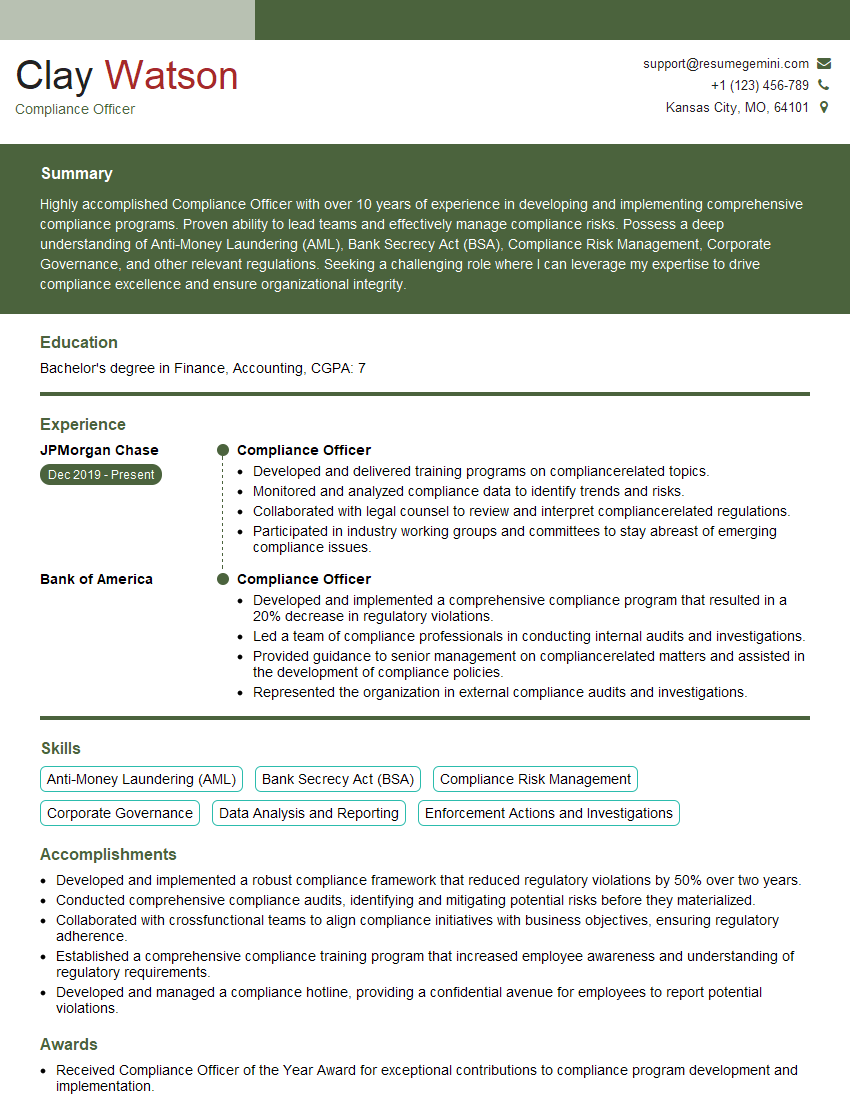
Compliance Officer Resume Sample
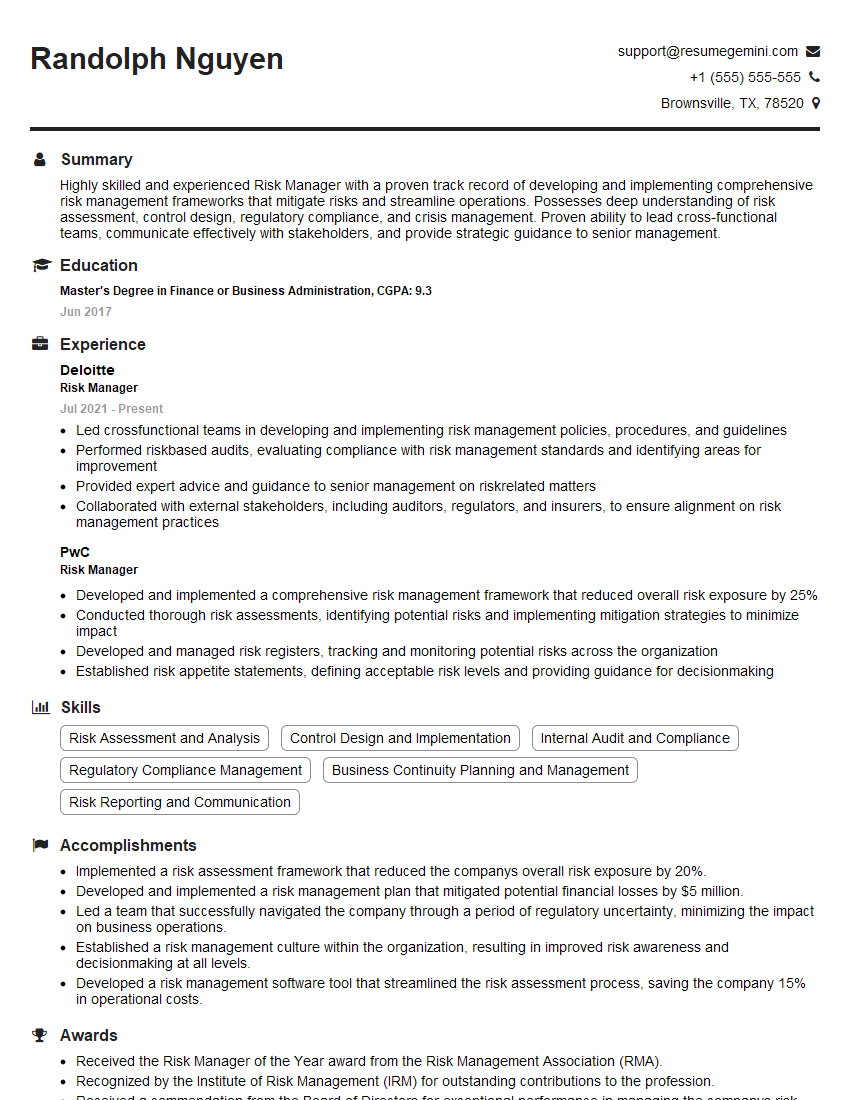
Risk Manager Resume Sample
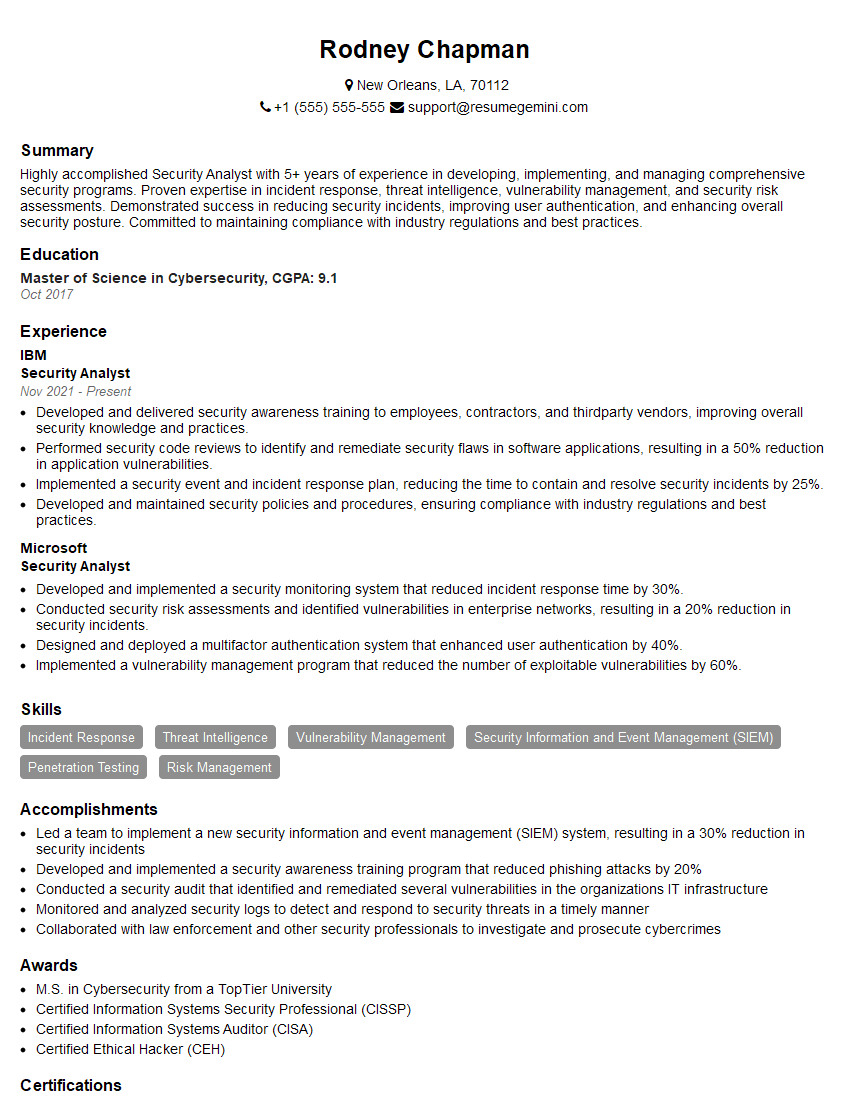
Security Analyst Resume Sample
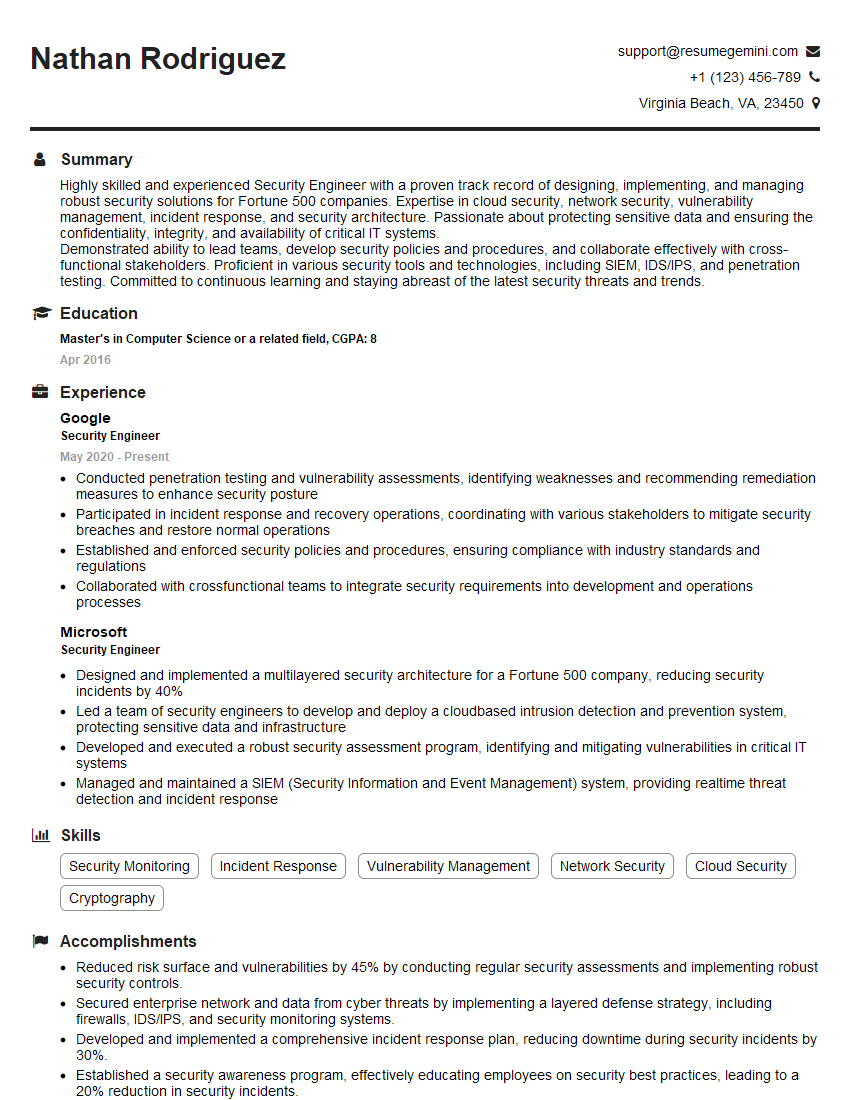
Security Engineer Resume Sample
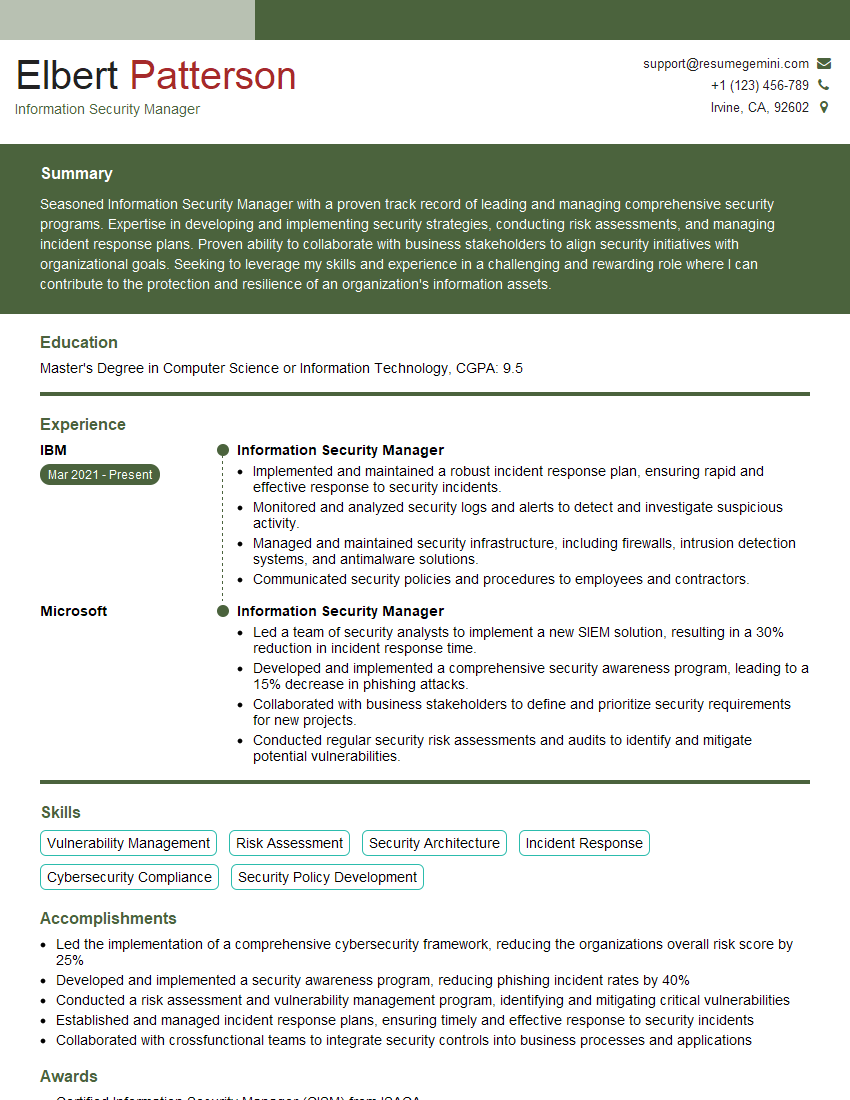
Information Security Manager Resume Sample
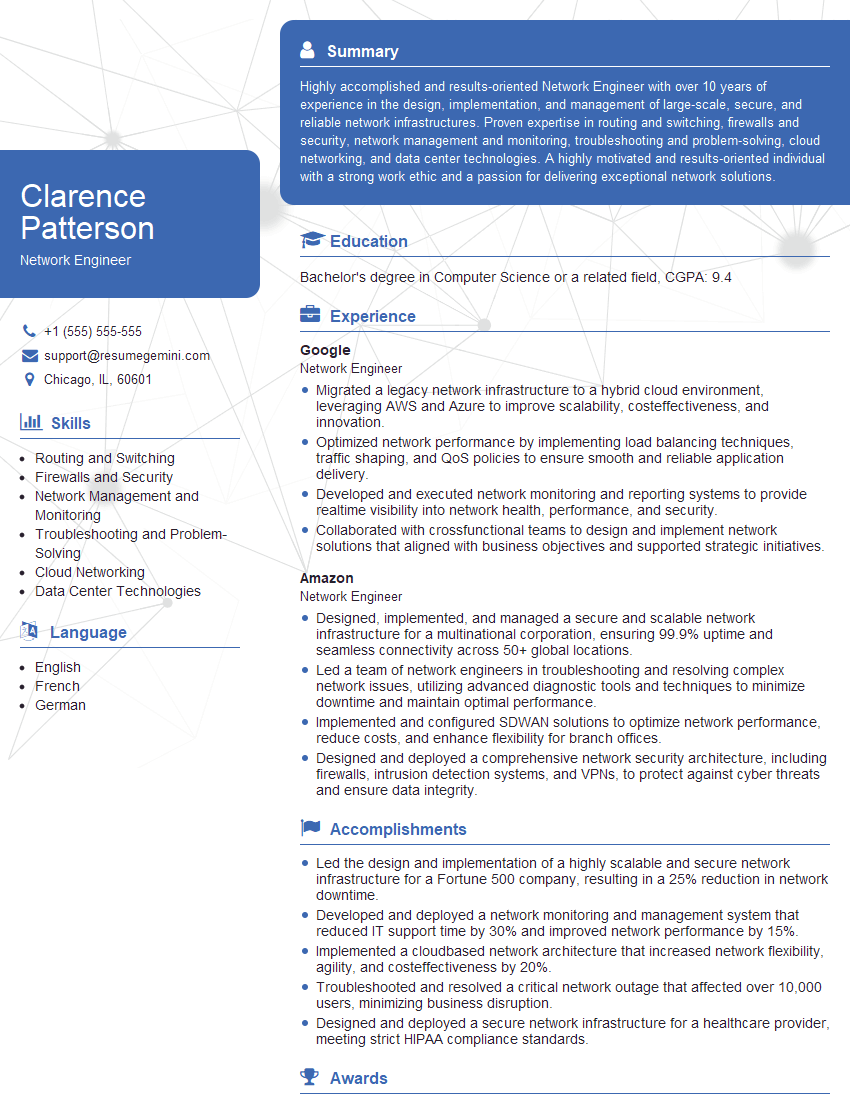
Network Engineer Resume Sample
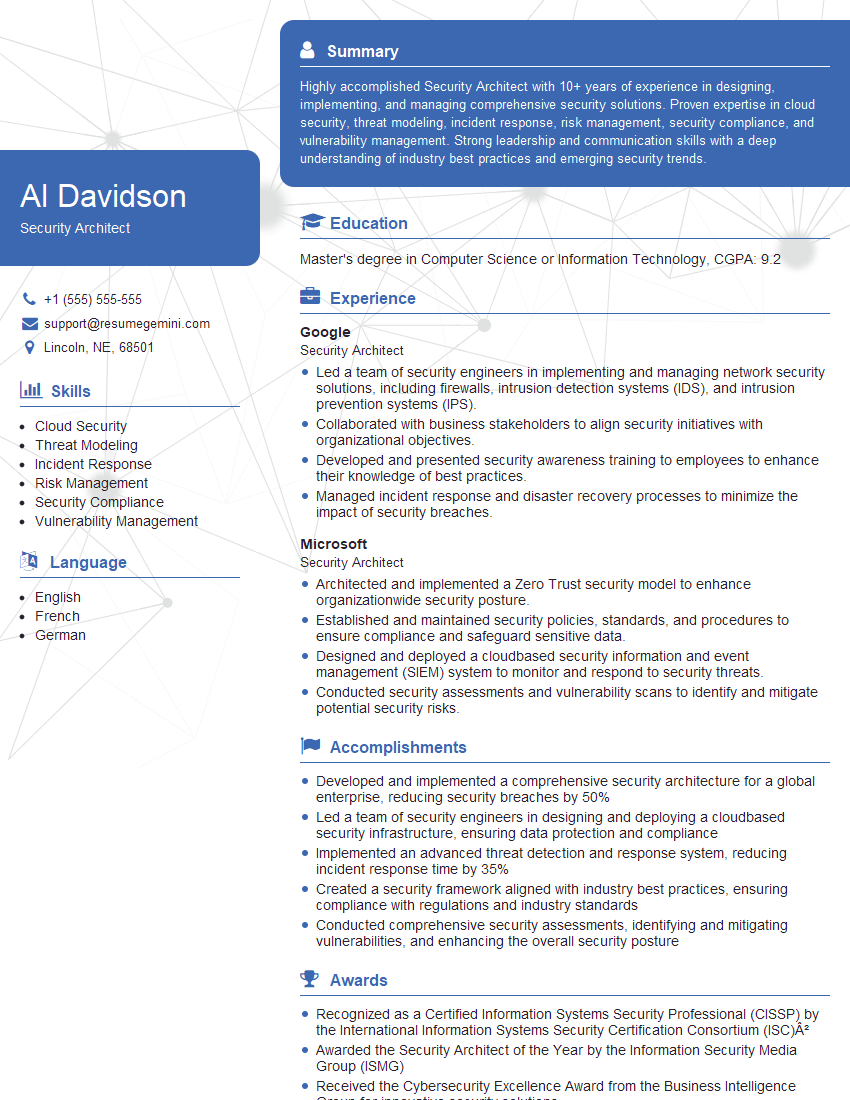
Security Architect Resume Sample
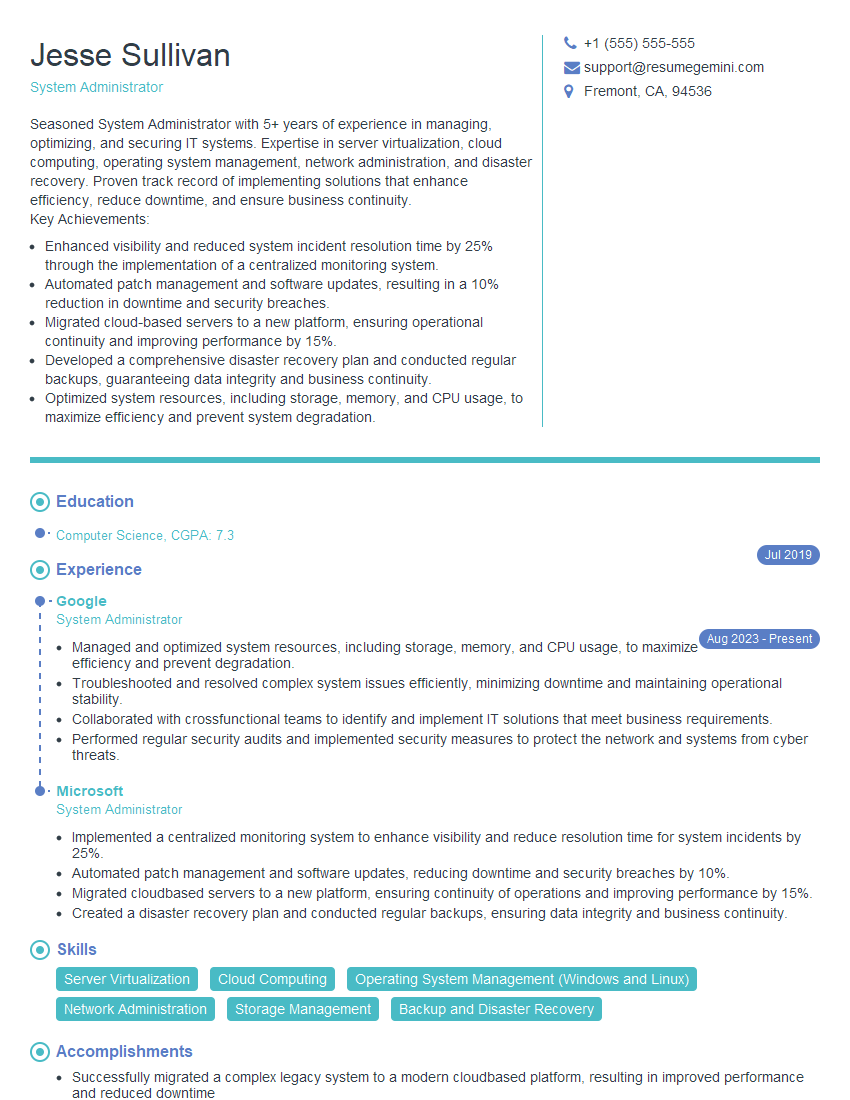
System Administrator Resume Sample
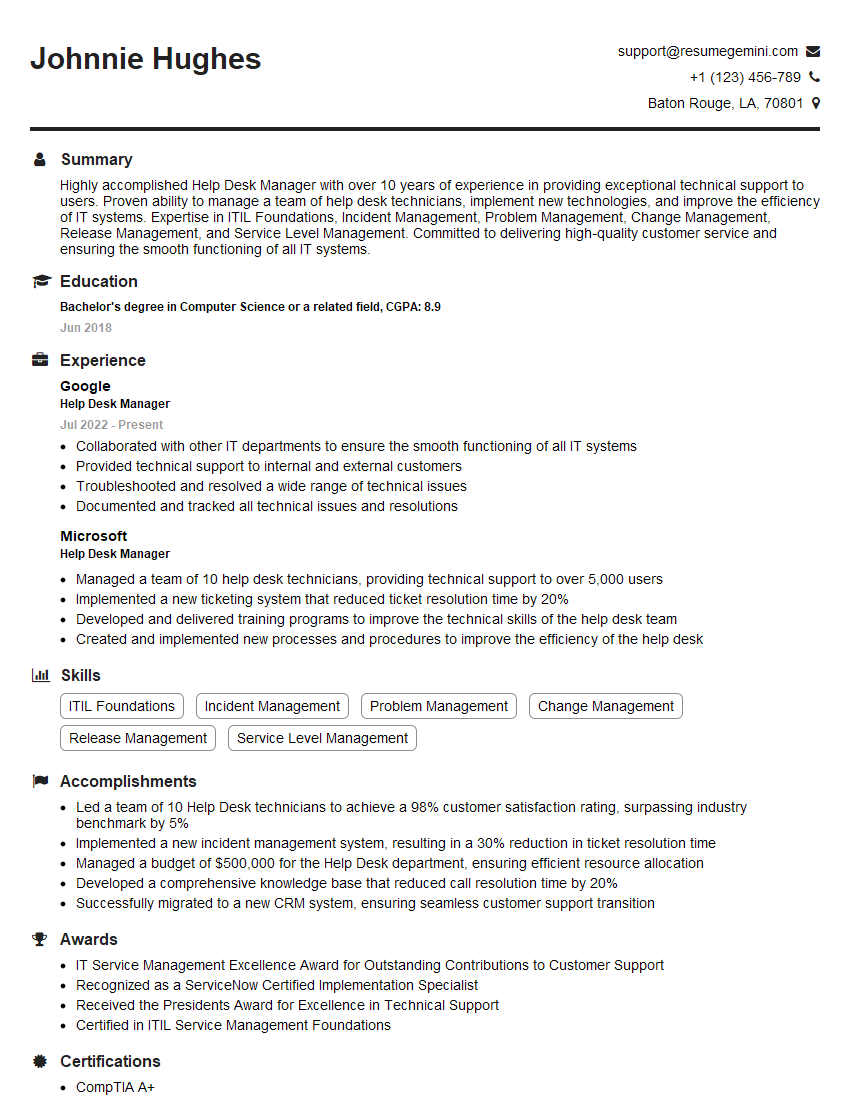
Help Desk Manager Resume Sample
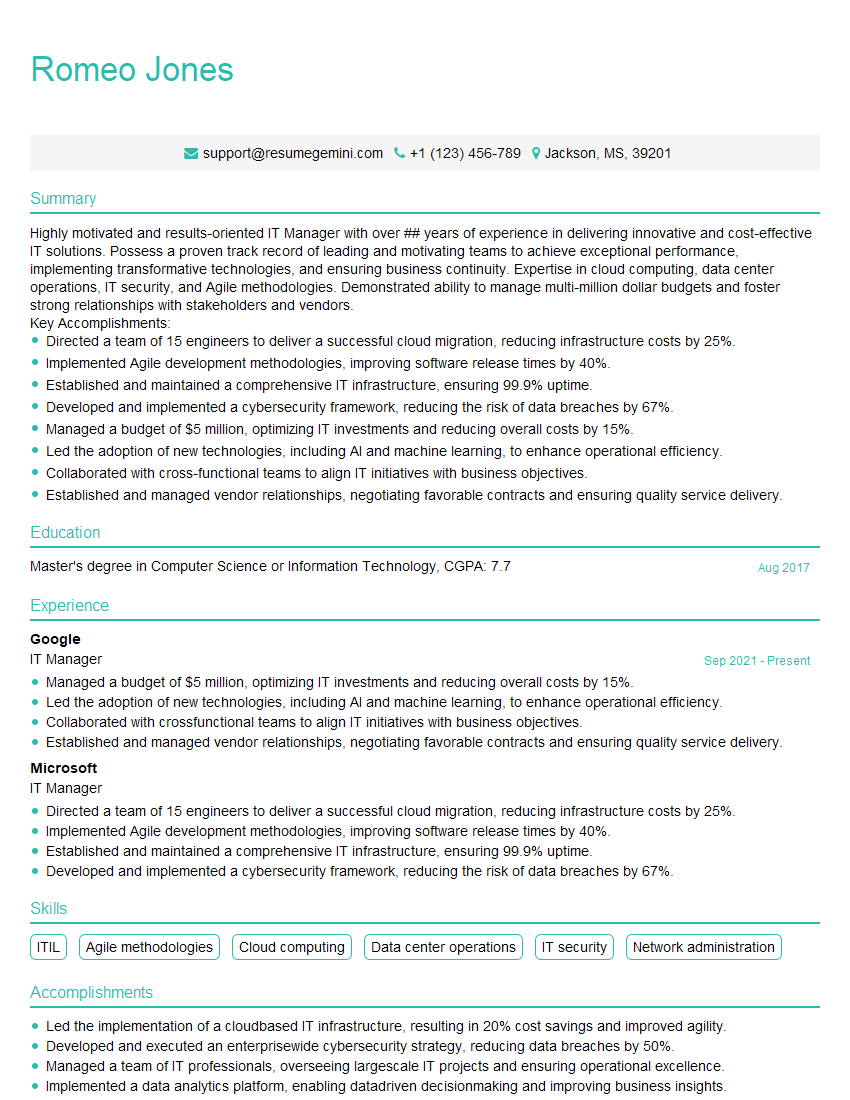
IT Manager Resume Sample

IT Security Specialist Resume Sample
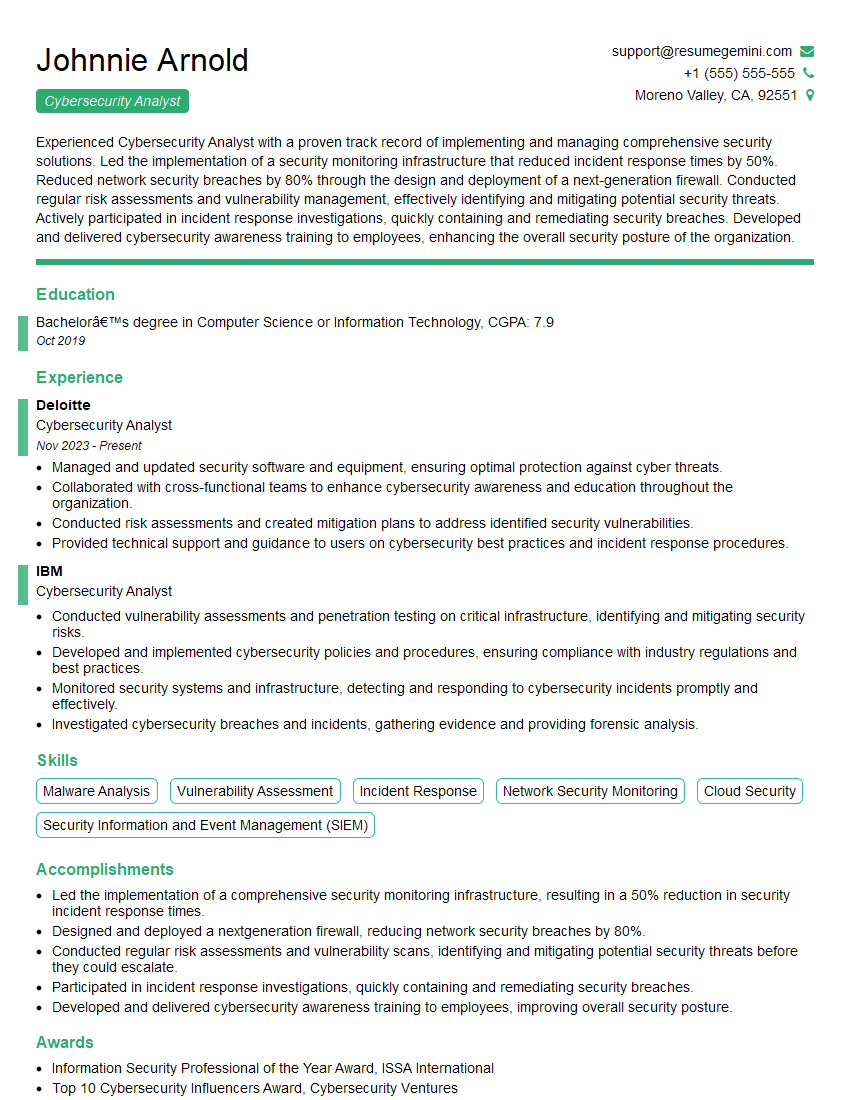
Cybersecurity Analyst Resume Sample
Explore more articles
Users Rating of Our Blogs
Share Your Experience
We value your feedback! Please rate our content and share your thoughts (optional).
What Readers Say About Our Blog
I Redesigned Spongebob Squarepants and his main characters of my artwork.
https://www.deviantart.com/reimaginesponge/art/Redesigned-Spongebob-characters-1223583608
IT gave me an insight and words to use and be able to think of examples
Hi, I’m Jay, we have a few potential clients that are interested in your services, thought you might be a good fit. I’d love to talk about the details, when do you have time to talk?
Best,
Jay
Founder | CEO