Interviews are more than just a Q&A session—they’re a chance to prove your worth. This blog dives into essential Shuttle Bus Driver interview questions and expert tips to help you align your answers with what hiring managers are looking for. Start preparing to shine!
Questions Asked in Shuttle Bus Driver Interview
Q 1. Describe your experience operating a shuttle bus.
I have over seven years of experience operating shuttle buses, encompassing various routes and passenger loads. This includes experience with both smaller, 15-passenger vans and larger, 30-passenger minibuses. My experience spans airport transfers, hotel shuttles, and event transportation. I’m proficient in all aspects of operation, from pre-trip inspections to safe and efficient driving, and passenger service. For example, during my time with City Express Shuttles, I consistently maintained a perfect on-time record for airport runs, even during peak traffic hours. I achieved this through careful route planning and proactive communication with dispatch.
Q 2. What is your experience with passenger loading and unloading procedures?
Passenger loading and unloading are critical for safety and efficiency. My procedure always starts with ensuring the bus is parked safely and securely, away from traffic, and at designated stops. I clearly announce the destination before passengers board, assist those needing help (elderly, disabled, or carrying heavy luggage), and make sure everyone is seated safely before departing. During unloading, I ensure passengers exit calmly and orderly, assisting with luggage as needed. I maintain a clear and visible path, preventing any congestion or accidents. For example, during a recent event, we transported several wheelchair-bound individuals. My careful and respectful approach ensured a smooth and safe experience for everyone.
Q 3. How do you maintain a safe driving record?
Maintaining a safe driving record requires a proactive and disciplined approach. This includes adhering strictly to traffic laws, performing regular vehicle inspections, and practicing defensive driving techniques. I always ensure my vehicle is in optimal condition; checking tires, brakes, lights, and wipers before each shift. I also prioritize ample rest, avoiding driving while fatigued. My clean driving record, spanning over seven years with no accidents or citations, reflects this commitment to safety.
Q 4. Explain your knowledge of defensive driving techniques.
Defensive driving is crucial for shuttle bus drivers. It’s about anticipating potential hazards and taking preventive measures to avoid accidents. This includes maintaining a safe following distance, scanning the road ahead and surroundings for potential dangers (pedestrians, cyclists, other vehicles), and adjusting speed accordingly. I regularly practice techniques like scanning mirrors frequently, signaling intentions clearly, and anticipating the actions of other drivers. For instance, if I see a car approaching an intersection quickly, I’ll slow down and prepare to stop, anticipating the possibility of them running a red light. It’s all about being prepared for the unexpected.
Q 5. How familiar are you with different types of shuttle buses?
My experience encompasses various shuttle bus types, including smaller passenger vans, larger minibuses, and even some wheelchair-accessible vehicles. I’m familiar with their unique operational characteristics, such as maneuverability, passenger capacity, and safety features. Understanding these differences is vital for safe and efficient operation. For example, I know that maneuvering a larger minibus in tight city streets requires more caution and skill than driving a smaller van. I also know how to properly secure wheelchairs and ensure the safety of passengers with disabilities.
Q 6. What is your experience with GPS navigation systems?
I’m highly proficient in using GPS navigation systems. I can input addresses quickly and accurately, understand real-time traffic updates, and adjust routes as needed. I rely on GPS not just for route finding, but also to optimize travel time and fuel efficiency. I’m comfortable with various GPS systems, including those integrated into the vehicle’s dashboard and independent mobile devices. For example, during a recent event with multiple stops, GPS navigation allowed me to efficiently manage the schedule and ensure all passengers were transported on time.
Q 7. How do you handle challenging passengers or situations?
Handling challenging passengers or situations requires patience, diplomacy, and a firm but respectful approach. If a passenger is disruptive, I address the situation calmly and professionally, trying to de-escalate the situation. If the problem persists, I’ll contact dispatch for assistance. For example, if a passenger is being verbally abusive, I’d calmly explain the bus rules and request that they refrain from such behavior. If they continue, I’d contact dispatch and follow company protocol. Safety is paramount, and if a passenger’s behavior poses a threat, I won’t hesitate to take necessary action.
Q 8. Describe your knowledge of traffic laws and regulations.
My understanding of traffic laws and regulations is comprehensive and constantly updated. I’m familiar with all applicable state and local laws governing commercial vehicle operation, including speed limits, right-of-way rules, and regulations concerning passenger safety. This includes a thorough knowledge of signage, lane usage, and safe following distances, particularly important when operating a larger vehicle like a shuttle bus. For example, I understand the specific regulations around transporting passengers in designated areas and the procedures for navigating intersections and multi-lane highways with a larger vehicle.
Beyond the basics, I’m aware of laws related to hours of service, driver fatigue management, and the proper use of safety devices like seatbelts and emergency lights. I regularly review updates to these regulations to ensure compliance. I consider ongoing education crucial for safe driving practices, and actively participate in safety training programs.
Q 9. What is your experience with pre-trip vehicle inspections?
Pre-trip vehicle inspections are an essential part of my routine and are conducted meticulously before every shift. I follow a standardized checklist, systematically examining all critical components of the shuttle bus. This involves checking tire pressure and tread depth, inspecting fluid levels (oil, coolant, brake fluid, windshield washer fluid), verifying the functionality of lights, brakes, wipers, and signaling devices. I also look for any signs of damage to the vehicle’s body, chassis, or tires, and I carefully check the condition of safety features like seatbelts and emergency exits.
If I find any issues, no matter how minor, I immediately report them to my supervisor and do not operate the vehicle until they are resolved. For instance, I once discovered a small leak in the coolant reservoir during a pre-trip inspection. I reported this immediately, and the maintenance team repaired it before I began my shift. This proactive approach ensures passenger safety and prevents potential breakdowns.
Q 10. How do you manage your time efficiently during a busy shift?
Managing time efficiently during a busy shift requires a combination of planning, prioritization, and flexibility. Before starting my shift, I review the schedule carefully and anticipate potential delays. I factor in traffic patterns, known congestion areas, and the number of passengers anticipated for each run. I always try to maintain a buffer time between scheduled pickups and drop-offs to account for unforeseen circumstances.
During the shift, I prioritize safety and adhere to the scheduled routes. I communicate proactively with dispatch about any delays or unexpected situations, allowing them to adjust the schedule accordingly. I also utilize efficient driving techniques, avoiding aggressive driving and unnecessary stops. Think of it like conducting an orchestra – I need to keep all the instruments (pickups, drop-offs, breaks, etc) playing in harmony, adjusting as needed to maintain the flow and keep the schedule running smoothly.
Q 11. How do you maintain the cleanliness of your shuttle bus?
Maintaining a clean shuttle bus is paramount for passenger comfort and safety. My cleaning routine involves regular trash removal, sweeping and vacuuming the floor, wiping down surfaces, and cleaning windows. I pay close attention to high-touch areas like seat belts, handrails, and door handles, ensuring these are regularly sanitized. I also frequently check for any spills or messes and immediately clean them up to maintain a hygienic environment.
I utilize appropriate cleaning products to avoid damaging the bus’s interior. For example, I use specialized cleaning solutions designed for vinyl and other bus materials. This comprehensive cleaning process not only enhances the passenger experience but also demonstrates respect for both the vehicle and the passengers.
Q 12. What is your experience handling emergencies or breakdowns?
Handling emergencies or breakdowns requires a calm and decisive approach. My training has equipped me to assess situations quickly and effectively. In case of a mechanical breakdown, I follow established safety protocols, ensuring the safety of my passengers. This includes activating hazard lights, pulling over to a safe location, and contacting dispatch immediately for assistance. I then calmly and clearly communicate with passengers, explaining the situation and addressing any concerns.
I’ve had experience dealing with flat tires and minor mechanical issues. On one occasion, I experienced a flat tire during a busy rush hour. I calmly moved the vehicle to a safe location, contacted dispatch, and assisted passengers in safely disembarking while awaiting roadside assistance. This experience reinforced the importance of pre-trip inspections and the need for quick, clear communication in emergencies.
Q 13. How do you communicate effectively with dispatch or management?
Effective communication with dispatch and management is crucial for efficient operations. I use clear and concise language, reporting any delays, issues, or unusual events promptly. I follow company procedures for reporting and documentation. This includes using designated communication channels like two-way radios or mobile apps to relay pertinent information.
For example, if I anticipate a delay due to heavy traffic, I inform dispatch in advance, providing an estimated time of arrival. I also seek clarity on any ambiguous instructions or changes to the schedule. This ensures everyone is on the same page and allows for proactive problem-solving.
Q 14. Describe your experience working with passengers with disabilities.
I have extensive experience working with passengers with disabilities. I’m familiar with accessibility regulations and practices, ensuring passengers have a safe and comfortable journey. I understand the importance of providing assistance with boarding and disembarking, securing wheelchairs or mobility aids, and accommodating any specific needs or requests. I always treat every passenger with courtesy and respect.
For instance, I’ve assisted passengers using wheelchairs by ensuring the ramp is properly deployed and securely fastening their wheelchairs. I am also trained in providing assistance to passengers with visual or hearing impairments and those with other disabilities, always prioritizing safety and dignity. My experience emphasizes patience and sensitivity in caring for passengers with diverse needs.
Q 15. How do you handle delays or unexpected traffic conditions?
Handling delays is crucial for maintaining a reliable shuttle service. My approach involves a combination of proactive planning and reactive adaptation. Before each shift, I thoroughly review the route and anticipated traffic patterns, checking for any scheduled road closures or events that might cause delays. This allows me to adjust my schedule slightly if needed, adding a few extra minutes to account for potential slowdowns.
If unexpected delays occur, such as heavy traffic or an accident, I immediately communicate the situation to the dispatch using our two-way radio. I provide them with an estimated arrival time based on current conditions. I also keep passengers informed, explaining the delay and its cause, and offering any available updates. I might suggest alternative routes (if feasible and safe), or provide relevant information to help them manage their time. For example, if a significant delay is anticipated, I might inform passengers of nearby amenities such as cafes or restrooms.
I’ve learned that transparency is key. Passengers are much more understanding when they know what’s going on. A calm and professional demeanor goes a long way in diffusing anxiety during delays. In one instance, a sudden road closure forced a significant detour. By proactively communicating the situation and offering alternative routes or estimated arrival times via the radio and direct passenger communication, I successfully managed the situation, maintaining a positive passenger experience despite the unforeseen circumstances.
Career Expert Tips:
- Ace those interviews! Prepare effectively by reviewing the Top 50 Most Common Interview Questions on ResumeGemini.
- Navigate your job search with confidence! Explore a wide range of Career Tips on ResumeGemini. Learn about common challenges and recommendations to overcome them.
- Craft the perfect resume! Master the Art of Resume Writing with ResumeGemini’s guide. Showcase your unique qualifications and achievements effectively.
- Don’t miss out on holiday savings! Build your dream resume with ResumeGemini’s ATS optimized templates.
Q 16. What is your experience with passenger ticketing or fare collection?
My experience with passenger ticketing and fare collection is extensive. I’m proficient in handling various ticketing systems, including electronic fare collection devices and manual ticketing methods. I’m adept at accurately processing fares, issuing tickets, and providing change. I understand the importance of maintaining accurate records and reconciling fares at the end of each shift. I also know how to handle situations like lost tickets, disputed fares, or passengers without sufficient funds, always ensuring courteous and professional interactions.
In my previous role, we utilized a computerized ticketing system where passengers could use credit cards, debit cards or mobile payment apps. I was responsible for troubleshooting any technical issues with the machine and providing assistance to passengers who were unfamiliar with the system. I also had experience with manual ticketing where I needed to accurately record each passenger’s payment. The key here is accuracy, efficiency, and a smile. A smooth and efficient fare collection process contributes greatly to a positive passenger experience.
Q 17. How do you ensure the safety and security of your passengers?
Passenger safety and security are my top priorities. This begins with pre-trip vehicle inspections to ensure the bus is mechanically sound and safe to operate. I always follow all traffic laws and maintain a safe driving speed and distance. I am also vigilant about road and passenger conditions, ensuring a secure boarding and disembarking process, especially assisting elderly passengers or those with mobility challenges.
I’m trained to handle emergency situations such as medical emergencies or accidents, knowing how to call for help, administer first aid if needed, and secure the scene until emergency personnel arrive. I’m knowledgeable about security protocols and will report any suspicious behavior or incidents to dispatch immediately. I also maintain a clean and well-maintained vehicle to prevent accidents and enhance the passenger experience. For example, I regularly check for any obstructions or hazards in the bus and ensure all safety features such as seat belts and emergency exits are functioning correctly.
Q 18. Describe your knowledge of various routes and schedules.
My knowledge of routes and schedules is comprehensive. I’m familiar with various routes, including their various stops, landmarks, and potential traffic challenges. I possess a strong understanding of the timetable and can easily adjust to schedule changes and unexpected circumstances. I utilize route maps and schedule documents effectively and am always up-to-date on any changes or updates.
In my previous position, I worked extensively across five different routes with varying schedules, including peak hours and weekend services. This required me to memorize the routes, the stop locations, and the associated schedules which I accomplished through consistent review, practical application, and collaboration with the dispatch team. I’m confident in my ability to navigate efficiently and effectively, while always prioritizing passenger comfort and adherence to the schedule.
Q 19. What is your experience using two-way radios or communication devices?
I have extensive experience using two-way radios and other communication devices. I am proficient in clear and concise communication, using proper radio etiquette, and understanding various communication protocols. I can effectively communicate important information, including delays, passenger issues, or emergencies, to dispatch or other relevant personnel. I also ensure that my radio communications remain professional and respectful at all times.
I’ve used two-way radios in various scenarios, from reporting traffic incidents to coordinating with other drivers for passenger transfers. The ability to quickly and accurately communicate ensures efficient operations and effective resolution of unexpected situations. For example, if a passenger has a medical emergency, clear communication with dispatch and emergency services is crucial, and proficient use of the two-way radio greatly assists in this crucial aspect.
Q 20. How do you adhere to company policies and procedures?
Adhering to company policies and procedures is paramount. I diligently follow all safety regulations, operating procedures, and code of conduct guidelines. I always maintain a professional appearance, ensuring my uniform is clean and presentable, and my conduct is courteous and respectful towards passengers and colleagues. I meticulously follow all safety checks before and after each shift, and meticulously maintain accurate records of my work, including time sheets and incident reports.
Company policies, whether regarding passenger interaction, vehicle maintenance, or emergency procedures, provide a framework for safe and efficient operations. Understanding and adhering to these policies ensures a consistent and professional service. For example, following the specific procedures for reporting an accident, including completing the necessary paperwork and cooperating with any investigations, is critical for ensuring accountability and safeguarding both the company and passengers.
Q 21. How do you handle passenger complaints or feedback?
Handling passenger complaints or feedback is a critical aspect of providing excellent customer service. I always listen attentively and empathetically to passenger concerns, maintaining a calm and professional demeanor. I try to address complaints immediately, offering solutions or apologies where appropriate. If the issue requires further attention, I document the details and escalate it to the appropriate supervisor or management.
In one instance, a passenger complained about a missed stop. I apologized sincerely, explained what happened (it was due to an unexpected detour), and offered to ensure they arrived at their destination promptly. I contacted dispatch to arrange a prompt return to the missed stop using an alternative route. I made every effort to rectify the situation while focusing on ensuring the passenger felt heard and valued. Positive resolution of complaints builds trust and maintains a positive image for the company.
Q 22. What is your experience working with different types of passengers?
Throughout my career as a shuttle bus driver, I’ve interacted with a diverse range of passengers, from young children and elderly individuals to business travelers and tourists. Each group presents unique challenges and communication needs. For example, I’ve learned the importance of patience and clear communication with elderly passengers who may require extra assistance boarding and disembarking the bus. With young children, safety and supervision are paramount, requiring constant vigilance and engaging communication to ensure their well-being. Business travelers often appreciate punctuality and a professional demeanor, while tourists might need more detailed directions and information about local attractions. Adapting my communication style and approach based on the passenger’s needs is key to providing excellent service.
- Elderly Passengers: Offering assistance with luggage, providing clear and slow announcements, and ensuring a comfortable ride.
- Children: Maintaining a safe environment, using clear and simple language, and engaging them in age-appropriate conversation while ensuring their safety.
- Business Travelers: Maintaining punctuality, offering a quiet and professional environment, and providing information related to their destination.
- Tourists: Providing clear directions, answering their questions about local attractions, and offering helpful suggestions.
Q 23. Explain your understanding of passenger capacity limits.
Passenger capacity limits are crucial for safety and legal compliance. Understanding these limits involves recognizing the maximum number of passengers allowed on the bus based on the vehicle’s specifications, including seating capacity and weight restrictions. For example, my previous role involved driving a shuttle bus with a seating capacity of 15 passengers. However, I was also aware of the bus’s overall weight limit, which prevented overloading, even if there were fewer than 15 passengers with heavy luggage. I always meticulously checked the passenger count before departure, ensuring no one was left behind and adhering strictly to the specified limitations to guarantee the safety of every passenger and prevent any mechanical issues related to overloading.
Ignoring capacity limits could result in serious consequences, including accidents, fines, and potential legal repercussions. Therefore, I prioritize passenger safety and legal compliance.
Q 24. How do you maintain accurate records and logs?
Maintaining accurate records and logs is essential for accountability and operational efficiency. This typically involves detailed record-keeping of daily trips, passenger counts, mileage, fuel consumption, and any incidents or unusual occurrences. In my previous roles, this included using both digital and paper-based logbooks. Digital logbooks often included GPS tracking, automatic mileage recording, and digital signature capture for passenger manifests. Paper logs involved meticulously recording all information by hand and maintaining them securely. These records are crucial for auditing, payroll calculations, scheduling maintenance, and investigating any potential issues.
For example, I’d meticulously record the departure and arrival times of each trip, the number of passengers boarded and disembarked at each stop, and the total mileage for the day. Any mechanical problems encountered during the day were also noted, along with the steps taken to address the problem.
Q 25. What is your experience with fuel efficiency and vehicle maintenance?
Fuel efficiency and vehicle maintenance are critical aspects of my role. To maximize fuel efficiency, I practice smooth driving techniques, avoiding harsh acceleration and braking. Regular vehicle inspections are crucial. I would perform pre-trip inspections to check tire pressure, fluid levels, lights, wipers, and overall vehicle condition. Observing fuel consumption patterns allowed me to identify potential mechanical issues early on. For example, a sudden drop in fuel efficiency could signal a problem with the engine, transmission, or tires, requiring immediate attention. By adhering to a preventive maintenance schedule, I helped to keep the vehicle running smoothly and extend its lifespan.
Maintaining proper vehicle maintenance also reduces the risk of breakdowns and enhances passenger safety. I reported any maintenance concerns promptly to the management team. This proactive approach minimizes downtime and ensures the safe and reliable operation of the shuttle bus.
Q 26. Describe your knowledge of emergency exits and safety procedures.
Knowledge of emergency exits and safety procedures is paramount. I’m familiar with the location of all emergency exits on the bus, including how to operate them in case of an emergency. I understand passenger evacuation procedures, how to assist passengers with disabilities, and where to direct passengers in case of fire or other emergencies. I’ve also received training on how to use a fire extinguisher and administer first aid in case of minor injuries. Regular safety drills reinforce my knowledge and ensure my preparedness in handling various emergency scenarios.
For instance, I’ve participated in drills simulating a sudden bus stop and an evacuation due to a fire. This hands-on training helped me to become adept at effectively guiding passengers to safety.
Q 27. How do you handle challenging weather conditions while driving?
Driving in challenging weather conditions requires extra caution and skill. For instance, in heavy rain or snow, I reduce speed, increase following distance, and use caution when braking. I’m also aware of the potential for hydroplaning and adjust my driving style accordingly. In strong winds, I maintain a firm grip on the steering wheel and remain vigilant for sudden gusts that can affect the bus’s stability. Before operating in severe weather, I ensure that the vehicle’s wipers, lights, and tires are in optimal condition. I also stay informed about current weather forecasts and adjust my driving schedule or routes as necessary to prioritize passenger safety.
I prioritize passenger safety above all else in inclement weather. If conditions are too dangerous, I wouldn’t hesitate to delay or cancel the trip until conditions improve.
Q 28. What are your salary expectations for this role?
My salary expectations are commensurate with my experience, skills, and the demands of this role. Considering my extensive experience, proven track record of safe driving, and excellent customer service skills, I’m seeking a competitive salary within the range of [Insert Salary Range Here]. I’m confident that my contributions will significantly benefit your organization.
Key Topics to Learn for Shuttle Bus Driver Interview
- Safety Procedures and Regulations: Understanding and adhering to all relevant safety regulations, including pre-trip inspections, passenger loading and unloading procedures, and emergency response protocols.
- Defensive Driving Techniques: Applying defensive driving strategies to ensure passenger safety and prevent accidents, including maintaining a safe following distance, anticipating potential hazards, and responding appropriately to challenging driving conditions.
- Route Planning and Navigation: Familiarity with route planning and navigation skills, including understanding maps, using GPS devices, and adapting to unexpected traffic delays or route changes.
- Customer Service and Communication: Mastering effective communication skills to provide excellent customer service, addressing passenger inquiries and concerns politely and professionally, and maintaining a positive and courteous demeanor.
- Vehicle Maintenance and Operation: Basic understanding of vehicle maintenance and operation, including recognizing potential mechanical issues, performing routine checks, and reporting any necessary repairs.
- Passenger Handling and Management: Developing skills in managing passenger behavior, addressing conflicts calmly and professionally, and ensuring a safe and comfortable environment for all passengers.
- Time Management and Punctuality: Demonstrating excellent time management skills to ensure adherence to schedules, manage delays effectively, and maintain punctuality in picking up and dropping off passengers.
- Problem-Solving and Decision-Making: Ability to quickly assess and resolve unexpected situations, make informed decisions under pressure, and handle emergencies effectively and safely.
Next Steps
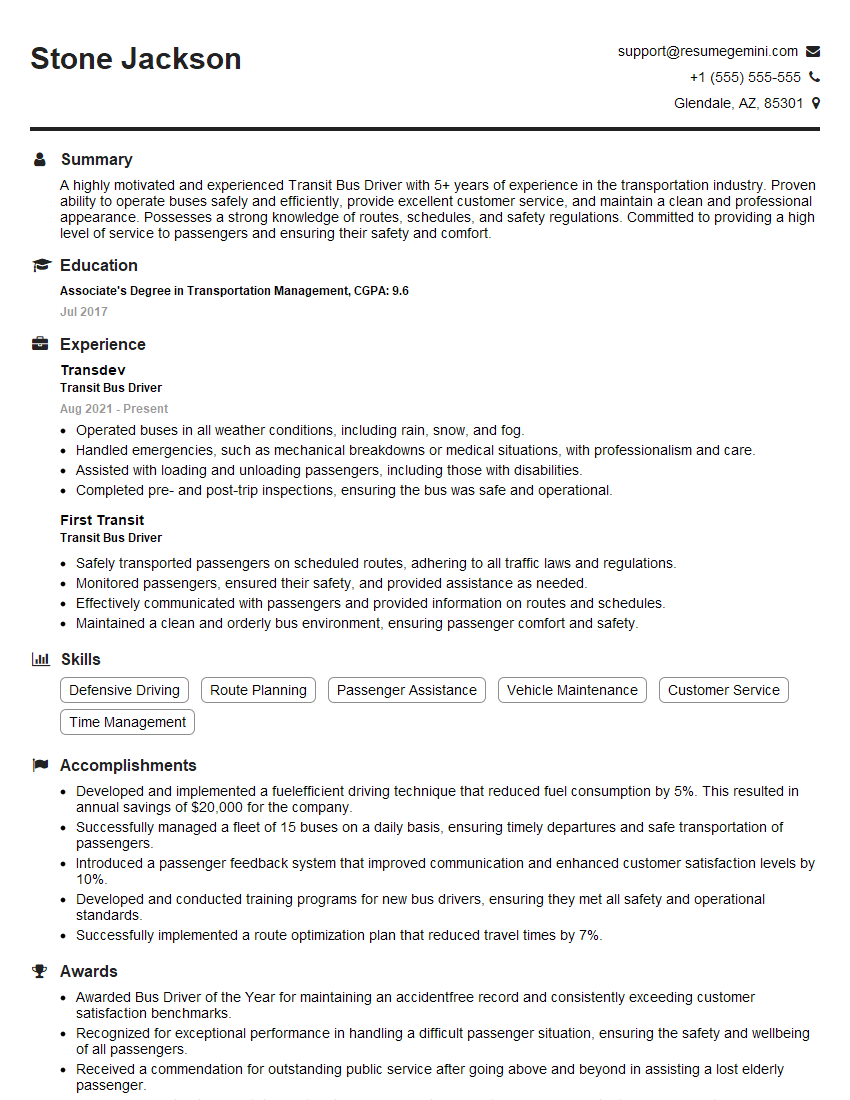
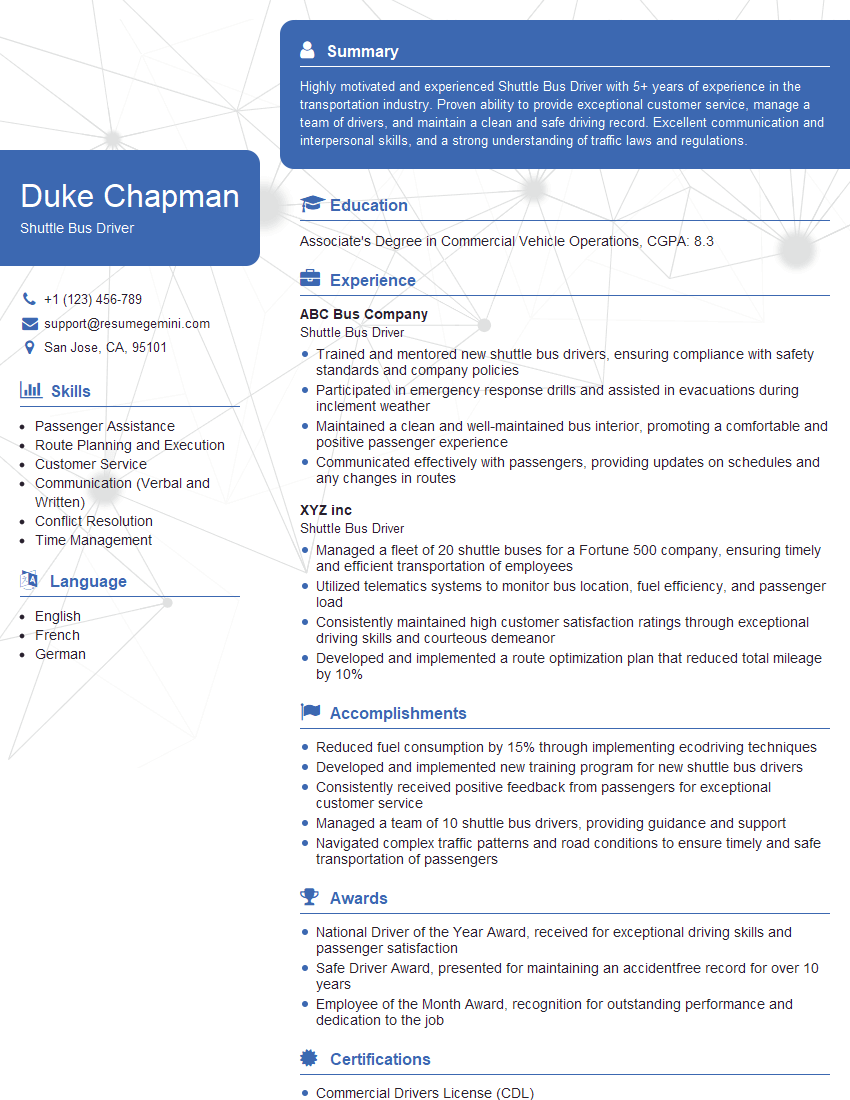
Mastering the skills required for a Shuttle Bus Driver position opens doors to a stable and rewarding career with opportunities for advancement. A well-crafted resume is crucial for showcasing your qualifications and securing your desired role. Creating an ATS-friendly resume is essential to ensure your application gets noticed by potential employers. We highly recommend using ResumeGemini to build a professional and effective resume that highlights your skills and experience. ResumeGemini provides examples of resumes tailored to the Shuttle Bus Driver position to help guide you through the process.
Explore more articles
Users Rating of Our Blogs
Share Your Experience
We value your feedback! Please rate our content and share your thoughts (optional).
What Readers Say About Our Blog
I Redesigned Spongebob Squarepants and his main characters of my artwork.
https://www.deviantart.com/reimaginesponge/art/Redesigned-Spongebob-characters-1223583608
IT gave me an insight and words to use and be able to think of examples
Hi, I’m Jay, we have a few potential clients that are interested in your services, thought you might be a good fit. I’d love to talk about the details, when do you have time to talk?
Best,
Jay
Founder | CEO