Every successful interview starts with knowing what to expect. In this blog, we’ll take you through the top Strong analytical and communication abilities interview questions, breaking them down with expert tips to help you deliver impactful answers. Step into your next interview fully prepared and ready to succeed.
Questions Asked in Strong analytical and communication abilities Interview
Q 1. Describe your approach to analyzing complex datasets.
My approach to analyzing complex datasets is systematic and iterative. It begins with a deep understanding of the business problem the data is intended to solve. This ensures I focus my analysis on the most relevant aspects. I then follow a structured process:
- Data Exploration and Cleaning: I start by exploring the data using descriptive statistics and visualization techniques to understand its structure, identify missing values, outliers, and inconsistencies. This often involves using tools like Python’s Pandas and visualization libraries like Matplotlib and Seaborn.
- Feature Engineering: I carefully consider which variables are most relevant and transform them as needed. This might involve creating new features from existing ones, scaling numerical variables, or converting categorical variables into numerical representations (one-hot encoding, etc.).
- Model Selection and Training: Based on the nature of the problem (e.g., classification, regression, clustering), I select appropriate analytical methods. This could range from simple linear regression to more sophisticated machine learning algorithms. I then train and evaluate these models using rigorous techniques like cross-validation.
- Interpretation and Communication: Finally, I translate the model’s results into actionable insights, communicating them clearly and concisely, often through visualizations and concise reports. The goal is to help decision-makers understand the implications of the analysis and make informed decisions.
For instance, if analyzing customer churn data, I’d start by understanding the business definition of churn and identify key factors that might contribute to it before delving into statistical modeling.
Q 2. How do you identify and prioritize key information when presented with large amounts of data?
Identifying and prioritizing key information from large datasets is crucial. I use a multi-pronged approach:
- Define Clear Objectives: Before diving into the data, I clearly define the business questions or hypotheses I’m trying to answer. This helps me focus my efforts on the most relevant data points.
- Data Visualization: Visualizations like histograms, scatter plots, and heatmaps help identify patterns, correlations, and outliers quickly. They’re far more effective than just staring at spreadsheets.
- Statistical Analysis: I use statistical techniques such as correlation analysis, hypothesis testing, and ANOVA to identify statistically significant relationships between variables. This helps quantify the importance of different pieces of information.
- Data Filtering and Aggregation: I often filter the data to focus on specific subsets or aggregate data to a higher level (e.g., from individual transactions to monthly totals) to highlight key trends.
- Prioritization Matrix: For complex projects with numerous variables, I use a prioritization matrix (like a weighted scoring system) to rank variables based on their potential impact and ease of analysis.
For example, if analyzing website traffic data, I’d first define metrics like conversion rates and bounce rates. Then, I’d use visualizations to see which pages have high bounce rates, and statistical analysis to determine if there is a correlation between specific user demographics and conversion rates.
Q 3. Explain a time you had to interpret and communicate complex data to a non-technical audience.
In a previous role, I analyzed the effectiveness of a new marketing campaign. The data involved thousands of customer interactions, website activity, and sales figures. While I could easily interpret the statistical significance of the results (e.g., a 15% increase in conversion rates), presenting this to non-technical stakeholders required a different approach.
Instead of using statistical jargon, I created a presentation using simple charts and graphs showing the overall increase in sales and website traffic. I used clear, concise language, focusing on the business impact rather than the technical details of the analysis. For instance, instead of saying “the p-value was less than 0.05,” I stated “the results show a statistically significant increase in sales.” I also used analogies and real-world examples to make the data more relatable. The presentation resulted in a positive outcome, securing further investment for similar campaigns.
Q 4. How do you ensure the clarity and accuracy of your communication, both written and verbal?
Clarity and accuracy are paramount. For written communication, I use clear, concise language, avoiding jargon where possible. I structure my reports logically, using headings, subheadings, and bullet points to improve readability. I always proofread carefully to catch any errors. For verbal communication, I practice active listening to ensure I understand the audience’s needs. I tailor my language to their level of technical expertise, using simple analogies and examples when necessary. I also use visual aids to support my verbal explanations. Before presenting, I practice my delivery to ensure a confident and clear presentation.
Regular feedback and reviews of my communications help ensure continuous improvement. This can involve peer reviews or seeking feedback from the recipients of my communications.
Q 5. Describe your process for identifying the root cause of a problem.
My process for identifying the root cause of a problem is based on a structured approach, often incorporating elements of the “5 Whys” technique and fault tree analysis.
- Define the Problem: Clearly and concisely define the problem, gathering as much relevant information as possible.
- Gather Data: Collect data related to the problem, including relevant logs, metrics, and anecdotal evidence.
- Analyze Data: Use various analytical methods, such as data visualization and statistical analysis, to identify patterns and potential causes.
- Identify Potential Root Causes: Based on the data analysis, list possible root causes.
- Test Hypotheses: Systematically test each potential root cause using experiments, simulations, or further data analysis.
- Verify Root Cause: Once a root cause is identified, verify it through additional evidence and analysis.
- Develop Solutions: Develop and implement solutions to address the identified root cause.
For example, if a website experiences a sudden drop in traffic, I’d systematically investigate potential causes like server issues, SEO problems, or changes in marketing campaigns. Each potential cause would be tested with further data analysis or experiments.
Q 6. How do you handle conflicting information or data discrepancies?
Conflicting information or data discrepancies are common in data analysis. My approach involves:
- Investigate the Source: Determine the source of each conflicting data point. This might involve checking data integrity, reviewing data collection methods, or contacting data providers.
- Assess Data Quality: Evaluate the reliability and accuracy of each data source. Consider factors such as data collection methods, potential biases, and the age of the data.
- Identify Potential Errors: Check for data entry errors, measurement errors, or inconsistencies in data processing.
- Reconcile Discrepancies: Use data visualization and statistical techniques to identify patterns and trends that might help explain the discrepancies. Sometimes, weighting different sources based on reliability is necessary.
- Document Findings: Document the sources of conflict, the methods used to resolve them, and the rationale behind the chosen solution.
If discrepancies cannot be resolved, I clearly document the uncertainties and their potential implications in my analysis and recommendations.
Q 7. Give an example of how you used data analysis to solve a business problem.
In a previous project, our e-commerce company experienced a significant drop in conversion rates. Using data analytics, I helped identify and solve the problem.
I began by analyzing website traffic data, user behavior, and sales figures. I identified a correlation between increased bounce rates on the product page and the drop in conversion rates. Further analysis revealed that the new product images were of poor quality, leading users to leave the site quickly. I used A/B testing to compare the old and new images, confirming this hypothesis. The old, higher-quality images were reinstated, leading to a significant improvement in conversion rates within a week. This example demonstrates how data analysis, combined with a structured problem-solving approach, can lead to effective solutions for business challenges.
Q 8. How do you effectively communicate your findings and recommendations to stakeholders?
Effective communication of findings and recommendations to stakeholders involves tailoring the message to the audience’s understanding and needs. I begin by understanding their level of technical expertise and their primary concerns. My approach then centers around clarity, conciseness, and compelling visualization.
- Clear and Concise Summary: I start with a brief executive summary highlighting the key findings and recommendations, using plain language devoid of jargon.
- Visualizations: I utilize charts, graphs, and dashboards to present complex data in an easily digestible format. A picture is worth a thousand words, especially when dealing with numbers. For instance, a bar chart effectively illustrates comparisons, while a line chart showcases trends over time.
- Storytelling Approach: I weave the data and analysis into a narrative, emphasizing the implications of the findings and how the recommendations address the stakeholders’ concerns. This helps them connect with the information on an emotional and intellectual level.
- Interactive Presentations: Depending on the audience and context, I might opt for interactive presentations that allow for questions, discussions, and real-time feedback, fostering collaboration and shared understanding.
- Written Report: For a more formal approach, a detailed written report provides a comprehensive record of the analysis, methodology, and recommendations. This can also serve as a reference document for future use.
For example, in a project for a retail client, instead of simply presenting sales figures, I created a map visualizing sales performance across different regions, highlighting underperforming areas and guiding recommendations for targeted marketing campaigns.
Q 9. How do you adapt your communication style to different audiences?
Adapting communication style involves recognizing the audience’s background, technical expertise, and preferred communication channels. My approach is flexible and relies on empathy and active listening.
- Technical vs. Non-Technical Audiences: When communicating with technical stakeholders (e.g., engineers, data scientists), I use precise technical terminology and detailed explanations. With non-technical audiences (e.g., executives, marketing teams), I focus on high-level summaries, visualizations, and plain language, avoiding jargon.
- Formal vs. Informal Settings: I adjust my tone and language accordingly. A formal presentation to the board requires a professional and structured approach, while a team meeting might allow for a more relaxed and interactive discussion.
- Communication Channels: I choose the appropriate communication channels, such as email for brief updates, presentations for formal reports, or workshops for interactive sessions.
- Active Listening: I actively listen to the audience’s questions and feedback to adjust my communication style in real-time, ensuring that the message is received and understood correctly.
For instance, when explaining a complex statistical model to a group of executives, I focused on the key insights and implications rather than the technical details of the model. I used simple analogies and clear visualizations to convey the core message.
Q 10. Describe a situation where you had to persuade someone to adopt a different perspective.
In a previous project, I had to persuade a team resistant to adopting a new data analysis technique (a more efficient machine learning algorithm) that they had been using a less effective traditional method. They were comfortable with their current methodology and hesitant to learn a new approach.
- Data-Driven Demonstration: I presented a side-by-side comparison of results obtained using both methods, clearly demonstrating the superior accuracy and efficiency of the new technique through concrete metrics and visualizations.
- Addressing Concerns: I proactively addressed their concerns regarding the learning curve by providing hands-on training and support. I emphasized the long-term benefits of increased efficiency and improved accuracy.
- Collaborative Approach: Instead of imposing the new technique, I fostered a collaborative environment by inviting them to participate in testing and refining the new methodology, making them feel invested in the process.
- Highlighting Value: I stressed the value proposition of the new technique, highlighting how it would free up their time for higher-value tasks and improve the overall quality of their work.
Through this approach, I was able to demonstrate the value proposition of the new technique, effectively persuading them to adopt it and resulting in improved project efficiency and better outcomes.
Q 11. How do you handle constructive criticism related to your communication or analysis?
I view constructive criticism as an invaluable opportunity for growth and improvement. I approach it with a receptive and positive attitude.
- Active Listening: I listen attentively to the feedback, clarifying any points I don’t fully understand.
- Seeking Clarification: If necessary, I ask clarifying questions to ensure I fully grasp the critic’s concerns.
- Self-Reflection: I reflect on the feedback, identifying areas where I could improve my communication or analysis.
- Actionable Steps: I develop actionable steps to address the constructive criticism. This might involve refining my communication style, enhancing data visualization, or improving my analytical approach.
- Following Up: I follow up with the person who provided the feedback, demonstrating my willingness to learn and improve.
For example, if feedback indicated that my visualizations were too complex, I would revise them to be simpler and more direct. This iterative process allows for continuous improvement in communication and analytical skills.
Q 12. How do you use data visualization to communicate complex information effectively?
Data visualization is crucial for effectively communicating complex information. I leverage various techniques to ensure clarity and impact.
- Choosing the Right Chart Type: Selecting the appropriate chart type (bar charts, line charts, scatter plots, heatmaps, etc.) is critical for conveying the data accurately. Each chart type has its strengths and weaknesses in representing different types of data.
- Clarity and Simplicity: I prioritize clarity and simplicity in my visualizations. Avoid clutter and unnecessary details; focus on conveying the key message effectively. Clean aesthetics contribute to understanding.
- Interactive Visualizations: For complex datasets, interactive dashboards allow stakeholders to explore the data at their own pace, filtering and drilling down into specific aspects of interest.
- Data Storytelling: Integrating visualizations into a narrative helps to provide context and meaning to the data, making it more engaging and memorable. Data storytelling enhances understanding.
- Accessibility: Ensuring visualizations are accessible to all stakeholders, including those with visual impairments, is crucial. Consider using alternative text descriptions for images.
For instance, when presenting financial data to executives, I might use a combination of bar charts to show year-over-year growth and a line chart to illustrate trends over time. This combination provides a comprehensive overview of the financial performance.
Q 13. Explain your experience with different data analysis tools and techniques.
My experience encompasses a wide range of data analysis tools and techniques. I am proficient in both statistical software and programming languages.
- Statistical Software: I am experienced using statistical software packages such as SPSS, R, and SAS for descriptive statistics, hypothesis testing, regression analysis, and other statistical modeling techniques.
Ris particularly versatile for data manipulation and visualization. - Programming Languages: I am proficient in Python and SQL. Python, with libraries like Pandas and NumPy, is excellent for data manipulation and analysis, while SQL is crucial for data extraction and management from relational databases.
SELECT * FROM sales_data WHERE region = 'North';is a simple SQL query. - Data Visualization Tools: I utilize tools like Tableau and Power BI for creating interactive dashboards and visualizations to effectively communicate insights derived from the analysis. These tools facilitate clear and compelling data storytelling.
- Machine Learning Techniques: I have experience applying machine learning techniques, including regression, classification, and clustering algorithms, to solve complex business problems and make predictions. For instance, I have used regression models to forecast sales.
My skillset allows me to adapt to different analytical needs, choosing the most appropriate tools and techniques for each project. I continuously learn and update my skills to keep up with the latest advancements in data analysis.
Q 14. Describe a time you had to make a critical decision based on incomplete data.
In a project involving the launch of a new product, we faced incomplete sales data due to technical glitches in the initial weeks. A critical decision needed to be made regarding marketing budget allocation.
- Data Triangulation: Despite incomplete sales data, we utilized available data from other sources, such as pre-launch surveys, website traffic, and social media engagement, to gain a more holistic view of the product’s performance.
- Scenario Planning: We developed several scenarios based on different assumptions about the missing sales data, ranging from optimistic to pessimistic projections. This helped us to anticipate various possibilities.
- Risk Assessment: We carefully assessed the risks associated with each decision, weighing the potential benefits against the potential drawbacks.
- Adaptive Approach: We opted for a conservative approach, allocating the marketing budget gradually, allowing us to adapt our strategy based on incoming data and continuously monitor the situation. This allowed us to learn from incomplete data and react flexibly.
While the incomplete data presented challenges, our methodical approach, incorporating various data sources and scenario planning, enabled us to make an informed decision, minimizing risk and maximizing the chances of a successful product launch.
Q 15. How do you manage your time when working on multiple projects with competing deadlines?
Effective time management when juggling multiple projects hinges on strategic planning and prioritization. I utilize a combination of techniques, including project management software (like Jira or Asana) to visually track deadlines and progress. I break down large projects into smaller, manageable tasks, assigning each a realistic timeframe. This allows me to see the bigger picture while focusing on immediate priorities.
For example, I might use a Kanban board to visualize the workflow of several projects concurrently. This allows me to easily identify bottlenecks and re-allocate resources as needed. Furthermore, I schedule dedicated blocks of time for specific projects, minimizing context switching and maximizing focus. Regular review and adjustment of my schedule is crucial to adapt to unexpected delays or urgent requests. This proactive approach ensures that I meet deadlines without feeling overwhelmed.
Career Expert Tips:
- Ace those interviews! Prepare effectively by reviewing the Top 50 Most Common Interview Questions on ResumeGemini.
- Navigate your job search with confidence! Explore a wide range of Career Tips on ResumeGemini. Learn about common challenges and recommendations to overcome them.
- Craft the perfect resume! Master the Art of Resume Writing with ResumeGemini’s guide. Showcase your unique qualifications and achievements effectively.
- Don’t miss out on holiday savings! Build your dream resume with ResumeGemini’s ATS optimized templates.
Q 16. How do you prioritize tasks when dealing with a high volume of information and requests?
Prioritizing tasks amidst a high volume of information and requests requires a structured approach. I employ a combination of methods, including the Eisenhower Matrix (urgent/important), MoSCoW method (must have, should have, could have, won’t have), and value-based prioritization. I assess each task based on its urgency, impact, and alignment with overall goals. Urgent and high-impact tasks take precedence, followed by those aligned with strategic objectives.
For instance, if I receive a flurry of requests, I’ll quickly assess each one, assigning it a priority level. Critical security issues would naturally rank higher than less urgent feature requests. This method ensures that I focus my efforts where they have the greatest effect. Regularly reviewing my prioritized list and adjusting it based on new information ensures that my efforts remain aligned with evolving needs.
Q 17. Describe a time you had to explain a complex technical issue to a non-technical audience.
During a project involving a complex database migration, I had to explain the process and potential risks to a group of non-technical stakeholders. Instead of relying on technical jargon, I used analogies and visual aids. I explained the process like moving furniture from one house to another, highlighting the potential for breakage (data loss) if not handled carefully.
I used a simple diagram to illustrate the steps involved, focusing on the outcome—a more efficient and reliable system—rather than the intricate technical details. I also prepared a FAQ document addressing common concerns in simple language. This approach made the complex technical issue accessible and understandable, resulting in informed decision-making by the stakeholders.
Q 18. How do you ensure your written communication is concise, clear and effective?
Concise, clear, and effective written communication requires careful planning and execution. I start by defining my objective: What message do I want to convey? Then, I structure my writing logically, using clear headings, bullet points, and short paragraphs to break down complex information. I avoid jargon and technical terms unless absolutely necessary, ensuring the language is accessible to the intended audience.
Before sending any communication, I always proofread carefully for grammatical errors and clarity. I often ask a colleague to review my writing for a fresh perspective. This multi-step approach ensures that my written communication is not only accurate but also easily understood and impactful.
Q 19. How do you maintain professional communication in challenging or stressful situations?
Maintaining professional communication during challenging or stressful situations requires emotional intelligence and a proactive approach. I focus on active listening, seeking to understand the other person’s perspective before responding. I consciously avoid emotional reactions, choosing instead to communicate calmly and assertively. I use ‘I’ statements to express my concerns without placing blame.
For example, if a project is falling behind schedule, I would calmly explain the situation, outlining the challenges and proposing solutions rather than assigning blame. Maintaining a respectful tone and focusing on collaboration helps de-escalate tension and find mutually beneficial solutions.
Q 20. Describe a situation where you had to deal with a difficult stakeholder.
I once worked with a stakeholder who had unrealistic expectations and a demanding communication style. To manage this, I established clear communication channels and regular check-ins. I proactively provided updates, addressing their concerns promptly and transparently. I focused on presenting data and facts to support my recommendations, rather than engaging in unproductive arguments.
When disagreements arose, I actively listened to their concerns, seeking common ground. By focusing on collaboration and shared goals, I was able to navigate the challenges and maintain a professional working relationship. This experience reinforced the importance of proactive communication, data-driven decision-making, and focusing on shared objectives when dealing with challenging stakeholders.
Q 21. How do you ensure your presentations are engaging and informative?
Engaging and informative presentations require careful planning and execution. I begin by defining my audience and tailoring the content to their level of understanding and interests. I use storytelling to connect with the audience, making the information relatable and memorable. I incorporate visual aids like charts, graphs, and images to break up large blocks of text and keep the audience engaged.
I practice my presentation beforehand to ensure a smooth delivery and confident presentation style. I also build in opportunities for audience interaction, such as Q&A sessions or interactive exercises, to keep them involved and to gauge their understanding. This multi-faceted approach ensures that my presentations are both informative and memorable.
Q 22. How do you use storytelling to enhance your communication impact?
Storytelling is a powerful tool for enhancing communication impact because it connects with the audience on an emotional level, making information more memorable and persuasive. Instead of simply presenting data points, I craft narratives around the data, focusing on the ‘why’ behind the numbers. This involves identifying the key message, choosing a compelling structure (e.g., problem-solution, journey), and incorporating relatable characters (even if they are just data sets!).
For example, when presenting financial projections to stakeholders, instead of just showing a graph of predicted revenue, I might tell a story about the company’s journey towards profitability, highlighting the challenges overcome and the strategic decisions that led to the positive forecast. This approach makes the data more engaging and easier to understand.
Another example is using case studies to illustrate the impact of a specific strategy. Instead of merely stating that a new marketing campaign was successful, I’d describe a specific customer’s journey, showing how the campaign resonated with them and led to a purchase. The focus is always on creating an emotional connection that makes the data come alive.
Q 23. How do you stay updated on current trends and best practices in data analysis and communication?
Staying updated in the rapidly evolving fields of data analysis and communication requires a multi-pronged approach. I regularly follow leading industry publications like Towards Data Science, Analytics Vidhya, and Harvard Business Review. I also actively participate in online communities and forums like Stack Overflow and Reddit’s r/dataisbeautiful to learn from others’ experiences and insights.
Furthermore, I attend webinars and conferences, both online and in-person, to stay abreast of the latest tools, techniques, and best practices. This includes focusing on conferences relevant to my specific areas of data analysis (e.g., if my focus is on time series, I’d attend conferences with a focus on that area), and communication (presentations, data visualization, storytelling).
Finally, I dedicate time to continuous learning through online courses on platforms like Coursera, edX, and DataCamp, focusing on new methodologies, software advancements, and emerging trends in data visualization and communication techniques. This structured approach allows me to continuously refine my skillset and stay at the forefront of the industry.
Q 24. Describe your experience with collaborative data analysis projects.
I have extensive experience collaborating on data analysis projects, utilizing various tools and methodologies to ensure efficient and effective teamwork. In a recent project analyzing customer churn, my team comprised a data engineer, a business analyst, and myself (as the data scientist). We used agile methodologies, breaking down the project into smaller, manageable sprints. We employed Git for version control and used Slack for real-time communication and task management.
My role involved cleaning and pre-processing the data, building predictive models using machine learning algorithms (like Logistic Regression and Random Forest), and interpreting the results. The data engineer handled data pipeline construction and maintenance. The business analyst focused on defining the project scope, translating business requirements into analytical tasks, and presenting the findings to stakeholders.
Effective collaboration involved clear communication, regular meetings, and a shared understanding of responsibilities. Using a collaborative workspace allowed everyone to track progress and easily access the latest data and analysis. This collaborative approach was crucial to successfully delivering insights that directly influenced the company’s retention strategies.
Q 25. How do you give and receive feedback effectively?
Giving and receiving feedback effectively is crucial for professional growth and successful teamwork. My approach focuses on being both constructive and specific, ensuring feedback is actionable and targeted. When giving feedback, I use the SBI (Situation-Behavior-Impact) model. I describe the specific situation, the observed behavior, and its impact. For instance, instead of saying ‘your presentation was bad’, I’d say, ‘In the presentation yesterday (Situation), when you rushed through the conclusion (Behavior), it made it difficult for the audience to grasp the key takeaway (Impact).’
When receiving feedback, I actively listen, ask clarifying questions, and avoid becoming defensive. I focus on understanding the feedback’s intent and searching for valuable insights for improvement. I appreciate the effort the other person has put in to give feedback, and show gratitude for their time and comments. I then formulate an action plan based on the received feedback and follow up with the person who provided the feedback to demonstrate my commitment to improvement. This creates a positive feedback loop which improves communication and teamwork.
Q 26. How do you leverage data to influence strategic decision-making?
I leverage data to influence strategic decision-making by translating complex data into actionable insights. This involves understanding the business context, defining clear objectives, and selecting appropriate analytical methods to address specific questions. I then visualize the findings in a clear and concise way, making complex information accessible to stakeholders with varying levels of technical expertise.
For example, during a marketing campaign optimization project, I analyzed website traffic data, conversion rates, and customer demographics to identify the most effective marketing channels and target audiences. I presented these insights using interactive dashboards and clear visualizations, demonstrating the return on investment for each channel. This data-driven evidence supported the decision to allocate more resources to high-performing channels, ultimately leading to increased sales and improved marketing ROI.
My focus is on presenting data in a narrative format, emphasizing the implications of the findings rather than just presenting raw data. I aim to present clear recommendations based on the data, showing the potential impact on the business and anticipating potential challenges or opportunities that might arise.
Q 27. Describe your experience with different communication channels (email, presentations, reports).
I’m proficient in using various communication channels to convey data insights effectively. Emails are ideal for concise updates and sharing specific data points. I structure my emails clearly, using bullet points and concise language to highlight key findings. I always ensure the subject line is clear and informative.
Presentations are my preferred method for conveying complex information to larger audiences. I use visuals like charts and graphs, and avoid using excessive text on slides. I practice my presentations to ensure a smooth delivery and adapt my language and style based on the audience’s technical expertise.
Reports are best for delivering detailed, comprehensive analyses. I structure my reports logically, including an executive summary, detailed findings, and clear recommendations. I utilize tables, charts, and graphs to illustrate key findings and support my conclusions. I carefully tailor the report’s language and level of detail to the target audience.
Q 28. How do you measure the effectiveness of your communication efforts?
Measuring the effectiveness of my communication is crucial to ensure my efforts contribute to achieving business objectives. I employ various methods to assess the impact of my communication. For presentations and reports, I gather feedback through surveys and direct interactions with the audience to understand their level of comprehension and the actionability of my insights. I also track whether the recommendations presented in my communications are implemented and what the outcome of that implementation is.
For emails, I monitor open and click-through rates to gauge engagement. For dashboards and interactive visualizations, I monitor user engagement metrics such as time spent on the dashboard, number of interactions, and which visualizations are accessed most frequently. These metrics help me understand which communication strategies are most effective and areas that need improvement.
Ultimately, the effectiveness of my communication is judged by whether it successfully influences decision-making, drives action, and contributes to achieving business goals. Continuous monitoring and evaluation allow me to continuously refine my approach and improve my overall communication impact.
Key Topics to Learn for Strong Analytical and Communication Abilities Interview
- Data Analysis Techniques: Understanding and applying various analytical methods like SWOT analysis, root cause analysis, and statistical methods to interpret data and draw insightful conclusions. Practice applying these to hypothetical scenarios relevant to your field.
- Problem-Solving Frameworks: Mastering structured approaches to problem-solving, such as the STAR method (Situation, Task, Action, Result) to clearly articulate your thought process and solutions during interviews.
- Effective Communication Strategies: Developing concise and persuasive communication skills, including active listening, clear articulation of complex ideas, and adapting your communication style to different audiences. Practice explaining technical concepts in layman’s terms.
- Storytelling for Impact: Learn to frame your experiences and accomplishments as compelling narratives that highlight your analytical and communication skills. Focus on showcasing quantifiable results.
- Nonverbal Communication: Understanding the importance of body language, eye contact, and tone of voice in conveying confidence and professionalism during interviews. Practice your delivery in front of a mirror or with a friend.
- Critical Thinking & Decision Making: Demonstrating the ability to analyze information objectively, identify biases, evaluate alternatives, and make well-reasoned decisions. Prepare examples showcasing your decision-making process.
- Presentation Skills: Practicing delivering clear and engaging presentations, whether it’s a formal interview presentation or explaining your work to colleagues. Focus on visual aids and concise delivery.
Next Steps
Mastering strong analytical and communication abilities is crucial for career advancement. These skills are highly sought after by employers across various industries and directly impact your ability to contribute effectively and lead successfully. To maximize your job prospects, create an ATS-friendly resume that highlights these skills. ResumeGemini is a trusted resource that can help you build a professional and impactful resume tailored to showcase your strengths. Examples of resumes specifically designed to highlight strong analytical and communication abilities are available to guide your resume building process.
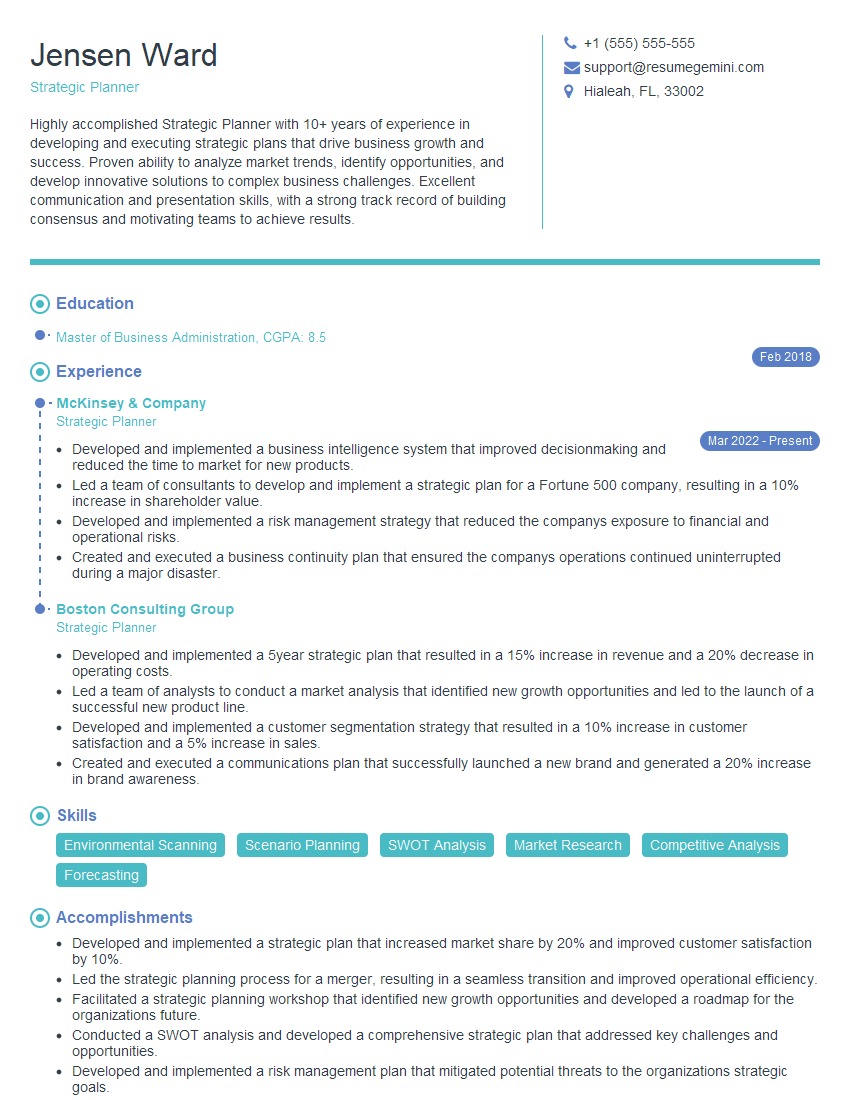
Strategic Planner Resume Sample
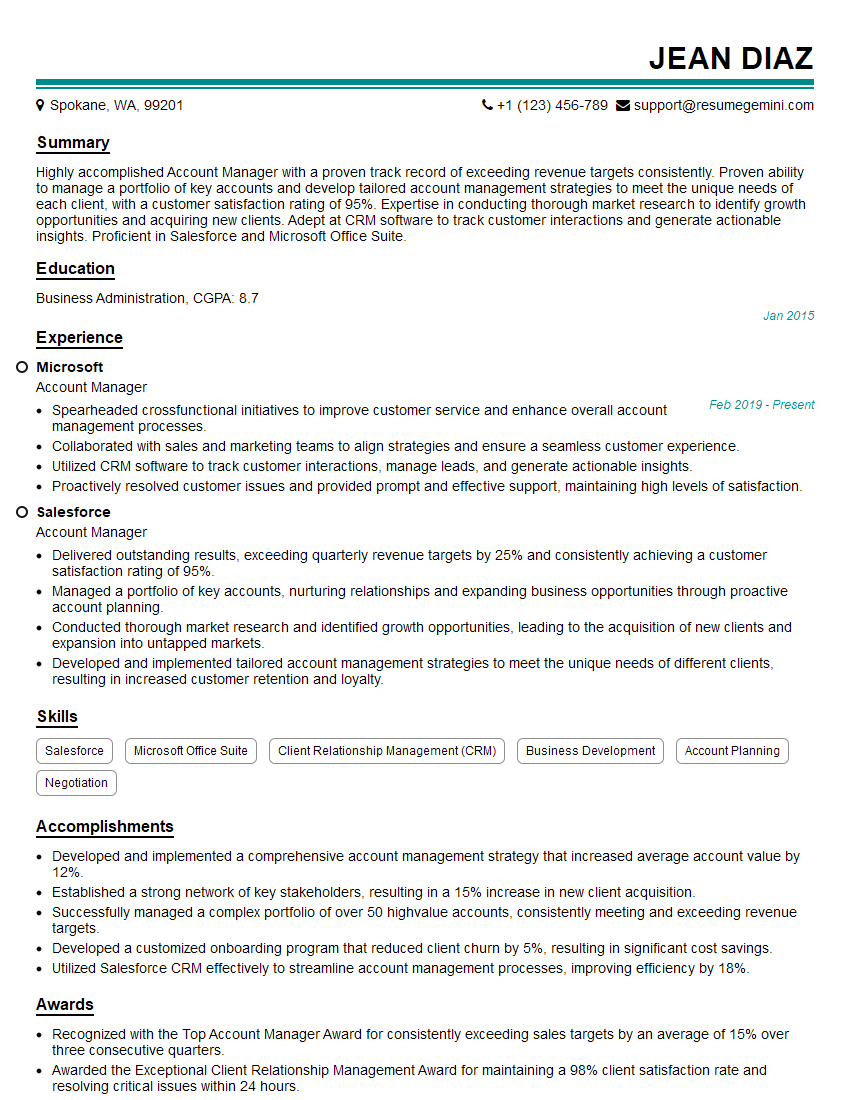
Account Manager Resume Sample
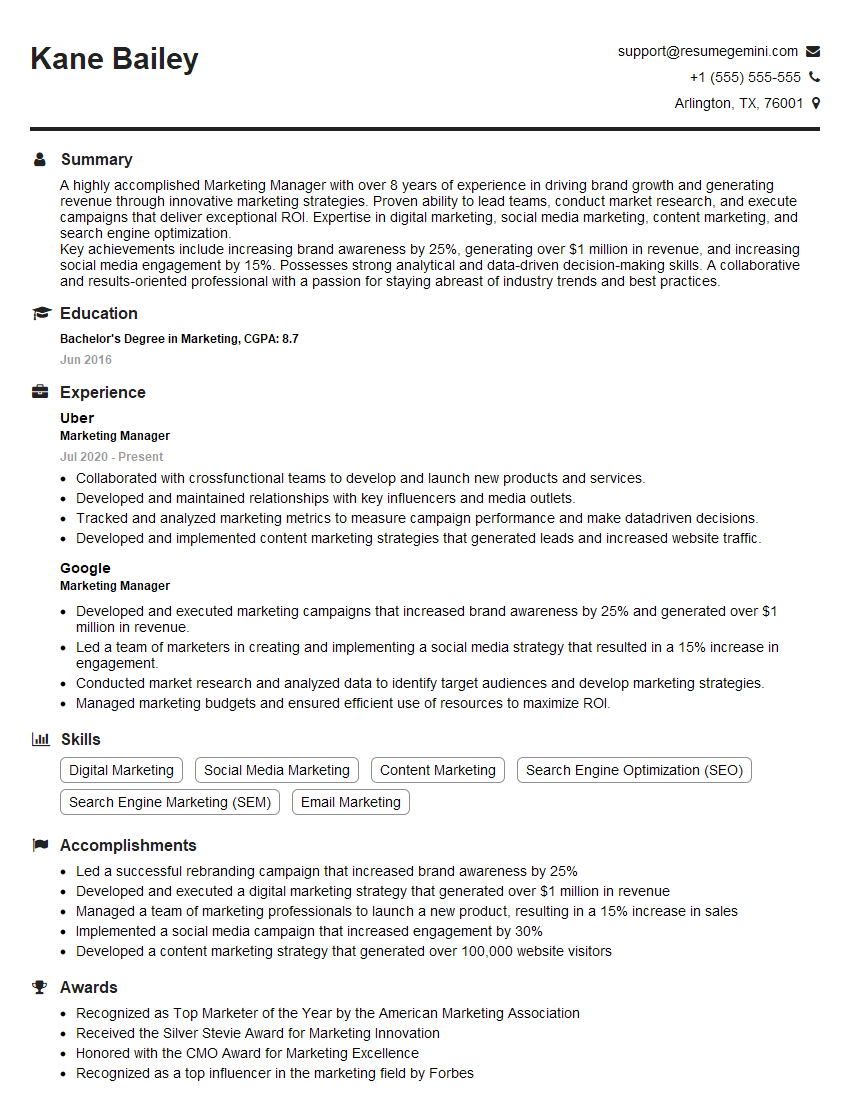
Marketing Manager Resume Sample
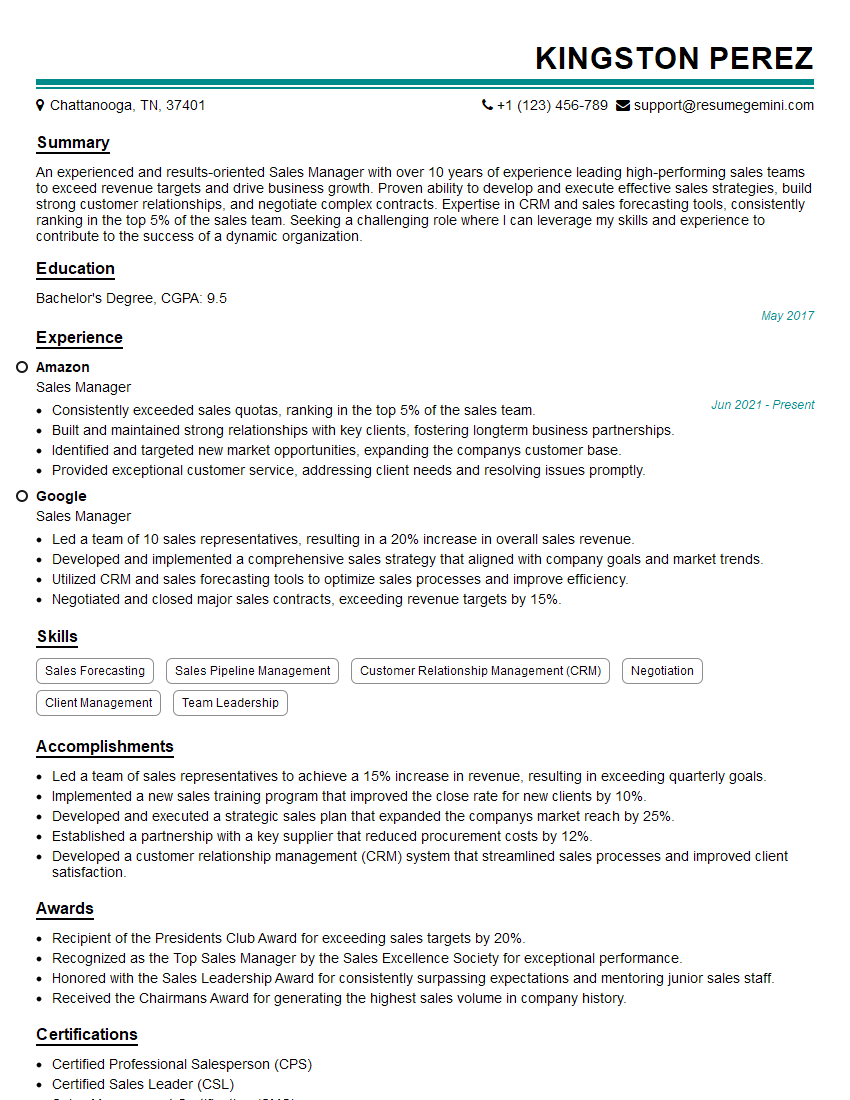
Sales Manager Resume Sample
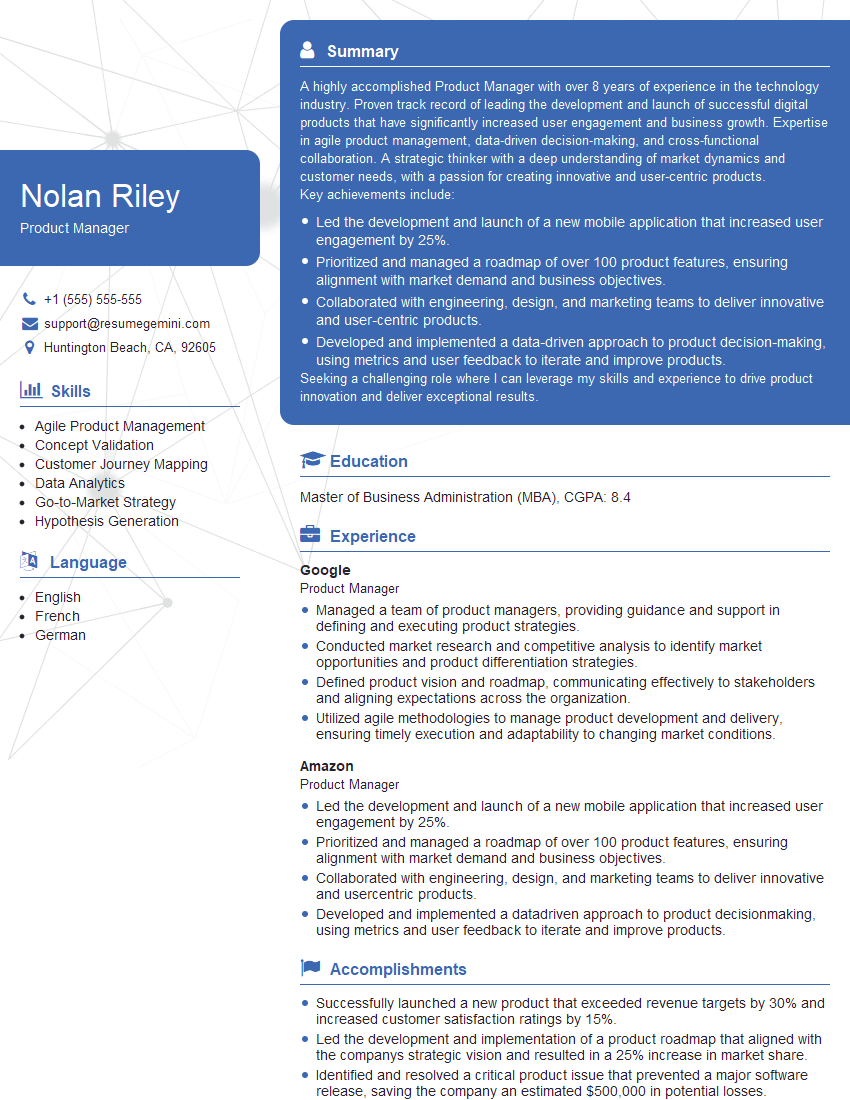
Product Manager Resume Sample

Communications Manager Resume Sample

Project Manager Resume Sample
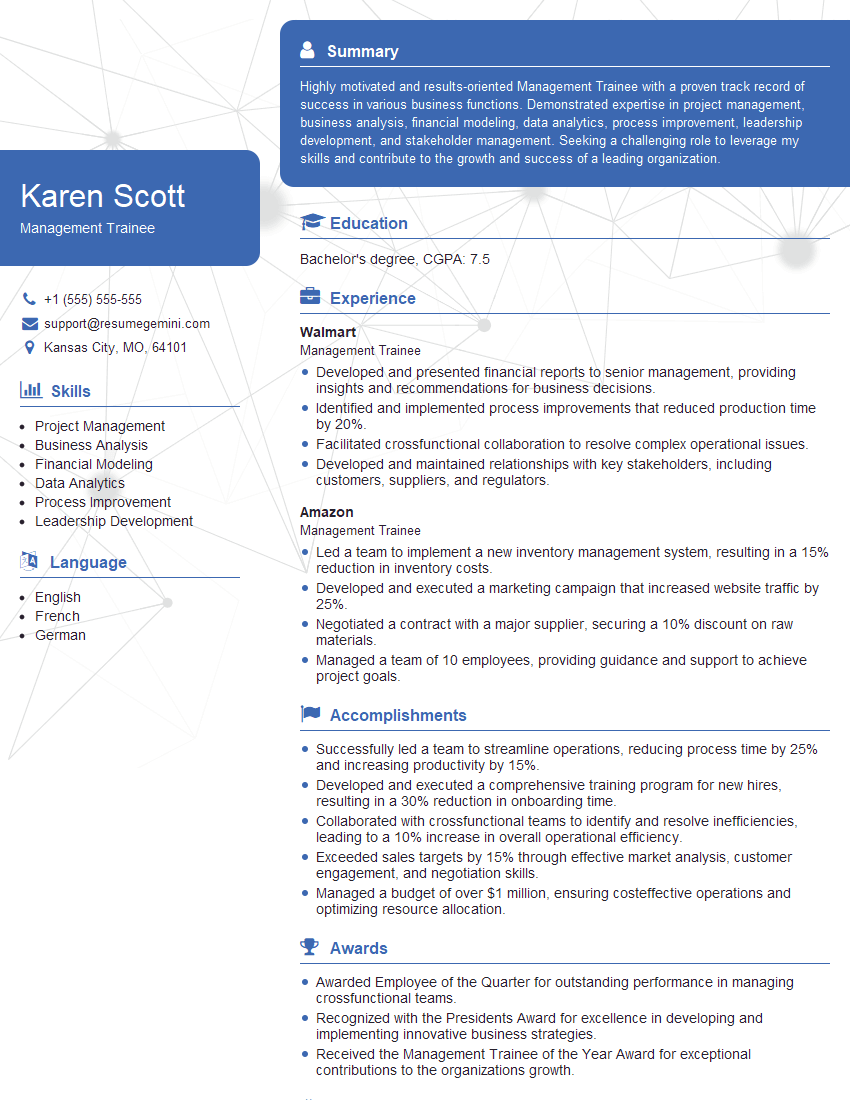
Management Trainee Resume Sample
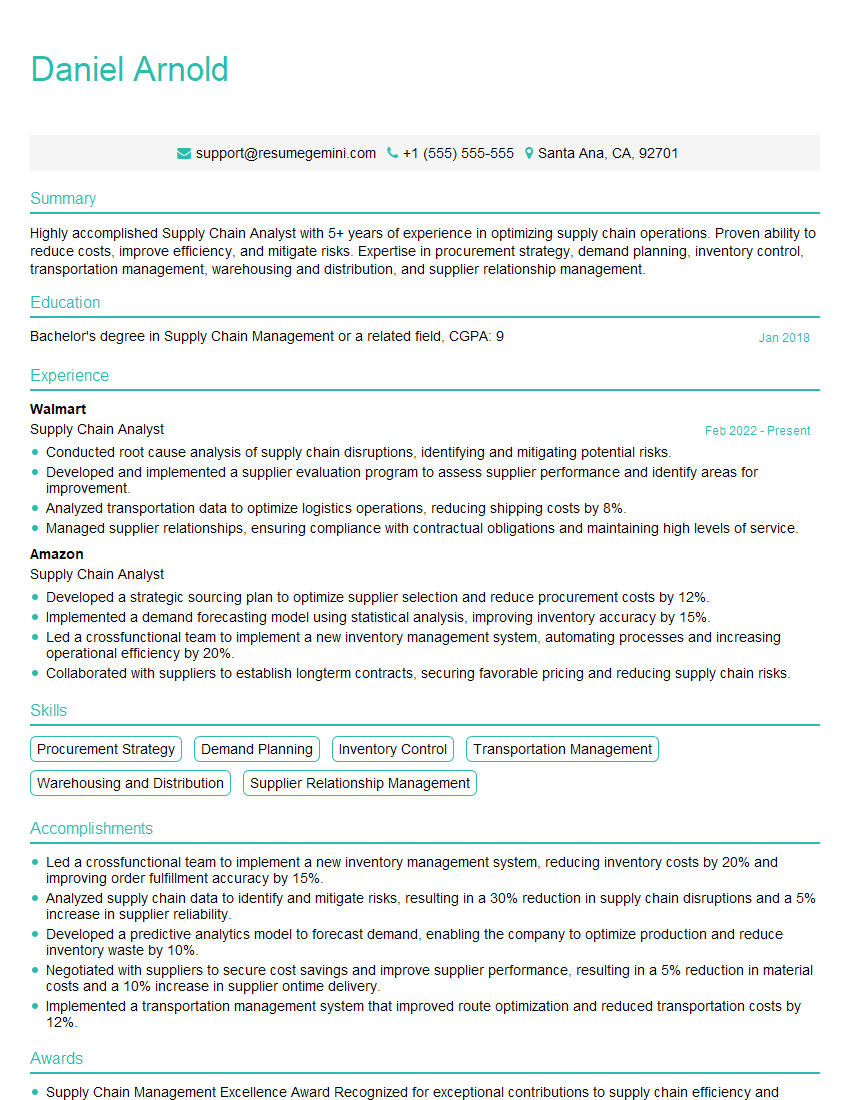
Supply Chain Analyst Resume Sample

Business Analyst Resume Sample
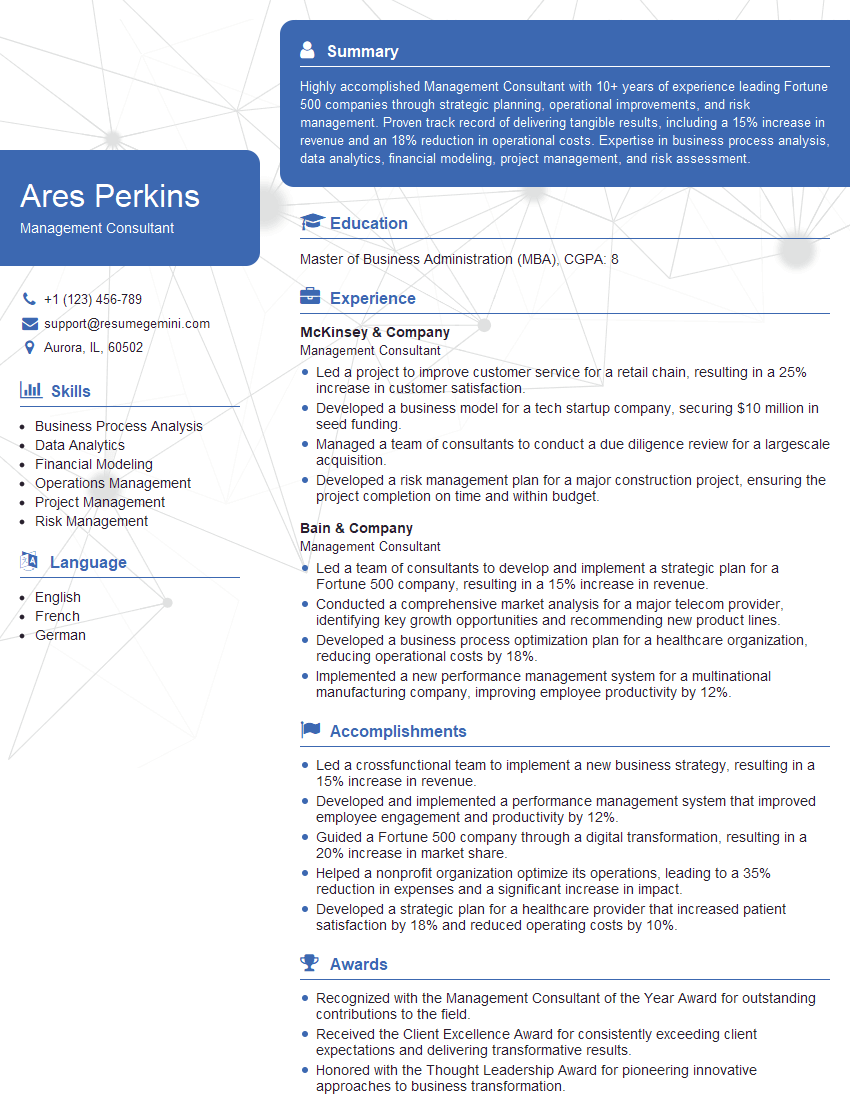
Management Consultant Resume Sample
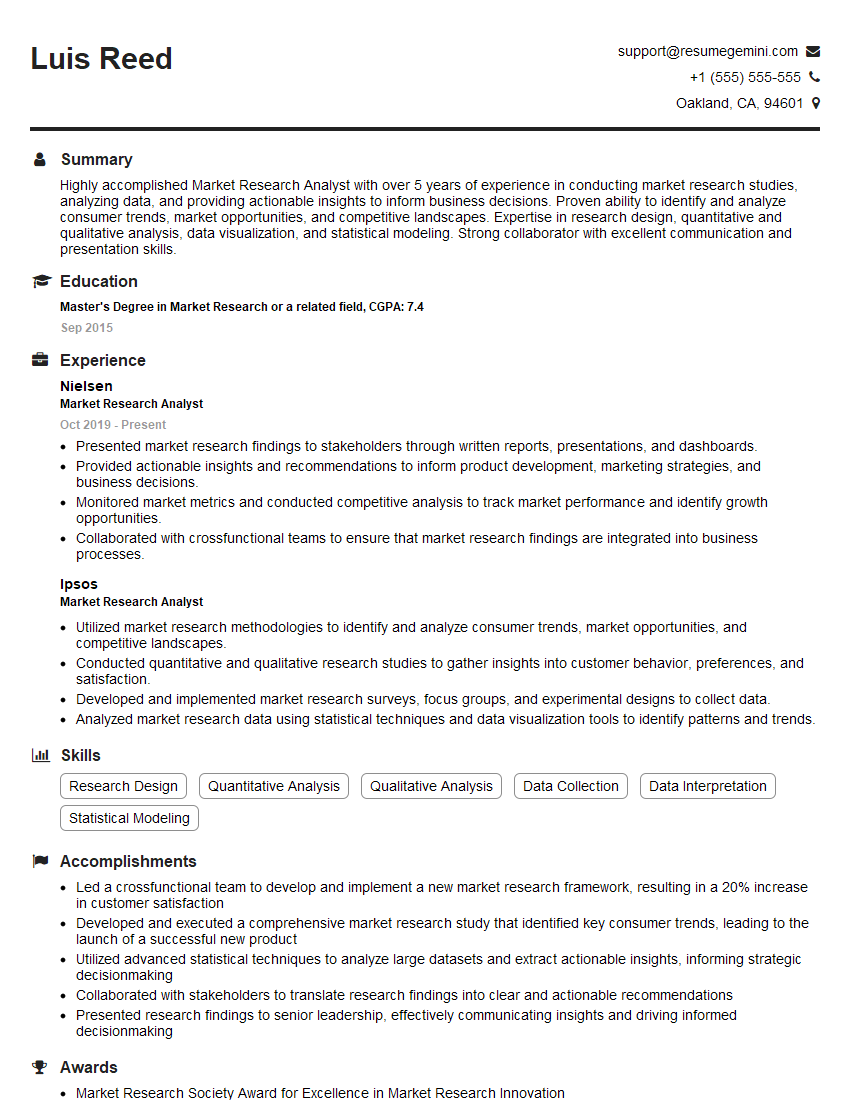
Market Research Analyst Resume Sample

Social Media Manager Resume Sample
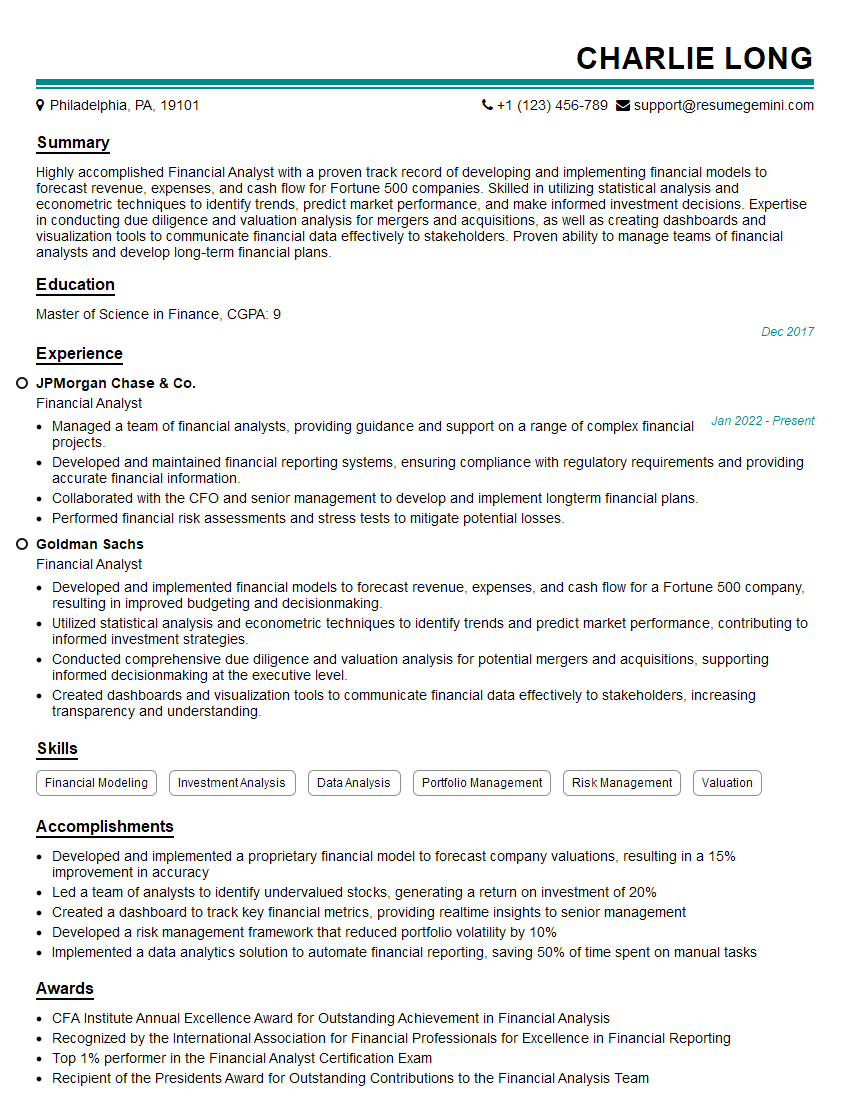
Financial Analyst Resume Sample
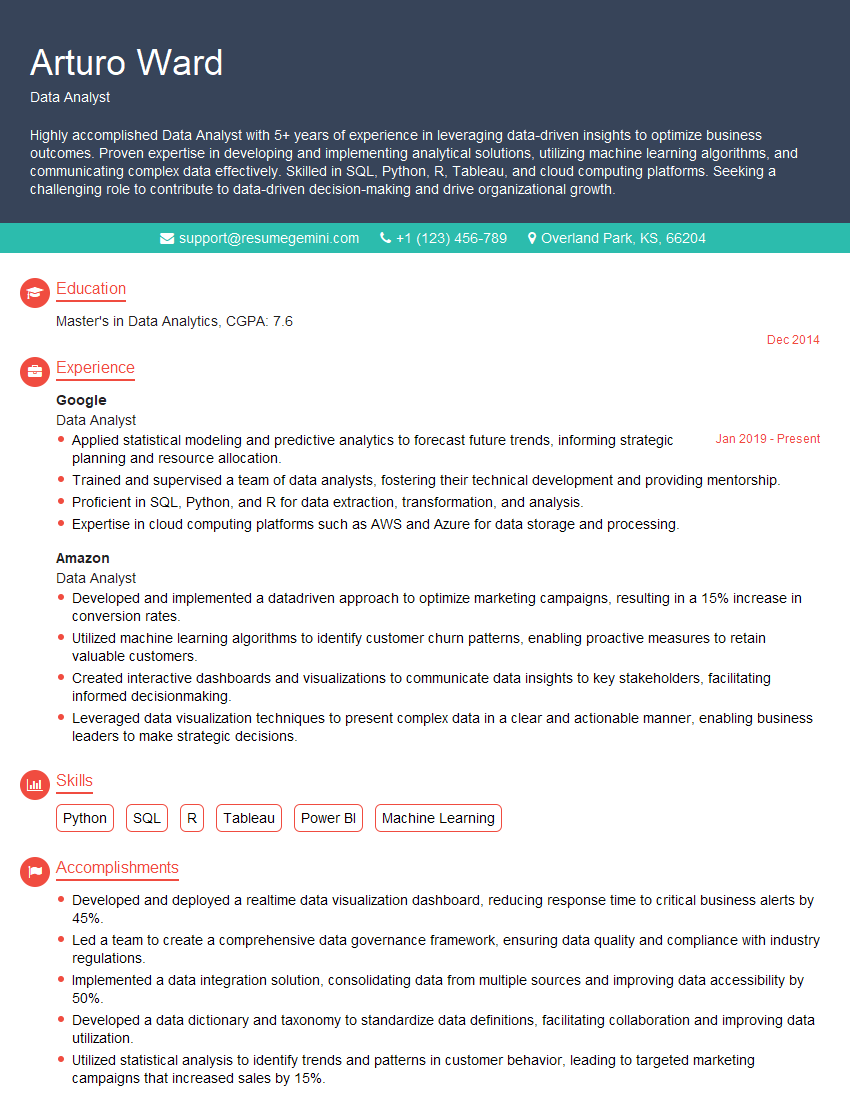
Data Analyst Resume Sample
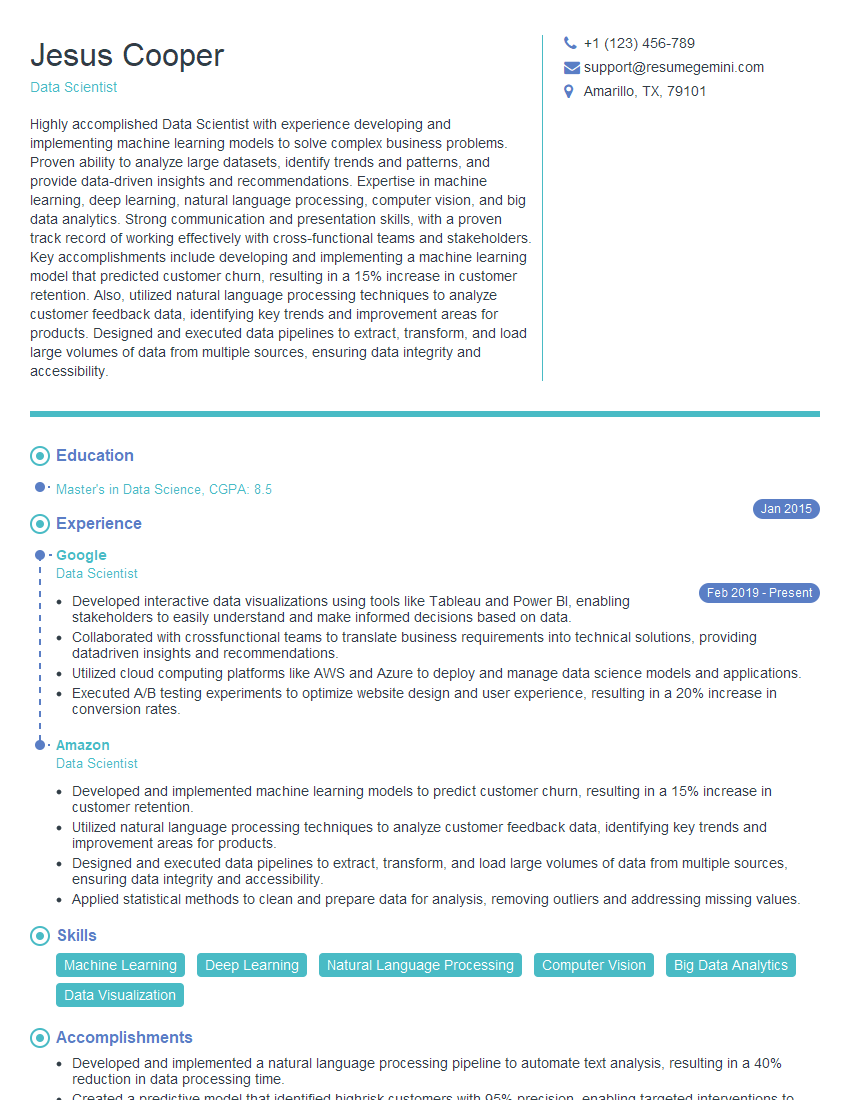
Data Scientist Resume Sample
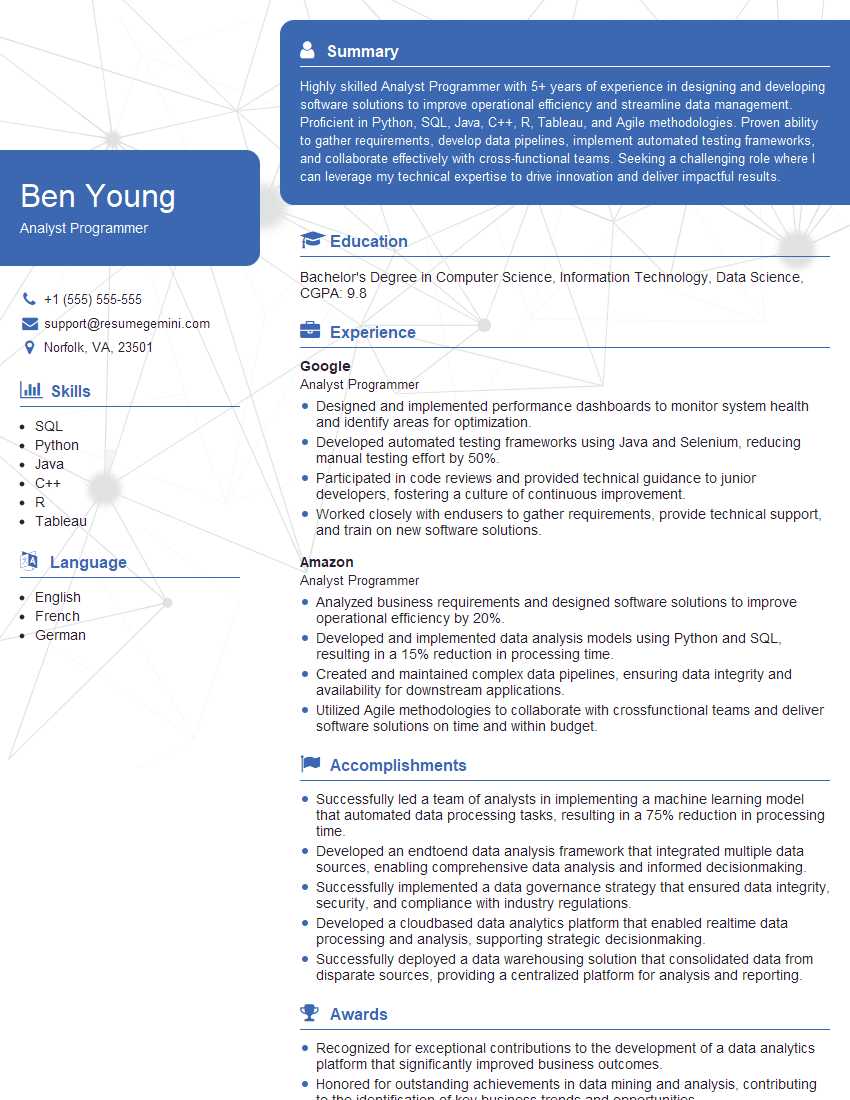
Analyst Programmer Resume Sample
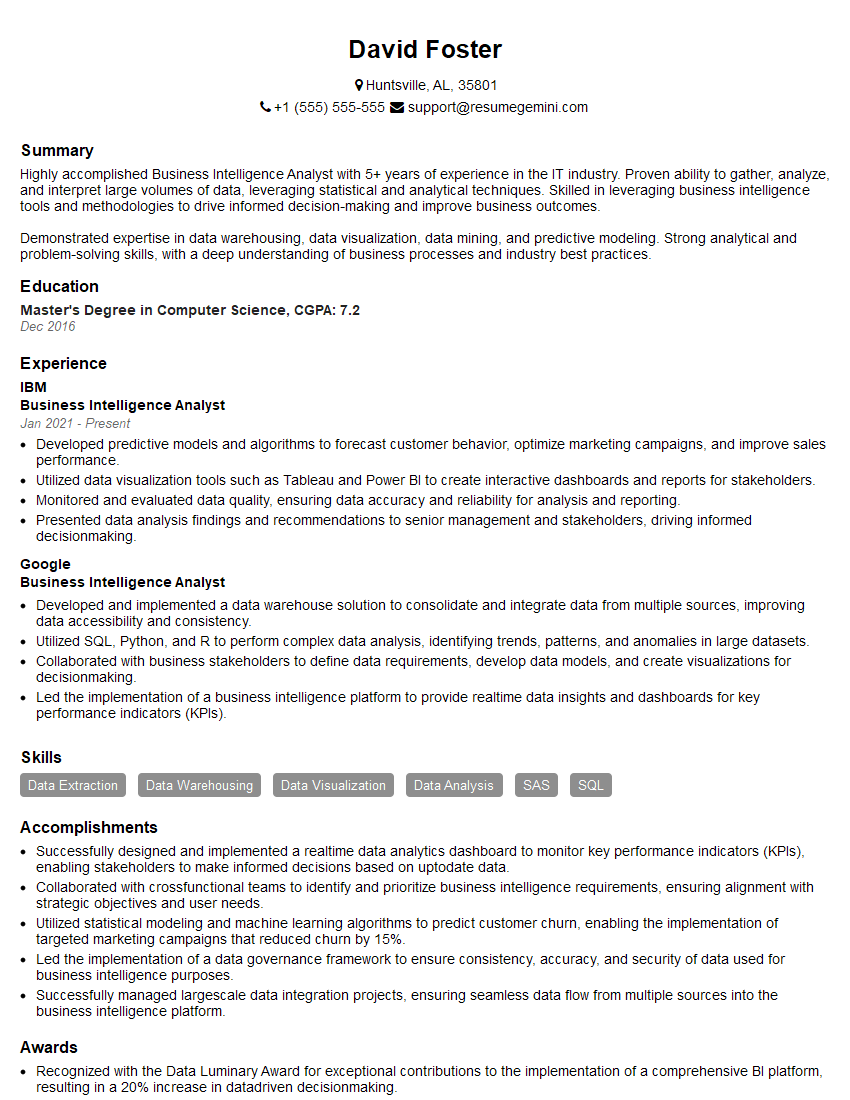
Business Intelligence Analyst Resume Sample

Content Strategist Resume Sample
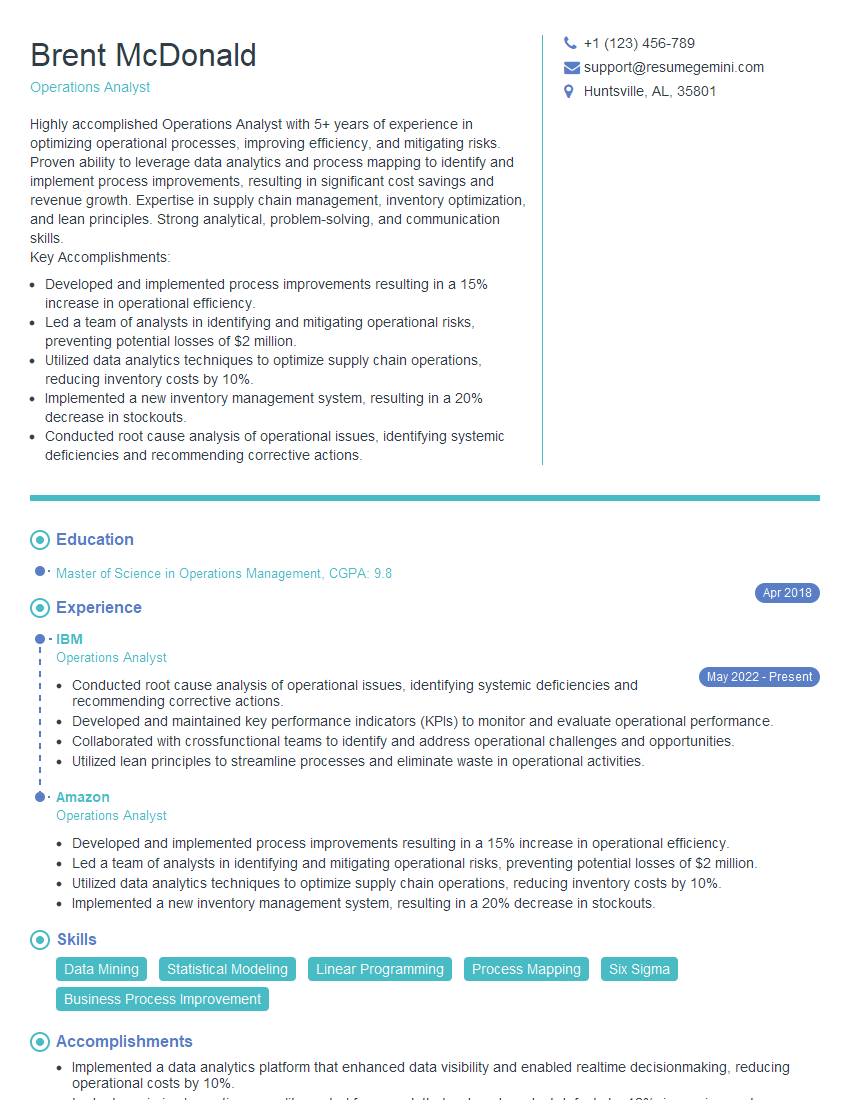
Operations Analyst Resume Sample

Technical Writer Resume Sample
- Strategic Planner
- Account Manager
- Marketing Manager
- Sales Manager
- Product Manager
- Communications Manager
- Project Manager
- Management Trainee
- Supply Chain Analyst
- Business Analyst
- Management Consultant
- Market Research Analyst
- Social Media Manager
- Financial Analyst
- Data Analyst
- Data Scientist
- Analyst Programmer
- Business Intelligence Analyst
- Content Strategist
- Operations Analyst
- Technical Writer
Explore more articles
Users Rating of Our Blogs
Share Your Experience
We value your feedback! Please rate our content and share your thoughts (optional).
What Readers Say About Our Blog
I Redesigned Spongebob Squarepants and his main characters of my artwork.
https://www.deviantart.com/reimaginesponge/art/Redesigned-Spongebob-characters-1223583608
IT gave me an insight and words to use and be able to think of examples
Hi, I’m Jay, we have a few potential clients that are interested in your services, thought you might be a good fit. I’d love to talk about the details, when do you have time to talk?
Best,
Jay
Founder | CEO