Feeling uncertain about what to expect in your upcoming interview? We’ve got you covered! This blog highlights the most important Material Forming Techniques interview questions and provides actionable advice to help you stand out as the ideal candidate. Let’s pave the way for your success.
Questions Asked in Material Forming Techniques Interview
Q 1. Explain the difference between hot and cold forming processes.
The primary difference between hot and cold forming lies in the temperature of the workpiece during the process. In hot forming, the metal is heated to a temperature above its recrystallization temperature, significantly reducing its yield strength and making it more ductile. This allows for larger deformations with lower forces, enabling complex shapes and improved surface finish. Think of it like working with warm clay – it’s much more pliable and forgiving. In contrast, cold forming is performed at room temperature or below the recrystallization temperature. This results in higher strength and better dimensional accuracy but requires greater forces and can lead to work hardening (strain hardening), potentially causing cracking or fracture if not carefully managed. Imagine trying to shape cold clay – it’s much harder and requires more force.
In short: Hot forming = higher ductility, lower forces, complex shapes; Cold forming = higher strength, better accuracy, but requires more force and careful consideration of work hardening.
Q 2. Describe the various types of metal forming processes (e.g., forging, rolling, extrusion).
Metal forming encompasses a broad range of techniques. Here are some key examples:
- Forging: Shaping metal using compressive forces, often by hammering or pressing. Think of a blacksmith shaping a horseshoe – that’s forging! It can be hot or cold, and includes techniques like open-die forging (simple shapes) and closed-die forging (complex shapes with intricate details).
- Rolling: Reducing the thickness of a metal sheet or bar by passing it through rollers. This is how we get flat sheets of steel for car bodies or aluminum foil for your kitchen. It’s almost always a hot process for thicker sections.
- Extrusion: Forcing metal through a die to create a continuous profile, like toothpaste from a tube. This is how we get long, uniform shapes like pipes, rods, or beams. It can be hot or cold, with hot extrusion being common for stronger materials.
- Drawing: Pulling metal through a die to reduce its diameter or change its shape. Think of making wire or creating deep-drawn cups. It’s often a cold process, leading to high strength in the final product.
- Stamping/Pressing: Using a press to form sheet metal into various shapes. This is widely used in the automotive industry for creating car body panels, for example. It’s typically a cold process.
These are just a few examples; many variations and combinations exist within these categories.
Q 3. What are the advantages and disadvantages of different forming processes?
The choice of forming process depends heavily on the desired properties, complexity, and cost. Here’s a comparison:
- Forging: Advantages: excellent strength and toughness, complex shapes possible. Disadvantages: high tooling costs, relatively slow process.
- Rolling: Advantages: high production rates, good surface finish. Disadvantages: limited shape complexity, may require further processing.
- Extrusion: Advantages: long, uniform shapes easily produced. Disadvantages: die design can be complex and costly, some material limitations.
- Drawing: Advantages: high precision, excellent surface finish. Disadvantages: limited to relatively simple shapes, potential for defects.
- Stamping/Pressing: Advantages: high production rates, complex shapes possible with multiple stages. Disadvantages: tooling costs can be high, material limitations.
The best process is a trade-off between these factors. For example, forging might be chosen for high-strength components like aircraft parts, while rolling is suitable for mass-producing sheet metal products.
Q 4. How do you select the appropriate material for a specific forming process?
Material selection is crucial. The material must possess sufficient ductility to withstand the deformation without fracturing. Factors to consider include:
- Formability: The material’s ability to deform plastically without cracking. This is influenced by factors such as yield strength, tensile strength, and elongation.
- Strength: The material’s ability to resist deformation. High strength materials may require more force and potentially lead to cracking during cold forming.
- Ductility: The material’s ability to deform plastically without fracturing. High ductility materials are better suited for complex shapes.
- Work Hardening Rate: How quickly the material strengthens during deformation. A high work hardening rate can make cold forming challenging.
- Cost: The material’s cost and availability.
For example, low-carbon steel is commonly used in stamping due to its good formability and relatively low cost. Aluminum alloys are often used in extrusion due to their good formability and corrosion resistance. The specific choice depends on the desired properties of the final product and the selected forming process.
Q 5. Explain the concept of strain hardening and its impact on forming.
Strain hardening, also known as work hardening, is the phenomenon where a metal becomes stronger and harder as it’s plastically deformed. Imagine repeatedly bending a paperclip – it gets harder and harder to bend further. This is because deformation causes dislocations to accumulate within the metal’s crystal structure, hindering further plastic flow. The increased strength and hardness are beneficial in some cases, resulting in improved component durability. However, it can also be detrimental. Excessive strain hardening can reduce ductility, making the material more brittle and prone to cracking during further forming operations. Therefore, controlling strain hardening is essential in forming processes. Techniques like annealing (heat treatment) can be employed to relieve the strain and restore ductility.
Q 6. Describe the different types of dies used in forming processes.
Die types vary widely depending on the forming process. Some common types include:
- Open Dies: Used in forging, these dies provide minimal shaping guidance, allowing for greater freedom of deformation. They’re simpler and cheaper than closed dies but offer less precise control over the final shape.
- Closed Dies: Used in forging and pressing, these dies completely enclose the workpiece, precisely defining the final shape. They provide high accuracy and repeatability but are more complex and expensive to manufacture.
- Roll Dies: Cylindrical dies used in rolling. Their design is crucial for controlling the reduction in thickness and surface finish.
- Extrusion Dies: Dies with a precisely shaped orifice through which the metal is extruded, defining the final profile of the product.
- Drawing Dies: Conical or other shaped dies used in drawing to reduce the diameter of wire or tubing.
- Blanking Dies: Used in stamping to cut out shapes from sheet metal.
The die material selection is also critical, often involving hardened tool steels or even tungsten carbide for high-strength applications.
Q 7. How do you design a die for a specific forming operation?
Die design is a complex engineering task involving several steps:
- Part Design: Begin by defining the precise dimensions and tolerances of the desired final part. This often involves CAD (Computer-Aided Design) software.
- Material Selection: Choose appropriate die materials based on factors like strength, wear resistance, and cost. Consider the material of the workpiece and the forming process.
- Die Geometry Design: Determine the optimal geometry of the die cavity, including the shape, draft angle (angle to facilitate part removal), and radii of curvature. This phase involves specialized software and knowledge of material flow during forming.
- Stress Analysis: Perform finite element analysis (FEA) simulations to predict stress and strain distributions within the die during the forming operation. This ensures the die can withstand the forces involved and prevents premature failure.
- Manufacturing Process Selection: Select an appropriate manufacturing process for the die, such as machining, EDM (Electrical Discharge Machining), or casting. The choice depends on the complexity of the die geometry and the required precision.
- Testing and Refinement: Prototype dies are often produced and tested before final production dies are manufactured. This iterative process ensures the die performs as intended.
Experienced die designers utilize specialized software and have a deep understanding of material science, manufacturing processes, and the physics of metal forming. The goal is a die that produces high-quality parts efficiently and reliably.
Q 8. Explain the role of lubrication in metal forming.
Lubrication in metal forming is crucial for reducing friction between the workpiece and the tooling. This friction, if uncontrolled, leads to increased forming forces, uneven deformation, surface defects, and tool wear. Lubricants act as a barrier, minimizing metal-to-metal contact. Think of it like adding oil to a squeaky hinge – it makes the movement smoother and reduces wear.
The role extends beyond simple friction reduction. Lubricants can also facilitate heat transfer away from the deformation zone, preventing excessive temperature increases that can lead to material degradation. Furthermore, certain lubricants can aid in surface finish, leading to improved product quality. The selection of the lubricant depends on the specific forming process, the material being formed, and the desired outcome. For example, in deep drawing, a highly viscous lubricant might be preferred to prevent wrinkling, while in extrusion, a less viscous lubricant might be used to facilitate flow.
Q 9. What are the common defects encountered in metal forming and their causes?
Several common defects plague metal forming processes. Understanding their causes is key to prevention. Some of the most prevalent include:
- Wrinkling: Often seen in sheet metal forming operations like deep drawing, wrinkling occurs when the material buckles due to insufficient tensile stresses in the material. It’s commonly caused by inadequate blank holder force or incorrect die geometry.
- Earring: This defect, characterized by uneven deformation around the periphery of a drawn cup, results from variations in material properties or improper die design, leading to unequal material flow.
- Fracturing: This catastrophic failure occurs when the material exceeds its tensile strength during deformation. Causes include excessive forming forces, inadequate ductility of the material, or sharp corners in the die.
- Surface Defects: Scratches, tears, and other surface imperfections result from friction, contamination, or inadequate lubrication. Careful tooling maintenance and appropriate lubrication are key to prevention.
- Springback: After unloading, the formed part recovers some of its original shape. This elastic deformation must be carefully accounted for in the design of the forming process (discussed in more detail below).
Preventing these defects often requires a multi-pronged approach, involving careful material selection, optimized process parameters, and precise tooling design.
Q 10. How do you measure and control the parameters in a forming process?
Measuring and controlling parameters in a forming process are critical for achieving consistent, high-quality parts. This often involves sophisticated sensor technology and feedback control systems.
- Force Measurement: Load cells are used to measure the forces required during forming, providing insights into the process’s difficulty and the material’s response.
- Temperature Measurement: Thermocouples and infrared sensors monitor temperatures in the workpiece and the tooling, ensuring that thermal conditions remain within acceptable limits.
This data is fed into a control system that adjusts parameters such as ram speed, blank holder force, or die temperature to maintain the desired forming conditions. Data acquisition and analysis software are crucial for interpreting the measured data and optimizing the forming process.
Q 11. What are the safety precautions associated with material forming?
Material forming processes present various safety hazards that demand meticulous attention. Here are some key precautions:
- Personal Protective Equipment (PPE): This is paramount and includes safety glasses, hearing protection, gloves, and steel-toed boots. The specific PPE needed depends on the process and equipment used.
- Machine Guarding: All moving parts of forming machines should be properly guarded to prevent accidental contact and injury.
- Lockout/Tagout Procedures: Before performing any maintenance or repair work on forming equipment, the power must be locked out and tagged out to prevent accidental startup.
- Proper Training: Operators must receive adequate training on safe operating procedures and emergency response protocols.
- Environmental Considerations: Metal forming processes can generate noise, heat, and potentially hazardous fumes or particles. Proper ventilation and environmental controls are necessary.
A thorough risk assessment should be conducted before any material forming operation, and safety procedures must be strictly followed to mitigate risks.
Q 12. Explain the principles of springback in sheet metal forming.
Springback in sheet metal forming refers to the elastic recovery of a formed part after the forming forces are removed. Imagine bending a paperclip – when you release the force, it partially springs back to its original shape. This is analogous to springback in metal forming. It’s caused by the elastic deformation of the material, which stores energy during the forming process and releases it upon unloading.
The amount of springback depends on factors such as material properties (elastic modulus and yield strength), the geometry of the part, the forming process, and the amount of plastic deformation. Higher elastic modulus materials exhibit greater springback. Sharp bends generally result in more springback compared to gradual curves. Springback is a significant concern because it can lead to dimensional inaccuracies in the final product.
Q 13. Describe different methods for predicting springback.
Predicting springback is crucial for achieving desired final dimensions in formed parts. Several methods exist:
- Empirical Methods: These methods rely on experimental data and correlations to predict springback. They often involve performing forming tests on similar materials and geometries and developing empirical relationships between process parameters and springback.
- Finite Element Analysis (FEA): FEA is a powerful computational technique that simulates the forming process and predicts springback by solving the governing equations of elasticity and plasticity. It allows engineers to virtually test different tooling designs and process parameters before physical testing.
- Analytical Methods: These methods use simplified mathematical models to predict springback. While less accurate than FEA, they can provide quick estimates and valuable insights.
The choice of method depends on factors such as the complexity of the part, the accuracy required, and the available resources. FEA is generally preferred for complex parts requiring high accuracy, while empirical methods might suffice for simpler geometries.
Q 14. How do you ensure dimensional accuracy in formed parts?
Ensuring dimensional accuracy in formed parts requires a comprehensive approach encompassing various aspects of the forming process.
- Precise Tooling Design: The design of the dies and other tooling must be highly accurate to minimize variations in the formed part dimensions. Computer-aided design (CAD) and computer-aided manufacturing (CAM) technologies play a vital role in achieving this precision.
- Optimized Process Parameters: Careful control of parameters such as forming force, temperature, and ram speed is critical to minimize variations in deformation. Feedback control systems and sensor technology are invaluable in this regard.
- Material Selection: Using materials with consistent mechanical properties and low variability minimizes the likelihood of dimensional inaccuracies.
- Quality Control: Regular inspection and measurement of the formed parts using techniques such as coordinate measuring machines (CMMs) are crucial to identify and address any dimensional inconsistencies.
A combination of these strategies is generally required to guarantee that formed parts meet the stringent dimensional requirements of modern manufacturing.
Q 15. Explain the concept of formability.
Formability is a material’s capacity to undergo significant plastic deformation without fracture during a forming process. Think of it like how much you can bend a piece of metal before it breaks. A highly formable material can be stretched, bent, or otherwise shaped extensively before failure, while a poorly formable material cracks or breaks easily. This property is crucial in manufacturing processes like stamping, deep drawing, and rolling, determining the feasibility and efficiency of producing various components.
Many factors influence formability, including the material’s intrinsic properties (like its strength, ductility, and anisotropy) and the forming process parameters (like temperature, strain rate, and lubrication).
Career Expert Tips:
- Ace those interviews! Prepare effectively by reviewing the Top 50 Most Common Interview Questions on ResumeGemini.
- Navigate your job search with confidence! Explore a wide range of Career Tips on ResumeGemini. Learn about common challenges and recommendations to overcome them.
- Craft the perfect resume! Master the Art of Resume Writing with ResumeGemini’s guide. Showcase your unique qualifications and achievements effectively.
- Don’t miss out on holiday savings! Build your dream resume with ResumeGemini’s ATS optimized templates.
Q 16. How do you determine the formability of a material?
Determining a material’s formability involves a combination of material characterization and forming process simulation. We start by examining the material’s microstructure and mechanical properties through tensile testing, which provides key data like yield strength, ultimate tensile strength, elongation, and reduction in area. These parameters give insights into the material’s resistance to deformation and its ability to stretch before failure. Additionally, we analyze the material’s texture and crystallographic orientation – its anisotropy – which affects how easily it deforms in different directions. The more uniform the properties across different orientations the better formability. Finally, we can perform small-scale forming tests to validate our predictions before committing to large-scale production runs.
Q 17. Describe various testing methods used to assess the formability of materials.
Several testing methods assess material formability. These range from simple to sophisticated techniques:
- Tensile Testing: A fundamental test providing yield strength, ultimate tensile strength, elongation, and reduction in area. This gives a basic understanding of the material’s strength and ductility.
- Erichsen Cupping Test: A simple test where a hemispherical punch forms a cup from a sheet. The depth achieved before failure indicates formability. It’s easy to perform but lacks detailed information.
- Nakazima Test: Measures the formability of sheet metal through a sequence of incremental punch operations. The number of strokes before failure provides a formability index.
- Hydroforming Test: Uses fluid pressure to form a part, often providing a more complex deformation state compared to other tests, giving better indication for more complex shapes.
- Bulge Test: A sheet is inflated using pressure to assess its ability to withstand biaxial stretching. It’s particularly useful for understanding the material’s behavior under complex stress states.
The choice of test depends on the specific application and the level of detail required. For instance, a simple Erichsen test might suffice for initial screening, whereas a finite element analysis (FEA) coupled with experimental validation offers a more comprehensive approach for complex parts.
Q 18. What is the role of finite element analysis (FEA) in material forming?
Finite Element Analysis (FEA) is indispensable in material forming. It allows us to simulate the entire forming process virtually, predicting the material’s behavior under complex loading conditions. Before physically making parts, we can model the deformation, stress, and strain distribution within the workpiece to identify potential issues like cracking, wrinkling, or thinning. FEA also allows for the optimization of forming parameters (die geometry, lubricant properties, forming speed) to improve the process efficiency and produce high-quality parts consistently.
Imagine designing a car body panel. FEA allows us to predict how the sheet metal will deform during stamping, enabling us to optimize the die design to prevent defects and ensure the final part meets precise dimensional tolerances.
Q 19. How do you interpret FEA results related to material forming?
Interpreting FEA results in material forming requires careful consideration of several outputs. We analyze:
- Stress and Strain Distribution: Identifying regions of high stress and strain helps determine potential failure locations (e.g., cracks) or areas where excessive thinning may occur.
- Thickness Distribution: Ensuring uniform thickness across the formed part is critical for quality. FEA reveals non-uniformities, guiding design improvements.
- Springback: After the forming process, the part may partially recover its original shape (springback). FEA predicts this, allowing die design adjustments to compensate.
- Failure Criteria: FEA uses failure criteria (e.g., von Mises stress, maximum shear stress) to predict when or where the material might fail during forming. This is crucial in preventing defects.
Visualization tools in FEA software help display these results graphically, allowing for easier interpretation and identification of potential issues.
Q 20. Explain the concept of friction in metal forming and its effects.
Friction plays a significant role in metal forming processes, influencing the material’s flow, stress distribution, and overall formability. It acts as a resistance force at the interface between the workpiece and the tooling. High friction can lead to increased forming forces, uneven deformation, increased energy consumption, and even part defects like wrinkling or tearing. Conversely, insufficient friction can result in slipping, leading to inaccurate part geometry or uneven thickness. The ideal level of friction depends on the specific forming process and material, requiring a careful balance.
Imagine trying to shape a clay object – with your hands (tooling) and the clay (workpiece). If your hands are very sticky (high friction), it’s harder to shape the clay. If your hands are too slippery (low friction), the clay will slip and not be molded well. Similarly, in metal forming the friction between the die and the workpiece influences the entire process.
Q 21. What are the different types of friction models used in simulation?
Several friction models are used in FEA simulations, each with its own level of complexity and accuracy:
- Coulomb Friction: A simple model assuming a constant friction coefficient, independent of sliding speed or pressure. It’s easy to implement but often inaccurate for metal forming.
- Modified Coulomb Friction: Improves upon the simple Coulomb model by incorporating pressure-dependent friction coefficients, offering better accuracy.
- Shear Friction: Models friction as shear stresses at the interface between the workpiece and the tool, accounting for the relative motion between the two surfaces.
- Advanced Friction Models: More complex models consider factors like temperature, surface roughness, and lubricant properties, enabling more realistic simulations. These frequently utilize experimental data to determine model parameters.
The selection of the friction model depends on the accuracy required and the complexity of the forming process. For many industrial applications, modified Coulomb friction provides a reasonable compromise between accuracy and computational cost. For more demanding scenarios, such as those involving complex lubrication strategies, advanced models are necessary.
Q 22. How do you optimize a forming process for improved efficiency?
Optimizing a forming process for improved efficiency involves a multifaceted approach focusing on minimizing waste, maximizing throughput, and enhancing product quality. It’s like fine-tuning an engine – each component plays a crucial role.
Process Parameter Optimization: This involves meticulously adjusting variables like temperature, pressure, speed, and lubrication. For example, in sheet metal stamping, optimizing the die design and press speed can significantly reduce cycle time and scrap. We use Design of Experiments (DOE) methodologies to systematically analyze the impact of different parameters.
Tooling and Equipment Upgrades: Investing in advanced tooling, such as progressive dies or high-speed presses, can dramatically improve efficiency. For instance, transitioning from a single-stage stamping process to a progressive die reduces the number of operations and handling steps, saving time and labor.
Material Selection: Choosing the right material is crucial. A material with superior formability can lead to fewer defects and faster processing times. For example, using advanced high-strength steel (AHSS) allows for lighter and stronger parts, improving efficiency in automotive body manufacturing.
Automation and Robotics: Integrating automation and robotics can significantly improve efficiency by reducing manual labor, increasing consistency, and enabling higher production rates. Automated material handling, robotic welding, and automated quality inspection systems are common examples.
Waste Reduction Strategies: Implementing lean manufacturing principles, such as minimizing material waste through optimized nesting algorithms in sheet metal cutting and improved scrap recycling, directly impacts the bottom line.
A successful optimization strategy requires a holistic approach, integrating data analysis, process simulation, and continuous improvement methodologies like Kaizen.
Q 23. Describe your experience with different forming equipment.
My experience encompasses a broad range of forming equipment, including hydraulic presses, mechanical presses, forging hammers, rolling mills, and extrusion presses. I’ve worked extensively with both conventional and advanced technologies.
Hydraulic Presses: I’ve used these for deep drawing operations, forging, and other applications requiring precise control over forming forces. I’m familiar with their maintenance and troubleshooting, including hydraulic fluid management and cylinder adjustments.
Mechanical Presses: My experience includes high-speed mechanical presses used in stamping operations. This includes crank presses and eccentric presses, focusing on safety protocols and die change procedures.
Forging Hammers: I have experience with both open-die and closed-die forging, including the use of drop hammers and hydraulic forging presses. Understanding the metal flow and material properties is critical in this domain.
Rolling Mills: I’ve worked with both hot and cold rolling mills for producing sheets, bars, and other shapes, focusing on roll gap adjustments and roll pass design.
Extrusion Presses: My experience extends to extrusion processes for producing various profiles, requiring detailed knowledge of die design and material flow dynamics.
Furthermore, I’m proficient in operating and maintaining Computer Numerical Control (CNC) machines often used in the production of forming dies and tools.
Q 24. Explain your experience with process control and monitoring techniques.
Process control and monitoring are fundamental to successful material forming. It’s like navigating a ship – you need constant monitoring and adjustments to reach your destination.
Data Acquisition Systems: I’ve utilized various data acquisition systems to monitor parameters such as temperature, pressure, force, and displacement during the forming process. This data provides valuable insights into process stability and allows for real-time adjustments.
Statistical Process Control (SPC): I’m proficient in applying SPC techniques to track process variability and identify potential issues before they lead to defects. Control charts and process capability studies are regularly used to maintain consistent product quality.
Automated Monitoring Systems: I’ve worked with automated systems that integrate sensors and feedback loops to continuously monitor and adjust process parameters. This is particularly important in high-speed forming processes where manual adjustments are impractical.
Vision Systems: In many applications, vision systems are used for real-time monitoring of part dimensions and surface quality. This ensures immediate detection of defects, enabling rapid corrective actions.
My experience includes using both in-line and off-line monitoring systems, adapting my approach to the specific requirements of the forming process.
Q 25. How do you troubleshoot problems in a material forming process?
Troubleshooting in material forming requires a systematic and analytical approach. It’s like detective work – you need to gather clues and follow the evidence to find the root cause.
Gather Data: The first step is to collect data on the problem, including the type of defect, frequency of occurrence, and process parameters at the time of the defect. This might involve reviewing production records, inspecting defective parts, and analyzing sensor data.
Analyze Data: The next step is to analyze the gathered data to identify potential root causes. This might involve statistical analysis, process simulation, or consultation with material experts.
Develop Hypotheses: Based on the data analysis, several hypotheses about the root cause should be developed. This could include material issues, tooling problems, process parameter variations, or equipment malfunctions.
Test Hypotheses: Each hypothesis should be tested through experiments or simulations. This might involve adjusting process parameters, replacing tooling, or conducting material analysis.
Implement Corrective Actions: Once the root cause is identified and verified, corrective actions should be implemented. This might involve adjusting process parameters, replacing or repairing tooling, or modifying the process.
Verify Effectiveness: Finally, the effectiveness of the corrective actions should be verified by monitoring the process and tracking defect rates.
This structured approach ensures that problems are addressed efficiently and effectively.
Q 26. Describe your experience with quality control and assurance in material forming.
Quality control and assurance are paramount in material forming. It’s about ensuring consistent product quality and meeting customer specifications.
In-process Inspections: Regular in-process inspections are critical for early detection of defects. This might involve visual inspections, dimensional measurements, and material testing.
Statistical Quality Control: Implementing SPC techniques helps to monitor process variability and prevent defects. Control charts and process capability studies are vital tools.
Non-Destructive Testing (NDT): NDT methods, such as ultrasonic testing and radiographic inspection, are used to detect internal flaws without damaging the part.
Destructive Testing: Destructive testing methods, such as tensile testing and impact testing, are used to verify the mechanical properties of the formed parts.
My experience includes developing and implementing quality control plans, performing audits, and collaborating with suppliers to ensure material quality. I am familiar with various quality management systems, including ISO 9001.
Q 27. Explain your understanding of material selection criteria for different forming processes.
Material selection is a critical aspect of material forming, significantly influencing the process feasibility, product quality, and cost. It’s like choosing the right ingredients for a recipe – the outcome depends heavily on the ingredients.
Formability: The material’s ability to deform without fracture is crucial. Factors such as yield strength, tensile strength, and ductility are considered. For example, low-carbon steel is often preferred for deep drawing due to its high ductility.
Strength and Hardness: The final product’s required strength and hardness influence the choice. High-strength steel might be chosen for automotive parts requiring high strength and rigidity.
Corrosion Resistance: For applications exposed to harsh environments, corrosion-resistant materials such as stainless steel or aluminum alloys are selected.
Cost: Material cost is a significant factor. A balance between performance requirements and cost-effectiveness must be achieved.
Process Considerations: Material properties also influence the choice of forming process. For example, materials with high melting points might be better suited for hot forging.
Material selection is often an iterative process, involving material testing and process simulation to optimize the final choice.
Q 28. What are your experiences with different types of forming defects and how to prevent them?
Understanding and preventing forming defects is crucial for producing high-quality parts. It’s like understanding the challenges of sculpting – knowing the materials’ behavior is key to a successful result.
Wrinkling: This defect occurs in sheet metal forming due to compressive stresses. It can be prevented by optimizing blankholder pressure, reducing the drawing ratio, or using a more formable material.
Fracturing: Fractures occur due to excessive tensile stresses. Prevention strategies include using a more ductile material, reducing the forming force, or optimizing the die design.
Earring: This defect, characterized by uneven edges, is common in deep drawing and can be minimized through proper lubrication, optimized blank geometry, and precise die design.
Surface Defects: Scratches, tears, and other surface defects can result from poor tooling, inadequate lubrication, or improper handling. Regular tool maintenance and appropriate surface protection are crucial.
Springback: This elastic recovery of the part after forming can be minimized through precise control of the forming force, material selection, and die design. Post-forming heat treatments can sometimes be employed.
Prevention strategies often involve a combination of process parameter optimization, material selection, and tooling design improvements. Detailed process monitoring and quality control measures are also critical.
Key Topics to Learn for Material Forming Techniques Interview
- Metal Forming Processes: Understand the fundamentals of various metal forming techniques like forging, rolling, extrusion, drawing, and stamping. Explore the differences in their applications and limitations.
- Plastic Forming Processes: Gain a solid grasp of injection molding, blow molding, thermoforming, and other plastic forming methods. Be prepared to discuss material selection and process optimization.
- Material Properties and Selection: Demonstrate knowledge of how material properties (strength, ductility, elasticity, etc.) influence the selection of appropriate forming processes and the resulting product quality. Be able to explain the trade-offs involved.
- Process Simulation and Optimization: Familiarize yourself with the use of simulation software to predict and optimize forming processes. Discuss the benefits and limitations of these tools.
- Defect Analysis and Troubleshooting: Practice identifying common defects in formed parts (e.g., cracks, wrinkles, tears) and explaining their root causes. Be ready to discuss potential solutions and preventative measures.
- Die Design and Tooling: Understand the principles of die design and the selection of appropriate tooling materials for various forming processes. Discuss considerations for cost-effectiveness and manufacturing efficiency.
- Finite Element Analysis (FEA): Develop a basic understanding of FEA and its applications in material forming. Be able to explain how FEA can be used to predict stresses, strains, and deformation during the forming process.
- Advanced Forming Techniques: Explore advanced techniques like superplastic forming, hydroforming, and incremental sheet forming, and understand their unique advantages and applications.
- Safety and Environmental Considerations: Discuss the importance of safety protocols and environmentally friendly practices in material forming operations.
Next Steps
Mastering Material Forming Techniques significantly enhances your career prospects in manufacturing, engineering, and related fields, opening doors to specialized roles and advanced opportunities. A strong resume is crucial for showcasing your expertise. Creating an ATS-friendly resume increases the chances of your application being noticed by recruiters. ResumeGemini is a trusted resource to help you build a professional and impactful resume, ensuring your skills and experience shine. Examples of resumes tailored to Material Forming Techniques are available to help you create the perfect application.
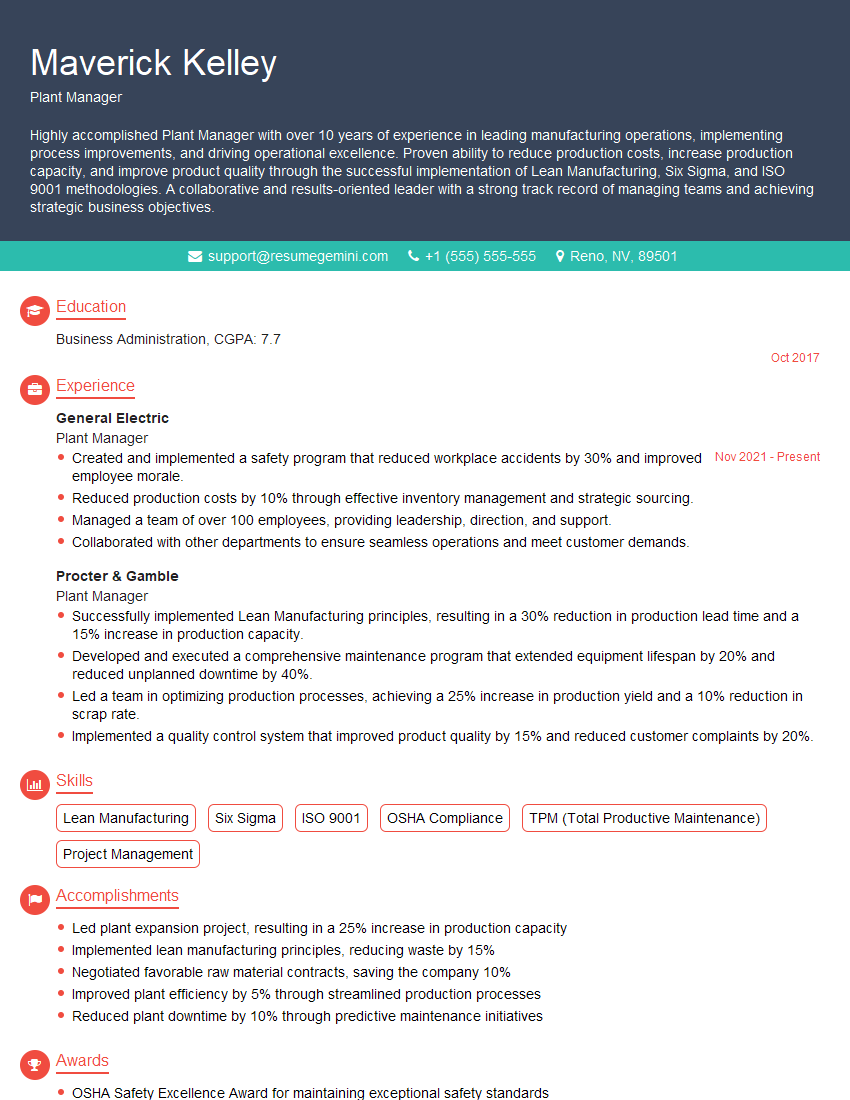
Plant Manager Resume Sample
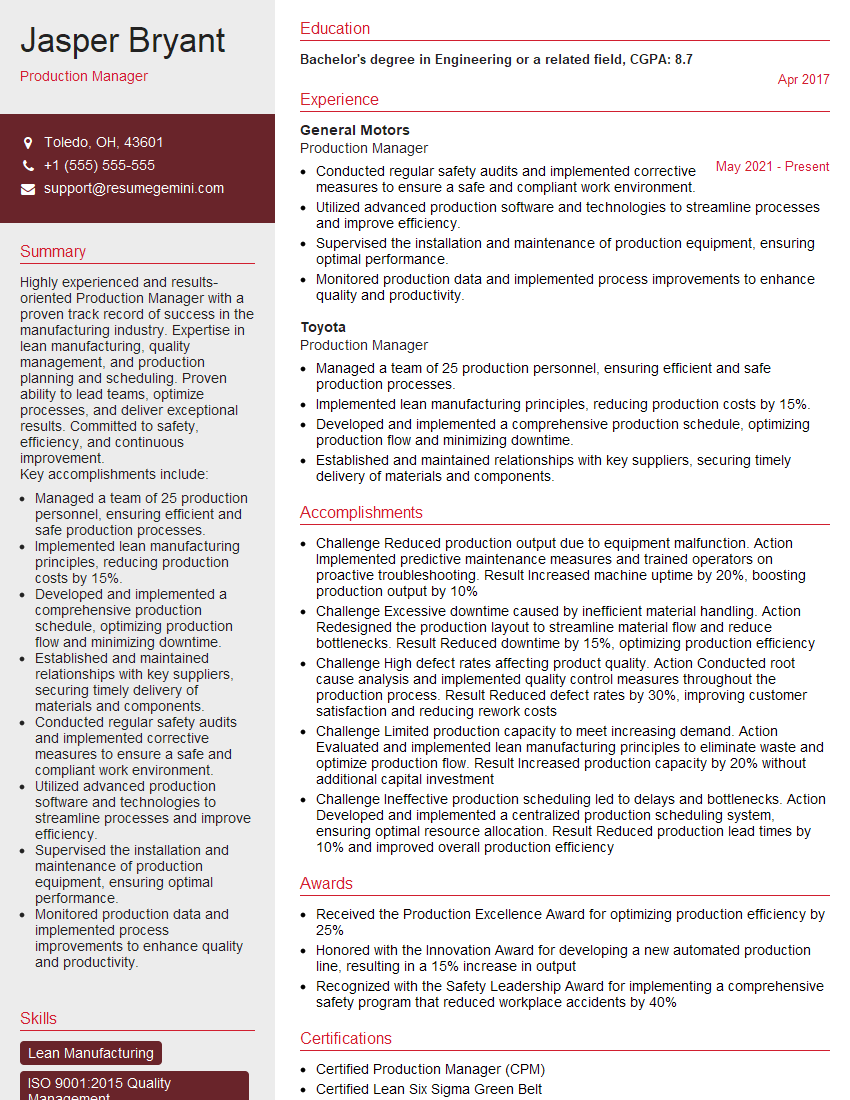
Production Manager Resume Sample

Research and Development Engineer Resume Sample
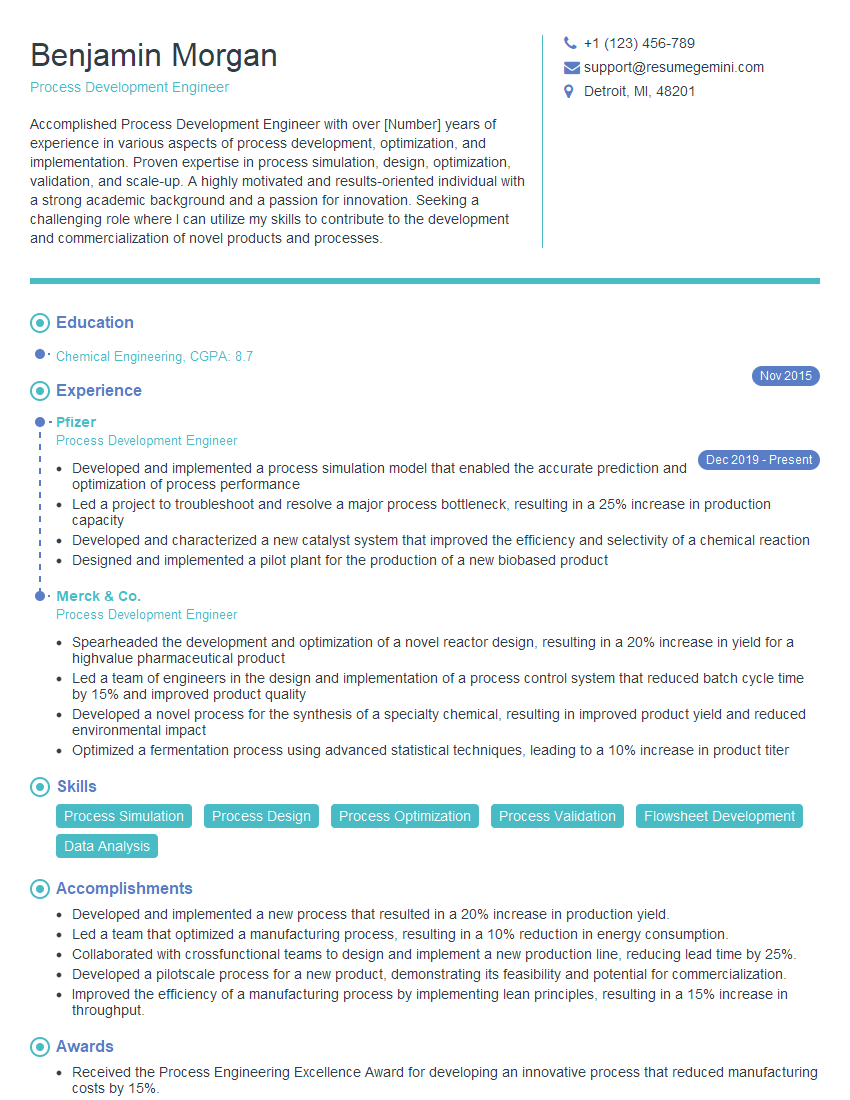
Process Development Engineer Resume Sample
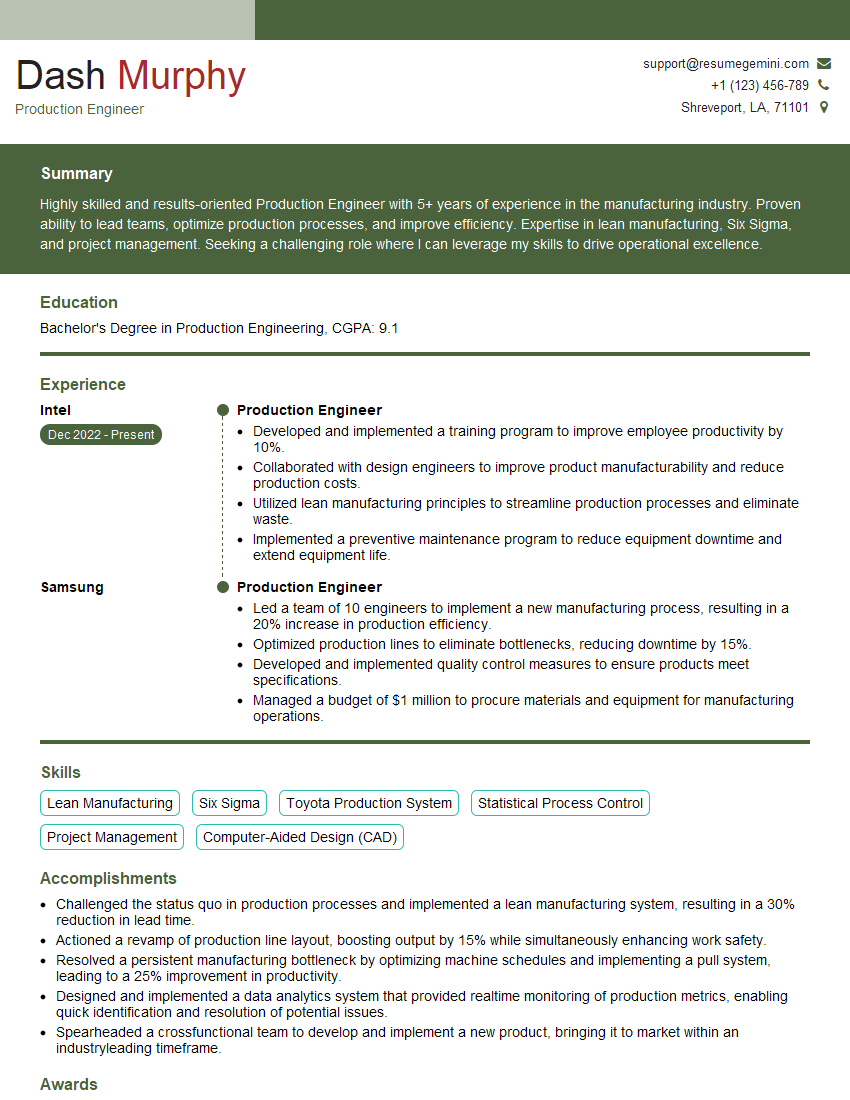
Production Engineer Resume Sample

Metallurgist Resume Sample

Welding Engineer Resume Sample

Materials Scientist Resume Sample
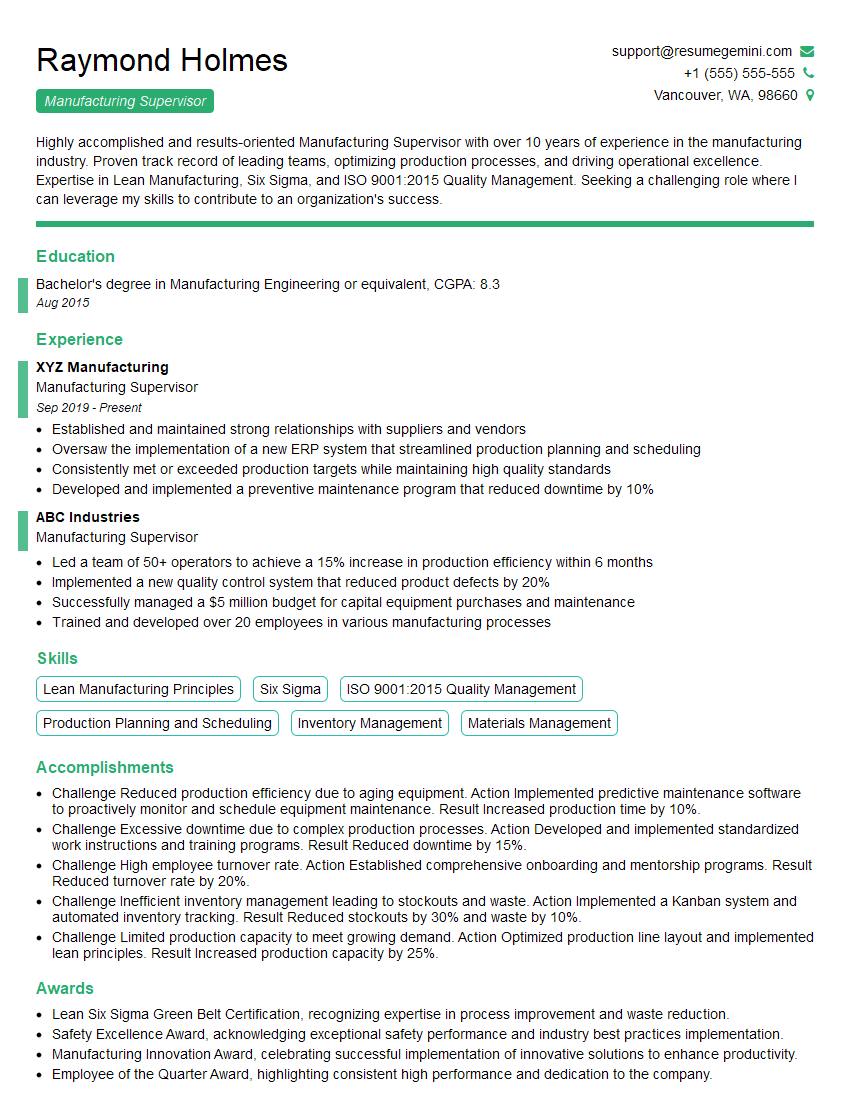
Manufacturing Supervisor Resume Sample
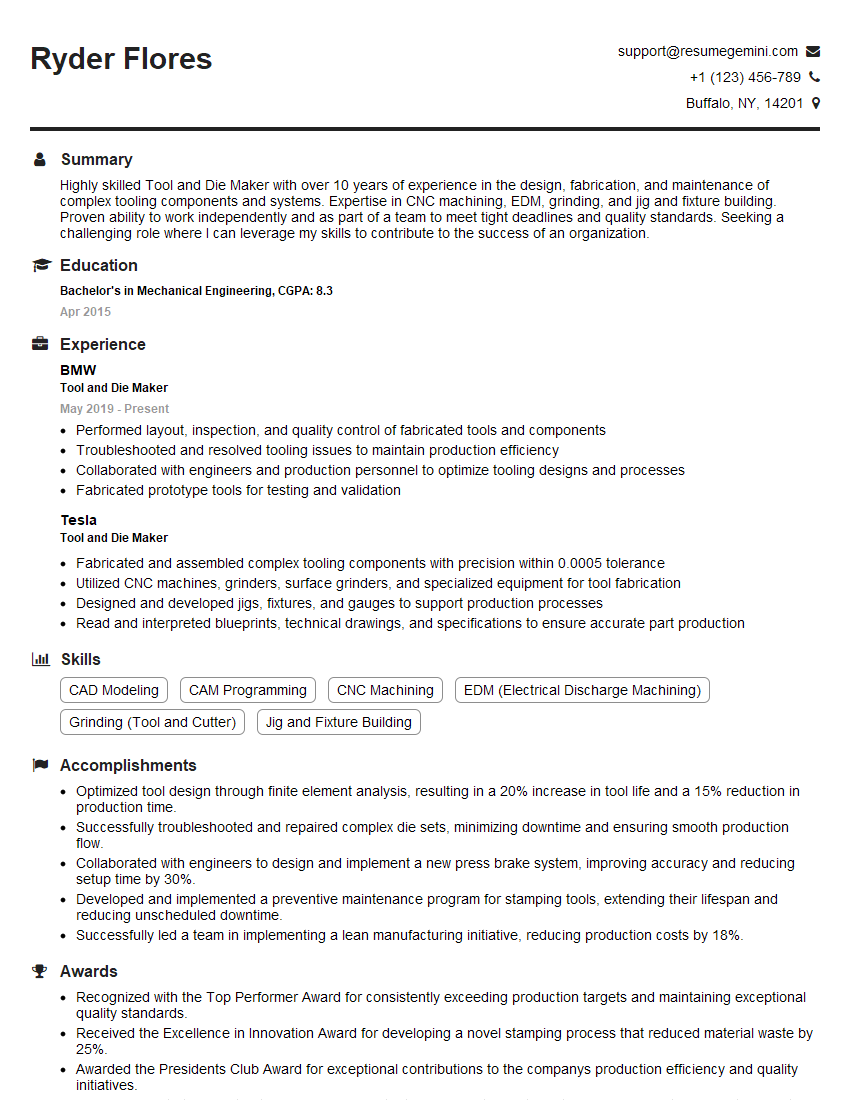
Tool and Die Maker Resume Sample
Explore more articles
Users Rating of Our Blogs
Share Your Experience
We value your feedback! Please rate our content and share your thoughts (optional).
What Readers Say About Our Blog
I Redesigned Spongebob Squarepants and his main characters of my artwork.
https://www.deviantart.com/reimaginesponge/art/Redesigned-Spongebob-characters-1223583608
IT gave me an insight and words to use and be able to think of examples
Hi, I’m Jay, we have a few potential clients that are interested in your services, thought you might be a good fit. I’d love to talk about the details, when do you have time to talk?
Best,
Jay
Founder | CEO