The right preparation can turn an interview into an opportunity to showcase your expertise. This guide to Prospecting and Outreach interview questions is your ultimate resource, providing key insights and tips to help you ace your responses and stand out as a top candidate.
Questions Asked in Prospecting and Outreach Interview
Q 1. Explain your prospecting strategy for identifying ideal customer profiles (ICPs).
My prospecting strategy for identifying Ideal Customer Profiles (ICPs) is a multi-faceted approach focusing on both qualitative and quantitative data. I begin by understanding the business’s overall goals and target market, focusing on the specific needs and pain points that our product or service addresses. This often involves collaborating with sales and marketing teams to refine the definition of a successful customer.
Next, I use a combination of methods to identify potential ICPs. This includes analyzing existing customer data to identify common traits such as industry, company size, revenue, and technology used. I also conduct market research using tools like LinkedIn, industry reports, and competitor analysis to identify potential leads that share those characteristics. For example, if we’re selling a project management software, I might focus on companies in the tech industry with over 50 employees that currently use a less advanced platform – suggesting a clear need for an upgrade.
Finally, I create detailed ICP personas, giving each a name, a backstory, and specific characteristics to make them feel real and guide my outreach efforts. These personas help ensure I’m targeting the right people with tailored messaging.
Q 2. Describe your experience with various lead generation tools (e.g., LinkedIn Sales Navigator, HubSpot).
I have extensive experience with various lead generation tools, and my choice depends on the specific project and target audience. LinkedIn Sales Navigator is invaluable for identifying and researching key decision-makers within target companies. Its advanced search filters allow me to pinpoint individuals based on their title, industry, company size, and even skills, making targeted outreach significantly more efficient. I regularly use the saved searches and lead recommendations features to maintain a constantly updated pipeline.
HubSpot, on the other hand, is a powerful CRM (Customer Relationship Management) platform that integrates lead generation, marketing automation, and sales tools. I leverage HubSpot to manage and nurture leads, track engagement, and automate outreach workflows. For example, I can create email sequences that automatically send personalized follow-ups to prospects who haven’t yet responded. This automated nurturing greatly improves response rates and reduces manual effort.
Beyond these, I have experience with tools like ZoomInfo, Salesforce, and various other marketing automation platforms. My proficiency lies in leveraging the strengths of each tool to create a streamlined and effective prospecting process.
Q 3. How do you qualify leads to ensure they align with sales targets?
Lead qualification is crucial for maximizing sales efficiency. I utilize a combination of methods, including BANT (Budget, Authority, Need, Timeline) and MEDDIC (Metrics, Economic Buyer, Decision Criteria, Decision Process, Paper Process, Identify Pain) frameworks, to assess the viability of each lead. BANT is a simpler, quicker method, suitable for many leads, while MEDDIC provides a more in-depth analysis for larger, more complex sales cycles.
For example, using BANT, I’d ask questions to determine if a prospect has the budget allocated for our product, the authority to make the purchase decision, a clear need for our solution, and a defined timeline for implementation. MEDDIC goes further, exploring the quantitative metrics demonstrating their problem, identifying the economic buyer, and understanding their decision-making process. This helps to prevent wasting time on leads that are unlikely to convert.
Ultimately, the qualification process ensures that I focus my efforts on leads with a high probability of closing, aligning perfectly with sales targets and contributing to a higher conversion rate.
Q 4. What metrics do you track to measure the effectiveness of your outreach efforts?
To measure the effectiveness of my outreach efforts, I track several key metrics. These include:
- Open rate: The percentage of emails opened.
- Click-through rate (CTR): The percentage of recipients who clicked on a link within the email.
- Response rate: The percentage of recipients who replied to the email.
- Conversion rate: The percentage of leads who converted into opportunities or customers.
- Meeting booked rate: The percentage of outreach attempts that resulted in a scheduled meeting.
- Cost per lead (CPL): The cost of acquiring a new lead.
By monitoring these metrics regularly, I can identify areas for improvement in my outreach strategy. For instance, a low open rate might indicate a problem with my subject lines, while a low response rate might suggest a need for more personalized messaging. Regular analysis allows for data-driven adjustments, constantly optimizing performance.
Q 5. How do you personalize outreach messages to maximize engagement?
Personalization is paramount for maximizing engagement. Generic outreach rarely resonates. I personalize my messages by researching each prospect beforehand to understand their specific needs, challenges, and industry context. I use the information gleaned from LinkedIn, their company website, and news articles to tailor my messaging to their unique situation.
For instance, instead of a generic “I hope this email finds you well,” I might say something like, “I noticed your recent LinkedIn post about [specific topic related to their work] and wanted to share how our product could help you address [related challenge].” This demonstrates that I’ve done my homework and understand their business. I might also incorporate their company name or a specific accomplishment into the message to further personalize the communication.
This level of personalization significantly increases the likelihood of engagement, demonstrating genuine interest and building rapport.
Q 6. Describe your process for handling objections during initial outreach.
Handling objections during initial outreach is a crucial skill. Instead of seeing objections as roadblocks, I view them as opportunities to clarify value and address concerns. My approach is based on active listening and empathetic understanding. First, I acknowledge and validate their concerns. Then, I address their specific objection using facts, data, and customer testimonials, demonstrating how our product or service overcomes their challenges.
For example, if a prospect expresses concern about pricing, I might say, “I understand that cost is a significant factor. Let’s discuss how the ROI [Return on Investment] of our solution compares to your current approach and the long-term cost savings it can deliver.” Or if they express concern about implementation, I might highlight our seamless onboarding process and readily available support.
My goal is to turn objections into opportunities to showcase the value proposition and build trust.
Q 7. How do you manage and prioritize your outreach activities?
I manage and prioritize outreach activities using a combination of tools and techniques. I leverage my CRM (like HubSpot) to track all my interactions, segment leads based on their qualification status and engagement level, and prioritize outreach based on several factors including the lead score, potential deal size, and urgency.
I typically use a combination of email, LinkedIn messaging, and phone calls, tailoring my approach to each lead’s preference and stage in the sales cycle. I create a daily or weekly schedule, allocating specific time blocks for different activities, ensuring a consistent and efficient outreach workflow.
I also prioritize tasks based on urgency and potential impact. For example, leads that have expressed high interest or are close to making a decision will naturally receive more immediate attention than those in the earlier stages of the sales cycle. This organized approach ensures I’m maximizing my time and resources to achieve the best possible results.
Q 8. What is your approach to building rapport with potential clients?
Building rapport is crucial for successful prospecting. It’s about establishing a genuine connection, showing you understand their needs, and positioning yourself as a helpful resource, not just a salesperson. My approach is multifaceted:
- Personalized Research: Before any outreach, I thoroughly research the potential client. Understanding their business, challenges, and recent activities allows me to tailor my communication to their specific context. For example, if I’m contacting a marketing agency, I’ll look at their recent case studies to identify common themes and challenges, and then tailor my pitch accordingly.
- Active Listening: During conversations, I focus on actively listening more than talking. I ask open-ended questions to understand their priorities and concerns. This shows genuine interest and helps build trust. For instance, instead of directly pitching my services, I might ask, “What are your biggest challenges in achieving your marketing goals right now?”
- Empathy and Value-Oriented Approach: I focus on understanding their pain points and showcasing how my solutions can directly address them, highlighting the value proposition instead of solely focusing on features. I demonstrate that I’m not just selling a product but providing a solution that can help them achieve their objectives.
- Finding Common Ground: I look for common interests or shared experiences to build a connection beyond the professional context. A casual, relevant comment about industry news or a shared professional association can make a big difference.
Q 9. How do you handle rejection and maintain a positive attitude?
Rejection is inevitable in sales and prospecting. Instead of viewing it negatively, I see it as an opportunity for learning and improvement. My approach involves:
- Analyzing Rejections: I try to understand the reasons behind rejections. Was it timing? Was my message unclear? This analysis helps me refine my approach and improve future outreach efforts.
- Maintaining a Positive Mindset: I focus on celebrating small wins and acknowledge the progress made, even if it’s not a direct sale. Every interaction is a step towards building relationships and enhancing my skills.
- Learning from Mistakes: I document my outreach attempts, including what worked and what didn’t. This allows me to identify patterns and improve my strategies over time. Keeping a log of call outcomes is incredibly helpful for this process.
- Self-Care and Resilience: Sales can be emotionally demanding. I make sure to prioritize self-care, which involves activities like exercise, spending time with loved ones, and pursuing hobbies to maintain a balanced and positive mindset.
Remember, a single “no” doesn’t define the outcome; it’s the cumulative effort that matters.
Q 10. Explain your understanding of different outreach channels (email, phone, social media).
Different outreach channels have their own strengths and weaknesses. Here’s my understanding:
- Email: Emails are great for reaching a wide audience, delivering detailed information, and leaving a lasting record. However, they can be easily ignored and have lower response rates. To overcome this, I personalize each email, segment my audience, use compelling subject lines, and follow up strategically.
- Phone: Phone calls allow for immediate interaction, building rapport more quickly. However, they require more time and can be challenging to schedule. My approach is to schedule calls strategically and prepare talking points beforehand, to ensure each conversation is concise, efficient, and value-driven.
- Social Media: Social media platforms (LinkedIn, Twitter, etc.) are ideal for engaging potential clients organically, showcasing expertise, and building brand awareness. I actively participate in relevant conversations, share insightful content, and use social listening to identify potential leads. Remember that relationship building is paramount here. It takes time to foster engagement.
The most effective strategy often combines multiple channels. For example, I might initially connect via LinkedIn, then follow up with a personalized email, and finally schedule a call.
Q 11. How do you stay organized and track your progress with leads?
Staying organized and tracking progress is vital. I use a combination of tools and strategies:
- CRM (Customer Relationship Management) System: I use a CRM like Salesforce or HubSpot to store contact information, track interactions, and manage leads effectively. It allows me to segment my audience, prioritize leads, and monitor the entire sales pipeline.
- Spreadsheets: For smaller projects or specific campaigns, I often use spreadsheets to track key metrics, such as the number of emails sent, call attempts, and conversion rates. This helps me analyze performance and identify areas for improvement.
- Task Management Tools: Tools like Asana or Trello help me schedule tasks, manage deadlines, and ensure I’m staying on track with my outreach efforts. This helps avoid missing opportunities.
- Regular Reviews: I schedule regular reviews of my progress, analyzing key metrics, identifying bottlenecks, and adapting my strategies as needed.
Consistency is key. By consistently tracking and reviewing my progress, I can identify what’s working and what needs adjustments. This data-driven approach maximizes efficiency and effectiveness.
Q 12. What strategies do you use to overcome gatekeepers?
Gatekeepers can be challenging. My strategy focuses on building rapport and demonstrating value:
- Emphasize the Value Proposition: I clearly articulate the benefits my solution offers to their organization. If I’m clear on how it directly benefits *them*, the gatekeeper is more likely to pass me on.
- Build a Relationship with the Gatekeeper: Instead of treating them as an obstacle, I strive to build a rapport with the gatekeeper. I show them respect and acknowledge their role. A friendly conversation can often pave the way to a successful connection with the decision-maker.
- Offer Value to the Gatekeeper: If appropriate, I can offer resources or information that is valuable to the gatekeeper’s role. A thoughtful approach can encourage cooperation.
- Strategic Timing and Channels: I tailor my approach and timing based on the gatekeeper. A quick email during the right time might yield better results than a cold call.
- Bypass the Gatekeeper (When Appropriate): In some instances, researching and directly contacting the decision-maker through other channels might be more effective. Always check for the best channels on LinkedIn to connect with your ideal prospect.
The key is to be persistent but respectful. Understanding their role and needs often makes the process smoother.
Q 13. How do you adapt your outreach approach based on different industries or client types?
Adaptability is crucial in prospecting. My approach varies significantly based on the industry and client type:
- Industry Research: I tailor my message to resonate with the specific industry’s language, challenges, and trends. For example, my approach to a tech startup will differ significantly from my approach to a traditional manufacturing company.
- Client Persona Development: For different client types (e.g., small businesses vs. large enterprises), I create specific personas to tailor my messaging and outreach strategy. This approach ensures I address their unique needs and priorities.
- Messaging and Tone Adjustments: I adjust the tone and style of my communication accordingly. Formal language might be suitable for large corporations, while a more conversational approach might be better for small businesses. The key is to ensure authenticity.
- Channel Selection: I select the most appropriate outreach channels. For example, LinkedIn might be more effective for connecting with professionals in certain industries, while email might be better for others.
Flexibility and continuous learning are crucial to adapting my approach for maximum effectiveness. Keeping up-to-date on industry news and trends is vital for staying relevant and making meaningful connections.
Q 14. Describe a time you had to overcome a challenge in your outreach efforts. What was the outcome?
I once faced a challenge prospecting for a new SaaS product in a highly competitive market. Initial outreach efforts yielded low response rates. After analyzing my approach, I realized my messaging was too generic and didn’t highlight the unique value proposition effectively. I also wasn’t adequately targeting my ideal customer profile.
To overcome this, I implemented the following changes:
- Refined Messaging: I developed more specific messaging that addressed the pain points of my target audience, emphasizing the unique benefits of the product in solving those problems.
- Improved Targeting: I narrowed my focus to a more specific ideal customer profile (ICP), concentrating my efforts on companies that were most likely to benefit from our product.
- A/B Testing: I tested different subject lines, email body copy, and call-to-actions to identify what resonated best with my target audience.
- Content Marketing Integration: I integrated content marketing into my outreach, sharing valuable resources related to the target audience’s needs to build credibility and trust before directly pitching the product.
The outcome was significant. After these changes, my response rates increased by over 50%, leading to a substantial increase in qualified leads and ultimately, sales. This experience reinforced the importance of continuous optimization and data-driven decision-making in prospecting.
Q 15. What is your experience with CRM systems (e.g., Salesforce, Pipedrive)?
I have extensive experience with various CRM systems, including Salesforce and Pipedrive. My proficiency extends beyond basic data entry; I’m adept at leveraging their advanced features for lead management, campaign tracking, and sales forecasting. For instance, in a previous role at a SaaS company, I used Salesforce to segment our leads based on industry, company size, and engagement level. This allowed us to tailor our outreach efforts and significantly improve conversion rates. I’m also familiar with integrating CRMs with other marketing automation tools to streamline workflows and automate repetitive tasks, like email sequences and social media posting. In Pipedrive, I’ve successfully implemented custom pipelines to reflect our unique sales processes, providing real-time visibility into deal progress and identifying potential bottlenecks.
Beyond functionality, I understand the importance of data hygiene within a CRM. I’m meticulous about data entry accuracy and regularly conduct data audits to ensure its integrity. This is crucial for accurate reporting and effective decision-making.
Career Expert Tips:
- Ace those interviews! Prepare effectively by reviewing the Top 50 Most Common Interview Questions on ResumeGemini.
- Navigate your job search with confidence! Explore a wide range of Career Tips on ResumeGemini. Learn about common challenges and recommendations to overcome them.
- Craft the perfect resume! Master the Art of Resume Writing with ResumeGemini’s guide. Showcase your unique qualifications and achievements effectively.
- Don’t miss out on holiday savings! Build your dream resume with ResumeGemini’s ATS optimized templates.
Q 16. How do you measure the ROI of your prospecting and outreach activities?
Measuring the ROI of prospecting and outreach requires a multi-faceted approach. It’s not simply about the number of leads generated, but rather the quality of those leads and their eventual conversion into paying customers. I typically track key metrics such as:
- Cost per lead (CPL): This helps determine the efficiency of our spending on advertising, tools, and other outreach resources.
- Conversion rate: This measures the percentage of leads that convert into opportunities or sales.
- Customer acquisition cost (CAC): This calculates the total cost of acquiring a new customer, taking into account all prospecting and sales efforts.
- Customer lifetime value (CLTV): This estimates the total revenue generated by a customer over their relationship with the company. A high CLTV compared to CAC indicates a healthy ROI.
- Lead source attribution: Understanding which outreach channels generate the most qualified leads allows for optimized resource allocation.
By tracking these metrics and analyzing trends, I can identify successful strategies, optimize underperforming campaigns, and demonstrate the overall value of my prospecting and outreach activities. For example, if A/B testing reveals one email subject line significantly outperforms another, I can adjust future campaigns accordingly, improving ROI.
Q 17. What are some common mistakes to avoid during prospecting and outreach?
Several common mistakes can severely hinder the effectiveness of prospecting and outreach. These include:
- Generic messaging: Sending mass emails without personalization alienates prospects and reduces response rates. Always tailor your message to the specific recipient and their needs.
- Ignoring the prospect’s context: Failing to research the prospect and understand their challenges prevents you from offering a relevant solution.
- Poor targeting: Casting too wide a net with irrelevant leads wastes time and resources. Focus on identifying your ideal customer profile (ICP) and targeting accordingly.
- Lack of follow-up: Most sales require multiple touchpoints. Consistent follow-up is crucial for nurturing leads and moving them through the sales pipeline.
- Neglecting data analysis: Failing to track and analyze results prevents you from identifying what works and what doesn’t, hindering improvement.
- Being overly pushy or salesy: Focus on building relationships and providing value, rather than aggressively selling.
Avoiding these mistakes requires a strategic, data-driven approach to prospecting and outreach, prioritizing quality over quantity.
Q 18. Describe your experience with A/B testing outreach messages.
A/B testing is integral to optimizing outreach campaigns. I routinely test different aspects of my messages, including subject lines, email body copy, call-to-actions, and even the timing of outreach. For example, I might test two different subject lines: one focusing on a problem the prospect faces and the other highlighting a solution. I’ll then track open rates and click-through rates to determine which performs better.
Tools like Mailchimp and other email marketing platforms simplify this process. They allow for automated A/B testing, providing data-driven insights to refine my approach. The results guide future messaging, ultimately improving campaign effectiveness and ROI. I typically run A/B tests for a sufficient duration to gather statistically significant data before making conclusions. I also document all tests and their results for future reference and to identify consistent patterns.
Q 19. How do you handle conflicting priorities when managing multiple outreach campaigns?
Managing conflicting priorities across multiple outreach campaigns requires effective prioritization and time management. I use a combination of techniques to handle this:
- Prioritization Matrix: I employ a matrix (like Eisenhower’s Urgent/Important matrix) to categorize campaigns based on urgency and importance. This helps me allocate resources effectively to high-impact tasks.
- Project Management Tools: Tools like Asana or Trello help me track progress, deadlines, and dependencies across various campaigns, ensuring nothing falls through the cracks.
- Clear Communication: Open communication with stakeholders is key to managing expectations and reallocating resources when necessary. This ensures everyone is aligned on priorities and understands potential delays.
- Time Blocking: Dedicated blocks of time allocated to specific campaigns minimize context switching and enhance focus.
By employing these strategies, I can effectively manage multiple campaigns, ensuring that each receives the necessary attention without sacrificing overall productivity.
Q 20. What are your preferred methods for following up with leads?
My follow-up strategy is multi-channel and personalized. It’s not a one-size-fits-all approach. I begin with a personalized email, followed by a LinkedIn message or a phone call, depending on the lead’s preference and engagement. I avoid generic, automated follow-ups; instead, I tailor each message based on the previous interaction. For instance, if a prospect showed interest in a specific feature, I might highlight relevant case studies or testimonials in my follow-up.
I typically follow a cadence of follow-up, adjusting the frequency based on the lead’s responsiveness. I also utilize CRM features to automate certain aspects, like sending reminder emails, while ensuring personalization remains paramount. Persistence is key, but it should be strategic and respectful of the prospect’s time. The goal is to nurture the relationship and provide value, not to annoy or pressure them.
Q 21. How do you maintain data integrity and accuracy in your lead management system?
Maintaining data integrity and accuracy in my lead management system is paramount. I employ several strategies:
- Standardized Data Entry: I use consistent formats and field names to ensure uniformity across all data entries. This makes searching, filtering, and reporting much more efficient.
- Regular Data Audits: I conduct regular audits to identify and correct any inconsistencies or errors. This includes checking for duplicate entries, outdated information, and missing data points.
- Data Validation Rules: Wherever possible, I use CRM features to enforce data validation rules. This prevents incorrect data from being entered in the first place.
- Data Cleaning Processes: I have established processes for cleaning and updating data regularly, ensuring its accuracy over time. This could involve removing inactive leads or updating contact information.
- Training and Documentation: I provide training to team members on best practices for data entry and management. I also maintain clear documentation of data entry procedures and validation rules.
By consistently following these steps, I ensure the integrity and accuracy of our lead data, enabling effective reporting, analysis, and informed decision-making.
Q 22. How do you use data analytics to inform your prospecting and outreach strategies?
Data analytics is the cornerstone of effective prospecting and outreach. Instead of relying on gut feeling, I leverage data to identify ideal customer profiles (ICPs), prioritize high-potential leads, and measure the success of my campaigns. This involves using tools like CRM software (Salesforce, HubSpot) and marketing automation platforms (Marketo, Pardot) to analyze various data points.
- Identifying ICPs: I analyze existing customer data to identify common traits like industry, company size, job title, and technological needs. This helps me build highly targeted outreach campaigns.
- Prioritizing Leads: Scoring leads based on factors like engagement with marketing materials, website activity, and social media interactions helps me focus my efforts on the most promising prospects. For instance, a lead who has downloaded multiple white papers and visited pricing pages is likely more qualified than someone who only visited the homepage.
- Measuring Campaign Performance: I track key metrics such as open rates, click-through rates, conversion rates, and ultimately, revenue generated. This allows for continuous optimization and improvement of the outreach strategy. For example, A/B testing subject lines and email copy allows me to understand what resonates best with my target audience.
For example, if I notice a high conversion rate from leads in the finance industry who engage with my LinkedIn content, I’ll allocate more resources to targeting similar profiles.
Q 23. What is your experience with cold calling and email marketing?
Cold calling and email marketing are both valuable tools in my outreach arsenal, but I approach them strategically. I don’t see them as interchangeable; rather, they complement each other.
- Cold Calling: I personalize each call as much as possible, researching the prospect beforehand to understand their needs and challenges. I focus on building rapport, qualifying the lead, and setting up a follow-up meeting rather than pitching aggressively. I understand that cold calling has a low conversion rate, but a well-executed call can generate high-quality leads.
- Email Marketing: I use email marketing for nurturing leads and delivering valuable content. I segment my audience based on their interests and stage in the sales funnel. I focus on providing value rather than just pushing sales messages. A/B testing is crucial to optimize subject lines, content, and call-to-actions. I also employ various email sequences tailored to different scenarios, including follow-ups after events or initial contact.
I find that a combined approach is most effective. For instance, a well-crafted email could be followed up with a phone call to solidify the relationship. The email provides context and sets the stage for a more productive conversation.
Q 24. Describe your experience with sales automation tools.
I have extensive experience with various sales automation tools, including HubSpot, Salesforce, and Outreach.io. These tools streamline my prospecting and outreach process, allowing me to focus on strategic activities rather than manual tasks.
- Lead Management: I utilize CRM systems to manage leads, track interactions, and automate follow-ups. This ensures that no leads fall through the cracks.
- Email Sequencing: Automation platforms allow me to create sophisticated email sequences that nurture leads over time. I can personalize these sequences based on lead behavior and engagement.
- Social Selling Integration: Many tools integrate with social media platforms, enabling me to track prospects’ activity and tailor my outreach accordingly.
- Reporting and Analytics: Sales automation tools provide valuable data on campaign performance, allowing me to continuously optimize my strategies.
For instance, using Outreach.io’s sequence builder, I can create personalized email sequences with customized delays and follow-up actions, resulting in higher engagement and conversion rates.
Q 25. How do you identify and leverage networking opportunities?
Identifying and leveraging networking opportunities is about being proactive and strategic. It’s not just about attending events; it’s about engaging meaningfully and building genuine connections.
- Industry Events and Conferences: I actively attend relevant industry events to meet potential clients and partners. I prepare in advance by identifying key individuals I want to connect with.
- Online Communities and Forums: I participate in online communities and forums related to my industry. This allows me to build relationships with potential leads and showcase my expertise.
- Referral Programs: I actively solicit referrals from existing clients and partners. Referrals are often more effective than cold outreach.
- LinkedIn Engagement: I actively engage with potential leads on LinkedIn by commenting on their posts, sharing relevant content, and sending personalized connection requests.
For example, at a recent industry conference, I identified a key decision-maker at a target company and initiated a conversation about their challenges. This led to a follow-up meeting and eventually a successful business deal.
Q 26. What are your strategies for building a strong professional network?
Building a strong professional network requires consistent effort and genuine engagement. It’s a long-term investment that yields significant returns.
- Value-Driven Interactions: I focus on providing value to my network by sharing insightful content, offering helpful advice, and making genuine connections.
- Active Listening and Empathy: I actively listen to understand my network’s needs and challenges. This helps me build stronger relationships and identify opportunities to help.
- Consistent Engagement: I maintain regular contact with my network through emails, social media, and in-person meetings.
- Mentorship and Reciprocity: I actively seek mentorship opportunities and am willing to reciprocate by mentoring others. This fosters a mutually beneficial relationship.
Think of networking like gardening. You need to consistently nurture your connections by providing value and maintaining regular contact to see growth and positive outcomes.
Q 27. How do you handle situations where leads are unresponsive?
Unresponsive leads are a common challenge in prospecting. It’s crucial to understand the reasons for unresponsiveness and adapt my approach accordingly.
- Reviewing Outreach Strategy: I review my initial outreach methods. Was the email too generic? Was the timing off? Did I target the right person?
- Trying Different Channels: If email isn’t working, I might try calling, connecting on LinkedIn, or sending a personalized direct message.
- Adding Value: I might send a valuable piece of content or offer to answer a specific question related to their industry.
- Respecting Their Time: If they still don’t respond after multiple attempts, I respect their decision and move on. Persistence is important but so is respecting boundaries.
Sometimes, a simple follow-up email acknowledging the previous communication and offering additional value can reignite interest. For example, ‘I understand you might be busy, but I wanted to share this relevant article I thought you might find useful…’
Q 28. Explain your understanding of sales cycles and their impact on outreach strategies.
Understanding sales cycles is critical for effective outreach. The sales cycle refers to the series of stages a prospect goes through before making a purchase. My outreach strategy is tailored to each stage.
- Prospecting: Identifying and qualifying potential leads. Outreach at this stage focuses on generating awareness and interest.
- Qualifying: Determining if a lead is a good fit for my product or service. Outreach involves asking qualifying questions to gauge interest and need.
- Presentation: Demonstrating the value proposition of my product or service. Outreach focuses on showcasing features, benefits, and addressing concerns.
- Handling Objections: Addressing any concerns or objections the prospect might have. Outreach involves providing solutions and addressing pain points.
- Closing: Securing the sale. Outreach focuses on summarizing the benefits and making the closing offer.
- Follow-up: Maintaining contact with the client after the sale. Outreach involves providing ongoing support and building a long-term relationship.
Understanding the typical length of my sales cycle (e.g., days, weeks, months) informs the frequency and type of outreach. A shorter sales cycle requires more frequent and direct communication, whereas a longer cycle might necessitate a nurturing approach with regular valuable content delivery.
Key Topics to Learn for Prospecting and Outreach Interview
- Ideal Customer Profile (ICP) Definition & Identification: Understanding how to define and identify your ideal customer, including their needs, pain points, and characteristics. Practical application: Developing a detailed ICP based on market research and company data.
- Lead Generation Strategies: Exploring various lead generation techniques, such as social selling, networking, content marketing, and paid advertising. Practical application: Designing a multi-channel lead generation strategy targeting a specific ICP.
- Outreach Methods & Channels: Mastering different outreach methods like email, phone calls, social media engagement, and networking events. Practical application: Crafting compelling outreach messages tailored to specific channels and audiences.
- Building Rapport & Trust: Developing effective communication strategies to build rapport and trust with potential clients. Practical application: Practicing active listening and personalized communication techniques.
- Handling Objections & Qualifying Leads: Effectively addressing objections and qualifying leads to ensure a focus on high-potential opportunities. Practical application: Developing a framework for handling common objections and identifying qualifying questions.
- Measuring & Analyzing Results: Tracking key metrics to assess the effectiveness of outreach efforts and make data-driven improvements. Practical application: Defining relevant KPIs and using data analysis tools to monitor progress and optimize campaigns.
- Salesforce or CRM Utilization: Demonstrating proficiency in using CRM systems to manage leads, track interactions, and analyze performance. Practical application: Describing your experience managing and utilizing data within a CRM system.
Next Steps
Mastering prospecting and outreach is crucial for career advancement in sales, marketing, and business development. It’s a highly sought-after skill that opens doors to exciting opportunities and higher earning potential. To increase your chances of landing your dream role, it’s essential to present yourself effectively through a strong, ATS-friendly resume. ResumeGemini is a trusted resource that can help you build a professional and impactful resume tailored to highlight your skills and experience. Examples of resumes tailored to Prospecting and Outreach are available within ResumeGemini to guide you. Take the next step towards your career success today!
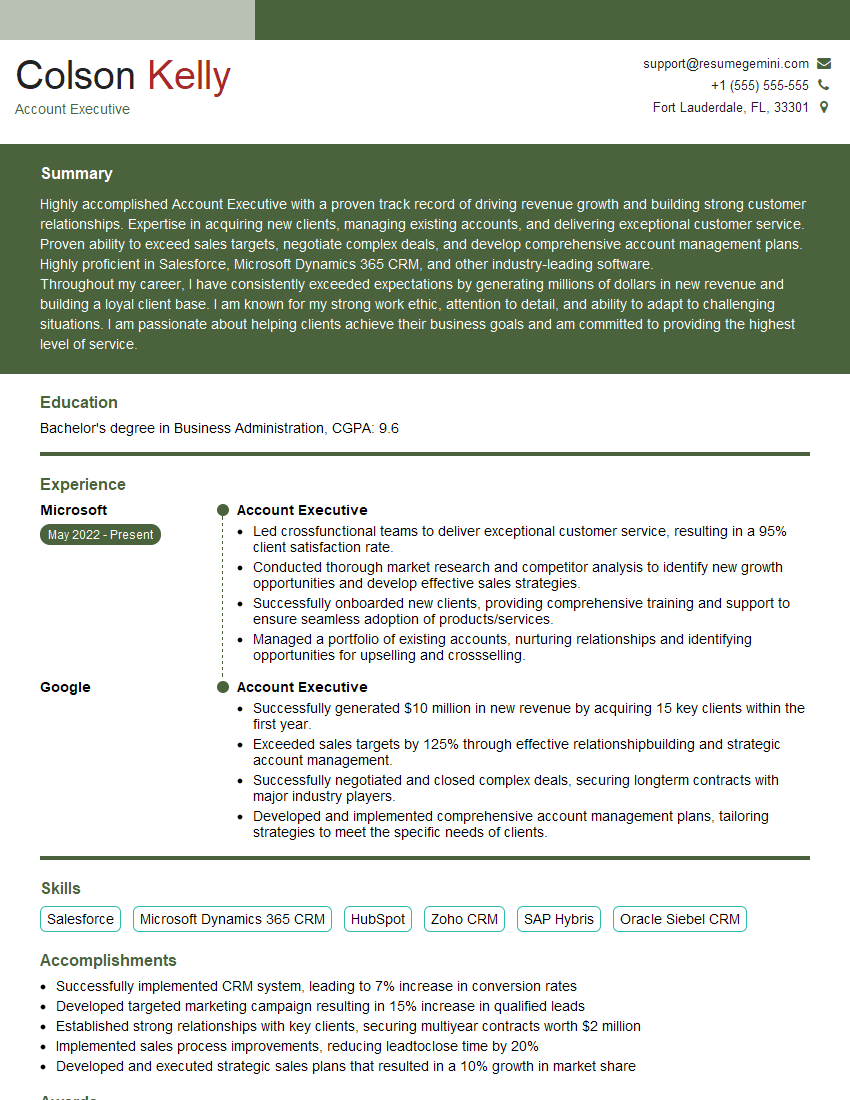
Account Executive Resume Sample
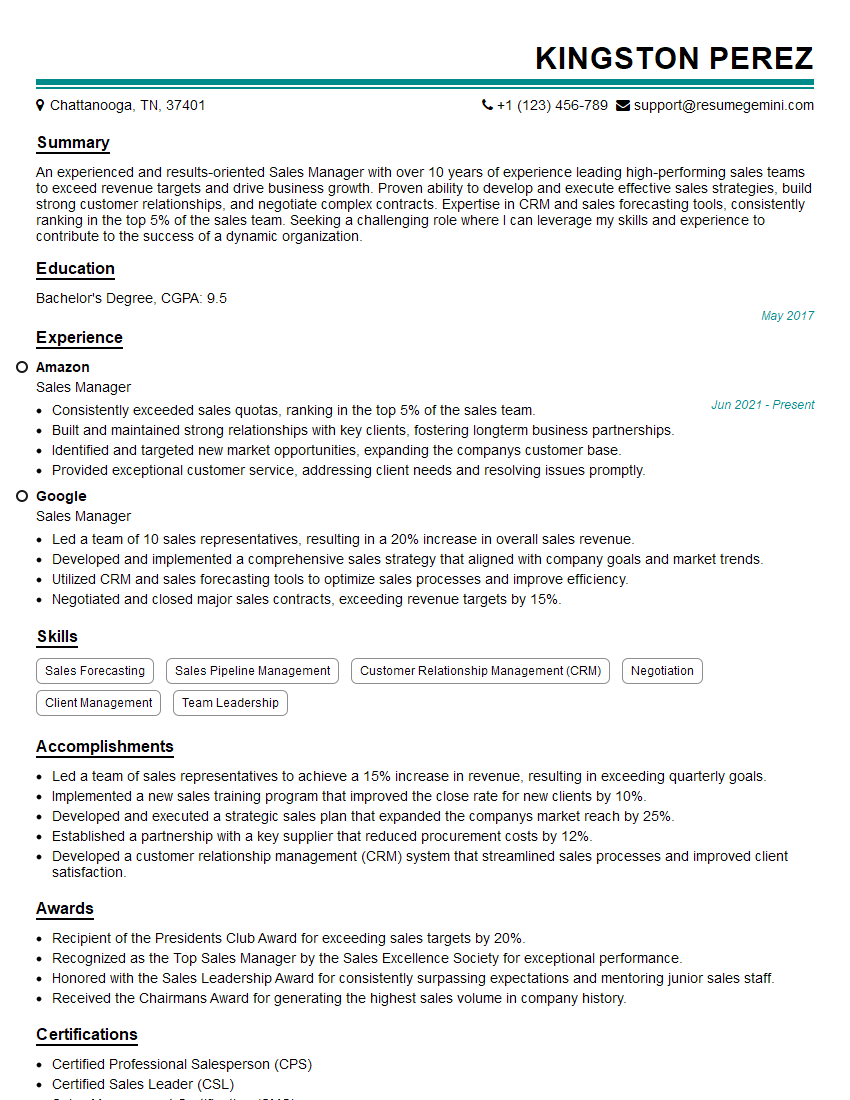
Sales Manager Resume Sample
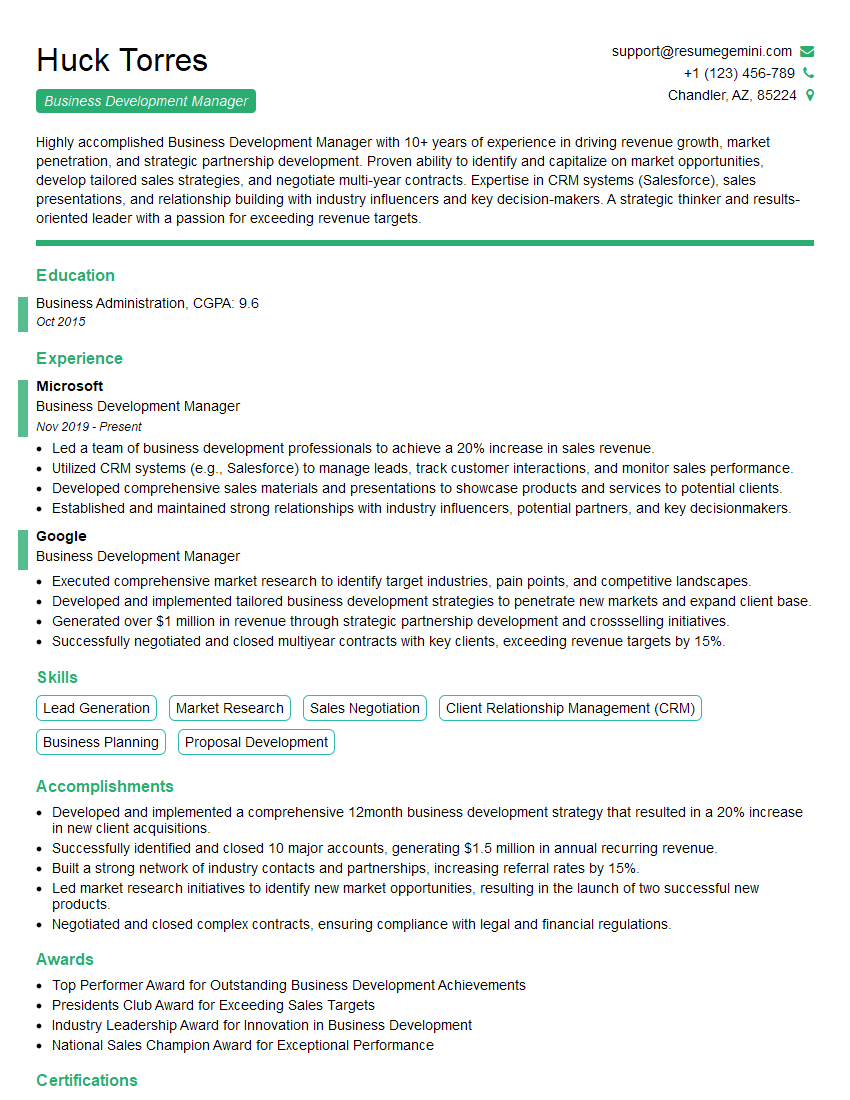
Business Development Manager Resume Sample
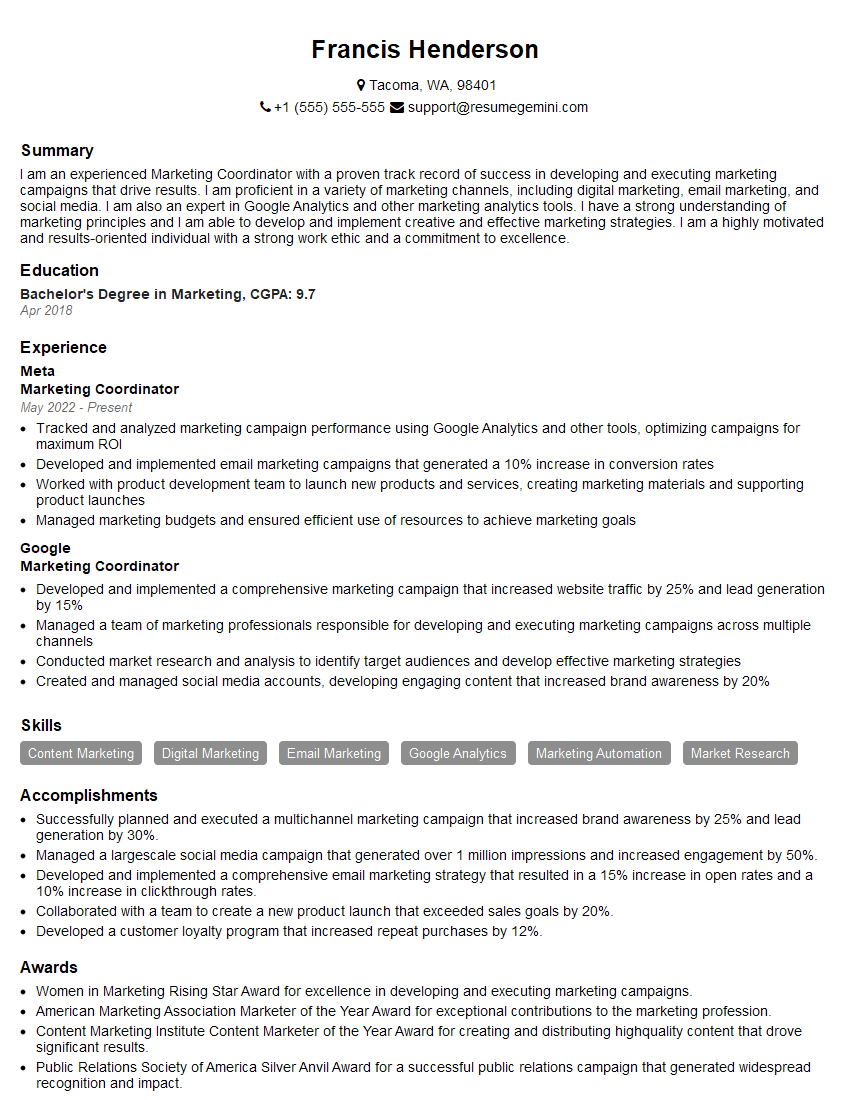
Marketing Coordinator Resume Sample
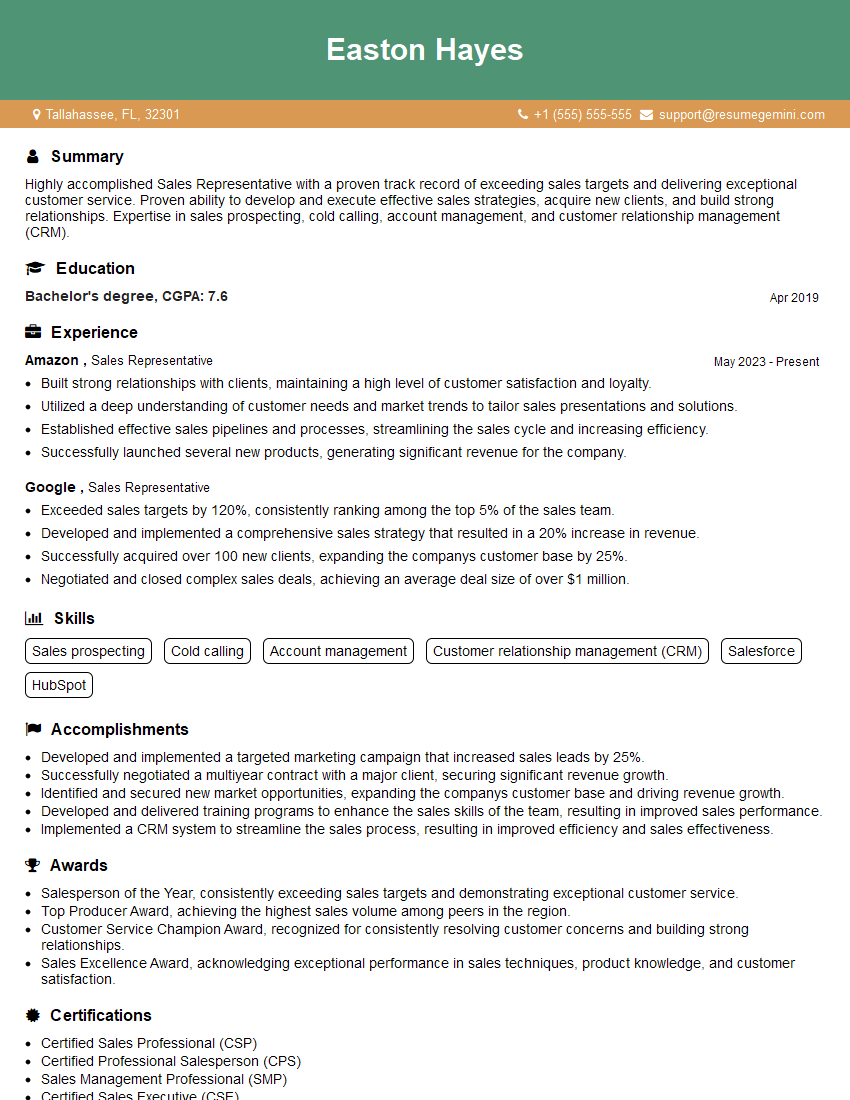
Sales Representative Resume Sample
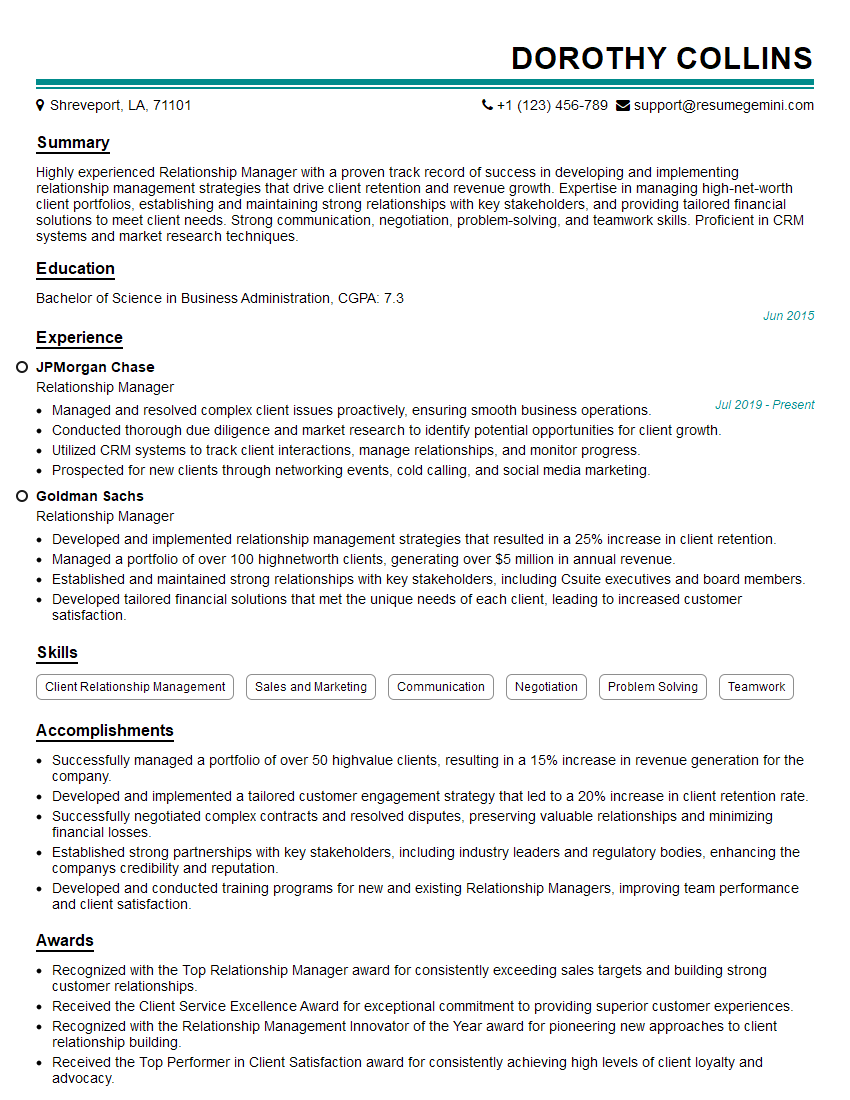
Relationship Manager Resume Sample
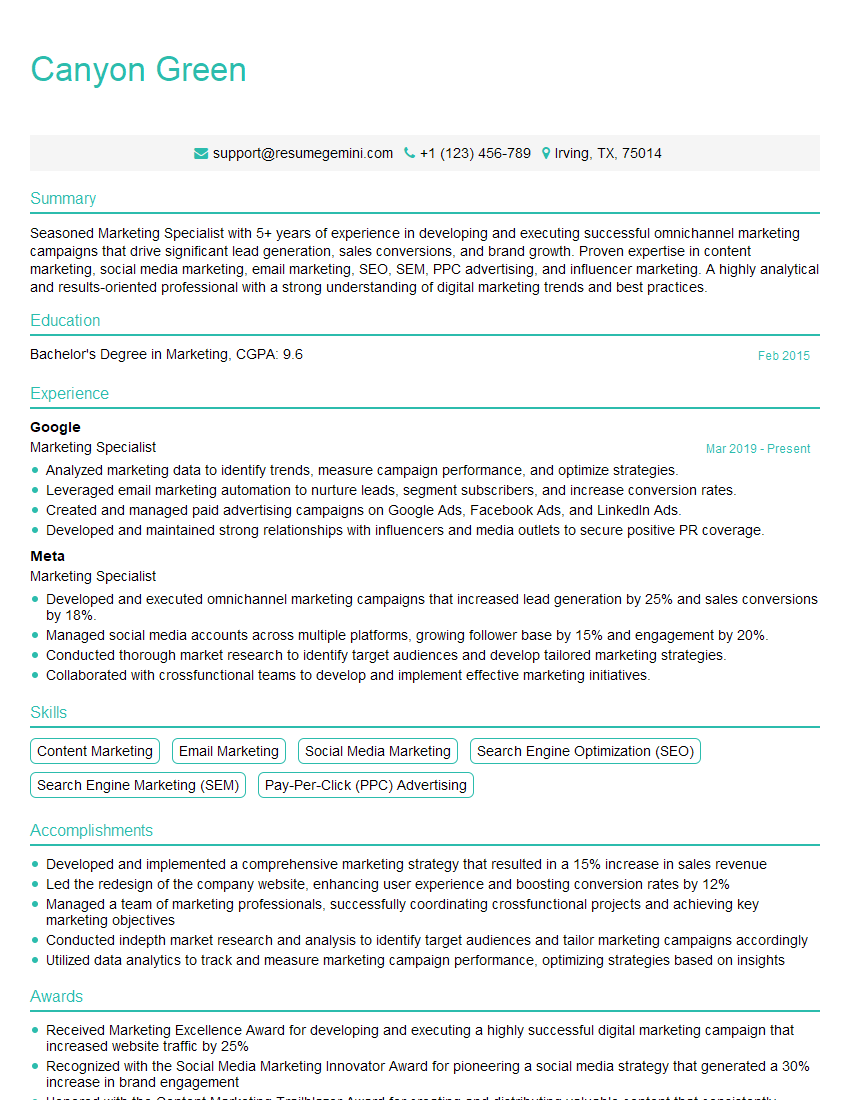
Marketing Specialist Resume Sample

Outreach Specialist Resume Sample
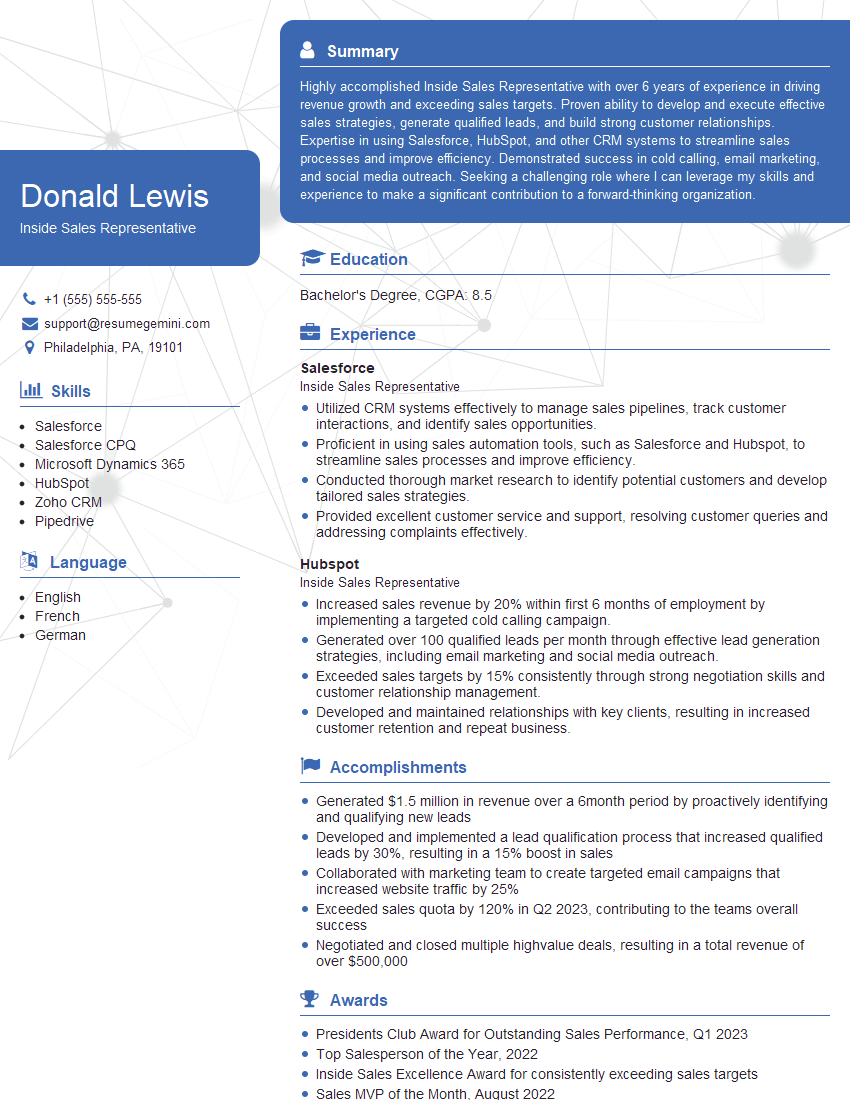
Inside Sales Representative Resume Sample
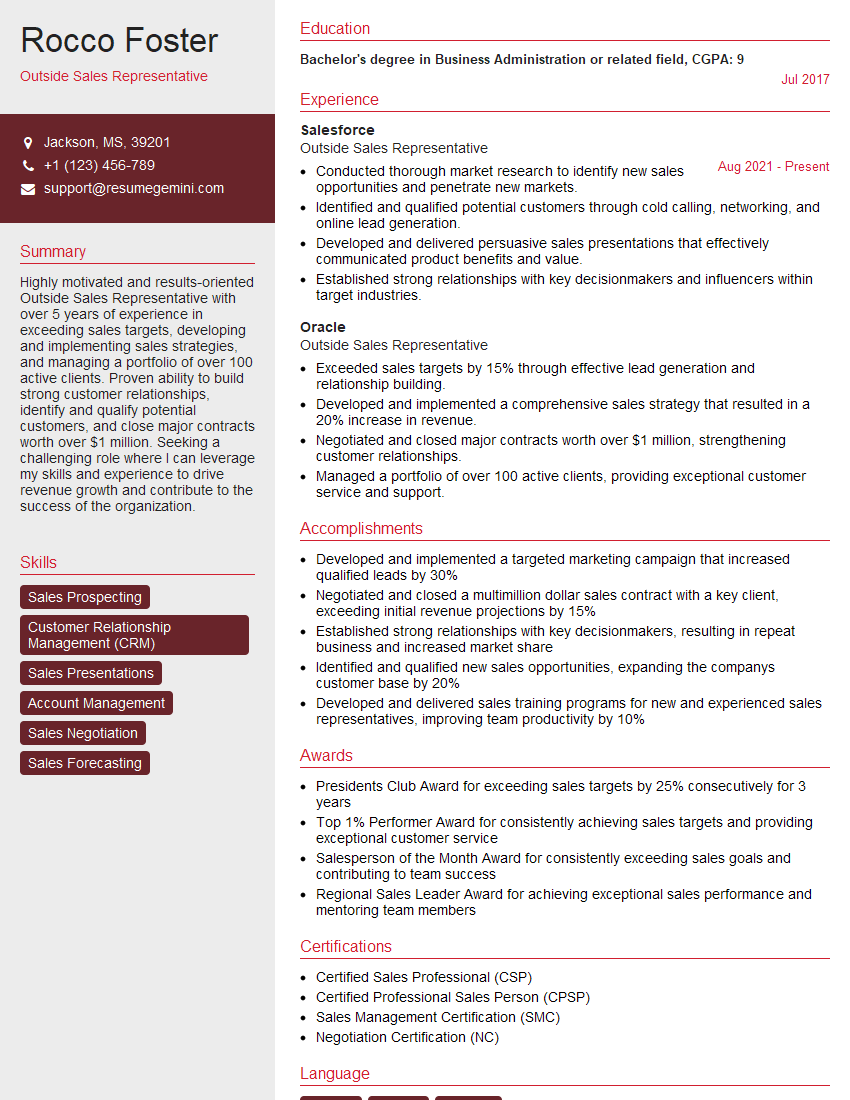
Outside Sales Representative Resume Sample
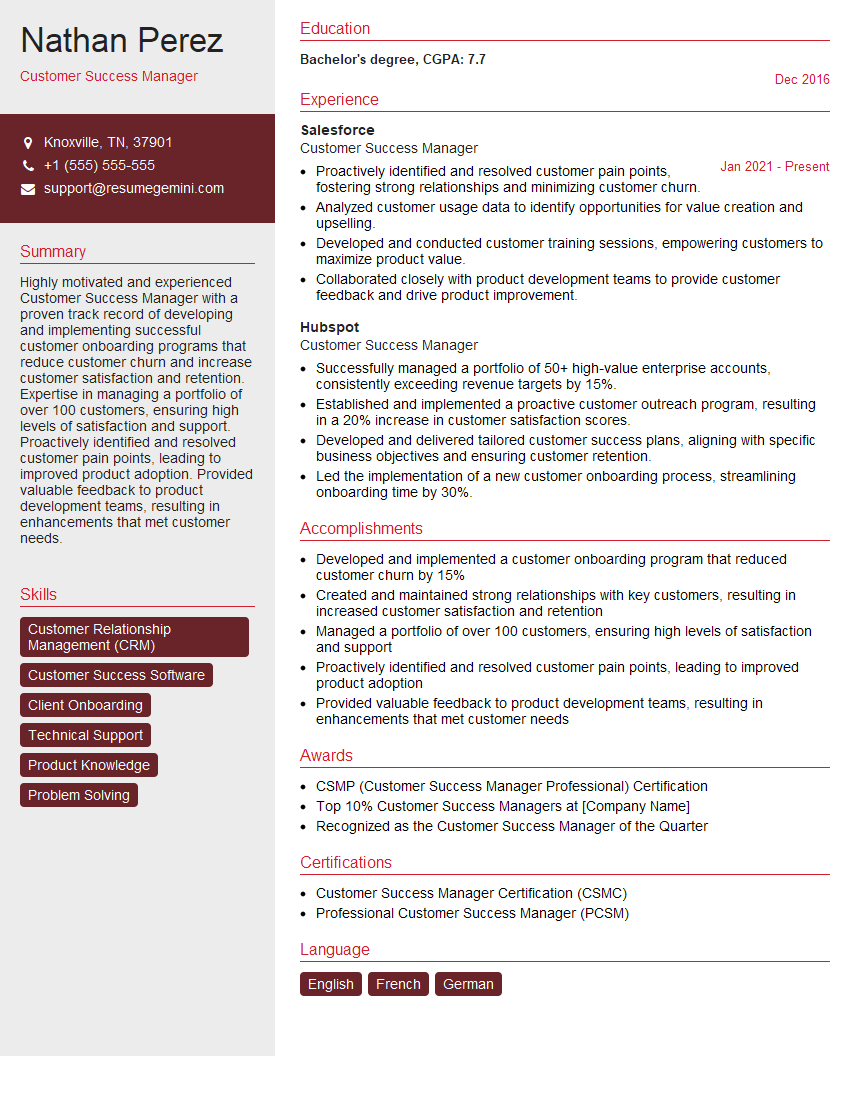
Customer Success Manager Resume Sample
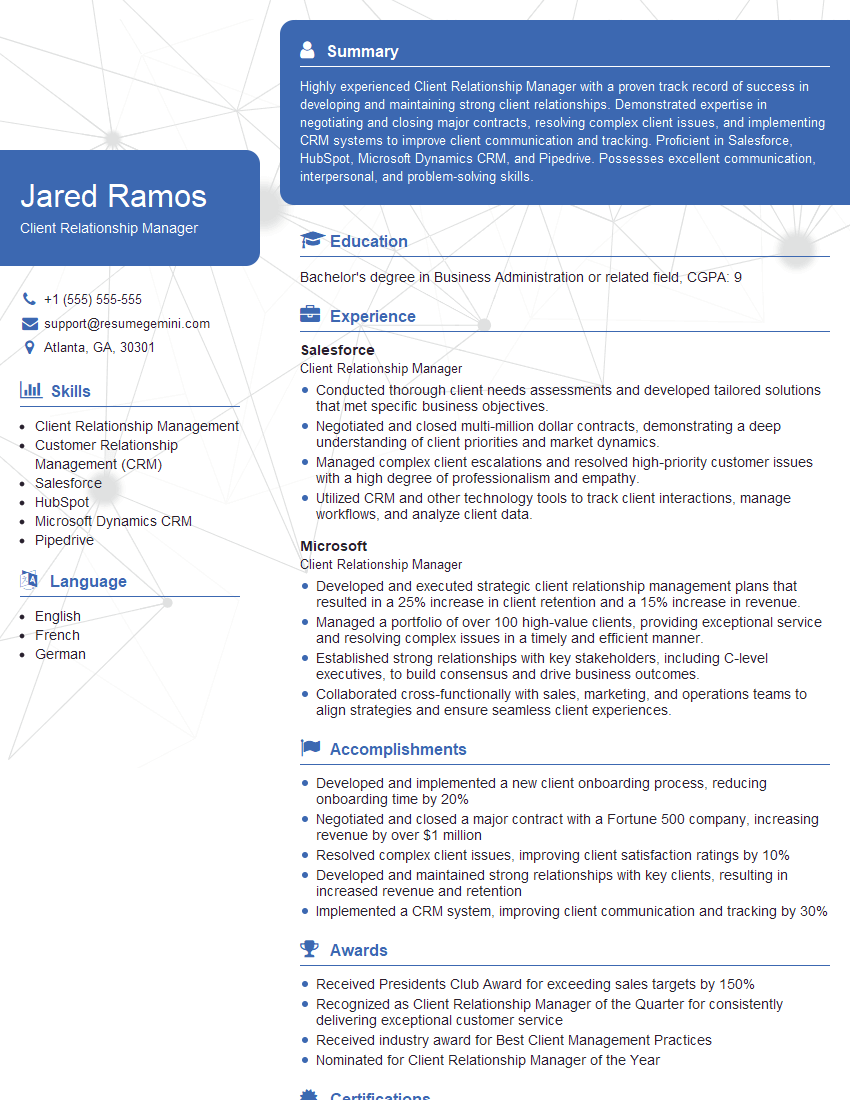
Client Relationship Manager Resume Sample
Explore more articles
Users Rating of Our Blogs
Share Your Experience
We value your feedback! Please rate our content and share your thoughts (optional).
What Readers Say About Our Blog
I Redesigned Spongebob Squarepants and his main characters of my artwork.
https://www.deviantart.com/reimaginesponge/art/Redesigned-Spongebob-characters-1223583608
IT gave me an insight and words to use and be able to think of examples
Hi, I’m Jay, we have a few potential clients that are interested in your services, thought you might be a good fit. I’d love to talk about the details, when do you have time to talk?
Best,
Jay
Founder | CEO