Interviews are more than just a Q&A session—they’re a chance to prove your worth. This blog dives into essential Insurance Finance interview questions and expert tips to help you align your answers with what hiring managers are looking for. Start preparing to shine!
Questions Asked in Insurance Finance Interview
Q 1. Explain the difference between incurred but not reported (IBNR) and reported but not settled (RBNS) reserves.
Both IBNR and RBNS reserves are crucial components of an insurance company’s liability, representing the estimated cost of future claims. The key difference lies in the reporting stage of the claim.
Incurred But Not Reported (IBNR) reserves account for claims that have already occurred but haven’t been reported to the insurer. Think of it like this: someone has been in a car accident, but they haven’t yet filed a claim. The insurer needs to estimate the potential cost of these unreported claims based on historical data and statistical modeling. Factors like accident frequency in a region, claim reporting patterns, and the severity of typical accidents in that category will influence the IBNR estimate.
Reported But Not Settled (RBNS) reserves, on the other hand, pertain to claims that have been reported to the insurer but haven’t yet been finalized. The insurer knows about the claim and is in the process of investigation, negotiation, or litigation. This reserve covers the estimated costs to settle these claims, including legal fees, medical expenses, and damages. For example, a large hail storm might generate a substantial number of reported claims, but their final settlement amounts will take time to determine.
In essence, IBNR deals with the unknown unknowns, while RBNS deals with the known unknowns. Both are critical for accurate financial reporting and solvency assessment.
Q 2. Describe different methods for determining insurance reserves.
Several methods exist for determining insurance reserves, each with its strengths and weaknesses. The choice often depends on the line of business, data availability, and the insurer’s risk appetite.
- Loss Ratio Method: This is a simple approach that uses the historical relationship between premiums earned and incurred losses to project future claims. It’s easy to understand and implement but can be inaccurate if historical patterns don’t hold true.
- Bornhuetter-Ferguson Method: A more sophisticated approach that combines the loss ratio method with an expected loss ratio based on current exposure. It’s particularly useful when there’s limited historical data for a new product or line of business.
- Chain-Ladder Method: This actuarial technique utilizes the development of incurred losses over time to project future claim payments. It’s effective when historical data shows a consistent pattern of claim development.
- Case Reserve Method: This method involves individually estimating the reserves for each reported claim based on the adjuster’s assessment of the claim’s severity and potential legal costs. It’s quite labor-intensive but is generally considered more accurate than other methods for individual claims.
- Stochastic Modeling: This advanced technique uses statistical models to simulate the probability distribution of future claims. It considers various factors like inflation, claim frequency, and severity, providing a range of possible outcomes rather than a single point estimate. This approach is becoming increasingly popular due to its ability to quantify uncertainty.
Often, insurers use a combination of methods to create a more robust and accurate reserve estimate, mitigating the weaknesses of any single method.
Q 3. How do you calculate the present value of future insurance claims?
Calculating the present value (PV) of future insurance claims is essential for accurate financial reporting and solvency assessment. It’s based on the principle of time value of money – a dollar today is worth more than a dollar in the future due to its potential earning capacity.
The formula for calculating the present value of a single future claim payment is:
PV = FV / (1 + r)^nWhere:
PV= Present ValueFV= Future Value (the estimated amount of the claim)r= Discount rate (reflecting the insurer’s cost of capital and the risk associated with the claim)n= Number of periods (usually years) until the claim is paid
For multiple claim payments over time, the formula is adapted using a summation of discounted cash flows. Insurers typically use specialized software and actuarial models to handle this calculation, particularly when dealing with a large number of claims with varying payment timelines. The discount rate used is crucial and needs to reflect the specific risk characteristics of the claims and the insurer’s financial circumstances.
For example, if a claim is estimated at $100,000 to be paid in 5 years, and the discount rate is 5%, the present value is:
PV = 100000 / (1 + 0.05)^5 ≈ $78352.62Q 4. What are the key components of an insurance company’s financial statements?
An insurance company’s financial statements provide a comprehensive picture of its financial health and performance. Key components include:
- Balance Sheet: Shows the company’s assets (e.g., investments, cash, receivables), liabilities (e.g., claims reserves, unearned premiums, debt), and equity (policyholder surplus).
- Income Statement: Presents the company’s revenues (premiums earned), expenses (claims paid, operating expenses, taxes), and net income (profit or loss) over a specific period.
- Cash Flow Statement: Tracks the movement of cash into and out of the company, categorized into operating, investing, and financing activities. This statement is crucial for understanding the company’s liquidity position.
- Statement of Changes in Equity: Details changes in the company’s equity throughout the period, reflecting the impact of net income, dividends, and other equity transactions.
Regulatory reporting requirements often mandate additional disclosures related to reserves, investments, and capital adequacy.
Q 5. Explain the concept of policyholder surplus and its importance.
Policyholder surplus represents the difference between an insurance company’s assets and its liabilities. It’s essentially the net worth of the company, providing a cushion to absorb unexpected losses or economic downturns. Think of it as the insurance company’s safety net.
Its importance is paramount for several reasons:
- Solvency: A healthy policyholder surplus indicates the company’s ability to meet its obligations to policyholders. A low or negative surplus raises serious concerns about the insurer’s solvency.
- Financial Strength: A strong surplus reflects the company’s financial strength and its ability to withstand unforeseen events, such as catastrophic losses or market volatility.
- Creditworthiness: A robust policyholder surplus improves the company’s credit rating, facilitating access to capital at favorable terms.
- Regulatory Compliance: Regulators closely monitor policyholder surplus to ensure that insurance companies maintain adequate capital to cover potential losses and protect policyholders’ interests. Insurers are often required to maintain a minimum surplus level.
In short, policyholder surplus is a critical indicator of an insurance company’s financial health and its ability to fulfill its promises to its policyholders.
Q 6. What are some common risks faced by insurance companies?
Insurance companies face a multitude of risks, which can be broadly categorized as:
- Underwriting Risk: This is the risk that claims will exceed premiums earned. It’s inherent in the insurance business, as insurers are essentially predicting future losses based on historical data and statistical models.
- Market Risk: This includes risks associated with fluctuations in investment markets, interest rates, and currency exchange rates. Insurance companies invest a significant portion of their assets, and changes in market conditions can impact their investment returns and overall financial health.
- Credit Risk: This is the risk that counterparties (e.g., reinsurers, borrowers) will fail to meet their obligations. Reinsurance, for example, is a crucial risk mitigation tool, but the reinsurer’s own financial stability is a factor.
- Operational Risk: This encompasses risks associated with internal processes, systems, and people. This includes risks of fraud, errors, cyberattacks, and operational failures.
- Catastrophic Risk: These are large-scale events, such as hurricanes, earthquakes, and pandemics, that can lead to significant losses exceeding the insurer’s capacity.
- Regulatory Risk: Changes in regulations or interpretation of existing regulations can significantly impact an insurer’s operations and profitability.
Effective risk management strategies, including diversification, reinsurance, and robust internal controls, are essential for mitigating these risks.
Q 7. How do you assess the solvency of an insurance company?
Assessing the solvency of an insurance company requires a comprehensive evaluation of its financial position and its ability to meet its obligations. This involves examining several key indicators:
- Policyholder Surplus: As discussed earlier, the level of policyholder surplus relative to the insurer’s liabilities is a crucial indicator of solvency. Regulators often impose minimum capital requirements based on risk profiles.
- Reserve Adequacy: The accuracy and adequacy of the reserves held to cover future claims are essential. Insurers are regularly audited to ensure that reserves are sufficient to cover potential liabilities.
- Investment Portfolio Quality: The quality and diversification of the insurer’s investment portfolio are important factors. Overexposure to risky assets could undermine solvency in case of market downturns.
- Liquidity Position: The insurer’s ability to meet its short-term obligations is critical. A strong cash flow and readily available assets are crucial for meeting immediate needs.
- Profitability and Earnings: Consistent profitability and strong earnings demonstrate the company’s capacity to generate sufficient capital to absorb potential losses.
- Regulatory Compliance: Adherence to regulatory requirements and maintaining a good standing with regulatory bodies is a vital aspect of solvency.
- Management Quality: The insurer’s management team’s experience and expertise, together with its risk management practices, are essential for long-term solvency.
Regulatory agencies, rating agencies, and independent analysts regularly conduct thorough assessments of insurance company solvency using a combination of quantitative and qualitative factors. These evaluations help stakeholders assess the risk associated with investing in or doing business with a particular insurer.
Q 8. Explain the concept of reinsurance and its role in risk management.
Reinsurance is essentially insurance for insurance companies. Imagine an insurance company writing a large number of policies covering earthquake damage in a seismically active region. The risk of a major earthquake causing massive payouts is substantial. Reinsurance allows the primary insurer (the company selling the policies) to transfer some or all of that risk to another company – the reinsurer. This reduces the primary insurer’s potential losses and enhances its financial stability.
The role of reinsurance in risk management is crucial. It provides a safety net, preventing insolvency in the face of catastrophic events. It allows primary insurers to write larger policies and expand their business without taking on excessive risk. Different reinsurance treaties exist, such as proportional reinsurance (where the reinsurer shares a fixed percentage of every policy) and excess-of-loss reinsurance (where the reinsurer covers losses exceeding a certain threshold). This sophisticated risk-sharing mechanism contributes significantly to the stability and solvency of the global insurance market.
Q 9. What are some key financial ratios used in the insurance industry and what do they indicate?
Several key financial ratios are used to assess the financial health and performance of insurance companies. These include:
- Combined Ratio: This is a crucial indicator of underwriting profitability. It’s calculated as (Incurred Losses + Underwriting Expenses) / Earned Premiums. A combined ratio below 100% signifies underwriting profit, while above 100% indicates an underwriting loss. A lower combined ratio is generally preferred.
- Loss Ratio: This represents the percentage of premiums paid out as claims. It’s calculated as Incurred Losses / Earned Premiums. A lower loss ratio is favorable.
- Expense Ratio: This shows the percentage of premiums spent on administrative and operational expenses. Calculated as Underwriting Expenses / Earned Premiums. A lower expense ratio indicates greater efficiency.
- Return on Equity (ROE): This measures the profitability of an insurance company relative to its shareholder equity. A higher ROE indicates greater efficiency in using equity to generate profits.
- Debt-to-Equity Ratio: This shows the proportion of debt financing to equity financing. A lower ratio indicates lower financial risk.
Analyzing these ratios in conjunction provides a comprehensive picture of an insurer’s financial strength and its ability to meet its obligations.
Q 10. Describe different types of insurance products and their associated risks.
Insurance products are incredibly diverse, catering to various risks. Some examples include:
- Property Insurance: Covers damage or loss to physical property, such as homes, buildings, or vehicles. Risks include fire, theft, natural disasters, and accidents. The associated risks are tied to the probability and severity of potential damages.
- Liability Insurance: Protects against financial losses resulting from legal liability for injuries or damages caused to others. Examples include auto liability, professional liability (malpractice), and general liability. The risks are linked to the frequency and cost of claims arising from lawsuits.
- Life Insurance: Provides financial protection to beneficiaries upon the death of the insured. Risks include premature death, unforeseen circumstances leading to claim payouts, and fluctuations in interest rates impacting investment performance of certain life insurance products.
- Health Insurance: Covers medical expenses, such as hospitalization, surgery, and medication. Risks include high claim costs due to unexpected illnesses or accidents, advancements in medical technology leading to higher treatment costs and adverse selection (people with higher risk seeking insurance).
- Casualty Insurance: Covers a wide range of risks, including accidents, injuries, and property damage. Risks are similar to those in property and liability insurance, but potentially more varied due to the broader scope.
Each product has its unique risk profile, requiring careful actuarial analysis and risk management strategies.
Q 11. Explain the process of underwriting and its impact on profitability.
Underwriting is the process of assessing and selecting risks. Insurance companies use various criteria (age, health, driving record, property location, etc.) to determine the acceptability of an applicant and set appropriate premiums. This involves a detailed review of the application, potentially including inspections or medical examinations.
The impact of underwriting on profitability is significant. Effective underwriting minimizes the acceptance of poor risks, thereby reducing loss ratios. Stricter underwriting standards might lead to fewer policies sold, but also to higher profitability in the long run. Conversely, lax underwriting can lead to a higher volume of business but also increase the risk of significant losses. Therefore, a balance is crucial between volume and risk selection to optimize profitability. Sophisticated actuarial models and data analytics are increasingly employed to enhance the accuracy and efficiency of the underwriting process.
Q 12. How do you model the impact of inflation on insurance liabilities?
Modeling the impact of inflation on insurance liabilities is critical for accurate reserving and financial planning. Inflation erodes the purchasing power of money, meaning that future claim payments will require a larger amount of capital than initially anticipated. Several methods are employed:
- Explicit Inflation Assumptions: Actuaries explicitly incorporate anticipated inflation rates into their projections. This usually involves estimating future inflation and applying it to the projected costs of claims. This could be done using government indices or econometric models.
- Stochastic Modeling: This approach uses probabilistic models to simulate various inflation scenarios and their impact on liabilities. This provides a range of possible outcomes, enabling a more comprehensive risk assessment.
- Embedded Inflation Adjustments: Some insurance policies include mechanisms that automatically adjust benefits based on inflation. For example, an indexed annuity would increase its payout based on an index of inflation.
The chosen method depends on the nature of the liability, the complexity of the policy, and the available data. Accurate inflation modeling is crucial for maintaining solvency and providing reliable financial projections.
Q 13. Discuss the impact of interest rate changes on an insurance company’s financial position.
Interest rate changes significantly affect an insurance company’s financial position. Insurance companies invest a significant portion of their premiums to generate investment income. Higher interest rates generally lead to higher investment returns, improving profitability and strengthening the company’s financial position. Conversely, lower interest rates reduce investment returns, potentially impacting profitability and solvency.
The impact is particularly pronounced for insurers with long-term liabilities, such as life insurers. A drop in interest rates can increase the present value of these liabilities, reducing the company’s net worth. The duration of an insurer’s asset portfolio plays a significant role. A mismatch between the duration of assets and liabilities (assets maturing earlier than liabilities) exposes the insurer to interest rate risk. Effective asset-liability management is vital to mitigate this risk and ensure the company’s financial stability across different interest rate environments.
Q 14. What is the significance of regulatory capital requirements in the insurance industry?
Regulatory capital requirements are crucial for maintaining the solvency and stability of insurance companies. These requirements, set by regulatory bodies (like the NAIC in the US), mandate that insurers hold a certain level of capital as a buffer against potential losses. The specific requirements vary depending on the type of insurance and the risk profile of the company.
The significance of these requirements is multifaceted. They protect policyholders by ensuring that insurers can meet their obligations even in adverse circumstances. They enhance public confidence in the insurance industry, and they provide a level playing field for competition by ensuring that all insurers operate with adequate capital. Failure to meet these requirements can result in regulatory action, including restrictions on operations or even insolvency.
Regulatory capital requirements are constantly evolving to reflect changes in the insurance market and the economy. Sophisticated models are employed to assess risk and calculate the appropriate level of capital required for each insurer. This continuous adaptation is essential for maintaining the stability and integrity of the insurance sector.
Q 15. Explain the role of actuarial modeling in pricing insurance products.
Actuarial modeling is the cornerstone of insurance pricing. It uses statistical methods and probability distributions to predict future claims costs. Insurers use these predictions to determine appropriate premiums that cover expected payouts, administrative expenses, and desired profit margins. The process begins with collecting and analyzing vast amounts of historical data on claims, demographics, and policyholder behavior. Actuaries then develop models that incorporate factors like age, location, risk profiles, and policy coverage to estimate the probability and severity of future claims. This leads to the creation of a pricing model where premium is calculated to reflect the estimated risk.
For example, a car insurance company might use actuarial modeling to determine that drivers under 25 have a statistically higher probability of accidents. The model would factor in this increased risk, leading to higher premiums for younger drivers compared to older, more experienced drivers. Similarly, models will adjust premiums based on the type of vehicle, driving history, and location – areas with higher crime rates may have higher premiums for theft or vandalism.
Sophisticated actuarial models can even incorporate machine learning techniques to identify complex patterns and improve prediction accuracy. Ultimately, the goal is to price insurance policies fairly while ensuring the insurer’s financial stability.
Career Expert Tips:
- Ace those interviews! Prepare effectively by reviewing the Top 50 Most Common Interview Questions on ResumeGemini.
- Navigate your job search with confidence! Explore a wide range of Career Tips on ResumeGemini. Learn about common challenges and recommendations to overcome them.
- Craft the perfect resume! Master the Art of Resume Writing with ResumeGemini’s guide. Showcase your unique qualifications and achievements effectively.
- Don’t miss out on holiday savings! Build your dream resume with ResumeGemini’s ATS optimized templates.
Q 16. Describe different methods for calculating the loss ratio.
The loss ratio is a key performance indicator in insurance, measuring the proportion of incurred losses to earned premiums. Several methods exist for its calculation, primarily differing in how losses and premiums are defined and measured.
- Incurred Loss Ratio: This is the most common method. It compares incurred losses (paid losses + outstanding claims reserves) to earned premiums over a specific period. This ratio provides a comprehensive view of losses, accounting for both immediate payouts and future liabilities.
Incurred Loss Ratio = (Incurred Losses) / (Earned Premiums) - Paid Loss Ratio: A simpler method that focuses solely on paid losses (actual amounts disbursed) compared to earned premiums. While easier to calculate, it lacks the predictive power of the incurred loss ratio, as it doesn’t account for the potential future cost of outstanding claims.
Paid Loss Ratio = (Paid Losses) / (Earned Premiums) - Combined Ratio: This goes beyond the loss ratio by incorporating underwriting expenses. It provides a broader measure of an insurer’s profitability from underwriting activities. A combined ratio below 100% indicates underwriting profitability.
Combined Ratio = Loss Ratio + Expense Ratio
Choosing the appropriate method depends on the specific analytical goal. The incurred loss ratio is generally preferred for assessing long-term financial health, while the paid loss ratio may suffice for short-term performance monitoring.
Q 17. How do you evaluate the performance of an insurance investment portfolio?
Evaluating an insurance investment portfolio requires a multifaceted approach considering return, risk, and liquidity. Key metrics include:
- Return on Investment (ROI): Measures the profitability of investments relative to the initial investment cost. It’s crucial to consider the time horizon for investment appraisal.
- Sharpe Ratio: Assesses risk-adjusted returns by comparing excess returns (returns above the risk-free rate) to the portfolio’s volatility (standard deviation). A higher Sharpe ratio suggests better risk-adjusted performance.
- Duration and Convexity: These metrics measure the sensitivity of bond portfolio values to interest rate changes (duration) and the rate of change of that sensitivity (convexity). They’re crucial for managing interest rate risk.
- Diversification: Assessing the spread of investments across different asset classes (equities, bonds, real estate, etc.) helps manage overall portfolio risk.
- Liquidity: Determining the ease and speed with which investments can be converted to cash is critical for meeting unexpected obligations.
A comprehensive evaluation also involves stress testing the portfolio under various economic scenarios to assess its resilience to market downturns. Regular monitoring and rebalancing are vital to maintain the desired risk-return profile and align with the insurer’s long-term goals.
Q 18. What are some common challenges in managing insurance investments?
Managing insurance investments presents unique challenges:
- Matching Assets and Liabilities: Insurers need to carefully manage the timing of their investment maturities to align with future claim payouts. Mismatches can lead to significant liquidity issues.
- Low-Interest-Rate Environment: Persistently low interest rates can compress investment yields, making it challenging to achieve sufficient returns to offset liabilities.
- Regulatory Constraints: Insurance companies operate under stringent regulatory requirements, limiting investment choices and imposing restrictions on risk-taking.
- Market Volatility: Unexpected market fluctuations can impact the value of investments, potentially affecting the insurer’s solvency.
- Inflation Risk: Inflation can erode the real value of investment returns, making it harder to maintain the purchasing power of assets needed to meet future liabilities.
- Credit Risk: Investing in lower-rated bonds or corporate debt carries a higher risk of default, which can severely impact an insurance company’s financial stability.
Effective management involves sophisticated risk modeling, robust diversification strategies, and close monitoring of market conditions and regulatory changes.
Q 19. Explain the concept of duration and its relevance in insurance portfolio management.
Duration is a measure of the sensitivity of a fixed-income investment’s price to changes in interest rates. It represents the weighted average time until the investor receives the bond’s cash flows (coupons and principal). In simpler terms, it indicates how long, on average, it takes to recover the initial investment.
For insurance portfolio management, duration is crucial because insurers need to match the duration of their assets (investments) with the duration of their liabilities (future claim payouts). If the duration of assets is shorter than liabilities, rising interest rates could lead to a shortfall in funds to cover future claims. Conversely, if the duration of assets is significantly longer, falling interest rates could reduce the portfolio’s value and liquidity.
A well-managed insurance portfolio aims for a duration matching strategy, balancing the risk of interest rate changes with the need to ensure sufficient funds are available to meet future obligations. This can be achieved through a combination of bond selections with varying maturities and other asset classes to create the desired risk-return profile.
Q 20. How do you use financial modeling to assess the impact of catastrophic events on an insurer?
Financial modeling is indispensable for assessing the impact of catastrophic events on insurers. These models simulate various scenarios (hurricanes, earthquakes, pandemics) to estimate the potential losses. The process usually involves:
- Identifying potential events: Based on historical data, geographical location, and climate models, identifying the likely catastrophic events that could impact the insurer.
- Developing loss models: Creating models that estimate the frequency and severity of losses for each identified event. This often incorporates catastrophe models from specialized providers that estimate potential losses based on event characteristics and geographic exposure.
- Simulating scenarios: Running multiple simulations using different event parameters (magnitude, location, etc.) to create a distribution of possible losses.
- Assessing financial impact: Evaluating the impact of the simulated losses on the insurer’s financial statements, including capital adequacy, solvency, and profitability.
- Developing mitigation strategies: Based on the results, developing strategies to mitigate the impact of catastrophic events, such as reinsurance, diversification of geographic exposure, and improved risk management practices.
Sophisticated catastrophe models often use complex algorithms and data sets to calculate potential losses. These scenarios can then be integrated into financial models that assess the insurer’s overall financial health under various stress tests.
Q 21. Explain the importance of risk-adjusted return on capital (RAROC) in the insurance industry.
Risk-adjusted return on capital (RAROC) is a crucial performance metric in the insurance industry. It measures the return on capital employed while explicitly considering the risk associated with generating that return. Unlike traditional ROI, which only focuses on the absolute return, RAROC incorporates risk factors to provide a more comprehensive view of profitability.
In essence, RAROC helps insurers answer the critical question: ‘Are we earning enough return considering the risk we’re taking?’ A higher RAROC indicates better risk-adjusted performance. Insurers use RAROC to:
- Compare different business lines: Assessing the relative profitability of various insurance products considering their inherent risks.
- Optimize capital allocation: Directing capital towards business lines with the highest RAROC, maximizing the return while managing the risk profile.
- Measure the effectiveness of risk mitigation strategies: Evaluating whether risk management measures are improving the risk-adjusted returns.
- Set pricing strategies: Ensuring that premiums accurately reflect the risks associated with different policy types.
RAROC analysis requires sophisticated modeling techniques to quantify and incorporate risk factors into the calculation. It’s an essential tool for making sound investment and underwriting decisions, optimizing capital efficiency, and ensuring the long-term financial health of the insurance company.
Q 22. How do you assess the impact of changes in claims frequency and severity on profitability?
Changes in claims frequency and severity directly impact an insurance company’s profitability. Think of it like this: frequency is how often claims happen, and severity is how much each claim costs. A rise in either, or both, eats into profits.
To assess the impact, we use a combination of techniques. Firstly, we analyze historical claims data to identify trends and patterns. For instance, a spike in car accident claims during winter months might be expected and factored into our models. We’ll use statistical methods like regression analysis to quantify the relationship between various factors (e.g., weather, economic conditions, policyholder demographics) and claims experience.
Secondly, we employ reserving techniques to estimate the future cost of claims. This involves sophisticated actuarial models that consider factors like claim inflation and the time it takes to settle claims. A larger reserve indicates a greater financial burden on the company.
Thirdly, we perform sensitivity analysis to understand how changes in frequency and severity would impact profitability under different scenarios. For example, we might model the effect of a 10% increase in claims frequency or a 5% increase in severity on the company’s loss ratio (claims incurred divided by earned premiums). This provides a range of potential outcomes and informs decision-making around pricing, underwriting, and risk management strategies. A significant deviation from expected values necessitates a review of underwriting guidelines, claims handling processes, or even reinsurance arrangements.
Q 23. What are the key considerations when developing an investment strategy for an insurance company?
An insurance company’s investment strategy is crucial for long-term financial health. It needs to balance risk and return, keeping in mind the unique characteristics of the business. The core consideration is matching the asset profile to the liability profile—ensuring the assets can meet future claims obligations.
Key considerations include:
- Liability Matching: This involves investing in assets with cash flows that align with the timing and amount of future claims payments. For example, long-term liabilities might be funded with long-term bonds.
- Regulatory Constraints: Insurance regulations often restrict the types of assets an insurer can hold and dictate capital adequacy requirements. This limits investment choices and demands prudent risk management.
- Risk Tolerance: The level of risk the company is willing to take varies depending on its financial strength, business model, and regulatory environment. A highly rated company might pursue a slightly riskier strategy to maximize returns, while a smaller insurer might prioritize safety and stability.
- Diversification: Spread investments across different asset classes (bonds, equities, real estate, etc.) and geographies to mitigate risk. This reduces the impact of poor performance in one area.
- Liquidity Management: The investment portfolio needs sufficient liquidity to meet short-term obligations and unexpected events. This requires holding a portion of the assets in readily convertible forms like cash and highly liquid bonds.
A well-designed investment strategy involves regular monitoring, performance evaluation, and adjustments to reflect changing market conditions and the company’s evolving needs.
Q 24. Explain the concept of embedded value and its importance in valuation.
Embedded value (EV) is a measure of the net present value of an insurance company’s future profits from its in-force business (existing policies). It’s a key metric for valuing insurance companies, as it captures the value of their existing customer base and long-term contracts, beyond simply looking at current net assets.
Calculating EV involves projecting future cash flows from existing policies, discounting those flows to their present value, and then subtracting the present value of future costs associated with those policies (including claims, expenses, and taxes). Think of it as the present value of all the future profit streams the company expects to generate from policies already in effect.
EV is crucial for several reasons:
- Company Valuation: It’s a more comprehensive valuation metric than book value or market capitalization, particularly useful for life insurers with long-term contracts.
- Management Performance: Tracking changes in EV over time can help assess the effectiveness of management’s strategies in generating future profits from the existing business.
- Mergers & Acquisitions: EV is a significant factor in determining the price paid for insurance companies, providing a more complete picture of their true worth.
- Capital Allocation: Understanding the EV allows for more efficient allocation of capital, directing investments towards business lines that maximize future profit streams.
However, EV is complex to calculate and relies on numerous assumptions about future claims, expenses, investment returns, and lapse rates. The accuracy of the EV is directly dependent on the accuracy of these underlying assumptions, which is why experienced actuaries play a critical role in its calculation.
Q 25. Discuss the role of data analytics in improving insurance financial performance.
Data analytics plays a transformative role in improving insurance financial performance. It allows insurers to move beyond traditional methods of assessment to achieve greater accuracy and efficiency in multiple areas.
Here’s how data analytics helps:
- Improved Underwriting: By analyzing vast datasets of applicant information, insurers can identify risk factors more effectively and tailor premiums accordingly. This reduces adverse selection and improves profitability.
- Accurate Claims Reserving: Sophisticated algorithms can analyze past claims data to predict future claims costs with greater accuracy, leading to more efficient reserving practices and reduced capital requirements.
- Fraud Detection: Machine learning techniques can identify patterns indicative of fraudulent claims, saving the insurer significant financial losses.
- Personalized Products and Pricing: Analyzing customer data allows insurers to offer tailored products and pricing based on individual needs and risk profiles, leading to higher customer satisfaction and retention.
- Enhanced Customer Service: Data analysis can identify customer service bottlenecks and inefficiencies, helping insurers improve response times and resolve issues quickly.
- Optimized Operations: Analytics can streamline various operational processes, like claims handling and policy administration, leading to increased efficiency and cost savings.
For instance, using predictive modeling, an insurer can identify individuals who are likely to lapse their policy and target them with retention offers, reducing churn and boosting profitability. The use of advanced data analytics requires investment in both technological infrastructure and skilled data scientists, but the potential return on investment is significant.
Q 26. How do you manage the liquidity risk of an insurance company?
Liquidity risk is the risk that an insurance company won’t have enough readily available cash to meet its short-term obligations. This is particularly critical due to the unpredictable nature of claims payments.
Managing liquidity risk involves a multi-pronged approach:
- Stress Testing: Simulating various scenarios (e.g., a sudden surge in claims, market downturn) to determine the company’s ability to meet its obligations under adverse conditions.
- Liquidity Coverage Ratio (LCR): Maintaining an adequate LCR, as dictated by regulations, ensures sufficient high-quality liquid assets to cover outflows over a 30-day period. This is particularly important during periods of market stress.
- Diversification of Assets: Holding a mix of liquid and illiquid assets to strike a balance between liquidity and return. Cash, short-term government bonds, and readily marketable securities are key components.
- Active Cash Flow Management: Precisely forecasting and managing cash inflows (premiums, investment returns) and outflows (claims payments, expenses) is crucial. This might involve techniques like dynamic asset allocation.
- Access to Funding: Having contingency plans in place to access additional funding if needed, such as through bank credit lines or securitization of assets.
- Early Warning Systems: Implementing monitoring systems that track key liquidity indicators to identify potential issues before they escalate into crises. This involves setting thresholds and trigger points for managerial intervention.
Effective liquidity risk management requires a comprehensive framework, regular monitoring, and proactive adjustments to the company’s investment strategy and operations.
Q 27. Explain the implications of IFRS 17 for insurance companies.
IFRS 17, the new international accounting standard for insurance contracts, significantly changes how insurance companies report their financial performance. The most crucial aspect is its move from a incurred loss reserving approach to a more comprehensive approach that explicitly reflects the present value of contractual cash flows.
Key implications include:
- Increased Complexity: IFRS 17 demands far more detailed and sophisticated accounting for insurance contracts. This requires considerable investment in IT systems, actuarial expertise, and new processes.
- Impact on Profitability: The change in accounting methods can lead to fluctuations in reported profits, as the present value of future cash flows will reflect current market conditions and discount rates.
- Enhanced Transparency: IFRS 17 aims to provide greater transparency to investors and stakeholders by more accurately reflecting the financial position and performance of insurance companies. This increases accountability and comparability between different insurers.
- Impact on Capital Requirements: The new accounting rules may influence capital requirements, as regulatory authorities use financial statements to assess solvency.
- New Metrics: The introduction of new financial metrics, such as the current service margin and the contractually settled amount, provides more granular insights into financial performance. This helps to distinguish between contractual risk and other business risks.
IFRS 17 requires a significant shift in mindset and infrastructure for insurance companies. Successfully implementing it necessitates meticulous planning, investment in technology, and substantial training of personnel. The long-term effects will be improved market transparency and a more accurate reflection of the true economic performance of insurance companies.
Q 28. Describe your experience with insurance-specific software and systems.
Throughout my career, I’ve worked extensively with various insurance-specific software and systems. My experience encompasses both core policy administration systems (PAS) and specialized modules for areas like claims processing, actuarial modeling, and regulatory reporting.
I’m proficient in using systems like Guidewire ClaimCenter for claims management, and I’m familiar with actuarial modeling software such as Prophet and ResQ. I have also been involved in the implementation and maintenance of several policy administration systems, including those from vendors like Duck Creek Technologies and Majesco. My experience extends to using data warehousing and business intelligence tools to extract and analyze large volumes of insurance data.
In a previous role, I was involved in selecting and implementing a new core PAS for a major insurer. This required a deep understanding of business requirements, vendor selection criteria, project management skills, and effective communication across various departments and stakeholders. I have experience with integrating these systems with other enterprise resource planning (ERP) systems, ensuring data consistency across the organization.
I’m comfortable working with both legacy systems and modern cloud-based solutions, and I’m always eager to learn new technologies to improve efficiency and accuracy in insurance operations. I’m also experienced in working with data migration processes to handle the transition between old and new systems, ensuring data integrity and business continuity during such changes.
Key Topics to Learn for Insurance Finance Interview
- Insurance Product Pricing & Valuation: Understanding the actuarial principles behind pricing insurance products, considering risk factors and profitability targets. Practical application: Analyzing the impact of changing risk profiles on premium calculations.
- Reserving & Claims Analysis: Mastering techniques for estimating future claims liabilities and analyzing historical claim data to identify trends and improve reserving accuracy. Practical application: Developing models to predict future claim payouts and assess the impact on company solvency.
- Financial Reporting & Analysis in Insurance: Understanding key financial statements specific to insurance companies (e.g., statutory statements), analyzing profitability ratios, and interpreting regulatory requirements. Practical application: Evaluating the financial health and performance of an insurance company based on its financial reports.
- Investment Management in Insurance: Understanding the investment strategies employed by insurance companies to manage their assets and liabilities, including asset-liability management (ALM). Practical application: Assessing the risk and return profile of different investment options for an insurance company’s portfolio.
- Regulatory Compliance & Solvency: Understanding relevant insurance regulations and solvency requirements (e.g., IFRS 17, Solvency II). Practical application: Explaining how regulatory changes might impact an insurance company’s operations and financial statements.
- Capital Management & Risk Assessment: Understanding the various risk management techniques employed within insurance, including identifying, measuring, and mitigating financial and operational risks. Practical application: Developing strategies for optimal capital allocation to manage risk effectively.
Next Steps
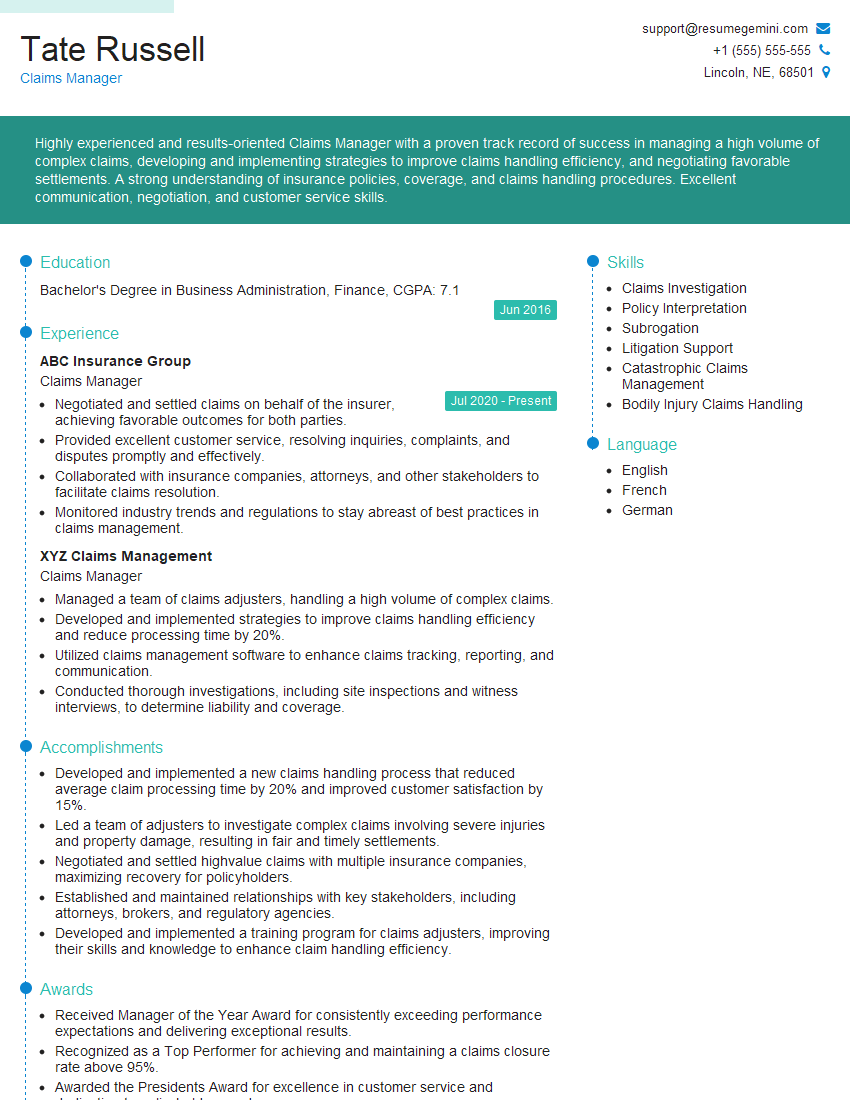
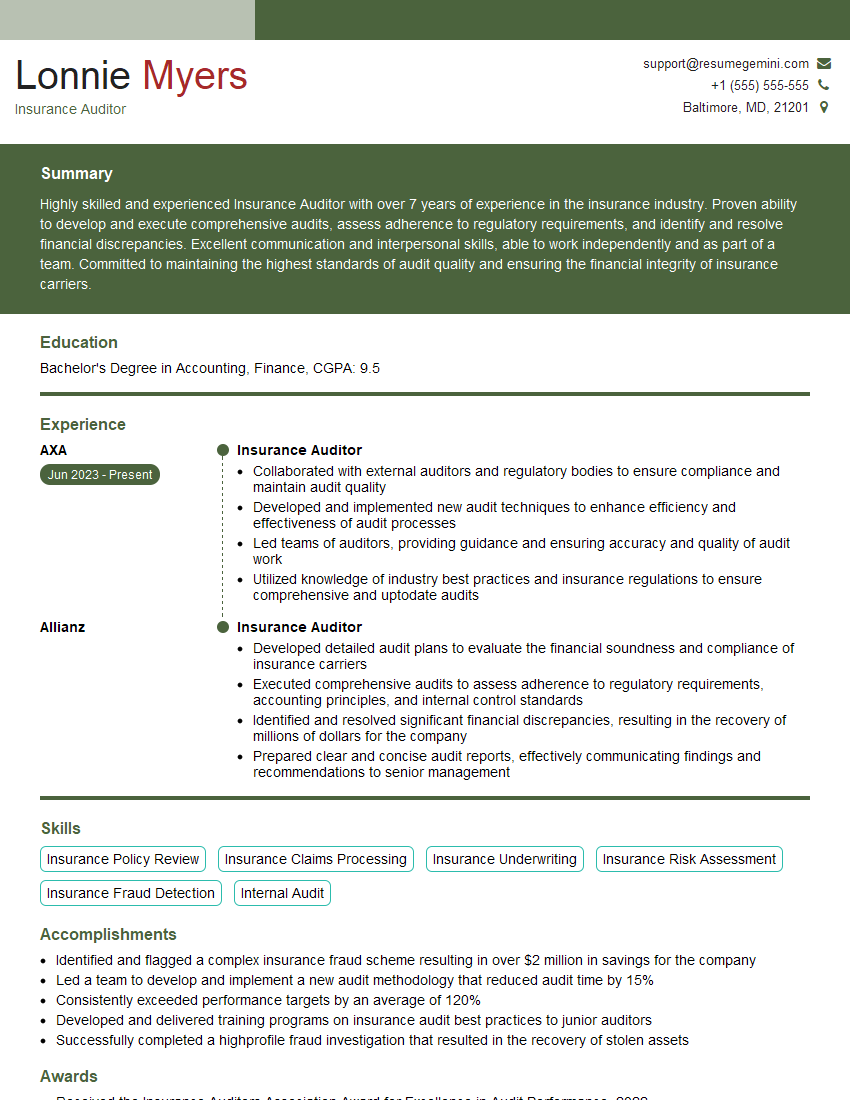
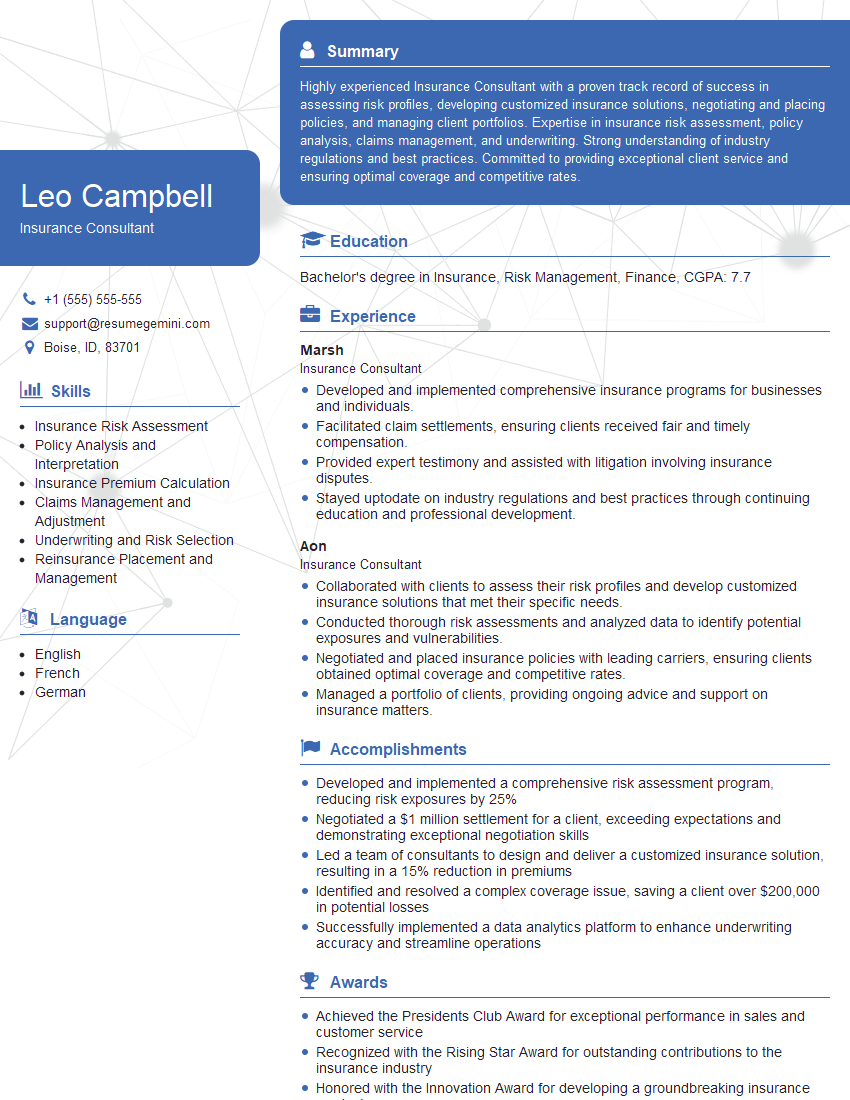
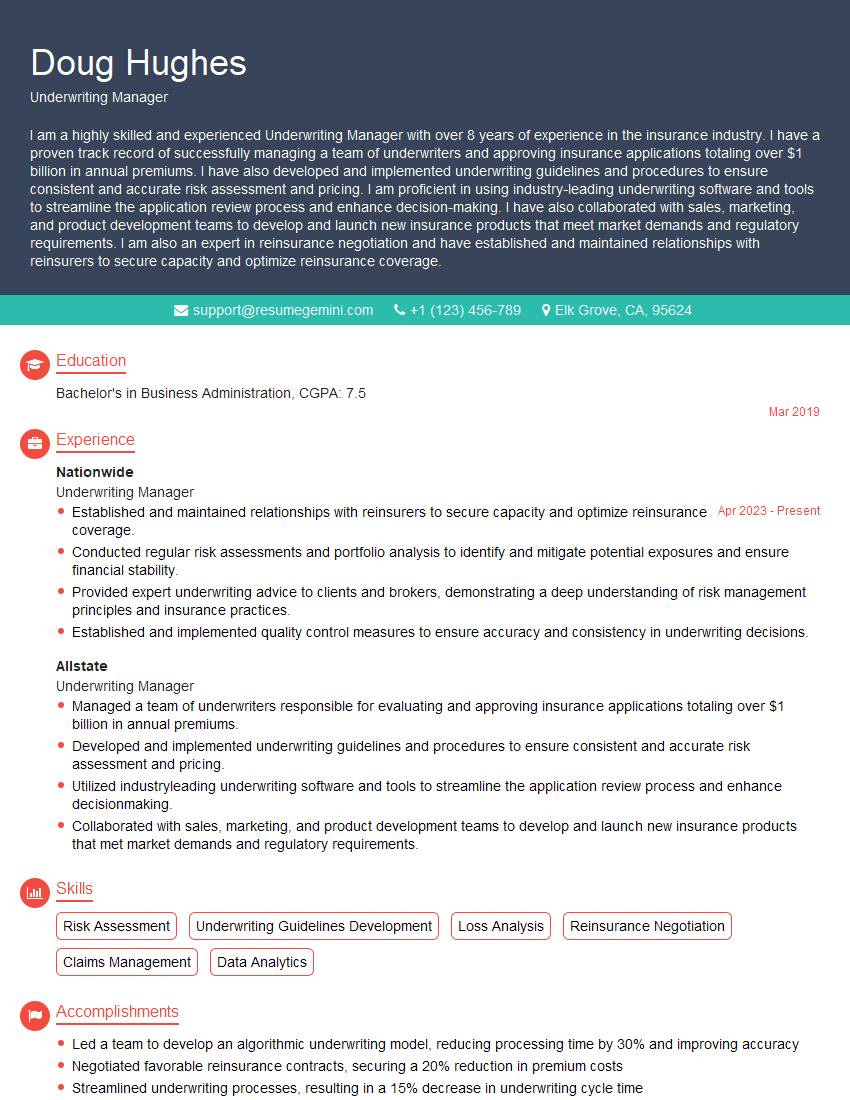
Mastering Insurance Finance opens doors to exciting career opportunities with significant growth potential within the insurance sector and beyond. A strong understanding of these concepts is crucial for securing your dream role. To significantly increase your chances of landing an interview, it’s essential to present yourself with a compelling, ATS-friendly resume. ResumeGemini is a trusted resource to help you build a professional and impactful resume tailored to the specific requirements of Insurance Finance roles. Examples of resumes optimized for this industry are available for your reference. Take the next step towards your career success!
Explore more articles
Users Rating of Our Blogs
Share Your Experience
We value your feedback! Please rate our content and share your thoughts (optional).
What Readers Say About Our Blog
I Redesigned Spongebob Squarepants and his main characters of my artwork.
https://www.deviantart.com/reimaginesponge/art/Redesigned-Spongebob-characters-1223583608
IT gave me an insight and words to use and be able to think of examples
Hi, I’m Jay, we have a few potential clients that are interested in your services, thought you might be a good fit. I’d love to talk about the details, when do you have time to talk?
Best,
Jay
Founder | CEO