Cracking a skill-specific interview, like one for Costume Design for Special Events, requires understanding the nuances of the role. In this blog, we present the questions you’re most likely to encounter, along with insights into how to answer them effectively. Let’s ensure you’re ready to make a strong impression.
Questions Asked in Costume Design for Special Events Interview
Q 1. Describe your experience with different fabric types and their suitability for special event costumes.
Fabric selection is paramount in costume design. The right fabric dictates drape, texture, comfort, and overall aesthetic. For instance, a flowing silk chiffon is perfect for a glamorous evening gown, conveying elegance and movement. However, it wouldn’t be suitable for a rugged historical costume; a heavier linen or wool would be more appropriate for authenticity and durability.
- Silk: Luxurious, drapes beautifully, but can be delicate and expensive.
- Velvet: Rich texture, ideal for formal wear, but can be heavy and difficult to work with.
- Linen: Breathable, durable, perfect for historical or summer costumes, but can wrinkle easily.
- Brocade: Ornate, stiff, suitable for period or theatrical costumes, but can be difficult to tailor.
- Cotton: Versatile, comfortable, relatively inexpensive, a good base for many costume elements.
- Synthetic fabrics (polyester, nylon): Affordable, easy to care for, but may lack the drape and texture of natural fibers. Excellent for lining or parts that require extra strength and resistance to wrinkles.
My experience involves selecting fabrics based on the event’s theme, the client’s budget, and the overall desired effect. I always consider how the fabric will photograph and perform under stage lighting if applicable.
Q 2. Explain your process for creating a costume from initial concept to final product.
My costume creation process is iterative and collaborative. It begins with a deep understanding of the client’s vision, the event’s theme, and any specific requirements.
- Concept & Design: Initial sketches and mood boards are created, exploring various design options, fabrics, and silhouettes. We discuss the client’s personal style and body type to ensure a flattering fit.
- Research & Inspiration: Research is crucial, whether it’s historical garments, contemporary fashion, or specific artistic movements. Pinterest and fabric libraries are invaluable resources at this stage.
- Pattern Making: I create or adapt patterns based on the design. This may involve draping fabric on a dress form to create a unique silhouette or modifying existing patterns.
- Fabric Selection & Sourcing: Choosing fabrics that meet the design needs and the budget is critical. This is often followed by sourcing embellishments (lace, beads, embroidery).
- Construction: The actual sewing process, including cutting, assembling, and finishing the garment. This is where precision and attention to detail are essential.
- Fitting & Alterations: Multiple fittings are conducted throughout the construction process to ensure a perfect fit and address any necessary alterations.
- Finishing Touches: Adding final details such as embellishments, accessories, and any special effects that bring the costume to life.
For example, when designing a costume for a 1920s Gatsby-themed party, I’d research the flapper style dresses of that era, source appropriate fabrics like beaded fringe and sequined lace, and create patterns that would evoke the iconic silhouette of that period.
Q 3. How do you manage a costume budget effectively?
Budget management is crucial. I start by establishing a clear budget with the client, breaking down the costs of materials, labor, and any additional services (embroidery, alterations).
- Prioritize Essential Materials: Focus spending on high-quality fabrics for main garment components; more cost-effective alternatives can be used for lining or underlayers.
- Shop Smart: I source fabrics from a variety of suppliers, including both online retailers and local fabric stores to compare prices and options. Wholesale fabrics often offer significant savings.
- Track Expenses: Keeping detailed records of all purchases and labor hours is important for managing the budget effectively.
- Explore Alternative Solutions: If the budget is tight, we explore alternative materials that still achieve the desired aesthetic, or simplify the design elements. For example, using less elaborate embellishments.
- Negotiate Prices: Where possible, negotiating prices with suppliers or seeking discounts can help stretch the budget.
For a client with a limited budget for a medieval-themed event, we might opt for a simpler design, use less expensive fabrics like cotton, and prioritize handmade details over expensive ready-made embellishments.
Q 4. What software or tools do you use for costume design and pattern making?
I utilize various software and tools to streamline my design and pattern-making process.
- Adobe Photoshop & Illustrator: For creating digital sketches, mood boards, and detailed technical drawings of the costumes.
- Patternmaking software (e.g., Pattern Design Software): For creating and manipulating digital patterns, saving time and ensuring accuracy.
- CAD software (e.g., CLO3D): For 3D modeling and visualization, allowing clients to see the costume before it’s made.
- Measuring tools: Precise measuring tapes, rulers, and curves are essential for accurate pattern creation and garment construction.
Example: Using Illustrator, I can create a digital sketch and then use the software's vector capabilities to precisely scale the design for different sizes.
The combination of these tools allows for efficient design iteration and accurate production of patterns.
Q 5. Describe your experience with fitting and altering costumes.
Fitting and alterations are integral parts of the process. I typically conduct multiple fittings throughout the construction process.
- Initial Fitting: A muslin fitting (a mock-up using a less expensive fabric) helps ensure the pattern fits correctly before cutting into the final fabric.
- Multiple Fittings: Additional fittings occur as construction progresses, addressing issues with fit and making adjustments to the design.
- Alteration Techniques: I’m proficient in various alteration techniques, including taking in seams, letting out seams, adjusting shoulder straps, and altering necklines and hemlines.
- Communication: Effective communication with the client during fittings is crucial to understanding and addressing their concerns. Open dialogue and transparency are vital.
For example, a client might find that the sleeves on a ball gown are too tight. During the fitting, I will make the necessary adjustments to the pattern pieces, ensuring a comfortable and flattering fit before moving on to the next stage of construction.
Q 6. How do you handle last-minute costume changes or repairs?
Last-minute changes and repairs are a reality in event costuming. My approach is to remain calm and organized under pressure.
- Clear Communication: Prompt communication with the client about any potential challenges or limitations is crucial.
- Prioritize Repairs: Determine the urgency of the required changes. Prioritize the most critical repairs first.
- Assess the Scope of Work: Evaluate if the change is achievable within the given timeframe and resources. Be honest about what’s realistically possible.
- Utilize Quick Fixes: Employ quick-fix solutions such as invisible mending techniques or strategic use of embellishments to conceal minor flaws.
- Delegate if Necessary: If the workload is overwhelming, consider delegating tasks to trusted assistants or other professionals.
For example, if a button falls off a client’s costume moments before they’re due to go on stage, my years of experience help me quickly sew it back on, or even use a safety pin as an emergency solution.
Q 7. Explain your understanding of historical costuming and its relevance to special events.
Historical costuming is about more than just recreating garments from the past; it’s about understanding the social, cultural, and technological context that shaped those garments. This knowledge is invaluable for special events that involve historical themes.
- Research and Accuracy: Thorough research into the specific historical period, including clothing styles, fabrics, construction techniques, and social norms, is paramount. Accurate representation is crucial to avoid misinterpretations or cultural insensitivity.
- Fabric Selection: Choosing historically accurate fabrics is critical. While perfect replication may not always be possible, the choice of fabric should reflect the period’s characteristics. For example, choosing linen for a medieval costume rather than modern synthetics.
- Construction Techniques: Employing authentic construction techniques, such as hand-sewing, specific stitch types, or particular methods of shaping garments, adds realism.
- Accessories & Details: Accessories like jewelry, headwear, and footwear are crucial components, adding authenticity and completing the overall look. Even seemingly small details can make a significant impact.
- Contextual Understanding: Understanding the social and cultural context of the costumes is crucial to avoid misrepresenting the era. This requires sensitivity and awareness.
For instance, when designing costumes for a Renaissance fair, I would research the various clothing styles of different social classes during that period to create accurate and compelling outfits, thereby making the event’s theme more immersive for the attendees.
Q 8. How do you ensure the comfort and safety of performers wearing your costumes?
Prioritizing performer comfort and safety is paramount in my design process. It’s not just about aesthetics; it’s about ensuring the performers can move freely, breathe easily, and avoid injury throughout the event. I achieve this through several key strategies:
- Fabric Selection: I choose breathable, lightweight fabrics like natural silks, cottons, or performance fabrics that wick away sweat. Heavy, restrictive materials are avoided unless the design specifically calls for them, and even then, I’ll look for ways to mitigate discomfort, perhaps with strategically placed mesh panels.
- Fit and Alterations: Detailed measurements are taken and multiple fittings are scheduled. I use techniques like pattern drafting and adjustments to achieve a customized fit that complements the performer’s unique body shape. This ensures the costume moves with the body, preventing chafing or restriction.
- Safety Features: Depending on the performance, I may incorporate elements like reinforced seams, hidden pockets for personal items, flame-retardant treatments (especially for theatrical productions), and secure closures to prevent wardrobe malfunctions during dynamic movements.
- Consultation and Feedback: I always encourage performers to voice their concerns or suggestions during fittings. Their feedback is invaluable in refining the design for optimal comfort and ease of movement.
For example, in a recent historical reenactment, a performer expressed concern about the weight of a long, elaborate gown. I solved this by using a lighter fabric and adding internal support structures, allowing for both authenticity and comfort.
Q 9. How do you collaborate effectively with other members of a production team (e.g., designers, stylists)?
Collaboration is the cornerstone of successful costume design. I believe in open communication and a shared vision. My approach involves:
- Initial Meetings: Early discussions with the director, choreographer, other designers (set, lighting), and stylists help establish a cohesive visual theme and identify any potential challenges or conflicts early on. We create mood boards, discuss color palettes, and sketch initial concepts.
- Regular Check-ins: Throughout the design process, I maintain regular communication, sharing design updates, sketches, and fabric samples. This ensures everyone remains on the same page and allows for adjustments based on feedback.
- Shared Resources: I utilize shared online platforms or project management tools to keep everyone informed, including updates on deadlines, budget, and any issues that arise. This transparent approach facilitates efficient problem-solving.
- Respectful Feedback: I actively seek feedback and suggestions, valuing the expertise of each team member. This collaborative approach not only yields a more refined design but also fosters a stronger working relationship.
For instance, in a recent musical production, collaboration with the lighting designer ensured that the costume’s reflective properties enhanced the overall visual impact during specific scenes.
Q 10. Describe your experience with sourcing and managing costume materials.
Sourcing and managing costume materials is a crucial aspect of my work. It involves not only finding the right fabrics but also managing budgets and timelines effectively. My process involves:
- Research & Development: I begin by researching different fabric types, considering their properties (texture, drape, durability, cost), and suitability for the project’s specific needs. I may consult fabric swatches, explore online resources, and visit fabric stores.
- Supplier Relationships: I maintain strong relationships with reputable fabric suppliers to secure high-quality materials at competitive prices. I often negotiate bulk discounts for larger projects.
- Inventory Management: I meticulously document all materials, including quantities, costs, and suppliers. I use a spreadsheet or specialized software to track inventory and ensure sufficient quantities are available throughout the production.
- Sustainable Practices: I strive to incorporate sustainable and ethical sourcing practices, prioritizing eco-friendly fabrics and minimizing waste whenever possible.
Recently, I successfully sourced vintage lace from a reputable supplier to meet a client’s request for a historically accurate costume, balancing cost-effectiveness with the desired aesthetic.
Q 11. How do you adapt costume designs to suit various body types and sizes?
Designing for diverse body types is fundamental to inclusive costume design. I avoid using one-size-fits-all approaches and employ several techniques to ensure every performer feels confident and comfortable:
- Pattern Drafting & Alterations: I use versatile patterns that can be easily adapted to various sizes and body shapes. I utilize drafting techniques to create patterns that flatter different body proportions.
- Flexible Design Elements: I integrate design elements that offer flexibility, such as adjustable straps, belts, or corsets that can be customized to different sizes. Loose-fitting silhouettes are sometimes preferable to rigid styles.
- Inclusive Sizing Charts: I use comprehensive sizing charts that accommodate a wide range of body measurements to ensure accurate fitting. I may also offer custom-made options for sizes outside the standard range.
- Body-Positive Approach: I create costumes that celebrate individuality, avoiding designs that might be overly restrictive or emphasize certain body parts in an unrealistic or unflattering way.
In a recent theatrical production, I designed costumes that accommodated performers ranging from size 0 to size 20, utilizing flexible designs and making specific alterations to ensure comfort and style for each individual.
Q 12. What are your preferred methods for maintaining and storing costumes?
Proper maintenance and storage are essential to preserve the longevity and quality of costumes. My approach involves:
- Post-Show Cleaning: After each use, costumes are carefully cleaned or dry-cleaned according to the fabric’s specific requirements. Delicate materials might require hand-washing or specialized cleaning methods.
- Repair & Restoration: Minor repairs, such as mending seams or replacing buttons, are promptly addressed to prevent further damage. More extensive repairs might require professional restoration services.
- Storage Techniques: Costumes are stored in breathable garment bags, acid-free tissue paper, or dedicated costume storage boxes to protect them from dust, light, and moisture. Acid-free materials are especially crucial for preserving delicate or antique fabrics.
- Organized Storage System: I maintain an organized storage system, typically with labeled storage units, to easily locate and retrieve costumes when needed. This system minimizes handling and reduces the risk of damage.
For example, I use acid-free tissue paper to wrap delicate historical costumes, and these are then stored in climate-controlled storage units to protect them from moisture and environmental damage.
Q 13. Describe a time you had to solve a challenging costume-related problem.
During a large-scale historical pageant, we encountered a significant challenge just days before the event. The lead actress’s elaborate gown, featuring intricate beadwork and embroidery, was damaged during a rehearsal. A large section of the beadwork had come loose, leaving a significant gap.
My solution involved a multi-step approach:
- Assessment: I carefully assessed the damage, noting the extent of the beadwork loss and the structural integrity of the garment.
- Resource Gathering: I quickly contacted bead suppliers and acquired similar beads to match the existing embroidery. I also gathered the necessary tools – needles, thread, and glue.
- Repair Strategy: I decided on a repair strategy that involved carefully resewing the loose beads and reinforcing the surrounding fabric to prevent further damage. This was a delicate process requiring precision and patience.
- Teamwork: I assembled a small team of skilled seamstresses to assist in the repair process. We worked collaboratively and efficiently, dividing tasks to complete the repairs in time for the event.
Through diligent work and effective teamwork, we successfully repaired the gown, ensuring the actress could perform without interruption. The final product was indistinguishable from the original, a testament to the problem-solving skills and collaborative effort of the team.
Q 14. How do you incorporate a client’s vision into your costume designs?
Incorporating a client’s vision is crucial for creating successful costumes. My process involves active listening, thoughtful questioning, and iterative design:
- Initial Consultation: I conduct thorough consultations with the client to understand their vision, preferences, budget, and any specific requirements. I encourage open dialogue and ask detailed questions to gain a clear understanding of their expectations.
- Mood Boards & Inspiration: I often create mood boards to visually represent the client’s vision, showcasing fabric samples, color palettes, and style references. This helps both the client and me visualize the final outcome.
- Sketching & Refinement: I develop initial sketches based on the client’s input and then refine them through multiple iterations, incorporating feedback and making necessary changes.
- Feedback & Iteration: I encourage the client to provide feedback at every stage of the design process. This iterative approach ensures the final design reflects the client’s vision and meets their expectations.
For example, a client for a themed gala expressed a desire for a costume that was both elegant and whimsical. Through careful discussion and collaborative design, we created a costume that flawlessly merged those two seemingly contradictory elements, incorporating flowing fabrics, subtle yet playful details, and a color palette that aligned perfectly with the client’s vision.
Q 15. Explain your understanding of different costume construction techniques.
Costume construction is a multifaceted process encompassing various techniques, each chosen based on the garment’s design, fabric, and desired effect. Think of it like building with different tools – you wouldn’t use a hammer to screw in a screw!
- Pattern Making: This foundational step involves drafting or adapting existing patterns to fit the wearer’s measurements and the design specifications. For example, creating a historically accurate bodice requires intricate pattern adjustments to achieve the desired silhouette.
- Cutting and Laying Out Fabric: Precise cutting ensures accurate garment assembly. This step requires careful consideration of fabric grain (the direction of the threads) to prevent distortion or unwanted stretching.
- Sewing Techniques: These range from hand-sewing (e.g., whip stitching, backstitching for durability and invisible seams) to machine sewing (e.g., straight stitch, zigzag stitch for stretch fabrics, decorative stitches for embellishment). Choosing the right stitch depends entirely on the fabric and the garment’s stress points.
- Construction Methods: Techniques like French seams (for a clean, professional finish) or flat-felled seams (for durability in workwear) are critical to creating robust and aesthetically pleasing garments. For example, a ball gown would require the use of French seams to give it a high-end look.
- Finishing Techniques: These include techniques such as hemming, binding, and facing, all adding to the overall quality and presentation of the costume. A neat hemline, for instance, is essential to maintain a polished appearance, especially on a stage costume.
- Embellishment and Decoration: This is where the costume truly comes alive! This could include embroidery, beading, applique, and other decorative methods to bring the design to life and add the required level of detail.
Career Expert Tips:
- Ace those interviews! Prepare effectively by reviewing the Top 50 Most Common Interview Questions on ResumeGemini.
- Navigate your job search with confidence! Explore a wide range of Career Tips on ResumeGemini. Learn about common challenges and recommendations to overcome them.
- Craft the perfect resume! Master the Art of Resume Writing with ResumeGemini’s guide. Showcase your unique qualifications and achievements effectively.
- Don’t miss out on holiday savings! Build your dream resume with ResumeGemini’s ATS optimized templates.
Q 16. How do you manage multiple costume projects simultaneously?
Managing multiple costume projects necessitates meticulous organization and prioritization. I use a project management system – a combination of digital tools and a physical board – to track every step. Think of it like an orchestra conductor managing multiple sections simultaneously.
- Detailed Project Breakdown: Each project is broken down into manageable tasks with deadlines. This ensures no detail slips through the cracks.
- Prioritization Matrix: I use a prioritization matrix (like Eisenhower Matrix) to identify urgent and important tasks. This ensures that crucial elements of time-sensitive projects are addressed first.
- Time Blocking: Specific time blocks are allocated to each project, preventing task overlaps and ensuring focused work on each design.
- Resource Allocation: Efficient allocation of materials and resources (fabric, embellishments, etc.) prevents bottlenecks and delays.
- Regular Check-ins and Revisions: Regular client check-ins are crucial to assess progress and make any necessary revisions. This also allows for timely adjustments in case of unexpected issues.
Q 17. What are your skills in hand-sewing, machine sewing, and other relevant techniques?
My skillset encompasses both hand-sewing and machine sewing, essential for diverse costume creation. Think of it like a chef needing both knives and a stove for their different recipes. I also have expertise in other relevant techniques:
- Hand-sewing: Proficient in various stitches, including running stitch, backstitch, slip stitch, and blind stitch for invisible seams. This is crucial for delicate work and costume repairs on-site.
- Machine sewing: Experienced in operating industrial and domestic sewing machines, employing various stitches for different fabrics and applications. This speeds up the process for larger projects.
- Pattern Making & Draping: I’m skilled in creating patterns from scratch, as well as draping fabric on a dress form to create unique, three-dimensional shapes. This is critical for achieving a precise fit and unique designs.
- Embellishment Techniques: Proficient in beading, embroidery, appliqué, and other embellishment techniques to add intricate details and character to costumes.
- Millinery: Basic millinery skills (hat making) are also valuable for completing a costume.
Q 18. How do you deal with unexpected issues during a live event?
Dealing with unexpected issues during a live event requires quick thinking, resourcefulness, and a calm demeanor. It’s like being a firefighter – you need to react quickly and efficiently to solve problems.
- Preparedness: Carrying a well-stocked emergency kit with needles, thread, safety pins, and fabric in common colours is crucial. This is like a doctor’s emergency kit.
- Problem Assessment: Quickly assess the issue and determine the best course of action. Is it a minor repair, or does it require a complete replacement?
- Resourcefulness: Utilize available resources to solve the problem, whether it’s borrowing materials or finding a quick fix.
- Creative Solutions: Think outside the box to find creative solutions that may involve quick alterations to compensate for the unforeseen issue.
- Delegation: If it’s beyond immediate control, don’t hesitate to delegate tasks to assistants or other members of the team.
Q 19. Explain your experience with working with diverse cultural themes in costume design.
I have extensive experience working with diverse cultural themes, approaching each project with respect and sensitivity. It’s essential to conduct thorough research to accurately represent each culture’s traditions and avoid cultural appropriation. Think of it like storytelling – you want to tell the story accurately and respectfully.
- Research and Study: Extensive research is conducted into historical garments and cultural traditions to avoid stereotypes.
- Collaboration: Consultation with cultural experts or community members is often undertaken to ensure authenticity and avoid misrepresentation.
- Respectful Representation: The utmost care is taken to ensure that costumes are respectful and avoid perpetuating harmful stereotypes.
- Authenticity: Materials, construction techniques, and embellishments are carefully chosen to reflect the culture’s specific characteristics.
- Adaptation for the Event: While staying true to cultural context, adjustments are made to ensure the costume is appropriate and functional for the specific event.
Q 20. How do you determine the appropriate level of detail for a costume based on the event’s context?
Determining the appropriate level of detail depends heavily on the event’s context, budget, and the costume’s purpose. Think of it like choosing the right ingredients for a recipe – you would choose different ingredients depending on whether you’re making a simple soup or a complex cake.
- Event Type: A casual party would call for simpler costumes compared to a high-profile theatrical production or a historical reenactment.
- Budget Constraints: Budget restrictions dictate the use of materials and the level of intricacy.
- Character/Role: The character’s role and importance in the event determine the level of attention to detail required. A main character will likely have a more elaborate costume than a background character.
- Visibility: The costume’s visibility on stage, in photos, or in the event setting impacts the level of detail needed. A costume seen from afar may not need the same level of intricate detail as one seen up close.
- Time Constraints: Realistic timelines and available production time also influence the level of detail achievable.
Q 21. Describe your process for creating mood boards and inspiration boards for a costume design.
Mood boards and inspiration boards are essential tools in visualizing the overall aesthetic and direction of a costume design. They act as a visual roadmap guiding the entire design process.
- Theme and Concept: Begin by clearly defining the event’s theme and the character’s concept. This sets the foundation for the inspiration.
- Image Collection: Gather images – photographs, paintings, sketches – that reflect the desired style, color palette, textures, and overall aesthetic.
- Color Palette Selection: Select a cohesive color palette, considering the event’s theme and the character’s personality.
- Fabric Selection and Texture: Choose fabrics that align with the overall design, considering their texture, drape, and suitability for the character.
- Mood Board Organization: Arrange the collected images and materials (fabric swatches, embellishment samples) on a physical or digital board to create a visual representation of the costume’s concept.
- Refinement and Iteration: Refine the mood board through experimentation and iteration, constantly adjusting it as the design progresses.
Q 22. How familiar are you with safety regulations concerning costumes in public events?
Safety is paramount in costume design for public events. My familiarity extends to a comprehensive understanding of fire safety regulations, encompassing fabric flammability standards (e.g., knowing the difference between inherently flame-resistant fabrics and treated fabrics), ensuring proper ventilation to prevent overheating, and adhering to guidelines on footwear and accessories to prevent tripping hazards. I also account for potential allergies and sensitivities related to materials. For instance, I would never use latex if there’s a possibility of a latex allergy amongst participants. I also consider the event’s location and any specific safety regulations imposed by the venue. Thorough risk assessments are incorporated into each project, ensuring that costumes are not only visually stunning but also safe for the wearer and those around them.
Q 23. What are your experience working with different budgets and timelines?
My experience spans a wide range of budgets and timelines. I’ve successfully managed projects from small-scale, budget-conscious events utilizing resourceful techniques and repurposed materials, to large-scale productions with substantial budgets permitting the use of high-end fabrics, elaborate embellishments, and specialized craftsmanship. For instance, I once created costumes for a community theatre production using mostly donated and upcycled materials, staying within a very tight budget, and achieving a surprisingly professional result. In contrast, I recently worked on a high-profile corporate event where the budget allowed for custom-made pieces with exquisite detailing. Adaptability is key; my approach always reflects the resources available while never compromising on quality and design integrity.
Q 24. How do you prioritize tasks and manage your time effectively in a fast-paced environment?
In fast-paced environments, effective time management and prioritization are crucial. I employ a project management approach, breaking down large projects into smaller, manageable tasks. This involves creating detailed timelines, setting realistic deadlines for each stage (design, sourcing materials, construction, fitting, etc.), and consistently tracking progress. I use digital tools such as project management software and shared calendars to maintain transparency and accountability. Prioritization focuses on tasks that are time-sensitive or crucial for the overall project’s success. This might involve allocating more time to complex designs or addressing potential supply chain issues promptly. Regular communication with clients ensures that everyone is on the same page and any unexpected delays can be managed effectively.
Q 25. How do you stay up-to-date with current trends in costume design and fashion?
Staying current in costume design and fashion involves a multifaceted approach. I actively subscribe to industry publications, both print and digital, such as Costume Design magazine. I attend industry events, workshops, and conferences, where I network with other designers and learn about new techniques and trends. Furthermore, I dedicate time to research, exploring online resources like Pinterest, Instagram, and fashion blogs to stay abreast of emerging trends. I also visit museums and exhibitions to study historical costumes and gain inspiration. This continuous learning allows me to adapt my designs to current trends while maintaining a unique stylistic voice.
Q 26. Describe your experience with creating custom patterns or altering existing ones.
Creating custom patterns and altering existing ones is a core skill in my practice. I am proficient in draping techniques, allowing me to create patterns directly on a dress form, adapting to the individual body shape and design requirements. I also have expertise in using pattern-making software, such as Adobe Illustrator or dedicated pattern-making programs. When altering existing patterns, I meticulously analyze the original pattern, making adjustments to achieve the desired fit, silhouette, and stylistic details. I frequently use slopers (basic patterns) as a foundation for custom designs. For example, a recent project involved adapting a vintage pattern to fit a modern aesthetic, requiring adjustments to the neckline, sleeve length, and overall silhouette. Accuracy and attention to detail are paramount in this process.
Q 27. How would you approach designing costumes for a themed event (e.g., Renaissance Fair, Superhero Gala)?
Designing costumes for themed events requires in-depth research into the chosen theme’s historical context, stylistic elements, and cultural nuances. For a Renaissance Fair, for instance, I would thoroughly research the fashion of the period, focusing on accurate silhouettes, fabric choices (e.g., linens, velvets), and embellishments. Similarly, a Superhero Gala demands a blend of creativity and understanding of the characters’ iconic imagery. I’d consider the character’s powers, personality, and established visual representations, translating those elements into a cohesive costume design. The process always starts with mood boards to visualize the overall aesthetic and communicate the concept to the client. Detailed sketches and technical drawings follow, providing a blueprint for the construction process.
Q 28. How do you communicate effectively with clients regarding their expectations and budget constraints?
Effective communication with clients is critical. The process begins with an initial consultation to thoroughly understand their vision, the event’s theme, and their budget constraints. I present mood boards and design concepts, and discuss the feasibility of various options within the given budget. Throughout the process, I keep clients informed of progress, addressing any questions or concerns promptly and transparently. Open communication ensures that any design changes or adjustments are made collaboratively, preventing misunderstandings and ensuring client satisfaction. For example, if a client is insistent on a material that exceeds the budget, we explore alternative options that maintain the aesthetic but remain cost-effective.
Key Topics to Learn for Costume Design for Special Events Interview
- Understanding Event Themes and Concepts: Analyzing event briefs, interpreting themes, and translating them into cohesive costume designs.
- Fabric Selection and Sourcing: Knowing appropriate fabrics for different occasions (formal vs. informal), considering durability, comfort, and budget.
- Design Process and Sketching: Developing initial concepts, creating detailed sketches, and presenting design proposals to clients.
- Budgeting and Cost Management: Estimating material costs, labor, and potential alterations; working within budgetary constraints.
- Collaborating with Vendors and Teams: Communicating effectively with tailors, seamstresses, and other event professionals.
- Production and Time Management: Creating realistic timelines, managing multiple projects simultaneously, and adhering to deadlines.
- Costume Construction and Alterations: Understanding basic sewing techniques, fitting garments, and making necessary alterations.
- Historical and Cultural Considerations: Researching appropriate attire for specific historical periods or cultural contexts; respecting cultural sensitivities.
- Problem-Solving and Adaptability: Addressing unexpected challenges, such as last-minute changes, material shortages, or fitting issues.
- Client Communication and Presentation: Clearly presenting design ideas, addressing client feedback, and managing expectations.
Next Steps
Mastering Costume Design for Special Events opens doors to exciting and diverse career opportunities, offering creative fulfillment and professional growth. A strong, ATS-friendly resume is crucial for maximizing your job prospects. ResumeGemini can significantly enhance your resume-building experience, providing you with the tools and resources to craft a compelling document that showcases your skills and experience effectively. Examples of resumes tailored to Costume Design for Special Events are available to help guide you through this process.
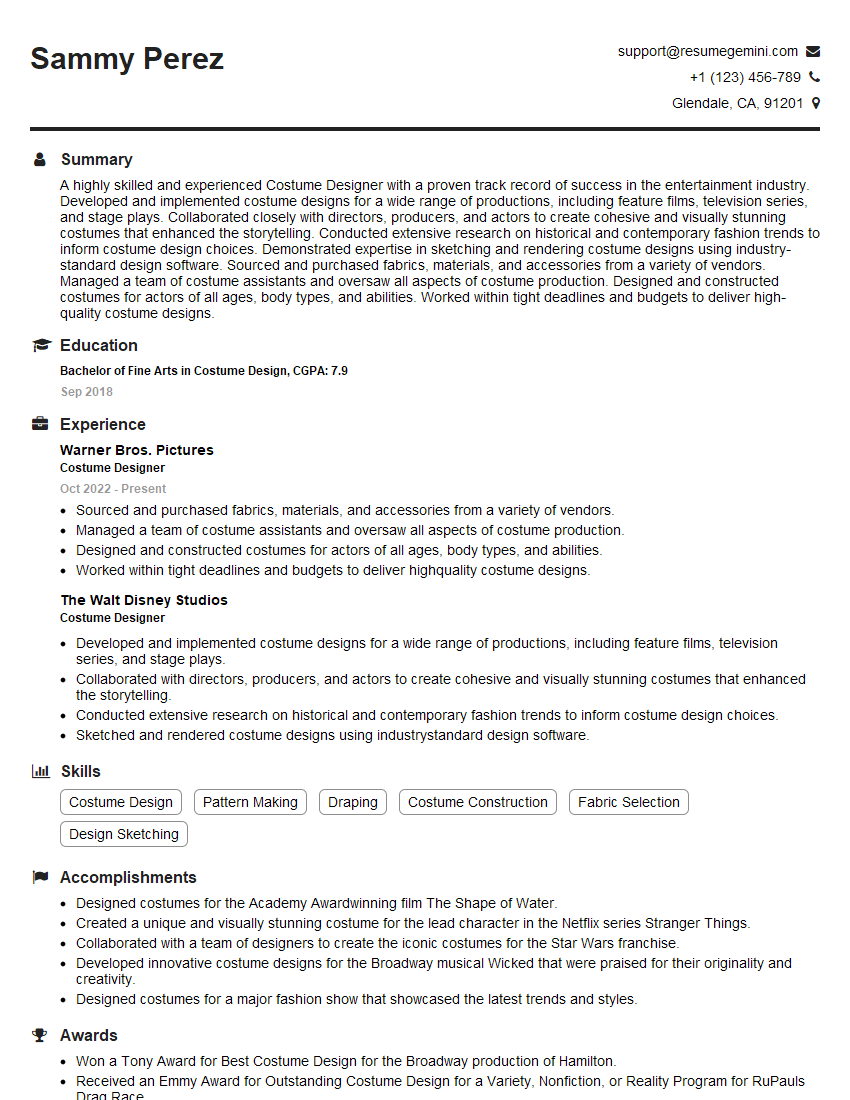
Costume Designer Resume Sample
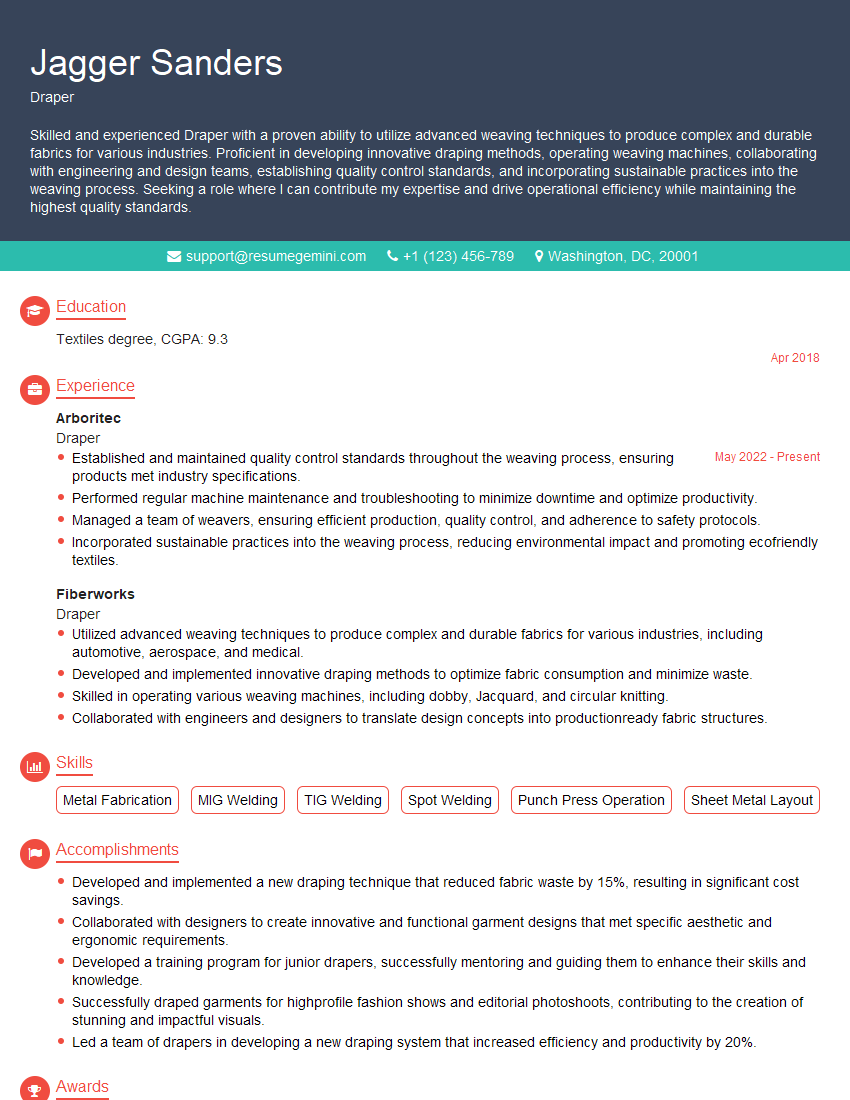
Draper Resume Sample
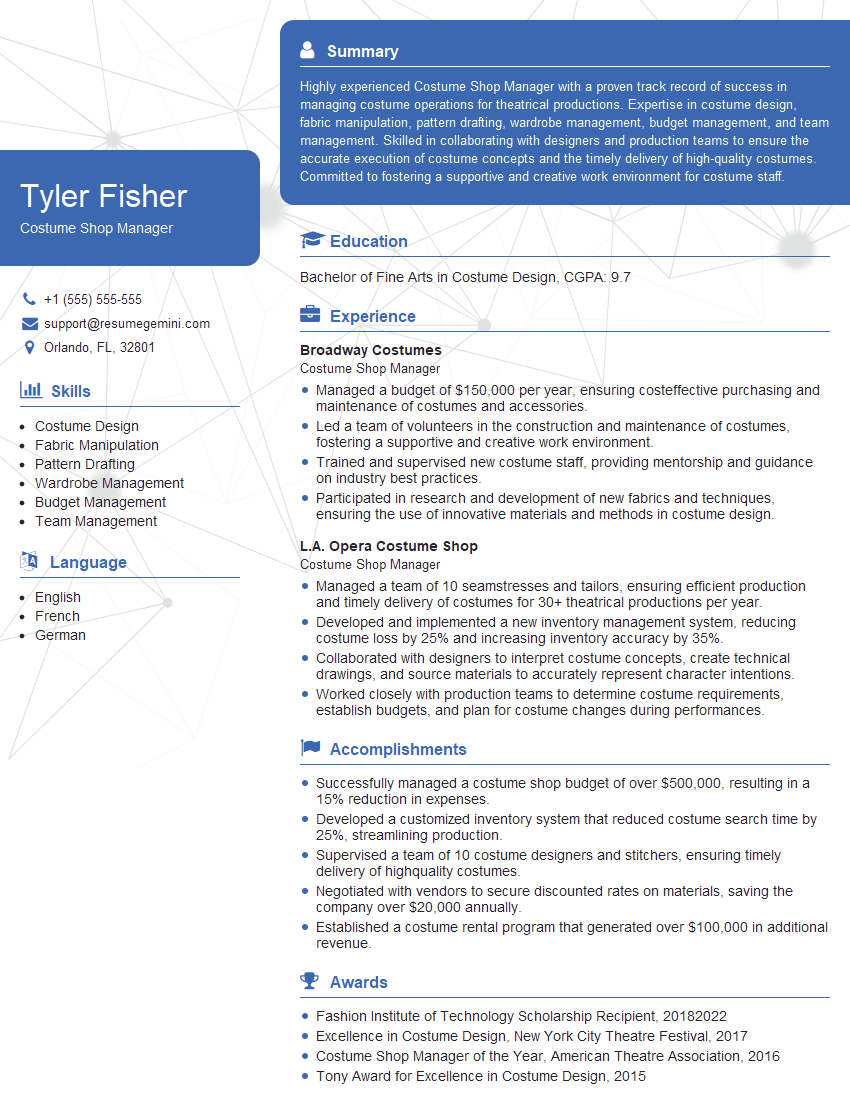
Costume Shop Manager Resume Sample
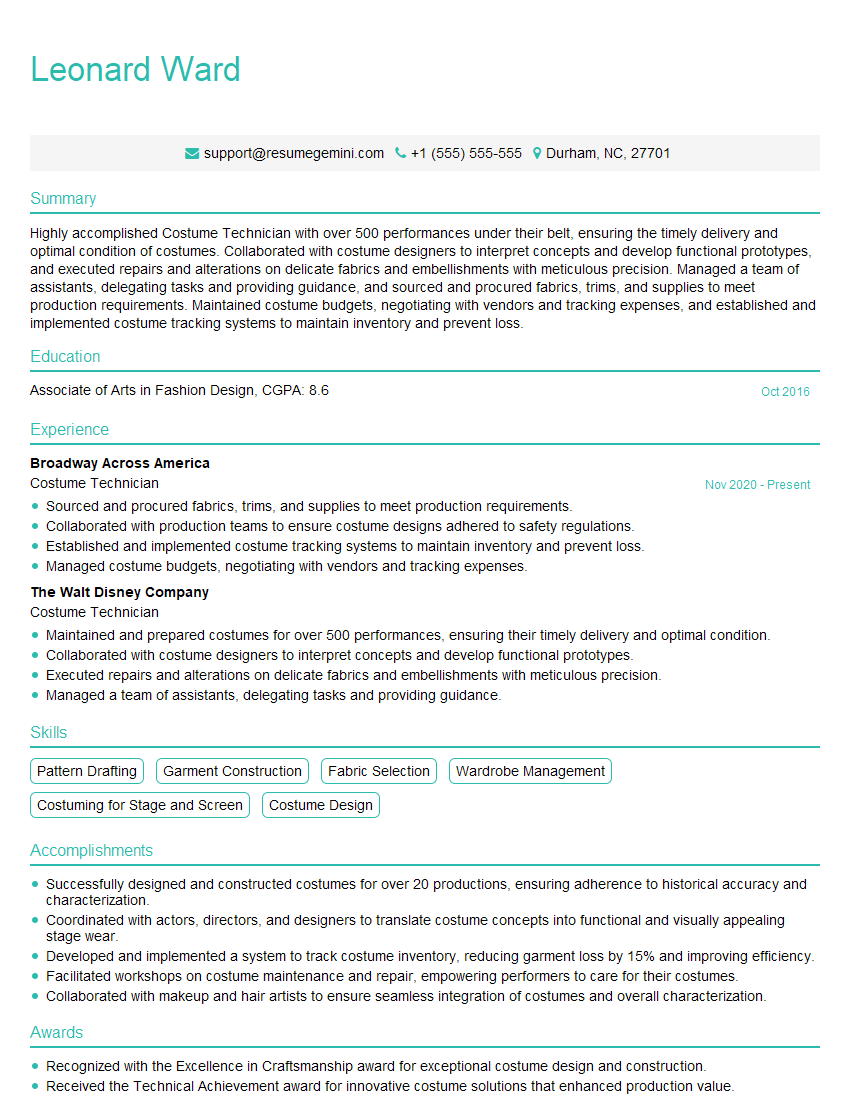
Costume Technician Resume Sample
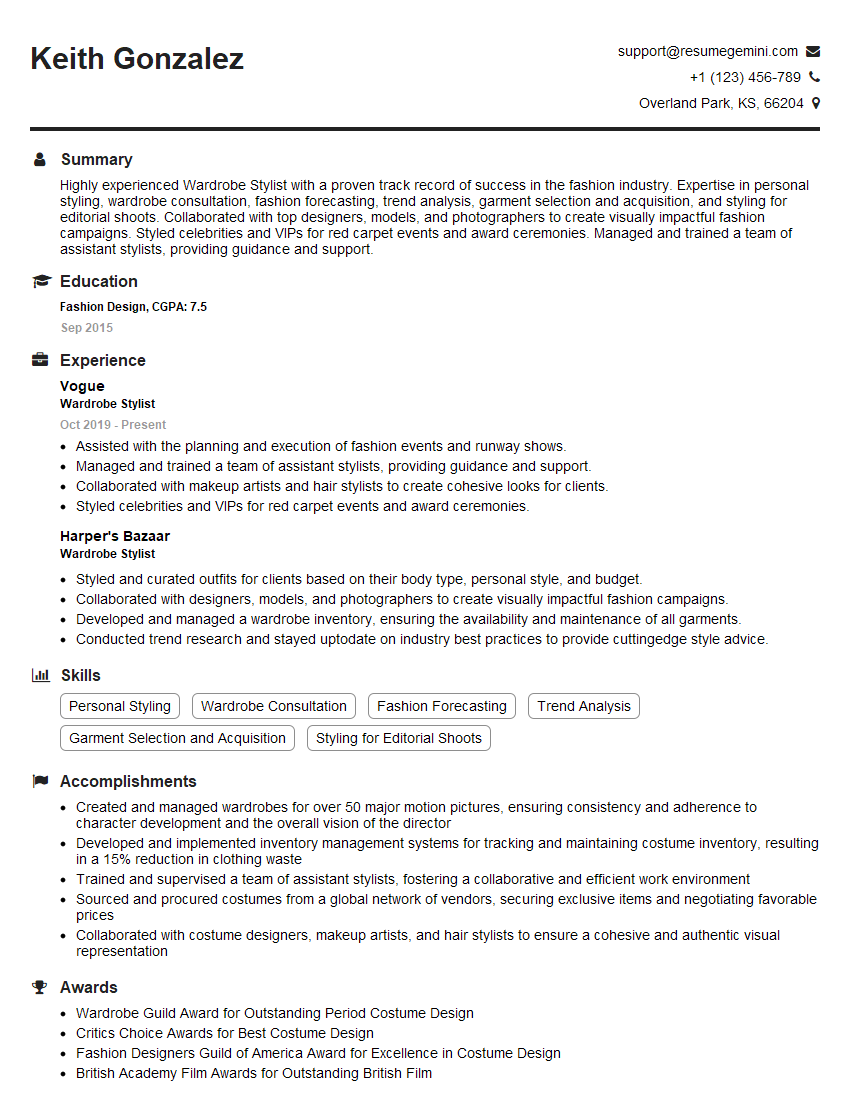
Wardrobe Stylist Resume Sample
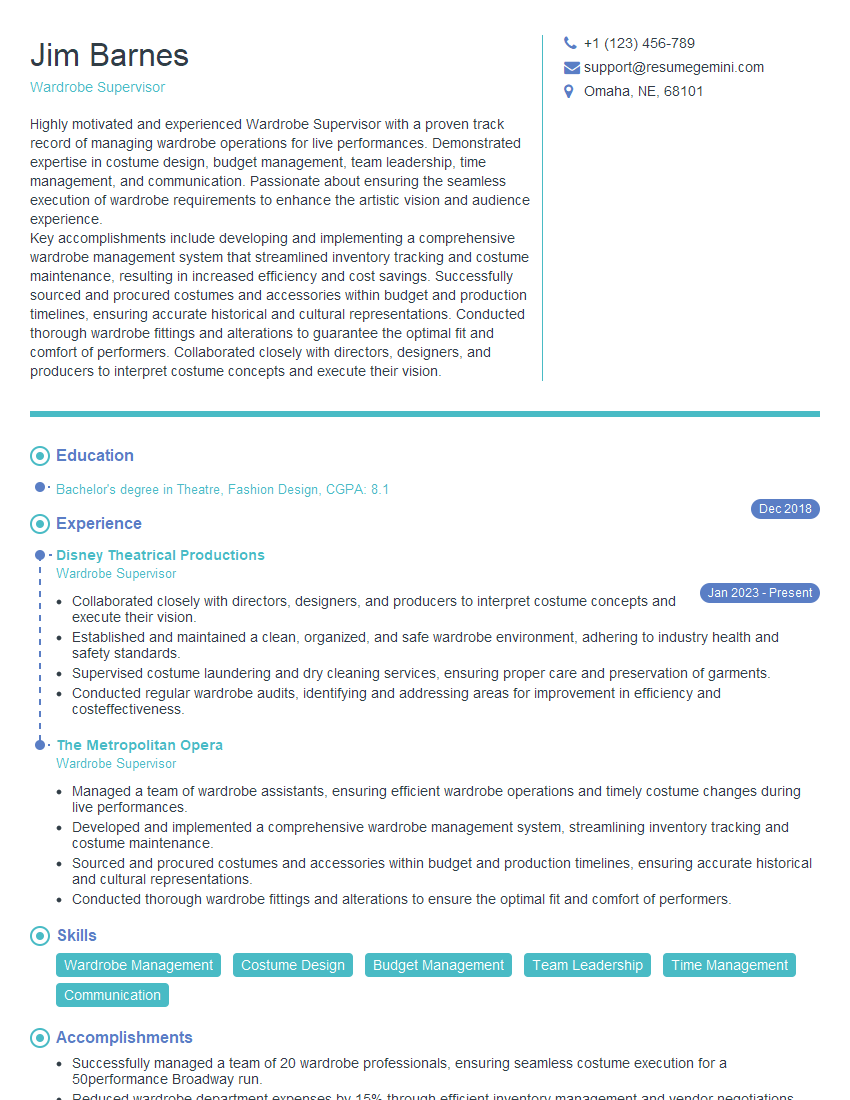
Wardrobe Supervisor Resume Sample
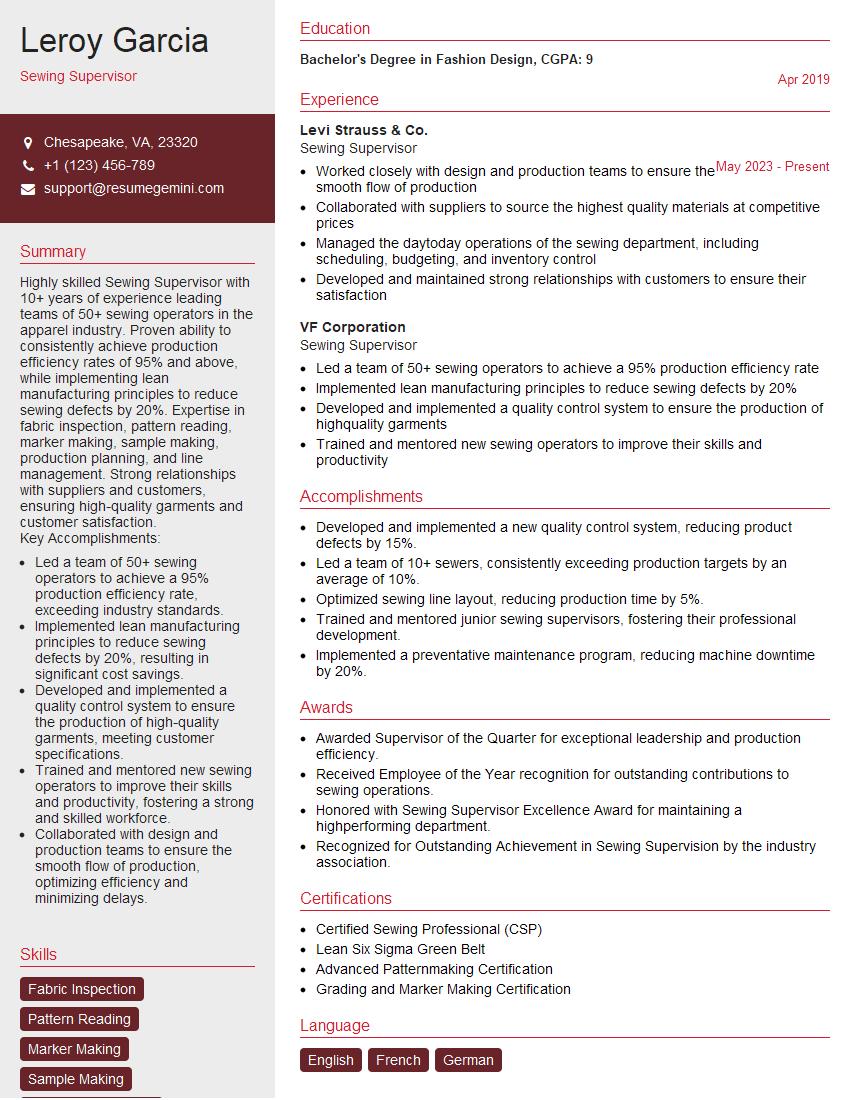
Sewing Supervisor Resume Sample
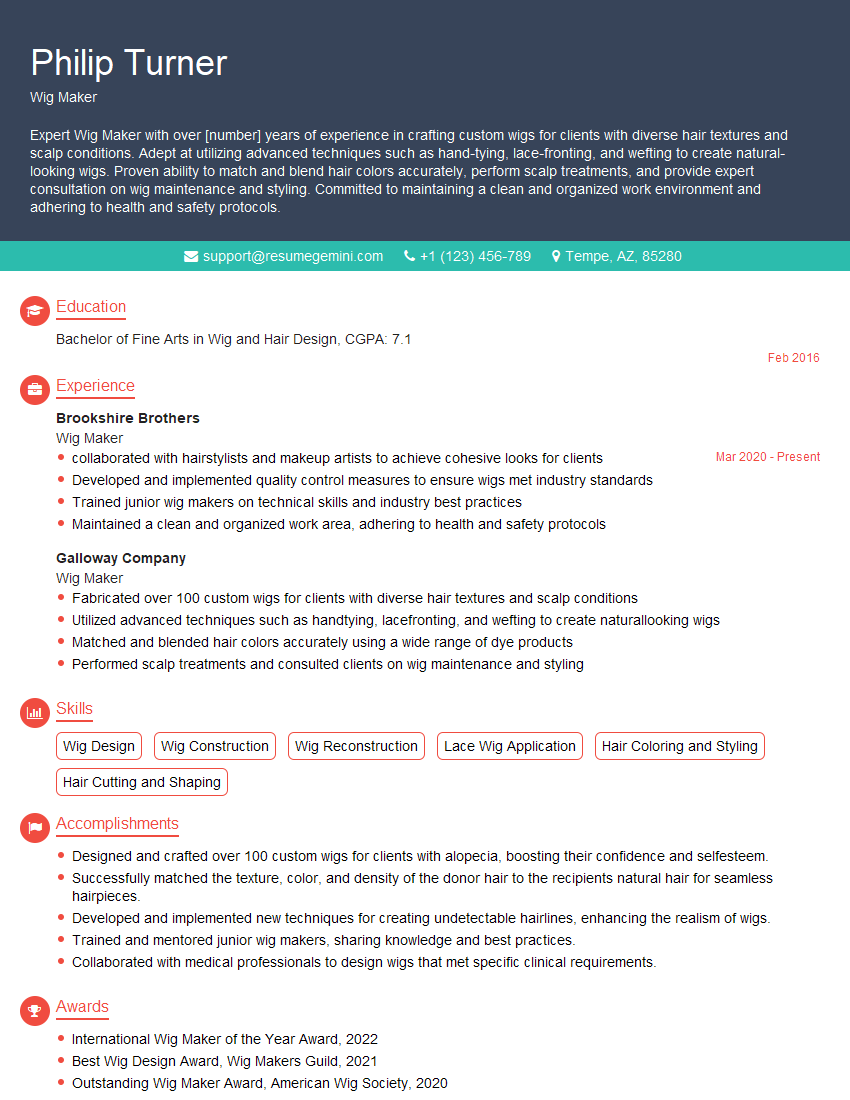
Wig Maker Resume Sample
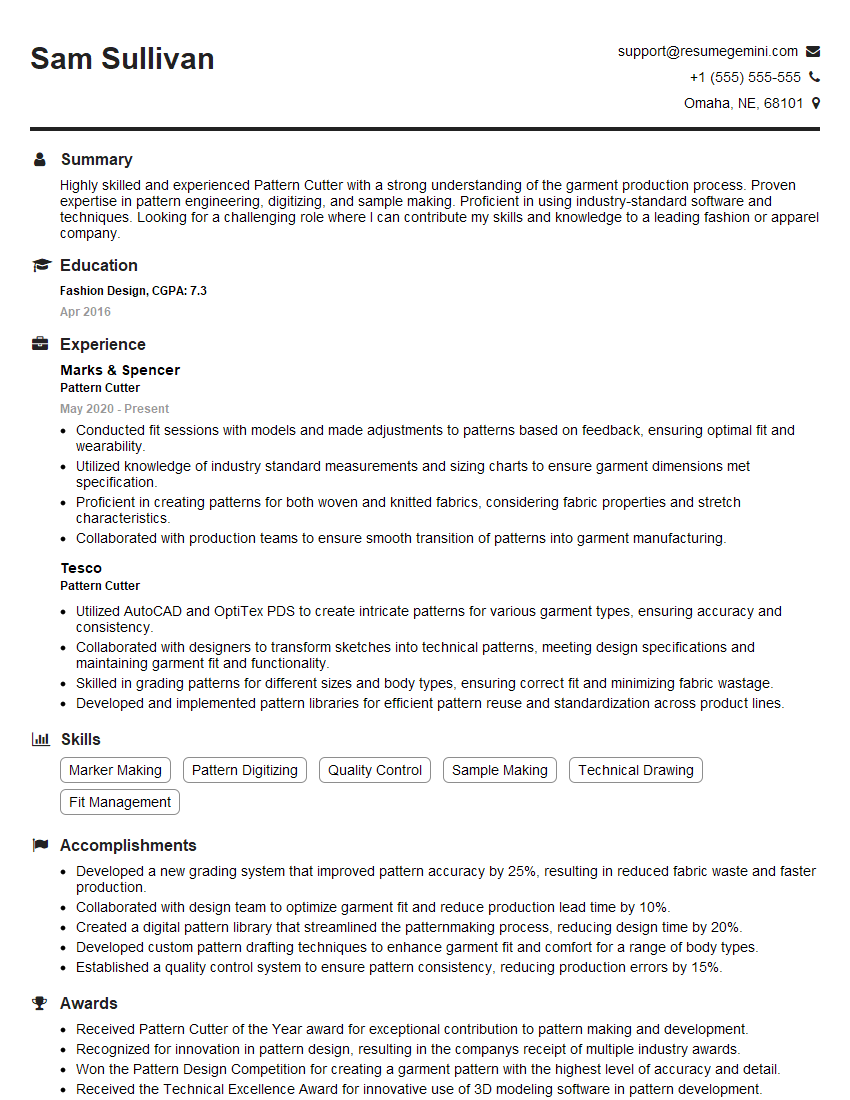
Pattern Cutter Resume Sample
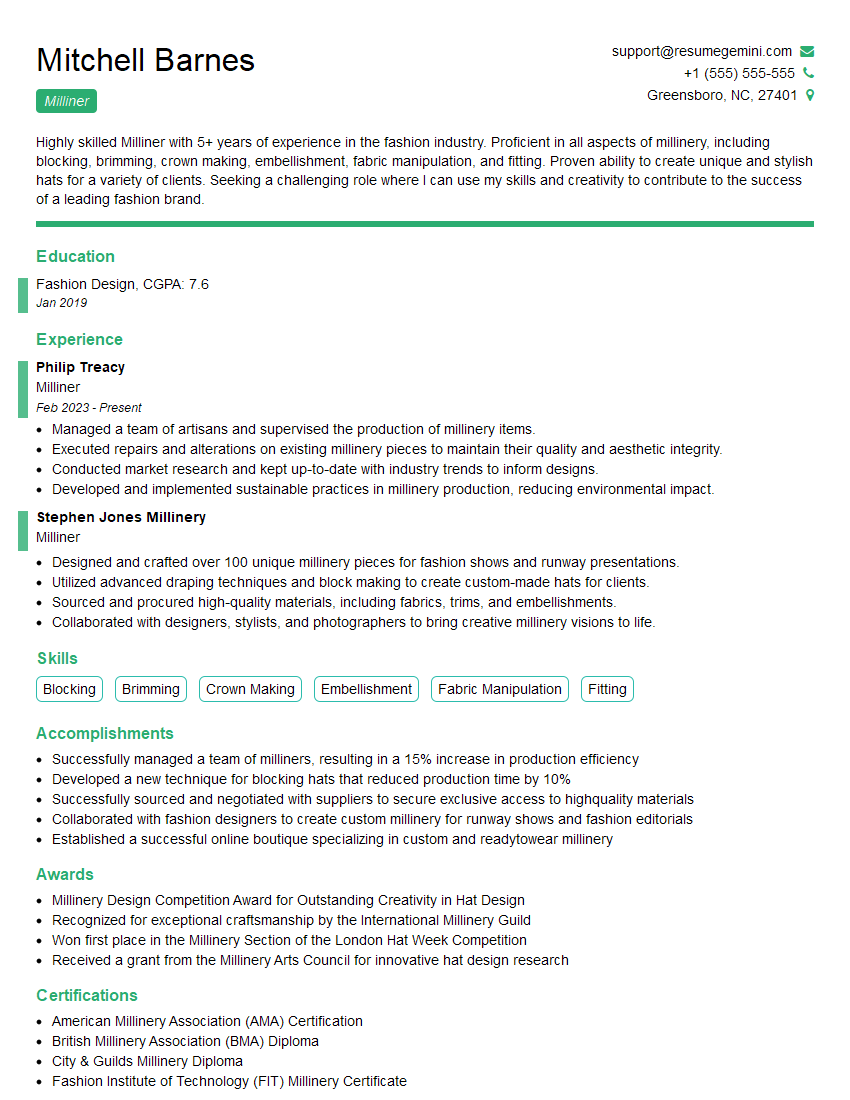
Milliner Resume Sample
Explore more articles
Users Rating of Our Blogs
Share Your Experience
We value your feedback! Please rate our content and share your thoughts (optional).
What Readers Say About Our Blog
I Redesigned Spongebob Squarepants and his main characters of my artwork.
https://www.deviantart.com/reimaginesponge/art/Redesigned-Spongebob-characters-1223583608
IT gave me an insight and words to use and be able to think of examples
Hi, I’m Jay, we have a few potential clients that are interested in your services, thought you might be a good fit. I’d love to talk about the details, when do you have time to talk?
Best,
Jay
Founder | CEO