The thought of an interview can be nerve-wracking, but the right preparation can make all the difference. Explore this comprehensive guide to Shifting Gear interview questions and gain the confidence you need to showcase your abilities and secure the role.
Questions Asked in Shifting Gear Interview
Q 1. Explain the process of smoothly shifting gears in a manual transmission vehicle.
Smoothly shifting gears in a manual transmission vehicle is a coordinated process involving the clutch, gearshift, and throttle. Think of it as a delicate dance between these three components.
- Depress the clutch pedal fully: This disengages the engine from the transmission, allowing you to change gears without causing damage.
- Shift the gearshift lever: Move the lever to the desired gear. The pattern is typically ‘H’ shaped, but it varies depending on the vehicle. Be decisive and smooth in your movement; avoid rushing or forcing the shift.
- Slowly release the clutch pedal: This re-engages the engine and transmission. A gradual release is key to preventing jerking or stalling. Listen to the engine; you’ll hear a change in tone as the engine and transmission connect smoothly.
- Adjust the throttle: As you release the clutch, gently apply throttle to match the engine speed to the vehicle speed and prevent stalling. The amount of throttle needed will vary depending on the gear and the situation.
Imagine riding a bicycle: depressing the clutch is like coasting to slow down, shifting is selecting a different gear, and releasing the clutch is like pedaling again. Proper coordination is essential for a smooth ride.
Q 2. Describe the different types of gearboxes and their applications.
Different types of gearboxes serve various purposes. The most common are:
- Manual Transmission: The driver manually selects gears. Offers more control and driver engagement but requires more skill and attention. Examples include most sports cars and many older vehicles.
- Automated Manual Transmission (AMT): This is essentially a manual transmission with an automated clutch. The driver selects gears, but the clutch operation is automated. AMTs offer a blend of manual control and convenience.
- Automatic Transmission: The transmission automatically selects gears based on factors like speed and throttle position. Offers maximum ease of use but can be less efficient or responsive than manuals.
- Continuously Variable Transmission (CVT): A CVT uses a belt and pulley system to provide a continuous range of gear ratios, offering smooth acceleration and fuel efficiency but sometimes lacking the direct feel of a manual or automatic.
- Dual-Clutch Transmission (DCT): DCTs use two clutches to allow for seamless gear shifts without interrupting power delivery. Found in many performance vehicles.
The choice of gearbox depends on factors such as performance needs, fuel economy targets, desired level of driver interaction and the overall vehicle design.
Q 3. How do you handle gear shifting in challenging terrains or conditions (e.g., hills, slippery roads)?
Challenging conditions require a more cautious and skillful approach to gear shifting:
- Hills: Downshift before ascending a hill to utilize engine braking, preventing the vehicle from rolling backward. Use a lower gear for more power while climbing. When descending, downshift to control your speed and avoid overworking your brakes.
- Slippery Roads: Avoid sudden acceleration or deceleration, as this can cause loss of traction. Smooth, gradual movements are essential. Select a lower gear to maintain better control and stability.
- Off-Road Driving: In off-road situations, selecting the appropriate gear is crucial for maintaining traction and minimizing wheelspin. Often, lower gears will be needed.
Think of it like driving in bad weather; you wouldn’t speed or make sudden movements. Similar care and consideration are needed when driving on challenging terrains.
Q 4. What are the signs of a malfunctioning gearbox, and how would you address them?
A malfunctioning gearbox presents several warning signs:
- Difficulty shifting gears: Gears may be hard to engage, or they may grind or jump out of gear.
- Unusual noises: Grinding, whining, or humming sounds coming from the transmission.
- Leaks: Transmission fluid leaks indicate potential damage or seals wearing out.
- Slipping gears: The engine revs up but the car doesn’t accelerate as expected.
- Burning smell: A burning smell may indicate overheating due to friction in the transmission.
Addressing these requires a professional diagnosis. Ignoring such signs can lead to costly repairs. Take your vehicle to a qualified mechanic for proper inspection and repair.
Q 5. Explain the importance of proper clutch engagement in gear shifting.
Proper clutch engagement is paramount for smooth and efficient gear shifting. The clutch acts as a disconnect, allowing you to change gears without stressing the transmission components.
- Complete Depression: Fully depressing the clutch is crucial to ensure a clean disconnect. Partial engagement can lead to grinding gears or damage.
- Controlled Release: Gradually releasing the clutch pedal allows the engine and transmission to synchronize smoothly. A quick release will often result in stalling or jerking.
- Synchronization: Coordinating clutch release with throttle application is essential to avoid stalling or abrupt power delivery.
The clutch is the critical element; without proper engagement, gear shifting becomes impossible and potentially damaging.
Q 6. How do you anticipate and react to gear-related issues during operation?
Anticipating and reacting to gear-related issues relies on experience and attentiveness:
- Regular Maintenance: Keep up with scheduled maintenance, including transmission fluid changes, to prevent potential problems.
- Listen to the Engine: Pay attention to any unusual noises or vibrations. These can be early warning signs of trouble.
- Observe Driving Patterns: Note if gear shifts are becoming harder or if gears slip. This indicates potential issues.
- Immediate Action: If you experience any serious problems, such as inability to shift gears or loud noises, stop driving immediately and seek professional help.
Being proactive and attentive is key; recognizing warning signs early can prevent major issues.
Q 7. What is the correct procedure for downshifting while approaching a stop?
The correct procedure for downshifting while approaching a stop is crucial for safety and smooth control:
- Assess Speed and Distance: Begin downshifting well before you need to come to a complete stop. This avoids abrupt slowing and allows for smooth transitions.
- Progressive Downshifts: Shift down through the gears sequentially; avoid skipping gears, especially at lower speeds.
- Engine Braking: Utilize engine braking by releasing the accelerator and allowing the engine to slow the vehicle down. This reduces reliance on the brake pedal.
- Smooth Clutch Operation: As you approach a stop, depress the clutch fully and prepare for braking to a complete stop.
Downshifting properly offers better control, allowing for smoother stopping and reducing brake wear. It’s a critical skill for safe and efficient driving.
Q 8. How do you perform a hill start in a manual transmission vehicle?
Performing a hill start in a manual transmission vehicle requires a coordinated effort between the clutch, brake, and gas pedals. Think of it like a three-legged stool – all three need to work together for stability. The goal is to prevent rolling backward while smoothly beginning your ascent.
- Engage the Parking Brake: Before you even begin, firmly engage your parking brake. This is your safety net, preventing rollback.
- Position the Vehicle: Ensure you’re positioned slightly uphill, with a clear view of the road ahead.
- Clutch and Brake: Depress the clutch pedal fully. Then, firmly apply the brake pedal.
- Find the Bite Point: Slowly release the clutch pedal until you feel the engine begin to catch – this is the bite point. You’ll feel a slight vibration or change in engine sound.
- Release the Brake: As you feel the bite point, gently release the brake pedal. Simultaneously, very gently increase the throttle. This coordinated movement is key.
- Smooth Acceleration: As you release the brake, gradually increase the throttle to smoothly accelerate uphill. Release the clutch pedal completely once you’re moving confidently.
Practice is essential for mastering hill starts. The key is to find the sweet spot between clutch release, brake release, and throttle application. A jerky movement indicates you need to adjust your coordination.
Q 9. Describe your experience with double-clutching (if applicable).
Double-clutching is a technique primarily used in older, non-synchronized manual transmissions. It involves briefly depressing the clutch, shifting to neutral, releasing the clutch, momentarily revving the engine, depressing the clutch again, and then selecting the next gear. This technique helps match engine speed to transmission speed, providing smoother shifts and reducing wear and tear on the transmission.
While less common with modern synchronized transmissions, my experience with double-clutching comes from working on and driving classic vehicles. It’s a skill that demonstrates a deep understanding of transmission mechanics. I find it’s particularly useful in situations requiring very smooth and precise gear changes, such as towing heavy loads or driving on steep inclines in older vehicles. In contemporary vehicles with synchronized transmissions, double clutching is rarely needed and can even be detrimental.
Q 10. What safety precautions do you take while shifting gears?
Safety is paramount when shifting gears. My safety precautions always include:
- Always check mirrors and blind spots before changing gears. This prevents collisions due to unexpected lane changes.
- Avoid shifting gears while cornering or driving over rough terrain. This prevents loss of control and potential accidents.
- Never shift gears suddenly or forcefully. This protects the transmission and avoids jerky movements that could destabilize the vehicle.
- Use the appropriate gear for the driving conditions. Avoid lugging the engine (driving in too high of a gear) or over-revving (driving in too low of a gear).
- Maintain a safe following distance. This provides adequate reaction time for unexpected events, especially during gear changes.
These are fundamental safety practices for responsible and safe driving. I always prioritize safety in all my driving actions.
Q 11. How often do you inspect the vehicle’s transmission system?
The frequency of transmission system inspection depends on various factors, including vehicle age, usage, and manufacturer recommendations. However, as a best practice, I recommend a visual inspection at least once a month. This includes checking for leaks, unusual noises, and obvious damage.
More thorough inspections, potentially involving professional servicing, should be performed according to the manufacturer’s schedule, usually at regular mileage intervals. These more comprehensive inspections include checking fluid levels, checking for fluid leaks and quality and assessing internal transmission health. Neglecting regular inspections can lead to costly repairs down the line. Early detection is key to preventing major issues.
Q 12. Explain the relationship between engine RPM and gear selection.
Engine RPM (revolutions per minute) and gear selection are intrinsically linked. The RPM represents the engine’s speed, while the gear selection determines the torque multiplier applied to the wheels. The relationship can be understood through the concept of gear ratios.
Each gear has a specific ratio that affects the relationship between engine speed and vehicle speed. A lower gear (e.g., first or second) has a higher gear ratio, resulting in more torque but lower speed at a given RPM. Conversely, a higher gear (e.g., fifth or sixth) has a lower gear ratio, resulting in less torque but higher speed at the same RPM.
Optimal gear selection involves balancing engine RPM and vehicle speed for efficient driving and optimal performance. Driving at too low an RPM in a high gear can strain the engine, while driving at too high an RPM in a low gear can result in excessive fuel consumption and wear.
Q 13. Describe your experience with different types of transmissions (manual, automatic, CVT).
My experience encompasses various transmission types: manual, automatic, and CVT (Continuously Variable Transmission). Manual transmissions provide the most direct driver engagement, offering precise control and fuel efficiency when used correctly. However, they require more driver skill and effort.
Automatic transmissions offer ease of use and convenience, automatically shifting gears based on driving conditions. However, they typically sacrifice some fuel efficiency and driving engagement compared to manuals.
CVTs provide seamless acceleration and efficient fuel economy by continuously adjusting the gear ratio. Their lack of distinct gear steps can result in a less engaging driving experience for some drivers. Each type has its strengths and weaknesses, making them suitable for different situations and driver preferences.
Q 14. How do you identify and troubleshoot common gear shifting problems?
Identifying and troubleshooting gear shifting problems requires a systematic approach. I typically begin by listening for unusual noises – grinding, whining, or clicking sounds can indicate specific problems. Then, I’ll check the transmission fluid level and quality; low or contaminated fluid is a frequent cause of shifting issues.
If the problem persists, I investigate the clutch (in manual transmissions), looking for signs of wear or damage. For automatic transmissions, issues could stem from worn-out components within the transmission itself, often necessitating professional diagnosis and repair. In both cases, road testing under different conditions helps to identify the specific conditions causing the problem (such as under load or during specific gear changes). A comprehensive diagnostic scan may be necessary to pinpoint the exact cause in modern vehicles.
Troubleshooting gear shifting problems requires a combination of practical knowledge, diagnostic tools, and experience. Never attempt major repairs without the necessary skills and equipment; improper repair can cause further damage.
Q 15. What are the key differences between operating a manual and automatic transmission?
The core difference between manual and automatic transmissions lies in how gear changes are executed. In a manual transmission, the driver directly selects the gear using a clutch and gearshift lever, requiring active engagement in the powertrain’s operation. This provides greater control over engine speed and power delivery. Think of it like a bicycle – you manually select the gear based on the terrain and your effort. An automatic transmission, conversely, automatically selects the appropriate gear based on factors like vehicle speed and engine load. This simplifies driving, especially in stop-and-go traffic, but reduces driver control over power delivery. It’s more like riding a scooter; you control the throttle, but the scooter itself manages the gear changes.
- Manual: Requires driver to engage the clutch, select the gear, and smoothly release the clutch. Offers more control and potential for better fuel efficiency with skilled driving.
- Automatic: Uses a torque converter or a dual-clutch system to seamlessly change gears. Offers convenience and ease of use, but can sometimes be less efficient than a manual.
Career Expert Tips:
- Ace those interviews! Prepare effectively by reviewing the Top 50 Most Common Interview Questions on ResumeGemini.
- Navigate your job search with confidence! Explore a wide range of Career Tips on ResumeGemini. Learn about common challenges and recommendations to overcome them.
- Craft the perfect resume! Master the Art of Resume Writing with ResumeGemini’s guide. Showcase your unique qualifications and achievements effectively.
- Don’t miss out on holiday savings! Build your dream resume with ResumeGemini’s ATS optimized templates.
Q 16. How do you adapt your shifting technique based on the vehicle’s load?
Shifting technique adaptation based on vehicle load is crucial for maintaining optimal engine performance and preventing strain. A heavier load, such as towing a trailer or carrying a significant amount of cargo, requires shifting at lower RPMs to avoid overloading the engine. This often means downshifting earlier than you would under normal conditions to access more torque. Conversely, with a lighter load, you can shift to higher gears sooner to optimize fuel efficiency. Imagine climbing a steep hill with a heavy load in your car versus driving on a flat road with an empty car. In the former, you’ll need to downshift more frequently to maintain momentum, while in the latter, you can stay in higher gears for longer periods.
For example, when towing a heavy trailer uphill, I would avoid high gears and would shift down earlier to prevent the engine from lugging or overheating. Conversely, when driving a light vehicle on a flat road, I would opt for higher gears earlier, allowing the engine to run at lower RPMs, promoting fuel economy.
Q 17. Describe a time you experienced a gear shifting issue and how you resolved it.
During a mountain drive in a vintage car, I experienced difficulty shifting into third gear. The gearshift lever felt stiff, and there was a grinding noise when attempting to select the gear. I suspected a problem with the synchronizers, which help match the rotational speeds of the gears for smooth transitions. My first step was to check the clutch operation—ensuring smooth engagement and disengagement. Then I carefully attempted the shift again, using extra care to match engine speed to the gear. This helped to eliminate some of the grinding. However, the issue persisted, so I had the car thoroughly inspected by a mechanic. The diagnosis confirmed a worn synchronizer in the third gear, requiring replacement. This resolved the shifting problem and restored smooth operation.
Q 18. Explain the importance of smooth gear changes for fuel efficiency.
Smooth gear changes are essential for maximizing fuel efficiency. Aggressive shifting, characterized by abrupt acceleration and deceleration between gear changes, leads to increased fuel consumption. When a vehicle accelerates too forcefully, the engine demands more fuel to overcome inertia and maintain momentum. Similarly, sudden deceleration can result in wasted energy. Smooth shifting, on the other hand, allows the engine to operate within its optimal RPM range, promoting efficient fuel combustion. Think of it like walking smoothly versus running. Running will get you there faster, but you’ll expend considerably more energy. Smooth acceleration and deceleration, coupled with properly timed gear changes, result in reduced fuel consumption and improved overall fuel economy.
Q 19. What are the common causes of gear grinding or slipping?
Gear grinding typically arises from insufficient synchronizer operation or improperly aligned gears. This might be due to worn synchronizers, low transmission fluid levels, or damage to the gears themselves. Gear slipping, conversely, suggests insufficient friction between the gears to transmit torque effectively. Common causes include worn clutch plates (in manual transmissions), low transmission fluid, or problems within the automatic transmission’s hydraulic system such as worn clutches or valve body issues. In both cases, proper maintenance, timely fluid changes, and prompt professional attention are crucial to preventing further damage.
Q 20. How do you maintain a safe following distance while shifting gears?
Maintaining a safe following distance while shifting gears is about anticipation and planning. Before initiating a downshift, especially in slower traffic, I assess the traffic ahead and adjust my speed accordingly to provide a safe braking distance. The time spent changing gears should not compromise the overall safe following distance. Avoid abrupt braking while shifting; use smooth, progressive braking to maintain control and adequate spacing from other vehicles. This allows you to safely react to any unexpected situations while also performing smooth gear changes without sudden slowing.
Q 21. What are the legal and safety regulations concerning gear shifting in your region?
Legal and safety regulations concerning gear shifting vary by region but generally emphasize safe driving practices. In most jurisdictions, driving with a faulty transmission, resulting in unsafe gear changes, is illegal. Driving without proper licensing is also illegal and unsafe. Driving under the influence of alcohol or drugs significantly impairs driving ability, making safe gear shifting impossible. Furthermore, many areas have regulations regarding the use of cell phones while driving, which can be particularly distracting during gear changes. Always consult your local Department of Motor Vehicles (DMV) or equivalent for specific legal and safety regulations in your area. Safe driving is paramount and always takes precedence over the speed of gear changes.
Q 22. Describe your experience with using different types of clutches.
My experience encompasses a wide range of clutch types, from the simpler single-plate dry clutches found in many light vehicles to more complex multi-plate wet clutches used in heavy machinery and certain high-performance applications. I’m comfortable working with hydraulic, pneumatic, and even electro-hydraulic clutch systems. For example, I’ve extensively used single-plate dry clutches in agricultural tractors, where smooth engagement is crucial for minimizing stress on the drivetrain and preventing wheel spin. In contrast, my experience with heavy-duty construction equipment involved operating machines with sophisticated multi-plate wet clutches, requiring a different feel and technique for smooth engagement due to their higher torque capacity and heat dissipation requirements.
- Single-plate dry clutches: Simpler design, direct mechanical linkage, good for lighter loads.
- Multi-plate wet clutches: More complex, hydraulically or pneumatically actuated, handle higher torque and heat better.
- Electro-hydraulic clutches: Offer precise control and are often found in automated or semi-automated transmissions.
Understanding the nuances of each type, including their engagement points, pressure requirements, and potential failure modes, is critical for safe and efficient operation.
Q 23. How do you handle emergency situations related to gear shifting failures?
Gear shifting failures are serious and require immediate attention. My approach is based on assessing the situation and prioritizing safety. First, I’d ensure the vehicle is safely stopped, away from traffic and hazards. Then, I’d conduct a preliminary diagnosis. If it’s a minor issue like a stuck shifter, I might try to gently free it. However, if it’s a more serious problem, such as a broken gearshift linkage or internal transmission failure, I would not attempt to force anything.
Depending on the situation, I may need to utilize alternative methods to get the vehicle moving. For example, in a heavy vehicle stuck in gear, a winch might be necessary to move it. In other situations, a tow truck might be the safest and most efficient solution. Communication is key; I would immediately inform the appropriate personnel – supervisors, dispatch, or emergency services – depending on the severity and location of the failure.
Prevention is key; regular maintenance, including lubrication and inspection of the shifting mechanism, is crucial in preventing such emergencies.
Q 24. Explain the process of performing a pre-trip inspection related to the transmission system.
A pre-trip inspection of the transmission system is crucial for safety and operational efficiency. It begins with a visual inspection for any leaks around the transmission housing, drive shafts, and fluid lines. I check the transmission fluid level using the dipstick, ensuring it’s within the recommended range and checking its clarity and condition (color, smell). I inspect the linkage mechanism for any damage, looseness, or binding. I would also check for any unusual noises emanating from the transmission area.
Furthermore, I’d check the condition of the clutch (if applicable) – looking for leaks, wear, or damage to the pressure plate and components. A functional test involves checking all gears for smooth engagement and disengagement without any grinding noises or difficulty shifting. Any unusual resistance or slippage indicates a potential problem requiring immediate attention.
Documentation is important; any noted deficiencies should be recorded in the pre-trip inspection report to inform maintenance scheduling and prevent costly repairs later.
Q 25. How familiar are you with different gear ratios and their impact on vehicle performance?
Understanding gear ratios is fundamental to operating any vehicle efficiently and safely. Gear ratios describe the relationship between engine speed and wheel speed. A lower gear ratio (e.g., first gear) provides more torque at lower speeds, ideal for starting, climbing hills, or towing heavy loads. A higher gear ratio (e.g., fifth gear) provides higher speeds at lower engine RPMs, improving fuel economy during cruising.
For example, a low gear ratio might be 4:1 (four engine rotations for one wheel rotation), delivering high torque. A higher gear ratio, say 0.8:1, allows higher speeds with less engine effort. The impact on vehicle performance is substantial. Improper gear selection can lead to engine strain, poor fuel economy, or reduced acceleration. A deep understanding of how gear ratios interact with engine torque curves is essential for optimizing performance and efficiency across various operating conditions.
Q 26. How do you ensure optimal gear selection for various driving situations?
Optimal gear selection depends heavily on the specific driving situation. I consider factors like vehicle load, road grade, desired acceleration, and speed. For instance, when starting on a steep incline with a heavy load, a low gear is selected to maximize torque. During highway cruising, a high gear is used for optimal fuel economy.
My approach involves anticipating driving conditions. Before encountering an uphill section, I downshift proactively to maintain momentum. On curves or when approaching intersections, I might select a lower gear to increase braking control and responsiveness. Smooth shifting is key; aggressive shifting causes unnecessary wear and tear on the transmission and clutch. Anticipation and smooth execution are crucial for both efficiency and safety.
Q 27. Describe your experience working with different types of heavy equipment transmissions.
My experience with heavy equipment transmissions includes working with various types, including planetary gearsets, powershift transmissions, and automatic transmissions commonly found in excavators, bulldozers, and loaders. Planetary gearsets offer high torque multiplication and versatility, while powershift transmissions provide rapid gear changes under heavy load. Automatic transmissions simplify operation but require a thorough understanding of their operating limitations.
Each type demands a different operating technique. For example, powershift transmissions require precise control to avoid abrupt shifts, while planetary gearsets necessitate a strategic approach to gear selection depending on the specific task. Understanding the specific characteristics and limitations of each transmission type is crucial for effective operation and minimizing wear and tear. Regular maintenance and timely fluid changes are essential to prolong the lifespan of these robust systems.
Q 28. How do you handle gear shifting challenges specific to your area of expertise (e.g., construction, agriculture)?
In construction, challenges can include operating in challenging terrain, which requires careful gear selection to maintain traction and prevent wheel slippage. I use lower gears to navigate difficult terrain and to ensure adequate power for moving heavy materials. In agriculture, the challenges often relate to managing varying loads and speeds in different field conditions. I adjust gear selection to accommodate changes in ground conditions and implement smooth gear changes to protect delicate crops or machinery. For example, when using a tractor with a PTO (power take-off) for operating attachments like a baler, precision in gear selection is vital to match engine speed to the implement’s requirements, preventing damage and ensuring efficiency.
In both environments, adapting to the unique demands of specific equipment and operating conditions is key. A deep understanding of the machine’s capabilities and limitations, coupled with a keen awareness of the environmental factors, is vital for successful and safe operation.
Key Topics to Learn for Shifting Gear Interview
- Understanding the Shifting Gear Process: Explore the fundamental stages involved in a successful gear shift, from identifying the need for a change to implementing and evaluating the results.
- Strategic Planning & Execution: Learn how to develop a comprehensive plan for implementing a shift, considering resource allocation, risk mitigation, and stakeholder management. Practice applying these concepts to hypothetical scenarios.
- Change Management Principles: Master the core principles of effective change management, including communication strategies, resistance management, and fostering buy-in from all levels.
- Data Analysis & Interpretation: Develop your ability to interpret data to inform decision-making throughout the shifting gear process. This includes identifying key performance indicators (KPIs) and measuring the success of implemented changes.
- Problem-Solving & Decision-Making: Practice approaching challenges with a structured problem-solving methodology. Be prepared to discuss how you’d handle unexpected obstacles or setbacks during a significant organizational shift.
- Teamwork & Collaboration: Understand how to effectively lead and collaborate within a team to navigate the complexities of a large-scale organizational change. Consider different team dynamics and communication styles.
- Adaptability & Resilience: Showcase your ability to adapt to changing circumstances and remain resilient in the face of challenges. Discuss examples demonstrating your ability to learn and evolve in dynamic environments.
Next Steps
Mastering the principles of Shifting Gear is crucial for career advancement, opening doors to leadership roles and demonstrating your ability to manage complex organizational transformations. To maximize your job prospects, crafting an ATS-friendly resume is essential. ResumeGemini is a trusted resource that can significantly enhance your resume-building experience. We provide examples of resumes tailored to the Shifting Gear field to help you create a compelling document that highlights your relevant skills and experience. Take advantage of these resources to showcase your preparedness for a successful career.
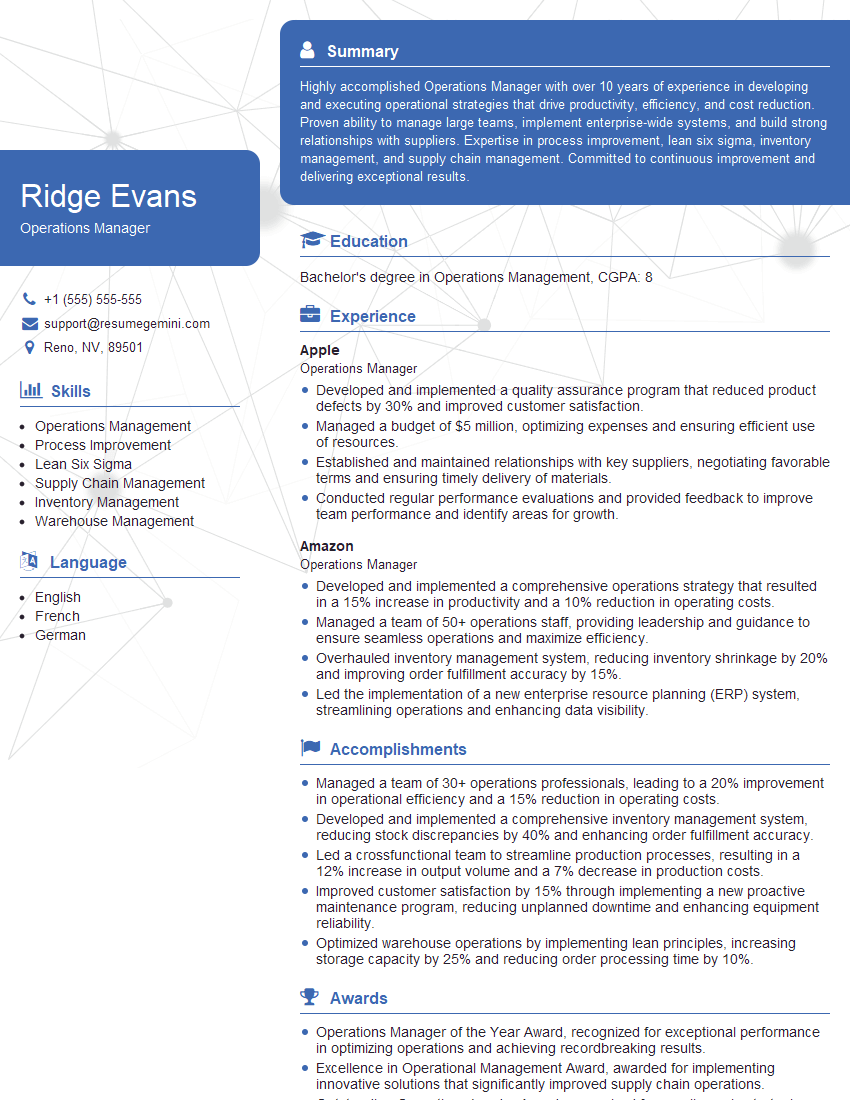
Operations Manager Resume Sample
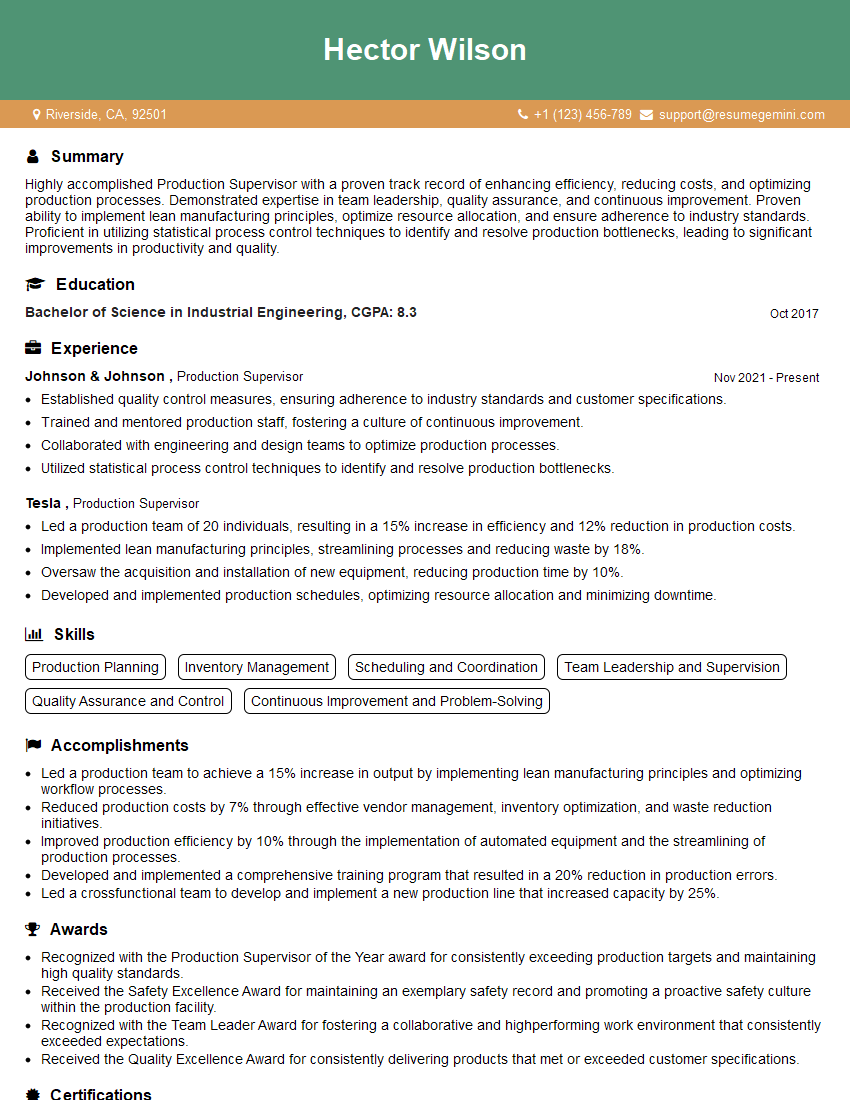
Production Supervisor Resume Sample
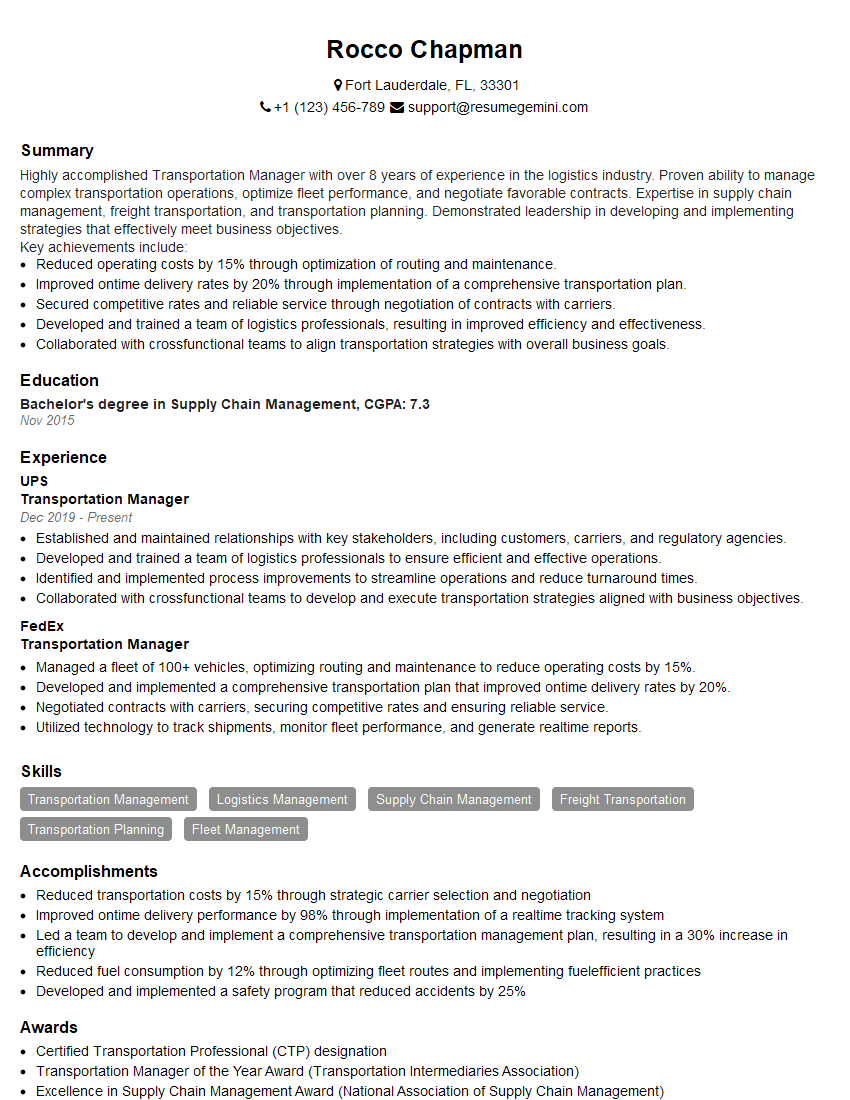
Transportation Manager Resume Sample
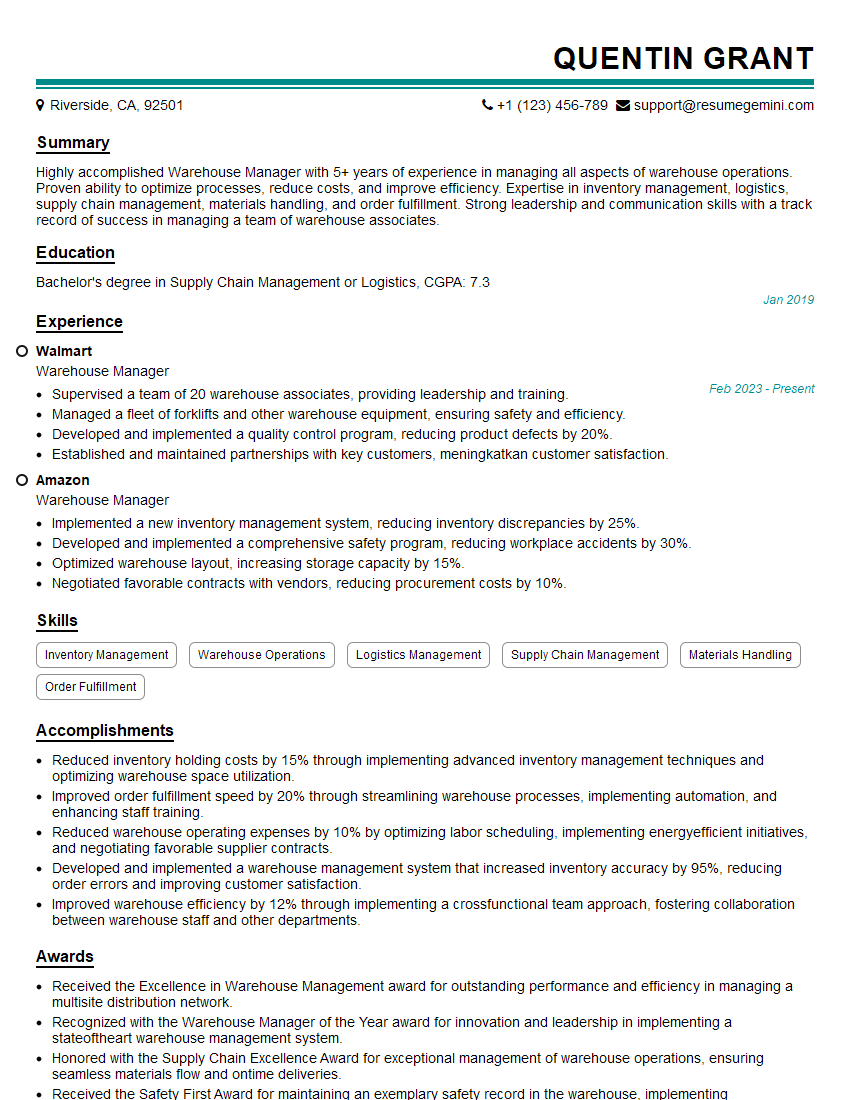
Warehouse Manager Resume Sample
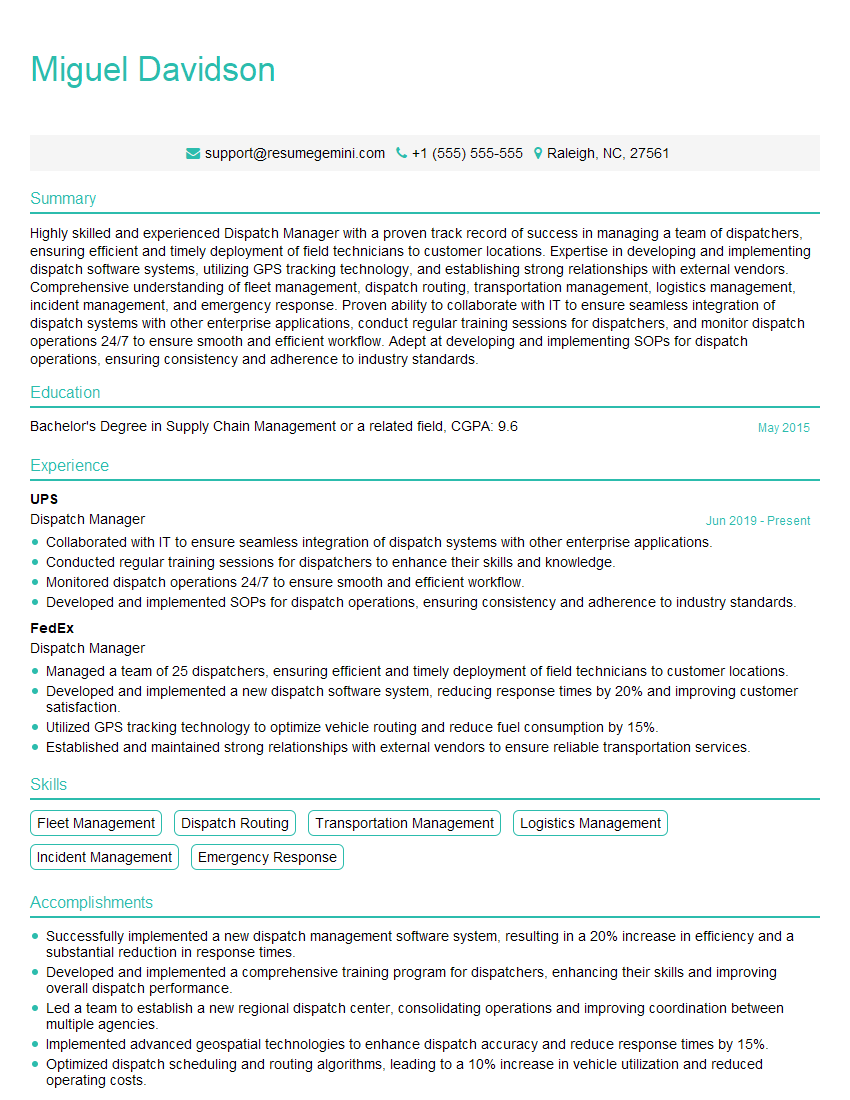
Dispatch Manager Resume Sample
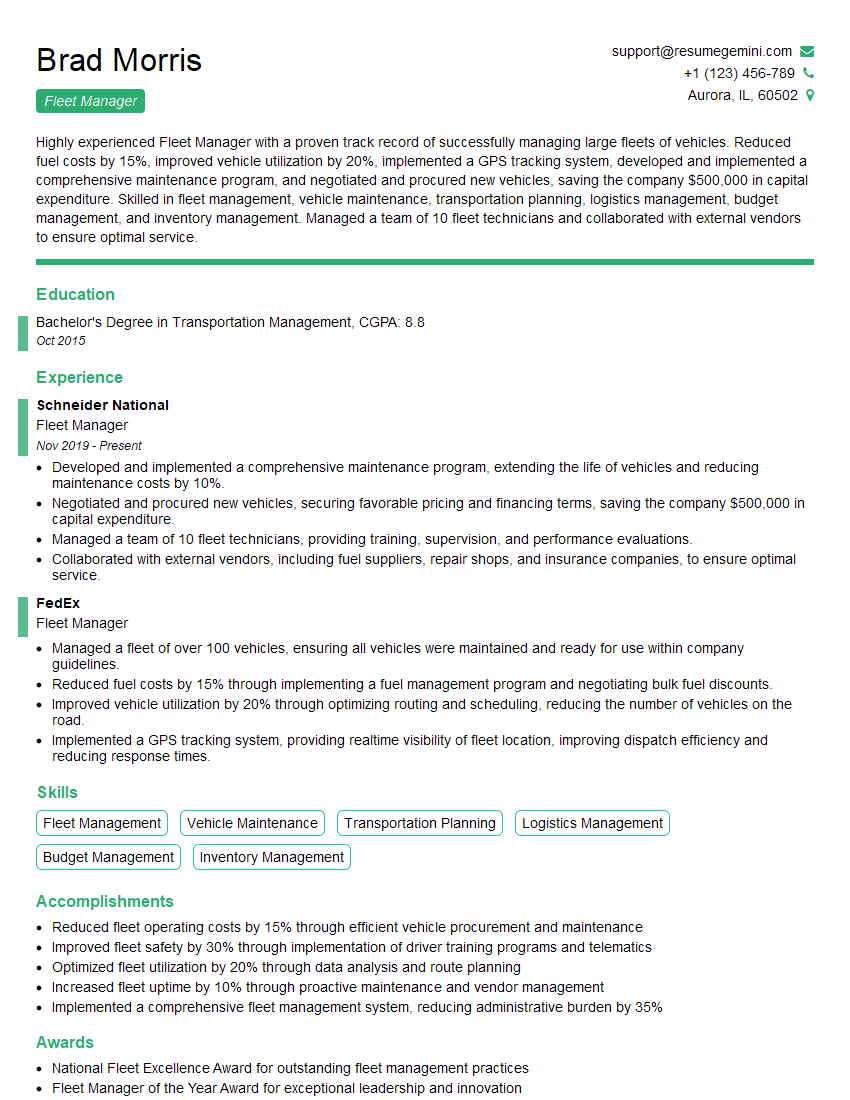
Fleet Manager Resume Sample
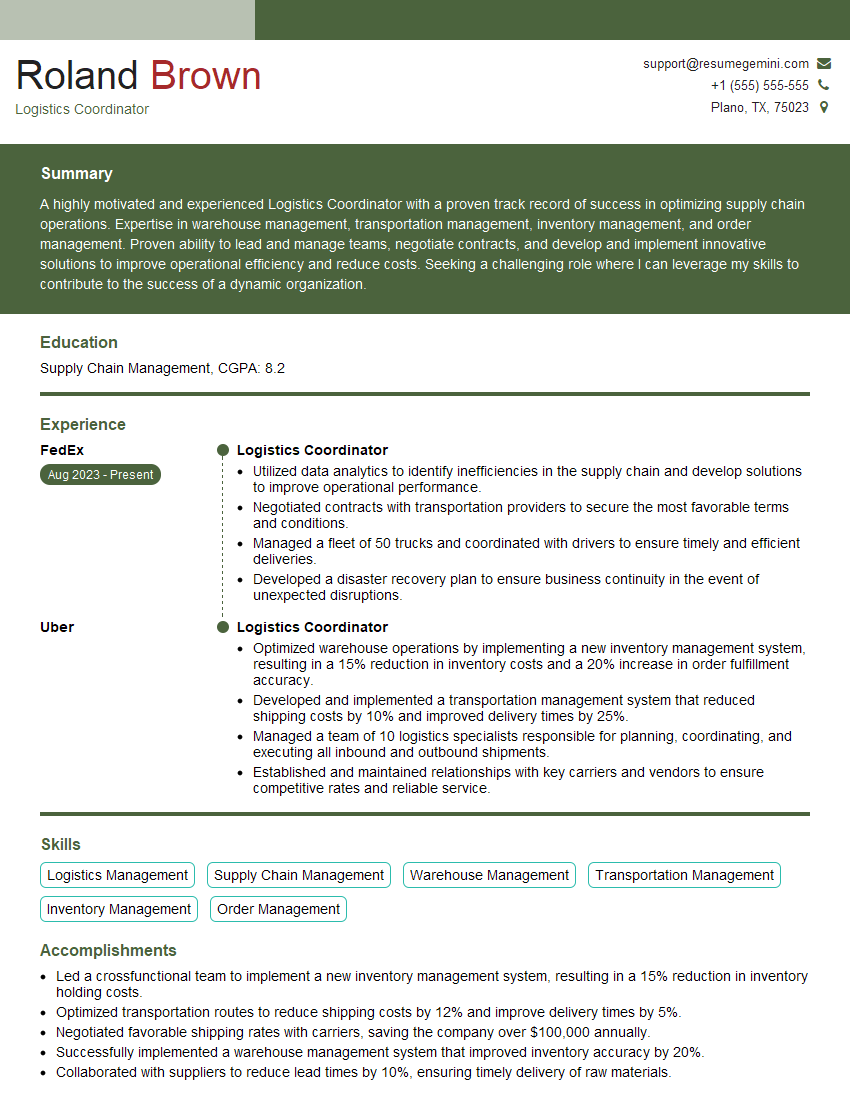
Logistics Coordinator Resume Sample
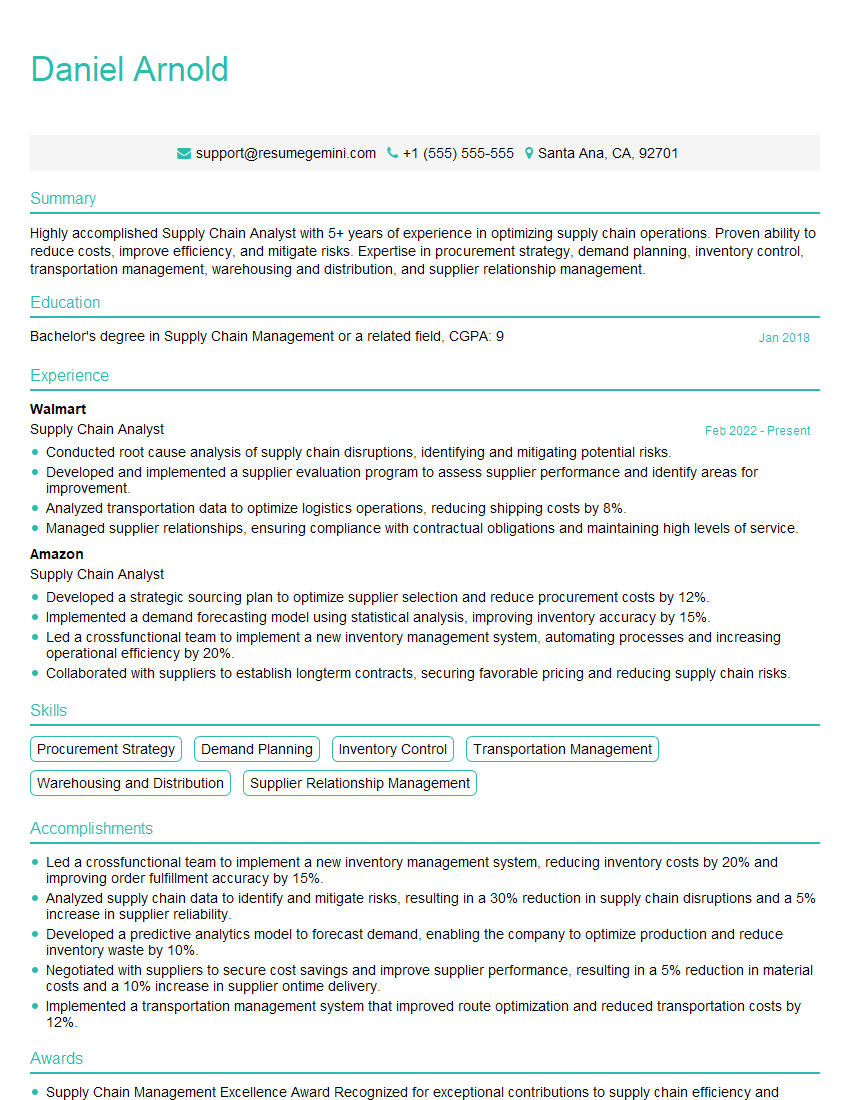
Supply Chain Analyst Resume Sample
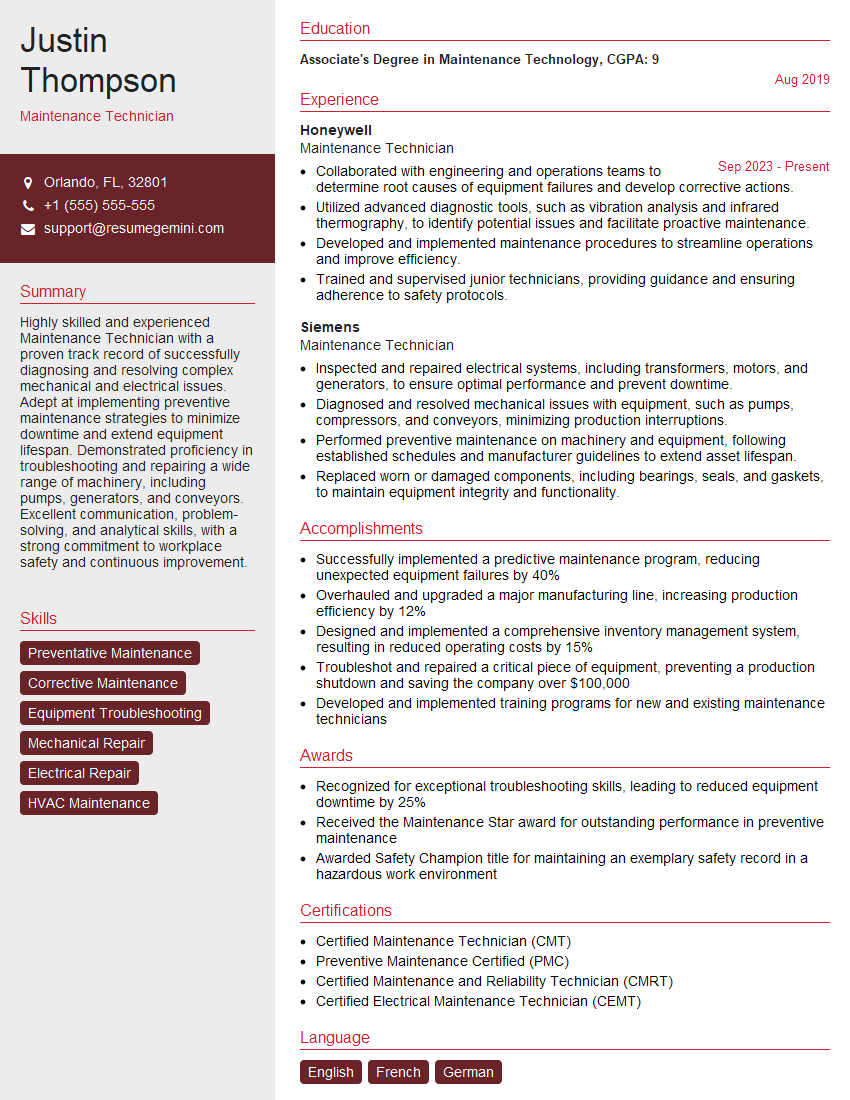
Maintenance Technician Resume Sample
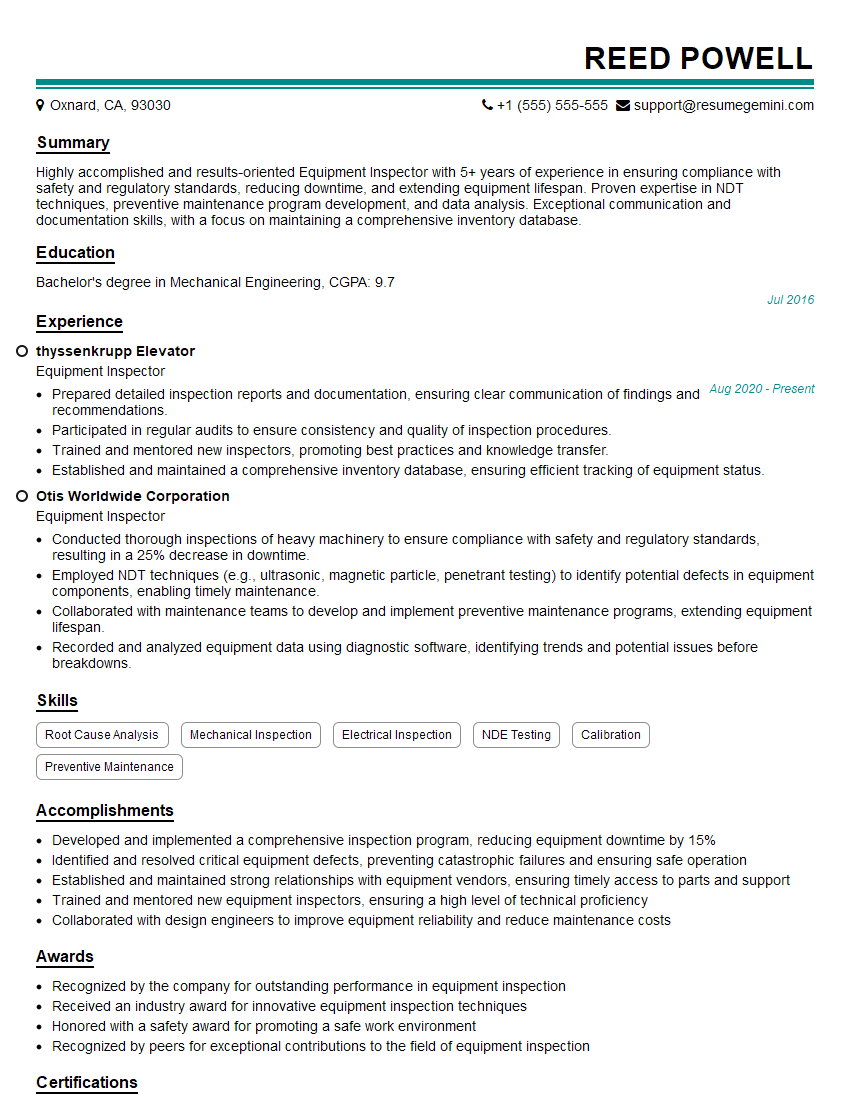
Equipment Inspector Resume Sample
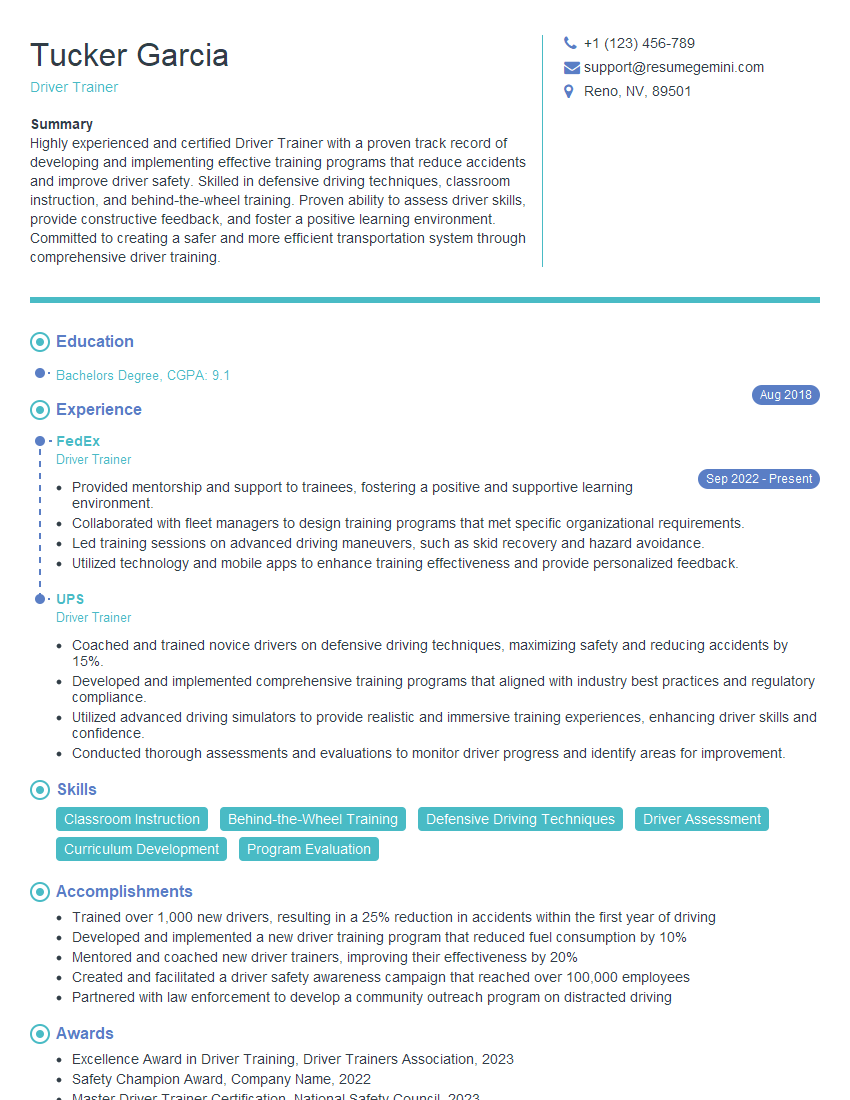
Driver Trainer Resume Sample
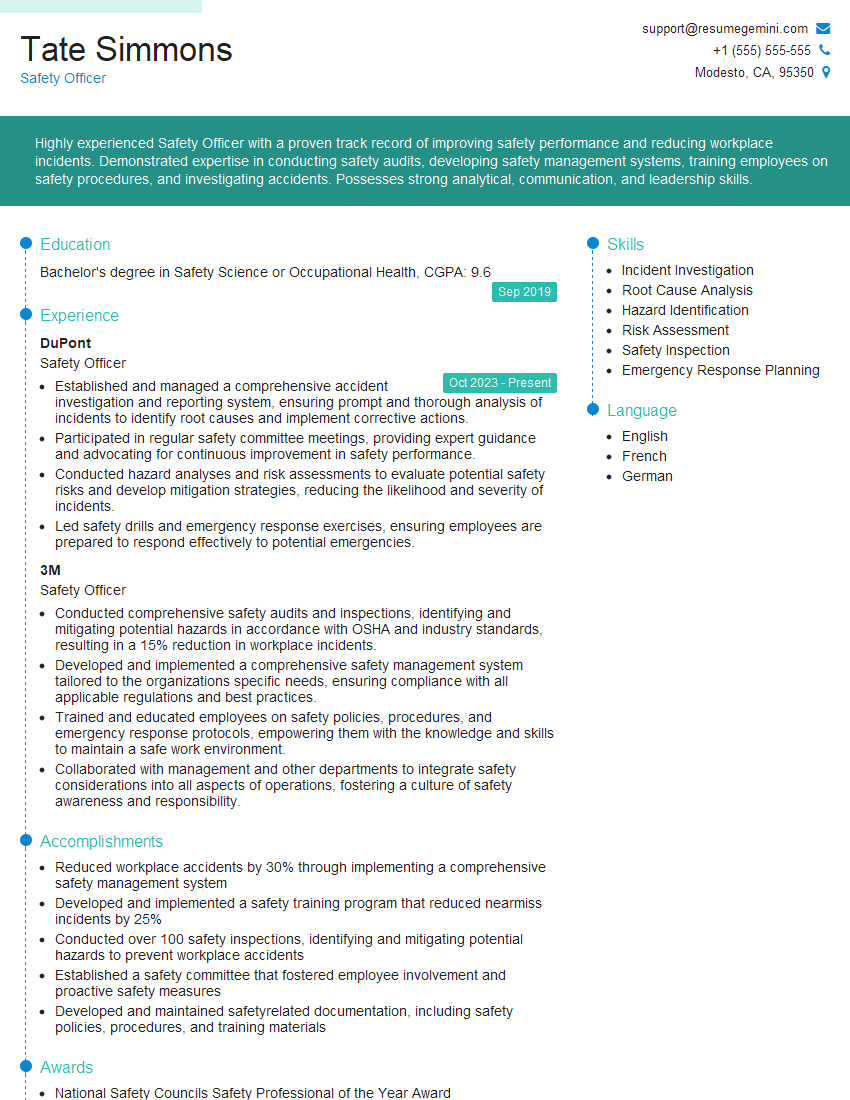
Safety Officer Resume Sample

Crane Operator Resume Sample
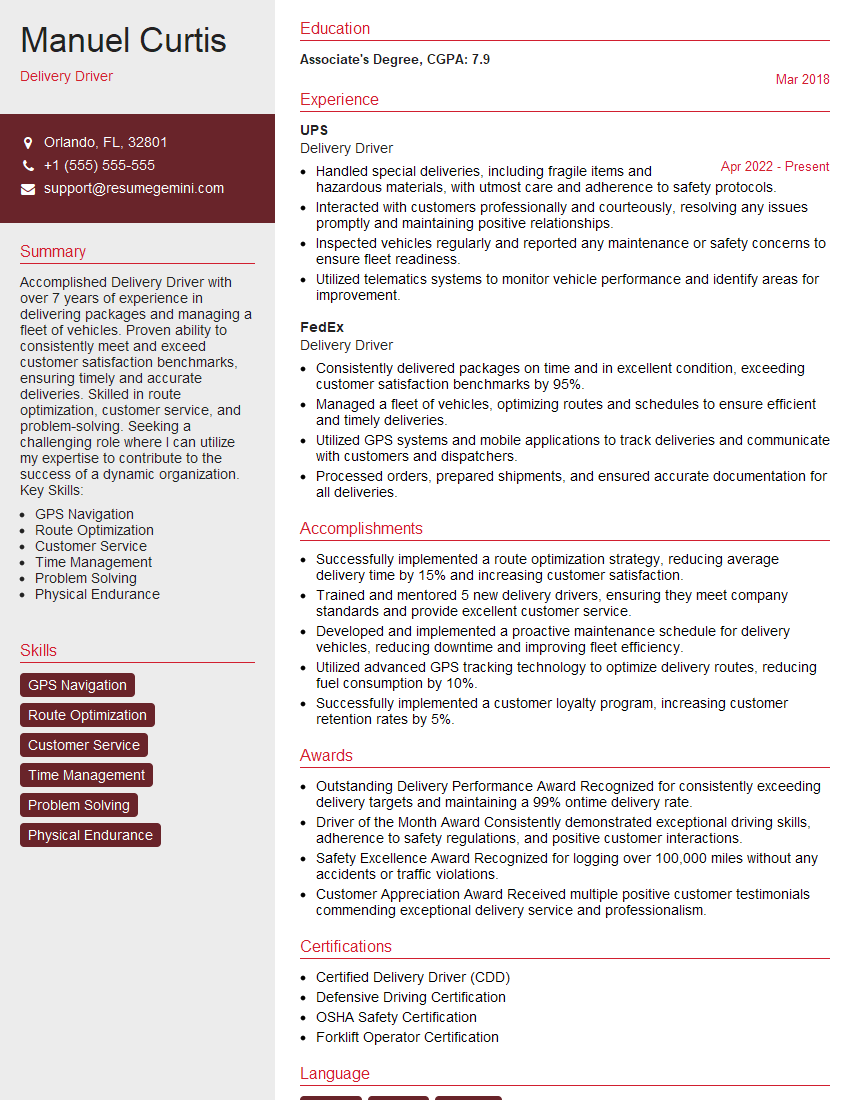
Delivery Driver Resume Sample
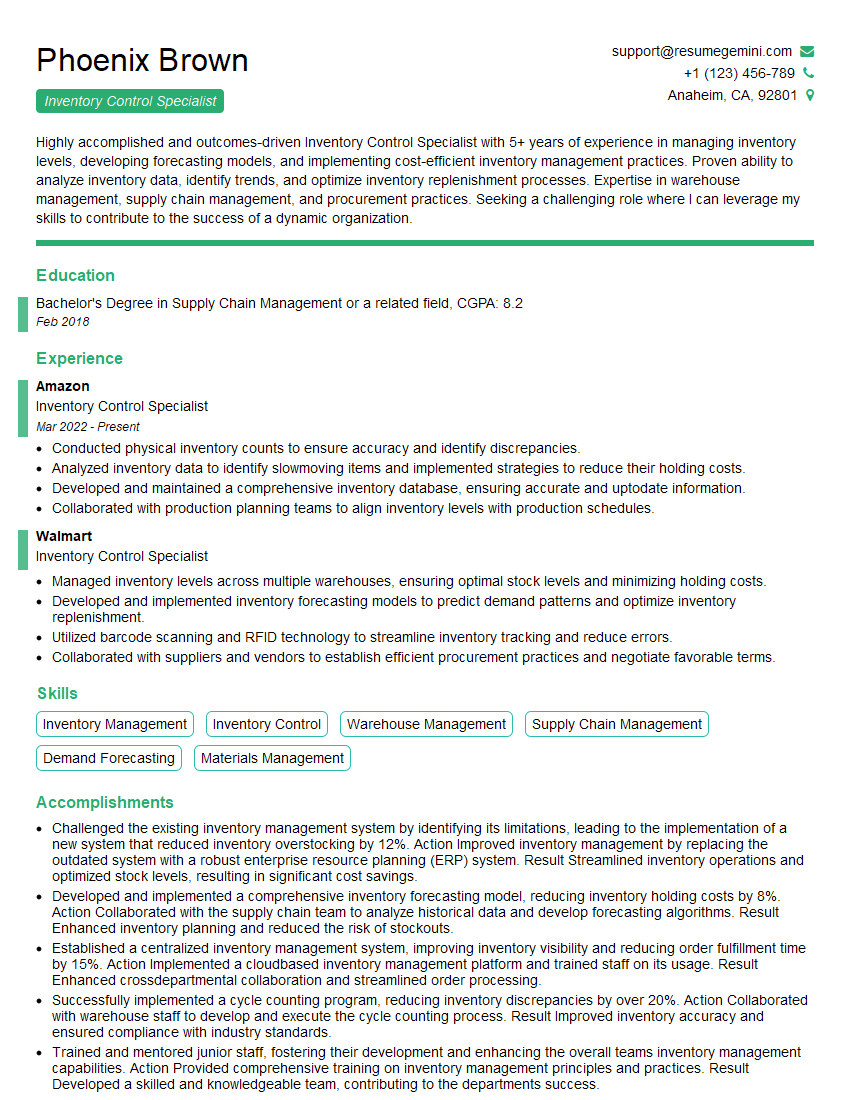
Inventory Control Specialist Resume Sample

Shipping and Receiving Clerk Resume Sample
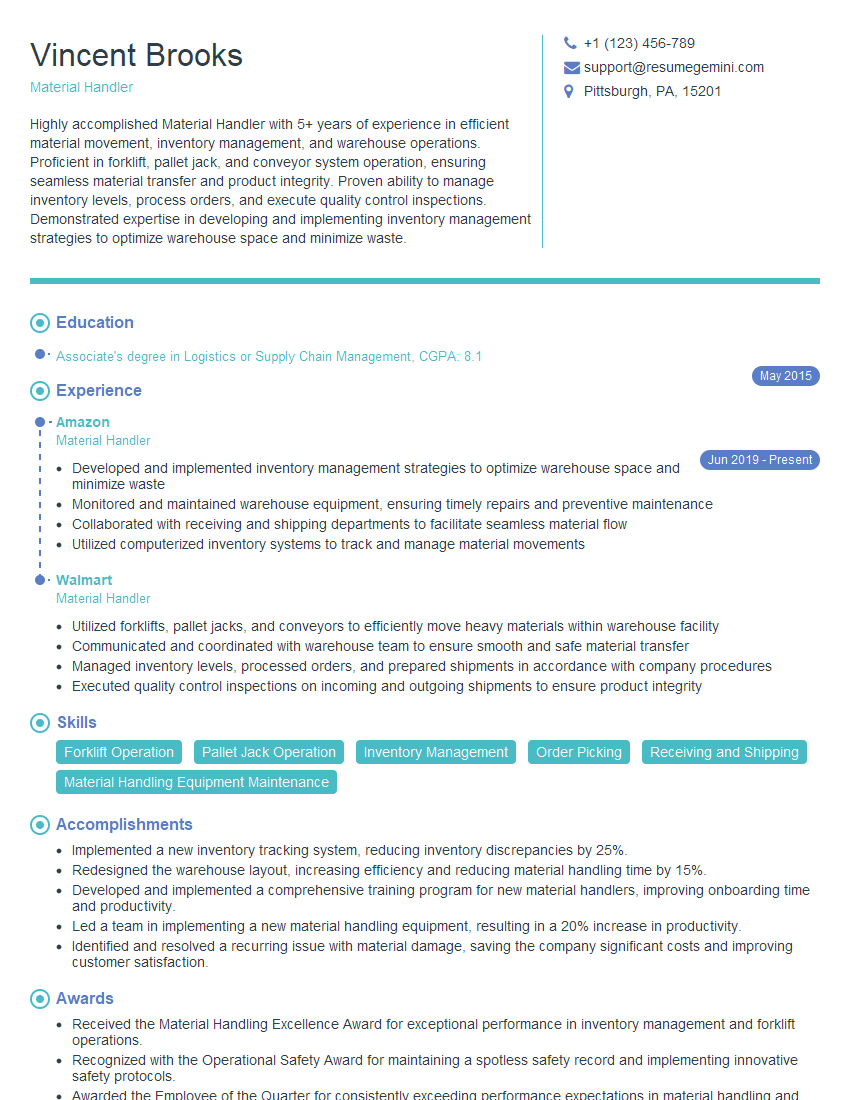
Material Handler Resume Sample
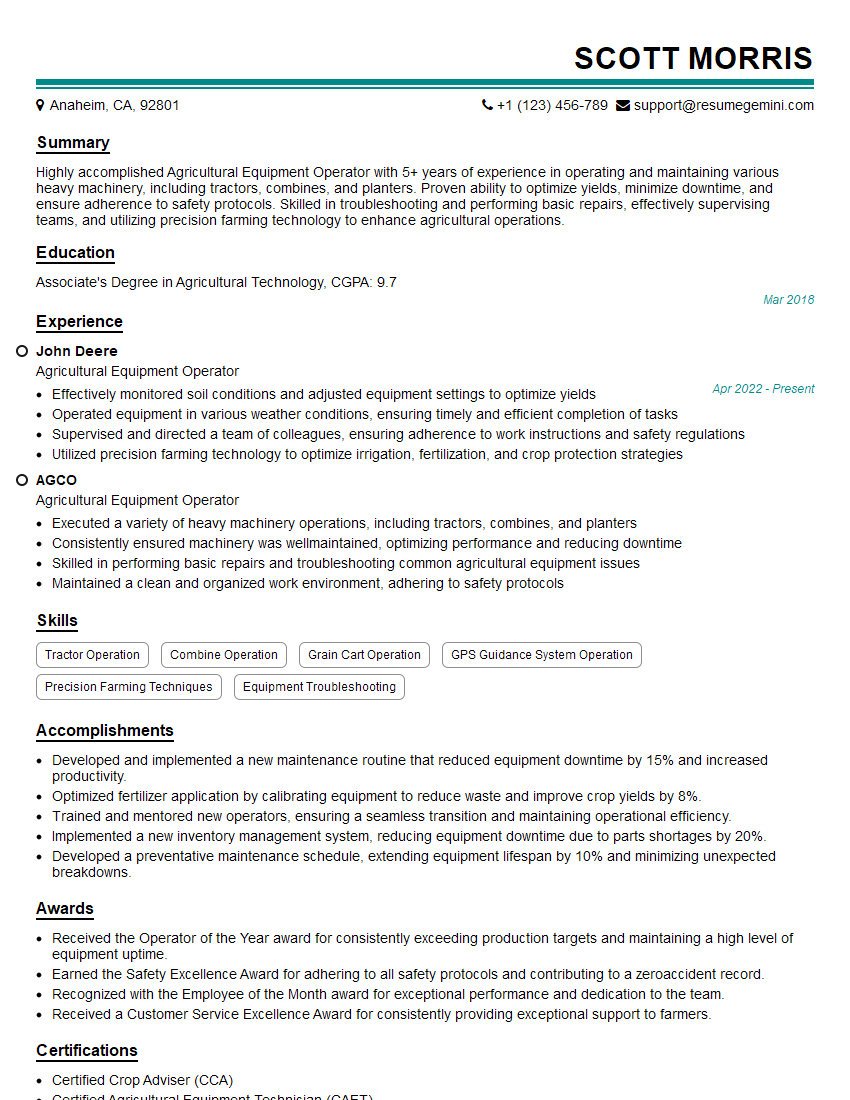
Agricultural Equipment Operator Resume Sample
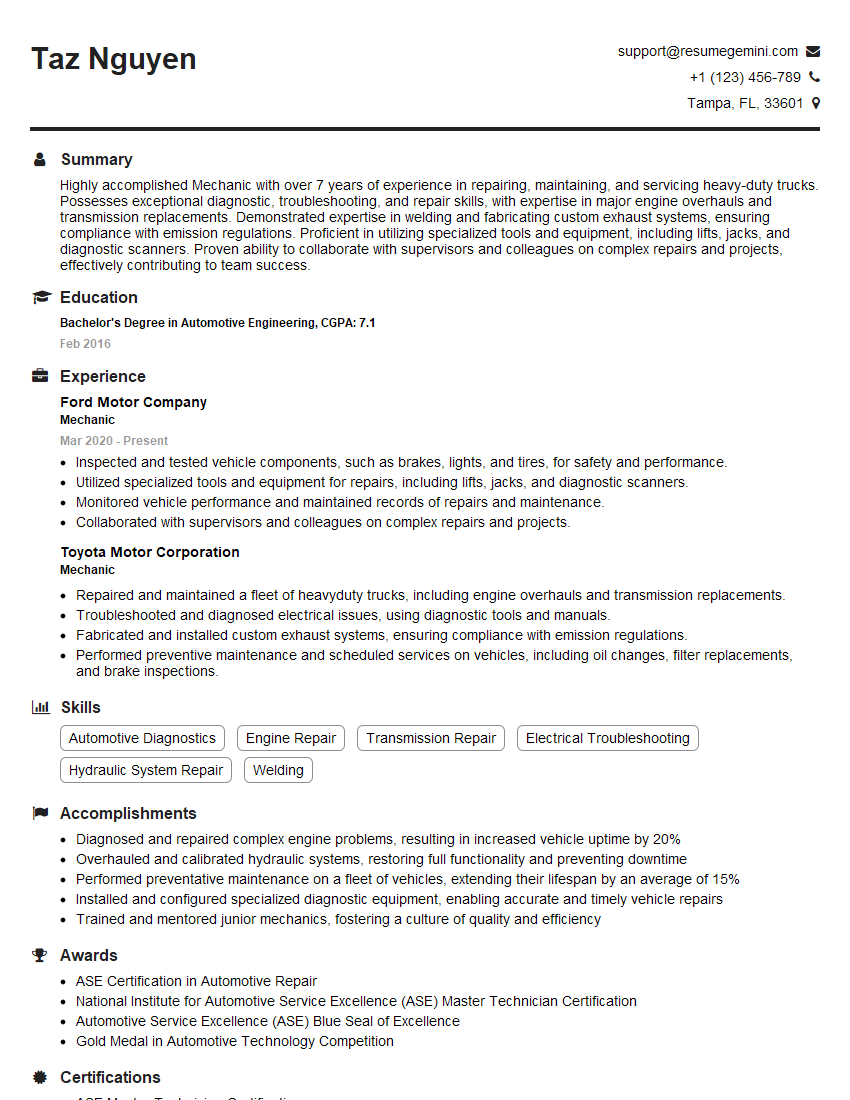
Mechanic Resume Sample
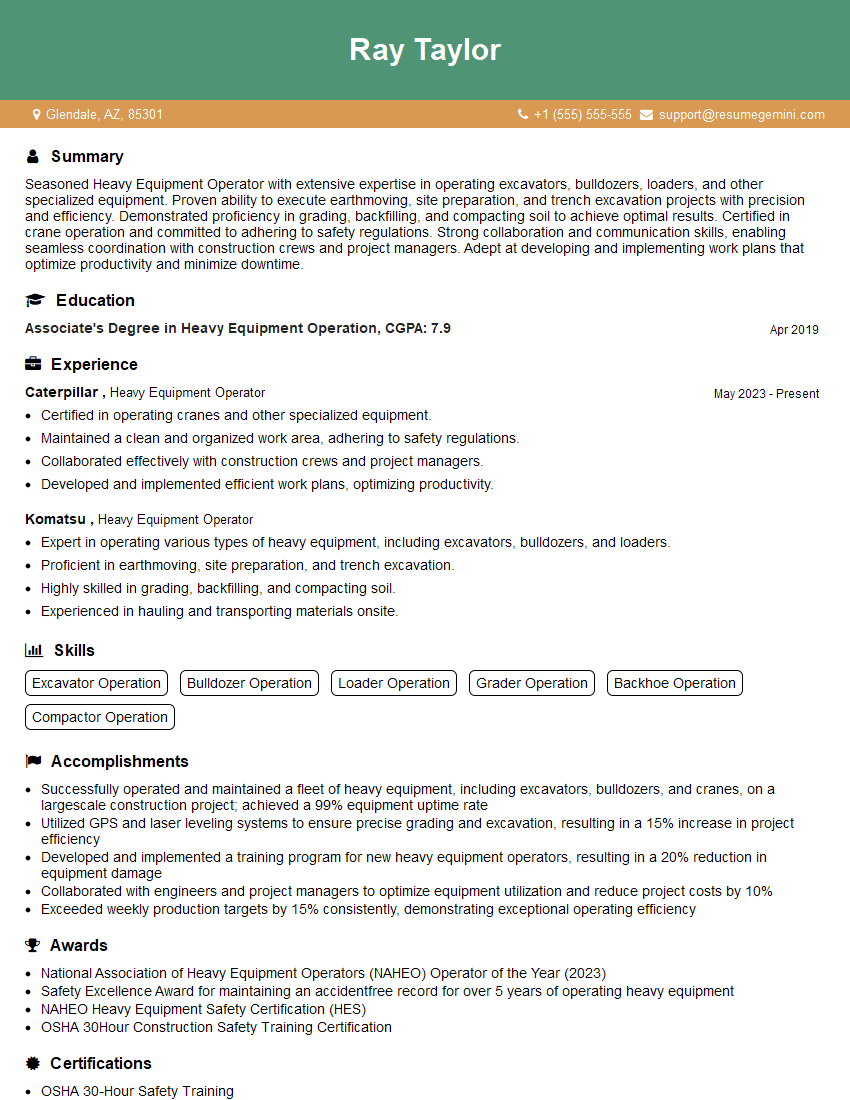
Heavy Equipment Operator Resume Sample
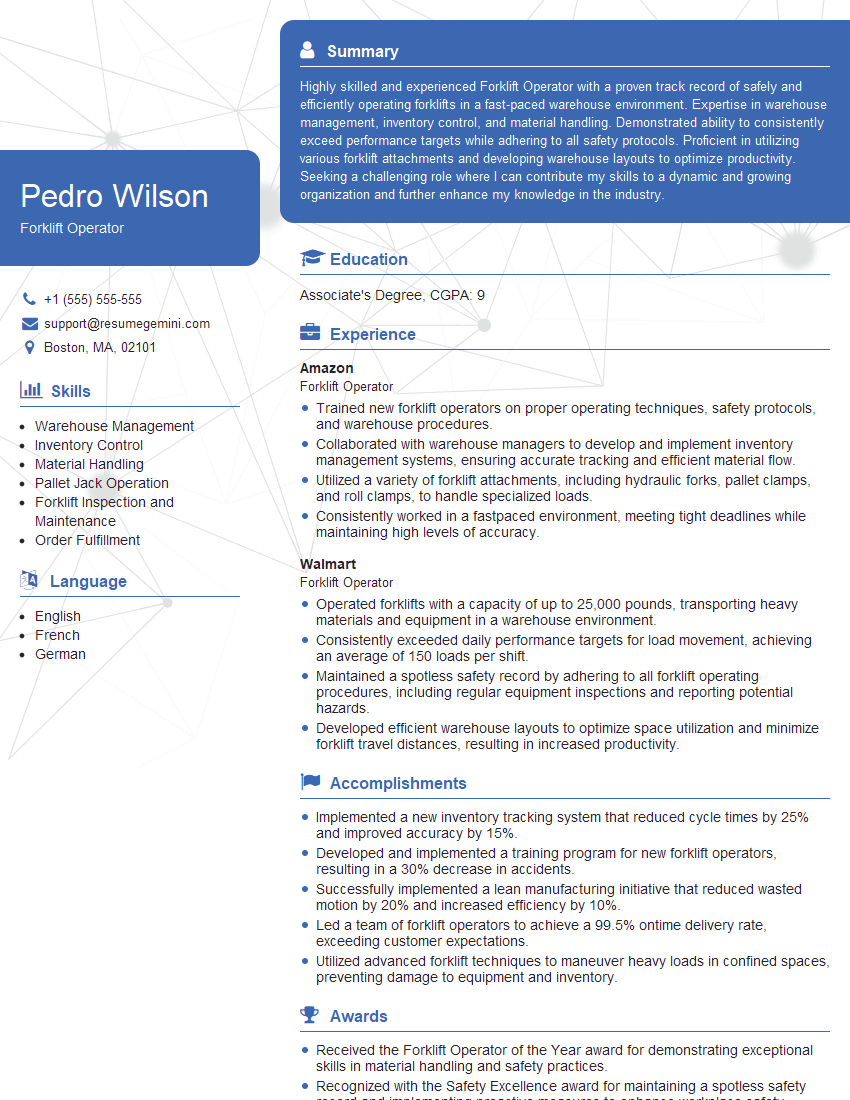
Forklift Operator Resume Sample
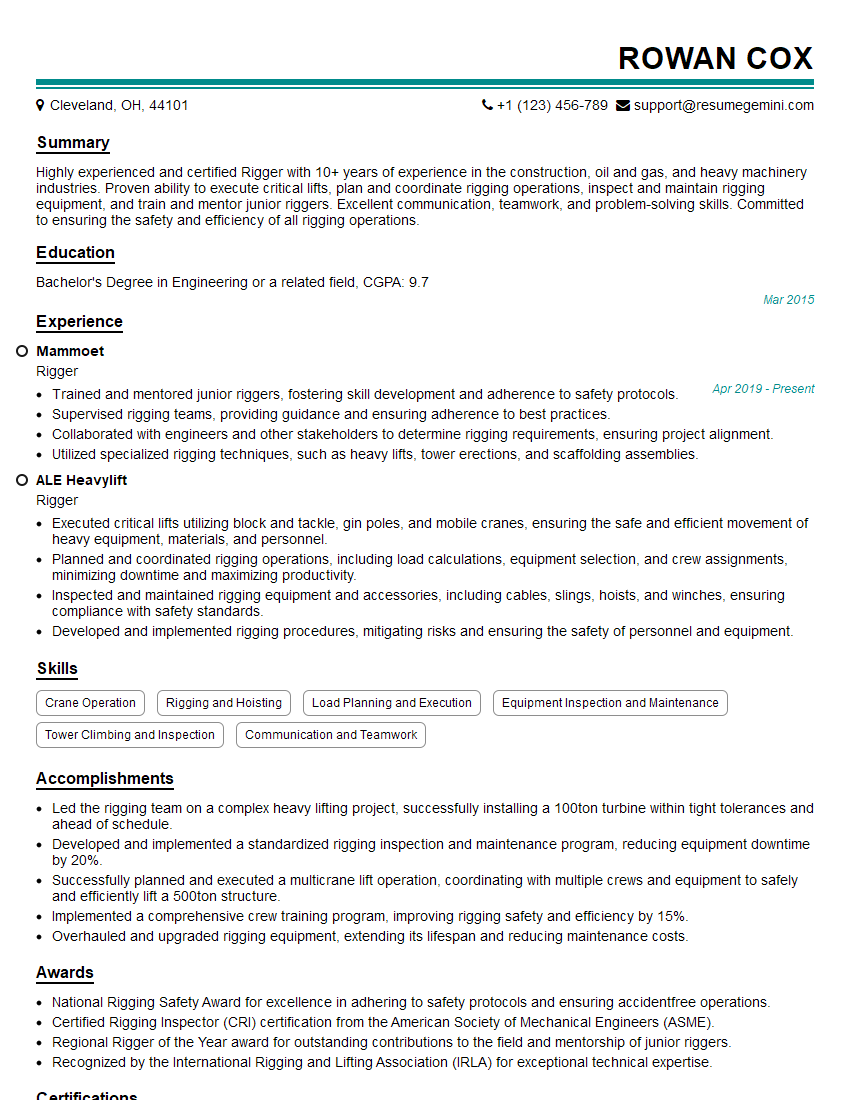
Rigger Resume Sample
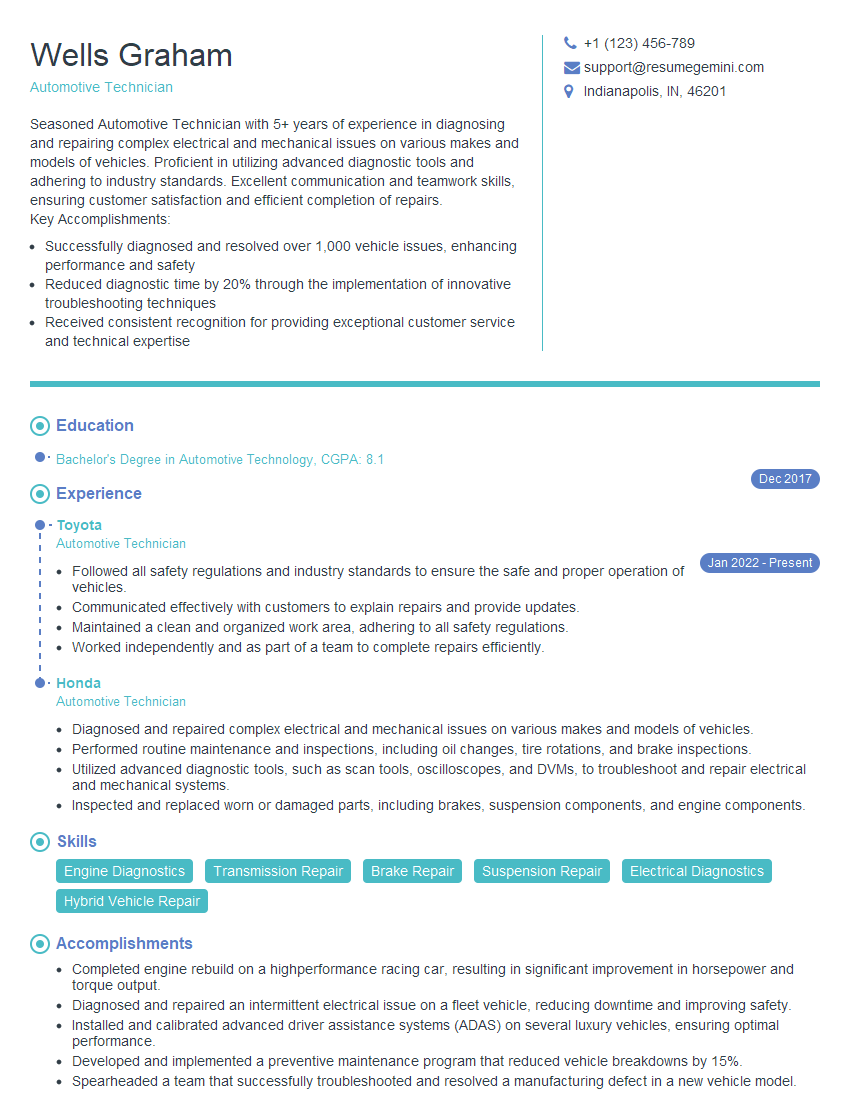
Automotive Technician Resume Sample
- Operations Manager
- Production Supervisor
- Transportation Manager
- Warehouse Manager
- Dispatch Manager
- Fleet Manager
- Logistics Coordinator
- Supply Chain Analyst
- Maintenance Technician
- Equipment Inspector
- Driver Trainer
- Safety Officer
- Crane Operator
- Delivery Driver
- Inventory Control Specialist
- Shipping and Receiving Clerk
- Material Handler
- Agricultural Equipment Operator
- Mechanic
- Heavy Equipment Operator
- Forklift Operator
- Rigger
- Automotive Technician
Explore more articles
Users Rating of Our Blogs
Share Your Experience
We value your feedback! Please rate our content and share your thoughts (optional).
What Readers Say About Our Blog
I Redesigned Spongebob Squarepants and his main characters of my artwork.
https://www.deviantart.com/reimaginesponge/art/Redesigned-Spongebob-characters-1223583608
IT gave me an insight and words to use and be able to think of examples
Hi, I’m Jay, we have a few potential clients that are interested in your services, thought you might be a good fit. I’d love to talk about the details, when do you have time to talk?
Best,
Jay
Founder | CEO