Every successful interview starts with knowing what to expect. In this blog, we’ll take you through the top Developing Policies and Procedures interview questions, breaking them down with expert tips to help you deliver impactful answers. Step into your next interview fully prepared and ready to succeed.
Questions Asked in Developing Policies and Procedures Interview
Q 1. Describe your experience in developing and implementing policies and procedures.
My experience in developing and implementing policies and procedures spans over ten years, encompassing various industries and organizational structures. I’ve been involved in the entire lifecycle, from initial needs assessment and drafting to final approval, rollout, and ongoing review. This includes working with cross-functional teams, stakeholders at all levels, and legal counsel to ensure alignment and effectiveness.
For example, at my previous role in a healthcare setting, I led the development of new patient privacy policies in compliance with HIPAA regulations. This involved extensive research, collaboration with the legal team, and training sessions for all staff. Another project involved creating a comprehensive risk management policy framework, which reduced reported incidents by 15% within a year of implementation.
My approach emphasizes a user-centric design, ensuring policies are clear, concise, and easily understood by everyone who needs to follow them. I believe in building policies that are not just compliant but also practical and supportive of operational goals.
Q 2. How do you ensure policies and procedures align with legal and regulatory requirements?
Ensuring alignment with legal and regulatory requirements is paramount. My process involves a multi-step approach:
- Thorough Legal Research: I meticulously research all relevant laws, regulations, and industry best practices applicable to the policy area.
- Collaboration with Legal Counsel: I actively involve legal counsel throughout the policy development process to ensure compliance and avoid potential pitfalls.
- Regular Audits and Updates: I implement a system for regular audits and updates to ensure policies remain current with evolving legal landscapes. This often includes tracking changes in legislation and incorporating relevant updates promptly.
- Documentation and Record Keeping: I maintain thorough documentation of all legal reviews, updates, and approvals, creating an audit trail for compliance demonstration.
For instance, when developing policies related to data security, I ensure full alignment with GDPR, CCPA, and other pertinent data protection regulations. This involves incorporating specific clauses addressing data subject rights, data breach notification protocols, and data retention policies.
Q 3. Explain your process for identifying gaps in existing policies and procedures.
Identifying gaps in existing policies and procedures requires a systematic approach. My methodology includes:
- Stakeholder Interviews and Surveys: I engage with employees at all levels to gather feedback on current policies, identifying areas of confusion, inefficiency, or unmet needs.
- Risk Assessment: I conduct a thorough risk assessment to pinpoint areas where existing policies may be inadequate or pose potential risks to the organization.
- Process Mapping: I use process mapping to visualize existing workflows and highlight areas where policies are unclear, lacking, or ineffective.
- Benchmarking: I compare our policies and procedures to industry best practices and those of our competitors to identify potential areas for improvement.
- Incident Reporting Analysis: Reviewing incident reports can reveal systemic issues and areas needing policy enhancements.
For example, analyzing incident reports might reveal a pattern of near-misses due to unclear safety protocols, prompting a policy revision to address the identified gap.
Q 4. How do you prioritize policy and procedure development projects?
Prioritizing policy and procedure development projects requires a strategic approach. I use a framework that considers:
- Risk Level: Policies addressing high-risk areas (e.g., safety, compliance) take precedence.
- Urgency: Policies addressing immediate needs or regulatory deadlines are prioritized.
- Impact on Operations: Projects with a significant impact on operational efficiency are prioritized.
- Resource Availability: Projects are prioritized based on available resources, including staff time and budget.
- Stakeholder Input: Input from key stakeholders influences prioritization to ensure alignment with organizational goals.
I often employ a prioritization matrix to visualize and rank projects based on these criteria, ensuring transparency and accountability.
Q 5. Describe a time you had to revise a policy due to unforeseen circumstances.
During a significant IT system upgrade, our existing data backup policy proved inadequate for the new system’s architecture. The unforeseen circumstance was the incompatibility between the old policy and the new system’s unique backup requirements. This led to a potential data loss risk.
The revision process involved immediate collaboration with the IT team and legal counsel. We quickly assessed the risks, developed a revised policy reflecting the new system’s capabilities and addressing any compliance concerns, and implemented training to ensure all staff understood the changes. The revised policy included detailed instructions, troubleshooting guides, and specific roles and responsibilities. The quick and effective revision prevented any data loss and minimized operational disruption.
Q 6. What methods do you use to ensure consistent application of policies and procedures across an organization?
Consistent application of policies and procedures requires a multi-faceted approach:
- Clear Communication: Policies must be clearly written and easily accessible to all employees.
- Training and Education: Comprehensive training programs ensure employees understand the policies and how to apply them.
- Monitoring and Auditing: Regular monitoring and audits help identify instances of non-compliance and areas needing improvement.
- Feedback Mechanisms: Creating channels for feedback enables employees to report issues and suggest improvements.
- Policy Management System: Utilizing a centralized system to manage and distribute policies ensures consistency and facilitates updates.
For example, we might use regular compliance audits, combined with employee feedback surveys, to identify any deviations from established procedures and rectify any inconsistencies.
Q 7. How do you communicate new or revised policies and procedures effectively?
Effective communication of new or revised policies and procedures is crucial. My approach includes:
- Multiple Channels: Using a combination of methods—email announcements, intranet postings, town hall meetings, and training sessions—ensures widespread awareness.
- Targeted Communication: Tailoring the communication to specific audiences ensures clarity and relevance.
- Plain Language: Writing policies in plain language, avoiding jargon, enhances comprehension.
- Interactive Training: Interactive training sessions, including quizzes and scenarios, reinforce understanding and improve retention.
- Feedback Mechanisms: Incorporating opportunities for questions and feedback promotes active engagement and improves clarity.
For instance, the rollout of a new harassment policy involved company-wide emails, a dedicated intranet page, training videos, and department-specific Q&A sessions to address any concerns and questions effectively.
Q 8. How do you measure the effectiveness of policies and procedures?
Measuring the effectiveness of policies and procedures isn’t a one-size-fits-all approach. It requires a multi-faceted strategy that combines quantitative and qualitative data. Think of it like checking the health of a plant – you need to look at various indicators.
- Quantitative Measures: These involve numerical data. For instance, tracking the number of policy violations, the frequency of incidents related to non-compliance, or the time taken to complete processes defined by the procedure. For example, if a new safety policy aimed at reducing accidents resulted in a 20% decrease in workplace incidents, it’s a strong indicator of success.
- Qualitative Measures: These focus on the subjective aspects. We use surveys, interviews, and focus groups to gather employee feedback on the clarity, usability, and relevance of policies and procedures. Do employees understand the policies? Are they easily accessible? Are they actually being followed? Feedback helps identify areas needing improvement.
- Audits and Compliance Checks: Regular audits, internal or external, are crucial. They systematically examine adherence to established policies and procedures and highlight gaps. Comparing audit results over time shows improvement trends.
- Key Performance Indicators (KPIs): Define specific, measurable, achievable, relevant, and time-bound (SMART) KPIs linked to your policies. For example, a policy on customer service might have a KPI of reducing average call resolution time by 15%.
By combining these approaches, we get a holistic view of a policy’s effectiveness. It’s not just about whether it’s followed, but whether it achieves its intended outcome – improved safety, higher efficiency, better customer service, etc.
Q 9. What software or tools have you used for policy and procedure management?
Throughout my career, I’ve worked with a variety of software and tools for policy and procedure management. The best choice often depends on the organization’s size and needs.
- SharePoint: A widely used platform offering document management, version control, and workflow capabilities. This is great for storing and updating policies centrally, ensuring everyone has access to the latest versions. I’ve used it to create policy libraries, manage approval workflows, and track policy revisions.
- Document Management Systems (DMS): These specialized systems provide robust features for managing various types of documents, including policies and procedures. Features such as metadata tagging, search functionalities, and access controls enhance efficiency and security. I’ve used several, each offering unique features around versioning, access permissions, and audit trails.
- Policy Management Software: Specialized solutions provide dedicated functionalities for creating, managing, and tracking policies. These systems often incorporate workflow automation, employee training features, and analytics dashboards. I find them particularly beneficial in larger organizations with complex policies.
Regardless of the tool, the key is to select one that seamlessly integrates with the organization’s existing infrastructure and supports its overall information management strategy.
Q 10. Describe your experience in conducting policy and procedure audits.
Conducting policy and procedure audits is essential to ensure effectiveness and compliance. My approach is methodical and thorough, involving several stages.
- Planning: Defining the scope, objectives, and methodology of the audit. This includes identifying specific policies and procedures to review and determining the appropriate sampling techniques.
- Data Collection: Gathering evidence through document reviews, interviews with employees, observation of processes, and review of relevant data. For example, I might review employee training records to confirm understanding of a specific policy.
- Analysis: Evaluating the gathered evidence against established criteria, identifying gaps, weaknesses, or areas of non-compliance. This stage often involves comparing “as is” processes with the documented procedures.
- Reporting: Preparing a comprehensive report detailing findings, including identified strengths and weaknesses, recommendations for improvement, and prioritized actions to address identified deficiencies. Visual aids like process flowcharts and dashboards are helpful for concise reporting.
- Follow-up: Monitoring implementation of recommendations and conducting periodic reviews to assess the effectiveness of corrective actions.
I’ve conducted audits in various sectors, each requiring a tailored approach. For instance, an audit for a financial institution would necessitate stricter controls and documentation requirements compared to a smaller non-profit organization. The goal is always to identify areas for improvement and enhance compliance.
Q 11. How do you handle resistance to policy changes?
Resistance to policy changes is common, often stemming from fear of the unknown, disruption of established routines, or lack of understanding. Handling it requires a strategic and empathetic approach.
- Communication: Clearly explain the reasons for the change, emphasizing the benefits and addressing concerns proactively. Transparency is key; people are more likely to accept change if they understand the rationale behind it.
- Involvement: Engage stakeholders in the change process. Involving employees in the design and implementation of new policies builds ownership and buy-in. This could involve focus groups, surveys, or feedback sessions.
- Training and Support: Provide adequate training and support to employees during and after the transition. Clear instructions and readily available resources help smooth the adjustment period. This includes practical training on how to use new systems or perform new tasks.
- Gradual Implementation: Introduce changes gradually, allowing employees time to adjust. Pilot testing in a limited area can help identify potential issues before full implementation.
- Address Concerns: Actively listen to and address employee concerns and resistance. Acknowledge their feelings and provide tailored solutions whenever possible.
Remember, change management is a crucial part of policy implementation. Addressing resistance constructively leads to greater acceptance and successful policy adoption.
Q 12. How do you ensure policies and procedures remain up-to-date and relevant?
Keeping policies and procedures current is crucial for maintaining relevance and effectiveness. This is an ongoing process, not a one-time event.
- Regular Reviews: Schedule regular reviews (e.g., annually or biannually) of all policies and procedures. This allows for timely updates based on changes in legislation, technology, best practices, or organizational needs. A calendar system can help track these review dates.
- Change Management Process: Establish a clear process for proposing, reviewing, approving, and implementing policy changes. This ensures consistency and avoids ad-hoc updates.
- Version Control: Use version control systems (e.g., within a DMS or policy management software) to track changes and maintain a record of previous versions. This allows for easy rollback if necessary.
- Communication: Effectively communicate policy updates to all relevant stakeholders. This could involve email announcements, internal memos, training sessions, or updates on the company intranet.
- Feedback Mechanism: Encourage feedback on policies and procedures. This can be done through surveys, suggestion boxes, or regular employee meetings. Continuously incorporate valuable feedback into updates.
Think of policy maintenance like updating software – regular patches and upgrades prevent bugs and ensure optimal performance. Continuously reviewing and updating policies keeps them aligned with the needs of the organization and ensures compliance.
Q 13. Explain your understanding of risk assessment in relation to policy development.
Risk assessment is fundamental to policy development. It’s about identifying potential hazards, evaluating their likelihood and impact, and determining appropriate control measures. Policies should be designed to mitigate identified risks.
The process typically involves:
- Identifying Risks: Brainstorming potential risks that could affect the organization. This could include legal risks, operational risks, financial risks, or reputational risks.
- Analyzing Risks: Assessing the likelihood and potential impact of each identified risk. This often uses a matrix or scoring system. For example, a high likelihood and high impact risk would require a stronger response than a low likelihood and low impact risk.
- Evaluating Controls: Determining existing controls and their effectiveness in mitigating identified risks. This assessment identifies gaps in existing controls.
- Developing Policies: Creating or updating policies to address identified risks and vulnerabilities. The policies should outline procedures to mitigate or manage the risks.
- Monitoring and Review: Regularly monitoring the effectiveness of implemented policies and making adjustments as needed. This continuous improvement cycle ensures the policies remain relevant and effective.
For example, a risk assessment might reveal a high risk of data breaches. Policies and procedures for data security, including password management, access controls, and employee training, would then be developed and implemented to mitigate this risk. It’s about proactively managing threats to safeguard the organization.
Q 14. How do you incorporate stakeholder feedback into the policy development process?
Incorporating stakeholder feedback is vital for developing effective and well-received policies. This ensures the policies are relevant, practical, and address the concerns of those impacted by them.
- Identify Stakeholders: Determine who is affected by the policy. This could include employees, customers, suppliers, or regulatory bodies.
- Gather Feedback: Use various methods to gather feedback. This could involve surveys, focus groups, interviews, workshops, or online feedback forms. Choose the method best suited to the audience and the complexity of the policy.
- Analyze Feedback: Systematically analyze the feedback, identifying common themes, concerns, and suggestions. This helps identify areas needing clarification or modification.
- Incorporate Feedback: Incorporate valid feedback into the policy development process. This might involve making revisions, adding clarifications, or adjusting the implementation strategy. Be transparent about how feedback was considered and incorporated.
- Communicate Decisions: Communicate the final decisions regarding the policy to all stakeholders, explaining how feedback was addressed. If feedback wasn’t incorporated, provide clear reasons for the decision.
Remember, soliciting and incorporating feedback isn’t just about creating a more acceptable policy; it fosters a sense of ownership and collaboration, leading to greater buy-in and improved compliance.
Q 15. What are your strategies for improving employee compliance with policies and procedures?
Improving employee compliance with policies and procedures requires a multi-pronged approach focusing on communication, engagement, and reinforcement. It’s not enough to simply publish a policy document; you need to make sure employees understand, accept, and actively follow it.
Clear and Concise Communication: Policies should be written in plain language, avoiding jargon and legalistic phrasing. Use visuals like flowcharts or infographics to break down complex processes. For example, instead of a dense paragraph explaining expense report submission, create a step-by-step visual guide.
Regular Training and Reinforcement: Don’t just train once; incorporate policy review and reinforcement into regular meetings or onboarding processes. Use quizzes, scenarios, or interactive training modules to test understanding and engagement. A simple annual policy acknowledgement isn’t enough; active learning is key.
Accessibility and Availability: Make policies easily accessible online through an internal portal or intranet. Ensure the system is searchable and the documents are mobile-friendly. This accessibility reduces the excuse of ‘I didn’t know’.
Feedback and Two-Way Communication: Encourage employees to provide feedback on policies. Establish a mechanism for asking questions and raising concerns. This creates a sense of ownership and improves understanding.
Consequences and Accountability: Clearly define the consequences of non-compliance. This doesn’t necessarily mean harsh punishments; a progressive discipline approach often proves more effective. Focus on correction and improvement, not just punishment. Regular audits and performance reviews help maintain accountability.
Career Expert Tips:
- Ace those interviews! Prepare effectively by reviewing the Top 50 Most Common Interview Questions on ResumeGemini.
- Navigate your job search with confidence! Explore a wide range of Career Tips on ResumeGemini. Learn about common challenges and recommendations to overcome them.
- Craft the perfect resume! Master the Art of Resume Writing with ResumeGemini’s guide. Showcase your unique qualifications and achievements effectively.
- Don’t miss out on holiday savings! Build your dream resume with ResumeGemini’s ATS optimized templates.
Q 16. How do you ensure that policies and procedures are accessible to all employees?
Accessibility is crucial for ensuring all employees can access and understand policies and procedures. This requires a multi-format approach, catering to diverse learning styles and technological capabilities.
Multiple Formats: Offer policies in various formats, including PDF, Word documents, and easily-digestible online versions. Consider providing audio or video versions for those who prefer these mediums. For visually impaired employees, ensure accessibility through screen readers.
Language Support: If your workforce is multilingual, translate policies into the relevant languages. Using plain language reduces the need for extensive translation but still requires careful consideration of diverse linguistic backgrounds.
Centralized Repository: Create a single, easily searchable repository for all policies and procedures, such as a well-organized intranet site or dedicated policy management software. This should be accessible on desktop and mobile devices.
Regular Updates and Communication: Keep the policy repository up-to-date and notify employees of any changes. Use multiple communication channels, including email, internal messaging systems, and announcements during team meetings.
Employee Feedback Mechanism: Actively seek feedback from employees to identify any accessibility barriers or areas of confusion. Regular surveys or focus groups can provide valuable insights.
Q 17. What is your experience with developing policies for remote or hybrid work environments?
Developing policies for remote or hybrid work environments requires a shift in focus from physical presence to outcomes and performance. It necessitates a strong emphasis on trust, communication, and technology.
Clear Expectations and Goals: Instead of specifying ‘in-office hours,’ define clear performance expectations and goals. Focus on deliverables and results rather than presenteeism.
Communication Protocols: Establish clear guidelines for communication, including response times, preferred methods (email, instant messaging, video calls), and expectations for availability. For example, specify response times for urgent emails.
Technology and Equipment: Define the minimum technology and equipment requirements for remote work, including internet speed, software, and hardware. Provide support and resources for employees to meet these requirements.
Data Security and Privacy: Strengthen data security policies to protect sensitive information accessed remotely. Provide clear guidelines on data handling, storage, and access controls.
Work-Life Balance: Address work-life balance challenges by setting boundaries and encouraging employees to disconnect after work hours. This might include guidelines on email checking outside work hours.
Employee Well-being: Include policies that address employee well-being in a remote work environment, perhaps including mental health resources or ergonomic guidelines.
Q 18. Describe your process for documenting policies and procedures.
My process for documenting policies and procedures follows a structured approach, ensuring clarity, consistency, and ease of access. It involves these key steps:
Needs Assessment: Begin by identifying the need for a new policy or procedure. This might stem from a regulatory change, operational inefficiency, or employee feedback.
Drafting and Review: Write the policy in clear, concise language, using plain English and avoiding jargon. Use numbered steps for procedures. Obtain feedback from relevant stakeholders (legal, HR, operational teams) to ensure accuracy and completeness.
Approval Process: Submit the draft to the appropriate authority for approval. This typically involves multiple levels of review and sign-off, depending on the organization’s structure.
Version Control: Maintain a version history of all policies and procedures. Use a document management system to track changes, ensuring all employees have access to the most current versions. Clearly identify each version number.
Dissemination: Publish the approved policies and procedures through readily available channels. This might include a company intranet, email distribution, or formal announcement.
Regular Review and Update: Schedule regular reviews of policies and procedures (e.g., annually or as needed). This ensures they remain relevant, accurate, and compliant with evolving regulations and best practices.
Q 19. How do you ensure the clarity and understandability of your policies and procedures?
Clarity and understandability are paramount. My strategies for ensuring this include:
Plain Language: Avoid jargon, technical terms, and legalistic phrasing. Write in a conversational tone that is easy to comprehend for all employees, regardless of their background or technical expertise.
Visual Aids: Use visuals like flowcharts, diagrams, and tables to illustrate complex processes or information. A picture is often worth a thousand words, making complex steps simpler to understand.
Concise Language: Keep sentences and paragraphs short and to the point. Avoid overly long or complex sentences that can confuse the reader.
Consistent Formatting: Use consistent formatting, headings, and numbering to improve readability and navigation. A well-structured document is easier to follow.
Testing and Feedback: Before finalizing policies, test them on a small group of employees to gather feedback on clarity and understanding. This allows for adjustments before widespread distribution.
Accessibility Considerations: Ensure that policies are accessible to employees with disabilities. This may include providing alternative formats, such as audio or large print versions.
Q 20. How do you handle conflicting policies or procedures?
Conflicting policies or procedures are a significant risk and need immediate attention. My approach involves:
Identification and Documentation: The first step is to identify and clearly document the conflicting policies or procedures. This involves careful review and comparison of the relevant documents.
Impact Assessment: Determine the potential impact of the conflict on operations, compliance, or employee behavior. Understanding the consequences guides the resolution.
Prioritization: Prioritize which policy or procedure takes precedence. This might involve considering legal requirements, business criticality, or risk mitigation strategies.
Resolution and Amendment: Amend the conflicting documents to remove the inconsistencies. This might involve consolidating policies, rewriting procedures, or creating a new, overarching policy that resolves the conflict. Clearly communicate the changes.
Communication and Training: Communicate the resolution to all affected employees. Provide any necessary training or clarification to ensure understanding of the updated policies and procedures.
Q 21. What is your approach to training employees on new policies and procedures?
Training employees on new policies and procedures is critical for effective implementation. My approach focuses on engaging and effective methods:
Needs Assessment: Begin by assessing the employees’ existing knowledge and understanding of relevant areas. This helps tailor the training to specific needs.
Multiple Delivery Methods: Offer training in multiple formats, catering to diverse learning styles. This might include online modules, webinars, in-person workshops, or video tutorials.
Interactive Learning: Incorporate interactive elements into the training, such as quizzes, scenarios, and group discussions. Active learning increases engagement and knowledge retention.
Practical Application: Provide opportunities for employees to apply their learning through practical exercises or case studies. This helps to reinforce understanding and build confidence.
Feedback and Assessment: Collect feedback from employees after the training to assess its effectiveness. Use quizzes or other assessments to gauge understanding.
Ongoing Support: Provide ongoing support and resources to employees after the training, such as FAQs, online help guides, or access to a knowledgeable contact person.
Q 22. Describe your experience with policy development in a specific industry or regulatory environment.
My experience in policy development centers around the healthcare industry, specifically within a large hospital system. I was heavily involved in the creation and revision of policies related to patient data privacy and security, complying with HIPAA regulations. This involved a multi-stage process: initial research and analysis of HIPAA guidelines and best practices, collaboration with legal counsel and IT security teams to draft the policies, subsequent review and feedback cycles involving various stakeholders (doctors, nurses, administrative staff), and finally, policy implementation and ongoing monitoring for compliance. A key challenge was balancing the stringent regulatory requirements with the need for practical, user-friendly policies that didn’t hinder patient care. For instance, we streamlined the process for accessing patient records by creating a secure, user-friendly portal, while simultaneously strengthening authentication protocols to prevent unauthorized access.
Q 23. How do you measure the impact of policies and procedures on organizational efficiency?
Measuring the impact of policies and procedures on organizational efficiency requires a multifaceted approach. We can’t just assume a policy is effective; we need data to back it up. Key metrics I use include:
- Time saved/reduced processing time: For instance, did a new streamlined process for expense reports reduce the time it takes for employees to submit and have them approved?
- Error rates: Did the policy reduce the number of errors in a specific area, like data entry or order fulfillment?
- Employee satisfaction: Surveys and feedback mechanisms can gauge whether employees find the policies clear, helpful, and easy to follow. Frustrated employees often lead to inefficiencies.
- Compliance rates: How consistently are employees adhering to the policies? Low compliance suggests the policy might be unclear, too cumbersome, or not adequately communicated.
- Cost savings: Did the policy lead to reductions in costs, such as reduced waste, fewer penalties for non-compliance, or improved resource allocation?
By tracking these metrics before and after policy implementation, we can quantitatively assess the impact on efficiency. Comparing these results against the resources invested in developing and implementing the policy helps determine its overall effectiveness and return on investment.
Q 24. How do you utilize data analytics to inform policy and procedure development?
Data analytics plays a crucial role in informing policy and procedure development. Instead of relying on assumptions or gut feelings, we use data to identify areas needing improvement and to evaluate the effectiveness of existing policies. For example:
- Analyzing incident reports: Identifying patterns in workplace accidents can help us develop safety policies targeted at specific risk areas.
- Tracking key performance indicators (KPIs): Examining metrics like customer satisfaction, employee turnover, or sales figures can highlight areas where process improvements, and thus new or updated policies, are needed.
- Conducting surveys and focus groups: Gathering employee and customer feedback provides valuable insights into their experiences and identifies pain points that policies can address.
- Using predictive modeling: Analyzing historical data can help predict future trends and proactively develop policies to mitigate potential risks.
For instance, by analyzing patient wait times, we identified bottlenecks in our appointment scheduling system. This data directly informed the development of a new policy streamlining the scheduling process, ultimately reducing patient wait times and increasing patient satisfaction.
Q 25. What are the key elements of a well-written policy?
A well-written policy is clear, concise, and easily understood by all stakeholders. Key elements include:
- Clear purpose and scope: The policy should clearly state its objective and which situations or individuals it applies to.
- Specific guidelines and procedures: It should provide detailed instructions on how to comply with the policy.
- Consistent terminology: Avoid jargon and use language everyone understands.
- Easy-to-follow format: Use headings, bullet points, and numbered lists to improve readability.
- Accountability and consequences: State who is responsible for complying with the policy and what happens if they don’t comply.
- Regular review and updates: Policies should be periodically reviewed and updated to ensure they remain relevant and effective.
Think of it like a good recipe: clear instructions, easily accessible, and the right ingredients (information) ensure the desired outcome (compliance and efficiency).
Q 26. How do you balance the need for clear guidelines with the need for flexibility?
Balancing clear guidelines with flexibility is crucial for effective policy development. Rigid policies can stifle innovation and adaptability, while overly flexible policies can lead to inconsistency and lack of clarity. The key is to establish a framework of core principles and guidelines, while allowing for some leeway in implementation. This is best achieved by:
- Defining core principles: Clearly articulate the fundamental goals of the policy, setting the overall direction.
- Providing examples and scenarios: Illustrate how the policy applies in various situations.
- Establishing exception processes: Clearly define situations where deviations from the policy are permitted, and outline the process for seeking exceptions.
- Empowering decision-makers: Give managers and employees the authority to make decisions within the framework of the policy, using their judgment in specific circumstances.
- Regularly reviewing and updating the policy: Gather feedback and adjust the policy as needed to maintain both clarity and flexibility.
For instance, a company might have a policy against employees working overtime, but include provisions for exceptions in urgent situations, requiring approval from a manager. This balance ensures both control and adaptability.
Q 27. Explain your understanding of different policy development methodologies.
Several methodologies guide policy development. These methodologies often overlap and can be adapted based on the specific context. Here are a few:
- Rational Comprehensive Model: This approach involves systematic data collection, analysis, and stakeholder consultation to develop a well-informed and rational policy. It’s time-intensive but provides a strong evidence base.
- Incrementalism: Policies are developed and revised in small steps, based on experience and feedback. This is useful for complex or rapidly changing environments where a comprehensive understanding is initially difficult to obtain.
- Advocacy Coalition Framework: This recognizes that policy development is a political process involving multiple actors with competing interests. It focuses on building coalitions and negotiating compromises to reach consensus.
- Participatory Policy-Making: This involves actively engaging stakeholders in all stages of policy development, from defining the problem to implementing and evaluating the policy. It ensures ownership and buy-in.
The choice of methodology depends on the nature of the policy, the organizational context, and the available resources. Often, a hybrid approach is most effective.
Q 28. Describe a situation where you had to make a difficult decision regarding policy implementation.
During the rollout of a new electronic health record (EHR) system, we faced a situation where a critical policy regarding data backup and recovery needed immediate attention. The initial policy was insufficient to address the complexities of the new system, and a significant data breach was a serious risk. The difficult decision involved choosing between a quick, less-than-ideal temporary solution that minimized disruption to the daily workflow versus a more comprehensive, longer-term solution that would require a substantial temporary disruption to implement. The quick fix carried a greater risk of data loss, while the longer solution risked significant staff disruption and frustration.
After careful consideration and consultation with IT security experts and stakeholders, we opted for the longer-term solution, despite the initial disruption. We communicated the reasons transparently to staff, provided comprehensive training, and closely monitored the transition. While there was some initial resistance, the resulting strengthened data security proved the correct approach. This experience highlighted the importance of prioritizing long-term strategic planning, even when facing short-term pressures.
Key Topics to Learn for Developing Policies and Procedures Interview
- Policy Lifecycle Management: Understanding the complete cycle from inception and drafting through implementation, review, and revision. Consider the practical application of this in different organizational contexts.
- Stakeholder Analysis and Engagement: Identifying key stakeholders, understanding their perspectives, and effectively incorporating their input into the policy development process. Think about real-world scenarios where this was crucial.
- Legal and Compliance Considerations: Ensuring policies align with relevant laws, regulations, and industry best practices. Explore how to anticipate and mitigate potential legal risks.
- Effective Communication and Training: Developing clear, concise, and easily understandable policy documents and training materials. Discuss different communication strategies for various audiences.
- Risk Assessment and Mitigation: Identifying potential risks and vulnerabilities associated with existing or proposed policies. Practice developing mitigation strategies for identified risks.
- Performance Measurement and Evaluation: Establishing metrics to assess the effectiveness of implemented policies and using data to inform future revisions. Consider how to measure success and demonstrate impact.
- Document Control and Versioning: Implementing systems for managing and controlling policy documents, ensuring only the most up-to-date versions are accessible. Explore practical approaches for efficient version control.
Next Steps
Mastering the art of developing policies and procedures is crucial for career advancement in any organization. Strong policy development skills demonstrate your ability to contribute to a structured, efficient, and compliant workplace. This is a highly sought-after skillset that will significantly enhance your job prospects.
To maximize your chances of landing your dream role, creating an ATS-friendly resume is essential. A well-crafted resume will highlight your skills and experience in a way that Applicant Tracking Systems can easily understand and process. We strongly encourage you to utilize ResumeGemini, a trusted resource for building professional and impactful resumes. Examples of resumes tailored to Developing Policies and Procedures are available to help guide you through this process.
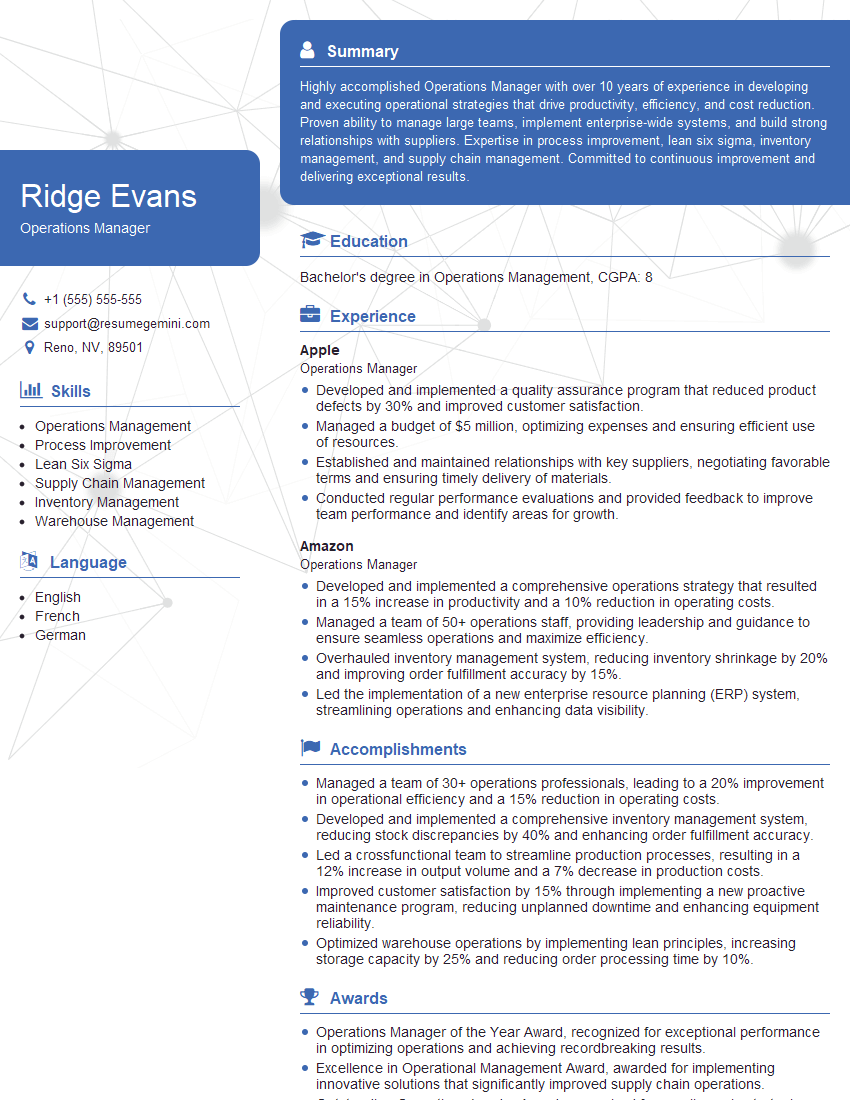
Operations Manager Resume Sample
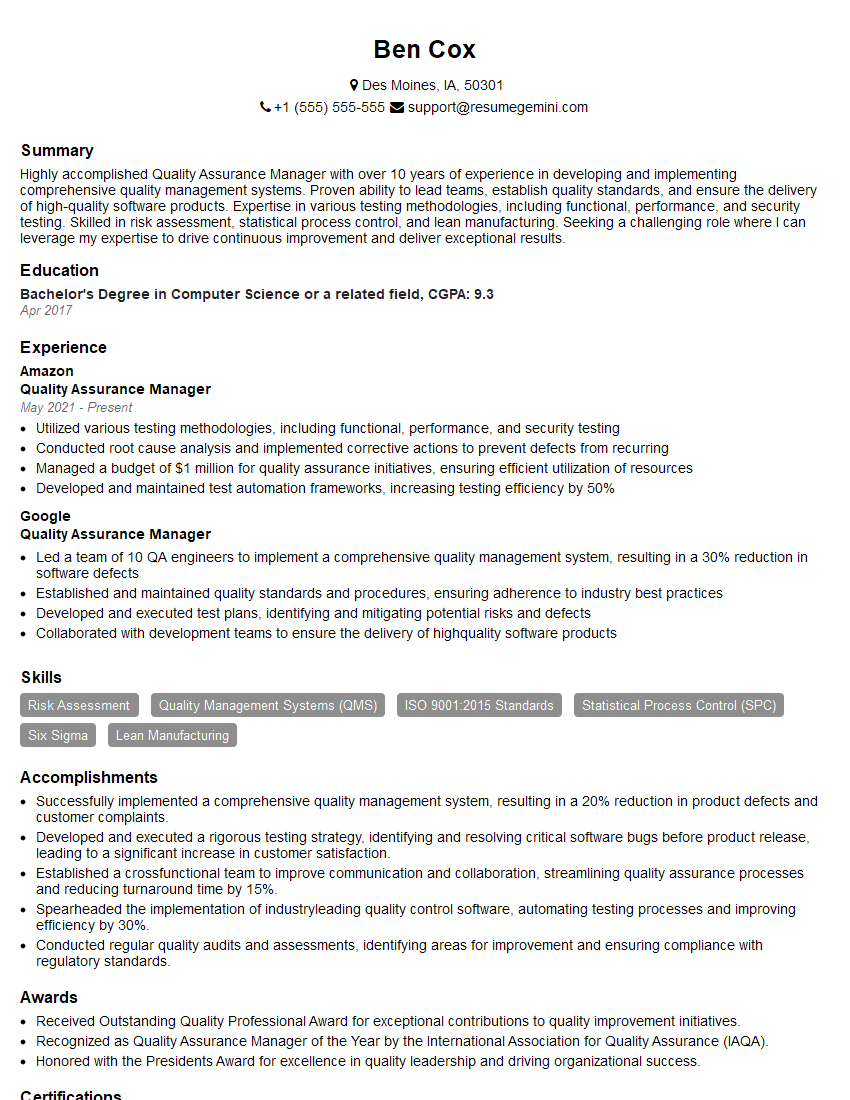
Quality Assurance Manager Resume Sample
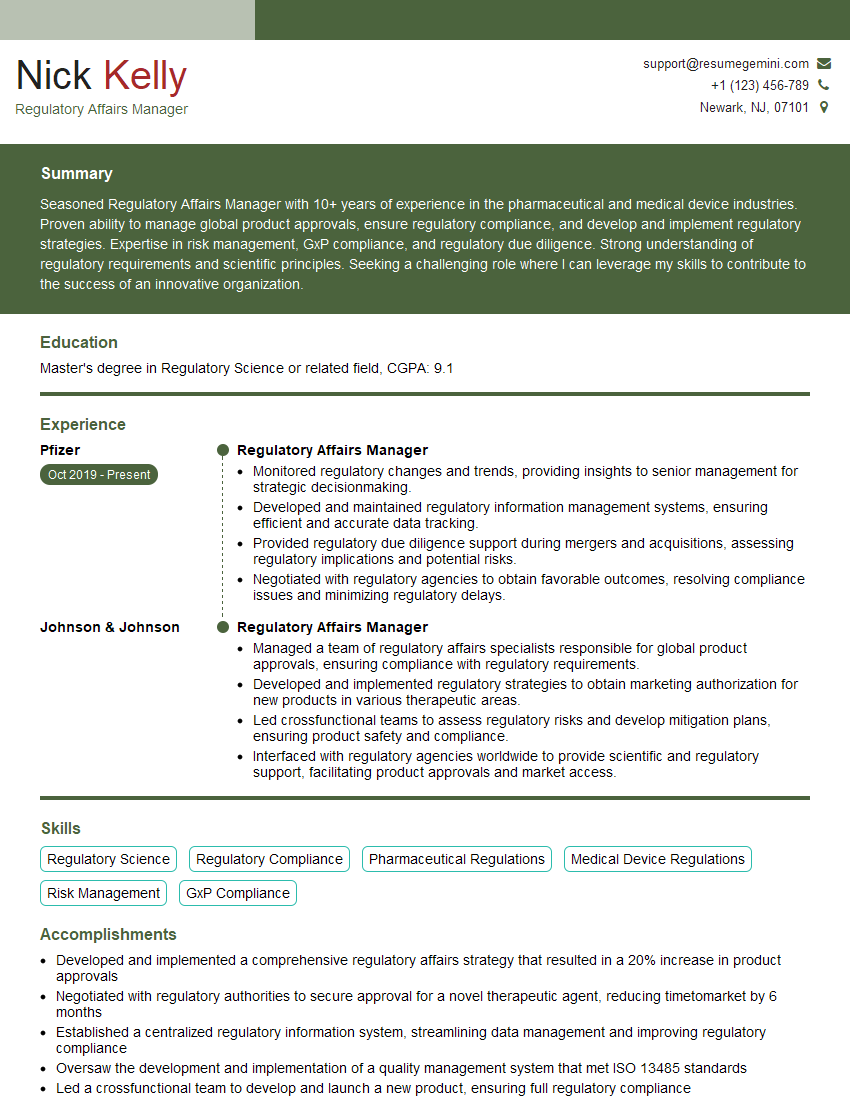
Regulatory Affairs Manager Resume Sample
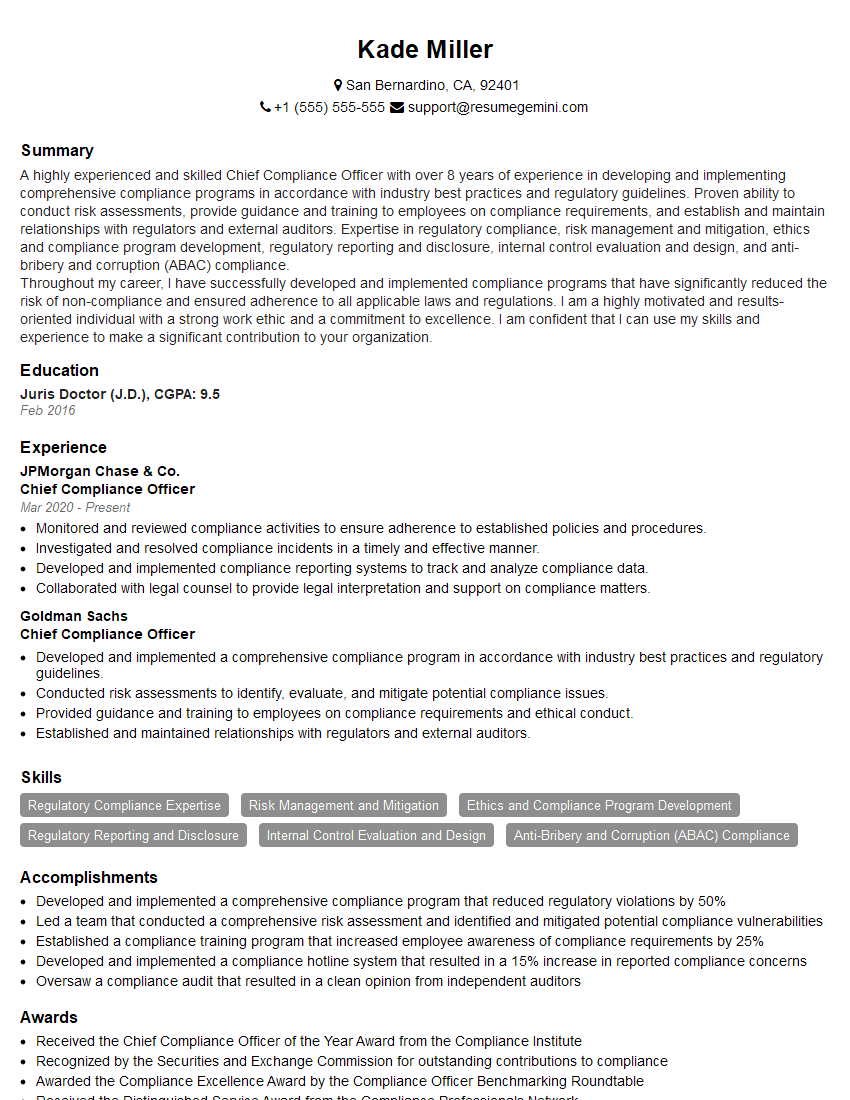
Chief Compliance Officer Resume Sample

Compliance Officer Resume Sample
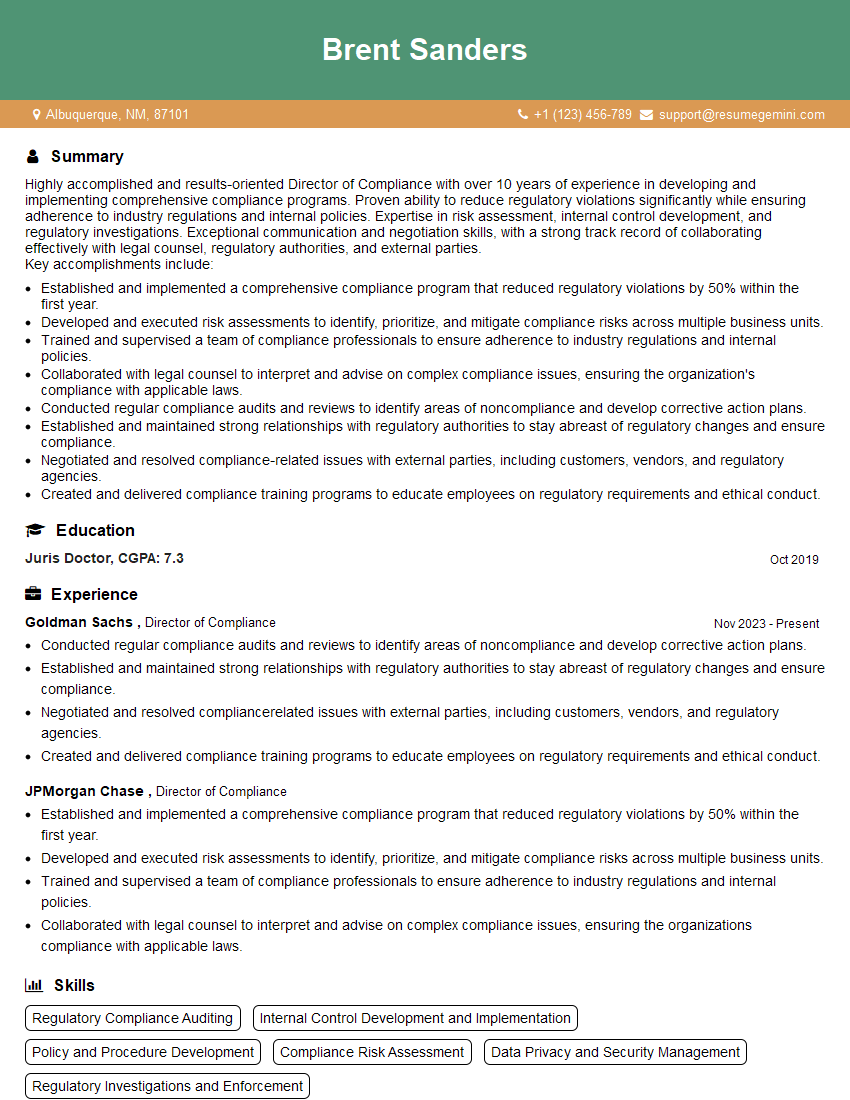
Director of Compliance Resume Sample
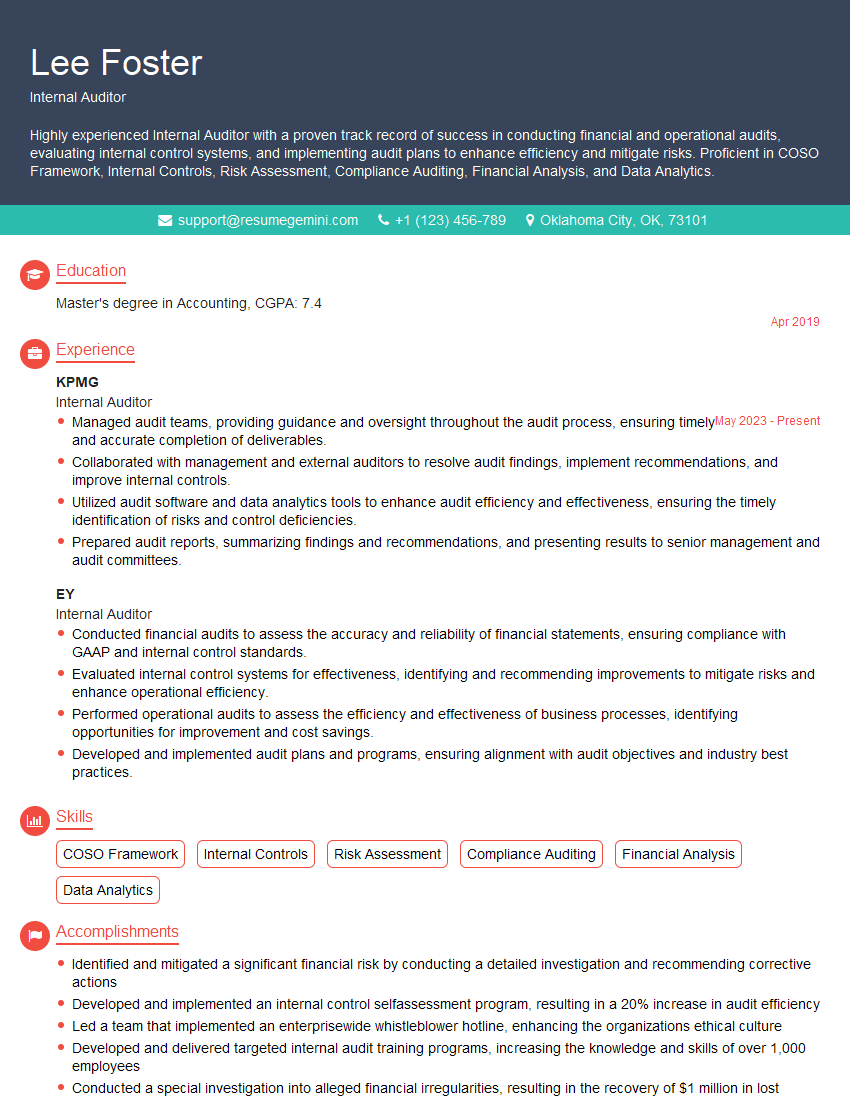
Internal Auditor Resume Sample
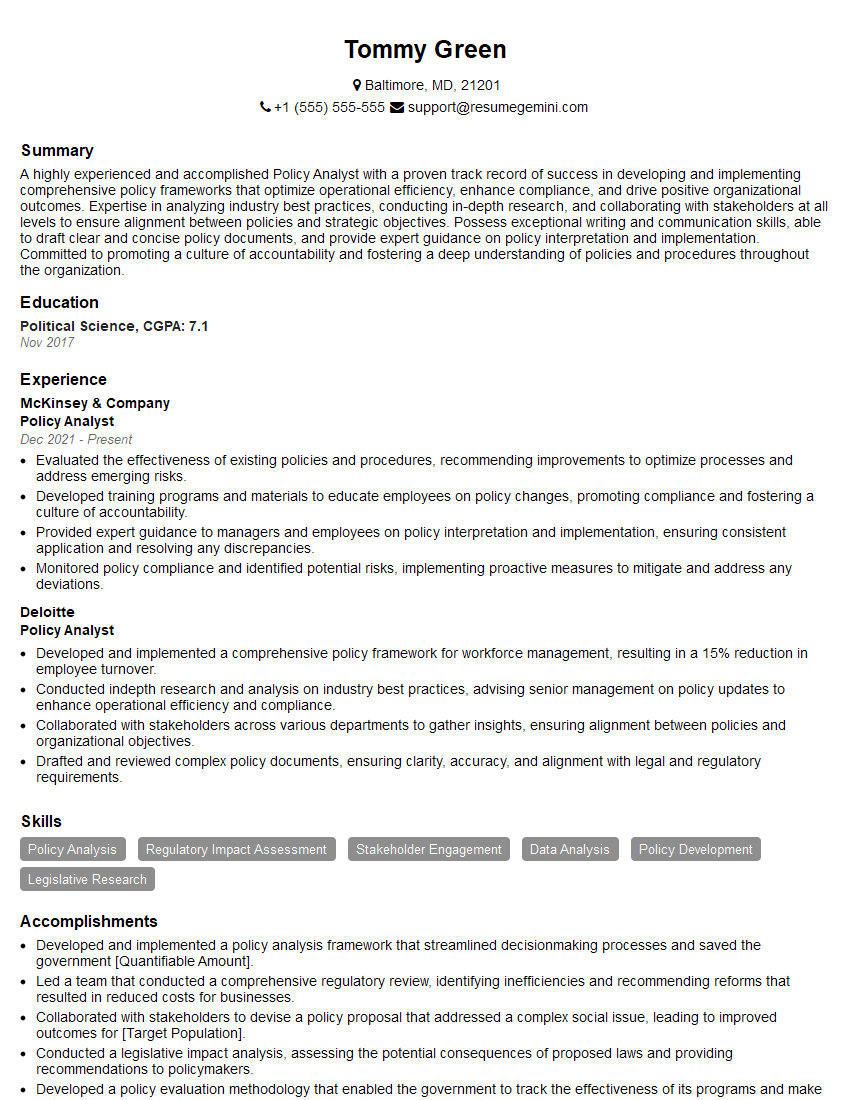
Policy Analyst Resume Sample
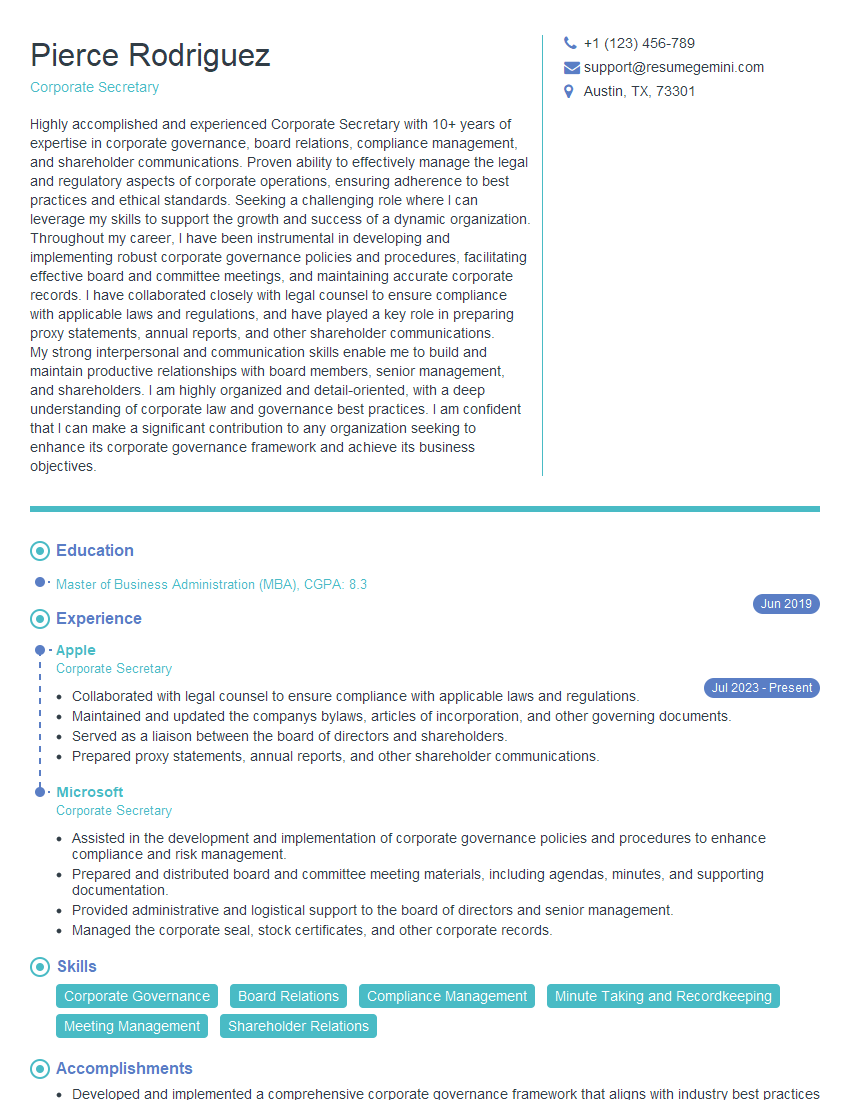
Corporate Secretary Resume Sample
Legal Counsel Resume Sample
Training and Development Specialist Resume Sample
Explore more articles
Users Rating of Our Blogs
Share Your Experience
We value your feedback! Please rate our content and share your thoughts (optional).
What Readers Say About Our Blog
Really detailed insights and content, thank you for writing this detailed article.
IT gave me an insight and words to use and be able to think of examples