Every successful interview starts with knowing what to expect. In this blog, we’ll take you through the top Waste Collection Research and Development interview questions, breaking them down with expert tips to help you deliver impactful answers. Step into your next interview fully prepared and ready to succeed.
Questions Asked in Waste Collection Research and Development Interview
Q 1. Explain the different types of waste collection systems.
Waste collection systems vary significantly depending on factors like population density, geographical constraints, and available resources. Broadly, they can be categorized as follows:
- Curbside Collection: This is the most common system, where residents place their waste in designated bins or containers for collection by trucks on a scheduled basis. Variations include automated side-loading, rear-loading, and front-loading trucks, each with its own efficiency characteristics.
- Underground Waste Collection Systems: These systems use underground containers accessed through street-level openings. They are often preferred in densely populated areas as they are aesthetically pleasing and reduce odor and rodent problems. However, they are significantly more expensive to install and maintain.
- Community Bins/Dumpsters: Commonly found in apartment complexes or commercial areas, this system involves larger containers shared by multiple users. While economical, it can lead to issues with overflowing bins and potential contamination.
- Drop-off Centers: Residents transport their waste to designated locations for disposal. This is often used for specific waste streams like hazardous materials or bulky items. It relies heavily on citizen participation.
- Manual Collection: Predominantly used in developing countries or remote areas, manual collection relies on human labor to gather and transport waste. This is labor-intensive and can be less efficient.
The choice of system depends on a cost-benefit analysis considering infrastructure, population density, environmental concerns, and available budget.
Q 2. Describe the lifecycle assessment of a typical waste collection process.
A lifecycle assessment (LCA) of a waste collection process considers the environmental impacts across its entire lifespan, from raw material extraction to final disposal. It typically includes:
- Raw Material Extraction and Manufacturing: This involves the environmental impacts associated with producing the vehicles, bins, and other equipment used in the collection process.
- Transportation and Fuel Consumption: This stage examines the fuel used by collection vehicles, considering factors like route efficiency and vehicle type. Greenhouse gas emissions and air pollution are key aspects.
- Collection and Sorting: The energy used in the collection process, as well as the environmental impacts of waste handling and sorting, are considered. This includes the potential for injuries and worker safety.
- Waste Processing and Disposal: This includes the environmental impacts of landfill disposal, incineration, or recycling. The choice of disposal method significantly influences the overall LCA.
- End-of-Life Management: This assesses the environmental impacts of vehicle decommissioning and recycling/disposal of other equipment.
An LCA helps identify areas for improvement, potentially through using alternative fuels, optimizing collection routes, or implementing more sustainable disposal methods. For example, switching to electric waste collection trucks reduces greenhouse gas emissions significantly.
Q 3. What are the key performance indicators (KPIs) for a waste collection system?
Key Performance Indicators (KPIs) for a waste collection system are crucial for measuring efficiency and effectiveness. Some important KPIs include:
- Collection Efficiency: Measured as the percentage of waste collected compared to the expected amount. A high efficiency indicates smooth operations.
- Collection Costs per Ton: This metric tracks the cost-effectiveness of the collection process. Lower costs are always desirable.
- Missed Collections: The number of missed collections provides insights into operational reliability and customer satisfaction.
- Vehicle Utilization Rate: This indicates how effectively collection vehicles are used, considering factors like downtime and route optimization.
- Customer Satisfaction: Surveys and feedback mechanisms assess resident satisfaction with the service provided. This is crucial for ensuring continued support and funding.
- Recycling Rates: Tracks the percentage of waste that is recycled instead of sent to landfills. Higher rates signify effective recycling programs.
- Safety Incidents: The number of accidents or injuries during collection operations reveals safety compliance and the effectiveness of risk mitigation strategies.
Regular monitoring of these KPIs allows for identification of problem areas, improvement of processes, and informed decision-making regarding resource allocation.
Q 4. How can data analytics be used to optimize waste collection routes?
Data analytics plays a crucial role in optimizing waste collection routes. By leveraging data from various sources, including GPS tracking of vehicles, waste generation patterns, and real-time traffic data, we can create efficient routes that minimize travel time, fuel consumption, and operational costs.
Here’s how it works:
- Route Optimization Algorithms: Algorithms like Dijkstra’s algorithm or more advanced techniques like genetic algorithms and simulated annealing can be used to create optimal routes based on factors such as distance, traffic congestion, and service frequency.
Example: An algorithm could prioritize shorter routes during peak traffic hours. - Predictive Modeling: Based on historical waste generation data, predictive models can forecast waste volume for specific areas, allowing for optimized vehicle capacity planning and scheduling.
- Real-Time Monitoring and Adjustments: Real-time data from GPS trackers enables dynamic route adjustments based on unforeseen events, such as traffic accidents or unexpected waste volumes. The system can reroute vehicles to minimize delays.
- Data Visualization and Reporting: Data visualization tools allow for clear visualization of collection patterns, performance indicators, and areas needing improvement. This facilitates informed decision-making and continuous improvement.
Implementing data analytics requires investment in appropriate technology and skilled personnel. But the cost savings and environmental benefits achieved through optimized routes easily justify this investment.
Q 5. Discuss various waste sorting and separation technologies.
Waste sorting and separation technologies are vital for effective recycling and resource recovery. They vary in complexity and automation level:
- Manual Sorting: This involves manual picking and sorting of waste materials by human workers. It’s often used as a preliminary step or for specialized materials but is labor-intensive and prone to errors.
- Automated Sorting: Automated systems utilize various technologies to separate waste materials. These include:
- Optical Sorting: Sensors identify different materials based on their optical properties (color, shape, size). This allows for separation of plastics, paper, glass, etc.
- Air Classification: Different materials are separated based on their density and aerodynamic properties using air streams.
- Magnetic Separation: Ferromagnetic materials (iron, steel) are separated using magnets.
- Eddy Current Separation: Non-ferrous metals (aluminum, copper) are separated using eddy currents induced by magnetic fields.
- Robotics: Robots are increasingly used for automated sorting, especially for complex or difficult-to-sort materials. They offer greater precision and speed compared to traditional methods.
The choice of technology depends on the type and quantity of waste, the desired level of purity of the separated materials, and economic factors. Advanced automated systems are more expensive to install and maintain but offer higher efficiency and purity.
Q 6. Explain the principles of waste-to-energy conversion.
Waste-to-energy (WtE) conversion utilizes the energy content of non-recyclable waste to generate electricity or heat. The principal methods are:
- Incineration: Waste is burned at high temperatures in a controlled environment, generating heat that is used to produce steam, which then drives turbines to generate electricity. This process also significantly reduces the volume of waste needing landfill disposal.
- Gasification: Waste is heated in the absence of oxygen, converting it into a combustible gas (syngas) that can be used to generate electricity or heat. Gasification offers advantages over incineration in terms of reduced emissions and the potential to produce valuable byproducts.
- Anaerobic Digestion: This biological process uses microorganisms to break down organic waste in the absence of oxygen, producing biogas (primarily methane) that can be used to generate electricity or heat. This method is particularly effective for biodegradable waste.
WtE technologies offer several advantages: reduced landfill burden, energy recovery, and potential revenue generation through electricity sales. However, concerns regarding emissions, air pollution, and potential health impacts need careful consideration and mitigation through robust environmental controls.
Q 7. What are the environmental impacts of different waste disposal methods?
Different waste disposal methods have varying environmental impacts:
- Landfilling: Landfills contribute to greenhouse gas emissions (methane), leachate pollution of groundwater, and habitat destruction. Modern landfills employ liners and leachate collection systems to mitigate some of these impacts.
- Incineration: While reducing landfill volume, incineration can release air pollutants such as dioxins and furans if not properly managed. Modern incinerators incorporate advanced emission control systems to minimize these impacts.
- Recycling: Recycling reduces the demand for raw materials, conserving natural resources and reducing energy consumption compared to producing new materials. However, the energy and resources used in the collection and processing of recyclables must be considered.
- Composting: Composting organic waste produces valuable soil amendment, reducing the amount of waste sent to landfills and improving soil health. It’s generally considered an environmentally friendly disposal method.
- Anaerobic Digestion: As discussed above, anaerobic digestion generates renewable energy and reduces greenhouse gas emissions compared to landfilling.
The optimal waste disposal strategy is a combination of different methods, aiming to maximize recycling, minimize landfilling, and implement responsible WtE technologies to create a sustainable waste management system. A life cycle assessment can help determine the most environmentally sound approach for specific waste streams.
Q 8. How do you ensure the safety and health of waste collection workers?
Ensuring the safety and health of waste collection workers is paramount. It requires a multi-pronged approach encompassing proper training, equipment provision, and robust safety protocols.
- Training: Workers need comprehensive training on safe handling procedures for various waste types, including hazardous materials. This includes instruction on proper lifting techniques, use of personal protective equipment (PPE), and awareness of potential hazards like sharp objects, infectious materials, and unstable waste containers.
- Equipment: Providing high-quality, well-maintained equipment is crucial. This includes ergonomic tools like automated lifting devices, puncture-resistant gloves, high-visibility clothing, and reliable vehicles equipped with safety features like backup cameras and emergency lights. Regular equipment inspections and maintenance are essential to prevent malfunctions and accidents.
- Safety Protocols: Clear and regularly communicated safety protocols are vital. This includes implementing procedures for handling spills, reporting injuries, working in pairs, and establishing clear communication channels between workers and supervisors. Regular safety meetings and refresher training reinforce these protocols.
- Ergonomic Design: Waste collection vehicles and containers should be designed ergonomically to reduce strain and injuries. Things like adjustable seats, automated compaction systems, and easy-to-access compartments can significantly reduce musculoskeletal disorders.
For example, in a project I worked on, we introduced a new system of color-coded bins to clearly identify different waste streams, reducing the risk of incorrect handling and exposure to hazardous materials. This simple change resulted in a significant decrease in workplace injuries.
Q 9. Describe your experience with GIS software in waste management.
Geographic Information Systems (GIS) software is indispensable in modern waste management. I’ve extensively used ArcGIS and QGIS in various projects. GIS allows for the spatial visualization and analysis of waste generation patterns, collection routes, and landfill locations.
- Route Optimization: GIS helps optimize waste collection routes by analyzing factors like distance, traffic patterns, and the volume of waste at each location. This leads to significant fuel savings and improved efficiency. We can use algorithms within GIS software to create the most efficient routes, minimizing travel time and maximizing the number of stops per route.
- Waste Generation Mapping: By overlaying demographic data with waste generation data, we can identify areas with high waste generation rates, which can inform targeted waste reduction programs. For example, we discovered a significant amount of recyclable material being sent to landfills in a specific residential area, leading to a successful recycling awareness campaign in that community.
- Facility Location Analysis: GIS assists in the optimal siting of new waste processing facilities, recycling centers, and transfer stations by considering factors like proximity to waste generation sources, environmental regulations, and accessibility.
- Asset Management: We can track the location and condition of waste containers, bins, and other assets using GIS. This allows for proactive maintenance and replacement, preventing service disruptions.
In one project, I used GIS to analyze the distribution of illegal dumping sites across a city. This analysis allowed us to deploy resources more effectively to address these issues and prevent environmental contamination.
Q 10. What are the challenges in managing hazardous waste?
Managing hazardous waste presents unique and significant challenges. These wastes, ranging from medical waste to industrial byproducts, pose risks to human health and the environment if not handled properly.
- Regulatory Compliance: Meeting complex and often stringent environmental regulations is paramount. These regulations vary widely depending on the type of hazardous waste and the jurisdiction. Non-compliance can lead to heavy fines and legal repercussions.
- Storage and Transportation: Safe and secure storage and transportation are critical. Hazardous waste requires specialized containers, labeling, and transportation methods to prevent leaks, spills, and exposure. This often involves working with licensed hazardous waste transporters.
- Treatment and Disposal: Finding appropriate treatment and disposal methods is often challenging. Some hazardous wastes require specialized treatment processes like incineration, chemical neutralization, or biological treatment before they can be safely disposed of. Finding facilities equipped to handle these wastes can be difficult and costly.
- Tracking and Monitoring: Maintaining accurate records of the generation, storage, transportation, treatment, and disposal of hazardous waste is crucial for tracking and preventing environmental contamination and ensuring regulatory compliance. This often involves using specialized tracking systems and software.
- Liability and Risk Management: The potential for environmental damage and health impacts associated with hazardous waste handling leads to high levels of liability and risk management considerations.
For example, a recent challenge involved working with a manufacturing plant to properly manage its chemical waste. This required developing a detailed waste management plan, selecting an appropriate treatment facility, and ensuring full regulatory compliance throughout the entire process.
Q 11. Discuss the role of smart bins in optimizing waste collection.
Smart bins are revolutionizing waste collection by providing real-time data on fill levels, allowing for optimized collection routes and reduced operational costs. They use sensors and communication technologies to monitor waste levels and transmit this information to a central management system.
- Optimized Collection Routes: By knowing which bins are full and which are nearly empty, waste collection crews can prioritize routes and avoid unnecessary trips, saving time, fuel, and resources. This leads to a significant reduction in operational costs and greenhouse gas emissions.
- Predictive Maintenance: Smart bins can also monitor their own operational status, alerting operators to potential issues like sensor malfunctions or mechanical problems, allowing for proactive maintenance and preventing service disruptions.
- Improved Waste Management Planning: The data collected by smart bins provides valuable insights into waste generation patterns and helps identify areas where waste reduction programs might be most effective. For example, if a particular area consistently shows high fill rates of a specific waste stream, it may indicate a need for additional recycling bins or public awareness campaigns.
- Data-Driven Decision Making: The data generated by smart bins enables data-driven decision-making, allowing waste management agencies to optimize their operations, improve efficiency, and reduce their environmental impact.
In one municipality I worked with, implementing smart bins resulted in a 15% reduction in fuel consumption and a 10% decrease in the number of collection trucks needed, showcasing their significant impact on efficiency.
Q 12. Explain the concept of circular economy and its role in waste management.
The circular economy is a model of production and consumption that aims to minimize waste and maximize resource utilization. It contrasts with the traditional linear ‘take-make-dispose’ model by emphasizing reuse, repair, remanufacturing, and recycling.
- Waste Reduction: The circular economy’s core principle is to reduce waste generation at the source by designing products for durability, repairability, and recyclability. This involves minimizing packaging, using sustainable materials, and promoting product longevity.
- Resource Recovery: It emphasizes recovering valuable materials from waste streams through recycling, composting, and other recovery processes. This reduces reliance on virgin resources and minimizes environmental impacts.
- Waste-to-Energy: In some cases, waste can be converted into energy through processes like incineration with energy recovery. This can generate electricity or heat, reducing dependence on fossil fuels.
- Renewable Energy: Circular economy principles can be applied to the energy sector by promoting renewable energy sources and improving energy efficiency.
- Policy and Regulation: Implementing effective policies and regulations is crucial for encouraging the transition to a circular economy. Extended Producer Responsibility (EPR) schemes, for instance, place responsibility for end-of-life product management on producers.
A real-world example is the increasing popularity of ‘take-back’ programs where manufacturers collect and recycle their products at the end of their life cycle. This promotes product reuse and resource recovery, and helps minimize waste going to landfills.
Q 13. How can you improve the efficiency of a waste collection fleet?
Improving the efficiency of a waste collection fleet requires a combination of technological advancements, optimized routing, and effective workforce management.
- Route Optimization Software: Implementing sophisticated route optimization software that considers real-time traffic, waste generation patterns, and vehicle capacity can significantly reduce travel time and fuel consumption.
- Vehicle Technology: Utilizing fuel-efficient vehicles, such as hybrid or electric trucks, can significantly reduce operational costs and greenhouse gas emissions. Telematics systems can monitor vehicle performance, fuel efficiency, and driver behavior, identifying areas for improvement.
- Automated Waste Collection: Implementing automated side-loading or rear-loading systems can improve efficiency and reduce the physical demands on waste collection workers, leading to increased productivity and reduced workplace injuries.
- Crew Optimization: Proper crew scheduling and training can enhance productivity and ensure that the right number of workers are assigned to each route based on the expected workload.
- Preventive Maintenance: Regular maintenance of vehicles and equipment prevents breakdowns and downtime, ensuring consistent operational efficiency.
In one case study, the implementation of an optimized routing system resulted in a 12% reduction in fuel consumption and a 7% decrease in the overall time needed for waste collection, demonstrating the significant impact of technology and management strategies.
Q 14. What are the regulatory compliance requirements for waste management?
Regulatory compliance in waste management is crucial for protecting human health and the environment. The specific requirements vary significantly by jurisdiction and the type of waste being managed.
- Environmental Permits: Facilities involved in waste collection, processing, and disposal often require environmental permits from relevant regulatory agencies. These permits specify operational requirements, emission limits, and other environmental standards.
- Hazardous Waste Regulations: Handling hazardous waste is governed by stringent regulations concerning storage, transportation, treatment, and disposal. These regulations often involve specific labeling requirements, manifest systems, and transportation protocols.
- Recycling and Composting Regulations: Regulations exist for materials such as plastics, metals, and organic waste to promote recycling and composting programs. This includes standards for the quality of recycled materials and the operation of composting facilities.
- Waste Reduction and Diversion Goals: Many jurisdictions have established waste reduction and diversion goals, requiring waste management companies to meet specific targets for recycling, composting, and waste reduction. This can involve implementing strategies such as public education campaigns and source separation programs.
- Record Keeping: Maintaining accurate and comprehensive records of waste generation, transportation, processing, and disposal is essential for demonstrating compliance. This documentation is often subject to audits by regulatory authorities.
Failure to comply with waste management regulations can lead to penalties including fines, operational shutdowns, and even criminal charges. Therefore, staying informed about current regulations and maintaining meticulous record-keeping are essential for any organization involved in waste management.
Q 15. Describe your experience with waste characterization studies.
Waste characterization is the process of identifying and quantifying the different materials present in waste streams. It’s the foundational step for designing effective waste management strategies. My experience involves conducting numerous waste audits, employing both manual sorting and advanced analytical techniques like near-infrared spectroscopy (NIRS) to determine the composition of municipal solid waste (MSW), industrial waste, and construction and demolition waste (CDW). For example, in a recent project for a local municipality, we conducted a comprehensive waste characterization study to assess the feasibility of implementing a food waste composting program. This involved meticulously sorting and weighing thousands of samples, classifying waste materials into categories such as organics, paper, plastics, metals, and glass, and calculating the percentage of each component within the overall waste stream. This data provided critical insights for designing the composting infrastructure and estimating its operational costs and environmental impact.
This process isn’t just about counting; it reveals crucial trends. For instance, we discovered a high proportion of recyclable materials being sent to landfill, highlighting the need for improved public education and recycling programs. This characterization data allowed us to develop tailored solutions for increasing recycling rates and diverting organic waste from landfills.
Career Expert Tips:
- Ace those interviews! Prepare effectively by reviewing the Top 50 Most Common Interview Questions on ResumeGemini.
- Navigate your job search with confidence! Explore a wide range of Career Tips on ResumeGemini. Learn about common challenges and recommendations to overcome them.
- Craft the perfect resume! Master the Art of Resume Writing with ResumeGemini’s guide. Showcase your unique qualifications and achievements effectively.
- Don’t miss out on holiday savings! Build your dream resume with ResumeGemini’s ATS optimized templates.
Q 16. How do you evaluate the effectiveness of different recycling programs?
Evaluating recycling program effectiveness requires a multi-faceted approach, going beyond simple tonnage figures. I assess effectiveness using a combination of metrics. First, I examine the diversion rate – the percentage of recyclable materials diverted from landfills. Second, I analyze the material recovery rate (MRR), indicating the proportion of collected recyclables that are actually processed and reused. Finally, I consider the program’s cost-effectiveness, comparing its operational expenses to the environmental and economic benefits. A program with a high diversion rate but low MRR might indicate contamination issues or inefficiencies in the sorting and processing stages.
For instance, when assessing a curbside recycling program, I’d examine the contamination levels in the collected recyclables. High contamination rates, often due to improper sorting by residents, reduce the value of recycled materials and can even render some materials unrecyclable, impacting the overall efficiency and economic viability. Addressing contamination requires targeted public education campaigns, improved sorting guidelines, and potentially the implementation of advanced sorting technologies at the processing facility.
Q 17. Explain your understanding of composting processes and their advantages.
Composting is a natural process that mimics the decomposition of organic matter, such as food scraps, yard waste, and some paper products, under controlled conditions. It relies on the activity of microorganisms (bacteria and fungi) to break down organic materials, producing a nutrient-rich soil amendment called compost. There are various methods, including aerobic (with oxygen) and anaerobic (without oxygen) composting. Aerobic composting, commonly used in home and community settings, is faster and produces a more stable and less odorous end product.
The advantages are numerous: Composting significantly reduces landfill waste, creating valuable fertilizer that improves soil health and reduces the need for synthetic fertilizers. It also mitigates greenhouse gas emissions associated with organic waste decomposition in landfills, particularly methane. For example, I worked on a project establishing a large-scale composting facility for a municipality. The successful implementation not only reduced landfill burden, but also created a revenue stream through compost sales to local farmers and gardeners, making it a financially viable and environmentally sound waste management solution.
Q 18. Discuss the role of anaerobic digestion in waste management.
Anaerobic digestion (AD) is a process where microorganisms break down organic matter in the absence of oxygen, producing biogas (primarily methane and carbon dioxide) and digestate (a nutrient-rich slurry). In waste management, AD is employed to treat a range of organic wastes, including food waste, agricultural residues, and sewage sludge. The biogas generated can be used for electricity generation, heat production, or as a vehicle fuel, thus recovering energy from waste. The digestate, meanwhile, can be used as fertilizer, further minimizing waste and maximizing resource recovery.
AD offers substantial environmental benefits. By capturing methane, a potent greenhouse gas, it mitigates climate change. It also reduces landfill volume, conserving land resources. However, the capital costs associated with establishing an AD plant can be significant. The optimal application of AD depends on factors like the waste stream composition, proximity to energy users, and regulations. For instance, I’ve been involved in evaluating the technical and economic feasibility of integrating AD into existing wastewater treatment plants. This allows for co-digestion of sewage sludge with food waste, increasing biogas yield and optimizing resource utilization.
Q 19. What are the economic aspects of different waste management solutions?
Economic aspects are crucial when choosing waste management solutions. Landfilling is often initially cheaper but incurs long-term costs like land acquisition, environmental monitoring, and potential liability for contamination. Incineration has high capital costs but can generate energy and reduce waste volume. Recycling programs require investment in collection infrastructure, processing facilities, and potentially market development for recycled materials. Composting and anaerobic digestion involve upfront infrastructure costs, but they can generate revenue from compost or biogas sales, making them economically attractive in the long run.
Life-cycle cost analysis (LCCA) is a valuable tool in this evaluation. LCCA considers all costs associated with a waste management solution over its entire lifespan, from infrastructure development to operation, maintenance, and eventual closure. By comparing the LCCA of various options, decision-makers can make informed choices that are both environmentally and economically sustainable. For example, I’ve utilized LCCA to compare the costs and benefits of implementing a source-separated organic waste collection program versus continuing with landfilling as the primary disposal method. The LCCA clearly showed that while initial investment for source separation was higher, long-term savings from reduced landfill fees and revenue from compost sales made it a more economically sound option.
Q 20. How do you address public concerns regarding waste management?
Addressing public concerns is vital for successful waste management. Open communication, transparency, and proactive engagement are key. This often involves hosting public forums, providing educational materials, and establishing clear communication channels. Building trust is paramount; responding honestly to concerns and addressing misinformation proactively fosters community support.
For instance, when implementing a new recycling program, I’ve found that addressing concerns about contamination, explaining the sorting process, and highlighting the economic and environmental benefits helps alleviate anxieties. Utilizing social media and local media outlets to disseminate information effectively ensures broader reach and inclusivity. In another project, we addressed the “not-in-my-backyard” (NIMBY) sentiment surrounding the construction of a new composting facility by involving the community in the planning process, hosting site visits, and ensuring transparent communication regarding the facility’s operation and environmental impact. This participatory approach resulted in significant community support for the project.
Q 21. Describe your experience with modeling and simulation in waste management.
Modeling and simulation play a critical role in waste management planning and optimization. I’ve extensively used computer models to simulate the flow of waste materials through a system, from generation to disposal or recovery. These models help predict the impact of different waste management strategies, optimize collection routes, design efficient processing facilities, and assess the long-term sustainability of various options. I often employ agent-based modeling to simulate complex systems, such as analyzing the impact of individual household waste generation behaviors on the overall system performance. This allows us to tailor interventions and public education campaigns for better effectiveness.
For example, I developed a simulation model to optimize the collection routes of a municipal waste collection service. By incorporating real-world data such as waste generation rates, road networks, and vehicle capacities, the model identified more efficient routes, reducing transportation costs and fuel consumption. The model also allowed us to test the impact of different fleet sizes and collection frequencies on the overall operational efficiency. The resulting optimized routes reduced travel distance by 15%, leading to significant cost savings and reduced carbon emissions.
Q 22. What are the emerging trends in waste collection technologies?
Emerging trends in waste collection are revolutionizing how we manage waste, focusing on efficiency, sustainability, and data-driven decision-making. These trends include:
- Smart Bins: These internet-connected bins monitor fill levels in real-time, optimizing collection routes and reducing unnecessary trips. This leads to cost savings and reduced fuel consumption. For example, a city might use sensors to identify bins nearing capacity, allowing for targeted emptying instead of a blanket schedule.
- Autonomous Vehicles: Self-driving trucks and robots are being deployed for waste collection, promising increased efficiency, safety, and reduced labor costs. Imagine a fleet of autonomous vehicles navigating city streets, collecting waste at precise times without the need for human drivers.
- Waste Sorting Robotics: Advanced robots are capable of sorting waste at high speeds and accuracy, improving recycling rates and reducing contamination. This improves the quality of recyclable materials and increases their market value. For instance, a robot could swiftly separate plastics from other waste streams, preventing contamination and increasing the recyclability rate.
- Data Analytics and Predictive Modeling: By analyzing waste collection data, we can predict future needs and optimize routes, resource allocation, and collection schedules. This allows for proactive waste management rather than reactive measures. We might predict increased waste volumes during holiday periods and adjust our collection strategies accordingly.
- Sustainable Materials and Technologies: The industry is increasingly focusing on using sustainable materials for bins and vehicles, alongside greener fuels and waste processing methods. For example, using recycled materials in the construction of bins, promoting a circular economy.
Q 23. How can you improve public participation in recycling programs?
Improving public participation in recycling programs requires a multi-pronged approach that combines education, convenience, and incentives. Key strategies include:
- Clear and Accessible Information: Provide straightforward, easily understood guidelines on what materials are recyclable and how to properly prepare them. Think clear labeling on bins and infographics in public spaces.
- Convenient Recycling Options: Make recycling readily accessible through strategically placed bins in residential areas, public spaces, and workplaces. Consider adding specialized bins for different materials to make sorting easier.
- Incentivizing Participation: Offer rewards or recognition for individuals and communities who actively participate in recycling. This could include discounts, prize draws, or public acknowledgment of top performers.
- Community Engagement and Education: Organize workshops, educational campaigns, and community events to raise awareness about the importance of recycling and its benefits to the environment. Involving local schools and community groups can be very effective.
- Feedback Mechanisms: Establish channels for residents to provide feedback on recycling programs and identify areas for improvement. This could be through surveys, online forums, or community meetings.
For example, a successful program in a particular city might combine easily accessible drop-off locations, a clear online resource explaining recycling guidelines, and a points-based reward system for consistent recycling, incentivizing participation.
Q 24. Discuss your experience with different types of waste containers and their suitability.
My experience encompasses various waste container types, each with strengths and weaknesses:
- Wheelie Bins: Commonly used for residential waste, they are durable, easy to handle for collection crews, and minimize spillage. However, they can be bulky and require adequate storage space.
- Underground Containers: These are ideal for high-density areas, minimizing visual clutter and odor. However, they require significant upfront investment and maintenance.
- Compactor Bins: Used in commercial and industrial settings, they significantly reduce waste volume, requiring fewer trips for collection. They require a substantial initial investment.
- Bagged Waste Systems: Common in multi-unit dwellings, they are relatively inexpensive but can lead to overflowing and improper waste disposal if not managed effectively.
- Specialized Recycling Bins: Bins designed for specific materials, like paper, glass, or plastic, encourage proper sorting and improve recycling quality.
The suitability of a container depends heavily on factors like population density, waste generation rates, local regulations, and budget constraints. For example, a high-density urban area might benefit from underground containers, while a suburban area might be better suited for wheelie bins.
Q 25. How do you handle unexpected challenges or disruptions in waste collection?
Handling unexpected challenges and disruptions requires a proactive and adaptable approach. My strategies include:
- Emergency Response Plan: A well-defined plan outlining procedures for handling unexpected events like vehicle breakdowns, inclement weather, or unforeseen waste surges. This plan includes contingency routes, backup vehicles, and communication protocols.
- Real-time Monitoring: Employing GPS tracking of vehicles and smart bins allows for real-time monitoring of collection progress and immediate response to unforeseen problems.
- Communication and Coordination: Maintaining effective communication with the public, staff, and other stakeholders to update them on disruptions and alternative arrangements. This might involve social media updates, email alerts or local news announcements.
- Flexible Scheduling: Adapting collection schedules to accommodate unexpected events, possibly extending working hours or prioritizing critical areas.
- Post-incident Analysis: Conducting a thorough review of incidents to identify areas for improvement and prevent future occurrences. This involves documenting issues, assessing root causes, and implementing corrective actions.
For instance, if a major snowstorm delays collection, the emergency response plan might include activating backup crews, adjusting routes to prioritize main streets, and informing the public of service delays.
Q 26. Describe your experience with waste collection data analysis and reporting.
My experience in waste collection data analysis and reporting involves leveraging data to improve efficiency, optimize routes, and inform decision-making. This includes:
- Data Collection and Processing: Gathering data from various sources such as smart bins, GPS trackers, and manual data entry to create a comprehensive dataset.
- Statistical Analysis: Employing statistical methods to analyze trends in waste generation, collection efficiency, and recycling rates. This might involve calculating average collection times, identifying areas with high waste generation, and determining recycling success rates.
- Data Visualization: Creating visual representations of data using charts, graphs, and maps to effectively communicate insights and findings. This ensures clear communication of key metrics and performance indicators.
- Report Generation: Producing regular reports summarizing key performance indicators, highlighting areas for improvement, and making data-driven recommendations. These reports might be used to secure funding, justify resource allocation, and demonstrate program effectiveness.
- Predictive Modeling: Using statistical models to forecast future waste generation and optimize resource allocation. This might involve developing models to predict seasonal changes in waste generation.
For example, analysis might reveal that a particular neighborhood consistently generates higher volumes of recyclable materials during certain times of the year, allowing for adjustments to collection routes and resource allocation.
Q 27. What software or tools are you proficient in using for waste management?
I am proficient in several software and tools used for waste management, including:
- Geographic Information Systems (GIS): For mapping waste collection routes, analyzing spatial data, and optimizing service delivery.
ArcGISandQGISare examples. - Data Analysis Software: Such as
RandPython(with libraries likepandasandscikit-learn) for statistical analysis, data visualization, and predictive modeling. - Waste Management Software: Specialized software packages for managing collection schedules, tracking vehicles, and monitoring bin fill levels. Examples might include route optimization software or fleet management tools.
- Database Management Systems (DBMS): Such as
MySQLorPostgreSQLfor storing and managing large datasets of waste collection information. - Spreadsheet Software:
Microsoft ExcelorGoogle Sheetsfor data entry, cleaning, and simple analysis.
Q 28. Explain your approach to solving a complex waste management problem.
My approach to solving complex waste management problems is systematic and data-driven. I follow these steps:
- Problem Definition: Clearly defining the problem, identifying its scope, and outlining its impact.
- Data Collection and Analysis: Gathering relevant data through various means and performing thorough analysis to identify root causes and trends.
- Solution Brainstorming: Generating a range of potential solutions through brainstorming sessions, literature reviews, and expert consultations.
- Solution Evaluation: Evaluating the feasibility, effectiveness, and cost-effectiveness of potential solutions using quantitative and qualitative methods.
- Solution Implementation: Developing a detailed implementation plan that includes timelines, resource allocation, and communication strategies.
- Monitoring and Evaluation: Continuously monitoring the implemented solution to assess its effectiveness and making adjustments as needed.
For example, when faced with a significant increase in illegal dumping in a particular area, I would thoroughly analyze the data to understand patterns, consider solutions ranging from enhanced surveillance to community engagement, assess the cost-effectiveness of various approaches, and then implement the selected solutions, closely monitoring the results to evaluate their efficacy. A vital aspect of the process is regular stakeholder engagement and feedback to ensure the chosen solution is appropriate and well-received.
Key Topics to Learn for Waste Collection Research and Development Interview
- Waste Stream Characterization: Understanding the composition and properties of different waste streams (residential, commercial, industrial). This includes knowledge of material flow analysis and waste audits.
- Collection Route Optimization: Applying techniques like GIS mapping, algorithms, and data analysis to design efficient and cost-effective waste collection routes. Practical application involves analyzing real-world data to improve efficiency.
- Smart Waste Management Technologies: Exploring the use of sensors, IoT devices, and AI in optimizing waste collection, including real-time monitoring, predictive maintenance, and automated bin management systems.
- Sustainability and Environmental Impact: Analyzing the environmental footprint of waste collection practices and developing strategies for reducing greenhouse gas emissions, landfill waste, and promoting recycling and composting.
- Waste Collection Vehicle Technology: Understanding the design, operation, and maintenance of waste collection vehicles, including alternative fuel options and emissions reduction strategies. This includes exploring fuel efficiency and operational costs.
- Data Analysis and Modeling: Utilizing statistical methods and data visualization to analyze waste generation patterns, predict future needs, and evaluate the effectiveness of different waste management strategies.
- Lifecycle Assessment (LCA) of Waste Management Systems: Assessing the environmental impacts of various waste collection and disposal methods across their entire life cycle, from raw material extraction to final disposal.
- Regulations and Compliance: Understanding relevant local, national, and international regulations related to waste collection and disposal, including hazardous waste management.
Next Steps
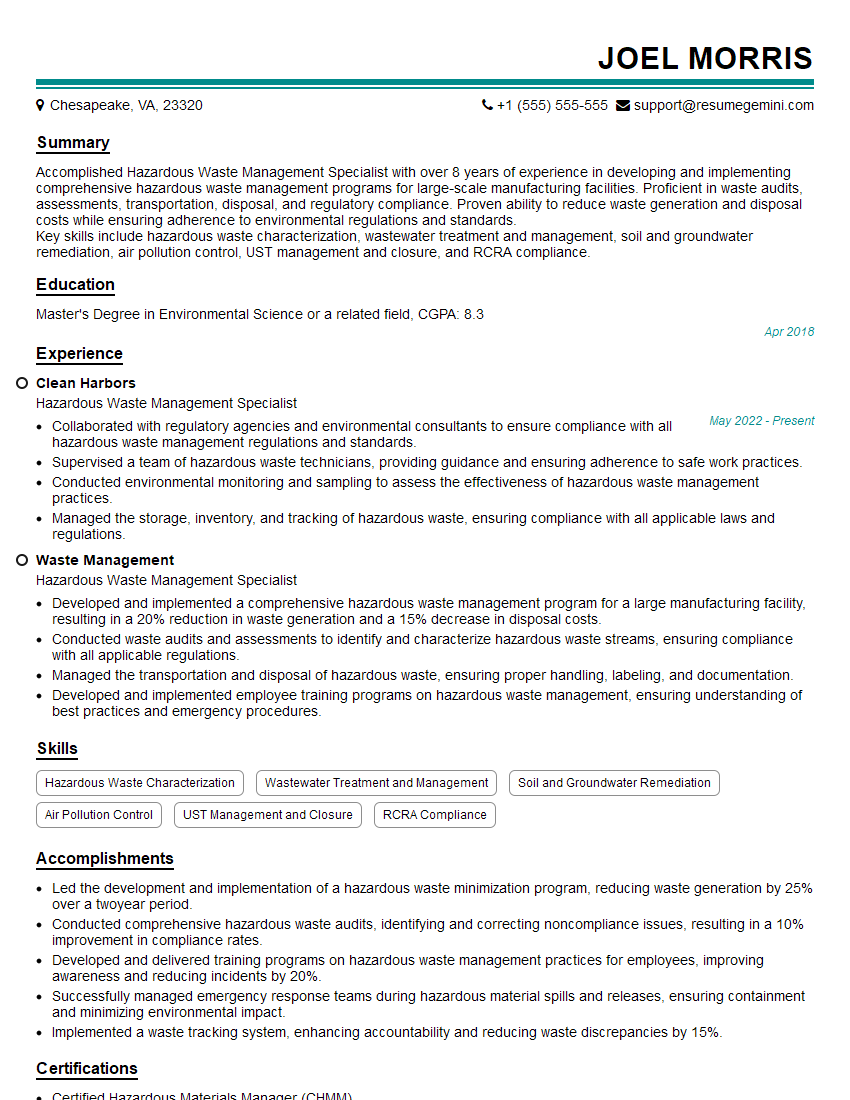
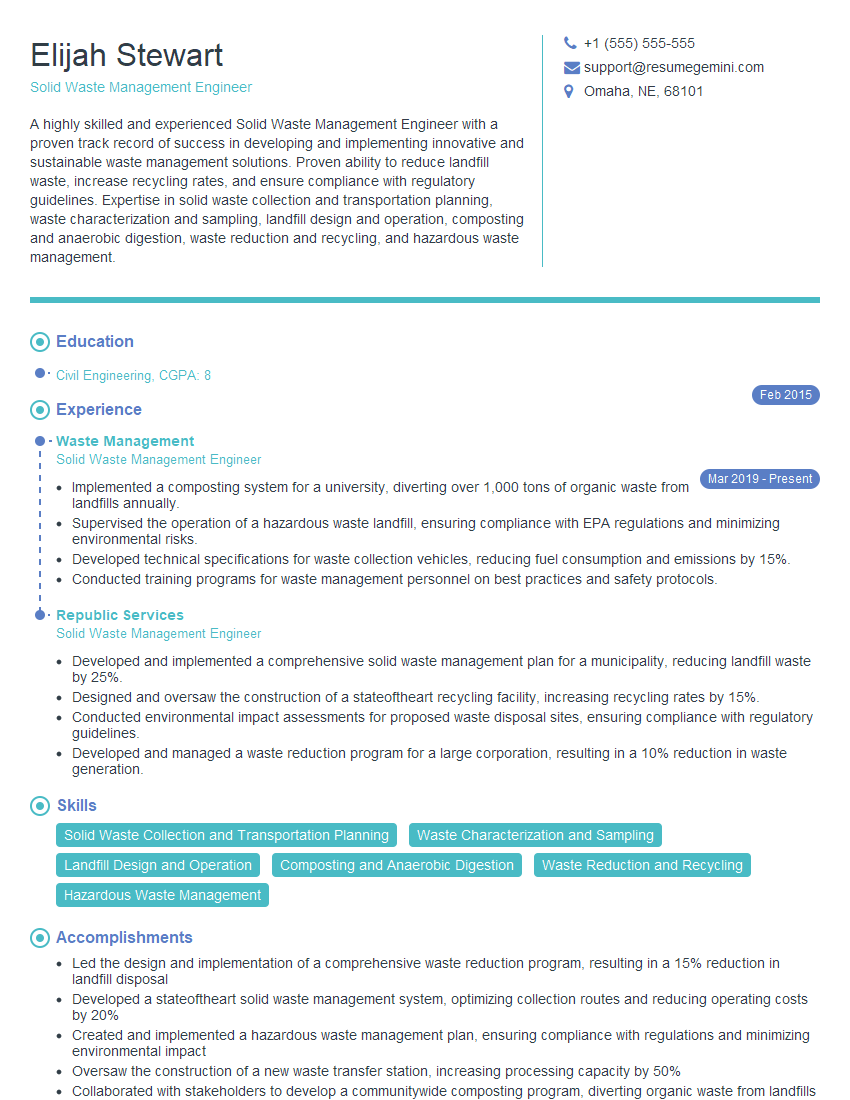
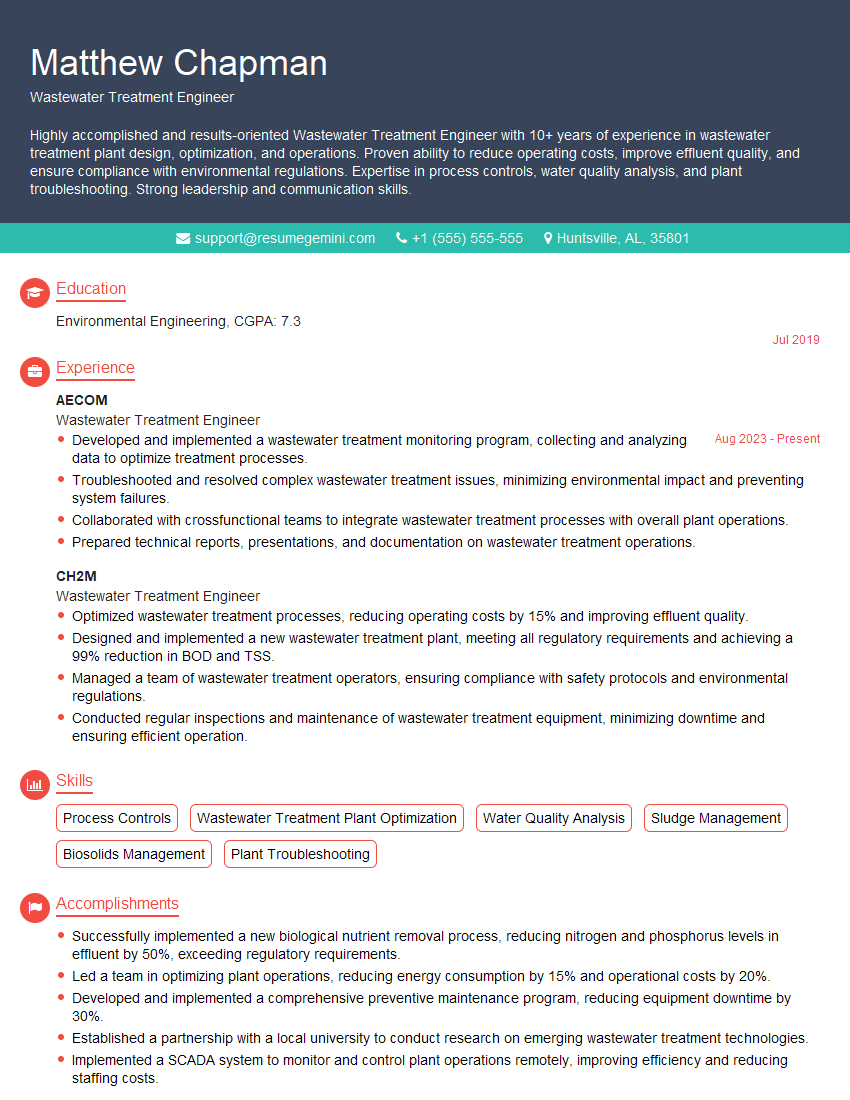
Mastering Waste Collection Research and Development opens doors to exciting and impactful careers at the forefront of environmental sustainability. To maximize your job prospects, it’s crucial to present your skills and experience effectively. Creating an ATS-friendly resume is key to getting your application noticed by recruiters. ResumeGemini is a trusted resource that can help you build a compelling and professional resume tailored to this specialized field. Examples of resumes optimized for Waste Collection Research and Development roles are available to guide you.
Explore more articles
Users Rating of Our Blogs
Share Your Experience
We value your feedback! Please rate our content and share your thoughts (optional).
What Readers Say About Our Blog
I Redesigned Spongebob Squarepants and his main characters of my artwork.
https://www.deviantart.com/reimaginesponge/art/Redesigned-Spongebob-characters-1223583608
IT gave me an insight and words to use and be able to think of examples
Hi, I’m Jay, we have a few potential clients that are interested in your services, thought you might be a good fit. I’d love to talk about the details, when do you have time to talk?
Best,
Jay
Founder | CEO