Are you ready to stand out in your next interview? Understanding and preparing for Masonry OSHA Regulations interview questions is a game-changer. In this blog, we’ve compiled key questions and expert advice to help you showcase your skills with confidence and precision. Let’s get started on your journey to acing the interview.
Questions Asked in Masonry OSHA Regulations Interview
Q 1. Describe the key provisions of OSHA 1926 Subpart M.
OSHA 1926 Subpart M, “Fall Protection,” is crucial for masonry work, as it addresses the significant risk of falls from heights. It mandates fall protection for employees working 6 feet or more above a lower level. This isn’t just a suggestion; it’s a legally binding requirement to prevent catastrophic injuries or fatalities.
- Fall Protection Systems: Subpart M details various acceptable fall protection systems, including guardrail systems, safety net systems, and personal fall arrest systems (PFAS). The choice depends on the specific work scenario and must be carefully assessed.
- Training: Employees must be properly trained in the selection, use, and maintenance of the chosen fall protection systems. This is not a one-time event but an ongoing responsibility.
- Inspection and Maintenance: Regular inspections are vital to identify and rectify any potential hazards or deficiencies in the fall protection systems before an accident occurs. This is like regularly servicing your car—preventative maintenance saves lives and prevents costly repairs.
- Competent Person: A designated competent person should be responsible for overseeing fall protection measures, ensuring compliance, and addressing any identified issues. Think of them as the safety manager for the fall protection aspects of the job.
For example, if masons are working on a wall higher than 6 feet, a guardrail system must be in place, or they must be using a personal fall arrest system that meets OSHA standards. Failing to do so will result in significant fines and potential legal action.
Q 2. Explain the requirements for scaffolding safety in masonry construction.
Scaffolding safety is paramount in masonry, as masons frequently work at heights. OSHA 1926 Subpart L covers scaffolding, stressing proper erection, use, and dismantling. Think of scaffolding as a temporary platform, and treating it carelessly can have dire consequences.
- Proper Erection: Scaffolds must be erected by competent personnel following manufacturer’s instructions and OSHA standards. This includes ensuring proper base stability, adequate bracing, and secure connections.
- Load Capacity: The scaffold’s load capacity must not be exceeded. Overloading can lead to collapse. This is why understanding weight limits and material distribution is crucial.
- Guardrails and Toeboards: Scaffolds over 10 feet in height require guardrails and toeboards to prevent falls. These are the safety net of the scaffold, preventing tools and materials from falling and workers from falling off.
- Regular Inspections: Daily inspections are crucial to identify any damage or weakness in the scaffold structure before it’s used. A quick visual inspection can often prevent a major accident.
- Access and Egress: Safe access and egress points must be provided to and from the scaffold, preventing falls from the scaffold itself.
Imagine a scenario where a scaffold collapses due to overloading or improper erection. This could result in serious injury or even death for the workers. Following these safety measures is non-negotiable.
Q 3. What are the specific fall protection requirements for masonry workers?
Fall protection for masonry workers is non-negotiable when working 6 feet or more above a lower level. OSHA 1926 Subpart M dictates the specific requirements and options.
- Guardrail Systems: These provide a physical barrier around the work area, preventing falls. They’re a tried and tested method.
- Safety Net Systems: Nets are placed below the work area to catch falling workers. They’re an important backup system.
- Personal Fall Arrest Systems (PFAS): These systems include harnesses, lanyards, and anchor points, arresting a fall and preventing a worker from hitting the ground. They are crucial for workers who have to move around their work area.
- Fall Restraint Systems: These systems prevent falls by restricting worker movement beyond a specific point. They are less common in masonry work but are applicable in some situations.
For example, a mason working on a high wall would ideally be protected by a guardrail system. However, if working on a sloped roof, a PFAS would be more appropriate. Proper training on the correct use and maintenance of the chosen system is imperative.
Q 4. How do you ensure compliance with OSHA’s requirements for personal protective equipment (PPE) in masonry?
Ensuring compliance with OSHA’s PPE requirements in masonry involves a multi-faceted approach that starts with a thorough hazard assessment.
- Hazard Assessment: Identifying all potential hazards—such as falling objects, dust, and chemicals—is the first step. This assessment guides the selection of appropriate PPE.
- PPE Selection: This includes hard hats, safety glasses or goggles, hearing protection, dust masks or respirators (depending on the materials being used), work gloves, and high-visibility clothing. Specific PPE depends on the specific task.
- Training: Employees must receive proper training on how to use and maintain their PPE. This includes proper fit and maintenance. For example, a respirator that doesn’t fit properly won’t provide adequate protection.
- Inspection and Maintenance: Regular inspection and maintenance of PPE are crucial. Damaged PPE must be replaced immediately. A cracked hard hat offers little to no protection.
- Enforcement: A strict enforcement policy—with consequences for non-compliance—ensures that workers wear their PPE consistently. Regular safety meetings help keep the message of PPE’s importance fresh.
Imagine a mason working with a grinder without eye protection—the potential for eye injury is significant. Consistent and proper use of PPE is essential for minimizing workplace hazards.
Q 5. Explain the proper procedures for handling and storing masonry materials.
Proper handling and storage of masonry materials are crucial for preventing injuries and ensuring efficiency. This involves both safe handling practices and organized storage solutions.
- Safe Handling: Using appropriate lifting techniques (avoiding back injuries), mechanical assistance for heavy loads, and securing materials during transportation are paramount. Never lift more than you can safely handle.
- Organized Storage: Materials should be stored in a stable and organized manner, preventing collapse or accidental damage. Consider using pallets, racks, and other appropriate storage solutions. Proper stacking techniques prevent collapses.
- Material Segregation: Separate materials that could react adversely, such as incompatible chemicals, and clearly label all materials.
- Weather Protection: Protect materials from the elements, preventing damage from moisture or excessive heat. This extends the lifespan of materials.
For instance, improperly stacked bricks could collapse, causing injuries. Similarly, exposing cement to rain could compromise its quality. Following safe handling and storage procedures ensures a safer and more efficient worksite.
Q 6. What are the regulations regarding confined space entry in masonry work?
Confined space entry in masonry work, such as entering a partially constructed basement or a utility shaft, presents unique challenges and necessitates strict adherence to OSHA regulations (primarily found within 1926 Subpart K).
- Permit-Required Confined Spaces: Before entering a confined space, a permit must be issued, specifying the hazards present and the necessary precautions. This isn’t optional, it’s mandatory for safety.
- Atmospheric Monitoring: The atmosphere within the confined space needs to be tested for hazardous substances like oxygen deficiency, flammable gases, or toxic gases before entry.
- Ventilation: Adequate ventilation must be provided to ensure a breathable atmosphere. This could involve mechanical ventilation.
- Rescue Plan: A rescue plan must be in place, with trained personnel ready to respond to emergencies. This plan should detail equipment, procedures, and communication methods.
- Lockout/Tagout: Energy sources must be properly locked out and tagged out to prevent accidental start-up during entry.
For example, before entering an underground utility shaft, you’d need a permit, atmospheric monitoring, proper ventilation, a rescue plan, and a lockout/tagout procedure to ensure the safety of the workers entering the confined space. Ignoring these steps can have fatal consequences.
Q 7. Describe the requirements for hazard communication in a masonry setting.
Hazard communication in a masonry setting requires compliance with OSHA’s Hazard Communication Standard (29 CFR 1910.1200). This standard aims to ensure that workers are informed about the hazards associated with the materials they handle.
- Safety Data Sheets (SDSs): SDSs must be readily available for all hazardous chemicals used on the job site. These sheets provide detailed information about the hazards, safe handling procedures, and emergency response measures.
- Labeling: Containers of hazardous chemicals must be clearly labeled with appropriate hazard warnings. This ensures workers are alerted to potential hazards.
- Training: Workers must receive training on the hazards of the chemicals they use, the information contained in SDSs, and proper handling procedures. Regular refresher training is also essential.
- Communication Methods: Effective communication methods should be established to convey hazard information to all workers, including multilingual workers. This could involve signage, safety talks, and other communication methods.
For instance, a mason working with silica dust must be informed of the health risks associated with it, provided with appropriate respirators, and trained on their proper use. This is crucial to mitigating the risks of silicosis.
Q 8. How do you conduct a jobsite safety analysis for a masonry project?
A jobsite safety analysis for a masonry project begins with a thorough walkthrough of the site, identifying potential hazards. Think of it like a detective investigating a crime scene – you’re looking for clues that could lead to accidents. This involves identifying potential fall hazards (edges, unprotected openings), material handling risks (heavy blocks, awkward lifting), and equipment dangers (power tools, scaffolding). We document these hazards using a standardized form, assigning a risk level (high, medium, low) based on the likelihood and severity of an incident. For example, a poorly stacked brick pile near an edge poses a high risk, while a minor trip hazard is a low risk. Following this initial assessment, we develop a comprehensive safety plan outlining preventative measures – like installing guardrails, using proper lifting techniques, implementing lock-out/tag-out procedures for machinery, and requiring personal protective equipment (PPE).
We then conduct regular safety inspections, comparing the actual conditions on site to the plan. Any deviations, or new hazards identified, are immediately addressed through corrective actions and documented. The key is proactive hazard identification and mitigation – preventing accidents before they happen, rather than just reacting to them. Think of it as preventative medicine for the construction site.
Q 9. What are the requirements for respiratory protection when working with masonry materials?
Respiratory protection in masonry depends heavily on the materials being used. Working with silica dust (from cutting bricks or blocks), cement dust, or other airborne particles mandates respiratory protection. OSHA mandates the use of respirators that are specifically designed to filter out the relevant particulate matter. This often involves an N95 respirator at minimum, or even more specialized respirators like those with HEPA filters for higher concentrations of airborne contaminants.
The selection process begins with a hazard assessment; if significant dust generation is anticipated, we must select and use appropriate respirators. This requires a proper fit test to ensure the respirator seals effectively and provides adequate protection. We also provide training to ensure employees understand how to properly don, doff, and maintain the respirators. Regular inspections of respirators are also critical to ensure they continue to provide effective protection. Failure to provide and ensure proper use of respiratory protection can lead to serious lung diseases like silicosis.
Q 10. Explain the procedures for dealing with a workplace accident or injury.
Responding to a workplace accident or injury follows a structured procedure. The first priority is immediate first aid and emergency medical attention. This could involve calling emergency services (911), administering basic first aid, or evacuating the injured worker to a safe location.
Next, the incident needs to be secured. This prevents further injuries and preserves the scene for investigation. Following this, we initiate a thorough investigation to determine the root cause of the accident. This might include interviewing witnesses, taking photographs, and reviewing safety records. The goal is not to assign blame, but rather to identify systematic failures that contributed to the incident so that we can prevent future occurrences. We then document all aspects of the incident, including the injuries sustained, the circumstances surrounding the event, and any corrective actions taken. Finally, we report the incident to OSHA as required by law and implement any necessary changes to our safety program to prevent similar incidents from happening in the future.
Q 11. How do you implement and maintain a safety program for a masonry project?
A robust masonry safety program is built on several key pillars. First, we establish clear safety policies and procedures that are communicated to all workers. This includes everything from PPE requirements to emergency response protocols. Regular safety training is critical – we conduct training sessions on topics relevant to the work being performed, incorporating both classroom learning and hands-on demonstrations. Regular toolbox talks are also essential for addressing specific site hazards and providing updates on best practices.
Ongoing monitoring and auditing are equally crucial. We conduct regular jobsite inspections, review accident reports, and track safety performance metrics. This data helps us identify areas where improvements are needed and track the effectiveness of our safety interventions. Employee involvement is vital – establishing a safety committee to facilitate communication and feedback ensures workers feel empowered to report hazards and participate in the safety improvement process. Finally, leading by example is crucial; supervisors and managers must demonstrate a strong commitment to safety in their own actions and decisions. Think of it as a layered safety approach; the more layers of protection, the better chance we have of preventing accidents.
Q 12. What are the regulations related to the use of power tools and equipment in masonry?
OSHA regulations for power tools and equipment in masonry emphasize proper use, maintenance, and guarding. All power tools must be regularly inspected and maintained to ensure they are in good working order and free from defects. Guarding mechanisms must be in place and used, particularly on rotating parts like circular saws or grinders. Operators must receive adequate training on the safe operation of the tools, including the correct techniques for use, the recognition of hazards, and the appropriate PPE to wear. For example, using a grinding wheel without proper eye protection is a serious violation.
Tools must be correctly grounded or double-insulated to prevent electrical shocks. Regular maintenance includes checking cords for damage, ensuring blades are sharp and appropriately sized for the task, and ensuring that safety switches are functioning correctly. Improper use, lack of maintenance, or inadequate guarding increases the risk of serious injuries, such as lacerations, amputations, or electrical shocks. Regular inspections and training mitigate these risks.
Q 13. Explain the importance of proper housekeeping in preventing accidents on a masonry construction site.
Proper housekeeping is fundamental to accident prevention on any construction site, including masonry work. A cluttered worksite increases the risk of trips, slips, and falls – think of materials, tools, or debris strewn across walkways. Poor housekeeping can also obscure hazards, making them harder to identify and increasing the likelihood of accidents. For example, a pile of loose bricks might not only present a tripping hazard but also a potential falling object hazard.
Maintaining a clean and organized site involves the proper storage and disposal of materials, the regular removal of debris, and the clear marking of walkways and hazard areas. Designated areas for storing materials, properly labeled and secured, are essential. The regular cleaning of walkways and the immediate cleanup of spills, regardless of how small, prevents accidents. It’s more than just tidiness; it’s a proactive measure against preventable hazards, reducing the likelihood of incidents significantly.
Q 14. What are the specific requirements for fire prevention and protection in masonry work?
Fire prevention and protection in masonry work are crucial, given the presence of flammable materials (wood scaffolding, combustible dusts). First, we establish fire prevention measures, including the proper storage and handling of flammable materials. This involves storing them away from ignition sources and ensuring appropriate distances between them. Smoking is usually prohibited in designated areas. Adequate fire extinguishers, appropriate for the type of potential fire hazards present (Class A for ordinary combustibles, Class B for flammable liquids, and Class D for combustible metals), must be available and easily accessible to all workers.
Fire prevention plans must be communicated to all personnel, along with training on the proper use of fire extinguishers and evacuation procedures. The plan also includes designated assembly points, escape routes, and emergency contacts. Regular fire drills help familiarize everyone with the procedures, making response in real-life situations more effective and reduces panic. This multi-pronged approach minimizes the risk of fire and ensures an organized response in case a fire does occur.
Q 15. How do you ensure proper training of employees on safety regulations?
Ensuring proper training is paramount in masonry. We employ a multi-faceted approach, starting with a comprehensive initial safety orientation covering OSHA standards, specific site hazards, and company policies. This isn’t a one-size-fits-all approach; training is tailored to the specific tasks and skills required. For example, workers operating powered equipment receive specialized training on that equipment’s safe operation and maintenance, including lockout/tagout procedures. We utilize a combination of classroom instruction, hands-on demonstrations, and practical exercises to reinforce learning. Regular refresher training, particularly on high-risk tasks like working at heights, ensures knowledge remains current and practices stay sharp. We also utilize competency assessments – both written and practical – to ensure understanding and skill proficiency. Finally, we document all training received by each employee, maintaining detailed records for compliance and traceability.
For instance, in one project involving significant scaffolding work, we held a dedicated training session on proper scaffold erection, dismantling, and safe working practices. We even involved the scaffold manufacturer’s representative to provide detailed information about the specific equipment being used.
Career Expert Tips:
- Ace those interviews! Prepare effectively by reviewing the Top 50 Most Common Interview Questions on ResumeGemini.
- Navigate your job search with confidence! Explore a wide range of Career Tips on ResumeGemini. Learn about common challenges and recommendations to overcome them.
- Craft the perfect resume! Master the Art of Resume Writing with ResumeGemini’s guide. Showcase your unique qualifications and achievements effectively.
- Don’t miss out on holiday savings! Build your dream resume with ResumeGemini’s ATS optimized templates.
Q 16. Describe your experience with incident investigation and reporting.
Incident investigation and reporting are critical components of our safety program. When an incident occurs, regardless of severity, we follow a structured process. First, we secure the area to prevent further incidents and attend to any injuries. Then, a thorough investigation begins, gathering evidence, interviewing witnesses, and reviewing relevant documentation, like equipment logs or training records. The goal is to identify the root cause of the incident, not just the immediate cause. We use a ‘5 Whys’ analysis to delve deeper into the contributing factors. We then document our findings in a detailed report, outlining the incident, the investigation process, and our conclusions, including recommendations for preventing similar incidents in the future. These reports are submitted to management and relevant regulatory agencies as required. For example, a dropped brick incident was investigated, revealing inadequate fall protection measures at the point of release. This led to immediate corrective action and updated safety protocols for all materials handling.
Q 17. What are the roles and responsibilities of a competent person in masonry construction?
A competent person in masonry construction is an individual who is capable of identifying existing and predictable hazards in the surroundings or working conditions which are unsanitary, hazardous, or dangerous to employees, and who has authorization to take prompt corrective measures to eliminate them. This person doesn’t need to be a supervisor, but they must possess the necessary knowledge, training, and experience to fulfill their responsibilities. Their roles include:
- Hazard identification and assessment: Regularly inspecting the worksite to identify potential hazards.
- Corrective action: Implementing immediate corrective measures to eliminate identified hazards.
- Training and communication: Ensuring employees are trained on safe work practices and are aware of identified hazards.
- Compliance: Ensuring compliance with all applicable OSHA regulations and company safety policies.
Think of them as the ‘eyes and ears’ of safety on the site, constantly vigilant for potential problems and empowered to take action.
Q 18. Explain your understanding of lockout/tagout procedures in masonry.
Lockout/tagout (LOTO) procedures are crucial for preventing accidental energy release during maintenance or repair of equipment. In masonry, this often involves power tools like saws, mixers, or even the larger equipment used for material handling. Our LOTO procedures follow OSHA guidelines, ensuring a clear step-by-step process. This includes:
- Energy isolation: Turning off and disconnecting the power source.
- Lockout: Applying a personal lockout device to the power source.
- Tagout: Attaching a tag clearly identifying the worker and the reason for the lockout.
- Verification: Verifying that the equipment is de-energized before starting work.
- Removal: Only the person who applied the lockout can remove it after verifying the equipment is safe.
We conduct regular LOTO training and practice drills to ensure everyone understands the process and the importance of adhering to it strictly. Failing to follow LOTO procedures can lead to serious injury or even fatalities.
Q 19. How do you manage potential hazards related to working at heights in masonry?
Managing hazards related to working at heights is critical in masonry. Our approach is multi-pronged. We utilize appropriate fall protection systems based on the specific task and environment. This includes guardrails, safety nets, personal fall arrest systems (PFAS), and fall restraint systems as needed. The selection of the appropriate fall protection system depends on the height, the type of work being performed, and other site-specific factors. Proper training on the use and inspection of these systems is mandatory. We also emphasize proper scaffold construction and maintenance, ensuring it meets OSHA standards. Regular inspections of all fall protection equipment are conducted to ensure their functionality and integrity. In addition, we implement preventative measures, such as keeping work areas clear of debris and ensuring sufficient lighting.
For example, on a multi-story brick building, we used a combination of guardrails, safety nets, and harnesses with lifelines to protect workers. Daily inspections of these systems were conducted by a designated competent person.
Q 20. What are the requirements for emergency action plans on a masonry project?
Emergency action plans are essential for masonry projects, outlining procedures for responding to various emergencies. Our plans clearly define roles and responsibilities, evacuation routes, assembly points, and communication protocols. They cover various scenarios, including fires, medical emergencies, and hazardous material spills. The plan is regularly reviewed and updated to reflect any changes in the project or site conditions. Emergency drills are conducted periodically to ensure employees are familiar with the procedures. The plan also includes procedures for contacting emergency services and providing necessary information, including site location and the nature of the emergency. The plan is prominently displayed on-site and made readily accessible to all employees. Clear signage and emergency lighting further aid in effective evacuation.
Q 21. Describe your experience with conducting safety inspections and audits.
Safety inspections and audits are a cornerstone of our safety management system. We conduct regular inspections, both planned and unplanned, covering all aspects of the worksite, including equipment, materials, work practices, and housekeeping. These inspections are documented, identifying any hazards and corrective actions needed. Audits are more comprehensive, reviewing our safety program’s effectiveness against industry best practices and regulatory requirements. They often involve review of training records, incident reports, and other safety documentation. The goal is to identify areas for improvement and ensure our program remains effective in preventing incidents. Findings from both inspections and audits are communicated to management and used to refine our safety program. We use a checklist system for inspections, providing a structured way to ensure all key areas are checked regularly. The results of these inspections are recorded and analyzed to identify trends or recurring issues that need further attention.
Q 22. Explain how you would address a violation of OSHA regulations on a masonry project.
Addressing an OSHA violation on a masonry project begins with immediate corrective action. First, I’d stop the unsafe activity immediately. Safety is paramount, and any violation poses a risk that must be neutralized. Then, I would thoroughly investigate the root cause of the violation. This involves interviewing workers, examining the site, and reviewing relevant documentation such as safety plans and training records. The goal is to understand why the violation occurred—was it a lack of training, inadequate equipment, or a failure of supervision? Once the root cause is identified, I’d implement corrective actions to prevent recurrence. This could include additional training, improved equipment, changes to work procedures, or enhanced supervision. Finally, I’d document everything: the violation itself, the investigation, corrective actions taken, and any follow-up measures. This thorough documentation is crucial for preventing future violations and demonstrates a commitment to OSHA compliance. For example, if workers aren’t using fall protection correctly, I wouldn’t just correct them on the spot; I’d review fall protection procedures with the entire crew, provide hands-on retraining if needed, and ensure readily available and properly functioning equipment.
Q 23. What are the differences between leading and lagging indicators in safety performance?
Leading and lagging indicators are key components of a proactive safety program. Lagging indicators are retrospective; they measure the outcome of safety performance after an event has occurred. Think of them as the aftermath. Examples include the number of lost-time injuries, the number of OSHA citations received, or the total cost associated with workplace accidents. These are important, but they only tell us about past performance, not necessarily preventing future incidents.
Leading indicators, on the other hand, are prospective—they anticipate future safety performance by measuring the things we do to prevent incidents. Examples include the number of safety training hours completed, the number of near-miss reports filed, the frequency of safety inspections, and employee safety survey results showing engagement in safety culture. By monitoring leading indicators, we can identify potential problems before they result in accidents, allowing for timely intervention. It’s like the difference between fixing a leaky faucet (leading indicator: preventing a flood) versus mopping up the resulting flood (lagging indicator: dealing with the consequence). A strong safety program uses both: lagging indicators to assess past performance and leading indicators to predict and improve future safety.
Q 24. How do you promote a positive safety culture on a masonry construction site?
Building a positive safety culture on a masonry site is a continuous process that requires active leadership and engagement from everyone. It starts with a clear commitment from management, demonstrated through visible actions, not just words. This includes providing adequate resources for safety, regularly scheduling safety meetings, and enforcing safety rules consistently.
Next, I would empower workers to identify and report hazards. This requires establishing a ‘no-blame’ reporting system where workers feel comfortable reporting near misses or unsafe conditions without fear of retribution. We would create open communication channels, such as toolbox talks, daily huddles, and anonymous suggestion boxes.
Furthermore, I would leverage training extensively, both initial and refresher courses. Hands-on training is crucial in masonry, focusing on safe use of tools and equipment and specific hazard recognition and mitigation in masonry tasks. A robust reward system, recognizing and celebrating safe work practices, also plays a critical role in reinforcing positive behaviours. Regular safety audits, both self-conducted and external, would help to continuously monitor the effectiveness of the safety program and identify areas for improvement. Lastly, leading by example is paramount. Management and supervisors actively participating in safety practices and demonstrating a visible commitment will significantly influence the overall safety culture of the site.
Q 25. Describe your experience with using safety data sheets (SDS).
My experience with Safety Data Sheets (SDS) is extensive. I’m proficient in locating, interpreting, and applying the information provided on SDS for all materials used on masonry projects. I understand that SDSs provide detailed information on chemical hazards, including physical and health hazards, first aid measures, handling and storage, accidental release measures, exposure controls, personal protective equipment (PPE), and disposal considerations. I ensure that SDSs are readily accessible to all workers, prominently displayed near the work area where the materials are used.
Before starting any project, I review the SDSs of all materials to ensure we have the appropriate PPE and understand the potential hazards. For instance, if we’re using a specific type of cement known to be highly alkaline, I would make sure workers wear appropriate gloves, eye protection, and protective clothing. I also ensure that the SDS information is included in our job safety analysis (JSA) documents and incorporated into our safety training programs. This way, workers are well-informed about the risks associated with the materials they handle. Proper storage and disposal, as outlined in the SDS, is also strictly adhered to, ensuring environmental compliance and worker safety.
Q 26. Explain your understanding of OSHA’s recordkeeping requirements.
OSHA’s recordkeeping requirements are crucial for demonstrating compliance and tracking workplace safety performance. My understanding encompasses the need to maintain accurate and complete records of work-related injuries and illnesses. This includes recording details such as the date, time, nature, and location of the incident, as well as the employee’s name, job title, and the nature of their injury. I know that the OSHA 300 Log, OSHA 300A Summary, and OSHA 301 Injury and Illness Incident Report forms are essential components of this process.
Moreover, I understand that records need to be kept for a minimum of five years. I’m familiar with the specific requirements for employers with 10 or more employees and the different regulations applying to smaller establishments. Maintaining accurate records is not simply a bureaucratic exercise; it helps identify trends in workplace injuries, pinpoint problem areas, and inform future safety interventions. Accurate recordkeeping assists in demonstrating a commitment to worker safety and facilitates continuous improvement of safety programs. The data provides valuable insight into accident causes, allowing for targeted improvements in training, equipment, and procedures.
Q 27. How do you identify and mitigate potential ergonomic hazards in masonry work?
Identifying and mitigating ergonomic hazards in masonry work is vital for preventing musculoskeletal disorders (MSDs). MSDs, like back pain, carpal tunnel syndrome, and rotator cuff injuries, are common in masonry due to repetitive movements, awkward postures, forceful exertions, and prolonged static loading.
My approach starts with a thorough job hazard analysis (JHA) for every task, identifying potential ergonomic risks. This might include evaluating the weight of materials being lifted, the height of work surfaces, and the repetitive nature of certain tasks. I’d then implement engineering controls wherever possible, such as using mechanical lifts instead of manual lifting, providing adjustable workbenches, and ensuring proper tool design. If engineering controls aren’t feasible, I’d implement administrative controls, such as reducing the duration of repetitive tasks, providing regular breaks, and job rotation.
Worker training and education are crucial. This includes instruction on proper lifting techniques, body mechanics, and the importance of stretching and staying hydrated to prevent fatigue. Finally, ensuring appropriate personal protective equipment (PPE), such as supportive footwear and back belts where appropriate, plays an important role in minimizing ergonomic risks. For instance, if bricklayers are constantly bending and lifting, I would implement measures such as using scaffolding at appropriate heights and providing tools that minimize bending and twisting movements. We will always prioritize the use of mechanical equipment whenever possible.
Q 28. Describe your experience with implementing and monitoring safety programs.
I have extensive experience implementing and monitoring safety programs, beginning with the development of comprehensive written safety plans specific to the job site. These plans include detailed hazard assessments, safe work procedures, emergency action plans, and training programs. I utilize a variety of methods to monitor the effectiveness of these programs, including regular safety inspections, observations of worker performance, and review of near-miss reports.
Data collection and analysis are crucial for continuous improvement. This involves tracking leading and lagging safety indicators, such as lost-time injury rates, safety training hours, and the number of safety violations. This data informs adjustments to the safety program, ensuring its ongoing relevance and effectiveness.
I employ a participatory approach, involving workers in safety planning and implementation. This fosters ownership and encourages a positive safety culture. Regular safety meetings, toolbox talks, and training sessions are crucial for keeping workers informed and engaged. Moreover, I proactively identify and address safety concerns through prompt investigation and corrective action processes. This cyclical process of planning, implementation, monitoring, and improvement ensures a continuously effective safety program that prioritizes worker well-being and regulatory compliance.
Key Topics to Learn for Masonry OSHA Regulations Interview
- Fall Protection: Understanding and applying various fall protection systems specific to masonry work, including anchor points, guardrail systems, and personal fall arrest systems. Consider scenarios requiring different approaches.
- Scaffolding Safety: Proper erection, dismantling, inspection, and use of scaffolding. Be prepared to discuss load capacity calculations and common hazards associated with scaffolding failures.
- Personal Protective Equipment (PPE): Identifying and correctly using PPE required for masonry work, including hard hats, safety glasses, gloves, and respiratory protection. Discuss situations demanding specific PPE choices.
- Hazard Communication: Understanding and applying OSHA’s Hazard Communication Standard, particularly concerning the identification, handling, and disposal of hazardous materials commonly used in masonry.
- Excavation and Trenching: Safe excavation practices, including shoring, sloping, and the use of protective systems to prevent cave-ins. Analyze case studies of trench collapses and appropriate preventive measures.
- Material Handling: Safe lifting techniques, use of proper equipment (e.g., hoists, cranes), and procedures to minimize the risk of back injuries and dropped materials. Address different material handling challenges.
- Emergency Response: Procedures for responding to emergencies, including first aid, evacuation plans, and reporting incidents. Think through realistic emergency scenarios on a construction site.
- Recordkeeping and Reporting: Understanding OSHA’s requirements for maintaining accurate records of incidents, injuries, and safety training.
Next Steps
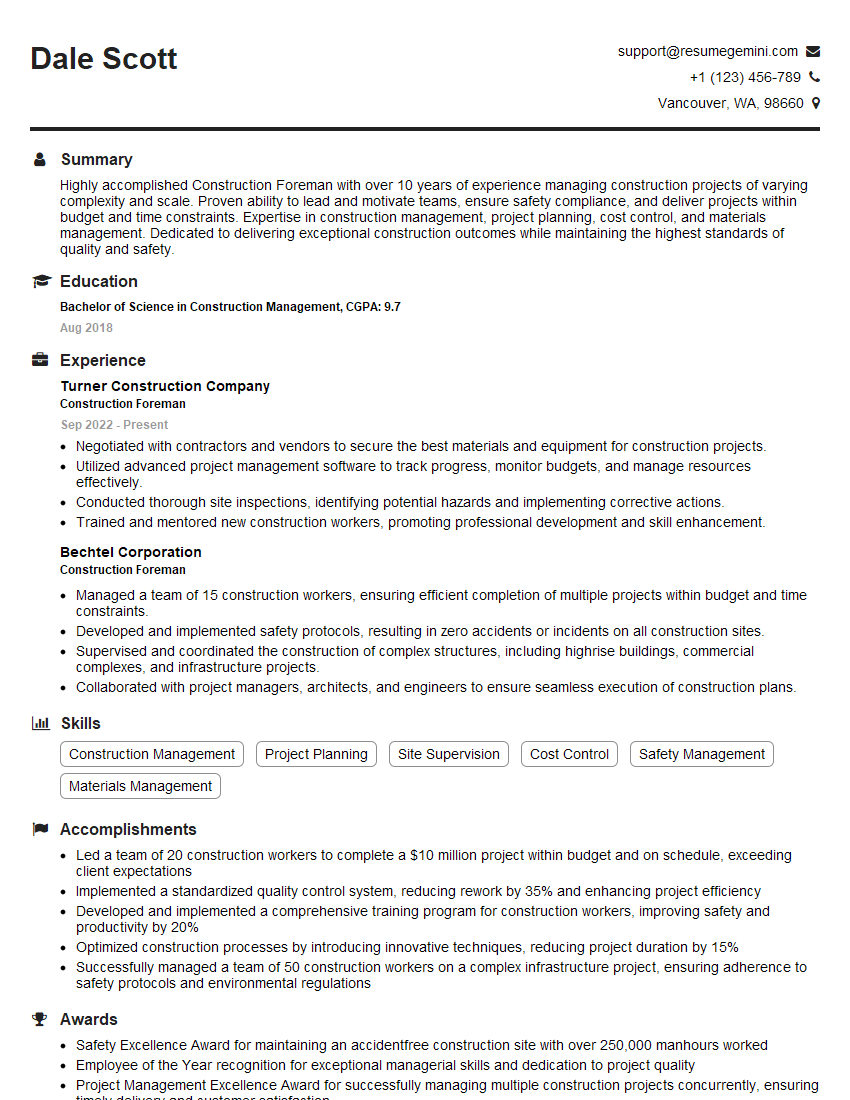
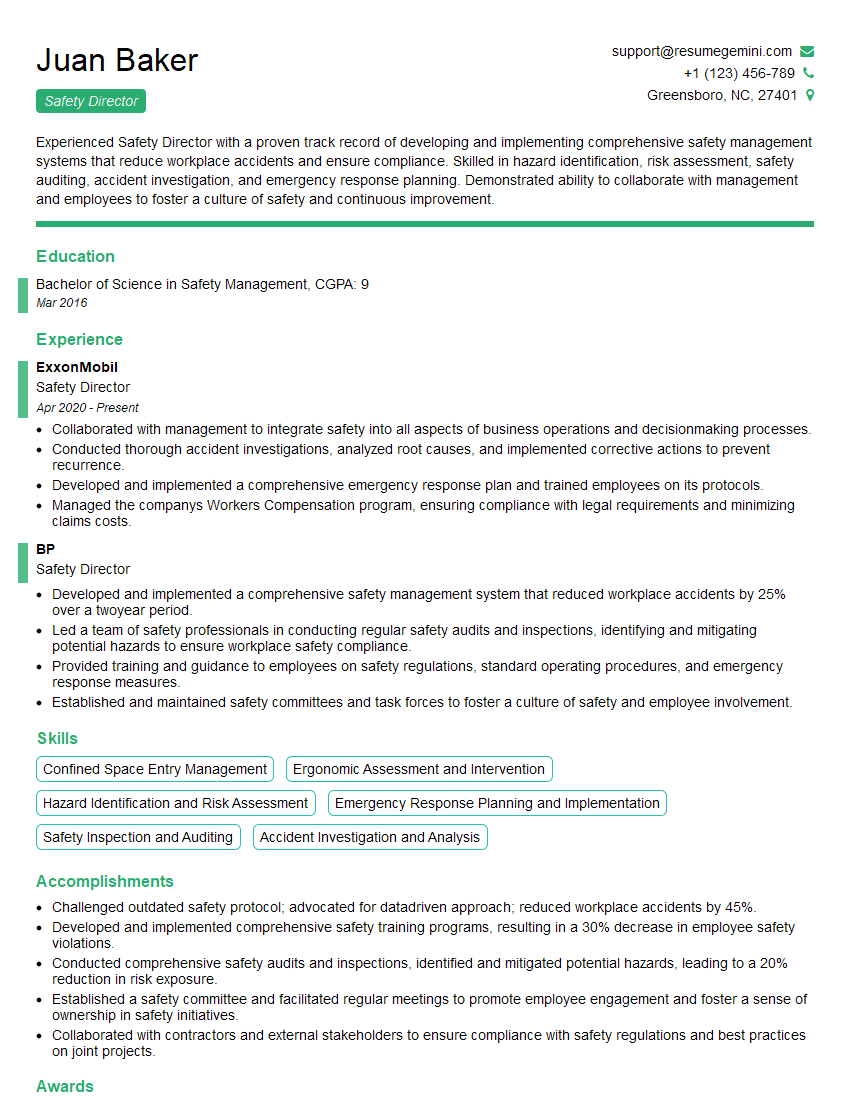
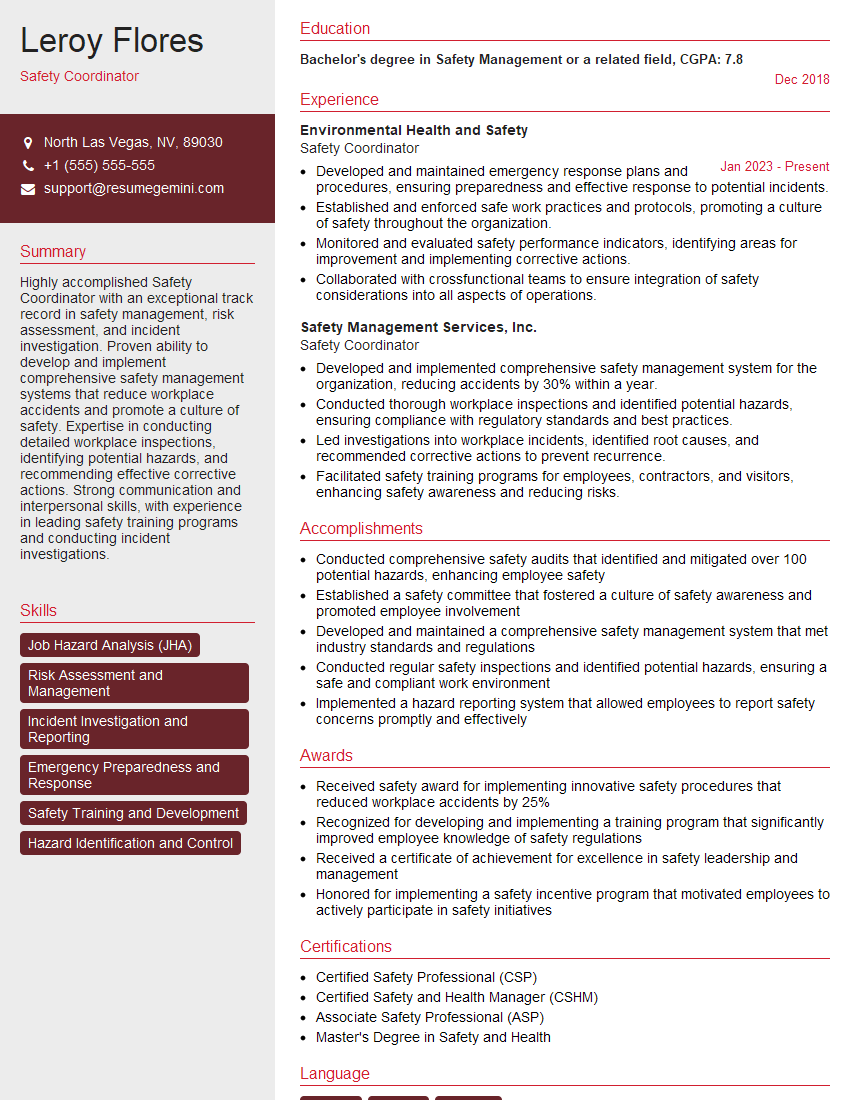
Mastering Masonry OSHA Regulations demonstrates a crucial commitment to safety and professionalism, significantly enhancing your career prospects in the construction industry. A strong understanding of these regulations will set you apart from other candidates and highlight your dedication to workplace safety. To increase your chances of landing your dream job, focus on building an ATS-friendly resume that showcases your skills and experience effectively. ResumeGemini is a trusted resource that can help you create a compelling resume tailored to the specific requirements of the masonry industry. Examples of resumes tailored to Masonry OSHA Regulations are available to guide you through the process.

Explore more articles
Users Rating of Our Blogs
Share Your Experience
We value your feedback! Please rate our content and share your thoughts (optional).
What Readers Say About Our Blog
I Redesigned Spongebob Squarepants and his main characters of my artwork.
https://www.deviantart.com/reimaginesponge/art/Redesigned-Spongebob-characters-1223583608
IT gave me an insight and words to use and be able to think of examples
Hi, I’m Jay, we have a few potential clients that are interested in your services, thought you might be a good fit. I’d love to talk about the details, when do you have time to talk?
Best,
Jay
Founder | CEO