Cracking a skill-specific interview, like one for Fundraising and Outreach, requires understanding the nuances of the role. In this blog, we present the questions you’re most likely to encounter, along with insights into how to answer them effectively. Let’s ensure you’re ready to make a strong impression.
Questions Asked in Fundraising and Outreach Interview
Q 1. Describe your experience with cultivating major donors.
Cultivating major donors is a long-term strategy focused on building deep, meaningful relationships. It’s less about a single ask and more about nurturing a partnership based on shared values and the donor’s philanthropic goals. My approach involves a multi-stage process:
- Identification & Research: I meticulously research potential major donors, understanding their giving history, passions, and philanthropic interests. This goes beyond simply looking at donation amounts; it’s about understanding their motivations and how our organization aligns with their values.
- Personal Connection: I initiate contact through personalized communication, emphasizing a genuine interest in their work and perspectives, not just our organization’s needs. This often involves introductory calls or meetings, rather than immediately requesting a donation.
- Strategic Cultivation: I develop a tailored cultivation plan for each prospect, including invitations to exclusive events, behind-the-scenes tours, or opportunities to meet beneficiaries directly. The goal is to build trust and demonstrate the impact of their potential contribution.
- Stewardship & Recognition: Ongoing communication is crucial. I keep donors regularly updated on the impact of their gifts, showing tangible results and expressing sincere gratitude. This includes personalized thank-you notes, impact reports, and invitations to exclusive events for donors.
For example, I once cultivated a relationship with a successful entrepreneur who was passionate about environmental conservation. After several meetings and site visits, I helped him understand how his donation would specifically contribute to a reforestation project, creating a tangible and meaningful impact that resonated with his values.
Q 2. Explain your process for writing successful grant proposals.
Writing a successful grant proposal involves a clear understanding of the funder’s priorities and a compelling narrative that demonstrates the organization’s ability to achieve its goals. My process is:
- Thorough Research: I meticulously research potential funders, focusing on their mission, funding priorities, and past grant awards. This helps me tailor the proposal to their specific interests and avoid wasting time on unsuitable opportunities.
- Compelling Narrative: The proposal must tell a compelling story that resonates with the funder. This involves clearly defining the problem, outlining the solution, demonstrating the organization’s expertise, and highlighting the expected impact. Strong storytelling is key.
- Strong Budget & Evaluation Plan: A realistic and well-justified budget is essential. The proposal should also include a clear evaluation plan outlining how success will be measured and reported to the funder. This demonstrates accountability and transparency.
- Professional Presentation: The proposal needs to be professionally written, well-organized, and free of grammatical errors. A clean and visually appealing format enhances readability.
- Follow-up & Relationship Building: Following up after submission is crucial. Building a relationship with the program officer can increase the chances of a successful grant award.
For instance, when writing a grant for a community garden project, I focused on the funder’s interest in food security and community development. The proposal highlighted how the garden would address food deserts and empower local residents.
Q 3. How do you measure the success of a fundraising campaign?
Measuring the success of a fundraising campaign requires a multi-faceted approach, going beyond simply looking at the total dollars raised. Key metrics include:
- Total Funds Raised: This is the most straightforward metric, but should be analyzed in context with the campaign’s goals.
- Donor Acquisition: The number of new donors acquired during the campaign provides valuable insight into the campaign’s effectiveness in reaching new audiences.
- Donor Retention: Measuring the percentage of existing donors who contributed indicates the campaign’s success in maintaining loyalty.
- Average Gift Size: Analyzing the average donation amount helps assess the campaign’s ability to secure larger gifts.
- Return on Investment (ROI): This evaluates the campaign’s cost-effectiveness by comparing fundraising expenses to the funds raised.
- Qualitative Feedback: Gathering feedback from donors, volunteers, and staff provides valuable insights into campaign effectiveness and areas for improvement.
For example, in a recent campaign, exceeding the fundraising goal was complemented by a significant increase in new donors, indicating the campaign’s success in attracting a broader audience.
Q 4. What strategies do you use to build strong donor relationships?
Building strong donor relationships requires consistent effort and genuine engagement. My strategies include:
- Personalized Communication: I use personalized thank-you notes, regular updates, and tailored communications to show appreciation and maintain ongoing engagement.
- Regular Contact: I schedule regular check-ins, not just when soliciting donations. This fosters a sense of connection and mutual respect.
- Transparency & Accountability: I provide regular updates on how donations are used and the impact they are making. This builds trust and reinforces the donor’s investment.
- Recognition & Appreciation: I acknowledge and appreciate donor contributions through various methods, such as newsletters, annual reports, or invitations to exclusive events.
- Active Listening: I carefully listen to donor concerns and feedback, demonstrating respect for their perspectives and building a collaborative partnership.
For example, I regularly invite major donors to organization events and provide them with behind-the-scenes access, strengthening our relationship and reinforcing their commitment to our mission.
Q 5. What is your experience with donor databases and CRM systems?
I am proficient in using donor databases and CRM systems to manage donor information, track interactions, and streamline fundraising efforts. My experience encompasses systems such as Raiser’s Edge, DonorPerfect, and Salesforce NPSP. I am skilled in:
- Data Entry & Management: Accurately entering and maintaining donor information, ensuring data integrity and accuracy.
- Reporting & Analysis: Generating reports to track fundraising progress, identify trends, and inform decision-making.
- Segmentation & Targeting: Utilizing database capabilities to segment donors based on various criteria and tailor communication strategies for increased effectiveness.
- Workflow Automation: Implementing automated processes to streamline tasks such as acknowledgement letters, donation receipts, and follow-up communications.
- Data Security & Compliance: Adhering to data privacy regulations and best practices to ensure the security and confidentiality of donor information.
For example, by segmenting our donor base based on giving history and interests, I was able to create targeted email campaigns that resulted in a significant increase in donation conversions.
Q 6. How do you identify and prioritize potential funding sources?
Identifying and prioritizing potential funding sources requires a strategic approach that combines research, networking, and a deep understanding of the organization’s needs. My process involves:
- Researching Foundations & Corporations: I thoroughly research foundations and corporations whose missions align with our organization’s work, focusing on their funding priorities and past grant awards.
- Networking & Relationship Building: Attending industry events, connecting with potential funders online, and cultivating relationships with program officers are crucial for identifying opportunities.
- Analyzing Funding Opportunities: I assess the suitability of each opportunity based on factors such as grant size, eligibility criteria, and reporting requirements.
- Prioritizing Based on Alignment & Feasibility: I prioritize funding sources that are most likely to provide support based on the alignment of our missions and the feasibility of securing funding.
- Developing a Pipeline: I actively maintain a pipeline of prospective funders to ensure a continuous stream of opportunities.
For example, I identified a foundation that prioritized funding projects related to youth development, perfectly aligning with our organization’s work with at-risk youth. This strategic approach led to a successful grant application.
Q 7. Describe your experience with event planning and fundraising events.
I have extensive experience planning and executing successful fundraising events. My approach involves a detailed plan encompassing every stage of the process, from conception to post-event analysis.
- Event Concept & Goal Setting: Defining the event’s purpose, target audience, and fundraising goal are crucial first steps.
- Budget Development & Resource Allocation: Developing a comprehensive budget and securing necessary resources such as venue, catering, and entertainment.
- Marketing & Promotion: Developing a targeted marketing strategy to reach the desired audience and generate excitement for the event.
- Logistics & Operations: Managing all aspects of event logistics, including registration, ticketing, venue setup, and volunteer coordination.
- Post-Event Evaluation: Analyzing the event’s success by tracking key metrics such as attendance, funds raised, and attendee feedback.
For example, I once planned a gala dinner that not only exceeded its fundraising goal but also significantly increased brand awareness and strengthened relationships with major donors. This success was attributed to a meticulously planned strategy, proactive marketing efforts, and a strong volunteer team.
Q 8. How do you manage a fundraising budget effectively?
Effective fundraising budget management hinges on meticulous planning, transparent tracking, and strategic allocation. It’s not just about numbers; it’s about maximizing impact within defined constraints. I start by developing a detailed budget outlining all anticipated expenses – staff salaries, marketing and advertising costs, event expenses, technology, and administrative overhead. This budget is then broken down into smaller, manageable segments aligned with specific fundraising initiatives or campaigns.
For instance, a capital campaign for a new building might have a separate budget line for architectural drawings, construction materials, and marketing efforts. Regular monitoring of expenditures against the budget is crucial. I utilize budgeting software and spreadsheets to track income and expenses in real-time, generating regular reports to identify any variances and take corrective measures. This proactive approach ensures that funds are used efficiently and that we stay on track to achieve fundraising goals. Furthermore, I always build in a contingency fund to account for unexpected expenses, a crucial element for maintaining financial stability.
Q 9. How do you adapt your fundraising strategies to different donor segments?
Adapting fundraising strategies to different donor segments is paramount for maximizing success. It’s about understanding individual motivations and tailoring your communication to resonate with each group. I begin by segmenting donors based on various factors including giving history, demographics, and engagement level. For example, major gift donors – those who consistently give large amounts – require a highly personalized approach, often involving face-to-face meetings and bespoke proposals highlighting the long-term impact of their contribution. This might involve presenting a detailed case for support emphasizing the direct results of their generosity.
Conversely, smaller individual donors might be more responsive to online appeals or social media campaigns that emphasize community engagement and shared impact. I might employ storytelling and emotionally resonant imagery to connect with these donors and demonstrate the broad reach of their contributions. Finally, for corporate donors, I tailor proposals to align with their CSR goals, emphasizing potential benefits for their brand and employee engagement. The key is to offer value and demonstrate how a donation directly contributes to the donor’s own interests and values.
Q 10. What is your experience with online fundraising and social media outreach?
Online fundraising and social media outreach are integral to contemporary fundraising strategies. I have extensive experience leveraging various online platforms and social media channels to connect with potential donors and cultivate relationships. For example, I’ve successfully implemented crowdfunding campaigns on platforms like GoFundMe and Kickstarter, utilizing compelling storytelling, clear project goals, and regular updates to encourage donations. I am proficient in using social media platforms like Facebook, Instagram, and Twitter to build community, share impact stories, and drive online donations through targeted advertising campaigns.
Furthermore, I have experience managing email marketing campaigns to cultivate donor relationships and solicit donations, utilizing segmentation and A/B testing to optimize engagement. Data analytics plays a critical role in tracking campaign performance, analyzing donor demographics and behavior, and refining strategies for better results. Successful campaigns often involve building a strong online presence, crafting high-quality content, and deploying targeted advertising strategies.
Q 11. Describe a time you had to overcome a challenge in a fundraising campaign.
During a capital campaign for a local hospital, we faced a significant challenge when a major donor unexpectedly withdrew their pledged donation, creating a substantial funding shortfall. This created a crisis, threatening to delay the project and damage the campaign’s momentum. To overcome this challenge, we immediately convened a meeting of the campaign leadership team to reassess the situation and develop a contingency plan. This involved identifying alternative funding sources, adjusting the campaign timeline, and recalibrating our messaging to focus on the urgency of the situation and the impact of even small donations.
We implemented a multi-pronged approach, including a targeted email campaign to existing donors, a revised social media strategy highlighting the impact of the shortfall and the community’s support, and a renewed outreach effort to potential corporate sponsors. This proactive response, combined with transparent communication, not only helped us secure the remaining funds but also strengthened our relationship with our donors and solidified the campaign’s success. The experience reinforced the importance of proactive risk management and crisis communication in fundraising.
Q 12. How do you track and report on fundraising progress?
Tracking and reporting fundraising progress is essential for measuring success, identifying areas for improvement, and ensuring accountability. I employ a robust system for tracking donations, using a combination of CRM software (Customer Relationship Management), spreadsheets, and online donation platforms. This system allows for real-time monitoring of income, expenses, and donor engagement. I create regular progress reports that include key metrics such as total donations received, number of new donors, average donation size, and the percentage of the fundraising goal achieved.
These reports are not just numerical; they also include qualitative data such as feedback from donors and success stories that demonstrate the impact of the campaign. These reports are shared with stakeholders to ensure transparency and accountability, fostering trust and reinforcing the value of the fundraising effort. Visual aids like charts and graphs make the data easier to understand and allow for a clear presentation of progress.
Q 13. What are some ethical considerations in fundraising?
Ethical considerations are paramount in fundraising. Maintaining transparency and honesty in all communications is crucial. This includes clearly stating the purpose of the fundraising, how donations will be used, and providing regular updates on progress. It’s essential to avoid misleading or deceptive language and to protect donor privacy. Overpromising or exaggerating the impact of donations undermines trust and damages the organization’s reputation.
Furthermore, ensuring that funds are used responsibly and efficiently, in accordance with the stated purpose, is critical. Any conflicts of interest must be avoided, and the organization should comply with all relevant regulations and laws governing charitable donations. Donor information should be protected and used only for the stated purpose of the fundraising campaign, adhering to strict data privacy protocols.
Q 14. How do you build rapport with potential donors?
Building rapport with potential donors involves cultivating genuine relationships built on trust and mutual respect. It’s about understanding their motivations and values, and demonstrating how your organization aligns with their interests. I begin by listening attentively to their concerns and aspirations, asking thoughtful questions to understand their philanthropic goals. This active listening is crucial for building trust and demonstrating genuine interest.
I then tailor my communication to resonate with their individual preferences, sharing compelling stories that illustrate the impact of their potential contribution. Regular updates and feedback are important for maintaining engagement and demonstrating the organization’s accountability. Building a strong personal connection through authentic communication, showing genuine appreciation for their support, and consistently demonstrating the impact of their generosity will strengthen the relationship and lead to long-term engagement.
Q 15. How do you handle difficult donor interactions?
Handling difficult donor interactions requires empathy, patience, and strong communication skills. It’s crucial to remember that donors are individuals with varied motivations and experiences. My approach focuses on active listening, understanding their concerns, and finding common ground.
For instance, if a donor expresses dissatisfaction with how their donation was used, I would start by acknowledging their feelings and thanking them for their feedback. Then, I would calmly explain our processes, perhaps providing specific examples of how their contribution impacted our mission. If there’s a genuine misunderstanding, I would offer a sincere apology and work towards a resolution that addresses their concerns. If the issue is beyond immediate resolution, I’d outline a plan for follow-up and keep them informed every step of the way. This approach fosters trust and can turn a negative interaction into a positive one, strengthening the donor relationship over time. Sometimes, a difficult interaction might require bringing in a senior member of the team for a second opinion.
Career Expert Tips:
- Ace those interviews! Prepare effectively by reviewing the Top 50 Most Common Interview Questions on ResumeGemini.
- Navigate your job search with confidence! Explore a wide range of Career Tips on ResumeGemini. Learn about common challenges and recommendations to overcome them.
- Craft the perfect resume! Master the Art of Resume Writing with ResumeGemini’s guide. Showcase your unique qualifications and achievements effectively.
- Don’t miss out on holiday savings! Build your dream resume with ResumeGemini’s ATS optimized templates.
Q 16. What is your experience with prospect research?
Prospect research is the cornerstone of successful fundraising. It involves identifying, researching, and evaluating potential donors based on their capacity, affinity, and inclination to give. My experience encompasses utilizing various resources, from online databases like GuideStar and WealthEngine to conducting manual research through news articles, social media, and networking events. I’m adept at analyzing individuals’ giving history, philanthropic interests, and connections to our organization to gauge their potential for major gifts.
For example, I recently researched a potential donor with a strong interest in environmental conservation. By examining their past donations and public statements, I identified a shared passion for protecting endangered species. This insight informed my communication strategy, allowing me to craft a compelling proposal that resonated deeply with their values, leading to a significant contribution. The process often involves developing detailed profiles for each prospect, including personal information (always obtained ethically and in accordance with privacy laws), philanthropic interests, wealth indicators, and potential giving levels.
Q 17. How do you maintain accurate records of donor contributions?
Maintaining accurate donor records is paramount for transparency, accountability, and effective stewardship. I utilize a comprehensive database system, typically a Customer Relationship Management (CRM) software like Raiser’s Edge or DonorPerfect. These systems allow for detailed tracking of donations, pledges, communications, and donor interactions. Data entry is always double-checked for accuracy, and regular audits are conducted to ensure data integrity. We adhere strictly to data privacy regulations, ensuring all donor information is handled confidentially and securely.
For example, every donation is recorded with details including the date, amount, method of payment, designation (if any), and any associated communication. This allows us to generate accurate reports for financial statements, donor acknowledgements, and fundraising campaign analysis. Regular data cleaning and updates ensure the information remains relevant and actionable. The CRM system also helps automate acknowledgement letters and other communications, reducing manual effort and ensuring timely interactions with our donors.
Q 18. What are your preferred methods for communicating with donors?
My preferred methods for communicating with donors are multifaceted and tailored to individual preferences and the context of the interaction. While email remains a staple for updates and general communication, I also utilize personalized phone calls, direct mail letters, and social media engagement where appropriate. The key is to build relationships. I find that personal interactions, even brief ones, are valuable for building rapport and demonstrating gratitude. A carefully crafted handwritten note can convey more genuine appreciation than a generic email.
For example, for major gift prospects, I prioritize personalized phone calls or in-person meetings to build trust and discuss their philanthropic goals in detail. For regular donors, a carefully timed email update on program successes can be very effective. Social media platforms are used to share stories and build community among supporters. Always remember to offer multiple channels of communication so donors can engage in ways comfortable for them.
Q 19. How do you stay up-to-date on best practices in fundraising?
Staying current on best practices in fundraising requires continuous learning and engagement with the field. I regularly attend industry conferences and webinars, subscribe to relevant publications like the Fundraising Success magazine and Nonprofit Quarterly, and actively participate in professional organizations such as the Association of Fundraising Professionals (AFP). I actively network with other fundraisers, exchange ideas, and seek feedback on my work.
Furthermore, I utilize online resources, research current trends in technology and donor behavior, and actively seek opportunities to enhance my skills and knowledge. I actively follow experts and thought leaders in the fundraising industry through podcasts and online courses. This combination of formal learning and ongoing professional development ensures I remain informed of the latest innovations and best practices.
Q 20. What software or tools do you use for fundraising?
The software and tools I utilize for fundraising are essential to my effectiveness. My primary tool is a CRM (Customer Relationship Management) system, usually Raiser’s Edge or DonorPerfect, which allows for comprehensive donor data management, gift tracking, and reporting. In addition, I use email marketing platforms like Mailchimp or Constant Contact for targeted communication campaigns. For grant writing and proposal development, I may use Microsoft Word and Excel, in conjunction with tools for creating compelling visuals like Canva.
Moreover, I utilize online research databases like GuideStar and WealthEngine for prospect research. Project management tools, such as Asana or Trello, help organize and track multiple fundraising initiatives simultaneously. These tools integrate and contribute to a streamlined workflow ensuring efficiency and data accuracy across all fundraising activities.
Q 21. Describe your experience with creating compelling fundraising materials.
Creating compelling fundraising materials requires a deep understanding of the target audience and the organization’s mission. I strive to create materials that are visually engaging, emotionally resonant, and clearly communicate the impact of donations. This involves using storytelling techniques to highlight the organization’s successes and the needs it addresses. Data visualization is often used to show the tangible results of past donations and the potential impact of future gifts.
For example, in creating a fundraising brochure, I would start by defining the key message and target audience. Then, I would select compelling visuals, write concise and impactful text, and incorporate testimonials from beneficiaries. The layout should be clean and easy to navigate, emphasizing the organization’s mission and the opportunity for donors to make a difference. I always test the materials, often using A/B testing to see which version performs better before sending it to a broader audience. Testing ensures the materials effectively connect with the audience and achieve their intended goals.
Q 22. How do you assess the feasibility of a new fundraising initiative?
Assessing the feasibility of a new fundraising initiative involves a thorough evaluation of its potential for success. This isn’t just about generating excitement; it’s about a realistic assessment of whether the initiative aligns with the organization’s mission, capacity, and target audience. I approach this in a structured way, using a framework that considers several key factors.
- Market Research: Understanding the current landscape. Are there similar initiatives already in place? What’s the competitive environment? Who is our ideal donor? What are their giving patterns and preferences?
- Resource Assessment: Do we have the internal staff and resources to manage this initiative? This includes time, personnel, technology, and marketing materials. We need to be realistic; if we’re short-staffed, a new major initiative could be overwhelming.
- Cost-Benefit Analysis: What are the anticipated costs of launching and maintaining this initiative (e.g., marketing, event planning, personnel time)? What is the potential return on investment? Will the funds raised outweigh the expenditures?
- Risk Assessment: What are the potential challenges or obstacles we might face? For instance, economic downturns, competing charities, or logistical problems. Having contingency plans for these risks is crucial.
- Pilot Testing (if possible): Before a full-scale launch, a small-scale pilot test can help validate assumptions and identify any unforeseen problems. This minimizes risks and allows adjustments based on real-world results. For example, a small-scale test of a new online fundraising platform allows us to see how it works before committing substantial resources.
By carefully considering these factors, I create a comprehensive feasibility report. This report guides decisions, ensures responsible resource allocation, and enhances the likelihood of a successful fundraising initiative.
Q 23. Explain your understanding of different fundraising models.
Fundraising models are diverse, each with its own approach and target audience. They can be categorized in several ways, but I often consider them based on their primary funding source and methods. Here are some key examples:
- Individual Giving: This involves soliciting donations from individuals, either through direct mail, online platforms, events, or peer-to-peer campaigns. It’s often the largest source of income for many nonprofits.
- Major Gifts: This focuses on securing large donations from high-net-worth individuals or foundations. It involves building strong relationships with these donors and understanding their philanthropic interests.
- Corporate Sponsorships: Engaging businesses to support the organization’s work in exchange for branding opportunities or recognition. This often involves aligning corporate social responsibility initiatives with the organization’s mission.
- Grantmaking: Seeking funding from foundations, government agencies, or corporations through competitive grant applications. This requires strong proposals that demonstrate the impact and feasibility of the project.
- Crowdfunding: Utilizing online platforms to raise smaller donations from a large number of people. It’s effective for building awareness and community engagement.
- Planned Giving: Encouraging individuals to include the organization in their estate plans through bequests or charitable trusts. This ensures long-term sustainability.
The best model, or a combination of models, depends on the organization’s mission, capacity, and target audience. For example, a small environmental group might rely heavily on crowdfunding and individual donations, while a large hospital might prioritize major gifts and grantmaking.
Q 24. What metrics do you use to evaluate the ROI of fundraising efforts?
Measuring the ROI of fundraising efforts requires a multi-faceted approach, going beyond simply looking at the total amount raised. It’s about understanding the efficiency and effectiveness of our strategies. Key metrics I use include:
- Cost per Acquisition (CPA): The cost of acquiring a new donor. A lower CPA indicates greater efficiency.
- Donor Retention Rate: The percentage of donors who make repeat donations. High retention demonstrates strong donor relationships.
- Average Gift Size: The average donation amount received. Increasing the average gift size boosts overall fundraising income.
- Fundraising Efficiency Ratio: The percentage of funds raised that are available for programs after covering fundraising expenses. A higher ratio indicates better cost management.
- Return on Investment (ROI): This requires comparing the net funds raised (after deducting fundraising costs) to the total amount spent on fundraising activities. A positive ROI indicates a successful campaign.
- Conversion Rate: The percentage of individuals exposed to a fundraising campaign who actually donate. A higher rate signifies effective communication and messaging.
It’s crucial to track these metrics over time and compare performance across different campaigns. This data allows for continuous improvement and optimization of fundraising strategies.
Q 25. How do you ensure compliance with regulations in fundraising?
Compliance in fundraising is paramount. It protects the organization’s reputation, maintains donor trust, and avoids legal penalties. My approach to ensuring compliance is proactive and comprehensive.
- Staying Updated on Regulations: I regularly review and understand federal, state, and local regulations related to charitable solicitations, tax-exempt status, and donor privacy. This includes staying informed about changes in laws and best practices.
- Developing Clear Policies and Procedures: We have internal policies and procedures that govern all aspects of fundraising, including donor data management, financial record-keeping, and solicitation practices. These are regularly reviewed and updated to align with legal requirements.
- Data Security and Privacy: Donor information is handled with utmost care and protected in accordance with privacy laws, such as GDPR and CCPA. We have robust security measures to safeguard sensitive data.
- Transparency and Disclosure: All fundraising materials are clear, accurate, and transparent about how donations will be used. We provide donors with information about our financial health and program impact.
- Regular Audits and Reviews: We conduct regular internal and external audits to verify our compliance with all relevant regulations and to identify areas for improvement.
Compliance isn’t merely a box to tick; it’s fundamental to building and maintaining trust with donors and the broader community. By prioritizing compliance, we strengthen the organization’s ethical foundation and enhance long-term sustainability.
Q 26. What is your experience with developing and implementing a fundraising plan?
I have extensive experience in developing and implementing comprehensive fundraising plans. My approach typically involves these key steps:
- Needs Assessment: This involves identifying the organization’s funding needs and prioritizing its fundraising goals. This often involves collaborating with program staff and leadership to understand their objectives and budget requirements.
- Target Audience Identification: Who are our potential donors? We define specific donor segments based on demographics, giving history, and philanthropic interests.
- Strategy Development: Based on the needs assessment and target audience analysis, we develop a strategic fundraising plan that outlines the specific fundraising methods, timelines, budgets, and key performance indicators (KPIs). This plan might include a mix of major gifts, corporate sponsorships, grant applications, and other initiatives.
- Implementation: This involves putting the plan into action. This could include executing marketing campaigns, organizing fundraising events, writing grant proposals, and cultivating relationships with donors.
- Monitoring and Evaluation: We closely monitor progress against the KPIs outlined in the plan and make adjustments as needed. This includes tracking donations, expenses, and other relevant metrics. Regular reporting provides insights into performance and identifies areas for improvement.
- Reporting and Communication: Regular reports on fundraising progress are shared with stakeholders to ensure transparency and accountability.
For example, in a previous role, I led the development of a multi-year fundraising plan that resulted in a 30% increase in annual donations. This involved a combination of improved donor cultivation, a new major gifts program, and enhanced online fundraising strategies.
Q 27. How do you integrate fundraising with the overall organizational strategy?
Fundraising isn’t an isolated function; it’s intrinsically linked to the overall organizational strategy. It’s not just about raising money; it’s about aligning fundraising efforts with the organization’s mission, goals, and long-term sustainability. To effectively integrate fundraising, I follow this approach:
- Strategic Alignment: The fundraising plan must be directly aligned with the organization’s strategic plan. This ensures that fundraising efforts support the organization’s core mission and program goals. We need to ensure that raised funds truly advance our mission.
- Collaboration and Communication: Fundraising requires seamless collaboration with all departments within the organization. Regular communication ensures that everyone understands the fundraising goals and how their work contributes to the overall success.
- Resource Allocation: Fundraising resources, including staff time, technology, and marketing materials, must be strategically allocated to maximize their impact. This involves prioritizing initiatives based on their potential to generate revenue and support the organization’s strategic priorities.
- Impact Measurement: Tracking the impact of fundraising efforts on the organization’s programs and services is crucial. This data provides evidence of the effectiveness of our fundraising work and strengthens our case for future support.
- Donor Engagement: Building relationships with donors is a continuous process. It involves providing them with regular updates on the organization’s activities and demonstrating the impact of their contributions. This not only secures ongoing support but also encourages increased giving over time.
Essentially, fundraising becomes an integral part of the organization’s operations, ensuring that resources are available to fulfill its mission and achieve its strategic objectives.
Q 28. Describe your experience with securing corporate sponsorships.
Securing corporate sponsorships requires a strategic and relationship-driven approach. It’s not about simply asking for money; it’s about building mutually beneficial partnerships.
- Identifying Potential Sponsors: We identify corporations whose values align with our organization’s mission and whose target audience overlaps with ours. Industry research and networking events are crucial here.
- Developing Compelling Proposals: The proposal needs to showcase the value proposition for the sponsor. This means clearly articulating how the sponsorship will benefit the corporation (e.g., brand building, employee engagement, community relations) while supporting our organization’s work.
- Building Relationships: This is crucial. We engage in proactive outreach to build relationships with key decision-makers within potential sponsor companies. This might involve attending industry events, participating in networking opportunities, or initiating direct contact.
- Offering Diverse Sponsorship Packages: We offer a range of sponsorship packages, each tailored to different budget levels and corporate needs. This could include branding opportunities, event sponsorships, product placement, and employee volunteer programs.
- Tracking and Reporting: We monitor the impact of sponsorships and provide sponsors with regular reports on their return on investment. This helps build trust and maintain strong relationships.
For example, in a previous role, I secured a six-figure sponsorship from a major technology company by aligning their commitment to environmental sustainability with our organization’s reforestation project. This involved crafting a comprehensive proposal highlighting the mutual benefits and establishing a strong relationship with the company’s CSR team.
Key Topics to Learn for Fundraising and Outreach Interview
- Donor Research & Segmentation: Understanding different donor profiles, their motivations, and crafting tailored communication strategies.
- Fundraising Strategies & Planning: Developing comprehensive fundraising plans, setting realistic goals, and managing budgets effectively. Practical application: Developing a budget proposal for a specific fundraising campaign.
- Grant Writing & Proposal Development: Mastering the art of persuasive grant writing, aligning proposals with funder priorities, and effectively showcasing impact.
- Major Gift Cultivation & Stewardship: Building strong relationships with major donors, cultivating their engagement, and ensuring their continued support. Practical application: Developing a stewardship plan for a significant donor.
- Outreach & Communication Channels: Utilizing various communication methods (email, social media, events) to engage diverse audiences and maximize reach. Practical application: Creating a social media campaign to promote a fundraising event.
- Data Analysis & Reporting: Tracking key metrics, analyzing fundraising data, and reporting on campaign progress and ROI. Practical application: Interpreting fundraising data to inform future strategy adjustments.
- Compliance & Ethics in Fundraising: Understanding and adhering to legal and ethical guidelines in fundraising practices.
- Fundraising Technology & CRM Systems: Proficiency in using donor management systems (e.g., Raiser’s Edge) to efficiently manage donor data and track fundraising activities.
- Building & Managing Relationships: Cultivating authentic relationships with donors, volunteers, and stakeholders to build trust and foster long-term support. Practical application: Handling objections and concerns raised by potential donors.
- Storytelling & Impact Communication: Effectively communicating the impact of the organization’s work to inspire donor engagement.
Next Steps
Mastering fundraising and outreach is crucial for a thriving career in the non-profit sector and beyond. It opens doors to impactful work, leadership opportunities, and a fulfilling career path. To maximize your job prospects, create an ATS-friendly resume that highlights your skills and experience effectively. We strongly encourage you to use ResumeGemini, a trusted resource, to build a professional and compelling resume. ResumeGemini provides examples of resumes tailored to Fundraising and Outreach roles to help you get started. Invest time in crafting a strong resume; it’s your first impression on potential employers.
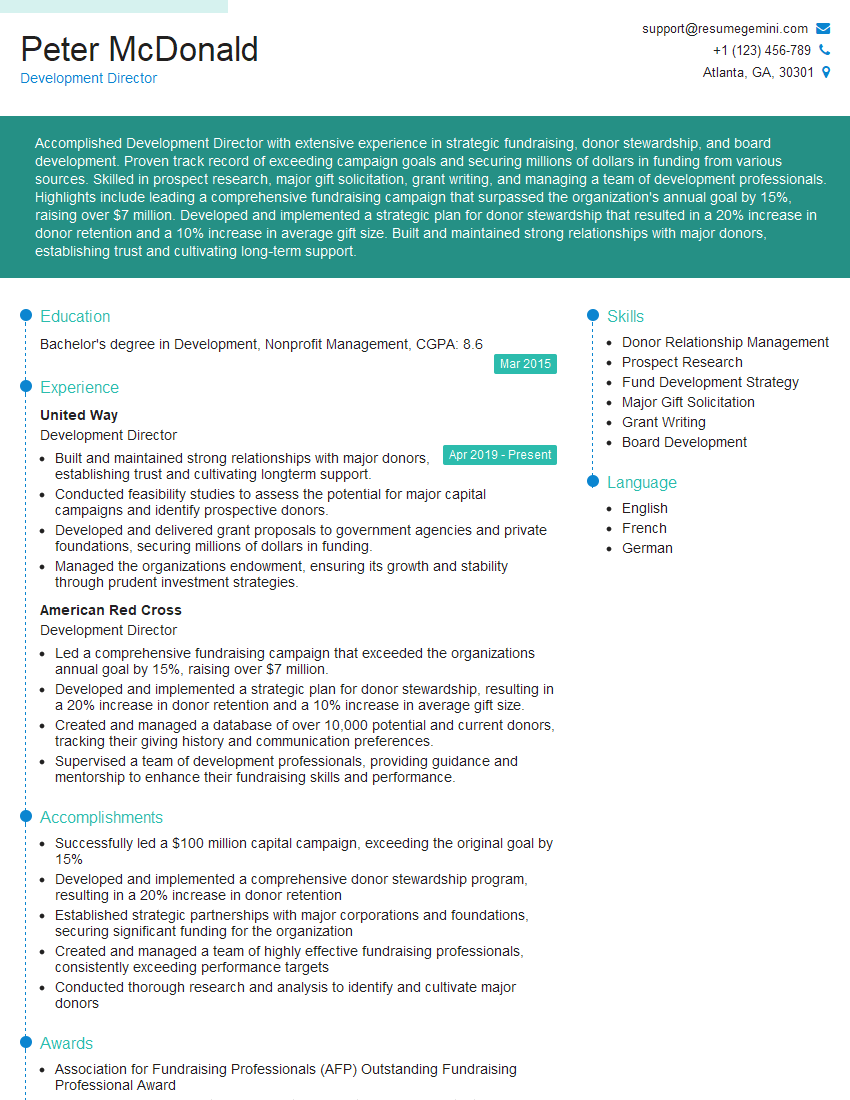
Development Director Resume Sample
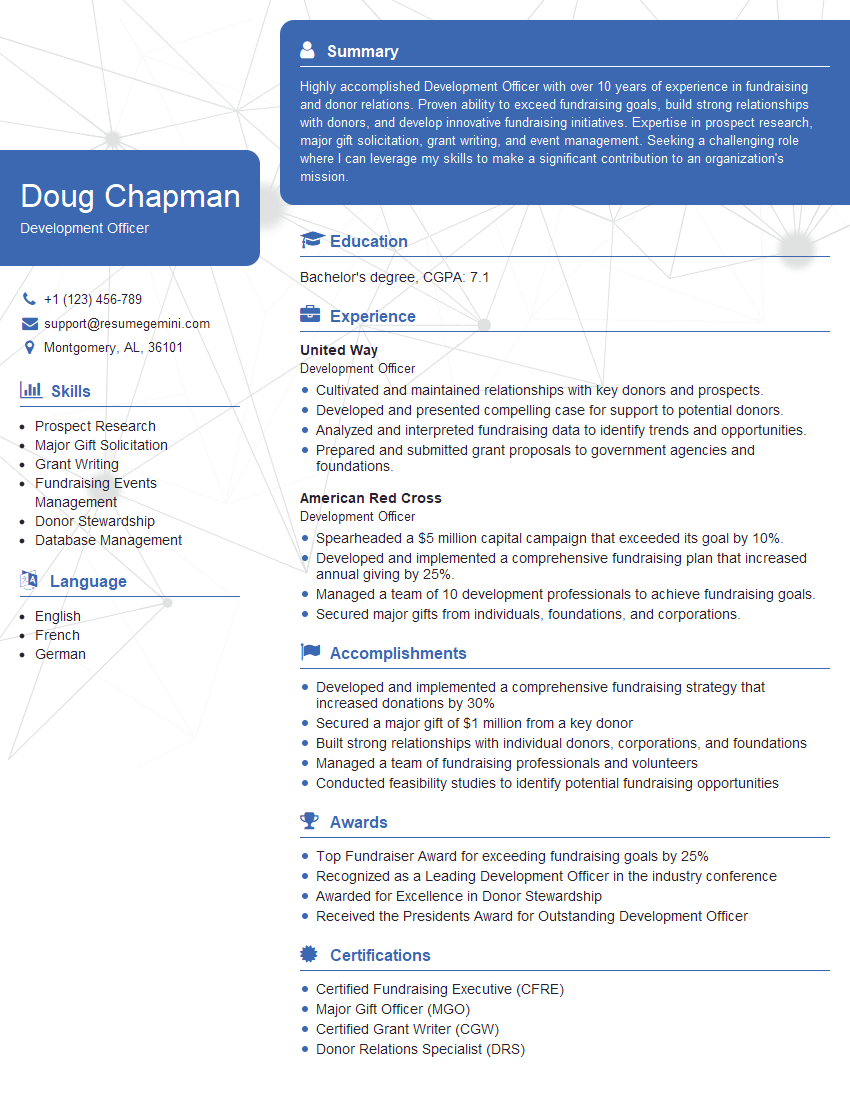
Development Officer Resume Sample
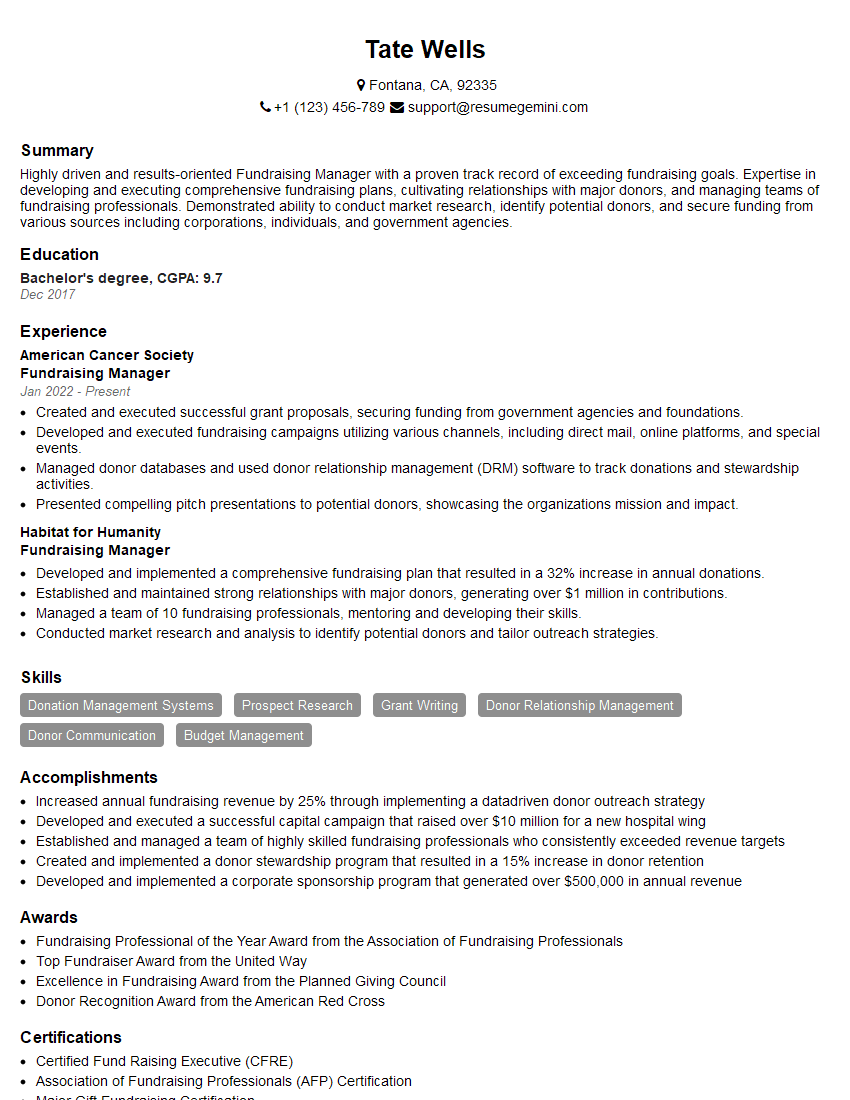
Fundraising Manager Resume Sample
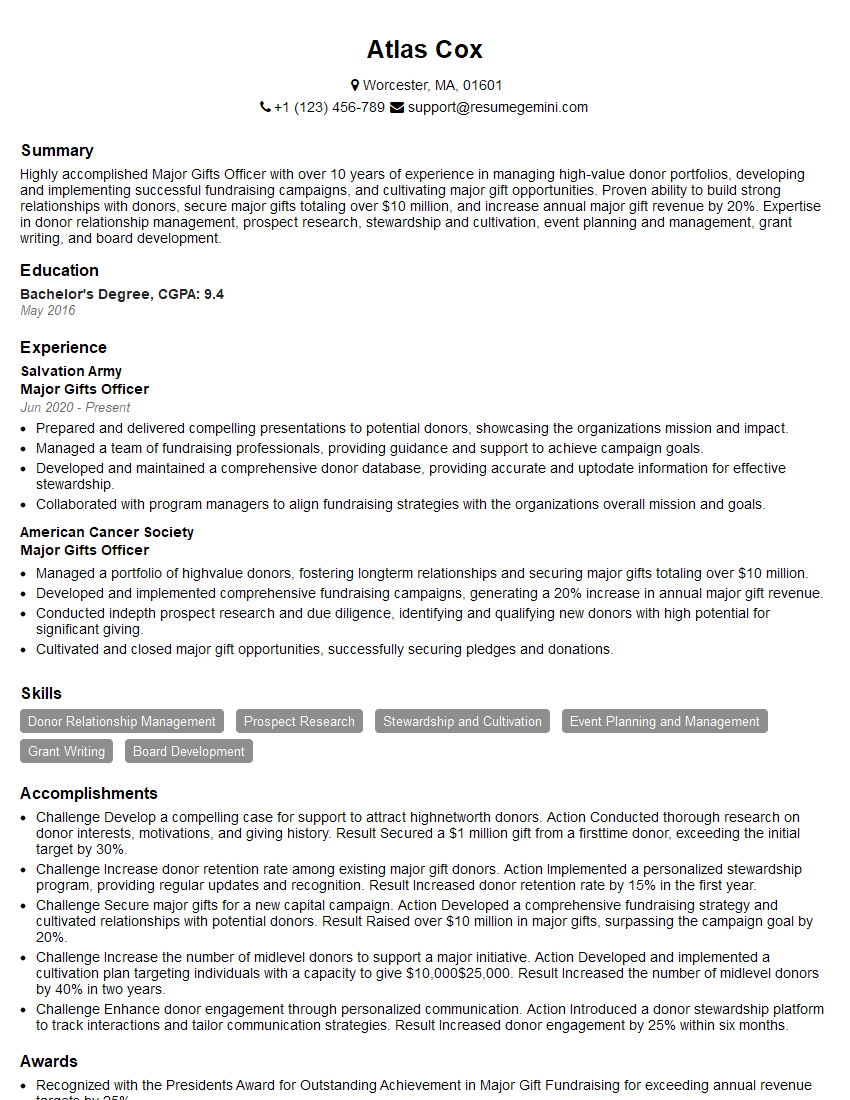
Major Gifts Officer Resume Sample
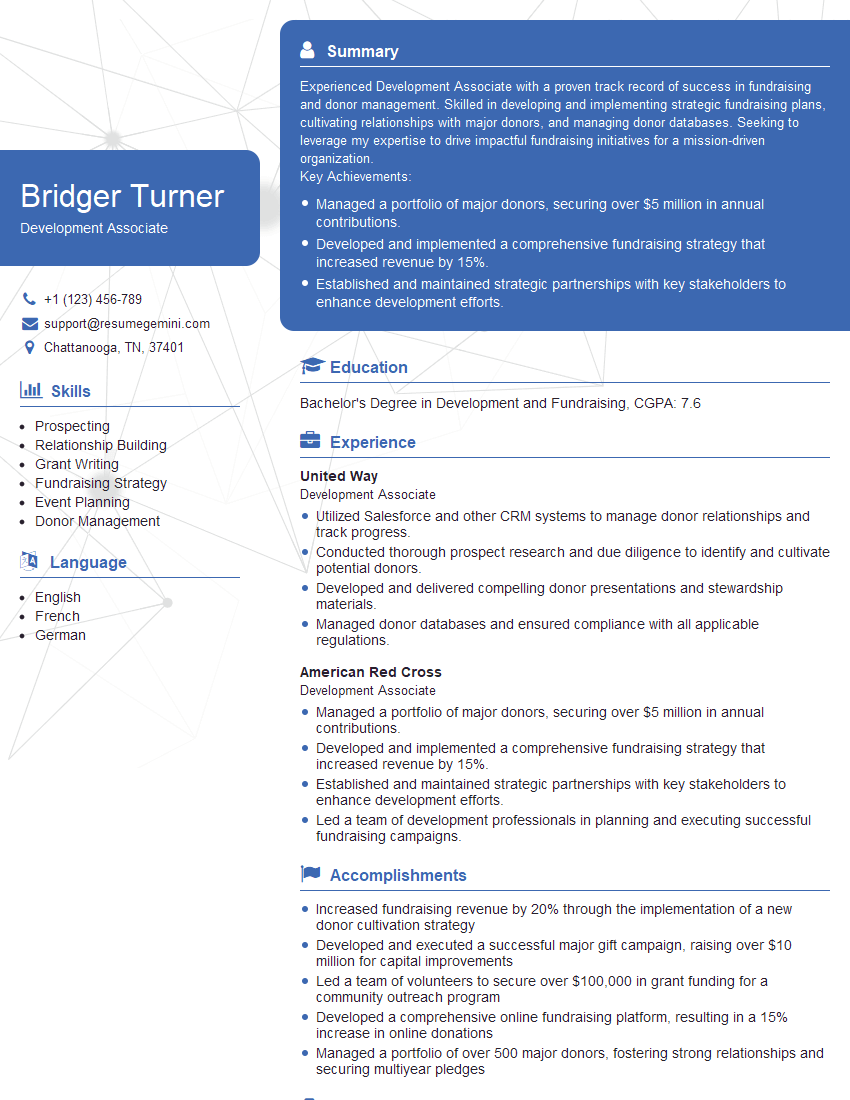
Development Associate Resume Sample
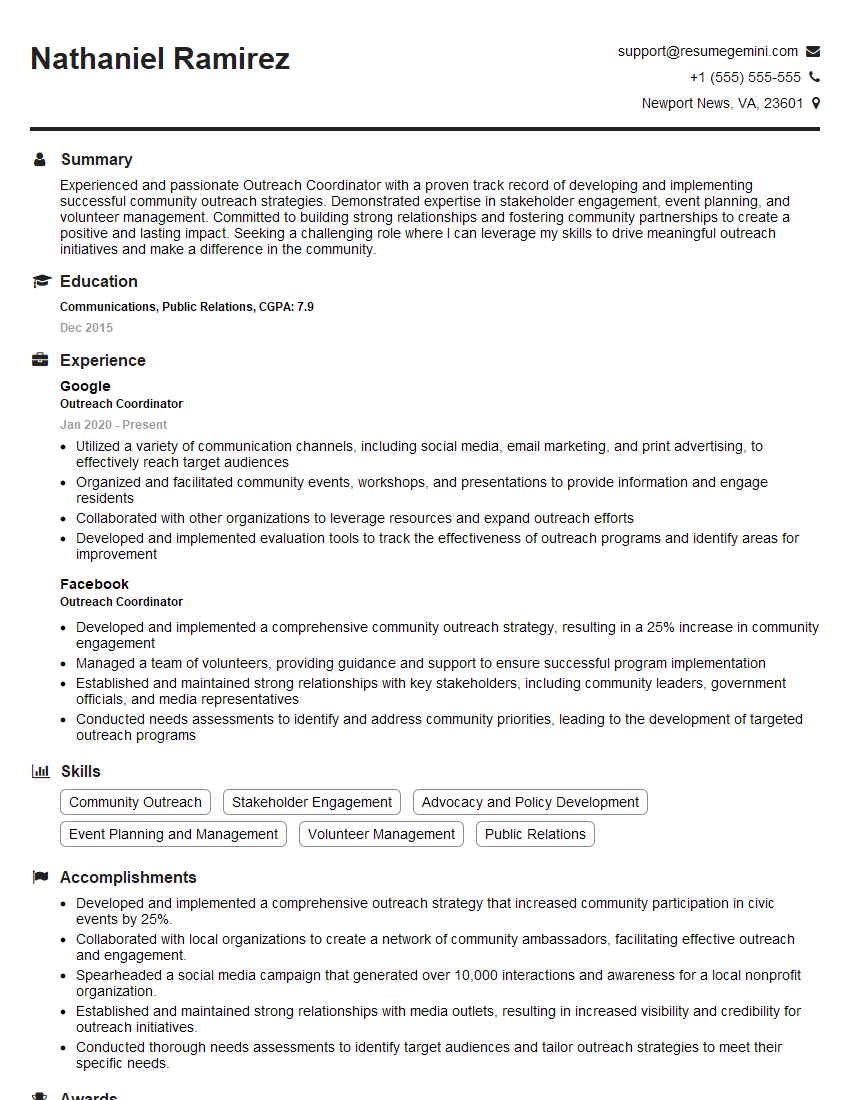
Outreach Coordinator Resume Sample
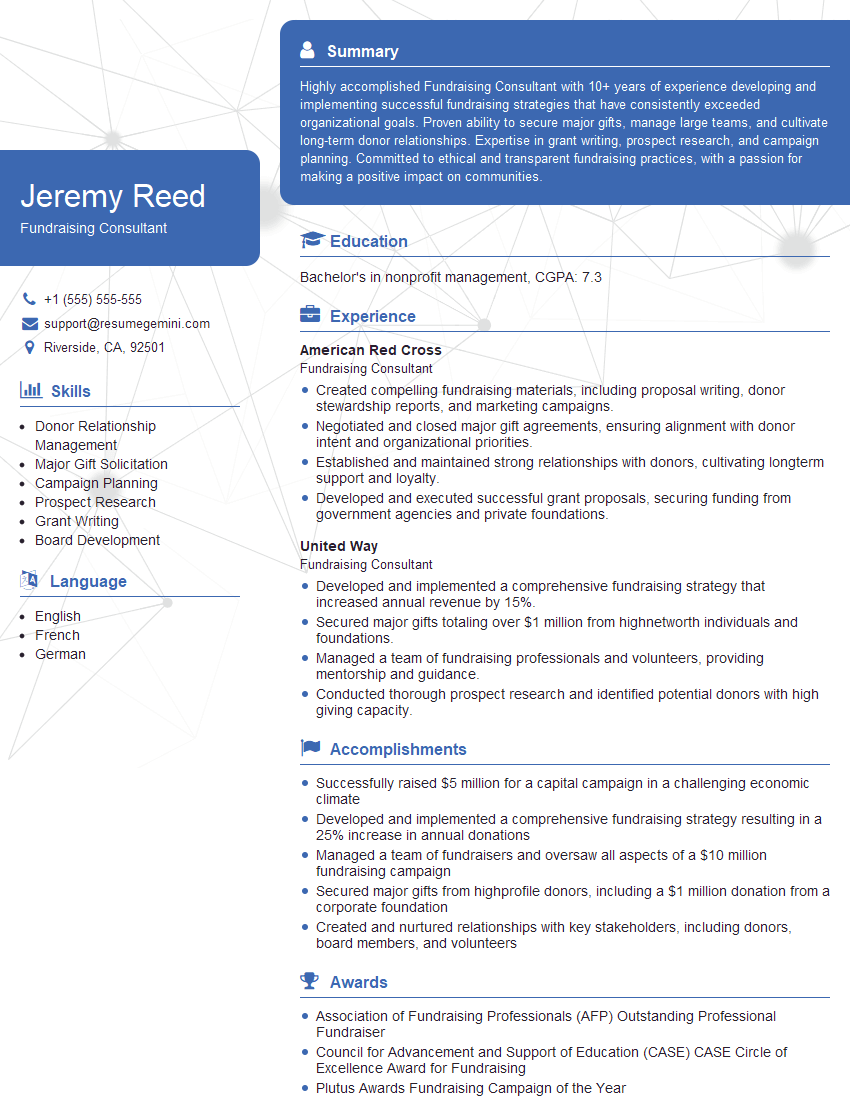
Fundraising Consultant Resume Sample
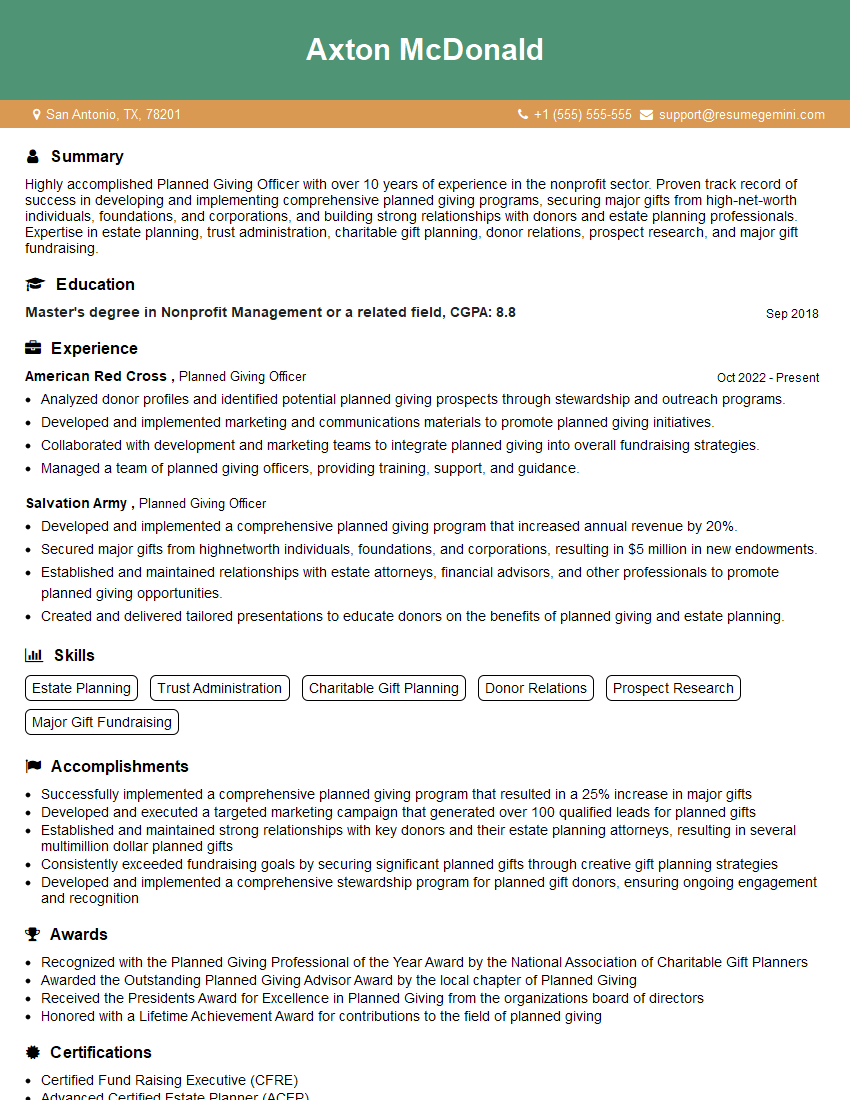
Planned Giving Officer Resume Sample
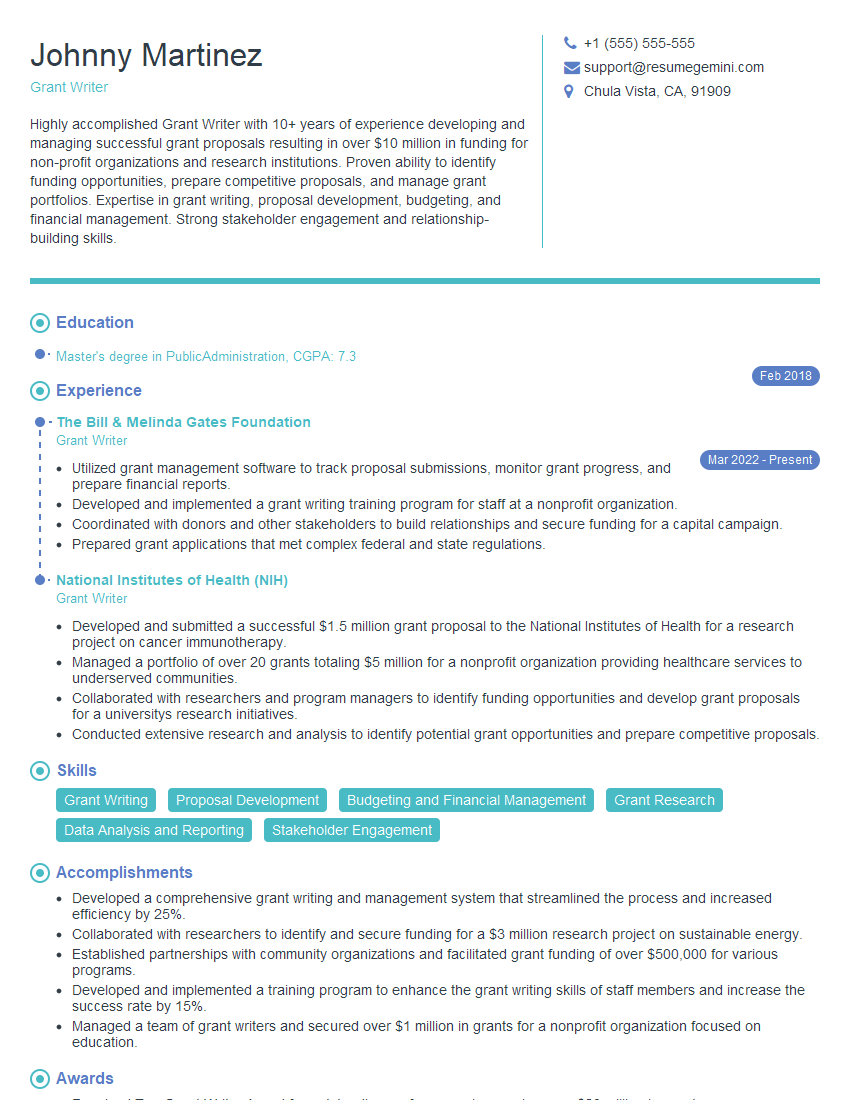
Grant Writer Resume Sample

Outreach Specialist Resume Sample
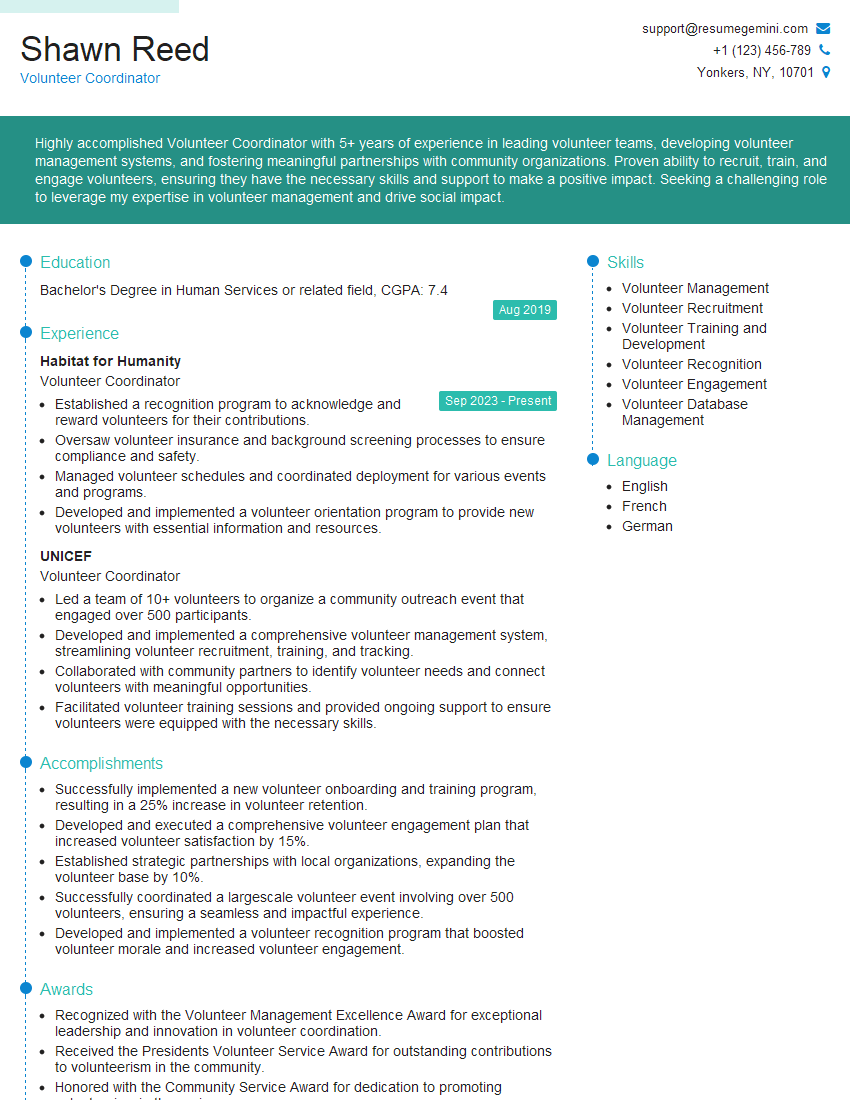
Volunteer Coordinator Resume Sample
Explore more articles
Users Rating of Our Blogs
Share Your Experience
We value your feedback! Please rate our content and share your thoughts (optional).
What Readers Say About Our Blog
I Redesigned Spongebob Squarepants and his main characters of my artwork.
https://www.deviantart.com/reimaginesponge/art/Redesigned-Spongebob-characters-1223583608
IT gave me an insight and words to use and be able to think of examples
Hi, I’m Jay, we have a few potential clients that are interested in your services, thought you might be a good fit. I’d love to talk about the details, when do you have time to talk?
Best,
Jay
Founder | CEO