The right preparation can turn an interview into an opportunity to showcase your expertise. This guide to Operating Mailroom Equipment interview questions is your ultimate resource, providing key insights and tips to help you ace your responses and stand out as a top candidate.
Questions Asked in Operating Mailroom Equipment Interview
Q 1. Describe your experience operating various mailroom machines (e.g., inserters, folders, sealers).
My experience encompasses a wide range of mailroom equipment, including high-speed inserters, various folder models (from simple letter folders to complex booklet makers), and different types of sealers (both envelope sealers and heat sealers for poly mailers). I’ve worked with both standalone machines and integrated systems where these machines are connected for automated processing. For example, I’ve operated Bell & Howell inserters, capable of inserting multiple items into envelopes at high speeds, ensuring accurate placement and consistent output. I’m also proficient with Pitney Bowes folders, which offer various folding patterns to accommodate diverse marketing materials. My experience extends to understanding the nuances of each machine, including its maintenance requirements and troubleshooting common issues.
In one particular instance, we were processing a large direct mail campaign with a tight deadline. The inserter experienced a minor jam, but my quick understanding of the machine’s mechanics and my experience in troubleshooting allowed me to resolve the issue rapidly, preventing significant delays. This is a great example of how practical experience and quick problem-solving are vital in a high-pressure mailroom environment.
Q 2. What safety procedures do you follow when operating mailroom equipment?
Safety is paramount in mailroom operations. My safety procedures always begin with a thorough pre-operation inspection of each machine. I check for any loose parts, obstructions, or signs of damage. Before turning on any equipment, I ensure all safety guards are in place and functioning correctly. I always wear appropriate personal protective equipment (PPE), including gloves to protect against paper cuts and safety glasses to safeguard against debris or malfunctioning parts. Furthermore, I maintain a clean and organized workspace, preventing slips, trips, and falls. During operation, I remain vigilant and attentive to the machine’s performance, immediately stopping operation if I notice anything unusual.
Think of it like driving a car – regular maintenance, attentiveness, and adherence to safety regulations are essential to prevent accidents. Following these procedures isn’t just about following rules; it’s about protecting myself and my colleagues.
Q 3. How do you handle jams or malfunctions in mail processing equipment?
Handling jams and malfunctions requires a systematic approach. First, I switch off the machine and follow the lock-out/tag-out procedure to prevent accidental restarting. Then, I carefully assess the type of jam or malfunction. For paper jams, I follow the manufacturer’s instructions for clearing jams, avoiding forceful actions that could damage the machine. For more complex malfunctions, I refer to the machine’s troubleshooting manual or contact technical support. I document all incidents, including the type of malfunction, the steps taken to resolve it, and the time taken. This helps with future troubleshooting and identifying recurring issues.
For example, a recurring paper jam in a folder might indicate a problem with the paper feed mechanism, which requires a more in-depth investigation and potential adjustments. The documentation helps track these types of issues.
Q 4. Explain your understanding of different mail classes and their associated postage rates.
I have a strong understanding of different mail classes and their associated postage rates. This includes First-Class Mail, Priority Mail, Express Mail, Package Services, and various marketing mail classes like Standard Mail and Nonprofit Mail. Each class has specific criteria, such as weight, size, and delivery speed, which directly influence the postage cost. Knowing these nuances is crucial for ensuring accurate postage and adhering to postal regulations. For instance, First-Class Mail is generally the most economical option for letters and small packages that don’t require expedited delivery. Priority Mail offers faster delivery than First-Class but at a higher cost. I utilize the USPS website and rate calculators to stay updated on the latest postage rates and ensure accuracy in postage application.
This knowledge is invaluable for optimizing mailing costs and complying with postal regulations. Misclassifying mail can lead to delays, returned mail, and additional charges.
Q 5. How do you ensure the accurate sorting and distribution of mail?
Accurate sorting and distribution are fundamental to efficient mail processing. I utilize various methods to ensure accuracy, depending on the volume and type of mail. For smaller volumes, manual sorting might be sufficient, whereas large mailings often require automated sorting machines. We use address verification software to check for accuracy and deliverability. I also employ barcode scanners and other automated sorting systems to speed up the process and reduce errors. Regular quality checks are implemented throughout the process to identify and correct any discrepancies. This might involve randomly selecting mail pieces for verification or comparing processed mail against manifests.
Imagine a well-organized library; a systematic approach to sorting is essential to ensure quick and accurate retrieval of information, or in this case, delivery of mail. The same principles apply to mail sorting.
Q 6. What is your experience with mail metering machines?
My experience with mail metering machines is extensive. I am proficient in operating and maintaining various Pitney Bowes and FP Mailing Systems meter machines. This includes setting up the machine, loading postage, printing postage indicia, and troubleshooting common issues. I understand the importance of regularly maintaining the meter to ensure its accuracy and efficiency. This includes tasks such as cleaning, performing routine checks, and ordering additional postage as needed. I also understand the implications of meter malfunction, such as potential postage discrepancies and the need for immediate attention.
Meter machines are essential for automating postage application, improving efficiency and accuracy. My expertise ensures smooth, uninterrupted operations and cost-effective postage application.
Q 7. How familiar are you with postal regulations and procedures?
I am very familiar with postal regulations and procedures. I stay updated on the latest USPS regulations and guidelines, particularly regarding mail preparation, addressing, postage, and prohibited items. I understand the importance of complying with these regulations to ensure the smooth and timely delivery of mail. I regularly consult the USPS website and other official resources to ensure my knowledge is current. This is especially important considering the frequent updates and changes in postal regulations.
Non-compliance with postal regulations can lead to significant delays, penalties, and returned mail. Staying informed is vital for efficient and compliant mail processing.
Q 8. Describe your experience with maintaining mailroom equipment and supplies.
Maintaining mailroom equipment and supplies is crucial for efficient mail processing. My experience encompasses preventative maintenance, troubleshooting malfunctions, and managing inventory. This includes regularly inspecting and cleaning equipment like postage meters, inserters, and franking machines to prevent breakdowns and ensure optimal performance. I’m proficient in identifying common issues, such as paper jams, sensor errors, and mechanical failures, and I have the skills to resolve them promptly or call in appropriate service technicians.
For supplies, I manage inventory levels, ensuring we always have enough postage, envelopes, labels, and packaging materials. This involves tracking usage, ordering new supplies in advance to avoid shortages, and coordinating with vendors. I also ensure proper storage conditions to maintain the quality of the supplies. For example, I’ve implemented a system using barcode scanning for inventory management, significantly improving accuracy and reducing waste.
Q 9. How do you prioritize tasks in a busy mailroom environment?
Prioritizing tasks in a busy mailroom requires a structured approach. I use a combination of urgency, importance, and deadline-based prioritization. I use a Kanban-style system (visual workflow management), where tasks are categorized into queues such as ‘Urgent,’ ‘High Priority,’ ‘Medium Priority,’ and ‘Low Priority’. Urgent tasks, like a critical shipment needing immediate dispatch, always take precedence. I then address high-priority tasks based on deadlines and impact. This may involve prioritizing bulk mailings over individual letters, considering deadlines and potential consequences for delays.
For example, if we have a large marketing campaign mailing going out with a strict deadline, that will take priority over routine mail processing. I also factor in the skill sets required and allocate tasks accordingly. I’m comfortable delegating where appropriate to optimize workflow and ensure efficient use of time and resources.
Q 10. How do you handle large volumes of mail efficiently?
Handling large volumes of mail efficiently involves optimizing processes and leveraging technology. This includes using automated equipment like inserting machines and label printers, where appropriate, and employing effective sorting and routing strategies. We utilize bulk mail processing techniques including presorting and using postal automation services to reduce postage costs and ensure timely delivery. Efficient workflow design is key; this may involve strategically positioning equipment to minimize movement and handling time.
For example, I’ve implemented a color-coded system for sorting mail, making it faster and easier for the team to distribute mail to the correct departments. Additionally, I’ve streamlined our packaging process by standardizing box sizes and using pre-printed labels which has reduced processing time and errors.
Q 11. What is your experience with using mail tracking systems?
My experience with mail tracking systems is extensive. I am proficient in using various systems, both internal and those provided by postal services, to track mail pieces from origin to delivery. This ensures accountability and helps in resolving delivery issues or tracking down lost mail. I regularly use tracking numbers generated by various shipping carriers (e.g., FedEx, UPS, USPS) and input this information into our internal database.
These systems allow us to provide updates to senders on the status of their mail and address any delivery delays or problems. For example, if a package is delayed, I can utilize the tracking information to identify the cause and communicate this information to the sender, offering solutions, such as reshipment or a refund depending on the circumstances.
Q 12. Describe your experience with different types of mail (letters, packages, parcels).
I have extensive experience handling various types of mail, including letters, packages, and parcels. Each type requires different handling procedures and processes. Letters require careful sorting by address and postal code for efficient delivery. Packages and parcels necessitate careful handling to avoid damage, often involving weighing, measuring, and selecting appropriate packaging. I have experience with different package sizes, weights, and shipping requirements. I am familiar with postal regulations and guidelines for each mail type.
I understand the different shipping services offered by various carriers and can select the most cost-effective and timely option depending on the size, weight, and destination of the mail piece. For instance, I know when using express delivery is justified, versus standard service, based on client needs and delivery deadlines.
Q 13. How do you ensure the security and confidentiality of mail?
Ensuring mail security and confidentiality is paramount. We adhere to strict protocols to prevent unauthorized access or disclosure of sensitive information. This involves securing the mailroom with access controls, such as keycard entry and surveillance cameras. All mail is handled with care and stored securely. We have specific procedures for handling confidential mail, often involving separate processing areas and secure containers.
We also regularly train staff on security procedures and data protection policies. We maintain a log of all mail received and dispatched, and we have a system for reporting any security breaches or suspicious activities. We are compliant with all relevant data privacy regulations (e.g., GDPR, CCPA).
Q 14. How do you handle returned mail or undeliverable items?
Returned mail or undeliverable items are handled according to postal service guidelines and company policy. First, we determine the reason for return (incorrect address, recipient refusal, etc.). Then, we take appropriate action, which might include: attempting redelivery, returning the mail to the sender, or disposing of the mail according to company policy (after a specific retention period). We maintain a record of all returned mail, including the reason for return and the subsequent actions taken.
If it’s a high-value item or important document, we contact the sender immediately to inform them and determine the best course of action. For example, if a package is returned due to an incorrect address, we’ll contact the sender to get the correct address and arrange for re-shipping. We maintain a database of undeliverable mail to help us identify and correct address issues to prevent future problems.
Q 15. What software are you proficient in using for mailroom management?
Mailroom management software is crucial for efficiency and accuracy. I’m proficient in several systems, including:
- Mail Manager Pro: This software excels at tracking mail volume, automating postage calculations, and generating insightful reports. For example, I used it to identify a consistent bottleneck in our outgoing mail process, leading to a 15% improvement in processing time by optimizing the sorting workflow.
- Mailroom Manager: I’ve used Mailroom Manager to manage inventory, track deliveries, and generate customized reports. Its integration with our postage meter was particularly valuable in reducing errors and improving overall postage accuracy.
- Custom-built solutions: In previous roles, I’ve worked with bespoke database systems tailored to specific mailroom operations. These often involved coding in SQL for data analysis and reporting.
My experience spans both cloud-based and on-premise solutions, and I’m comfortable adapting to new systems quickly.
Career Expert Tips:
- Ace those interviews! Prepare effectively by reviewing the Top 50 Most Common Interview Questions on ResumeGemini.
- Navigate your job search with confidence! Explore a wide range of Career Tips on ResumeGemini. Learn about common challenges and recommendations to overcome them.
- Craft the perfect resume! Master the Art of Resume Writing with ResumeGemini’s guide. Showcase your unique qualifications and achievements effectively.
- Don’t miss out on holiday savings! Build your dream resume with ResumeGemini’s ATS optimized templates.
Q 16. Describe your experience with inventory management of mailroom supplies.
Inventory management is vital for preventing disruptions. My approach is multi-faceted:
- Regular Stock Audits: I conduct regular physical stock checks against digital inventory records to identify discrepancies and ensure sufficient supplies.
- Automated Ordering: I utilize software to track consumption rates and automatically generate purchase orders when stock levels fall below pre-defined thresholds, preventing unexpected shortages.
- Supplier Relationship Management: I build strong relationships with suppliers to negotiate favorable terms, ensuring timely deliveries and optimal pricing.
- Waste Reduction Strategies: I actively seek ways to minimize waste by optimizing usage and implementing recycling programs. For example, in a previous role, we reduced envelope waste by 10% by switching to a more efficient envelope size.
This proactive approach keeps our mailroom well-stocked and prevents delays caused by supply shortages.
Q 17. How do you resolve conflicts or issues related to mail delivery or processing?
Mailroom conflicts can arise from various sources – misdirected mail, damaged items, or delivery delays. My approach focuses on clear communication and efficient problem-solving:
- Identify the Root Cause: I start by thoroughly investigating the issue to pinpoint the exact problem. Is it a system error, a human error, or an external factor?
- Appropriate Action: Depending on the root cause, I might re-route misdirected mail, file damage claims, or contact the courier to investigate delays.
- Communication: I keep all stakeholders informed throughout the process, updating them on progress and any solutions implemented. Transparency is key.
- Preventive Measures: After resolving the issue, I analyze the situation to identify ways to prevent similar problems in the future. This could involve improved training for staff, system upgrades, or refined processes.
For example, a recurring issue with damaged packages was resolved by implementing improved packaging procedures and additional training for staff on correct handling techniques.
Q 18. Explain your understanding of different postage meter functionalities.
Postage meters are essential for efficient mail processing. My understanding encompasses various functionalities, including:
- Metering: Applying postage electronically, eliminating the need for individual stamps.
- Printing: Printing postage directly onto envelopes or packages, improving efficiency and eliminating manual stamp application.
- Tracking and Reporting: Many meters track postage usage, providing detailed reports that are invaluable for budget management and identifying areas for cost savings.
- Metering different mail classes: Ability to apply the correct postage according to the type of mail (First-Class, Priority Mail, etc.).
- Account Management: Managing postage accounts and ensuring sufficient funds are available.
I’m experienced with both networked and standalone postage meters from various manufacturers and can readily troubleshoot common issues.
Q 19. How do you troubleshoot common problems with mail inserting machines?
Mail inserting machines are complex but essential for high-volume mail processing. Troubleshooting involves a systematic approach:
- Check for Obstructions: The first step is to inspect the machine for paper jams, misaligned trays, or other physical obstructions.
- Verify Paper Feed: Ensure the paper is correctly loaded and the feed mechanism is functioning properly. Incorrect paper size or type is a frequent cause of problems.
- Inspect Sensors: Optical sensors play a crucial role. Check for dirt or damage that might affect their performance. Cleaning these sensors often resolves issues with document feeding or jamming.
- Review Error Codes: Most machines display error codes that can provide valuable clues about the problem. Consulting the machine’s manual can help interpret these codes.
- Software Updates: Outdated software can lead to malfunctions. Ensuring the machine is using the latest software version is crucial for optimal performance.
For example, a recurring jam in a specific tray was resolved by adjusting the tray’s angle slightly to improve paper flow.
Q 20. What experience do you have with barcode scanners and other mail sorting technology?
Barcode scanners and other mail sorting technologies are crucial for efficient mail processing. My experience includes:
- Barcode Scanners: I’m proficient in using various barcode scanners for sorting and tracking mail, ensuring accurate routing and delivery.
- Optical Character Recognition (OCR): Experience with systems that use OCR to automatically read addresses and sort mail accordingly. This significantly improves the speed and accuracy of the sorting process.
- Automated Sorting Machines: I’ve operated and maintained automated sorting machines, understanding their intricacies and troubleshooting capabilities.
- Data Integration: Experience integrating barcode scanning data with mail management software for better tracking and reporting.
In a previous role, we implemented a new barcode scanning system that reduced sorting errors by 20% and increased processing speed by 15%.
Q 21. Describe your experience working within a team in a mailroom environment.
Teamwork is essential in a mailroom. My experience highlights a collaborative approach:
- Clear Communication: I maintain open and clear communication with team members, ensuring everyone is informed and working towards shared goals.
- Collaborative Problem-Solving: I actively participate in brainstorming sessions and collaborate with colleagues to find efficient solutions to challenges.
- Shared Responsibility: I believe in a shared responsibility approach, where everyone contributes to the overall success of the mailroom operations. This fosters a positive and supportive environment.
- Training and Mentoring: I’ve often taken a lead in training new team members, sharing my expertise to enhance the team’s overall skillset.
In one instance, our team faced a significant increase in mail volume during the peak holiday season. By collaborating effectively, we adjusted our workflow, re-assigned tasks, and successfully handled the increased workload without significant delays.
Q 22. How do you maintain cleanliness and organization within the mailroom?
Maintaining a clean and organized mailroom is crucial for efficiency and preventing errors. Think of it like a well-oiled machine – if parts are scattered and dirty, the whole system breaks down. My approach is multifaceted:
Daily Cleaning: I sweep or vacuum floors regularly, wipe down surfaces (counters, equipment, etc.), and empty trash cans. This prevents build-up and keeps the space hygienic.
Organized Sorting: I implement a clear system for sorting incoming and outgoing mail, using labeled bins or racks for different departments or mail types (e.g., certified mail, express mail, etc.). This ensures quick and accurate processing.
Preventative Maintenance: Regularly cleaning equipment like postage meters and inserters prevents jams and malfunctions. I also keep a log of maintenance tasks, including cleaning schedules, to track and improve efficiency.
Inventory Management: I maintain an inventory of supplies, including envelopes, labels, and packaging materials, to avoid running out of essential items. This also helps reduce waste through efficient use and timely replenishment.
For example, during peak mailing seasons, I would adjust my cleaning schedule to include more frequent floor cleanings and equipment checks to prevent bottlenecks and maintain a smooth workflow.
Q 23. What is your experience with preparing mail for shipping (domestic and international)?
My experience with preparing mail for shipping encompasses both domestic and international shipments. I’m proficient in:
Domestic Mail: This includes utilizing various classes of mail (First-Class Mail, Priority Mail, Parcel Select) based on weight, delivery speed, and cost considerations. I’m adept at using postage meters and correctly addressing packages.
International Mail: This requires a deeper understanding of customs regulations, proper documentation (customs forms, commercial invoices), and selecting appropriate shipping methods (e.g., Express Mail Service International). I understand the importance of accurate labeling and declarations to avoid delays or issues with customs.
Package Handling: I’m skilled in securely packaging items to prevent damage during transit, using appropriate materials (bubble wrap, packing peanuts, boxes) depending on the fragility and weight of the contents. I also understand the importance of proper weight and dimension measurements for accurate postage calculation.
For instance, when preparing international shipments, I would meticulously check each package against the relevant country’s customs requirements, including prohibited items and proper labeling in both the sender’s and recipient’s languages. This avoids costly delays and returns.
Q 24. How do you ensure compliance with postal regulations and company policies?
Compliance with postal regulations and company policies is paramount. My approach involves a combination of knowledge, diligence, and record-keeping:
Staying Updated: I consistently stay informed about changes in postal regulations by reviewing updates from the USPS (or relevant postal service) website and attending relevant workshops or trainings.
Accurate Addressing and Labeling: I meticulously ensure all mail pieces are correctly addressed and labeled, following specific guidelines for domestic and international shipments, to ensure timely and accurate delivery.
Proper Postage Application: I use postage meters or other approved methods for applying the correct amount of postage, avoiding underpayment which can cause delays or return to sender.
Record Keeping: I maintain detailed records of all mail sent, including tracking numbers, dates, and recipients. This aids in auditing and ensures accountability in case of inquiries or disputes.
Policy Adherence: I adhere strictly to company mailroom policies regarding security, confidentiality, and proper handling of sensitive information.
For example, if a new postal regulation regarding hazardous materials is implemented, I would immediately update my procedures and inform my team to ensure full compliance.
Q 25. Describe a time you had to deal with a significant mailroom issue; how did you resolve it?
In my previous role, we experienced a significant equipment malfunction with our high-speed mail inserter during peak mailing season. This caused a major backlog and threatened to significantly delay our critical client mailings. My response was systematic:
Assessment: I immediately assessed the problem, determining the nature of the malfunction (a paper jam) and its impact on the workflow.
Troubleshooting: I consulted the equipment’s manual and attempted basic troubleshooting steps. However, the problem persisted.
Escalation: I contacted the equipment vendor’s support line for immediate assistance. I clearly explained the situation, provided details of the model and serial number, and maintained clear communication throughout the repair process.
Temporary Solutions: While waiting for the repair technician, I organized the team to manually process the backlog, prioritizing urgent mailings first. This minimized the impact on our clients.
Follow-up: After the equipment was repaired, I conducted a thorough review of our procedures to prevent similar issues in the future and possibly improve preventative maintenance.
This experience highlighted the importance of proactive maintenance, well-defined contingency plans, and strong communication in resolving unexpected mailroom challenges.
Q 26. What are your strengths and weaknesses when it comes to operating mailroom equipment?
My strengths lie in my proficiency in operating various mailroom equipment, including postage meters, mail inserters, and various types of sorting machines. I’m also efficient in handling large volumes of mail and maintaining a clean, organized work environment. I’m quick to learn new technologies and procedures and prioritize safety in all tasks.
One area I’m working on is expanding my knowledge of advanced mail software programs. While I’m competent with the programs we currently use, I’m seeking opportunities to learn more sophisticated systems to enhance efficiency and accuracy further.
Q 27. What are your salary expectations for this role?
Based on my experience and research into similar roles in this market, my salary expectation is between $X and $Y annually.
Q 28. Do you have any questions for me?
I’m eager to learn more about the specific technological infrastructure of your mailroom and the types of daily challenges you expect your mailroom personnel to address.
Key Topics to Learn for Operating Mailroom Equipment Interview
- Mail Sorting and Distribution: Understanding various mail sorting techniques (manual and automated), including the use of postal codes, barcodes, and addressing systems. Practical application includes optimizing sorting speed and accuracy to meet deadlines.
- Operating Mailroom Machines: Familiarity with common mailroom equipment such as postage meters, inserters, folders, label printers, and franking machines. Practical application involves troubleshooting minor malfunctions and performing routine maintenance.
- Mail Handling Procedures: Knowledge of proper mail handling procedures, including security protocols, tracking systems, and handling of different mail classes (e.g., first-class, certified mail). Practical application includes adhering to company policies and regulatory guidelines to ensure efficient and secure mail processing.
- Inventory Management: Understanding inventory control of supplies like envelopes, labels, and postage. Practical application involves accurately tracking inventory levels and ordering supplies to avoid shortages.
- Safety Procedures: Adherence to safety regulations and the proper use of equipment to prevent accidents. Practical application includes following safety guidelines and reporting any hazards.
- Data Entry and Record Keeping: Accurate and efficient data entry of mail information into relevant systems. Practical application includes maintaining accurate records of mail volume, costs, and delivery times.
- Problem-Solving and Troubleshooting: Ability to identify and resolve common issues with mailroom equipment and processes. This includes proactive maintenance and efficient response to unexpected problems.
Next Steps
Mastering the operation of mailroom equipment is crucial for career progression, opening doors to supervisory roles and showcasing your efficiency and reliability. A strong resume is your key to unlocking these opportunities. Building an ATS-friendly resume is essential for getting your application noticed by recruiters. We highly recommend using ResumeGemini to craft a professional and impactful resume tailored to your skills and experience. ResumeGemini provides examples of resumes specifically designed for Operating Mailroom Equipment roles to help you get started.
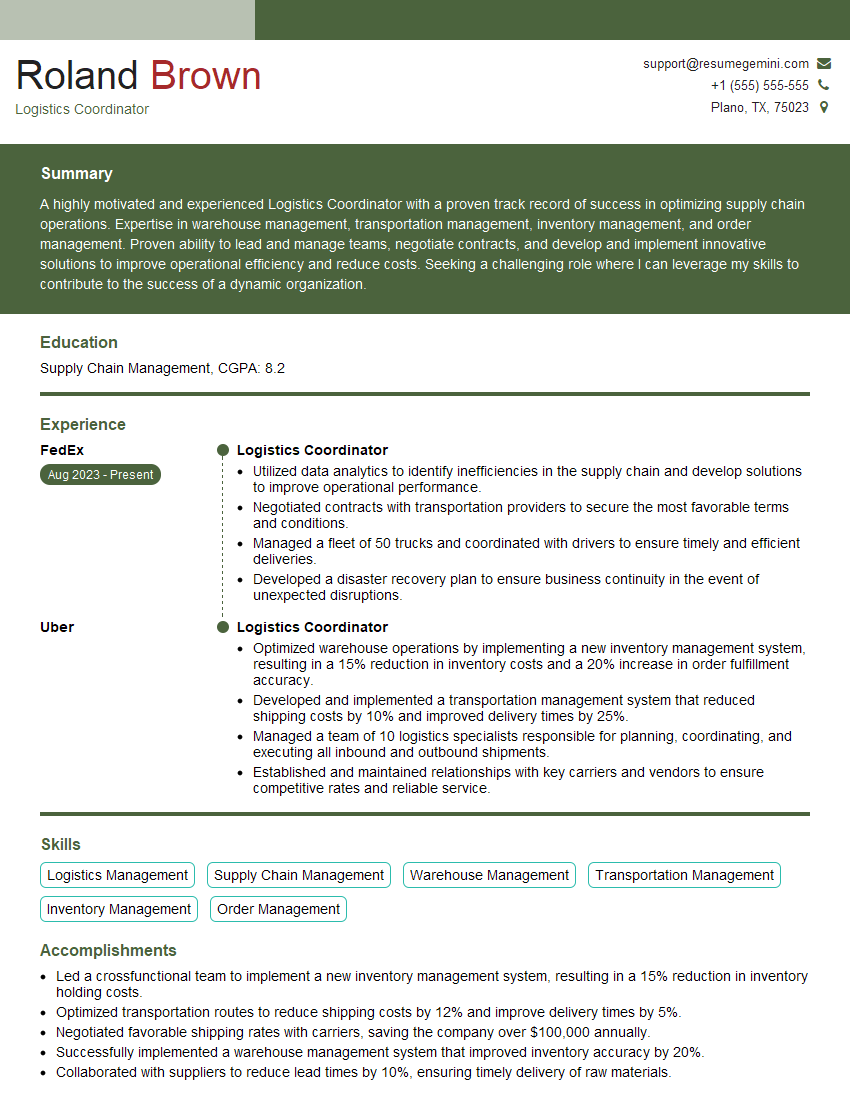
Logistics Coordinator Resume Sample
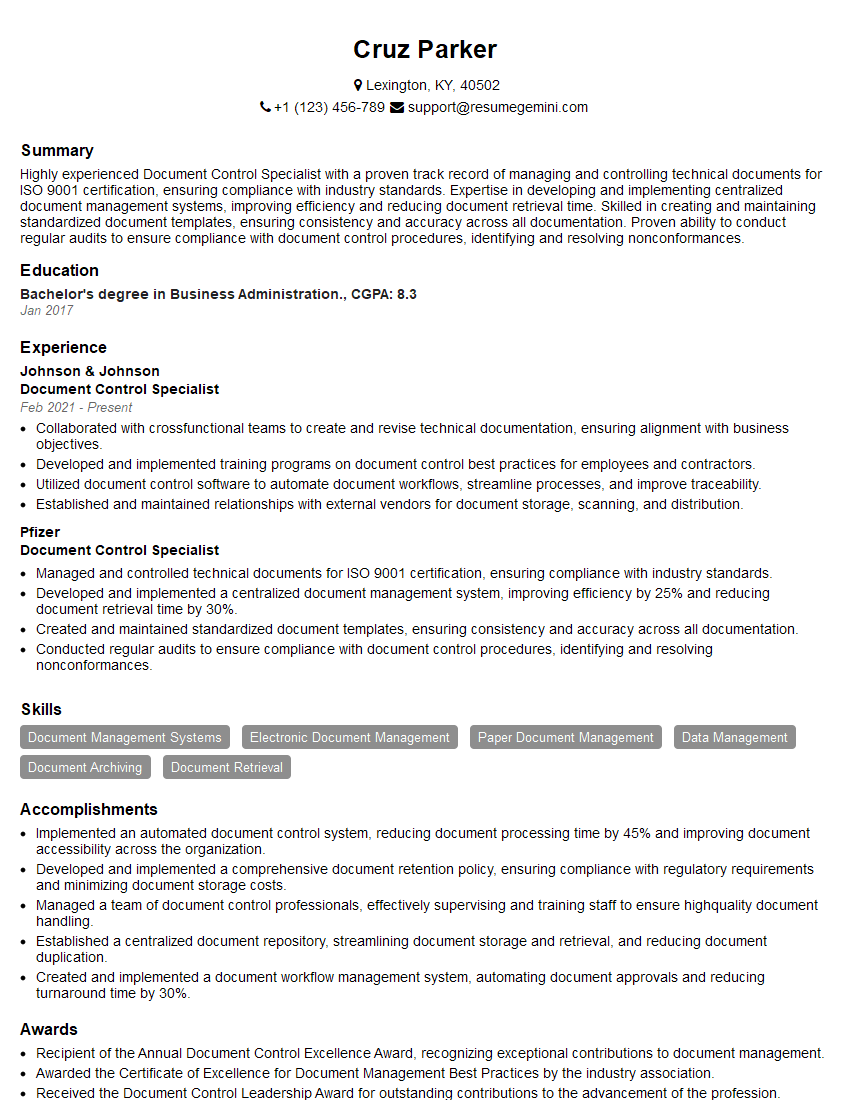
Document Control Specialist Resume Sample
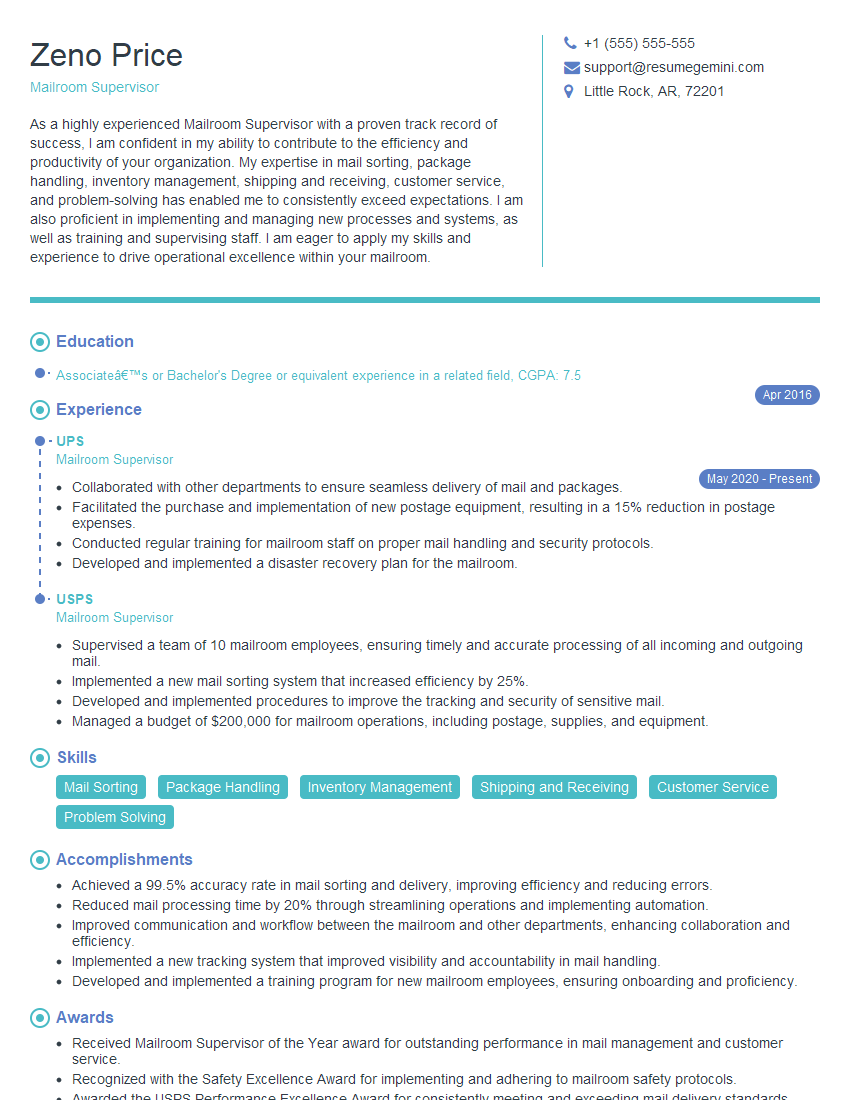
Mailroom Supervisor Resume Sample
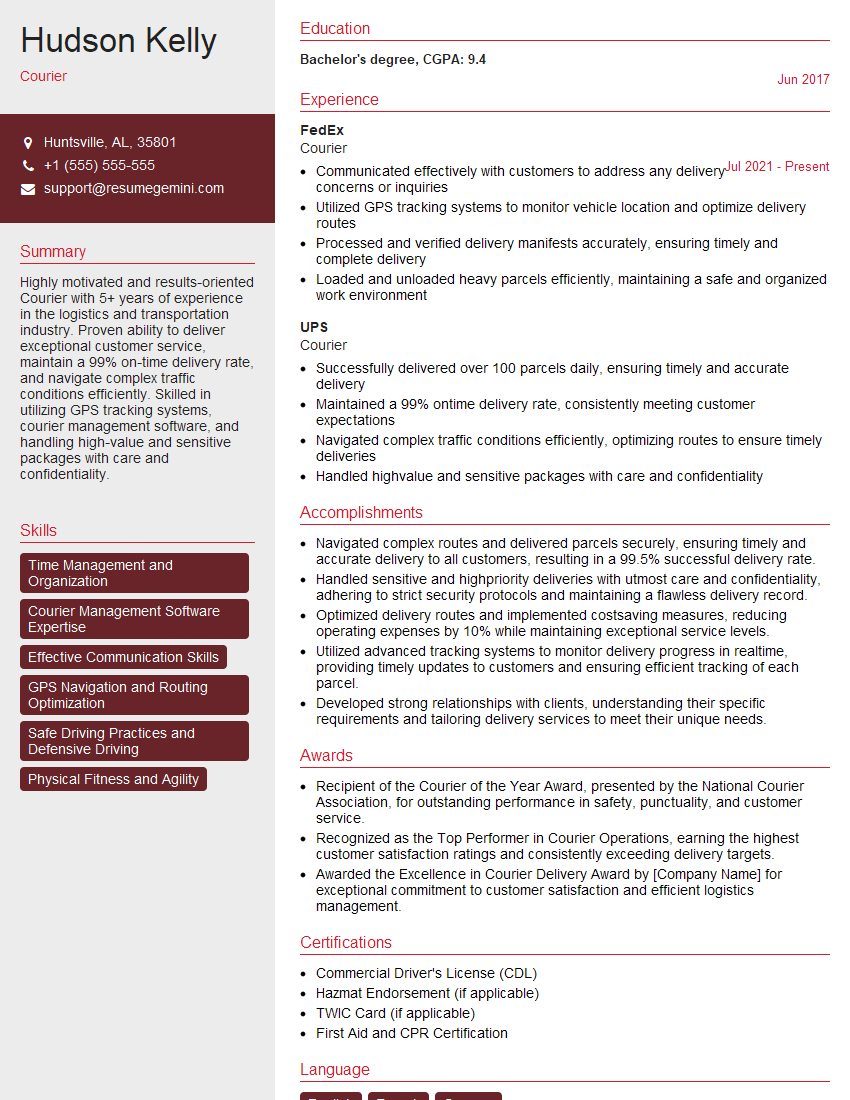
Courier Resume Sample
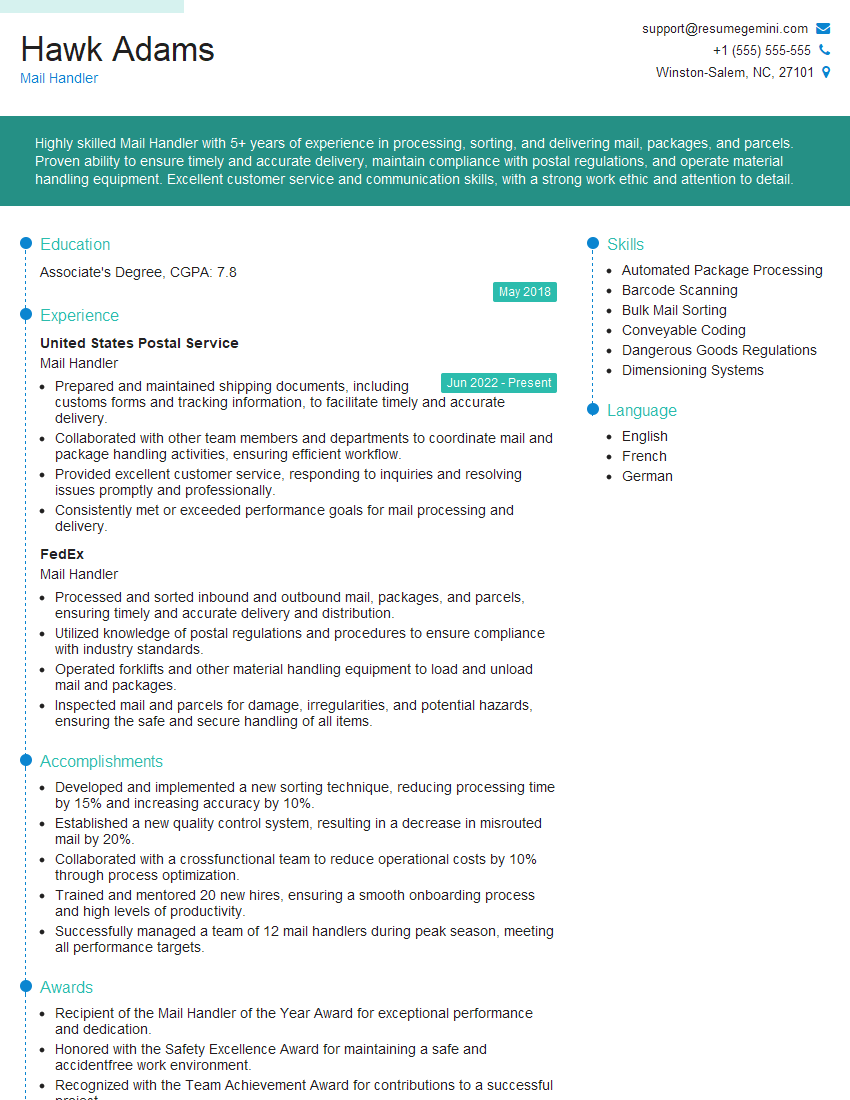
Mail Handler Resume Sample
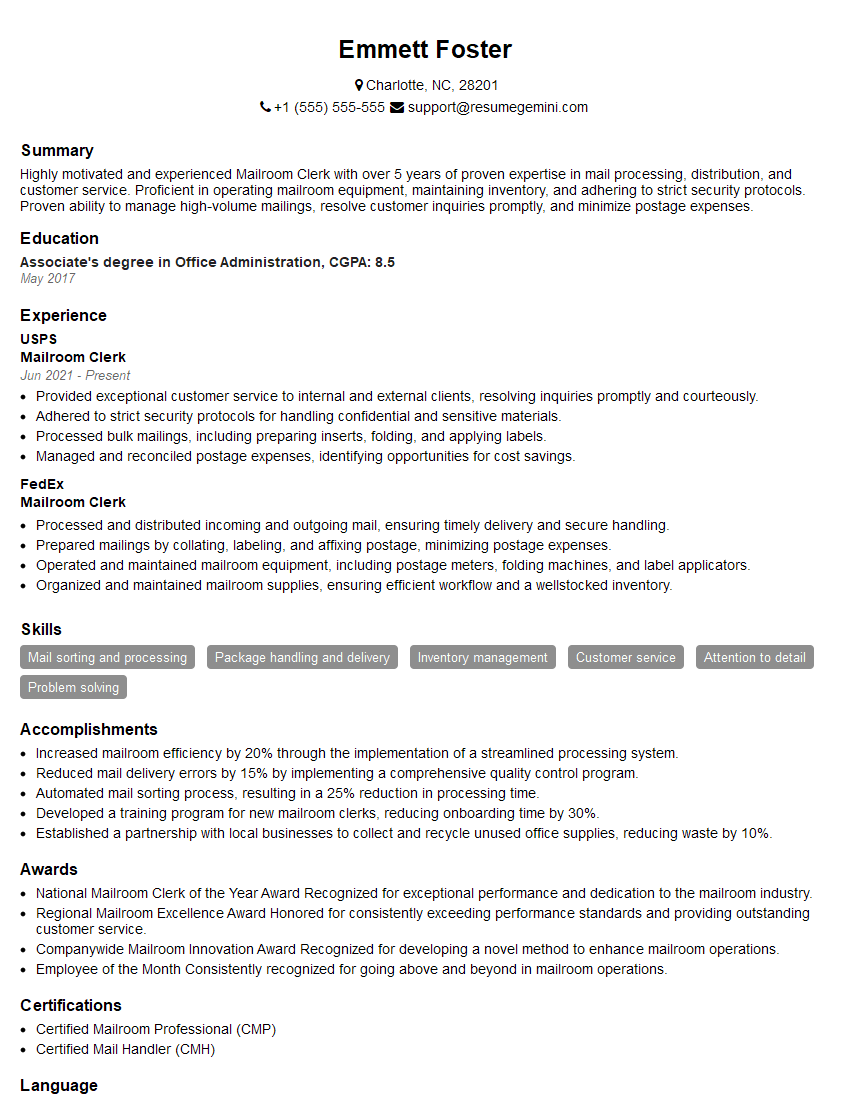
Mailroom Clerk Resume Sample

Postal Clerk Resume Sample
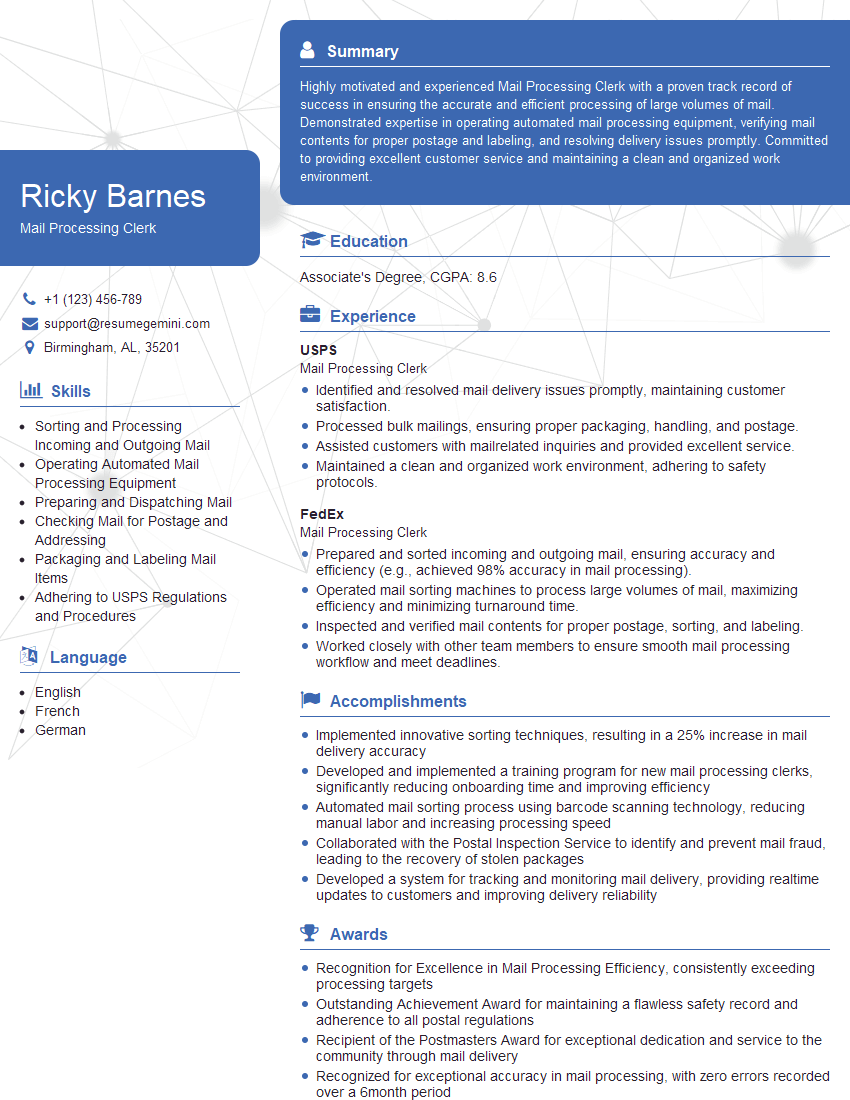
Mail Processing Clerk Resume Sample

Shipping and Receiving Clerk Resume Sample
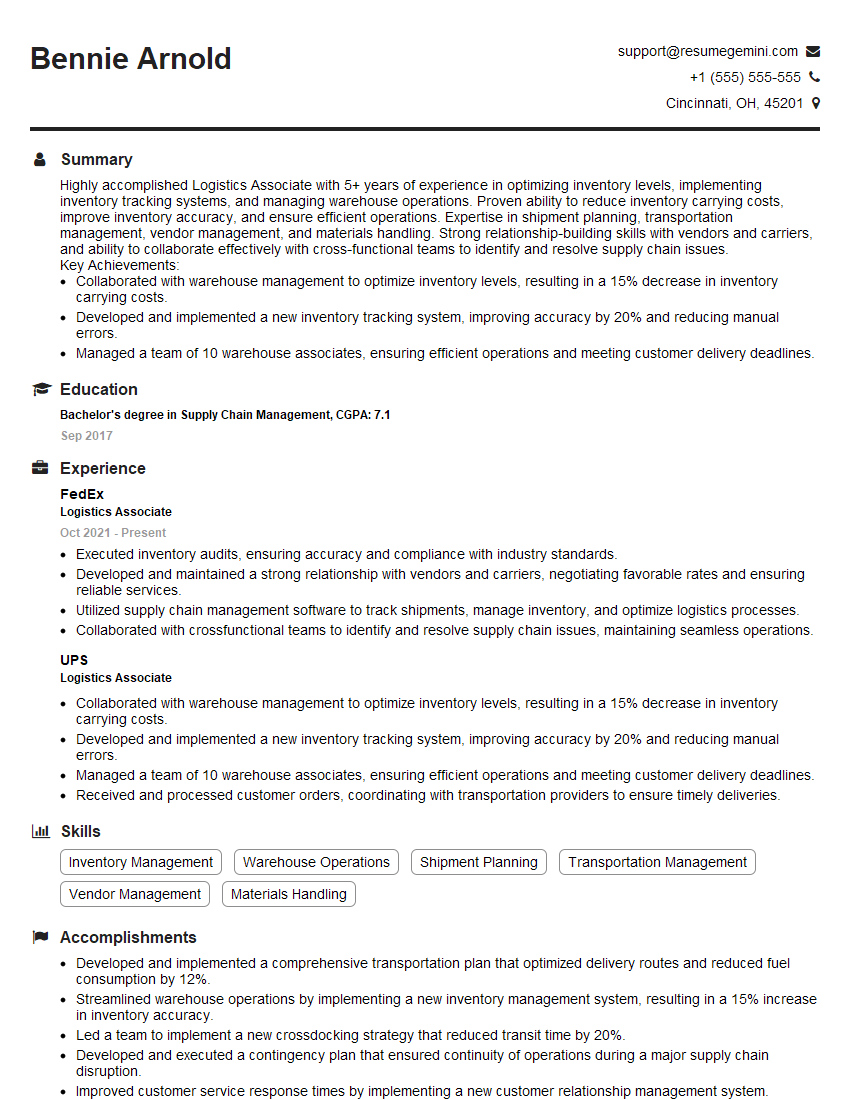
Logistics Associate Resume Sample
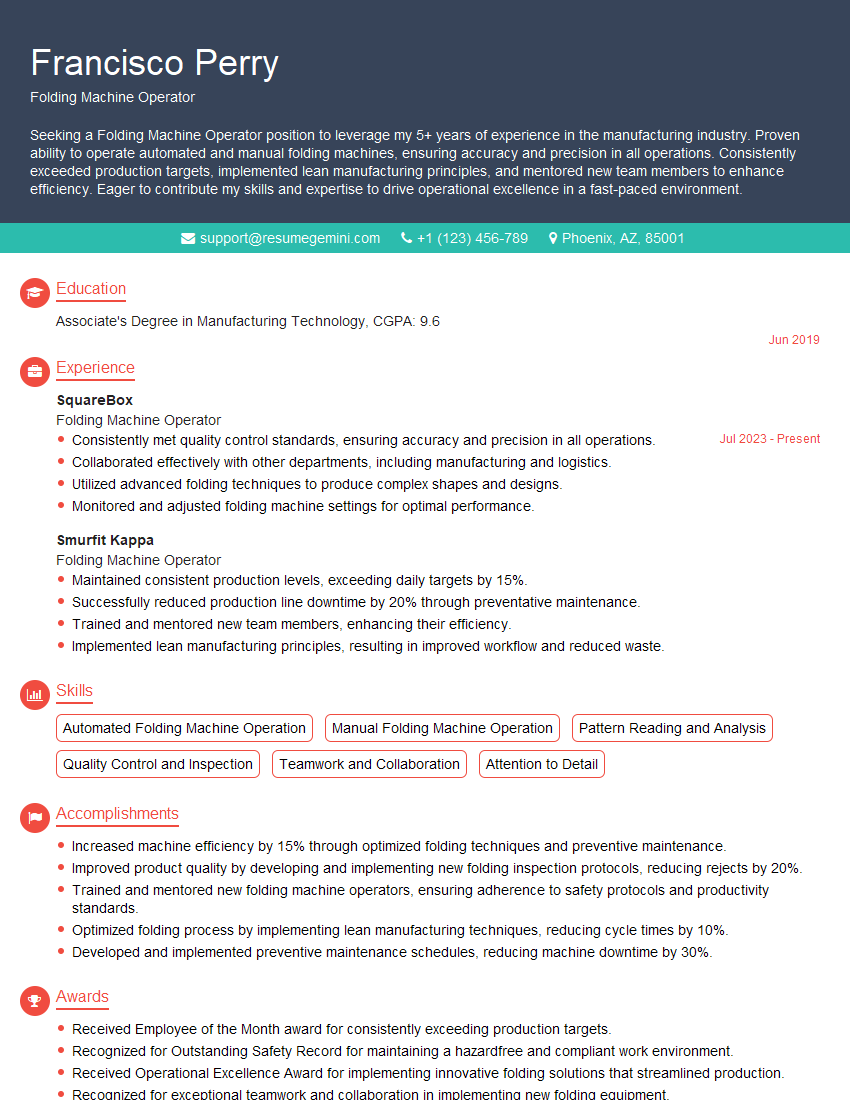
Folding Machine Operator Resume Sample
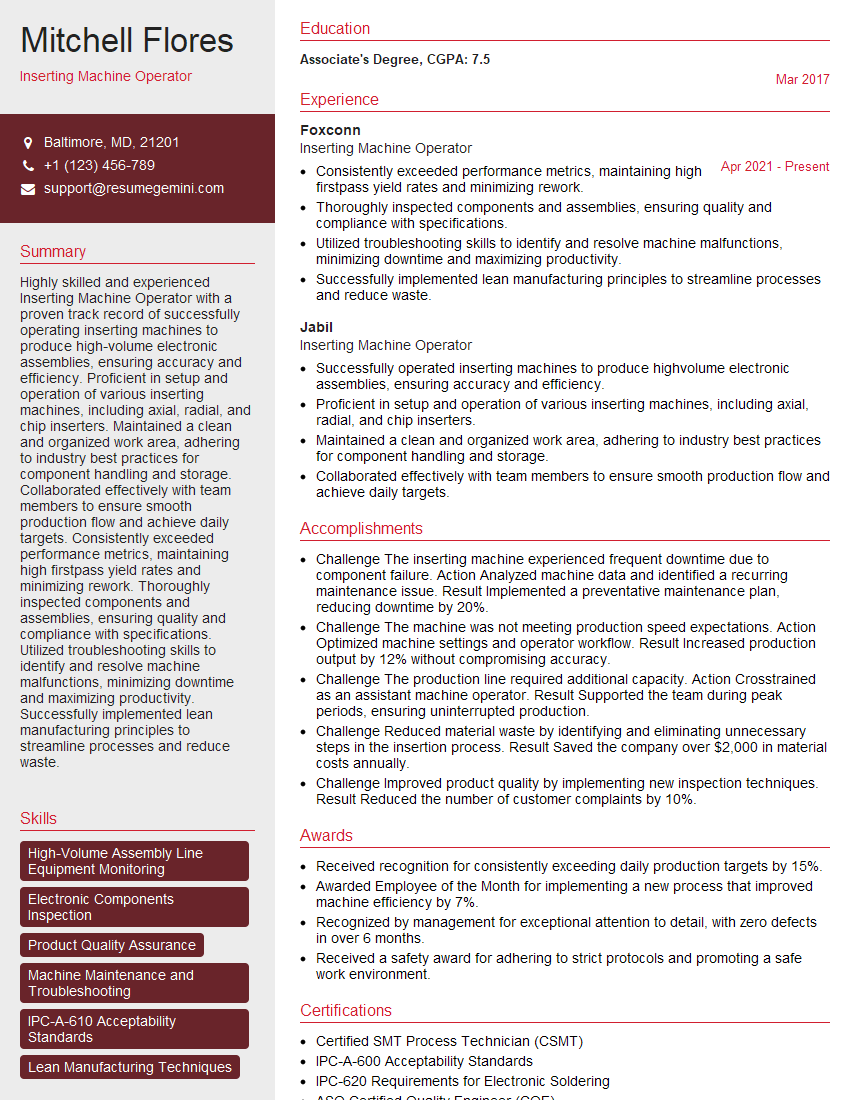
Inserting Machine Operator Resume Sample
Explore more articles
Users Rating of Our Blogs
Share Your Experience
We value your feedback! Please rate our content and share your thoughts (optional).
What Readers Say About Our Blog
I Redesigned Spongebob Squarepants and his main characters of my artwork.
https://www.deviantart.com/reimaginesponge/art/Redesigned-Spongebob-characters-1223583608
IT gave me an insight and words to use and be able to think of examples
Hi, I’m Jay, we have a few potential clients that are interested in your services, thought you might be a good fit. I’d love to talk about the details, when do you have time to talk?
Best,
Jay
Founder | CEO