The right preparation can turn an interview into an opportunity to showcase your expertise. This guide to Ability to meet production targets while maintaining quality standards interview questions is your ultimate resource, providing key insights and tips to help you ace your responses and stand out as a top candidate.
Questions Asked in Ability to meet production targets while maintaining quality standards Interview
Q 1. Describe your experience balancing production speed with quality assurance.
Balancing production speed and quality assurance is a delicate act of optimization. It’s not about choosing one over the other, but finding the sweet spot where both thrive. This involves proactive planning, continuous monitoring, and a strong commitment to process improvement.
In my previous role at Acme Manufacturing, we implemented a system of ‘just-in-time’ inventory management combined with rigorous quality checks at each stage of production. This meant we reduced waste by only producing what was immediately needed, while simultaneously ensuring that each component met our stringent quality standards before moving to the next phase. This approach significantly boosted our efficiency without sacrificing product quality. We tracked key metrics, such as defect rates and cycle times, to constantly refine our processes.
Another example involved implementing a visual management system on the factory floor. This allowed workers to easily identify potential quality issues or bottlenecks before they impacted the entire production line. This simple change led to a 15% reduction in defects and a 10% increase in overall production.
Q 2. How do you identify and address bottlenecks in a production process?
Identifying and addressing bottlenecks requires a systematic approach. I typically start by mapping the entire production process, identifying each step and its associated time. This helps visualize the workflow and pinpoint areas where delays are most frequent. Tools like process mapping software and value stream mapping can be immensely helpful.
Once bottlenecks are identified, I analyze the root cause. Is it due to equipment malfunction? Inadequate staffing? Inefficient processes? Data analysis plays a crucial role here. By examining historical data on production times, defect rates, and resource utilization, I can often find patterns that reveal the underlying cause.
After determining the root cause, solutions can be implemented. This may involve investing in new equipment, re-training staff, redesigning processes, or improving communication and coordination across teams. For example, in a previous project, we identified a bottleneck in the packaging stage. By reorganizing the workspace and implementing a new packaging technique, we were able to reduce the processing time by 30%.
Q 3. What metrics do you use to track production efficiency and quality?
Tracking production efficiency and quality relies on a range of key performance indicators (KPIs). These metrics provide a clear picture of our performance and highlight areas for improvement. The specific metrics used will vary depending on the industry and production process but usually include:
- Defect rate: The percentage of products that fail to meet quality standards.
- Yield rate: The percentage of usable output from the total input.
- Cycle time: The time taken to complete a single production cycle.
- Throughput: The amount of output produced over a given period.
- Overall Equipment Effectiveness (OEE): A composite metric reflecting equipment availability, performance, and quality.
- Customer satisfaction scores: Gauging the quality of the end product as perceived by the customer.
Regularly reviewing these KPIs and analyzing trends allows us to proactively address potential issues and make data-driven decisions to optimize our processes.
Q 4. Explain your approach to prioritizing tasks when facing conflicting deadlines and quality requirements.
Prioritizing tasks when facing conflicting deadlines and quality requirements involves a structured approach. I usually employ a risk-assessment matrix that weighs the potential impact of each task against the likelihood of its success or failure. High-impact, high-risk tasks naturally take precedence.
For example, if we have a deadline for a critical component, and there is a risk of significant delays if quality checks are compromised, I prioritize the quality checks for that component, even if it means delaying other tasks. Transparency is key here – communicating the prioritization strategy to the team ensures everyone is aligned and understands the rationale behind the choices. Sometimes, compromises are necessary; however, a well-defined prioritization system will ensure we are making informed and calculated decisions.
Q 5. How do you manage a team to meet ambitious production targets without compromising quality?
Managing a team to meet ambitious targets without compromising quality requires a blend of leadership, clear communication, and empowerment. It starts with setting clear expectations and goals, making sure everyone understands their role and responsibilities in achieving the overall production targets. Regular team meetings allow for open communication, addressing concerns, and sharing updates.
Furthermore, I encourage continuous improvement by empowering team members to identify and solve problems within their areas of expertise. Providing training and development opportunities can enhance their skills and improve their effectiveness. Recognizing and rewarding achievements, both individual and team-based, boosts morale and fosters a sense of shared accomplishment. Regular feedback and performance reviews ensure individuals remain on track and address any performance issues promptly.
Q 6. Describe a time you had to implement a quality improvement process to enhance production output.
In a previous role, we faced consistent issues with a specific production line experiencing high defect rates. After analyzing the data, we identified that the problem stemmed from inconsistent material handling throughout the process. We implemented a ‘5S’ methodology (Sort, Set in Order, Shine, Standardize, Sustain) to improve workplace organization and standardized the material handling procedure.
This involved clear visual cues, improved storage solutions, and regular training for staff on proper handling techniques. The result was a significant reduction in defects (from 15% to 3%), which positively impacted our production output and reduced waste. This example underscores the importance of considering seemingly minor details in optimizing the production process.
Q 7. What strategies do you use to prevent defects and reduce waste in production?
Preventing defects and reducing waste requires a proactive approach that begins with robust quality control measures at every stage of production. This includes regular equipment maintenance and calibration to ensure optimal performance. Statistical Process Control (SPC) techniques are invaluable for early detection of deviations from quality standards.
Beyond this, we employ methods like Lean manufacturing principles to identify and eliminate waste in all its forms: overproduction, waiting, transportation, over-processing, inventory, motion, and defects. Implementing Kanban systems for inventory control minimizes waste while ensuring material availability for continuous production. Regular training on proper process adherence and quality inspection protocols enhances the workforce’s skills and minimizes human errors.
Q 8. How familiar are you with Lean manufacturing principles and their application to quality and production?
Lean manufacturing principles are all about eliminating waste and maximizing efficiency in the production process. My familiarity is extensive; I’ve implemented Lean methodologies in several projects, resulting in significant improvements in both quality and production output. I understand the core principles of value stream mapping, 5S, Kaizen, and Kanban. For example, in a previous role, we used value stream mapping to identify bottlenecks in our assembly line. By eliminating unnecessary steps and streamlining the process, we reduced production time by 15% and improved product quality by minimizing errors stemming from rework.
Specifically, applying Lean to quality involves a focus on defect prevention rather than detection. We implement techniques like Poka-Yoke (error-proofing) to design defects out of the process, ensuring consistent quality from the beginning. For instance, we might design a jig to ensure parts are always assembled correctly, eliminating the potential for human error.
Q 9. What are your preferred methods for monitoring and evaluating product quality throughout the production process?
Monitoring and evaluating product quality is a continuous process, not a one-time event. My preferred methods are multifaceted and include:
- In-process inspections: Regularly checking products at various stages of the production process, using checklists and calibrated instruments, to identify and correct defects early.
- Statistical Process Control (SPC): Using control charts to monitor process variability and identify trends that might indicate an impending quality problem. (See my detailed explanation in response to question 4).
- Automated quality checks: Implementing automated testing where possible to ensure consistent and objective measurements.
- Final inspection: A thorough examination of completed products to ensure they meet all specifications before shipping.
- Customer feedback: Actively collecting customer feedback on product quality and using that information to improve future production.
I utilize a combination of these methods tailored to the specific product and production environment. The key is proactive monitoring and a data-driven approach.
Q 10. How do you handle unexpected production delays or quality issues?
Unexpected delays or quality issues require a swift and systematic response. My approach involves the following steps:
- Immediate Assessment: Quickly identify the scope and severity of the problem. Determine if the issue impacts safety, regulatory compliance, or customer deadlines.
- Root Cause Analysis: Use appropriate tools (e.g., the 5 Whys, fishbone diagram) to identify the underlying cause of the delay or quality issue. (See my detailed answer in question 6).
- Containment: Implement immediate measures to prevent further defects or delays. This might involve isolating defective products, adjusting production schedules, or temporarily halting the affected process.
- Corrective Action: Implement solutions to address the root cause and prevent recurrence. This may involve process adjustments, training, equipment maintenance, or supplier engagement.
- Communication: Keep all relevant stakeholders informed throughout the process, including management, team members, and customers. Transparency is key.
For example, if a machine malfunction causes a delay, I’d immediately contact maintenance, implement a workaround (if possible), and analyze the machine’s data logs to understand the cause of the failure and prevent future occurrences.
Q 11. Explain your experience using Statistical Process Control (SPC) techniques.
Statistical Process Control (SPC) is an essential tool for monitoring and improving production processes. My experience includes using control charts (e.g., X-bar and R charts, p-charts, c-charts) to track key process variables and detect anomalies. I’m proficient in interpreting control chart patterns to identify common cause and special cause variations. I understand the importance of establishing control limits based on historical data and using these charts to make data-driven decisions.
For example, in a previous project, we used X-bar and R charts to monitor the diameter of a crucial component. By analyzing the control charts, we identified a special cause variation resulting from tool wear. This allowed us to promptly replace the tool, preventing further defects and maintaining product consistency.
Q 12. How do you motivate your team to consistently achieve high-quality work while meeting tight deadlines?
Motivating a team to achieve high-quality work under pressure requires a combination of strategies. I believe in fostering a culture of:
- Collaboration and open communication: Creating a safe space for team members to share ideas, concerns, and suggestions.
- Empowerment and autonomy: Giving team members ownership and decision-making power within their roles.
- Recognition and appreciation: Regularly acknowledging and rewarding high-quality work and contributions.
- Continuous improvement: Engaging the team in Kaizen events and improvement initiatives. This allows them to actively contribute to solutions and feel valued.
- Clear expectations and training: Ensuring everyone understands quality standards and has the necessary training to meet them.
I also prioritize providing the team with the necessary resources and support to succeed. It’s about creating a positive and collaborative environment where everyone feels valued and empowered to deliver their best work.
Q 13. Describe your experience with root cause analysis for production problems.
Root cause analysis is crucial for addressing production problems effectively. My experience involves using various techniques including the 5 Whys, fishbone diagrams (Ishikawa diagrams), and Pareto charts. The 5 Whys is a simple but powerful method for drilling down to the root cause by repeatedly asking “why” until the fundamental issue is uncovered.
For instance, if we experience a high defect rate, I’d use the 5 Whys:
- Why are defects high?
- Because the machine is misaligned.
- Why is the machine misaligned?
- Because the maintenance schedule wasn’t followed.
- Why wasn’t the maintenance schedule followed?
- Because of insufficient training for maintenance personnel.
I also use fishbone diagrams to brainstorm potential causes and their relationships to a problem. Pareto charts help prioritize areas for improvement by focusing on the factors that contribute the most to defects.
Q 14. How do you use data analysis to improve production processes and quality?
Data analysis is fundamental to improving production processes and quality. I use data to identify trends, patterns, and anomalies that can inform decision-making. This involves collecting data from various sources such as production logs, quality inspection reports, and customer feedback. I utilize statistical software and data visualization tools to analyze this data. Key metrics I track include defect rates, production cycle times, and equipment uptime.
For example, by analyzing historical production data, I might discover a correlation between specific machine settings and defect rates. This insight allows me to optimize machine settings to reduce defects and improve overall quality. Data analysis also helps identify bottlenecks in the production process, enabling process improvements and increased efficiency.
Q 15. How do you ensure that quality standards are consistently met across different production shifts or teams?
Maintaining consistent quality across different shifts and teams requires a multi-pronged approach focusing on standardization, training, and robust communication. Think of it like baking a cake – you need the same recipe (standards), skilled bakers (trained employees), and clear instructions (communication) to ensure every cake is perfect, regardless of who bakes it.
- Standardized Operating Procedures (SOPs): Detailed, step-by-step instructions for every process must be documented and readily accessible to all teams. This ensures everyone follows the same methodology, minimizing variations.
- Comprehensive Training: All employees, regardless of shift, must receive thorough training on SOPs, quality control checks, and the use of relevant equipment. Regular refresher courses and competency assessments are crucial.
- Regular Audits and Feedback: Consistent monitoring and audits across all shifts are vital to identify inconsistencies early. Feedback mechanisms, like shift handover meetings and regular performance reviews, allow for continuous improvement.
- Cross-Team Collaboration: Encouraging communication and knowledge sharing between different shifts through meetings, shared platforms, and collaborative problem-solving sessions helps maintain consistency.
For example, in a manufacturing setting, implementing a standardized checklist for quality checks at each production stage ensures every unit meets the same standards, regardless of which team or shift produced it.
Career Expert Tips:
- Ace those interviews! Prepare effectively by reviewing the Top 50 Most Common Interview Questions on ResumeGemini.
- Navigate your job search with confidence! Explore a wide range of Career Tips on ResumeGemini. Learn about common challenges and recommendations to overcome them.
- Craft the perfect resume! Master the Art of Resume Writing with ResumeGemini’s guide. Showcase your unique qualifications and achievements effectively.
- Don’t miss out on holiday savings! Build your dream resume with ResumeGemini’s ATS optimized templates.
Q 16. What is your experience with implementing and managing quality management systems (e.g., ISO 9001)?
I have extensive experience implementing and managing ISO 9001 compliant Quality Management Systems (QMS). This involves not just understanding the standard but also translating it into practical, actionable processes. It’s about more than just ticking boxes; it’s about building a culture of quality.
- Implementation: I’ve led teams through the entire ISO 9001 certification process, from gap analysis and documentation development to internal audits and management review meetings. This includes defining quality objectives, establishing processes, and documenting procedures.
- Management: My experience extends to maintaining the QMS post-certification. This involves ongoing monitoring, internal audits, corrective and preventive actions (CAPA), and continuous improvement initiatives. I’m adept at utilizing data analysis to identify trends and areas for improvement within the system.
- Data-Driven Decision Making: I utilize statistical process control (SPC) charts and other data analysis techniques to identify trends and potential quality issues proactively. This allows for preventative measures rather than reactive problem-solving.
In a previous role, we successfully implemented ISO 9001, resulting in a 15% reduction in defects and a 10% improvement in customer satisfaction scores. This success was achieved through a combination of clear documentation, thorough employee training, and a strong commitment to continuous improvement.
Q 17. Describe a time you had to make a difficult decision between meeting a deadline and upholding quality standards.
In a previous project involving the launch of a new product, we faced a critical situation. We were under immense pressure to meet a tight deadline, but some quality control issues were identified in the final stages of production. The decision was agonizing: either compromise on quality to meet the deadline or delay the launch, potentially impacting market share and revenue.
After careful consideration and consultation with the team, we opted to delay the launch by a week. This allowed us to address the quality concerns thoroughly, ensuring the product met our high standards. While the delay was costly, it prevented potential reputational damage and costly product recalls. We also used this experience to revise our production processes, incorporating stricter quality controls to avoid similar issues in the future.
This experience highlighted the importance of prioritizing quality over short-term gains. While meeting deadlines is crucial, compromising quality is never a viable long-term strategy.
Q 18. How do you ensure clear communication of quality standards and expectations to all team members?
Clear communication is paramount. It’s not enough to simply create quality standards; they must be understood and embraced by everyone. This requires a multi-faceted approach.
- Training and Workshops: Interactive training sessions, including hands-on exercises and Q&A sessions, make the standards relatable and understandable. This fosters a shared understanding and encourages active participation.
- Visual Aids and Documentation: Providing clear and concise documentation, including flowcharts, checklists, and visual guides, ensures everyone understands their roles and responsibilities.
- Regular Communication Channels: Establishing clear communication channels, such as daily briefings, team meetings, and easily accessible online resources, keeps everyone informed about updates, changes, and performance.
- Open Feedback Mechanisms: Creating a safe and encouraging environment for feedback, where employees feel comfortable raising concerns or suggestions, is essential for continuous improvement. Regular feedback sessions and surveys can help gauge understanding and identify gaps in communication.
For example, using visual tools like 5S methodologies (Sort, Set in Order, Shine, Standardize, Sustain) can make quality standards more tangible and easier to understand and implement within the work environment.
Q 19. What training or certifications do you have related to quality control or production management?
My qualifications reflect a dedication to quality and production management. I hold a Six Sigma Black Belt certification, demonstrating my proficiency in data-driven problem-solving and process improvement. I also possess a Project Management Professional (PMP) certification, showcasing my ability to manage projects effectively, ensuring both quality and timely delivery. In addition, I have completed numerous specialized training courses in lean manufacturing principles, quality control techniques, and ISO 9001 implementation.
Q 20. How do you stay updated on best practices for maintaining quality and improving production efficiency?
Staying updated on best practices is crucial in this dynamic field. I actively engage in various strategies to ensure I remain at the forefront of industry developments.
- Professional Organizations: I’m a member of several professional organizations related to quality management and production, providing access to industry publications, conferences, and networking opportunities.
- Industry Publications and Journals: I regularly read industry-leading journals and publications to stay abreast of the latest trends and research in quality management and process improvement techniques.
- Online Courses and Webinars: I actively participate in online courses and webinars offered by reputable institutions to enhance my knowledge and skills in specific areas of quality control and production management.
- Networking and Collaboration: I actively network with colleagues and experts in the field through conferences, workshops, and online forums to share best practices and learn from others’ experiences.
For example, I recently attended a conference on implementing AI in quality control, which provided valuable insights into the latest technological advancements in the field.
Q 21. What tools or technologies are you proficient in for managing production and quality control?
My proficiency extends to a range of tools and technologies for managing production and quality control. I’m highly skilled in using:
- Statistical Process Control (SPC) software: Mintab, JMP, etc., for analyzing production data, identifying trends, and controlling process variations.
- Enterprise Resource Planning (ERP) systems: SAP, Oracle, etc., for managing production schedules, inventory, and quality data.
- Computer-Aided Design (CAD) and Manufacturing (CAM) software: SolidWorks, AutoCAD, etc., for designing and simulating production processes.
- Quality Management Software: Software solutions for managing quality documentation, tracking non-conformances, and conducting audits.
- Data analytics platforms: Tableau, Power BI, etc., for visualizing and interpreting large datasets related to production and quality.
I am also comfortable utilizing various data visualization tools to effectively communicate performance metrics and quality data to stakeholders.
Q 22. How do you measure the effectiveness of quality control measures?
Measuring the effectiveness of quality control measures requires a multi-faceted approach, focusing on both quantitative and qualitative data. We need to go beyond simply tracking defects; we need to understand the root causes of those defects and measure the impact of our corrective actions.
Defect Rate: This is a fundamental metric, representing the number of defective units produced relative to the total number produced. A decreasing defect rate indicates improvement.
Cost of Quality (COQ): This encompasses all costs associated with preventing, detecting, and correcting defects. A reduction in COQ shows that our quality control efforts are becoming more efficient and cost-effective. This includes costs of rework, scrap, warranty claims, and even lost sales due to reputation damage.
Customer Satisfaction (CSAT): Direct feedback from customers is crucial. Surveys, reviews, and complaint analysis reveal customer perceptions of product quality, directly impacting our reputation and future sales. A rising CSAT score indicates effective quality control.
Process Capability Indices (e.g., Cp, Cpk): These statistical measures assess how well a process performs relative to its specifications. High Cp and Cpk values indicate a process capable of consistently meeting quality requirements.
Time to Resolution: How quickly we identify and fix quality issues is equally important. A shorter resolution time indicates an efficient and responsive quality control system.
For example, in my previous role, we implemented a new automated inspection system. We tracked the defect rate before and after implementation, witnessing a 30% reduction. Simultaneously, we analyzed COQ, observing a 20% decrease due to reduced rework and scrap. This data clearly demonstrated the effectiveness of our new quality control measure.
Q 23. Describe your experience with capacity planning to meet projected production demands.
Capacity planning is a crucial aspect of meeting production demands while maintaining quality. It involves forecasting demand, analyzing existing resources, and making strategic decisions to ensure we have the right resources at the right time.
My experience encompasses various approaches, including:
Demand Forecasting: I utilize historical data, market trends, and sales projections to predict future demand. This often involves statistical modeling and collaboration with sales and marketing teams.
Resource Analysis: This includes assessing the capacity of our machinery, workforce, and materials. We analyze production rates, downtime, and potential bottlenecks.
Capacity Gaps Identification: By comparing projected demand with available capacity, we identify potential shortfalls. This informs decisions around additional staffing, equipment upgrades, or outsourcing.
Scenario Planning: We develop contingency plans for various scenarios, including unexpected surges in demand or equipment failures. This ensures business continuity.
Process Optimization: Continuous improvement initiatives, like Lean manufacturing principles, are key to enhancing capacity utilization and efficiency without sacrificing quality.
In one project, we were anticipating a 40% increase in demand. Through careful analysis, we identified a bottleneck in our packaging process. By implementing a new automated packaging line and optimizing our workforce allocation, we successfully met the increased demand without compromising quality or increasing defect rates.
Q 24. How do you handle customer complaints related to product quality?
Handling customer complaints related to product quality is paramount for maintaining customer loyalty and brand reputation. My approach is structured and empathetic, prioritizing quick resolution and preventing future occurrences.
Acknowledgement and Empathy: I always begin by acknowledging the customer’s frustration and expressing empathy for their experience. This sets a positive tone and builds trust.
Information Gathering: I gather detailed information about the complaint, including specific details about the product, the defect, and the circumstances under which it occurred. Pictures or videos are invaluable.
Root Cause Analysis: I investigate the root cause of the complaint, using various tools such as Pareto charts or 5 Whys to identify underlying issues in our production or design process.
Resolution: Depending on the severity of the issue, this might involve offering a replacement product, a refund, or a repair. I aim for a swift and fair resolution.
Preventative Action: Once the root cause is identified, I collaborate with the relevant teams to implement corrective actions to prevent similar complaints in the future. This might involve process improvements, design modifications, or additional training.
Follow-up: I follow up with the customer to ensure they are satisfied with the resolution and to gather further feedback.
For instance, we once received several complaints about a faulty component in our flagship product. Through a thorough investigation, we traced the issue to a supplier’s change in materials. We immediately switched suppliers and implemented a more stringent quality control process for incoming materials, completely resolving the issue and improving our overall product reliability.
Q 25. How do you identify and mitigate potential risks to production and quality?
Identifying and mitigating potential risks to production and quality is an ongoing process requiring proactive monitoring and analysis. I utilize several strategies, including:
Failure Mode and Effects Analysis (FMEA): This systematic approach helps identify potential failure modes in our processes and their potential effects. It allows us to prioritize risks and implement preventative measures.
Process Mapping: Visualizing our processes helps identify potential bottlenecks or weaknesses that could compromise quality or efficiency. This allows for targeted improvements.
Supplier Risk Assessment: Evaluating our suppliers’ capabilities and reliability is crucial. Regular audits and performance monitoring are essential to mitigate risks associated with substandard materials or components.
Regular Audits: Conducting regular internal audits ensures compliance with quality standards and identifies potential areas for improvement. This can be facility audits, process audits, or product audits.
Data Analysis: Monitoring key performance indicators (KPIs) provides insights into potential trends and emerging risks. Statistical Process Control (SPC) charts are valuable tools for identifying deviations from expected performance.
In a past role, we used FMEA to identify a potential risk of equipment malfunction due to extreme temperature fluctuations. We implemented a climate control system in the production area, thereby preventing potential disruptions and maintaining consistent product quality.
Q 26. Explain your understanding of different quality control methodologies (e.g., Six Sigma, Kaizen).
My understanding of quality control methodologies encompasses various approaches, each with its own strengths and applications:
Six Sigma: This data-driven methodology aims to minimize variation and defects in processes. It uses statistical tools to identify and eliminate root causes of defects, aiming for a ‘six sigma’ level of quality (3.4 defects per million opportunities). DMAIC (Define, Measure, Analyze, Improve, Control) is the widely used framework within Six Sigma.
Kaizen (Continuous Improvement): This philosophy emphasizes incremental improvements across all aspects of the business. It encourages employee involvement and promotes a culture of continuous learning and improvement through small, iterative changes. Kaizen often uses tools like 5S (Sort, Set in Order, Shine, Standardize, Sustain) to optimize workplaces.
Total Quality Management (TQM): This holistic approach integrates quality principles throughout the entire organization, emphasizing customer satisfaction, employee empowerment, and continuous improvement. It aims to build a culture of quality at all levels.
Lean Manufacturing: This focuses on eliminating waste (muda) in all processes, thereby improving efficiency and reducing costs while maintaining or improving quality. Value stream mapping is a key tool within Lean.
In practice, I’ve found that combining elements of these methodologies is often the most effective approach. For example, we used Six Sigma’s DMAIC framework to address a specific quality problem, while simultaneously embedding Kaizen principles into our daily operations to foster a culture of continuous improvement.
Q 27. Describe a time you had to troubleshoot a significant quality issue in a production environment.
In a previous role, we encountered a significant quality issue with a batch of our key product: a noticeable discoloration. This was a serious problem because it impacted the product’s aesthetic appeal and raised concerns about potential chemical imbalances.
Our troubleshooting process followed these steps:
Isolate the Problem: We quickly isolated the affected batch and stopped further production to prevent wider dissemination of the defective product. This immediate action was critical in mitigating potential losses.
Gather Data: We collected samples from the affected batch and compared them to samples from previous batches. We also reviewed production records, including temperature logs, ingredient measurements, and equipment maintenance schedules.
Identify Potential Causes: Through rigorous analysis, we identified a possible correlation between the discoloration and a recent change in one of the raw material suppliers. We suspected a batch of the supplier’s material had been contaminated.
Verification: We contacted the supplier and requested verification of the material batch used in our production. The supplier admitted to a minor contamination issue and immediately recalled the affected batch of material.
Corrective Action: We implemented a more rigorous quality control process for incoming materials, including increased testing and traceability of materials from our suppliers.
Preventative Measures: We also implemented a system for real-time monitoring of key parameters during production, allowing for early detection of similar problems in the future.
This experience highlighted the importance of proactive supplier management, rigorous quality control procedures, and rapid response to unexpected quality issues. It also demonstrated the efficacy of a systematic and data-driven approach to troubleshooting.
Key Topics to Learn for Ability to meet production targets while maintaining quality standards Interview
- Understanding Production Targets: Defining realistic goals, understanding key performance indicators (KPIs), and aligning personal targets with overall team objectives.
- Quality Control Processes: Implementing and adhering to established quality control procedures, identifying potential quality issues proactively, and suggesting improvements to processes.
- Time Management & Prioritization: Efficient task allocation, effective time management strategies, prioritizing tasks based on urgency and importance to meet deadlines without compromising quality.
- Process Improvement Techniques: Identifying bottlenecks, suggesting process improvements to enhance efficiency and quality, using Lean methodologies or Six Sigma principles (if applicable to your field).
- Problem-Solving & Troubleshooting: Approaches to addressing production issues, analyzing root causes, implementing solutions, and documenting the resolution process to prevent recurrence.
- Teamwork & Collaboration: Communicating effectively with team members, collaborating to achieve shared goals, supporting colleagues, and contributing to a positive work environment.
- Technology & Tools Proficiency: Demonstrating familiarity with relevant software, tools, and technologies used in production and quality control within your industry.
- Adaptability & Flexibility: Demonstrating the ability to adapt to changing priorities, handle unexpected challenges, and maintain productivity and quality under pressure.
- Data Analysis & Reporting: Utilizing data to monitor performance against targets, identifying areas for improvement, and presenting findings clearly and concisely.
Next Steps
Mastering the ability to meet production targets while maintaining quality standards is crucial for career advancement. It demonstrates your efficiency, reliability, and commitment to excellence – highly sought-after qualities in any industry. To significantly improve your job prospects, focus on building an ATS-friendly resume that highlights these skills effectively. ResumeGemini is a trusted resource to help you craft a professional and impactful resume that showcases your abilities. Examples of resumes tailored to highlight “Ability to meet production targets while maintaining quality standards” are available to guide you.
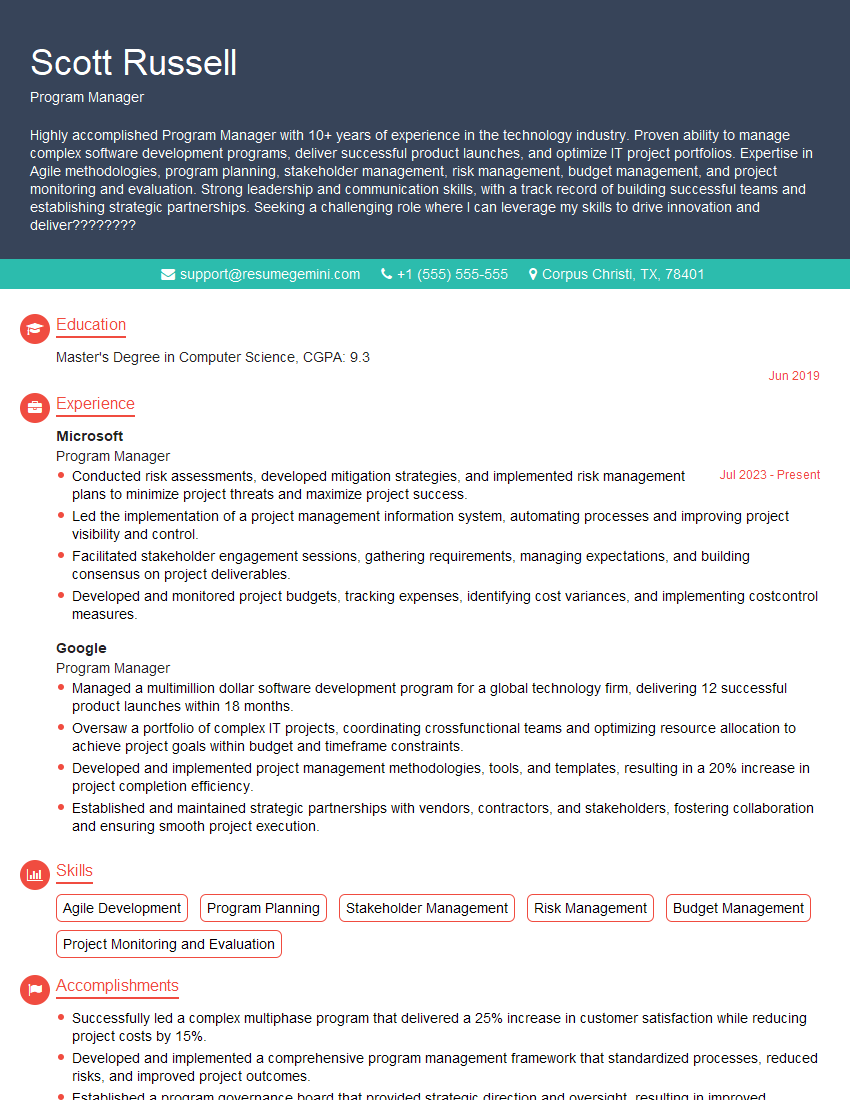
Program Manager Resume Sample

Operations Manager Resume Sample
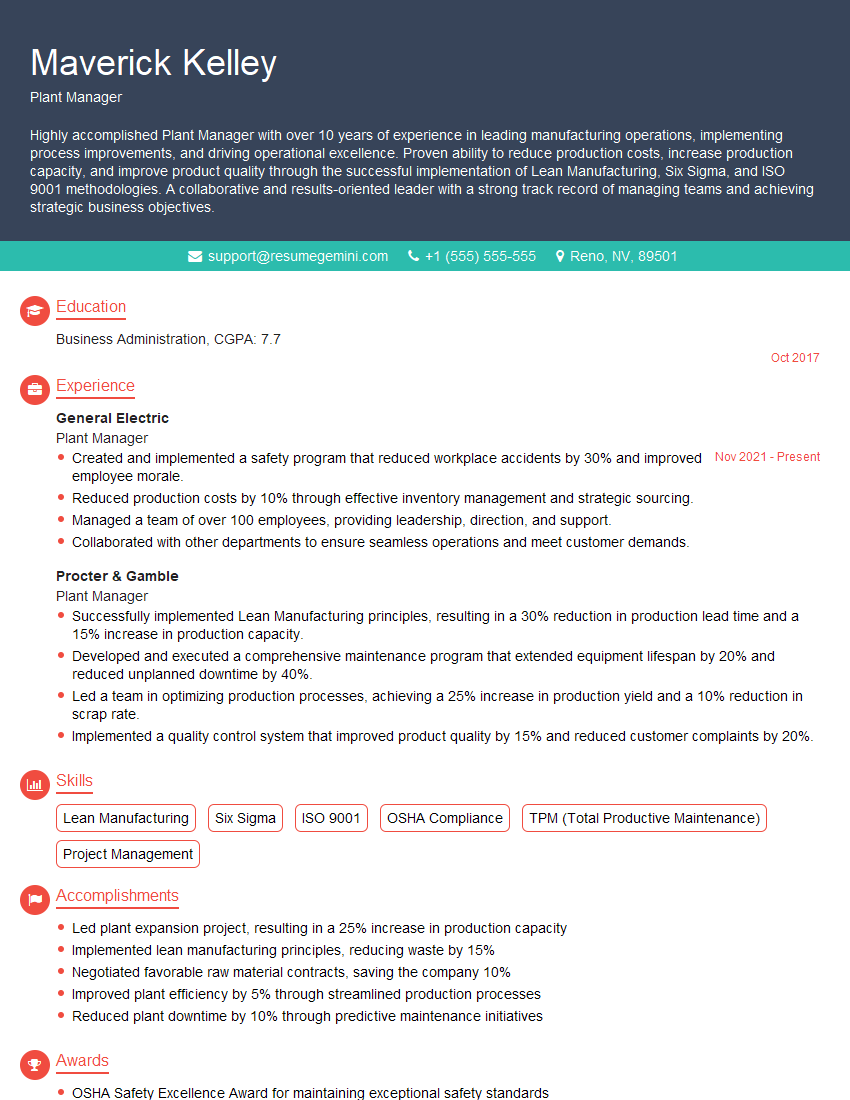
Plant Manager Resume Sample
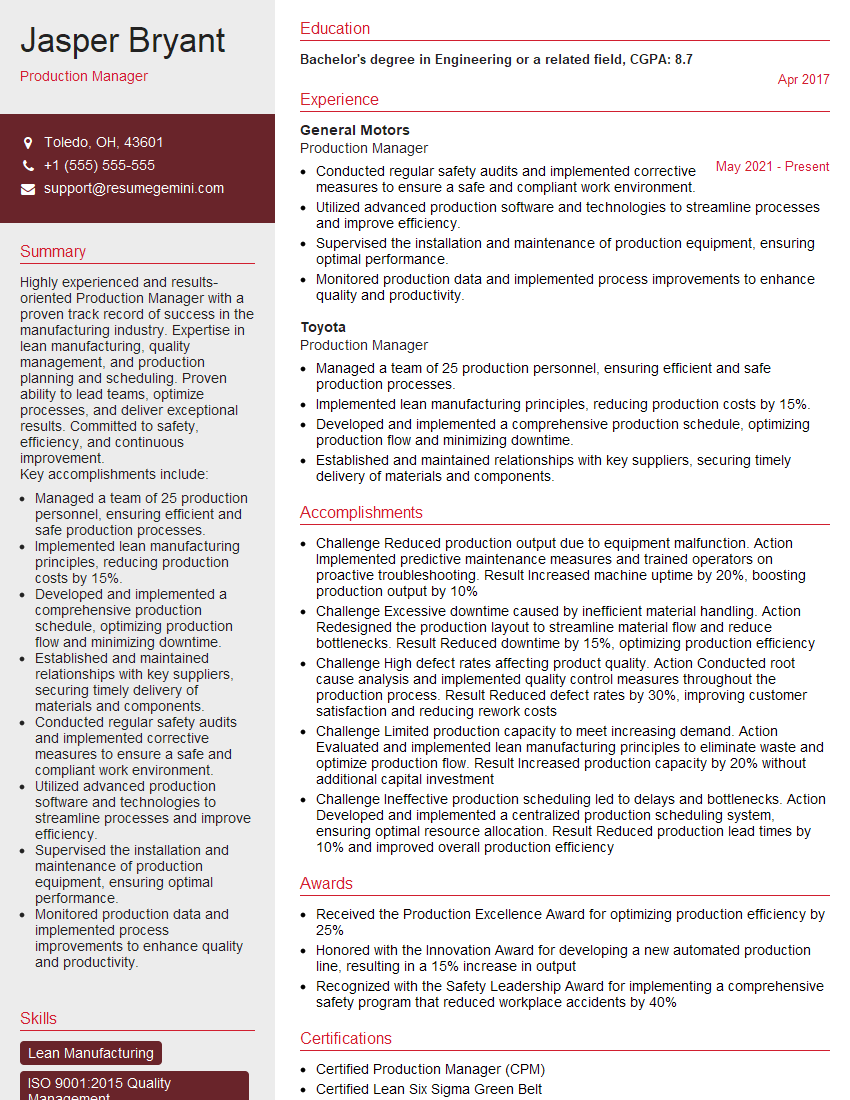
Production Manager Resume Sample
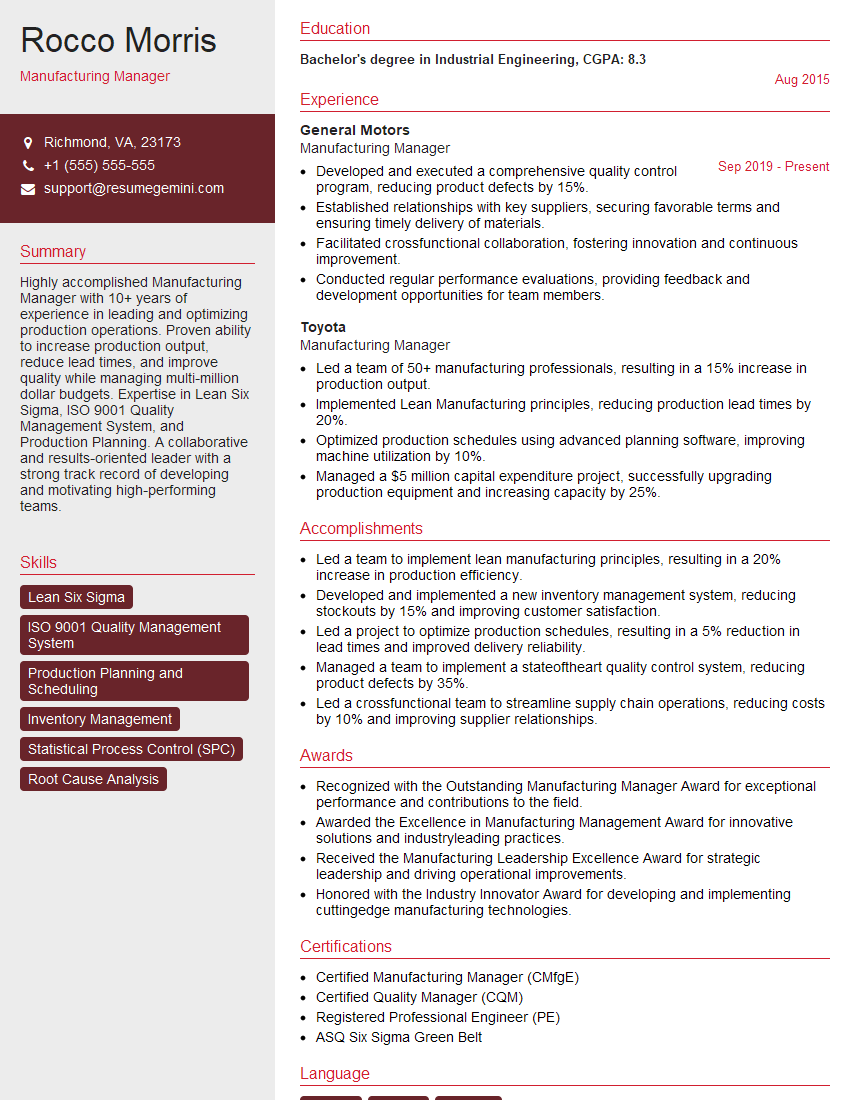
Manufacturing Manager Resume Sample
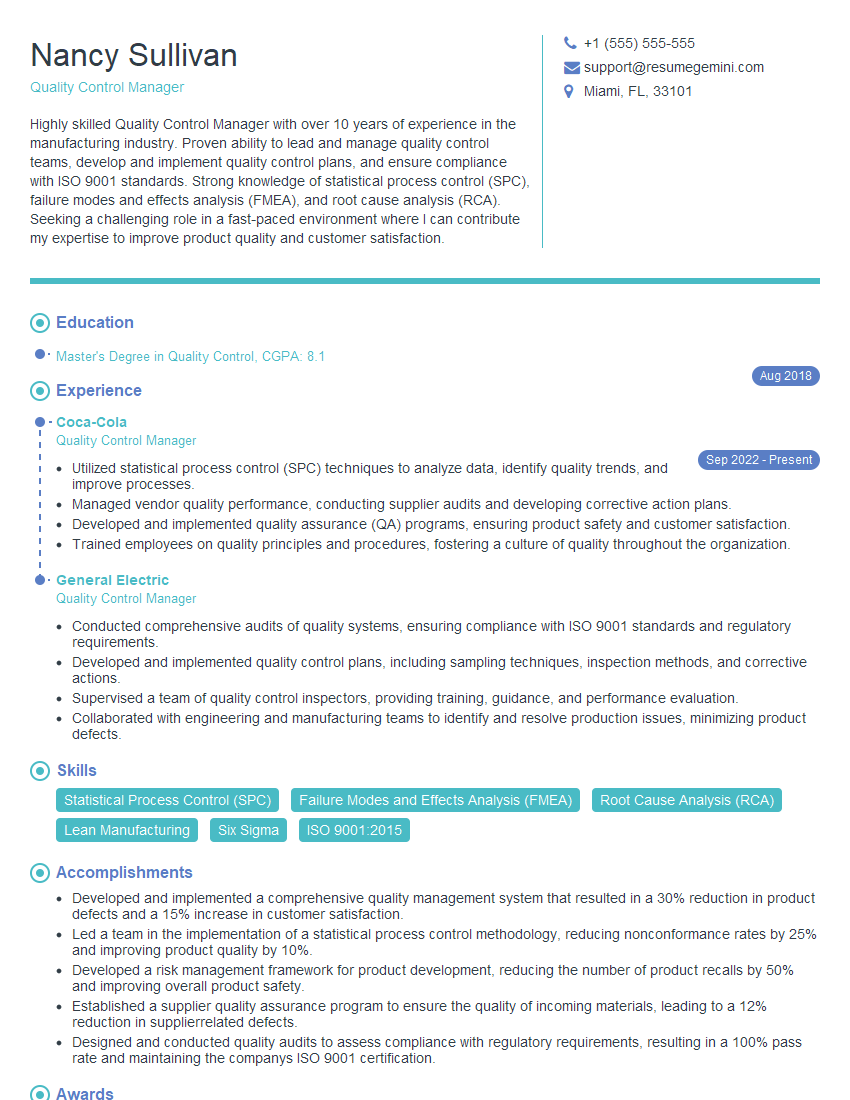
Quality Control Manager Resume Sample

Production Coordinator Resume Sample
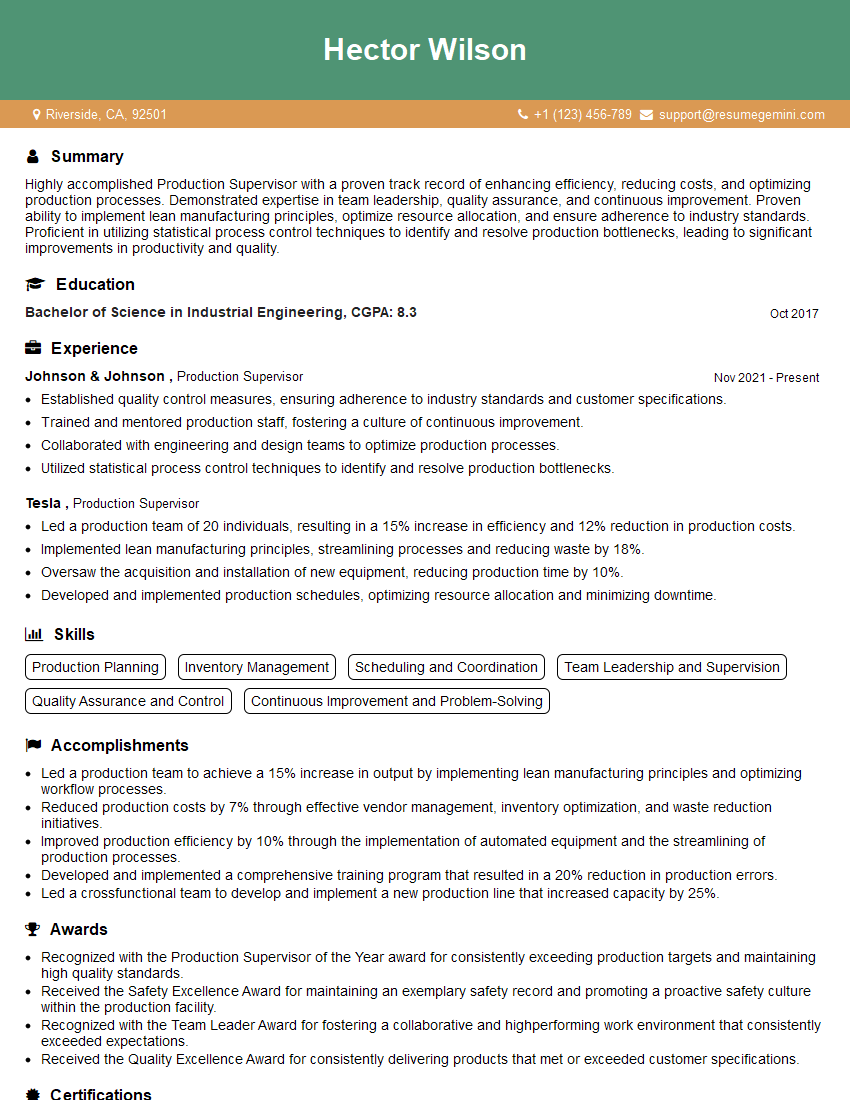
Production Supervisor Resume Sample
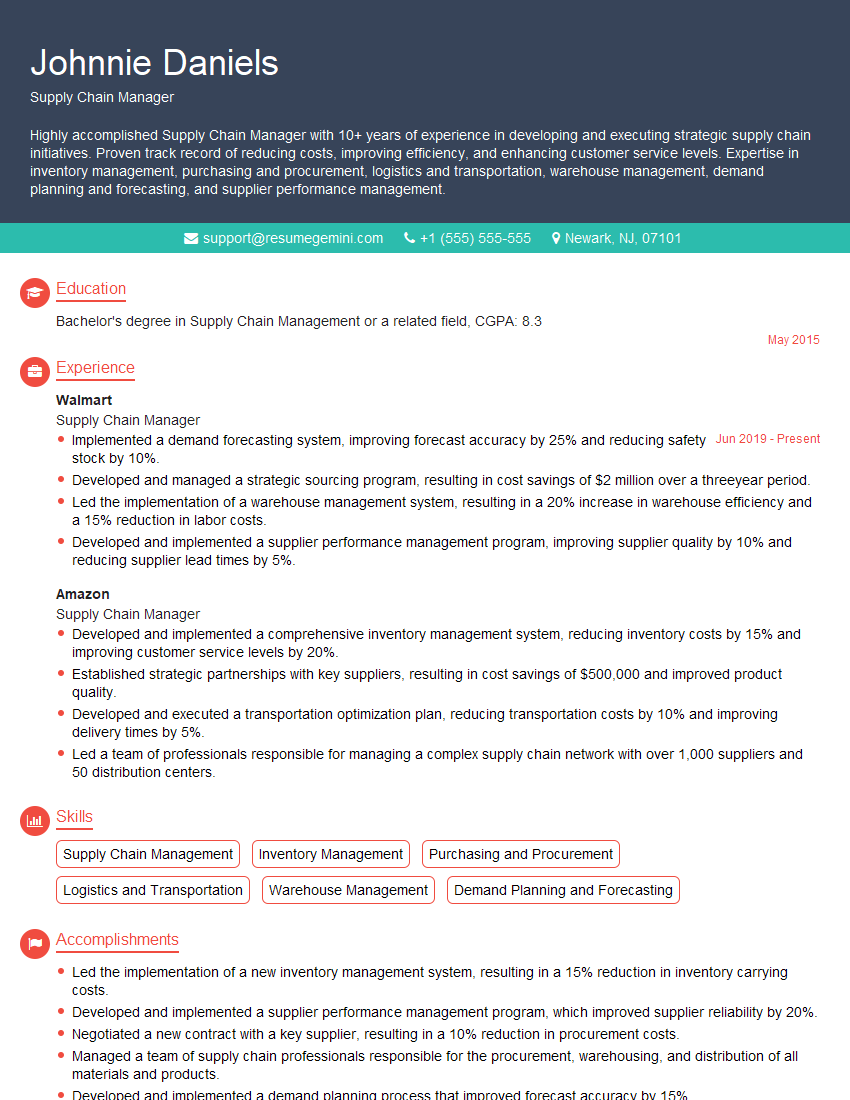
Supply Chain Manager Resume Sample

Project Manager Resume Sample
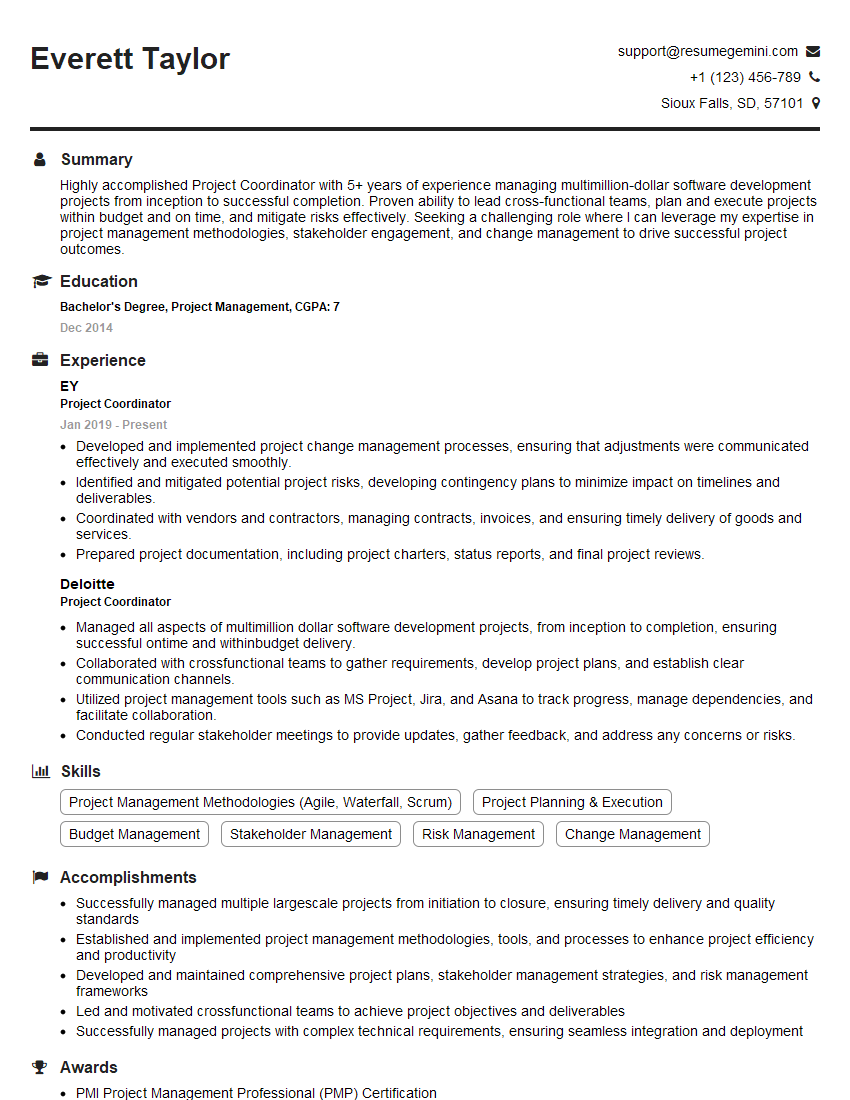
Project Coordinator Resume Sample
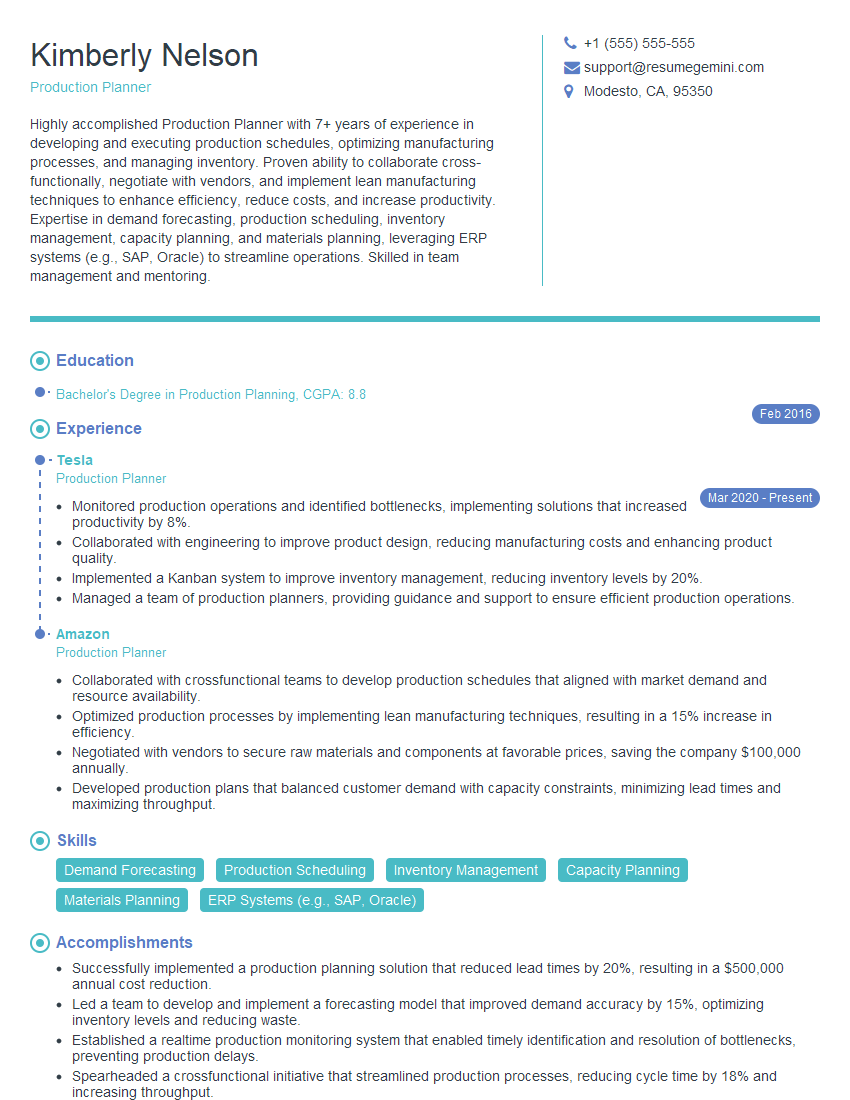
Production Planner Resume Sample
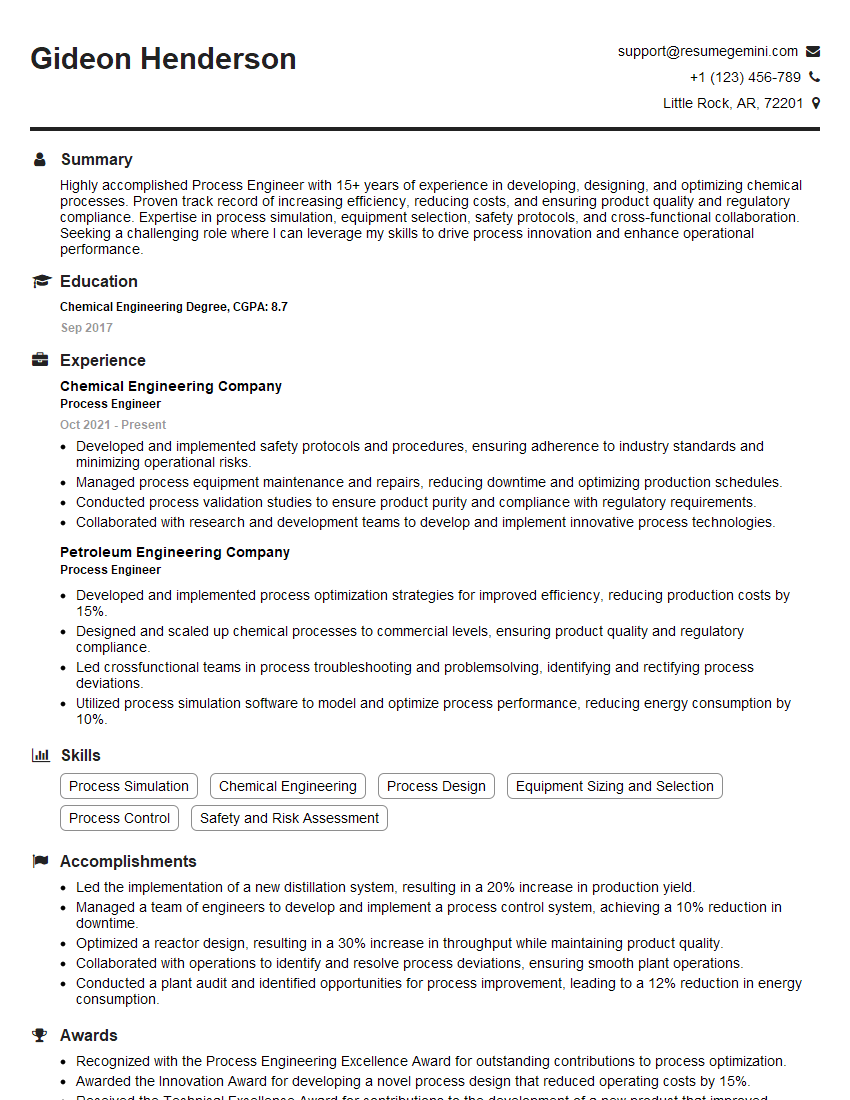
Process Engineer Resume Sample
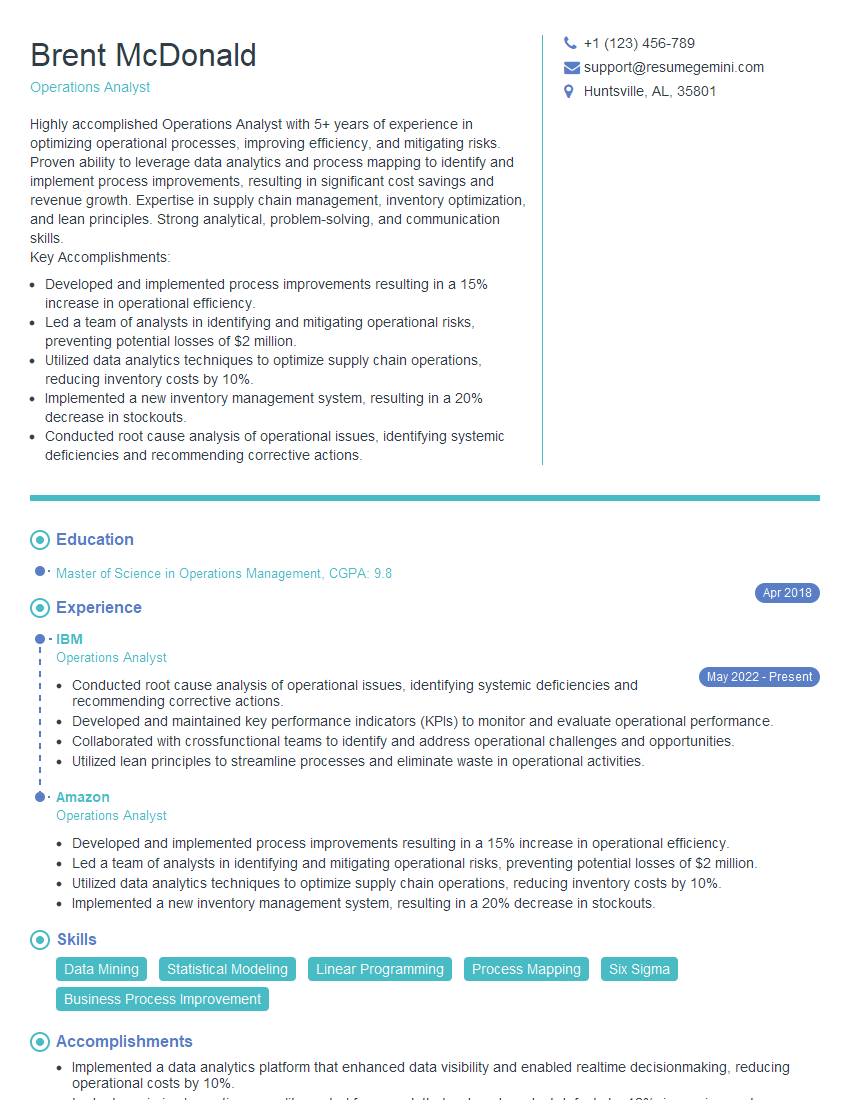
Operations Analyst Resume Sample
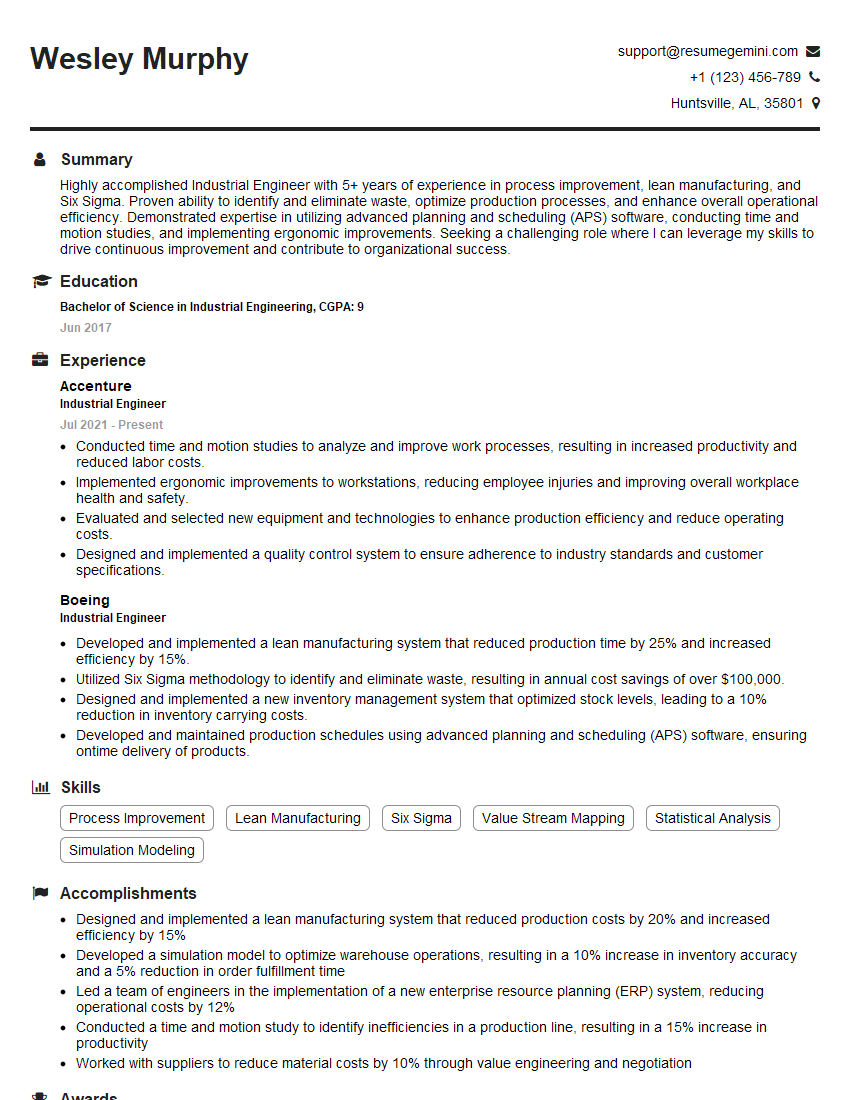
Industrial Engineer Resume Sample
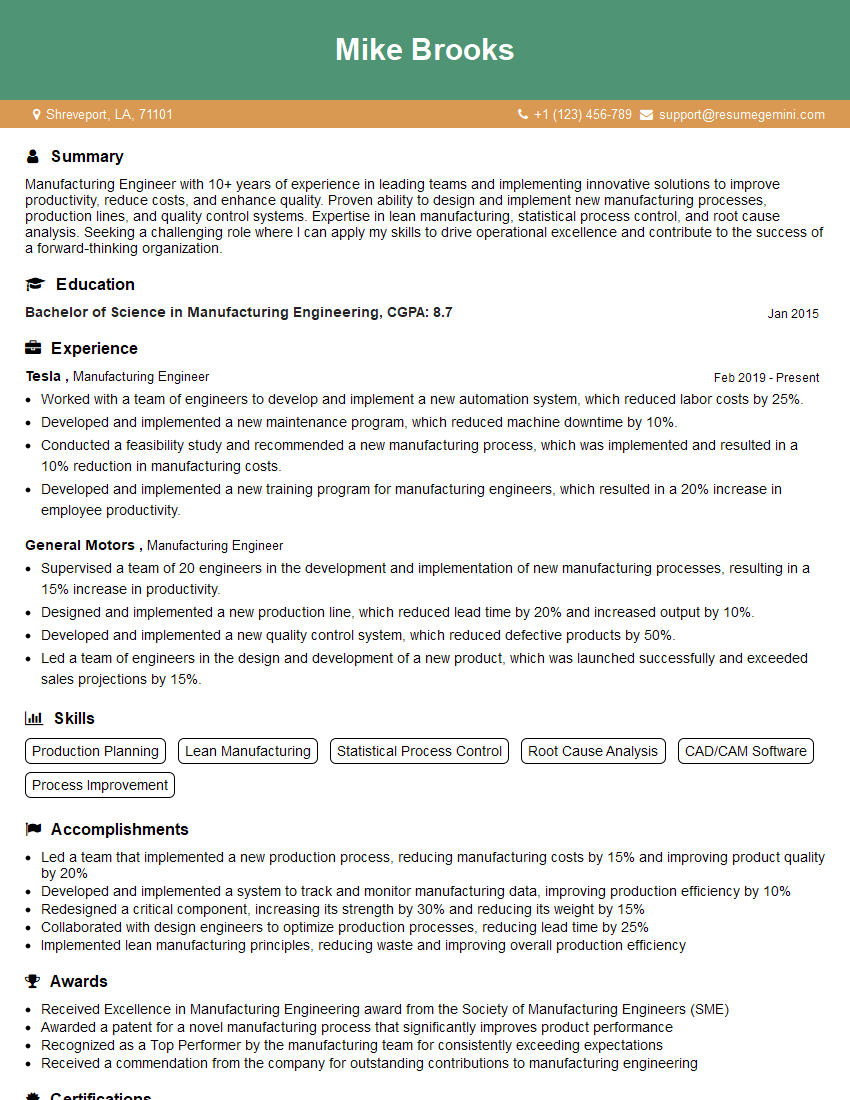
Manufacturing Engineer Resume Sample
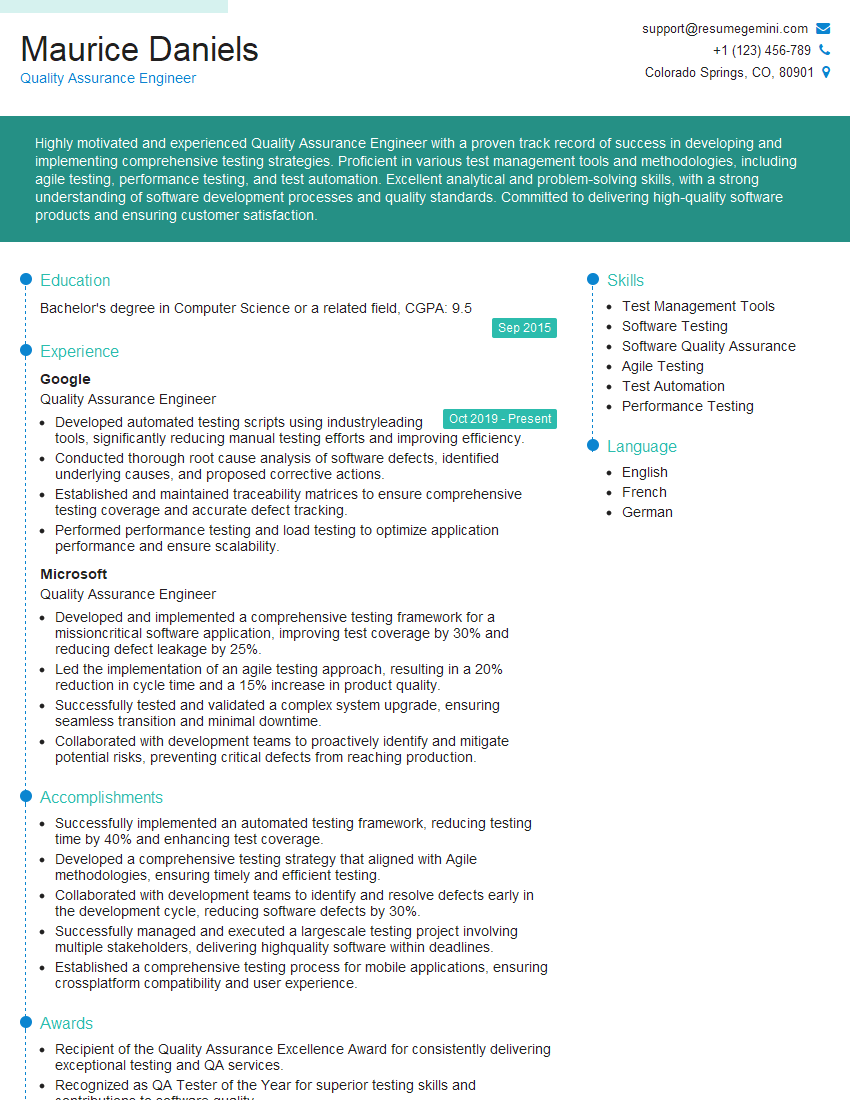
Quality Assurance Engineer Resume Sample
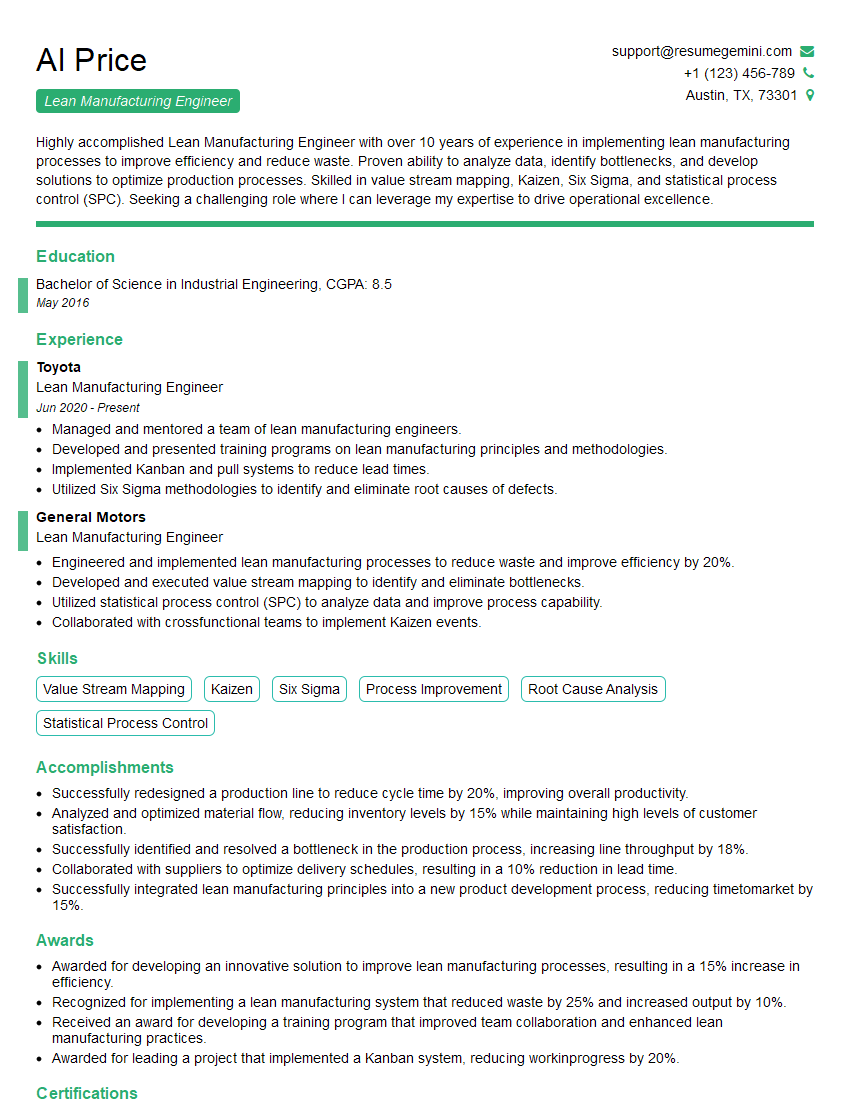
Lean Manufacturing Engineer Resume Sample
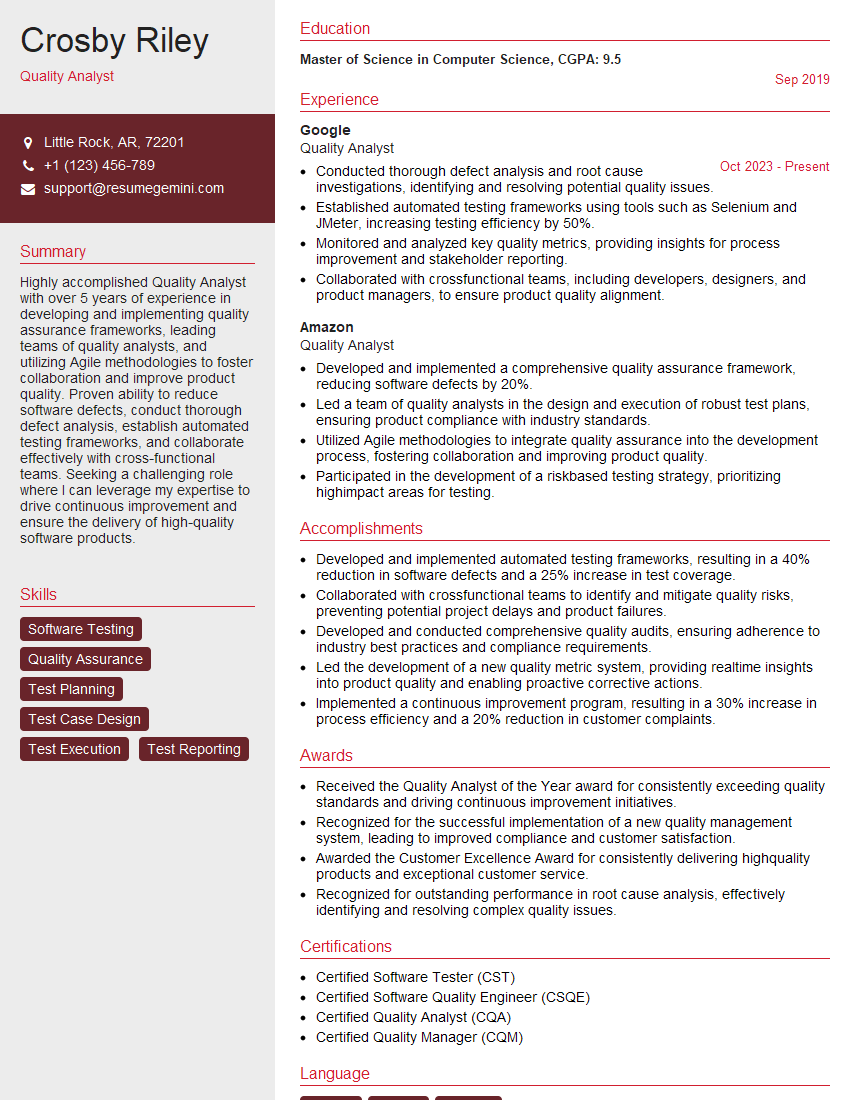
Quality Analyst Resume Sample
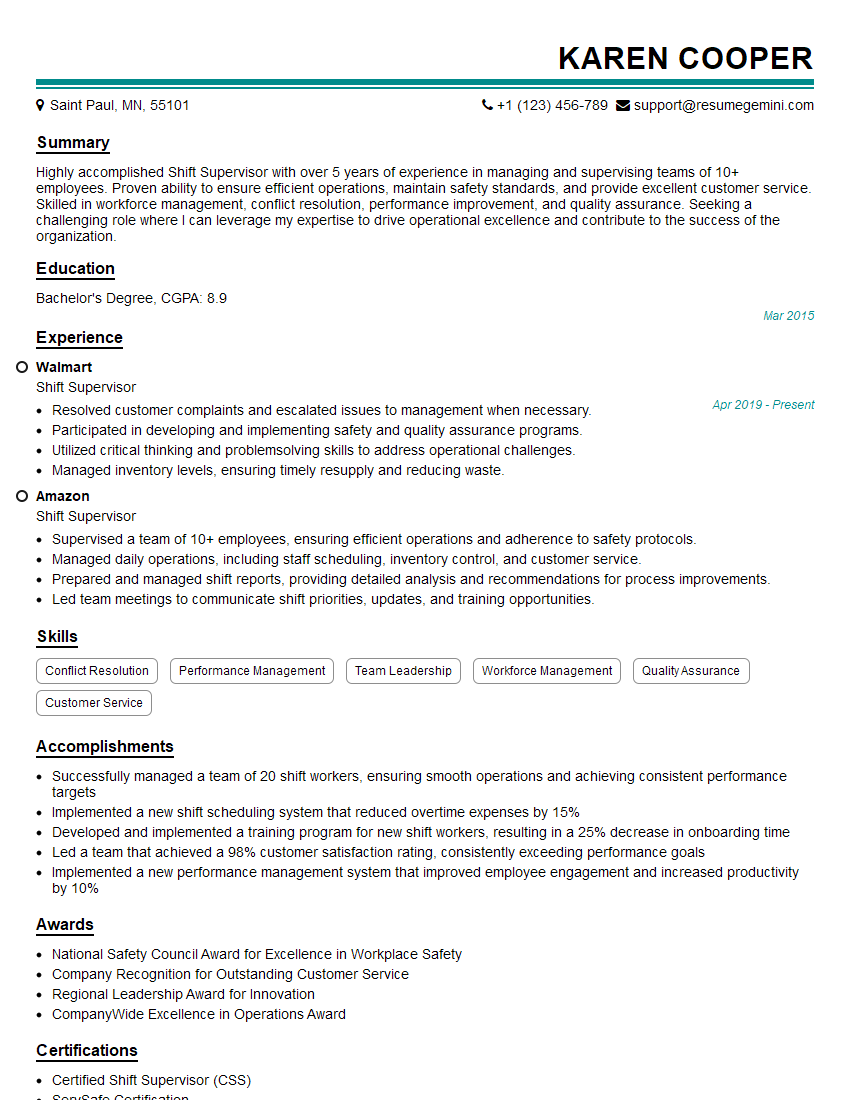
Shift Supervisor Resume Sample
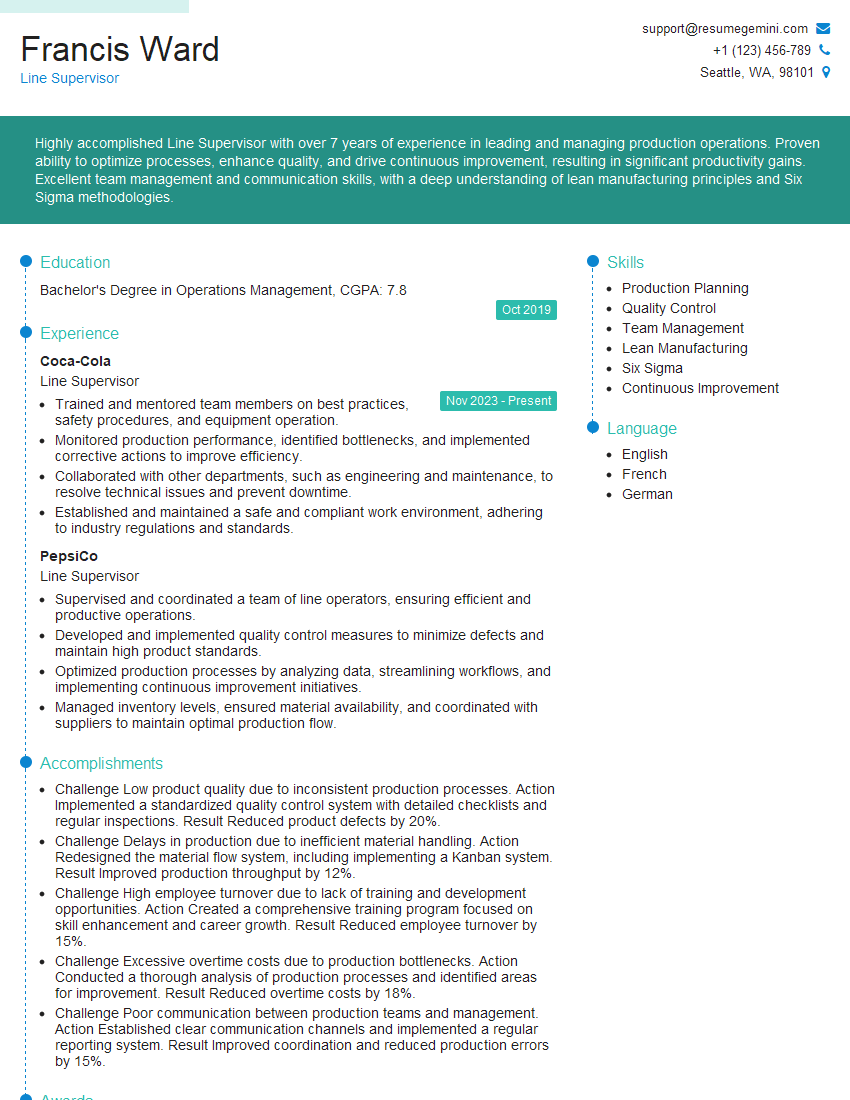
Line Supervisor Resume Sample

Quality Control Inspector Resume Sample
- Program Manager
- Operations Manager
- Plant Manager
- Production Manager
- Manufacturing Manager
- Quality Control Manager
- Production Coordinator
- Production Supervisor
- Supply Chain Manager
- Project Manager
- Project Coordinator
- Production Planner
- Process Engineer
- Operations Analyst
- Industrial Engineer
- Manufacturing Engineer
- Quality Assurance Engineer
- Lean Manufacturing Engineer
- Quality Analyst
- Shift Supervisor
- Line Supervisor
- Quality Control Inspector
Explore more articles
Users Rating of Our Blogs
Share Your Experience
We value your feedback! Please rate our content and share your thoughts (optional).
What Readers Say About Our Blog
I Redesigned Spongebob Squarepants and his main characters of my artwork.
https://www.deviantart.com/reimaginesponge/art/Redesigned-Spongebob-characters-1223583608
IT gave me an insight and words to use and be able to think of examples
Hi, I’m Jay, we have a few potential clients that are interested in your services, thought you might be a good fit. I’d love to talk about the details, when do you have time to talk?
Best,
Jay
Founder | CEO