Feeling uncertain about what to expect in your upcoming interview? We’ve got you covered! This blog highlights the most important Student Assessment and Observation interview questions and provides actionable advice to help you stand out as the ideal candidate. Let’s pave the way for your success.
Questions Asked in Student Assessment and Observation Interview
Q 1. Describe your experience using various assessment methods (e.g., formative, summative, standardized tests).
Throughout my career, I’ve extensively utilized a variety of assessment methods to gain a comprehensive understanding of student learning. This includes formative assessments like in-class quizzes and exit tickets, summative assessments such as unit tests and final exams, and standardized tests like state-mandated achievement tests. For formative assessments, I frequently employ short, focused tasks that allow me to gauge student understanding in real-time. For instance, I might use a quick thumbs-up/thumbs-down poll to check for comprehension during a lesson. With summative assessments, my focus is on evaluating mastery of larger learning objectives. A final project, allowing students to apply their knowledge creatively, is a favorite tool of mine. Standardized tests offer a broader comparative measure, enabling me to track student progress against benchmarks.
I also incorporate performance-based assessments, where students demonstrate their skills through presentations or practical applications. For example, a science class might involve designing and conducting an experiment, with the assessment focused on methodology, data analysis, and conclusions. The choice of assessment method always depends on the learning objective and the specific skills being assessed.
Q 2. Explain the difference between formative and summative assessment.
Formative and summative assessments serve distinct purposes within the educational process. Think of formative assessment as a ‘check-in’ during a journey, while summative assessment is the ‘destination’ evaluation.
- Formative Assessment: These are ongoing, low-stakes assessments designed to monitor student learning and provide feedback for improvement during the learning process. Examples include exit tickets, quick quizzes, class discussions, and observations. The goal is to identify learning gaps and adjust instruction accordingly.
- Summative Assessment: These are high-stakes assessments used to evaluate student learning at the end of an instructional unit, course, or program. Examples include final exams, major projects, and standardized tests. Summative assessments provide a comprehensive picture of student achievement and often contribute significantly to a final grade.
A practical example: During a unit on fractions, I might use formative assessments like quick whiteboard problems and informal questioning to check for understanding throughout the unit. Then, a summative assessment, like a unit test or a project requiring the application of fractions in a real-world context, would evaluate mastery of the entire unit’s concepts.
Q 3. How do you ensure assessment results are used to inform instruction and improve student learning?
Assessment results are not just numbers; they are valuable insights into student learning that directly inform my teaching practices. I ensure this by meticulously analyzing data to pinpoint areas where students excel and where they struggle. This analysis involves identifying trends and patterns in student performance, not just focusing on individual scores.
For example, if a significant portion of the class struggles with a particular concept on a formative assessment, I immediately adjust my instruction. This might involve re-teaching the concept using different methods, providing additional practice exercises, or offering individualized support. I use data to refine my teaching strategies, ensuring that my instruction is responsive to student needs.
Beyond individual student performance, I also analyze class-wide data to identify areas for curriculum improvement. If a pattern of low performance emerges on a particular topic across multiple assessments, it signals a need to revisit the curriculum materials or teaching approach for that specific area. The continuous cycle of assessment, analysis, and adjustment is crucial for effective instruction.
Q 4. What strategies do you employ to ensure accurate and reliable student assessments?
Ensuring accurate and reliable student assessments requires careful planning and execution. This involves several key strategies:
- Clear Learning Objectives: Assessments must directly align with clearly defined learning objectives. This ensures that I’m assessing what I intend to teach, not something else entirely.
- Valid and Reliable Instruments: I use assessment tools that are appropriate for the learning objectives and that have demonstrated validity (measuring what they claim to measure) and reliability (producing consistent results).
- Standardized Procedures: Administering assessments consistently across all students minimizes bias and ensures fairness. This includes providing clear instructions, managing time effectively, and creating a comfortable testing environment.
- Multiple Assessment Methods: Relying on a single assessment method can be misleading. Using a combination of methods (e.g., tests, projects, observations) provides a more comprehensive understanding of student learning.
- Regular Calibration: I regularly review my assessment practices to identify and address any potential biases or inconsistencies. Collaboration with colleagues provides valuable external perspectives.
For example, before administering a major exam, I conduct a thorough review of the questions to ensure they accurately reflect the learning objectives and are free from bias. I also pilot test the exam with a small group of students to identify any potential issues before administering it to the whole class.
Q 5. How do you adapt assessment methods to meet the needs of diverse learners?
Addressing the diverse learning needs of students is paramount. I adapt assessment methods by offering a variety of formats and providing necessary accommodations. This might involve:
- Multiple Formats: Offering assessments in different formats (e.g., written, oral, visual, performance-based) caters to various learning styles and preferences.
- Accommodations for Disabilities: For students with IEPs or 504 plans, I provide appropriate accommodations as outlined in their plans. This could include extended time, alternative assessment formats, or assistive technologies.
- Differentiated Instruction: I differentiate assessments by adjusting the complexity, length, or content based on students’ individual needs and learning levels. This might involve providing scaffolding or support for students who require additional assistance.
- Culturally Responsive Assessment: I ensure that assessments are culturally relevant and sensitive, avoiding bias that could disadvantage certain student groups. This includes using examples and contexts that are familiar to a diverse range of students.
For instance, I might offer a choice between a written essay and an oral presentation for a history assignment, accommodating different learning styles. For students with reading difficulties, I might provide audio versions of written assessments or allow them to dictate their responses.
Q 6. Describe your experience analyzing student assessment data to identify trends and patterns.
Analyzing student assessment data is a crucial part of my practice. I go beyond simply calculating averages; I delve into the details to identify patterns and trends. My analysis typically involves:
- Descriptive Statistics: Calculating measures like mean, median, and mode helps me understand the overall performance of the class.
- Item Analysis: Examining individual questions on tests reveals which concepts students struggled with and which ones they mastered.
- Trend Analysis: Tracking student performance over time helps identify areas of growth or stagnation.
- Qualitative Data Analysis: Integrating qualitative data, such as observations and student work samples, enriches the quantitative analysis and provides a more holistic understanding.
For example, consistent low scores on questions related to a specific topic might indicate a need to revise my instruction in that area. Similarly, observing students struggling with a particular skill during a class activity might point to the need for more focused intervention. This data-driven approach helps me make informed decisions about curriculum adjustments, teaching strategies, and individualized support.
Q 7. How do you communicate assessment results to students, parents, and teachers?
Communicating assessment results effectively is critical for fostering collaboration and improving student learning. I employ a multi-faceted approach to share results with students, parents, and teachers:
- Students: I provide timely and specific feedback on their work, focusing on both strengths and areas for improvement. I use clear and concise language, avoiding jargon, and I explain how they can use the feedback to improve their learning. I often use conferences, written comments, and rubrics to communicate this.
- Parents: I communicate with parents through progress reports, parent-teacher conferences, and emails, providing a clear overview of their child’s academic progress and addressing any concerns. I emphasize collaboration and partnership in supporting the student’s learning.
- Teachers (if applicable): When collaborating with other teachers, I share relevant assessment data to inform instructional decisions and ensure consistency in teaching and assessment across subjects. This can involve meetings, data sharing documents, or collaborative lesson planning.
For instance, during a parent-teacher conference, I might show a parent examples of their child’s work, discuss their progress on specific learning objectives, and collaboratively develop strategies for supporting their learning at home.
Q 8. How do you handle discrepancies between assessment data and teacher observations?
Discrepancies between assessment data and teacher observations are common and shouldn’t be immediately dismissed as errors. Instead, they present an opportunity for a deeper understanding of the student’s learning process. My approach involves a systematic investigation to identify the root cause.
- Review the Assessment: First, I carefully examine the assessment itself. Was it valid and reliable? Were the instructions clear? Were there any confounding factors (e.g., testing anxiety, illness)? For example, if a student consistently scores poorly on multiple-choice tests but excels in class discussions, the assessment might not accurately reflect their understanding.
- Analyze the Observations: Next, I thoroughly review the teacher’s observation notes, focusing on the context and specifics of the student’s performance. What specific behaviors or skills did the teacher observe? Were there any unusual circumstances during the observed class?
- Compare Data Sources: I then compare the assessment data to the observational data, looking for patterns or inconsistencies. If the discrepancy persists, I might consider additional data points, such as student work samples, portfolios, or interviews with the student and the teacher.
- Develop a Plan: Finally, based on my analysis, I develop a plan to address the discrepancy. This might involve adjusting the assessment, providing additional support to the student, or refining instructional strategies.
For instance, if a student performs well on a math test but struggles with real-world application problems during observation, it indicates a gap in their ability to transfer knowledge. This suggests the need for more problem-solving activities in the classroom.
Q 9. Describe your experience with standardized testing procedures and accommodations.
My experience with standardized testing encompasses both administering tests and ensuring appropriate accommodations are implemented. I’m familiar with various standardized tests, including achievement tests and aptitude tests. I’ve overseen the entire testing process, from test preparation and distribution to scoring and reporting.
Accommodations are crucial to ensuring fairness and equity for students with disabilities or diverse learning needs. I have extensive experience implementing accommodations such as extended time, alternative formats (e.g., Braille, audio), assistive technology (e.g., text-to-speech software), and preferential seating arrangements, always adhering to the guidelines established by the relevant governing bodies (e.g., the Individuals with Disabilities Education Act – IDEA).
One example involved a student with dyslexia who required extended time and the use of a computer with text-to-speech software for a standardized reading test. By providing these accommodations, we ensured the student could demonstrate their true reading comprehension abilities without being hindered by their learning disability.
Q 10. What are the ethical considerations involved in student assessment?
Ethical considerations in student assessment are paramount. They guide us to ensure fair, unbiased, and respectful assessment practices. Key ethical considerations include:
- Confidentiality: Protecting student data is crucial. Assessment results should be handled with utmost care and only accessed by authorized personnel.
- Fairness and Equity: All students must have an equal opportunity to demonstrate their knowledge and skills. Bias in assessment materials or procedures must be avoided.
- Validity and Reliability: Assessments must accurately measure what they are intended to measure and produce consistent results.
- Transparency: Students and parents should be informed about the purpose, content, and scoring of assessments.
- Informed Consent: Students and parents should be given the opportunity to understand and consent to the assessment process.
- Use of Data: Assessment data should be used responsibly and only for the intended purposes, such as informing instruction or evaluating programs.
For example, using culturally biased test questions would violate fairness and equity. Similarly, failing to maintain the confidentiality of a student’s test scores is a breach of ethics.
Q 11. How do you ensure fairness and equity in the assessment process?
Ensuring fairness and equity in assessment is a complex, multifaceted process requiring a proactive and holistic approach. I strive to create an assessment environment where all students feel comfortable and have an equal opportunity to demonstrate their knowledge and skills.
- Culturally Responsive Assessment: Assessments should reflect the diverse backgrounds and experiences of students. Using culturally relevant materials and scenarios can help create a more inclusive and equitable assessment.
- Universal Design for Learning (UDL): Applying UDL principles ensures assessments accommodate diverse learning styles, providing multiple means of representation, action, and engagement. This might involve offering various formats of assessment, such as written, oral, or performance-based tasks.
- Bias Review: Assessment materials should undergo rigorous reviews to identify and eliminate potential biases related to gender, race, ethnicity, socioeconomic status, or other factors.
- Equitable Accommodations: Providing appropriate accommodations for students with disabilities or diverse learning needs is critical to ensuring fair and equitable assessment.
- Analyzing Assessment Data for Disparities: Regularly analyzing assessment data to identify potential inequities in student outcomes can highlight areas needing improvement.
An example of promoting equity is ensuring that all students have access to the necessary resources and support to succeed, regardless of their background or learning style. This may involve providing extra tutoring, utilizing assistive technologies, or modifying assessment formats as needed.
Q 12. Explain your understanding of different assessment models (e.g., criterion-referenced, norm-referenced).
Understanding different assessment models is essential for effective assessment design and interpretation. Two major models are criterion-referenced and norm-referenced.
- Criterion-Referenced Assessment: This model compares a student’s performance to a predetermined standard or criterion. The goal is to determine whether the student has mastered specific skills or knowledge. The score indicates the level of mastery, not how the student compares to others. Examples include a driver’s test (pass/fail) or a competency exam (meeting a specific score threshold).
- Norm-Referenced Assessment: This model compares a student’s performance to the performance of a peer group (the norm). The goal is to determine the student’s relative standing within that group. Scores are usually expressed as percentiles or standard scores. A standardized achievement test is a common example.
Choosing the appropriate model depends on the assessment’s purpose. Criterion-referenced assessments are suitable for evaluating mastery of specific skills, while norm-referenced assessments are useful for comparing student performance relative to a larger group, like for college admissions.
Q 13. Describe your experience with classroom observation and how you provide constructive feedback.
Classroom observation is a powerful tool for evaluating teaching effectiveness and providing constructive feedback. My approach is grounded in building a collaborative relationship with the teacher. I conduct observations with a clear focus, using a structured observation protocol tailored to the specific goals of the observation. I typically use a combination of methods, including pre-observation conferences, during-observation notes, and post-observation feedback sessions.
During the observation, I focus on both teaching practices and student learning. I observe how effectively the teacher engages students, manages the classroom, and delivers instruction. I also pay attention to the level of student participation, engagement, and understanding.
Constructive feedback is delivered in a supportive and encouraging manner, focusing on both strengths and areas for improvement. I use specific examples from the observation to illustrate my points and avoid generalizations. I collaboratively develop an action plan with the teacher to implement improvements, focusing on attainable and measurable goals. I also ensure follow-up support and continued observation to track progress.
For example, if a teacher struggles with managing classroom disruptions, I might suggest strategies such as proactive classroom management techniques, clear expectations, and positive reinforcement. The feedback would be specific, such as “During the observation, I noticed that several students were off-task during the independent practice section. We could explore incorporating short, frequent check-ins to increase student engagement.”
Q 14. How do you differentiate between observation of student behavior and student performance?
While both student behavior and student performance are observed in the classroom, they are distinct aspects of learning.
- Student Behavior: This refers to the observable actions and reactions of a student during classroom activities. It encompasses aspects like attention span, participation level, classroom interactions, and adherence to classroom rules. Behavioral observations often help identify potential learning barriers and inform interventions. For example, a student constantly fidgeting or disrupting the class could indicate underlying needs or challenges.
- Student Performance: This refers to a student’s demonstrated level of achievement in academic tasks. It’s assessed through tests, assignments, projects, and other academic work. Performance data illustrates how well a student understands and applies concepts and skills.
It’s important to differentiate between the two because behavioral issues can mask or influence academic performance. A student might have exceptional academic potential but be hampered by behavioral challenges that prevent them from demonstrating their knowledge and skills effectively. Conversely, a student might exhibit positive behaviors while struggling academically, indicating a need for targeted academic support.
Q 15. How do you use observation data to inform teaching practices?
Observation data is the cornerstone of effective teaching. It provides invaluable insights into student understanding, learning styles, and individual needs, allowing me to tailor my instruction for optimal impact. I use this data in several ways:
- Identifying learning gaps: By observing students during lessons and activities, I can pinpoint areas where they struggle. For instance, if many students are making similar errors in solving math problems, I know to re-teach that specific concept using a different approach.
- Differentiating instruction: Observation helps me understand how individual students learn best. Some might benefit from visual aids, others from hands-on activities, and still others from peer collaboration. I adjust my teaching methods and materials to cater to these diverse needs.
- Assessing the effectiveness of teaching strategies: Are students engaged? Are they actively participating? Are they achieving the learning objectives? Observation helps me answer these questions and modify my teaching strategies accordingly. If a particular lesson isn’t working, I can observe what aspects aren’t engaging students and adjust accordingly.
- Providing targeted feedback: I use observational data to provide constructive feedback to students, both individually and as a class. This feedback is more meaningful and impactful because it’s based on direct observation of their work and behavior.
For example, I once noticed a student consistently avoiding group work. Through observation, I discovered they lacked confidence in their contributions. I adjusted my approach by providing them with individual support and gradually incorporating them into group activities, starting with smaller, more manageable tasks.
Career Expert Tips:
- Ace those interviews! Prepare effectively by reviewing the Top 50 Most Common Interview Questions on ResumeGemini.
- Navigate your job search with confidence! Explore a wide range of Career Tips on ResumeGemini. Learn about common challenges and recommendations to overcome them.
- Craft the perfect resume! Master the Art of Resume Writing with ResumeGemini’s guide. Showcase your unique qualifications and achievements effectively.
- Don’t miss out on holiday savings! Build your dream resume with ResumeGemini’s ATS optimized templates.
Q 16. What are some effective observation techniques for capturing student learning?
Effective observation techniques require a multifaceted approach. I employ several strategies:
- Anecdotal recording: I jot down brief, descriptive notes about specific student behaviors or actions during lessons. This method is quick and allows for capturing spontaneous moments of learning.
- Checklists and rating scales: These structured tools help track specific skills or behaviors over time, providing a quantitative measure of student progress. For example, I might use a checklist to monitor a student’s participation in class discussions.
- Running records: This involves detailed, continuous observation of a student’s actions and responses for a specific period. This can be particularly helpful when assessing reading fluency or problem-solving strategies.
- Focused observation: This focuses on a particular student or small group, allowing for detailed analysis of their learning process.
- Event sampling: This involves documenting the occurrence of specific behaviors or events within a given time frame. This is valuable for tracking the frequency of desired or undesired behaviors.
For instance, when assessing collaborative skills, I might use a checklist to rate students on their communication, cooperation, and problem-solving abilities during a group project. For a struggling reader, a running record during a reading session allows me to identify specific decoding challenges and adjust support accordingly.
Q 17. How do you document your observations objectively and accurately?
Objective and accurate documentation is crucial for maintaining the integrity of observations. I follow these guidelines:
- Descriptive language: I use precise language, avoiding subjective terms or interpretations. Instead of writing ‘John was disruptive,’ I might write, ‘John left his seat three times during the lesson and spoke out of turn twice.’
- Specific examples: My notes include concrete examples of student behavior or work samples. If a student demonstrates a particular skill, I describe what they did and how they did it.
- Focus on observable behaviors: I only record what I can directly see or hear, avoiding assumptions about student intentions or motivations.
- Time stamping: I note the time and date of the observation to help contextualize the information.
- Use of technology: I often utilize digital tools such as audio recording (with parental consent) or video recording (again, with consent) to document my observations more comprehensively and accurately. I may also use digital checklists and forms.
Maintaining a structured format in my notes ensures clarity and facilitates data analysis later.
Q 18. How do you maintain confidentiality when observing and assessing students?
Confidentiality is paramount. I adhere to strict guidelines to protect student privacy:
- Secure storage: All observational data is stored securely, either in locked files or password-protected electronic systems. I use school-approved data management systems that comply with privacy laws.
- Anonymity: Whenever possible, I use student identifiers that do not disclose their names or personally identifiable information. For example, I might use student numbers or codes.
- Limited access: I only share observation data with individuals who have a legitimate educational need to know, such as other teachers involved in the student’s education, administrators, or parents (with appropriate consent).
- Compliance with regulations: I am familiar with relevant laws and regulations regarding student privacy, such as FERPA in the US, and ensure all my practices are compliant.
- Informed consent: I always obtain informed consent from parents or guardians before using any observation methods that might involve recording or sharing personal information about their children.
It’s crucial to remember that confidentiality is not just a policy, but a professional and ethical obligation.
Q 19. How do you identify and address bias in your assessment and observation practices?
Bias can significantly skew the accuracy and fairness of assessment and observation. To mitigate this, I employ these strategies:
- Self-reflection: I regularly reflect on my own biases and preconceived notions. Am I making assumptions about students based on their background, appearance, or behavior?
- Multiple data points: I collect data from multiple sources, not just my own observations. This might include student work samples, standardized test scores, and input from other teachers or parents. This helps create a more comprehensive and balanced picture.
- Use of rubrics and standardized tools: Rubrics and standardized assessment tools help reduce subjectivity and ensure consistent evaluation across students.
- Structured observation protocols: Following predetermined observation protocols helps minimize the impact of personal biases on my interpretations.
- Peer review: When feasible, I share my observations with colleagues for feedback to identify potential biases in my interpretations.
For example, if I notice I’m more critical of a student’s work simply because they are a quieter student, I make a conscious effort to observe their work more closely and objectively, focusing on the quality of their work rather than their personality.
Q 20. Describe your experience using technology for assessment and data analysis.
Technology has revolutionized assessment and data analysis. I have extensive experience using a variety of technological tools:
- Learning Management Systems (LMS): I use LMS platforms like Canvas or Moodle to collect and analyze student work, track progress, and provide feedback. The data collected within these platforms allow me to track student performance and identify trends easily.
- Digital assessment tools: I utilize online assessment platforms that offer a range of question types and automated scoring. These tools improve efficiency and offer instant feedback to students.
- Data visualization tools: I use spreadsheets and data visualization software (like Google Sheets or Excel) to create charts and graphs to illustrate student progress and identify areas needing improvement. These visuals are incredibly useful in summarizing findings from observational data and sharing with colleagues and parents.
- Audio and video recording (with parental consent): This helps capture student interactions and behaviors for more detailed analysis, especially for focused observations or during individual work sessions.
For example, using a digital assessment platform, I can quickly see which concepts students are struggling with based on their performance on quizzes and assignments. This allows me to quickly adapt my instruction to address these learning gaps.
Q 21. What are some challenges you have faced in student assessment and how did you overcome them?
One of the biggest challenges I’ve encountered is accurately assessing students with diverse learning needs, such as students with learning disabilities or gifted students. Initially, I struggled to differentiate my assessment methods to ensure fair and accurate evaluation for all.
To overcome this, I actively sought professional development in differentiated instruction and universal design for learning (UDL). I learned to incorporate various assessment modalities, such as oral presentations, projects, and performance-based assessments, alongside traditional written tests. I also focused on using UDL principles to design assessments that could be accessed and understood by all students, regardless of their learning styles or abilities. Collaborating with special education teachers and utilizing their expertise and resources has also been critical in ensuring effective and fair assessment practices for all students.
Another challenge was managing the sheer volume of data generated from various assessment methods. To overcome this, I developed a streamlined system for data organization and analysis using technology. This includes using spreadsheets and data visualization tools to identify patterns and trends in student performance.
Q 22. Describe a time you had to adapt an assessment based on student needs or circumstances.
Adapting assessments is crucial for ensuring fair and accurate evaluation of student learning. It recognizes that students learn at different paces and have diverse needs. One instance involved a student with dyslexia in my 8th-grade English class. The initial essay assessment required complex sentence structures and extensive vocabulary. Recognizing his challenges, I adapted the assessment by allowing him to use text-to-speech software and providing a simplified vocabulary list. Furthermore, I modified the length requirements and focused the assessment on comprehension and critical thinking rather than solely on grammatical perfection. The result? He not only demonstrated a strong understanding of the material but also boosted his confidence. This experience underscored the importance of individualised assessments; a ‘one size fits all’ approach isn’t just ineffective, it can be detrimental to a student’s self-esteem and learning progress.
In another case, a student with ADHD struggled to complete a timed math test. I adapted the test by breaking it into smaller, more manageable sections with interspersed breaks. This allowed him to focus more effectively and showcase his true mathematical abilities, rather than being penalized for his attention difficulties. In essence, successful assessment adaptation isn’t about lowering standards, but about creating equitable opportunities for students to demonstrate their knowledge and skills.
Q 23. How do you ensure that assessments are aligned with learning objectives and curriculum standards?
Aligning assessments with learning objectives and curriculum standards is paramount for ensuring the validity and reliability of assessment results. This involves a systematic approach beginning with clearly defined learning objectives. These objectives should be specific, measurable, achievable, relevant, and time-bound (SMART).
Once learning objectives are defined, I create assessment tasks that directly measure students’ ability to achieve those objectives. For example, if a learning objective is ‘Students will be able to solve quadratic equations,’ the assessment could include problems requiring students to solve various quadratic equations using different methods. This direct alignment ensures that the assessment accurately reflects what was taught and learned. I also refer to the relevant curriculum standards – state, national, or school district—ensuring that my assessments address all the key concepts and skills outlined in those standards. Regular review and revision of my assessments is key to ensure ongoing alignment with evolving curriculum standards and pedagogical approaches. This proactive approach helps maintain the relevance and effectiveness of the assessment process.
Q 24. What are some common misconceptions about student assessment?
Several misconceptions surround student assessment. One is the belief that assessment is solely about assigning grades. Assessment should serve multiple purposes: informing instruction, monitoring student progress, and providing feedback to help students learn. It’s not just about a final number or letter grade; it’s about the entire learning process.
- Misconception 2: Assessments must always be high-stakes tests. High-stakes testing has its place, but relying solely on them provides an incomplete picture of student learning. Formative assessments, such as quizzes and class discussions, provide valuable ongoing feedback and support learning.
- Misconception 3: Assessments only measure factual knowledge. Comprehensive assessments should also evaluate critical thinking, problem-solving skills, creativity, and collaboration – skills essential for success in the 21st century.
- Misconception 4: Assessment is solely the teacher’s responsibility. Effective assessment involves collaboration between teachers, students, and even parents. Students should be actively involved in the assessment process, understanding the learning objectives and criteria for success.
Q 25. How do you balance the need for standardized assessment with the need for individualized instruction?
Balancing standardized assessments with individualized instruction is a crucial challenge in education. Standardized assessments provide valuable data for school-wide accountability and comparisons. However, these assessments should not dictate all aspects of instruction. Individualized instruction requires recognizing that students learn at different rates and in different ways. The key is to use standardized assessments strategically to inform broader educational decisions and use the data to tailor instruction to meet individual student needs.
For example, data from a standardized reading test might identify a group of students struggling with comprehension. This data can then inform the development of targeted interventions—small group instruction, differentiated assignments, or the use of specialized reading programs—to support these students. In essence, standardized assessments inform the overall direction, while individualized instruction personalizes the learning journey for each student. This integrated approach allows us to leverage the benefits of both approaches without sacrificing either the needs of individual students or the broader accountability of the school.
Q 26. Describe your experience with different types of assessment tools (e.g., rubrics, checklists, portfolios).
My experience encompasses a wide range of assessment tools. Rubrics provide clear criteria for evaluating student work, promoting consistency and fairness in grading. Checklists are useful for tracking student progress on specific skills or tasks, particularly in areas requiring multiple steps or components. Portfolios allow for a more holistic assessment of student learning over time, showcasing their growth and achievements across different projects and assignments.
For example, I use rubrics to assess student essays, providing specific scoring criteria for each aspect—clarity of thesis, development of supporting arguments, organization, and grammar. Checklists are helpful when evaluating students’ science lab reports, ensuring all necessary steps and data are included. Student portfolios, especially in art classes, offer a comprehensive view of their artistic development and skill progression. The choice of assessment tool depends on the specific learning objective and the nature of the assignment. A thoughtful combination of these methods, tailored to both the subject matter and student needs, provides a richer and more accurate picture of their learning.
Q 27. How do you use assessment data to identify students who are at risk of falling behind?
Identifying students at risk requires a multi-faceted approach using assessment data. I regularly monitor student performance on formative assessments – quizzes, classwork, and homework – looking for patterns of low scores or inconsistent progress. This early warning system allows me to intervene before students fall significantly behind. Summative assessments, such as unit tests and projects, also provide crucial data points. I analyze these results, comparing them to class averages and individual student trends.
For instance, a student consistently scoring below the class average on quizzes in mathematics, combined with observations of difficulty with specific concepts during class, would signal a need for intervention. I use this data, alongside observations of student engagement and behavior, to identify students who might require additional support, tutoring, or a modified learning plan. Combining these data points allows for a comprehensive and accurate picture that helps me support struggling students effectively.
Q 28. How do you ensure that assessment results are used to inform decision-making at the school level?
Ensuring assessment data informs school-level decision-making requires a systematic approach involving data analysis, communication, and collaborative planning. I contribute to this process by regularly sharing my assessment data with my colleagues and school administrators. This data might reveal trends in student performance, highlighting areas where curriculum adjustments or professional development might be needed.
For instance, if assessment data consistently shows low performance on a particular unit in science, this information can inform decisions about revising the curriculum, providing additional professional development to teachers, or implementing targeted interventions for students. I participate in school-wide data analysis meetings, contributing to the interpretation of the data and the development of action plans. This collaborative process ensures that assessment data is not just collected, but actively used to improve teaching and learning for all students within the school.
Key Topics to Learn for Student Assessment and Observation Interview
- Assessment Methods: Understanding various assessment methods (formative & summative, standardized & informal) and their appropriate applications in different learning contexts.
- Data Analysis & Interpretation: Analyzing student performance data from various sources (tests, projects, observations) to inform instructional decisions and identify areas for improvement. This includes understanding statistical concepts relevant to educational data.
- Observation Techniques: Mastering effective observation skills, including structured and unstructured observation methods, focusing on unbiased recording and detailed note-taking. Consider the ethical implications of observation.
- Classroom Management & Dynamics: Understanding how classroom dynamics impact learning and observation. Be prepared to discuss strategies for managing classroom environments conducive to effective observation and assessment.
- Differentiated Instruction & Assessment: Demonstrate knowledge of adapting assessment methods to meet the diverse needs of students with varying learning styles and abilities.
- Legal & Ethical Considerations: Understanding the legal and ethical responsibilities related to student assessment and observation, including confidentiality, fairness, and appropriate use of data.
- Feedback & Communication: Articulating effective strategies for providing constructive feedback to both students and teachers based on observations and assessment data.
- Technology in Assessment: Familiarity with technology used in assessment (e.g., learning management systems, online assessment platforms) and its implications for data analysis and reporting.
- Professional Development & Reflection: Discuss your commitment to ongoing professional development in the field of student assessment and observation, and your capacity for self-reflection and improvement.
Next Steps
Mastering student assessment and observation is crucial for career advancement in education. It demonstrates your commitment to data-driven instruction, effective teaching practices, and student success. To stand out, create an ATS-friendly resume that highlights your skills and experience effectively. ResumeGemini is a trusted resource to help you build a professional resume that showcases your qualifications. Examples of resumes tailored to Student Assessment and Observation roles are available to help guide you.
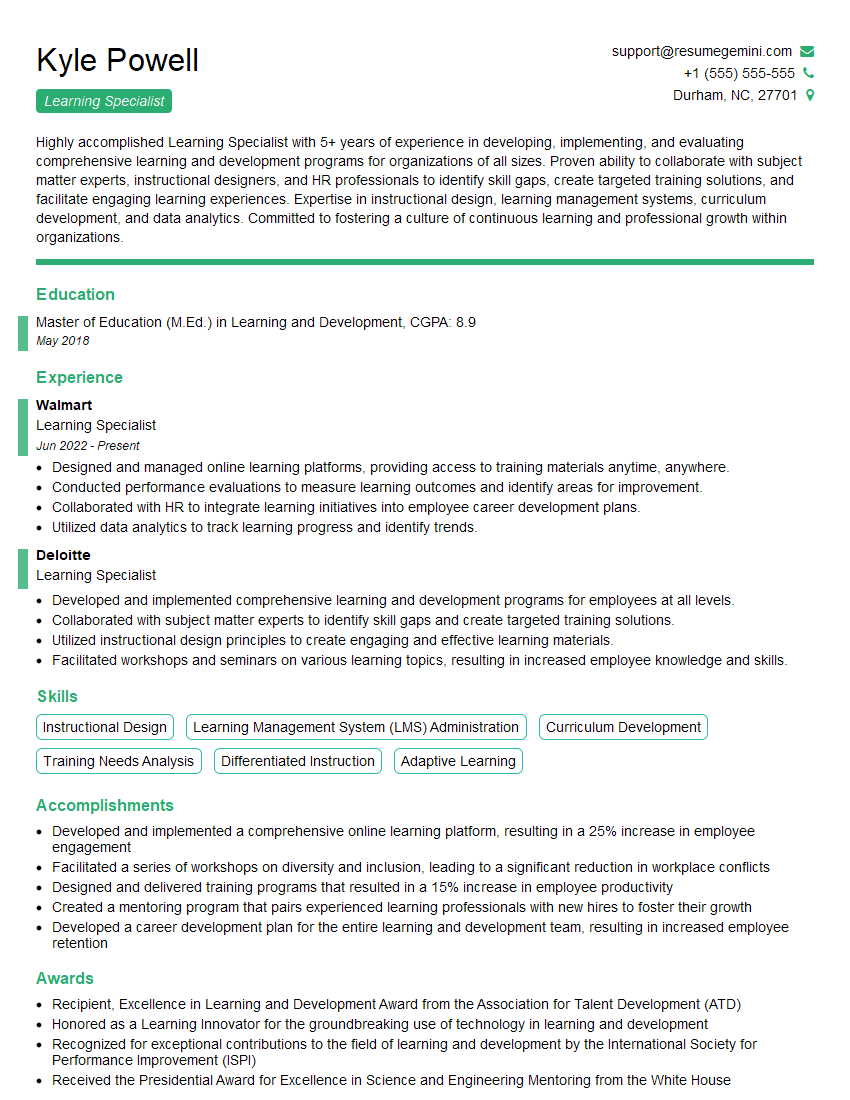
Learning Specialist Resume Sample
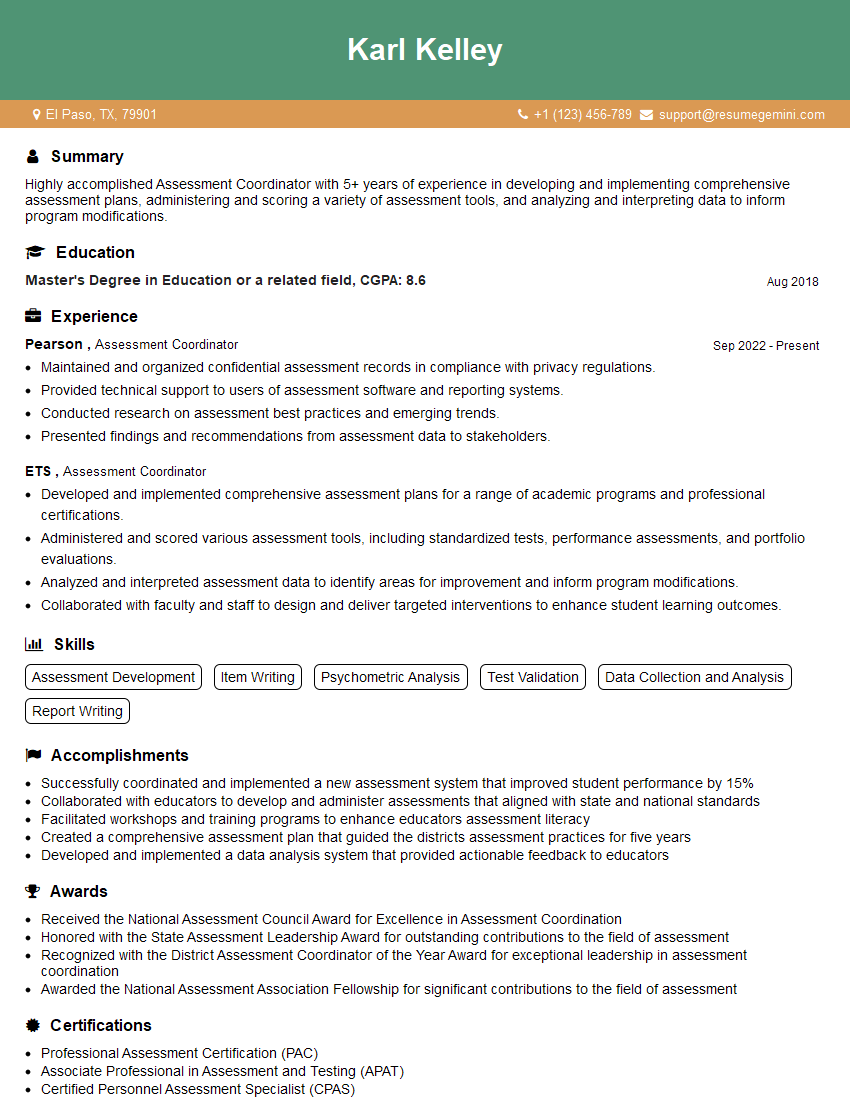
Assessment Coordinator Resume Sample
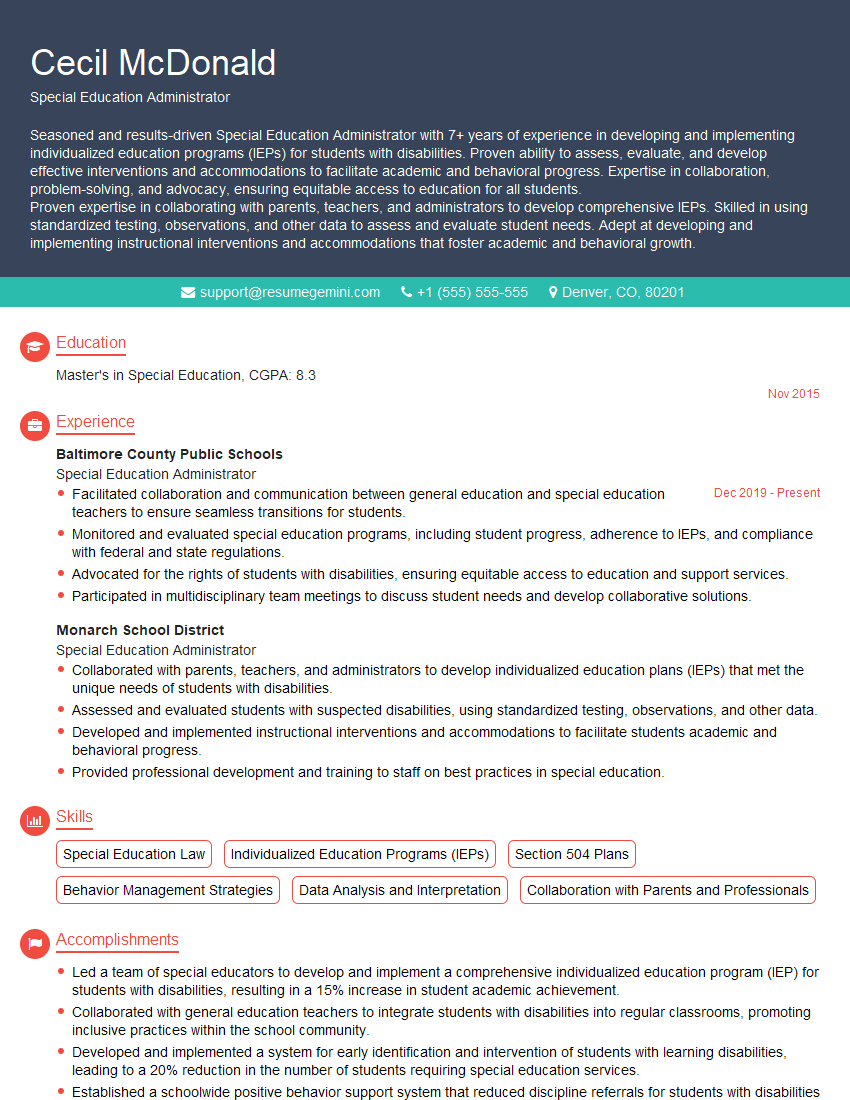
Special Education Administrator Resume Sample
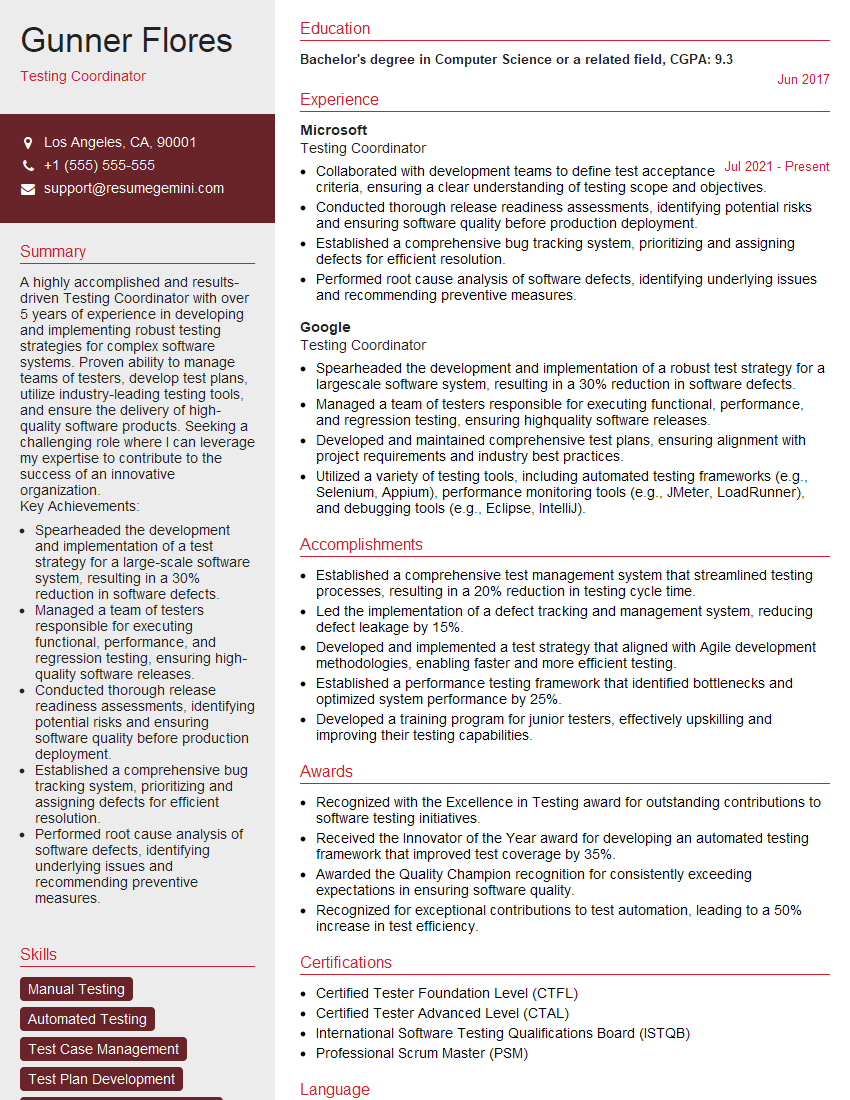
Testing Coordinator Resume Sample
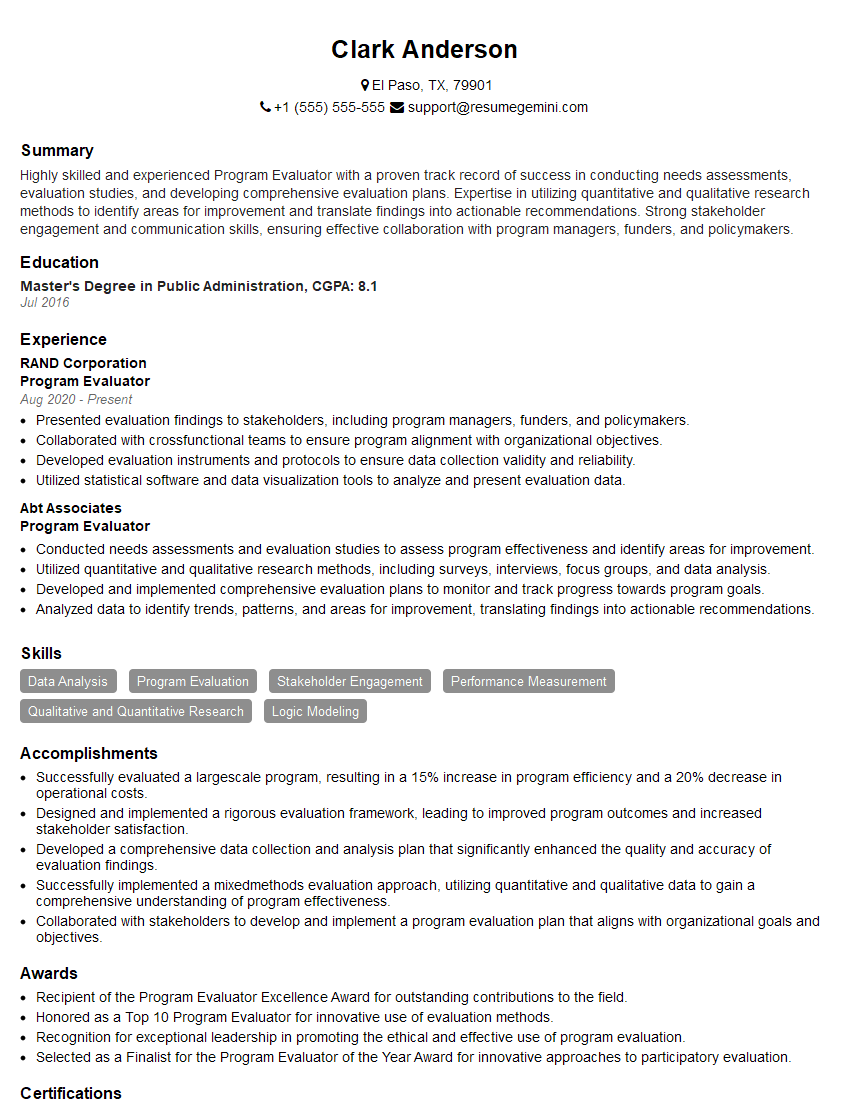
Program Evaluator Resume Sample

Curriculum Developer Resume Sample
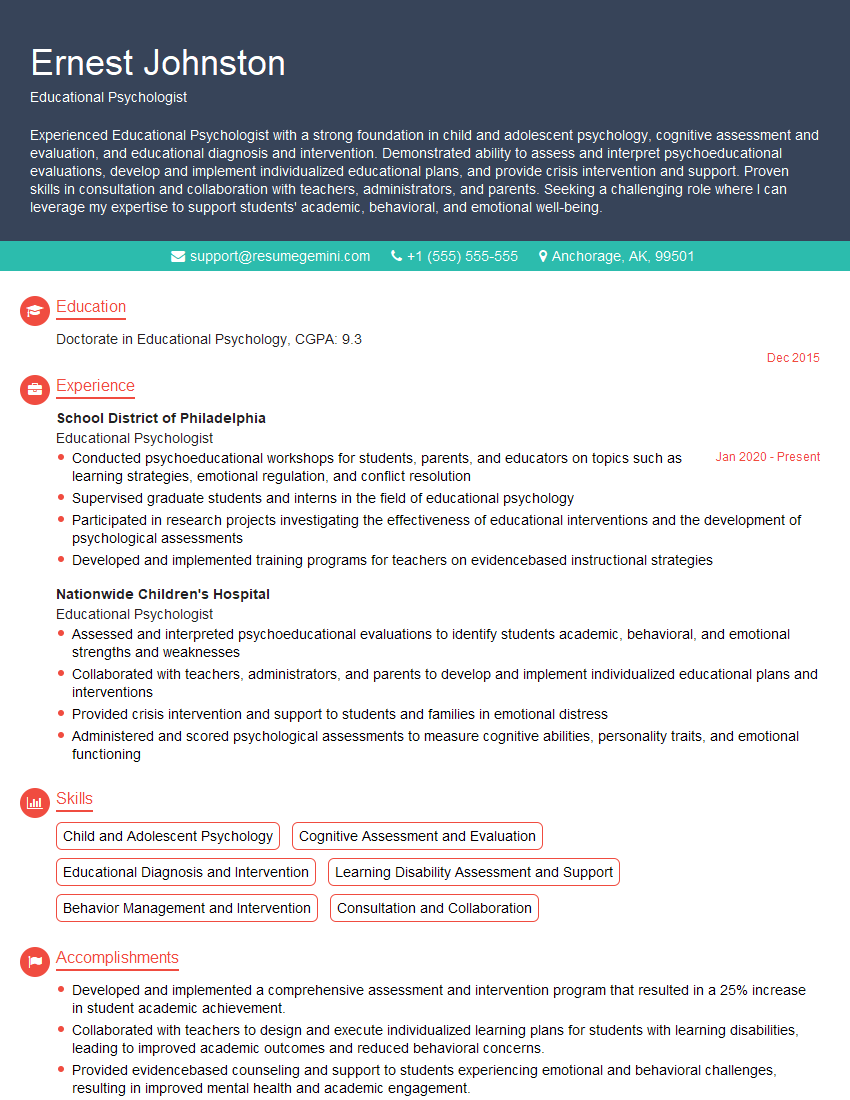
Educational Psychologist Resume Sample
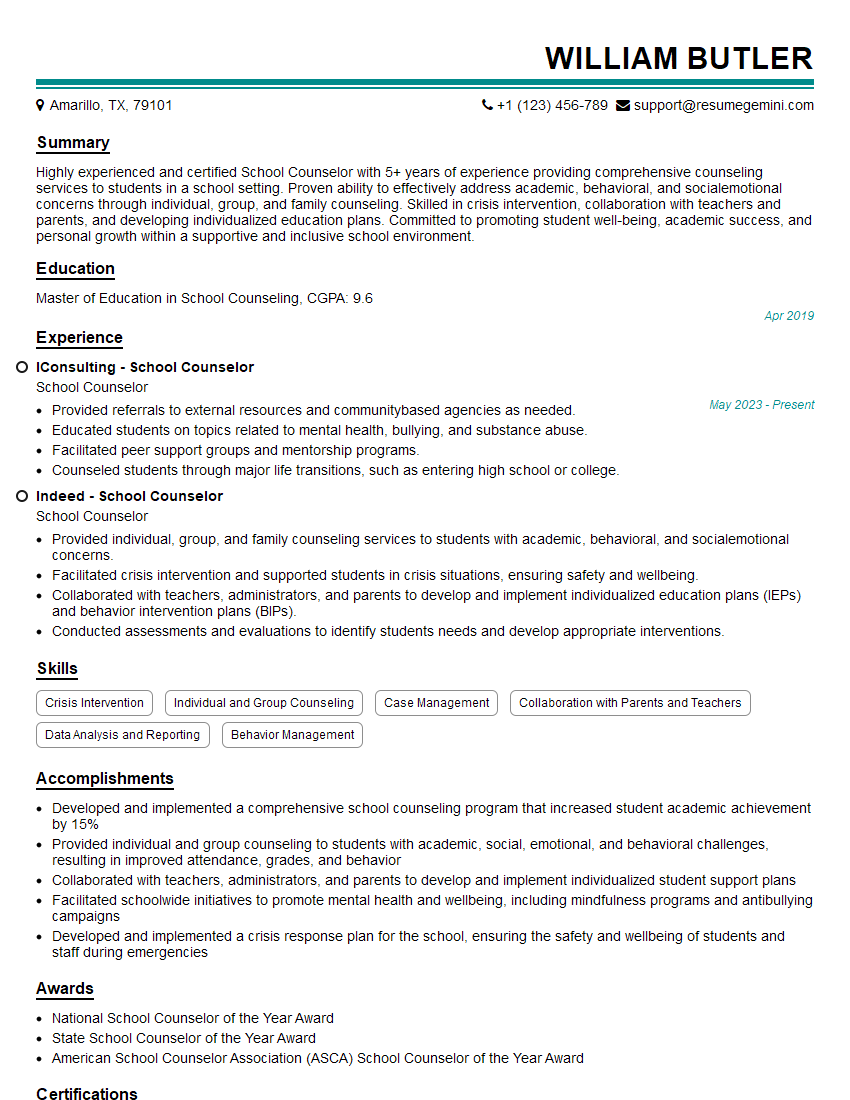
School Counselor Resume Sample
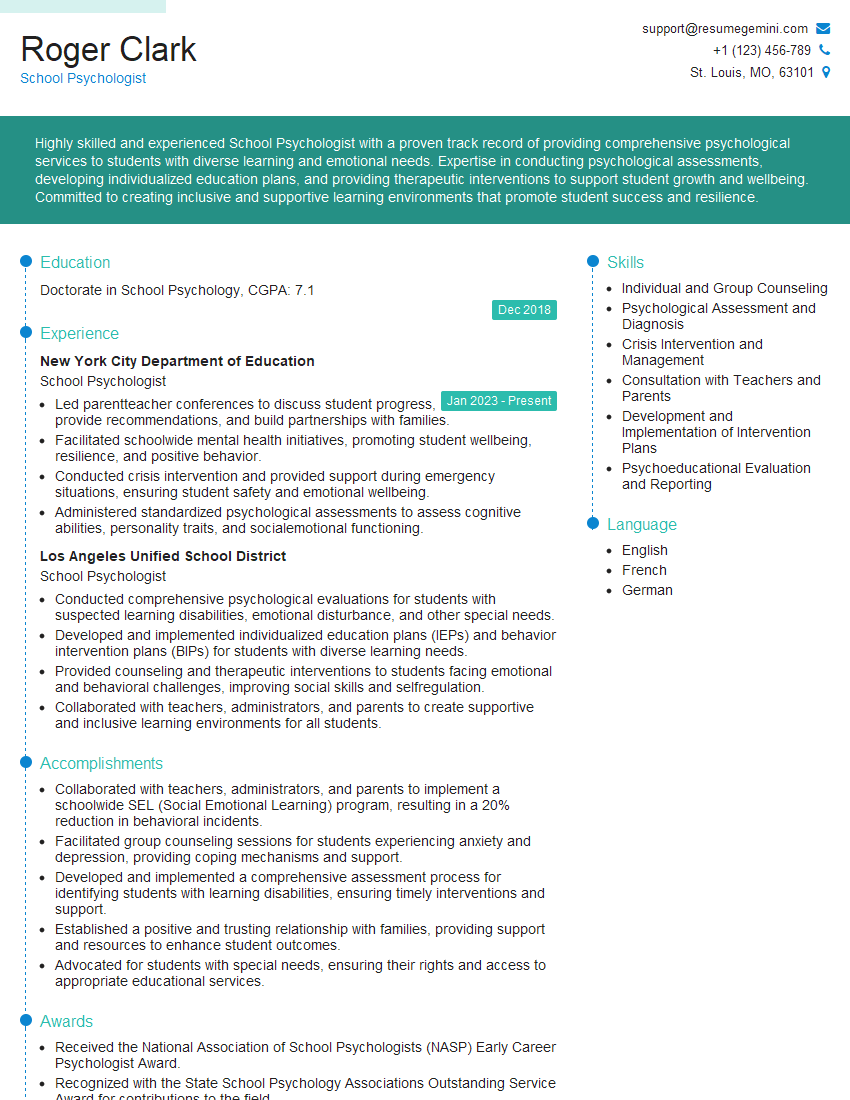
School Psychologist Resume Sample
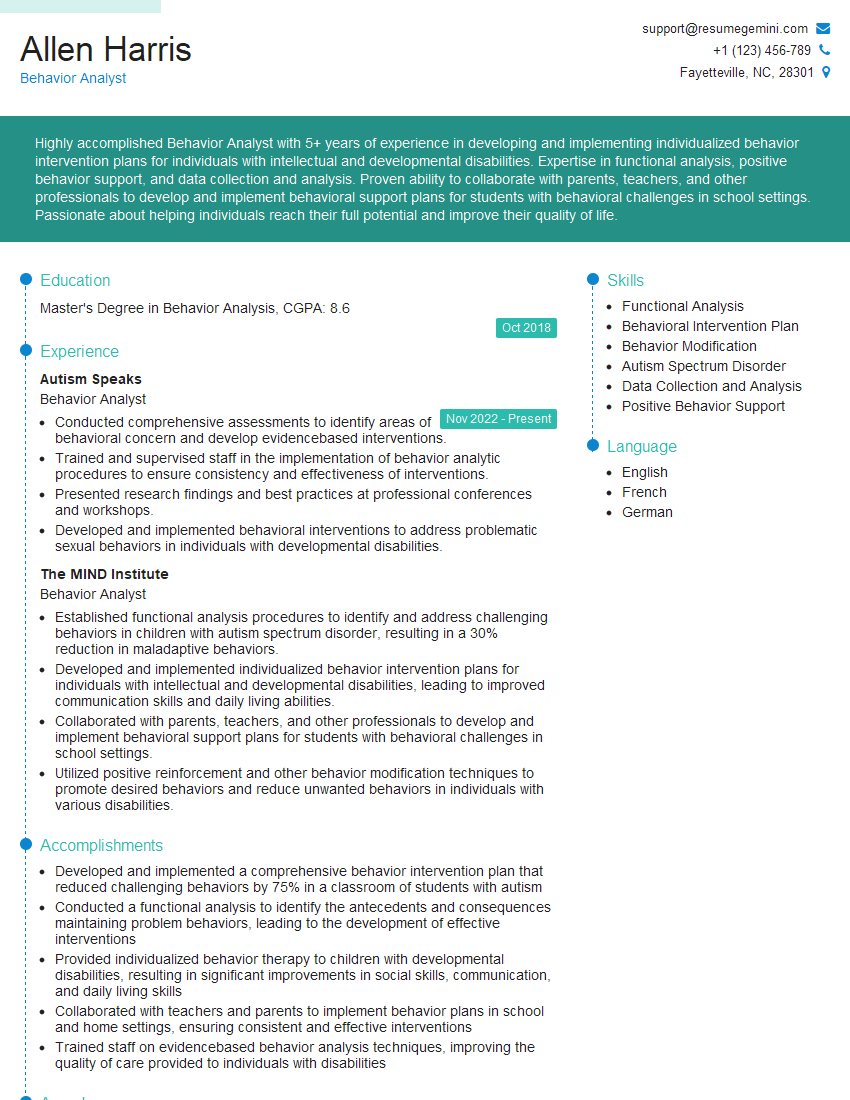
Behavior Analyst Resume Sample
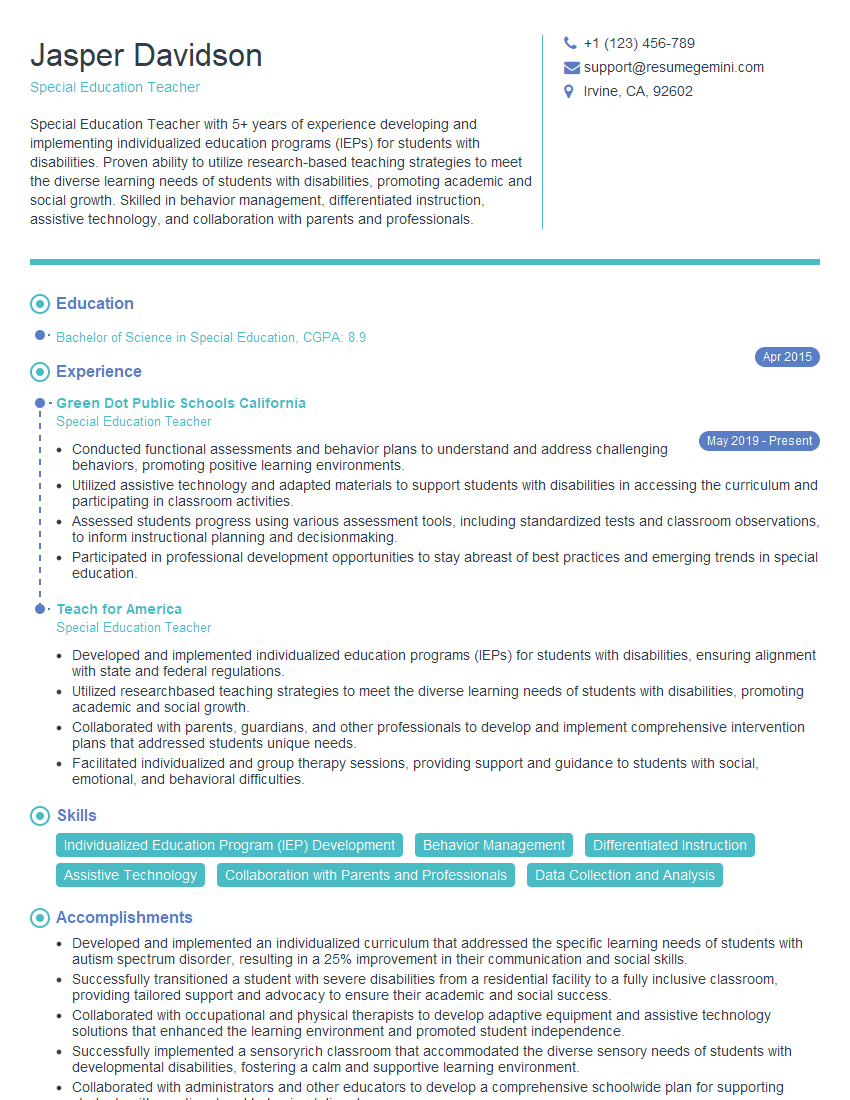
Special Education Teacher Resume Sample
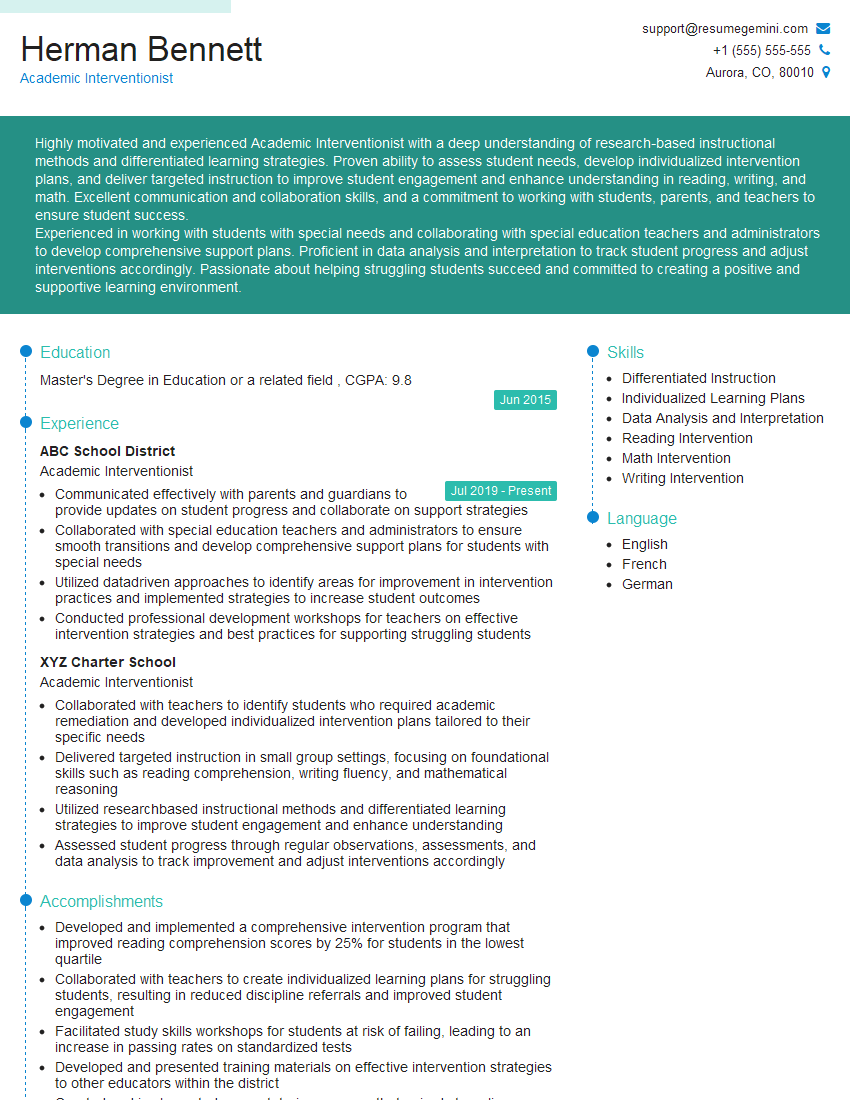
Academic Interventionist Resume Sample
Explore more articles
Users Rating of Our Blogs
Share Your Experience
We value your feedback! Please rate our content and share your thoughts (optional).
What Readers Say About Our Blog
I Redesigned Spongebob Squarepants and his main characters of my artwork.
https://www.deviantart.com/reimaginesponge/art/Redesigned-Spongebob-characters-1223583608
IT gave me an insight and words to use and be able to think of examples
Hi, I’m Jay, we have a few potential clients that are interested in your services, thought you might be a good fit. I’d love to talk about the details, when do you have time to talk?
Best,
Jay
Founder | CEO