Interviews are more than just a Q&A session—they’re a chance to prove your worth. This blog dives into essential Cultural sensitivity and understanding. interview questions and expert tips to help you align your answers with what hiring managers are looking for. Start preparing to shine!
Questions Asked in Cultural sensitivity and understanding. Interview
Q 1. Describe a situation where you had to adapt your communication style to accommodate different cultural norms.
Adapting communication styles across cultures is crucial for effective interaction. It involves understanding that directness, formality, and even nonverbal cues can vary significantly. For example, while direct communication is valued in some cultures (like the US), it might be perceived as rude or confrontational in others (like Japan, where indirectness and saving face are prioritized).
During a project involving a global team, I noticed that my direct feedback to a colleague from a collectivist culture was causing unintentional friction. He seemed hesitant to participate openly after receiving my feedback, although his work was high-quality. I realized my direct style, while effective in other contexts, felt overly critical within his cultural framework. To adapt, I shifted to a more indirect and collaborative approach, focusing on positive reinforcement and phrasing suggestions as questions rather than directives. This change led to a more positive and productive working relationship.
Q 2. How would you handle a conflict arising from cultural misunderstandings in a team setting?
Handling conflicts stemming from cultural misunderstandings requires patience, empathy, and active listening. The key is to avoid assigning blame and instead focus on understanding the differing perspectives. I approach such situations with a structured approach:
- Active Listening: I encourage each party to fully explain their perspective without interruption. This involves paying close attention to both verbal and nonverbal cues.
- Clarification: I ask clarifying questions to ensure complete understanding of the viewpoints, identifying any potential linguistic or cultural misinterpretations.
- Neutral Facilitation: I act as a mediator, helping to reframe the conflict as a misunderstanding rather than a personal attack. I emphasize shared goals and finding solutions that respect all perspectives.
- Cultural Sensitivity Training (if applicable): If repeated conflicts arise, I suggest incorporating culturally sensitive training to equip the team with greater awareness and cross-cultural communication skills.
For example, in a past team conflict, a disagreement arose between a team member from a high-context culture (where meaning is inferred from nonverbal cues and shared understanding) and another from a low-context culture (where communication is explicit). My mediation focused on understanding the differing communication styles and helping them explicitly communicate their needs and expectations to bridge the gap.
Q 3. Explain your understanding of cultural bias and how you mitigate its impact in your work.
Cultural bias refers to unconscious or conscious prejudices and stereotypes that affect our perceptions and interactions with individuals from different cultural backgrounds. It can significantly impact decision-making, team dynamics, and project outcomes. To mitigate its impact, I employ several strategies:
- Self-Reflection: Regular self-assessment is crucial for identifying my own potential biases. This involves being aware of my own cultural background and how it influences my world view.
- Seek Diverse Perspectives: Actively soliciting input from individuals from various cultural backgrounds helps to counter my own assumptions and provides a broader understanding of the situation.
- Data-Driven Decisions: Relying on objective data and metrics whenever possible minimizes the influence of subjective biases.
- Continuous Learning: Keeping updated on cultural awareness resources and best practices is essential for minimizing bias in my work.
For instance, during a hiring process, I made a conscious effort to avoid biases based on communication style or background by evaluating candidates solely on their skills and experience, using structured interviews to minimize subjective judgments.
Q 4. How do you approach understanding the nuances of nonverbal communication across cultures?
Nonverbal communication varies dramatically across cultures. Gestures, eye contact, personal space, and even silence carry different meanings. Understanding these nuances requires focused effort and a commitment to continuous learning.
- Research: I research the cultural norms of the individuals I’m interacting with, focusing on their nonverbal communication styles.
- Observation: I pay close attention to nonverbal cues, noting any discrepancies from my own cultural norms. This includes observing body language, tone of voice, and the use of space.
- Contextualization: I interpret nonverbal cues in the context of the overall communication, recognizing that gestures might have different meanings based on the situation.
- Seeking Clarification: When unsure about a nonverbal cue, I politely ask for clarification to avoid misinterpretations.
For example, I once attended a business meeting in a country where prolonged eye contact was considered disrespectful. By observing the behavior of others in the meeting and adapting my own nonverbal cues, I was able to navigate the cultural differences and maintain a professional rapport.
Q 5. Describe a time you had to navigate a situation involving diverse cultural perspectives on a project.
Navigating diverse cultural perspectives requires flexibility, empathy, and a willingness to compromise. During a project involving international collaboration, differing views on project timelines and communication frequency emerged. Some team members, accustomed to a more relaxed pace, favored a more flexible schedule, whereas others from more deadline-driven cultures insisted on strict adherence to timelines.
To resolve this, I facilitated open discussions where each team member explained their perspectives and their reasoning. We worked collaboratively to create a hybrid approach that respected individual cultural preferences while ensuring project milestones were met. This involved setting clear deadlines with built-in flexibility, allowing for adjustments based on cultural needs while also maintaining transparency and frequent communication to keep the project moving forward.
Q 6. How would you facilitate a meeting involving individuals from various cultural backgrounds?
Facilitating meetings with diverse cultural backgrounds demands careful planning and execution. My approach involves:
- Clear Agenda: Providing a clear, concise agenda in advance allows participants to prepare and understand the meeting’s objectives.
- Language Considerations: Offering translation services, if needed, ensures everyone understands the discussion.
- Communication Styles: Considering different communication preferences – some may prefer direct communication while others may be more indirect.
- Time Management: Respecting differing time sensitivities, including potential for longer meetings in some cultures due to discussion and relationship-building.
- Cultural Protocol: Understanding and respecting cultural protocols around greetings, introductions, and decision-making processes.
For example, when facilitating a global team meeting, I started by having each participant briefly introduce themselves and their cultural background to foster a sense of understanding and build rapport. I consciously allowed for a more relaxed meeting pace, enabling time for more collaborative discussion and relationship building.
Q 7. What strategies do you employ to ensure inclusive communication in a diverse workplace?
Inclusive communication is crucial in a diverse workplace. My strategies include:
- Active Listening and Inclusive Language: Actively listening to understand diverse perspectives and using inclusive language that avoids stereotypes or assumptions.
- Multiple Communication Channels: Utilizing different communication methods (email, video conferencing, instant messaging) to cater to varied preferences.
- Regular Feedback and Check-ins: Regularly seeking feedback and checking in with individuals to ensure they feel heard and included.
- Training and Resources: Promoting cultural sensitivity training and providing resources to improve understanding of diversity and inclusion.
- Accessibility Considerations: Ensuring all communications are accessible to individuals with different abilities, including providing captions for videos and alternative formats for documents.
For example, I introduced a team communication policy that encouraged the use of clear and concise language, offered multiple communication channels, and facilitated regular feedback sessions to encourage open dialogue and address concerns promptly. This ensured all team members felt respected, valued, and able to fully contribute.
Q 8. How do you identify and address potential cultural barriers in international projects?
Identifying and addressing cultural barriers in international projects requires a proactive and multifaceted approach. It starts with thorough cultural due diligence before the project even begins. This involves researching the cultural norms, communication styles, and business practices of all involved parties. For example, understanding concepts like high-context vs. low-context communication is crucial. In a high-context culture (like Japan), much communication is implicit, relying on shared understanding, while low-context cultures (like Germany) prioritize explicit communication.
Once the project starts, active listening and observation are key. Pay attention to nonverbal cues, communication styles, and responses to feedback. If misunderstandings arise, I employ a ‘slow down and listen’ strategy. This means deliberately slowing down the pace of communication, asking clarifying questions, and actively listening to understand the other person’s perspective before responding. Using a skilled translator where language differences exist is crucial. This doesn’t just involve verbal translation but also cultural mediation.
Finally, building a culture of mutual respect and understanding is vital. This means explicitly acknowledging and valuing cultural differences, creating opportunities for team members to share their cultural perspectives, and fostering open dialogue. This could involve team-building exercises that promote cultural exchange and understanding.
Q 9. How do you adapt your leadership style to effectively manage a culturally diverse team?
My leadership style is adaptable and relies heavily on situational leadership. This means adjusting my approach based on the individual and the specific task at hand. With a culturally diverse team, I find it essential to understand individual communication preferences. Some team members might prefer direct feedback, while others might be more comfortable with a more indirect approach. I utilize regular one-on-one meetings to assess individual needs and preferences.
I emphasize inclusive decision-making processes, ensuring all team members have a voice and feel heard. This might involve incorporating different communication methods – from formal written reports to informal brainstorming sessions – to accommodate various communication styles. I also prioritize building relationships based on trust and respect. This means actively listening to team members, showing empathy, and demonstrating a genuine interest in their cultures.
For example, when managing a team with members from both individualistic (e.g., US) and collectivist (e.g., Japan) cultures, I ensure that individual contributions are recognized while also emphasizing team goals and collaboration. I might adjust my feedback style, offering more direct feedback to those who prefer it and a gentler, more indirect approach to others.
Q 10. Explain your approach to interpreting and responding to cultural differences in feedback.
Interpreting and responding to culturally diverse feedback requires careful consideration of both the content and delivery. I begin by actively listening to the feedback, paying close attention to both verbal and nonverbal cues. I then analyze the feedback within the cultural context of the person providing it. For example, direct, critical feedback might be common in some cultures but considered rude or offensive in others.
I use reflective listening to ensure I understand the feedback accurately. This involves paraphrasing the feedback to confirm my understanding and demonstrating my willingness to engage with the other person’s perspective. I also take care to avoid making assumptions about the intent behind the feedback, preferring instead to ask clarifying questions. It’s important to remember that feedback isn’t always meant as criticism; sometimes it’s a show of care or concern.
Once I fully understand the feedback, I respond in a manner that’s respectful and culturally sensitive. This might involve tailoring my response to the individual’s communication style. Some might appreciate a detailed, written response, while others might prefer a brief, verbal acknowledgement. The aim is always to maintain open communication and to foster a safe space for future feedback.
Q 11. How do you remain culturally sensitive when working under pressure?
Maintaining cultural sensitivity under pressure requires a conscious effort and a well-developed set of coping mechanisms. First, I recognize that stress can exacerbate biases and misunderstandings. I make a conscious effort to pause and breathe before responding to situations, particularly when facing challenging individuals or urgent situations. Taking a moment to gather my thoughts helps to prevent hasty judgments based on stereotypes.
Secondly, I use self-awareness as a key tool. I acknowledge my own cultural biases and predispositions and make a conscious effort to challenge them. I remind myself that different does not equal wrong; instead, differences represent valuable perspectives. I find it helpful to actively seek feedback on my communication style from others, especially those from different cultural backgrounds. This helps to identify blind spots and improve intercultural communication.
Finally, I prioritize self-care. Stress management techniques such as mindfulness, exercise, and sufficient rest are crucial to ensuring that I can continue to function effectively and remain culturally sensitive, even under duress.
Q 12. How do you approach conflict resolution when cultural differences are a factor?
Conflict resolution involving cultural differences requires patience, empathy, and a deep understanding of the cultural context. My approach starts with active listening and seeking to understand the perspectives of all parties involved. I avoid making assumptions about the reasons behind the conflict and instead focus on understanding the individual’s emotional state and concerns. It’s crucial to recognize that the expression of conflict varies greatly across cultures.
I employ a mediation-style approach, facilitating communication and finding common ground rather than imposing solutions. I help the conflicting parties to articulate their needs and concerns clearly and respectfully. It’s important to acknowledge that the perceived severity and appropriate response to conflict differ significantly across cultures. Direct confrontation might be seen as appropriate in some cultures but extremely offensive in others. Therefore, I adjust my approach accordingly.
Finally, I encourage the use of cultural interpreters or mediators if language or cultural barriers significantly impede communication. The goal is always a mutually agreeable resolution that respects everyone’s cultural values and beliefs.
Q 13. What are your strategies for building trust and rapport with individuals from different cultural backgrounds?
Building trust and rapport with individuals from different cultural backgrounds hinges on demonstrating genuine respect, empathy, and understanding. My approach includes active listening, showing genuine interest in their cultures, and adapting my communication style to better suit theirs. I begin by asking open-ended questions about their background, interests, and experiences. This shows genuine curiosity and helps to build a personal connection.
I find that sharing aspects of my own culture can also build trust. This helps to create a reciprocal atmosphere where everyone feels comfortable sharing and learning from each other. It also normalizes the sharing of differences and acknowledges the value of diversity. I strive to be mindful of cultural etiquette and customs, demonstrating respect for their norms and traditions.
Moreover, I value patience and persistence. Building trust takes time, especially across cultures. It often necessitates persistence and a willingness to learn and adapt. It’s a continuous process that requires ongoing engagement and commitment. Finally, being reliable and consistent in my words and actions reinforces trust and builds solid relationships.
Q 14. Describe your experience with cultural immersion and how it impacted your work.
My experience with cultural immersion has profoundly shaped my approach to intercultural work. I’ve had the opportunity to live and work in [mention specific location(s) and briefly describe the experience]. This immersion wasn’t just about learning the language; it was about experiencing the local culture firsthand—understanding the unspoken rules, observing social interactions, and participating in daily life.
This direct experience allowed me to move beyond textbook knowledge of cultural differences. I witnessed firsthand how cultural nuances affect communication, collaboration, and conflict resolution. For example, experiencing the importance of building strong relationships in a collectivist culture sharpened my understanding of the necessity of trust-building activities in international projects.
The impact on my work is significant. I am better equipped to anticipate and navigate cultural misunderstandings, to adapt my leadership style to different cultural contexts, and to build strong, productive relationships with people from diverse backgrounds. It fostered a deeper empathy and respect for cultural differences, transforming my approach from theoretical understanding to practical application.
Q 15. How do you ensure that your communication is both culturally sensitive and effective?
Ensuring culturally sensitive and effective communication requires a multifaceted approach. It’s not just about what you say, but how you say it and the context in which you say it. At its core, it involves understanding and respecting the diverse cultural backgrounds of your audience.
- Active Listening: Truly hearing and understanding the other person’s perspective, paying attention not just to their words but also their nonverbal cues. This might involve slowing down the pace of conversation and allowing for pauses.
- Adapting Communication Style: Different cultures have different communication styles. Some prefer direct, explicit communication while others value indirectness and nuanced language. For example, in some cultures, direct confrontation is considered rude, while in others it’s seen as honest and efficient. I adapt my style to be respectful of the individual’s cultural norms.
- Clear and Concise Language: Avoiding jargon, idioms, and slang that might not be universally understood. Using simple, straightforward language ensures the message is received accurately.
- Nonverbal Awareness: Being mindful of body language, including eye contact, gestures, and personal space. What’s considered acceptable in one culture might be offensive in another. For example, direct eye contact is valued in some cultures but considered disrespectful in others.
- Seeking Clarification: Regularly checking for understanding by asking questions like, “Does that make sense?” or “Can you please repeat that?” This avoids misunderstandings and fosters a more inclusive dialogue.
For instance, when working with a team from diverse backgrounds, I would take the time to learn about each individual’s cultural preferences before initiating important conversations. I would also actively solicit feedback to ensure my communication is well-received.
Career Expert Tips:
- Ace those interviews! Prepare effectively by reviewing the Top 50 Most Common Interview Questions on ResumeGemini.
- Navigate your job search with confidence! Explore a wide range of Career Tips on ResumeGemini. Learn about common challenges and recommendations to overcome them.
- Craft the perfect resume! Master the Art of Resume Writing with ResumeGemini’s guide. Showcase your unique qualifications and achievements effectively.
- Don’t miss out on holiday savings! Build your dream resume with ResumeGemini’s ATS optimized templates.
Q 16. What resources do you utilize to improve your cultural understanding?
I utilize a variety of resources to continually improve my cultural understanding. This is an ongoing process, not a destination. My approach is multi-pronged:
- Cross-Cultural Training: I actively seek out workshops, seminars, and online courses that focus on specific cultural contexts or broader intercultural communication principles.
- Books and Articles: I regularly read books and scholarly articles on anthropology, sociology, and intercultural communication to broaden my theoretical understanding.
- Networking and Mentorship: I engage with individuals from diverse backgrounds, seeking mentorship and building professional networks. Learning directly from people with lived experience provides invaluable insights.
- Immersive Experiences: Whenever possible, I engage in activities that immerse me in different cultures, such as traveling, attending cultural events, or participating in community initiatives.
- Online Resources: I leverage reputable online resources such as cultural awareness websites and databases to access information on various cultural norms and customs.
For example, recently, I participated in a workshop on communicating effectively with individuals from East Asian cultures, which significantly enhanced my understanding of indirect communication styles and the importance of context.
Q 17. How do you remain sensitive to cultural differences during sensitive situations?
Maintaining sensitivity during sensitive situations requires heightened awareness and a nuanced approach. The key is to prioritize empathy, active listening, and a focus on building rapport before addressing the sensitive issue.
- Empathetic Listening: Giving the individual space to express their feelings and concerns without interruption or judgment. Show genuine understanding and validation of their emotional state.
- Respectful Language: Using language that is non-accusatory and avoids generalizations. Choosing words carefully, avoiding potentially offensive terms or phrases.
- Cultural Contextualization: Considering the individual’s cultural background when interpreting their reactions and behaviors. What might be considered acceptable behavior in one culture may be viewed differently in another.
- Mediation if Needed: If the situation involves conflict, I would consider seeking assistance from a trained mediator or someone with experience in conflict resolution within the relevant cultural context.
- Patience and Understanding: Sensitive situations often require patience and understanding. Allowing ample time for communication and resolution is crucial.
For instance, when mediating a conflict between two colleagues from different cultural backgrounds, I ensured I used a neutral, non-judgmental tone, actively listened to both sides, and focused on finding common ground rather than placing blame.
Q 18. How do you measure the effectiveness of your cultural sensitivity strategies?
Measuring the effectiveness of cultural sensitivity strategies is an ongoing process that involves both qualitative and quantitative methods. There’s no single metric; it requires a holistic approach.
- Feedback Mechanisms: Implementing regular feedback mechanisms, such as surveys, focus groups, and informal conversations, to gauge the perception of inclusivity and understanding within the team or organization.
- Incident Reporting and Analysis: Tracking incidents of cultural misunderstandings or conflicts and analyzing the root causes. This data can be used to refine strategies and prevent future occurrences.
- Employee Satisfaction Surveys: Including questions related to workplace inclusion and cultural sensitivity in employee satisfaction surveys provides quantitative data on overall morale and satisfaction.
- Observational Assessment: Direct observation of interactions to assess whether communication styles are respectful and inclusive. This could be done through informal observation or structured assessments.
- Improved Communication and Collaboration: An increase in positive interactions, improved team cohesion, and reduced workplace conflicts can indirectly reflect enhanced cultural sensitivity.
For example, in a previous project, we used post-project surveys to assess participant satisfaction and identify areas for improvement in our cross-cultural communication approach. The feedback helped us refine our training materials and communication guidelines for future projects.
Q 19. How have you personally demonstrated cultural sensitivity in a professional context?
In a previous project involving a multinational team, I noticed that a colleague from a collectivist culture was hesitant to express their dissenting opinion during team meetings, a behavior rooted in their cultural upbringing, where harmony and group consensus are prioritized over individual expression.
To address this, I proactively sought one-on-one meetings with this colleague, creating a safe space for them to share their thoughts and concerns. I ensured they felt heard and valued by actively listening, showing empathy, and refraining from judgment. I also adapted my communication style to be more inclusive, encouraging participation from all team members in a less direct, more collaborative manner. This led to improved team dynamics and more valuable input from all members.
Q 20. What are some potential challenges in maintaining cultural sensitivity in a fast-paced work environment?
Fast-paced work environments can pose several challenges to maintaining cultural sensitivity. The pressure to meet deadlines and achieve goals can sometimes overshadow the importance of careful and considerate communication.
- Time Constraints: The lack of time for thorough communication can lead to misunderstandings and misinterpretations, particularly when dealing with cultural nuances.
- Communication Overload: The volume of information exchanged in a fast-paced setting might make it difficult to give sufficient attention to each communication and adapt accordingly.
- Implicit Bias: Under pressure, unconscious biases might surface, leading to unintentional cultural insensitivity.
- Reduced Patience: The urgency of the situation might lead to impatience, potentially harming communication dynamics, especially with individuals from cultures where slower, more deliberate communication is the norm.
- Lack of Training: In the haste to get projects completed, cultural sensitivity training might be overlooked, leaving team members without the necessary skills for successful cross-cultural interaction.
To mitigate these challenges, organizations need to proactively prioritize cultural sensitivity, providing ample training and creating a supportive environment where taking the time for thoughtful communication is valued, even within time constraints.
Q 21. How do you balance cultural sensitivity with the need for clear and direct communication?
Balancing cultural sensitivity with the need for clear and direct communication involves finding a middle ground that respects both efficiency and cultural norms. It’s not an either/or situation; it’s about finding an approach that works for all parties involved.
- Contextual Clarity: Providing sufficient context and background information to ensure the message is understood correctly. This helps prevent misinterpretations that might arise from different cultural perspectives.
- Adaptive Directness: Adjusting the level of directness based on the cultural context. While direct communication is often valued, it can be perceived as confrontational in some cultures. Finding a balance between clarity and sensitivity is key.
- Indirect Communication Techniques: Employing indirect communication techniques, such as suggesting or hinting at a point, in cultures where direct confrontation might be considered impolite. This doesn’t mean being unclear; it involves choosing phrasing strategically.
- Active Feedback Loops: Creating a feedback loop to ensure mutual understanding. Regularly checking for comprehension and addressing any questions or concerns can prevent misunderstandings.
- Cultural Mediation: Utilizing a cultural mediator if necessary, especially in complex or sensitive situations. A mediator can facilitate communication and ensure that both parties’ cultural perspectives are taken into account.
For example, when giving feedback to a colleague from a high-context culture, I might preface my critique with positive reinforcement, frame my criticism constructively, and focus on solutions rather than directly pointing out flaws. This ensures clarity while respecting their cultural preferences.
Q 22. Describe a time you had to make a decision that considered the impact on diverse stakeholders.
One time, I was leading a project team tasked with launching a new product in a global market. We had stakeholders from diverse cultural backgrounds, including North America, Europe, and East Asia. A significant decision involved the marketing campaign’s imagery and messaging. While the initial draft resonated well with North American audiences, it contained symbols and colors with different meanings in East Asian cultures, some even considered negative. To make a culturally sensitive decision, I facilitated a series of discussions with representatives from each cultural group. We explored alternative visuals and messaging, ensuring that the campaign remained universally appealing while respecting the diverse interpretations. This collaborative approach, prioritizing intercultural understanding, led to a highly successful product launch, avoiding potential cultural missteps.
This experience highlighted the importance of considering the diverse perspectives and avoiding assumptions. Effective communication and empathy were crucial in resolving potential conflicts and crafting a campaign that resonated globally.
Q 23. How do you ensure that diversity and inclusion efforts are not just tokenistic?
Tokenistic diversity and inclusion efforts often focus on surface-level representation without addressing systemic issues. To avoid this, true inclusivity must be woven into the fabric of the organization. This involves several key strategies:
- Data-driven approach: Regularly assess diversity metrics across all levels of the organization, identifying gaps and areas requiring improvement. This data informs targeted interventions.
- Inclusive hiring practices: Develop blind resume screening processes, use diverse interview panels, and implement inclusive onboarding procedures.
- Employee resource groups (ERGs): Support and empower ERGs, providing them with resources and opportunities to contribute to organizational decision-making.
- Bias training: Implement ongoing training programs focusing on implicit bias, cultural sensitivity, and inclusive leadership. Training needs to be interactive and regularly reviewed and updated.
- Accountability and transparency: Set clear diversity and inclusion goals with measurable targets, regularly tracking progress and holding leaders accountable for achieving these goals. Transparency in this process builds trust.
- Mentorship and sponsorship programs: Provide opportunities for employees from underrepresented groups to receive mentorship and sponsorship to advance their careers.
Ultimately, true diversity and inclusion require a holistic approach, addressing systemic inequalities and fostering a culture of belonging. It’s not about checking boxes; it’s about creating genuine equity and opportunity for all.
Q 24. How would you handle a situation where a cultural practice conflicts with company policy?
When a cultural practice conflicts with company policy, a delicate balancing act is required. The goal is to find a mutually respectful solution that upholds both the company’s operational needs and the employee’s cultural rights, whenever possible. The approach is as follows:
- Understanding the context: Initiate a private, respectful conversation with the employee to understand the cultural significance of the practice and its importance to them.
- Exploring alternatives: Collaboratively explore alternative ways to fulfill the employee’s needs while adhering to company policy. Can reasonable accommodations be made?
- Open communication and negotiation: Openly discuss the policy and its rationale, emphasizing the company’s commitment to diversity and inclusion. Emphasize that the conflict isn’t personal, it’s about maintaining fair and consistent practices across the organization. Look for solutions together.
- Documentation and consistency: Document all discussions, agreed-upon accommodations, and any relevant policy adjustments. Ensure consistent application of policies and accommodations to avoid favoritism.
- Seeking legal counsel (if necessary): If a mutually agreeable solution cannot be found, seek legal counsel to understand the legal ramifications and ensure compliance with relevant labor laws.
It’s crucial to approach this situation with empathy, respect, and a willingness to find a fair and equitable solution. In some instances, a policy adjustment might be necessary, reflecting the organization’s commitment to inclusivity.
Q 25. What is your understanding of implicit bias and its impact on intercultural interactions?
Implicit bias refers to unconscious attitudes or stereotypes that affect our understanding, actions, and decisions. These biases are often formed through societal conditioning and personal experiences and operate outside our conscious awareness. In intercultural interactions, implicit bias can manifest as unintentional microaggressions, unfair judgments, or discriminatory behavior. It significantly impacts interactions by creating barriers to communication, trust, and collaboration. For instance, an implicit bias favoring individuals from certain cultural backgrounds could lead to unintentional favoritism during performance reviews or promotions.
Understanding implicit bias is critical to improving intercultural interactions. Recognizing that we all possess these biases—and actively working to mitigate their impact—is the first step. Techniques like mindfulness, self-reflection, and education are crucial in identifying and challenging these biases.
Q 26. How do you respond to microaggressions in a professional setting?
Microaggressions are subtle, often unintentional acts of discrimination. Responding to them requires careful consideration, balancing the need to address the behavior with the potential for escalation. My approach involves:
- Direct but respectful approach (if appropriate): If it feels safe to do so and the context allows, I might directly address the microaggression with the person, expressing how their comment or action made me feel. This approach requires careful phrasing and a focus on education rather than confrontation. Example: “I’m not sure I understand what you meant by that comment. Could you clarify?” or “That comment made me feel uncomfortable; perhaps we could rephrase that.”
- Documenting the incident: Regardless of whether I address it directly, I would document the microaggression, including the context, the individuals involved, and the impact it had on me. This documentation can be important for future patterns recognition and addressing systemic issues.
- Seeking support: If I feel unsafe or the situation requires a more formal response, I would seek support from HR, a mentor, or a trusted colleague.
- Focusing on education: Whenever appropriate, I would focus on educating the individual on the impact of their words or actions, aiming for understanding and change, not just immediate correction.
The goal is to address the behavior in a way that promotes understanding and learning while also protecting my well-being and maintaining a professional environment.
Q 27. How do you ensure that your team understands and respects cultural diversity?
Fostering a team that understands and respects cultural diversity requires a multifaceted approach:
- Leading by example: Demonstrate respect for diverse cultures through my own actions and interactions. This includes being mindful of language, using inclusive language, and actively celebrating diversity.
- Open communication: Create a safe space for team members to share their perspectives, experiences, and cultural backgrounds. Encourage open dialogue and active listening.
- Cultural awareness training: Provide regular training on cultural sensitivity, implicit bias, and effective cross-cultural communication.
- Team-building activities: Organize team-building activities that encourage interaction and understanding among team members with diverse backgrounds.
- Celebrating diversity: Acknowledge and celebrate cultural holidays and events. This shows appreciation and inclusion.
- Providing resources: Make resources and information on cultural diversity easily accessible to team members.
- Addressing incidents promptly: Respond to any instances of bias or discrimination immediately and fairly. This demonstrates a zero-tolerance policy and a commitment to inclusivity.
Cultivating a culture of respect and understanding takes time and ongoing effort. Consistent leadership and a focus on creating a safe and inclusive environment are key.
Q 28. Describe your approach to integrating cultural sensitivity into training programs.
Integrating cultural sensitivity into training programs requires moving beyond simple awareness lectures. Effective training should be interactive, engaging, and relevant to the workplace context.
- Interactive workshops: Instead of passive lectures, use interactive workshops, simulations, and case studies to allow participants to explore cultural differences and develop practical skills.
- Focus on practical application: Training should provide concrete strategies and tools for navigating cross-cultural interactions in the workplace. Role-playing exercises and real-world scenarios can be particularly effective.
- Diverse facilitators: Include diverse facilitators who can provide firsthand perspectives and experiences. This adds authenticity and enriches learning.
- Cultural immersion activities: Incorporate cultural immersion activities to foster greater understanding and empathy. This could include guest speakers, cultural events, or virtual reality experiences.
- Ongoing reinforcement: Cultural sensitivity is an ongoing learning process. Reinforce training through regular reminders, updates, and follow-up discussions. Establish a feedback mechanism to assess impact and make adjustments.
- Assess impact: Training should include mechanisms for evaluating impact. Pre- and post-training assessments can measure changes in attitudes, knowledge, and behaviors.
By adopting this comprehensive approach, training programs can effectively promote cultural sensitivity and help create a more inclusive and respectful workplace.
Key Topics to Learn for Cultural Sensitivity and Understanding Interview
- Defining Cultural Sensitivity and Understanding: Explore the core concepts, differentiating between cultural awareness, sensitivity, and competence. Understand the nuances of implicit bias and microaggressions.
- Communication Styles Across Cultures: Analyze verbal and non-verbal communication differences. Practice adapting your communication style to different cultural contexts. Consider high-context vs. low-context cultures and their implications for effective interaction.
- Cultural Dimensions and their Impact: Examine frameworks like Hofstede’s cultural dimensions (power distance, individualism/collectivism, etc.) and understand how these influence workplace dynamics, teamwork, and leadership styles. Learn to identify and navigate potential conflicts arising from these differences.
- Conflict Resolution and Negotiation in Diverse Settings: Develop strategies for resolving conflicts sensitively and effectively across cultures. Practice empathy and active listening skills. Understand the role of cultural norms in conflict resolution processes.
- Ethical Considerations and Inclusivity: Explore ethical considerations in intercultural interactions. Develop strategies for promoting inclusivity and equity in the workplace. Learn to recognize and address instances of bias and discrimination.
- Practical Application: Case Studies and Scenarios: Prepare for hypothetical scenarios involving intercultural communication challenges. Practice applying your understanding of cultural dimensions and communication styles to resolve these situations. Consider examples from different professional settings.
Next Steps
Mastering cultural sensitivity and understanding is crucial for career advancement. In today’s globalized world, demonstrating this competency significantly enhances your marketability and opens doors to diverse opportunities. To maximize your job prospects, focus on building a strong, ATS-friendly resume that clearly showcases your skills and experience in this area. ResumeGemini is a trusted resource to help you craft a professional and impactful resume that highlights your cultural sensitivity. Examples of resumes tailored to highlight cultural sensitivity and understanding are available within ResumeGemini to guide your efforts.
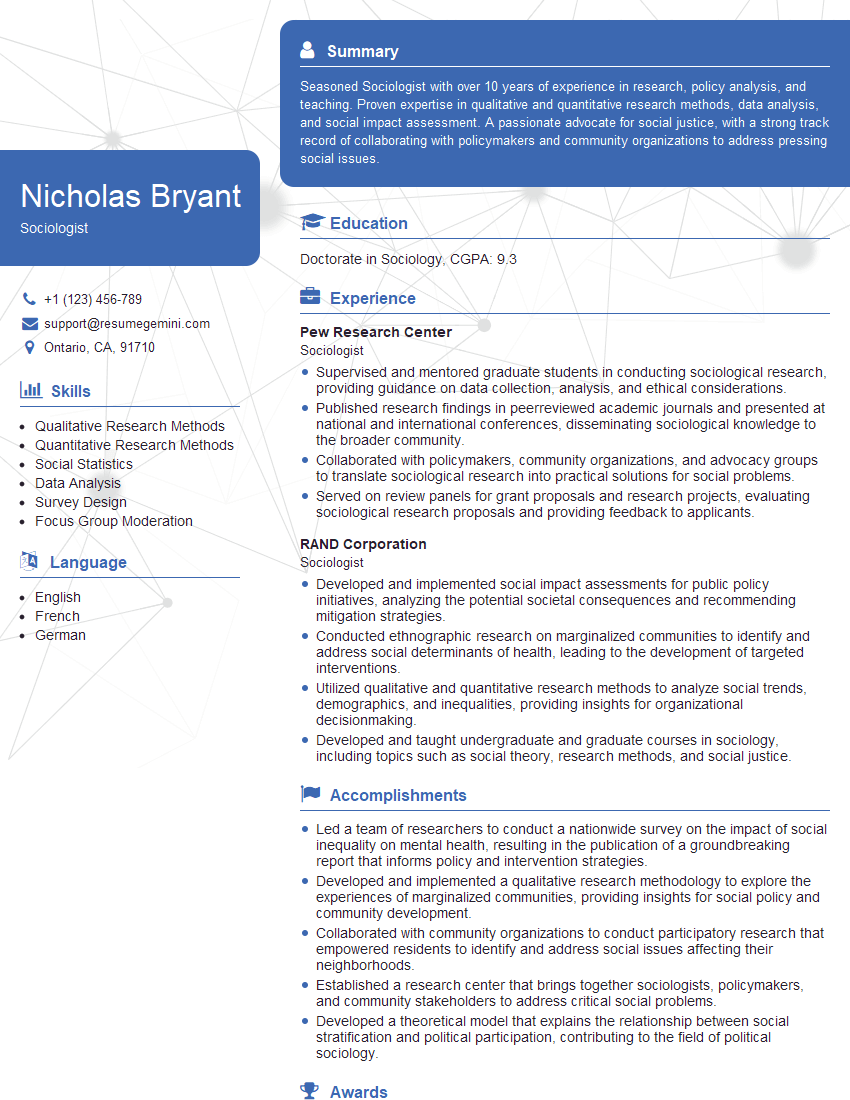
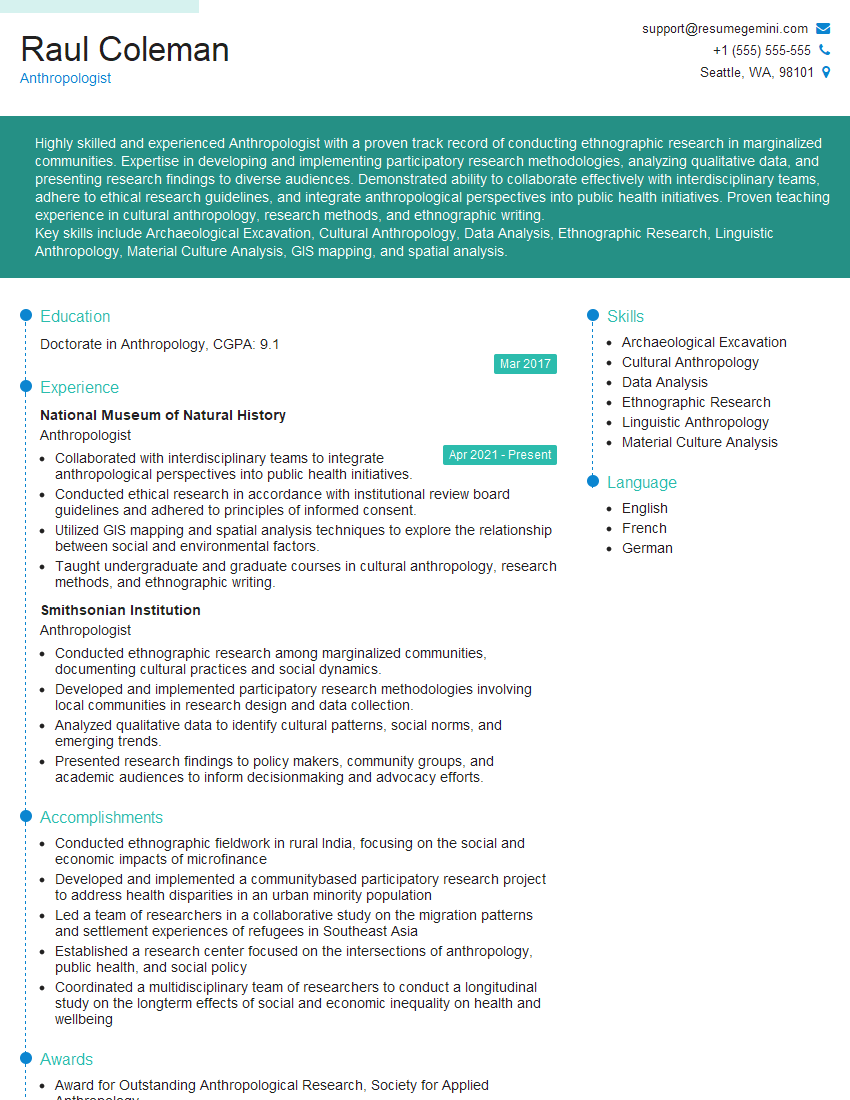
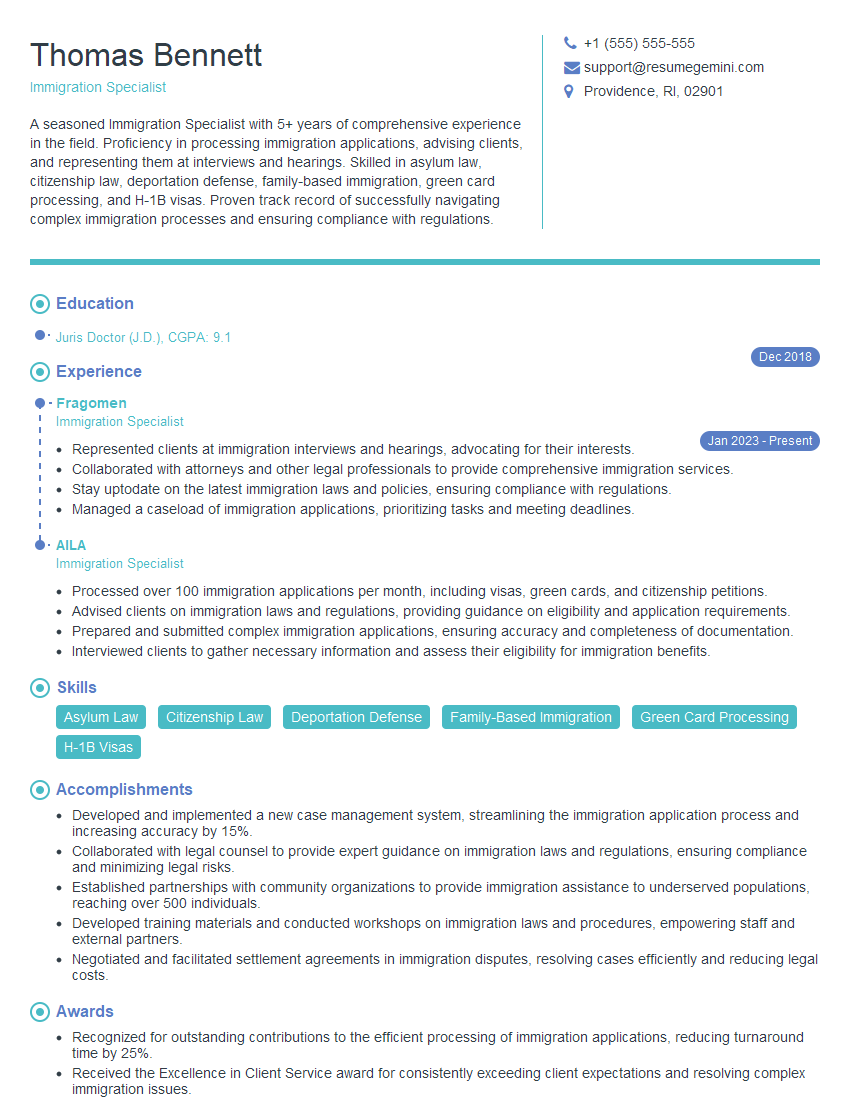
Explore more articles
Users Rating of Our Blogs
Share Your Experience
We value your feedback! Please rate our content and share your thoughts (optional).
What Readers Say About Our Blog
I Redesigned Spongebob Squarepants and his main characters of my artwork.
https://www.deviantart.com/reimaginesponge/art/Redesigned-Spongebob-characters-1223583608
IT gave me an insight and words to use and be able to think of examples
Hi, I’m Jay, we have a few potential clients that are interested in your services, thought you might be a good fit. I’d love to talk about the details, when do you have time to talk?
Best,
Jay
Founder | CEO