The right preparation can turn an interview into an opportunity to showcase your expertise. This guide to Experience with Welding and Fabrication Techniques interview questions is your ultimate resource, providing key insights and tips to help you ace your responses and stand out as a top candidate.
Questions Asked in Experience with Welding and Fabrication Techniques Interview
Q 1. Describe your experience with different welding processes (MIG, TIG, Stick, etc.).
My experience encompasses a wide range of welding processes, each with its own strengths and applications. I’m proficient in MIG (Metal Inert Gas), TIG (Tungsten Inert Gas), and Stick (Shielded Metal Arc Welding) welding, as well as some experience with other specialized processes like Flux-Cored Arc Welding (FCAW).
MIG Welding: This is a versatile process ideal for high-speed production and joining various materials like steel, aluminum, and stainless steel. I’ve extensively used MIG welding in automotive repair and fabrication projects, appreciating its ease of use and relatively high deposition rate. For example, I recently used MIG welding to construct a custom steel frame for a client’s project, achieving strong, consistent welds efficiently.
TIG Welding: TIG welding provides unparalleled precision and control, making it perfect for intricate work and applications demanding high-quality finishes. My experience with TIG welding includes work on stainless steel piping systems and intricate aluminum components for aerospace applications. The precision of TIG welding is essential when dealing with thin materials or when a flawless weld is paramount.
Stick Welding: Stick welding, also known as SMAW, is robust and portable, excellent for outdoor work and situations with limited power access. I’ve used it in field repairs and construction projects where its adaptability was crucial. For instance, I once used stick welding to repair a broken section of farm equipment in a remote location.
My experience spans different thicknesses of materials and various joint configurations, ensuring I can adapt my technique to the specific demands of each project.
Q 2. Explain the importance of pre-weld preparation.
Pre-weld preparation is absolutely critical for achieving high-quality, durable welds. Neglecting this stage often leads to defects and compromises the structural integrity of the finished product. Think of it like preparing a fine meal; proper preparation ensures a delicious outcome.
Cleaning: Removing rust, scale, paint, and other contaminants from the base materials is paramount. Contaminants can weaken the weld and lead to porosity. I typically use wire brushes, grinding wheels, or solvents, depending on the material and level of contamination.
Fitting: Proper joint fit-up is essential. Gaps and misalignments weaken the weld and lead to uneven penetration. I meticulously check and adjust the fit-up using jigs, clamps, and other tools to ensure consistent and tight joints.
Material Selection: Ensuring the correct filler material (electrode or wire) is selected for the base metal is critical to achieving a strong and proper weld. I carefully consult material specifications and welding procedure specifications (WPS) to guarantee compatibility.
Thorough pre-weld preparation saves time and resources in the long run by preventing rework and ensuring the weld meets required specifications.
Q 3. What are the common welding defects and how are they prevented?
Several common welding defects can compromise the integrity of a weld. Knowing how to identify and prevent them is essential.
Porosity: Small holes or voids in the weld caused by trapped gases. This is often prevented through proper cleaning of the base material and using the correct welding parameters.
Undercut: A groove melted into the base metal adjacent to the weld. This results from excessive current or improper travel speed. Preventing this requires careful control of welding parameters and technique.
Lack of Fusion: The weld metal doesn’t properly fuse with the base metal, creating a weak point. Proper joint preparation and technique are crucial for preventing this.
Cracking: Cracks can form in the weld due to stresses, improper heat input, or incompatible materials. Preheating the base metal, using the correct filler material, and slow cooling can help to prevent this.
Spatter: Small molten metal droplets ejected from the weld. This affects the weld’s appearance and can be minimized by using proper welding parameters and technique.
Regular visual inspection during and after welding, along with appropriate non-destructive testing (NDT) methods, can help identify defects early on.
Q 4. How do you ensure the quality of your welds?
Ensuring weld quality is a multi-faceted process that starts before the welding torch is even turned on. It involves careful planning, execution, and verification.
Following WPS: I strictly adhere to the welding procedure specification (WPS) for each project. The WPS outlines the parameters, materials, and procedures to ensure consistency and quality.
Visual Inspection: A thorough visual inspection is performed after each weld to check for defects. I look for proper bead shape, penetration, and the absence of cracks or porosity.
Non-Destructive Testing (NDT): Depending on the application, NDT methods like radiographic testing (RT) or ultrasonic testing (UT) may be employed to detect internal defects that visual inspection might miss.
Documentation: Meticulous documentation of the entire welding process, including parameters, materials, and inspections, is essential for traceability and quality control.
Ultimately, my commitment to quality translates to a reliable and long-lasting final product.
Q 5. What safety precautions do you take while welding?
Safety is paramount in welding. I consistently follow stringent safety procedures to protect myself and others.
PPE: I always wear appropriate personal protective equipment (PPE), including a welding helmet with proper shade lenses, gloves, protective clothing, and safety footwear.
Ventilation: Welding generates fumes and gases that can be harmful. I ensure adequate ventilation in the workspace, using exhaust systems or working outdoors when possible.
Fire Prevention: Flammable materials are kept away from the welding area, and fire extinguishers are readily available.
Eye Protection: Protecting my eyes from ultraviolet (UV) and infrared (IR) radiation is crucial. I always use a welding helmet with appropriate shade lenses, and I ensure that others nearby are also protected.
Awareness of surroundings: I am always aware of my surroundings and potential hazards, such as tripping hazards or the presence of flammable materials.
Safety is not just a set of rules; it’s a mindset that guides every aspect of my welding work.
Q 6. Describe your experience with different types of welding equipment.
My experience with welding equipment encompasses a variety of machines and tools, allowing me to adapt to different project requirements and environments.
MIG Welders: I’ve used various MIG welders, from smaller portable units to larger, more powerful industrial machines. I’m familiar with different power sources, wire feeders, and control systems.
TIG Welders: My experience with TIG welders includes both AC and DC machines, enabling me to work with a range of materials. I’m proficient in using different types of tungsten electrodes and gas flow regulators.
Stick Welders: I’ve utilized both AC and DC stick welders, familiar with different electrode types and amperage adjustments for various materials and thicknesses.
Supporting Equipment: My expertise also extends to supporting equipment like grinding wheels, wire brushes, clamps, jigs, and safety equipment. I understand the importance of maintaining and calibrating this equipment.
This broad experience allows me to efficiently and effectively select and utilize the appropriate equipment for any given welding task.
Q 7. Explain the concept of weld penetration and its importance.
Weld penetration refers to the depth to which the weld metal fuses with the base metal. It’s a critical factor determining the strength and integrity of a weld. Imagine it as the weld’s ‘roots’ – strong roots mean a strong structure.
Importance: Insufficient penetration leads to a weak weld joint prone to failure. Conversely, excessive penetration can weaken the base material and cause burn-through. Optimal penetration ensures complete fusion and a strong, reliable weld.
Factors Affecting Penetration: Several factors influence weld penetration, including:
Welding current: Higher current generally leads to deeper penetration.
Welding voltage: Higher voltage typically results in wider but potentially shallower penetration.
Travel speed: Slower travel speed allows for more heat input and deeper penetration.
Electrode/wire type and diameter: Different filler materials have varying penetration characteristics.
Joint design and fit-up: A properly prepared joint with tight fit-up promotes better penetration.
Achieving proper weld penetration requires a balance of these factors. Experienced welders adjust their technique and parameters based on the material, joint design, and desired weld characteristics.
Q 8. What is the difference between fillet welds and groove welds?
Fillet welds and groove welds are two fundamental types of welds, distinguished primarily by their geometry and application. Think of it like this: a fillet weld is like adding a bead of glue to join two pieces, while a groove weld is like filling a groove to join them completely.
Fillet Welds: These welds join two members that intersect, typically at a 90-degree angle. The weld is deposited in the corner, forming a roughly triangular cross-section. Fillet welds are commonly used for joining plates or beams that don’t require full penetration. They are relatively easy to produce and are suitable for many applications, like structural steel frameworks. The strength of a fillet weld depends on its leg length (the shortest distance from the weld root to the weld toe).
Groove Welds: These welds are designed to completely fill the joint between two members, achieving full penetration. They require precise preparation of the joint edges, often involving beveling or chamfering to create a groove. The weld metal fills this groove, creating a strong, continuous joint. Examples include butt welds (joining two plates end-to-end) and lap welds (overlapping two plates). Groove welds are used where maximum strength and watertightness are crucial, such as in pipelines or pressure vessels. Their execution requires more precision and skill than fillet welds.
- In short: Fillet welds are for joining at corners, groove welds are for full penetration.
Q 9. How do you interpret welding symbols?
Welding symbols are a standardized language used on engineering drawings to specify the type, size, and location of welds. They’re crucial for ensuring the welder understands exactly what’s needed. Understanding them prevents costly mistakes and ensures safety. The symbol consists of several elements, typically arranged in a specific sequence on the reference line.
The key components include:
- Reference Line: A horizontal line indicating the location of the weld.
- Arrow: Indicates which side of the reference line the weld is to be applied.
- Basic Weld Symbol: Indicates the type of weld (e.g., fillet, groove, spot, etc.).
- Dimensional Data: Specifies the size of the weld (e.g., leg length for fillet welds, throat thickness for groove welds).
- Supplementary Symbols: Specify additional requirements, such as weld type (e.g., concave, convex), type of joint preparation (e.g., bevel, V-groove), and other processing details.
For example, a symbol with a triangular symbol attached to the reference line indicates a fillet weld, and numbers near the symbol would specify its size. A symbol showing a rectangular box, often filled in or with markings, usually represents a groove weld. Mastering this system is fundamental to accurately interpreting welding drawings and correctly fabricating the component.
Q 10. Describe your experience with blueprint reading and fabrication drawings.
My experience with blueprint reading and fabrication drawings is extensive. I’m proficient in interpreting various types of drawings, including orthographic projections, isometric views, and detail drawings. I can readily identify dimensions, tolerances, weld symbols, material specifications, and other essential information. This ability is crucial for accurately planning the fabrication process and ensuring components fit correctly.
I’ve worked on numerous projects where the success hinged on my ability to interpret these drawings correctly. For instance, on a recent project involving the fabrication of a complex steel structure, I was responsible for reading and interpreting the blueprints. My thorough understanding of the drawings allowed me to accurately estimate the materials needed, sequence the fabrication steps, and ensure the final product met the specifications. This prevented costly rework and project delays.
My proficiency extends to using CAD software to review drawings, creating 3D models for visualization and checking clearances, and even producing detailed fabrication plans from concept designs. I understand how changes in a drawing can affect the final product and how to effectively communicate any discrepancies.
Q 11. What is your experience with different types of metals and alloys?
Throughout my career, I’ve worked extensively with a wide range of metals and alloys, including carbon steels, stainless steels (various grades like 304, 316), aluminum alloys, titanium, and various cast irons. My experience encompasses understanding their properties, including weldability, strength, corrosion resistance, and machinability. This understanding is critical for selecting the appropriate welding process, filler metal, and parameters to achieve high-quality welds.
For example, welding stainless steel requires specialized techniques and filler metals to prevent intergranular corrosion. Aluminum requires different preheating and post-weld heat treatment depending on its alloy. Titanium’s sensitivity to contamination necessitates working under an inert atmosphere. My knowledge extends beyond simply knowing the material names; I understand the implications of their characteristics on the welding process and the final product’s performance.
Q 12. How do you determine the appropriate welding parameters (voltage, amperage, etc.)?
Determining appropriate welding parameters is crucial for achieving high-quality welds. It’s not simply about plugging numbers into a machine; it’s about understanding the interaction between the base metal, the filler metal, and the welding process. It’s a balance between achieving sufficient penetration, minimizing distortion, and avoiding defects like porosity or cracking.
Factors influencing these parameters include:
- Base Metal Type and Thickness: Thicker materials require higher amperage.
- Filler Metal Type: The chosen filler metal dictates suitable voltage and amperage ranges.
- Welding Process: Different processes (e.g., MIG, TIG, SMAW) have distinct parameter ranges.
- Joint Design: The joint type and preparation affect heat input requirements.
I use a combination of experience, manufacturer recommendations (data sheets), and often, weld procedure specifications (WPS) to determine optimal parameters. These WPS documents provide a detailed guide of pre-qualified settings for a specific combination of base material, filler metal, and welding procedure. I also use monitoring tools and visual inspection to ensure that the welds are sound, adjusting parameters as needed during the process. This iterative approach ensures consistency and quality.
Q 13. Explain your understanding of different filler metals and their applications.
Filler metals are essential in welding; they bridge the gap between base metals and create a strong joint. The choice of filler metal directly impacts the weld’s properties and suitability for the application. Different metals require specific filler metals with compatible melting points and chemical compositions.
For example:
- Carbon Steel: Often uses E7018 (low hydrogen electrodes for strength and toughness) or ER70S-6 (solid wire for MIG welding).
- Stainless Steel: Requires filler metals with similar chromium and nickel content to prevent corrosion. Examples include ER308L or ER316L.
- Aluminum: Uses aluminum-based filler metals like 4043 or 5356, chosen depending on the specific aluminum alloy being welded.
My experience spans a wide range of filler metals, and I understand how to select the appropriate one based on factors like the base metal’s composition, the desired mechanical properties, and the welding process. Incorrect filler metal selection can lead to compromised weld quality, including porosity, cracking, and reduced corrosion resistance. I meticulously select filler metals to guarantee the best possible outcome for each project.
Q 14. Describe your experience with different types of welding joints.
Welding joints are the configurations of the base materials before welding takes place. The type of joint significantly influences the welding procedure and the resulting weld strength. Different joints are chosen based on the application, accessibility, and required strength.
Common types include:
- Butt Joint: Joining two pieces end-to-end. Simple, strong when fully penetrated.
- Lap Joint: Overlapping two pieces. Easier to weld but less strong than a butt joint.
- T-Joint: Joining two pieces perpendicularly, with one piece overlapping the other. Versatile and widely used.
- Corner Joint: Joining two pieces at a corner, often using a fillet weld. Simple but requires careful alignment.
- Edge Joint: Joining two pieces along their edges, frequently used with fillet welds.
My experience includes selecting and preparing various types of joints according to the design specifications and ensuring proper fit-up prior to welding. Poor joint preparation can lead to weld defects and a weaker final product. Selecting the correct joint type, considering factors like accessibility and the need for strength, is crucial for successful fabrication.
Q 15. How do you handle welding defects during fabrication?
Handling welding defects begins with prevention. A skilled welder prioritizes proper preparation, including cleaning the base material and selecting the appropriate welding parameters for the specific metal and joint design. However, defects can still occur. My approach involves a systematic process:
- Visual Inspection: The first step is always a thorough visual inspection. I look for common defects like porosity (small holes), cracks, incomplete penetration (lack of fusion), undercutting (grooves along the weld), and spatter (metal droplets).
- Defect Identification and Classification: Once a defect is identified, I determine its severity and type using relevant welding codes and standards (e.g., AWS D1.1). This classification guides the repair strategy.
- Repair Techniques: Repair methods depend on the defect type and severity. Minor defects might only require grinding and re-welding. More significant issues may necessitate rework involving cutting out the faulty section and welding in a new piece of material. For deep penetration welds, I might employ techniques like multi-pass welding with inter-pass cleaning.
- Re-inspection: After any repair, another thorough visual inspection is essential, often followed by non-destructive testing (NDT) to verify the repair’s integrity.
For example, I once encountered significant porosity in a stainless steel weld. After careful analysis, I determined the cause to be improper shielding gas flow. I adjusted the flow rate, cleaned the area, and re-welded the joint. NDT confirmed the successful repair.
Career Expert Tips:
- Ace those interviews! Prepare effectively by reviewing the Top 50 Most Common Interview Questions on ResumeGemini.
- Navigate your job search with confidence! Explore a wide range of Career Tips on ResumeGemini. Learn about common challenges and recommendations to overcome them.
- Craft the perfect resume! Master the Art of Resume Writing with ResumeGemini’s guide. Showcase your unique qualifications and achievements effectively.
- Don’t miss out on holiday savings! Build your dream resume with ResumeGemini’s ATS optimized templates.
Q 16. Describe your experience with troubleshooting welding equipment.
Troubleshooting welding equipment is a crucial skill for maintaining productivity and ensuring weld quality. My experience spans various types of equipment, including MIG, TIG, and stick welders. My troubleshooting approach follows these steps:
- Safety First: Always disconnect power before performing any maintenance or repair. Never work on live equipment.
- Systematic Checks: I start by visually inspecting the equipment, checking for loose connections, frayed cables, gas leaks, and any signs of damage. I then check the power supply, ensuring sufficient voltage and amperage.
- Gas Flow and Purity: For gas-shielded processes (MIG and TIG), I meticulously check the gas flow rate and regulator settings. Gas purity is critical; impure gas can lead to poor weld quality.
- Electrode/Wire Feed: I verify proper electrode/wire feed mechanisms. Problems here often result in inconsistent welds. This could involve checking the drive rolls, wire feed speed settings, and contact tip condition.
- Ground Connection: A poor ground connection can cause erratic welding behavior. I ensure a clean, secure ground connection with low resistance.
- Documentation and Record Keeping: I maintain a detailed record of any issues encountered and the corrective actions taken. This aids in preventative maintenance and future troubleshooting.
For instance, I once experienced inconsistent arc length in a MIG welding operation. After systematically checking all aspects, I discovered a slightly bent contact tip. Replacing the contact tip resolved the issue immediately. My detailed logs aided in preventing similar issues on future projects.
Q 17. What is your experience with non-destructive testing (NDT) methods for welds?
Non-destructive testing (NDT) is essential for verifying the integrity of welds without causing damage. My experience includes various NDT methods:
- Visual Inspection (VT): This is the most fundamental method, and I’m highly proficient in detecting surface flaws like cracks, undercuts, and porosity.
- Magnetic Particle Inspection (MPI): Effective for detecting surface and near-surface flaws in ferromagnetic materials (e.g., steel). I’m experienced in both wet and dry MPI techniques and interpreting the results.
- Dye Penetrant Inspection (DPI): This method reveals surface-breaking flaws in both ferromagnetic and non-ferromagnetic materials. I’m skilled in applying penetrant, developer, and interpreting the indications.
- Ultrasonic Testing (UT): I use UT to detect internal flaws and measure weld thickness. This involves interpreting ultrasonic waveforms to locate and characterize discontinuities.
- Radiographic Testing (RT): RT uses X-rays or gamma rays to produce images of internal weld structure. I’m familiar with film interpretation and understanding the radiographic indications.
Interpreting NDT results requires a strong understanding of relevant standards and codes. I have consistently demonstrated the ability to use NDT to assure weld quality and compliance with project requirements.
Q 18. Explain your understanding of heat treatment for welded components.
Heat treatment is crucial for controlling the microstructure and mechanical properties of welded components. It can relieve stresses introduced during welding, improve toughness, and increase hardness. My understanding encompasses several heat treatment processes:
- Stress Relief Annealing: This process reduces residual stresses that can cause distortion or cracking. It involves heating the welded component to a specific temperature, holding it for a certain time, and then slowly cooling it.
- Normalizing: Used to refine the grain structure and improve the mechanical properties of the weld metal. It involves heating the component above its upper critical temperature, followed by air cooling.
- Hardening and Tempering: This is a two-step process used to increase the hardness and strength of components. Hardening involves heating the component to a specific temperature and quenching it rapidly. Tempering follows, where the component is heated to a lower temperature to reduce brittleness.
The specific heat treatment process is determined by factors such as the base material, welding process, and desired final properties. Incorrect heat treatment can negatively impact the weld’s integrity. Therefore, adherence to specified procedures and close monitoring of temperature and time are critical. For example, I successfully stress-relieved a large steel structure after welding to prevent distortion and ensure long-term stability.
Q 19. Describe your experience with different types of fabrication techniques (e.g., bending, shearing, forming).
My fabrication experience extends beyond welding to encompass various metal forming techniques:
- Bending: I’m proficient in using press brakes and other bending equipment to create precise bends in metal sheets and profiles. I understand the importance of bend allowances and tooling selection to achieve desired shapes.
- Shearing: I can operate various shearing machines (guillotine shears, rotary shears) to accurately cut metal sheets to specified dimensions. I ensure accurate alignment and safe operating procedures.
- Forming: This includes processes like rolling, punching, and stamping. I’m familiar with the use of various tooling and machines to create complex shapes and features from sheet metal.
- Other Techniques: My experience also includes machining, drilling, and other fabrication processes used to prepare and finish components.
Understanding the limitations of each technique is crucial for selecting the best approach for a specific task. For example, I recently utilized a combination of shearing, bending, and welding to fabricate a complex chassis component. Careful planning and precision were key to successful assembly.
Q 20. What is your experience with CAD/CAM software for welding and fabrication?
I have extensive experience using CAD/CAM software for welding and fabrication projects. Proficiency in software like SolidWorks, AutoCAD, and Inventor allows me to:
- Design and Model Components: I can create detailed 3D models of fabricated parts, ensuring accurate dimensions and tolerances.
- Generate NC Programs: I can use CAM software to generate numerical control (NC) programs for CNC machines, automating the cutting and forming processes.
- Weld Joint Design: CAD software aids in designing optimal weld joints, considering factors such as joint geometry, access, and welding process.
- Generate Fabrication Drawings: I can create detailed fabrication drawings with accurate dimensions, annotations, and material specifications, ensuring clear communication with other team members and the fabrication shop.
- Simulation and Analysis: Some CAD/CAM packages allow for simulation of welding processes and stress analysis of finished products. This helps in optimizing the design for strength and reducing potential defects.
For example, I used SolidWorks to design a complex weldment for a robotic arm, then employed Mastercam to generate NC code for CNC machining of the individual parts before final assembly and welding. The use of CAD/CAM substantially reduced production time and improved accuracy.
Q 21. How do you manage a welding project?
Managing a welding project effectively requires a structured approach:
- Project Planning: This involves a thorough review of project specifications, drawings, and material requirements. Creating a detailed project schedule with milestones and deadlines is essential.
- Resource Allocation: This includes determining the necessary personnel (welders, fitters, inspectors), equipment, and materials. Proper resource allocation is crucial for on-time and within-budget completion.
- Quality Control: Implementing a robust quality control plan, including regular inspections and non-destructive testing, is critical for ensuring compliance with standards and specifications.
- Safety Management: Prioritizing safety throughout the project is paramount. This includes adherence to safety regulations, proper use of PPE, and risk assessment.
- Communication and Collaboration: Effective communication with all stakeholders (client, engineers, fabrication team) is crucial for project success. Regular meetings and progress reports maintain transparency and address any potential issues promptly.
- Problem Solving: Proactive identification and resolution of issues is crucial. This requires quick thinking, creative solutions, and the ability to adapt to unforeseen circumstances.
In one project, I managed a team that fabricated a large pressure vessel. By using a detailed project schedule, careful resource allocation, and proactive problem-solving, we completed the project on time and within budget while maintaining exceptional quality and safety.
Q 22. How do you ensure efficient use of materials in fabrication?
Efficient material use in fabrication is crucial for profitability and sustainability. It involves meticulous planning, precise cutting, and minimizing waste at every stage. This starts with careful blueprint review and material selection, ensuring we’re using the most appropriate material for the job, minimizing excess.
- Optimized Cutting: I utilize nesting software and techniques like laser cutting or waterjet cutting to maximize material yield from each sheet. This minimizes scrap and ensures accurate cuts, reducing rework. For example, on a recent project involving multiple parts from the same sheet metal, I was able to reduce waste by 15% simply by optimizing the nesting pattern.
- Material Selection: Choosing the right material is paramount. If a less expensive, readily available material can meet the design specifications, using a more expensive option would be wasteful. I also consider material properties like tensile strength and corrosion resistance to ensure the finished product is durable and long-lasting, preventing premature failure and replacement.
- Waste Reduction Strategies: Implementing strategies like pre-cutting materials to exact dimensions, utilizing scrap for smaller components, and carefully managing leftover materials for future projects are all integral parts of my approach.
In essence, efficient material use is not just about saving money; it’s about responsible fabrication practice.
Q 23. Describe your experience with working with teams.
Teamwork is essential in fabrication. I have extensive experience collaborating with engineers, designers, and fellow welders/fabricators in fast-paced, demanding environments. I thrive in collaborative settings, readily sharing my expertise and actively listening to others’ perspectives to achieve a common goal.
- Communication: Clear and concise communication is paramount. I believe in proactively updating team members on my progress, identifying potential issues early, and providing constructive feedback.
- Problem Solving: I’ve been involved in several projects where collaborative problem-solving was key. For instance, on a recent project involving a complex assembly, we encountered a fitting issue. By working closely with the design engineer and utilizing my welding expertise, we quickly identified the root cause and implemented a solution, staying within the project schedule.
- Mentorship: I also enjoy mentoring junior team members, sharing my knowledge and experience to help them grow professionally. This creates a positive and supportive work environment where everyone can learn and contribute effectively.
My experience demonstrates my ability to work effectively within a team, contributing positively to project success.
Q 24. How do you handle pressure and tight deadlines?
Handling pressure and tight deadlines requires a structured approach and strong time management skills. My experience has taught me the importance of prioritization, efficient workflow, and proactive problem-solving. I thrive under pressure and use it as motivation to optimize my performance.
- Prioritization: I break down large projects into smaller, manageable tasks, prioritizing those with the most critical deadlines or potential roadblocks. This ensures I’m always focusing on the most important aspects first.
- Proactive Problem Solving: I don’t wait for problems to arise; I anticipate potential challenges and develop contingency plans. For example, on a project with a tight turnaround, I identified a potential delay in material delivery and proactively contacted suppliers to expedite the process.
- Effective Time Management: I use project management tools to track progress, identify bottlenecks, and maintain a realistic schedule. I regularly review my workflow to identify areas for improvement and optimize my efficiency.
In short, I am adept at managing pressure, maintaining a positive attitude, and consistently delivering high-quality work even under tight deadlines.
Q 25. What are your strengths and weaknesses as a welder/fabricator?
My strengths lie in my versatility as a welder/fabricator. I’m proficient in various welding processes, including MIG, TIG, and stick welding, and I’m skilled in a wide range of fabrication techniques such as cutting, bending, and assembling metal components. I am also highly detail-oriented, possessing a keen eye for precision and quality. My ability to adapt quickly to different projects and challenges is a significant asset.
One area I’m continuously working to improve is my proficiency in advanced CAD/CAM software. While I’m functional, I aim to increase my expertise to further enhance design and planning capabilities. I’m actively pursuing training opportunities to address this.
Q 26. What are your salary expectations?
Based on my experience and skills, and considering the industry standards, my salary expectations are between [Insert Lower Bound] and [Insert Upper Bound] annually.
Q 27. Where do you see yourself in 5 years?
In five years, I see myself as a highly skilled and respected senior welder/fabricator, potentially in a supervisory role. I envision contributing to increasingly complex projects, mentoring junior team members, and staying at the forefront of advancements in welding and fabrication technologies. I’m keen to continue developing my expertise and potentially specialize in a particular niche within the field, such as advanced welding techniques or specialized material fabrication.
Q 28. Do you have any questions for me?
I’m very interested in learning more about the specific projects your team is working on. Could you elaborate on the company’s commitment to professional development and opportunities for advancement within the welding and fabrication department?
Key Topics to Learn for Your Welding and Fabrication Techniques Interview
Ace your next interview by mastering these essential areas of welding and fabrication:
- Welding Processes: Understand the principles and applications of various welding processes like MIG, TIG, Stick, and Flux-cored arc welding. Be prepared to discuss their advantages, limitations, and suitability for different materials and applications. Consider the impact of different parameters (voltage, amperage, wire feed speed) on weld quality.
- Materials Science: Demonstrate knowledge of common weldable metals (steel, aluminum, stainless steel) and their properties. Discuss how material selection impacts weldability and the final product’s performance. Be ready to explain heat treatment processes and their effects on metal properties.
- Blueprint Reading and Design: Showcase your ability to interpret engineering drawings, including weld symbols and specifications. Explain how you translate design requirements into fabrication procedures.
- Fabrication Techniques: Discuss your experience with various fabrication methods such as cutting, bending, forming, and assembling metal components. This includes familiarity with tools and equipment (plasma cutters, press brakes, etc.).
- Safety Procedures: Highlight your understanding and adherence to safety regulations and best practices in welding and fabrication. This is crucial and demonstrates responsibility.
- Quality Control and Inspection: Describe your experience with inspecting welds for defects (porosity, cracks, undercut) and implementing corrective actions. Discuss different non-destructive testing (NDT) methods.
- Troubleshooting and Problem-Solving: Prepare examples where you successfully identified and resolved welding or fabrication challenges. This showcases your practical skills and analytical abilities.
Next Steps: Boost Your Career Prospects
Mastering welding and fabrication techniques is crucial for career advancement in this in-demand field. A strong resume is your key to unlocking exciting opportunities. Make sure your resume is ATS-friendly – this means it’s easily read by Applicant Tracking Systems used by many companies. To significantly improve your chances, use ResumeGemini to create a professional and impactful resume that highlights your skills and experience effectively. ResumeGemini provides examples of resumes tailored to welding and fabrication experience to help guide you.
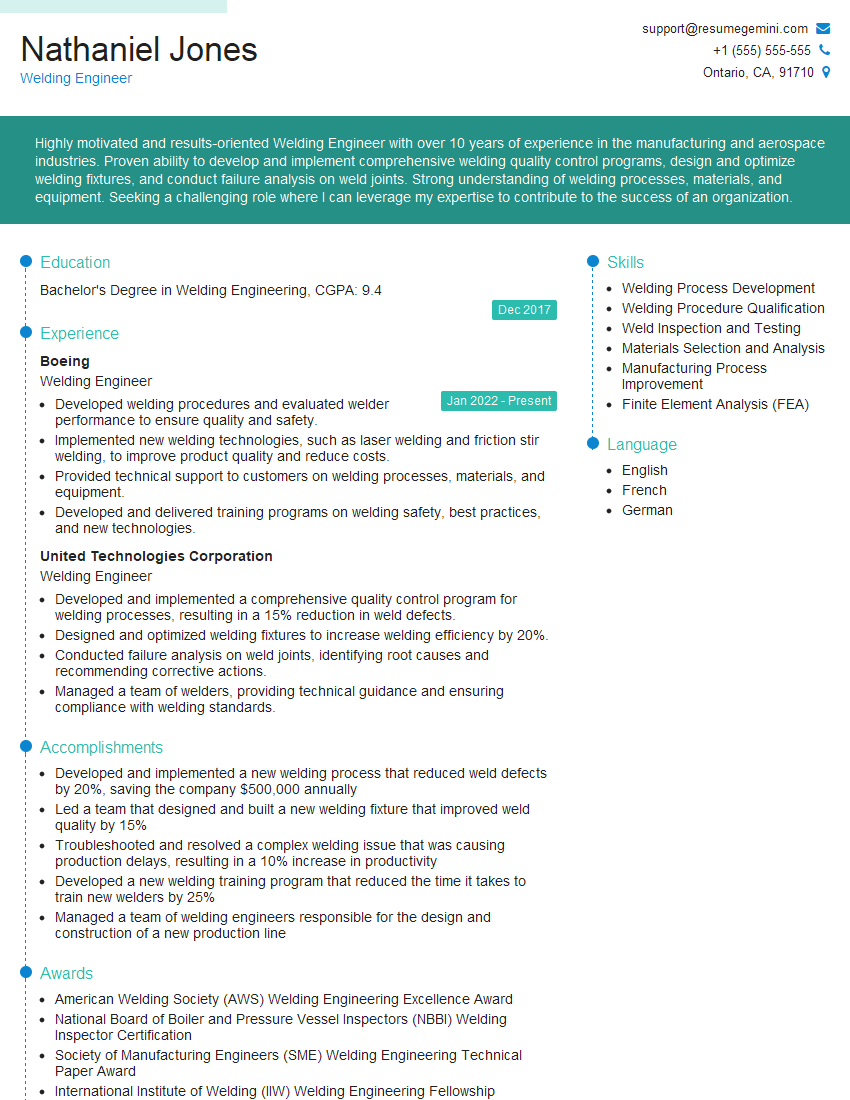
Welding Engineer Resume Sample
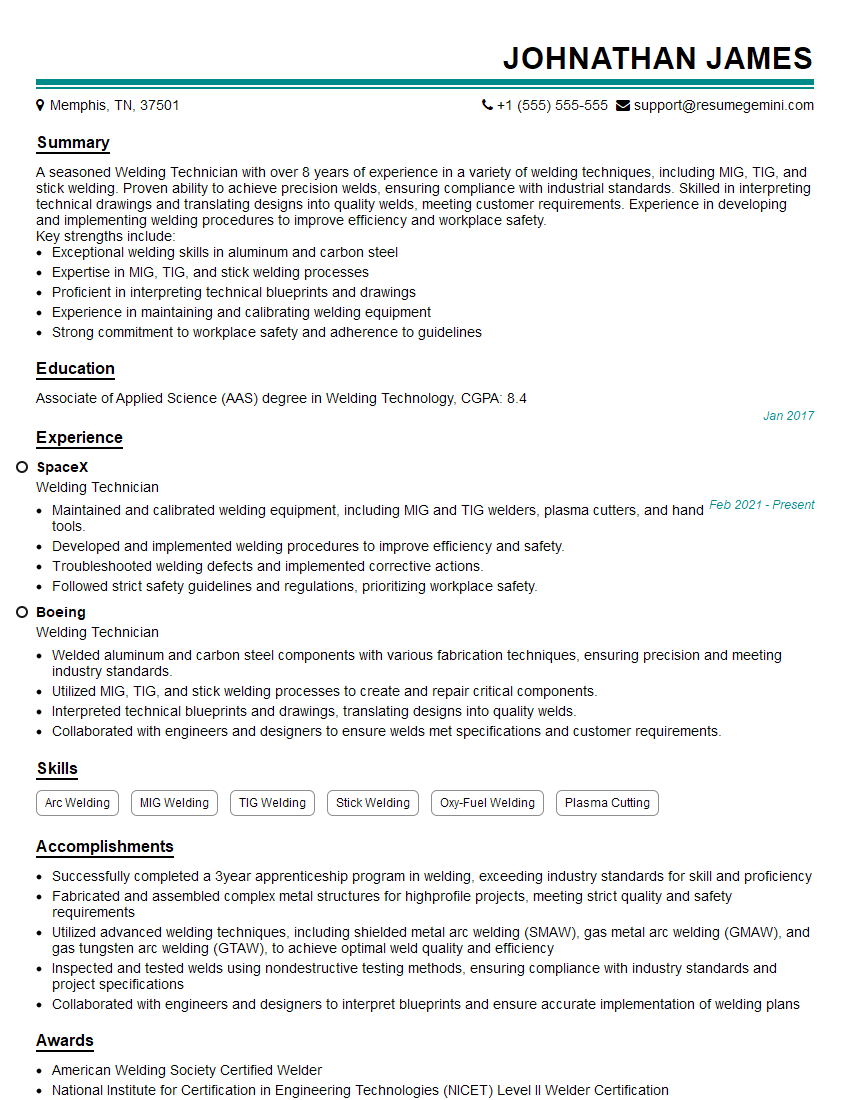
Welding Technician Resume Sample
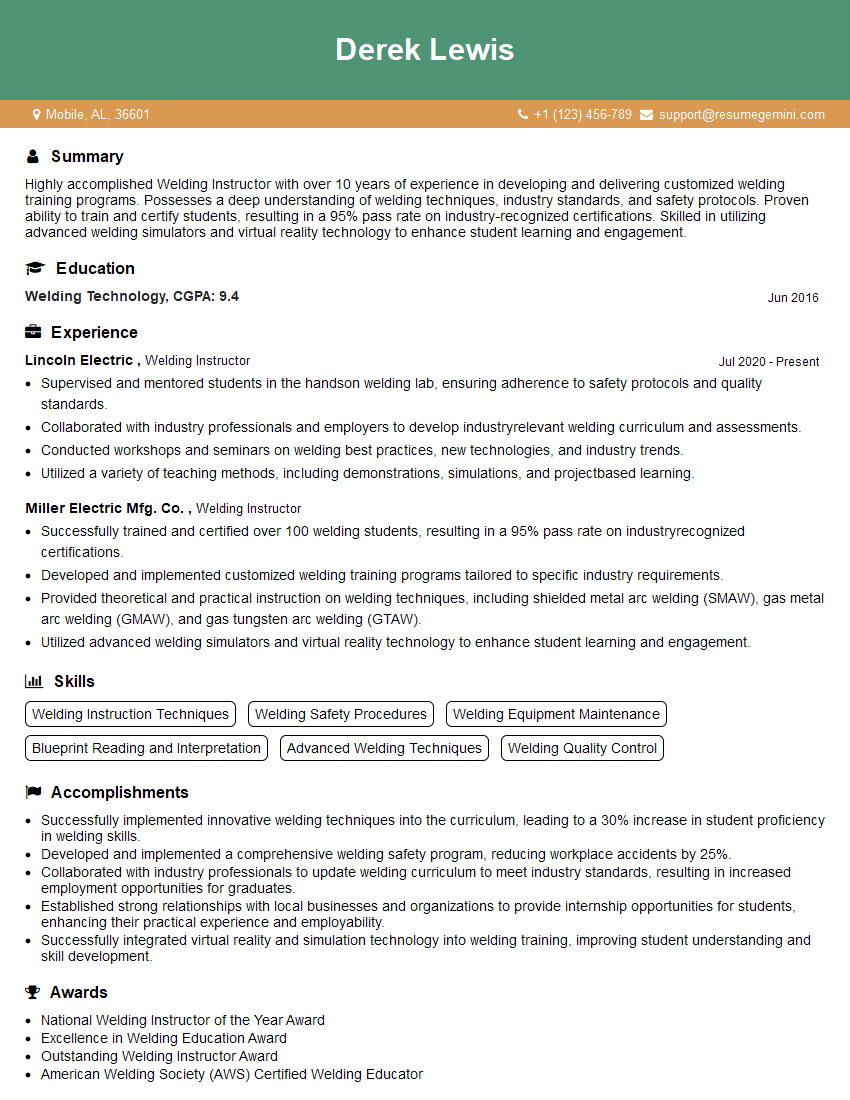
Welding Instructor Resume Sample
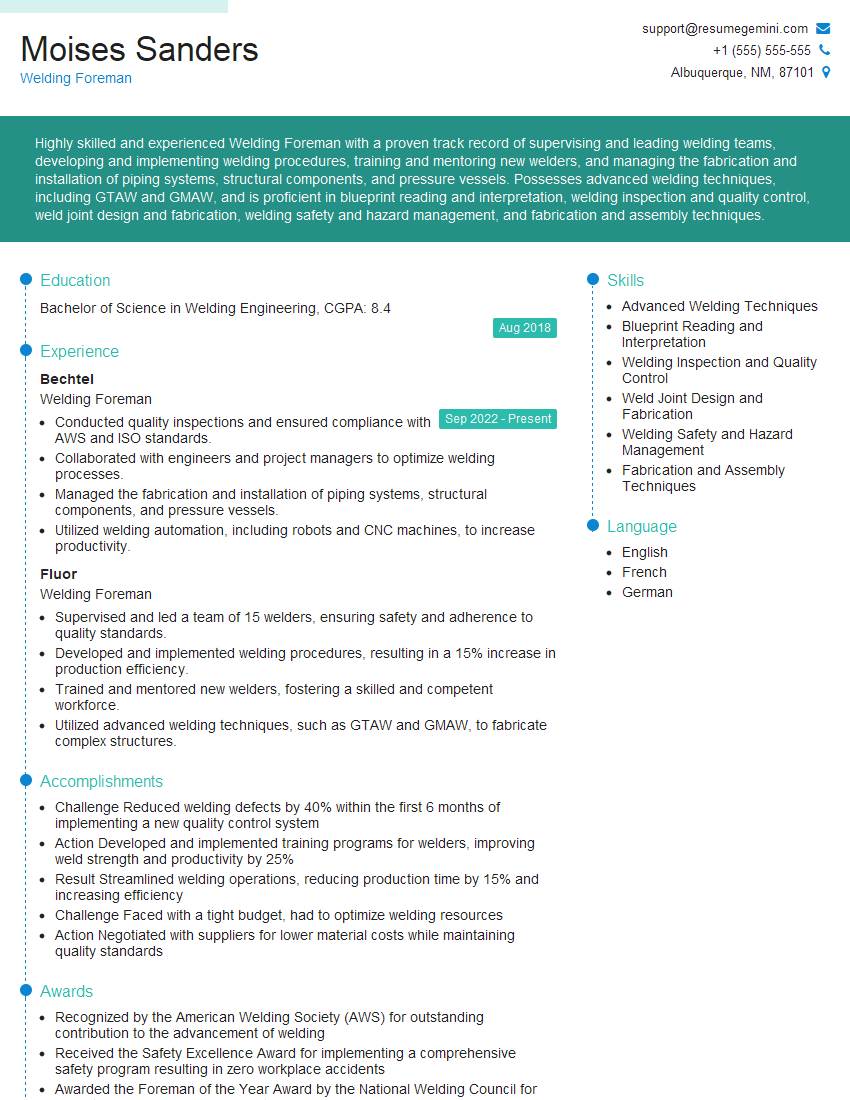
Welding Foreman Resume Sample
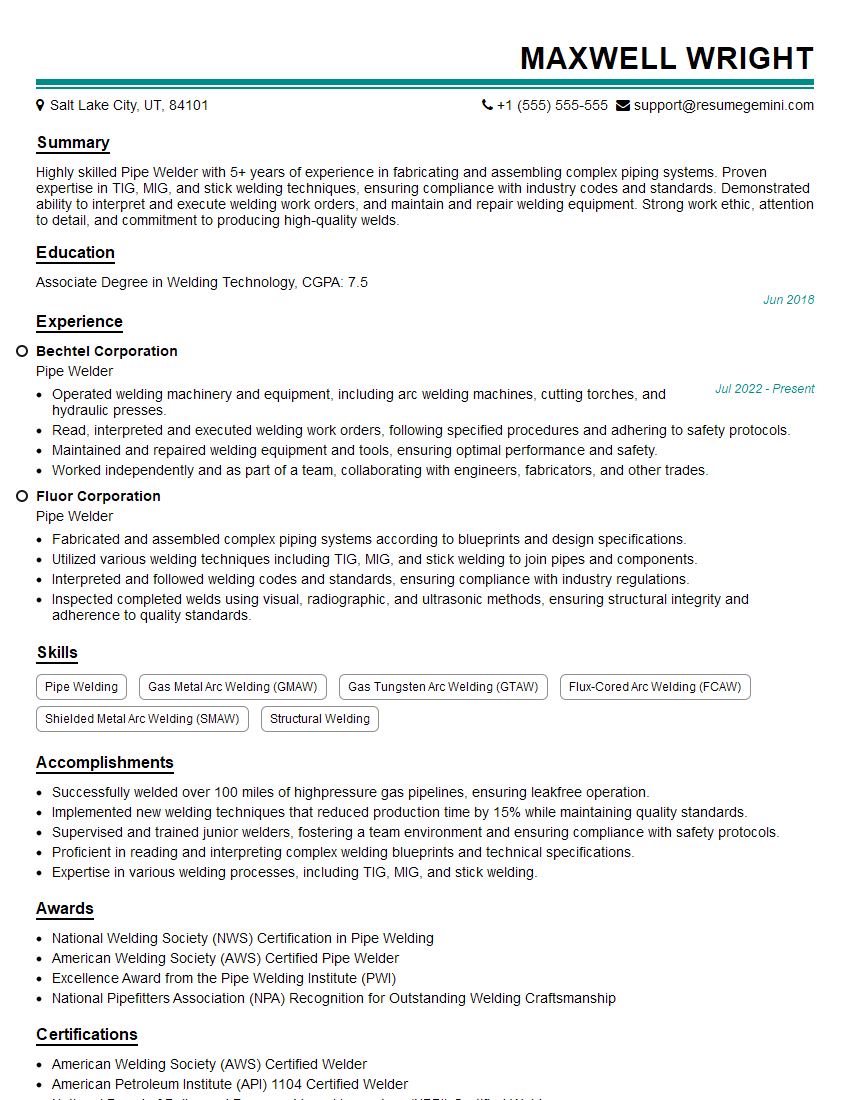
Pipe Welder Resume Sample
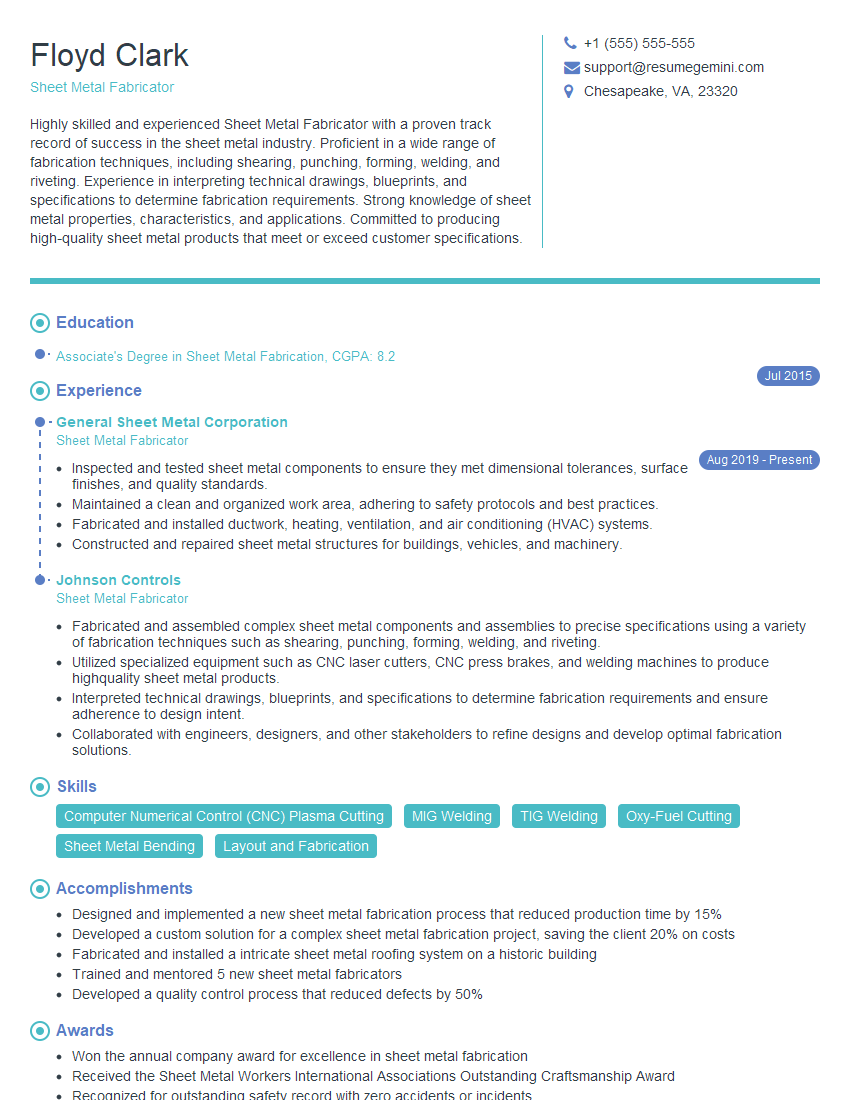
Sheet Metal Fabricator Resume Sample
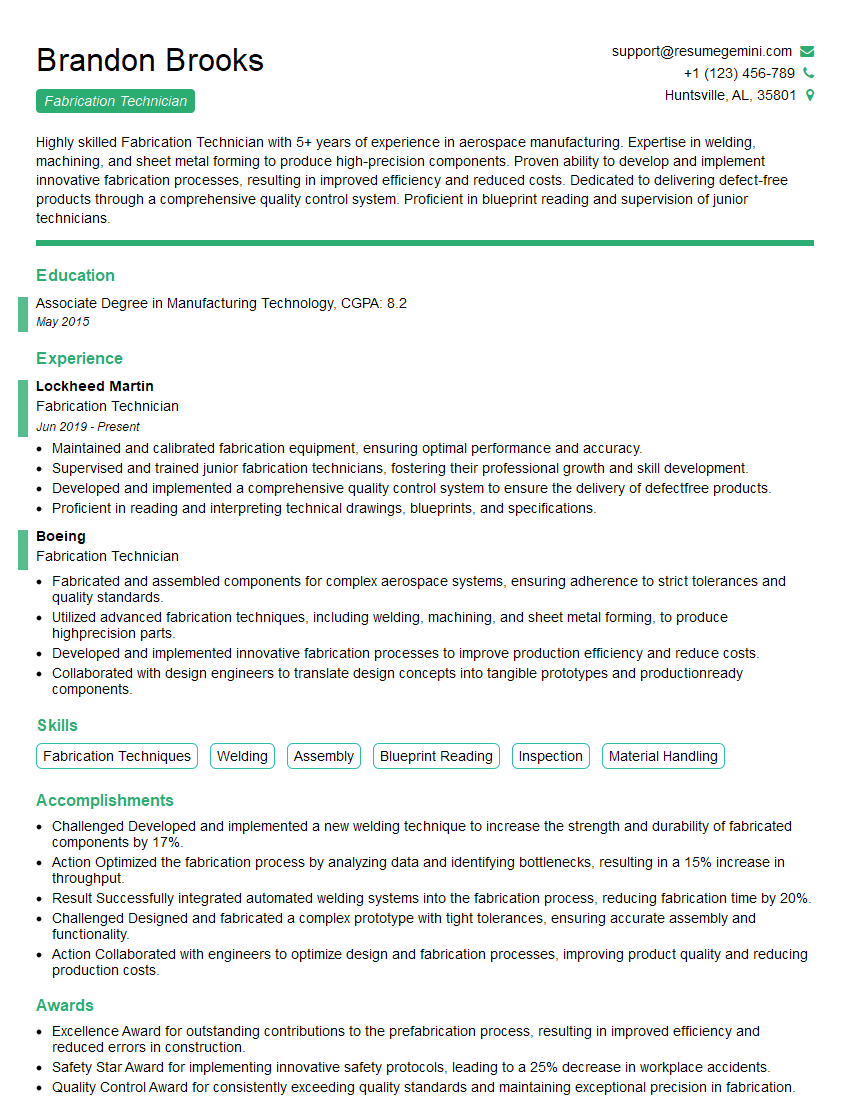
Fabrication Technician Resume Sample
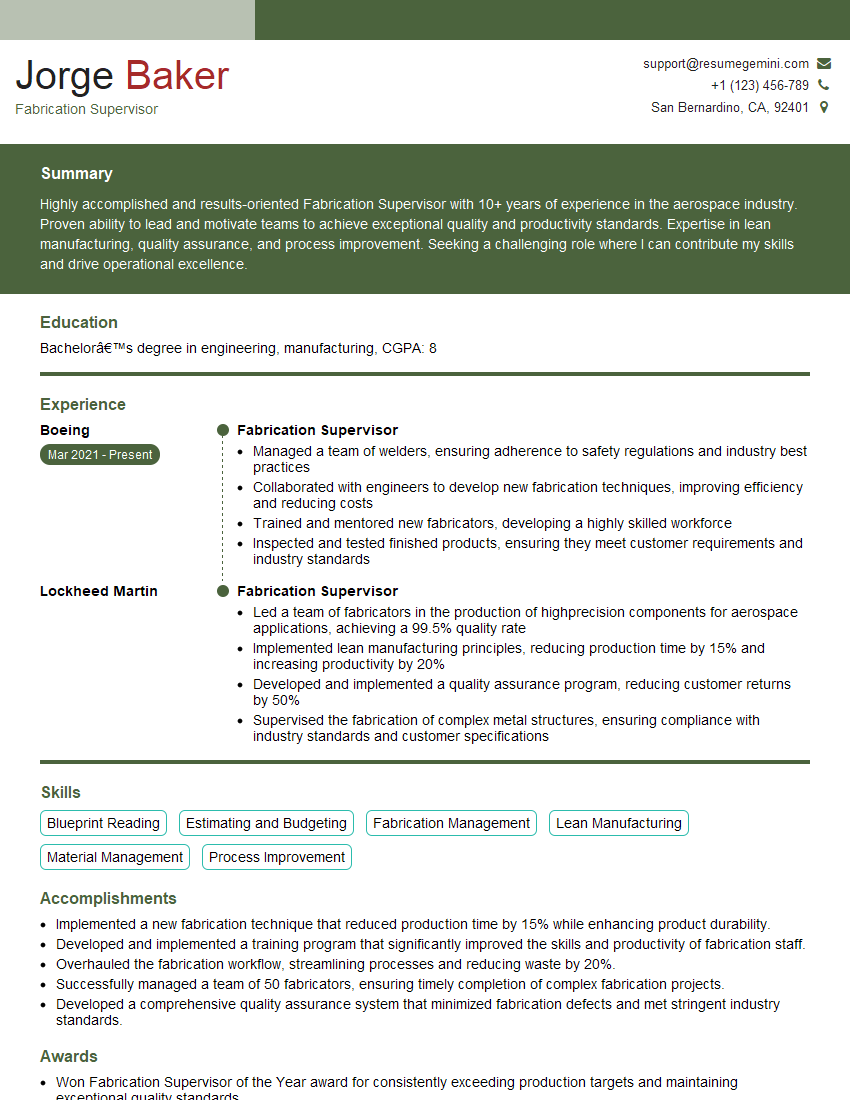
Fabrication Supervisor Resume Sample
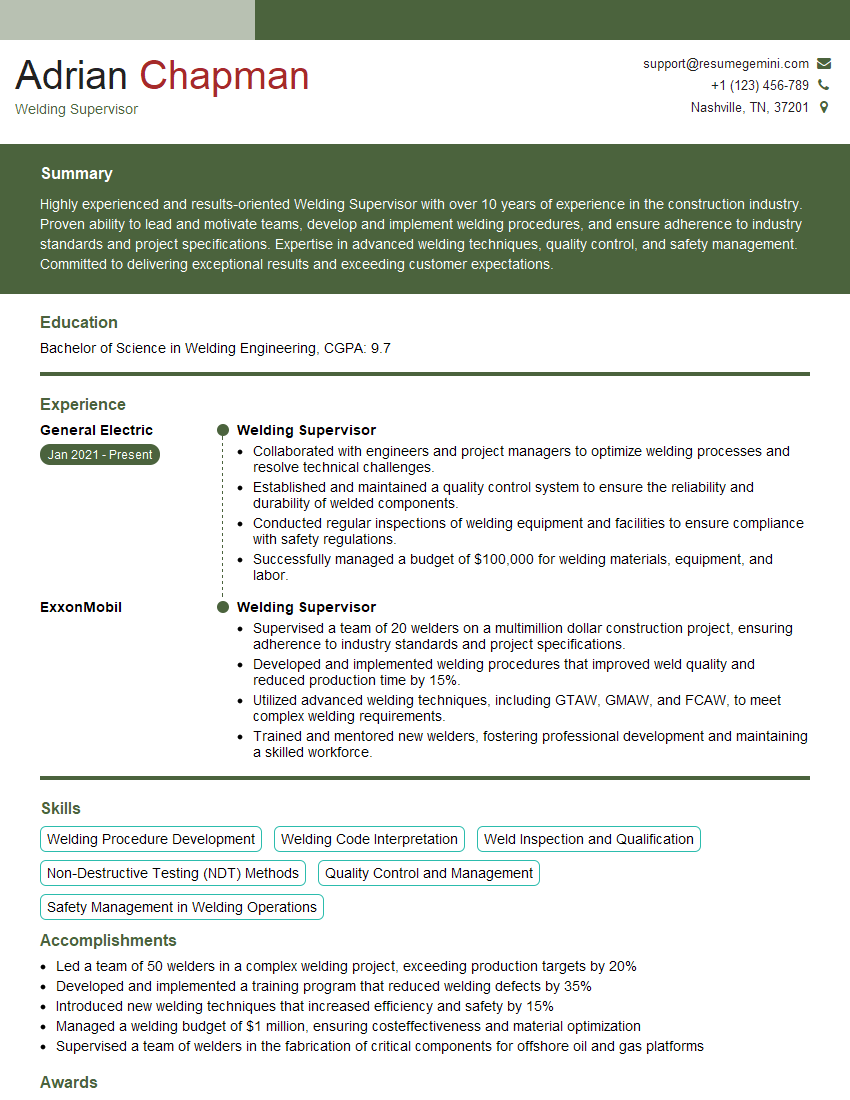
Welding Supervisor Resume Sample
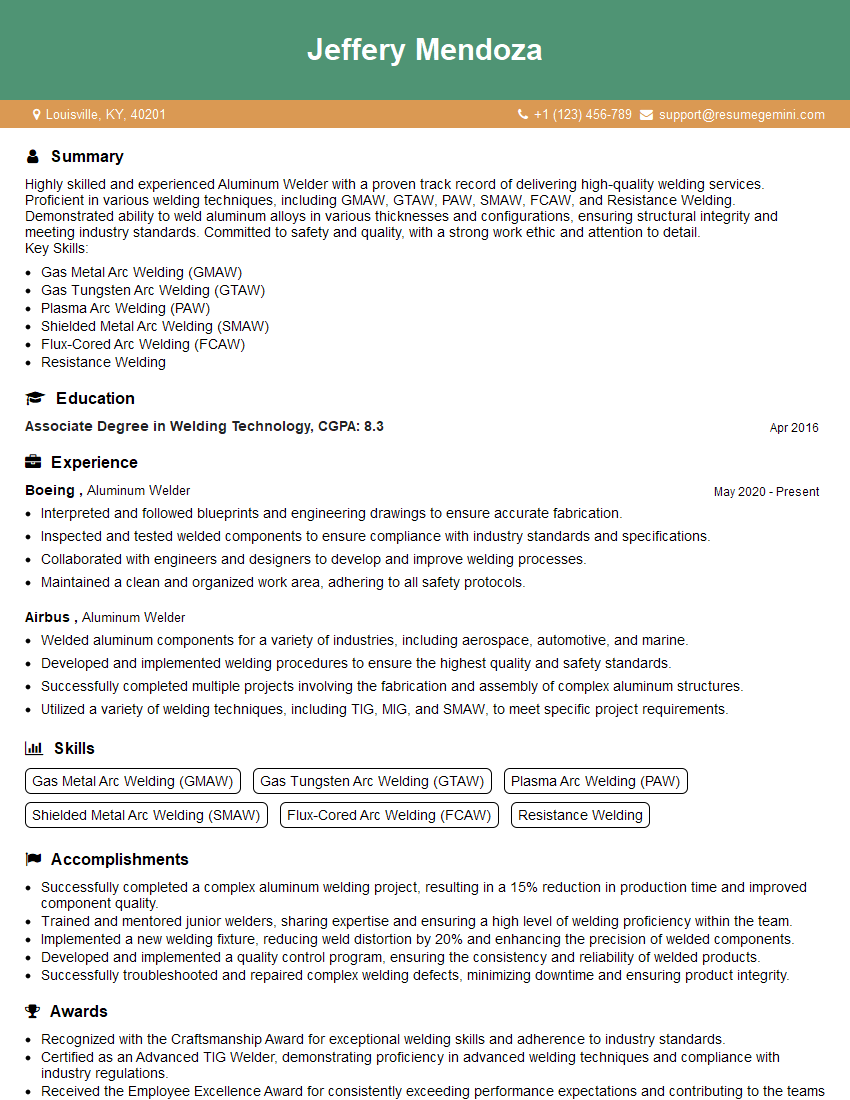
Aluminum Welder Resume Sample
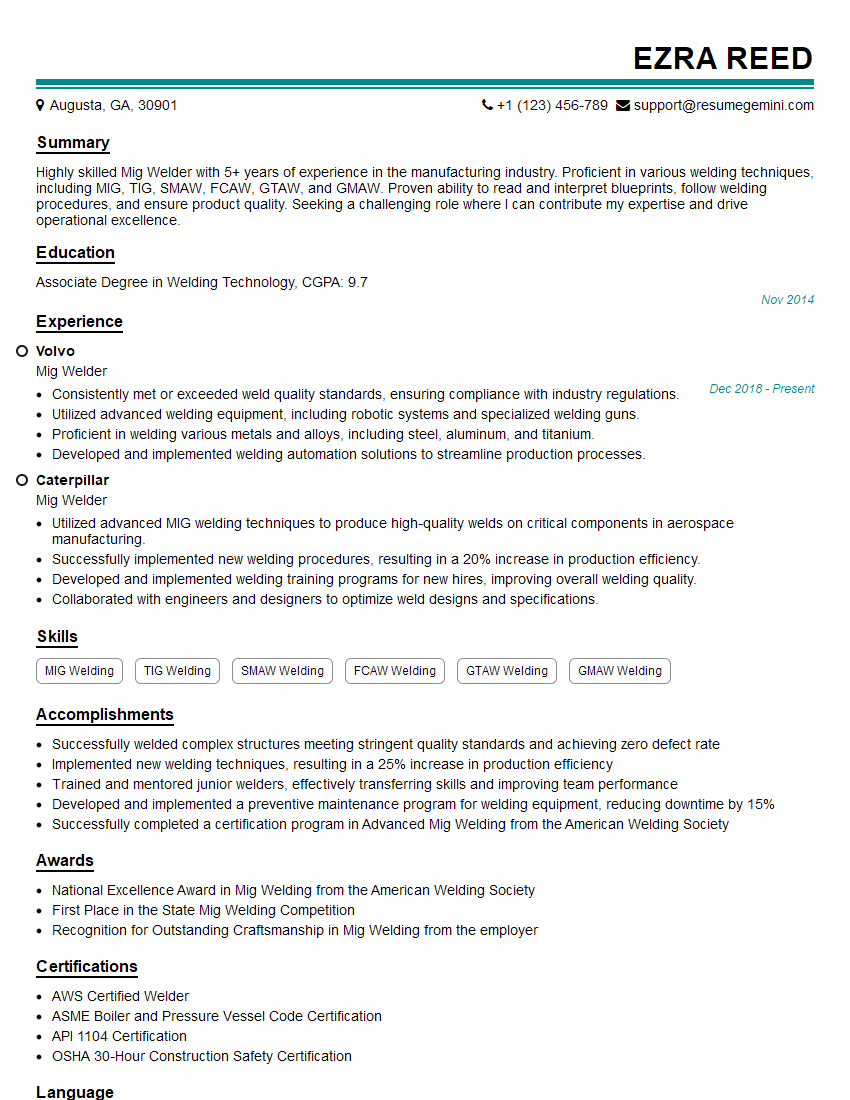
Mig Welder Resume Sample
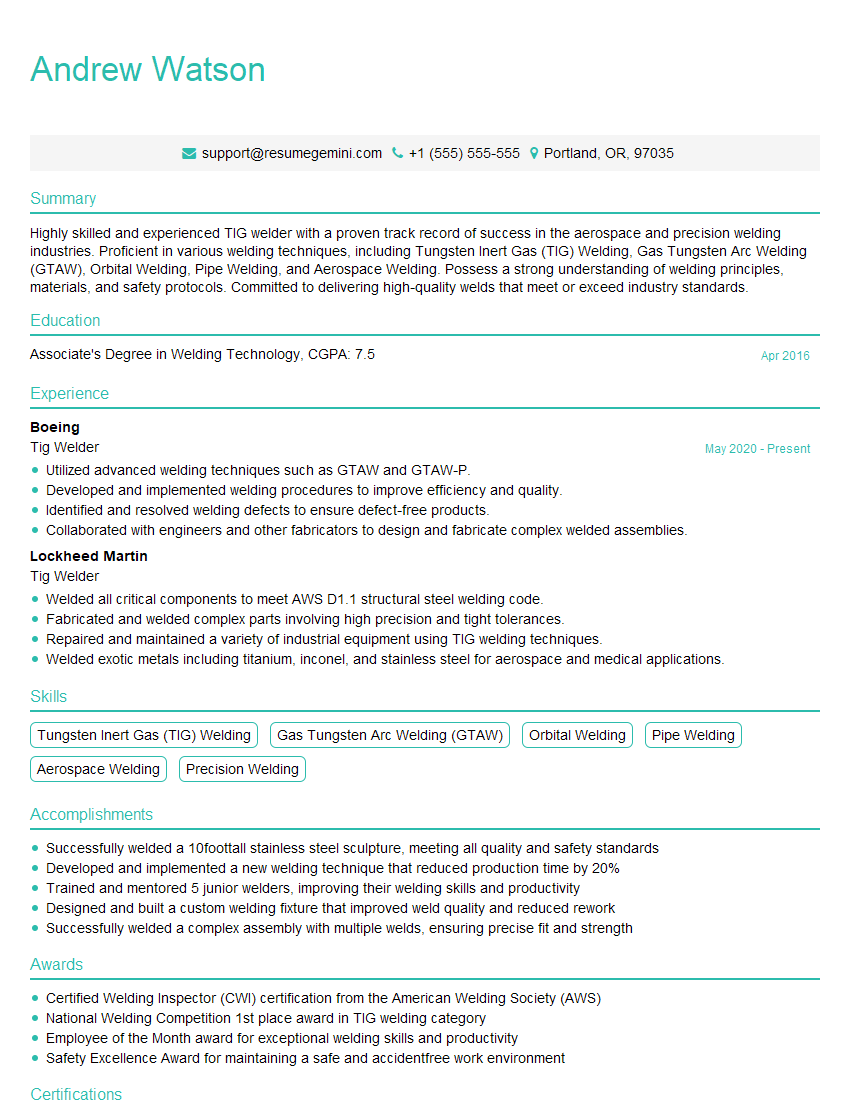
Tig Welder Resume Sample
Explore more articles
Users Rating of Our Blogs
Share Your Experience
We value your feedback! Please rate our content and share your thoughts (optional).
What Readers Say About Our Blog
I Redesigned Spongebob Squarepants and his main characters of my artwork.
https://www.deviantart.com/reimaginesponge/art/Redesigned-Spongebob-characters-1223583608
IT gave me an insight and words to use and be able to think of examples
Hi, I’m Jay, we have a few potential clients that are interested in your services, thought you might be a good fit. I’d love to talk about the details, when do you have time to talk?
Best,
Jay
Founder | CEO