Interviews are more than just a Q&A session—they’re a chance to prove your worth. This blog dives into essential Specialization in Social Studies interview questions and expert tips to help you align your answers with what hiring managers are looking for. Start preparing to shine!
Questions Asked in Specialization in Social Studies Interview
Q 1. Explain the difference between primary and secondary sources in historical research.
In historical research, primary and secondary sources are fundamentally different in their relationship to the event or period being studied. Primary sources are materials created during the time period being investigated, offering firsthand accounts or evidence. Think of them as being ‘present’ at the event. Secondary sources, on the other hand, analyze, interpret, or comment on primary sources. They are created after the event and offer a perspective shaped by later scholarship and understanding.
- Primary Source Examples: Letters, diaries, photographs, government documents, artifacts, speeches, interviews with participants.
- Secondary Source Examples: Textbooks, biographies, history articles, journal reviews, documentaries interpreting primary source materials.
Distinguishing between them is crucial for accurate historical analysis. Relying solely on secondary sources can lead to biased or incomplete interpretations, while primary sources, while valuable, often require careful evaluation for context and potential biases of the creator.
Q 2. Describe various historical interpretation methods and their limitations.
Historical interpretation involves examining primary sources and constructing narratives about the past. Several methods exist, each with its own strengths and limitations:
- Narrative History: Focuses on storytelling and chronology. Limitation: Can sometimes oversimplify complex events and lack detailed analysis.
- Cliometrics (Quantitative History): Uses statistical and mathematical methods to analyze historical data. Limitation: Requires reliable data and can be susceptible to misinterpretations of the data’s limitations.
- Social History: Examines the lives and experiences of ordinary people. Limitation: Can be challenging to access sufficient primary sources about everyday life, especially from marginalized communities.
- Postmodern History: Questions traditional notions of objectivity and emphasizes the role of interpretation in shaping historical narratives. Limitation: Can be criticized for its relativism and potential lack of clear conclusions.
- Cultural History: Focuses on the cultural aspects of the past such as beliefs, values, and practices. Limitation: Can be subjective, depending heavily on the researcher’s interpretation of cultural meaning.
Ultimately, a nuanced historical understanding often requires employing multiple interpretive methods and critically assessing their limitations.
Q 3. Analyze the impact of globalization on a specific region.
Globalization’s impact varies significantly across regions, but let’s examine its effect on Sub-Saharan Africa. Globalization has brought both opportunities and challenges:
- Opportunities: Increased foreign investment in infrastructure and resources, access to global markets for some African goods (e.g., coffee, cocoa), greater access to information and technology, growth of certain industries such as telecommunications.
- Challenges: Increased economic dependency on developed nations, exploitation of resources by multinational corporations, competition from cheaper imports impacting local producers, debt burdens, widening income inequality, environmental damage from industrial activities.
The experience is uneven; while some nations have prospered, many others face persistent poverty and instability. Globalization’s impact is not inherently positive or negative; it’s a complex process that requires careful assessment of its benefits and drawbacks within a specific regional context.
Q 4. Compare and contrast two different economic systems.
Let’s compare Capitalism and Socialism:
- Capitalism: An economic system characterized by private ownership of the means of production, free markets, and competition. Profits are the primary motive. Example: The United States.
- Socialism: An economic system where the means of production are owned and controlled collectively, often by the state. The focus is on social welfare and equality. Example: Historically, the Soviet Union (though this was a highly specific and ultimately failed example of the theory).
Similarities: Both systems aim to produce and distribute goods and services. Both can include market mechanisms to some degree, even though in socialism these are often more strictly regulated or controlled.
Differences: Capitalism emphasizes individual initiative and profit, potentially leading to inequality. Socialism prioritizes social welfare and equality, potentially limiting individual economic freedom. The level of government intervention is significantly different, with capitalist economies featuring less direct government involvement in production.
Q 5. Evaluate the effectiveness of a specific government policy.
Evaluating government policy effectiveness requires a multi-faceted approach. Let’s consider the Affordable Care Act (ACA) in the United States. Its goals were to expand health insurance coverage and reduce healthcare costs.
Effectiveness Metrics:
- Increased Coverage: The ACA significantly reduced the uninsured rate, achieving one of its primary goals.
- Cost Reduction: The impact on healthcare costs is debated; while some costs were controlled, others increased, depending on the specific area analyzed.
- Access to Care: The ACA improved access to care for many, particularly those with pre-existing conditions.
- Political Impact: The ACA has faced strong political opposition, impacting its implementation and long-term sustainability.
Conclusion: The ACA’s effectiveness is mixed. While it successfully expanded coverage, its impact on cost control is less clear. A full evaluation needs to consider multiple metrics and the broader political context.
Q 6. Discuss the role of social media in shaping public opinion.
Social media plays a significant role in shaping public opinion through several mechanisms:
- Information Dissemination: News and information spread rapidly on social media platforms, often bypassing traditional media gatekeepers. This can lead to both quicker dissemination of facts and the rapid spread of misinformation.
- Filter Bubbles and Echo Chambers: Algorithms personalize content, creating filter bubbles where individuals are primarily exposed to information confirming their existing biases. This can reinforce existing opinions and hinder exposure to diverse perspectives.
- Social Influence: People are influenced by the opinions and actions of their online networks. Trends and hashtags can amplify certain viewpoints and create viral movements.
- Political Polarization: Social media can exacerbate political polarization by facilitating the spread of partisan information and fostering interactions primarily within like-minded groups.
The impact is complex and not always positive. It requires media literacy and critical thinking skills to navigate the complexities of information presented online, and awareness of the algorithmic biases that shape our exposure to information.
Q 7. Explain the concept of cultural relativism and its implications.
Cultural relativism is the principle that a person’s beliefs, values, and practices should be understood based on that person’s own culture, rather than judged against the standards of another culture. It emphasizes understanding cultural differences and avoiding ethnocentrism (judging other cultures by the standards of one’s own).
Implications:
- Promotes Tolerance and Understanding: Encourages empathy and respect for diverse cultural perspectives.
- Challenges Universal Moral Standards: Questions the existence of universally applicable ethical principles, suggesting morality is culturally constructed.
- Can Lead to Moral Relativism: In extreme cases, it could be interpreted as justifying any cultural practice, regardless of its ethical implications. This is a point of ongoing debate and a key limitation of the theory.
- Important for Cross-Cultural Interactions: Essential for effective communication and collaboration in an increasingly globalized world.
Cultural relativism is a valuable tool for understanding diverse cultures, but it’s important to maintain a critical approach, recognizing the potential for both its positive and negative implications.
Q 8. Analyze the causes of a significant historical event.
Analyzing the causes of a significant historical event requires a multifaceted approach, moving beyond simple cause-and-effect to understand the complex interplay of factors. We need to consider both short-term triggers and long-term underlying causes. For instance, let’s examine the outbreak of World War I. A simplistic view might point to the assassination of Archduke Franz Ferdinand as the sole cause. However, a deeper analysis reveals a web of interconnected factors.
Long-term causes: These include intense nationalism, creating rivalries and alliances; imperialism, leading to competition for colonies and resources; militarism, fostering an arms race and aggressive postures; and the complex system of alliances, turning a localized conflict into a global war.
Short-term causes: The assassination itself acted as a trigger, but the pre-existing tensions and inflexible alliance system ensured that it escalated rapidly. The failure of diplomacy to de-escalate the crisis also played a crucial role.
Historians use various methods to uncover these causes, including analyzing primary sources like letters, diaries, and official documents, as well as secondary sources like scholarly articles and books. By carefully examining these sources and considering diverse perspectives, we can build a more nuanced and complete understanding of historical causality.
Q 9. Describe the challenges of teaching controversial topics in social studies.
Teaching controversial topics in social studies presents unique challenges. The key is to create a classroom environment that fosters critical thinking and respectful dialogue, while acknowledging the sensitivities involved. Students might have strongly held beliefs that differ from each other and from the teacher’s perspective.
Balancing diverse perspectives: It’s crucial to present multiple viewpoints fairly and encourage students to analyze evidence and arguments critically, rather than simply accepting one side. This requires careful selection of resources and a commitment to unbiased presentation.
Managing emotional responses: Controversial topics can evoke strong emotions. It’s important to establish clear classroom rules about respectful communication and to provide opportunities for students to express their views in a safe and controlled manner. This might involve structured discussions, debates, or written reflections.
Addressing potential biases: Teachers themselves must be aware of their own biases and strive for objectivity. This requires self-reflection and a commitment to ongoing professional development. Careful consideration of language used is also critical to avoid unintentional reinforcement of prejudices.
Parental concerns: It’s essential to communicate clearly with parents about the curriculum and to address any concerns proactively. Open communication and collaboration can build trust and support.
For example, when discussing the Civil Rights Movement, I would present both the perspectives of activists and those who opposed the movement, using primary source materials to allow students to make informed judgments based on evidence.
Q 10. Explain different assessment methods for evaluating student understanding in social studies.
Assessing student understanding in social studies requires a diverse range of methods that go beyond simple memorization and assess higher-order thinking skills. A balanced approach is essential.
Traditional Assessments: Multiple-choice tests can assess factual knowledge, but should be supplemented with other methods. Essays allow for in-depth analysis and critical thinking. Short-answer questions can test comprehension and application of concepts.
Performance-Based Assessments: Projects, presentations, and debates offer opportunities for students to demonstrate their understanding in creative and engaging ways. For example, students could create a historical documentary, design a museum exhibit, or participate in a mock trial.
Authentic Assessments: These connect classroom learning to real-world contexts. Students might research and analyze a current event, conduct interviews with community members, or develop a plan to address a local social issue.
Formative Assessments: These are ongoing assessments designed to monitor student learning and adjust instruction accordingly. Examples include class discussions, exit tickets, and informal observations.
Summative Assessments: These evaluate student learning at the end of a unit or course. Examples include final exams, research papers, and portfolios.
The best approach is to use a combination of these methods, selecting those that best suit the learning objectives and the specific needs of the students. For instance, assessing understanding of the American Revolution might involve a multiple-choice test on key events, an essay on the causes of the war, and a presentation on a specific battle or figure.
Q 11. How would you differentiate instruction to meet the needs of diverse learners?
Differentiated instruction is crucial for meeting the diverse needs of learners in a social studies classroom. This means adapting teaching methods, materials, and assessments to cater to individual learning styles, strengths, and challenges.
Learning Styles: Some students are visual learners, others auditory or kinesthetic. I would incorporate a variety of instructional methods—visual aids, lectures, group activities, hands-on projects—to cater to all learning preferences.
Readiness Levels: Students will have varying levels of prior knowledge and skills. I would provide tiered assignments, allowing students to choose tasks that are appropriately challenging. This could involve providing different levels of support and scaffolding for different learners.
Interests: Students are more engaged when learning about topics that interest them. I would offer choices within assignments and projects, allowing students to pursue topics that align with their passions. This could involve allowing students to select their own research topics for a project, or to choose a particular historical era to study in more depth.
Learning Needs: Students with IEPs or 504 plans require individualized support. I would collaborate closely with special education teachers and other support staff to ensure that these students receive the necessary accommodations and modifications.
For example, when teaching about ancient civilizations, I might offer students a choice between creating a PowerPoint presentation, writing a research paper, or building a model of a famous structure. This allows for differentiation based on learning styles and preferences.
Q 12. Describe your approach to classroom management in a social studies setting.
Classroom management in a social studies setting involves creating a positive and productive learning environment where students feel safe, respected, and engaged. This is achieved through a proactive, preventative approach.
Establish clear expectations: From the start, I would clearly communicate classroom rules and procedures, ensuring that students understand expectations for behavior and participation. These rules should be collaboratively developed, whenever possible, to foster a sense of ownership.
Build positive relationships: Creating a positive classroom culture requires getting to know students individually, understanding their strengths and challenges. Building rapport with students helps to foster mutual respect and trust.
Promote student engagement: Engaging lessons and activities help to minimize disruptive behavior. Using a variety of teaching methods and incorporating active learning strategies helps keep students focused and motivated.
Address misbehavior promptly and fairly: When misbehavior occurs, I would address it promptly and consistently, using a restorative justice approach whenever possible, focusing on repairing harm and promoting understanding rather than simply punishing students.
Utilize positive reinforcement: Praising and rewarding positive behavior is more effective than focusing solely on negative behavior. This might involve verbal praise, awarding points or badges, or publicly acknowledging students’ achievements.
For instance, if a student is consistently off-task, I might speak to them individually to understand the reason and work together to develop strategies to stay focused. I would also create opportunities for them to be successful, such as assigning them roles in group work where their strengths can shine through.
Q 13. How do you incorporate technology into your social studies lessons?
Technology can significantly enhance social studies instruction, providing engaging and interactive learning experiences. It’s important to select and integrate technology thoughtfully, ensuring it aligns with learning objectives and enhances, rather than distracts from, the learning process.
Interactive simulations and games: These can bring history to life, allowing students to experience events and perspectives firsthand. Examples include virtual field trips to historical sites or simulations of historical events.
Online research and resources: The internet provides access to a wealth of primary and secondary sources, allowing students to engage in in-depth research and analysis. However, it’s crucial to teach students how to evaluate sources critically and to avoid misinformation.
Multimedia presentations: Students can create engaging presentations using images, videos, and audio clips, enhancing their communication skills and demonstrating their understanding of concepts.
Collaboration tools: Online platforms can facilitate collaboration among students, allowing for group projects and discussions even when students are not physically together.
Educational apps and software: Many apps and software programs are designed to enhance social studies learning, offering interactive maps, timelines, and quizzes.
For example, when studying the Roman Empire, students could use online maps to trace its expansion, watch documentaries about Roman life, and create a virtual museum exhibit showcasing Roman artifacts. The key is to use technology to support and enrich learning, not to replace meaningful teacher-student interaction.
Q 14. Explain your understanding of curriculum mapping and its importance.
Curriculum mapping is the process of outlining the specific learning objectives, content, and assessments for a particular subject or course. It’s a crucial tool for ensuring that instruction is coherent, comprehensive, and aligned with standards.
Importance: Curriculum mapping helps to ensure that students are exposed to all the necessary content and skills, that the content is sequenced logically, and that assessments accurately measure student understanding. It fosters a more intentional and purposeful approach to teaching.
Process: Creating a curriculum map typically involves identifying the relevant standards, determining the specific learning objectives for each unit, selecting appropriate instructional materials and activities, and designing assessments that align with the objectives.
Benefits: A well-designed curriculum map promotes consistency across classrooms, ensures that all students have access to high-quality instruction, and allows teachers to track student progress and identify areas needing improvement. It also facilitates collaboration among teachers and helps to ensure accountability.
A social studies curriculum map might outline units on different historical periods, geographical regions, or social structures. Each unit would include specific learning objectives, key concepts, activities, and assessments. This map would then serve as a guide for lesson planning, ensuring that all essential content is covered and that student learning is carefully monitored and evaluated.
Q 15. How do you foster critical thinking skills in your students?
Fostering critical thinking in social studies requires moving beyond rote memorization to active engagement with historical and contemporary issues. I achieve this through several key strategies. First, I implement Socratic seminars, structured discussions where students analyze primary and secondary sources, forming their own interpretations and challenging the viewpoints of their peers. This encourages them to evaluate evidence, identify biases, and construct well-supported arguments. Second, I incorporate inquiry-based learning, posing open-ended questions that prompt students to investigate topics independently, using diverse resources and research methods. For example, when studying the American Revolution, instead of simply lecturing on the causes, I’d ask: ‘Was the American Revolution inevitable? Support your answer with evidence.’ This pushes them to synthesize information and construct their own understandings. Third, I use primary source analysis extensively. Analyzing letters, diaries, images, and other primary sources forces students to grapple directly with the past, interpreting the evidence and considering different perspectives. Finally, I regularly employ debates and simulations, placing students in the roles of historical figures or modern-day decision-makers. This provides a practical context for applying critical thinking skills, encouraging reasoned arguments and consideration of alternative viewpoints.
Career Expert Tips:
- Ace those interviews! Prepare effectively by reviewing the Top 50 Most Common Interview Questions on ResumeGemini.
- Navigate your job search with confidence! Explore a wide range of Career Tips on ResumeGemini. Learn about common challenges and recommendations to overcome them.
- Craft the perfect resume! Master the Art of Resume Writing with ResumeGemini’s guide. Showcase your unique qualifications and achievements effectively.
- Don’t miss out on holiday savings! Build your dream resume with ResumeGemini’s ATS optimized templates.
Q 16. How would you address student misconceptions about a particular historical event?
Addressing student misconceptions about historical events requires a delicate balance of correction and understanding. I begin by actively listening to the student’s perspective, validating their attempt at understanding before gently challenging inaccuracies. Rather than directly stating ‘that’s wrong,’ I’d ask guiding questions to reveal underlying assumptions. For example, if a student believes the Civil War was solely about slavery, I might ask, ‘What other factors might have contributed to the conflict? Consider economic differences and political tensions.’ Then, I’d use counter-evidence from primary and secondary sources to present a more nuanced perspective. This approach avoids confrontation and encourages students to re-evaluate their understanding. I also provide multiple perspectives, highlighting the complexities and contradictions inherent in historical interpretations. Visual aids, such as maps, timelines, and images, can also be effective in helping students visualize events and better understand their context. Finally, I emphasize the ongoing nature of historical interpretation, acknowledging that our understanding evolves over time as new evidence emerges and different perspectives are considered.
Q 17. Describe a time you had to adapt your lesson plan due to unexpected circumstances.
During a unit on the Cold War, a planned field trip to a local museum was cancelled due to unforeseen circumstances. To maintain student engagement, I quickly adapted my lesson plan, incorporating a virtual museum tour using online resources. I curated a selection of relevant artifacts and documents from the museum’s online collection. Then, I structured a virtual scavenger hunt where students navigated the online exhibit, answering questions and discussing their findings in small groups. This unexpected change allowed for a deeper exploration of the digital resources, enhancing the lesson in unexpected ways. The students were surprisingly engaged with the online materials, demonstrating a higher level of technological literacy and initiative. This experience taught me the value of flexibility and the ability to leverage technology to overcome unforeseen obstacles. The lesson became more interactive, requiring students to develop critical research skills navigating digital resources.
Q 18. How do you promote collaboration and teamwork in your classroom?
Collaboration and teamwork are fundamental to a dynamic social studies classroom. I foster this through various strategies, including cooperative learning activities. These activities, such as jigsaw puzzles where students become experts on a specific aspect of a topic and then teach their peers, necessitate interaction and shared responsibility. I also utilize group projects that require students to work together to achieve a common goal. These projects often involve research, analysis, presentation, and the creation of a collaborative product, like a documentary or museum exhibit. To ensure equal participation, I use structured group roles, assigning specific responsibilities to each group member (researcher, presenter, editor, etc.). Finally, I emphasize the importance of communication and active listening skills throughout the collaborative process, providing guidance and feedback as needed. Regular debriefs after group activities allow students to reflect on their collaborative experience and identify areas for improvement.
Q 19. Explain your strategies for engaging students with diverse learning styles.
Catering to diverse learning styles is paramount. I utilize a multi-modal approach, incorporating various teaching methods to engage different learning preferences. For visual learners, I employ maps, timelines, images, and videos. For auditory learners, I incorporate discussions, lectures, and podcasts. For kinesthetic learners, I incorporate hands-on activities, simulations, and role-playing exercises. For example, when teaching about ancient civilizations, I might have visual learners create timelines, auditory learners record podcasts interviewing ‘historical figures,’ and kinesthetic learners build models of ancient structures. I also use differentiated assignments, offering students choices in how they demonstrate their understanding. Some students may write essays, others create presentations, while others may develop interactive games or simulations. This ensures that each student can access and process information in a way that best suits their learning style.
Q 20. How do you assess student understanding beyond traditional tests and quizzes?
Assessing student understanding extends far beyond traditional tests and quizzes. I use a variety of methods to gain a holistic picture of student learning. Class discussions allow me to gauge student comprehension and identify areas where clarification is needed. Student-led presentations and debates provide opportunities for students to demonstrate their understanding in a dynamic setting. Written reflections and journals provide insights into students’ thought processes and learning experiences. Portfolio assessments allow students to showcase their work over time, highlighting growth and progress. I also incorporate exit tickets – quick, informal assessments at the end of a lesson to check for immediate comprehension. These multifaceted approaches offer a richer understanding of student learning than a single test score could ever provide.
Q 21. Describe your experience with differentiated instruction.
Differentiated instruction is integral to my teaching philosophy. It’s the process of adjusting teaching to meet individual student needs. I differentiate through content (adjusting the complexity of material), process (varying the methods students use to learn), and product (allowing students to demonstrate their understanding in diverse ways). For example, when teaching about the causes of World War I, I might provide simplified readings for struggling readers, more challenging research projects for advanced students, and various presentation options (essays, posters, dramatic performances) for different learning styles. Regularly monitoring student progress and adjusting my instruction accordingly is crucial for effective differentiated instruction. I achieve this through ongoing formative assessment and frequent communication with students about their needs and learning preferences. The goal is to create a learning environment where all students feel challenged and supported in their pursuit of knowledge.
Q 22. How do you maintain a positive and inclusive classroom environment?
Creating a positive and inclusive classroom environment in social studies is paramount for fostering critical thinking and collaboration. It’s not just about decorations; it’s about cultivating a sense of belonging and respect for diverse perspectives.
- Establishing clear expectations: From day one, I clearly communicate my classroom rules and expectations, emphasizing respect, active listening, and participation. This includes establishing procedures for discussions and group work.
- Building relationships: I make a point of getting to know each student individually, understanding their strengths, interests, and learning styles. I create opportunities for informal interactions, such as starting class with a quick check-in or having casual conversations during independent work time.
- Incorporating diverse voices and perspectives: My curriculum is designed to include diverse voices and perspectives from different cultures, backgrounds, and historical periods. We analyze primary sources representing different viewpoints and discuss biases both explicitly and implicitly.
- Creating a safe space for dialogue: I encourage respectful debate and critical discussion, emphasizing the importance of listening to and validating opposing views even when disagreeing. We practice active listening techniques and learn how to respectfully disagree.
- Using inclusive language: I am mindful of the language I use, avoiding gendered or biased terms. I strive to use inclusive language that reflects the diversity of the classroom.
For example, during a unit on the Civil Rights Movement, I would ensure that students hear voices from different perspectives, including those of activists, government officials, and everyday citizens, highlighting the complexity of the historical events.
Q 23. How do you use data to inform your teaching practices?
Data informs my teaching in several crucial ways, helping me tailor my instruction for maximum effectiveness. It’s not just about test scores; it’s about understanding the learning process.
- Formative assessments: I regularly use formative assessments, like quizzes, exit tickets, and class discussions, to monitor student understanding and identify areas where adjustments to my teaching are needed. This could involve adjusting the pace of instruction, providing additional support, or re-explaining a concept using different methods.
- Summative assessments: Summative assessments, such as unit tests or projects, provide a broader picture of student learning. Analyzing these results helps me identify patterns in student performance and refine my curriculum for future classes. For instance, if students consistently struggle with a particular historical concept, I would revisit that concept using alternative strategies in the subsequent year.
- Student work analysis: I examine student work – essays, projects, presentations – to pinpoint misconceptions and areas of strength. This qualitative data provides insights that go beyond test scores, giving me a deeper understanding of individual student needs.
- Technology tools: Learning management systems (LMS) and educational data platforms provide valuable data on student engagement, participation, and progress. I use this data to personalize learning experiences and provide targeted interventions.
Imagine a scenario where students struggle with analyzing primary source documents. By analyzing their responses on quizzes and essays, I can pinpoint specific challenges and adjust my teaching accordingly – perhaps introducing a graphic organizer or providing more structured practice with primary sources.
Q 24. Explain your familiarity with specific social studies standards (e.g., Common Core, state standards).
My understanding of social studies standards is comprehensive. I am deeply familiar with the Common Core State Standards for Social Studies and the specific standards adopted by [Insert State/Region]. These standards provide a framework for my curriculum development and ensure students develop essential skills and knowledge.
- Common Core: I utilize the Common Core’s emphasis on critical thinking, source analysis, and argumentation in my lesson plans. This includes focusing on reading and interpreting primary and secondary sources, constructing effective arguments using evidence, and communicating ideas clearly.
- State Standards: [Insert State/Region]’s specific standards provide detailed expectations for each grade level, ensuring alignment with state assessments. I use these standards as a blueprint, creating learning objectives and assessments that directly address each standard.
- Historical Thinking Skills: A central aspect of my approach is the development of historical thinking skills, such as contextualization, sourcing, corroboration, and close reading. I ensure these skills are explicitly taught and practiced throughout the year.
- Civic Engagement: I incorporate lessons and activities that foster civic engagement, including discussions about current events, simulations of civic processes, and opportunities for students to engage in community projects.
For example, when teaching about the American Revolution, I would ensure that my lessons align with both Common Core standards for reading informational texts and my state’s specific standards for understanding the causes and consequences of the revolution.
Q 25. Describe your experience with integrating project-based learning into your social studies curriculum.
Project-based learning (PBL) is a cornerstone of my social studies instruction. It allows for deep engagement and application of knowledge.
- Driving Questions: PBL begins with a compelling driving question that sparks student curiosity and encourages inquiry. For instance, “How did the Industrial Revolution shape modern society?” could be a driving question for a project.
- Student Choice and Voice: I provide students with choices in how they approach the project, allowing them to explore their interests and learning styles. This fosters ownership and responsibility.
- Collaboration and Research: Students work collaboratively, conducting research, analyzing data, and sharing their findings. This develops valuable teamwork and communication skills.
- Authentic Assessment: Projects are assessed based on real-world criteria, such as clarity of argument, use of evidence, and presentation skills. The final product could be a documentary, a museum exhibit, or a debate.
In a recent unit on ancient civilizations, students chose to create either a documentary showcasing the achievements of a chosen civilization or design and build a scale model of a significant architectural structure, demonstrating their understanding in a tangible and engaging way.
Q 26. How do you stay current with developments in your field of specialization?
Staying current in social studies demands continuous learning and engagement with the field. My approach involves a multi-faceted strategy.
- Professional Development: I actively seek professional development opportunities, including workshops, conferences, and online courses, to expand my knowledge and refine my teaching skills. This includes attending webinars and workshops on new pedagogical approaches and historical interpretations.
- Scholarly Articles and Journals: I regularly read scholarly articles and journals in social studies education and related fields to keep abreast of current research and best practices. I particularly focus on journals dedicated to social studies teaching methodology and curriculum design.
- Networking with Colleagues: I participate in professional organizations and collaborate with colleagues to exchange ideas and share best practices. This includes attending local and national social studies conferences and joining online professional groups.
- Engagement with Current Events: I integrate current events into my teaching, connecting them to historical contexts and encouraging students to analyze contemporary issues through a historical lens. This keeps the subject matter relevant and engaging for students.
For instance, I recently participated in a workshop focusing on using primary sources in the classroom, which significantly improved my ability to incorporate diverse voices and perspectives in my teaching.
Q 27. How would you handle a student who consistently disrupts the classroom?
Addressing disruptive behavior requires a multi-pronged approach focusing on understanding the root cause and developing strategies for positive behavior.
- Positive Behavior Interventions and Supports (PBIS): I utilize PBIS principles to proactively prevent disruptive behavior through clear expectations, positive reinforcement, and consistent classroom management strategies.
- Individualized Approach: I would first try to understand the underlying reasons for the student’s disruptive behavior. Is it a lack of understanding, frustration, or something else? I would communicate with the student to ascertain the underlying problem.
- Collaboration with Parents/Guardians: I work closely with the student’s parents/guardians to develop a consistent approach to address the behavior both at home and at school. Open communication is crucial.
- Behavioral Intervention Plan (BIP): If the disruptive behavior persists, I would collaborate with school administration and support staff to develop a BIP tailored to the student’s specific needs. This might involve providing additional support, modifying assignments, or working with a school counselor.
- Positive Reinforcement: I would focus on reinforcing positive behaviors, praising the student when they demonstrate appropriate conduct. This would involve specific, targeted praise based on observable actions.
If a student repeatedly disrupts class, I’d first attempt a private conversation to understand the reason. Depending on the root cause, I might adjust my teaching style, provide extra support, or refer the student to counseling. If the behavior escalates, I would involve administration and the student’s family.
Q 28. Describe your approach to parent communication and engagement.
Effective parent communication is crucial for student success. My approach emphasizes open communication and collaboration.
- Regular Communication: I maintain regular communication with parents through newsletters, emails, and parent-teacher conferences. I share information about student progress, assignments, and upcoming events.
- Positive and Proactive Communication: I focus on sharing both positive and constructive feedback about students’ academic performance and behavior. I aim to highlight both successes and areas for improvement in a supportive manner.
- Accessible Communication Channels: I make myself readily accessible to parents through email, phone, and scheduled meetings. I also utilize a classroom website or online platform to share assignments, announcements, and resources.
- Parent Involvement: I actively seek parent involvement in classroom activities and events. I welcome parents’ suggestions and feedback.
- Collaboration: I strive to create a collaborative partnership with parents, working together to support the student’s learning and development.
For example, I might send a weekly email update with highlights of classroom activities and a brief summary of each student’s progress. I also schedule parent-teacher conferences to discuss student progress in more detail and create a shared understanding of goals and expectations.
Key Topics to Learn for Specialization in Social Studies Interview
- Historical Analysis & Interpretation: Understanding diverse historical methodologies, primary & secondary source analysis, and constructing historical narratives. Practical application includes analyzing historical events for their social impact and implications.
- Social & Political Theories: Grasping key concepts from thinkers like Marx, Weber, Durkheim, and contemporary theorists. Practical application involves critically analyzing social phenomena through different theoretical lenses and applying them to current events.
- Research Methods in Social Studies: Familiarity with qualitative and quantitative research methods, including data collection, analysis, and ethical considerations. Practical application involves designing and executing research projects to investigate social issues.
- Cultural Studies & Anthropology: Understanding cultural diversity, social structures, and intercultural communication. Practical application includes analyzing cultural differences and their impact on social dynamics.
- Pedagogical Approaches to Social Studies: Knowledge of effective teaching methodologies, including inquiry-based learning, project-based learning, and differentiated instruction. This is crucial for demonstrating understanding of practical application in an educational setting.
- Current Events & Global Issues: Demonstrating awareness of contemporary social, political, and economic issues on a local and global scale. This showcases your ability to apply theoretical knowledge to real-world problems.
Next Steps
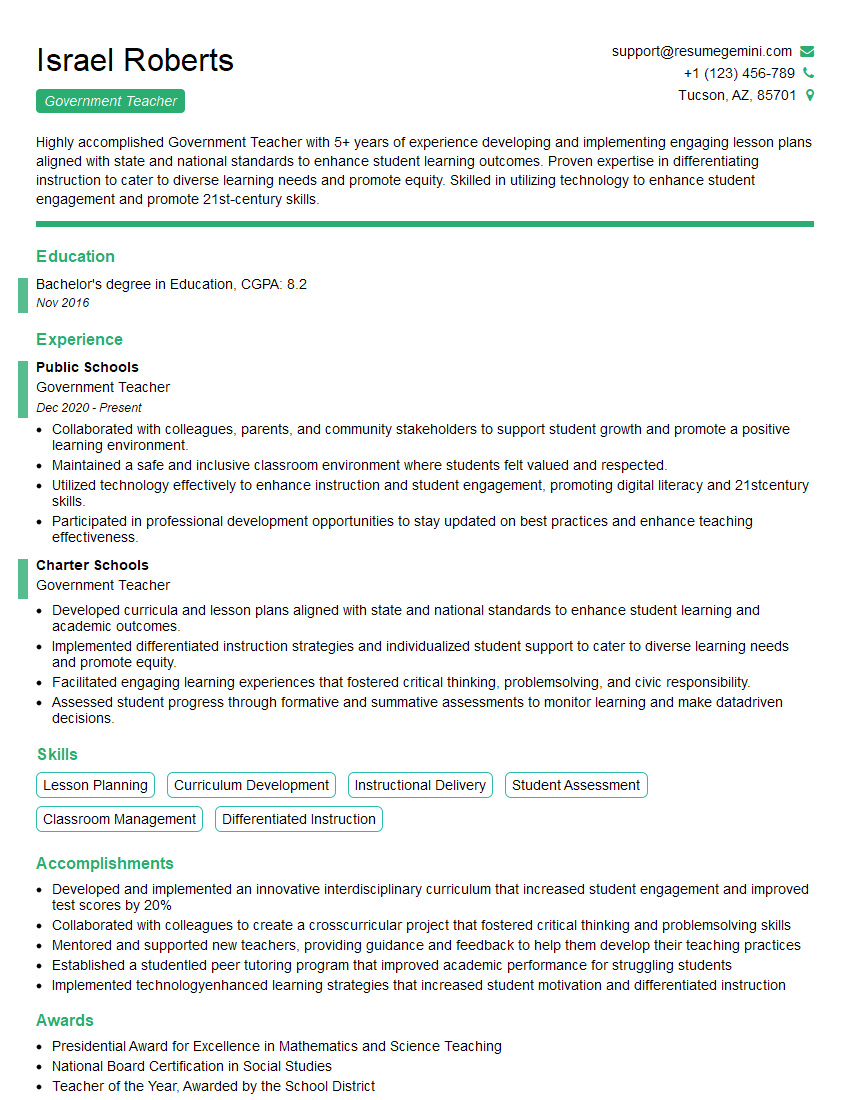
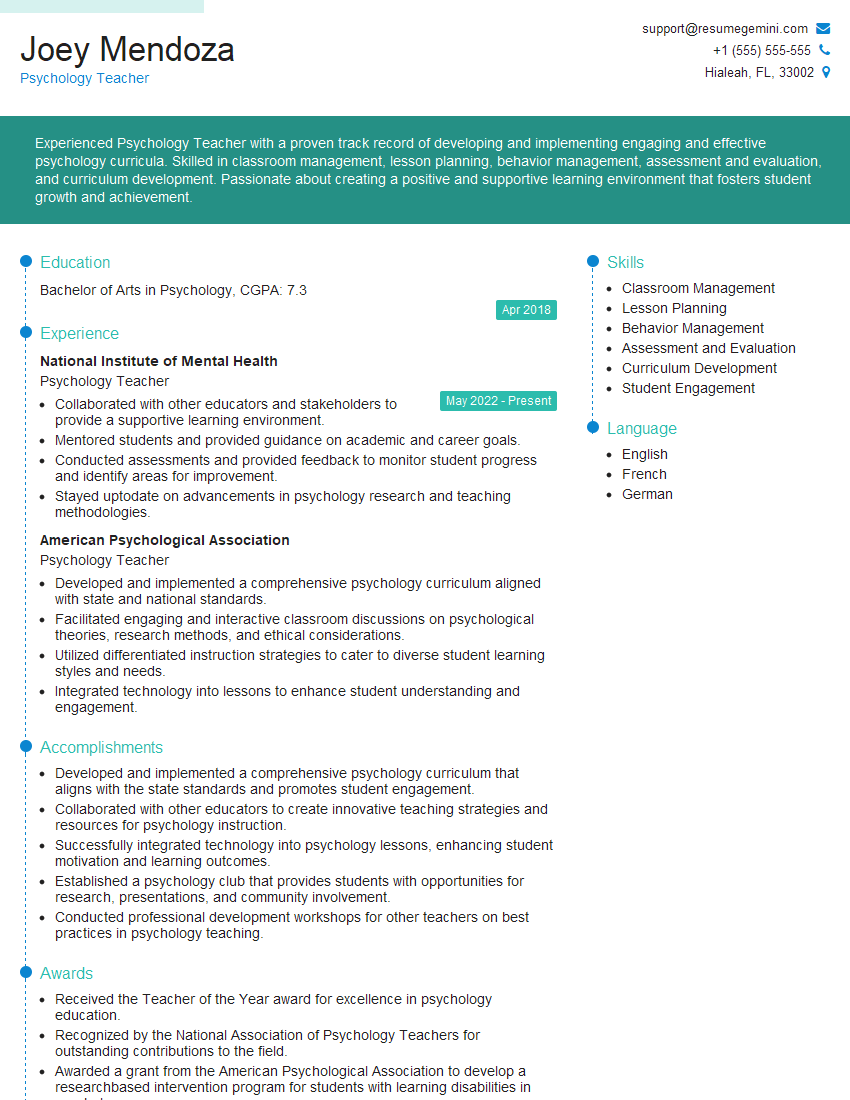
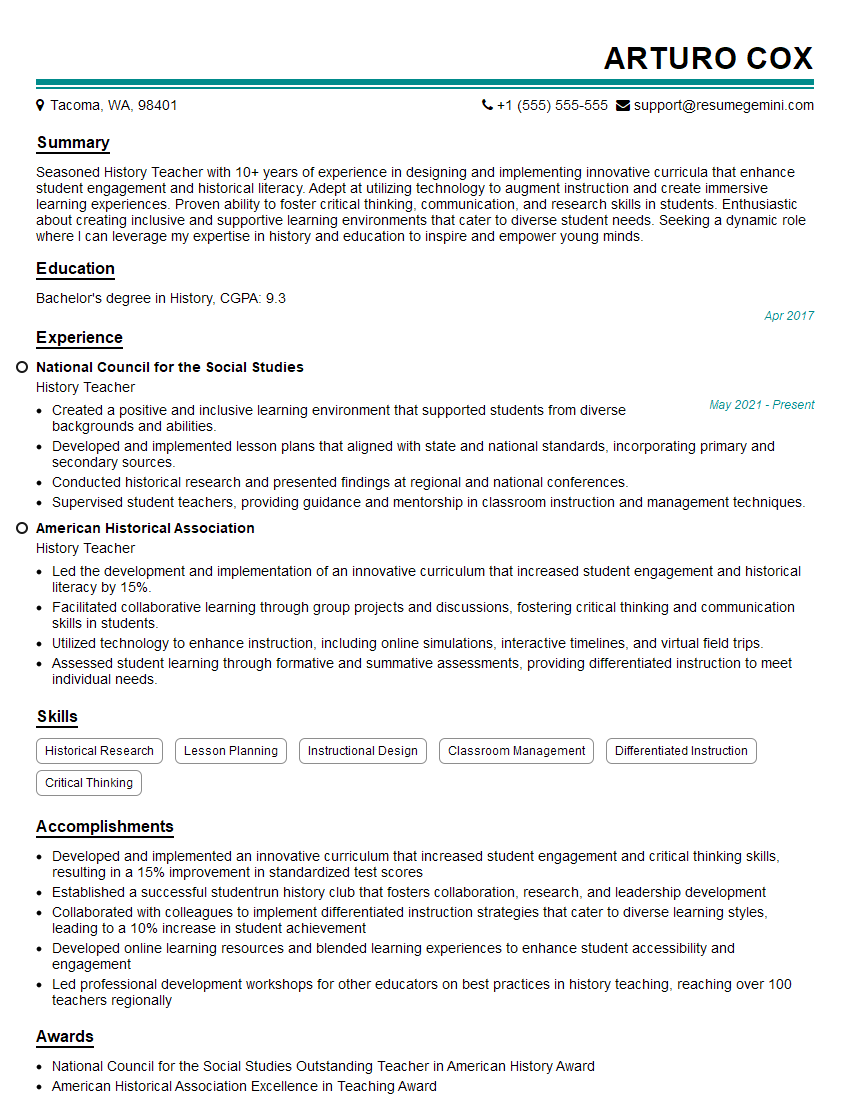
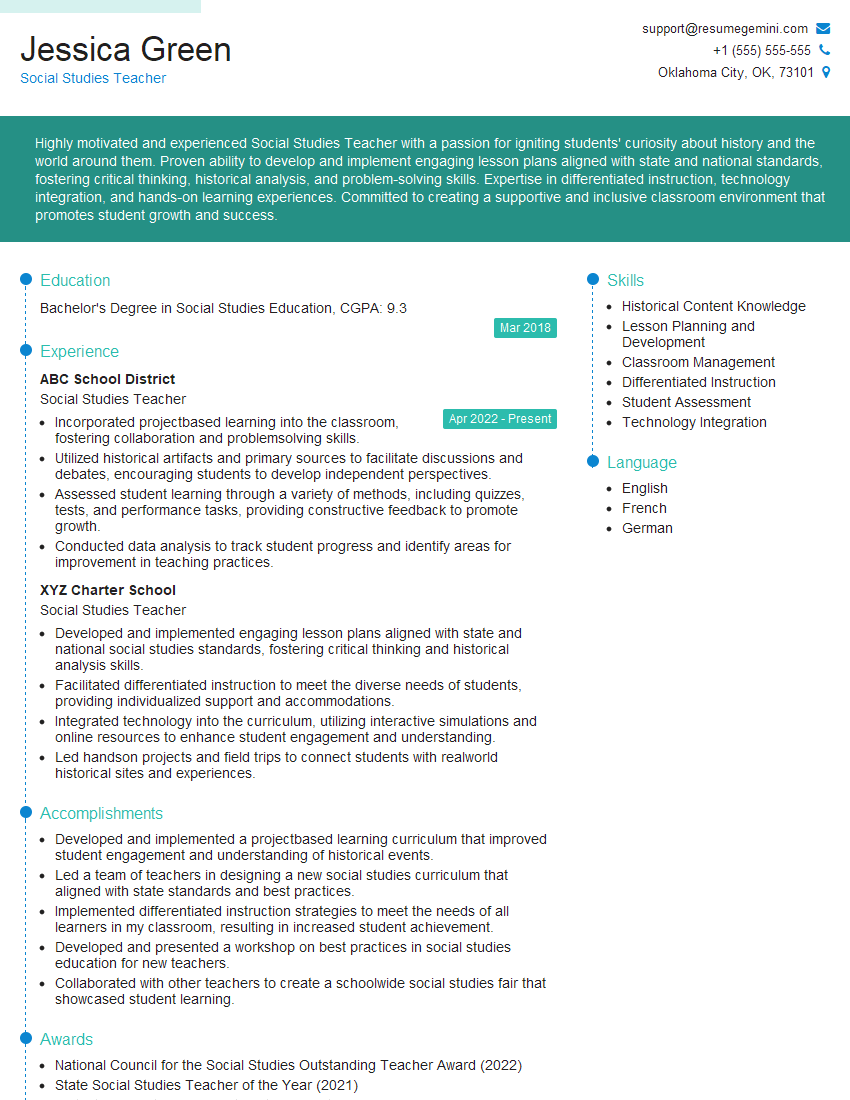
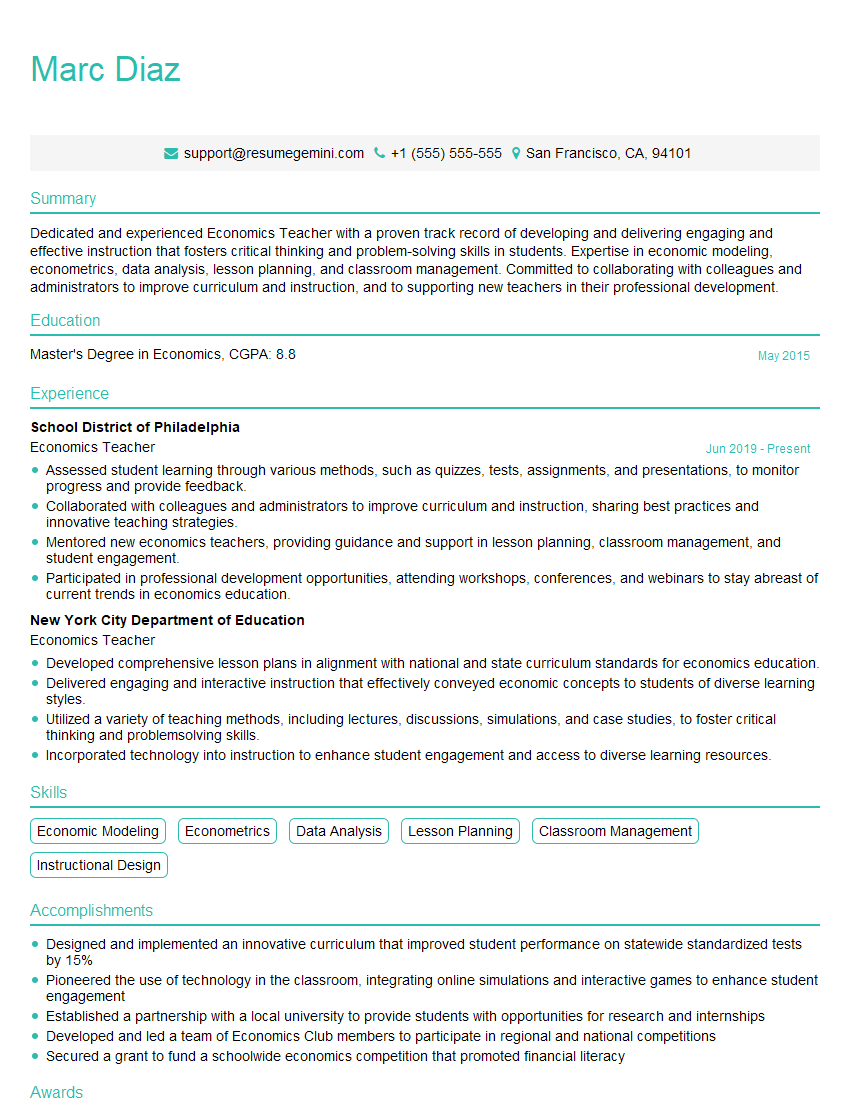
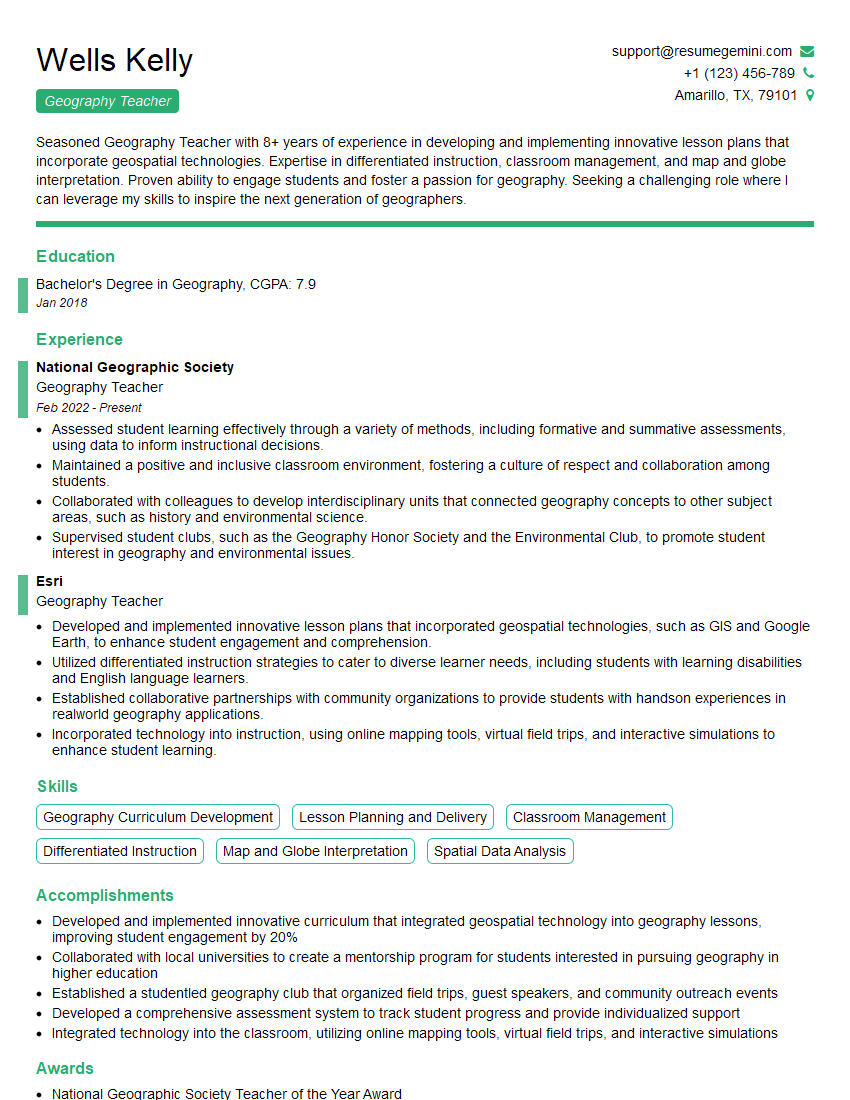
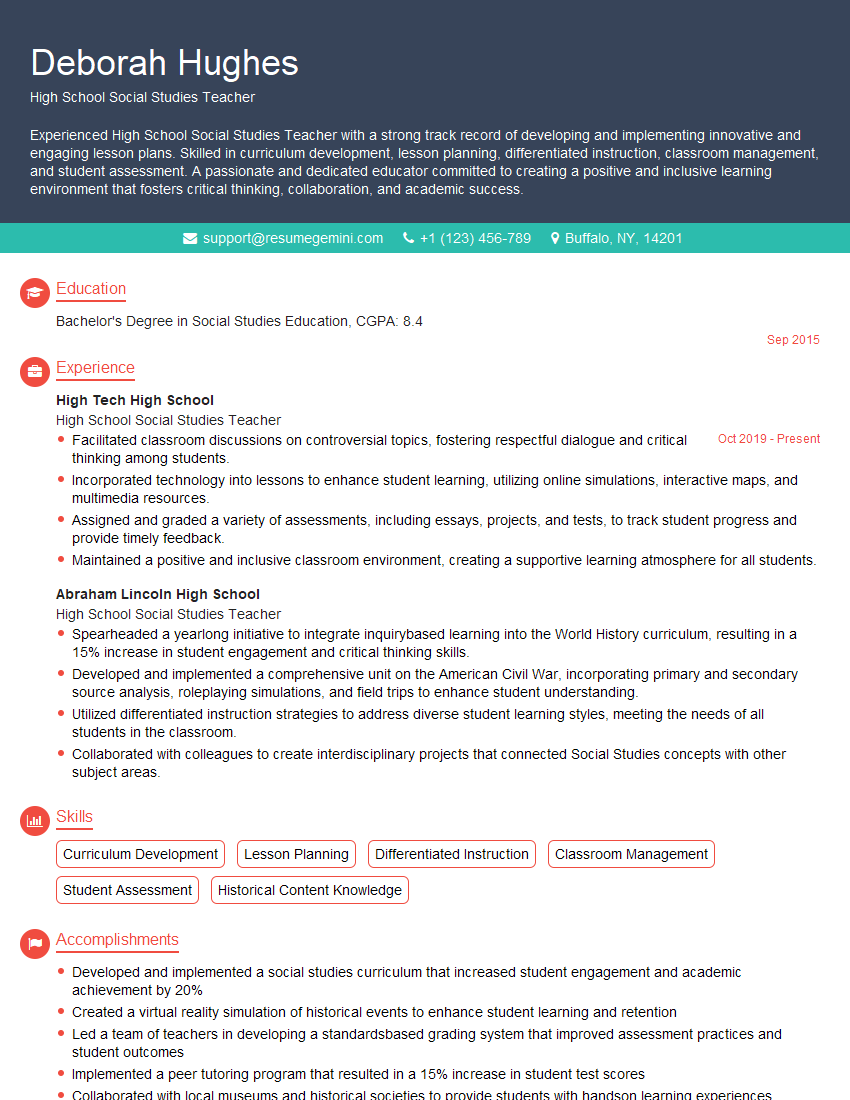
Mastering Specialization in Social Studies opens doors to diverse and rewarding careers in education, research, government, and non-profit organizations. To maximize your job prospects, creating a compelling and ATS-friendly resume is crucial. ResumeGemini is a trusted resource that can help you build a professional resume that showcases your skills and experience effectively. We provide examples of resumes tailored to Specialization in Social Studies to guide you through the process, ensuring your application stands out. Invest the time to craft a strong resume – it’s your first impression on potential employers.
Explore more articles
Users Rating of Our Blogs
Share Your Experience
We value your feedback! Please rate our content and share your thoughts (optional).
What Readers Say About Our Blog
I Redesigned Spongebob Squarepants and his main characters of my artwork.
https://www.deviantart.com/reimaginesponge/art/Redesigned-Spongebob-characters-1223583608
IT gave me an insight and words to use and be able to think of examples
Hi, I’m Jay, we have a few potential clients that are interested in your services, thought you might be a good fit. I’d love to talk about the details, when do you have time to talk?
Best,
Jay
Founder | CEO