Interviews are more than just a Q&A session—they’re a chance to prove your worth. This blog dives into essential Demonstrated safe driving skills interview questions and expert tips to help you align your answers with what hiring managers are looking for. Start preparing to shine!
Questions Asked in Demonstrated safe driving skills Interview
Q 1. Describe your experience with defensive driving techniques.
Defensive driving is about anticipating potential hazards and reacting proactively to minimize risks. It’s not just about following the rules, but about constantly scanning your surroundings and being prepared for the unexpected. I’ve practiced this for years, developing a strong awareness of my environment and the actions of other drivers, pedestrians, and cyclists.
- Scanning: I consistently scan the road ahead, checking mirrors frequently, and anticipating the movements of other vehicles. For example, I always check my blind spots before changing lanes, regardless of whether other vehicles are immediately visible.
- Space Management: Maintaining a safe following distance (more on that in the next answer) and ample space around my vehicle allows for more reaction time. I consider this my personal “safety bubble.”
- Hazard Recognition: I’m trained to identify potential hazards early, such as distracted drivers, pedestrians about to cross unexpectedly, or adverse weather conditions developing. This allows me to adjust my speed and position accordingly.
- Smooth Control: Sudden braking and acceleration increase risk. I practice smooth and controlled maneuvers, always signaling my intentions clearly and anticipating other drivers’ reactions.
For example, once, I was driving on a highway when I noticed a car ahead swerving slightly. Instead of panicking, I immediately increased my following distance and prepared for potential braking. The car eventually pulled over safely, avoiding an accident due to my proactive defensive driving.
Q 2. How do you maintain a safe following distance?
Maintaining a safe following distance is crucial for preventing rear-end collisions. A good rule of thumb is the three-second rule: Identify a stationary object (like a signpost) as the car ahead passes it, and then count three seconds. If you reach the object before finishing your count, you’re following too closely.
Factors like weather conditions (rain, snow, ice) and road conditions (construction zones, curves) necessitate increasing the following distance. In bad weather, I use the 5- or even 10-second rule to increase reaction time significantly. This allows for greater stopping distance should the car in front brake suddenly. Imagine it like this: a longer following distance provides more ‘braking room’.
Beyond the simple rule, I also factor in the speed of the vehicle. Higher speeds necessitate a greater following distance, and I adjust accordingly. Also, I consider the behavior of the driver ahead – if they’re braking frequently or driving erratically, I’ll further increase my following distance to account for their unpredictability.
Q 3. What are the most common causes of accidents, in your experience?
Based on my extensive experience, the most common causes of accidents are:
- Distracted Driving: This includes using cell phones, adjusting the radio, eating, or engaging in conversations. It significantly impairs reaction time and judgment.
- Speeding/Following Too Closely: Speeding reduces reaction time and increases the severity of an impact. Tailgating eliminates the necessary stopping distance.
- Impaired Driving (Alcohol or Drugs): Impaired judgment, slowed reflexes, and reduced coordination greatly increase the risk of accidents.
- Failure to Yield the Right-of-Way: This includes neglecting stop signs, traffic signals, or not yielding to pedestrians or other vehicles.
- Driver Fatigue: Driving while tired significantly affects alertness and decision-making.
Many accidents stem from a combination of these factors, highlighting the importance of defensive driving practices. For instance, a distracted driver speeding might fail to yield the right of way, leading to a severe collision.
Q 4. Explain your process for pre-trip vehicle inspections.
My pre-trip vehicle inspection is a thorough, systematic process designed to ensure the vehicle is roadworthy and safe to operate. I follow a checklist, visually inspecting various components.
- Tires: I check tire pressure, tread depth, and look for any cuts or damage.
- Lights: I test all lights (headlights, brake lights, turn signals, taillights, hazard lights) to ensure they function correctly.
- Wipers and Washers: I verify that the windshield wipers and washers are operational.
- Fluid Levels: I check engine oil, coolant, brake fluid, power steering fluid, and windshield washer fluid levels.
- Brakes: I check the brake pedal for responsiveness and look for any leaks or unusual wear.
- Steering: I check for any play or looseness in the steering wheel.
- Mirrors: I adjust the mirrors for optimal visibility.
- Horn: I test the horn to make sure it’s working.
- Undercarriage: I inspect for any leaks, damage, or loose components. If possible and safe to do so.
If any issues are found, they are immediately addressed before commencing the journey. This systematic approach is essential in preventing accidents and mechanical failures during operation.
Q 5. How do you handle adverse weather conditions while driving?
Driving in adverse weather conditions requires significant adjustments to driving behavior to maintain safety. My approach involves several key steps.
- Reduced Speed: I significantly reduce my speed to account for reduced traction. This is particularly important on slippery surfaces like wet, icy, or snowy roads.
- Increased Following Distance: I dramatically increase my following distance to allow ample braking distance, as stopping distances are significantly longer in adverse conditions.
- Smooth Control: I avoid sudden braking or acceleration, ensuring gentle and controlled maneuvers to prevent skidding or loss of control.
- Increased Awareness: I increase my vigilance, paying extra attention to other vehicles, pedestrians, and road conditions. I am particularly cautious about areas prone to icy patches or reduced visibility.
- Use of Lights: I use headlights in rain, fog, or snow, even during the day, to improve visibility and make my vehicle more easily seen.
- Appropriate Tire Use: When appropriate, using winter or all-season tires can significantly improve traction and handling.
For instance, during a heavy snowstorm, I once reduced my speed to 20 mph on a normally 45 mph road, maintained a 10-second following distance, and avoided abrupt movements, which allowed me to navigate treacherous conditions safely.
Q 6. How do you manage fatigue while on long drives?
Fatigue significantly impairs driving ability. To combat fatigue on long drives, I employ several strategies:
- Adequate Rest Before Driving: Getting a good night’s sleep before a long trip is crucial.
- Regular Breaks: I take regular breaks every two hours, or more frequently if I feel tired. These breaks involve getting out of the vehicle, stretching, and walking around to increase circulation.
- Hydration and Nutrition: Staying hydrated and eating nutritious snacks can help combat fatigue.
- Avoid Driving at Peak Sleep Times: I avoid driving between midnight and 6 a.m., when drowsiness is most common.
- Sharing Driving Responsibilities (When Possible): If feasible, I share the driving with another person who can take over when I feel tired.
- Fresh Air: Regularly opening the windows for fresh air can help increase alertness.
Ignoring fatigue can be extremely dangerous, potentially leading to microsleeps and accidents. Prioritizing rest and employing these measures ensures my safety and the safety of others on the road.
Q 7. Describe your experience with navigating using GPS or maps.
I am proficient in using both GPS navigation systems and traditional maps. GPS systems offer real-time guidance and route optimization, which are particularly beneficial for unfamiliar areas or complex routes. However, I understand their limitations, such as occasional inaccuracies or reliance on a functioning device and signal.
Traditional maps provide a broader overview and enhance situational awareness, promoting a better understanding of the bigger picture. Knowing how to read a map is an important backup skill and can be essential in situations where GPS might fail or where there’s no signal.
I typically use a combination of both. I’ll often plan my route beforehand using a GPS or online map service, but also carry a physical map as a backup. I regularly check both the GPS display and my surroundings to ensure accuracy and anticipate potential route changes or delays.
For example, once my GPS led me down a road that was unexpectedly closed for construction. My knowledge of map reading and situational awareness allowed me to quickly find an alternative route, avoiding a significant delay.
Q 8. How do you react to aggressive or distracted drivers?
My approach to aggressive or distracted drivers prioritizes safety and defensive driving. I maintain a safe following distance, avoid making sudden movements that might provoke them, and if necessary, I’ll cautiously change lanes to create distance. Think of it like navigating a crowded marketplace – you’re aware of others’ unpredictable actions, so you adjust your pace and positioning to avoid collisions.
For example, if someone tailgates me aggressively, I won’t brake suddenly, which could cause a rear-end collision. Instead, I’ll smoothly signal and move over to a safer lane if possible. If a lane change isn’t feasible, I’ll increase my following distance to give myself more reaction time. I also avoid engaging in any form of confrontation. My primary goal is to get myself and my passengers to our destination safely.
Q 9. What is your approach to maintaining a clean driving record?
Maintaining a clean driving record is a proactive, multi-faceted approach. It begins with a firm understanding of and adherence to all traffic laws. This includes always obeying speed limits, using seatbelts, and signaling intentions clearly. I also believe in consistent vehicle maintenance – ensuring my car is in top working condition minimizes the risk of mechanical breakdowns that could lead to accidents. Beyond this, practicing defensive driving is crucial; anticipating potential hazards and reacting appropriately is key.
- Regular vehicle maintenance: This includes regular oil changes, tire rotations, and brake checks.
- Defensive driving techniques: Maintaining a safe following distance, scanning the road ahead, and anticipating potential hazards.
- Staying alert and focused: Avoiding distractions such as cell phones and adjusting driving style for weather conditions.
In essence, a clean driving record isn’t just about avoiding tickets; it’s about demonstrating a consistent commitment to responsible and safe driving practices.
Q 10. Describe a situation where you had to make a quick driving decision to avoid an accident.
One time, I was driving on a highway during rush hour when a car suddenly cut in front of me, leaving very little space. My immediate reaction was to firmly but smoothly apply the brakes and steer slightly to the right, avoiding a collision. My years of experience allowed me to react instinctively, preventing what could have been a serious accident. The key was maintaining control of the vehicle, avoiding panic, and reacting calmly but decisively. This experience reinforced the importance of always maintaining a safe following distance and being prepared for unexpected maneuvers from other drivers.
Q 11. How do you ensure the safety of passengers or cargo?
Ensuring passenger and cargo safety is paramount. For passengers, this means ensuring everyone is properly restrained with seatbelts. Before starting any journey, I perform a quick safety check, confirming that seatbelts are functional and everyone understands how to use them. I also adjust my driving style based on passenger comfort and needs. For cargo, I secure it appropriately to prevent shifting or spillage during transit, using appropriate tie-downs and ensuring that the load is distributed evenly. This not only prevents accidents caused by unsecured loads but also ensures compliance with relevant transportation regulations.
Think of it like building a sturdy structure: everything must be in its place and secured properly.
Q 12. What is your understanding of traffic laws and regulations?
My understanding of traffic laws and regulations is comprehensive. I am familiar with speed limits, right-of-way rules, signage, and all relevant state and local ordinances. I regularly review updates to ensure I’m up-to-date with any changes. I view adherence to these regulations not just as a legal obligation but as a fundamental aspect of safe driving. Understanding and obeying traffic laws helps to prevent accidents and ensure the smooth flow of traffic.
Q 13. How do you handle mechanical issues while driving?
Handling mechanical issues while driving requires a calm and methodical approach. The first step is to assess the situation safely. If it’s safe to do so, I’ll pull over to the side of the road, away from traffic. If the issue is minor and doesn’t compromise safety, I might attempt a temporary fix. Otherwise, I’ll contact roadside assistance or a mechanic. Safety is the priority – it’s better to be delayed than to risk an accident by attempting a repair while driving.
For instance, if a tire blows, I’d safely pull over, activate hazard lights, and then change the tire according to safety protocols. If the problem is beyond my ability to fix, I’d call for help.
Q 14. Have you ever been involved in a traffic accident? If so, describe the situation and what you learned from it.
Yes, I was involved in a minor fender bender several years ago. It happened due to a momentary lapse in attention. What I learned from it was invaluable. The incident highlighted how easily an accident can occur, even with experienced drivers. It reinforced the importance of maintaining constant vigilance and never underestimating the potential dangers on the road. This experience made me a more cautious and observant driver, emphasizing the need for continuous concentration and proactive defensive driving techniques.
Q 15. How do you prioritize safety when faced with time constraints?
Prioritizing safety under time pressure requires a disciplined approach. It’s not about speeding, but about efficient and safe driving. My strategy involves:
- Accurate Time Estimation: I always account for potential delays like traffic, unexpected stops, or construction zones. I build in buffer time to avoid rushing.
- Route Planning: Before starting, I check traffic conditions using navigation apps to identify the most efficient route, avoiding areas with known congestion.
- Defensive Driving: Maintaining a safe following distance, scanning my surroundings constantly, and anticipating potential hazards are paramount, even when pressed for time. This proactive approach minimizes the risk of accidents, which would ultimately cause more delays.
- Realistic Expectations: I acknowledge that unforeseen events might cause delays. Accepting this reality helps manage stress and keeps my focus on safety.
For example, if I’m running late for a meeting, I’ll prioritize a safe, albeit slightly longer route over a riskier, faster one. A minor delay is preferable to an accident.
Career Expert Tips:
- Ace those interviews! Prepare effectively by reviewing the Top 50 Most Common Interview Questions on ResumeGemini.
- Navigate your job search with confidence! Explore a wide range of Career Tips on ResumeGemini. Learn about common challenges and recommendations to overcome them.
- Craft the perfect resume! Master the Art of Resume Writing with ResumeGemini’s guide. Showcase your unique qualifications and achievements effectively.
- Don’t miss out on holiday savings! Build your dream resume with ResumeGemini’s ATS optimized templates.
Q 16. How do you stay updated on traffic laws and safe driving practices?
Staying updated on traffic laws and safe driving practices is an ongoing commitment. I utilize several methods:
- Regularly Reviewing the Driver’s Manual: This ensures I’m familiar with current regulations and best practices.
- Following Official Transportation Websites and Publications: I stay abreast of legislative changes and safety advisories through state Department of Motor Vehicles (DMV) websites and publications like those from the National Highway Traffic Safety Administration (NHTSA).
- Attending Defensive Driving Courses: These courses offer valuable insights into advanced driving techniques and updated safety information. They often cover topics that evolve in road safety and driving practices.
- Professional Development: If applicable, I seek out professional development opportunities related to transportation safety and regulatory changes in my field.
This multi-faceted approach ensures I am always equipped with the latest information to maintain safe and legal driving habits.
Q 17. Describe your experience with different types of vehicles.
My experience encompasses a variety of vehicles, from compact cars and SUVs to larger trucks and vans. I’m comfortable operating vehicles with both manual and automatic transmissions. This experience gives me adaptability and understanding of various vehicle handling characteristics.
- Compact Cars: I’m proficient in handling these in various traffic conditions, and know how to navigate city streets and highway driving with ease.
- SUVs: I’m familiar with the higher center of gravity and larger turning radius.
- Trucks and Vans: I understand the importance of increased stopping distances and the need for extra caution when maneuvering larger vehicles. I have experience with cargo securing and maintaining visibility when operating larger vehicles.
This diverse driving experience enhances my overall awareness and ability to adapt to different driving situations and vehicle types.
Q 18. How do you manage your stress levels while driving?
Managing stress while driving is crucial for safety. I employ several techniques:
- Planning and Preparation: Leaving ample time for travel significantly reduces rush-hour stress.
- Mindfulness and Deep Breathing: When feeling stressed, I focus on my breathing to calm my nerves. This centers my attention back to the task at hand.
- Music Selection: Calming music helps maintain a relaxed driving environment.
- Avoiding Distractions: Keeping the phone away and resisting the urge to multitask prevents further stress build-up.
- Regular Breaks: Taking short breaks during long drives helps prevent fatigue and stress accumulation.
If stress becomes overwhelming, I pull over to a safe location to compose myself before resuming my journey.
Q 19. What are your strategies for staying alert and focused while driving?
Staying alert and focused demands proactive strategies. My approach includes:
- Sufficient Sleep: Adequate rest is essential for optimal alertness behind the wheel.
- Hydration and Nutrition: Staying hydrated and eating a balanced meal before driving significantly improves focus.
- Regular Breaks: Short breaks every couple of hours help combat fatigue and maintain alertness during long drives.
- Minimizing Distractions: Using hands-free devices for communication and avoiding unnecessary phone usage keeps my focus on the road.
- Maintaining a Positive Mental Attitude: Focusing on the journey and avoiding anxieties about reaching the destination promotes alertness.
By implementing these strategies, I consistently ensure my driving is safe and attentive.
Q 20. How familiar are you with different types of road conditions?
I have extensive experience navigating various road conditions. My familiarity includes:
- Dry Pavement: Standard driving techniques are employed, prioritizing speed limits and safe following distances.
- Wet Pavement: I reduce speed, increase following distances, and avoid sudden braking or acceleration.
- Snowy or Icy Conditions: I drive at significantly reduced speeds, maintaining increased following distances, and using appropriate tire chains or winter tires when necessary.
- Construction Zones: I reduce speed, pay close attention to traffic signals and workers, and am prepared for sudden stops.
- Gravel Roads: I drive slower and maintain a wider turning radius.
Adapting my driving to different conditions is paramount to maintaining safety for myself and others.
Q 21. How do you handle unexpected road hazards?
Handling unexpected hazards requires quick thinking and decisive action. My strategy is based on:
- Constant Awareness: Regularly scanning the road ahead, mirrors, and blind spots helps me anticipate and react to potential hazards.
- Safe Distance Maintenance: Keeping a safe following distance allows for more reaction time.
- Smooth Maneuvers: Sudden braking or steering should be avoided. Smooth and controlled actions increase safety.
- Appropriate Signaling: Using turn signals and brake lights provides ample warning to other drivers.
- Assessment and Decision Making: I quickly assess the hazard and decide the safest course of action, which might involve slowing down, changing lanes (if safe), or stopping.
For example, if I encounter a sudden animal crossing, I would smoothly brake, assess the situation, and then proceed cautiously.
Q 22. What steps do you take to ensure the security of your vehicle and its contents?
Vehicle and contents security is paramount. My approach is multi-layered, combining proactive measures with reactive vigilance.
Proactive Measures: I always park in well-lit areas, preferably in secure parking lots or garages. Before leaving my vehicle, I ensure all doors and windows are locked, and valuable items are either removed or concealed from view. I utilize anti-theft devices like alarms or steering wheel locks depending on the vehicle and the risk assessment of the location.
Reactive Vigilance: I remain aware of my surroundings before and after entering my vehicle. If I notice anything suspicious, I avoid approaching alone and report it to the authorities if necessary. I also regularly check the vehicle for any signs of tampering or damage.
For example, once, while traveling late at night, I opted to park in a busy, well-lit gas station rather than a secluded parking lot, even though it meant a slight detour. This ensured my safety and minimized the risk of theft or vandalism.
Q 23. What is your understanding of commercial driver’s license (CDL) requirements (if applicable)?
While I don’t currently hold a Commercial Driver’s License (CDL), I understand its requirements are significantly more stringent than a standard driver’s license. A CDL is necessary for operating commercial motor vehicles (CMVs) exceeding certain weight limits or carrying hazardous materials.
Medical Certification: CDL holders must meet specific medical standards, undergoing regular physical examinations to ensure they are physically fit to operate heavy vehicles.
Testing and Endorsements: Obtaining a CDL involves rigorous testing, including knowledge, skills, and road tests. Endorsements (e.g., for hazardous materials, passenger transport) are required based on the type of cargo or passengers being transported.
Hours of Service Regulations: CDL holders must adhere to strict hours-of-service regulations to prevent driver fatigue and ensure road safety. They must maintain accurate logs of driving time and rest periods.
Vehicle Inspection: CDL holders are responsible for conducting thorough pre-trip inspections of their vehicles, ensuring they are roadworthy and meet safety standards.
Q 24. How do you maintain accurate driving logs (if applicable)?
Maintaining accurate driving logs is crucial for compliance and safety. This involves meticulously recording all aspects of the driving day, using either paper logs or electronic logging devices (ELDs).
Time Recording: I would meticulously record the start and end times of each driving period, rest periods, and any on-duty time not involving driving.
Location Information: I would note the location at the start and end of each driving period, which is essential for tracking mileage and compliance.
Accuracy and Legibility: I would ensure that all entries are accurate, legible, and complete. Any errors should be corrected and clearly identified.
Record Keeping: I would store the driving logs securely and keep them readily accessible for audits or inspections.
Accuracy is paramount. Even a small mistake can have significant consequences, such as fines or violations.
Q 25. What is your approach to fuel efficiency while driving?
Fuel efficiency is a key consideration in driving, impacting both cost and environmental impact. My approach focuses on several strategies:
Smooth Driving Techniques: Avoiding sudden acceleration, braking, and idling. Consistent speeds and gentle maneuvers minimize fuel consumption.
Proper Tire Inflation: Ensuring tires are properly inflated reduces rolling resistance, increasing fuel efficiency.
Vehicle Maintenance: Regular maintenance, including engine tune-ups and air filter changes, keeps the vehicle running optimally.
Route Planning: Choosing efficient routes, avoiding congestion and unnecessary detours, contributes to better fuel economy.
Speed Management: Maintaining a steady speed within the speed limit is significantly more fuel-efficient than rapid acceleration and braking.
For instance, I always anticipate traffic patterns and adjust my speed accordingly to avoid sudden stops and starts. This allows for smoother, more fuel-efficient driving.
Q 26. How would you handle a situation where you’re involved in a minor collision?
In the event of a minor collision, my priority is safety and ensuring no one is injured. My response is systematic:
Safety First: Turn on hazard lights, check for injuries to myself and others involved. If necessary, call emergency services.
Information Gathering: Exchange information with the other driver(s): names, contact information, insurance details, driver’s license numbers, vehicle information, and license plate numbers.
Documentation: Take photographs or videos of the damage to all vehicles involved, the accident scene, and any visible injuries. Note the location, time, and weather conditions.
Reporting: Report the accident to the police, even if it seems minor. A police report provides official documentation of the incident.
Insurance Notification: Notify your insurance company as soon as possible to initiate the claims process.
I remember a minor fender bender I was involved in; I followed these steps meticulously. The police report and photographic evidence were crucial in resolving the matter quickly and efficiently with the insurance companies.
Q 27. Describe a time you had to make a difficult driving decision based on safety.
During a heavy snowstorm, I was driving on a mountain pass. Visibility was severely reduced due to heavy snowfall. I encountered a steep, icy downhill curve.
The Decision: I could have continued at the same slow speed, risking a loss of control and sliding off the road. Alternatively, I could have stopped, potentially causing a traffic jam and increasing the risk of a rear-end collision.
My Approach: I carefully assessed the situation, checking my mirrors and surroundings, before deciding to very slowly proceed down the curve using a lower gear to control my speed. This allowed me to maintain traction and navigate the turn safely. I prioritized slowing down gradually over potentially being stuck mid-curve. It was a slow, controlled descent, and it required careful judgment but ultimately ensured everyone’s safety.
Key Topics to Learn for Demonstrated Safe Driving Skills Interview
- Defensive Driving Techniques: Understanding and applying principles of defensive driving, anticipating potential hazards, and maintaining a safe following distance. Consider how you’ve proactively avoided accidents.
- Vehicle Maintenance Awareness: Demonstrating knowledge of basic vehicle maintenance and its impact on safe operation. Be prepared to discuss regular checks (tires, fluids, lights) and their importance.
- Traffic Laws and Regulations: Thorough understanding and adherence to all applicable traffic laws and regulations, including speed limits, right-of-way rules, and signaling procedures. Think about how you’ve applied these in various driving situations.
- Safe Driving Habits: Articulating your consistent practice of safe driving habits such as avoiding distractions (cell phones, eating, etc.), maintaining alertness, and adapting driving to weather conditions. Provide specific examples.
- Accident Prevention and Response: Describing your approach to accident prevention and your actions in the event of an incident, including reporting procedures and communication with relevant authorities. Focus on your calm and responsible demeanor.
- Experience with Different Vehicle Types (if applicable): If relevant to the job, be prepared to discuss experience driving various vehicle types (e.g., cars, vans, trucks) and how you adapted your driving techniques accordingly.
- Understanding Driving Logs and Records (if applicable): If the role involves keeping driving logs, be ready to discuss your understanding of accurate record-keeping and its importance for compliance and safety.
Next Steps
Mastering demonstrated safe driving skills is crucial for many roles, showcasing your responsibility and commitment to safety. This significantly enhances your career prospects and demonstrates your reliability as an employee. To increase your chances of landing your dream job, build an ATS-friendly resume that highlights these skills effectively. ResumeGemini is a trusted resource for creating professional, impactful resumes tailored to your specific experience. Examples of resumes tailored to highlight demonstrated safe driving skills are available to help you get started. Invest time in crafting a strong resume – it’s your first impression!
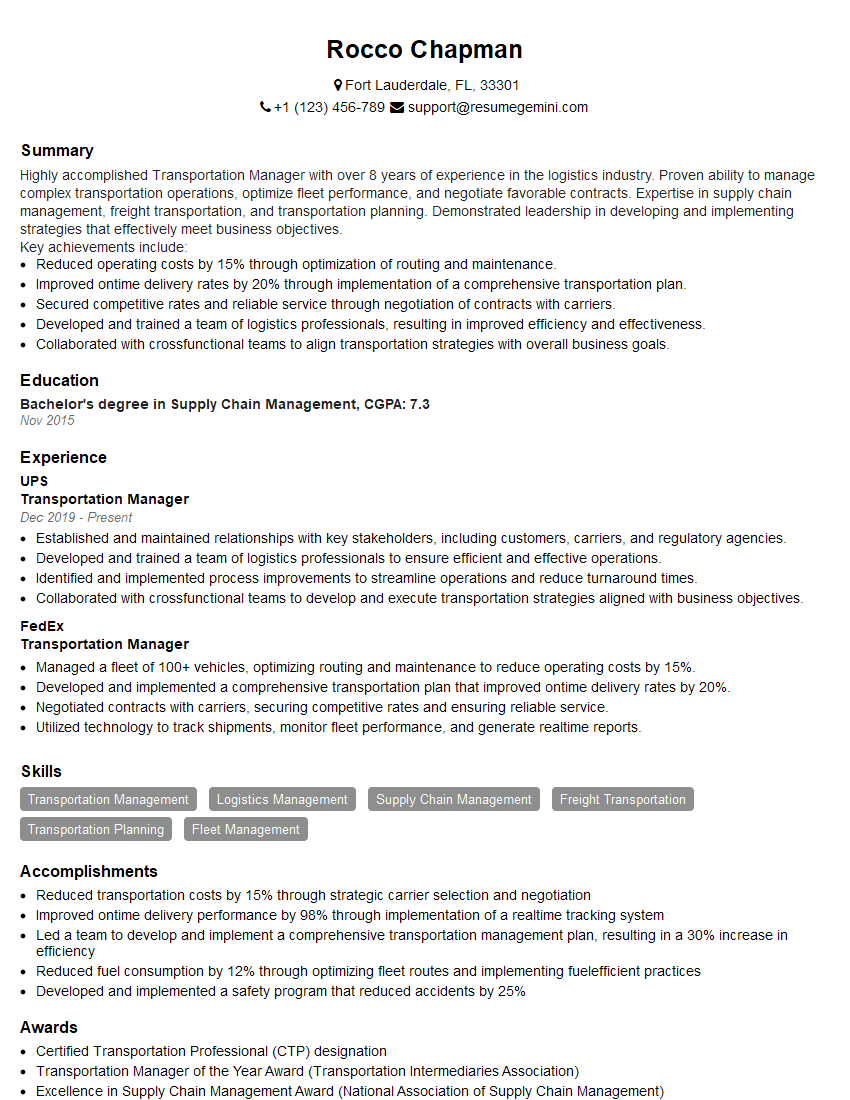
Transportation Manager Resume Sample
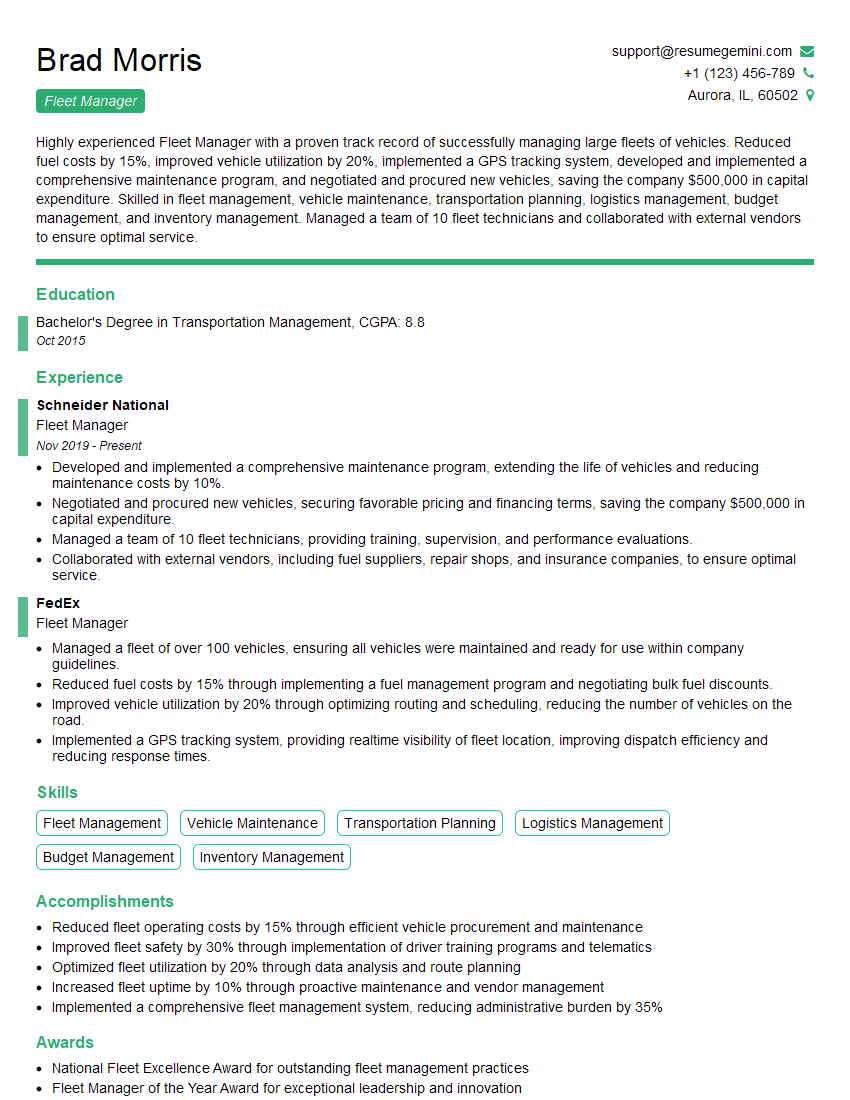
Fleet Manager Resume Sample
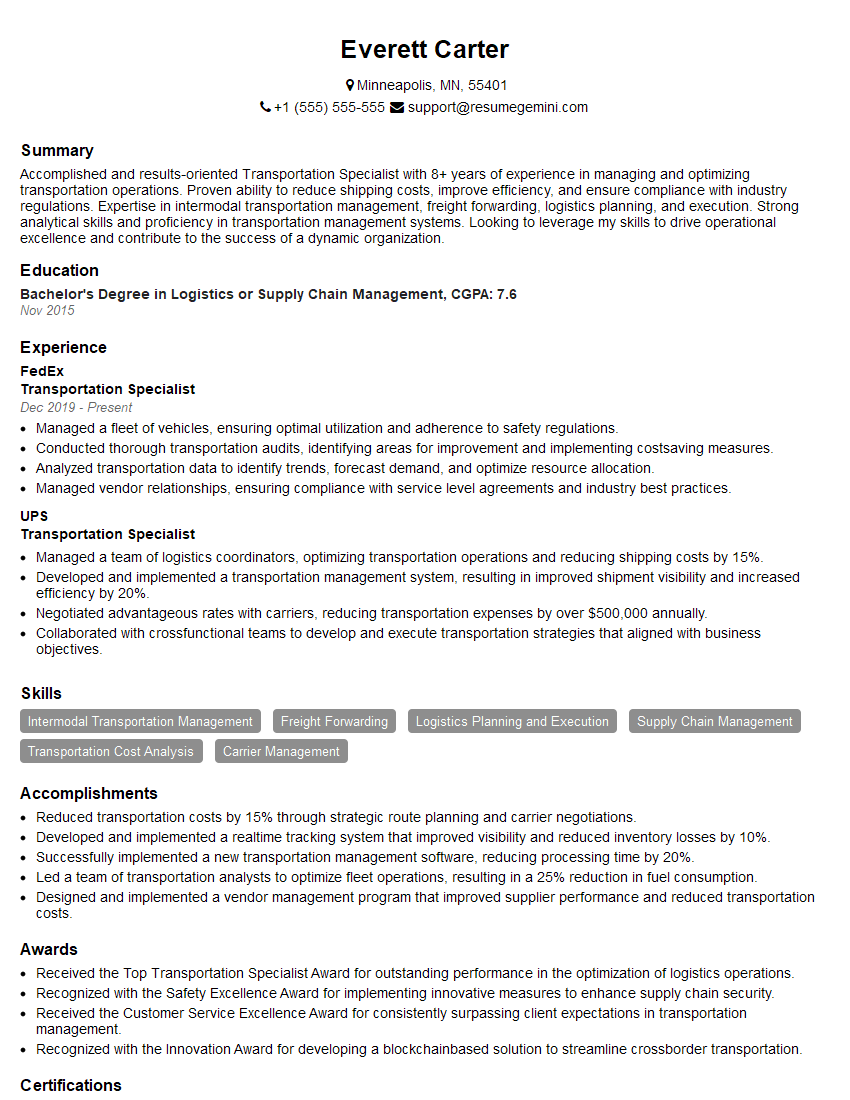
Transportation Specialist Resume Sample
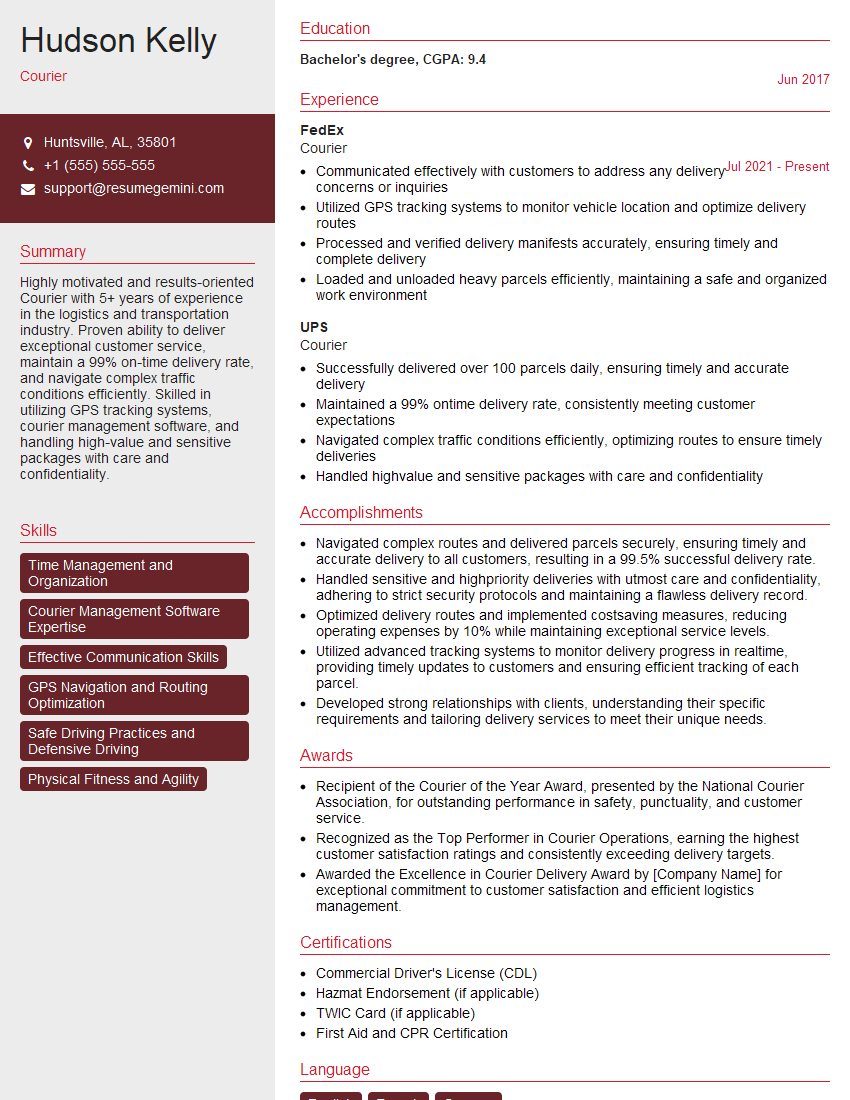
Courier Resume Sample
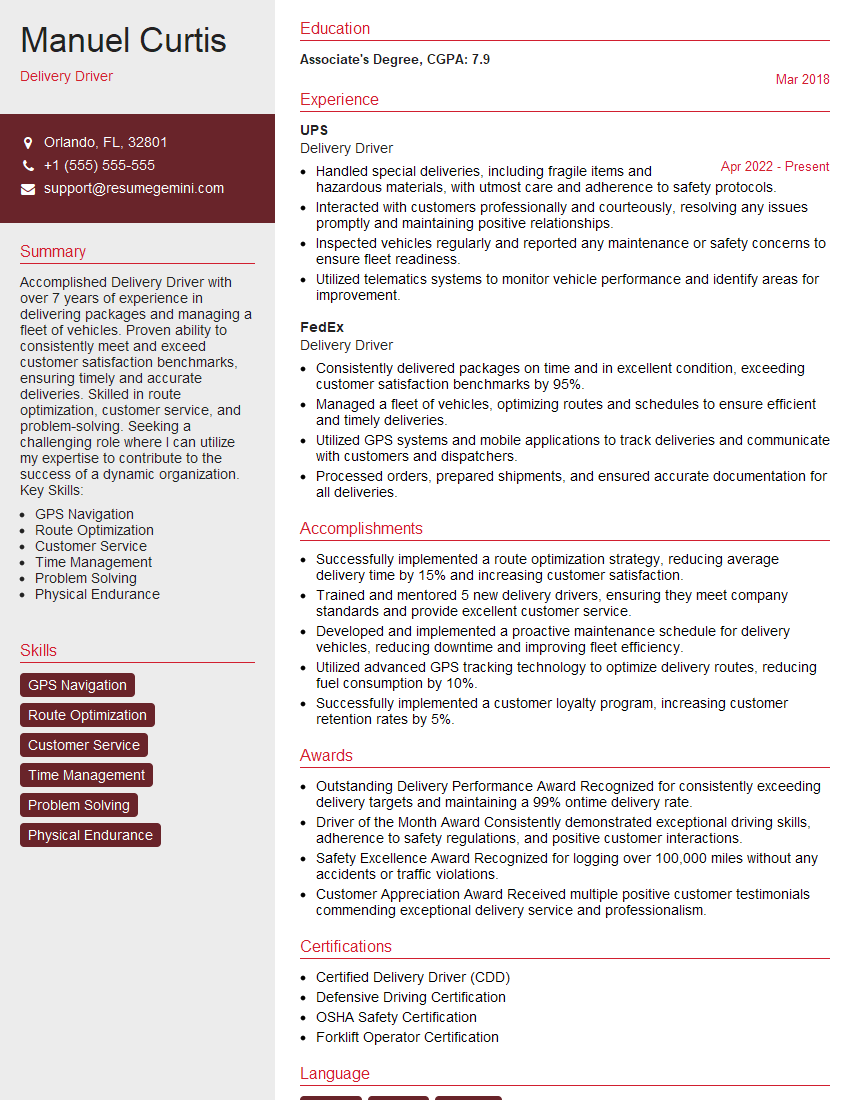
Delivery Driver Resume Sample
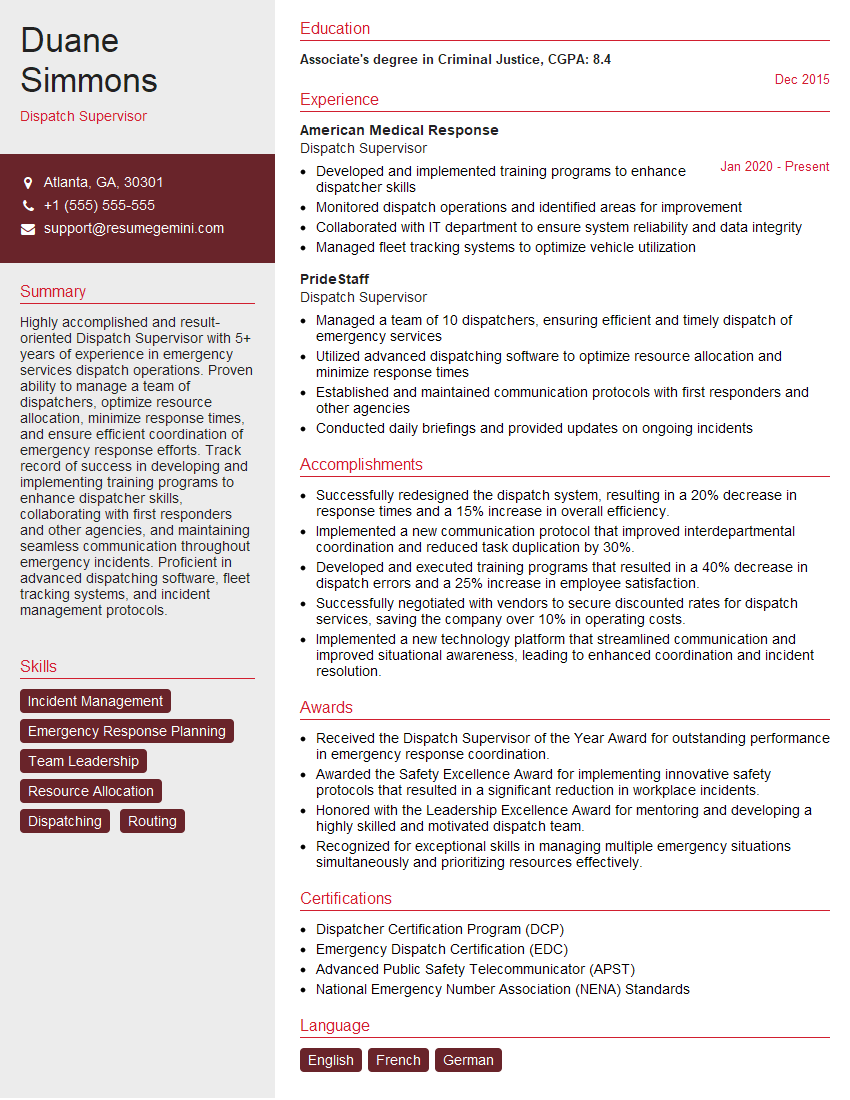
Dispatch Supervisor Resume Sample
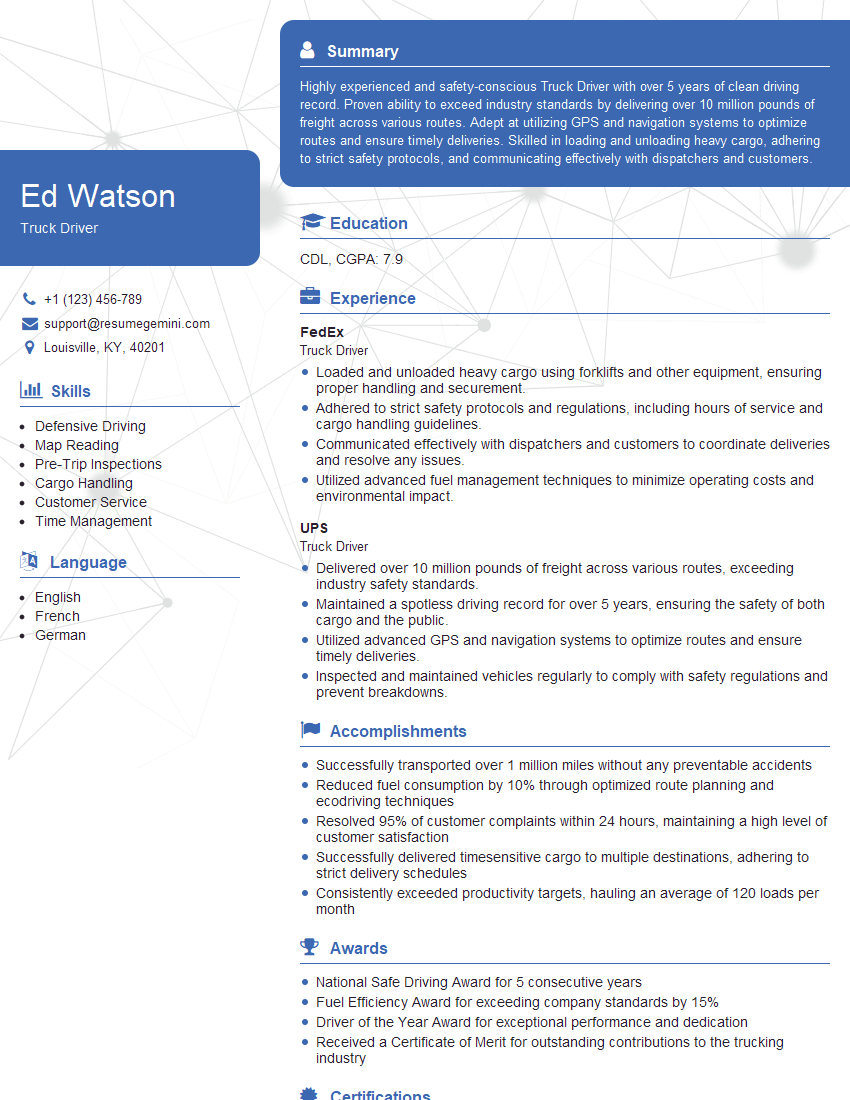
Truck Driver Resume Sample
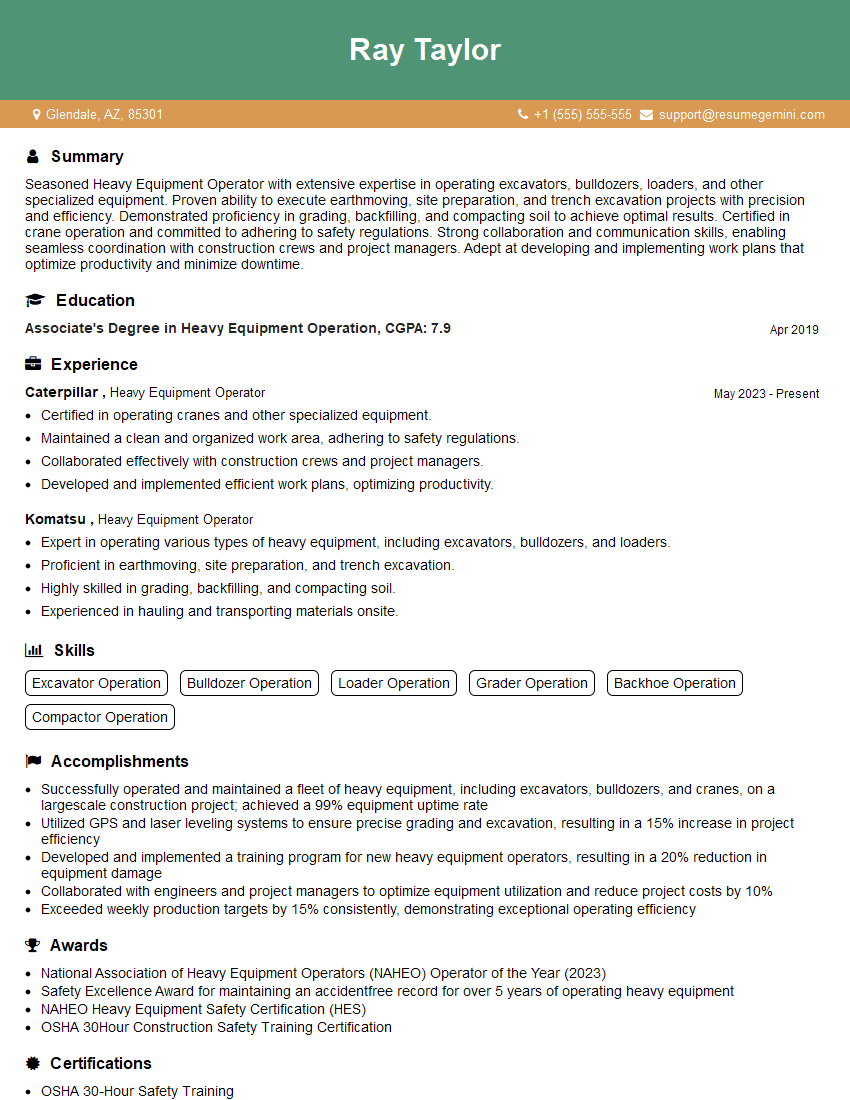
Heavy Equipment Operator Resume Sample
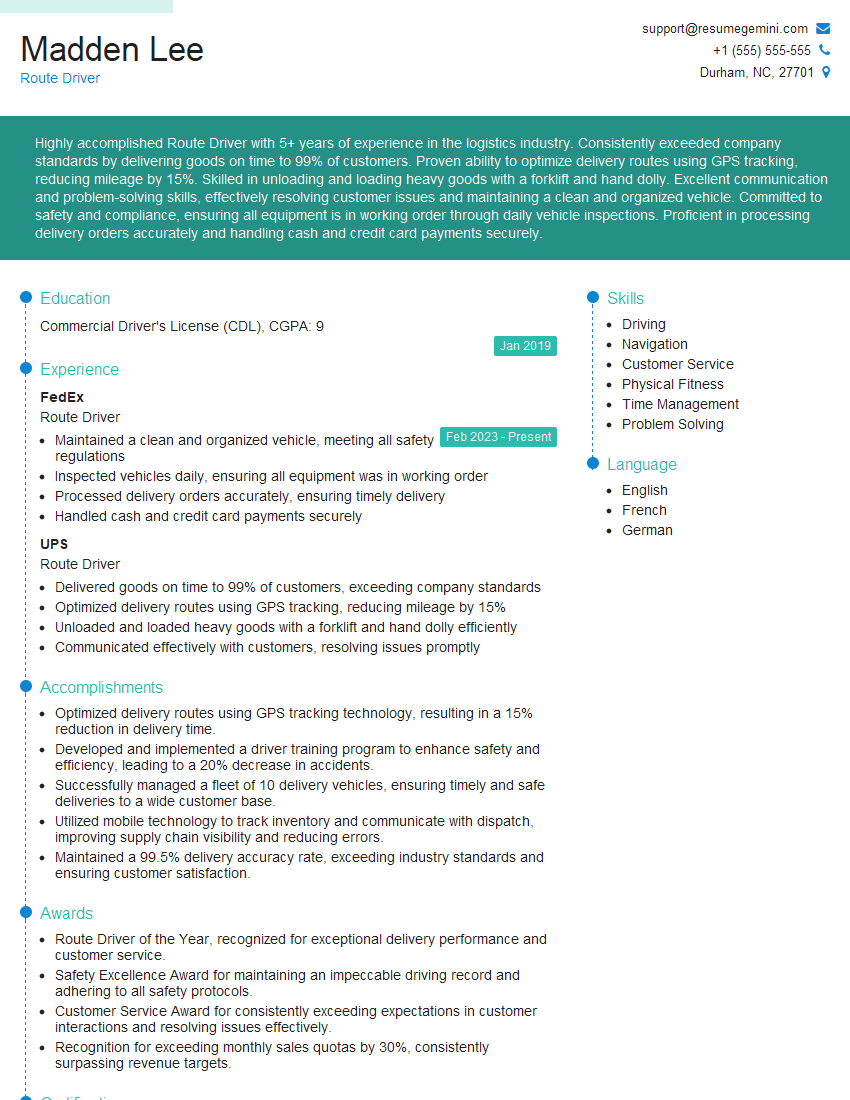
Route Driver Resume Sample
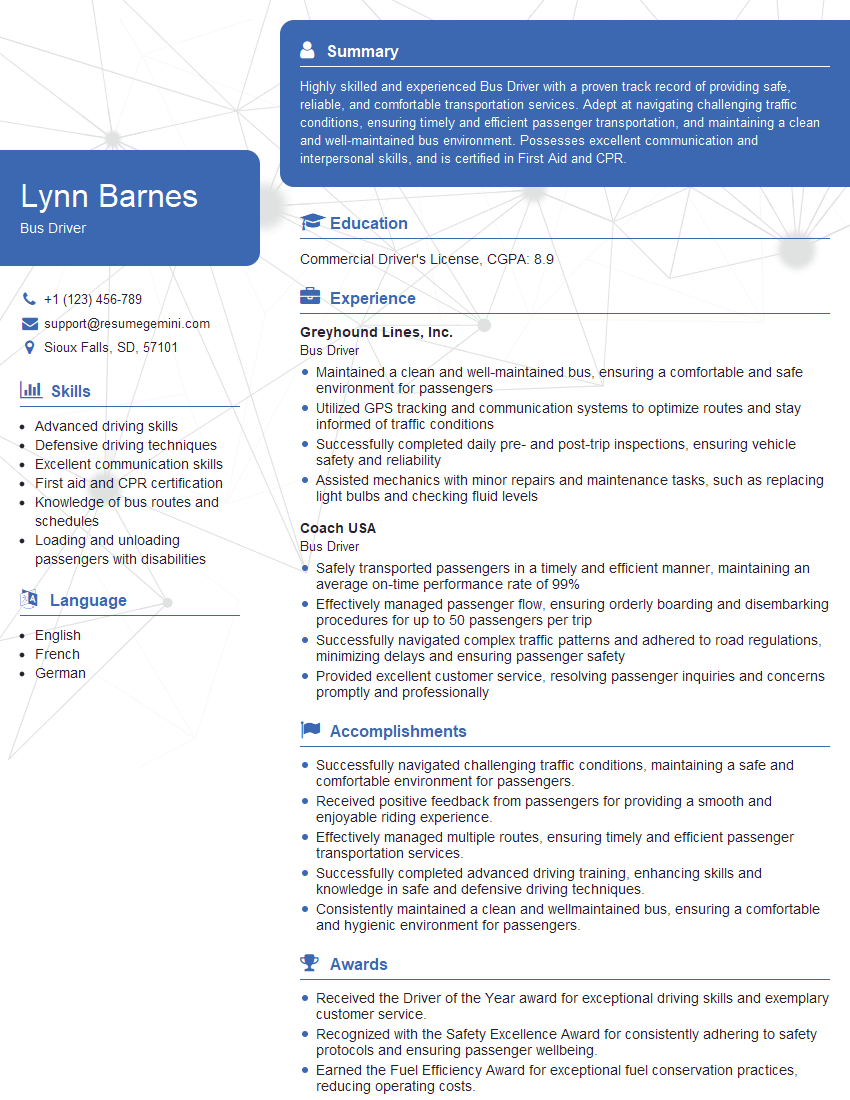
Bus Driver Resume Sample
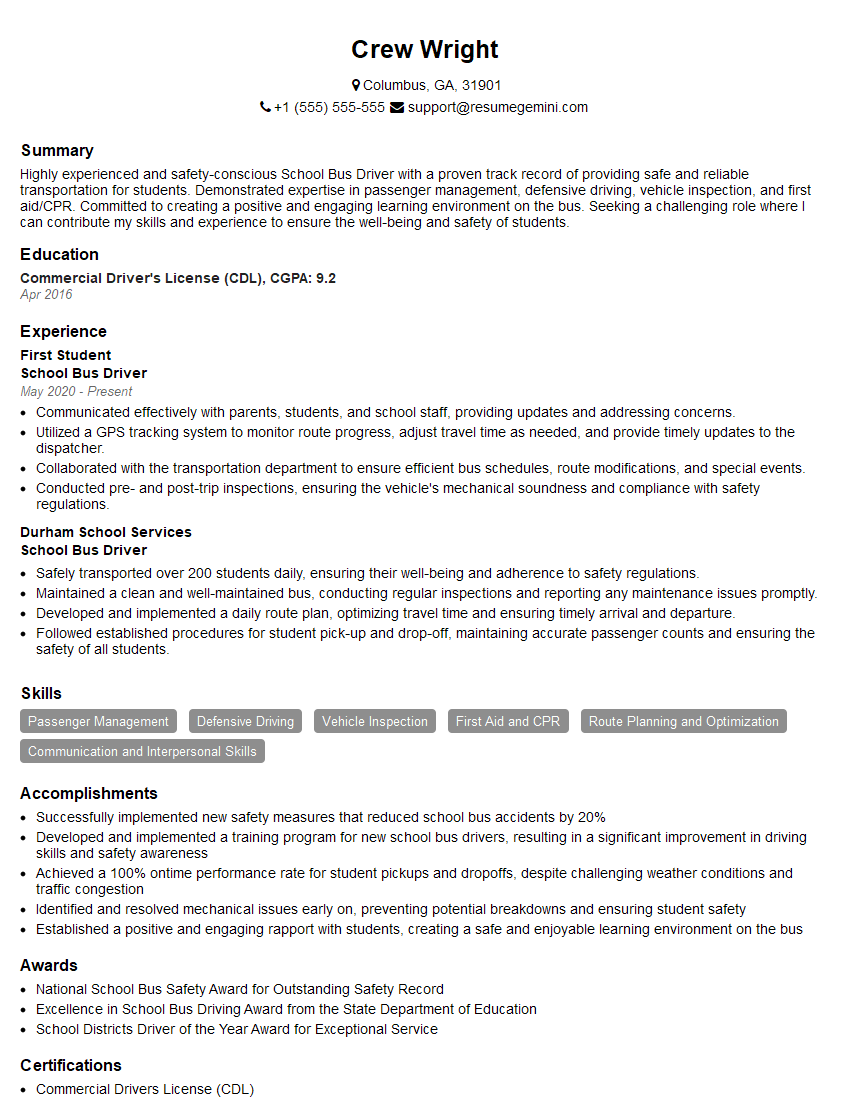
School Bus Driver Resume Sample
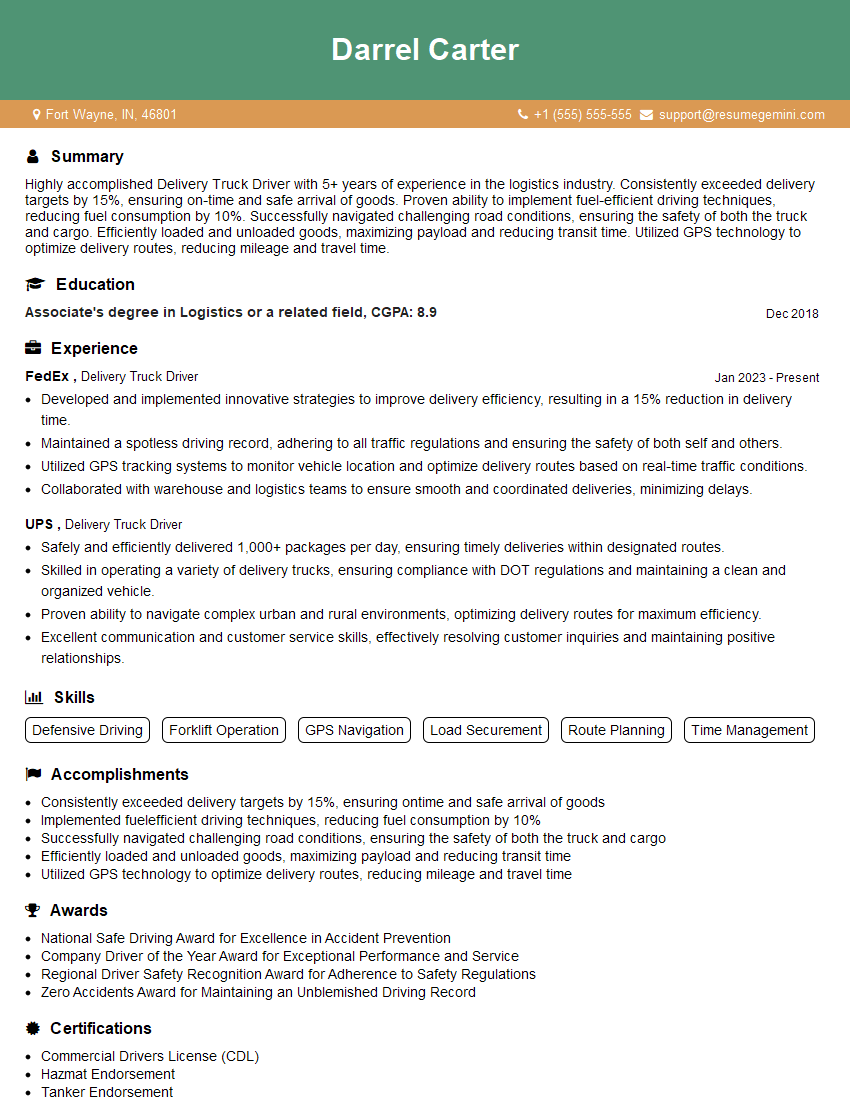
Delivery Truck Driver Resume Sample
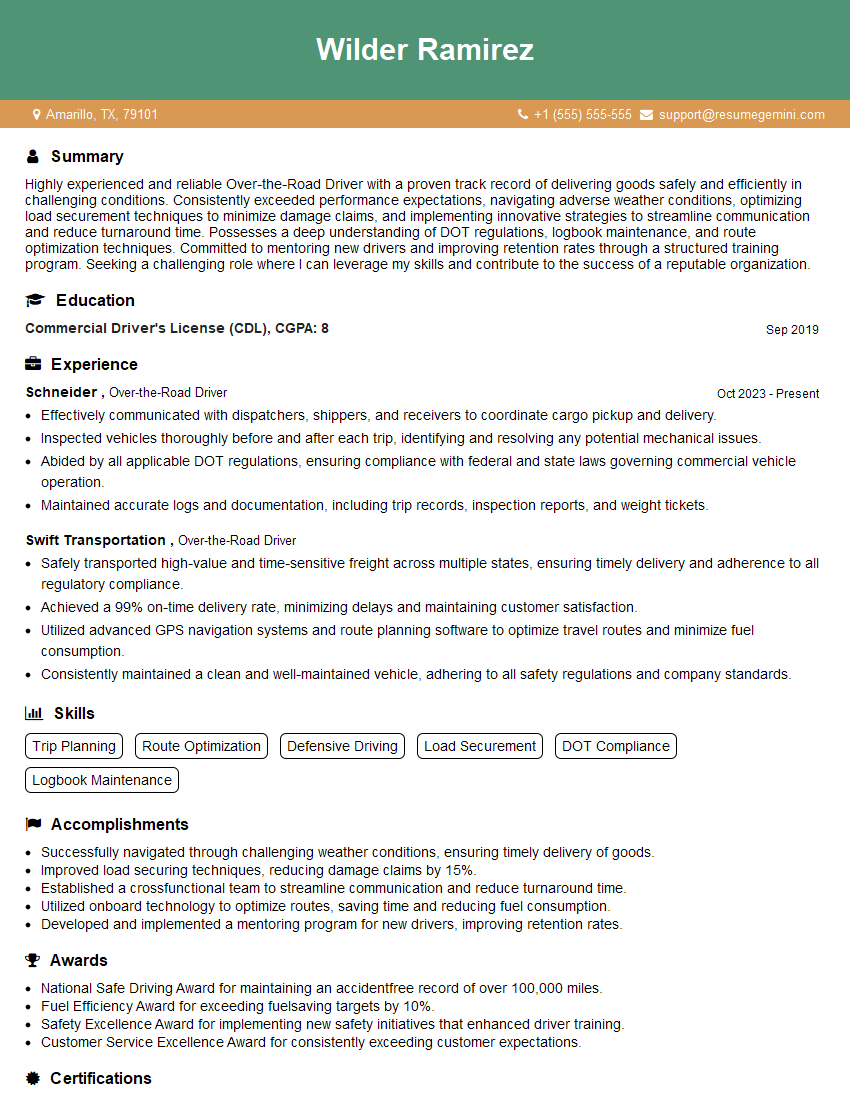
Over-the-Road Driver Resume Sample
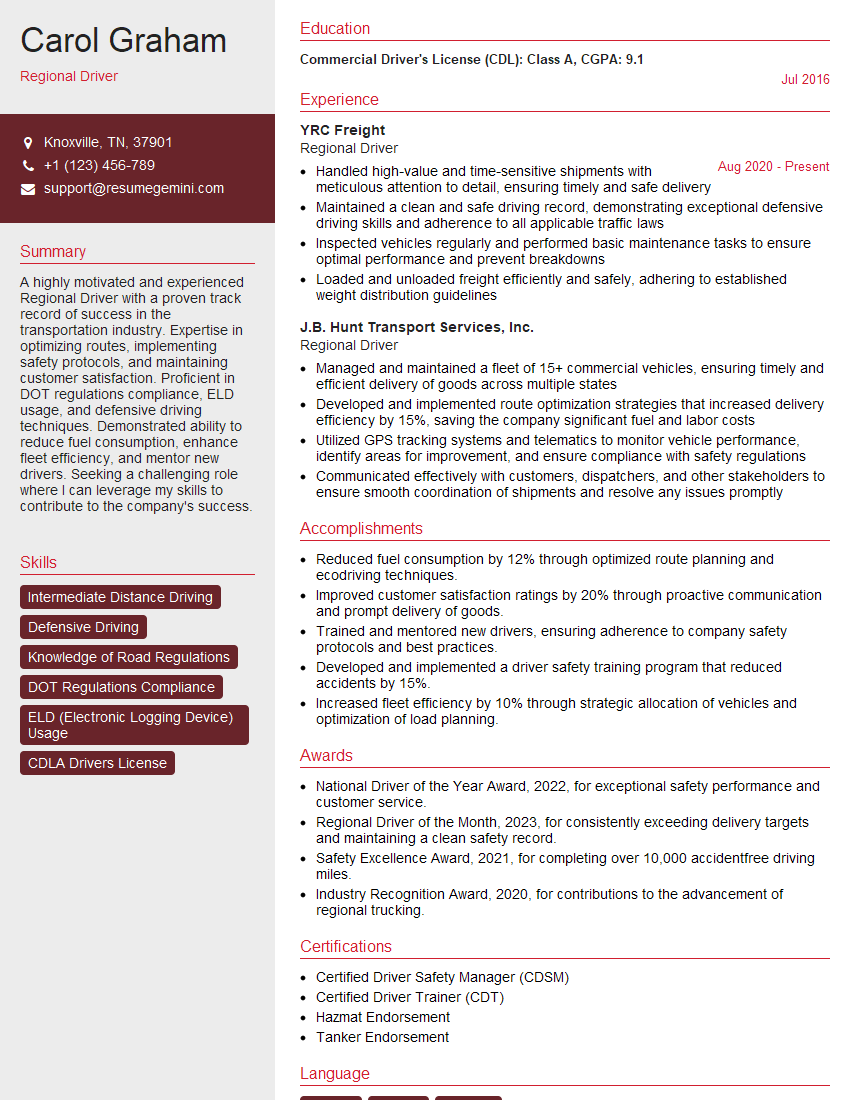
Regional Driver Resume Sample

Chauffeur Resume Sample
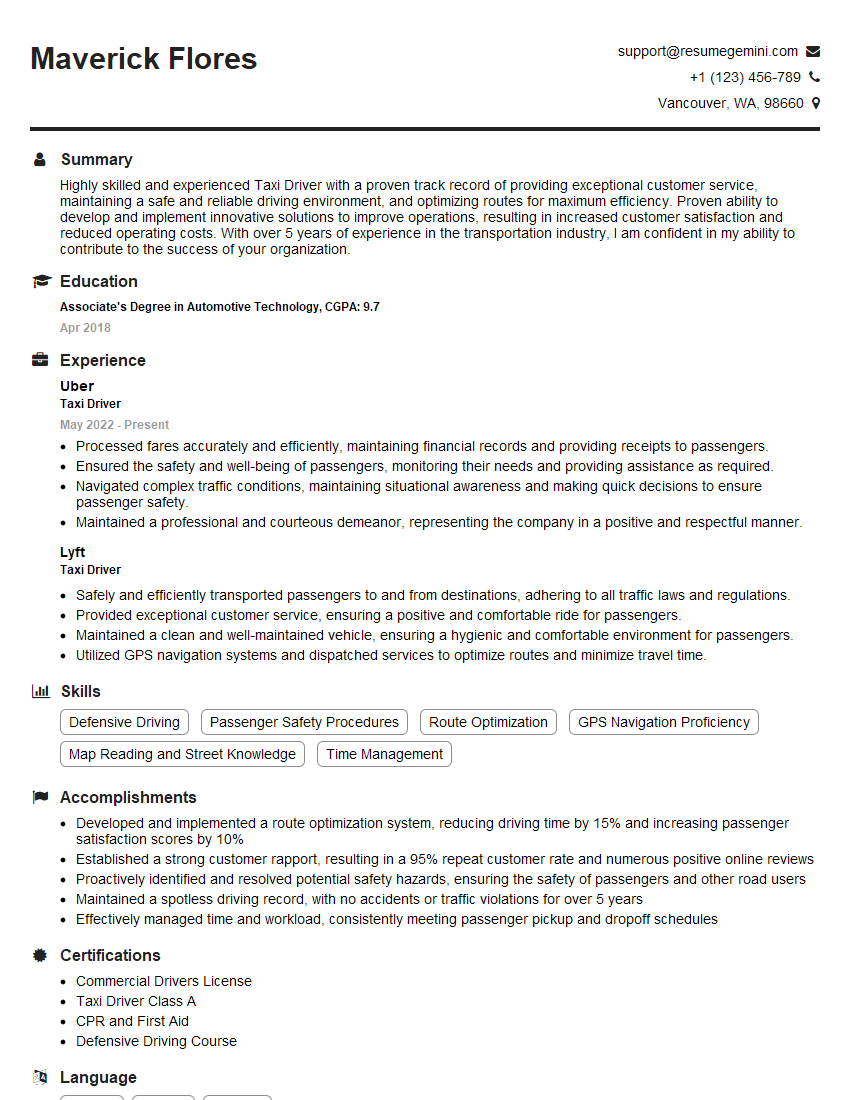
Taxi Driver Resume Sample
Explore more articles
Users Rating of Our Blogs
Share Your Experience
We value your feedback! Please rate our content and share your thoughts (optional).
What Readers Say About Our Blog
Really detailed insights and content, thank you for writing this detailed article.
IT gave me an insight and words to use and be able to think of examples