Cracking a skill-specific interview, like one for Analytical and quantitative abilities, requires understanding the nuances of the role. In this blog, we present the questions you’re most likely to encounter, along with insights into how to answer them effectively. Let’s ensure you’re ready to make a strong impression.
Questions Asked in Analytical and quantitative abilities Interview
Q 1. Explain the difference between correlation and causation.
Correlation and causation are often confused, but they represent distinct relationships between variables. Correlation simply indicates a statistical association between two or more variables – they tend to change together. Causation, however, implies that one variable directly influences or causes a change in another.
Think of it like this: ice cream sales and crime rates might be correlated – both tend to be higher in the summer. However, this doesn’t mean that eating ice cream causes crime! Both are likely influenced by a third variable: hot weather. This third variable is a confounding factor.
In short: Correlation does not equal causation. While a correlation can suggest the possibility of a causal relationship, further investigation is always needed to establish causality. This often involves controlled experiments or sophisticated statistical modeling to account for confounding variables.
Q 2. How would you approach A/B testing to determine which marketing campaign performs better?
To determine which marketing campaign performs better using A/B testing, I’d follow these steps:
- Define clear objectives and metrics: What are we trying to achieve? Increased clicks? Conversions? Revenue? Choose the key metric that best reflects success.
- Create two versions of the campaign (A and B): These should differ only in the element being tested (e.g., headline, image, call to action). Keep everything else consistent to isolate the effect of the change.
- Randomly assign users to each group: This is crucial to avoid bias. Each user should have an equal chance of being assigned to either group A or group B.
- Run the test for a sufficient duration: The test should run long enough to gather statistically significant results. The sample size should be large enough to avoid statistical error. Statistical power calculations can help determine the necessary sample size.
- Analyze the results: Compare the key metric (e.g., conversion rate) between the two groups. Use statistical tests (like a t-test or chi-squared test) to determine if the difference is statistically significant. This helps rule out the possibility that the observed difference is simply due to random chance.
- Interpret and act on the results: Based on the statistical analysis, select the winning campaign and implement it across the board. Document the findings to improve future campaigns.
For example, I recently ran an A/B test on email subject lines to increase open rates. Group A used a standard subject line, while Group B used a more personalized and engaging subject line. By analyzing the open rates of both groups using a statistical test I could determine which subject line was more effective.
Q 3. Describe your experience with statistical hypothesis testing.
Statistical hypothesis testing is a cornerstone of data analysis. It’s a formal procedure to determine whether there’s enough evidence in a sample of data to support a claim about a population. It involves formulating a null hypothesis (H0), which represents the status quo or no effect, and an alternative hypothesis (H1), which represents the claim we want to test.
I have extensive experience with various hypothesis testing methods including t-tests (for comparing means), ANOVA (for comparing means across multiple groups), chi-squared tests (for analyzing categorical data), and more. I am comfortable with both one-tailed and two-tailed tests, and I understand the importance of controlling for Type I and Type II errors (false positives and false negatives, respectively).
For instance, in a previous role, I used a t-test to determine if a new website design led to a significant increase in user engagement. The null hypothesis was that there was no difference in engagement, while the alternative hypothesis was that the new design led to higher engagement. The t-test allowed me to quantify the evidence and conclude whether the observed improvement was statistically significant, or just due to random chance.
Q 4. What are the limitations of linear regression?
Linear regression, while a powerful tool, has several limitations:
- Assumption of linearity: Linear regression assumes a linear relationship between the independent and dependent variables. If the relationship is non-linear, the model will be inaccurate.
- Sensitivity to outliers: Outliers can significantly influence the regression line and lead to biased results.
- Multicollinearity: High correlation between independent variables can make it difficult to isolate the effect of each variable on the dependent variable.
- Assumption of homoscedasticity: The model assumes that the variance of the errors is constant across all levels of the independent variable. Violation of this assumption (heteroscedasticity) can lead to inefficient and unreliable estimates.
- Assumption of independence of errors: The model assumes that the errors are independent of each other. Autocorrelation (correlation between errors) violates this assumption and can lead to inaccurate inferences.
- Inability to capture complex relationships: Linear regression is limited in its ability to model complex, non-linear relationships between variables.
It is important to check these assumptions before applying linear regression and to consider alternative modeling techniques if these assumptions are violated. For example, if non-linearity exists, non-linear regression or tree-based models may be more appropriate.
Q 5. How would you handle missing data in a dataset?
Handling missing data is crucial for maintaining data integrity and obtaining reliable results. The best approach depends on the nature of the missing data (missing completely at random, missing at random, or missing not at random) and the size and type of the dataset.
Common methods include:
- Deletion: Listwise deletion removes entire rows with missing values, but can lead to significant information loss, especially with a large percentage of missing data. Pairwise deletion only removes data when needed for a specific calculation.
- Imputation: This involves filling in missing values with estimated values. Common methods include mean/median/mode imputation, regression imputation, and k-nearest neighbors imputation. The choice depends on the characteristics of the dataset.
- Multiple imputation: This creates multiple plausible imputed datasets and analyzes each separately, combining the results to provide more robust estimates. This is particularly useful when dealing with missing data that is not missing completely at random (MCAR).
The choice of method should be carefully considered, as improper handling of missing data can lead to biased or inaccurate results. Understanding the mechanisms generating the missing data is crucial in choosing the best approach. I would always document the chosen method and its rationale.
Q 6. Explain your understanding of different data visualization techniques.
Data visualization is essential for communicating insights effectively. I am familiar with a wide range of techniques, including:
- Histograms and density plots: For showing the distribution of a continuous variable.
- Bar charts and pie charts: For visualizing categorical data and proportions.
- Scatter plots: For exploring the relationship between two continuous variables.
- Line charts: For showing trends over time.
- Box plots: For comparing the distribution of a variable across different groups.
- Heatmaps: For visualizing correlation matrices or other two-dimensional data.
- Geographic maps: For visualizing spatial data.
- Interactive dashboards: For creating dynamic and engaging visualizations that allow users to explore data interactively.
The choice of technique depends on the type of data and the message you want to communicate. I prioritize clarity and simplicity, ensuring that visualizations are easy to understand and interpret even for non-technical audiences. Effective data visualization is as much about storytelling as it is about data analysis.
Q 7. How would you interpret a confidence interval?
A confidence interval provides a range of values within which we are confident that the true population parameter lies. For example, a 95% confidence interval for the average height of women means that if we were to repeat the sampling process many times, 95% of the calculated confidence intervals would contain the true average height of women in the population.
It does not mean that there is a 95% probability that the true population parameter lies within the calculated interval. The true parameter is fixed, but the interval is random (it changes with each sample). A narrower confidence interval indicates greater precision in our estimate, suggesting a smaller margin of error. The width of the interval is related to the sample size, level of confidence and standard deviation of the data. A larger sample size tends to lead to a narrower interval.
For example, a 95% confidence interval for the average customer satisfaction score might be [8.2, 8.8]. This means we are 95% confident that the true average satisfaction score of all our customers is between 8.2 and 8.8. A wider interval would indicate more uncertainty in our estimation of the average satisfaction score.
Q 8. What is your preferred method for outlier detection?
Outlier detection is crucial for data quality and model accuracy. My preferred method depends heavily on the dataset’s characteristics and the context of the analysis. However, I frequently use a combination of techniques for a robust approach. Initially, I’d visualize the data using box plots or scatter plots to get a visual sense of potential outliers. Then, I’d employ statistical methods such as the IQR (Interquartile Range) method. This involves calculating the difference between the 75th and 25th percentiles and defining outliers as points falling below Q1 – 1.5*IQR or above Q3 + 1.5*IQR. For higher-dimensional data, I might leverage techniques like the Mahalanobis distance, which accounts for correlation between variables. Finally, for complex datasets, I may consider more advanced methods like DBSCAN (Density-Based Spatial Clustering of Applications with Noise), which identifies outliers as data points that do not belong to any dense cluster.
For instance, in analyzing customer transaction data, an unusually high purchase value from a new customer might be flagged as an outlier, potentially indicating fraudulent activity. Conversely, in a sensor reading dataset, values far outside the expected range might suggest a malfunctioning sensor.
Q 9. What statistical measures would you use to describe the central tendency and variability of data?
To describe the central tendency of data, I’d typically use the mean, median, and mode. The mean is the average value, the median is the middle value when the data is sorted, and the mode is the most frequent value. The choice depends on the data distribution. For skewed distributions, the median is often more representative than the mean. For categorical data, the mode is the most useful measure.
To describe the variability, I’d use measures like the range (difference between the maximum and minimum values), variance (average squared deviation from the mean), and standard deviation (square root of the variance). The standard deviation provides a more readily interpretable measure of spread than the variance, as it’s in the same units as the data. Additionally, I might use the interquartile range (IQR), which is less sensitive to outliers than the standard deviation.
For example, in analyzing student test scores, the mean score gives the average performance, while the standard deviation reflects the spread of scores. A large standard deviation indicates high variability in student performance.
Q 10. Explain your understanding of Bayesian inference.
Bayesian inference is a powerful approach to statistical inference that incorporates prior knowledge into the estimation process. Unlike frequentist statistics, which focuses on the frequency of events, Bayesian inference treats parameters as random variables with probability distributions. It begins with a prior distribution representing our initial beliefs about the parameter. Then, we observe data and update our beliefs using Bayes’ theorem, resulting in a posterior distribution that reflects our updated understanding of the parameter. The posterior distribution combines the prior information with the information provided by the data.
Bayes’ theorem is expressed as: P(θ|D) = [P(D|θ)P(θ)] / P(D), where:
P(θ|D)is the posterior distribution of the parameter θ given the data D.P(D|θ)is the likelihood of observing the data given the parameter θ.P(θ)is the prior distribution of the parameter θ.P(D)is the marginal likelihood of the data.
For instance, in medical diagnosis, we might have a prior belief about the prevalence of a disease. Observing a patient’s symptoms (data) allows us to update our belief about the probability of the patient having the disease using Bayes’ theorem.
Q 11. How would you interpret a p-value?
The p-value is the probability of observing data as extreme as, or more extreme than, the data actually observed, assuming the null hypothesis is true. It’s not the probability that the null hypothesis is true. A small p-value (typically below a significance level, such as 0.05) suggests that the observed data is unlikely under the null hypothesis, providing evidence against it. However, a large p-value does not necessarily mean the null hypothesis is true; it simply means there’s not enough evidence to reject it.
For example, if we are testing whether a new drug lowers blood pressure, the null hypothesis might be that the drug has no effect. A small p-value would suggest that the observed reduction in blood pressure is unlikely to have occurred by chance, providing evidence that the drug is effective. It’s crucial to remember that statistical significance (a small p-value) doesn’t automatically imply practical significance or clinical relevance.
Q 12. How would you approach a problem with imbalanced classes in a classification model?
Imbalanced classes, where one class has significantly more instances than others, pose a challenge in classification. A model trained on such data might become biased toward the majority class, resulting in poor performance on the minority class. To address this, I would use a combination of techniques. Firstly, I’d carefully evaluate the cost of misclassifications for each class. This informs the choice of metrics beyond simple accuracy, such as precision, recall, and F1-score. Then I’d employ techniques to balance the classes:
- Resampling: Oversampling the minority class (creating synthetic samples) or undersampling the majority class (removing samples) can balance the dataset. Techniques like SMOTE (Synthetic Minority Over-sampling Technique) are commonly used for oversampling.
- Cost-sensitive learning: Adjusting the cost of misclassifying different classes in the model’s loss function penalizes errors on the minority class more heavily. This guides the model to pay more attention to the minority class during training.
- Ensemble methods: Combining multiple models trained on different subsets of the data or with different resampling strategies can improve overall performance.
For example, in fraud detection, fraudulent transactions (minority class) are far fewer than legitimate transactions. Employing techniques like SMOTE and cost-sensitive learning can enhance the model’s ability to detect fraudulent activity.
Q 13. Describe your experience with different types of data (categorical, numerical, etc.).
I have extensive experience working with various data types. Numerical data can be continuous (e.g., temperature, weight) or discrete (e.g., count of items). Continuous data often requires scaling or transformation before being used in models. Categorical data represents categories or groups (e.g., color, gender). I often use one-hot encoding or label encoding to convert categorical variables into a numerical format suitable for many machine learning algorithms. Ordinal data represents categories with inherent order (e.g., education level, customer satisfaction rating). I would treat ordinal data differently than nominal categorical data, preserving the order information through appropriate encoding schemes. I also have experience with text data (requiring techniques like tokenization, stemming, and TF-IDF), time series data (requiring specialized models and considerations for temporal dependencies), and image data (requiring convolutional neural networks or other image processing techniques).
In a real-world project involving customer churn prediction, I’d work with numerical data (e.g., customer tenure, average monthly spend), categorical data (e.g., customer segment, subscription type), and potentially time series data (e.g., monthly usage patterns) to build a predictive model.
Q 14. Explain the difference between supervised and unsupervised machine learning.
The key difference between supervised and unsupervised machine learning lies in the nature of the data used for training. Supervised learning uses labeled data, meaning each data point is associated with a known outcome or target variable. The algorithm learns to map inputs to outputs based on this labeled data. Examples include classification (predicting categories) and regression (predicting continuous values). In contrast, unsupervised learning uses unlabeled data, where the target variable is unknown. The algorithm aims to discover patterns, structures, or relationships within the data without explicit guidance. Examples include clustering (grouping similar data points) and dimensionality reduction (reducing the number of variables while retaining essential information).
For example, training a model to classify images of cats and dogs is supervised learning (labeled images), while grouping customers into segments based on their purchasing behavior is unsupervised learning (unlabeled customer data).
Q 15. How do you evaluate the performance of a regression model?
Evaluating a regression model’s performance hinges on understanding how well its predictions align with the actual values. We primarily use metrics that quantify the difference between predicted and observed values. Key metrics include:
- Mean Squared Error (MSE): Calculates the average squared difference between predicted and actual values. Lower MSE indicates better performance. Think of it as measuring the average ‘squared distance’ of your predictions from the truth. A small MSE suggests your predictions are generally close.
- Root Mean Squared Error (RMSE): The square root of MSE. It’s easier to interpret than MSE because it’s in the same units as the dependent variable. This makes it more intuitive to understand the magnitude of the error.
- R-squared (R²): Represents the proportion of variance in the dependent variable explained by the model. Ranges from 0 to 1, with higher values indicating better fit. An R² of 0.8 means the model explains 80% of the variance in the data. It’s a measure of how well your model fits the data.
- Adjusted R-squared: A modified version of R² that penalizes the inclusion of irrelevant predictors. This is crucial because adding more predictors will always increase R², even if they don’t improve predictive power. Adjusted R² provides a more balanced assessment.
In a real-world example, imagine predicting house prices. A low RMSE would mean our model’s price predictions are generally close to the actual sale prices. A high R² would indicate that a large portion of the variation in house prices is explained by the factors included in the model (e.g., size, location, features).
Career Expert Tips:
- Ace those interviews! Prepare effectively by reviewing the Top 50 Most Common Interview Questions on ResumeGemini.
- Navigate your job search with confidence! Explore a wide range of Career Tips on ResumeGemini. Learn about common challenges and recommendations to overcome them.
- Craft the perfect resume! Master the Art of Resume Writing with ResumeGemini’s guide. Showcase your unique qualifications and achievements effectively.
- Don’t miss out on holiday savings! Build your dream resume with ResumeGemini’s ATS optimized templates.
Q 16. How do you evaluate the performance of a classification model?
Evaluating a classification model centers on how accurately it assigns data points to different classes. Several metrics provide different perspectives on performance:
- Accuracy: The simplest metric; it’s the ratio of correctly classified instances to the total number of instances. While easy to understand, accuracy can be misleading with imbalanced datasets (where one class has significantly more instances than others).
- Precision: Measures the proportion of correctly predicted positive instances out of all instances predicted as positive. It answers: “Of all the instances predicted as positive, what proportion was actually positive?” High precision is important when the cost of false positives is high (e.g., diagnosing a disease).
- Recall (Sensitivity): Measures the proportion of correctly predicted positive instances out of all actual positive instances. It answers: “Of all the actual positive instances, what proportion was correctly predicted?” High recall is important when the cost of false negatives is high (e.g., spam filtering, missing fraudulent transactions).
- F1-score: The harmonic mean of precision and recall. It provides a balanced measure when both precision and recall are important. It’s particularly useful when dealing with imbalanced datasets.
- Confusion Matrix: A table showing the counts of true positives, true negatives, false positives, and false negatives. It’s a visual representation of the model’s performance across all classes and is the foundation for calculating many other metrics.
For instance, in spam detection, high recall is crucial to minimize missing actual spam emails, while high precision is desirable to avoid flagging legitimate emails as spam. The F1-score balances these needs.
Q 17. Describe your experience with SQL queries.
My SQL experience spans several years and encompasses a wide range of tasks. I’m proficient in writing complex queries involving joins, subqueries, aggregations, window functions, and common table expressions (CTEs). I have extensive experience with different database systems, including MySQL, PostgreSQL, and SQL Server.
For example, I’ve frequently used joins to combine data from multiple tables. A recent project involved joining sales data with customer data to analyze sales trends by customer segment. I leveraged subqueries to efficiently filter and aggregate data within a single query. I regularly use window functions to calculate running totals or ranks within datasets, and CTEs for structuring complex queries to improve readability and maintainability. I am familiar with optimizing query performance through indexing, query rewriting, and understanding execution plans.
I am comfortable writing queries for data extraction, transformation, and loading (ETL) processes and can effectively use SQL to perform data cleaning and manipulation before further analysis.
Q 18. Describe your experience with data cleaning and preprocessing.
Data cleaning and preprocessing are critical steps before any analysis. My experience includes handling missing values, outliers, and inconsistent data formats. I employ a variety of techniques:
- Missing Value Imputation: Strategies include mean/median imputation, k-Nearest Neighbors imputation, or using a model to predict missing values based on other features. The best approach depends on the data and the nature of the missingness.
- Outlier Detection and Handling: Methods such as box plots, Z-score, and Interquartile Range (IQR) help identify outliers. Handling them might involve removing them, transforming the data (log transformation, etc.), or using robust statistical methods less sensitive to outliers.
- Data Transformation: I frequently standardize or normalize data to ensure features have similar scales, which is important for many machine learning algorithms. This often involves scaling data to a range between 0 and 1 or using z-score normalization (centering around 0 with unit variance).
- Data Consistency: I ensure data consistency by identifying and correcting inconsistencies in data formats, units, and naming conventions. This often involves using regular expressions to clean textual data.
For example, in a project analyzing customer demographics, I had to handle missing income data using KNN imputation, address inconsistencies in date formats, and standardize age ranges. Careful preprocessing significantly improved the accuracy and reliability of the analysis.
Q 19. How do you handle large datasets?
Handling large datasets requires efficient strategies to avoid memory limitations and lengthy processing times. My approach involves:
- Data Sampling: Using representative subsets of the data for exploratory analysis and model development. This significantly reduces processing time, enabling quick iterations and experimentation.
- Distributed Computing: Employing tools like Spark or Hadoop to distribute the computation across multiple machines, making it possible to process datasets far exceeding the capacity of a single machine.
- Database Optimization: Ensuring the data is stored and indexed efficiently in a database to speed up query retrieval times. Techniques like partitioning and indexing are crucial here.
- Data Reduction Techniques: Applying techniques like dimensionality reduction (PCA, t-SNE) to reduce the number of features while retaining essential information. This simplifies the model and speeds up processing.
- Incremental Processing: Processing data in batches or streams rather than loading the entire dataset at once, allowing for more efficient handling of continuously updating data.
For instance, when working with a dataset of millions of customer transactions, I used Spark to efficiently perform aggregations and calculations distributed across multiple nodes. This enabled processing the entire dataset within a reasonable timeframe.
Q 20. How would you identify patterns and trends in data?
Identifying patterns and trends in data involves a combination of exploratory data analysis (EDA) and statistical modeling. My approach typically includes:
- Visualizations: Creating histograms, scatter plots, box plots, and other visualizations to explore the distribution of data and identify potential relationships between variables. This provides a visual intuition of the data.
- Descriptive Statistics: Calculating summary statistics like mean, median, standard deviation, and correlation coefficients to quantify central tendencies, variability, and relationships between variables. This helps understand data characteristics and their interdependencies.
- Time Series Analysis: If the data is time-dependent, using techniques like moving averages, exponential smoothing, or ARIMA models to identify trends and seasonality. Time series analysis is vital for forecasting and understanding temporal patterns.
- Clustering: Applying clustering algorithms (k-means, hierarchical clustering) to group similar data points together and reveal hidden structures or segments within the data. Clustering can reveal unknown groups or segments.
- Regression Analysis: Using regression models to identify relationships between variables and to predict future outcomes. This helps understand how different variables influence each other and to make predictions based on these relationships.
For example, while analyzing website traffic data, I used time series analysis to identify seasonal peaks and then used regression to predict future traffic based on promotional campaigns and seasonality. Combining these methods provided a comprehensive understanding of the website’s traffic patterns.
Q 21. Describe your experience with data mining techniques.
My experience with data mining techniques is extensive. I’m familiar with a wide array of algorithms and techniques used for various tasks:
- Association Rule Mining (Apriori, FP-Growth): Discovering relationships between items in transactional data (e.g., market basket analysis, finding frequent itemsets in retail transactions).
- Classification (Decision Trees, Support Vector Machines, Naive Bayes, Logistic Regression): Building models to predict categorical outcomes (e.g., customer churn prediction, spam detection).
- Regression (Linear Regression, Polynomial Regression, Support Vector Regression): Building models to predict continuous outcomes (e.g., house price prediction, sales forecasting).
- Clustering (K-means, Hierarchical Clustering, DBSCAN): Grouping similar data points together to discover hidden structures and patterns (e.g., customer segmentation, anomaly detection).
- Dimensionality Reduction (PCA, t-SNE): Reducing the number of features in a dataset while preserving important information, simplifying the model and improving performance.
In a project analyzing customer purchasing behavior, I used association rule mining to identify frequently purchased product combinations, which informed marketing strategies. In another project, I used classification algorithms to predict customer churn, enabling proactive interventions to retain customers.
Q 22. Explain your understanding of time series analysis.
Time series analysis is a statistical technique used to analyze data points collected over time. It’s essentially about understanding patterns, trends, and seasonality within data ordered chronologically. Think of stock prices, weather patterns, or website traffic – all of these are time series data. The goal is to understand the past behavior to make predictions about the future or to identify anomalies.
We use various methods, including:
- Decomposition: Separating a time series into its constituent components like trend, seasonality, and randomness. This helps isolate the factors affecting the data.
- ARIMA modeling: Autoregressive Integrated Moving Average models are powerful for forecasting. They capture relationships between current and past observations.
- Exponential Smoothing: Gives more weight to recent observations, useful when the data shows trends or seasonality.
- Spectral analysis: Identifies cyclical patterns in the data using frequency domain techniques.
For example, a retail company might use time series analysis to predict sales for the upcoming holiday season based on historical sales data, accounting for seasonal fluctuations and overall growth trends.
Q 23. How would you present your analytical findings to a non-technical audience?
Presenting analytical findings to a non-technical audience requires translating complex data and models into easily understandable terms. I avoid jargon and technical details, focusing on the story behind the data. I typically use visualizations like charts and graphs to illustrate key findings and trends. A clear narrative is crucial, explaining the problem, the approach taken, and the implications of the results.
For example, instead of saying “The ARIMA model with parameters (1,1,1) yielded a statistically significant forecast,” I might say “Our analysis predicts a 15% increase in sales next quarter, based on historical trends and seasonal patterns.” I also prioritize focusing on actionable insights and recommendations rather than just presenting numbers.
Q 24. Explain your understanding of different regression techniques (linear, logistic, polynomial, etc.).
Regression analysis is a statistical method used to model the relationship between a dependent variable and one or more independent variables. Different regression techniques cater to different types of data and relationships.
- Linear Regression: Models a linear relationship between the dependent and independent variables. It’s suitable when the relationship is approximately a straight line.
y = mx + cis the basic equation. - Logistic Regression: Used when the dependent variable is binary (0 or 1), for example, predicting whether a customer will click on an ad. It models the probability of the outcome.
- Polynomial Regression: Models a non-linear relationship using polynomial functions. This is useful when the relationship between variables is curved.
- Other techniques: There are many more advanced regression techniques like Ridge, Lasso, and Elastic Net regression (used for high-dimensional data and regularization), and Support Vector Regression (used for non-linear relationships and high-dimensional data).
For instance, a real estate agent might use linear regression to predict house prices based on factors like size and location. A marketing team might employ logistic regression to model the probability of a customer making a purchase based on their demographics and browsing history.
Q 25. Describe your experience with statistical software packages (e.g., R, Python, SAS).
I’m proficient in several statistical software packages, including R, Python (with libraries like Pandas, NumPy, and Scikit-learn), and SAS. My experience spans data manipulation, statistical modeling, visualization, and reporting.
In R, I’ve extensively used packages like ggplot2 for visualization and caret for model training. In Python, I utilize pandas for data wrangling and scikit-learn for a wide range of machine learning algorithms. SAS has been instrumental in handling large datasets and generating professional reports for clients.
I’m comfortable adapting to new software based on project needs and can leverage the strengths of each package appropriately. I can share specific examples of projects where I’ve used these tools effectively if you’d like.
Q 26. How would you approach a problem where you have limited data?
Limited data is a common challenge in analytics. My approach involves a multi-pronged strategy:
- Data Augmentation: If appropriate, I explore techniques to artificially increase the dataset size. This might involve creating synthetic samples or using resampling methods.
- Feature Engineering: I focus on creating new features from existing ones to potentially capture more information and improve model performance. This could involve combining variables or creating interaction terms.
- Regularization Techniques: Methods like Ridge or Lasso regression help prevent overfitting when dealing with limited data, as they penalize complex models.
- Model Selection: I choose simpler models (e.g., linear regression) that are less prone to overfitting with small datasets. Careful cross-validation is vital to assess model performance.
- Domain Expertise: Leveraging knowledge of the subject matter can compensate for data scarcity by incorporating relevant external information and insights.
The specific approach would depend on the nature of the problem and the type of data available. The key is to extract maximum information from the existing data, carefully assess model robustness, and acknowledge the limitations of the analysis.
Q 27. Describe a situation where your analytical skills helped you solve a problem.
In a previous role, we were tasked with optimizing marketing campaign spending. We had data on various marketing channels, but the data was incomplete and noisy. My analytical skills were crucial in addressing this.
First, I cleaned and preprocessed the data to handle missing values and outliers. Then, I used regression analysis to model the relationship between marketing spend in each channel and the resulting sales. I discovered that one channel, while expensive, had a low return on investment. By visualizing the data and using statistical tests, I demonstrated this inefficiency convincingly. This analysis led to a reallocation of the marketing budget, resulting in a significant increase in return on investment.
Q 28. What are your strengths and weaknesses in terms of analytical and quantitative skills?
My strengths lie in my ability to translate complex data into actionable insights. I’m proficient in various analytical techniques, adept at data visualization, and skilled at communicating findings to both technical and non-technical audiences. I’m also a strong problem-solver and consistently strive for rigorous, accurate analysis.
One area I’m working on improving is my proficiency in deep learning techniques. While I understand the concepts, I’m looking to gain more hands-on experience to further enhance my skill set in this rapidly evolving field. I’m actively pursuing opportunities to expand my knowledge in this area through online courses and projects.
Key Topics to Learn for Analytical and Quantitative Abilities Interview
- Data Analysis & Interpretation: Understanding descriptive statistics, visualizing data using charts and graphs, drawing meaningful conclusions from datasets. Practical application: interpreting market research data to inform business decisions.
- Statistical Reasoning: Grasping fundamental statistical concepts like probability, hypothesis testing, and regression analysis. Practical application: evaluating the effectiveness of a marketing campaign using A/B testing results.
- Problem-Solving & Critical Thinking: Developing structured approaches to problem-solving, identifying key assumptions, and evaluating potential solutions. Practical application: analyzing a business problem and proposing data-driven solutions.
- Mathematical Modeling: Building and interpreting mathematical models to represent real-world situations. Practical application: forecasting sales based on historical data and market trends.
- Quantitative Reasoning: Applying mathematical concepts to solve complex problems, and demonstrating strong numerical fluency. Practical application: assessing the financial viability of a new project.
- Logical Reasoning & Deduction: Analyzing arguments, identifying logical fallacies, and drawing sound conclusions based on evidence. Practical application: evaluating the validity of research findings.
- Data Cleaning and Preprocessing: Understanding techniques for handling missing data, outliers, and inconsistencies in datasets. Practical application: Preparing data for analysis to ensure accuracy and reliability.
Next Steps
Mastering analytical and quantitative abilities is crucial for career advancement in today’s data-driven world. These skills are highly sought after across various industries, opening doors to exciting opportunities and higher earning potential. To significantly boost your job prospects, invest time in crafting an ATS-friendly resume that showcases your expertise effectively. ResumeGemini is a trusted resource to help you build a professional and impactful resume that highlights your analytical and quantitative skills. We provide examples of resumes tailored to these abilities to guide you in creating a compelling application.
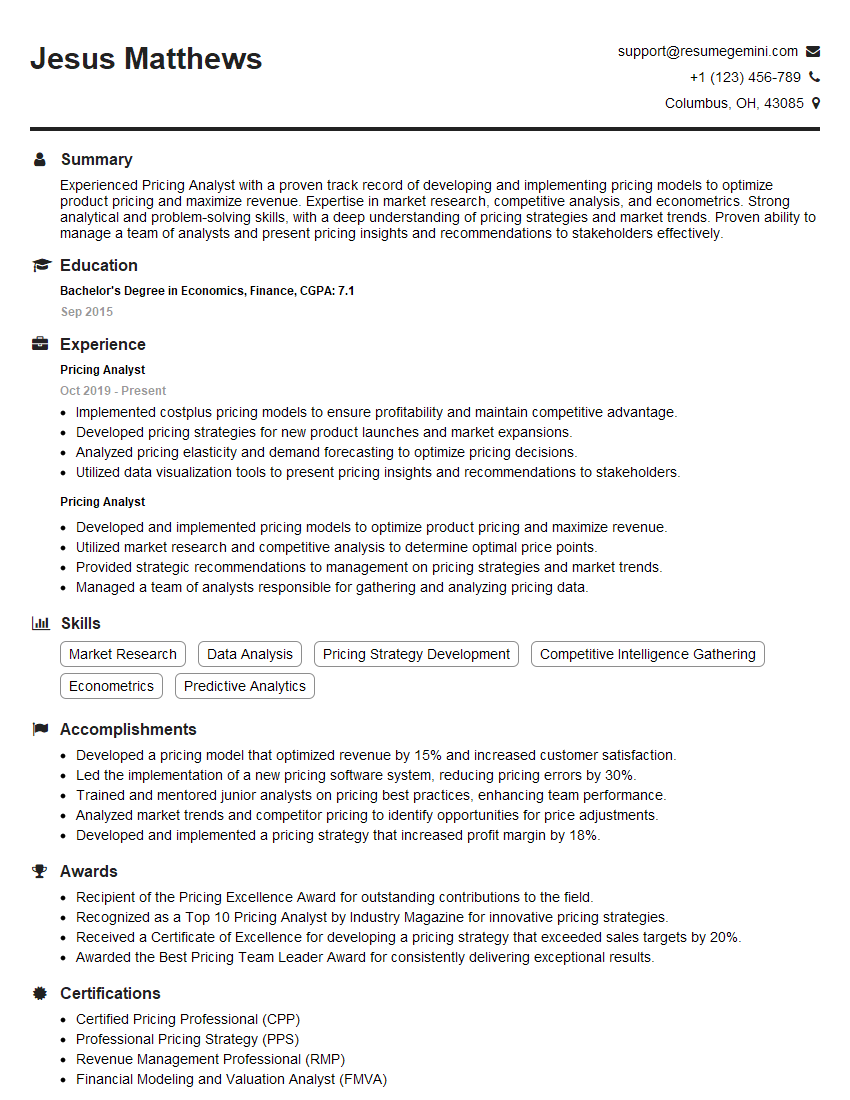
Pricing Analyst Resume Sample
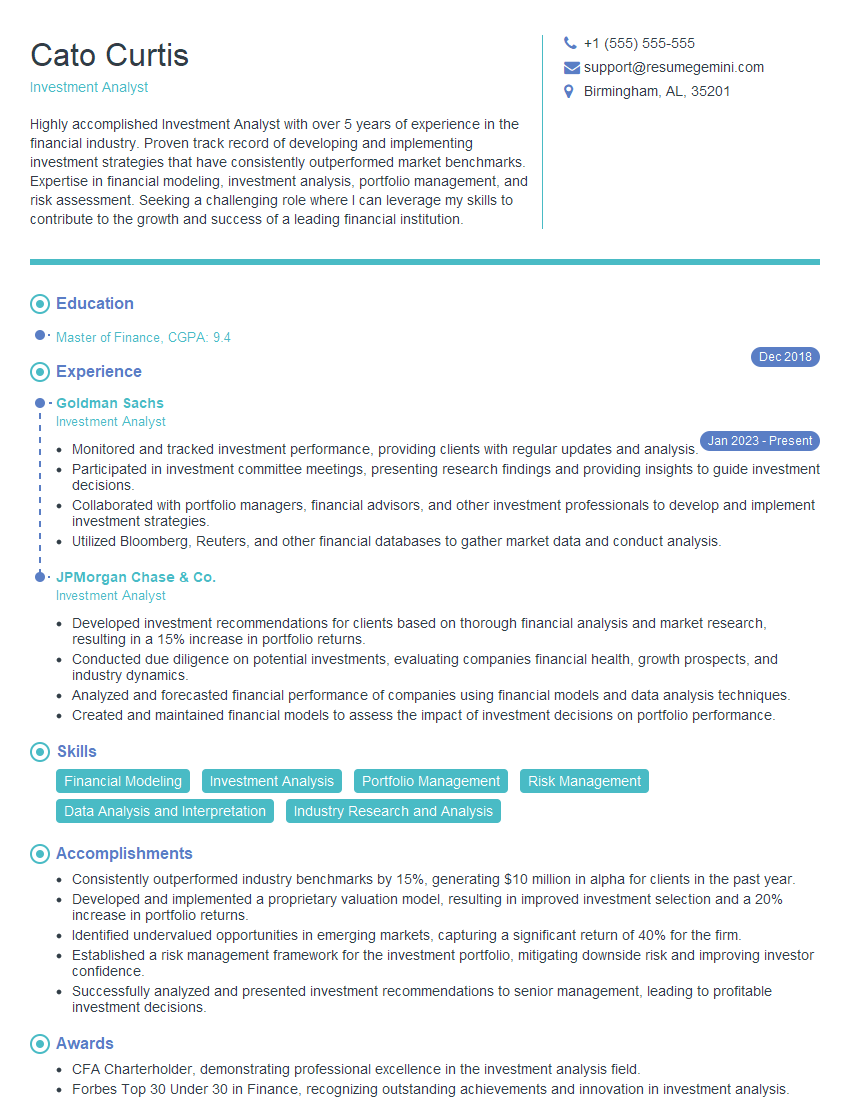
Investment Analyst Resume Sample
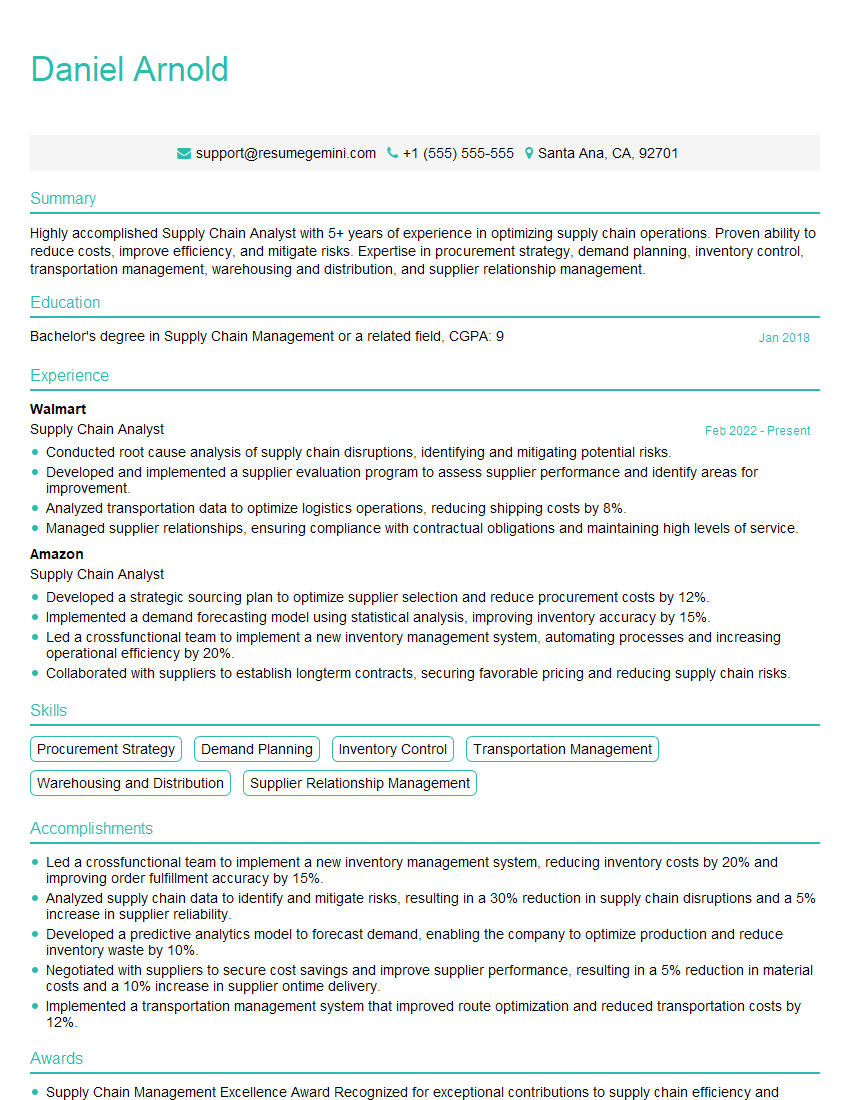
Supply Chain Analyst Resume Sample
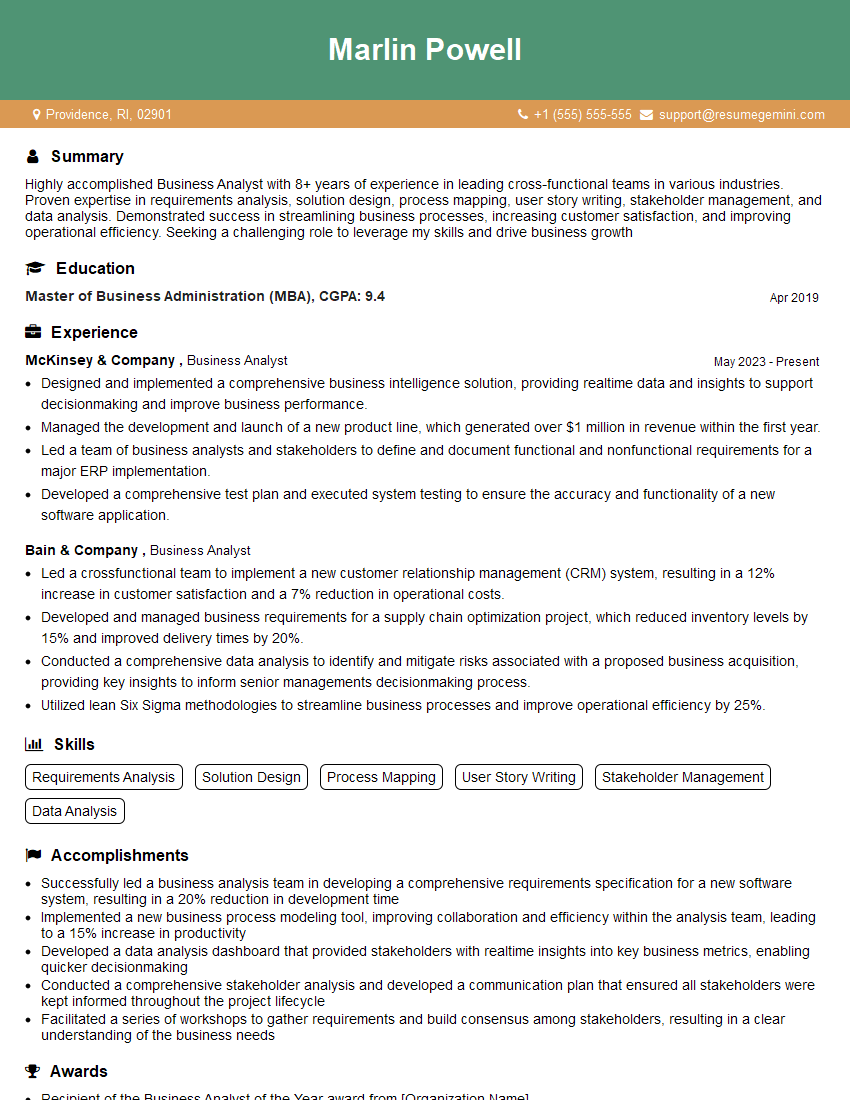
Business Analyst Resume Sample
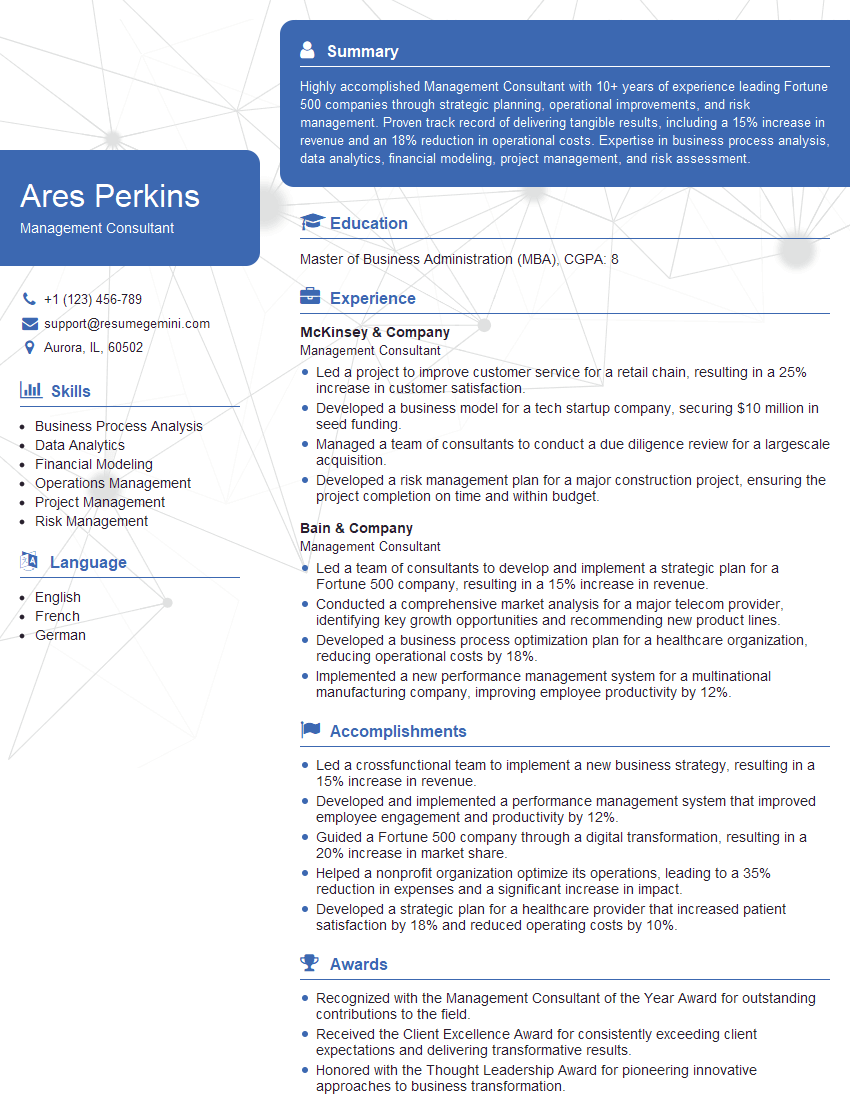
Management Consultant Resume Sample
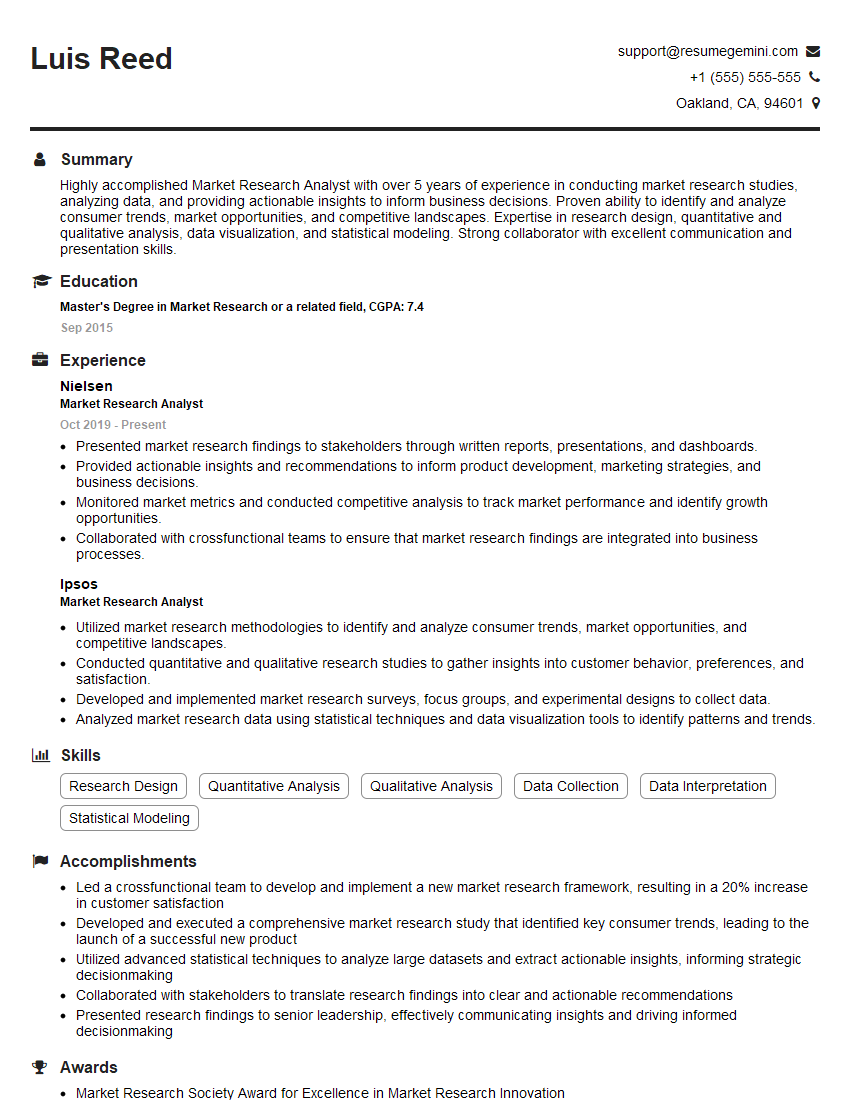
Market Research Analyst Resume Sample
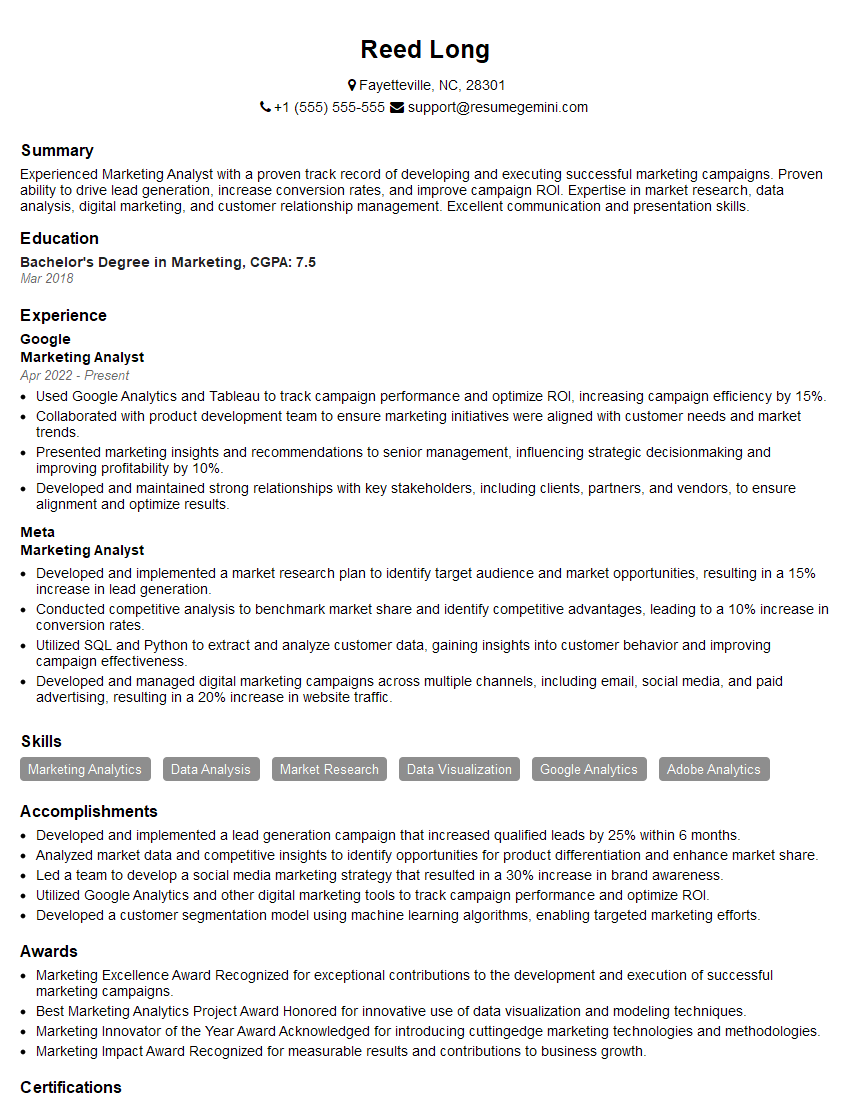
Marketing Analyst Resume Sample
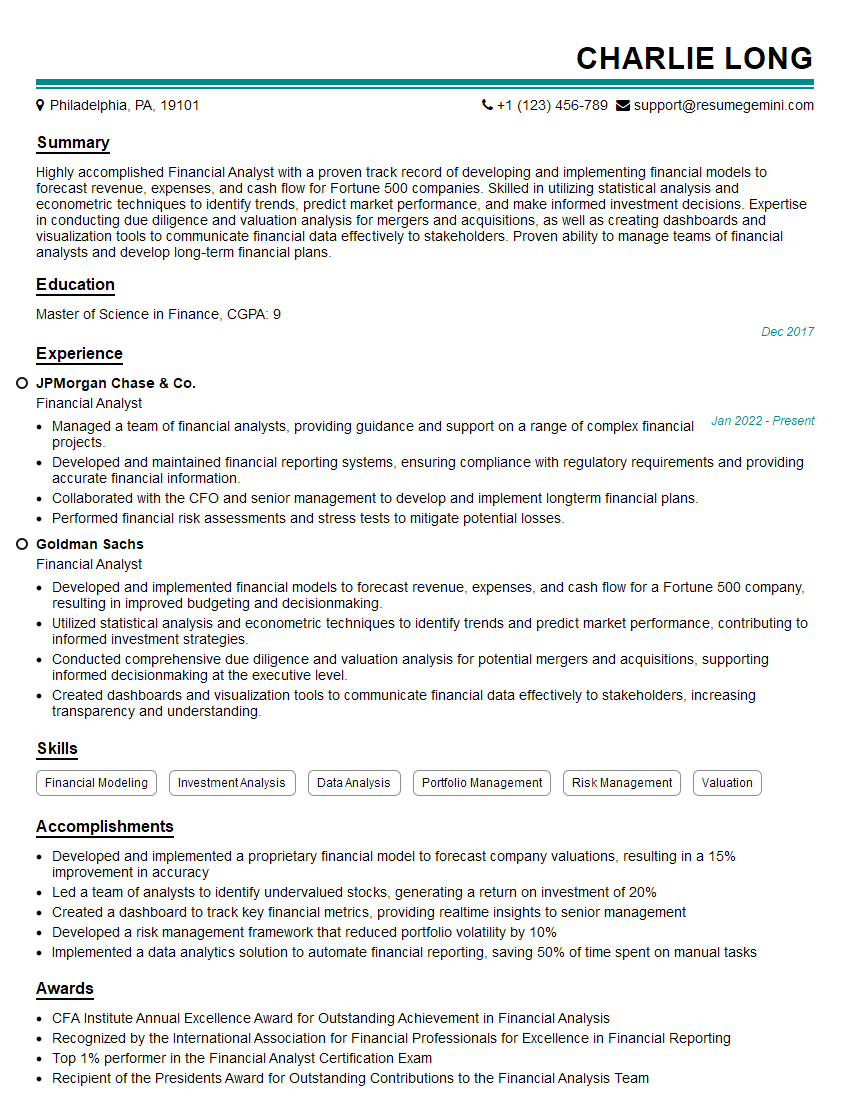
Financial Analyst Resume Sample
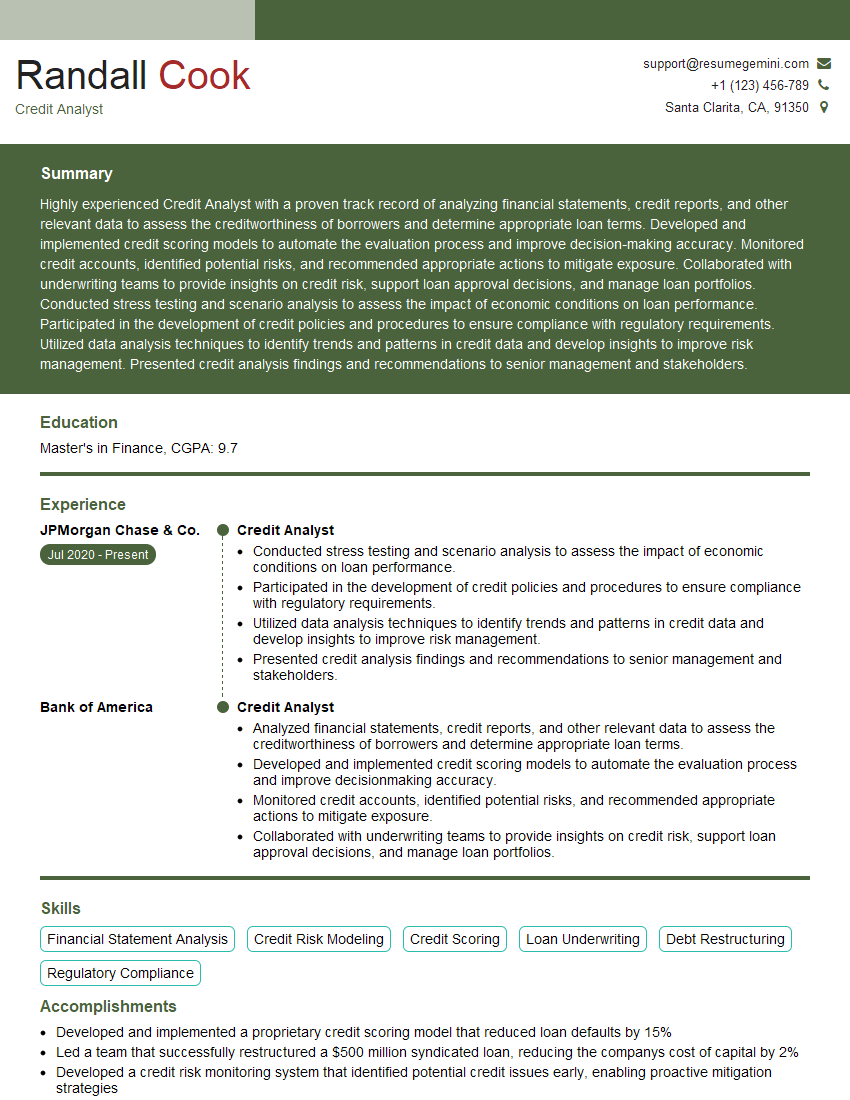
Credit Analyst Resume Sample
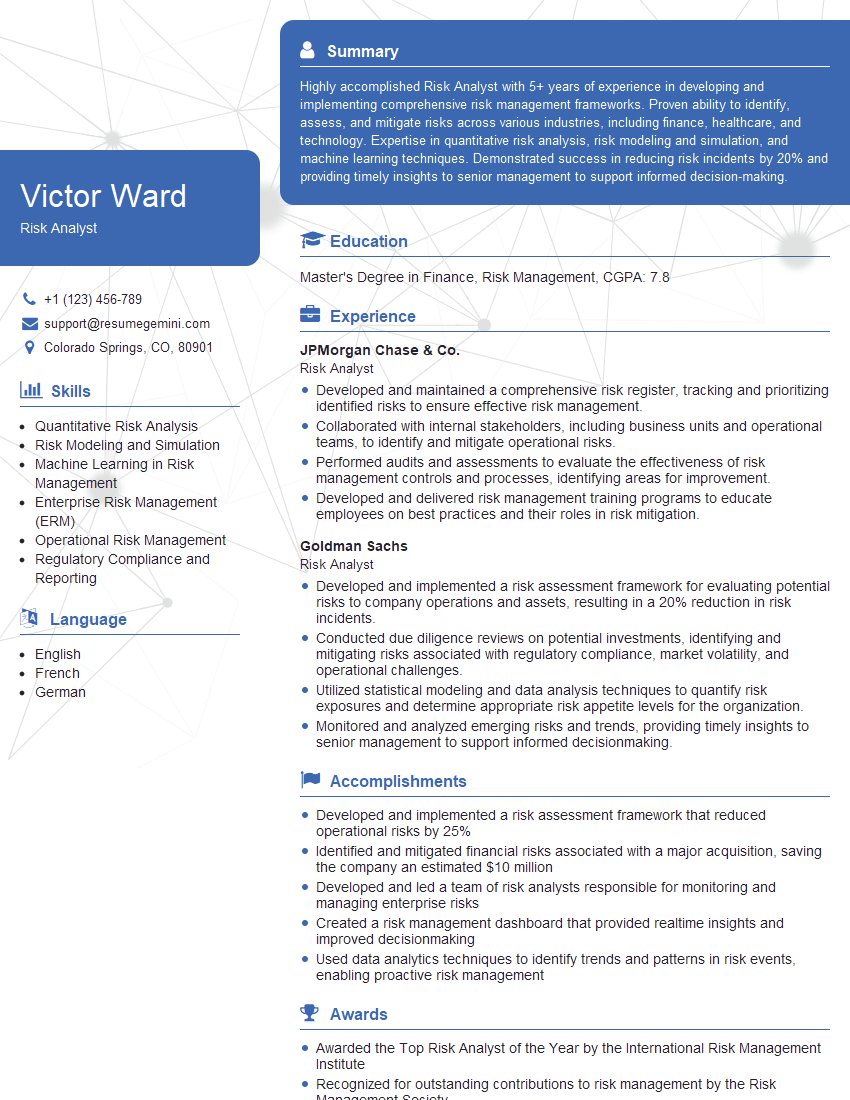
Risk Analyst Resume Sample

Data Analyst Resume Sample
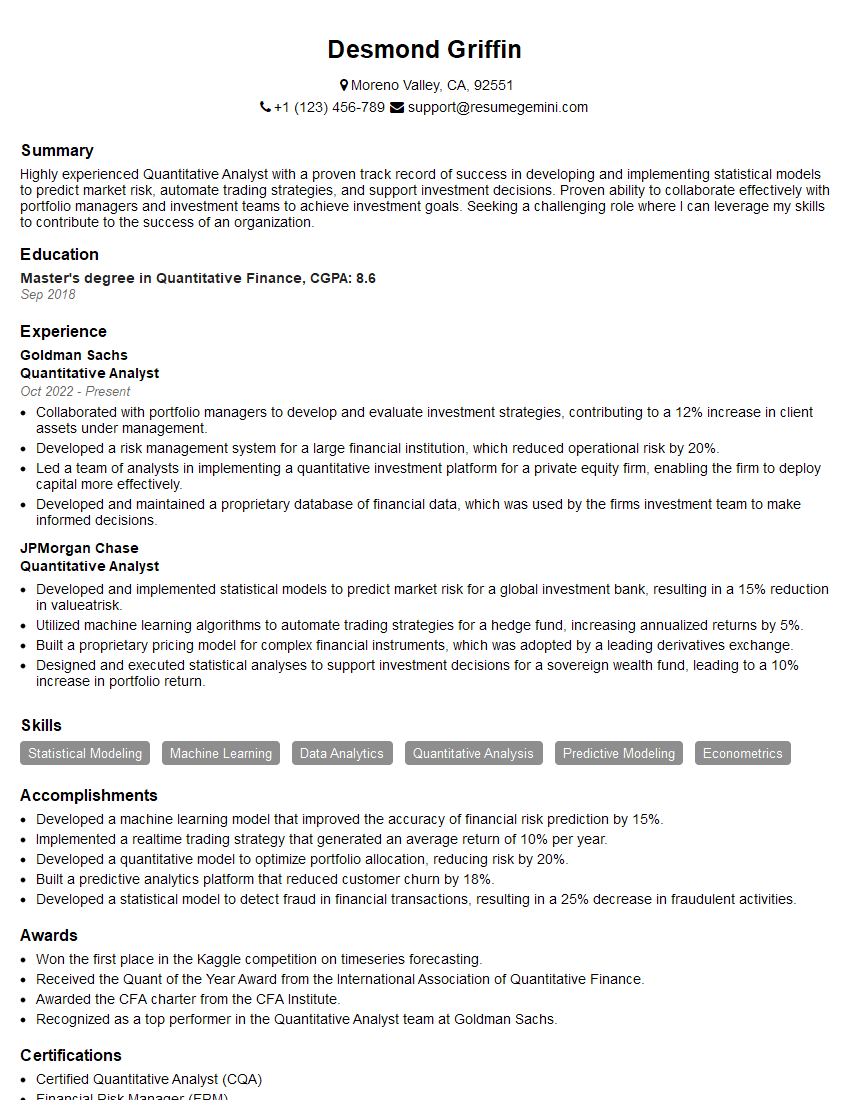
Quantitative Analyst Resume Sample
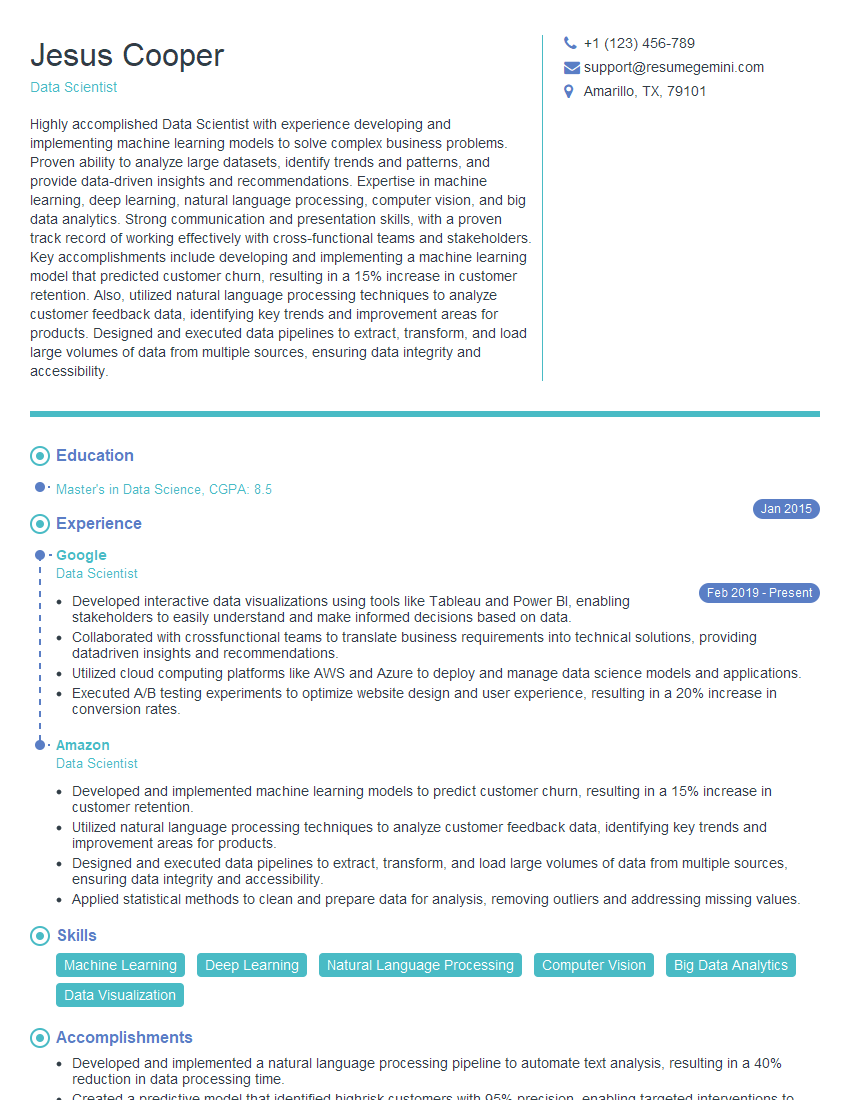
Data Scientist Resume Sample

Research Scientist Resume Sample
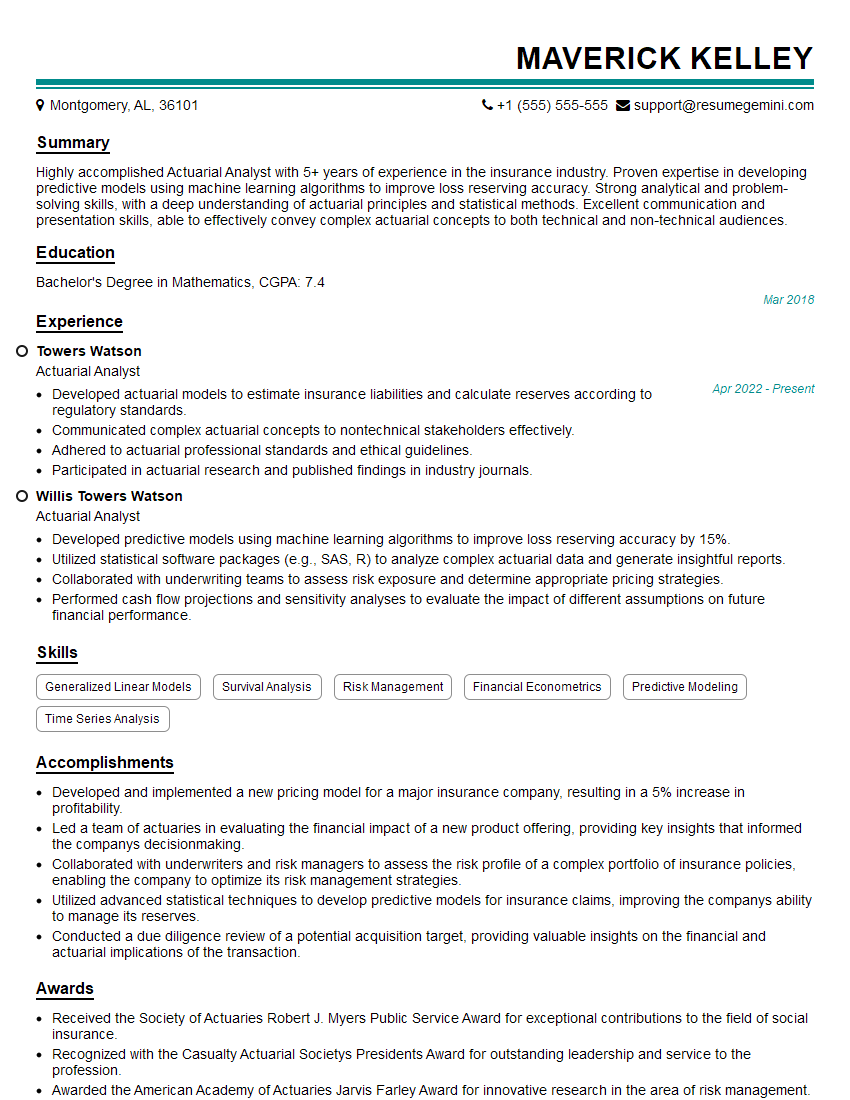
Actuarial Analyst Resume Sample
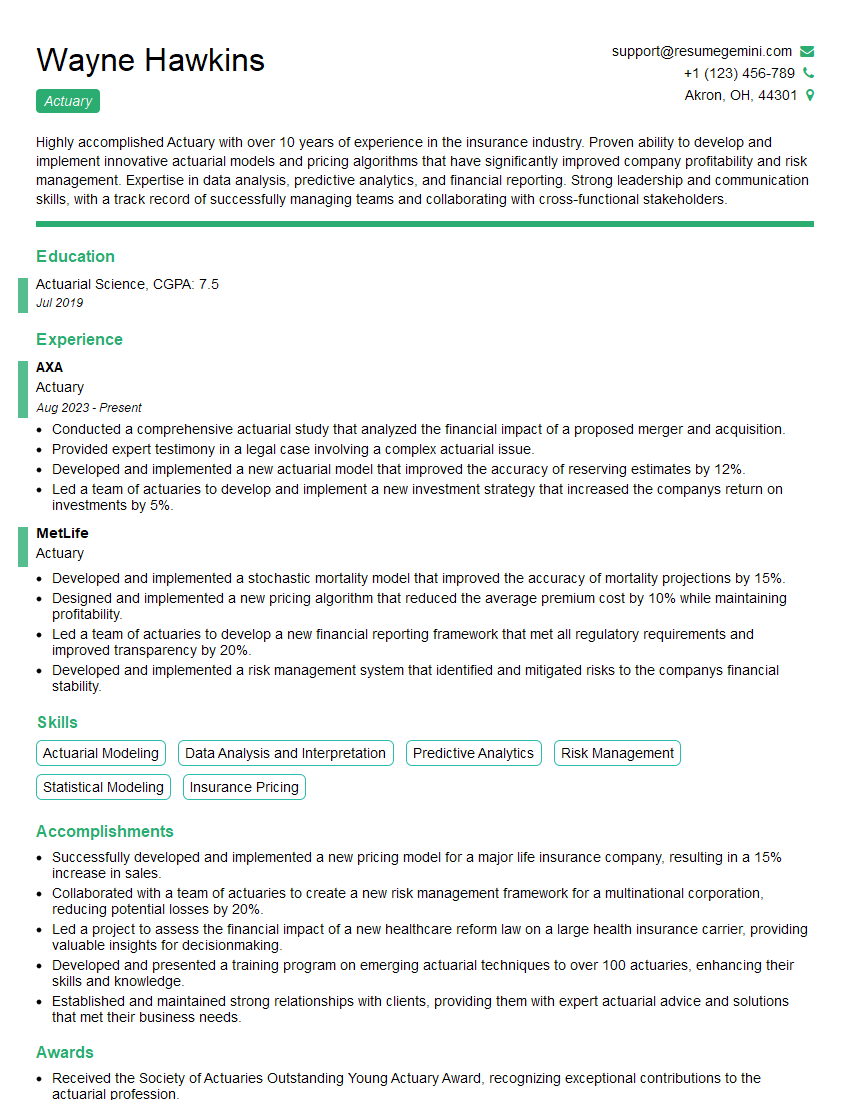
Actuary Resume Sample

Operations Research Analyst Resume Sample
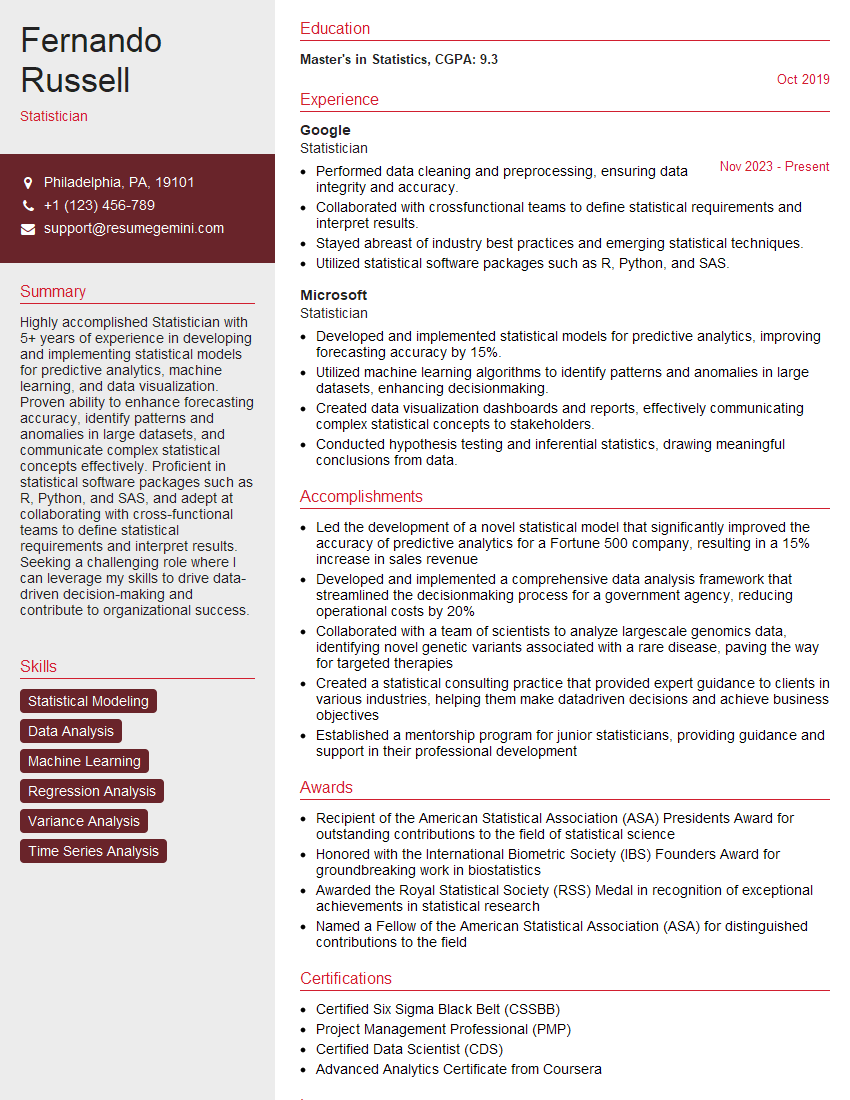
Statistician Resume Sample
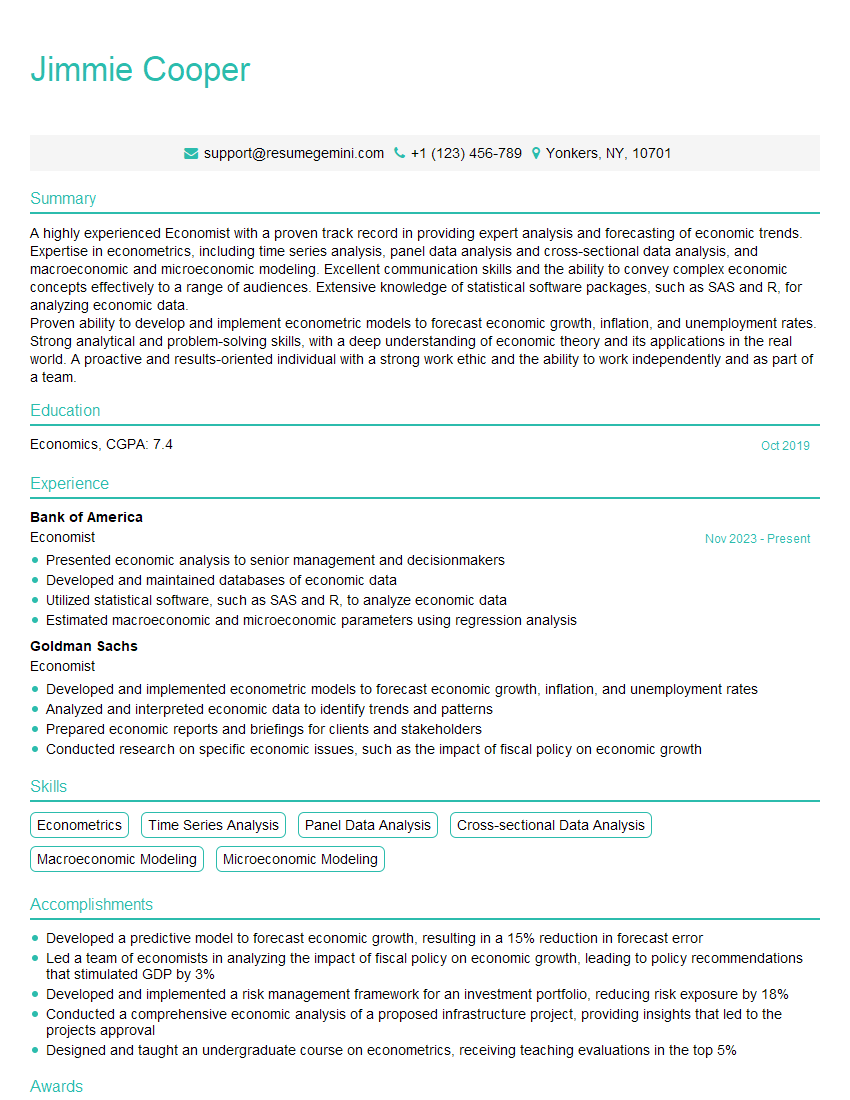
Economist Resume Sample
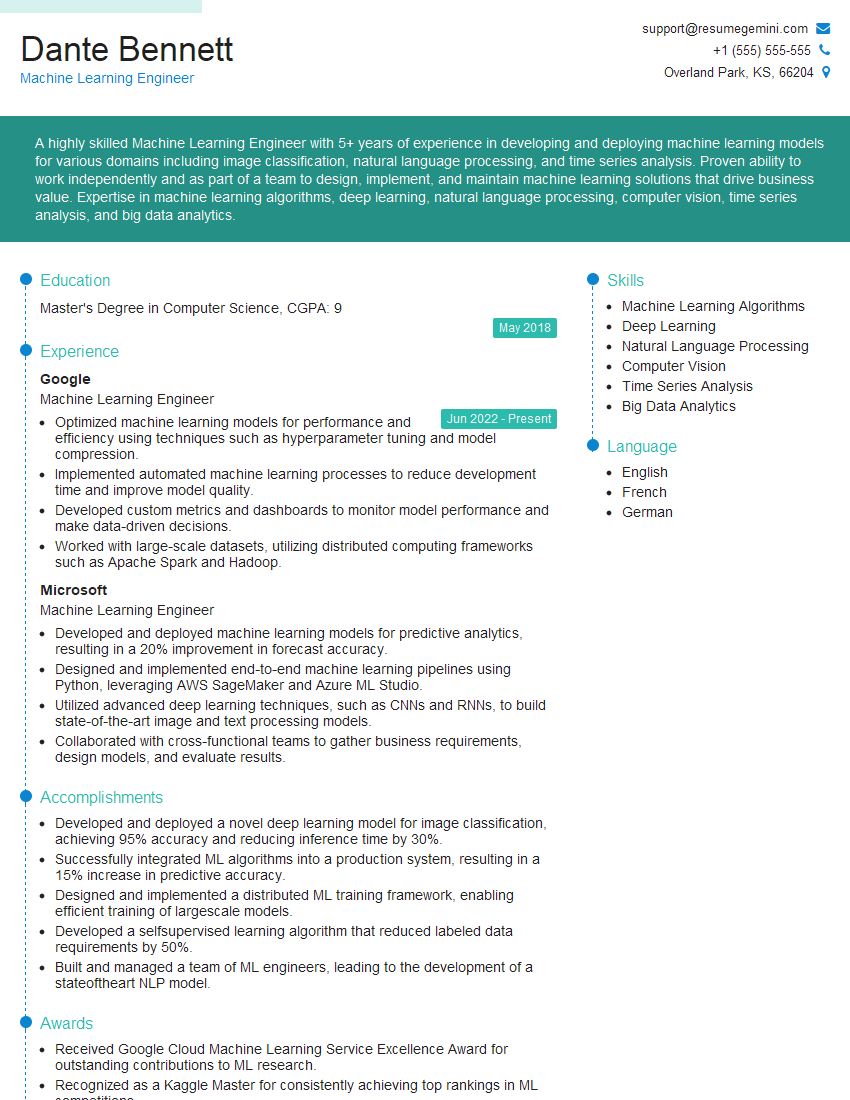
Machine Learning Engineer Resume Sample
- Pricing Analyst
- Investment Analyst
- Supply Chain Analyst
- Business Analyst
- Management Consultant
- Market Research Analyst
- Marketing Analyst
- Financial Analyst
- Credit Analyst
- Risk Analyst
- Data Analyst
- Quantitative Analyst
- Data Scientist
- Research Scientist
- Actuarial Analyst
- Actuary
- Operations Research Analyst
- Statistician
- Economist
- Machine Learning Engineer
Explore more articles
Users Rating of Our Blogs
Share Your Experience
We value your feedback! Please rate our content and share your thoughts (optional).
What Readers Say About Our Blog
Really detailed insights and content, thank you for writing this detailed article.
IT gave me an insight and words to use and be able to think of examples