The right preparation can turn an interview into an opportunity to showcase your expertise. This guide to Use of Electronic Logs (ELDs) interview questions is your ultimate resource, providing key insights and tips to help you ace your responses and stand out as a top candidate.
Questions Asked in Use of Electronic Logs (ELDs) Interview
Q 1. Explain the purpose and functionality of Electronic Logging Devices (ELDs).
Electronic Logging Devices (ELDs) are digital replacements for paper logs, mandated by the Federal Motor Carrier Safety Administration (FMCSA) to track a commercial driver’s hours of service (HOS). Their primary purpose is to improve highway safety by ensuring drivers adhere to mandated rest periods, preventing driver fatigue, a major contributor to road accidents. Functionally, ELDs automatically record driving time, using data from the vehicle’s engine, and allow drivers to manually log other duty statuses like on-duty, off-duty, and sleeper berth. This data is then stored electronically and can be readily accessed by the driver and enforcing authorities for compliance checks.
Q 2. Describe the Hours of Service (HOS) regulations and how ELDs ensure compliance.
Hours of Service (HOS) regulations dictate the maximum number of hours a commercial driver can operate a vehicle within a given timeframe. These rules vary depending on the type of operation and driver status. ELDs ensure compliance by automatically recording driving time and other duty statuses, preventing drivers from exceeding these limits. The ELD creates a tamper-proof record, instantly showing if a driver is exceeding HOS limits, helping both the driver and the motor carrier manage compliance and avoid penalties. For example, if a driver has reached their maximum driving hours, the ELD will prevent them from starting a new driving period until they’ve had sufficient rest.
Q 3. What are the different types of ELDs available in the market?
The ELD market offers a variety of devices, broadly categorized as:
- Standalone ELDs: These are self-contained units that plug directly into the vehicle’s diagnostic port.
- Integrated ELDs: These are incorporated into a vehicle’s onboard computer system or fleet management software.
- Mobile ELD Apps: These apps run on smartphones or tablets and communicate with a vehicle’s engine via Bluetooth or a separate diagnostic link.
The choice depends on factors like budget, fleet size, and existing telematics systems. For example, a small trucking business might opt for a standalone ELD for cost-effectiveness, while a large fleet might prefer an integrated system for better data management and integration with other fleet operations.
Q 4. How do ELDs record driving time, off-duty time, and on-duty time?
ELDs utilize data from the vehicle’s engine control module (ECM) to automatically record driving time. The ECM provides information such as engine speed and vehicle movement. When the engine is running and the vehicle is in motion above a certain speed threshold, the ELD automatically logs this time as ‘driving’. Drivers manually select other duty statuses like ‘on-duty’ (e.g., pre-trip inspection, loading/unloading), ‘off-duty’ (e.g., breaks, personal time), and ‘sleeper berth’ (time spent resting in the vehicle’s sleeper compartment). The system uses GPS data to corroborate the recorded information, ensuring accuracy and preventing manipulation.
Q 5. Explain the process of manually adding data to an ELD.
Manual data entry in an ELD is usually restricted to non-driving related activities. For example, if a driver needs to add time spent on a pre-trip inspection, they would select ‘on-duty’ from the ELD’s options and enter the start and end times. The ELD often verifies that manual entries align with the overall driving time and other duty statuses. A driver wouldn’t be able to add additional driving hours manually; the system relies primarily on the engine’s data for driving time. Rigorous checks and audit trails prevent falsification of records, maintaining the system’s integrity.
Q 6. What are the potential penalties for ELD violations?
Penalties for ELD violations can be substantial and vary depending on the severity and frequency of the offense. These can include:
- Fines: Significant monetary penalties levied on both the driver and the motor carrier.
- Out-of-service orders: Drivers may be placed out of service, temporarily preventing them from operating commercial vehicles.
- Loss of operating authority: Motor carriers can lose their operating authority, effectively shutting down their business.
- Increased insurance premiums: Violations often lead to higher insurance costs.
The FMCSA maintains strict enforcement of ELD regulations, making compliance critical for both drivers and companies. Regular audits and roadside inspections highlight the importance of proper ELD usage and record-keeping.
Q 7. How does an ELD integrate with a vehicle’s engine?
An ELD typically integrates with a vehicle’s engine via the vehicle’s diagnostic port, often a J1939 or J1708 port. This port provides the ELD access to critical data from the engine’s Electronic Control Module (ECM). This data, which includes vehicle speed, engine hours, and mileage, forms the basis for the automatic recording of driving time. The connection is usually a simple plug-and-play setup, though certain vehicle configurations may require professional installation. The ELD then uses this information to accurately track and record the driver’s hours of service, ensuring compliance with federal regulations.
Q 8. Describe the process of troubleshooting common ELD issues.
Troubleshooting ELD issues involves a systematic approach. Think of it like diagnosing a car problem – you need to identify the symptoms before you can fix the cause. First, understand the nature of the problem. Is the ELD displaying an error message? Is it failing to record data? Is it communicating correctly with the vehicle?
Common issues and solutions:
- Communication Errors: If the ELD isn’t communicating with the vehicle, check the wiring connections between the ELD and the vehicle’s diagnostic port (usually OBDII). Ensure the port is clean and free of debris. Sometimes a simple reboot of the ELD device can resolve this.
- Data Errors: Inaccurate or missing data often points to a problem with the GPS signal. Check if the ELD antenna has a clear view of the sky, free from obstructions. A weak signal can lead to inaccurate location data. Also, check that the date and time settings on the ELD are correct.
- System Malfunctions: If the ELD completely freezes or malfunctions, try performing a hard reset (usually involves holding down a power button for a certain time – consult your ELD’s manual). If the issue persists, contact your ELD provider’s technical support for assistance. They can remotely diagnose the issue and provide solutions, or arrange for a replacement device if necessary.
- Driver Errors: Sometimes the issue isn’t with the ELD itself but rather a driver error, such as failing to properly log in or out, or incorrectly recording duty status. Regular driver training is crucial to prevent these errors.
Always remember to consult your ELD’s manual for specific troubleshooting steps and contact your provider for support when necessary.
Q 9. How do you ensure ELD data accuracy and integrity?
Ensuring ELD data accuracy and integrity is paramount for compliance and effective fleet management. It’s like keeping meticulous financial records – accuracy is key. Several strategies are employed:
- Regular Calibration and Maintenance: Just like any other technology, ELDs need regular maintenance. This may include software updates from the provider, and ensuring the device is securely mounted and properly connected to the vehicle’s diagnostic port.
- Driver Training: Drivers need thorough training on how to accurately use the ELD. This includes understanding different duty statuses, how to properly log in and out, and how to address any issues that arise. Proper training significantly reduces errors.
- Data Verification: Implement a process to regularly verify the accuracy of the data recorded by the ELD. Compare the ELD data with other sources, such as driver trip logs or dispatch records. Any discrepancies should be investigated immediately.
- Secure Data Transmission: Choose an ELD provider with robust security measures to protect data from unauthorized access or tampering. Encrypted data transmission helps maintain data integrity during transit.
- Regular Audits: Conduct regular audits of ELD data to identify patterns or trends that might indicate data inaccuracies or potential issues. This preventative measure helps identify and address problems early.
By combining these strategies, you significantly enhance the reliability and accuracy of your ELD data.
Q 10. What are the different methods for retrieving ELD data?
Retrieving ELD data can be done through several methods, each offering different levels of access and functionality:
- ELD Device itself: The most basic method is accessing data directly from the ELD device itself. Many ELDs have a screen to review recent driving records. However, this method only provides a limited view of the data.
- Web Portal: Most ELD providers offer a web portal where fleet managers can access and manage ELD data for all vehicles. This portal typically provides detailed reports, data analysis tools, and the ability to download data in various formats (e.g., CSV, PDF).
- Mobile App: Some providers offer mobile applications that allow managers and drivers to access data from smartphones or tablets. This offers convenience and allows for immediate access to critical information.
- API Integration: For advanced users and fleet management systems, ELD data can be accessed through Application Programming Interfaces (APIs). This allows integration with other software applications for more sophisticated data analysis and reporting.
- Direct Download: Some ELDs allow you to directly download the data from the device via a USB port or other connection. This requires special software, usually provided by the ELD vendor.
The optimal method for retrieving ELD data depends on your needs and technical capabilities. A combination of methods might be most effective for a comprehensive data management approach.
Q 11. How do you handle ELD malfunctions or system failures?
ELD malfunctions or system failures require a rapid response to maintain compliance and prevent disruptions. It’s like dealing with a power outage – a backup plan is essential.
Immediate Actions:
- Contact ELD Provider: Immediately contact your ELD provider’s technical support. They have specialized tools and expertise to diagnose and resolve problems remotely or schedule a field technician visit.
- Paper Logs (if allowed): Depending on the jurisdiction and the nature of the malfunction, you may be allowed to switch to paper logs as a temporary measure. This is a critical backup solution, but remember to document the ELD malfunction and follow all applicable rules concerning paper log usage.
- Maintain Accurate Records: While using paper logs, meticulously document all driving activities, including start and stop times, locations, and duty status. This documentation is crucial for demonstrating compliance during any subsequent audits.
Preventative measures:
- Regular Maintenance: Schedule routine maintenance checks and software updates for your ELDs to help prevent malfunctions.
- Driver Training: Well-trained drivers are less likely to accidentally cause ELD errors.
- Redundancy: Consider having a backup ELD system or a plan for temporary solutions in case of widespread failures.
A proactive approach, coupled with swift action when malfunctions occur, minimizes the impact of ELD failures on your operations.
Q 12. What are the key differences between AOBRD and ELD devices?
Automatic On-Board Recording Devices (AOBRDs) and Electronic Logging Devices (ELDs) both record driver duty status information, but they differ significantly in their capabilities and compliance standards. Think of it as comparing an old rotary phone to a modern smartphone – both make calls, but the functionality is vastly different.
| Feature | AOBRD | ELD |
|---|---|---|
| Data Transmission | Typically transmits data via a wired connection or manual download. | Transmits data electronically via wireless communication (e.g., cellular data). |
| Tamper Resistance | Limited tamper resistance. | Strong tamper resistance mechanisms are built in. |
| Data Integration | Limited integration with other fleet management systems. | Can easily integrate with fleet management software for data analysis and reporting. |
| Accuracy | Relies heavily on manual data entry, increasing the chance of errors. | Automates data recording, leading to increased accuracy. |
| Compliance | No longer compliant with FMCSA regulations. | Compliant with FMCSA ELD mandate. |
In essence, ELDs are a far more advanced and secure version of AOBRDs, offering greater accuracy, integration capabilities, and enhanced compliance features. AOBRDs are obsolete and no longer compliant with current regulations.
Q 13. Explain the role of ELD data in fleet management and analysis.
ELD data plays a crucial role in fleet management and analysis. Imagine it as a powerful business intelligence tool – providing insights to make smarter decisions. The data provides a wealth of information to improve efficiency and safety:
- Fuel Efficiency Analysis: ELD data, combined with vehicle telematics, can identify inefficient driving habits that contribute to high fuel consumption. This allows for targeted driver training to improve fuel economy.
- Route Optimization: Analyzing historical ELD data helps determine the most efficient routes, avoiding traffic congestion and minimizing travel time, hence lowering operational costs.
- Driver Performance Monitoring: ELD data helps evaluate driver performance, including adherence to speed limits, hours-of-service regulations, and other safety measures. This allows for targeted coaching and improved driver behavior.
- Predictive Maintenance: Data from ELDs can be correlated with vehicle maintenance data to predict potential mechanical problems, allowing for proactive maintenance scheduling and reducing downtime.
- Compliance Reporting: ELDs automatically generate reports to demonstrate compliance with Hours-of-Service (HOS) regulations, simplifying compliance audits and reducing the risk of fines.
By leveraging the power of ELD data, businesses can optimize operations, reduce costs, and enhance safety across their fleet.
Q 14. How do ELDs contribute to improved driver safety and efficiency?
ELDs contribute significantly to improved driver safety and efficiency. They are like a built-in safety net that helps reduce risks and increase productivity.
- Hours of Service Compliance: ELDs automate the tracking of driver hours of service, ensuring compliance with regulations and minimizing driver fatigue. This directly contributes to enhanced road safety by preventing drivers from operating vehicles while fatigued.
- Reduced Accidents: By promoting compliance with HOS rules, ELDs indirectly reduce the likelihood of accidents caused by driver fatigue.
- Improved Route Planning: ELD data can be used to identify hazardous areas or routes with a high frequency of accidents, allowing for safer route planning and improved driver safety.
- Enhanced Driver Behavior: The monitoring capabilities of ELDs can identify unsafe driving habits like speeding or harsh braking. This allows for feedback and coaching, leading to improved driver behavior and increased safety.
- Reduced Idle Time: ELD data can be used to monitor engine idle time, helping identify areas where unnecessary fuel consumption is occurring and reducing operating costs.
The data-driven insights provided by ELDs empower both drivers and fleet managers to make informed decisions that prioritize safety and efficiency.
Q 15. What are the best practices for managing and storing ELD data?
Managing and storing ELD data effectively is crucial for compliance and efficient fleet management. It involves a multi-faceted approach focusing on data security, accessibility, and regulatory adherence.
- Data Backup and Recovery: Regularly back up your ELD data to a secure, offsite location. This protects against data loss due to hardware failure, theft, or natural disasters. Think of it like having a second copy of your important family photos – you wouldn’t want to lose them!
- Data Security: Implement robust security measures to protect sensitive driver and vehicle data from unauthorized access. This includes strong passwords, encryption, and access controls. Imagine your ELD data as a vault containing valuable information – you need strong locks and security measures to keep it safe.
- Data Retention: Comply with all relevant regulations regarding data retention periods. The FMCSA (Federal Motor Carrier Safety Administration) specifies how long you need to keep records. Failing to comply can lead to significant penalties.
- Data Organization: Maintain a well-organized system for storing and retrieving ELD data. This makes it easy to locate specific records when needed, whether for audits or internal analysis. Think of it as organizing your home files – you want to find things quickly and efficiently.
- Data Integrity: Implement measures to ensure the accuracy and reliability of your ELD data. Regularly check for data discrepancies and address them promptly. This is like regularly checking your bank statement to ensure there are no unexpected entries.
By following these best practices, you can ensure the long-term integrity and usability of your ELD data while maintaining compliance with regulations.
Career Expert Tips:
- Ace those interviews! Prepare effectively by reviewing the Top 50 Most Common Interview Questions on ResumeGemini.
- Navigate your job search with confidence! Explore a wide range of Career Tips on ResumeGemini. Learn about common challenges and recommendations to overcome them.
- Craft the perfect resume! Master the Art of Resume Writing with ResumeGemini’s guide. Showcase your unique qualifications and achievements effectively.
- Don’t miss out on holiday savings! Build your dream resume with ResumeGemini’s ATS optimized templates.
Q 16. Describe your experience with different ELD software platforms.
I’ve worked extensively with several ELD software platforms, including KeepTruckin, Samsara, and Geotab. Each platform has its strengths and weaknesses. For example, KeepTruckin excels in its user-friendly interface and robust reporting features, making it ideal for smaller fleets. Samsara, on the other hand, offers advanced features like video telematics and predictive maintenance, which are beneficial for larger operations. Geotab provides a highly customizable solution that can be tailored to specific fleet needs. My experience across these platforms has given me a comprehensive understanding of the functionalities and challenges associated with different ELD systems. I can assess a platform’s suitability based on a fleet’s size, operational needs, and budget.
Q 17. How do you stay updated on ELD regulations and industry best practices?
Staying updated on ELD regulations and industry best practices is an ongoing process. I actively monitor the FMCSA website for updates and changes in regulations. I also subscribe to industry publications, attend webinars and conferences, and network with other ELD professionals. Furthermore, I regularly review case studies and analyze best practices implemented by leading fleets. This holistic approach ensures I’m always informed about the latest developments and can advise clients accordingly.
Q 18. How would you train drivers on the proper use of ELDs?
Training drivers on ELD usage is critical for successful implementation. My training approach involves a multi-pronged strategy combining classroom instruction, hands-on practice, and ongoing support. I begin with a clear explanation of the ‘why’ behind ELDs, emphasizing the safety and compliance benefits. Then, I move on to the practical aspects, using interactive demonstrations and real-world scenarios. I also provide ample opportunities for drivers to practice using the ELDs in a simulated environment before transitioning to real-world use. Post-training, I offer ongoing support through FAQs, email, and phone, ensuring drivers feel confident and comfortable using the technology.
Q 19. Explain the process of conducting ELD audits.
Conducting ELD audits involves a systematic review of ELD data to verify compliance with regulations. It’s like a thorough health check for your fleet’s record-keeping. I start by defining the scope of the audit, identifying the period to be reviewed and the specific regulations to be checked. Next, I collect the necessary ELD data and compare it against the relevant rules and regulations. This often involves analyzing driver logs, vehicle data, and supporting documentation. Discrepancies are flagged and investigated, and corrective actions are implemented. The audit results are documented in a comprehensive report, which includes findings, recommendations, and a summary of any compliance issues.
Q 20. How do you address driver concerns or resistance to using ELDs?
Addressing driver concerns or resistance to ELDs requires empathy and clear communication. I begin by actively listening to their concerns, acknowledging their perspectives, and explaining how the ELD system benefits them, such as reduced paperwork, improved safety, and increased efficiency. I address any misconceptions about ELDs and highlight the positive aspects, such as automatic HOS calculations and reduced risk of violations. By building trust and fostering open communication, I can successfully overcome resistance and gain driver buy-in.
Q 21. What are the benefits of using ELDs for fleet owners?
ELDs offer numerous benefits for fleet owners, significantly impacting safety, compliance, and operational efficiency. Here’s a breakdown:
- Improved Safety: ELDs promote driver safety by reducing driver fatigue through accurate Hours of Service (HOS) tracking.
- Enhanced Compliance: ELDs automate HOS record-keeping, reducing the risk of violations and associated penalties. This means less paperwork and fewer headaches.
- Increased Efficiency: ELDs provide real-time data on vehicle location, speed, and other metrics, enabling optimized route planning and improved dispatch efficiency.
- Better Fuel Management: Some ELD systems integrate with fuel cards, allowing for better tracking and control of fuel consumption.
- Reduced Administrative Costs: Automated record-keeping significantly reduces the administrative burden associated with paper logs.
- Improved Driver Retention: By demonstrating a commitment to driver safety and well-being through the use of ELDs, fleet owners can improve driver morale and reduce turnover.
In essence, ELDs contribute to a safer, more compliant, and more profitable operation. It’s an investment that pays off in the long run.
Q 22. How can ELD data be used to improve fuel efficiency?
ELD data offers a goldmine of information for improving fuel efficiency. By analyzing data on speed, idling time, harsh braking and acceleration, and route choices, we can identify areas for improvement in driver behavior and vehicle maintenance.
Speed and Idling: ELDs record how fast a vehicle is traveling and how long it’s idling. Excessive speeding and prolonged idling significantly increase fuel consumption. Analyzing this data allows us to implement driver training programs focused on efficient driving techniques and minimizing idling time. For example, we can set targets for speed and idling and track driver progress against these targets.
Harsh Driving Events: ELDs detect harsh braking, acceleration, and cornering. These behaviors waste fuel and increase wear and tear on the vehicle. By identifying drivers exhibiting these patterns, targeted coaching can lead to smoother, more fuel-efficient driving styles. We can even use this data to create scorecards for drivers, helping them understand their driving patterns and make improvements.
Route Optimization: Analyzing ELD data on routes taken allows us to identify less fuel-intensive routes, avoiding unnecessary congestion and hills. By incorporating this data into fleet management software, we can optimize routes for fuel efficiency, saving money and reducing emissions.
For example, in a previous role, we analyzed ELD data and discovered that a particular driver consistently took a longer, hillier route. By suggesting a more efficient route and providing driver training, we saw a 15% reduction in their fuel consumption within three months.
Q 23. Describe a time you had to troubleshoot a complex ELD issue.
One challenging situation involved a fleet-wide ELD malfunction where the devices were not synchronizing properly with the back-end system. This resulted in incomplete and inconsistent data, leading to compliance concerns and operational disruption. The problem was particularly complex because it affected multiple ELD units and various vehicle makes and models.
My troubleshooting process involved:
- Systemic Data Analysis: We started by analyzing the ELD server logs and the individual ELD device logs to identify common error patterns and potential root causes. This process revealed inconsistencies in data timestamps and communication protocols.
- Hardware Diagnostics: We performed a series of hardware diagnostics on affected ELD units to check for connectivity issues and faulty components. This included checking wiring, power supply and testing the units with different devices.
- Firmware Updates: The investigation pinpointed a conflict with a recent firmware update. Rolling back to the previous stable firmware and subsequently deploying a patched update fixed most cases, but the process of identifying and verifying which units needed a specific update was laborious.
- Vendor Collaboration: We collaborated closely with the ELD provider to determine if there were any known bugs or issues and to receive technical support in resolving the problem. This involved regular communication and joint problem-solving sessions.
- Data Recovery: Once the issue was resolved, we initiated a process of data recovery to ensure that all missing information was obtained. We implemented data reconciliation methods to compare ELD information with other records and fill in the gaps where possible.
By systematically addressing the problem and employing a collaborative approach, we successfully restored ELD functionality and ensured data integrity. This experience highlighted the importance of proactive maintenance, thorough data analysis, and strong relationships with technology providers.
Q 24. How do you handle discrepancies between ELD data and other records?
Discrepancies between ELD data and other records, such as driver logs or delivery receipts, require careful investigation. The goal is to identify the source of the error and correct it, ensuring data accuracy and compliance. There are some systematic ways to do this:
Verification: The first step is to verify the accuracy of all data sources, comparing the ELD data to other records such as fuel receipts, dispatch logs, and driver logs. It often helps to cross-reference several sources.
Data Reconciliation: If discrepancies are found, we systematically compare the conflicting data points and document the discrepancies.
Driver Interview: Involving the driver in the investigation is often crucial. They can provide valuable context and insight into potential explanations for the discrepancies.
System Check: We examine the ELD system for possible errors or malfunctions. For example, was there a connectivity issue that led to incomplete data or a fault in the device? If so, then these issues need to be addressed to prevent repeat occurrences.
Documentation: The entire investigation process, including findings and corrective actions, must be meticulously documented to ensure accountability and transparency.
For instance, a discrepancy between the ELD’s reported hours of service and a driver’s handwritten log might indicate a need for further driver training or a system error. A thorough investigation is key to identifying the root cause and implementing corrective measures.
Q 25. Explain the importance of data security and privacy related to ELDs.
Data security and privacy related to ELDs are paramount. ELDs contain sensitive information about drivers, vehicles, and operations, making them potential targets for cyberattacks and data breaches. Protecting this data requires a multi-faceted approach.
Data Encryption: All data transmitted and stored should be encrypted using strong encryption protocols. This ensures that even if data is intercepted, it cannot be easily read.
Access Control: Access to ELD data should be restricted to authorized personnel only, using secure authentication and authorization mechanisms. Roles and permissions for different users can ensure that access is limited based on the job’s requirements.
Regular Security Audits: Regular security audits should be conducted to identify and address vulnerabilities in the ELD system. These audits should be comprehensive, testing all aspects of the security infrastructure.
Compliance: ELD systems must comply with all relevant data privacy regulations, such as the Federal Motor Carrier Safety Administration (FMCSA) regulations in the US and equivalent regulations in other countries. This includes managing consent, data retention policies and mechanisms to provide data subjects with access to their data.
Incident Response Plan: A comprehensive incident response plan should be in place to handle any security breaches or data loss events. This plan should outline clear procedures for containment, investigation, recovery, and notification.
Failing to prioritize data security and privacy can lead to significant legal and reputational damage, not to mention the security risk to sensitive information. Thus, a proactive and comprehensive approach to security is crucial.
Q 26. What is your experience with ELD integration with other fleet management systems?
I have extensive experience with ELD integration with various fleet management systems (FMS). This integration is critical for optimizing operations and gaining a holistic view of fleet performance. Successful integration typically involves using Application Programming Interfaces (APIs) to exchange data between the ELD and the FMS.
Common integrations include:
Real-time Location Tracking: ELD data provides real-time location information, which can be integrated with the FMS for efficient dispatching, route optimization and monitoring of vehicle whereabouts.
Driver Performance Monitoring: ELD data on speed, idling, and harsh driving events can be incorporated into driver performance reports within the FMS, allowing for targeted coaching and improvement of driver behaviours.
Vehicle Maintenance: Some ELD systems provide data on vehicle diagnostics, which can be integrated into FMS to schedule maintenance and reduce downtime.
Fuel Management: ELD data on fuel consumption can be integrated with FMS for analysis and cost optimization.
During my career, I’ve worked with different FMS platforms, ensuring smooth data flow and accurate reporting. One particular project involved integrating a new ELD system with a legacy FMS using custom APIs. This involved careful planning, testing, and collaboration with both the ELD and FMS vendors.
Q 27. How do you identify and resolve ELD-related driver violations?
Identifying and resolving ELD-related driver violations involves a systematic approach. The process starts with regular monitoring of ELD data for potential violations, such as exceeding hours of service (HOS) limits, driving while fatigued or failing to properly log activities.
Steps involved:
Data Analysis: Regularly reviewing ELD data reports allows for quick identification of potential HOS violations or other discrepancies.
Driver Notification: If a potential violation is identified, the driver should be immediately notified, providing them a chance to explain the situation and to review their logs.
Investigation: In cases of inconsistencies, a thorough investigation is necessary to determine the cause. Was there a system error, a misunderstanding of rules or something else?
Corrective Action: Depending on the nature and severity of the violation, corrective actions may include driver retraining, corrective documentation or potentially disciplinary actions.
Documentation: All findings and actions taken should be thoroughly documented to ensure compliance and accountability.
For example, if an ELD indicates a driver has exceeded their daily driving limit, we may investigate whether the driver mistakenly logged their time incorrectly, whether there was an emergency situation or a system malfunction. The solution could range from driver training to documentation adjustments depending on the findings.
Q 28. Describe your experience with different ELD hardware and software.
My experience encompasses a wide range of ELD hardware and software from various vendors. This exposure has provided me with a solid understanding of their strengths and weaknesses. Hardware aspects that I have experience with include different device form factors, connectivity options (cellular, satellite), and built-in features like GPS and sensors.
Software features that I have utilized include different user interfaces, reporting functionalities, and data integration capabilities. Some ELD software solutions excel at driver performance analysis, while others are more focused on compliance reporting.
For example, I’ve worked with both standalone ELD devices that communicate directly with the FMCSA and integrated ELD systems that link to larger fleet management platforms. The selection of specific ELD hardware and software depends on several factors such as budget, fleet size, technological sophistication, and integration needs. Each selection requires careful consideration and analysis. This experience has given me a strong understanding of ELD technology landscape and the ability to select the right tools for different needs.
Key Topics to Learn for Use of Electronic Logs (ELDs) Interview
- Understanding ELD Regulations: Familiarize yourself with the FMCSA’s ELD mandate and its key requirements. This includes knowing the specific rules around Hours of Service (HOS) and how ELDs enforce them.
- ELD Hardware and Software: Learn about different ELD devices and software platforms. Understand their functionalities, including data logging, reporting, and communication with enforcement officials. Be prepared to discuss the pros and cons of various systems.
- Data Management and Troubleshooting: Practice managing ELD data effectively. This involves understanding how to accurately record driving time, on-duty time, and off-duty time. Be ready to discuss troubleshooting common ELD issues, such as malfunctions or connectivity problems.
- HOS Compliance and Record Keeping: Master the principles of Hours of Service regulations and how ELDs ensure compliance. Understand how to interpret ELD reports and ensure your records are accurate and legally sound. Be prepared to explain how you would handle exceptions or potential violations.
- ELD Integration with other systems: Explore how ELDs integrate with other fleet management systems and telematics solutions. Understand how data from ELDs can be used for route optimization, fuel efficiency analysis, and driver performance monitoring.
- Security and Data Privacy: Understand the security protocols associated with ELDs and the importance of protecting sensitive driver data. Be aware of best practices for maintaining data integrity and compliance with privacy regulations.
Next Steps
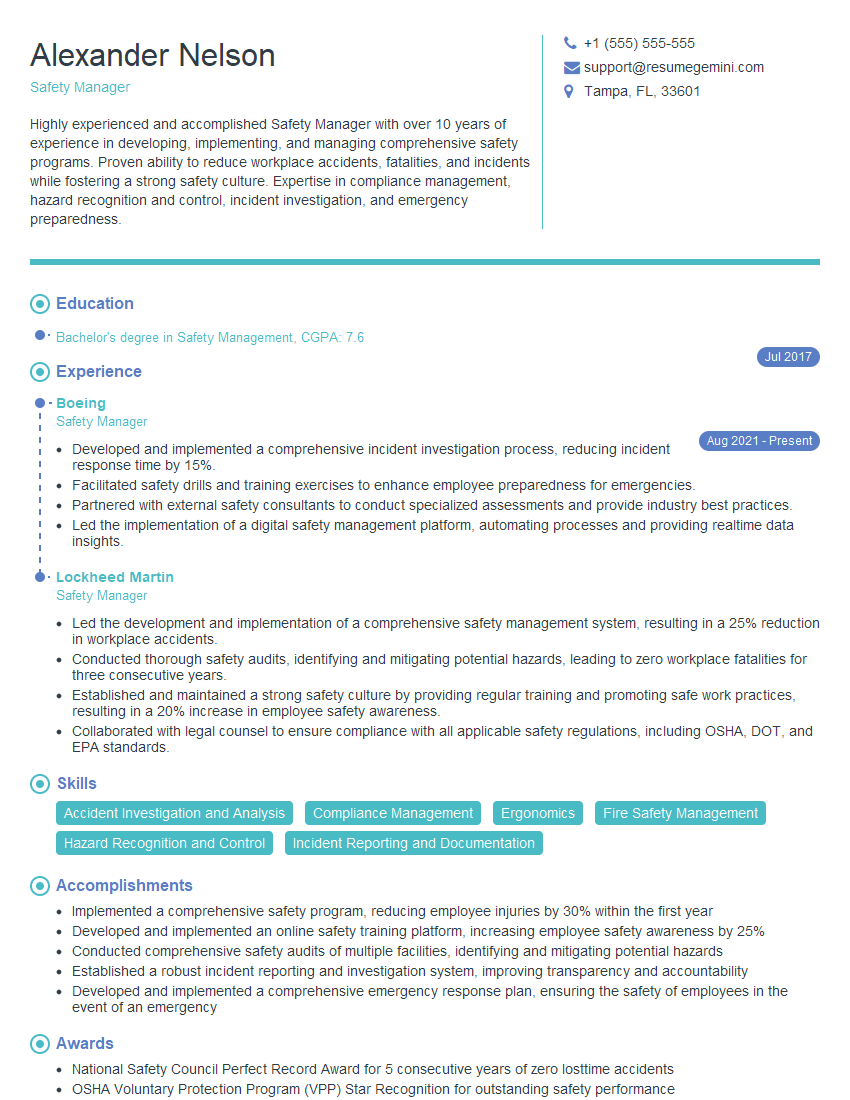
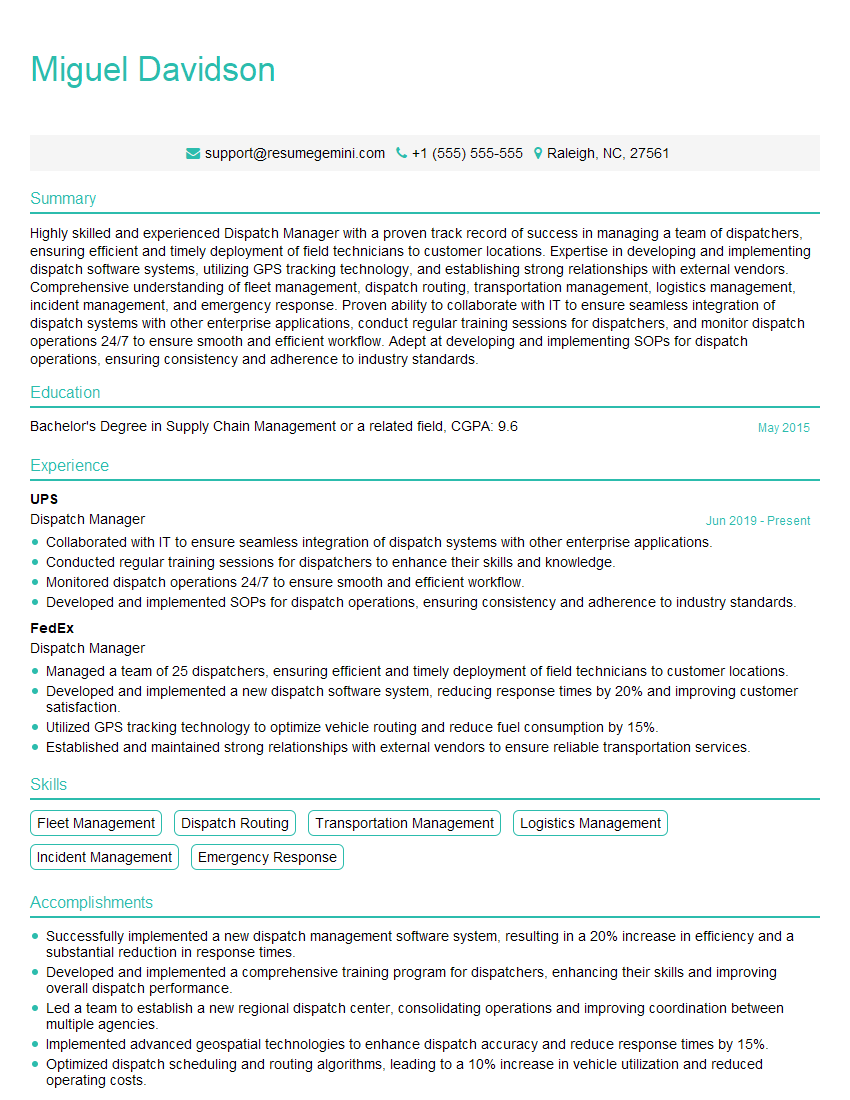
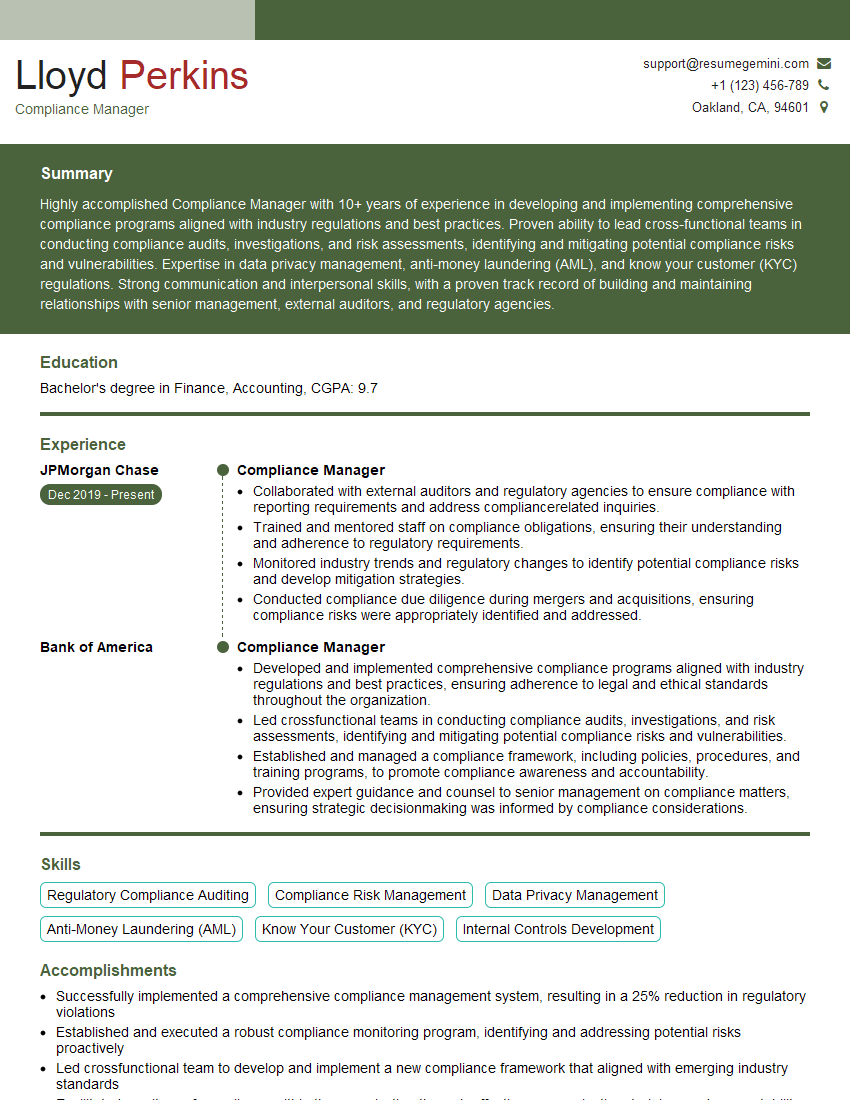
Mastering the use of Electronic Logging Devices (ELDs) is crucial for career advancement in the transportation industry. A strong understanding of ELDs demonstrates your commitment to safety and compliance, making you a highly valuable asset to any trucking company. To increase your chances of landing your dream job, creating an ATS-friendly resume is essential. ResumeGemini is a trusted resource to help you build a professional and impactful resume that highlights your ELD expertise. Examples of resumes tailored to Use of Electronic Logs (ELDs) are available to help guide you.
Explore more articles
Users Rating of Our Blogs
Share Your Experience
We value your feedback! Please rate our content and share your thoughts (optional).
What Readers Say About Our Blog
I Redesigned Spongebob Squarepants and his main characters of my artwork.
https://www.deviantart.com/reimaginesponge/art/Redesigned-Spongebob-characters-1223583608
IT gave me an insight and words to use and be able to think of examples
Hi, I’m Jay, we have a few potential clients that are interested in your services, thought you might be a good fit. I’d love to talk about the details, when do you have time to talk?
Best,
Jay
Founder | CEO