Feeling uncertain about what to expect in your upcoming interview? We’ve got you covered! This blog highlights the most important Knowledge of Dairy Industry Best Practices interview questions and provides actionable advice to help you stand out as the ideal candidate. Let’s pave the way for your success.
Questions Asked in Knowledge of Dairy Industry Best Practices Interview
Q 1. Explain the importance of maintaining optimal hygiene standards in dairy processing.
Maintaining optimal hygiene in dairy processing is paramount to preventing contamination and ensuring the safety and quality of the final product. Think of it like this: even a tiny speck of dirt can introduce bacteria that could spoil an entire batch of milk or even cause serious illness. We’re talking about a food product consumed by millions, so meticulous hygiene is not optional; it’s essential.
- Cleanliness of Equipment: All processing equipment, from milking machines to storage tanks, must be thoroughly cleaned and sanitized using effective detergents and sanitizers. Regular maintenance and inspections are crucial to identify and address any potential issues promptly.
- Personal Hygiene: All personnel working in the processing plant must follow strict hygiene protocols, including wearing clean protective clothing, hairnets, and gloves. Regular handwashing is vital, and access to hand sanitizer stations is essential.
- Environmental Control: The processing environment must be controlled to minimize the risk of contamination. This includes controlling pests, maintaining appropriate air quality and temperature, and ensuring proper waste disposal.
- Water Quality: The water used in cleaning and processing must be of high quality and free from pathogens. Regular testing is vital.
Failure to adhere to these standards can lead to product recalls, financial losses, and damage to a company’s reputation. For instance, a salmonella outbreak traced back to a dairy plant can have devastating consequences, highlighting the importance of proactive hygiene measures.
Q 2. Describe the different methods for milk pasteurization and their effectiveness.
Milk pasteurization is a heat treatment process that kills harmful bacteria while preserving the nutritional value and taste of milk. There are several methods, each with its advantages and disadvantages:
- High-Temperature Short-Time (HTST) Pasteurization: This is the most common method. Milk is heated to 72°C (161°F) for 15 seconds, then rapidly cooled. It’s effective at killing most pathogens while preserving flavor and nutrients.
- Ultra-High Temperature (UHT) Pasteurization: Milk is heated to 135°C (275°F) for 2-5 seconds, followed by aseptic packaging. This method extends shelf life significantly, as it eliminates almost all microorganisms. However, some argue it may slightly alter the taste and nutritional profile.
- Batch Pasteurization: Milk is held at a lower temperature (63°C or 145°F) for 30 minutes. This method is less common in modern large-scale processing due to its lower efficiency.
The effectiveness of each method is measured by the reduction in microbial load, specifically the elimination of pathogens like Salmonella, Listeria, and E. coli. Regular testing is done to ensure the process is functioning correctly and maintaining the required level of microbial reduction.
Q 3. How do you ensure the quality and safety of raw milk from farm to processing?
Ensuring raw milk quality and safety from farm to processing involves a multi-faceted approach, requiring rigorous protocols at every stage.
- On-Farm Hygiene: This begins with maintaining impeccable cleanliness in the milking parlor, using sanitized equipment, and following proper milking procedures to prevent contamination.
- Milk Cooling: Rapid cooling of milk immediately after milking is crucial to inhibit bacterial growth. Milk should be cooled to below 4°C (39°F) within a couple of hours.
- Transportation: Milk tankers must be cleaned and sanitized thoroughly before each pickup. The transportation process should be controlled to maintain the cold chain and prevent temperature fluctuations.
- Testing and Quality Control: Regular testing for bacteria counts (e.g., somatic cell count, total bacterial count), antibiotics, and other contaminants is done at both the farm level and at the processing plant before milk is accepted.
- Traceability: A robust traceability system is essential to trace milk back to its source in case of any quality or safety issues. This involves thorough record-keeping at each stage.
Imagine a situation where a farm fails to cool milk properly. The resulting bacterial growth could contaminate an entire tanker load of milk, impacting the entire processing batch. A robust quality control system is crucial to prevent such scenarios and protect consumers.
Q 4. What are the key indicators of a healthy dairy herd?
A healthy dairy herd is the cornerstone of successful milk production. Key indicators include:
- High Milk Yield: Consistent, high milk production per cow reflects good genetics, nutrition, and overall health.
- Low Somatic Cell Count (SCC): A low SCC indicates a healthy udder, free from mastitis (udder inflammation), a major concern in dairy farming.
- High Fertility Rates: Efficient breeding and high conception rates translate to a consistent supply of milk-producing cows.
- Low Mortality Rates: A low death rate among cows signifies good health management practices.
- Body Condition Score (BCS): A healthy BCS suggests appropriate nutrition and overall well-being.
- Absence of Clinical Diseases: Regular health checks and prompt treatment of diseases like mastitis, lameness, and metabolic disorders are vital.
For example, consistently high SCC could indicate a mastitis problem, requiring immediate intervention to prevent further spread and milk quality issues. A holistic approach to herd health management optimizes milk production and animal welfare.
Q 5. Explain the role of nutrition in optimizing milk production.
Nutrition plays a pivotal role in optimizing milk production. Cows require a balanced diet containing the right proportions of energy, protein, vitamins, and minerals to support milk synthesis and overall health. Think of it like building a house – you need the right materials in the right amounts to create a strong and functional structure.
- Energy: Sufficient energy intake is crucial for milk production. This is primarily derived from carbohydrates (e.g., corn silage, grains).
- Protein: Protein is essential for milk protein synthesis. High-quality protein sources like soybean meal and alfalfa hay are important.
- Minerals: Minerals like calcium, phosphorus, and magnesium are vital for milk production and bone health.
- Vitamins: Vitamins A, D, and E are important for immune function and overall health.
A well-formulated ration ensures optimal milk production and minimizes the risk of metabolic disorders. For instance, a deficiency in calcium can lead to milk fever, a serious condition that can significantly impact milk production. Regular monitoring of feed intake and nutrient levels is crucial for maintaining a healthy and productive herd.
Q 6. Describe your experience with dairy herd management software.
I have extensive experience using various dairy herd management software, including programs like DairyComp 305 and HerdPlus. These tools are invaluable for streamlining various aspects of dairy farm operations.
- Data Management: The software allows for efficient recording and analysis of critical data, such as milk production, breeding records, health records, and feed intake.
- Decision Support: Data analysis features provide insights into herd performance, helping to identify areas for improvement and optimize management strategies.
- Predictive Modeling: Some advanced software packages utilize predictive modeling to forecast potential issues, such as heat detection or mastitis outbreaks.
- Integration: Many modern systems integrate with other farm management tools, allowing for a seamless workflow.
For example, using DairyComp 305, I was able to identify a significant drop in milk yield in a specific group of cows. By analyzing the data, we discovered a nutritional deficiency, which was quickly addressed through ration adjustments, resulting in a significant improvement in milk production within a few weeks.
Q 7. How do you manage mastitis in a dairy herd?
Mastitis, an inflammation of the udder, is a major concern in dairy farming, affecting both animal welfare and milk production. Management involves a multi-pronged approach:
- Prevention: Preventing mastitis is crucial. This involves meticulous hygiene during milking, using effective teat disinfectants, and maintaining a clean and dry environment.
- Early Detection: Regular monitoring of milk for changes in appearance (e.g., clots, flakes) and somatic cell count is important. Early detection allows for prompt treatment.
- Treatment: Once mastitis is diagnosed, appropriate antibiotic therapy is administered under veterinary supervision. It’s vital to follow the veterinarian’s instructions strictly and ensure proper drug withdrawal times to maintain milk safety.
- Culling: In severe or chronic cases, culling (removing) the affected cow might be necessary to prevent further spread of infection.
- Dry Cow Therapy: Treating cows during the dry period (before calving) can help prevent mastitis in the next lactation.
Imagine a scenario where a farm experiences a mastitis outbreak. Without effective management, it could lead to significant economic losses due to reduced milk production, increased veterinary costs, and potential milk rejection. A proactive approach to mastitis prevention and control is vital for a healthy and productive herd.
Q 8. What are the common challenges faced in dairy waste management?
Dairy waste management presents significant challenges due to the large volumes and diverse nature of waste generated. These challenges span environmental concerns, regulatory compliance, and economic considerations.
- High Organic Load: Dairy waste, including manure, whey, and wastewater, is highly organic, leading to high biochemical oxygen demand (BOD) and chemical oxygen demand (COD). This can severely pollute water bodies if not properly managed.
- Nutrient Runoff: Excess nitrogen and phosphorus from dairy waste can contribute to eutrophication, harming aquatic ecosystems. This necessitates careful management to prevent runoff into surface waters.
- Odor Control: The decomposition of organic matter in dairy waste produces unpleasant odors, impacting nearby communities and potentially impacting worker health and morale.
- Pathogen Concerns: Dairy waste can contain harmful pathogens like E. coli and Salmonella, posing risks to human and animal health. Effective disinfection strategies are crucial.
- Regulatory Compliance: Strict environmental regulations govern the disposal of dairy waste, necessitating investment in treatment technologies and adherence to permitting requirements. Failure to comply can result in hefty fines and legal repercussions.
- Cost of Treatment: Implementing and maintaining effective waste management systems can be costly, requiring significant capital investment and ongoing operational expenses. This is especially challenging for smaller dairy farms.
Effective dairy waste management strategies often involve anaerobic digestion to generate biogas, composting to produce fertilizer, and wastewater treatment systems to reduce pollution before discharge.
Q 9. Describe your knowledge of various milk processing technologies.
Milk processing technologies have advanced significantly, enhancing efficiency, safety, and product quality. My experience encompasses a range of methods, including:
- Standardization: Adjusting the fat and solids-not-fat content of milk to meet specific product requirements using precise measurement and blending techniques.
- Pasteurization: Heat treatment to eliminate harmful microorganisms, using methods like High-Temperature Short-Time (HTST) or Ultra-High Temperature (UHT) processing. HTST, for example, involves heating milk to around 72°C for 15 seconds, while UHT processing heats milk to around 135°C for a few seconds. The choice depends on the shelf-life desired.
- Homogenization: Reducing the size of fat globules to prevent cream separation and improve the texture and stability of milk products. This involves forcing milk under high pressure through a small orifice.
- Ultrafiltration (UF) and Microfiltration (MF): Membrane filtration techniques to concentrate milk proteins or remove bacteria, increasing efficiency and improving product characteristics. For instance, UF concentrates proteins, which can be used to make cheese or other high-protein products.
- Evaporation and Drying: Removing water from milk to produce concentrated products like condensed milk or milk powder, extending shelf life and reducing storage costs.
- Fermentation: Using beneficial bacteria to produce fermented dairy products like yogurt, kefir, and cheese. This involves carefully controlling temperature and time to achieve the desired flavor and texture.
The selection of appropriate processing technologies depends on the desired end product, scale of operation, and budget.
Q 10. Explain different methods of milk chilling and their impact on quality.
Rapid chilling of milk is critical to maintain its quality and prevent microbial growth. Several methods exist, each impacting quality differently:
- Plate Coolers: Milk flows between plates with chilled water or refrigerant circulating on the other side. This is efficient and widely used in large-scale processing plants. Rapid cooling minimizes bacterial growth.
- Immersion Coolers: Milk is directly chilled in a tank containing cold water or refrigerant. While simpler, it can be less efficient and slower than plate coolers.
- Direct Expansion (DX) Coolers: Refrigerant is directly used within the cooling system to achieve fast cooling, particularly effective in smaller-scale operations.
The impact on quality is significant. Slow chilling allows microorganisms to multiply, reducing shelf life and potentially leading to spoilage. Rapid chilling, ideally within 2 hours of milking to below 4°C, inhibits bacterial growth, preserving the milk’s nutritional value, taste, and overall quality.
Consider this: Milk left at room temperature for several hours can be significantly impacted within a few hours, while rapid cooling helps preserve the quality for days or even weeks, depending on the processing method and subsequent storage.
Q 11. How do you ensure compliance with food safety regulations in the dairy industry?
Ensuring food safety compliance is paramount in the dairy industry. This involves a multifaceted approach:
- Implementing and maintaining a robust Food Safety Management System (FSMS): This often involves adopting internationally recognized standards like ISO 22000 or HACCP principles.
- Regular testing and monitoring of raw milk and finished products: Checking for microbial contamination, chemical residues, and other potential hazards. This includes routine testing for pathogens like Listeria and Salmonella.
- Strict adherence to Good Manufacturing Practices (GMP): Maintaining clean and sanitary processing environments, implementing proper hygiene protocols, and ensuring proper cleaning and sanitation of equipment.
- Employee training and awareness programs: Educating staff on food safety regulations, hygiene practices, and potential hazards.
- Effective traceability systems: Tracking milk from farm to consumer, enabling rapid identification and removal of contaminated products if necessary. This involves detailed record-keeping and labeling.
- Regular audits and inspections: Ensuring compliance with regulatory requirements through internal audits and external inspections by authorities.
- Documentation and record-keeping: Maintaining detailed records of all processes, tests, and inspections.
Failure to comply with food safety regulations can result in product recalls, brand damage, legal action, and significant financial losses.
Q 12. What are the key principles of HACCP (Hazard Analysis and Critical Control Points) in dairy processing?
HACCP (Hazard Analysis and Critical Control Points) is a systematic, preventive approach to food safety. In dairy processing, its key principles include:
- Conduct a hazard analysis: Identifying potential biological, chemical, and physical hazards throughout the dairy processing chain, from raw milk reception to finished product packaging.
- Determine Critical Control Points (CCPs): Pinpointing steps in the process where hazards can be controlled or eliminated. Examples include pasteurization, chilling, and cleaning and sanitization steps.
- Establish critical limits: Setting specific measurable parameters for each CCP. For example, pasteurization temperature and time, or the maximum allowable bacterial count in finished products.
- Establish monitoring procedures: Implementing regular monitoring of CCPs to ensure critical limits are met. This might involve temperature monitoring at each stage of the process.
- Establish corrective actions: Defining procedures to follow if a critical limit is not met, such as discarding contaminated batches or rectifying the equipment.
- Establish verification procedures: Implementing measures to verify that the HACCP system is functioning correctly. This might involve regular internal audits and management review.
- Establish record-keeping and documentation procedures: Maintaining accurate records of all activities related to the HACCP plan.
HACCP helps proactively prevent food safety hazards rather than simply reacting to problems after they occur, thus protecting consumer health and safeguarding brand reputation.
Q 13. How do you manage and track inventory in a dairy processing plant?
Efficient inventory management in a dairy processing plant is crucial for smooth operations and minimizing waste. This involves a combination of:
- Real-time inventory tracking: Utilizing software systems to monitor the quantity and location of raw materials, work-in-progress, and finished goods. Barcode or RFID scanning can automate this process.
- First-In, First-Out (FIFO) system: Managing inventory to ensure that the oldest products are used first, minimizing spoilage and reducing waste. This is particularly important for perishable items.
- Regular stocktaking: Conducting physical counts of inventory at regular intervals to reconcile with system records and identify discrepancies.
- Demand forecasting: Predicting future demand for products to optimize purchasing and production schedules.
- Waste management system: Monitoring and managing waste to minimize loss and adhere to environmental regulations. This involves regular recording of all waste produced.
- Supplier relationships: Establishing strong relationships with suppliers to ensure reliable supply of raw materials and to collaboratively address inventory management issues.
A well-managed inventory system ensures efficient production, minimizes spoilage, reduces waste, and improves overall profitability.
Q 14. Describe your experience with dairy supply chain management.
My experience in dairy supply chain management spans various aspects, from farm to consumer. This includes:
- Raw milk procurement: Establishing relationships with dairy farmers, ensuring timely and consistent supply of high-quality raw milk, often involving quality testing and adherence to standards.
- Logistics and transportation: Managing the efficient movement of raw milk and finished products from farms to processing plants and to distribution centers and retailers, including refrigerated transportation to maintain quality.
- Inventory management (as discussed previously): Optimizing inventory levels at each stage of the supply chain to minimize costs and prevent spoilage.
- Quality control: Implementing quality control measures at each stage of the supply chain, from raw milk collection to final product delivery, to ensure consistency and safety.
- Traceability: Establishing robust traceability systems to track products throughout the entire supply chain, enabling quick identification and response in case of recalls or contamination issues.
- Relationship management: Building strong relationships with all stakeholders in the supply chain, including farmers, processors, distributors, and retailers, to ensure seamless collaboration and efficient operations.
- Demand planning and forecasting: Accurately predicting consumer demand to optimize production and avoid excess inventory or stockouts.
Effective dairy supply chain management requires a collaborative approach, integrating technology, and a deep understanding of food safety and quality control to deliver high-quality dairy products efficiently and sustainably.
Q 15. What are the economic factors impacting dairy profitability?
Dairy profitability is a complex interplay of several economic factors. Think of it like a delicate balance – if one element is off, the whole system suffers. Key factors include feed costs (a major expense, often fluctuating with weather patterns and global markets), milk prices (subject to supply and demand, government policies, and international trade), labor costs (including wages, benefits, and potential labor shortages), energy costs (fuel for machinery, heating and cooling facilities), and veterinary and healthcare expenses for the herd. Furthermore, interest rates and loan repayments significantly influence profitability, as does the efficiency of operations, including things like optimizing milk production per cow and minimizing waste. For example, a sudden increase in corn prices, a primary component of cow feed, directly impacts profitability, necessitating adjustments in feed rations or strategies to offset the increased costs.
To illustrate, a dairy farm experiencing a prolonged period of low milk prices might need to explore strategies such as improving herd management, implementing precision feeding techniques, or diversifying income streams (e.g., selling manure as fertilizer) to remain profitable. Analyzing these factors regularly and strategically adapting to market fluctuations is crucial for sustained success.
Career Expert Tips:
- Ace those interviews! Prepare effectively by reviewing the Top 50 Most Common Interview Questions on ResumeGemini.
- Navigate your job search with confidence! Explore a wide range of Career Tips on ResumeGemini. Learn about common challenges and recommendations to overcome them.
- Craft the perfect resume! Master the Art of Resume Writing with ResumeGemini’s guide. Showcase your unique qualifications and achievements effectively.
- Don’t miss out on holiday savings! Build your dream resume with ResumeGemini’s ATS optimized templates.
Q 16. How do you implement and monitor a dairy farm’s sustainability plan?
Implementing and monitoring a dairy farm’s sustainability plan is a multifaceted process requiring a holistic approach. Imagine it as a three-legged stool: environmental responsibility, economic viability, and social equity. The plan should encompass various aspects. First, we must assess the current state, identifying areas for improvement in resource efficiency (water and energy usage), waste management (manure handling and recycling), and greenhouse gas emissions. This often involves implementing technologies like manure digesters to generate biogas and reduce methane emissions. Second, we create specific, measurable, achievable, relevant, and time-bound (SMART) goals. For instance, reducing water consumption by 15% within two years. Third, regular monitoring and evaluation are critical using key performance indicators (KPIs) such as milk production per unit of feed, energy consumption per liter of milk, and greenhouse gas emissions per kilogram of milk. Any deviations from the plan are investigated, and corrective actions are implemented. Finally, sustainability plans must consider the social aspects, such as fair labor practices and community engagement.
For example, a farm might implement rotational grazing to improve pasture health and reduce reliance on chemical fertilizers. This not only reduces environmental impact but also contributes to better animal welfare and potentially lower feed costs. Regular audits and third-party certifications (e.g., organic certification, B Corp) provide independent verification of sustainability efforts.
Q 17. Describe your understanding of different milk pricing models.
Milk pricing models vary significantly, often reflecting local market conditions and government policies. Think of it like different pricing strategies in a retail store – some offer discounts, others focus on premium quality. Common models include:
- Class Pricing: Milk is categorized into classes based on its intended use (e.g., fluid milk, cheese, butter). Each class commands a different price reflecting the value-added processing. This system aims to fairly distribute value across different dairy products.
- Component Pricing: Milk is priced based on its components – butterfat, protein, and solids-not-fat. This model encourages farmers to produce milk with higher quality components, rewarding them for producing milk with higher value.
- Market-Based Pricing: This model uses market dynamics to set milk prices, similar to how stock prices fluctuate. Prices are determined by the interaction of supply and demand, often reflecting global market trends. This is a more volatile system that responds directly to market changes.
- Negotiated Pricing: This is an approach where dairy farmers negotiate prices directly with processors or cooperatives. It allows for more flexibility and potentially better terms but requires a more strategic approach to negotiations.
Each model has its advantages and disadvantages. Class pricing provides price stability but may not incentivize farmers to produce high-quality milk. Component pricing can incentivize quality but is more complex to administer. Market-based pricing reflects market realities but can lead to price volatility, impacting farm profitability.
Q 18. How do you address milk spoilage and contamination issues?
Addressing milk spoilage and contamination is crucial for maintaining food safety and consumer confidence. Think of it like maintaining a sterile surgical environment – even small lapses can have significant consequences. Preventing spoilage and contamination requires a multi-pronged approach starting at the source.
- Hygiene Practices: Strict adherence to hygiene protocols during milking is vital, including proper cleaning and sanitization of milking equipment and maintaining the cleanliness of the cow’s udder. Proper hand washing and wearing clean clothing are also important.
- Rapid Cooling: Immediately cooling milk to below 4°C (39°F) after milking is essential to slow bacterial growth. This step requires efficient cooling systems on the farm.
- Proper Storage and Transportation: Maintaining the cold chain during storage and transportation is crucial to prevent spoilage. This involves using refrigerated tanks and trucks and monitoring temperatures throughout the process.
- Regular Testing: Regular testing of milk for bacterial contamination is crucial. This helps to identify potential problems early and allows for prompt corrective actions.
- Effective Cleaning and Sanitization: The entire milk handling system needs a regular cleaning and sanitization schedule to prevent biofilm accumulation that harbors bacteria. Proper detergents and sanitizers should be used and verification of cleanliness performed.
In case of contamination, identifying the source through thorough investigation is critical, often necessitating testing at multiple stages. Corrective measures can range from improved hygiene practices to replacement of faulty equipment. Traceability systems are crucial for tracking the origin of contaminated milk, enabling prompt recall if necessary.
Q 19. What are your strategies for improving milk yield and quality?
Improving milk yield and quality involves a combination of strategies focusing on animal health, nutrition, and management. It’s akin to optimizing a finely tuned machine for maximum performance.
- Nutrition Management: Providing a balanced diet tailored to the cow’s stage of lactation and genetic potential is key. This involves using high-quality feed, ensuring adequate intake of protein, energy, and essential minerals. Precision feeding technologies can optimize feed delivery based on individual cow needs.
- Breeding Programs: Selecting superior genetics through artificial insemination or embryo transfer can improve milk yield and composition. Genetic selection for traits like milk production, udder conformation, and disease resistance plays a crucial role.
- Herd Health Management: Maintaining a healthy herd is paramount. This involves preventing and treating diseases promptly, implementing vaccination programs, and providing regular veterinary care. Early detection and treatment of mastitis (a common udder infection) is essential for maintaining milk quality.
- Cow Comfort: Ensuring optimal cow comfort, including proper housing, ventilation, and access to clean water and comfortable resting areas, reduces stress and contributes to improved milk production.
- Data Management and Analysis: Tracking and analyzing milk production records, health records, and reproductive performance data using dairy management software provides valuable insights to optimize management strategies.
For example, implementing a strategic breeding program to increase the percentage of high-yielding cows can significantly impact overall milk production. Combining this with precision feeding will further enhance efficiency. Regular monitoring of milk quality parameters using automated systems aids in early detection of issues and timely intervention.
Q 20. Describe your experience with dairy herd breeding programs.
Dairy herd breeding programs are essential for improving milk production, reproductive efficiency, and overall herd health. It’s like carefully selecting seeds for the best harvest. Successful programs involve several key aspects:
- Genetic Evaluation: Selecting bulls and cows with superior genetics based on proven performance records and estimated breeding values (EBVs) for desirable traits such as milk yield, milk components, disease resistance, and longevity is fundamental. EBVs provide a standardized way to compare animals across different herds.
- Breeding Strategies: Various strategies are employed, including artificial insemination (AI), which allows the use of superior genetics from proven sires, and embryo transfer, which enables rapid genetic improvement. Using genomic selection technologies allows for even more accurate predictions of genetic merit.
- Reproductive Management: Efficient heat detection and timely insemination are essential for maximizing reproductive success. This often involves using technologies like activity monitors to detect estrus (heat) in cows.
- Data Management: Maintaining accurate and detailed records of breeding performance, milk production, and health information is vital for evaluating the effectiveness of the breeding program and making informed decisions about future breeding strategies. This involves using herd management software.
- Health Monitoring: Integrating health monitoring with breeding strategies helps to avoid breeding animals with genetic predispositions to particular diseases. This often involves DNA testing to evaluate disease risk.
For example, a breeding program might focus on improving milk protein percentage by selecting sires with high EBVs for this trait. The integration of genomics data further refines selection accuracy. Regularly evaluating breeding program outcomes via genetic gain calculations allows for adjustments and improvements.
Q 21. Explain your knowledge of different dairy breeds and their characteristics.
Different dairy breeds possess unique characteristics impacting milk production, milk composition, and overall farm management. It’s similar to choosing the right tool for a specific job. Some prominent breeds include:
- Holstein Friesian: Known for high milk production, but often with lower fat and protein content. They are large and require substantial feed resources.
- Jersey: Produce milk with high butterfat and protein content, but milk yields are generally lower than Holsteins. They are smaller and more efficient in feed utilization.
- Guernsey: Similar to Jerseys, producing rich milk with high butterfat and protein, but with moderate yields.
- Brown Swiss: Known for their hardiness, disease resistance, and moderate milk production with good milk components. They are well-suited to diverse climates.
- Ayrshire: Produce milk with good components and are known for their longevity and good udder conformation. They are adaptable to various environments.
The choice of breed depends on farm-specific factors, such as climate, available feed resources, and market demands. For example, a dairy farm in a region with limited pasture might opt for a breed like Jersey, known for its efficient feed conversion, while a farm with abundant resources might favor Holsteins for their high production capabilities. Understanding breed characteristics allows for informed decisions about herd composition and management strategies to optimize profitability and sustainability.
Q 22. How do you handle employee training and safety in a dairy setting?
Employee training and safety are paramount in the dairy industry. We implement a comprehensive program encompassing both initial and ongoing training. New hires receive thorough instruction on safe operating procedures for all machinery, including proper lockout/tagout procedures, safe lifting techniques, and hazard awareness (e.g., recognizing and avoiding potential slips, trips, and falls). We emphasize the importance of personal protective equipment (PPE), such as steel-toe boots, gloves, and eye protection, and ensure everyone understands how and when to use it. Regular refresher courses and safety audits are conducted to reinforce best practices and address evolving safety concerns. For example, we might have a session specifically focused on preventing cross-contamination or handling hazardous chemicals safely. We utilize both classroom-based instruction and hands-on training to ensure knowledge retention and practical application. Our safety record is meticulously tracked and analyzed to identify areas for improvement. Incident reports are thoroughly investigated, corrective actions are implemented, and lessons learned are shared across the team. Furthermore, our safety program is integrated into our overall quality management system, ensuring safety considerations are woven into all aspects of our operations.
Q 23. How do you manage dairy equipment maintenance and repair?
Dairy equipment maintenance is crucial for efficiency, product quality, and worker safety. We employ a preventative maintenance (PM) program, scheduling regular inspections and servicing based on manufacturer recommendations and operational hours. This includes cleaning, lubrication, and component replacements. We maintain detailed records of all maintenance activities, allowing us to track performance, identify recurring issues, and predict potential equipment failures. For major repairs, we utilize a qualified team of technicians and, for complex issues, engage specialized external service providers. Our PM program is meticulously documented and follows strict protocols to ensure consistency. For instance, the cleaning schedule for our pasteurizer is detailed and adheres to strict sanitation guidelines to prevent bacterial growth. A computerized maintenance management system (CMMS) assists in tracking maintenance schedules, generating work orders, and managing spare parts inventory. This system allows us to optimize maintenance costs and minimize downtime, leading to improved operational efficiency.
Q 24. Describe your experience with dairy farm automation and technology.
Dairy farm automation and technology have significantly improved efficiency and productivity. We leverage automated milking systems (AMS) that track individual cow data (milk yield, somatic cell count, etc.), optimizing herd management and milk production. Precision feeding systems ensure cows receive the appropriate nutrition based on their individual needs. Sensors monitor environmental conditions such as temperature and humidity, enabling timely adjustments to maintain optimal cow comfort. Data analytics helps us identify trends and patterns to proactively address potential issues before they impact milk production or animal welfare. For example, we use data analysis to predict potential health problems in our cows based on their milk production and behavior data, allowing us to implement preventative measures. Robotics are becoming increasingly important in areas like manure management, reducing labor requirements and improving overall hygiene. The integration of these technologies requires ongoing investment in training and infrastructure, but the benefits in terms of increased efficiency and better data-driven decision-making outweigh the costs. We strive to stay at the forefront of technological advancements by attending industry conferences, engaging with technology providers, and staying updated on the latest research.
Q 25. Explain different milk testing methods and their significance.
Several milk testing methods are crucial for ensuring milk quality and safety. The most common include:
- Somatic Cell Count (SCC): Measures the number of white blood cells in milk, indicating udder health. High SCC suggests mastitis (udder infection), affecting milk quality. We use automated SCC analyzers for efficient and accurate testing.
- Bacterial Count: Determines the level of bacteria in milk, a key indicator of hygiene and safety. Plate count methods and automated systems are employed. A high bacterial count can lead to spoilage and potential health risks.
- Fat and Protein Tests: Measure the fat and protein content of milk, essential for determining milk composition and payment to farmers. Infrared spectroscopy is a rapid and accurate technique used for these tests.
- Antibiotic Residue Testing: Detects the presence of antibiotics in milk, crucial for human health and regulatory compliance. ELISA (Enzyme-Linked Immunosorbent Assay) is a common method for this.
Q 26. How do you identify and troubleshoot common problems in dairy processing?
Troubleshooting in dairy processing often involves a systematic approach. We use a combination of process monitoring, sensory evaluation, and laboratory testing to pinpoint the root cause. For example, if we detect off-flavors in our cheese, we might check the milk quality, fermentation conditions, aging process, and equipment sanitation. A checklist helps us systematically investigate different factors. If we have an issue with pasteurization efficiency, we would examine temperature and pressure readings, inspect the pasteurizer for blockages or malfunctions, and verify the holding time. Data logging and process control systems are invaluable in identifying subtle deviations from normal operating parameters. We keep detailed records to track down the source of the issue and learn from the incident. Addressing these problems promptly ensures product quality, minimizes waste, and prevents costly downtime. A strong understanding of dairy science and processing techniques is key to effectively identifying and resolving such issues. We prioritize training our staff on effective troubleshooting techniques and encourage a culture of problem-solving and continuous improvement.
Q 27. Describe your knowledge of various dairy products and their manufacturing processes.
My knowledge encompasses a wide range of dairy products and their manufacturing processes. This includes:
- Fluid Milk: Pasteurization, homogenization, and packaging are crucial steps. Different types like whole, skim, and flavored milk have varying processing parameters.
- Cheese: Starts with milk coagulation, followed by curd cutting, draining, pressing, and ripening. The process varies significantly based on cheese type (e.g., cheddar, mozzarella, brie).
- Yogurt: Milk is fermented using bacterial cultures, followed by cooling and packaging. The fermentation temperature and culture selection significantly influence the final product’s texture and flavor.
- Butter: Cream is churned to separate butterfat from buttermilk. The process includes washing, salting, and packaging.
- Ice Cream: A mixture of cream, milk solids, sugar, and flavorings is frozen while being agitated to incorporate air, creating the desired texture.
Q 28. What are the latest trends and innovations in the dairy industry?
The dairy industry is undergoing significant transformation. Some key trends and innovations include:
- Plant-Based Alternatives: The increasing demand for plant-based dairy products is driving innovation in the development of alternatives with improved texture, flavor, and nutritional profiles.
- Sustainable Practices: Reducing the environmental impact of dairy production is becoming increasingly important, with a focus on improving feed efficiency, reducing greenhouse gas emissions, and minimizing water usage.
- Precision Dairy Farming: Adoption of technologies like sensors, data analytics, and robotics is enhancing efficiency and optimizing resource utilization.
- Functional Dairy Products: Consumers are seeking dairy products with added health benefits, leading to the development of products enriched with probiotics, prebiotics, or other functional ingredients.
- Personalized Nutrition: Tailoring dairy products to meet specific dietary needs and preferences, such as lactose-free milk or products designed for specific age groups.
Key Topics to Learn for Knowledge of Dairy Industry Best Practices Interview
- Dairy Farm Management: Understanding herd health, breeding programs, feed management, and sustainable practices. Consider the practical application of optimizing milk production while minimizing environmental impact.
- Milk Processing and Quality Control: Familiarize yourself with pasteurization, homogenization, and other processing techniques. Understand quality control measures, including testing for bacteria and somatic cell counts, and their impact on product safety and shelf life. Explore the challenges in maintaining consistent quality throughout the supply chain.
- Dairy Product Development and Innovation: Learn about the trends in dairy product development, including new product formulations and innovative packaging solutions. Analyze market demands and consumer preferences to understand opportunities for product diversification.
- Food Safety and Regulations: Understand relevant food safety regulations (e.g., HACCP, GMP) and their importance in ensuring consumer safety. Practice applying these regulations in a practical setting, identifying potential hazards and implementing control measures.
- Dairy Supply Chain Management: Analyze the complexities of the dairy supply chain, from farm to consumer. Understand the role of logistics, traceability, and inventory management in ensuring efficient and effective delivery of dairy products.
- Financial Management in the Dairy Industry: Grasp the financial aspects of dairy farming and processing, including cost management, budgeting, and profitability analysis. Be prepared to discuss strategies for maximizing efficiency and return on investment.
- Sustainable Dairy Farming Practices: Understand the importance of environmental sustainability in the dairy industry. Familiarize yourself with strategies for reducing greenhouse gas emissions, minimizing water usage, and improving soil health.
Next Steps
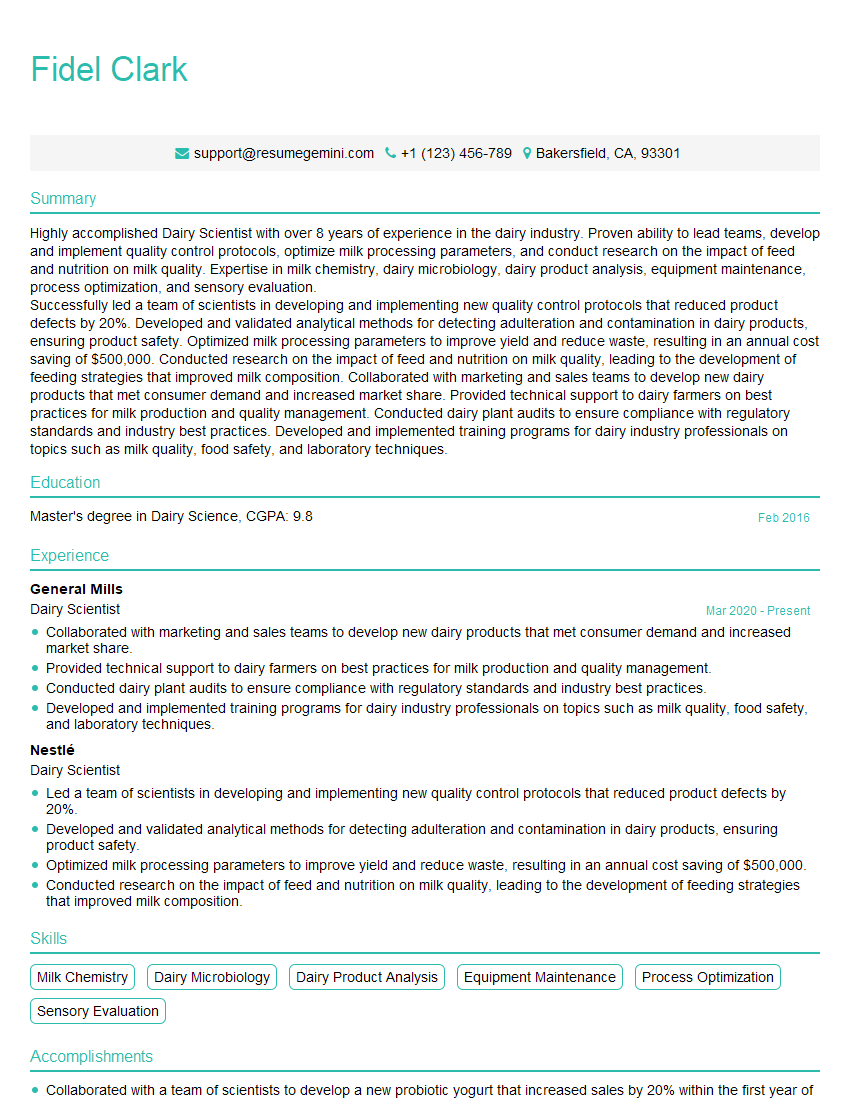
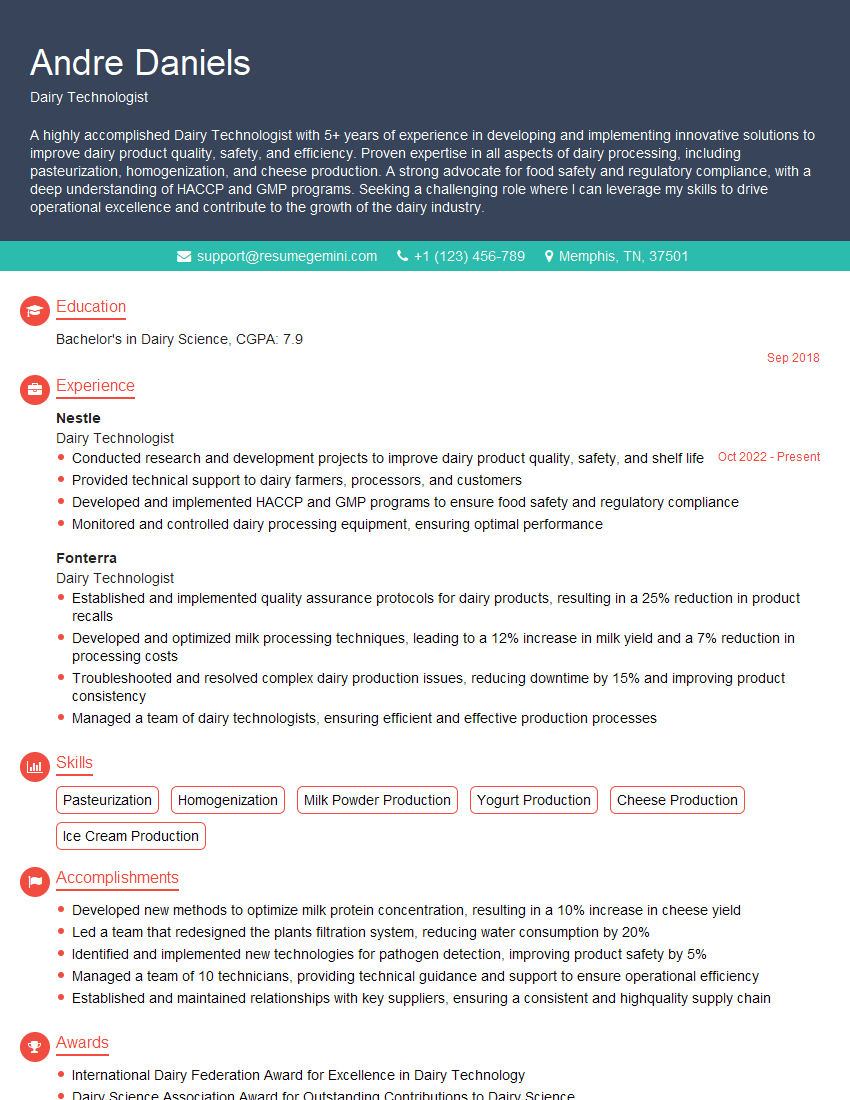
Mastering Knowledge of Dairy Industry Best Practices is crucial for career advancement within this dynamic sector. A strong understanding of these concepts demonstrates your expertise and commitment to excellence, opening doors to exciting opportunities. To significantly enhance your job prospects, create an ATS-friendly resume that effectively showcases your skills and experience. ResumeGemini is a trusted resource that can help you build a professional and impactful resume tailored to the dairy industry. Examples of resumes tailored to Knowledge of Dairy Industry Best Practices are available to guide you through the process. Take this opportunity to craft a compelling narrative that highlights your qualifications and sets you apart from other candidates.
Explore more articles
Users Rating of Our Blogs
Share Your Experience
We value your feedback! Please rate our content and share your thoughts (optional).
What Readers Say About Our Blog
I Redesigned Spongebob Squarepants and his main characters of my artwork.
https://www.deviantart.com/reimaginesponge/art/Redesigned-Spongebob-characters-1223583608
IT gave me an insight and words to use and be able to think of examples
Hi, I’m Jay, we have a few potential clients that are interested in your services, thought you might be a good fit. I’d love to talk about the details, when do you have time to talk?
Best,
Jay
Founder | CEO