Interviews are more than just a Q&A session—they’re a chance to prove your worth. This blog dives into essential Incident Response Plan Development and Execution interview questions and expert tips to help you align your answers with what hiring managers are looking for. Start preparing to shine!
Questions Asked in Incident Response Plan Development and Execution Interview
Q 1. Describe your experience in developing an incident response plan.
Developing an incident response plan is like creating a detailed emergency plan for your organization’s IT infrastructure. My experience involves collaborating with stakeholders across different departments – from IT security and operations to legal and public relations – to understand their vulnerabilities and priorities. I begin by conducting a thorough risk assessment, identifying potential threats and their likelihood, and analyzing the potential impact on the business. This informs the scope and focus of the plan. For example, in a previous role, we focused heavily on ransomware attacks given the industry we operated in. This involved mapping out specific procedures for detection, containment, eradication, and recovery, tailored to the characteristics of ransomware infections. The plan also includes communication protocols, roles and responsibilities, and a detailed escalation path. Finally, the plan is regularly reviewed and updated based on emerging threats and lessons learned from past incidents, a key factor for its effectiveness.
Q 2. Explain the key components of a comprehensive incident response plan.
A comprehensive incident response plan comprises several key components. Think of it like a well-organized toolbox for handling IT emergencies. First, there’s the Preparation phase, including defining roles and responsibilities (who does what), establishing communication protocols, and identifying critical systems and data. Next, the Detection and Analysis phase involves methods for identifying security incidents, analyzing their impact, and determining the root cause. The Containment and Eradication phase focuses on isolating the affected systems and removing the threat. Then, Recovery involves restoring systems and data from backups, ensuring business continuity. Finally, the Post-Incident Activity phase includes lessons learned, plan updates, and communication to stakeholders. Each phase is crucial and must be meticulously documented to ensure smooth execution. For instance, having predefined escalation procedures speeds up decision-making during critical moments. A clear communication plan ensures everyone is informed and coordinated, minimizing chaos and confusion.
Q 3. How do you prioritize incidents during a response?
Prioritizing incidents is crucial to manage resources effectively during a response. Think of it as triage in a hospital emergency room – you attend to the most critical cases first. We use a framework that considers several factors. Impact: How severe is the impact on the business (e.g., financial loss, data breach, reputational damage)? Urgency: How quickly does the incident need to be addressed to prevent further damage? Likelihood: What’s the probability of the incident escalating or causing more harm? A simple prioritization matrix can help visualize this – for example, high impact, high urgency incidents would get top priority, while low impact, low urgency issues can be addressed later. A data breach causing customer data exposure would naturally take precedence over a minor network outage affecting internal tools. Using a scoring system based on these factors provides an objective and repeatable way to set priorities.
Q 4. What methodologies do you use for incident handling?
I utilize several methodologies for incident handling, often combining them based on the situation. NIST Cybersecurity Framework is a well-known framework offering a structured approach to incident response. It provides guidance on identifying, protecting, detecting, responding to, and recovering from cybersecurity incidents. The incident handling lifecycle (preparation, detection, response, recovery, post-incident activity) offers a sequential approach. We also use threat intelligence to identify and understand the nature of the attack and potential mitigation techniques. Depending on the type of incident, forensic analysis is often critical to understand the attack vector, data exfiltration techniques, and to support future incident prevention. Finally, we use various threat modeling techniques during the preparation phase to proactively identify vulnerabilities and gaps in our security posture.
Q 5. Describe your experience with incident containment and eradication.
Containment and eradication are critical steps in incident response. Imagine containing a wildfire – you need to quickly isolate it before it spreads further. For containment, we isolate affected systems from the network to prevent further compromise. This might involve disconnecting infected machines, shutting down affected services, or implementing network segmentation. For eradication, we remove the threat, which may involve deleting malware, restoring systems from backups, or patching vulnerabilities. In a recent incident involving a malware infection, we successfully contained the spread by isolating the infected workstation from the corporate network within minutes using our pre-defined firewall rules and then meticulously scanned the system for malware using various tools before restoring the system from a clean image. Detailed logging and forensic analysis help us to understand the extent of the damage and to prevent similar incidents in the future.
Q 6. How do you ensure the recovery process minimizes downtime?
Minimizing downtime during recovery is a key objective. We achieve this through a multi-pronged approach. First, we employ robust backup and recovery mechanisms. Regularly tested backups are essential for restoring systems and data quickly. Second, we use redundancy and failover systems to ensure business continuity. For example, we might have redundant servers and databases that automatically take over if the primary systems fail. Third, we prioritize the restoration of critical systems first. This ensures that essential business functions are restored as quickly as possible. Finally, we conduct regular disaster recovery drills to test our recovery procedures and identify areas for improvement. These drills help ensure our team is well-prepared and efficient in a real emergency.
Q 7. What are the key metrics you use to measure the effectiveness of an incident response plan?
Measuring the effectiveness of an incident response plan is crucial for continuous improvement. Key metrics include: Mean Time To Detection (MTTD) – how long it took to identify the incident. Mean Time To Containment (MTTC) – how long it took to isolate the threat. Mean Time To Recovery (MTTR) – how long it took to restore systems and data. Incident cost – the total financial impact of the incident. Downtime – the total duration of service disruption. We also track the effectiveness of communication during the incident and analyze post-incident reviews to identify areas for improvement in our procedures and training. These metrics, along with qualitative feedback from team members, provide valuable insights to refine the plan and enhance preparedness for future incidents. Tracking these key metrics over time allows for trend analysis, facilitating proactive adjustments and preventive measures.
Q 8. How do you handle escalation procedures during an incident?
Escalation procedures are critical during an incident response. They ensure that the right people are involved at the right time, preventing delays and ensuring effective resolution. My approach involves a pre-defined escalation path, clearly outlining roles and responsibilities. This path is typically documented in our incident response plan and often includes a communication matrix.
For example, a low-severity incident, like a minor service disruption, might only require escalation to the Tier 1 support team. However, a high-severity incident, such as a ransomware attack, would immediately involve senior management, security engineers, legal counsel, and potentially external cybersecurity firms. The escalation process includes clear communication channels—such as email, phone, and dedicated communication platforms—to facilitate rapid information sharing. Regular updates are crucial throughout the escalation process to keep all stakeholders informed about the incident’s progress and planned actions.
To ensure effective escalation, I always focus on providing clear and concise updates, including the incident’s impact, the steps already taken, and the next steps planned. Using a standardized reporting template helps maintain consistency and facilitates faster decision-making during high-pressure situations.
Q 9. Explain your experience with forensic analysis techniques.
Forensic analysis is paramount in understanding the root cause of an incident and mitigating future risks. My experience spans various techniques, from basic log analysis to more advanced memory forensics and network traffic analysis. I’m proficient in using tools like EnCase, FTK Imager, and Wireshark.
For instance, in a recent data breach investigation, we used Wireshark to analyze network traffic, identifying the point of compromise and the attacker’s techniques. We then used EnCase to create a forensic image of the compromised system, preserving evidence for later analysis. This involved meticulously documenting each step of the process, ensuring chain of custody and adherence to legal and regulatory requirements. Memory analysis helped us recover deleted files and identify any malware in the system’s memory, providing valuable insights into the attacker’s activities. The entire process is meticulously documented, creating a comprehensive report used for remediation and future incident prevention.
Q 10. How do you document incident response activities?
Thorough documentation is the cornerstone of successful incident response. It provides a chronological record of events, actions taken, and decisions made. This documentation is essential for internal review, external audits, and legal purposes.
My documentation approach follows a structured format. We use a combination of tools such as a centralized incident tracking system (e.g., Jira, ServiceNow), detailed logs, and comprehensive reports. Key information included in the documentation includes incident details (date, time, affected systems), timeline of events, actions taken, involved personnel, and lessons learned. Screenshots, log extracts, and other relevant artifacts are included as appendices. We maintain a clear chain of custody for all evidence collected, ensuring its integrity and admissibility.
Imagine a scenario where a phishing email compromised several user accounts. Our documentation would detail each step: initial discovery, containment measures, user account remediation, system recovery, evidence collection, and post-incident review. This ensures that we can accurately reconstruct the events, identify areas for improvement, and prevent similar incidents in the future.
Q 11. What tools and technologies are you proficient in using for incident response?
Proficiency in various tools is crucial for efficient incident response. My expertise includes using several security information and event management (SIEM) systems (Splunk, QRadar), endpoint detection and response (EDR) solutions (CrowdStrike, Carbon Black), and network security monitoring (NSM) tools. I’m also experienced with forensic tools like EnCase and FTK Imager, as well as scripting languages like Python for automation.
For example, during a Distributed Denial of Service (DDoS) attack, I used our SIEM system to analyze logs from various sources, identify the attack vector, and correlate events to understand the attack’s impact. EDR tools helped to isolate infected endpoints and prevent further lateral movement. Scripting capabilities allowed me to automate tasks like collecting logs and generating reports, improving efficiency during the incident.
Q 12. Describe your experience with vulnerability management and its role in incident prevention.
Vulnerability management plays a proactive role in preventing incidents. It involves identifying, assessing, and mitigating security vulnerabilities in systems and applications. My experience includes performing vulnerability scans, penetration testing, and implementing security patches.
A robust vulnerability management program helps to identify weaknesses before attackers exploit them. I’ve used tools like Nessus and OpenVAS for vulnerability scanning, and conducted penetration testing to assess the effectiveness of our security controls. We maintain a prioritized list of vulnerabilities based on their severity and potential impact, ensuring timely remediation. We also regularly review and update our security policies and procedures to adapt to emerging threats.
For example, regular vulnerability scans helped us identify a critical vulnerability in our web server. By promptly patching this vulnerability, we prevented a potential data breach before it occurred. This proactive approach significantly reduces the likelihood of successful attacks.
Q 13. How do you communicate effectively during an incident response?
Effective communication is paramount during an incident. Clear, concise, and timely communication ensures everyone is informed, enabling coordinated action and minimizing chaos. My approach emphasizes using multiple communication channels—email for formal updates, instant messaging for quick exchanges, and conference calls for critical updates involving multiple stakeholders.
I prioritize using plain language, avoiding technical jargon unless absolutely necessary. I tailor my communication style to the audience, providing technical details to technical teams and high-level summaries to management. Regular updates are crucial, keeping everyone informed about the incident’s status, the steps being taken, and any potential impact. Transparency and honesty are crucial in building trust and maintaining morale during stressful situations.
During a recent incident, we used a dedicated communication channel to coordinate response activities, keeping all parties informed. This ensured swift decision-making and effective collaboration among diverse teams, resulting in a faster resolution of the incident.
Q 14. How do you conduct post-incident reviews and what improvements are typically implemented?
Post-incident reviews are crucial for continuous improvement. They provide an opportunity to analyze the incident, identify areas for improvement in our response procedures, and prevent similar incidents in the future. We use a structured approach, involving key stakeholders from various teams.
The review process involves gathering information from various sources (incident reports, logs, interviews), analyzing the incident timeline, identifying root causes, and assessing the effectiveness of our response. Based on our analysis, we develop improvement plans, focusing on strengthening our security controls, refining our incident response plan, and improving our communication protocols. This may involve updating security policies, implementing new security tools, or providing additional training to staff.
For example, after a phishing attack, our post-incident review highlighted the need for improved security awareness training. We implemented a more comprehensive training program, including simulated phishing attacks, to improve employee awareness and reduce the risk of future incidents.
Q 15. What is your approach to dealing with ransomware attacks?
My approach to ransomware attacks is multifaceted and prioritizes containment, eradication, and recovery. It begins with immediate isolation of affected systems to prevent lateral movement. This involves disconnecting the infected machine from the network, both physically and logically. Simultaneously, we initiate a forensic investigation to determine the attack vector, the extent of the compromise, and the type of ransomware involved. This often includes analyzing network logs, system logs, and the ransomware itself (if safe to do so). We then work to identify the encryption key, attempting decryption through various means, including contacting the appropriate authorities if necessary, while assessing the viability of paying the ransom (a decision made cautiously, considering its ethical and legal implications and the likelihood of success). Once data recovery is underway (either through backups or decryption), we implement security hardening measures to prevent future attacks, including patching vulnerabilities, reviewing access controls, and enhancing security awareness training. A post-incident review is crucial for identifying weaknesses in our security posture and implementing improvements.
For example, during an incident involving Ryuk ransomware, we successfully isolated the infected server, preventing the spread to other systems. By analyzing system logs and network traffic, we pinpointed the initial entry point, a phishing email. We then leveraged backups to restore the affected systems and implemented multi-factor authentication to improve security. This helped to minimize data loss and downtime significantly.
Career Expert Tips:
- Ace those interviews! Prepare effectively by reviewing the Top 50 Most Common Interview Questions on ResumeGemini.
- Navigate your job search with confidence! Explore a wide range of Career Tips on ResumeGemini. Learn about common challenges and recommendations to overcome them.
- Craft the perfect resume! Master the Art of Resume Writing with ResumeGemini’s guide. Showcase your unique qualifications and achievements effectively.
- Don’t miss out on holiday savings! Build your dream resume with ResumeGemini’s ATS optimized templates.
Q 16. Explain your experience with phishing attacks and how you’ve responded.
Phishing attacks are a constant threat, and my experience encompasses a wide range of response strategies. My initial response focuses on identifying the scope of the attack: How many users have clicked the malicious link or opened the attachment? Was sensitive data compromised? This requires a combination of technical analysis (examining email headers, analyzing compromised systems) and human interaction (interviewing affected users). Next, I work to contain the breach by disabling compromised accounts, blocking malicious websites, and deploying anti-phishing measures across the network. We then conduct a thorough investigation to understand the attack vector, identify weaknesses in our security awareness training and policies, and implement corrective actions. These actions often include improved email filtering, security awareness training refreshed with updated phishing simulations, and enhancing our vulnerability management program.
In one instance, a sophisticated spear-phishing campaign targeted our executives with fake login pages. We responded by immediately blocking the malicious URLs, resetting affected passwords, and conducting extensive user training on identifying phishing attempts. This proactive approach helped minimize the impact and prevent a potential data breach.
Q 17. How do you identify and respond to insider threats?
Identifying and responding to insider threats requires a multi-layered approach. It starts with strong access control policies—least privilege access, robust authentication (including multi-factor authentication), and regular access reviews. We utilize User and Entity Behavior Analytics (UEBA) tools to monitor user activity for anomalies, such as unusual access patterns or data exfiltration attempts. Regular security awareness training that emphasizes the importance of data security and responsible data handling is also critical. This program should include practical scenarios, simulated phishing attacks, and clear guidelines on acceptable use. Any suspicious activity is investigated thoroughly. If an insider threat is suspected, we might conduct a forensic investigation, interview employees, and involve legal counsel to ensure we comply with all legal and regulatory requirements. The investigation should be meticulously documented to support any legal actions that may be necessary.
For example, unusual data access patterns by an employee led to an investigation that uncovered an attempt to exfiltrate customer data. Through careful analysis of log files and interviews, we were able to identify the threat, contain the incident, and take appropriate disciplinary action. We revised our access control policies and strengthened our monitoring capabilities as a result.
Q 18. What is your experience with different types of malware and their remediation?
My experience encompasses a broad range of malware, including viruses, worms, Trojans, ransomware, and rootkits. Remediation strategies vary depending on the type of malware. For example, a virus infection might require a thorough scan with antivirus software, followed by system restoration from a clean backup. A rootkit, which is much more insidious, requires a deeper forensic analysis and might necessitate reinstalling the operating system. Ransomware, as discussed previously, needs a combination of isolation, forensic analysis, and recovery from backups or decryption.
I use a combination of tools and techniques, including signature-based and heuristic antivirus software, sandboxing (running suspicious files in isolated environments), network traffic analysis, and memory forensics. The key is a systematic approach: isolate the infected system, analyze the malware, eradicate the threat, restore the system to a clean state, and implement security controls to prevent future infections.
Q 19. Describe your knowledge of incident response frameworks (e.g., NIST, ISO 27001).
I am well-versed in various incident response frameworks, most notably NIST Cybersecurity Framework and ISO 27001. The NIST Cybersecurity Framework provides a flexible approach to managing cybersecurity risk, focusing on identify, protect, detect, respond, and recover. It offers valuable guidance on building a robust cybersecurity program, including incident response capabilities. ISO 27001, on the other hand, focuses on establishing, implementing, maintaining, and continually improving an Information Security Management System (ISMS). It provides a comprehensive framework for managing information security risks, which naturally includes incident response. I leverage these frameworks to create tailored incident response plans that align with specific organizational needs and regulatory requirements.
For example, when developing an incident response plan, I would draw upon the NIST framework’s five functions to structure the plan, defining clear roles, responsibilities, procedures, and communication protocols. Simultaneously, I would ensure the plan aligns with ISO 27001’s requirements for incident management, ensuring compliance and regulatory adherence. This combined approach provides a structured and comprehensive framework for effective incident response.
Q 20. How do you integrate incident response with other security functions?
Incident response is not an isolated function; it’s deeply integrated with other security functions. It relies heavily on threat intelligence, vulnerability management, security awareness training, and penetration testing. Threat intelligence informs us of emerging threats and vulnerabilities, enabling proactive security measures and faster response times. Vulnerability management helps identify and address weaknesses in our systems before they can be exploited. Strong security awareness training reduces the likelihood of human error, a common cause of incidents. Penetration testing proactively identifies security gaps and helps refine our incident response plans.
For instance, timely threat intelligence about a new ransomware variant enabled us to proactively patch vulnerable systems and update our incident response plan, minimizing the potential impact of a future attack. The integration of these functions creates a synergistic effect, enhancing overall security posture and response capabilities.
Q 21. What are the legal and regulatory considerations in incident response?
Legal and regulatory considerations are paramount in incident response. Depending on the industry and geographic location, various laws and regulations dictate how organizations must handle data breaches and other security incidents. These often include notification requirements (e.g., GDPR, CCPA), data breach investigation requirements, and data retention policies. Failing to comply can result in significant fines and reputational damage. Therefore, a strong incident response plan must incorporate legal and regulatory requirements, ensuring that all actions align with applicable laws and regulations. It’s often beneficial to involve legal counsel early in the incident response process to ensure compliance and to advise on the best course of action.
For example, if a data breach exposes personally identifiable information (PII), we must adhere to notification laws, promptly notifying affected individuals and regulatory bodies as required by the GDPR or CCPA. Legal counsel would play a crucial role in navigating these complexities and ensuring we meet our legal obligations.
Q 22. How do you handle sensitive data during an incident response?
Handling sensitive data during an incident response is paramount. It requires a multi-layered approach prioritizing confidentiality, integrity, and availability (CIA triad). First, we immediately contain the breach, limiting access to affected systems and data. This might involve disconnecting infected machines from the network or implementing network segmentation. Second, we identify the type and scope of data compromised. This involves careful analysis of logs, system configurations, and potentially forensic analysis. Third, we apply appropriate data loss prevention (DLP) measures, such as data encryption, hashing, or anonymization, as needed. Fourth, we collaborate with legal counsel and regulatory bodies to ensure compliance with relevant data privacy regulations (like GDPR, CCPA, etc.). Finally, we document all actions taken, including data handling procedures, for auditing and future incident response improvements. For example, if a database breach occurs, we would immediately take the database offline, perform forensic analysis to determine the extent of the breach, encrypt the compromised data before any further analysis, and then notify affected individuals and relevant authorities according to our pre-defined incident response plan.
Q 23. How do you manage stakeholder communication during a crisis?
Managing stakeholder communication during a crisis is crucial for maintaining trust and transparency. We employ a structured communication plan, designating specific spokespersons and communication channels for different stakeholder groups (e.g., employees, customers, investors, law enforcement). This plan outlines key messages and timelines for communication, ensuring consistent and accurate information is disseminated. We prioritize transparency while avoiding the premature release of potentially inaccurate information. We establish regular communication updates, utilizing various channels such as email, phone calls, press releases, and even dedicated web pages for updates on the incident’s progress and remediation efforts. For example, during a ransomware attack, we’d communicate with employees about the situation, instructing them on steps to take, while simultaneously preparing a press release for public consumption, focusing on steps taken to mitigate the impact on customers. Active listening and empathy are critical throughout the process to address stakeholder concerns.
Q 24. What are your strengths and weaknesses in incident response?
My strengths in incident response lie in my analytical skills, strategic thinking, and experience in leading cross-functional teams under pressure. I’m adept at quickly assessing complex situations, developing effective mitigation strategies, and coordinating the efforts of various technical and non-technical personnel. I thrive in high-pressure environments and can maintain composure and clarity even during critical incidents. However, a potential weakness is the constant need to stay updated with the ever-evolving threat landscape. To mitigate this, I dedicate time to continuous learning, attending conferences and workshops, and actively participating in online security communities. This ensures I remain proficient in dealing with the latest attack vectors and technologies.
Q 25. Describe a challenging incident response scenario you’ve faced and how you overcame it.
In a previous role, we faced a sophisticated phishing campaign targeting high-level executives. The attackers used highly convincing spear-phishing emails leading to malware that exfiltrated sensitive financial data. The challenge was the speed and sophistication of the attack, coupled with the sensitive nature of the compromised information. To overcome this, we immediately implemented a multi-pronged approach. First, we contained the breach by isolating affected systems and implementing stricter email security protocols. Second, we launched a thorough forensic investigation to identify the malware, its origins, and the extent of the data breach. Third, we engaged a cybersecurity firm specializing in incident response to assist with advanced analysis and remediation. Fourth, we notified affected individuals and regulatory bodies. Finally, we implemented robust security awareness training to prevent future attacks. This incident highlighted the critical need for comprehensive security awareness training and the importance of proactively engaging external experts in complex situations.
Q 26. How do you stay up-to-date with the latest threats and vulnerabilities?
Staying current with the latest threats and vulnerabilities requires a multi-faceted strategy. I subscribe to reputable security newsletters and threat intelligence feeds (e.g., from SANS Institute, MITRE ATT&CK), regularly attend industry conferences and webinars, and actively participate in online security communities such as forums and mailing lists. I also leverage vulnerability scanning tools and penetration testing to identify and address potential weaknesses in our systems. This combination of proactive monitoring and hands-on experience allows me to anticipate and adapt to the ever-evolving threat landscape.
Q 27. How do you ensure your incident response plan remains effective and relevant?
Ensuring an incident response plan remains effective requires regular review and updates. This involves a combination of formal reviews (at least annually) and informal updates whenever significant changes occur in the organization’s infrastructure, applications, or regulatory requirements. These reviews should include tabletop exercises simulating real-world scenarios to test the plan’s effectiveness and identify potential weaknesses. We should also incorporate lessons learned from past incidents, both internal and external, to improve our response capabilities. Regular updates to the plan, including a review of the threat landscape and changes in technology, are critical for its ongoing relevance.
Q 28. Explain your understanding of threat modeling and its role in incident prevention.
Threat modeling is a systematic process of identifying potential threats and vulnerabilities in a system or application. It helps proactively address risks before they can be exploited. This involves identifying assets, threats, and vulnerabilities, and then analyzing the likelihood and impact of potential attacks. The output informs the development of security controls to mitigate these risks. For example, we might use a threat modeling approach like STRIDE (Spoofing, Tampering, Repudiation, Information Disclosure, Denial of Service, Elevation of Privilege) to assess a new web application. By identifying potential weaknesses early in the development lifecycle, we can build security controls directly into the application, improving its overall resilience against attacks. This proactive approach to security is far more cost-effective and efficient than reacting to incidents after they occur.
Key Topics to Learn for Incident Response Plan Development and Execution Interview
- Incident Response Lifecycle: Understand the phases (Preparation, Identification, Containment, Eradication, Recovery, Lessons Learned) and their practical application in various scenarios.
- Plan Development Methodology: Explore different methodologies for creating effective IR plans, including risk assessment, threat modeling, and stakeholder collaboration. Consider NIST Cybersecurity Framework or similar frameworks.
- Vulnerability Management and Remediation: Discuss the crucial role of proactive vulnerability management in preventing incidents and the processes for effective remediation post-incident.
- Communication and Collaboration: Practice explaining complex technical issues to both technical and non-technical audiences, highlighting the importance of clear and timely communication during an incident.
- Forensics and Evidence Collection: Gain a solid understanding of preserving digital evidence, chain of custody, and legal considerations in incident response.
- Incident Response Tools and Technologies: Familiarize yourself with common tools used for threat detection, analysis, and response (e.g., SIEM, SOAR). Prepare to discuss their capabilities and limitations.
- Incident Response Testing and Exercises: Understand the importance of regular testing and simulations to validate the effectiveness of the IR plan and identify areas for improvement. Discuss different testing methodologies.
- Post-Incident Activity and Lessons Learned: Explain the process of conducting a thorough post-incident review, identifying root causes, and implementing corrective actions to prevent future incidents. Emphasize continuous improvement.
- Legal and Regulatory Compliance: Discuss the importance of adhering to relevant regulations (e.g., GDPR, HIPAA) and legal requirements during incident response.
- Metrics and Reporting: Understand how to track key performance indicators (KPIs) related to incident response and create effective reports for management.
Next Steps
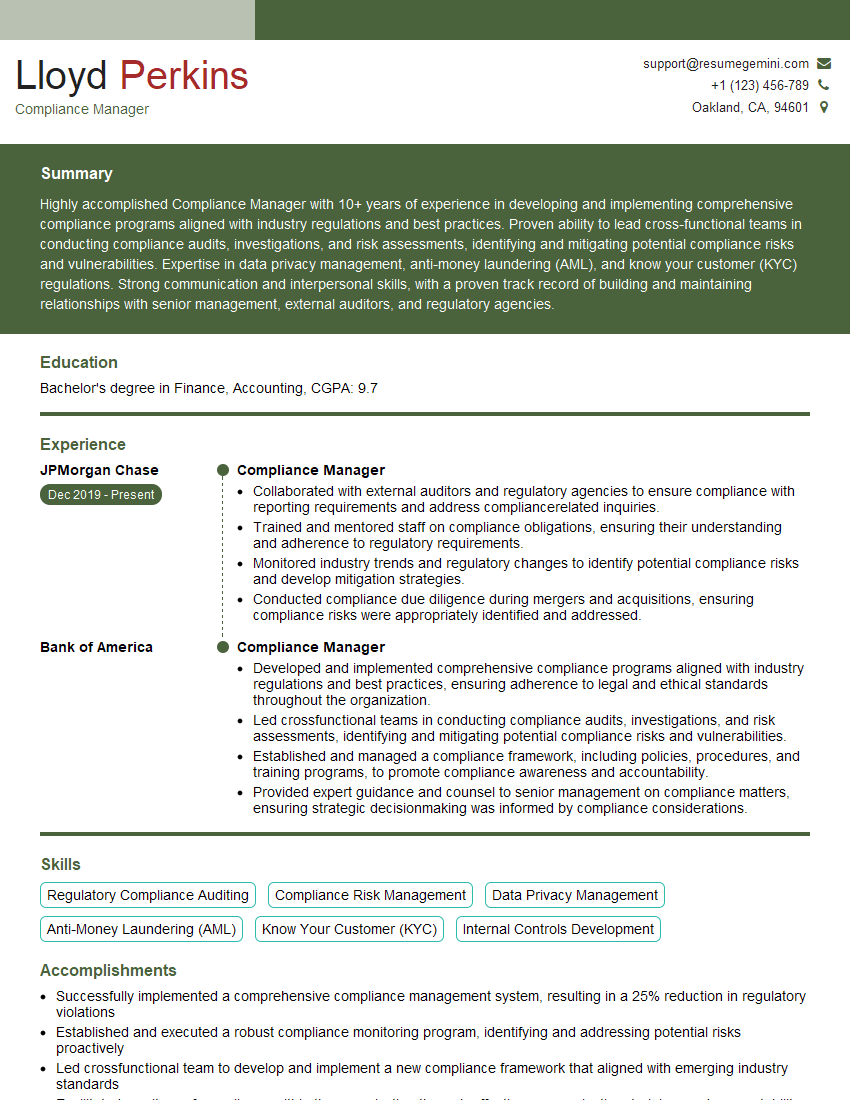
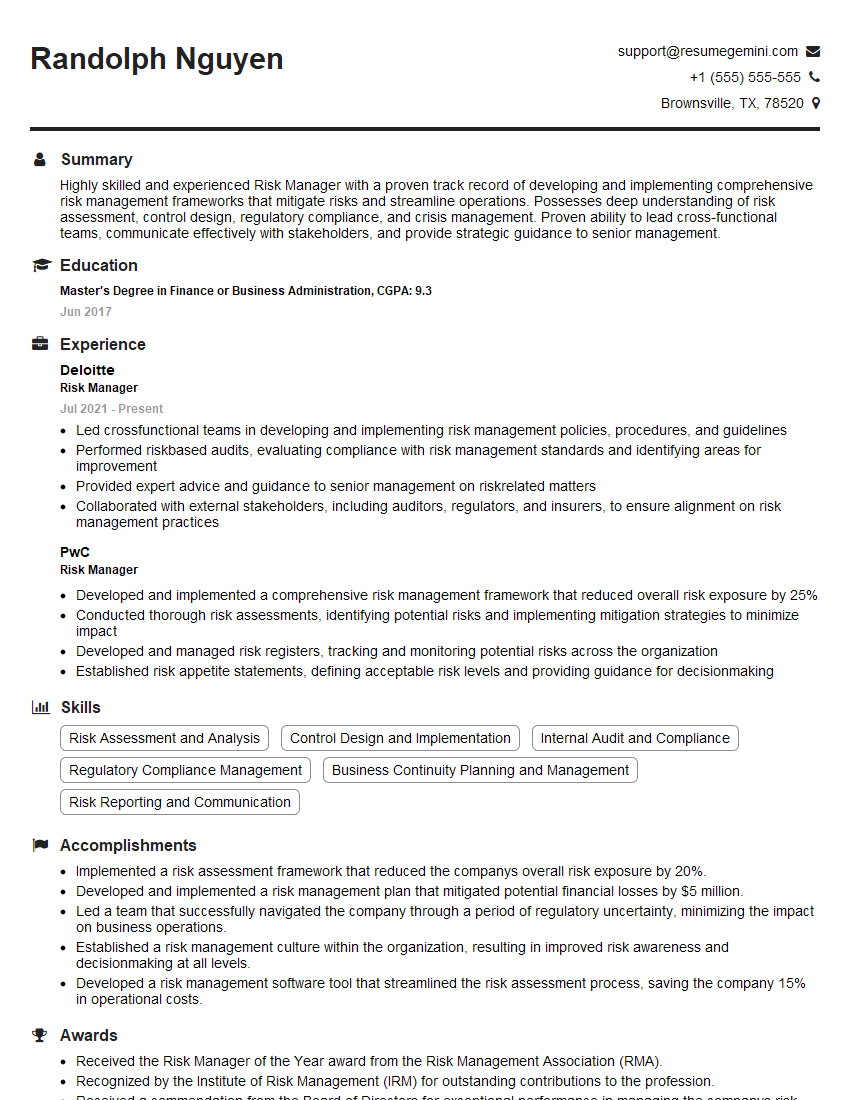
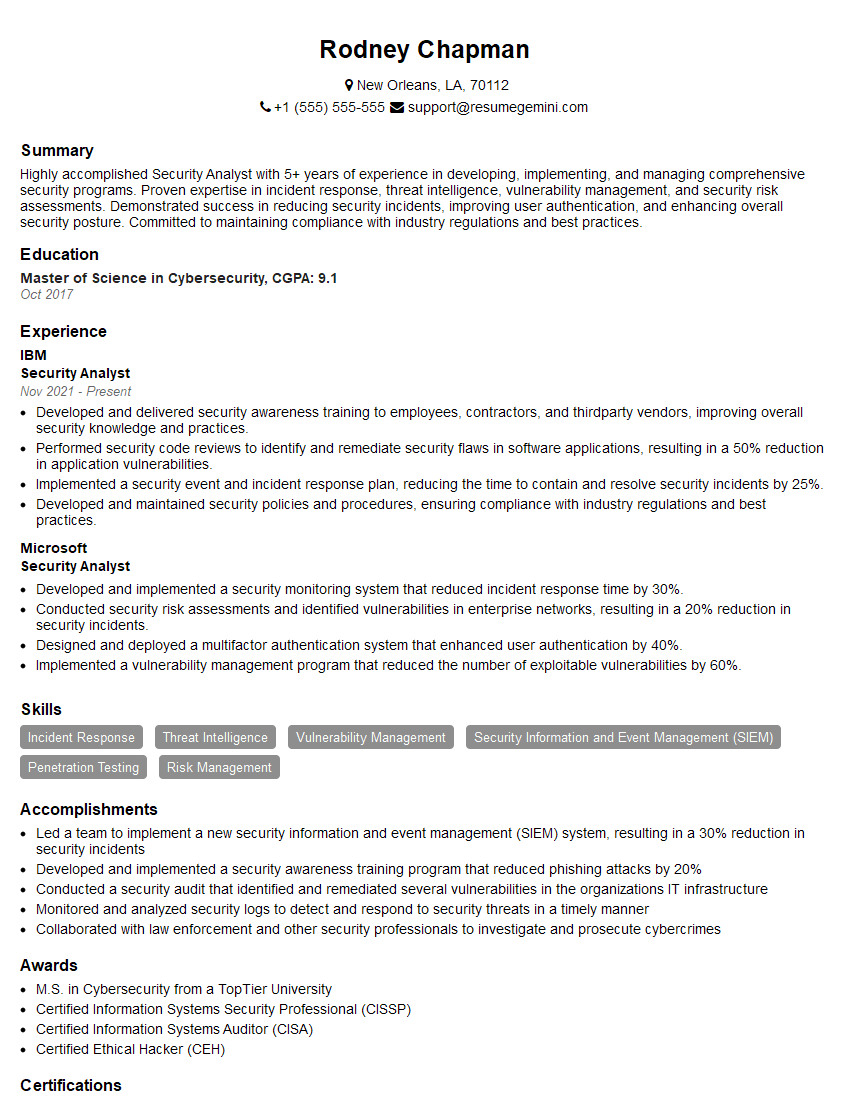
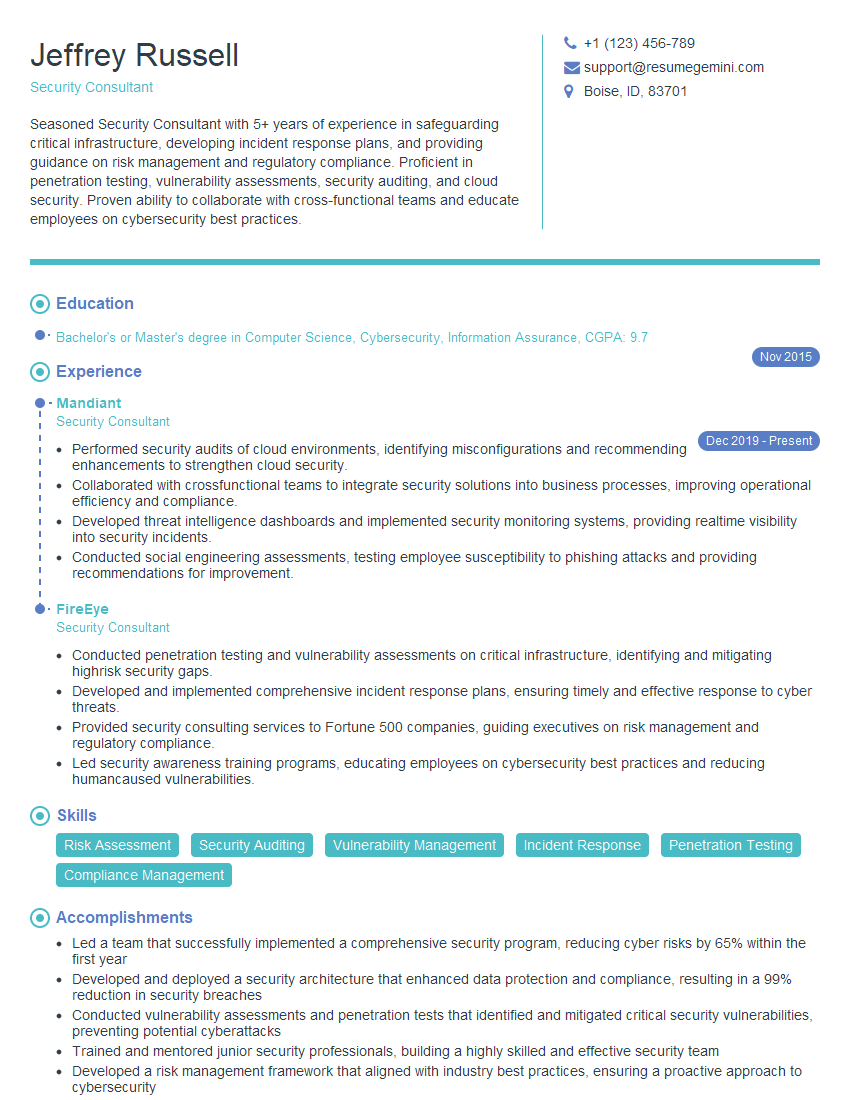
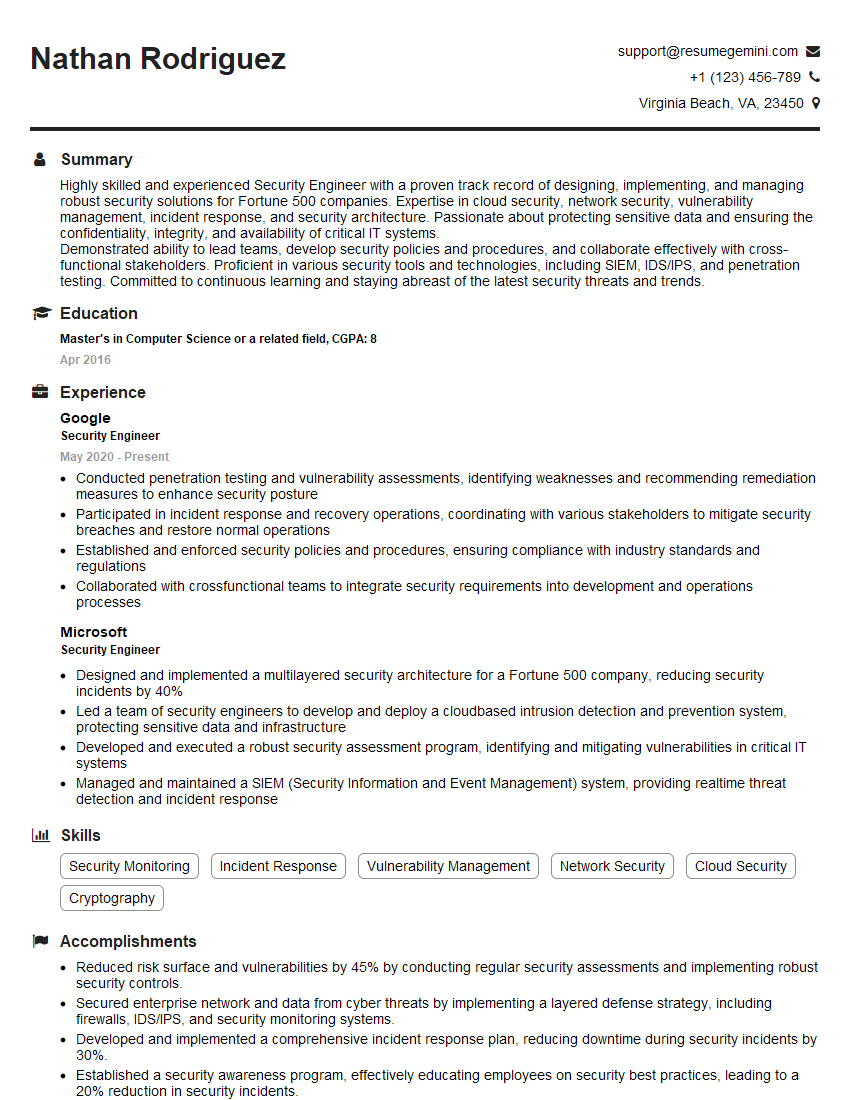
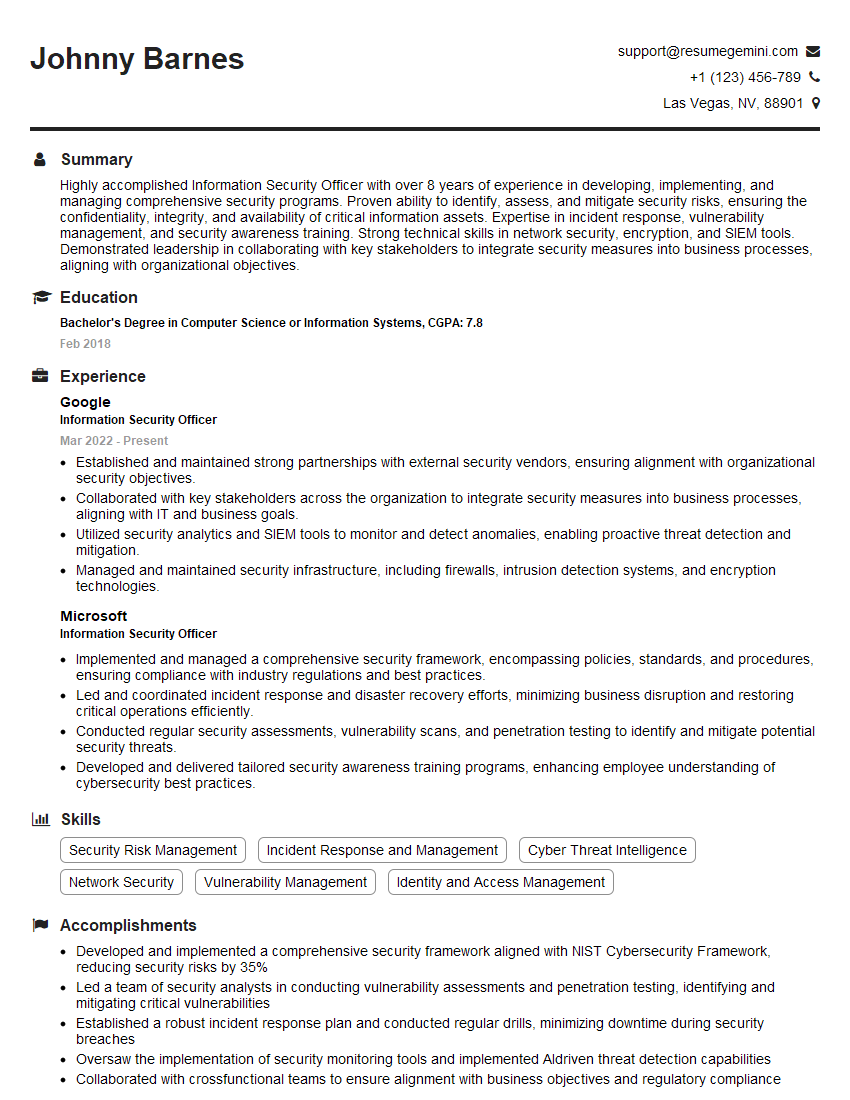
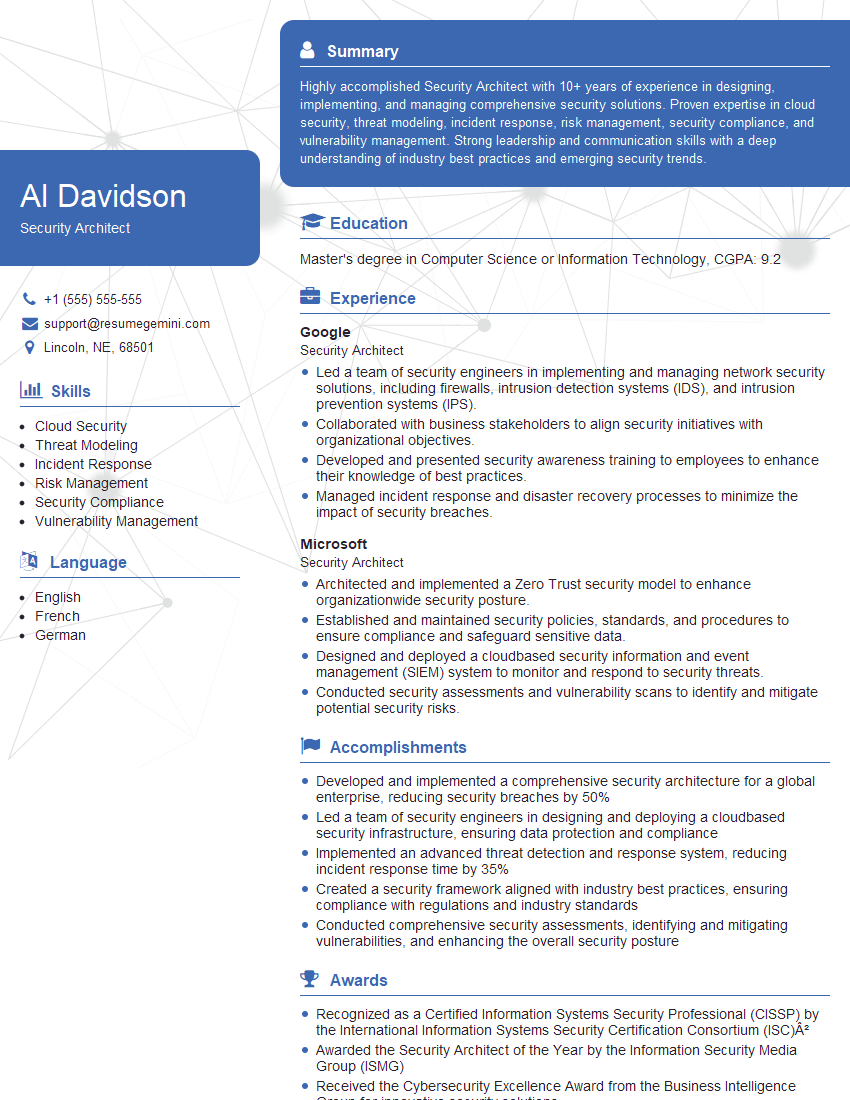
Mastering Incident Response Plan Development and Execution is crucial for advancing your cybersecurity career. It demonstrates a high level of technical expertise and problem-solving skills highly sought after by employers. To maximize your job prospects, invest time in crafting an ATS-friendly resume that effectively showcases your skills and experience. ResumeGemini is a trusted resource to help you build a professional and impactful resume. Examples of resumes tailored to Incident Response Plan Development and Execution are available to guide you.
Explore more articles
Users Rating of Our Blogs
Share Your Experience
We value your feedback! Please rate our content and share your thoughts (optional).
What Readers Say About Our Blog
I Redesigned Spongebob Squarepants and his main characters of my artwork.
https://www.deviantart.com/reimaginesponge/art/Redesigned-Spongebob-characters-1223583608
IT gave me an insight and words to use and be able to think of examples
Hi, I’m Jay, we have a few potential clients that are interested in your services, thought you might be a good fit. I’d love to talk about the details, when do you have time to talk?
Best,
Jay
Founder | CEO