Are you ready to stand out in your next interview? Understanding and preparing for Security Device Management interview questions is a game-changer. In this blog, we’ve compiled key questions and expert advice to help you showcase your skills with confidence and precision. Let’s get started on your journey to acing the interview.
Questions Asked in Security Device Management Interview
Q 1. Explain the difference between intrusion detection and intrusion prevention systems.
Intrusion Detection Systems (IDS) and Intrusion Prevention Systems (IPS) are both crucial for network security, but they differ significantly in their approach to threats. Think of an IDS as a security guard who observes suspicious activity and alerts you, while an IPS is like a security guard who actively stops the suspicious activity.
An IDS passively monitors network traffic and system activity for malicious patterns. When it detects something suspicious, it generates an alert, logging the event for later analysis. This allows security teams to investigate the incident and take corrective actions. Examples include signature-based IDS, which looks for known malicious patterns, and anomaly-based IDS, which identifies deviations from normal behavior.
An IPS, on the other hand, actively prevents intrusions. Similar to an IDS, it monitors network traffic, but when it identifies a threat, it takes immediate action to block or mitigate it. This might involve dropping malicious packets, resetting connections, or even isolating infected systems. IPS solutions can also leverage signature-based and anomaly-based detection methods.
In short: IDS detects and alerts; IPS detects and prevents. Often, they are used together for a layered security approach, with the IDS providing detailed insights and the IPS acting as a first line of defense.
Q 2. Describe your experience with SIEM (Security Information and Event Management) tools.
My experience with SIEM tools is extensive. I’ve worked with several leading platforms, including Splunk, QRadar, and LogRhythm, across various industries. I’m proficient in configuring, managing, and utilizing these tools for comprehensive security monitoring and incident response. My experience encompasses:
- Log Aggregation and Correlation: Centralizing security logs from diverse sources (firewalls, IDS/IPS, servers, endpoints) into a single platform for efficient analysis.
- Alert Management: Developing and tuning alert rules to minimize false positives and prioritize critical security events. This includes defining thresholds for specific metrics and adjusting sensitivity based on observed network traffic patterns.
- Threat Hunting: Proactively searching for evidence of malicious activity using the SIEM’s powerful querying capabilities. For instance, I’ve used Splunk’s search processing language (SPL) to identify unusual user login attempts or data exfiltration attempts.
- Incident Response: Leveraging SIEM data to investigate security incidents, determine root cause, and contain the threat. This often involves reconstructing timelines of events and identifying affected systems.
- Reporting and Compliance: Generating customized reports to demonstrate compliance with industry regulations (e.g., PCI DSS, HIPAA) and provide executive-level insights into security posture.
For example, in a recent incident, our SIEM detected a surge in failed login attempts from a specific geographical location. This allowed us to quickly isolate the affected accounts and prevent further compromise. The detailed logging provided by the SIEM was instrumental in identifying the source of the attack and implementing countermeasures.
Q 3. How do you manage security updates and patches for various security devices?
Managing security updates and patches for various security devices requires a structured and methodical approach. It’s not a one-size-fits-all solution, as different devices have varying update mechanisms and potential compatibility issues.
My process typically involves:
- Centralized Patch Management System: Using a dedicated system (like Microsoft System Center Configuration Manager or a third-party solution) to streamline the process. This allows for automated patching, scheduling, and reporting across multiple devices.
- Prioritization: Classifying devices and their criticality. Critical systems like firewalls and intrusion prevention systems are prioritized for immediate patching, while less critical devices can be updated on a scheduled basis.
- Testing: Before deploying updates across the entire environment, I always perform thorough testing in a sandbox environment to verify compatibility and functionality. This prevents unforeseen outages or security vulnerabilities.
- Change Management: Implementing a robust change management process to ensure that updates are rolled out smoothly and with minimal disruption. This includes communication with stakeholders and documenting changes.
- Rollout Strategy: Using a phased rollout strategy (e.g., starting with a small group of devices, then gradually expanding) to monitor for any unexpected issues before updating the entire infrastructure. This minimizes the risk of widespread disruption.
- Version Control: Maintaining a detailed inventory of software and firmware versions across all security devices. This ensures that we have up-to-date information available at any given time. This is also critical for auditing and compliance.
Ignoring updates can leave devices vulnerable to known exploits, making them prime targets for cyberattacks. A rigorous patching schedule is non-negotiable for maintaining a robust security posture.
Q 4. What are the key considerations for securing IoT devices within a network?
Securing IoT devices presents unique challenges due to their often limited processing power, resource constraints, and diverse operating systems. A multi-faceted approach is crucial:
- Secure Configuration: Implementing strong default passwords, disabling unnecessary services, and regularly updating firmware are fundamental steps. This reduces the attack surface significantly.
- Network Segmentation: Isolating IoT devices from the rest of the network through VLANs or other segmentation techniques limits the impact of a compromise.
- Access Control: Using robust authentication and authorization mechanisms to restrict access to IoT devices and their data. Role-Based Access Control (RBAC) is highly beneficial here.
- Data Encryption: Encrypting data both in transit and at rest protects sensitive information from unauthorized access, even if a device is compromised.
- Vulnerability Management: Regularly scanning for vulnerabilities and promptly applying patches to mitigate identified risks. This requires constant monitoring and vigilance given the rapid expansion of IoT devices.
- Monitoring and Alerting: Implementing monitoring tools to detect unusual activity or anomalies on IoT devices, alerting security personnel to potential threats. This may involve deploying specialized security agents designed for resource-constrained devices.
For example, consider a smart home security system. A weak password could allow an attacker to remotely disable alarms or gain access to the home network. Proper segmentation would limit the impact to only that system, preventing widespread network compromise. Regular firmware updates are critical to patching vulnerabilities that could be exploited by attackers.
Q 5. Explain your experience with vulnerability scanning and penetration testing of security devices.
Vulnerability scanning and penetration testing are integral parts of securing security devices. These processes aren’t just about identifying vulnerabilities; they’re about understanding how attackers might exploit them and implementing effective mitigation strategies.
My experience includes using various tools like Nessus, OpenVAS, and Nmap for vulnerability scanning. I understand the importance of tailoring scans to specific devices and operating systems to avoid false positives and ensure accurate results. After scanning, I carefully analyze the findings, prioritizing critical vulnerabilities based on their severity and potential impact.
Penetration testing involves simulating real-world attacks to identify weaknesses that vulnerability scanning might miss. I’ve conducted both black-box (no prior knowledge of the system) and white-box (with full system knowledge) penetration tests on security devices. This involved various techniques such as exploiting known vulnerabilities, social engineering simulations, and attempting to bypass security controls. The goal is to discover exploitable weaknesses that could lead to a successful compromise.
The findings from both vulnerability scanning and penetration testing are then used to develop remediation plans. These plans might involve patching vulnerabilities, implementing stricter access controls, or enhancing security configurations. The continuous cycle of scanning, testing, and remediation is vital for maintaining a strong security posture and proactively mitigating risks.
Q 6. Describe your experience with different types of firewalls (e.g., Next-Generation Firewalls).
I have extensive experience with various firewall types, including traditional packet filtering firewalls and advanced Next-Generation Firewalls (NGFWs). Traditional firewalls primarily examine network traffic based on IP addresses, ports, and protocols. While effective at basic security, they are limited in their ability to inspect the content of traffic.
Next-Generation Firewalls (NGFWs) offer significantly enhanced security capabilities. They go beyond simple packet filtering to include:
- Deep Packet Inspection (DPI): Analyzing the content of network traffic to identify malicious payloads and applications, even encrypted ones. This allows for more granular control and better protection against sophisticated threats.
- Application Control: Identifying and controlling specific applications running on the network, enabling policies that block or allow access based on application type.
- Intrusion Prevention System (IPS): Integrated IPS capabilities provide real-time threat detection and prevention within the firewall itself, eliminating the need for separate IPS devices.
- Advanced Threat Protection: Features such as malware sandboxing and URL filtering can help prevent advanced threats from entering the network.
NGFWs offer a significant improvement over traditional firewalls, providing much more comprehensive protection against modern threats. The choice between a traditional firewall and an NGFW depends on the specific security requirements and budget constraints of the organization. In many modern environments, an NGFW is preferred for its greater security capabilities.
Q 7. How do you monitor and analyze security logs from various devices?
Monitoring and analyzing security logs from various devices is critical for detecting and responding to security incidents. This requires a centralized logging and monitoring system, often integrated with a SIEM (as discussed earlier).
My approach involves:
- Centralized Log Collection: Collecting logs from all security devices (firewalls, IDS/IPS, servers, endpoints) into a central location using syslog, dedicated agents, or API integrations. This provides a single source of truth for security monitoring.
- Log Normalization: Standardizing the log formats from different devices for easier correlation and analysis. This may involve using log management tools that provide normalization capabilities.
- Log Parsing and Filtering: Using powerful search tools (like those found in SIEMs or dedicated log management platforms) to filter logs based on specific criteria (e.g., specific events, IP addresses, users). This allows focusing on relevant information.
- Correlation and Analysis: Correlating logs from multiple devices to identify patterns and relationships between events. This is crucial for detecting complex attacks that may span multiple systems.
- Alerting: Setting up alerts based on predefined rules to notify security personnel of critical events. This ensures timely response to security incidents.
- Long-Term Retention: Storing logs for an appropriate period (determined by legal and regulatory requirements) to facilitate post-incident analysis and investigations.
For instance, detecting a suspicious login attempt from an unusual location requires correlating login logs with network traffic logs. Analyzing these logs in conjunction allows for quick identification and response to the threat. Effective log management is fundamental to a robust security posture.
Q 8. What are the common security threats to network devices and how do you mitigate them?
Network devices face various threats, from malware infections and unauthorized access to denial-of-service attacks and configuration vulnerabilities. Think of it like securing your home – you need locks (access control), an alarm system (intrusion detection), and firewalls (network security) to protect against various threats.
- Malware: Viruses, worms, and Trojans can compromise device functionality and data integrity. Mitigation involves regularly updating firmware, employing strong anti-malware solutions, and implementing strict access control policies.
- Unauthorized Access: Hackers can gain unauthorized access through weak passwords, default credentials, or exploited vulnerabilities. Mitigation strategies include enforcing strong, unique passwords, regularly changing default credentials, enabling multi-factor authentication (MFA), and regularly patching security vulnerabilities.
- Denial-of-Service (DoS) Attacks: These attacks flood network devices with traffic, rendering them unavailable to legitimate users. Mitigation involves implementing robust firewalls, deploying intrusion prevention systems (IPS), and using rate-limiting techniques.
- Configuration Vulnerabilities: Incorrectly configured devices can expose them to attacks. Regular security audits and adherence to security best practices are crucial. Imagine leaving your front door unlocked – this is equivalent to leaving default configurations on network devices.
A layered security approach combining these mitigation techniques is essential. For example, we might implement a firewall, Intrusion Detection System (IDS), and regular vulnerability scanning alongside strong password policies and MFA to provide comprehensive protection.
Q 9. Explain your experience with network segmentation and its role in security.
Network segmentation divides a network into smaller, isolated segments. This is like having separate rooms in a house – if a fire starts in one room, it’s less likely to spread to the others. Each segment has its own security policies and controls. This significantly reduces the impact of a security breach. If a segment is compromised, the attacker’s access is limited to that segment, preventing widespread damage.
In my experience, I’ve implemented network segmentation using VLANs (Virtual LANs) and firewalls to isolate sensitive data and critical systems from less sensitive areas. For instance, we might separate the guest Wi-Fi network from the corporate network. This prevents unauthorized access to sensitive corporate data, even if the guest network is compromised. We also used segmentation to isolate critical servers from the rest of the network, limiting the impact of a successful attack on those systems.
Furthermore, I have experience in designing and implementing micro-segmentation strategies which provide a more granular approach to network isolation, allowing for even better control and risk mitigation.
Q 10. How do you ensure compliance with industry regulations (e.g., GDPR, HIPAA) regarding security devices?
Compliance with regulations like GDPR and HIPAA requires a multifaceted approach to security device management. These regulations demand strict data protection measures and accountability.
- Data Encryption: Encrypting data both in transit and at rest is crucial to protect sensitive information. This includes configuring encryption protocols on routers, switches and other network devices.
- Access Control: Implementing strong access control mechanisms, including role-based access control (RBAC), and multi-factor authentication (MFA), limits access to sensitive data only to authorized personnel.
- Auditing and Logging: Detailed logs of all security device activities are essential for compliance auditing and incident response. Regular review of these logs is paramount.
- Data Retention Policies: Establishing and adhering to clear data retention policies helps ensure compliance with data minimization requirements.
- Regular Security Assessments: Conducting regular security assessments and penetration testing helps identify vulnerabilities and ensure systems remain compliant.
For instance, to ensure HIPAA compliance, I’ve implemented strict access controls on medical devices connected to the network, ensuring only authorized personnel with appropriate credentials can access patient data. We also implemented strong auditing mechanisms, ensuring all access attempts and data modifications were logged and regularly reviewed.
Q 11. Describe your experience with endpoint detection and response (EDR) solutions.
Endpoint Detection and Response (EDR) solutions provide advanced threat detection and response capabilities on endpoints (computers, servers, mobile devices). Think of it as a highly sophisticated alarm system that not only detects intrusions but also helps you respond to them effectively.
My experience involves deploying and managing EDR solutions from leading vendors. This includes configuring agents, setting up alerts, and responding to security incidents identified by the EDR system. For example, I’ve used EDR tools to detect and respond to malware infections, zero-day attacks, and insider threats. These tools have proven incredibly valuable in identifying and containing threats before they could cause significant damage. The detailed forensic capabilities provided by these solutions are vital in post-incident analysis and investigation.
I also have experience integrating EDR solutions with Security Information and Event Management (SIEM) systems to provide a holistic view of security events across the entire organization. This integration enhances our ability to detect and respond to sophisticated, multi-vector attacks.
Q 12. How do you manage access control to security devices and systems?
Managing access control to security devices and systems is paramount. This is about ensuring only authorized personnel have access to sensitive configurations and functionalities. It’s like having a key-card system for your building – only those with authorized cards can enter.
My approach involves implementing a robust access control system based on the principle of least privilege – users only have the access they need to perform their tasks. We use role-based access control (RBAC) to define roles and assign permissions accordingly. Multi-factor authentication (MFA) adds an extra layer of security, requiring multiple forms of authentication to access sensitive systems. Regular access reviews ensure that permissions are still appropriate. For example, I’ve implemented an RBAC system where network administrators only have access to network devices, while security engineers have broader access.
We also use strong password policies, regular password changes, and audit logging to monitor access attempts and identify potential unauthorized access.
Q 13. What are your preferred methods for incident response and handling security breaches?
Incident response is a critical aspect of security device management. A well-defined incident response plan is essential to handle security breaches effectively. Think of it as a detailed emergency response plan for your house – you know exactly what to do if a fire breaks out.
My approach follows a structured methodology, typically including:
- Preparation: Establishing clear incident response procedures, communication protocols, and escalation paths.
- Detection and Analysis: Identifying the security incident, understanding its scope and impact.
- Containment: Isolating affected systems to prevent further damage.
- Eradication: Removing the threat and restoring affected systems.
- Recovery: Returning systems to normal operation and implementing preventive measures.
- Post-incident Activity: Reviewing the incident to identify weaknesses and improve security posture.
For instance, in a recent incident involving a ransomware attack, we followed this methodology, quickly isolating affected systems, eradicating the malware, and restoring data from backups. We then conducted a thorough post-incident review, identifying vulnerabilities and implementing enhanced security controls to prevent future attacks.
Q 14. Explain your experience with security automation and orchestration tools.
Security automation and orchestration tools are crucial for efficient and effective security device management. These tools automate repetitive tasks, streamline workflows, and improve response times. Think of them as automated assistants that handle the routine tasks, freeing you to focus on more complex issues.
My experience includes using various security automation and orchestration platforms to automate tasks such as vulnerability scanning, patch management, security information and event management (SIEM), and incident response. These platforms allow us to manage a large number of devices and systems efficiently, reducing manual effort and improving our overall security posture. For example, I’ve used automation to automatically deploy security patches across all our network devices, reducing the risk of vulnerabilities being exploited.
The use of orchestration allows for streamlined workflows – for example, a vulnerability detected through automated scanning can trigger a workflow that automatically patches the vulnerability and updates relevant monitoring tools. This integration and automation are key to efficient and proactive security management in today’s dynamic threat landscape.
Q 15. How do you prioritize security vulnerabilities and manage risk?
Prioritizing security vulnerabilities and managing risk involves a multi-step process that blends technical analysis with business context. We start by assessing the severity and likelihood of each vulnerability. This often uses a risk matrix, considering factors like the potential impact (financial loss, reputational damage, data breach) and the probability of exploitation (exploit availability, attacker skill). Think of it like a doctor assessing a patient – a heart attack is higher priority than a minor rash.
Common scoring systems like CVSS (Common Vulnerability Scoring System) provide a standardized approach. However, the raw score isn’t the end-all. We contextualize it. A high-severity vulnerability on a system with limited network access is less urgent than a medium-severity vulnerability on a publicly accessible server handling sensitive data. We then prioritize remediation based on this risk assessment, focusing on the most critical vulnerabilities first, using a phased approach to manage resources effectively.
For example, imagine a vulnerability allowing remote code execution on a database server. This would be top priority due to the high potential impact (data breach) and the ease of exploitation. We’d remediate it immediately, potentially through a patch, temporary access restriction, or other mitigation strategy. A less critical vulnerability, like a minor web server configuration issue, would be tackled later, perhaps as part of a scheduled maintenance window.
Career Expert Tips:
- Ace those interviews! Prepare effectively by reviewing the Top 50 Most Common Interview Questions on ResumeGemini.
- Navigate your job search with confidence! Explore a wide range of Career Tips on ResumeGemini. Learn about common challenges and recommendations to overcome them.
- Craft the perfect resume! Master the Art of Resume Writing with ResumeGemini’s guide. Showcase your unique qualifications and achievements effectively.
- Don’t miss out on holiday savings! Build your dream resume with ResumeGemini’s ATS optimized templates.
Q 16. What metrics do you use to measure the effectiveness of security device management?
Measuring the effectiveness of security device management requires a balanced approach using both qualitative and quantitative metrics. Key quantitative metrics include:
- Mean Time To Resolution (MTTR): How quickly we resolve security incidents or vulnerabilities.
- Number of vulnerabilities discovered and remediated: Tracks our progress in patching and mitigating risks.
- Security event frequency and severity: Monitors the occurrence and impact of security events like failed login attempts or malware infections.
- Compliance rate: Measures adherence to security policies and regulations.
Qualitative metrics are equally crucial, reflecting aspects less easily quantified:
- Employee security awareness: How well do our teams understand and follow security procedures?
- Effectiveness of security awareness training: Are training programs making a tangible difference?
- Feedback from security audits: Identifying areas for improvement based on external assessments.
By combining these quantitative and qualitative metrics, we gain a holistic picture of our security posture and the effectiveness of our device management strategies. For example, a low MTTR combined with high employee security awareness demonstrates a well-functioning and responsive security program.
Q 17. Describe your experience with cloud-based security solutions and their management.
My experience with cloud-based security solutions is extensive. I’ve worked with a range of platforms, including AWS, Azure, and GCP, managing cloud-based firewalls, intrusion detection/prevention systems (IDS/IPS), and cloud access security brokers (CASBs). A key difference in managing cloud security compared to on-premise solutions lies in the shared responsibility model. The cloud provider is responsible for the underlying infrastructure’s security, while we are responsible for securing our data and applications running on that infrastructure. This requires a strong understanding of the cloud provider’s security offerings and best practices.
We utilize cloud-native security tools, implementing configurations like security groups in AWS or network security groups in Azure to control access to our resources. We also leverage cloud-based security information and event management (SIEM) systems for centralized logging and monitoring. In addition, we employ automation wherever possible, using infrastructure-as-code (IaC) tools to manage configurations and ensure consistency across our cloud environments. This automation reduces human error and increases efficiency. For example, we’d use Terraform or CloudFormation to provision and manage security groups, ensuring consistent security policies are applied across all our cloud-based devices.
Q 18. How do you handle conflicts between security and operational needs?
Handling conflicts between security and operational needs requires a collaborative and balanced approach. It’s crucial to understand that security isn’t a blocker, but rather an enabler of business operations. We strive to find solutions that meet both security requirements and operational needs, often involving compromises and trade-offs. The key is open communication and a shared understanding of the risks and impacts.
A common example is deploying a new application quickly. Operations might prioritize a fast rollout, while security needs to ensure the application is appropriately secured. The solution might involve a phased rollout, starting with a limited release to test security measures and gradually expanding access as confidence increases. Alternatively, we might implement temporary security controls during the initial deployment, to be replaced with more robust permanent measures later. Regular meetings with operations teams, joint risk assessments, and clear communication channels are fundamental to effective conflict resolution.
Q 19. Explain your experience with different authentication methods for security devices.
My experience spans various authentication methods for security devices, from traditional methods to modern, more secure approaches. I’ve worked with:
- Password-based authentication: While simple, this method is vulnerable to brute-force attacks and phishing, necessitating strong password policies and multi-factor authentication (MFA).
- Multi-factor authentication (MFA): This significantly enhances security by requiring multiple verification factors (something you know, something you have, something you are). Examples include using one-time passwords (OTP) from authenticator apps or hardware tokens.
- Public Key Infrastructure (PKI): This uses digital certificates for authentication and encryption, offering a higher level of security for sensitive communications and device access. PKI is essential for secure remote access and device management.
- Biometric authentication: Employing fingerprint scanners, facial recognition, or other biometric methods, this is convenient but can raise privacy concerns and requires careful consideration of data protection.
- RADIUS and TACACS+ These centralized authentication protocols are crucial for managing access to a large number of devices, enhancing both security and manageability.
The choice of authentication method depends on the sensitivity of the device and data it protects, as well as the risk tolerance of the organization. We always prioritize the strongest authentication method practical given operational needs and user experience.
Q 20. What is your experience with device hardening and security baselines?
Device hardening and security baselines are critical components of our security device management strategy. Device hardening involves configuring devices to minimize their attack surface, removing unnecessary services and accounts, and applying strong security settings. Security baselines serve as standardized configurations that ensure consistent security across all devices of a particular type. We use these baselines as templates for new device deployments and as a guide during routine security checks. Think of it like building a house with a robust blueprint to ensure it is structurally sound and secure.
For instance, we’d develop security baselines for Windows servers, Linux servers, and network devices, specifying things like allowed ports, account lockout policies, and password complexity requirements. We enforce these baselines through automated tools like configuration management systems (Ansible, Puppet, Chef) to ensure consistency and to reduce the manual effort involved. Regular audits and vulnerability scans verify that devices adhere to these baselines and identify any deviations that need addressing.
Q 21. Describe your experience with security device lifecycle management.
Security device lifecycle management (SDLM) encompasses all aspects of a device’s life, from procurement and deployment to decommissioning. It’s a structured approach to manage security risks associated with each stage. We use a systematic process, covering:
- Planning and Procurement: Defining device specifications, considering security requirements, and selecting secure vendors.
- Deployment and Configuration: Implementing security baselines, configuring access controls, and integrating devices into our security infrastructure.
- Ongoing Monitoring and Maintenance: Regular security updates, patching vulnerabilities, and responding to security incidents.
- Retirement and Decommissioning: Securely wiping data, disposing of devices responsibly, and removing them from our network.
Automation is vital here. We utilize tools to automate tasks such as firmware updates, configuration backups, and device decommissioning. This reduces manual errors, improves efficiency, and ensures consistency in how we manage the lifecycle of our security devices. For example, we might use an automated system to schedule and deploy security patches to all our firewalls, minimizing downtime and ensuring consistent protection.
Q 22. How do you ensure the integrity and availability of security devices?
Ensuring the integrity and availability of security devices is paramount. It’s like safeguarding the locks and alarms on your house – if they’re compromised, your entire security system fails. We achieve this through a multi-layered approach.
Regular Firmware Updates: Outdated firmware is a major vulnerability. We implement a robust patch management system, ensuring all devices run the latest, secure versions. This is like regularly updating your phone’s security software.
Intrusion Detection and Prevention Systems (IDPS): These systems monitor network traffic for malicious activity, alerting us to potential breaches and automatically blocking threats. Think of them as the security cameras and motion sensors on your property.
Redundancy and High Availability: We deploy redundant systems and utilize failover mechanisms to ensure continuous operation, even if one device fails. This is like having a backup generator for your home security system.
Regular Security Audits and Penetration Testing: These proactive measures identify vulnerabilities before attackers can exploit them. Regular testing is akin to having a professional security assessment done on your home.
Strong Access Control: Implementing strong passwords, multi-factor authentication, and role-based access control (RBAC) limits unauthorized access to security devices. This is like having a complex lock and key system on your doors.
Q 23. Explain your understanding of Zero Trust security models and their application to device management.
Zero Trust is a security model that assumes no implicit trust, verifying every access request regardless of its origin. It’s like treating every visitor to your home as a potential intruder until proven otherwise. In device management, this means every device, whether internal or external, needs to be authenticated and authorized before accessing network resources.
Application to Device Management: Zero Trust principles are implemented through:
Microsegmentation: Isolating network segments to limit the impact of a breach. This is like compartmentalizing your home to limit fire spread.
Device Posture Assessment: Continuously evaluating the security posture of devices before granting access. This is like checking the visitor’s identification and screening their bags before letting them in.
Continuous Monitoring and Analytics: Tracking device behavior and network traffic to detect anomalies. This is like having surveillance cameras and intruder alarms.
Least Privilege Access: Granting only the necessary access permissions to each device and user. This is like giving visitors a key only to the specific rooms they need access to.
Q 24. Describe your experience with security information and event management (SIEM) integration with security devices.
SIEM integration with security devices is crucial for centralized security monitoring and incident response. It’s like having a central command center for your security system. My experience includes:
Log Aggregation: Collecting security logs from various devices (firewalls, IDS/IPS, etc.) into a central SIEM system for analysis.
Correlation and Alerting: Using SIEM’s capabilities to correlate events and generate alerts based on predefined rules and patterns. This allows us to quickly identify and respond to security incidents.
Incident Response: Leveraging the insights from SIEM to efficiently investigate security incidents, determine root cause, and implement remediation actions.
Reporting and Compliance: Generating reports on security posture and compliance with industry regulations. This helps to demonstrate our commitment to security.
For example, I’ve worked with Splunk and QRadar to integrate with various firewall and intrusion detection systems, providing real-time threat detection and response capabilities.
Q 25. How do you stay up-to-date with the latest security threats and vulnerabilities?
Staying current on security threats and vulnerabilities is a continuous process. It’s like staying informed about the latest criminal activities in your neighborhood.
Security Information Sources: I regularly monitor industry news websites, threat intelligence feeds (such as those from SANS Institute, Recorded Future, and threat intelligence platforms), and vendor security advisories.
Vulnerability Scanning and Penetration Testing: I utilize automated vulnerability scanning tools and conduct regular penetration testing to proactively identify and address vulnerabilities in our security infrastructure.
Security Conferences and Training: Attending industry conferences and participating in security training courses keep my skills and knowledge up-to-date.
Professional Certifications: Maintaining relevant security certifications (such as CISSP, CISM, or CEH) demonstrates a commitment to ongoing professional development.
Q 26. What is your experience with different types of network security devices (e.g., routers, switches, etc.)?
I have extensive experience with a range of network security devices, including:
Routers: Configuring routing protocols (BGP, OSPF), access control lists (ACLs), and VPNs for secure communication between networks.
Switches: Implementing VLANs, port security, and spanning tree protocols to segment and secure the network.
Firewalls: Deploying and managing firewalls (both hardware and software), configuring firewall rules, and monitoring firewall logs for suspicious activity. I’m familiar with both stateful and stateless firewalls and their respective strengths and weaknesses.
Intrusion Detection/Prevention Systems (IDS/IPS): Deploying and managing IDS/IPS to detect and prevent network intrusions, analyzing alerts and tuning system configurations for optimal performance.
Wireless Access Points: Securing wireless networks using WPA2/WPA3 encryption, implementing access control lists, and managing rogue access point detection.
I have hands-on experience with various vendor products, including Cisco, Palo Alto Networks, Fortinet, and Juniper.
Q 27. Explain your understanding of different security protocols (e.g., TLS, SSL, IPsec).
Understanding security protocols is fundamental to secure communication. They’re like the secret codes and encryption methods used to protect your communications.
TLS/SSL: Transport Layer Security/Secure Sockets Layer provide secure communication between web browsers and servers. They encrypt data in transit, preventing eavesdropping.
IPsec: Internet Protocol Security provides secure communication between networks or devices. It’s commonly used for VPNs, encrypting data and authenticating communication parties.
The key difference lies in their application: TLS/SSL is primarily for application-layer security (e.g., HTTPS), while IPsec operates at the network layer, providing end-to-end security for entire network communications. Both utilize various encryption algorithms and authentication methods to ensure data confidentiality and integrity.
Q 28. How do you perform capacity planning for security devices?
Capacity planning for security devices is crucial to ensure they can handle current and future traffic loads. It’s like ensuring your home’s plumbing can handle the water demand during a party.
My approach involves:
Traffic Analysis: Analyzing current network traffic patterns to understand bandwidth usage, peak times, and types of traffic.
Future Projections: Forecasting future network growth based on business needs and technology trends.
Device Specifications: Reviewing the specifications of security devices to determine their processing power, memory, and throughput capabilities.
Performance Testing: Conducting performance tests to validate device capacity and identify potential bottlenecks.
Scalability Considerations: Choosing devices that can be easily scaled to accommodate future growth.
For example, when planning for a firewall, I would consider factors like the number of concurrent connections, throughput requirements, and the need for features such as intrusion prevention.
Key Topics to Learn for Security Device Management Interview
- Device Lifecycle Management: Understanding the entire lifecycle, from procurement and deployment to decommissioning, including patching, updates, and inventory management.
- Security Hardening and Configuration: Practical application of security best practices to devices, including operating system hardening, firewall rules, and access control lists.
- Vulnerability Management and Remediation: Identifying, assessing, and mitigating security vulnerabilities in devices through patching, configuration changes, and security tools.
- Network Security and Device Integration: Understanding how security devices interact with the network, including concepts like VPNs, firewalls, and intrusion detection/prevention systems.
- Incident Response and Forensics: Handling security incidents related to devices, including investigation, containment, eradication, recovery, and post-incident analysis.
- Cloud Security and Device Management: Managing security devices and their configurations within cloud environments, considering cloud-specific security challenges.
- Security Auditing and Compliance: Understanding relevant security standards and frameworks (e.g., ISO 27001, NIST) and how to conduct audits to ensure compliance.
- Automation and Orchestration: Employing automation tools for efficient device management tasks, such as automated patching, configuration management, and incident response.
- Data Loss Prevention (DLP) in Device Management: Implementing measures to prevent sensitive data from leaving devices, focusing on encryption, access controls, and monitoring.
- Problem-solving and Troubleshooting: Developing effective strategies to diagnose and resolve device-related security issues, demonstrating analytical and critical thinking skills.
Next Steps
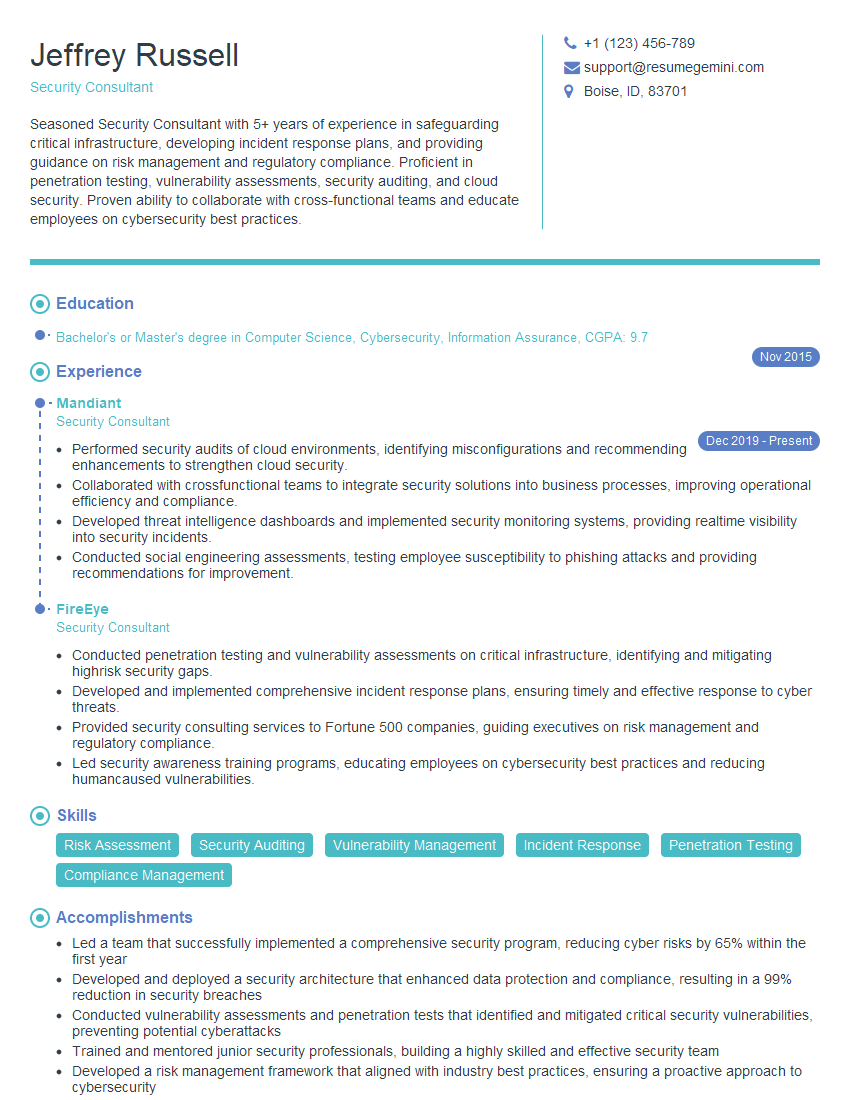
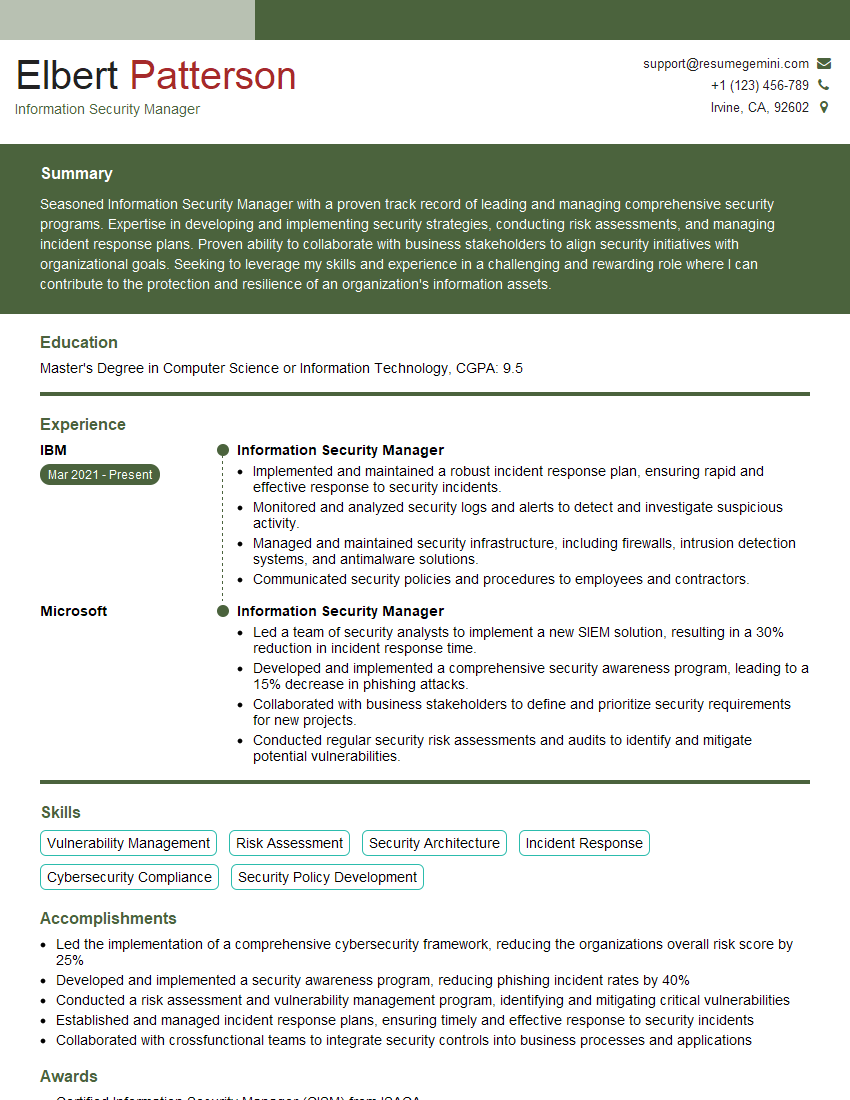
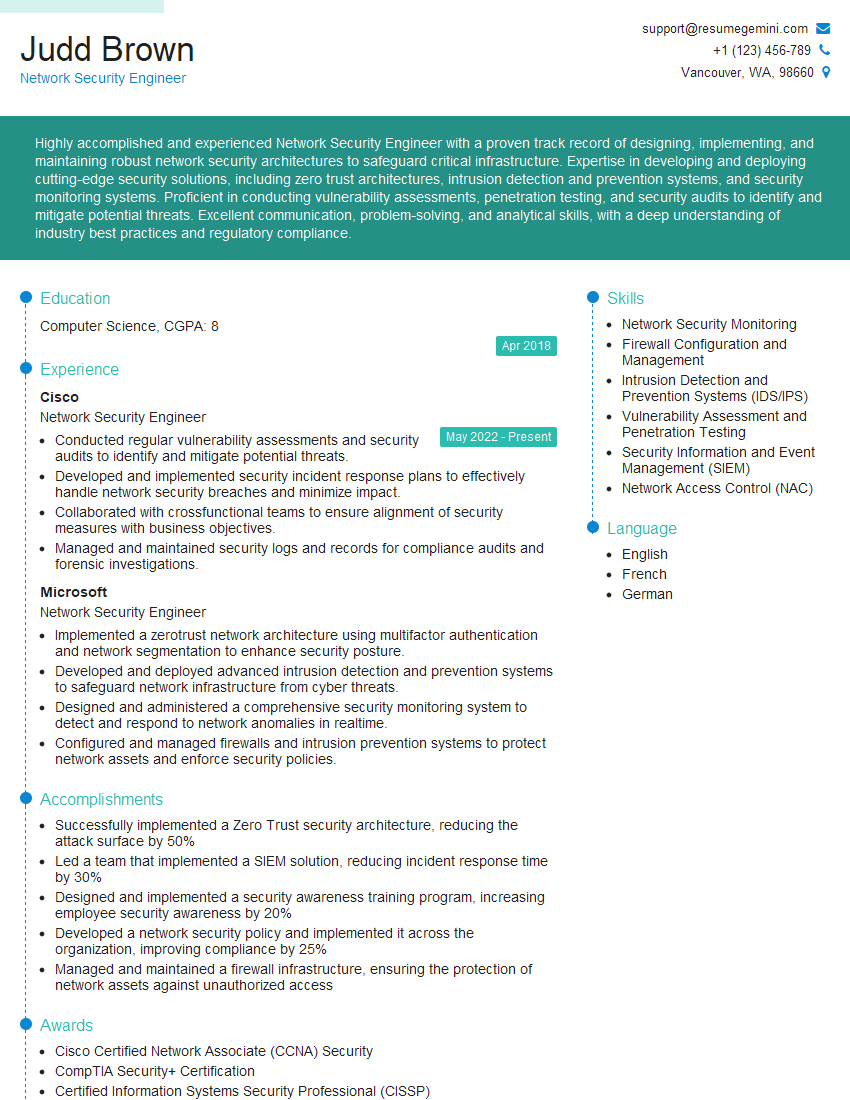
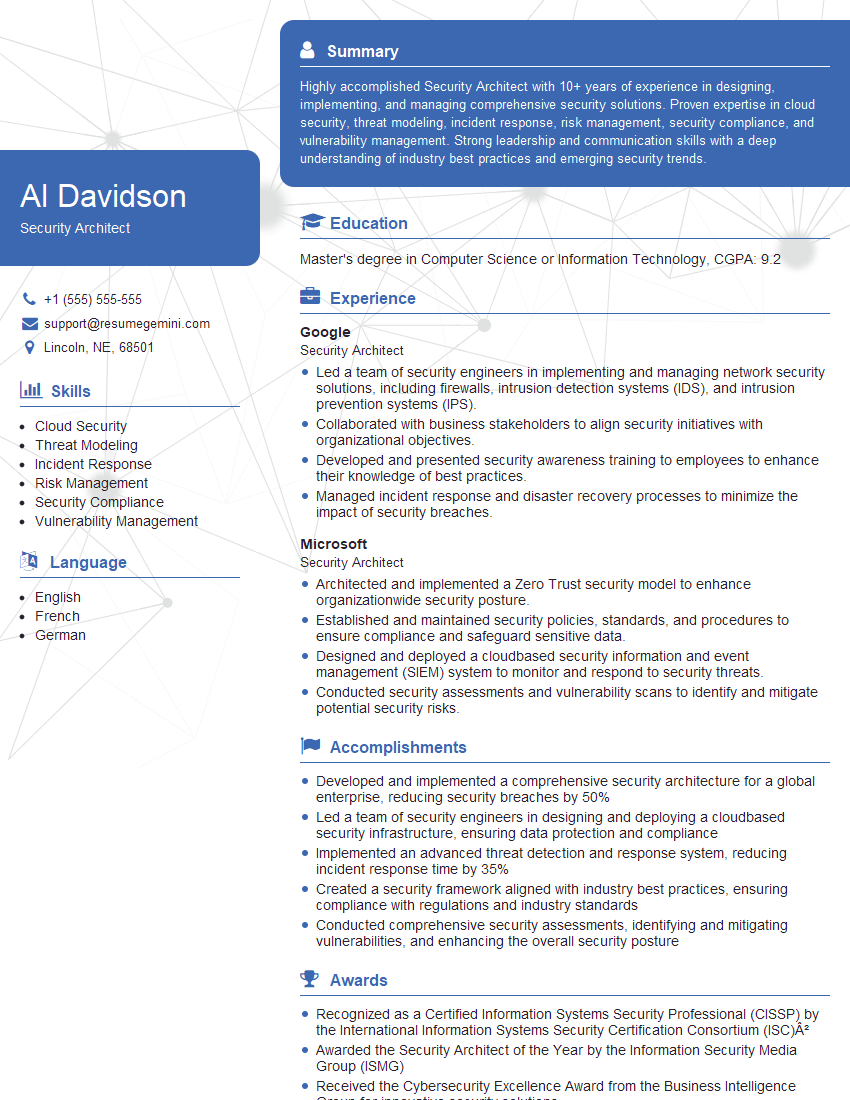
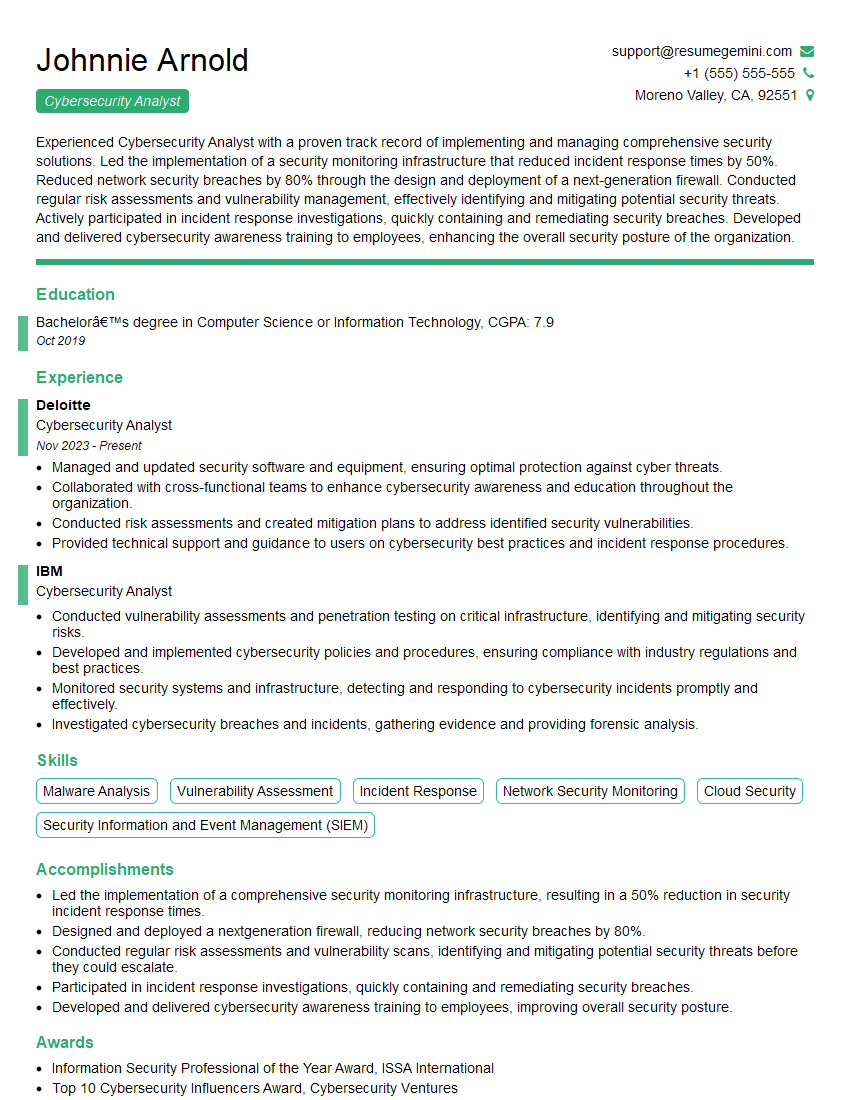
Mastering Security Device Management is crucial for a successful and rewarding career in cybersecurity. It opens doors to advanced roles with increased responsibility and higher earning potential. To maximize your job prospects, creating a strong, ATS-friendly resume is essential. ResumeGemini is a trusted resource to help you build a professional and impactful resume that highlights your skills and experience effectively. Examples of resumes tailored to Security Device Management are available to guide you, ensuring your application stands out.

Explore more articles
Users Rating of Our Blogs
Share Your Experience
We value your feedback! Please rate our content and share your thoughts (optional).
What Readers Say About Our Blog
I Redesigned Spongebob Squarepants and his main characters of my artwork.
https://www.deviantart.com/reimaginesponge/art/Redesigned-Spongebob-characters-1223583608
IT gave me an insight and words to use and be able to think of examples
Hi, I’m Jay, we have a few potential clients that are interested in your services, thought you might be a good fit. I’d love to talk about the details, when do you have time to talk?
Best,
Jay
Founder | CEO