Are you ready to stand out in your next interview? Understanding and preparing for Incident Management and Post-Incident Review interview questions is a game-changer. In this blog, we’ve compiled key questions and expert advice to help you showcase your skills with confidence and precision. Let’s get started on your journey to acing the interview.
Questions Asked in Incident Management and Post-Incident Review Interview
Q 1. Describe your experience with the ITIL framework for incident management.
My experience with the ITIL framework for incident management is extensive. I’ve worked in organizations that have adopted ITIL best practices, and I understand its core principles, including the incident lifecycle. This lifecycle, from incident identification to closure, guides a structured approach to resolving disruptions. I’m familiar with the key processes involved, such as incident logging, categorization, prioritization, diagnosis, resolution, and closure. In practice, this means I’m adept at using tools like ticketing systems (e.g., ServiceNow, Jira) to track incidents, ensuring they follow the defined workflow and Service Level Agreements (SLAs). I’ve directly contributed to the development and improvement of incident management processes aligned with ITIL guidelines, leading to improved efficiency and faster resolution times. For example, in a previous role, we implemented a new categorization system based on ITIL best practices, reducing incident resolution time by 15%.
Beyond the core lifecycle, I also have practical experience with other ITIL processes that relate to incident management, such as problem management (identifying underlying causes of recurring incidents) and change management (ensuring that changes don’t introduce new incidents). This holistic approach ensures a proactive and preventative strategy, not just reactive incident resolution.
Q 2. Explain the difference between an incident and a problem.
The difference between an incident and a problem is crucial in effective IT service management. An incident is an unplanned interruption to an IT service, or a reduction in the quality of an IT service. Think of it as a single event – a server crashing, a website going down, a user’s password not working. It’s something that needs immediate attention to restore service.
A problem, on the other hand, is the underlying cause of one or more incidents. It’s the ‘why’ behind the recurring events. For example, if a server crashes repeatedly due to insufficient memory, the server crashes are incidents, while the insufficient memory is the problem. Problems require investigation, analysis, and permanent resolution to prevent future incidents. A key difference is that while incidents need to be resolved quickly, problems need to be understood and addressed systematically to prevent further disruptions.
Imagine a dripping tap: each drop is an incident, annoying and requiring immediate attention (maybe you place a bowl under it), but the real solution is to fix the leaky tap (the problem).
Q 3. What is your process for prioritizing incidents?
Prioritizing incidents is critical for ensuring that the most impactful issues are addressed first. My process involves a combination of factors, including:
- Impact: How many users are affected? A system outage affecting hundreds of users takes precedence over a single user’s password reset request.
- Urgency: How quickly does the issue need to be resolved? A critical system failure requires immediate attention, while a minor bug can wait.
- Business Priority: Some systems or applications may be more critical to the business than others. Incidents impacting these systems are prioritized higher.
I often use a matrix combining impact and urgency to visually prioritize incidents. This helps me and the team quickly identify what needs immediate action and what can be handled later. For example, a system impacting revenue generation with high urgency will be marked as P1 (highest priority) while a minor issue with low impact on a non-critical system may be a P4 (lowest priority).
Q 4. How do you manage stakeholder communication during an incident?
Managing stakeholder communication during an incident is key to minimizing disruption and maintaining trust. My approach is proactive and transparent.
- Establish Communication Channels: Identify key stakeholders early and determine appropriate communication methods (email, phone, SMS, dedicated portal). For example, I would ensure executive leadership receives updates via phone or email while a broader audience might be informed via a company-wide announcement system.
- Regular Updates: Provide frequent updates (e.g., hourly or as significant changes occur). These updates should be concise, factual, and transparent, addressing concerns and acknowledging any issues.
- Centralized Communication: Utilize a central communication point to avoid confusion and inconsistency of information.
- Dedicated Communication Team: If the situation is large scale, a dedicated team is assigned to handle communication effectively.
- Transparency and Honesty: Be upfront about the situation, acknowledge any challenges, and provide realistic timelines for resolution.
I always strive to keep stakeholders informed and engaged throughout the entire incident lifecycle, even after resolution, with a post-incident summary report that acknowledges their patience and collaboration.
Q 5. What metrics do you use to measure the effectiveness of your incident management process?
Measuring the effectiveness of the incident management process is crucial for continuous improvement. I use a range of metrics, including:
- Mean Time To Acknowledge (MTTA): How quickly incidents are acknowledged after being reported.
- Mean Time To Resolve (MTTR): How long it takes to resolve an incident.
- Incident Resolution Rate: The percentage of incidents resolved successfully.
- Service Availability: The percentage of time services are operational.
- Customer Satisfaction: Feedback from users regarding their experience with incident resolution.
- Number of Incidents per category: Helps identify trends and potential problem areas.
These metrics are tracked and analyzed regularly, providing insights into areas needing improvement. For instance, if MTTR is consistently high for a certain type of incident, it may indicate a need for additional training, process refinement, or improved tooling.
Q 6. Describe your experience with incident escalation procedures.
Incident escalation procedures are vital for handling complex or critical issues. My experience involves clearly defined escalation paths, typically documented in a runbook or knowledge base. These paths outline who to contact and when, depending on the severity and complexity of the incident.
Escalation often involves moving the incident to a higher level of support, engaging specialists or management as needed. This ensures that the issue receives the appropriate attention and resources for resolution. For example, a network outage may start with a first-level support engineer, but if the issue persists, it escalates to a network specialist, and then potentially to management for communication and resource allocation.
Effective escalation procedures require clear communication, well-defined roles and responsibilities, and a system for tracking escalation history to help analyze potential problem areas. In practice, this reduces the resolution time of critical incidents and ensures a smoother transition between different support levels.
Q 7. How do you ensure accurate incident documentation?
Accurate incident documentation is paramount for effective incident management and problem prevention. My approach focuses on structured documentation that includes all relevant details, using a standardized template. This ensures consistency and facilitates easy analysis.
- Detailed Description: A clear and concise description of the incident, including symptoms, impact, and any initial troubleshooting steps.
- Affected Systems/Users: Listing the systems or users impacted by the incident.
- Timeline: Recording the times when the incident was reported, acknowledged, escalated, and resolved.
- Resolution Steps: Detailed steps taken to resolve the incident, including any changes made.
- Root Cause Analysis (if applicable): A description of the underlying cause of the incident.
Using a ticketing system helps ensure documentation completeness and standardization. Regular review and auditing of incident reports identify opportunities for process improvement and knowledge sharing. In addition, we employ rigorous training to ensure all personnel involved in incident handling understands the importance of accuracy and thoroughness in their documentation.
Q 8. What tools or technologies have you used for incident management?
Throughout my career, I’ve utilized a variety of tools and technologies for incident management. My experience spans both simple ticketing systems and sophisticated IT Service Management (ITSM) platforms. For example, I’ve extensively used Jira Service Management for incident logging, tracking, and resolution. Its workflow automation features, customizable dashboards, and reporting capabilities are invaluable. In other roles, I’ve worked with ServiceNow, a comprehensive ITSM platform that provides a holistic view of the entire incident lifecycle, from initial detection to post-incident review. Additionally, I’ve used monitoring tools like Datadog and Prometheus to proactively identify potential incidents before they impact users. These tools provide real-time insights into system performance, enabling faster response times and proactive mitigation. Finally, collaboration tools like Slack and Microsoft Teams are crucial for efficient communication and information sharing during incidents.
Q 9. Explain your approach to root cause analysis for incidents.
My approach to root cause analysis is guided by a structured methodology, often employing the ‘5 Whys’ technique. This involves repeatedly asking ‘why’ to delve deeper into the cause of an incident until the root issue is identified. However, I don’t rely solely on the 5 Whys. I often combine it with other methods like fault tree analysis (FTA), which helps visually map potential contributing factors and their relationships. For example, if a website went down, the 5 Whys might go like this: 1. Why did the website go down? Because the database server crashed. 2. Why did the database server crash? Because it ran out of disk space. 3. Why did it run out of disk space? Because the log files weren’t being rotated. 4. Why weren’t the log files being rotated? Because the automated script failed. 5. Why did the automated script fail? Because of a recent code deployment that contained a bug. The final ‘why’ reveals the root cause: a bug in the code deployment. I always ensure that the root cause analysis involves diverse team members to bring various perspectives to the table, fostering a blameless culture where we focus on preventing future incidents rather than assigning blame.
Q 10. How do you ensure that lessons learned from incidents are implemented?
Ensuring lessons learned are implemented is a critical aspect of incident management. My approach involves a multi-faceted strategy. Firstly, the PIR report itself should clearly articulate recommended actions, including owners, deadlines, and metrics for success. Secondly, I use a centralized tracking system, often integrated with our ITSM platform, to monitor the progress of action items. This allows for regular follow-up and escalation if necessary. Thirdly, I advocate for incorporating these actions into existing processes or creating new ones. This could involve updating documentation, creating automated scripts, or implementing new monitoring procedures. Finally, I believe in consistent communication and feedback loops. This includes reporting on progress at regular team meetings, as well as sharing successes and challenges across relevant teams. For instance, if a PIR identifies a vulnerability in our security protocols, I’d work with the security team to implement the necessary updates and subsequently communicate the successful implementation to all stakeholders.
Q 11. Describe your experience conducting post-incident reviews (PIRs).
I have extensive experience conducting PIRs. My approach focuses on creating a safe and collaborative environment where team members feel comfortable sharing their perspectives, even if they made a mistake. I believe that open communication and constructive feedback are key to learning from incidents. I structure the PIR meetings around a clear agenda, ensuring that all relevant stakeholders are present and prepared. Before the meeting, I gather relevant data from various sources – logs, monitoring tools, and individual accounts – to provide a comprehensive context. During the meeting, I facilitate discussions, ensuring that everyone has a chance to contribute and we systematically investigate the incident timeline, impact, and root cause. The key is to avoid assigning blame and instead focus on identifying areas for improvement and preventing similar incidents in the future. I’ve conducted PIRs for a wide range of incidents, from minor service interruptions to major outages, always adapting my approach to the specific context of the incident.
Q 12. What key elements should be included in a PIR report?
A comprehensive PIR report should include several key elements:
- Incident Summary: A concise description of the incident, including its impact and timeline.
- Root Cause Analysis: A detailed explanation of the root cause(s) of the incident, backed by evidence.
- Impact Analysis: A thorough assessment of the impact of the incident on users, systems, and the business.
- Timeline of Events: A chronological sequence of events leading to the incident.
- Lessons Learned: Key takeaways and insights from the incident.
- Recommended Actions: Specific, measurable, achievable, relevant, and time-bound (SMART) actions to prevent recurrence.
- Action Item Tracking: A table outlining each action item, owner, deadline, and status.
- Communication Plan: A plan for communicating the incident and its resolution to stakeholders.
Q 13. How do you facilitate effective PIR meetings?
Facilitating effective PIR meetings requires a blend of structured planning and skillful moderation. I begin by clearly defining the meeting’s objectives and distributing the agenda and relevant documentation beforehand. This ensures that everyone comes prepared and understands the purpose of the meeting. During the meeting, I maintain a neutral and unbiased stance, encouraging open communication and active listening. I employ techniques like brainstorming and SWOT analysis to facilitate discussions and identify root causes. I also actively manage the discussion, ensuring that all voices are heard and tangents are avoided. A crucial aspect is creating a psychologically safe space where participants feel comfortable sharing honest feedback, even if it involves acknowledging errors. The use of visual aids, like timelines or diagrams, can improve understanding and collaboration. After the meeting, I promptly distribute the minutes and follow up on any assigned action items.
Q 14. How do you ensure that action items from PIRs are followed up on?
Following up on action items is crucial for ensuring that lessons learned from PIRs are truly implemented. I use a combination of methods to track and manage action items:
- Centralized Tracking System: I utilize our ITSM platform or a dedicated project management tool to track action items, owners, deadlines, and status.
- Regular Follow-ups: I schedule regular check-ins with action item owners to monitor progress and address any roadblocks.
- Escalation Process: I have a defined escalation process for action items that are not progressing as planned.
- Reporting and Communication: I regularly report on the status of action items to relevant stakeholders, ensuring transparency and accountability.
- Verification and Validation: After the completion of the action items, I verify that the implemented solutions have effectively addressed the root cause and prevent recurrence.
Q 15. What is your experience with using a knowledge management system to prevent recurring incidents?
Knowledge management systems (KMS) are crucial for preventing recurring incidents. They act as central repositories for storing and retrieving information about past incidents, including root cause analyses, solutions implemented, and preventative measures taken. Effective KMS utilization involves proactively updating the system with detailed incident reports, ensuring easy searchability and accessibility of this knowledge base for all relevant personnel. This prevents teams from repeatedly making the same mistakes.
In my previous role, we implemented a KMS that integrated with our ticketing system. Every closed incident required a detailed report, including root cause, remediation steps, and preventative actions. We used tags and keywords to categorize these reports, allowing quick searches for similar incidents. For instance, searching for “database outage” would return all relevant past incidents, detailing solutions and preventative measures. This resulted in a significant reduction in recurring incidents related to database issues.
A well-structured KMS also facilitates knowledge sharing across teams. New hires can quickly access relevant information, reducing onboarding time and improving their efficiency in handling incidents. Furthermore, regular review and updates to the KMS ensure the information remains relevant and accurate, constantly improving the organization’s ability to prevent incidents.
Career Expert Tips:
- Ace those interviews! Prepare effectively by reviewing the Top 50 Most Common Interview Questions on ResumeGemini.
- Navigate your job search with confidence! Explore a wide range of Career Tips on ResumeGemini. Learn about common challenges and recommendations to overcome them.
- Craft the perfect resume! Master the Art of Resume Writing with ResumeGemini’s guide. Showcase your unique qualifications and achievements effectively.
- Don’t miss out on holiday savings! Build your dream resume with ResumeGemini’s ATS optimized templates.
Q 16. Describe a challenging incident you managed and how you resolved it.
One particularly challenging incident involved a major service outage affecting our e-commerce platform during a peak sales period – Black Friday. The outage was caused by a cascading failure triggered by a seemingly minor database performance issue. The initial impact was slow loading times, escalating quickly to a complete service unavailability. This resulted in significant revenue loss and customer frustration.
My role was to coordinate the incident response team, including engineers, developers, and customer support. We followed our incident management process diligently. The first step was to clearly define the scope of the incident, isolating the affected systems and communicating the situation transparently to stakeholders. Simultaneously, the engineering team worked to identify the root cause of the failure, discovering a poorly configured load balancer exacerbating an already existing database bottleneck.
To resolve the situation, we implemented a multi-pronged approach: First, we rapidly deployed a temporary fix to restore partial service by redirecting traffic to a backup server. Second, the engineering team addressed the root cause by reconfiguring the load balancer and optimizing the database queries. Third, our customer support team managed customer communication, updating them on the progress and offering apologies. The complete resolution involved a full system recovery and comprehensive root cause analysis. Post-Incident Review highlighted weaknesses in our capacity planning and load balancing strategy, prompting improvements to avoid future occurrences. The incident, though initially stressful, highlighted the importance of preparedness, clear communication, and a robust post-incident review process.
Q 17. How do you handle high-pressure situations during incidents?
High-pressure incident situations demand a calm and methodical approach. I rely on established incident management processes and frameworks like ITIL to guide my actions. The key is to avoid panic and maintain clear communication. My strategy involves:
- Prioritization: Quickly assessing the impact and urgency of the incident to determine appropriate response levels.
- Delegation: Assigning tasks to team members based on their expertise, ensuring everyone is focused on their role.
- Communication: Keeping stakeholders informed of the progress, challenges, and estimated resolution time. Transparency is vital in building trust during stressful times.
- Focus: Remaining focused on the immediate task and avoiding distractions. Breaking down complex problems into smaller, manageable steps helps maintain control.
- Self-care: Recognizing the impact of stress and taking short breaks to avoid burnout.
Regular training and simulation exercises help prepare for such scenarios, building confidence and familiarity with procedures.
Q 18. How do you balance speed and accuracy in resolving incidents?
Balancing speed and accuracy in incident resolution requires a delicate balance. While speed is critical to minimize downtime and impact, rushing can lead to errors and prolong the resolution process. My approach is to:
- Prioritize based on Impact: Focus on addressing the most critical issues first, even if it means temporarily deferring less impactful problems.
- Utilize efficient tools: Leverage monitoring and diagnostic tools to quickly pinpoint the problem area and assess its impact.
- Phased Approach: Implement temporary fixes to restore partial service quickly while simultaneously working on a comprehensive solution.
- Verification and Validation: Before implementing any solution, verify its effectiveness and ensure it doesn’t introduce new problems.
- Documentation: Meticulously document all actions taken, including temporary workarounds, to aid in root cause analysis and prevent future incidents.
Think of it like a doctor: A quick diagnosis might be needed to stabilize a patient, but a thorough examination is required for accurate treatment and to prevent future health issues.
Q 19. How do you collaborate with different teams during an incident?
Effective collaboration across different teams is paramount in incident management. My approach involves:
- Clear communication channels: Establishing a central communication platform (e.g., dedicated chat channel, conference call) for all involved parties.
- Clearly defined roles and responsibilities: Ensuring each team knows their role and responsibilities within the incident response process.
- Regular updates: Providing frequent updates to all team members on the status of the incident and any decisions made.
- Escalation procedures: Defining a clear escalation path for issues that require senior management or specialized expertise.
- Post-incident feedback: Collecting feedback from all teams to identify areas for improvement in communication and collaboration.
Using a collaborative platform such as a shared document or whiteboard facilitates shared understanding of the situation and solutions.
Q 20. What is your understanding of service level agreements (SLAs) in relation to incident management?
Service Level Agreements (SLAs) are critical in incident management as they define the expected performance levels of IT services. They specify targets for key metrics such as mean time to repair (MTTR), mean time to acknowledge (MTTA), and service restoration time. These targets set expectations for incident resolution and recovery, providing accountability for IT teams and ensuring adherence to customer requirements.
SLAs provide a framework for measuring the effectiveness of incident management processes. They help to prioritize incidents based on their impact and urgency, and to track progress towards meeting predefined targets. Regularly monitoring SLA performance helps identify areas for improvement and allows for proactive adjustments to processes and resources.
For example, an SLA might specify that 99% uptime is required for a specific application, with a MTTR of under 2 hours for critical incidents. Failure to meet these targets can have contractual implications and impact the organization’s reputation.
Q 21. How do you measure the effectiveness of a Post-Incident Review?
Measuring the effectiveness of a Post-Incident Review (PIR) focuses on assessing whether the review achieved its goals. Key metrics include:
- Root cause identification accuracy: Did the PIR accurately identify the root cause(s) of the incident?
- Effectiveness of corrective actions: Have implemented corrective actions prevented recurrence of the incident?
- Improvements in processes: Have the incident response processes been improved as a result of the PIR?
- Reduction in incident frequency and severity: Has the frequency or severity of similar incidents decreased since the PIR?
- Team learning and growth: Has the PIR contributed to increased knowledge and skills within the team?
These metrics are measured by tracking incident data before and after the implemented changes resulting from the PIR. By analyzing these data points, we can determine the overall success of the review process and identify areas where improvement is needed.
Furthermore, a successful PIR should lead to actionable recommendations and documented process improvements. The ultimate measure of success is a demonstrable reduction in future incidents resulting from the issues identified in the review.
Q 22. What are some common challenges in conducting effective Post-Incident Reviews?
Conducting effective Post-Incident Reviews (PIRs) can be challenging. Common hurdles include time constraints, lack of participation from key personnel, difficulty in objectively analyzing events, and resistance to acknowledging mistakes.
- Time Constraints: Immediately following an incident, everyone is busy with recovery efforts. Scheduling a PIR can be difficult, and participation may suffer due to competing priorities.
- Lack of Participation: Key individuals involved in the incident may be unavailable or reluctant to participate, hindering a comprehensive analysis.
- Objective Analysis: Emotions can cloud judgment. Participants might be defensive or unwilling to admit their role in the incident, affecting objectivity.
- Resistance to Change: PIRs often reveal areas for improvement. Resistance to implementing recommended changes can negate the value of the review.
For instance, I once worked on a PIR where a critical server failure impacted a major online service. The initial recovery was successful, but the PIR was delayed due to conflicting schedules and reluctance from the IT team to openly discuss potential weaknesses in their monitoring system.
Q 23. How do you ensure that Post-Incident Reviews are unbiased and objective?
Ensuring unbiased and objective PIRs requires a structured approach. Firstly, a neutral facilitator, ideally someone not directly involved in the incident, should lead the review. This person should guide discussions, ensure all perspectives are heard, and prevent the conversation from becoming accusatory.
Secondly, a pre-defined framework or checklist should be used, focusing on factual data rather than subjective opinions. This could include logs, metrics, and documented procedures.
Thirdly, anonymizing contributions or using a confidential reporting mechanism can encourage honest feedback. Finally, the PIR should focus on identifying systemic issues and areas for improvement rather than assigning blame. For example, instead of saying ‘John failed to follow procedure X,’ the report might state, ‘Procedure X needs clarification to avoid future misinterpretations.’
In a past incident involving a data breach, we used a structured questionnaire that prompted participants to describe events chronologically without assigning blame. This allowed us to identify a vulnerability in our security protocols without singling out individuals.
Q 24. How do you tailor your communication style to different stakeholders during an incident?
Tailoring communication is crucial during an incident. Different stakeholders need different levels of detail and information at different times.
- Executives: Need concise, high-level summaries focusing on the impact, status, and recovery plan. Technical jargon should be minimized.
- Technical Teams: Require detailed information, including logs, error messages, and system configurations.
- Customers: Need clear, empathetic updates explaining the issue, its impact, and anticipated resolution time. Transparency is key, even if bad news needs to be shared.
I employ a tiered communication strategy. I utilize a centralized communication platform (like Slack or Microsoft Teams) to manage updates and ensure consistency of information across all stakeholders. The use of pre-written templates for different stakeholder groups has streamlined my communication strategy and ensured clear, concise communication during stressful situations.
Q 25. Describe your experience with using different incident management software solutions.
My experience includes working with several incident management solutions, including ServiceNow, Jira Service Desk, and PagerDuty. Each has strengths and weaknesses.
- ServiceNow: Offers a comprehensive suite of features, including robust incident tracking, knowledge base integration, and reporting capabilities. However, it can be complex and requires significant setup and training.
- Jira Service Desk: A more agile and flexible solution well-suited for smaller teams. Its integration with other Atlassian products is a significant advantage. However, its reporting capabilities are not as advanced as ServiceNow.
- PagerDuty: Focuses on alerting and incident response, particularly useful for monitoring critical systems. Its strength lies in its speed and efficiency in escalating critical alerts. However, it may not be as comprehensive for managing the full lifecycle of an incident.
The choice of software depends greatly on the size and complexity of the organization and the specific needs of its IT operations. I find that a good understanding of each platform’s strengths allows me to leverage its capabilities effectively. Currently, we’re using a hybrid approach, integrating ServiceNow for major incidents and Jira for smaller, less critical issues.
Q 26. How do you handle incidents that involve sensitive data?
Incidents involving sensitive data require immediate and stringent action, prioritizing data protection and regulatory compliance.
- Contain the Breach: The first step is to isolate the affected systems and prevent further data exposure.
- Identify Affected Data: Determine the type and scope of sensitive data involved.
- Notify Relevant Parties: This includes internal stakeholders and potentially affected individuals, depending on regulations like GDPR or CCPA.
- Forensic Investigation: Conduct a thorough investigation to understand the root cause, extent of the breach, and any potential impact.
- Remediation: Implement corrective actions to address vulnerabilities and prevent future incidents.
- Documentation: Meticulously document all actions taken, including timelines, involved parties, and decisions made.
In one case involving a customer database breach, we immediately activated our incident response plan, initiated a forensic investigation, and engaged legal counsel. Following all applicable regulations, we were able to contain the breach quickly, minimize the impact, and provide timely notification to affected individuals.
Q 27. What is your process for ensuring compliance with relevant regulations during an incident?
Compliance is paramount during an incident. Our process incorporates several key steps:
- Identify Applicable Regulations: Determine all relevant regulations, including GDPR, HIPAA, PCI DSS, etc., based on the type of data involved and the organization’s industry.
- Develop and Maintain Policies: We have comprehensive incident response and data breach policies aligned with these regulations.
- Regular Training and Awareness: Employees receive regular training on these policies and their responsibilities during an incident.
- Incident Response Plan: Our plan incorporates steps for ensuring compliance at each stage, including communication, investigation, remediation, and reporting.
- Regular Audits: We conduct regular audits to ensure our practices remain compliant.
For example, when dealing with HIPAA-protected health information, our procedures include specific steps for notifying the relevant authorities and affected individuals within legally mandated timelines.
Q 28. How do you measure the overall success of your incident management program?
Measuring the success of an incident management program involves both quantitative and qualitative metrics.
- Mean Time To Resolution (MTTR): Tracks the average time taken to resolve incidents. A decrease in MTTR indicates improved efficiency.
- Mean Time To Acknowledgement (MTTA): Measures the time taken to acknowledge an incident. A lower MTTA reflects quicker response times.
- Number of Incidents: A reduction in the overall number of incidents shows improvements in prevention and proactive measures.
- Customer Satisfaction: Surveys and feedback from customers help gauge their experience during incidents.
- Compliance Metrics: Tracking compliance with relevant regulations demonstrates adherence to legal and ethical standards.
- Post-Incident Review Effectiveness: Measuring the implementation of PIR recommendations demonstrates the program’s impact on future performance.
By regularly tracking these metrics, we can identify areas for improvement and demonstrate the value of our incident management program. For instance, a reduction in MTTR from 4 hours to 2 hours shows a clear improvement, highlighting the success of implementing new monitoring tools and streamlined workflows. Furthermore, a high customer satisfaction score reflecting positive experiences during incidents demonstrates that our communication and resolution strategies are effective.
Key Topics to Learn for Incident Management and Post-Incident Review Interview
- Incident Management Lifecycle: Understand the complete lifecycle, from initial detection and response to resolution and closure. Be prepared to discuss each stage and your role within it.
- Incident Prioritization and Classification: Explain how you would determine the urgency and impact of different incidents, and how this influences your response strategy. Discuss relevant frameworks and methodologies.
- Communication and Collaboration: Describe your approach to communicating effectively during an incident, both internally within your team and externally with stakeholders. Highlight your experience collaborating with diverse teams under pressure.
- Problem Management and Root Cause Analysis (RCA): Explain your understanding of RCA methodologies (e.g., 5 Whys, Fishbone diagrams). Be ready to discuss how you’d conduct a thorough RCA and implement effective preventative measures.
- Post-Incident Review (PIR) Process: Describe your experience conducting PIRs, including gathering data, facilitating discussions, identifying lessons learned, and developing action plans for improvement. Highlight your contribution to creating a culture of continuous improvement.
- ITIL Framework (or other relevant frameworks): Demonstrate familiarity with relevant IT service management frameworks and how they apply to incident management and post-incident review processes.
- Tooling and Technology: Discuss your experience with incident management ticketing systems and other relevant tools. Highlight your proficiency in using these tools to streamline processes and enhance efficiency.
- Metrics and Reporting: Explain how you would track key metrics related to incident management (e.g., mean time to resolution, mean time to acknowledge). Discuss how you would use data to identify trends and areas for improvement.
Next Steps
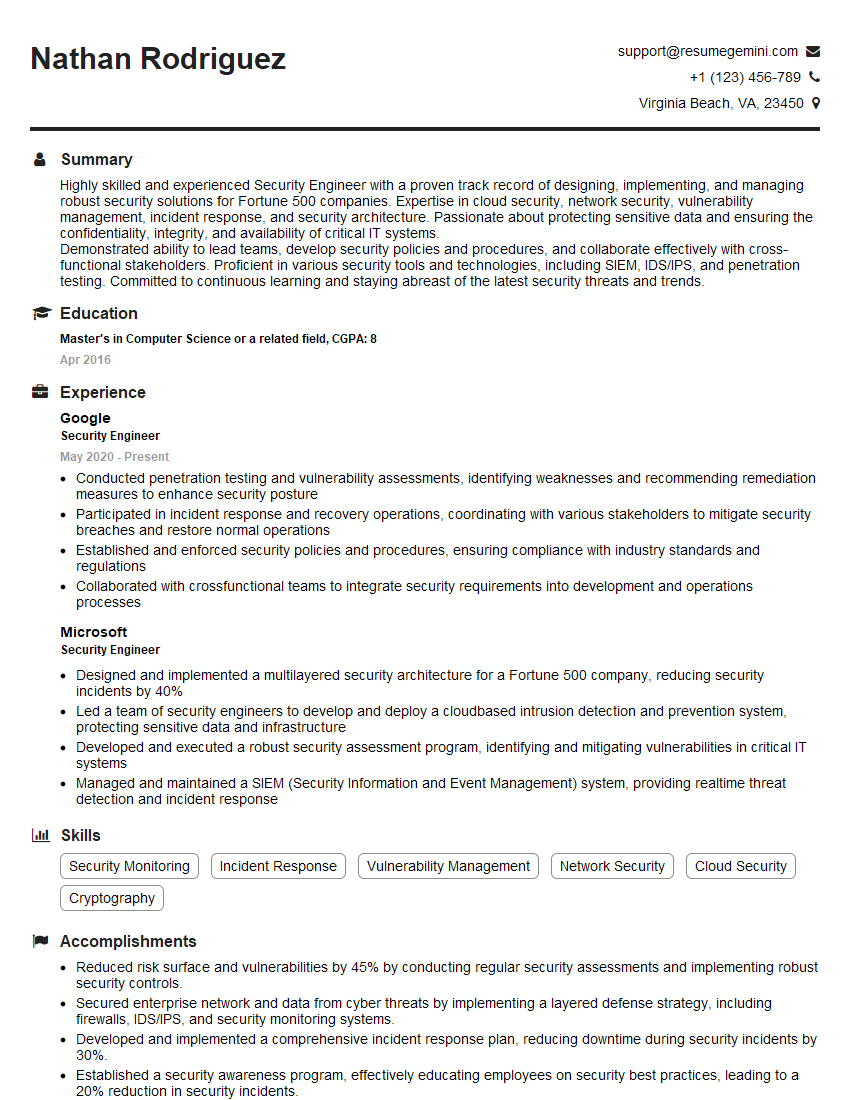
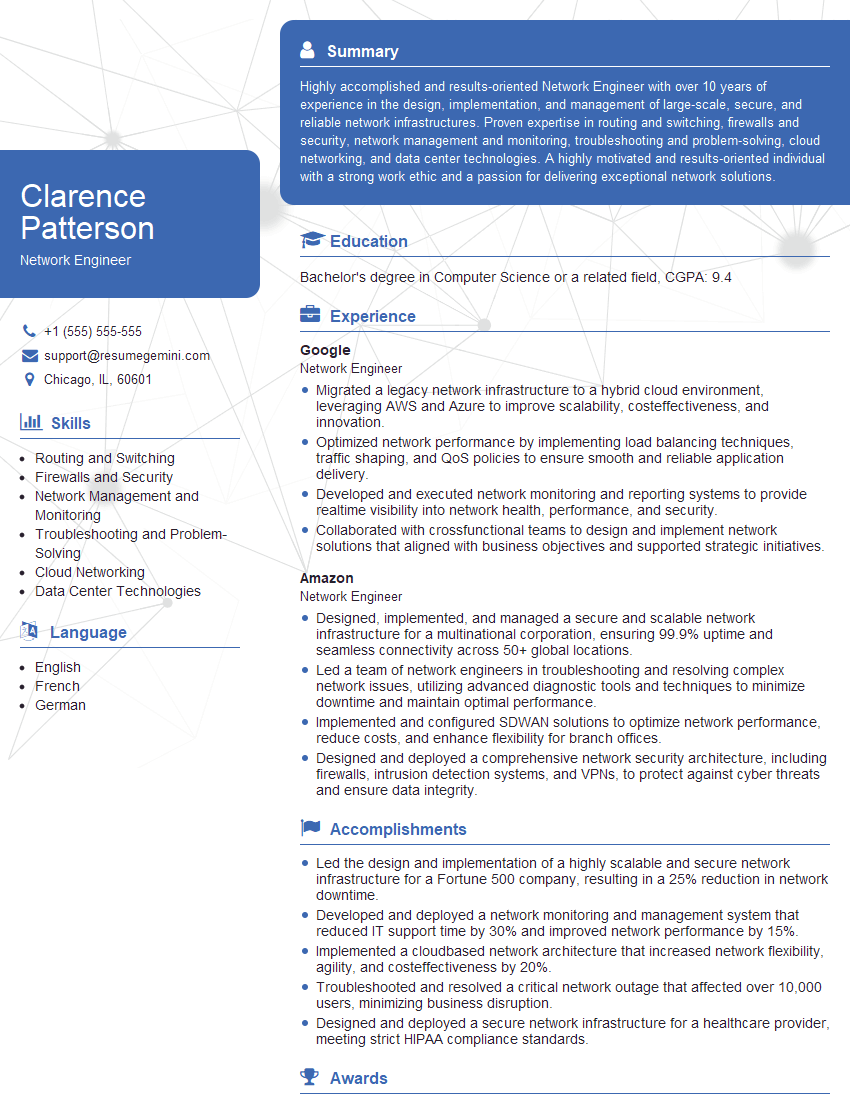
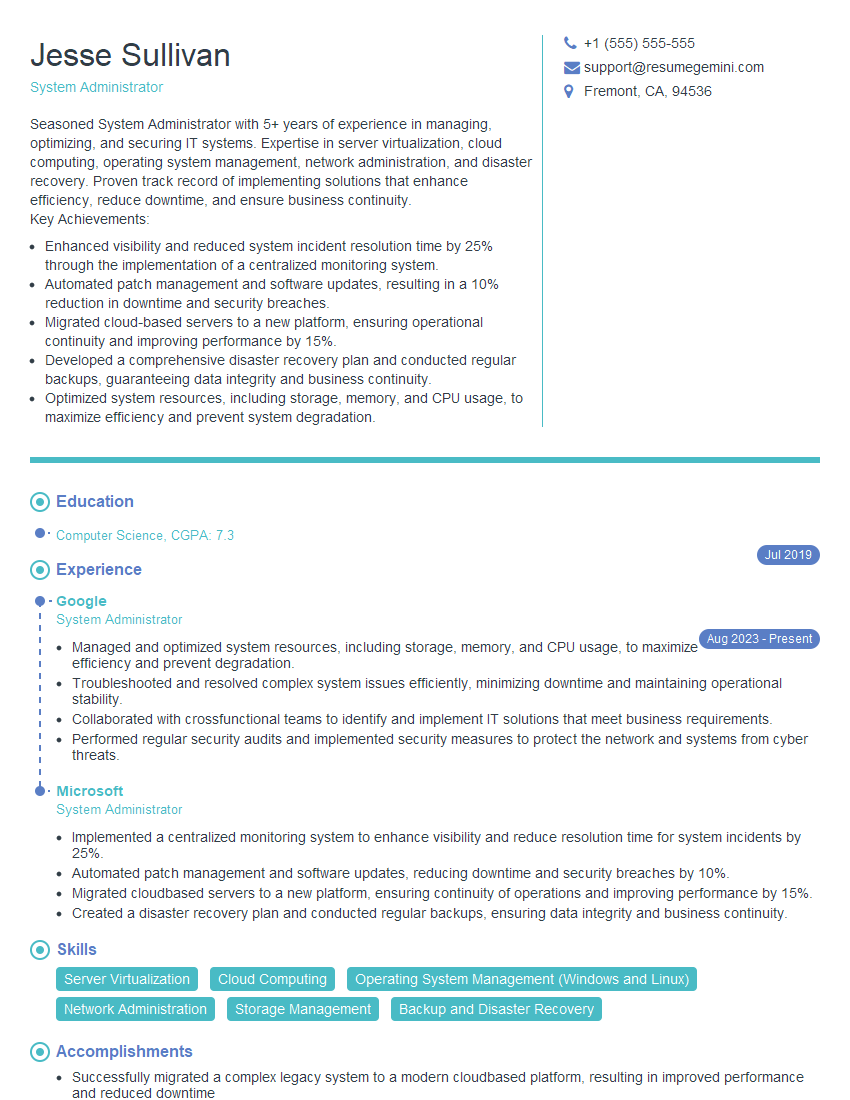
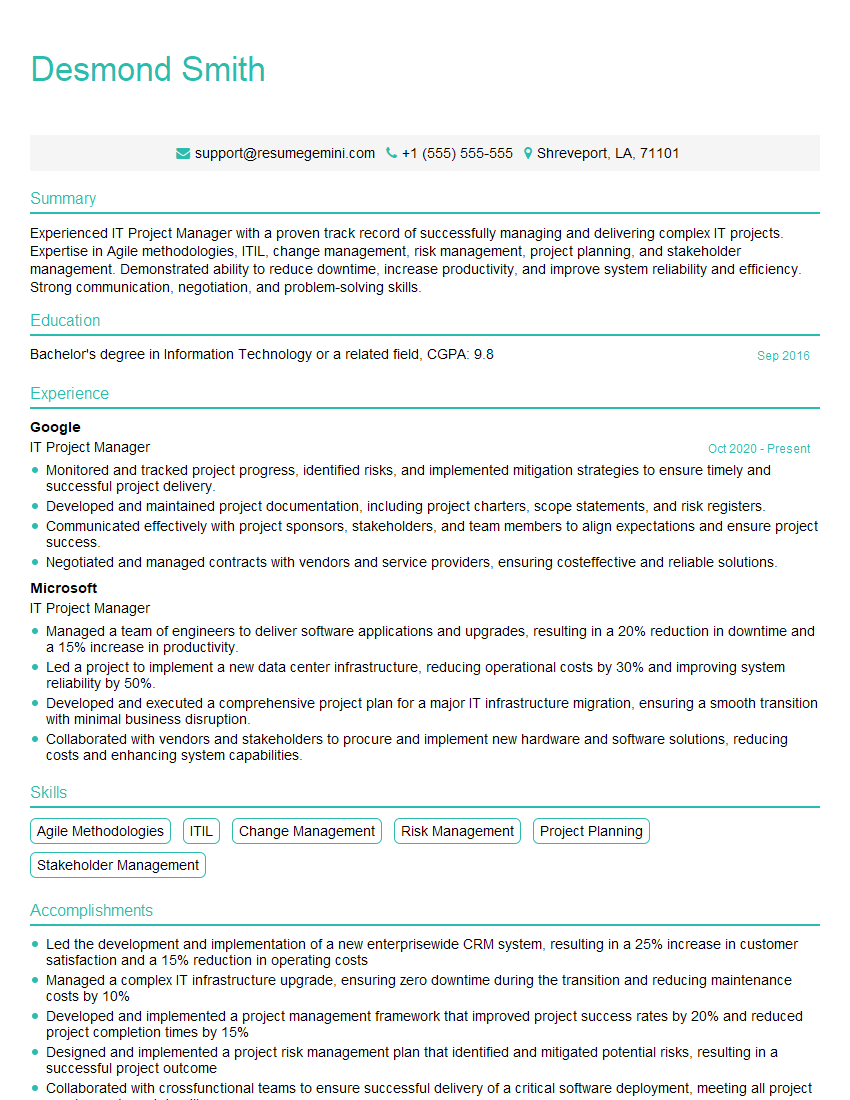
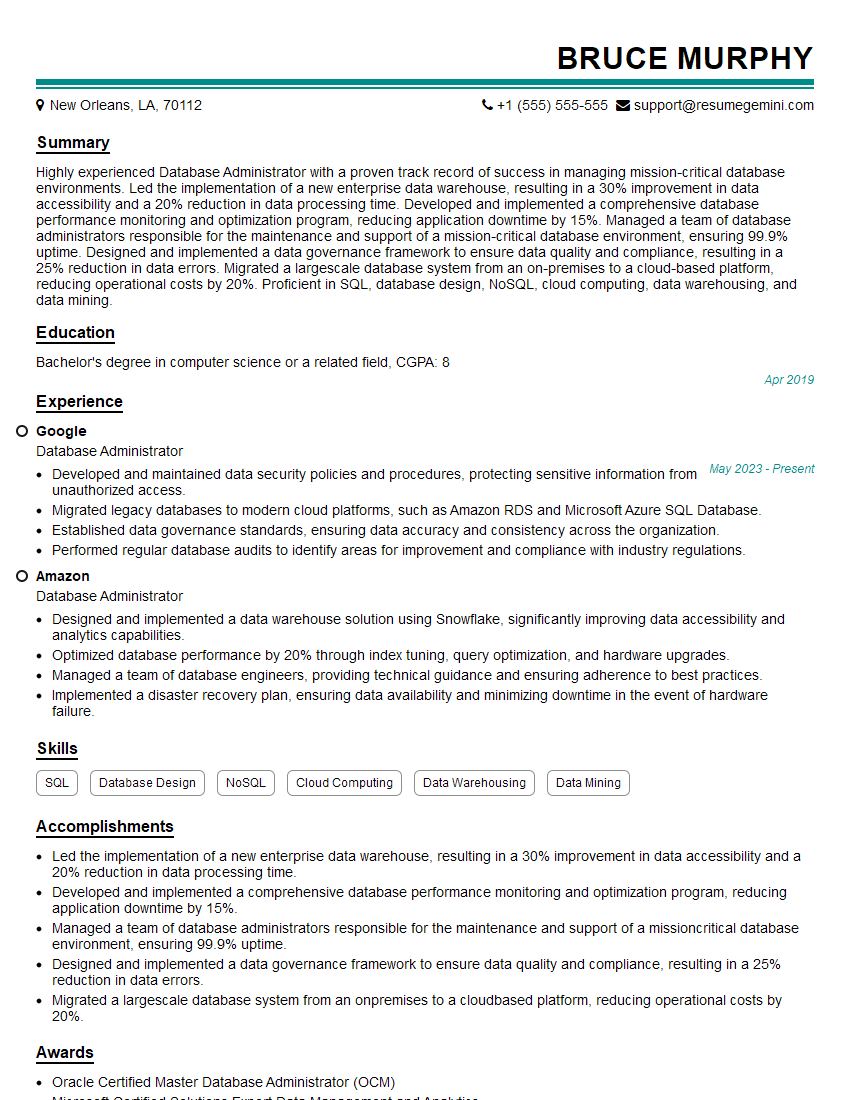
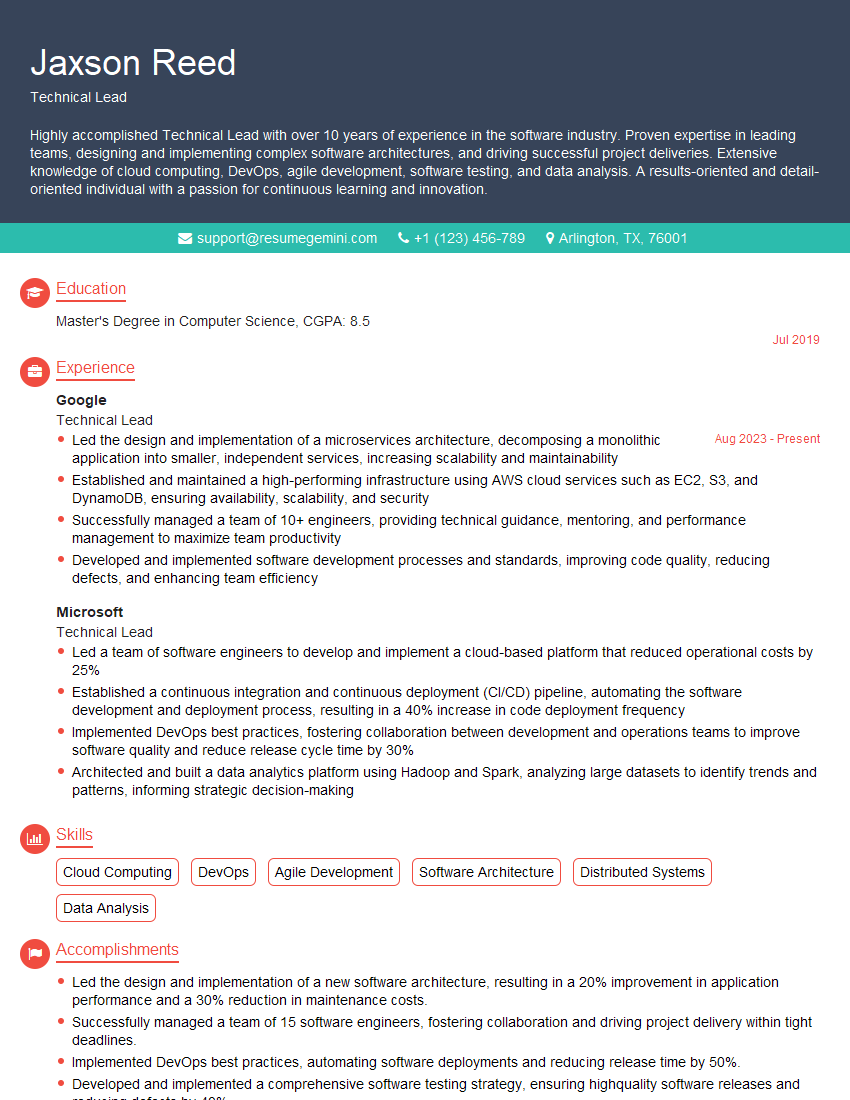
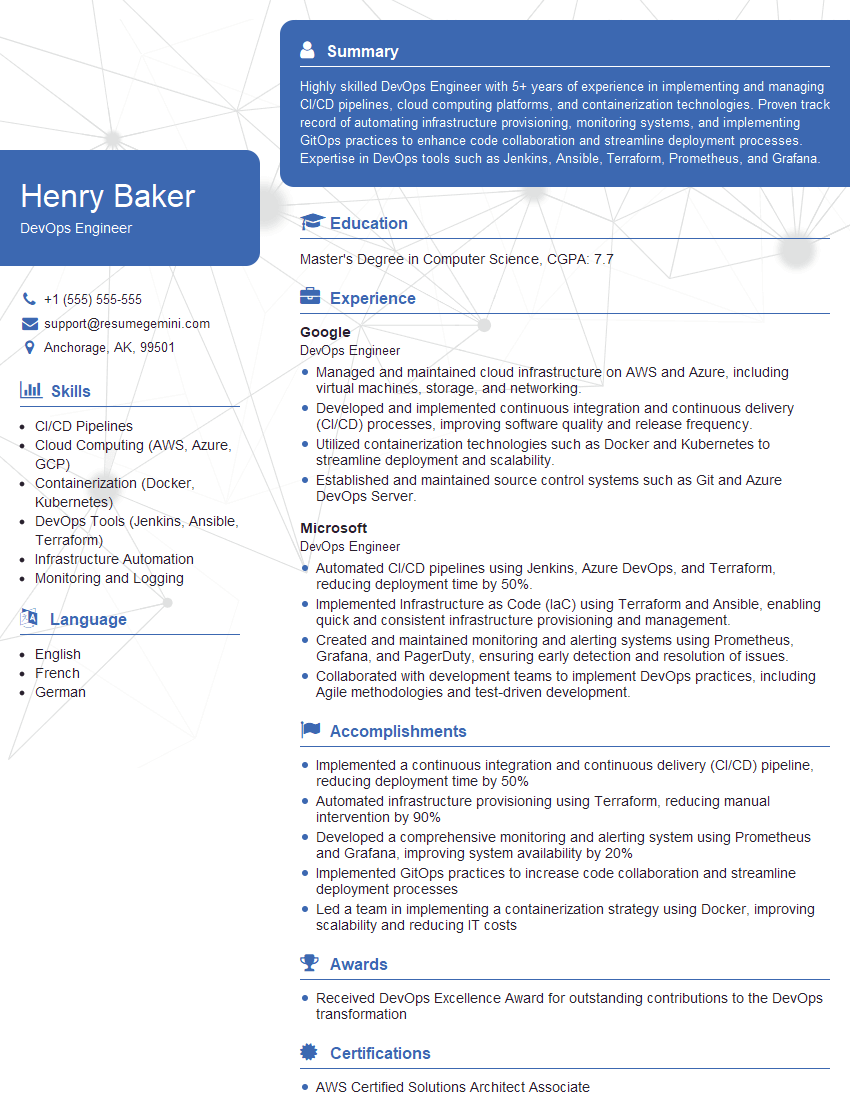
Mastering Incident Management and Post-Incident Review is crucial for career advancement in IT operations and related fields. It showcases your ability to handle pressure, solve complex problems, and contribute to a more resilient and efficient IT environment. To enhance your job prospects, crafting a strong, ATS-friendly resume is essential. We strongly recommend using ResumeGemini to build a professional and impactful resume that highlights your skills and experience in this critical area. ResumeGemini provides examples of resumes tailored to Incident Management and Post-Incident Review to help you get started.

Explore more articles
Users Rating of Our Blogs
Share Your Experience
We value your feedback! Please rate our content and share your thoughts (optional).
What Readers Say About Our Blog
I Redesigned Spongebob Squarepants and his main characters of my artwork.
https://www.deviantart.com/reimaginesponge/art/Redesigned-Spongebob-characters-1223583608
IT gave me an insight and words to use and be able to think of examples
Hi, I’m Jay, we have a few potential clients that are interested in your services, thought you might be a good fit. I’d love to talk about the details, when do you have time to talk?
Best,
Jay
Founder | CEO