The right preparation can turn an interview into an opportunity to showcase your expertise. This guide to Data Analytics and Troubleshooting interview questions is your ultimate resource, providing key insights and tips to help you ace your responses and stand out as a top candidate.
Questions Asked in Data Analytics and Troubleshooting Interview
Q 1. Explain the difference between Data Mining and Data Warehousing.
Data warehousing and data mining are closely related but distinct concepts in data analytics. Think of a data warehouse as a large, organized storehouse of data, meticulously structured for efficient querying and analysis. Data mining, on the other hand, is the process of extracting useful information and patterns from that data warehouse (or other large datasets). It’s like the difference between building a well-stocked library (data warehousing) and then using that library to research a specific topic (data mining).
Data Warehousing: Focuses on storing and managing data from various sources, transforming it into a consistent format suitable for analysis. It’s about creating a centralized repository for decision-making. Key characteristics include: structured data, historical perspective, subject-oriented, and integrated.
Data Mining: Employs various algorithms and techniques to discover patterns, trends, and anomalies within large datasets. This can involve classification, clustering, association rule mining, and regression analysis. The goal is to uncover valuable insights that can inform business strategies or solve specific problems.
Example: Imagine a retail company. The data warehouse would store transactional data (sales, customer details, product information) from different stores and systems. Data mining techniques could then be applied to this warehouse to identify customer segments, predict future sales, or detect fraudulent activities.
Q 2. Describe your experience with SQL and NoSQL databases.
I have extensive experience with both SQL and NoSQL databases, having used them across a variety of projects. My choice of database depends heavily on the project requirements.
SQL Databases (Relational Databases): I’m proficient in working with SQL databases like PostgreSQL, MySQL, and MS SQL Server. I’m comfortable with writing complex queries using joins, subqueries, aggregate functions, and stored procedures to retrieve and manipulate data. SQL’s structured approach is ideal for applications requiring data integrity, ACID properties (Atomicity, Consistency, Isolation, Durability), and relational relationships between data points. For example, I’ve used SQL extensively to build data warehouses for business intelligence applications where data consistency and transactional integrity are paramount.
NoSQL Databases (Non-Relational Databases): I have experience with various NoSQL database technologies including MongoDB (document database), Cassandra (wide-column store), and Redis (in-memory data structure store). NoSQL databases are well-suited for handling large volumes of unstructured or semi-structured data, high velocity data streams, and horizontal scalability. I’ve used MongoDB, for instance, in projects involving large-scale social media data analysis where flexibility and scalability are crucial. I understand the trade-offs involved in choosing between SQL and NoSQL, and I always select the best tool for the job.
Q 3. How would you handle missing data in a dataset?
Handling missing data is a critical step in data preprocessing. Ignoring it can lead to biased results and inaccurate conclusions. The best approach depends on the nature of the data, the extent of missingness, and the analytical goals.
- Deletion: This involves removing rows or columns with missing values. Listwise deletion removes entire rows containing any missing values, while pairwise deletion only removes data points for specific analyses where missing values exist. This is straightforward but can lead to information loss, especially with a large percentage of missing values.
- Imputation: This involves filling in missing values with estimated values. Common techniques include:
- Mean/Median/Mode Imputation: Replacing missing values with the mean, median, or mode of the respective column. Simple but can distort the distribution, especially for skewed data.
- Regression Imputation: Predicting missing values using a regression model based on other variables. More sophisticated but requires careful model selection.
- K-Nearest Neighbors (KNN) Imputation: Imputing missing values based on the values of similar data points. Considers the context of the missing data.
- Using Advanced Methods: For complex scenarios involving substantial missing data, more advanced techniques such as multiple imputation or maximum likelihood estimation might be necessary.
Example: If a dataset on customer demographics has some missing ages, mean imputation might suffice if the missingness is random. However, if age is highly correlated with income, regression imputation or KNN might be more suitable.
Q 4. What are the common techniques for data cleaning?
Data cleaning is a crucial step in any data analysis project. It ensures data quality, accuracy, and consistency. Common techniques include:
- Handling Missing Values: As discussed previously, this involves imputation or deletion strategies.
- Removing Duplicates: Identifying and removing duplicate rows or entries to prevent data redundancy.
- Smoothing Noisy Data: Addressing inconsistencies or errors in data through techniques like binning, regression, or outlier analysis. Binning groups data into intervals to smooth out fluctuations.
- Data Transformation: Converting data into a suitable format for analysis. This might involve standardizing units, normalizing values, or creating new variables.
- Outlier Detection and Treatment: Identifying and handling extreme values which can skew analysis. Strategies include removal, transformation (log transformation), or winsorization (capping extreme values).
- Data Consistency Checks: Ensuring data conforms to predefined rules and formats. For example, checking for valid data types, ranges, and constraints.
Example: In a dataset of customer transactions, you might find inconsistent date formats (MM/DD/YYYY vs. DD/MM/YYYY). Data cleaning would involve standardizing the date format to ensure consistency. Similarly, identifying and correcting typos in customer names is part of the data cleaning process.
Q 5. Explain different types of data visualizations and when to use them.
Data visualization is essential for communicating insights effectively. Different chart types are suitable for different data types and analytical goals.
- Bar Charts: Comparing discrete categories. Useful for showing differences in counts or proportions between groups.
- Line Charts: Showing trends over time or continuous data. Ideal for illustrating changes in a variable over a period.
- Scatter Plots: Exploring relationships between two continuous variables. Useful for identifying correlations or patterns.
- Pie Charts: Displaying proportions of a whole. Best used for showcasing the relative sizes of different categories.
- Histograms: Visualizing the distribution of a single continuous variable. Shows the frequency of data within specific ranges.
- Box Plots: Comparing the distribution of a variable across different groups. Shows median, quartiles, and outliers.
- Heatmaps: Representing data in a matrix format using color to indicate values. Useful for visualizing correlation matrices or large datasets.
Example: To show the sales performance of different product categories over a year, a line chart would be effective. To compare the average customer satisfaction ratings across different regions, a bar chart is appropriate. The choice of visualization should always align with the story you’re trying to tell.
Q 6. How would you approach identifying and resolving performance issues in a database?
Identifying and resolving database performance issues requires a systematic approach. My strategy would involve the following steps:
- Monitor Performance Metrics: Start by monitoring key metrics such as query execution time, CPU usage, disk I/O, memory consumption, and network latency. Database management systems (DBMS) typically provide tools for performance monitoring.
- Identify Bottlenecks: Analyze the performance metrics to identify the specific areas causing slowdowns. This might involve examining slow-running queries, inefficient indexes, or resource contention.
- Analyze Query Performance: Use database tools to examine the execution plans of slow queries. This helps pinpoint areas for optimization, such as missing indexes, inefficient joins, or suboptimal data access patterns.
- Optimize Queries: Rewrite inefficient queries using appropriate indexes, joins, and other optimization techniques. Consider query caching and stored procedures for frequently executed queries.
- Optimize Database Schema: Review the database schema for potential improvements. This might involve denormalization, partitioning, or adding appropriate indexes to improve data retrieval.
- Hardware Upgrades: If performance issues are due to resource limitations, hardware upgrades such as increased RAM, faster processors, or improved storage might be necessary.
- Database Tuning: Adjust database parameters and configurations to optimize resource allocation and performance. This is often highly DBMS specific.
Example: If a query involving a large table takes an unusually long time, the analysis might reveal that a missing index is causing full table scans. Creating the appropriate index would drastically improve query performance. Tools like SQL Profiler (SQL Server) or pgAdmin (PostgreSQL) are invaluable in this process.
Q 7. Describe your experience with ETL processes.
ETL (Extract, Transform, Load) processes are fundamental to data warehousing and business intelligence. I have extensive experience designing, implementing, and troubleshooting ETL pipelines. The process involves three key stages:
- Extract: Data is extracted from various sources, which can include databases, flat files, APIs, or cloud storage. This stage requires careful consideration of data formats, access methods, and data volume.
- Transform: The extracted data undergoes transformations to ensure consistency, accuracy, and compatibility with the target data warehouse. This involves cleaning the data (handling missing values, removing duplicates), converting data types, and performing data manipulations (aggregations, calculations). Techniques like data mapping and cleansing are used here.
- Load: The transformed data is loaded into the target data warehouse or data lake. This often involves efficient loading techniques to minimize downtime and ensure data integrity. Considerations include batch loading, incremental loading, and error handling.
Tools and Technologies: I’m proficient in using various ETL tools such as Informatica PowerCenter, Apache Kafka, Apache NiFi, and cloud-based ETL services offered by AWS (AWS Glue), Azure (Azure Data Factory), and Google Cloud Platform (Cloud Data Fusion). I’m also comfortable writing custom ETL scripts using programming languages like Python.
Example: I’ve worked on projects where we extracted customer data from multiple CRM systems, transformed the data to a unified format, and then loaded it into a Snowflake data warehouse for business intelligence reporting. This involved handling inconsistencies across data sources, resolving data quality issues, and implementing a robust error-handling mechanism within the ETL pipeline.
Q 8. What are some common challenges in data integration?
Data integration, the process of combining data from disparate sources into a unified view, presents several challenges. Think of it like trying to assemble a jigsaw puzzle with pieces from different boxes – some pieces might be oddly shaped, some might be missing, and the overall picture might be unclear.
- Data Inconsistency: Different systems might use varying formats, data types, and naming conventions for the same data element. For example, one system might represent dates as MM/DD/YYYY, while another uses YYYY-MM-DD.
- Data Silos: Data might be scattered across numerous independent systems, making it difficult to access and integrate. Imagine trying to build a complete customer profile when their order history is in one database, their contact details in another, and their support interactions in yet another.
- Data Volume and Velocity: The sheer volume and speed at which data is generated can overwhelm integration processes. Streaming data from social media, for instance, requires real-time integration capabilities.
- Data Quality Issues: Inconsistent data quality across sources – missing values, duplicates, inaccuracies – adds complexity and can lead to erroneous results after integration. A database with inaccurate addresses would make customer targeting ineffective.
- Lack of Metadata: Without proper metadata (data about data), understanding the meaning and context of the data becomes challenging. It’s like having a box of LEGO bricks without instructions – you can build something, but it might not be what you intended.
Effective data integration requires careful planning, robust tools, and a clear understanding of data governance principles to address these challenges.
Q 9. How would you troubleshoot a slow-running query?
Troubleshooting a slow-running query often involves a systematic approach. It’s like diagnosing a car problem – you need to check various aspects before you can pinpoint the cause.
- Identify the Bottleneck: Use query execution plans (e.g.,
EXPLAIN PLANin SQL) to determine which part of the query is consuming the most resources (CPU, I/O, memory). This highlights the area needing optimization. - Check Indexes: Ensure appropriate indexes are in place on the tables involved. Indexes are like the index in a book; they allow the database to quickly locate specific data. Lack of suitable indexes leads to full table scans which are slow.
- Optimize Queries: Rewrite inefficient queries. For example, avoid using
SELECT *, instead, specify only the necessary columns. Also, use appropriate joins and filter conditions to reduce the amount of data processed. - Review Data Volume: Large datasets require optimized queries and efficient database management. Consider partitioning or sharding the data to improve performance if necessary.
- Database Tuning: Check database server configurations (memory allocation, buffer pools). A poorly configured database can lead to slow query execution regardless of query efficiency.
- Resource Monitoring: Use system monitoring tools to check CPU usage, memory usage, and disk I/O during query execution. This helps determine if the database server is overloaded.
Example: If the query execution plan shows a full table scan on a large table, adding an index on the relevant column would significantly speed up the query.
Q 10. Explain your understanding of data normalization.
Data normalization is a database design technique that organizes data to reduce redundancy and improve data integrity. Imagine a spreadsheet with repeating information; normalization is like restructuring it to eliminate those repetitions.
It involves breaking down a table into smaller tables and defining relationships between them. The goal is to isolate data so that additions, deletions, and modifications of a field can be made in one table only, without causing redundancy or inconsistencies in other tables.
- First Normal Form (1NF): Eliminate repeating groups of data within a table. Each column should contain atomic values (indivisible values).
- Second Normal Form (2NF): Be in 1NF and eliminate redundant data that depends on only part of the primary key (in tables with composite keys).
- Third Normal Form (3NF): Be in 2NF and eliminate columns that are not dependent on the primary key. This reduces transitive dependencies.
Example: A table storing customer orders might initially have repeating customer information for each order. Normalization would split this into two tables: one for customers (with customer ID as the primary key) and one for orders (with order ID and customer ID as the primary key), linking them through the customer ID.
Q 11. What are some common data quality issues and how do you address them?
Common data quality issues plague many datasets, hindering analysis and decision-making. Think of it as trying to bake a cake with spoiled ingredients; the final product will be far from perfect.
- Incompleteness: Missing values are a frequent problem. For example, a customer database might lack email addresses for some customers.
- Inaccuracy: Incorrect or outdated data leads to flawed conclusions. An outdated address for a customer could result in failed deliveries.
- Inconsistency: Data might be represented differently across systems or even within the same system. Different spellings of a product name would cause problems in reporting.
- Invalidity: Data might violate defined rules or constraints. For example, an age of -5 years is clearly invalid.
- Duplication: Duplicate entries consume storage and distort analysis results. Having two entries for the same customer would skew statistics.
Addressing these requires proactive measures:
- Data Cleansing: Removing or correcting inaccurate, incomplete, or inconsistent data. This could involve using scripting or dedicated ETL tools.
- Data Validation: Implementing rules and constraints to prevent invalid data from entering the system. Data type checks, range checks, and uniqueness constraints are essential.
- Data Profiling: Analyzing the data to identify patterns and anomalies and understanding the data quality. This gives you a baseline to measure improvement against.
- Data Monitoring: Continuously monitoring the data quality to detect and address new issues promptly. Dashboards and automated alerts can help.
Q 12. Describe your experience with data modeling.
Data modeling is the process of creating a visual representation of data structures and relationships. It’s like creating a blueprint for a house – you need a plan before you start building. My experience encompasses various modeling techniques, including relational, dimensional, and NoSQL models.
I’ve worked extensively with ER diagrams (Entity-Relationship Diagrams) to design relational databases, defining entities, attributes, and relationships between them. For data warehousing projects, I’ve built star schemas and snowflake schemas using dimensional modeling techniques, optimizing for efficient querying and reporting. In situations requiring high scalability and flexibility, I’ve leveraged NoSQL models, choosing the appropriate data structure (document, key-value, graph) based on the specific requirements.
I’m proficient in using modeling tools such as ERwin and PowerDesigner, and I prioritize iterative design and collaboration with stakeholders to ensure the model accurately reflects business needs and can easily adapt to future changes.
Q 13. What are some common data security concerns?
Data security is paramount. Protecting data from unauthorized access, use, disclosure, disruption, modification, or destruction is crucial. Consider it like safeguarding valuable assets; you need strong locks and security systems.
- Unauthorized Access: Hackers attempting to steal sensitive information like customer data or financial records.
- Data Breaches: Compromises resulting in the leakage of confidential data, leading to reputational damage and legal consequences.
- Data Loss: Accidental deletion or corruption of data due to hardware failure, software errors, or human error.
- Insider Threats: Malicious or negligent actions by employees with access to sensitive data.
- Compliance Violations: Failure to meet regulatory requirements, like GDPR or HIPAA, leading to penalties.
Addressing these necessitates a multi-layered approach:
- Access Control: Implementing robust authentication and authorization mechanisms to restrict access to sensitive data only to authorized personnel.
- Encryption: Encrypting data both in transit (e.g., using HTTPS) and at rest (e.g., using database encryption) to protect it from unauthorized access even if intercepted.
- Data Loss Prevention (DLP): Using DLP tools to monitor and prevent sensitive data from leaving the organization’s control.
- Regular Security Audits: Conducting regular security assessments and penetration testing to identify and fix vulnerabilities.
- Employee Training: Educating employees about security best practices to minimize the risk of insider threats.
Q 14. How do you ensure data accuracy and integrity?
Ensuring data accuracy and integrity is critical for reliable analysis and decision-making. It’s like building a house on a solid foundation – you can’t build a strong structure on shaky ground.
My approach involves a combination of proactive and reactive strategies:
- Data Validation Rules: Implementing data validation rules at the point of data entry to prevent invalid data from entering the system. For example, checking if email addresses are in the correct format, or if dates are valid.
- Data Cleansing Processes: Regularly cleaning the data to identify and correct inaccuracies and inconsistencies. This might involve using scripting languages or ETL tools to standardize data formats, identify duplicates, and handle missing values.
- Data Quality Monitoring: Using monitoring tools and dashboards to track key data quality metrics over time, allowing for early detection of any deterioration in data quality.
- Version Control: Using version control systems to track changes made to the data, enabling rollback in case of errors and facilitating data lineage tracking.
- Data Governance Policies: Establishing clear policies and procedures to ensure data quality and integrity, including roles and responsibilities for data management.
- Regular Audits: Conducting regular audits to verify the accuracy and integrity of the data, and to identify any areas where improvement is needed.
By combining these strategies, I work to create a culture of data quality, where accuracy and integrity are prioritized throughout the entire data lifecycle.
Q 15. How would you handle outliers in your data?
Outliers are data points that significantly deviate from the rest of the data. Handling them is crucial because they can skew results and lead to inaccurate conclusions. My approach involves a multi-step process. First, I identify outliers using methods like box plots, scatter plots, or Z-score calculations. A Z-score above 3 or below -3, for example, often indicates an outlier. Then, I investigate the cause. Is it a data entry error, a genuine anomaly, or a result of a measurement issue? If it’s an error, I correct it if possible. If it’s a genuine anomaly worthy of inclusion, I might use robust statistical methods less sensitive to outliers, like median instead of mean. If the outlier’s influence is undesired, I might consider transformations like log transformation or winsorizing (capping values at a certain percentile). For instance, in analyzing customer spending, an outlier of $1 million might be a legitimate large purchase, or it might be a data entry error. I’d investigate before deciding how to proceed. Ultimately, the best approach depends on the context and the nature of the data.
Career Expert Tips:
- Ace those interviews! Prepare effectively by reviewing the Top 50 Most Common Interview Questions on ResumeGemini.
- Navigate your job search with confidence! Explore a wide range of Career Tips on ResumeGemini. Learn about common challenges and recommendations to overcome them.
- Craft the perfect resume! Master the Art of Resume Writing with ResumeGemini’s guide. Showcase your unique qualifications and achievements effectively.
- Don’t miss out on holiday savings! Build your dream resume with ResumeGemini’s ATS optimized templates.
Q 16. Describe your experience with statistical analysis.
I have extensive experience in statistical analysis, encompassing descriptive, inferential, and predictive techniques. My work has involved hypothesis testing (t-tests, ANOVA), regression analysis (linear, logistic, polynomial), and time series analysis (ARIMA, exponential smoothing). For example, in a recent project analyzing website traffic, I used A/B testing to compare the performance of two different website designs. I conducted t-tests to determine if there was a statistically significant difference in conversion rates between the two designs. In another project involving customer churn prediction, I built a logistic regression model using variables such as customer tenure, frequency of purchase, and customer service interactions to predict which customers were most likely to churn. This allowed the company to proactively target at-risk customers and implement retention strategies. I’m proficient in statistical software packages like R and Python (with libraries like SciPy and Statsmodels), ensuring rigorous and reproducible analyses.
Q 17. What are the different types of data analysis?
Data analysis can be broadly categorized into several types:
- Descriptive Analysis: This involves summarizing and describing the main features of a dataset. Think of calculating averages, medians, modes, and creating visualizations like histograms and bar charts to understand the distribution of your data. For example, determining the average age of customers or the most popular product.
- Diagnostic Analysis: This focuses on identifying the root cause of a problem or anomaly. For instance, analyzing sales data to pinpoint the reasons behind a decline in sales in a specific region.
- Predictive Analysis: This uses historical data to predict future outcomes. Building a model to forecast future sales based on past trends is an example. Machine learning algorithms are often used here.
- Prescriptive Analysis: This goes beyond prediction to recommend actions that can optimize outcomes. For example, recommending specific pricing strategies to maximize profits based on predicted demand.
These types often overlap in practice, and a comprehensive analysis usually involves a combination of these approaches.
Q 18. Explain your experience with big data technologies (e.g., Hadoop, Spark).
I have significant experience working with big data technologies like Hadoop and Spark. I’ve used Hadoop’s distributed storage (HDFS) and processing framework (MapReduce) to handle large datasets that wouldn’t fit on a single machine. For example, I processed terabytes of log data from a large e-commerce website using Hadoop to analyze user behavior and identify patterns. Spark’s in-memory processing capabilities have been invaluable for speeding up iterative tasks like machine learning model training. I’ve leveraged Spark’s machine learning library (MLlib) to build recommendation systems and perform large-scale data analysis. I’m familiar with various tools within these ecosystems, including Hive for data warehousing, Pig for data transformation, and YARN for resource management. My experience extends to optimizing performance, handling data integrity, and troubleshooting common issues within these distributed environments.
Q 19. How familiar are you with cloud-based data platforms (e.g., AWS, Azure, GCP)?
I’m very familiar with cloud-based data platforms such as AWS, Azure, and GCP. I’ve worked with AWS services like S3 for data storage, EC2 for compute, and Redshift for data warehousing. I’ve also utilized Azure’s Blob Storage, Azure Databricks (built on Spark), and Azure SQL Database. On GCP, I’ve leveraged Google Cloud Storage, Dataproc (also built on Spark), and BigQuery. My experience includes designing and implementing data pipelines in these environments, managing cloud resources efficiently, and ensuring data security and compliance. I understand the benefits and trade-offs associated with each platform and can select the most appropriate services based on project requirements and budget constraints. The cloud allows for scalable and cost-effective solutions for large-scale data analytics.
Q 20. What are some common machine learning algorithms and when would you use them?
Several machine learning algorithms are frequently used, each suited for different tasks:
- Linear Regression: Predicts a continuous target variable based on a linear relationship with predictor variables. Useful for predicting sales based on advertising spend.
- Logistic Regression: Predicts a binary outcome (e.g., yes/no, churn/no churn). Ideal for customer churn prediction.
- Decision Trees: Creates a tree-like model to classify or regress data. Easy to interpret and visualize.
- Random Forest: An ensemble of decision trees, improving accuracy and robustness.
- Support Vector Machines (SVM): Effective for classification and regression tasks, particularly with high-dimensional data.
- K-Means Clustering: Groups data points into clusters based on similarity. Useful for customer segmentation.
The choice of algorithm depends on the problem at hand, the type of data, and the desired outcome. For instance, if you need to predict a continuous value like house price, linear regression might be a good choice. If you’re trying to classify images, a convolutional neural network (CNN) would be more appropriate.
Q 21. Explain your experience with data visualization tools (e.g., Tableau, Power BI).
I’m proficient in several data visualization tools, including Tableau and Power BI. I’ve used Tableau to create interactive dashboards for tracking key performance indicators (KPIs) and visualizing complex datasets for business stakeholders. I’ve used Power BI to create similar dashboards and reports, often integrating data from various sources. My experience includes designing effective visualizations that clearly communicate insights, choosing appropriate chart types for different data types, and tailoring the presentation to the audience’s understanding. For example, I created a Tableau dashboard for a client that showed real-time sales data, allowing them to monitor performance and make immediate decisions. Both tools offer robust capabilities for data connection, cleaning, transformation, and the creation of compelling visuals. The key is to present data in a manner that is easily understandable and actionable for the intended audience.
Q 22. How would you interpret the results of a statistical analysis?
Interpreting statistical analysis results involves more than just looking at numbers; it’s about understanding the story they tell. It begins with understanding the context – what question was the analysis trying to answer? Then, we examine the key findings, considering both the statistical significance and the practical significance. Statistical significance tells us if a result is likely not due to chance, while practical significance tells us if the result is meaningful in the real world.
For example, finding a statistically significant correlation between ice cream sales and crime rates doesn’t automatically mean ice cream causes crime. A better explanation might be that both increase during hot weather. We need to consider confounding variables and potential alternative explanations. Visualizations like graphs and charts are crucial for communicating these results effectively and identifying patterns. Finally, we need to draw conclusions based on our findings, being careful not to overstate or understate their implications. We must also consider the limitations of the data and analysis methods used.
We also need to assess the quality of the data itself. Were there missing values? Was the sample representative of the population? Addressing these questions is crucial to ensure the validity of our conclusions.
Q 23. Describe a time you had to troubleshoot a complex data problem. What was your approach?
During a project analyzing customer churn for a telecommunications company, I encountered a significant discrepancy: our churn prediction model consistently overestimated churn by 15%. My approach involved a systematic troubleshooting process:
- Data Validation: I first checked for data quality issues, looking for inconsistencies, missing values, or outliers in the dataset. I discovered several instances of incorrect data entry in the customer’s contract length and service usage patterns.
- Feature Engineering Investigation: I reviewed the features used in the model. I found that a newly added feature, ‘average call duration’, was negatively correlated with churn, surprisingly. Further investigation revealed that this was because high-value customers tended to make longer calls. This feature needed to be carefully engineered or removed.
- Model Evaluation: I carefully reassessed the model’s performance metrics (precision, recall, F1-score, AUC) and compared results across different model versions. The error wasn’t necessarily in the model itself, but rather the input data.
- Root Cause Analysis: I collaborated with the data engineering team to understand the data pipeline and identify the source of the inaccurate data. We found a bug in the data ingestion process that was leading to the errors in contract length.
- Solution Implementation: Once the data issue was fixed, the model’s accuracy improved significantly, reducing the overestimation of churn and aligning with business expectations.
This experience highlighted the importance of thorough data validation, systematic troubleshooting, and teamwork in resolving complex data problems.
Q 24. What metrics would you use to measure the success of a data analysis project?
Measuring the success of a data analysis project requires a multifaceted approach, looking beyond just statistical significance. The metrics I use depend on the project’s objectives, but generally include:
- Business Impact: Did the analysis lead to tangible improvements in business outcomes? This could be measured through increased revenue, reduced costs, improved efficiency, or better customer satisfaction. For example, if the project aimed to reduce customer churn, success would be measured by a demonstrable decrease in churn rate.
- Accuracy and Precision: How accurate were the findings? Were the results reproducible? This might involve metrics like accuracy, precision, recall, and F1-score, depending on the type of analysis performed. For instance, a model predicting customer behaviour needs high accuracy and precision to be considered successful.
- Actionability: Were the findings clear and actionable, leading to concrete decisions or changes? An analysis providing insights that cannot be implemented or that are unclear is of limited value. Actionability is often a key component of the overall success.
- Timeliness: Was the analysis completed within the required timeframe? Timely insights are crucial for making effective, timely business decisions.
- Data Quality: The reliability and relevance of the data used to conduct the analysis are very important. This also involves checks for completeness, accuracy, and consistency of data.
These metrics provide a holistic view of the project’s success, demonstrating its value beyond purely statistical measures.
Q 25. How do you stay up-to-date with the latest trends in data analytics?
Staying current in the rapidly evolving field of data analytics requires a multi-pronged approach:
- Online Courses and Platforms: I regularly take courses on platforms like Coursera, edX, and Udacity to learn new techniques and tools. These platforms offer updated content and often include hands-on projects.
- Industry Blogs and Publications: Following leading blogs, journals, and newsletters keeps me informed about the latest advancements and research in the field. Publications from reputable sources help filter out the hype.
- Conferences and Webinars: Attending conferences and webinars allows me to network with other professionals and learn from industry experts firsthand. Networking offers an advantage in learning about new approaches and challenges.
- Open-Source Projects: Contributing to or following open-source projects exposes me to practical applications of new technologies and collaborative problem-solving strategies. Open-source technologies are often leading-edge.
- Professional Communities: Participating in online communities such as Stack Overflow and Reddit provides access to a wealth of knowledge and allows me to share my expertise with others. Collaborative learning is highly important.
By combining these methods, I ensure I remain up-to-date with the latest trends and technologies in data analytics.
Q 26. What is your preferred programming language for data analysis?
My preferred programming language for data analysis is Python. Its extensive libraries, such as Pandas, NumPy, Scikit-learn, and Matplotlib, provide comprehensive tools for data manipulation, analysis, modeling, and visualization. The large and active community ensures ample resources, support, and readily available solutions to common problems. Furthermore, Python’s readability makes it easy to write, maintain, and collaborate on code, crucial aspects for large-scale projects.
While I am proficient in R as well, Python’s versatility extends beyond data analysis, making it valuable for other aspects of the data science pipeline, including data engineering and deployment.
Q 27. Explain your experience with version control for data projects.
Version control, specifically using Git, is an integral part of my workflow for data projects. I use Git for several key reasons:
- Collaboration: Git allows multiple team members to work on the same project simultaneously, seamlessly merging changes and avoiding conflicts. This is vital for efficient teamwork on complex projects.
- Tracking Changes: Git meticulously tracks every change made to the code and data, allowing me to easily revert to previous versions if necessary. This reduces the risk of accidentally overwriting or losing important work.
- Reproducibility: The version history provided by Git enables reproducible results. It allows me to easily recreate the analysis environment and results from any point in the project’s history.
- Experimentation: Git facilitates safe experimentation. I can create branches to explore different approaches without affecting the main project codebase.
- Backup and Recovery: Git serves as a reliable backup system, protecting the project’s data and code from loss or corruption.
I regularly commit changes, write clear and concise commit messages, and use branches effectively to maintain a clean and organized repository. I am also experienced using platforms like GitHub and GitLab to manage and collaborate on projects.
Q 28. How would you explain a complex data analysis to a non-technical audience?
Explaining complex data analysis to a non-technical audience requires a careful approach that prioritizes clarity and simplicity. I avoid jargon and use analogies or real-world examples to illustrate key concepts. Instead of focusing on the technical details, I emphasize the story the data tells and its implications.
For instance, if presenting findings from a customer segmentation analysis, I might say something like: “We’ve divided our customers into three groups based on their buying habits. One group is our high-value customers who consistently spend more and buy more frequently; a second group are our occasional buyers, spending less and purchasing sporadically; and the third is a smaller group of customers who are at risk of churning. Understanding these groups allows us to tailor our marketing efforts more effectively to each segment, maximizing our return on investment.”
Visualizations such as charts and graphs are indispensable tools for communicating complex information effectively to a non-technical audience. I use clear, concise language and focus on the key findings that are relevant to the audience’s understanding and needs.
Key Topics to Learn for Data Analytics and Troubleshooting Interview
- Data Wrangling and Cleaning: Understanding techniques for handling missing data, outliers, and inconsistencies. Practical application: Effectively cleaning a large dataset to ensure accuracy in analysis.
- Exploratory Data Analysis (EDA): Mastering techniques like data visualization and summary statistics to uncover patterns and insights. Practical application: Using histograms and scatter plots to identify correlations and potential problems in a dataset.
- Statistical Modeling: Familiarity with regression analysis, hypothesis testing, and other statistical methods for drawing inferences from data. Practical application: Building a model to predict customer churn based on historical data.
- Data Visualization: Creating clear and effective visualizations (charts, graphs) to communicate data insights to both technical and non-technical audiences. Practical application: Presenting findings from your analysis using compelling visuals.
- Database Management Systems (DBMS): Understanding relational databases (SQL) and NoSQL databases. Practical application: Efficiently querying and manipulating data within a database to extract relevant information for analysis.
- Troubleshooting Data Issues: Identifying and resolving common data quality problems, such as data inconsistencies, errors, and biases. Practical application: Developing strategies to prevent and mitigate data quality problems throughout the data lifecycle.
- Algorithm Design and Optimization: Understanding how algorithms work and optimizing them for efficiency and accuracy within data analysis tasks. Practical application: Implementing efficient algorithms for data processing and analysis in Python or R.
- Communication of Findings: Effectively conveying complex technical information to stakeholders in a clear and concise manner. Practical application: Presenting data-driven insights and recommendations to decision-makers.
Next Steps
Mastering Data Analytics and Troubleshooting is crucial for career advancement in today’s data-driven world. These skills are highly sought after, opening doors to exciting opportunities and higher earning potential. To maximize your job prospects, it’s vital to create a compelling, ATS-friendly resume that showcases your abilities. ResumeGemini is a trusted resource that can help you build a professional and effective resume. They provide examples of resumes tailored to Data Analytics and Troubleshooting roles, ensuring your application stands out from the competition. Invest time in crafting a strong resume—it’s your first impression with potential employers.
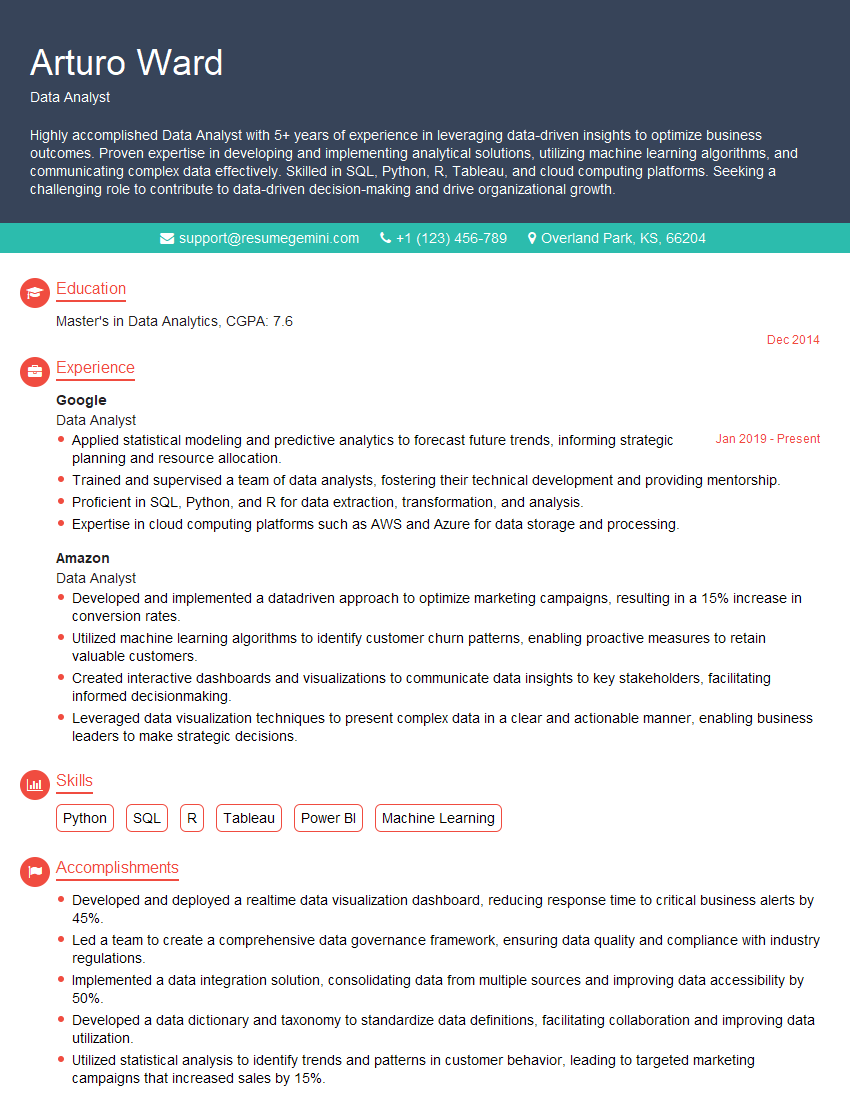
Data Analyst Resume Sample
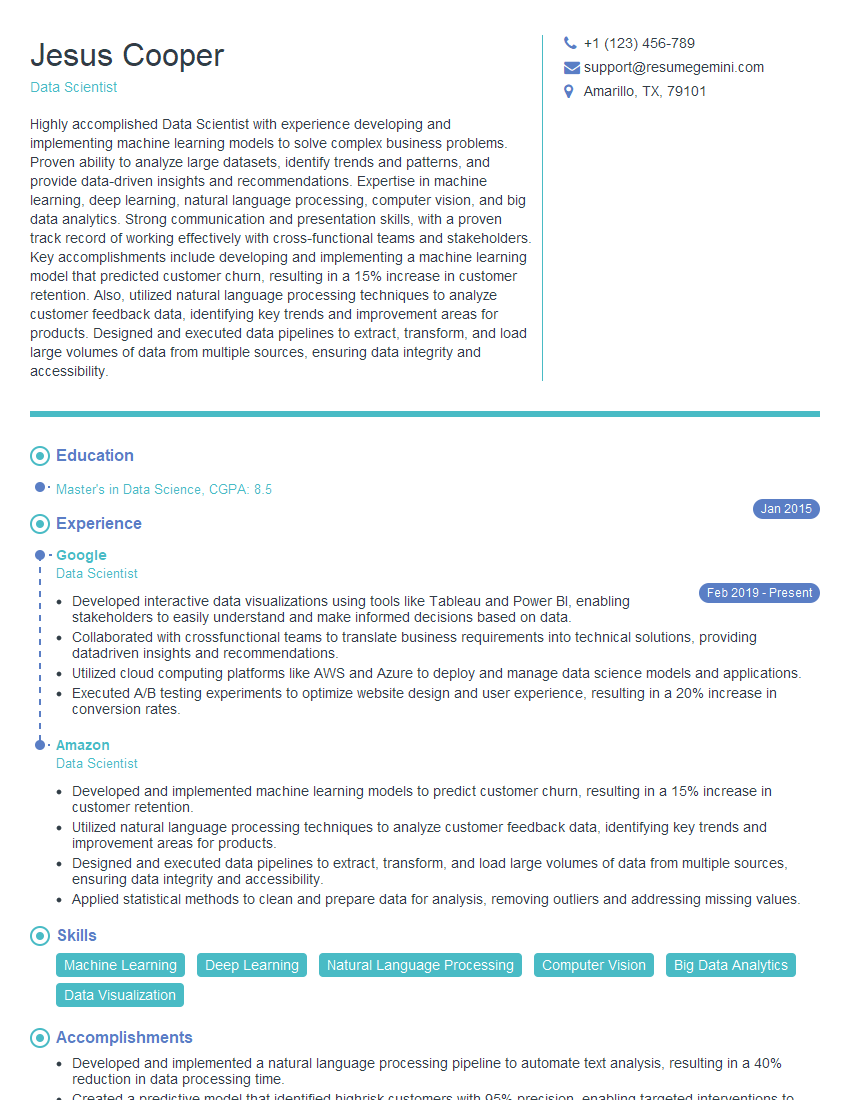
Data Scientist Resume Sample
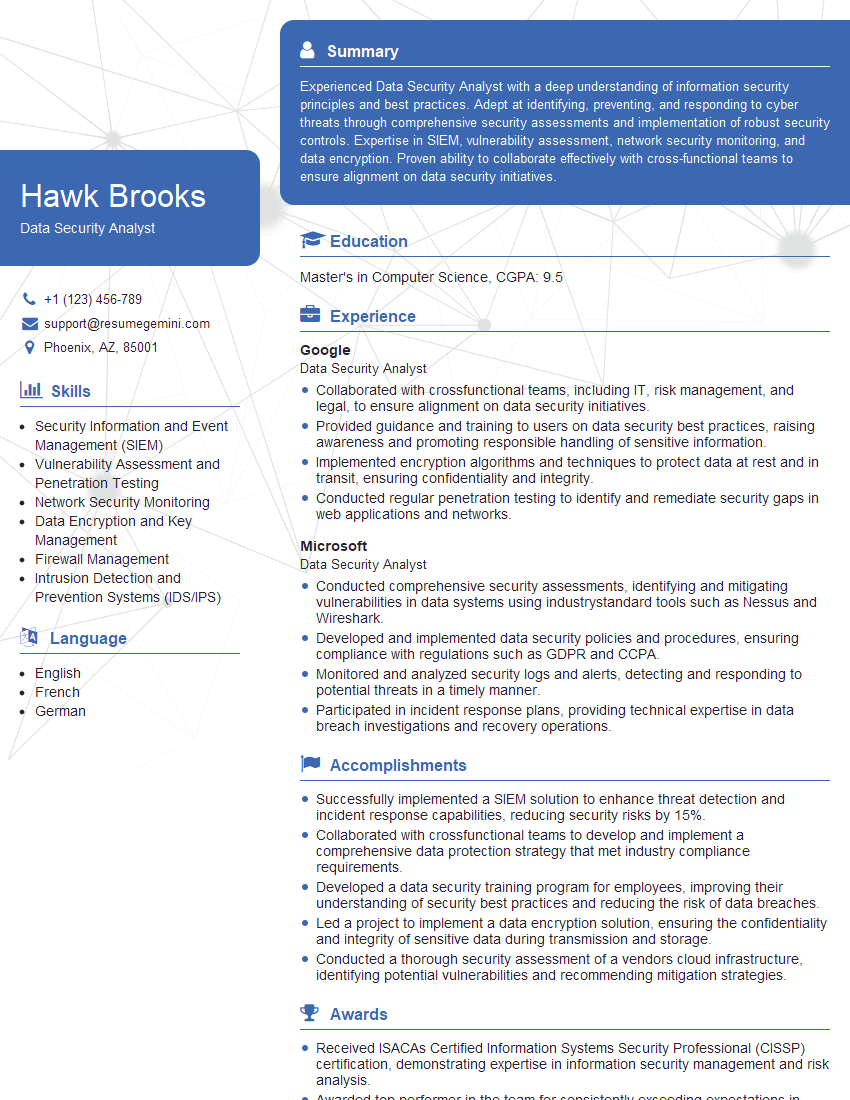
Data Security Analyst Resume Sample
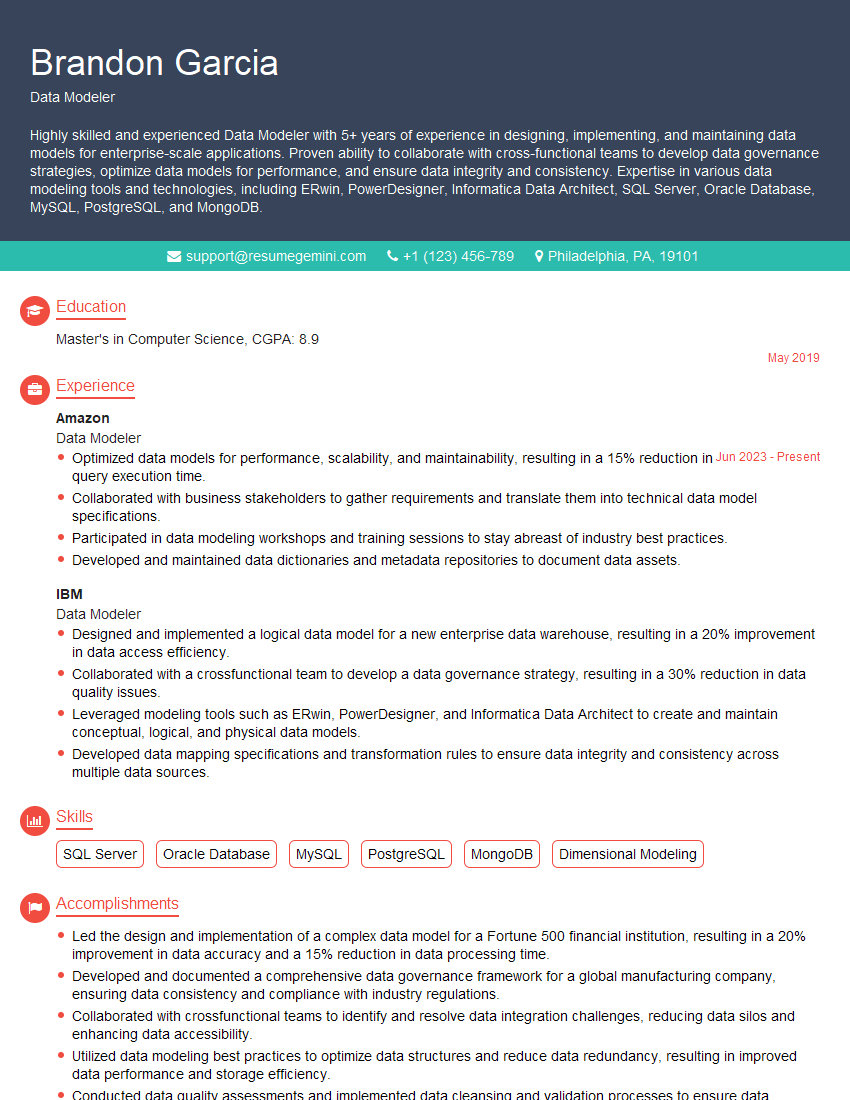
Data Modeler Resume Sample
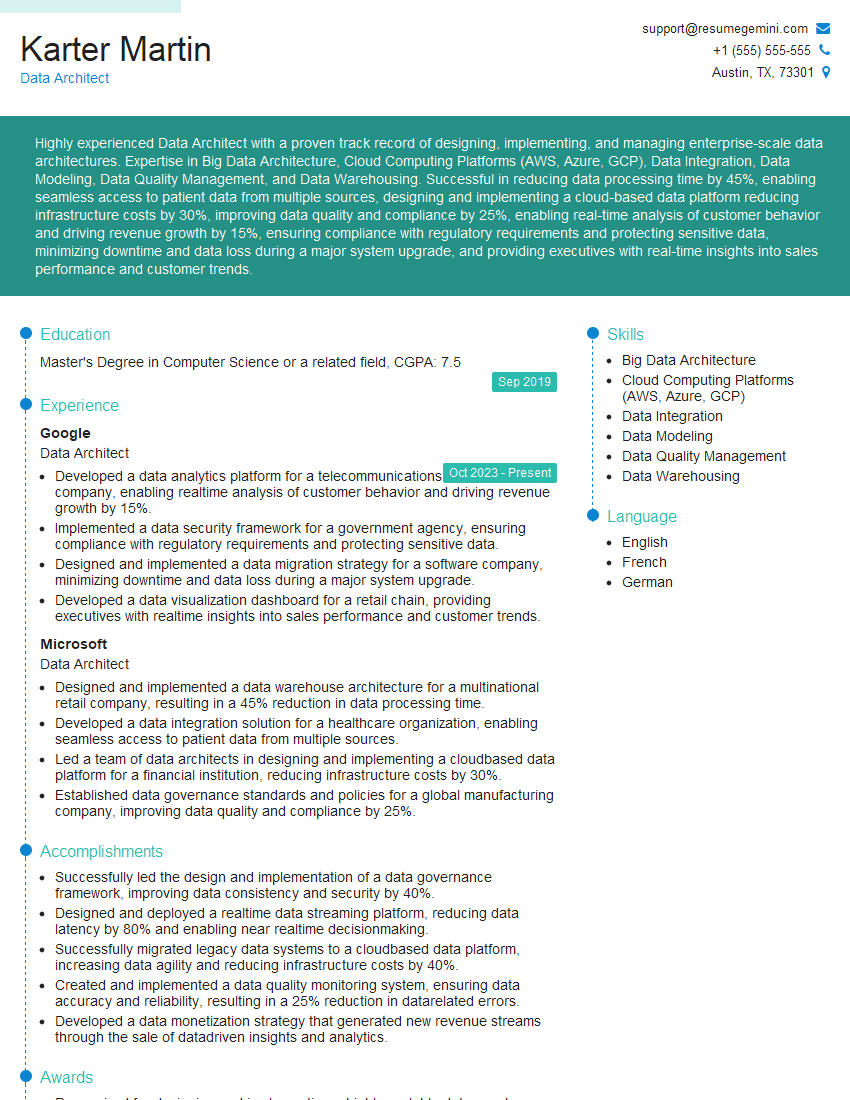
Data Architect Resume Sample
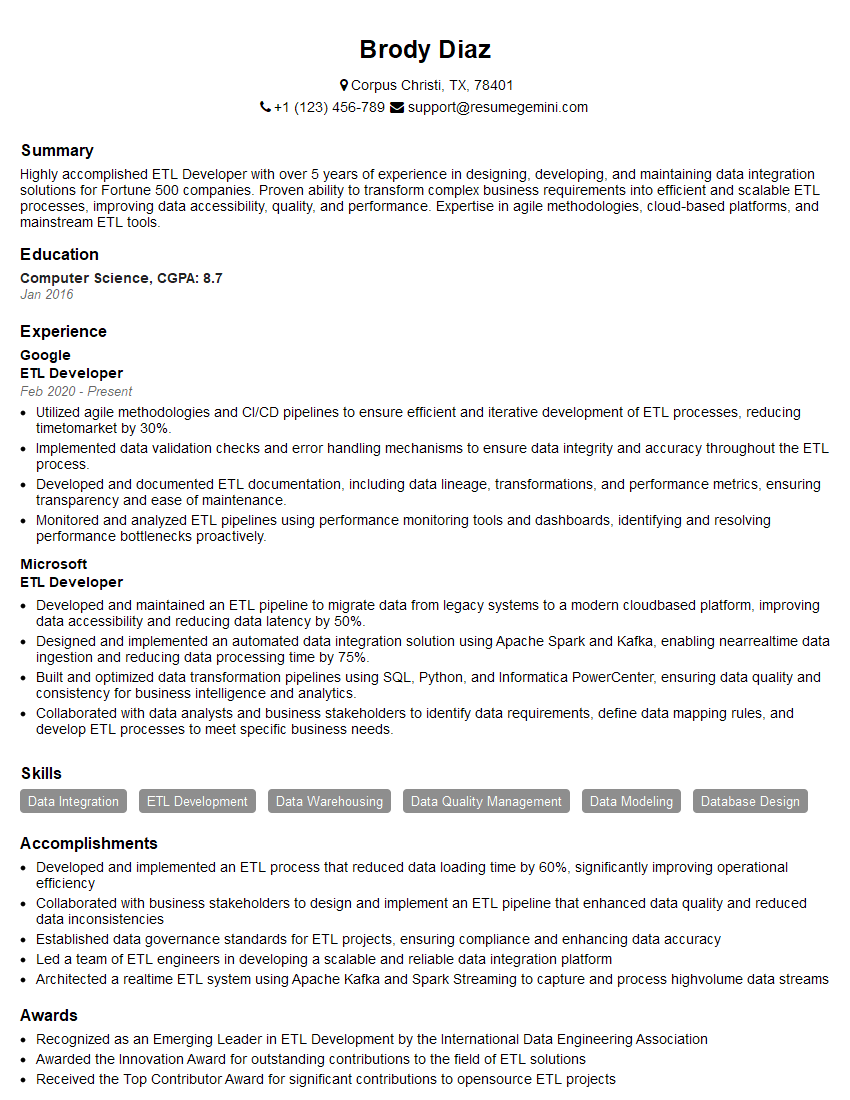
ETL Developer Resume Sample
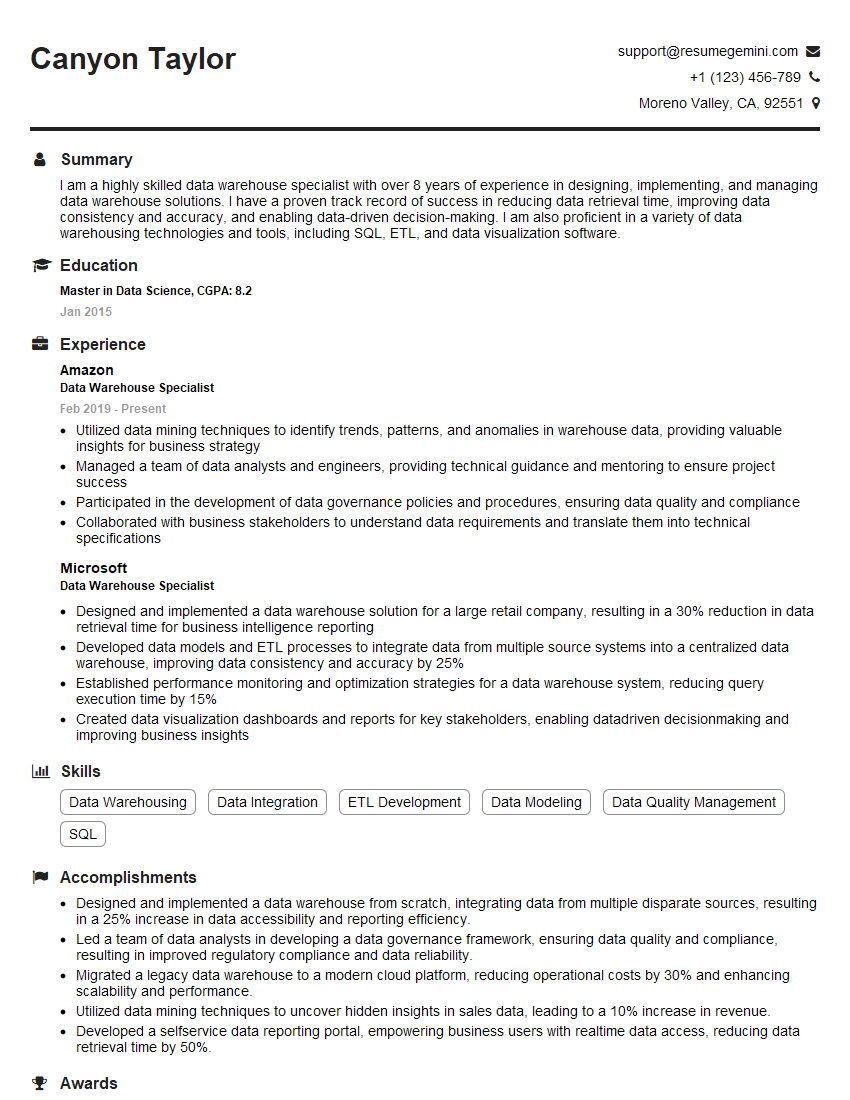
Data Warehouse Specialist Resume Sample
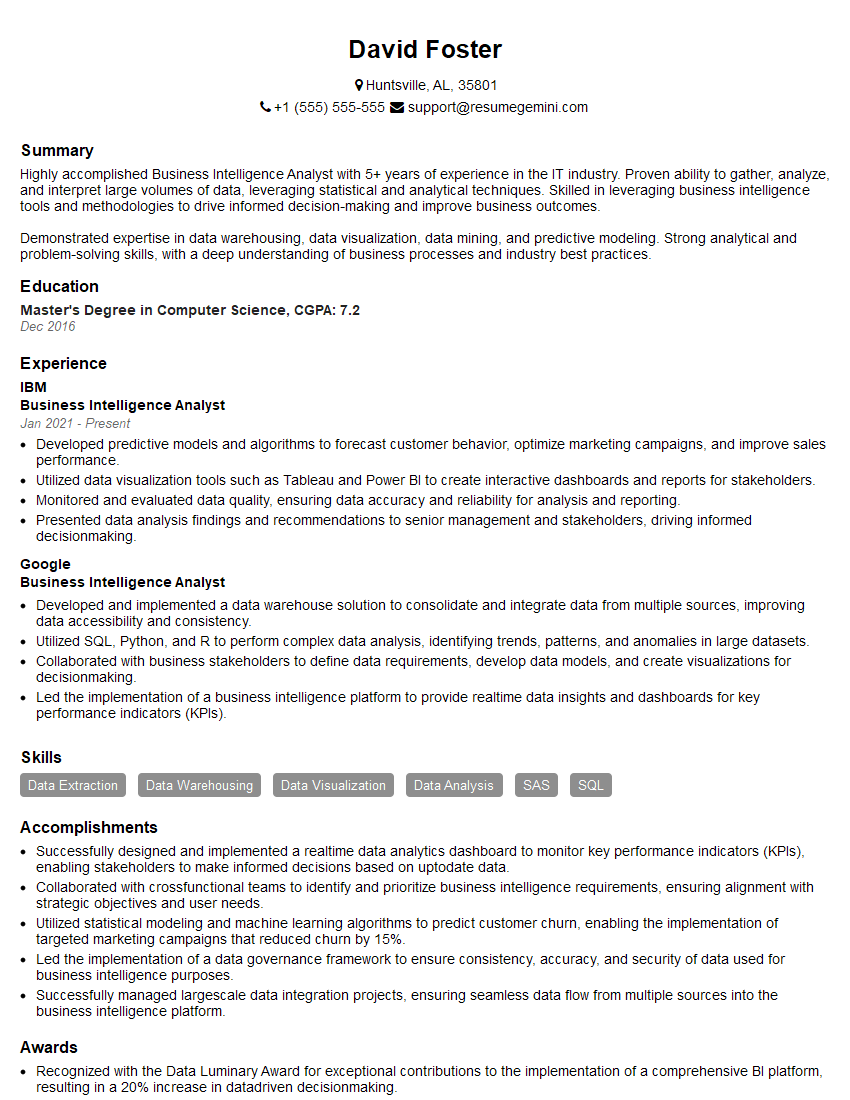
Business Intelligence Analyst Resume Sample
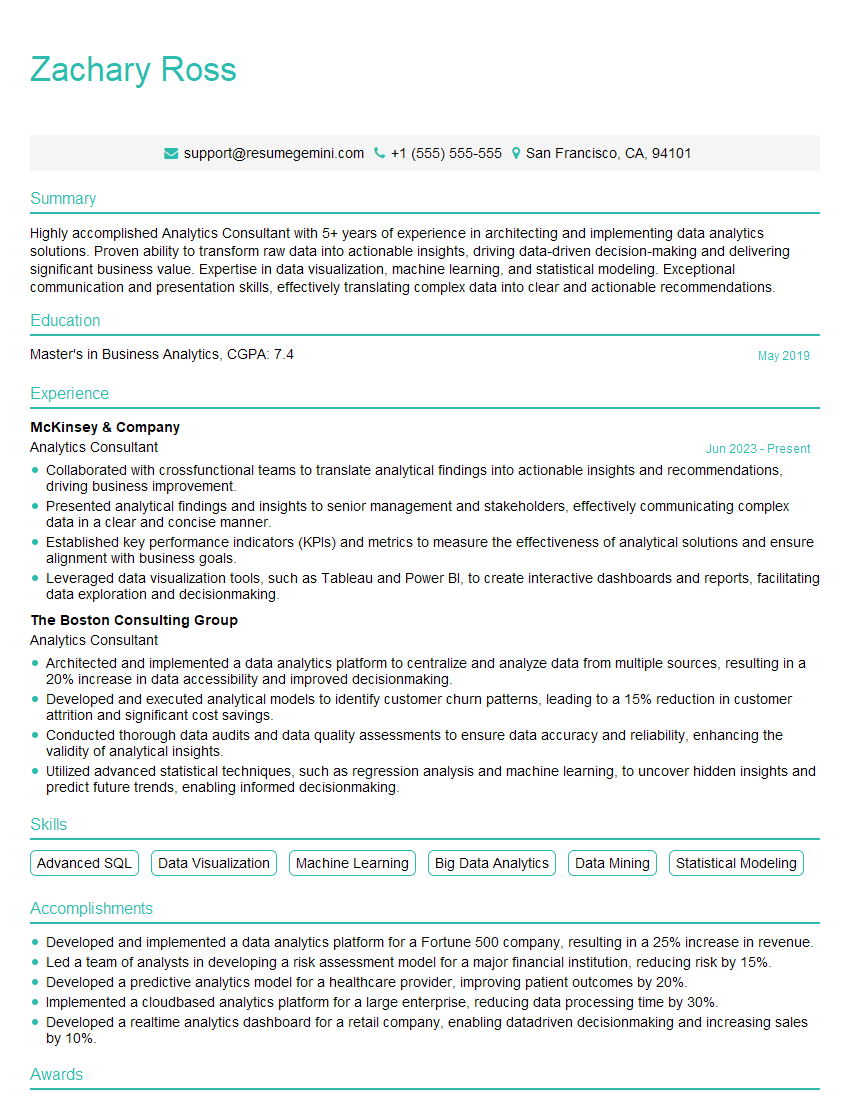
Analytics Consultant Resume Sample

Statistical Analyst Resume Sample
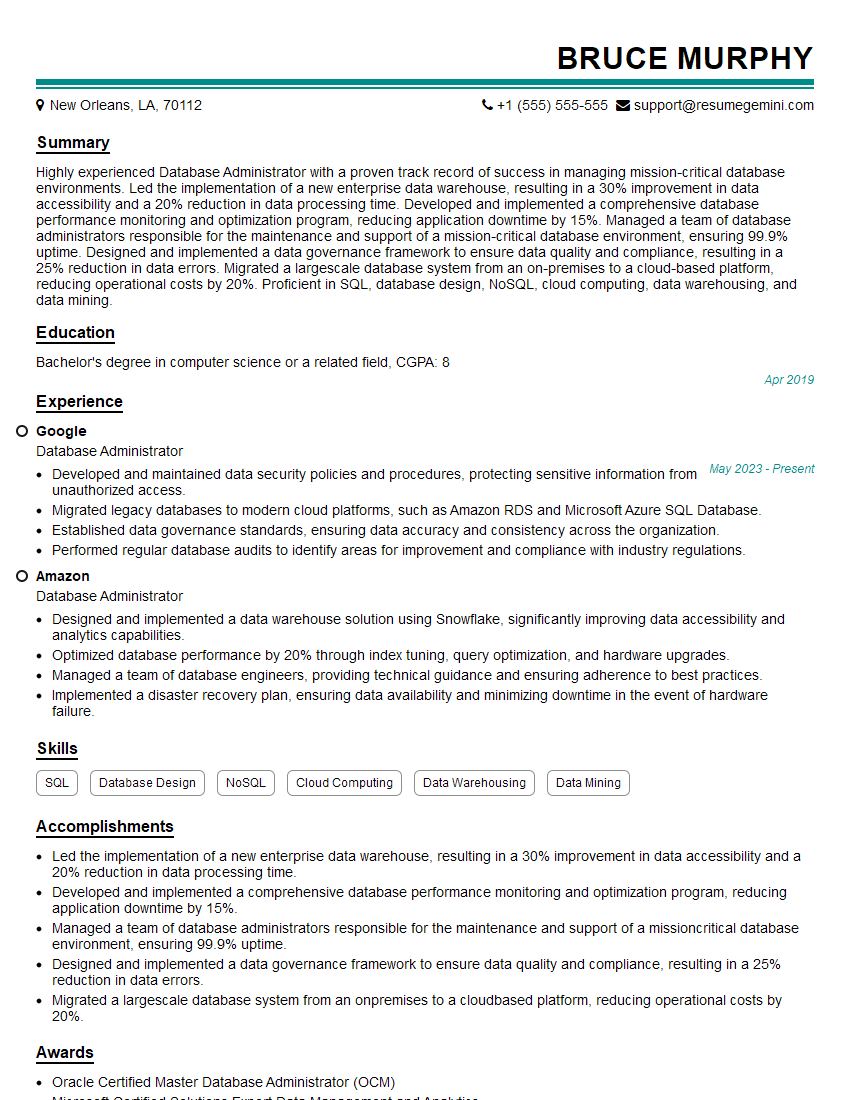
Database Administrator Resume Sample
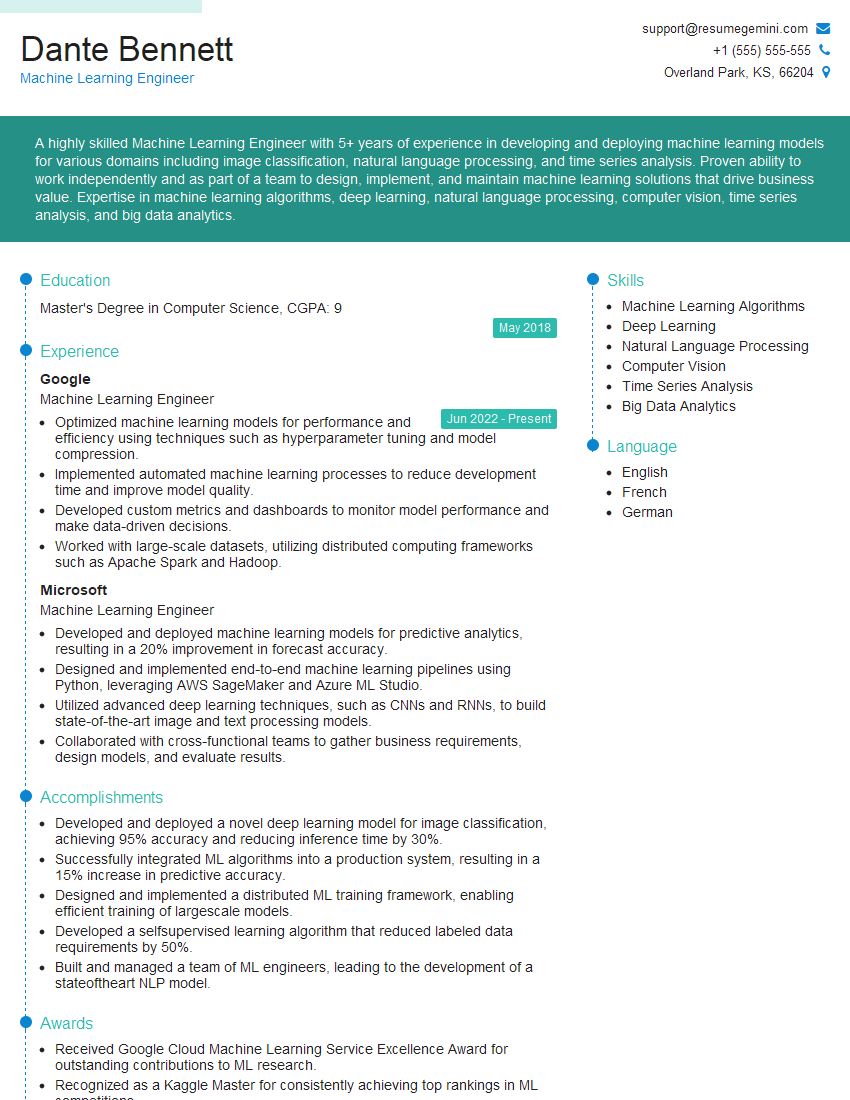
Machine Learning Engineer Resume Sample
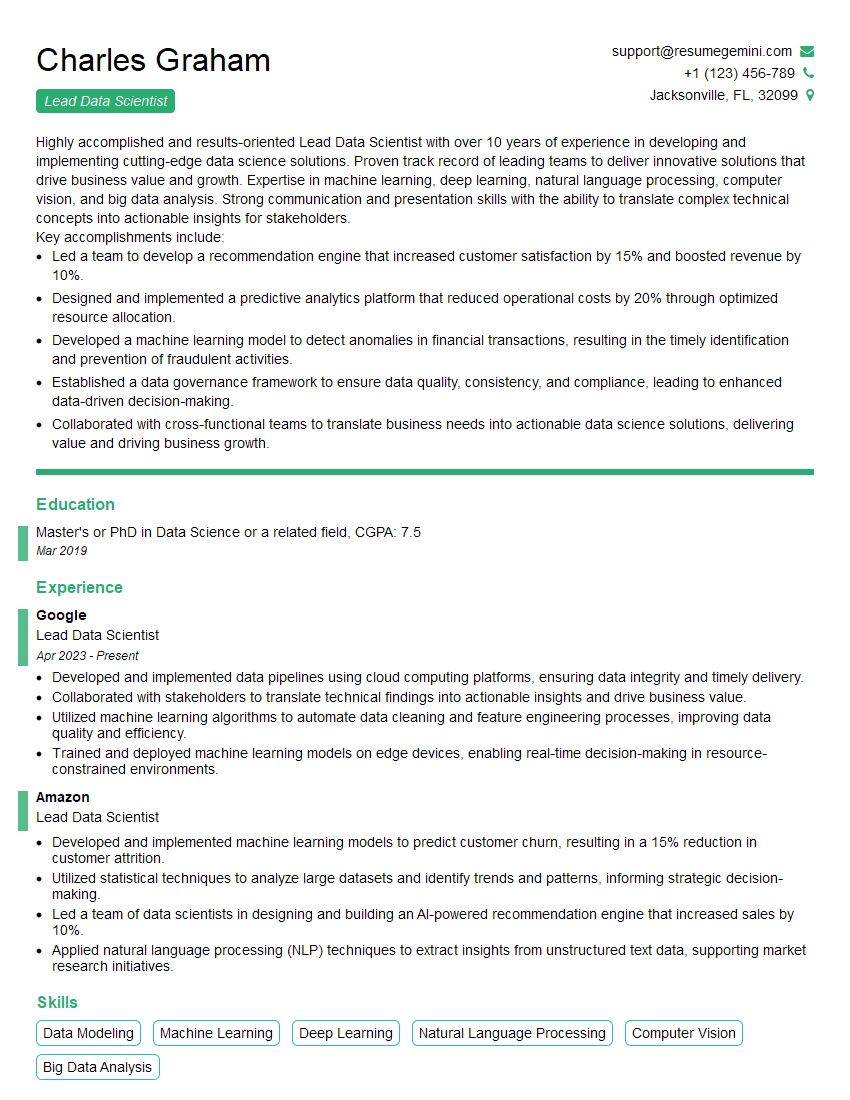
Lead Data Scientist Resume Sample
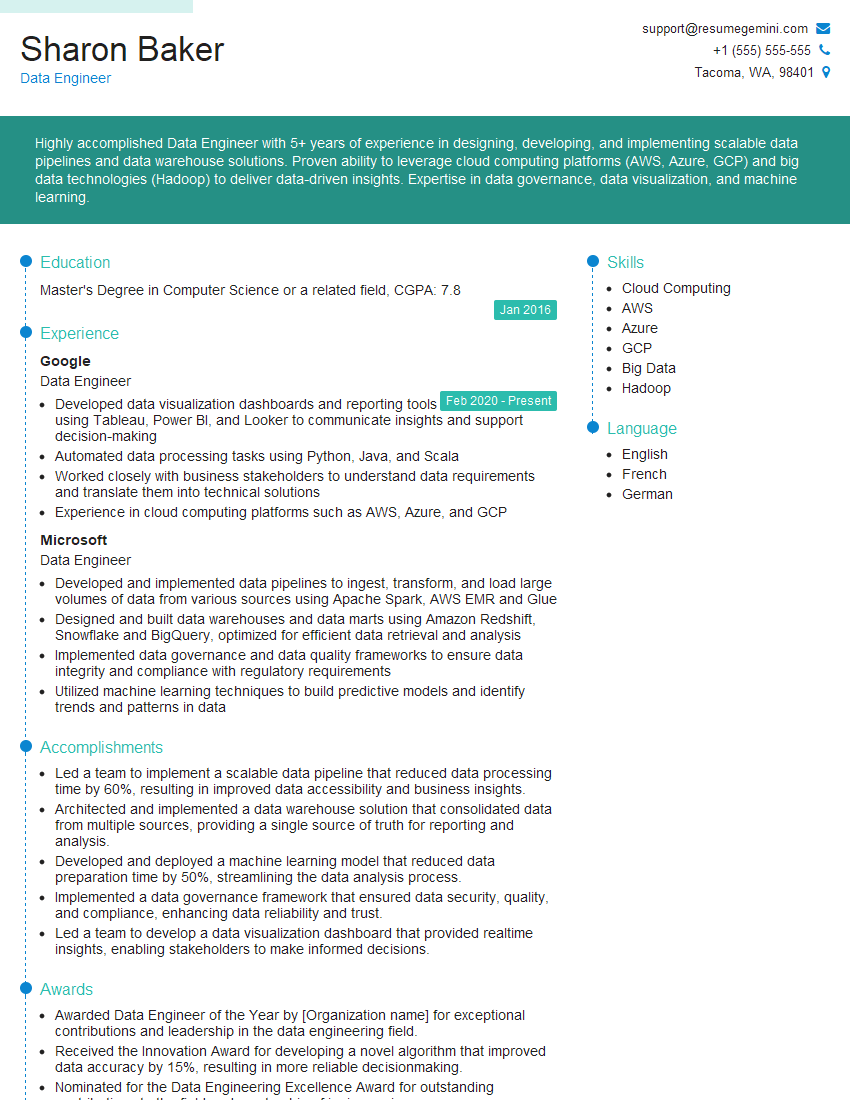
Data Engineer Resume Sample
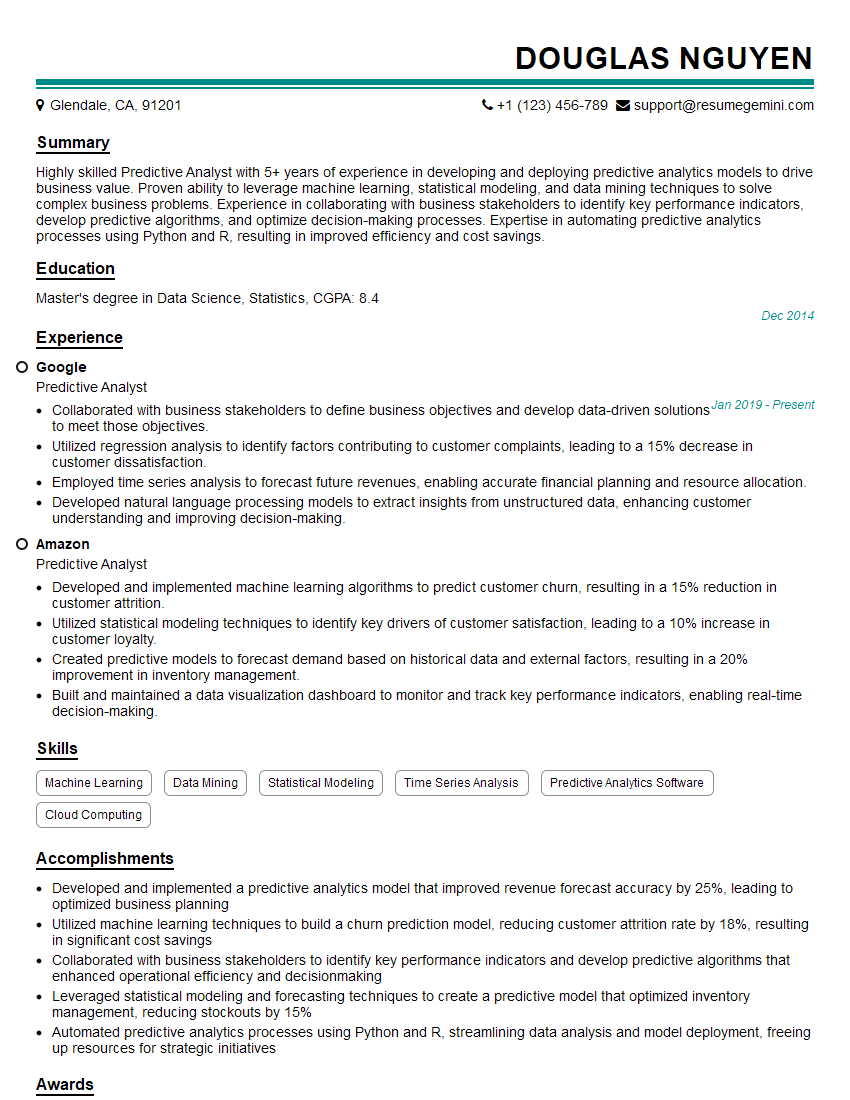
Predictive Analyst Resume Sample
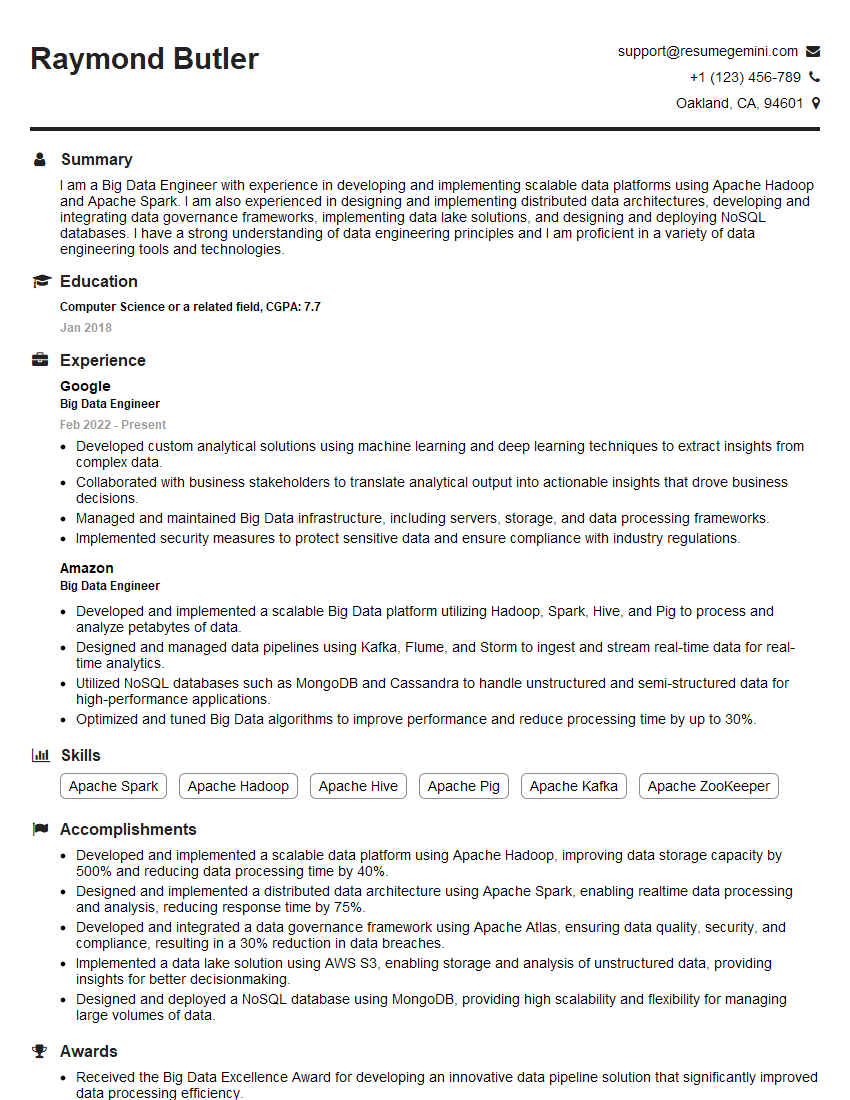
Big Data Engineer Resume Sample
- Data Analyst
- Data Scientist
- Data Security Analyst
- Data Modeler
- Data Architect
- ETL Developer
- Data Warehouse Specialist
- Business Intelligence Analyst
- Analytics Consultant
- Statistical Analyst
- Database Administrator
- Machine Learning Engineer
- Lead Data Scientist
- Data Engineer
- Predictive Analyst
- Big Data Engineer
Explore more articles
Users Rating of Our Blogs
Share Your Experience
We value your feedback! Please rate our content and share your thoughts (optional).
What Readers Say About Our Blog
I Redesigned Spongebob Squarepants and his main characters of my artwork.
https://www.deviantart.com/reimaginesponge/art/Redesigned-Spongebob-characters-1223583608
IT gave me an insight and words to use and be able to think of examples
Hi, I’m Jay, we have a few potential clients that are interested in your services, thought you might be a good fit. I’d love to talk about the details, when do you have time to talk?
Best,
Jay
Founder | CEO