Feeling uncertain about what to expect in your upcoming interview? We’ve got you covered! This blog highlights the most important Ability to Perform Physical Tasks in a Challenging Environment interview questions and provides actionable advice to help you stand out as the ideal candidate. Let’s pave the way for your success.
Questions Asked in Ability to Perform Physical Tasks in a Challenging Environment Interview
Q 1. Describe your experience working in physically demanding conditions.
Throughout my career as a field geologist, I’ve consistently worked in physically demanding conditions. This includes extensive hiking over rugged terrain, often carrying heavy backpacks containing equipment like rock hammers, GPS units, and sample bags. I’ve spent weeks at a time camping in remote areas, enduring challenging weather and physically demanding fieldwork. For example, during a recent survey in the Rocky Mountains, I spent several days navigating steep, rocky slopes, often requiring scrambling and rappelling techniques to access sample sites. The physical exertion was significant, but the results were invaluable to the project.
Another example involves working on archaeological digs in scorching desert climates. The heat and dehydration risk were constant challenges, requiring careful hydration and strategic scheduling of work throughout the coolest parts of the day. We routinely carried heavy tools and excavated materials for hours under the relentless sun.
Q 2. How do you handle working long hours in uncomfortable weather?
Working long hours in uncomfortable weather requires a proactive and layered approach. Proper planning is key – this includes checking weather forecasts meticulously and packing appropriate clothing and gear. Layering clothing allows me to adjust to fluctuating temperatures. I carry plenty of water to stay hydrated, especially in hot or dry conditions. Regular breaks are crucial to prevent exhaustion and heatstroke. During very cold weather, I prioritize frequent movement to generate body heat and watch for signs of hypothermia. I also focus on maintaining good nutrition to boost energy levels. In extreme weather, safety is paramount, and I would not hesitate to postpone work or seek shelter when conditions become hazardous.
Q 3. Explain your approach to maintaining physical fitness for your job.
Maintaining physical fitness is non-negotiable for my job. My routine involves a combination of cardiovascular exercise (hiking, trail running) and strength training focusing on core strength, leg strength, and endurance. This helps me handle the physical demands of fieldwork. I also prioritize flexibility and mobility exercises to prevent injuries. I adapt my training to the specific demands of upcoming projects – for instance, if I know a project will involve extensive hiking with heavy loads, I’ll increase my training volume accordingly. Regular check-ups with my doctor and physical therapist ensure I am addressing any potential physical issues before they impact my work.
Q 4. Have you ever had to perform a physically demanding task under pressure? Describe the situation and your actions.
During a landslide investigation, a sudden rockslide blocked our access to a crucial sampling site. We were under pressure to gather data before a predicted storm. The team had to quickly assess the situation and determine the safest way to reach the site. I took the lead, proposing a detour which involved traversing a steep, unstable slope. We secured ropes for safety and moved cautiously, checking for loose rocks constantly. We successfully completed the sampling before the storm hit, demonstrating effective teamwork and problem-solving under pressure. The experience reinforced the importance of risk assessment and adaptability in physically challenging situations.
Q 5. Describe a time you had to overcome a physical obstacle at work.
During a field expedition in a dense jungle, a fallen tree blocked our path. Instead of trying to move the massive tree, I led the team in creating a detour using machetes to carefully clear a path through the thick undergrowth. This required patience and careful technique to avoid injury from hidden obstacles or poisonous plants. While time-consuming, it ensured the safety of the team and allowed us to continue our work without unnecessary risks.
Q 6. How do you prioritize safety when performing physically demanding tasks?
Safety is my top priority. Before undertaking any physically demanding task, I meticulously assess the risks involved, considering environmental factors, equipment functionality, and potential hazards. I always use appropriate safety equipment like harnesses, helmets, and protective gloves. I communicate with my team, outlining the safety protocols and making sure everyone is on the same page. I ensure proper training for team members on all equipment. Regular breaks and mindful attention to physical limitations helps to minimize the risk of accidents. I adhere strictly to all company and industry safety guidelines.
Q 7. What safety precautions do you take when working in hazardous environments?
In hazardous environments, I prioritize the use of specialized safety equipment appropriate for the specific risks. This could include respiratory protection in dusty or chemically contaminated areas, high-visibility clothing in low-light conditions, and fall protection gear on elevated work sites. I regularly inspect equipment before use and immediately report any defects. I follow strict protocols for handling hazardous materials, including proper storage, disposal, and decontamination procedures. I am always aware of emergency procedures and evacuation plans for the specific location and am well-versed in first aid and basic emergency response techniques.
Q 8. How do you manage fatigue and prevent injuries while working long shifts?
Managing fatigue and preventing injuries during long shifts requires a proactive, multi-faceted approach. It’s not just about pushing through; it’s about optimizing your energy and minimizing risk.
Hydration and Nutrition: Dehydration and poor nutrition significantly contribute to fatigue and reduced performance. I prioritize consistent water intake throughout the shift and consume nutrient-rich snacks to maintain energy levels. Think of it like fueling a machine – you need the right fuel to operate efficiently.
Strategic Breaks: Short, regular breaks are crucial. Instead of pushing until exhaustion, I take short breaks every hour or two to stretch, hydrate, and rest my eyes. These micro-breaks prevent burnout and reduce the risk of injury caused by fatigue.
Proper Body Mechanics: Maintaining proper posture and lifting techniques is paramount. This reduces strain on muscles and joints, minimizing the risk of back injuries, muscle strains, and other common workplace injuries. Think about lifting with your legs, not your back.
Sleep Hygiene: Adequate sleep is foundational. Getting sufficient, high-quality sleep before and after long shifts is crucial for recovery and injury prevention. It’s the body’s natural repair process.
Self-Awareness: Listening to your body is key. If I experience unusual pain or fatigue, I don’t ignore it. I communicate it to my supervisor and seek necessary adjustments or medical attention.
Q 9. Explain your understanding of ergonomics and its importance in physical tasks.
Ergonomics is the science of designing the workplace to fit the worker, not the other way around. It focuses on optimizing the interaction between people and their work environment to promote safety and efficiency. In physically demanding tasks, this is crucial for preventing injuries and maximizing productivity.
Importance: Poor ergonomics leads to musculoskeletal disorders (MSDs) like carpal tunnel syndrome, back pain, and tendonitis. These injuries can be debilitating and costly. Ergonomics aims to minimize these risks by considering factors such as posture, workstation design, tool selection, and work processes.
Practical Application: For example, if I’m working on a repetitive task like assembly, ergonomic principles would guide me to adjust my workstation to maintain a neutral posture, use appropriate tools to minimize strain, and take regular micro-breaks to avoid repetitive stress injuries. Proper tool selection also impacts ergonomics significantly.
Example: In a warehouse setting, using properly adjusted forklifts, pallet jacks, and lifting aids greatly reduces the strain on the back and prevents injuries from improper lifting.
Q 10. Describe a time you had to adapt to a physically challenging situation.
During a particularly heavy snowstorm, our team was tasked with clearing a large outdoor area. The initial plan was significantly hampered by the unexpected depth of the snow and the extreme cold. We were behind schedule and facing significant physical challenges.
Instead of sticking rigidly to the initial plan, we adapted. We reorganized our efforts, prioritizing high-traffic areas first. We also took more frequent breaks to warm up and prevent hypothermia. We communicated openly about our physical limitations and adjusted individual tasks accordingly, ensuring everyone worked within their capabilities. This collaborative adaptation enabled us to complete the task safely and effectively, demonstrating the importance of flexibility and open communication in physically demanding situations.
Q 11. How do you assess risk and mitigate hazards in physically demanding work?
Risk assessment and hazard mitigation in physically demanding work involves a systematic approach. It’s about identifying potential dangers, analyzing their severity, and implementing control measures to minimize the risk.
Hazard Identification: This involves a thorough review of the work environment, tools, and processes, considering potential hazards such as slips, trips, falls, heavy lifting, repetitive movements, and exposure to environmental factors like extreme temperatures.
Risk Assessment: This step involves evaluating the likelihood and severity of each identified hazard. A higher likelihood and severity translates to a higher risk level, requiring more stringent control measures.
Hazard Control: This is the most crucial step. It involves implementing control measures to eliminate or reduce the identified risks. These measures can include engineering controls (e.g., using ergonomic tools, improving workstation design), administrative controls (e.g., work rotation, training programs), and personal protective equipment (PPE) like safety shoes, gloves, and back supports.
Monitoring and Review: Regularly monitoring the effectiveness of control measures and reviewing the risk assessment process ensures that it remains relevant and up-to-date. Workplace conditions change, so the process must be dynamic.
Q 12. What is your experience with using specialized equipment for physical tasks?
My experience with specialized equipment varies widely, depending on the specific task. I’m proficient in operating several types of equipment, including:
Forklifts and Pallet Jacks: I’m certified in operating both, adhering strictly to safety protocols to prevent accidents.
Lifting Devices: I’m experienced using various lifting devices, such as hoists and cranes, to move heavy objects safely and efficiently, always following established procedures.
Power Tools: I’m familiar with using various power tools, ensuring proper safety measures are in place before operation.
Specialized Hand Tools: Proficiency in using specialized hand tools crucial for the specific task, guaranteeing precision and minimizing strain.
In each case, proper training and adherence to safety regulations are paramount. Before operating any equipment, I always ensure I understand the safety procedures and am comfortable with its operation.
Q 13. How do you maintain your physical strength and endurance?
Maintaining physical strength and endurance requires a holistic approach that combines proper exercise, nutrition, and rest.
Strength Training: I incorporate regular strength training exercises, focusing on major muscle groups to build strength and stability, reducing the risk of injury.
Cardiovascular Exercise: Cardiovascular exercise, like running or swimming, enhances endurance, improving my ability to sustain physical effort over extended periods.
Flexibility and Mobility: Regular stretching and mobility exercises maintain flexibility and range of motion, reducing muscle stiffness and preventing injuries.
Proper Nutrition: A balanced diet rich in protein, carbohydrates, and healthy fats fuels my workouts and aids in muscle recovery.
Rest and Recovery: Adequate sleep and rest are essential for muscle repair and preventing overtraining.
Q 14. What are some common injuries associated with your profession and how do you avoid them?
Common injuries associated with physically demanding work often involve the musculoskeletal system. These include:
Back injuries: These are particularly prevalent in jobs involving heavy lifting or repetitive bending and twisting. Proper lifting techniques and ergonomic practices are essential for prevention.
Muscle strains and sprains: These occur due to overexertion, improper body mechanics, or sudden movements. Regular stretching, warm-ups, and appropriate training can minimize the risk.
Repetitive strain injuries (RSIs): These affect muscles, tendons, and nerves due to repetitive movements. Regular breaks, ergonomic adjustments, and proper posture are crucial in prevention.
Carpal tunnel syndrome: This affects the wrist and hand, common in jobs involving repetitive hand movements. Ergonomic workstation design and taking breaks are important.
Avoiding these injuries relies on preventative measures like proper training, using the correct equipment and techniques, maintaining good posture, taking regular breaks, and reporting any discomfort immediately. It’s about working smart, not just hard.
Q 15. Describe your experience working with heavy machinery or tools.
Throughout my career, I’ve extensively worked with various heavy machinery and tools, from excavators and forklifts to specialized welding equipment and power saws. My experience isn’t just about operating these machines; it’s about understanding their capabilities, limitations, and the critical safety procedures required for their proper use.
For instance, during a large-scale construction project, I was responsible for operating a 30-ton excavator to dig foundations. This required not only skill in maneuvering the machine but also a deep understanding of soil conditions, weight distribution, and potential hazards. I meticulously followed safety protocols, including pre-operation checks, maintaining a safe operating distance from other workers, and utilizing appropriate personal protective equipment (PPE).
Another example involves precision welding. I’m proficient in various welding techniques and use a range of tools, from MIG welders to specialized grinding equipment. Accuracy and precision are paramount in this work, as even minor errors can have significant safety and structural consequences.
Career Expert Tips:
- Ace those interviews! Prepare effectively by reviewing the Top 50 Most Common Interview Questions on ResumeGemini.
- Navigate your job search with confidence! Explore a wide range of Career Tips on ResumeGemini. Learn about common challenges and recommendations to overcome them.
- Craft the perfect resume! Master the Art of Resume Writing with ResumeGemini’s guide. Showcase your unique qualifications and achievements effectively.
- Don’t miss out on holiday savings! Build your dream resume with ResumeGemini’s ATS optimized templates.
Q 16. How do you react to unexpected physical challenges in the workplace?
Unexpected physical challenges are a reality in any physically demanding job. My approach involves a combination of proactive planning, immediate problem-solving, and a focus on safety. I start by assessing the situation calmly and identify the specific challenge, whether it’s a broken tool, a change in terrain, or a sudden weather event.
For example, during a highway repair project, a sudden downpour made the ground incredibly slippery. Immediately, I halted all operations, ensuring the safety of my team. We then implemented a revised plan, using specialized equipment and techniques suitable for wet conditions. Communication was key; I made sure everyone understood the adjusted safety procedures before resuming work.
My response always prioritizes safety. If a situation presents an immediate risk, I’ll halt operations and implement the appropriate safety measures before attempting to resolve the problem.
Q 17. How do you stay focused and efficient when working long hours?
Maintaining focus and efficiency during long hours requires a multifaceted approach that combines physical and mental strategies. Physically, I prioritize regular breaks, proper hydration, and maintaining good posture to minimize fatigue. Mentally, I employ techniques like breaking down large tasks into smaller, more manageable steps and setting realistic goals for each work period.
I also find it helpful to utilize time management techniques such as the Pomodoro Technique, working in focused bursts with short breaks in between. This helps prevent burnout and maintain concentration. Good nutrition and sufficient sleep are crucial for sustained energy levels.
Finally, I strive to find ways to make the work itself engaging. Taking pride in my work and focusing on the positive aspects of the project helps me remain motivated and productive, even during longer shifts.
Q 18. Describe your experience with teamwork in a physically demanding environment.
Teamwork is essential in physically demanding environments. Successful teamwork relies on clear communication, mutual respect, and a shared understanding of safety procedures. I value collaborative problem-solving and actively contribute to a supportive team dynamic. I’ve worked in many teams where effective communication and coordination were crucial to successfully completing complex tasks.
During a large-scale demolition project, our team had to carefully dismantle a multi-story building while ensuring the safety of workers and surrounding structures. This required precise coordination and constant communication between demolition crews, crane operators, and safety personnel. By clearly defining roles, responsibilities and consistently communicating, we finished the project without any accidents.
My experience highlights that effective teamwork in a physically demanding environment is not simply about completing the task; it’s about doing it safely and efficiently, while supporting and respecting my colleagues.
Q 19. How do you communicate effectively when performing physical tasks with others?
Clear and concise communication is crucial when working with others on physically demanding tasks. This involves using plain language, avoiding jargon, and ensuring everyone understands the instructions and safety procedures. Non-verbal communication, such as hand signals and visual cues, can also be extremely important in noisy or hazardous environments.
For example, when working on a construction site, I frequently use hand signals to direct crane operators and other equipment operators, ensuring that everyone is aware of the precise movements and positioning of heavy machinery. This prevents misunderstandings and accidents.
In addition to verbal and non-verbal communication, regular briefings and debriefings are vital, allowing us to address any concerns, coordinate our efforts, and maintain safety protocols. Active listening is also paramount to ensuring that everyone is heard and understood.
Q 20. How do you handle unexpected changes in work conditions or physical demands?
Adaptability is key to handling unexpected changes in work conditions or physical demands. My approach involves assessing the situation, identifying the new challenges, and adjusting my approach accordingly. This might involve changing equipment, modifying procedures, or seeking assistance from colleagues. Safety always remains my top priority.
For example, while working on an outdoor project, an unexpected blizzard created hazardous conditions. We immediately suspended operations, secured equipment, and reassessed the situation. Once the weather improved, we implemented new safety protocols, such as using extra lighting and specialized anti-slip footwear. This ensured we could continue work safely.
My ability to adapt quickly and safely to changing conditions, while prioritizing safety and teamwork, is a key strength in my professional skillset.
Q 21. Describe a time you had to assist a colleague injured during a physical task.
During a roofing project, a colleague slipped and fell from a ladder, sustaining a leg injury. My immediate priority was to ensure his safety. I quickly called for emergency medical services, while simultaneously ensuring the safety of others by clearing the immediate area and halting all work in the vicinity. I then assisted in stabilizing his injury until the paramedics arrived, using basic first aid techniques to help manage his pain and prevent further harm.
Following the incident, I collaborated with my team to identify the contributing factors to the accident and implement preventative measures to avoid similar incidents in the future. This included a comprehensive review of our safety protocols and additional training on ladder safety.
This experience reinforced the critical role of safety awareness, teamwork, and quick, effective response in physically demanding environments.
Q 22. What are your strategies for working effectively in extreme temperatures?
Working effectively in extreme temperatures requires a multi-pronged approach focusing on prevention, adaptation, and awareness. It’s not just about enduring the heat or cold; it’s about minimizing the risks to your health and performance.
- Heat: In hot environments, I prioritize hydration by drinking plenty of water throughout the day, even before feeling thirsty. I also wear light-colored, loose-fitting clothing to reflect sunlight and allow for better air circulation. I plan my work around the hottest parts of the day, perhaps scheduling heavier tasks for cooler periods. Regular breaks in shaded areas are crucial, and I actively monitor myself and my colleagues for signs of heat exhaustion (dizziness, nausea, rapid pulse).
- Cold: In cold conditions, layering clothing is key. Multiple thin layers trap more heat than one thick layer. I wear waterproof outer layers to protect against wind and precipitation. I also prioritize keeping my extremities warm using gloves, hats, and warm socks. Regular movement helps generate body heat, but it’s important to avoid overexertion, which can lead to sweating and subsequent chilling. Regular warm drinks are also essential for maintaining body temperature.
For example, during a summer road construction project, we strategically scheduled asphalt paving for the early morning hours, when temperatures were lower. We also provided ample shade and cool water throughout the day, implementing mandatory breaks for rehydration. During a winter mountain rescue operation, layering was vital. We used multiple layers of fleece and waterproof outerwear, regularly rotated our hands and feet to maintain circulation, and took frequent breaks in a heated shelter.
Q 23. How do you deal with repetitive movements or strain in physically demanding jobs?
Repetitive movements and strain are significant occupational hazards. Managing them effectively involves a combination of preventative measures and responsive actions.
- Prevention: This includes proper posture and ergonomics, ensuring my workstation is set up correctly for optimal body mechanics. Taking frequent short breaks to stretch and move around is crucial. Using appropriate tools and equipment can significantly reduce strain. For instance, using power tools instead of manual ones whenever possible can reduce repetitive strain on joints and muscles.
- Response: If I do experience strain, I immediately stop the activity and rest the affected area. Applying ice packs can help reduce inflammation. Gentle stretching and massage can improve circulation and relieve stiffness. For persistent pain or injury, I seek immediate medical attention.
In a warehouse setting, I’d routinely take short breaks to stretch my back and arms after periods of lifting and carrying boxes. If lifting heavy objects, I’d always use proper lifting techniques (which I’ll detail later). If pain persisted, I’d report it to my supervisor to prevent further injury.
Q 24. Explain your understanding of lifting techniques and proper body mechanics.
Proper lifting techniques and body mechanics are paramount for preventing back injuries and other musculoskeletal issues. The core principle is to use your legs and core muscles, rather than your back, to lift heavy objects.
- Assess the load: Before lifting, assess the weight and stability of the object. If it’s too heavy, seek assistance.
- Get close: Position yourself as close to the object as possible, with your feet shoulder-width apart.
- Bend your knees: Squat down, keeping your back straight, and grasp the object firmly.
- Lift with your legs: Straighten your legs, using your leg muscles to lift the object. Keep the load close to your body.
- Controlled movement: Move smoothly and avoid twisting your body.
- Lower safely: Reverse the process to lower the object, using your leg muscles to control the descent.
Imagine lifting a heavy box. Instead of bending over and lifting with your back, you should bend at your knees, keep your back straight, grab the box securely, and lift by straightening your legs. Keeping the box close to your body throughout the lift is crucial.
Q 25. How do you stay hydrated and maintain energy levels during strenuous work?
Maintaining hydration and energy levels during strenuous work is crucial for preventing fatigue and maximizing performance. It’s a proactive strategy, not a reactive one.
- Hydration: I begin the workday well-hydrated. I carry a reusable water bottle and sip water regularly throughout the day, even if I don’t feel thirsty. Electrolyte drinks can be beneficial during prolonged strenuous activity to replenish lost salts.
- Energy: I eat nutritious, easily digestible meals and snacks before, during (if feasible), and after work. These should provide sustained energy and avoid causing digestive issues. Good choices include fruits, vegetables, whole grains, and lean protein. Avoid sugary drinks and processed foods, as these cause energy crashes.
For example, on a long hiking expedition, I’d bring a hydration pack with water and electrolytes. I would also carry energy bars and dried fruit for sustained energy. During a construction job, I’d ensure I had access to water throughout the day and take regular breaks for nutritious snacks.
Q 26. What measures do you take to prevent heat exhaustion or hypothermia?
Preventing heat exhaustion and hypothermia requires vigilance and awareness. Both conditions can be serious, even life-threatening, if not addressed promptly.
- Heat Exhaustion Prevention: This involves all the strategies mentioned for working in extreme heat (hydration, proper clothing, breaks in shade). Recognizing the early warning signs – dizziness, nausea, headache, weakness – is critical. If these occur, immediately move to a cool place, rest, and rehydrate. Seek medical attention if symptoms persist.
- Hypothermia Prevention: This centers around staying warm and dry. Wearing appropriate clothing in layers, protecting exposed skin, and minimizing time spent in cold, wet conditions are essential. Regularly checking on colleagues for signs of hypothermia (shivering, confusion, slurred speech) is crucial. If suspected, get the individual to warmth immediately and seek medical attention.
During a mountain climbing expedition, we used a buddy system to monitor each other for signs of hypothermia. We were always prepared with extra layers of clothing and a plan for seeking shelter in case of a sudden change in weather. In a construction job during a cold snap, we had hand and foot warmers available for workers, and supervisors kept a watchful eye on individuals, encouraging frequent breaks indoors.
Q 27. Describe your experience using Personal Protective Equipment (PPE).
Personal Protective Equipment (PPE) is fundamental to workplace safety. My experience encompasses various types of PPE, each with specific applications and proper usage procedures. I am trained in proper donning, doffing (removing), and maintenance of all relevant equipment.
- Hard hats: Protecting my head from falling objects.
- Safety glasses/goggles: Protecting my eyes from flying debris or chemicals.
- Hearing protection: Reducing noise exposure in loud environments.
- Gloves: Protecting my hands from cuts, abrasions, chemicals, or extreme temperatures. The type of gloves varies depending on the task – e.g., cut-resistant gloves for working with sharp objects, insulated gloves for handling cold materials.
- Respiratory protection: Using respirators or masks to protect against dust, fumes, or other airborne hazards.
- High-visibility clothing: Ensuring I am seen in low-light conditions or high-traffic areas.
For instance, when working with chemicals, I’d always wear appropriate gloves and a respirator to prevent inhalation and skin contact. When working at heights, a harness and safety line are non-negotiable, and I make sure I understand and follow all safety protocols.
Q 28. How do you adapt your work methods based on the specific physical challenges of a job site?
Adapting work methods to the specific physical challenges of a job site is crucial for efficiency and safety. This requires careful assessment and planning.
- Terrain Assessment: Understanding the terrain—uneven ground, slippery surfaces, steep inclines—is vital. I’d adjust my gait and movements accordingly, possibly using additional equipment like walking sticks or safety harnesses. I might alter the sequence of tasks to avoid particularly hazardous areas during certain conditions.
- Environmental Factors: Weather conditions (heat, cold, wind, rain) significantly impact work methods. My clothing and work schedule would adjust accordingly, utilizing weather-appropriate gear and protective clothing. Breaks would be scheduled for rehydration and to avoid exhaustion.
- Task Sequencing: Consider the physical demands of different tasks. I would prioritize tasks requiring the most physical exertion when energy levels are highest. I might delegate tasks that require excessive force or repetitive motion if assistance is available.
- Tool Selection: I always choose the right tool for the job, considering factors such as weight, ergonomics, and power requirements. If heavier equipment is needed, I’d ensure there is sufficient support and ensure proper lifting techniques are employed.
For example, when working on a steep, muddy slope, I would use a safety harness and adjust my foot placement carefully to maintain balance. On a hot day, I’d prioritize tasks that require less physical exertion during the peak heat of the day and increase fluid intake. In a confined space, I’d use smaller tools to avoid overreaching or straining.
Key Topics to Learn for Ability to Perform Physical Tasks in a Challenging Environment Interview
- Physical Stamina and Endurance: Understanding your own physical limits and strategies for maintaining stamina in demanding situations. Consider examples from past experiences.
- Adaptability to Varying Conditions: Discuss your ability to adjust to unpredictable weather, terrain, or equipment malfunctions. Highlight problem-solving skills in these scenarios.
- Safety Procedures and Risk Mitigation: Demonstrate knowledge of relevant safety protocols and your proactive approach to minimizing risks. Provide examples of safe work practices you’ve employed.
- Teamwork and Communication in High-Pressure Situations: Explain how you collaborate effectively with others during physically demanding tasks, especially when under pressure. Focus on clear communication strategies.
- Problem-Solving and Decision-Making Under Physical Stress: Illustrate your ability to think critically and make sound judgments even when physically fatigued or facing challenging circumstances.
- Physical Capabilities and Limitations (Honest Self-Assessment): Be prepared to honestly discuss your physical capabilities and any limitations, focusing on how you compensate for them or work around them.
- Proper Lifting Techniques and Ergonomics: Show your understanding of safe lifting practices and the importance of ergonomics in preventing injuries.
Next Steps
Mastering the ability to perform physical tasks in challenging environments is crucial for career advancement in many fields, opening doors to exciting opportunities and higher earning potential. A strong, ATS-friendly resume is your first step to showcasing these skills to potential employers. ResumeGemini can help you craft a compelling resume that highlights your capabilities effectively. We offer examples of resumes tailored to showcase experience in performing physical tasks in challenging environments, helping you present your qualifications in the best possible light. Invest time in building a professional resume – it’s your key to unlocking your career potential.
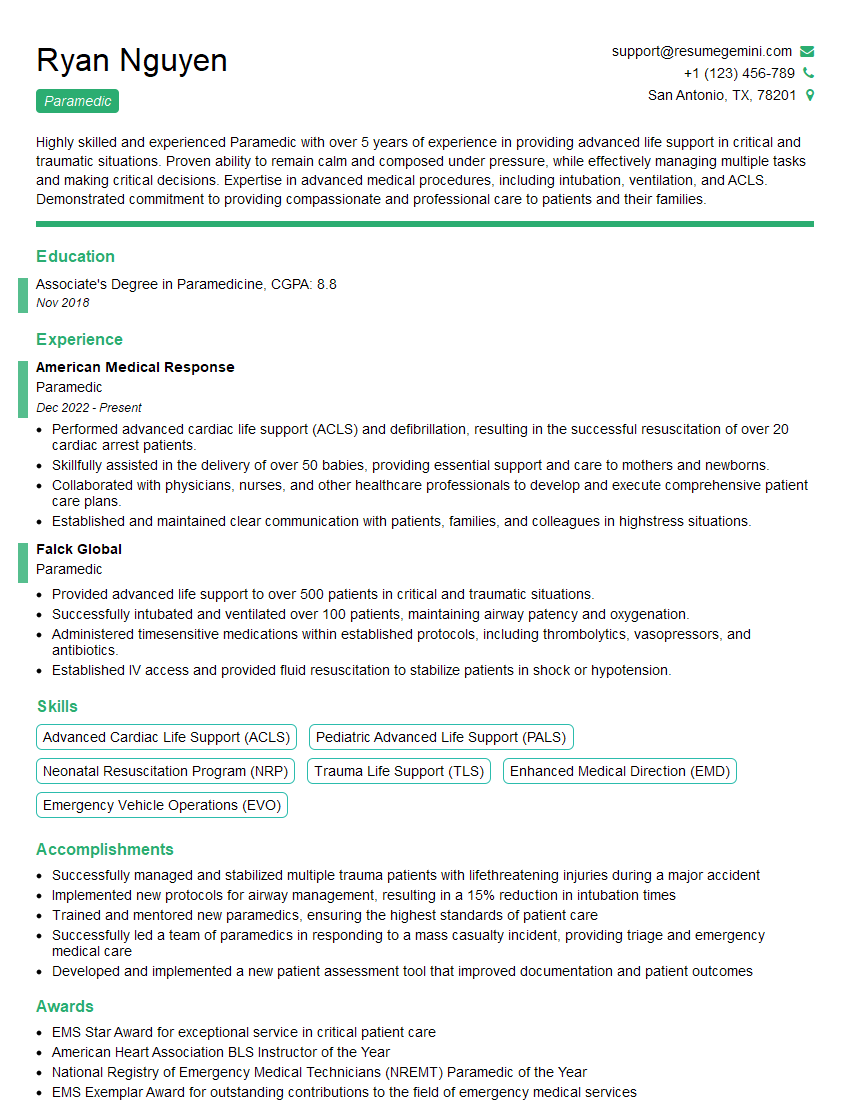
Paramedic Resume Sample
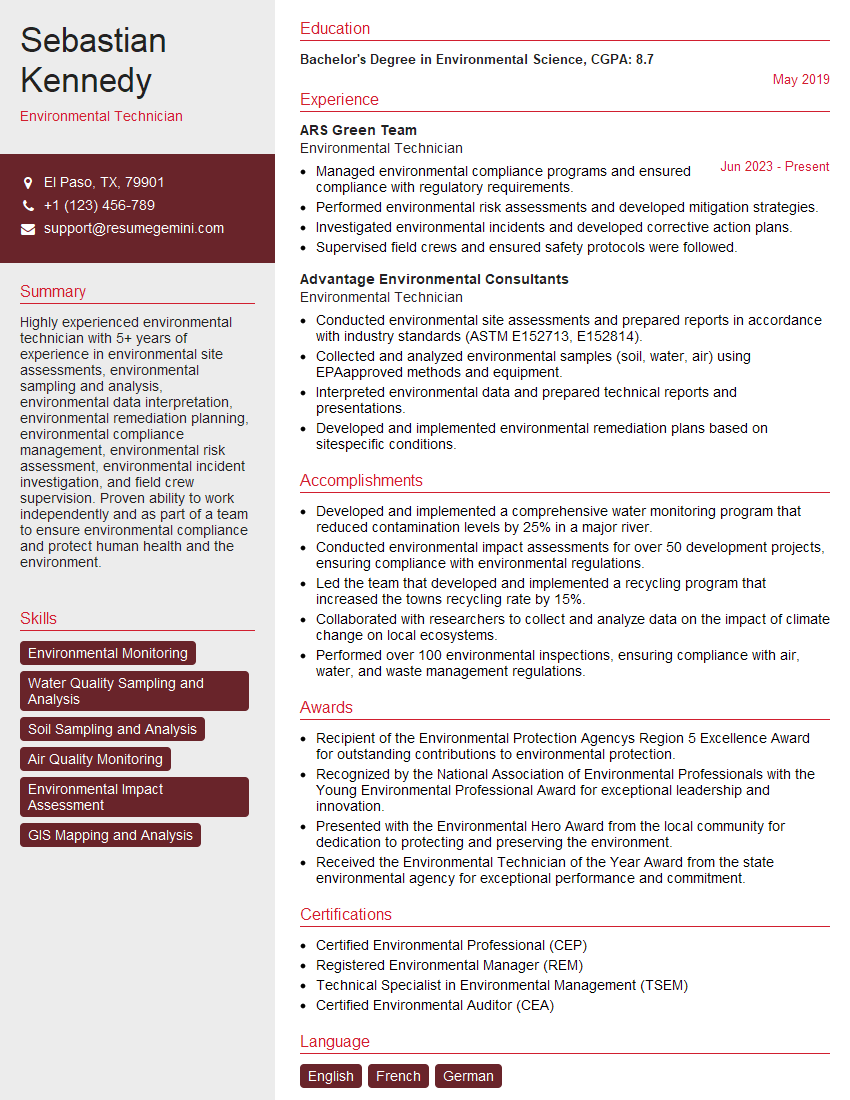
Environmental Technician Resume Sample
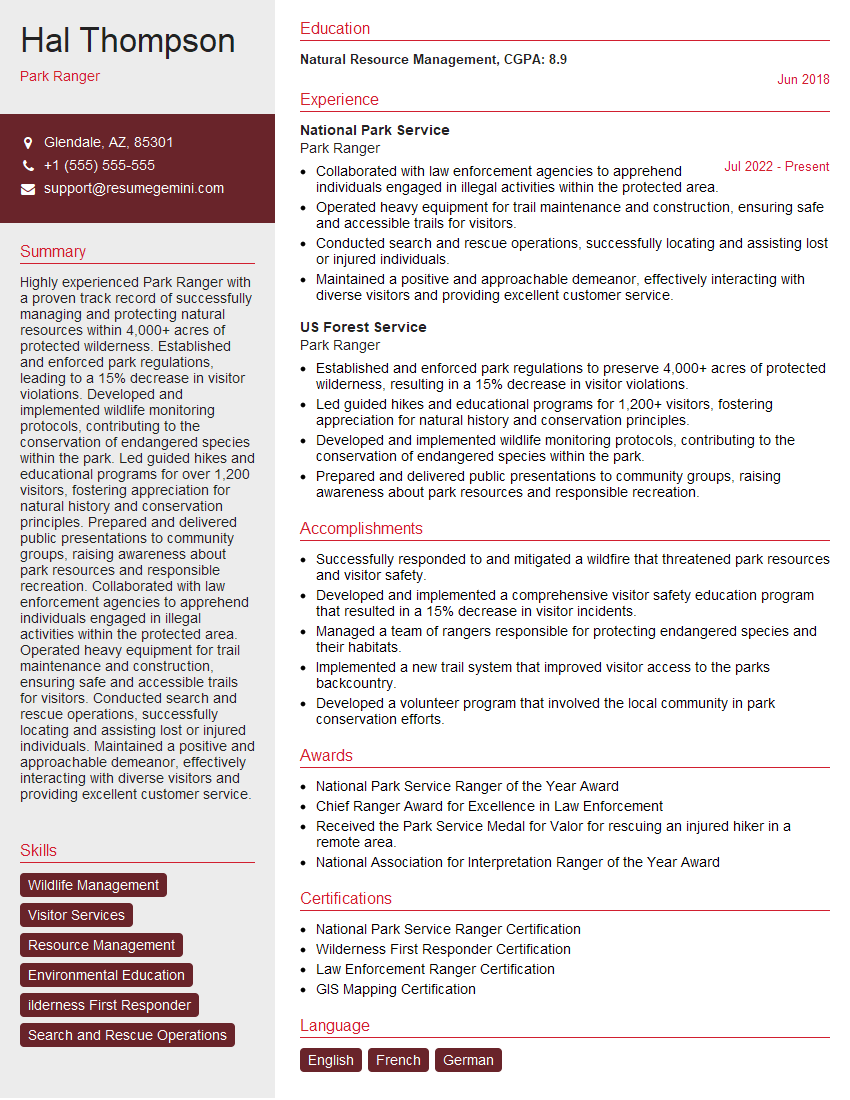
Park Ranger Resume Sample
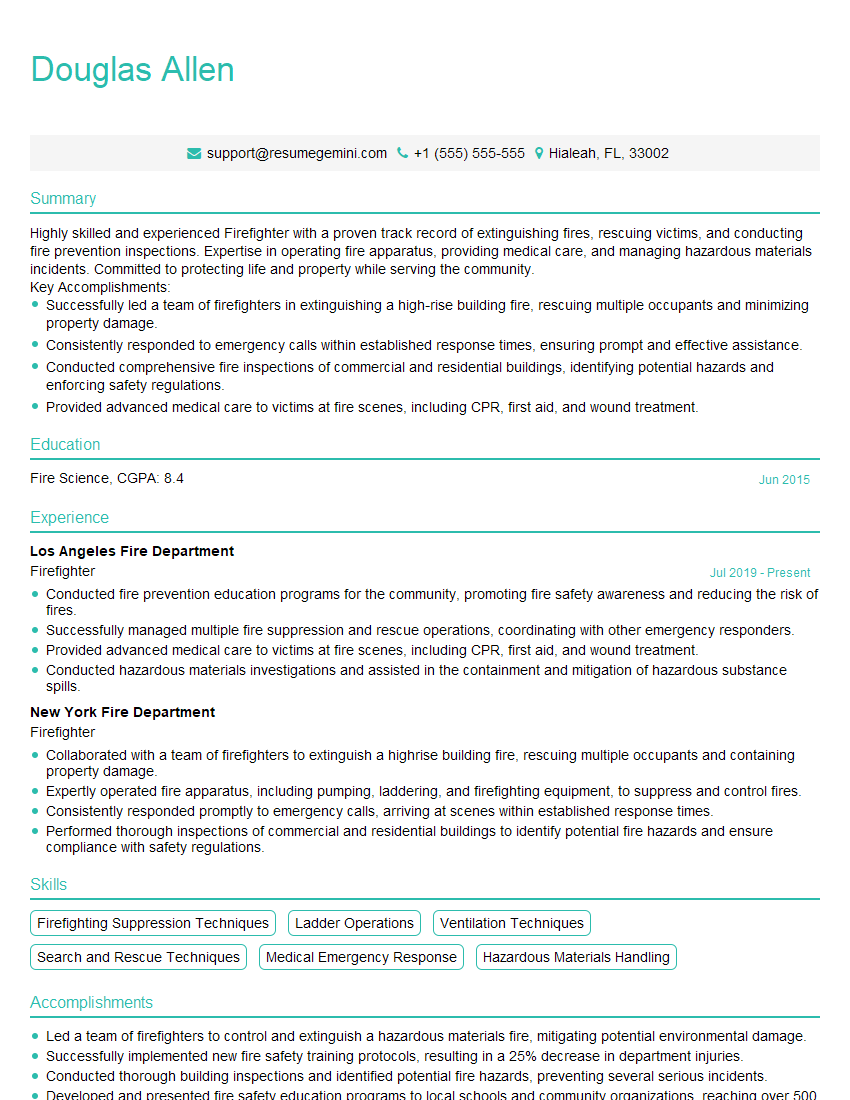
Firefighter Resume Sample
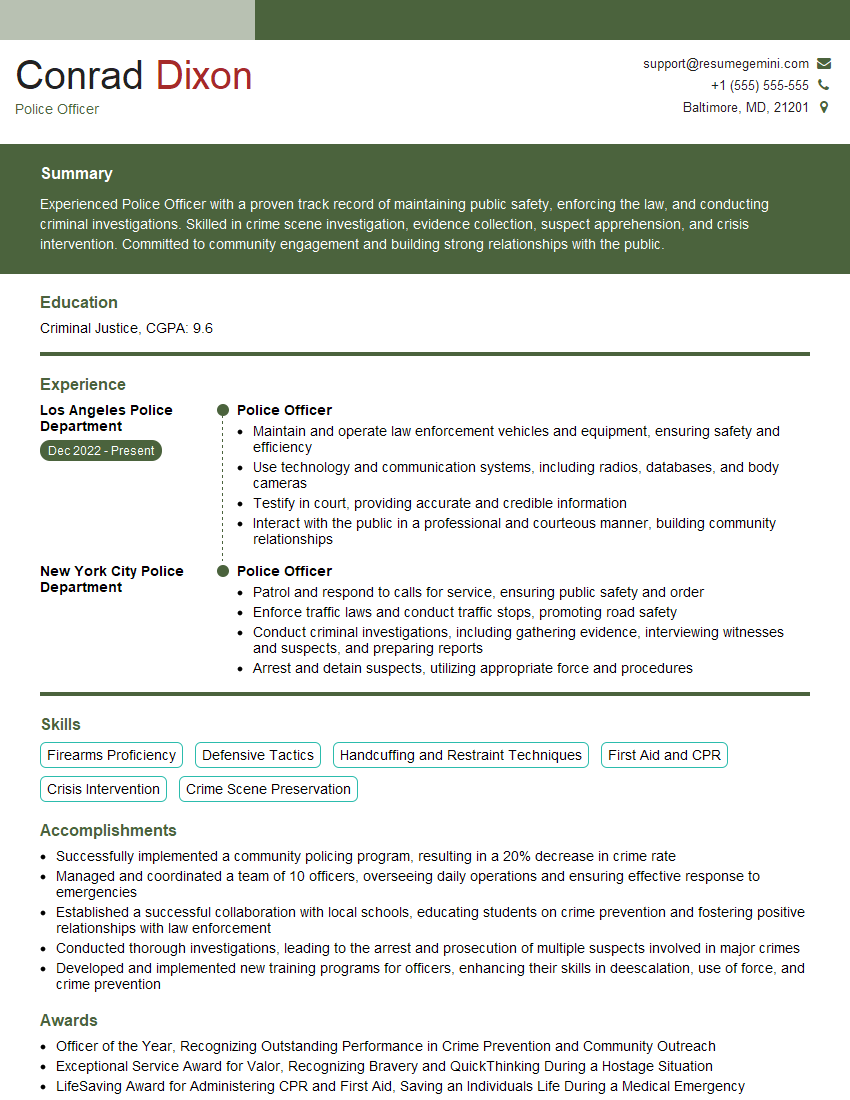
Police Officer Resume Sample
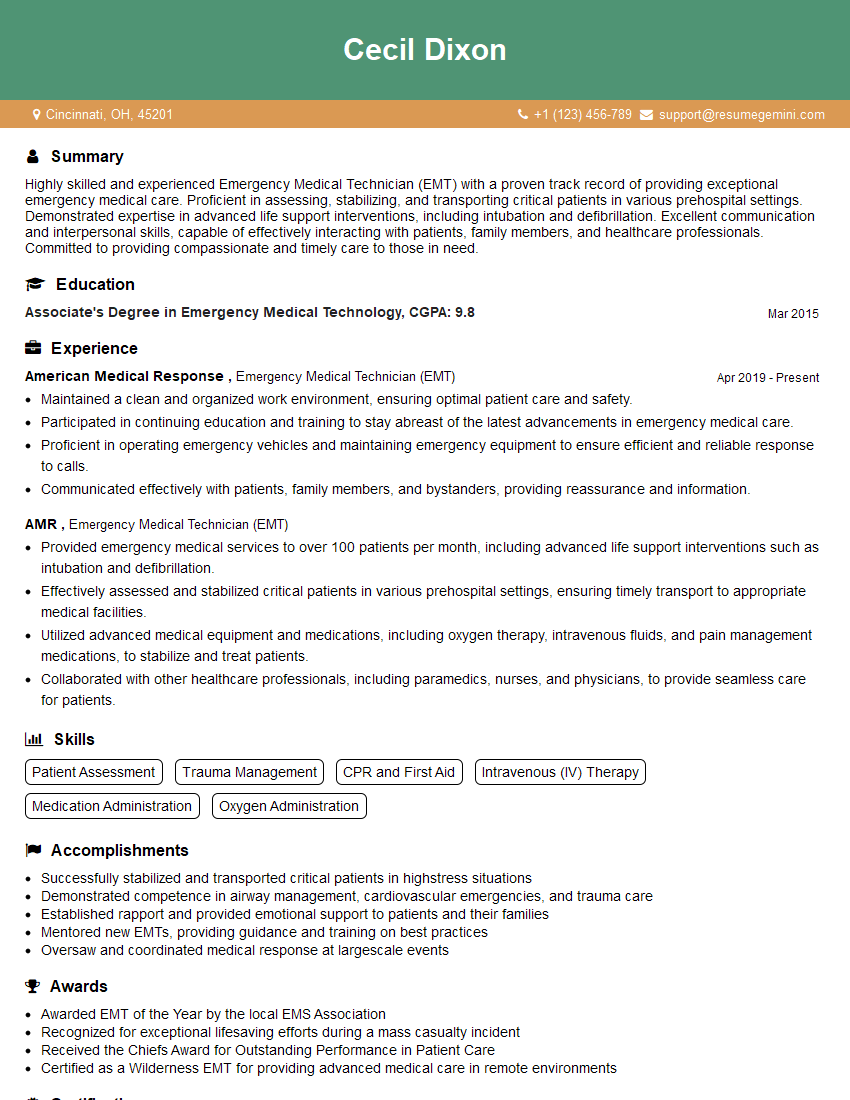
Emergency Medical Technician (EMT) Resume Sample
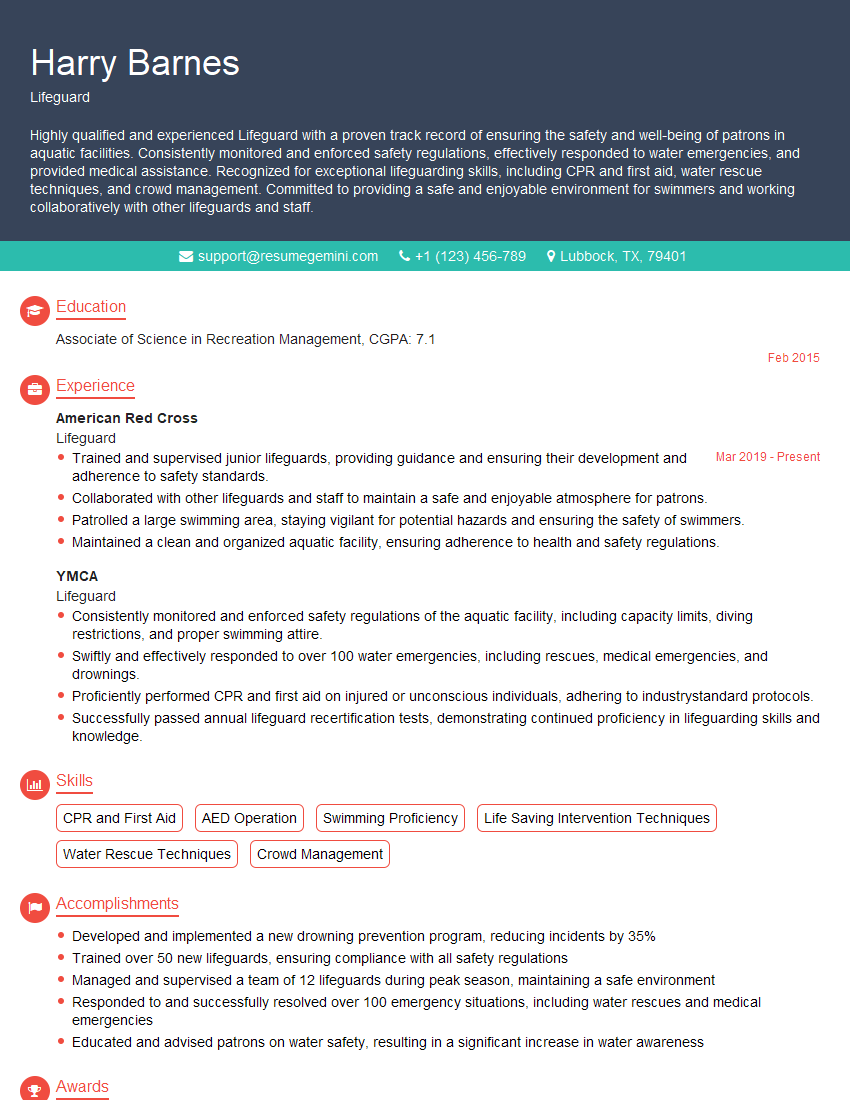
Lifeguard Resume Sample
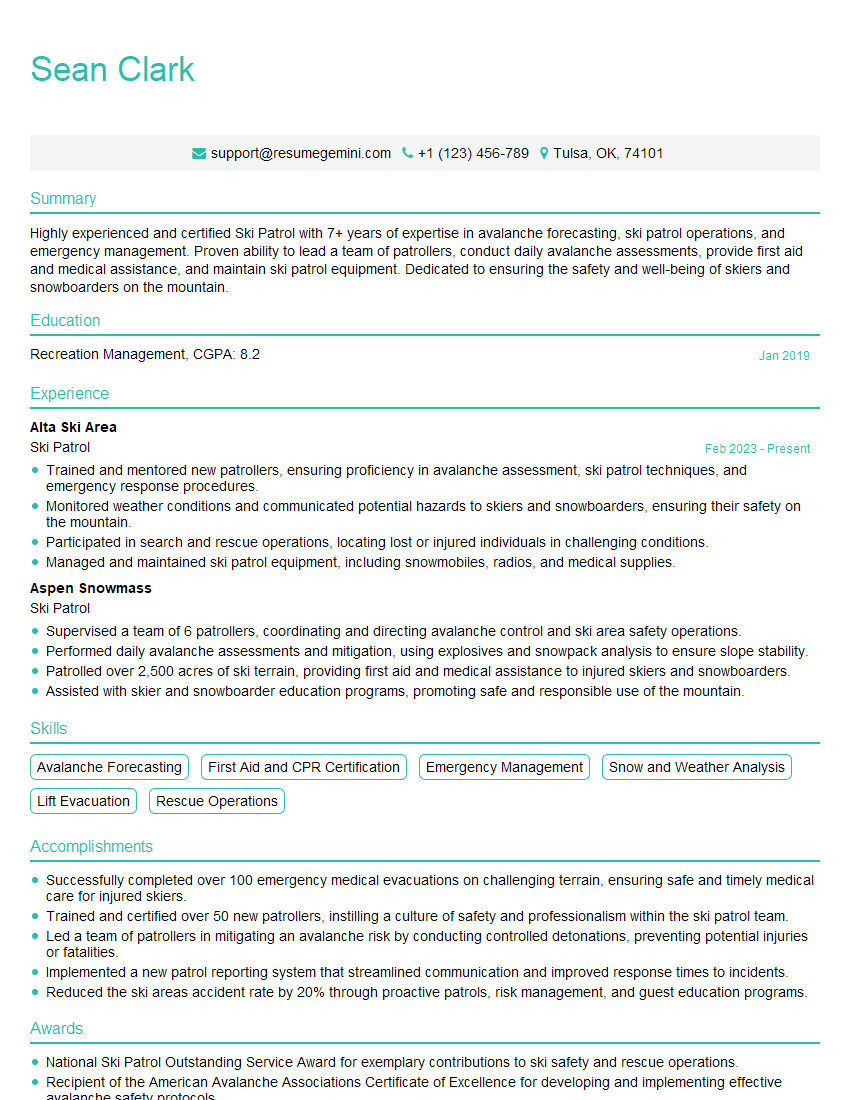
Ski Patrol Resume Sample
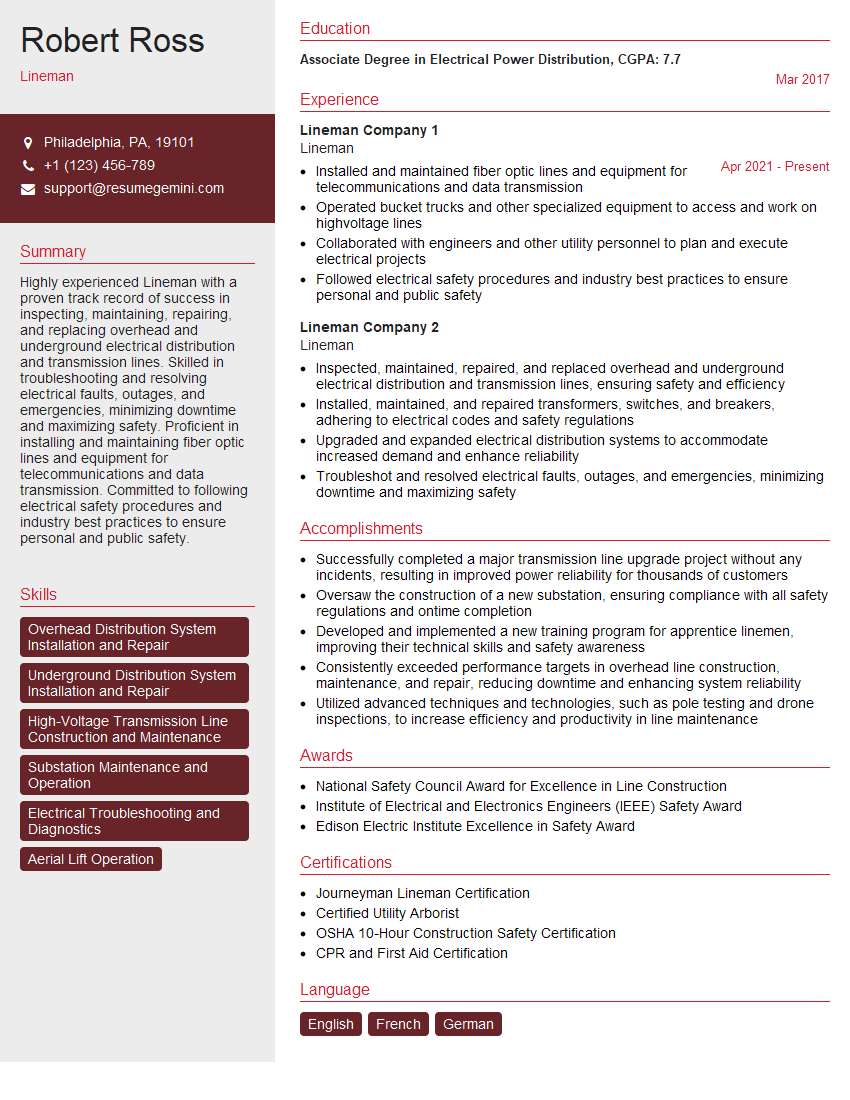
Lineman Resume Sample
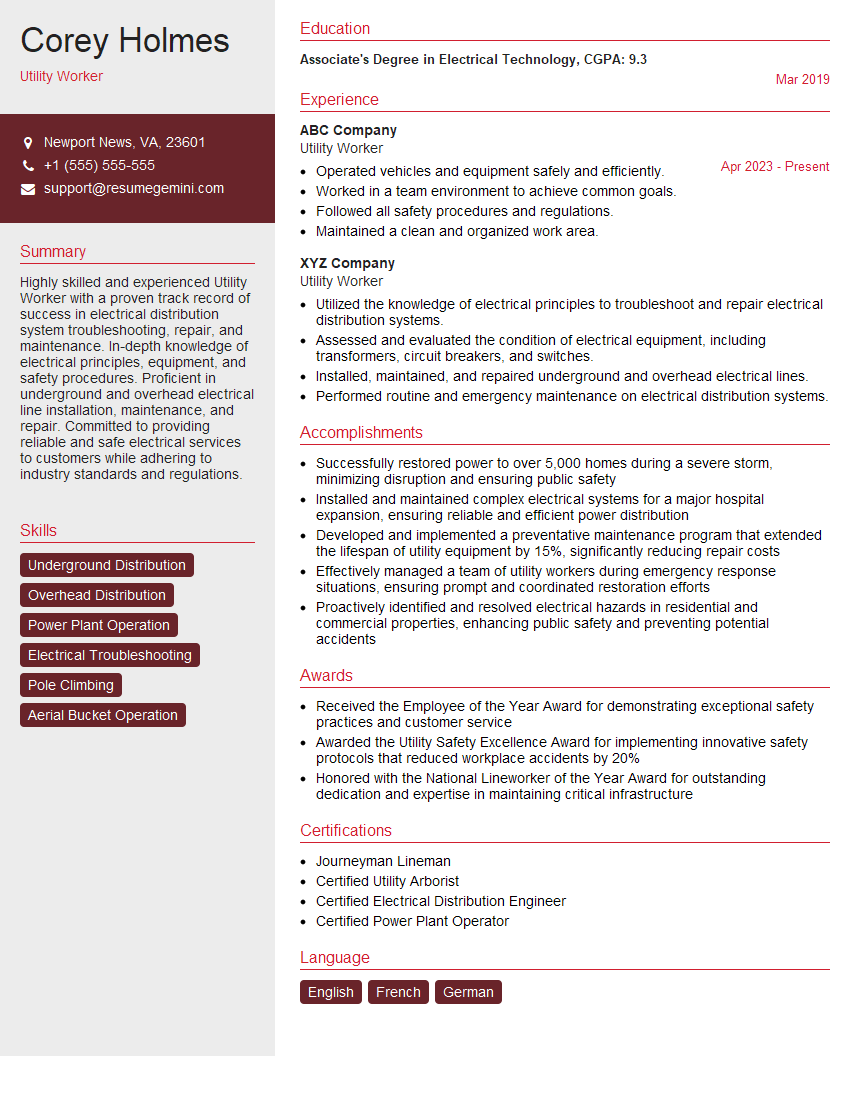
Utility Worker Resume Sample
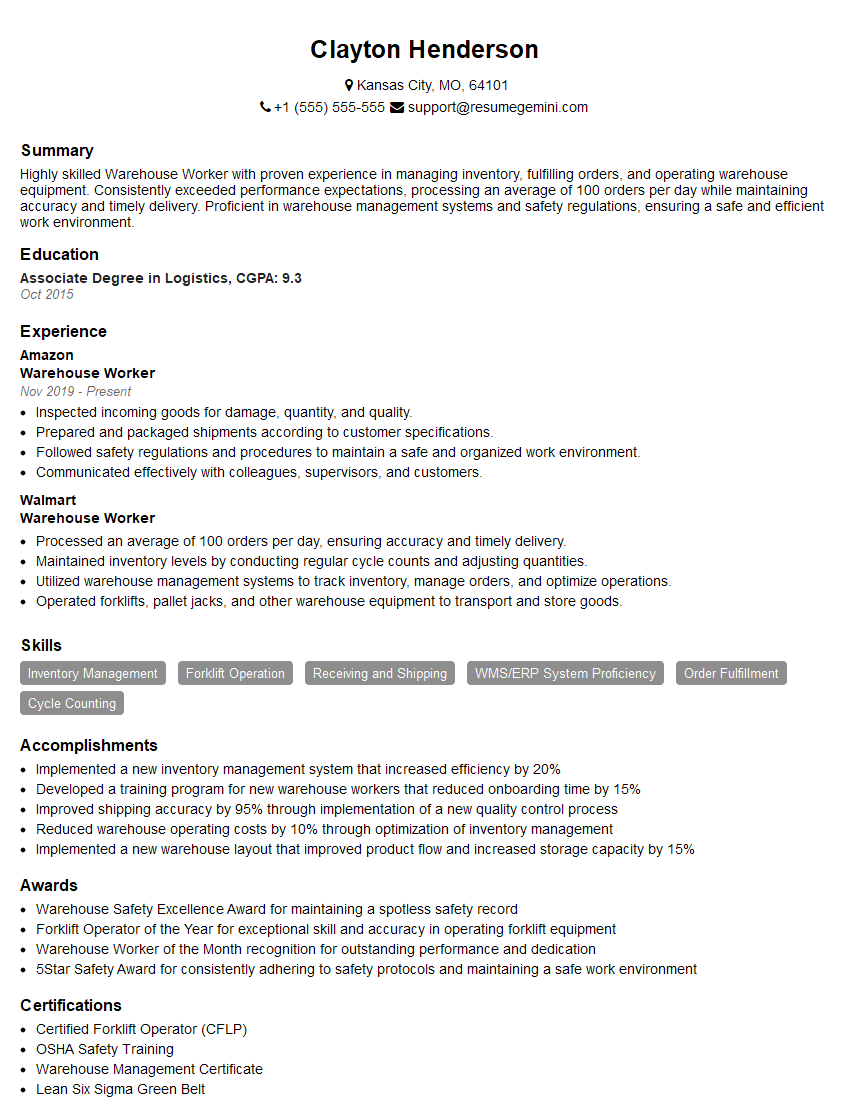
Warehouse Worker Resume Sample
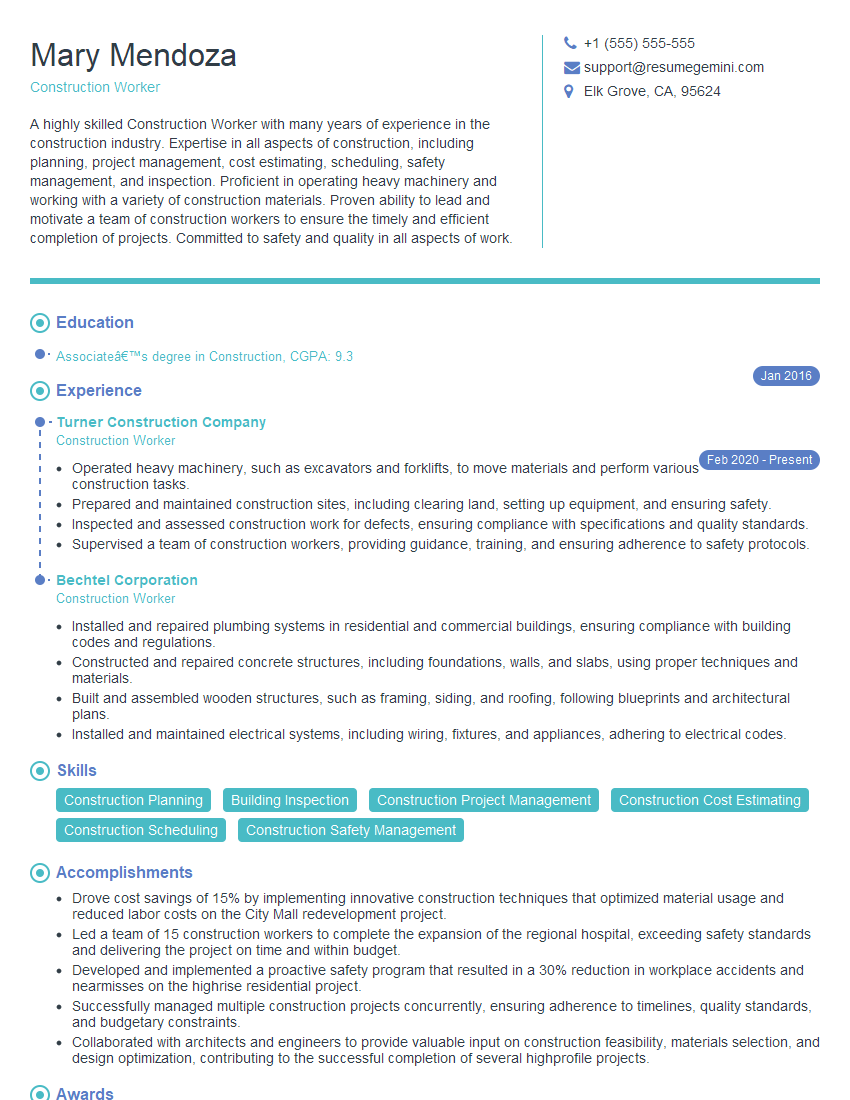
Construction Worker Resume Sample
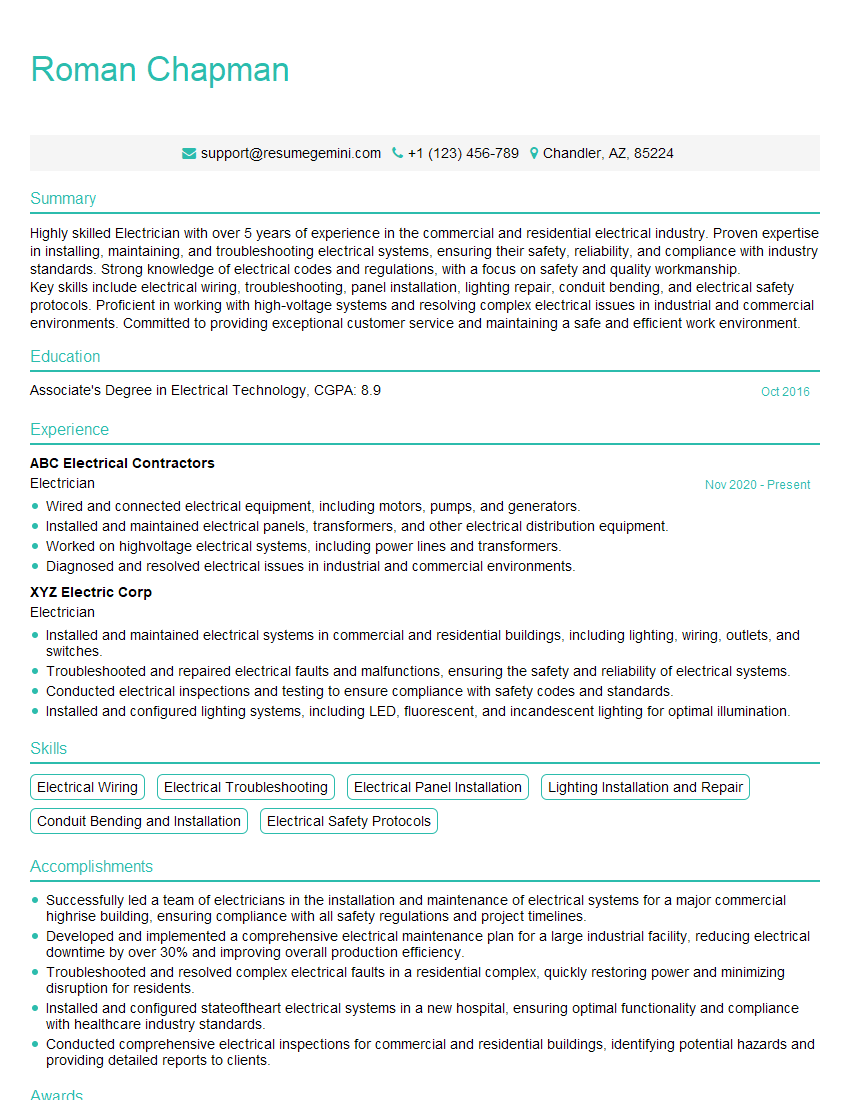
Electrician Resume Sample
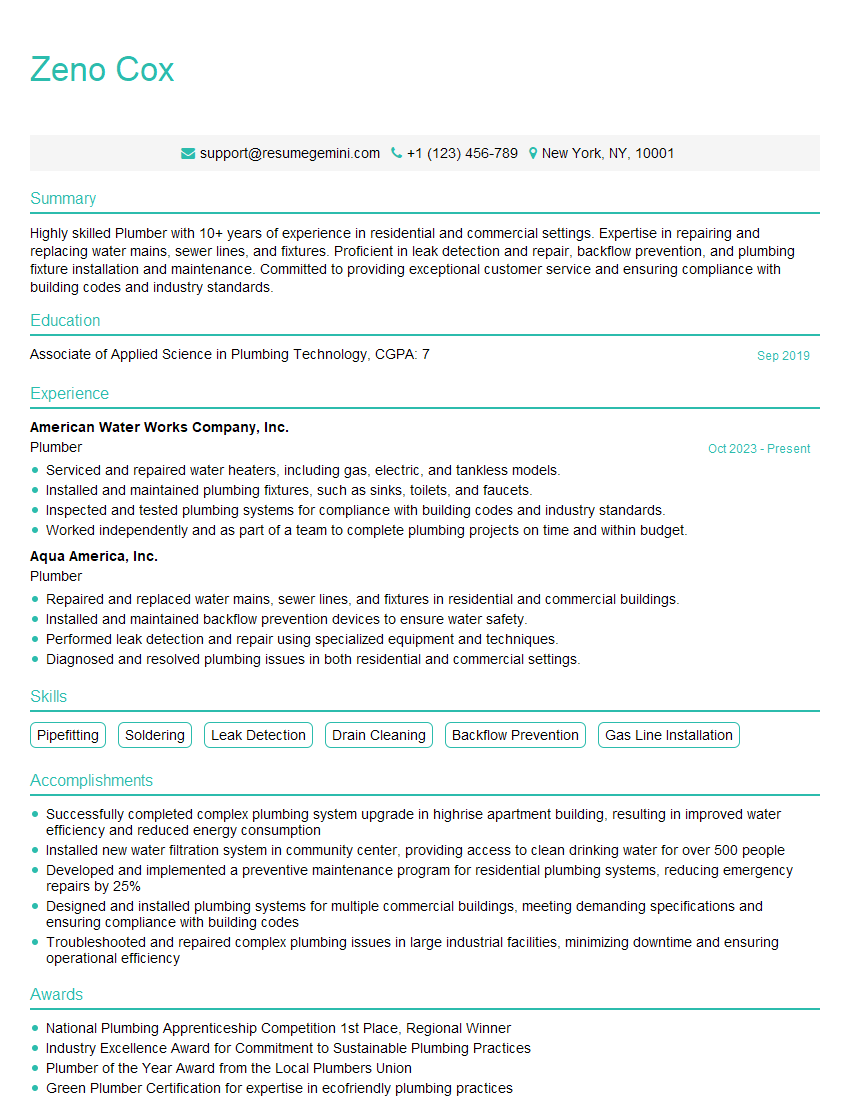
Plumber Resume Sample
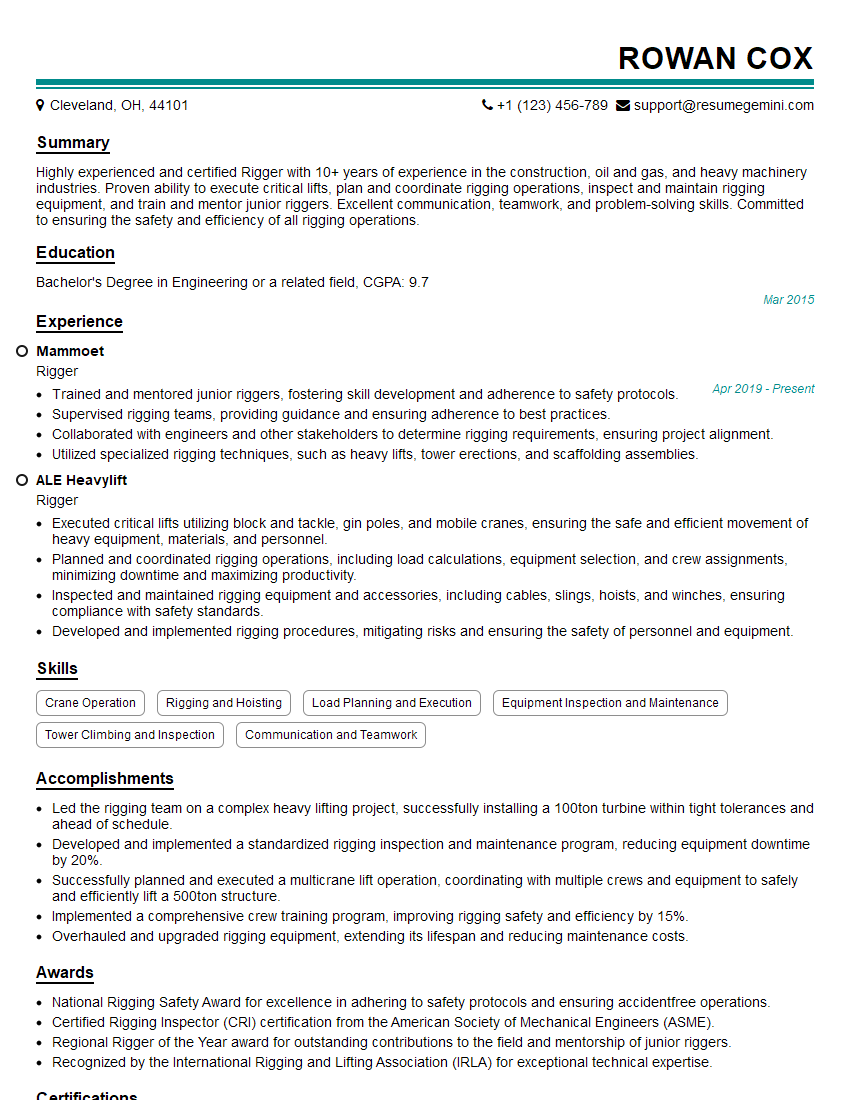
Rigger Resume Sample
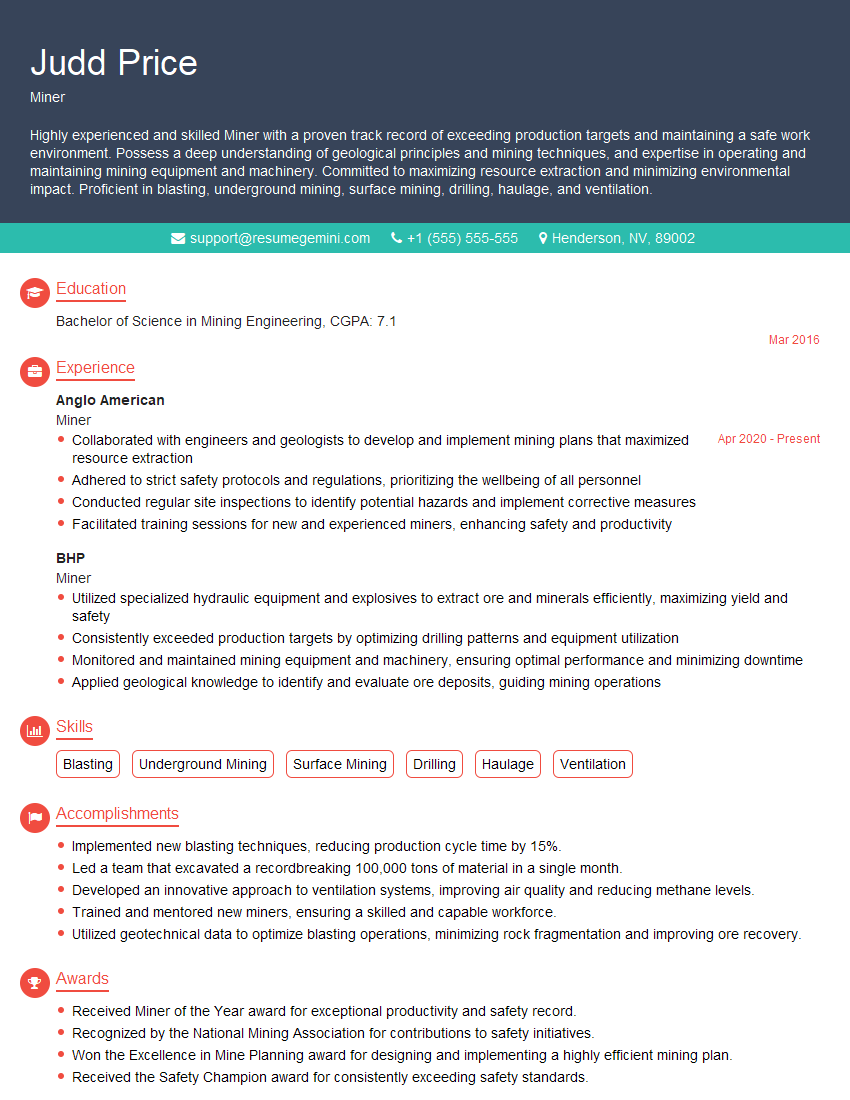
Miner Resume Sample
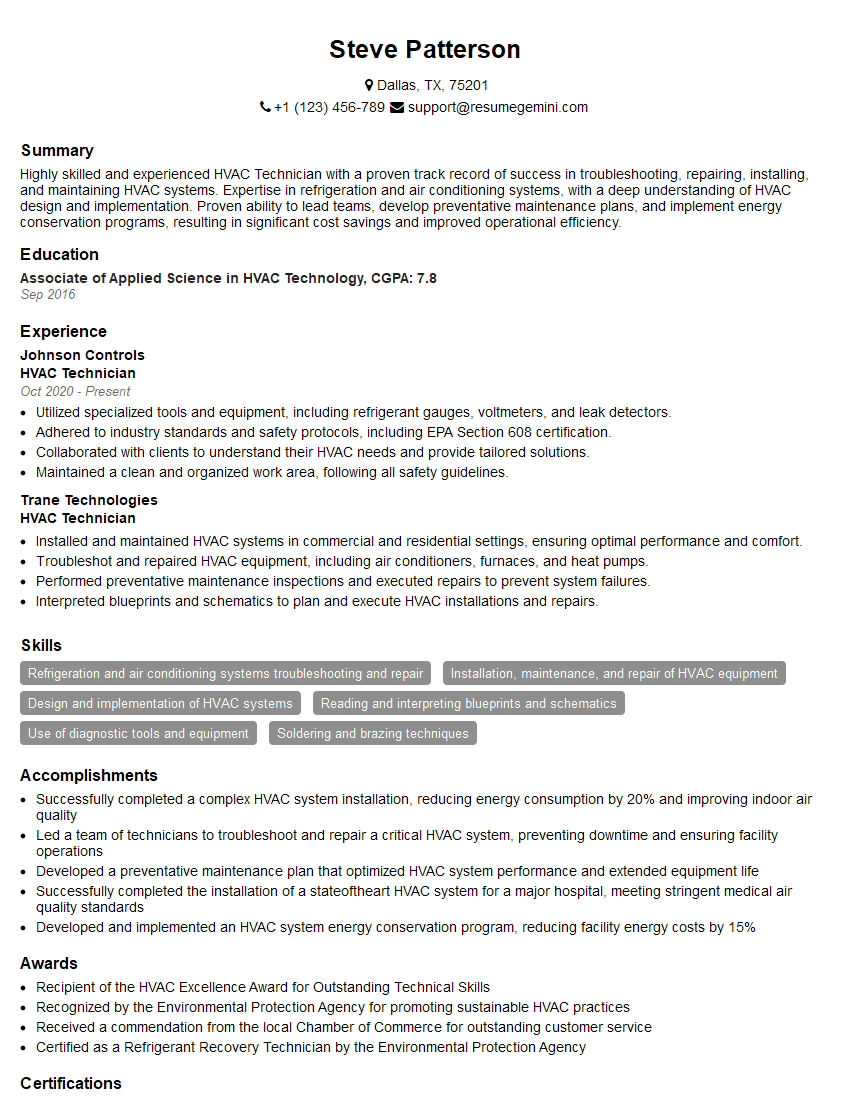
HVAC Technician Resume Sample
Explore more articles
Users Rating of Our Blogs
Share Your Experience
We value your feedback! Please rate our content and share your thoughts (optional).
What Readers Say About Our Blog
I Redesigned Spongebob Squarepants and his main characters of my artwork.
https://www.deviantart.com/reimaginesponge/art/Redesigned-Spongebob-characters-1223583608
IT gave me an insight and words to use and be able to think of examples
Hi, I’m Jay, we have a few potential clients that are interested in your services, thought you might be a good fit. I’d love to talk about the details, when do you have time to talk?
Best,
Jay
Founder | CEO