Feeling uncertain about what to expect in your upcoming interview? We’ve got you covered! This blog highlights the most important Cybersecurity Incident Response Plan (CSIRP) interview questions and provides actionable advice to help you stand out as the ideal candidate. Let’s pave the way for your success.
Questions Asked in Cybersecurity Incident Response Plan (CSIRP) Interview
Q 1. Describe the key phases of a typical CSIRP.
A Cybersecurity Incident Response Plan (CSIRP) typically follows a structured approach, often encompassing four to six key phases. While the exact names and number of phases may vary slightly depending on the organization and framework used (like NIST, ISO 27001), the core activities remain consistent.
- Preparation: This proactive phase involves developing the CSIRP itself, establishing procedures, roles, responsibilities, communication channels, and training staff. It’s like assembling a fire-fighting team and having the equipment ready before any fire starts.
- Identification: This phase focuses on detecting security incidents. It leverages various monitoring tools and techniques to identify suspicious activities, system anomalies, or security alerts. Think of it as the smoke alarm going off, signaling a potential problem.
- Containment: Once an incident is identified, containment aims to isolate the affected systems or networks to prevent further damage or compromise. This is like containing a fire to a single room to prevent it from spreading to the entire building.
- Eradication: This phase focuses on removing the threat and restoring the affected systems to a secure state. It’s like putting out the fire and ensuring there are no lingering embers.
- Recovery: This involves restoring systems and data to their operational state, potentially incorporating improved security measures. It’s akin to repairing the damage caused by the fire and strengthening the building’s fire safety systems.
- Post-Incident Activity: This crucial final phase involves conducting a thorough post-incident review to analyze the incident, identify weaknesses, and improve the overall security posture. This is like conducting a post-incident investigation to understand what happened, why it happened, and how to prevent it from happening again.
Q 2. Explain the difference between a vulnerability and an exploit.
A vulnerability is a weakness in a system or application that could be exploited by an attacker. Think of it as a crack in a wall. An exploit, on the other hand, is the technique or code used to take advantage of a vulnerability. It’s the tool used to break through that crack in the wall.
For example, a vulnerability might be a buffer overflow flaw in a piece of software. An exploit would be the malicious code designed to trigger that buffer overflow and potentially gain control of the system.
Q 3. What is the purpose of a post-incident review?
The purpose of a post-incident review is crucial for continuous improvement of security posture. It’s not just about closing the book on an incident; it’s about learning from it.
A post-incident review aims to:
- Analyze the incident: Understand the timeline, root cause, impact, and effectiveness of the response.
- Identify weaknesses: Pinpoint gaps in security controls or processes that allowed the incident to occur.
- Improve security controls: Develop and implement remediation plans to address identified vulnerabilities and prevent similar incidents in the future.
- Update the CSIRP: Refine the CSIRP based on lessons learned to improve its effectiveness.
- Improve communication and coordination: Assess how well different teams worked together during the response and suggest improvements.
By conducting thorough post-incident reviews, organizations can proactively reduce their risk profile and enhance their overall cybersecurity resilience.
Q 4. How do you prioritize incidents based on impact and urgency?
Prioritizing incidents is critical in incident response, as resources are often limited. We use a framework that considers both impact and urgency. A widely used approach is a matrix that categorizes incidents into four quadrants:
- High Impact, High Urgency: These require immediate attention. Think of a ransomware attack encrypting critical data or a complete network outage.
- High Impact, Low Urgency: These require prompt attention, but the immediate timeframe is less critical. For example, a vulnerability discovered in a critical system, but with no immediate exploitation.
- Low Impact, High Urgency: These need to be addressed quickly, but the overall impact on the organization is less severe. For instance, a denial-of-service (DoS) attack on a non-critical web server.
- Low Impact, Low Urgency: These can be addressed according to a less urgent schedule. Perhaps a minor security misconfiguration that doesn’t pose an immediate threat.
Using this matrix, we can prioritize based on the severity and potential impact to the organization’s operations, reputation, and compliance. We’ll always focus our efforts on the high impact and high urgency issues first.
Q 5. What are some common indicators of compromise (IOCs)?
Indicators of Compromise (IOCs) are pieces of evidence indicating a system or network might have been compromised. They can include:
- Suspicious IP addresses: Connections originating from known malicious IP addresses.
- Malicious URLs: Links leading to phishing sites or malware downloads.
- Malicious files: Files with known malicious hashes or signatures.
- Unusual network traffic: Large volumes of outbound traffic, unusual port usage or encrypted connections to unexpected destinations.
- Registry key modifications: Unexpected changes to system registry keys indicating malware installation.
- Suspicious user activity: Logins from unusual locations or times, or accessing sensitive data outside of normal work patterns.
- Log events: Unusual log entries indicating attempted logins, file access, or other suspicious activities.
Identifying and analyzing IOCs is critical in the identification and containment phases of incident response, helping to pinpoint the extent and nature of the compromise.
Q 6. Explain your experience with incident containment and eradication techniques.
My experience with incident containment and eradication techniques is extensive. I’ve handled numerous scenarios, ranging from malware infections to data breaches. Containment strategies I’ve employed include isolating infected systems from the network, blocking malicious IP addresses at the firewall, and disabling affected accounts.
Eradication techniques involve using various tools and techniques depending on the specific threat. This includes removing malware using anti-virus software, reinstalling operating systems on affected machines, recovering data from backups, and patching known vulnerabilities. I also have experience with specialized tools for advanced threat detection and analysis, like sandboxing environments and memory forensics. For example, I once handled a situation where a sophisticated piece of malware was using process injection techniques to evade detection. We used memory forensics to analyze the infected system’s memory and identify the malware’s behavior to develop an effective eradication strategy.
Q 7. Describe your experience with forensic analysis in incident response.
My forensic analysis experience in incident response is a key component of my expertise. I’m proficient in using various forensic tools and techniques to investigate compromised systems and networks. This includes:
- Disk imaging: Creating forensic copies of hard drives to preserve evidence.
- Memory analysis: Examining system memory to identify running processes and malware behavior.
- Network traffic analysis: Analyzing network logs and packet captures to identify malicious activity.
- Log analysis: Reviewing system logs for evidence of intrusion or suspicious activities.
- Malware analysis: Reverse engineering malicious code to understand its functionality and behavior.
For instance, in one case, we used network traffic analysis to identify the source of a sophisticated phishing attack. This involved analyzing packet captures to identify the command and control (C&C) server used by the attacker, which was crucial in disrupting the attack and preventing further compromises. This type of in-depth analysis allowed us to build a clear picture of the attack and implement effective prevention and remediation measures.
Q 8. How do you communicate incident updates to stakeholders?
Communicating incident updates effectively to stakeholders is crucial for maintaining transparency and trust during a cybersecurity incident. My approach involves a multi-faceted strategy tailored to the audience and the urgency of the situation.
Firstly, I establish clear communication channels beforehand, defining roles and responsibilities for information dissemination. This could involve using a dedicated communication platform like Slack, Microsoft Teams, or even a regularly updated shared document. Secondly, I create a standardized communication template, ensuring consistent messaging and avoiding ambiguity. This template includes key information such as the incident’s nature, impact, containment efforts, and next steps.
For executive stakeholders, I provide concise, high-level summaries focusing on the business impact and mitigation strategies. For technical teams, I share more detailed information, including technical details and logs. Regular updates, ideally at pre-defined intervals, are vital. Finally, I use multiple communication channels to ensure the message reaches everyone. For instance, emails for formal updates, phone calls for urgent situations, and a dedicated incident response portal for comprehensive details.
For example, during a ransomware attack, I’d first notify executive leadership via phone to inform them of the situation’s severity and the initial containment efforts. Then, I’d follow up with a detailed email outlining the incident’s impact on various systems and our planned recovery strategy. Simultaneously, I’d use a dedicated incident response portal to share more technical details with our security and IT teams, updating them regularly as we progress.
Q 9. What are the legal and regulatory considerations in incident response?
Legal and regulatory considerations are paramount in incident response. Failure to comply can lead to significant financial penalties, reputational damage, and legal action. The specific regulations depend on the industry, location, and the nature of the data compromised. Some key considerations include:
- Data Privacy Laws: GDPR, CCPA, HIPAA, etc., mandate specific procedures for handling personal data breaches, including notification requirements and data subject rights.
- Notification Laws: Many jurisdictions mandate notification to affected individuals and regulatory bodies within a specific timeframe following a breach.
- Industry-Specific Regulations: Industries like finance (PCI DSS) and healthcare (HIPAA) have strict regulations governing data security and incident response.
- Data Breach Investigation and Reporting: Thorough investigation and accurate reporting are necessary to meet legal and regulatory requirements. This includes maintaining meticulous records of all actions taken during the incident response.
For instance, if a company experiences a data breach affecting EU citizens, they must comply with GDPR, notifying the relevant authorities and affected individuals within 72 hours, outlining the nature of the breach and the steps taken to mitigate the damage. Failure to do so can result in hefty fines.
Q 10. What is your experience with various incident response tools?
My experience encompasses a wide range of incident response tools, including SIEM (Security Information and Event Management) systems like Splunk and QRadar, which are crucial for log analysis and threat detection. I’m proficient with endpoint detection and response (EDR) solutions such as CrowdStrike and Carbon Black, enabling me to investigate endpoint compromises effectively.
Furthermore, I have experience with network forensics tools like Wireshark for packet capture and analysis, and security orchestration, automation, and response (SOAR) platforms such as Palo Alto Networks Cortex XSOAR, for automating incident response tasks and improving efficiency. I’m also familiar with various vulnerability scanners and penetration testing tools used for proactive threat identification and risk assessment.
The choice of tools depends on the specific incident and organizational context. For example, during a suspected malware outbreak, I’d leverage EDR tools to isolate affected systems, analyze malware behavior, and identify the attack vector. For a network intrusion, I’d use network forensics tools like Wireshark to analyze network traffic and pinpoint the source of the attack.
Q 11. Describe your experience with incident response playbooks.
Incident response playbooks are essential for standardizing and streamlining the response process. My experience includes developing, implementing, and refining playbooks tailored to various types of incidents, including malware infections, phishing attacks, and denial-of-service attacks.
A well-structured playbook includes clearly defined procedures, roles, responsibilities, escalation paths, and communication protocols. It should be regularly tested and updated to reflect evolving threats and organizational changes. Playbooks are not rigid documents; they serve as guidelines, adapting to the specific nuances of each incident.
For example, our malware infection playbook outlines steps such as isolating infected systems, analyzing malware samples, restoring backups, and patching vulnerabilities. It also specifies who is responsible for each task and the communication channels to be used. Regular tabletop exercises are conducted to test the playbook’s effectiveness and identify areas for improvement. This ensures a consistent and efficient response regardless of who is on the team at the time of the incident.
Q 12. How do you maintain and update a CSIRP?
Maintaining and updating a CSIRP is an ongoing process, critical for ensuring its relevance and effectiveness. It requires a combination of proactive measures and reactive adjustments based on lessons learned from real-world incidents.
The maintenance process involves regular reviews, ideally at least annually, or more frequently if there are significant changes to the organization’s infrastructure, policies, or regulatory landscape. These reviews should incorporate feedback from incident response team members, identifying areas for improvement in procedures and communication. The playbook should be updated to reflect the latest threat landscape, including newly emerging malware families or attack techniques.
Further, incorporating lessons learned from past incidents is vital for updating the CSIRP. After each incident, a thorough post-incident review should be conducted, documenting what worked well, what could be improved, and identifying any gaps in the existing plan. This analysis is used to update the playbook, improving its effectiveness for future events. Regular training and awareness sessions for the incident response team ensure everyone understands their roles and responsibilities.
Q 13. What are some common challenges in incident response?
Several challenges commonly arise during incident response. One significant challenge is the lack of visibility into the organization’s network and systems, hindering rapid identification and containment of threats. This often stems from inadequate logging and monitoring, making it difficult to reconstruct the attack timeline and pinpoint the root cause.
Another challenge is the shortage of skilled personnel. Incident response requires specialized knowledge and experience, and a lack of adequately trained personnel can significantly impact the effectiveness of the response. Furthermore, dealing with time constraints is critical. Many incidents require immediate action to minimize damage, demanding rapid decision-making under pressure.
Finally, the ever-evolving threat landscape presents a continuous challenge. New attack techniques and malware variants emerge regularly, requiring continuous learning and adaptation to remain effective. In my experience, the biggest challenge is often coordinating across multiple teams and departments with varying levels of technical expertise and understanding of incident response procedures.
Q 14. How do you ensure effective collaboration between different teams during an incident?
Effective collaboration is the cornerstone of a successful incident response. My approach focuses on clear communication, defined roles, and a centralized coordination point.
First, establishing clear communication channels and protocols from the outset is paramount. This includes utilizing a dedicated communication platform and defining who is responsible for communicating with different stakeholders. Second, defining roles and responsibilities for each team involved (security, IT, legal, PR, etc.) ensures everyone understands their tasks and avoids duplication of effort. A clear chain of command for escalation is also crucial for efficient decision-making.
Third, using a centralized coordination point, such as a dedicated incident response team leader, helps to manage the flow of information and coordinate activities. Regular status meetings are essential for keeping everyone informed and aligned on progress. Finally, utilizing collaborative tools allows teams to share information and work together efficiently. Regular exercises and simulations allow the team to practice communication and coordination before a real event, significantly increasing their effectiveness during an incident.
Q 15. How do you handle escalations during an incident?
Escalation during an incident is crucial for effective response. My approach involves a clearly defined escalation path, documented in our CSIRP, outlining roles and responsibilities at each level. This path typically starts with the initial responder escalating to a team lead, then to a security manager, and potentially to executive leadership depending on the severity and impact. Escalation criteria are based on factors like the scope of the incident, potential for data loss or reputational damage, and the team’s ability to handle the situation.
For example, if a ransomware attack affecting critical systems is detected, the initial responder immediately escalates to the team lead. The team lead, assesses the situation, gathers more information, and if the incident is beyond their capacity, escalates to the security manager. The security manager might then engage external incident response specialists and inform executive leadership. Communication during escalation is key; we utilize collaborative tools like Slack or Microsoft Teams for efficient updates and decision-making, ensuring everyone remains informed and aligned. A post-incident review always analyzes the escalation process to identify areas for improvement.
Career Expert Tips:
- Ace those interviews! Prepare effectively by reviewing the Top 50 Most Common Interview Questions on ResumeGemini.
- Navigate your job search with confidence! Explore a wide range of Career Tips on ResumeGemini. Learn about common challenges and recommendations to overcome them.
- Craft the perfect resume! Master the Art of Resume Writing with ResumeGemini’s guide. Showcase your unique qualifications and achievements effectively.
- Don’t miss out on holiday savings! Build your dream resume with ResumeGemini’s ATS optimized templates.
Q 16. Explain your experience with malware analysis.
My malware analysis experience spans several years, encompassing both static and dynamic analysis techniques. Static analysis involves examining the malware’s code without executing it, looking for suspicious patterns, strings, and functionalities. This often uses tools like IDA Pro or Ghidra. Dynamic analysis involves running the malware in a controlled environment (like a sandbox) to observe its behavior, network connections, and registry modifications. Tools like Process Monitor and Wireshark are invaluable here.
I’ve worked on various malware families, from simple viruses to sophisticated advanced persistent threats (APTs). One memorable case involved a zero-day exploit targeting our organization. Through careful analysis, we identified the malware’s command and control server, allowing us to prevent further infection. Crucially, detailed documentation of the analysis process is crucial for future reference and to aid in threat hunting and prevention.
Q 17. How do you perform root cause analysis after an incident?
Root cause analysis (RCA) after an incident is paramount to prevent recurrence. My approach follows a structured methodology, often using the ‘5 Whys’ technique or a more formal framework like the Fishbone diagram. I start by gathering all relevant data – logs, network traffic captures, security alerts – from various sources. Then, I meticulously reconstruct the timeline of events, identifying the initial trigger and subsequent actions that led to the incident.
For example, if a data breach occurred due to a compromised user account, I would investigate the user’s activities, examine access logs, look for phishing attempts, and review the organization’s security awareness training effectiveness. The ‘5 Whys’ might lead me to discover a weakness in password policies, highlighting the root cause and allowing us to implement stronger authentication methods. Thorough RCA involves considering technical, procedural, and human factors, ensuring a holistic understanding of the problem and preventing future incidents through effective remediation.
Q 18. What is your experience with security information and event management (SIEM) systems?
I have extensive experience with SIEM systems, including Splunk, QRadar, and LogRhythm. My expertise encompasses data ingestion, correlation rules creation, and alert tuning. I’m proficient in using SIEMs to monitor security events across various sources – firewalls, intrusion detection systems, servers, endpoints – creating a centralized view of security posture.
SIEMs are instrumental in incident response, providing valuable insights into attacker activity, aiding in threat hunting, and facilitating faster incident detection. For example, using anomaly detection features, we identified unusual login attempts from unusual geographical locations, leading us to quickly identify and contain a potential intrusion attempt. Effective use of SIEMs requires understanding data normalization, creating meaningful alerts, and integrating with other security tools for comprehensive threat visibility and response.
Q 19. How do you use threat intelligence in your incident response process?
Threat intelligence plays a vital role in our incident response process, providing proactive context and enabling faster, more informed decisions. We leverage various threat intelligence sources – commercial feeds, open-source intelligence, and internal threat hunting – to identify emerging threats, understand attacker tactics, and proactively harden our defenses.
During an incident, threat intelligence helps us understand the nature of the attack, identify potential attack vectors, and anticipate the attacker’s next moves. For example, if we identify a ransomware attack using a known exploit, we can quickly leverage threat intelligence to find indicators of compromise (IOCs), allowing us to effectively contain the attack and minimize its impact. Integrating threat intelligence into our CSIRP ensures that we’re consistently prepared for evolving threats and can respond effectively and efficiently.
Q 20. Explain the concept of ‘incident containment’.
Incident containment aims to limit the damage caused by a security incident, preventing it from spreading further. It’s a critical step in incident response, often executed concurrently with eradication. Containment strategies depend on the nature of the incident. It could involve disconnecting infected systems from the network, isolating affected servers, blocking malicious IP addresses, or disabling compromised accounts.
Imagine a malware outbreak. The immediate action would be to isolate the infected systems from the network to prevent lateral movement and further infection. This might involve disabling network interfaces or using network segmentation techniques. Simultaneously, we would begin identifying and mitigating the threat, but the containment measures prevent its propagation while we take those actions.
Q 21. Describe the process of evidence collection and preservation.
Evidence collection and preservation are critical for forensic analysis, legal compliance, and incident reconstruction. The process adheres to strict chain-of-custody procedures to ensure the integrity and admissibility of the evidence. We use specialized tools to create forensic images of hard drives, memory dumps, and network captures, ensuring that the original data remains untouched.
This involves documenting every step of the process, including who accessed the evidence, when, and for what purpose. Hashing algorithms are used to verify data integrity, ensuring that the evidence hasn’t been tampered with. The collected evidence is stored securely, often in a dedicated forensic lab or a secure cloud storage solution, adhering to relevant legal and regulatory requirements like GDPR or CCPA.
Q 22. What is your experience with different types of attacks (e.g., phishing, ransomware)?
My experience encompasses a wide range of cyberattacks, from the common, like phishing and ransomware, to more sophisticated threats such as advanced persistent threats (APTs) and denial-of-service (DoS) attacks. Phishing attacks, for example, are often the initial vector for many breaches, exploiting human error to gain access to systems. I’ve handled numerous incidents involving spear-phishing emails designed to target specific individuals within organizations. Ransomware attacks, on the other hand, are devastating, encrypting critical data and demanding payment for its release. I’ve been involved in incident response for multiple ransomware attacks, including situations where we had to negotiate with threat actors (while adhering strictly to legal and ethical considerations) and situations requiring us to rebuild systems from backups. My experience also covers attacks targeting web applications (SQL injection, cross-site scripting), network infrastructure (man-in-the-middle attacks), and endpoint devices (malware infections). Each attack type requires a different approach, but the core principles of containment, eradication, recovery, and post-incident activity remain consistent.
Q 23. Explain your understanding of the NIST Cybersecurity Framework.
The NIST Cybersecurity Framework (CSF) is a voluntary framework providing a common taxonomy and shared language for organizations to manage and reduce cybersecurity risk. It’s not prescriptive; it doesn’t tell you exactly what to do, but it provides a flexible approach that can be tailored to various sizes and types of organizations. The framework organizes cybersecurity activities into five core functions: Identify, Protect, Detect, Respond, and Recover.
- Identify: This involves asset management, risk assessment, and business environment understanding. It’s about knowing what you have and what’s at risk.
- Protect: Focuses on developing and implementing safeguards to limit or contain the impact of a cybersecurity event. This includes access controls, security awareness training, and data security policies.
- Detect: This is about identifying the occurrence of a cybersecurity event. Intrusion detection systems, security information and event management (SIEM) tools, and vulnerability scans are key components here.
- Respond: This covers the actions taken to handle a cybersecurity incident, including containment, eradication, recovery, and post-incident activity. This is where a well-defined incident response plan is crucial.
- Recover: This focuses on restoring any capabilities or services that were impaired due to a cybersecurity event and improving the organization’s resilience for future events.
The NIST CSF helps organizations understand their current cybersecurity posture, identify gaps, and develop a plan to improve their security. It’s a valuable tool for prioritizing resources and aligning security efforts with business objectives. I’ve used the CSF extensively in developing and improving incident response plans, risk assessments, and overall cybersecurity strategies for various clients.
Q 24. How do you measure the effectiveness of your incident response plan?
Measuring the effectiveness of an incident response plan is crucial for continuous improvement. We use a multi-faceted approach, including:
- Tabletop Exercises and Simulations: These exercises test the plan’s effectiveness in a controlled environment, identifying weaknesses and areas for improvement before a real incident occurs. We regularly conduct these, involving key personnel from different teams.
- Post-Incident Reviews: After a real-world incident, a thorough review is conducted to analyze the response, identify areas where the plan worked well, and areas needing improvement. This often involves a detailed timeline of events and an assessment of the impact of the incident.
- Key Performance Indicators (KPIs): We track metrics such as mean time to detect (MTTD), mean time to respond (MTTR), and the cost of an incident. Tracking these metrics over time provides insights into the plan’s overall effectiveness and areas needing attention.
- Feedback from Stakeholders: Collecting feedback from individuals involved in the incident response helps us identify areas needing improvement from the perspective of different teams.
By combining these methods, we gain a comprehensive understanding of our incident response plan’s strengths and weaknesses and can continuously improve it.
Q 25. What are some key metrics you track for incident response?
Several key metrics are tracked for incident response, focusing on speed, efficiency, and impact. Some of the most critical include:
- Mean Time to Detect (MTTD): The average time it takes to detect a security incident from its initial occurrence.
- Mean Time to Respond (MTTR): The average time it takes to respond to and contain a security incident after detection.
- Mean Time to Recovery (MTTR): The average time it takes to fully recover from a security incident.
- Number of Incidents per Period: This gives an overview of the frequency of incidents, potentially indicating trends or areas of weakness.
- Cost of Incidents: This includes direct costs (e.g., remediation, recovery), indirect costs (e.g., lost productivity, reputational damage), and potential fines.
- Security Event Volume: The total number of security events logged by monitoring systems, indicating overall security activity and potential threats.
- Number of False Positives: Indicates the accuracy of detection systems and the efficiency of the security team in responding to alerts.
These metrics provide a quantifiable measure of our effectiveness and allow us to identify areas requiring improvements in our processes, technologies, or training.
Q 26. Explain your experience with disaster recovery planning and its relation to incident response.
Disaster recovery planning (DRP) and incident response planning (IRP) are closely related but distinct. IRP focuses on addressing immediate threats and containing the damage during a cybersecurity incident. DRP, on the other hand, is a broader strategy for recovering business operations in the event of a major disruption, which could be caused by a cyberattack, natural disaster, or other unforeseen event. Think of IRP as a subset of DRP. A successful IRP is essential for minimizing the impact of a cyberattack, thereby reducing the scope and duration of the recovery process outlined in the DRP.
For instance, if a ransomware attack encrypts critical data, the IRP guides the immediate steps to contain the attack, prevent further spread, and possibly negotiate with the attackers (if deemed appropriate and legal). Once the immediate threat is mitigated, the DRP kicks in, outlining how to restore data from backups, recover systems, and resume business operations. Therefore, both plans need to be well-coordinated and integrated; the success of one significantly impacts the other. Often, DRP exercises will incorporate simulated cyberattacks to test the organization’s ability to respond to and recover from various events.
Q 27. Describe a challenging incident response scenario you faced and how you resolved it.
One particularly challenging incident involved a sophisticated APT targeting a financial institution. The attackers gained initial access through a compromised vendor account, cleverly using a combination of spear-phishing and exploiting a zero-day vulnerability. They moved laterally within the network, exfiltrating sensitive customer data over an extended period before detection.
The challenge wasn’t just the technical aspects – identifying the breach, containing the spread, and eradicating the malware – but also the legal and reputational implications. We had to work closely with law enforcement, regulatory bodies, and legal counsel. Our response involved several key steps:
- Immediate Containment: We immediately isolated affected systems to prevent further lateral movement and data exfiltration.
- Forensic Investigation: A comprehensive forensic analysis was conducted to determine the extent of the breach, the attacker’s methods, and the data compromised.
- Data Recovery and Restoration: We restored systems and data from backups, ensuring data integrity and security.
- Vulnerability Remediation: We identified and patched the vulnerabilities that allowed the initial compromise.
- Communication and Transparency: We communicated transparently with affected customers and regulatory bodies.
The resolution required collaboration across multiple teams, including security, IT operations, legal, and public relations. While the incident was costly and time-consuming, the thorough response helped to minimize the long-term damage and improve our overall security posture. This experience highlighted the critical need for robust security awareness training, continuous monitoring, and proactive vulnerability management in preventing and responding to APT attacks.
Key Topics to Learn for Cybersecurity Incident Response Plan (CSIRP) Interview
- Incident Identification and Classification: Understand the process of identifying potential security incidents, classifying their severity, and prioritizing responses based on impact and risk.
- Containment and Eradication: Learn practical techniques for isolating infected systems, preventing further damage, and removing malware or vulnerabilities. Consider case studies involving different types of malware and attack vectors.
- Recovery and Remediation: Explore strategies for restoring systems and data to a secure and operational state. Focus on data recovery methods and system hardening to prevent future incidents.
- Post-Incident Activity: Understand the importance of conducting thorough post-incident reviews, documenting lessons learned, and updating the CSIRP to improve future responses. This includes analysis of root cause and preventative measures.
- Legal and Regulatory Compliance: Familiarize yourself with relevant legal and regulatory frameworks (e.g., GDPR, HIPAA) and how they impact incident response procedures. This includes data breach notification requirements.
- Communication and Collaboration: Master effective communication strategies for coordinating incident response activities with internal teams, external stakeholders, and law enforcement (where necessary).
- Vulnerability Management and Risk Assessment: Understand how proactive vulnerability management and regular risk assessments contribute to a robust CSIRP and minimize incident likelihood.
- Incident Response Tools and Technologies: Gain familiarity with common security tools used in incident response, such as SIEM systems, endpoint detection and response (EDR) solutions, and forensic analysis software.
- Developing and Testing the CSIRP: Understand the crucial role of regularly testing and updating the CSIRP through tabletop exercises and simulations to ensure its effectiveness in real-world scenarios.
Next Steps
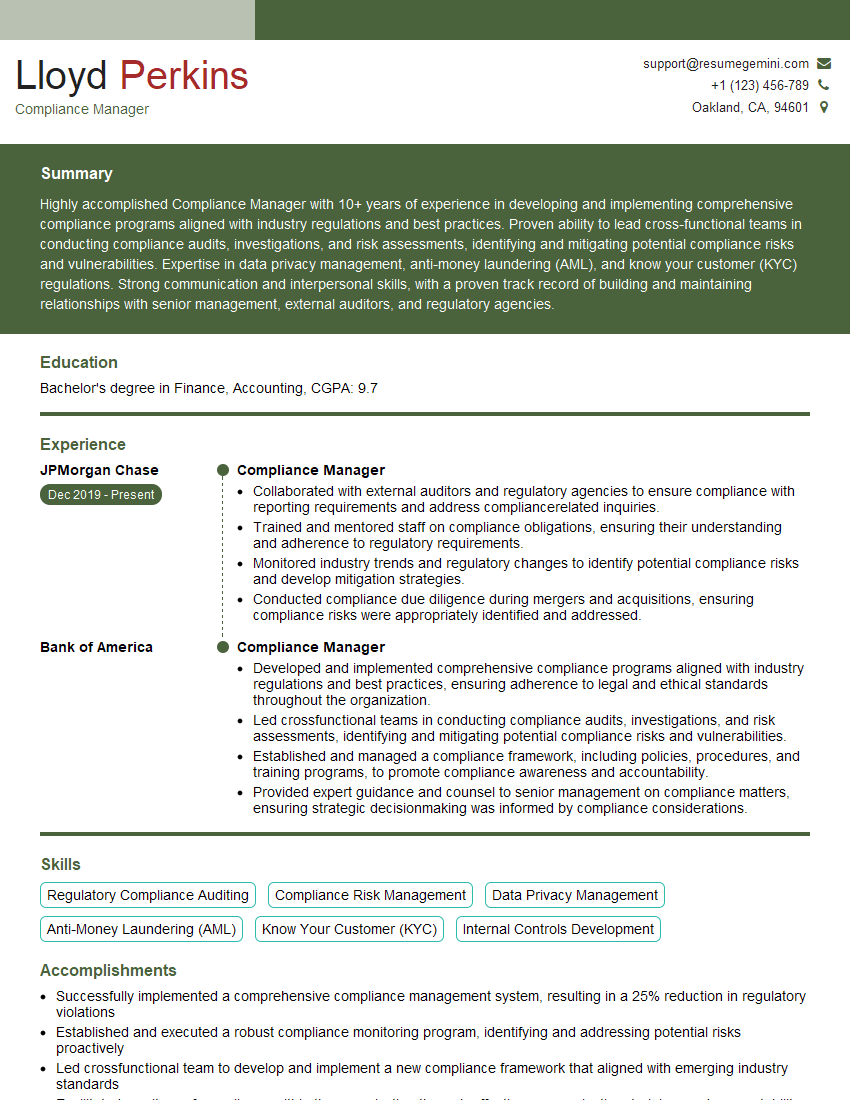
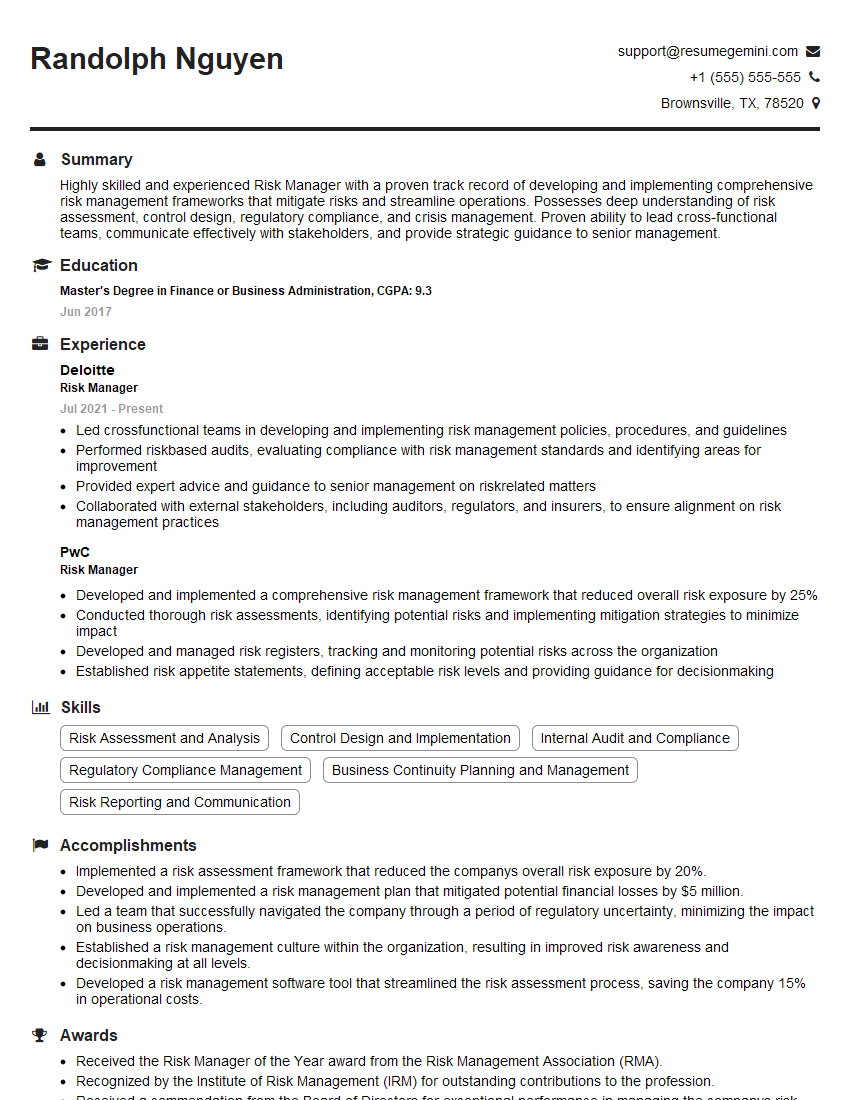
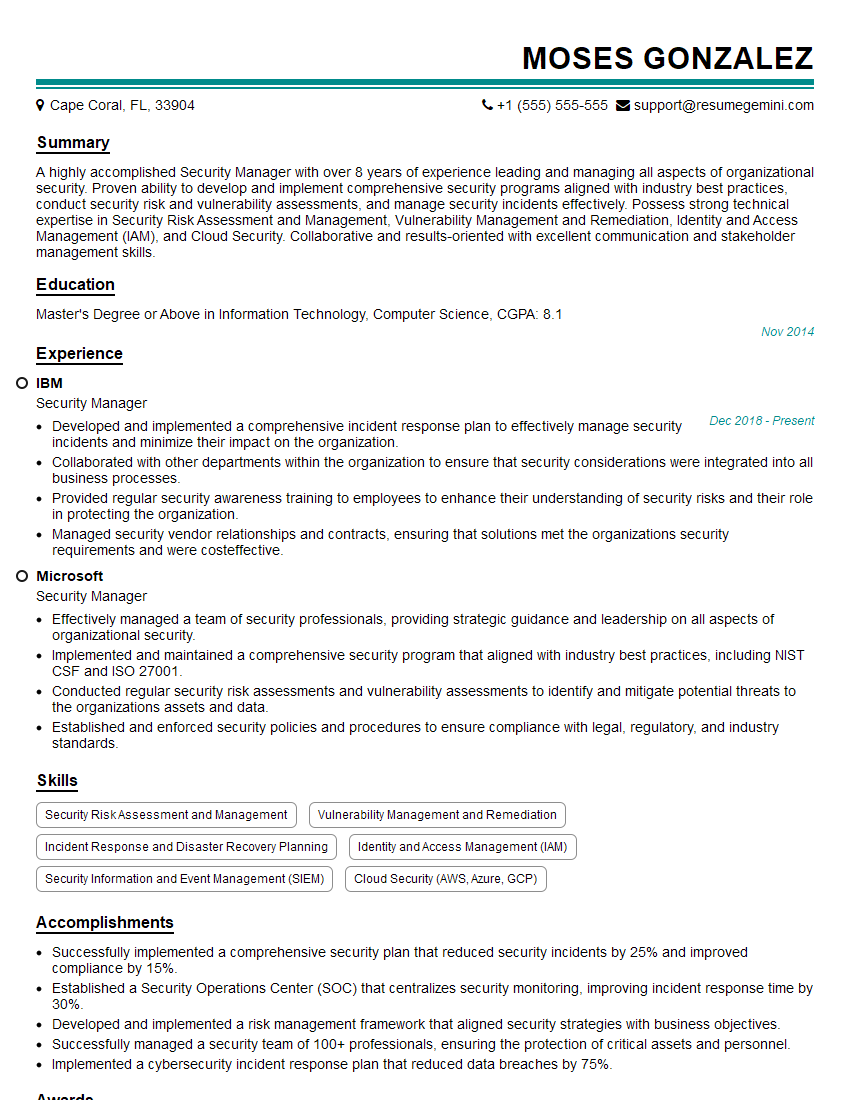
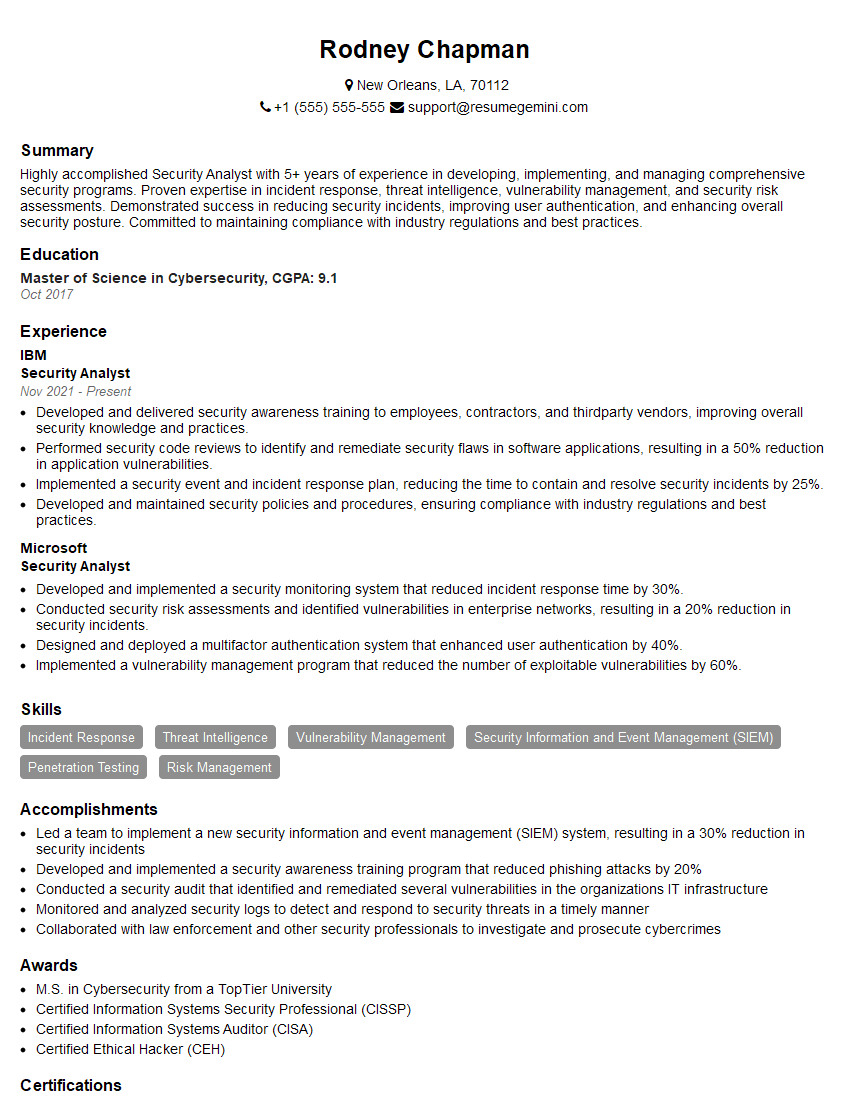
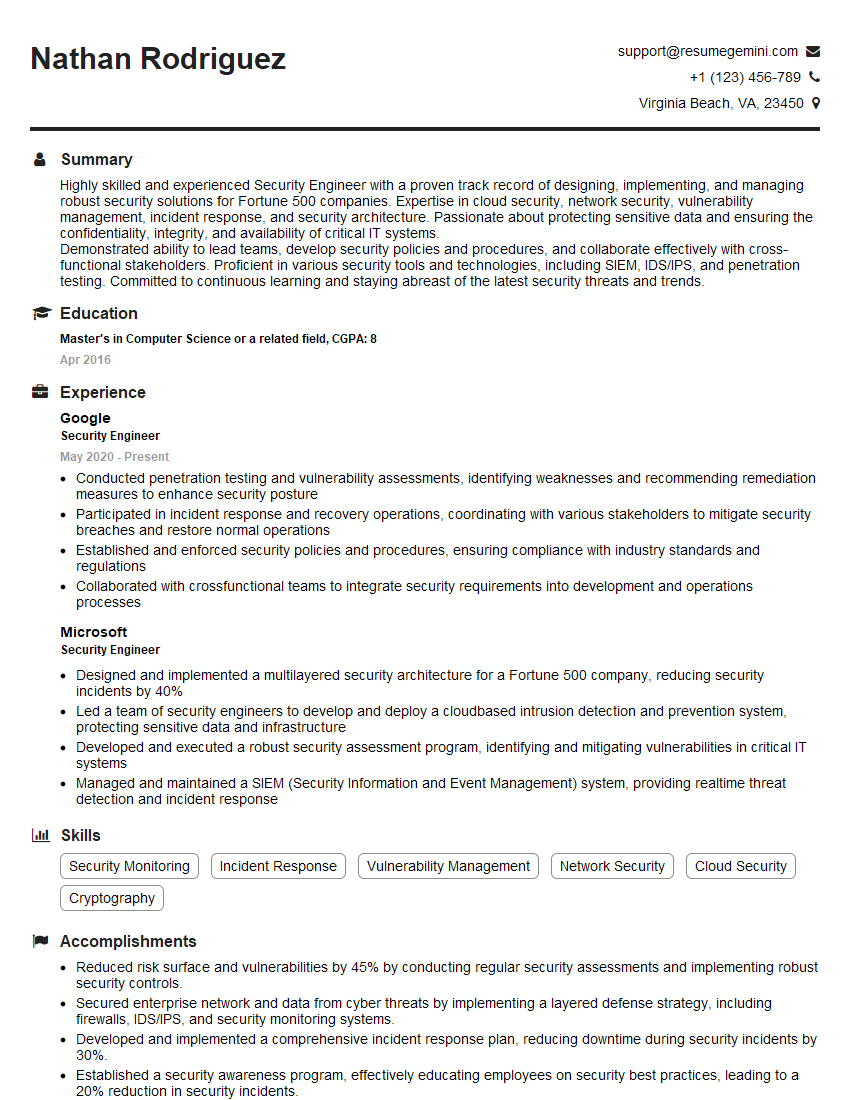
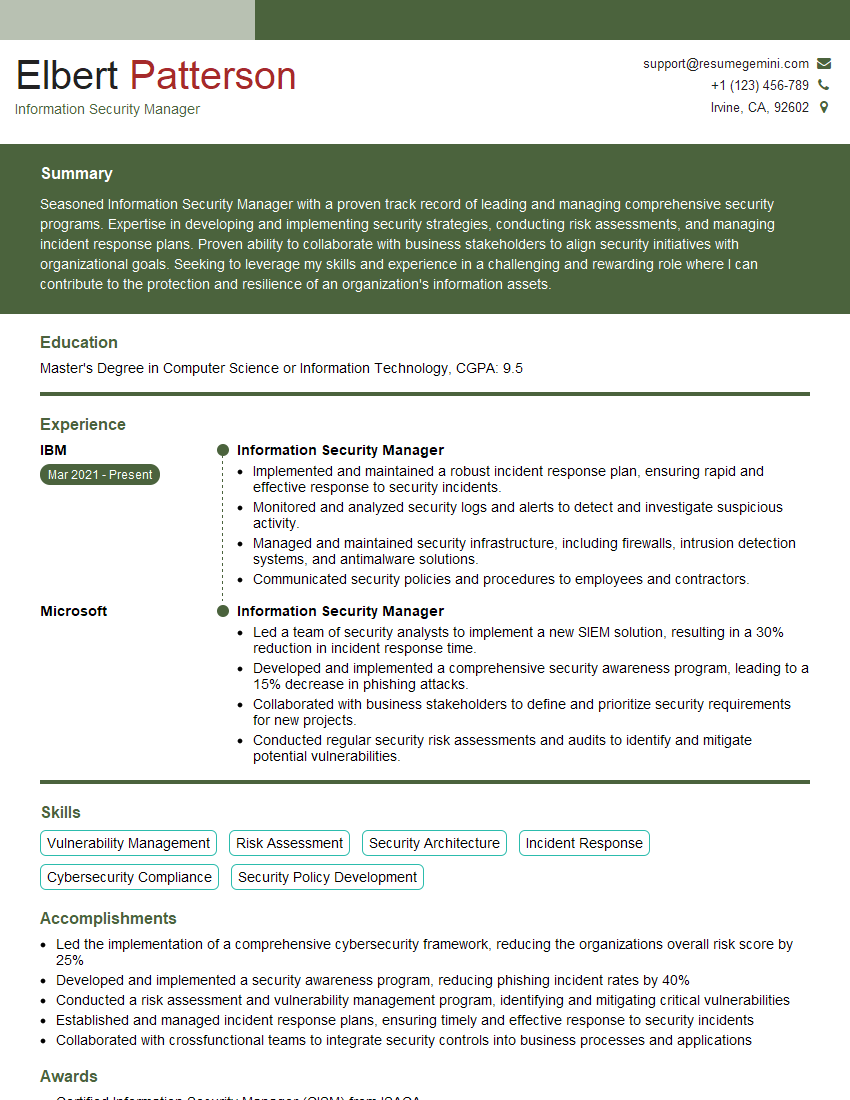
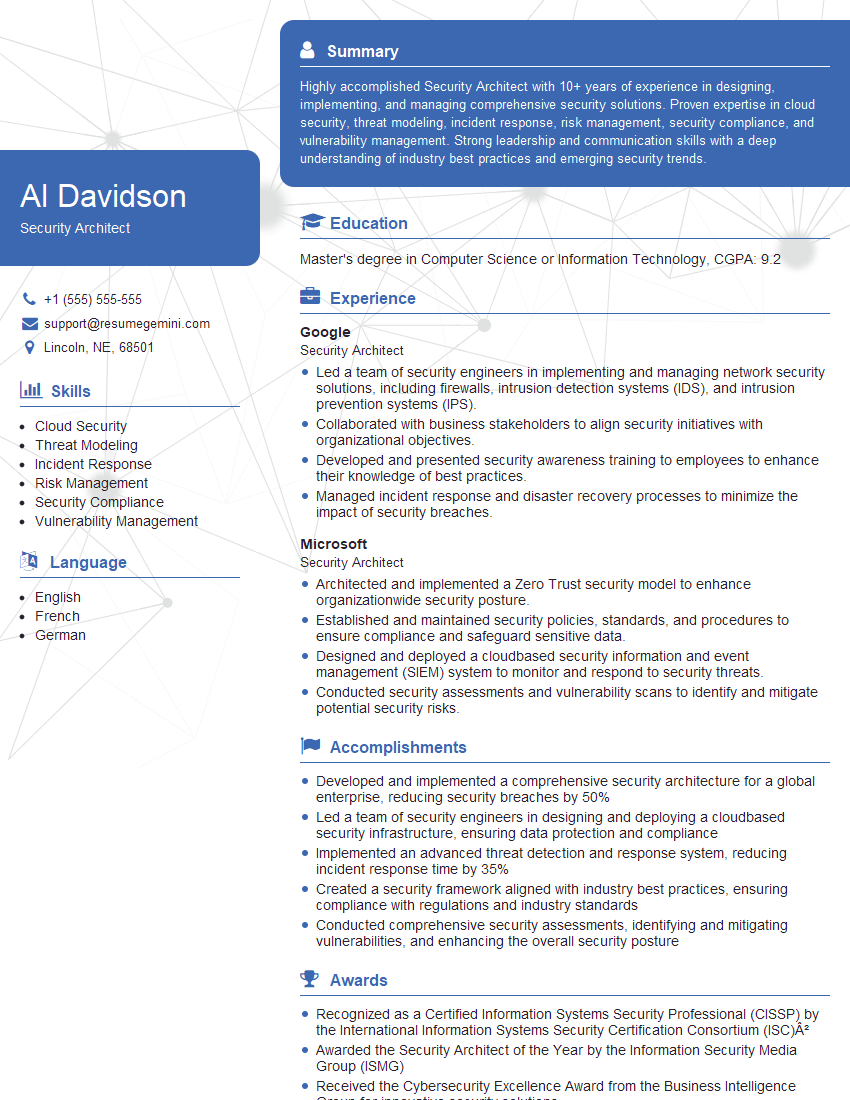
Mastering a Cybersecurity Incident Response Plan (CSIRP) is crucial for career advancement in the cybersecurity field. It demonstrates a deep understanding of security principles and practical problem-solving skills highly valued by employers. To significantly increase your job prospects, it’s vital to have an ATS-friendly resume that effectively showcases your expertise. We strongly encourage you to leverage ResumeGemini, a trusted resource for building professional and impactful resumes. ResumeGemini provides examples of resumes tailored specifically to Cybersecurity Incident Response Plan (CSIRP) roles, helping you present your skills and experience in the best possible light.

Explore more articles
Users Rating of Our Blogs
Share Your Experience
We value your feedback! Please rate our content and share your thoughts (optional).
What Readers Say About Our Blog
I Redesigned Spongebob Squarepants and his main characters of my artwork.
https://www.deviantart.com/reimaginesponge/art/Redesigned-Spongebob-characters-1223583608
IT gave me an insight and words to use and be able to think of examples
Hi, I’m Jay, we have a few potential clients that are interested in your services, thought you might be a good fit. I’d love to talk about the details, when do you have time to talk?
Best,
Jay
Founder | CEO