Are you ready to stand out in your next interview? Understanding and preparing for Risk and Threat Intelligence interview questions is a game-changer. In this blog, we’ve compiled key questions and expert advice to help you showcase your skills with confidence and precision. Let’s get started on your journey to acing the interview.
Questions Asked in Risk and Threat Intelligence Interview
Q 1. Explain the difference between strategic, operational, and tactical threat intelligence.
Threat intelligence, at its core, helps organizations understand and mitigate risks. We categorize threat intelligence based on its scope and application: strategic, operational, and tactical.
- Strategic Threat Intelligence: This provides a high-level view of the threat landscape. It focuses on long-term trends, emerging threats, and the capabilities of major threat actors. Think of it as the ‘big picture’ – identifying geopolitical factors, technological advancements, and overall threat actor motivations that could significantly impact an organization in the future. For example, a strategic assessment might identify the growing sophistication of ransomware attacks and their impact on critical infrastructure.
- Operational Threat Intelligence: This bridges the gap between strategic intelligence and tactical actions. It focuses on specific threats that could impact an organization’s operations. It’s about understanding who is targeting the organization, what their methods are, and what resources they possess. An example would be identifying a specific Advanced Persistent Threat (APT) group targeting your industry and understanding their tactics, techniques, and procedures (TTPs).
- Tactical Threat Intelligence: This is the most immediate and actionable form of threat intelligence. It focuses on specific, imminent threats that require immediate action. For instance, receiving an alert about a phishing campaign targeting your employees is tactical intelligence. It needs immediate response – employee warnings and security system adjustments.
In essence, strategic intelligence informs strategy, operational intelligence informs planning, and tactical intelligence informs immediate actions. They work in conjunction to provide a comprehensive understanding of the threat environment and allow for proactive and reactive security measures.
Q 2. Describe the intelligence cycle and its key phases.
The intelligence cycle is a continuous, iterative process that organizations use to collect, process, and disseminate threat intelligence. It’s a loop, not a linear process, constantly refining and improving our understanding. The key phases are:
- Planning & Direction: Defining the intelligence requirements – what specific threats or information do we need? This often involves stakeholder discussions to prioritize needs based on organizational risk appetite.
- Collection: Gathering information from various sources – open-source intelligence (OSINT), threat feeds, internal logs, human intelligence (HUMINT), and more. This is where we gather raw data.
- Processing & Exploitation: Analyzing raw data, filtering out noise, and extracting relevant information. This might involve techniques like data mining, pattern analysis, and correlation of multiple data points.
- Analysis & Production: Interpreting the processed information, drawing conclusions, and creating actionable intelligence reports. This involves identifying patterns, threats, and vulnerabilities.
- Dissemination: Sharing the intelligence findings with relevant stakeholders – security teams, management, etc. This is critical for timely response and effective mitigation.
- Feedback: Evaluating the effectiveness of the intelligence and the cycle itself, adjusting the process as needed based on outcomes. Did the intel lead to successful prevention or mitigation? What could be improved?
Imagine it as a detective investigating a crime. They plan their investigation, collect clues, process the evidence, analyze the findings, share their report with their team, and then review their methods to improve future investigations. That’s the intelligence cycle in action.
Q 3. What are the primary sources of threat intelligence?
Threat intelligence comes from a multitude of sources. Effective intelligence programs leverage a mix of these to gain a comprehensive understanding.
- Open-Source Intelligence (OSINT): Publicly available information like news articles, social media, forums, and research papers. This is often the first step in identifying emerging threats.
- Threat Feeds: Commercial and free services that provide curated threat indicators (IPs, domains, hashes) identified by security researchers and vendors. Think of it like a subscription to security news alerts.
- Security Information and Event Management (SIEM) systems: Internal security tools that collect and analyze log data from various sources within an organization’s network. This provides valuable internal context to external threat data.
- Vulnerability databases: Public and private databases that list known software vulnerabilities (like CVE databases). Understanding these helps identify potential entry points for attackers.
- Malware analysis reports: Reports from security companies analyzing malicious software, detailing its capabilities and techniques.
- Human Intelligence (HUMINT): Information gathered from human sources – contacts in law enforcement, industry peers, or informants. This can provide deep insights into specific threat actors.
- Dark Web monitoring: Tracking threat actors’ activities on the dark web, including marketplaces for stolen data, malware, and other illicit goods.
Each source offers unique perspectives. Combining them is crucial for a more accurate and actionable picture of potential threats.
Q 4. How do you prioritize and analyze threat intelligence data?
Prioritizing and analyzing threat intelligence data is crucial to avoid being overwhelmed. A structured approach is necessary:
- Prioritization: We use a risk-based approach. Factors considered include:
- Relevance: How relevant is the threat to our organization’s assets and operations?
- Likelihood: How likely is it that this threat will affect us?
- Impact: What would be the potential impact if the threat is successful (financial loss, data breach, reputational damage)?
- Analysis Techniques: Various methods are employed:
- Threat Modeling: Systematically identifying potential vulnerabilities and threats (discussed further in the next question).
- Vulnerability Correlation: Connecting threat intelligence with known vulnerabilities in our systems to assess risk.
- Indicator Correlation: Connecting various threat indicators (IPs, domains, hashes) to identify patterns and campaigns.
- Statistical Analysis: Using statistical methods to identify trends and anomalies in threat data.
- Tools & Technologies: Threat intelligence platforms (TIPs) and Security Orchestration, Automation, and Response (SOAR) tools automate parts of this process, allowing analysts to focus on complex issues.
Imagine a triage system in a hospital – prioritizing patients based on the severity of their injuries. Similarly, we prioritize threats based on their potential impact and likelihood, focusing our resources where they are most needed.
Q 5. Explain the concept of threat modeling and its application.
Threat modeling is a proactive risk management process to identify potential security vulnerabilities in systems and applications. It’s about thinking like an attacker to find weaknesses *before* they are exploited.
The process typically involves:
- Defining the system’s scope: Identifying the specific system or application to be analyzed.
- Identifying assets: Pinpointing valuable data and components within the system.
- Identifying threats: Brainstorming potential threats that could target these assets (e.g., data breaches, denial-of-service attacks).
- Identifying vulnerabilities: Identifying weaknesses in the system that could be exploited by threats.
- Assessing risks: Evaluating the likelihood and impact of each identified threat.
- Developing mitigations: Designing and implementing controls to reduce the risk of identified threats.
- Validation: Testing the effectiveness of implemented mitigations.
Several frameworks exist, including STRIDE (Spoofing, Tampering, Repudiation, Information disclosure, Denial of service, Elevation of privilege) and PASTA (Process for Attack Simulation and Threat Analysis). Threat modeling isn’t a one-time event; it should be integrated into the software development lifecycle (SDLC) to continuously assess and improve security.
For example, before deploying a new web application, a threat model might identify vulnerabilities related to cross-site scripting (XSS) or SQL injection, allowing developers to address these vulnerabilities *before* launch, minimizing the risk of a security breach.
Q 6. What are common threat actors and their motivations?
Threat actors are individuals or groups who pose a threat to an organization’s security. Their motivations vary widely:
- Nation-State Actors (APT Groups): Highly sophisticated groups sponsored by governments. Their motivations often include espionage, sabotage, or political influence. They invest heavily in advanced tools and techniques.
- Organized Crime Groups: Motivated by financial gain, engaging in activities like ransomware attacks, data theft, and credit card fraud.
- Hacktivists: Motivated by political or ideological goals, often targeting organizations they view as unethical or harmful. Their attacks are often highly public and aimed at raising awareness.
- Insider Threats: Malicious or negligent employees or contractors who have legitimate access to an organization’s systems. This can range from simple negligence to deliberate malicious acts.
- Script Kiddies: Individuals with limited technical skills who use readily available tools to launch attacks. They are often motivated by curiosity or a desire to prove their capabilities.
Understanding the motivation behind an attack is crucial for effective threat response. A financially motivated attacker might be deterred by robust security measures, while a nation-state actor might require a more comprehensive defense strategy.
Q 7. Discuss various threat intelligence platforms and tools you’re familiar with.
Many platforms and tools support threat intelligence gathering and analysis. The choice depends on an organization’s specific needs and budget.
- Threat Intelligence Platforms (TIPs): These centralized platforms collect, analyze, and correlate threat data from various sources, providing a comprehensive view of the threat landscape. Examples include IBM QRadar Advisor with Watson, and ThreatConnect.
- Security Information and Event Management (SIEM) systems: While not solely threat intelligence platforms, they play a crucial role by collecting and analyzing log data from various security tools, providing valuable context for threat intelligence. Splunk and Elastic Stack are popular examples.
- Security Orchestration, Automation, and Response (SOAR) tools: These platforms automate security processes, including incident response, based on threat intelligence. Examples include Palo Alto Networks Cortex XSOAR and IBM Resilient.
- Malware analysis sandboxes: These environments analyze malicious files in a safe, isolated environment to identify their behavior and capabilities. Examples include Any.Run and Hybrid Analysis.
- Vulnerability scanners: These tools identify potential vulnerabilities in systems and applications. Nessus and OpenVAS are well-known examples.
These tools often integrate with each other, creating a synergistic ecosystem for threat intelligence gathering, analysis, and response. The best approach involves selecting tools that align with your organization’s specific security architecture and objectives.
Q 8. How do you assess the credibility and reliability of threat intelligence sources?
Assessing the credibility and reliability of threat intelligence sources is crucial. It’s like evaluating a witness in a courtroom – you need to consider their track record, methodology, and potential biases. I use a multi-faceted approach. First, I examine the source’s reputation and history. Is it a well-established security company, a government agency, or a less-known researcher? I look for evidence of their past accuracy and how they’ve handled corrections or retractions. Second, I analyze their methodology. Do they provide clear attribution? What data sources do they use? Do they utilize validated techniques like YARA rules or other signature-based analysis? Transparency is key. Sources that openly describe their processes are more trustworthy. Third, I consider potential biases. Is the source affiliated with a specific vendor or industry? This could influence the type of threats they report on or their interpretation of findings. Finally, I cross-reference information from multiple sources to gain a more comprehensive and objective view. If multiple reputable sources corroborate the intelligence, confidence increases significantly.
For example, I might trust a report from a reputable vendor like CrowdStrike more than an anonymous post on a forum. However, even with known good sources, I always validate the information provided, particularly IOCs, against my own systems and threat hunting tools.
Q 9. How do you integrate threat intelligence into security operations?
Integrating threat intelligence into security operations involves a structured process to ensure it’s actionable and improves our defenses. It’s not simply about reading reports; it’s about transforming that information into proactive security measures. I typically use a three-stage approach: Collection, where we gather intelligence from various sources (commercial feeds, open source intelligence, internal logs, etc.); Processing, where we enrich, analyze, and prioritize the raw intelligence; and Dissemination, where we distribute the actionable insights to the relevant teams. In the processing stage, I focus on converting raw intelligence into actionable items such as updates to security controls (firewalls, intrusion detection systems), enrichment of security information and event management (SIEM) systems, development of threat hunting queries, and prioritization of vulnerability remediation efforts.
For instance, if we receive intelligence about a new malware campaign targeting a specific vulnerability in our applications, we’ll immediately prioritize patching that vulnerability and use the provided indicators of compromise (IOCs) to detect and block any attempts to exploit it on our network. We also use this intelligence to create custom detection rules in our SIEM and to train our threat hunting team to look for similar activity.
Q 10. Describe your experience with analyzing malware samples and reports.
My experience with malware analysis involves both static and dynamic techniques. Static analysis involves examining the malware without executing it – this might include inspecting file headers, strings, and code structures using tools like IDA Pro or Ghidra. Dynamic analysis involves running the malware in a controlled environment (like a sandbox) to observe its behavior, network connections, and registry modifications. I use tools like Cuckoo Sandbox for this purpose. Analyzing malware reports from various sources requires a critical eye. I verify claims made in the report with my own analysis and look for potential biases or inconsistencies.
For example, I recently analyzed a malware sample that was initially reported as a simple keylogger. Through dynamic analysis, I discovered it had additional capabilities, including data exfiltration and remote access functionality. This highlighted the importance of thorough analysis rather than relying solely on initial reports.
Q 11. Explain the concept of indicators of compromise (IOCs) and their use.
Indicators of Compromise (IOCs) are essentially artifacts that suggest a compromise or malicious activity has occurred or is underway. They’re like fingerprints left at a crime scene. These can be anything from IP addresses and domain names to file hashes, registry keys, or specific URLs. They allow us to detect and respond to threats more quickly and effectively. IOCs are used in various security tools and processes, including intrusion detection systems (IDS), security information and event management (SIEM) systems, and threat hunting. They help identify potentially malicious activity, block known bad actors, and prioritize incident response.
For instance, if a threat intelligence feed provides the IP address 192.0.2.1 as an IOC associated with a known botnet, we can configure our firewall to block traffic originating from that IP address. Similarly, if a file hash a1b2c3d4e5f6... is identified as malicious, we can use this hash to detect and quarantine any files with that hash on our systems.
Q 12. How do you correlate different data sources to identify emerging threats?
Correlating different data sources is crucial for identifying emerging threats. It’s like connecting the dots in a complex puzzle. I use various methods including SIEM tools, security orchestration, automation, and response (SOAR) platforms, and custom-built scripts. These tools allow me to integrate data from diverse sources – network logs, endpoint security systems, threat feeds, vulnerability scanners – into a centralized view. I then use correlation techniques like pattern matching, anomaly detection, and statistical analysis to identify unusual activity or patterns that might indicate an emerging threat. This involves using advanced analytics techniques such as machine learning and graph analysis to uncover relationships and trends that might not be apparent through manual analysis alone.
For example, if we see a spike in failed login attempts from unusual geographic locations simultaneously with a reported vulnerability in our authentication system, these seemingly disparate data points become strongly correlated, suggesting a potential coordinated attack.
Q 13. How do you communicate threat intelligence effectively to technical and non-technical audiences?
Effective communication of threat intelligence is crucial for fostering a strong security posture. My approach depends on the audience. For technical audiences, I use precise language, technical details, and visualizations like network diagrams or malware analysis reports. I focus on providing actionable information, like specific steps they can take to mitigate the threat. For non-technical audiences, I use simpler language, avoiding jargon whenever possible. I focus on the impact of the threat, using analogies and relatable examples to help them understand the risks. I tailor the presentation to the audience’s level of understanding and their need-to-know.
For instance, when communicating a phishing campaign to executives, I focus on the potential financial and reputational damage. For the security team, I’d delve into the technical details of the attack vector, IOCs, and mitigation strategies.
Q 14. Describe your experience with vulnerability management and patching.
Vulnerability management and patching are critical aspects of a robust security posture. I utilize vulnerability scanners (both network and application-based) to identify vulnerabilities in our systems. The identified vulnerabilities are then prioritized based on their severity and the likelihood of exploitation. I work closely with development and IT operations teams to develop and implement patching strategies. This involves coordinating patch deployments, minimizing downtime, and verifying the successful application of patches. We maintain a well-defined patch management process that balances speed of remediation with operational considerations. We also use techniques such as change management and rigorous testing to minimize risks associated with patching.
A recent example involved prioritizing the patching of a critical vulnerability in our web application exposed by a vulnerability scanner. We worked with the development team to create and test a patch, then carefully deployed it outside of business hours to minimize disruption. Post-patch, we verified the vulnerability had been remediated by re-running the vulnerability scan.
Q 15. Explain your understanding of different attack vectors and techniques.
Attack vectors are the paths attackers use to compromise a system, while attack techniques are the methods they employ once inside. Understanding both is crucial for effective defense.
- Phishing: Attackers send deceptive emails or messages to trick victims into revealing sensitive information or downloading malware. For example, an email seemingly from your bank asking for login details.
- Malware: Malicious software, such as viruses, ransomware, or Trojans, can infect systems through various vectors. A Trojan horse might be disguised as a legitimate program downloaded from a compromised website.
- Exploiting Vulnerabilities: Attackers find and exploit software weaknesses (vulnerabilities) to gain unauthorized access. This could be a known vulnerability in outdated software or a zero-day exploit.
- Social Engineering: Manipulating individuals to divulge confidential information or perform actions that compromise security. This could involve a phone call pretending to be tech support.
- SQL Injection: Attackers inject malicious SQL code into input fields to manipulate databases. This could allow an attacker to steal data or modify records.
- Denial of Service (DoS): Flooding a system with traffic to make it unavailable to legitimate users. A distributed denial-of-service (DDoS) attack uses multiple compromised systems.
Effective defense requires a multi-layered approach, including strong passwords, regular software updates, security awareness training, and intrusion detection systems.
Career Expert Tips:
- Ace those interviews! Prepare effectively by reviewing the Top 50 Most Common Interview Questions on ResumeGemini.
- Navigate your job search with confidence! Explore a wide range of Career Tips on ResumeGemini. Learn about common challenges and recommendations to overcome them.
- Craft the perfect resume! Master the Art of Resume Writing with ResumeGemini’s guide. Showcase your unique qualifications and achievements effectively.
- Don’t miss out on holiday savings! Build your dream resume with ResumeGemini’s ATS optimized templates.
Q 16. How do you measure the effectiveness of threat intelligence efforts?
Measuring the effectiveness of threat intelligence is crucial for demonstrating ROI and continuous improvement. We use a combination of quantitative and qualitative metrics.
- Reduced Security Incidents: A decrease in successful attacks, data breaches, and malware infections directly demonstrates the impact of threat intelligence.
- Improved Mean Time to Detect (MTTD) and Mean Time to Respond (MTTR): Threat intelligence helps identify threats earlier and enables faster response times, minimizing damage.
- Improved Security Posture: Threat intelligence leads to better vulnerability management, stronger security controls, and enhanced overall system resilience.
- Increased Accuracy of Threat Predictions: Tracking the accuracy of threat predictions over time provides insight into the quality of the intelligence.
- Stakeholder Satisfaction: Regular feedback from security teams and other stakeholders is vital in assessing the value of threat intelligence.
Key Performance Indicators (KPIs) are regularly monitored and reported. For instance, we track the number of vulnerabilities remediated based on threat intelligence, comparing this to the previous period to evaluate effectiveness.
Q 17. What is your approach to identifying and mitigating zero-day vulnerabilities?
Identifying and mitigating zero-day vulnerabilities (vulnerabilities unknown to the vendor) is extremely challenging. My approach combines proactive and reactive measures.
- Vulnerability Scanning and Penetration Testing: Regularly scanning systems and networks for known and unknown vulnerabilities using advanced tools helps uncover potential weaknesses.
- Threat Intelligence Feeds: Subscribing to reputable threat intelligence feeds provides early warnings of emerging zero-day exploits.
- Threat Hunting: Proactively searching for indicators of compromise (IOCs) within the network helps discover unknown threats before they cause significant damage.
- Rapid Response Plan: A well-defined plan ensures swift action, including containment and eradication of the threat, when a zero-day is discovered.
- Patch Management: While not directly addressing zero-days, rigorous patch management significantly reduces the likelihood of exploitation by minimizing known vulnerabilities.
Remember, complete elimination of zero-day risk is impossible. The focus is on minimizing the impact through proactive measures and rapid response.
Q 18. Describe your experience with incident response and its relationship to threat intelligence.
Incident response and threat intelligence are inextricably linked. Threat intelligence informs incident response, and incident response generates valuable intelligence.
Incident Response focuses on containing, eradicating, and recovering from a security incident. Threat Intelligence provides context and foresight, enabling proactive measures and informed decision-making during an incident.
For instance, if a ransomware attack occurs, threat intelligence helps identify the specific ransomware variant, its attack vectors, and potential further targets. This helps prioritize containment efforts and guides the recovery strategy. Conversely, analysis of the incident itself – logs, malware samples, etc. – generates valuable threat intelligence that can be used to enhance security and prevent future incidents.
I’ve been involved in numerous incident response scenarios, where leveraging threat intelligence significantly reduced the time taken to contain the threat and minimize the impact.
Q 19. How do you handle conflicting or contradictory threat intelligence data?
Conflicting threat intelligence is common. My approach involves a structured process of validation, correlation, and prioritization.
- Source Validation: Assessing the credibility and reputation of the source is paramount. Is it a known reputable vendor, a government agency, or an unverified blog?
- Data Correlation: Cross-referencing information from multiple sources strengthens confidence. If several independent sources corroborate the same threat, it’s more likely to be accurate.
- Contextual Analysis: Considering the context of the intelligence is crucial. A threat relevant to a specific industry may not be applicable to another.
- Prioritization: Based on the validation and correlation, prioritize the intelligence based on its relevance and potential impact on the organization.
- Documentation: Maintain meticulous records of all sources, analysis, and decisions made, enabling transparency and auditability.
Ultimately, it’s about weighing the evidence, understanding the uncertainties, and making informed risk-based decisions based on the available intelligence.
Q 20. What are the ethical considerations involved in collecting and using threat intelligence?
Ethical considerations in threat intelligence are paramount. The collection and use of intelligence must adhere to legal and ethical guidelines.
- Privacy: Respecting individual privacy is critical. Intelligence gathering must be conducted legally and ethically, avoiding any violation of privacy laws.
- Legality: All activities must comply with relevant laws and regulations, such as data protection laws and national security regulations.
- Transparency: Openness about the methods and sources of intelligence collection enhances trust and accountability.
- Attribution: Carefully consider the implications of attributing attacks to specific actors. False accusations can have serious consequences.
- Data Security: Protecting the confidentiality and integrity of collected intelligence is crucial to prevent its misuse.
Ethical guidelines should be integrated into the threat intelligence program’s policies and procedures, ensuring responsible and legal operations.
Q 21. Explain your experience with open-source intelligence (OSINT) gathering.
Open-Source Intelligence (OSINT) gathering plays a significant role in my work. It’s a cost-effective way to gain valuable insights into the threat landscape.
My experience includes using various tools and techniques:
- Search Engines: Google, Bing, and specialized search engines for specific types of information.
- Social Media: Monitoring platforms like Twitter, Facebook, and LinkedIn for relevant discussions and information.
- Forums and Blogs: Following relevant forums and blogs to stay up-to-date on emerging threats and vulnerabilities.
- Pastebins and Data Leaks: Monitoring pastebins and data leak sites for compromised credentials and other sensitive information.
- Government and Academic Resources: Utilizing publicly available reports and data from government agencies and academic institutions.
OSINT is not a standalone solution, but a crucial complement to other intelligence sources. I always validate the information obtained from OSINT sources by cross-referencing it with other intelligence sources to ensure its accuracy and reliability. A recent example involved using OSINT to uncover a potential phishing campaign targeting our organization by identifying suspicious domains mentioned on dark web forums.
Q 22. Describe your experience with creating and maintaining threat intelligence feeds.
Creating and maintaining threat intelligence feeds involves a multi-stage process. It starts with identifying the relevant threat data sources – these could range from open-source intelligence (OSINT) platforms like VirusTotal and threat feeds from security vendors, to internal sources like security logs and vulnerability scans.
Next comes data aggregation and normalization. This is where raw data from various sources is consolidated and transformed into a consistent format. We might use tools like Splunk or ELK stack to process and enrich this data. For example, we’d convert different formats of IP addresses and hashes into a standardized format for easier searching and analysis. Crucially, we also need to validate the data; not all sources are equally reliable.
The processed data then needs to be enriched with context. This could involve correlating malicious IPs with known malware campaigns, geographic locations, or associated threat actors. Finally, the enriched data is formatted for distribution as a threat intelligence feed. This often involves using standard formats like STIX/TAXII or creating custom formats compatible with our Security Information and Event Management (SIEM) systems. Maintaining the feed requires ongoing monitoring, updating, and regular review to ensure accuracy and relevance. I’ve personally managed and refined feeds containing hundreds of thousands of indicators of compromise (IOCs), regularly adjusting their parameters and refining data sources based on performance and effectiveness.
Q 23. How do you stay up-to-date on the latest threat landscape trends?
Staying current in the dynamic threat landscape requires a multi-faceted approach. I actively monitor several key resources. These include reputable threat intelligence platforms like Recorded Future and ThreatConnect, which provide curated threat feeds and analysis. I also follow security researchers and industry experts on Twitter and LinkedIn, attend industry conferences like Black Hat and RSA, and regularly read publications like SANS Institute papers and the KrebsOnSecurity blog.
Beyond this, I participate in communities of practice and attend webinars to engage in discussions with other security professionals. This collaborative environment facilitates the exchange of insights and allows me to learn from the collective experiences of others. This combination of proactive information seeking and engagement within the community ensures I’m consistently aware of emerging threats and evolving attack techniques.
Q 24. Explain your understanding of different threat intelligence frameworks (e.g., Diamond Model).
Threat intelligence frameworks provide a structured approach to understanding and analyzing threats. The Diamond Model, for example, is a widely recognized framework that depicts the four core components of an intrusion: Adversary, Capability, Infrastructure, and Victim. It visualizes the relationships between these elements and helps in creating a holistic understanding of a threat.
Understanding the adversary’s motivation and tactics allows for better threat prediction. The capability describes the tools and techniques used; infrastructure highlights the systems and networks leveraged by the attacker, and finally, the victim defines the target of the attack and its vulnerabilities. Imagine a phishing attack: The adversary might be a financially motivated cybercriminal, the capability is spear-phishing emails, the infrastructure involves compromised servers sending malicious links, and the victim is a specific organization targeted due to their sensitive data. Other frameworks, such as the Lockheed Martin Cyber Kill Chain, provide a timeline of attack stages, helping in proactively identifying potential intrusions. I have extensively used the Diamond Model and Kill Chain models to analyze incidents, prioritize responses, and tailor preventive measures.
Q 25. How would you handle a situation where a critical threat is identified after business hours?
Identifying a critical threat after business hours requires a swift and well-defined escalation procedure. My first step would be to validate the threat. Is this a false positive, or is it genuinely critical? I’d use available tools to confirm the alert, ensuring it’s not a duplicate or a known issue already addressed.
Next, I’d immediately contact the on-call security team via pre-arranged communication channels (e.g., dedicated communication apps or paging systems). The severity of the threat dictates the urgency of the response. For example, a ransomware attack warrants immediate action. We have established playbooks for different threat scenarios to ensure a coordinated response. The playbook would include steps like isolating affected systems, containing the spread of the threat, and initiating incident response protocols. I’d also initiate communications with relevant stakeholders, including senior management, to keep them informed and gain their approval for any necessary actions such as system shutdowns or data restoration efforts. Post-incident, a detailed report will be prepared outlining the steps taken, lessons learned and any improvements to our processes needed.
Q 26. Describe your experience with automation and scripting in threat intelligence analysis.
Automation and scripting are crucial for efficient threat intelligence analysis. I’m proficient in several scripting languages, including Python and PowerShell. I leverage these to automate repetitive tasks, such as collecting IOCs from various sources, enriching them with contextual information, and generating reports.
For instance, I’ve developed Python scripts to automatically pull data from VirusTotal API, enriching threat intelligence feeds with reputation information for IPs and domains. I’ve also created scripts to automatically analyze security logs for suspicious activity and generate alerts. Using PowerShell, I’ve automated tasks involving security auditing and configuration management, further streamlining my analysis process and improving the overall efficiency and scalability of our threat intelligence operations. These automated processes save considerable time and allow us to focus on more strategic activities.
Q 27. What is your experience with using security information and event management (SIEM) systems?
SIEM systems are fundamental in threat detection and response. I have extensive experience working with several SIEM platforms, such as Splunk and QRadar. I utilize these systems to collect, analyze, and correlate security logs from diverse sources across the organization’s IT infrastructure.
My experience includes developing and deploying custom dashboards and alerts to monitor for suspicious activities, creating correlation rules to identify complex attack patterns, and conducting forensic analysis of security events. For example, using Splunk’s search processing language (SPL), I’ve developed complex queries to identify lateral movement within a network following a suspected intrusion. SIEM systems are invaluable in providing visibility into the organization’s security posture and facilitating timely threat response.
Q 28. How would you explain a complex technical threat to a non-technical executive?
Explaining a complex technical threat to a non-technical executive requires clear, concise, and relatable language. Instead of focusing on technical details, I would start with the impact – what is at risk? For instance, if it’s a vulnerability in a crucial system, I might say, “We’ve identified a weakness that could allow unauthorized access to our customer database, potentially resulting in data breaches and regulatory fines.”
I’d then use analogies to explain the threat in simple terms. For example, if it’s a SQL injection vulnerability, I might say, “Imagine a burglar finding a hidden key to your front door instead of having to break the window. This SQL injection is that hidden key, allowing attackers easy access to our systems.” Finally, I’d highlight the remediation steps being taken, emphasizing the mitigating actions already implemented and the planned future steps to secure the system, reinforcing a confident and decisive approach. The goal is to convey the gravity of the situation without overwhelming the executive with technical jargon.
Key Topics to Learn for Risk and Threat Intelligence Interview
- Threat Modeling: Understand different threat modeling methodologies (STRIDE, PASTA, etc.) and their practical application in identifying vulnerabilities within systems and applications. Consider how to present your findings clearly and concisely.
- Vulnerability Management: Discuss the lifecycle of vulnerability management, from identification and assessment to remediation and reporting. Be prepared to explain your experience with vulnerability scanning tools and techniques.
- Threat Intelligence Platforms and Feeds: Familiarize yourself with common threat intelligence platforms (e.g., MISP, TheHive) and data sources (e.g., STIX/TAXII). Discuss how you would utilize these to inform risk assessments and incident response.
- Incident Response: Describe your experience with incident response methodologies and frameworks (e.g., NIST Cybersecurity Framework). Practice articulating your approach to incident handling, from initial detection to post-incident analysis.
- Risk Assessment and Management: Understand different risk assessment methodologies (e.g., qualitative vs. quantitative) and be able to discuss how to prioritize risks based on likelihood and impact. Explain how to communicate risk effectively to both technical and non-technical audiences.
- Security Frameworks and Standards: Demonstrate familiarity with relevant security frameworks (e.g., NIST, ISO 27001) and standards. Be prepared to discuss how these frameworks inform your approach to risk management and threat intelligence.
- Data Analysis and Reporting: Highlight your skills in analyzing security data, identifying patterns and trends, and creating insightful reports. Discuss your experience with data visualization tools and techniques.
Next Steps
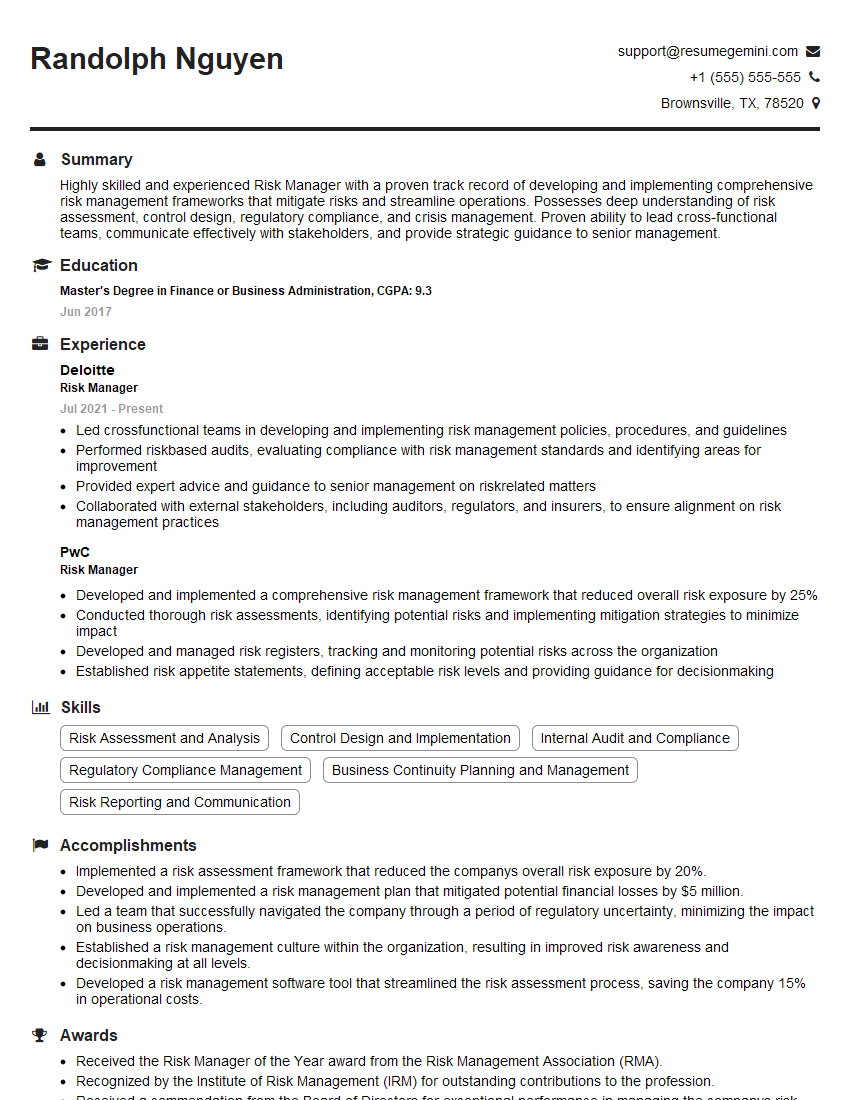
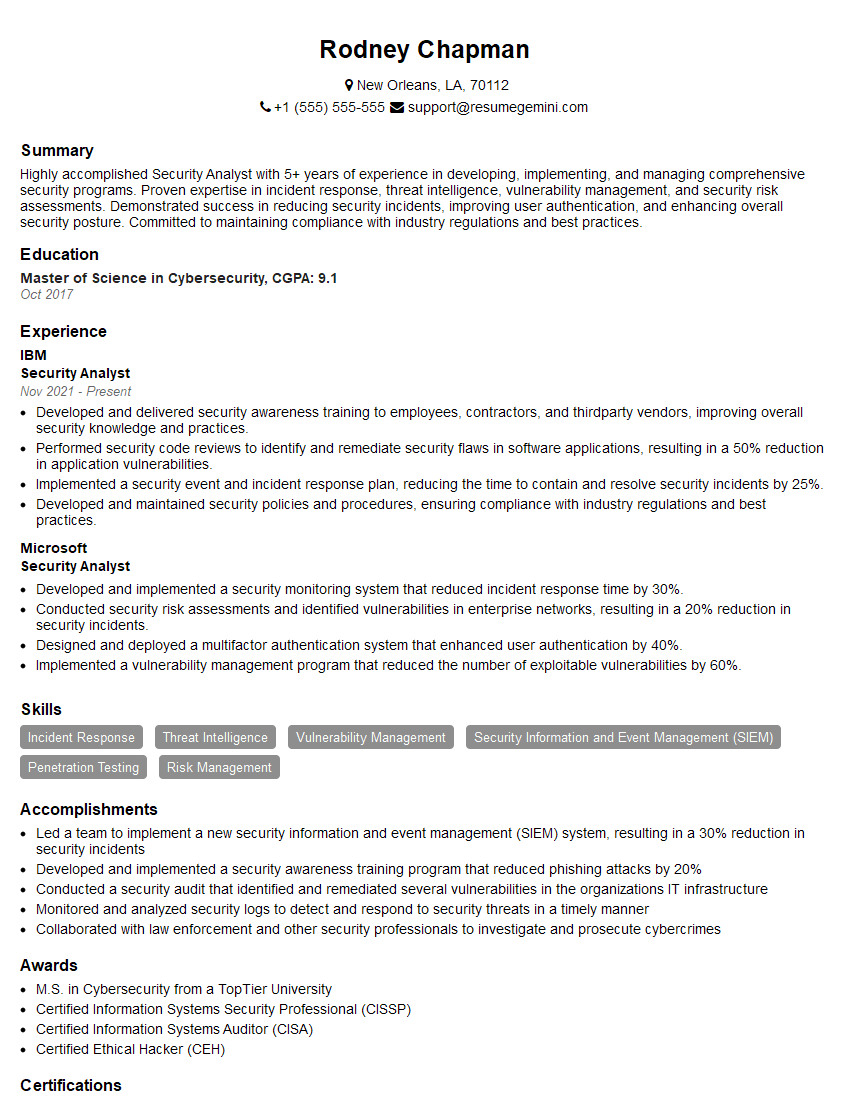
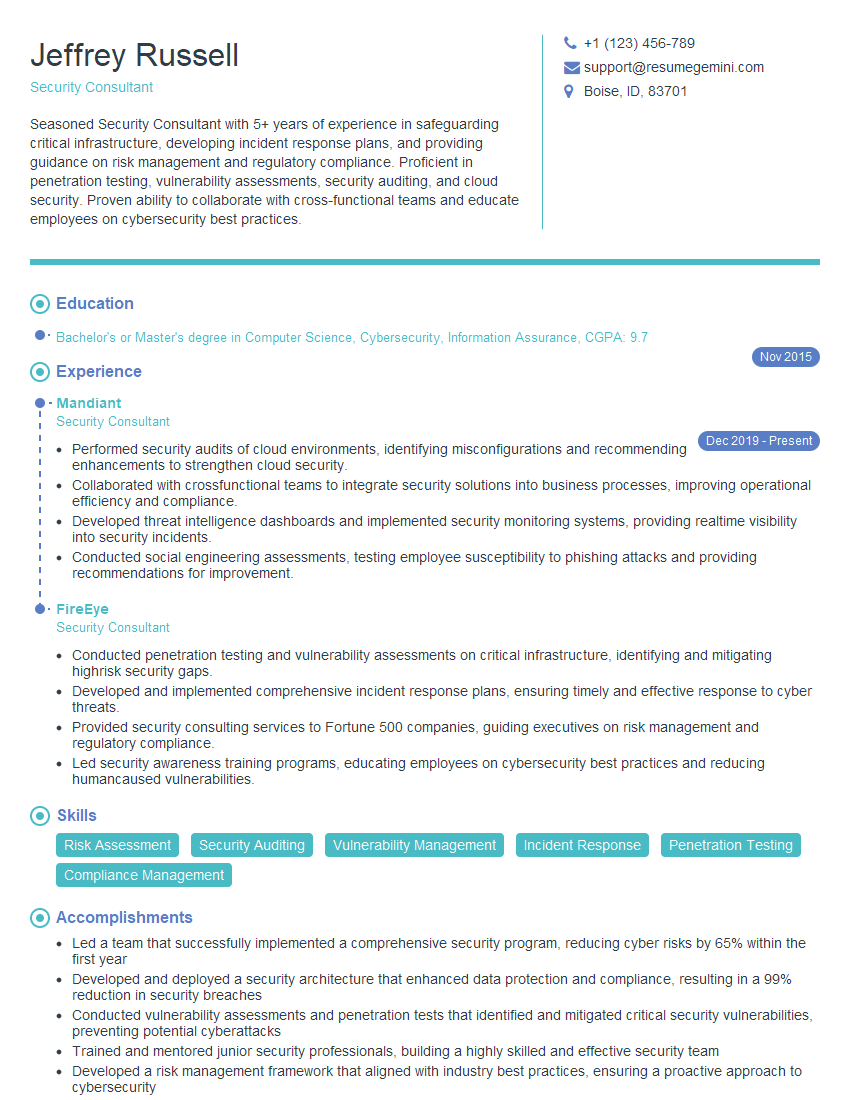
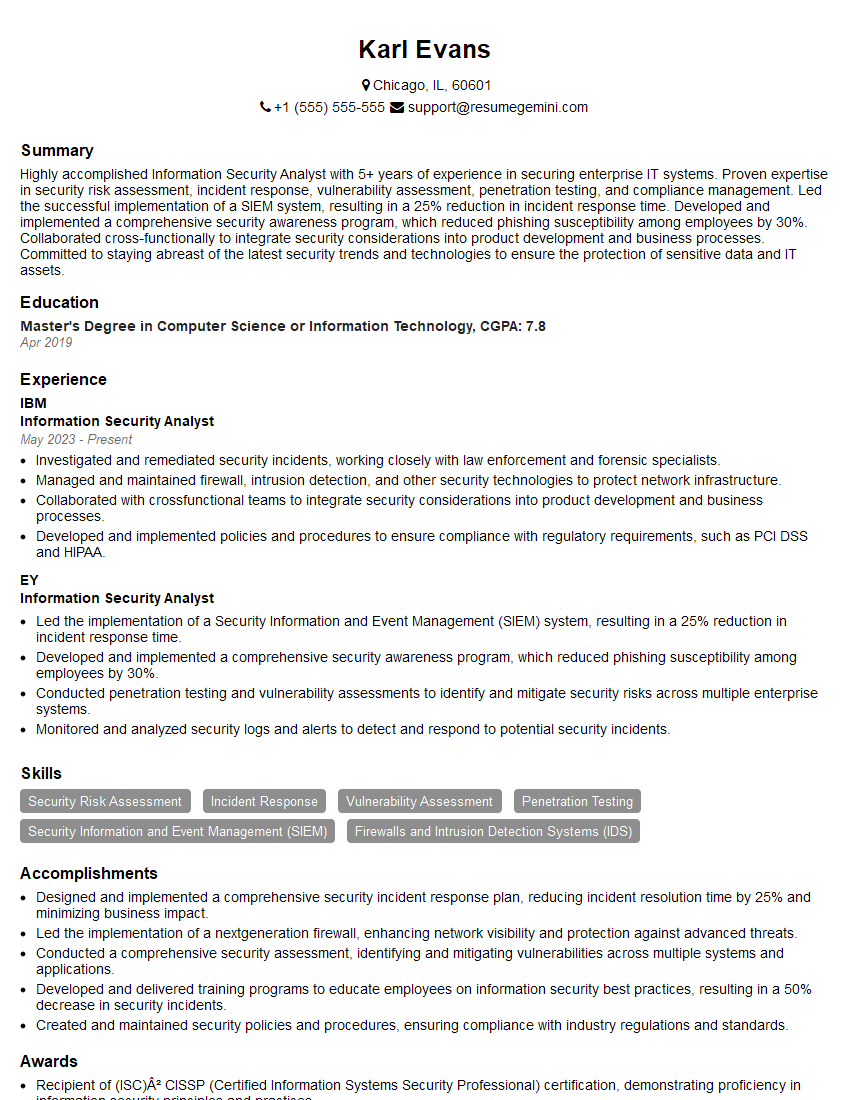
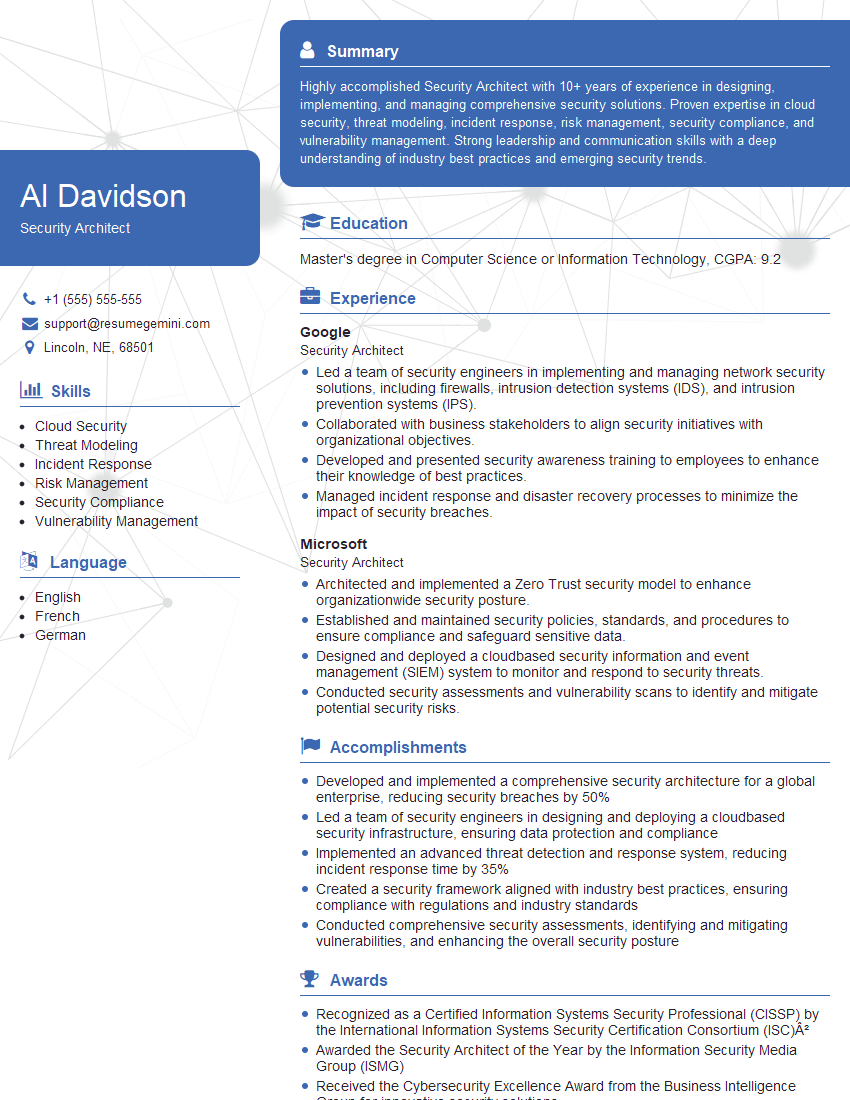
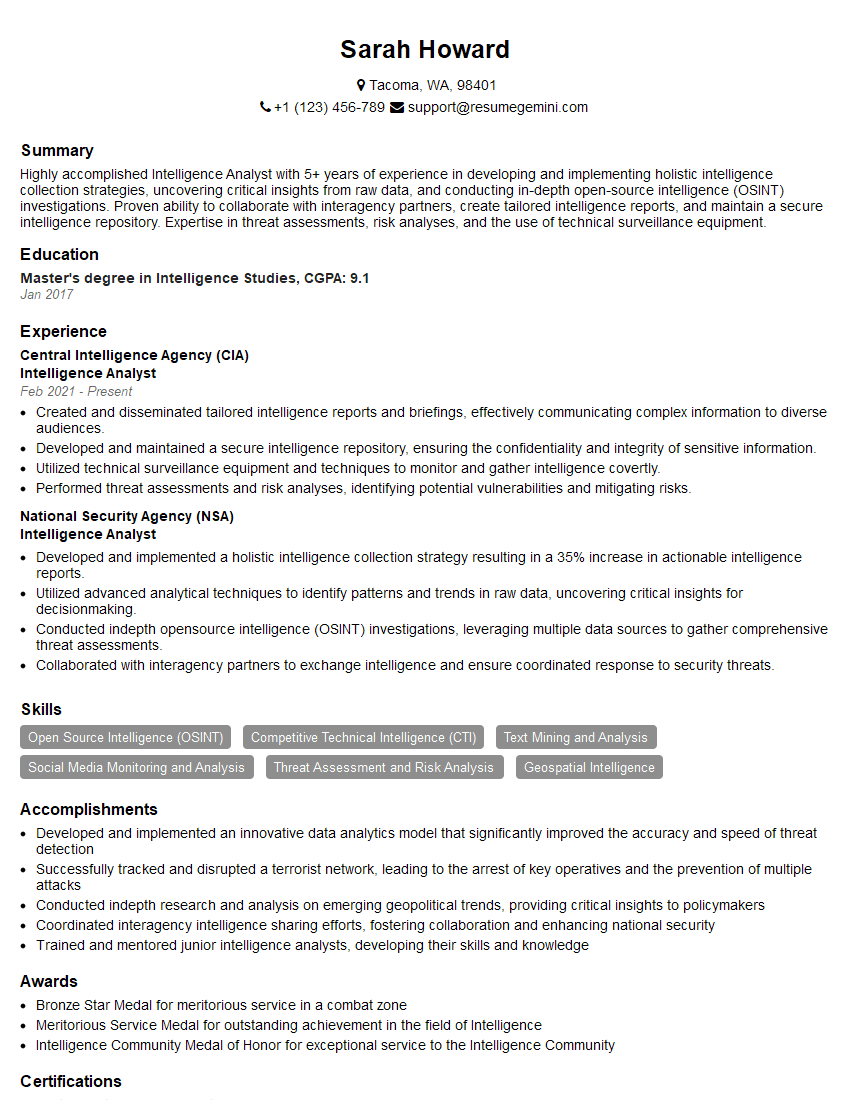
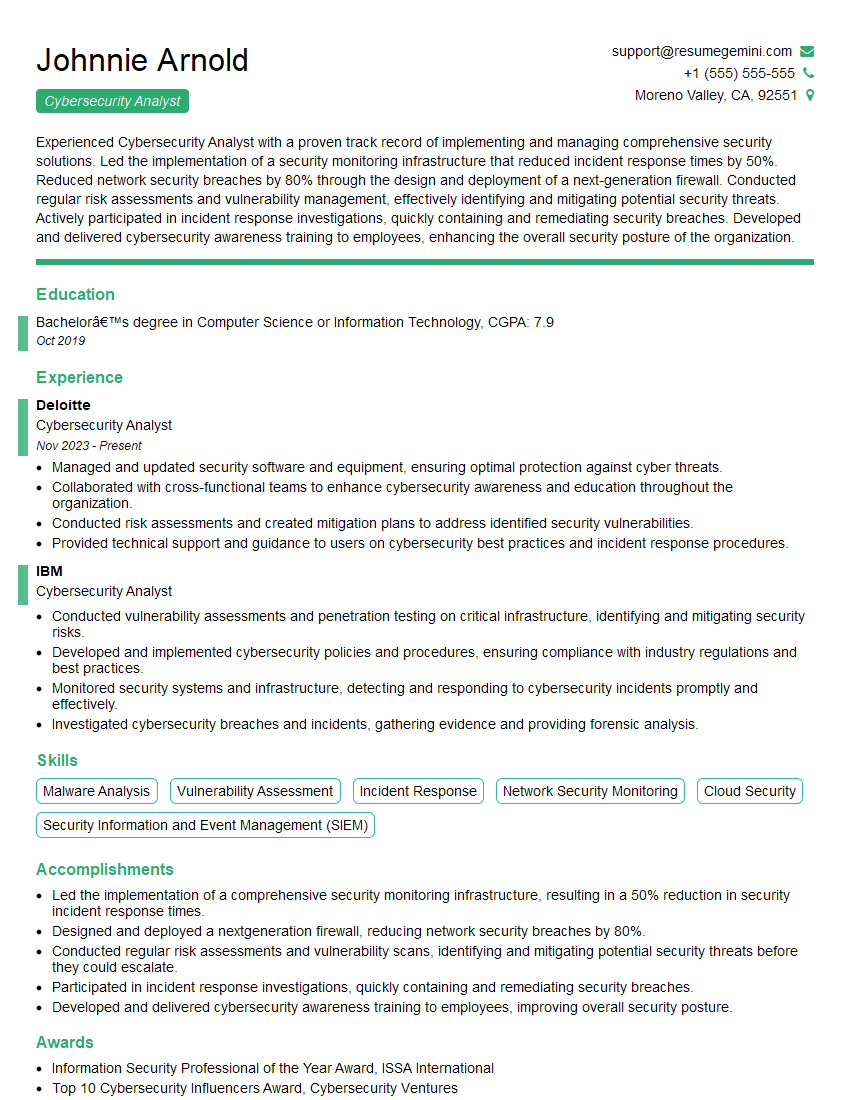
Mastering Risk and Threat Intelligence is crucial for a rewarding and impactful career in cybersecurity. It opens doors to challenging and high-impact roles where you can directly contribute to organizational security. To significantly boost your job prospects, crafting an ATS-friendly resume is paramount. A well-structured resume that highlights your skills and experience effectively will significantly increase your chances of landing an interview. We recommend using ResumeGemini, a trusted resource for building professional resumes. ResumeGemini provides examples of resumes tailored to Risk and Threat Intelligence roles, helping you create a compelling document that showcases your expertise.
Explore more articles
Users Rating of Our Blogs
Share Your Experience
We value your feedback! Please rate our content and share your thoughts (optional).
What Readers Say About Our Blog
I Redesigned Spongebob Squarepants and his main characters of my artwork.
https://www.deviantart.com/reimaginesponge/art/Redesigned-Spongebob-characters-1223583608
IT gave me an insight and words to use and be able to think of examples
Hi, I’m Jay, we have a few potential clients that are interested in your services, thought you might be a good fit. I’d love to talk about the details, when do you have time to talk?
Best,
Jay
Founder | CEO