The right preparation can turn an interview into an opportunity to showcase your expertise. This guide to Scheduling and Travel Arrangements interview questions is your ultimate resource, providing key insights and tips to help you ace your responses and stand out as a top candidate.
Questions Asked in Scheduling and Travel Arrangements Interview
Q 1. What software are you proficient in for scheduling and travel management?
My proficiency in scheduling and travel management software spans several platforms. I’m highly skilled in using industry-standard tools like Google Workspace (Calendar, Gmail, Docs), Microsoft Outlook and Office 365, and specialized travel management systems such as Concur and SAP Concur. I’m also comfortable using various booking platforms like Expedia, Kayak, and Booking.com for flight and accommodation searches. Furthermore, I have experience with project management software such as Asana and Trello, which are invaluable for coordinating complex schedules involving multiple individuals and projects.
My expertise extends beyond basic usage; I’m adept at leveraging advanced features like calendar sharing, automated reminders, and reporting functionalities to streamline workflows and maximize efficiency. For instance, I utilize Concur’s expense tracking and reporting features to simplify the expense reimbursement process for business travel.
Q 2. Describe your experience managing complex travel itineraries.
Managing complex travel itineraries requires meticulous attention to detail and a proactive approach. I’ve handled itineraries involving multiple destinations, international flights, connecting flights with tight layover times, visa requirements, ground transportation arrangements, and accommodation bookings for groups of varying sizes.
For example, I recently planned a three-week international conference trip for a team of 10, coordinating flights from various departure cities, ensuring visa compliance for different nationalities, and booking accommodation that accommodated dietary restrictions and accessibility needs. This involved careful scheduling to minimize travel time between conference sessions and maximizing free time for participants. I utilized a combination of spreadsheets and travel management software to meticulously track all aspects of the trip, ensuring accuracy and preventing potential conflicts.
Q 3. How do you prioritize conflicting schedules and appointments?
Prioritizing conflicting schedules and appointments requires a systematic approach. I use a time-blocking technique, categorizing appointments by importance and urgency using a matrix (high-importance/high-urgency, high-importance/low-urgency, etc.). This allows me to identify critical tasks that demand immediate attention while scheduling less urgent items strategically around existing commitments.
For instance, if I have a critical client meeting clashing with a less crucial internal project update, I’d prioritize the client meeting and either reschedule the update or delegate the task to a colleague. Utilizing color-coding in my calendar helps to visually distinguish the priority levels of various appointments, making it simpler to quickly identify and manage conflicts.
Q 4. Explain your process for booking flights and accommodations.
My flight and accommodation booking process is thorough and efficient. I start by identifying the best flight options using aggregator sites like Kayak or Skyscanner to compare prices and flight times. I then proceed to book directly through the airline’s website to ensure I receive the best possible customer service and access to the most up-to-date information.
For accommodation, I use Booking.com, Expedia, or directly contact the hotel, always comparing prices and reading reviews before making a final decision. Crucially, I verify all booking details, including confirmation numbers, and keep physical or digital copies of all relevant documentation. This includes taking screenshots of booking confirmations and storing them in a secure location. I always ensure that cancellation policies are clearly understood before confirming any bookings.
Q 5. How do you handle unexpected travel disruptions or scheduling conflicts?
Handling unexpected disruptions requires immediate action and a flexible approach. My response depends on the nature of the disruption. For instance, in case of a flight delay or cancellation, I immediately contact the airline to explore alternative options and inform affected parties. For accommodation issues, I contact the hotel management to resolve problems and potentially find alternative lodging.
I maintain a readily available contingency plan—a backup schedule and alternative travel arrangements—for most trips. This minimizes the impact of unforeseen circumstances, ensuring minimal disruption to the planned itinerary. Transparency and timely communication with all stakeholders are crucial for effective conflict resolution during such events.
Q 6. What strategies do you use to ensure efficient and accurate scheduling?
Efficient and accurate scheduling relies on several strategies. I begin by creating a detailed master schedule encompassing all tasks and appointments, using a digital calendar for optimal accessibility and collaboration. This master schedule integrates all commitments, both personal and professional, for a holistic view of time allocation.
I employ color-coding and categorization to visually organize events and prioritize deadlines. Regular review and updates of the schedule are paramount to maintain accuracy and ensure all deadlines are met. I also leverage reminder systems and automated notifications to minimize the risk of missed appointments or deadlines.
Q 7. How familiar are you with global time zones and their impact on scheduling?
Familiarity with global time zones is essential for effective international scheduling. I routinely use online time zone converters and world clocks to account for time differences when scheduling meetings or coordinating travel across various locations. This ensures that meetings are scheduled at convenient times for all participants, avoiding early morning or late-night calls.
Beyond simple time conversions, I consider potential jet lag implications and plan accordingly, allowing sufficient rest and adjustment time for travelers to avoid scheduling overly demanding activities immediately upon arrival in a new time zone. Accurate time zone awareness is fundamental to maintaining efficiency and preventing scheduling conflicts in international collaborations.
Q 8. Describe your experience with expense reporting related to travel.
Expense reporting for travel is crucial for accurate financial record-keeping and compliance. My process involves meticulous documentation from the outset. This begins with pre-trip approvals, where I obtain authorization for the trip’s purpose and anticipated costs. During the trip, I maintain detailed receipts for all expenses – flights, accommodation, transportation, meals, and incidentals. I categorize each expense according to company policy, using a dedicated expense tracking app to ensure easy upload and organization. After the trip, I reconcile the receipts against my credit card statements and company travel policies to identify any discrepancies or missing information. Finally, I submit a comprehensive expense report through the company’s designated portal, ensuring all required information is included and accurate.
For example, if I took a client to dinner, I would meticulously record the date, location, the amount spent, and the client’s name in my expense tracking app, ensuring that I maintain a professional image while representing the company’s financial interest.
Q 9. How do you maintain detailed records of travel arrangements and schedules?
Maintaining detailed records of travel arrangements and schedules is paramount for efficiency and accountability. I utilize a combination of tools to achieve this. My primary tool is a dedicated project management software that allows me to create and share detailed itineraries. These itineraries include flight details (confirmation numbers, departure and arrival times, airline), hotel bookings (confirmation numbers, address, check-in/check-out times), ground transportation arrangements (rental car details or ride-sharing information), and meeting schedules with associated addresses and contact information. I also utilize calendar applications that integrate with the project management software, providing a centralized view of all appointments and travel dates. This ensures I always have a comprehensive and readily accessible overview of all my travel arrangements and schedules, minimizing the risk of missed appointments and potential disruption to travel plans.
Q 10. How do you communicate effectively with clients/executives regarding travel plans?
Effective communication with clients and executives regarding travel plans is crucial for ensuring a smooth and productive trip. I strive for proactive and transparent communication. Before the trip, I provide a detailed itinerary outlining the complete travel plan, including flight and hotel details, meeting schedules, and any other relevant information. I ensure that the itinerary is easy to understand and readily accessible. During the trip, I provide regular updates, particularly if there are any unforeseen delays or changes in the schedule. I always make myself accessible through phone, email, and other preferred communication channels. For instance, I use a shared online calendar to allow clients to view my availability and travel plans, promoting easy coordination. Post-trip, I share a brief summary of the meetings and outcomes to ensure everyone is kept informed about the progress of work that took place on the trip. This proactive approach helps build trust and confidence among clients and executives.
Q 11. What is your experience with negotiating fares and securing the best travel deals?
Negotiating fares and securing the best travel deals requires strategic planning and a thorough understanding of the market. I utilize a variety of resources, including online travel agencies (OTAs), corporate travel programs, and direct airline/hotel bookings. My strategy begins with researching various options and comparing prices across different platforms. I leverage my knowledge of flexible travel dates, utilizing mid-week flights and avoiding peak seasons to secure better deals. I also explore loyalty programs and corporate discounts to maximize savings. Furthermore, I’m adept at leveraging my negotiation skills when dealing directly with airlines or hotels, especially for larger groups or extended stays. For example, I once negotiated a significant discount on a block of hotel rooms for a conference by emphasizing the volume of bookings and our willingness to commit to a long-term partnership. This resulted in considerable savings for the company.
Q 12. How do you handle multiple calendars and schedules simultaneously?
Managing multiple calendars and schedules simultaneously requires a systematic and organized approach. I rely heavily on digital calendar applications with robust features. I color-code appointments based on their nature (client meetings, personal appointments, travel), enabling a quick visual overview of my commitments. I set reminders and notifications to ensure I stay on top of my schedule. Furthermore, I utilize integration features to link my calendars across devices, providing seamless access regardless of location. For example, I might use a calendar app that synchronizes with my email, providing reminders based on confirmed appointments and important events. This integrated approach allows me to efficiently juggle multiple commitments while minimizing the risk of scheduling conflicts.
Q 13. Describe a time you had to make a last-minute travel arrangement.
I once had to arrange a last-minute trip to attend a critical client meeting in another state. The original meeting organizer cancelled due to an unforeseen circumstance, causing a significant disruption. I immediately sprang into action. First, I contacted the client to confirm the urgency and importance of the meeting. Next, I used multiple online booking platforms to find the most cost-effective and timely flight and hotel options. Then, I secured the booking with the necessary confirmation details. I coordinated ground transportation, ensuring that I had clear instructions to meet the client representatives at the airport or hotel. Finally, I communicated the revised travel plans to all stakeholders with utmost transparency, emphasizing my commitment to ensuring that the meeting occurred with minimum disruption. Through calm organization and efficient resource utilization, I successfully secured necessary arrangements within a remarkably short timeframe.
Q 14. How do you manage travel confirmations and documentation?
Managing travel confirmations and documentation is a critical aspect of ensuring a smooth and problem-free trip. I maintain a dedicated digital filing system for all travel-related documentation. This includes flight itineraries, hotel confirmations, rental car agreements, visa information (if applicable), travel insurance details, and receipts. I use a combination of cloud storage and secure folders on my computer to organize these documents. This ensures that I have easy access to essential documents at any time. I also maintain physical copies of crucial documents, such as flight and hotel confirmations for quick reference while offline. This organized approach helps avoid any complications or delays caused by missing documentation.
Q 15. How do you ensure compliance with company travel policies?
Ensuring compliance with company travel policies is paramount for both ethical and financial reasons. My approach involves a multi-step process. First, I familiarize myself thoroughly with the specific policy document, noting any restrictions on carriers, classes of service, expense limits, and approval processes. I then integrate these guidelines directly into my workflow. For instance, when booking flights, I always check if the selected airline and class are permissible under the policy. If a client requests a booking outside the policy’s guidelines, I clearly explain the limitations and offer alternative options that comply. Before finalizing any booking, I obtain the necessary approvals as dictated by the policy, often through an online system or direct communication with the relevant approver. Finally, I maintain meticulous records of all bookings and expenses, ensuring that all transactions are easily auditable and demonstrably compliant. This includes retaining confirmation emails, itineraries, and expense receipts.
For example, if our company policy only allows economy class travel for business trips, I will always present economy class options first. Only if the client justifies the need for a higher class (e.g., due to a long flight duration or medical condition) and secures the necessary approvals, will I consider booking a higher class.
Career Expert Tips:
- Ace those interviews! Prepare effectively by reviewing the Top 50 Most Common Interview Questions on ResumeGemini.
- Navigate your job search with confidence! Explore a wide range of Career Tips on ResumeGemini. Learn about common challenges and recommendations to overcome them.
- Craft the perfect resume! Master the Art of Resume Writing with ResumeGemini’s guide. Showcase your unique qualifications and achievements effectively.
- Don’t miss out on holiday savings! Build your dream resume with ResumeGemini’s ATS optimized templates.
Q 16. What are some common challenges you face when scheduling appointments?
Scheduling appointments presents unique challenges, especially when dealing with multiple stakeholders and diverse time zones. One common hurdle is time zone discrepancies. Converting times accurately and ensuring everyone’s availability across different regions requires careful calculation and coordination. Another challenge is managing conflicting schedules. Multiple busy professionals might have limited overlapping free time, demanding flexible scheduling and creative solutions. Unforeseen circumstances, such as last-minute cancellations or emergencies, can throw off the entire schedule and require immediate adjustments. Finally, technological glitches with scheduling software or communication breakdowns can create delays and inefficiencies.
To mitigate these issues, I utilize robust scheduling tools that provide clear visual calendars and time zone conversions. I always send out multiple appointment reminders to minimize no-shows. When faced with conflicting schedules, I proactively propose several alternative times, suggesting a time-blocking approach to maximize efficiency. And when encountering unexpected events, I maintain clear communication to keep all stakeholders informed and adapt schedules accordingly.
Q 17. How do you deal with a client who has constantly changing travel needs?
Dealing with clients whose travel needs frequently change requires patience, flexibility, and proactive communication. My strategy centers on maintaining open and frequent communication. I regularly check in with the client to get updates on their plans. This helps me anticipate potential changes and adapt quickly when necessary. I maintain detailed records of all changes and decisions made, using a centralized system to track versions of itineraries. I also establish clear channels of communication, usually email and phone, for quick updates. Whenever possible, I suggest using flexible booking options like refundable tickets or change-friendly itineraries. While additional charges might occur, this prevents larger problems in the long run. Finally, I clearly explain any associated fees or implications that might result from frequent changes.
For example, if a client repeatedly changes flight dates, I’ll explain that each change may incur a fee and encourage them to confirm their plans as soon as possible to minimize extra costs.
Q 18. How do you prioritize tasks when you have multiple urgent scheduling requests?
Prioritizing multiple urgent scheduling requests demands a structured approach. I typically use a combination of factors to determine urgency: deadline proximity, client importance, and potential impact of delays. I use a priority matrix, often visualized as a simple table categorizing requests by urgency and importance. Items categorized as high-urgency, high-importance are tackled first. I make use of visual tools such as Kanban boards or task management software to track the progress of each request. Open communication with clients is crucial; I proactively set expectations by providing estimated turnaround times and informing them of my prioritization process.
For example, if I receive several urgent requests simultaneously, I might prioritize a request from a high-value client with an immediate deadline over another request with a slightly later deadline, even if both are equally important.
Q 19. Explain your experience with different booking systems (e.g., Sabre, Amadeus).
I have extensive experience using Global Distribution Systems (GDS) like Sabre and Amadeus. These are powerful tools for searching and booking flights, hotels, and rental cars worldwide. Sabre, for example, offers a comprehensive suite of tools, enabling me to compare fares across multiple airlines, access real-time availability, and manage bookings efficiently. Amadeus provides similar capabilities with its strong focus on user-friendly interfaces. I’m proficient in using both systems to search for optimal routes, considering factors like price, travel time, and connecting flights. I’m skilled in navigating their advanced features, including fare rules and restriction searches, ensuring that I book the most appropriate and cost-effective options for clients.
My proficiency extends beyond basic searching and booking; I’m experienced in utilizing their reporting and analytical features to track travel patterns, identify cost savings, and improve the efficiency of our travel planning processes. For example, I can generate reports to compare the average cost of flights booked through Sabre compared to Amadeus over a given period to ensure I am leveraging the most cost-effective system.
Q 20. Describe your knowledge of visa and passport requirements for international travel.
Knowledge of visa and passport requirements for international travel is crucial for ensuring smooth journeys. My approach involves understanding the specific requirements for each destination country. This includes identifying the necessary visa type (e.g., tourist visa, business visa), the application process, required documents (e.g., passport photos, proof of funds, invitation letters), and processing times. I often consult official government websites and embassies for up-to-date information and cross-verify information from multiple sources to ensure accuracy. I advise clients well in advance to begin the visa application process, highlighting potential delays and providing assistance with gathering necessary documents. I also remind clients to check their passport’s validity well in advance, ensuring sufficient remaining validity beyond their travel dates.
For instance, if a client is travelling to a country with strict visa requirements, I will guide them through the application process, providing checklists and reminders of necessary documents to avoid delays or rejection.
Q 21. How do you research and select the most appropriate travel options for clients?
Researching and selecting the most appropriate travel options for clients is a multi-faceted process. It begins with understanding the client’s specific needs and preferences. This includes their budget, travel style, desired level of comfort, and any accessibility requirements. I then use a combination of online travel agencies (OTAs), GDS systems, and direct airline websites to search for flights, hotels, and other travel components. I compare various options based on factors like price, travel time, airline reputation, hotel reviews, and proximity to clients’ destinations. I prioritize customer service excellence and safety in the selection of travel providers. Finally, I present clients with a range of suitable options, explaining the pros and cons of each choice, enabling them to make an informed decision.
For example, if a client needs a business trip to a specific location, I will look for options offering convenient schedules, suitable accommodations, and seamless airport transfers. For leisure trips, I will consider options based on their preferred travel style, whether it’s luxury or budget travel.
Q 22. How do you handle cancellations and changes to travel arrangements?
Handling cancellations and changes to travel arrangements requires a systematic approach, prioritizing both efficiency and client satisfaction. My process begins with immediate acknowledgment of the request, whether it’s a cancellation or a modification. I then carefully review the existing booking details and the specific terms and conditions associated with the tickets, accommodation, and any other services booked. This includes checking cancellation policies to understand any applicable fees or penalties. For example, if a flight is cancelled, I’d immediately explore rebooking options on alternative flights, keeping the client informed at each stage. If a hotel needs changing, I’d investigate comparable options, considering factors like location, price, and amenities. Throughout this process, I maintain clear and proactive communication with the client, keeping them updated on progress and any potential implications. Once the change is implemented, I send updated confirmation documents and ensure all relevant parties (e.g., airlines, hotels) are notified accordingly. I also document all communication and actions taken for future reference and to maintain a clear audit trail.
Q 23. How do you ensure accuracy in travel bookings and scheduling details?
Accuracy is paramount in travel bookings and scheduling. My approach involves a multi-layered verification process. Firstly, I double-check all details – names, dates, flight numbers, hotel confirmations – against the client’s request and the booking confirmations. I often use a checklist to ensure consistency and avoid overlooking any information. Secondly, I utilize technology to my advantage. I cross-reference information from multiple sources – the booking platform, airline websites, and hotel websites – to verify the details. Any discrepancies are immediately investigated and rectified. For example, I might use online tools to validate flight schedules against the airline’s official website to ensure the schedule hasn’t changed. Lastly, I meticulously document every step of the booking process, creating a comprehensive record for future reference and easy tracking. This attention to detail minimises errors and ensures a smooth and hassle-free travel experience for the client.
Q 24. What are your methods for tracking travel budgets and expenses?
Tracking travel budgets and expenses requires diligent record-keeping and the use of appropriate tools. I typically start by obtaining a clear budget from the client, outlining the allocated amounts for various aspects of the trip like flights, accommodation, activities, and miscellaneous expenses. Then, I use dedicated budgeting software or spreadsheets to meticulously track all expenses. Each transaction, whether it’s a flight ticket purchase, hotel booking, or a taxi ride, is recorded with a detailed description and supporting documentation such as receipts or invoices. This helps in maintaining transparency and clarity. At regular intervals, I generate reports summarizing the expenditures against the budgeted amounts, highlighting potential overruns or underspends. This allows for timely adjustments and proactive financial management. For example, if I observe that the expenditure on accommodation is exceeding the budget, I’ll immediately discuss alternative options with the client to keep the trip within the allocated funds. This detailed record-keeping also aids in reconciliation and ensures accurate financial reporting.
Q 25. How do you stay updated with changes in travel regulations and policies?
Staying updated on travel regulations and policies is a continuous process. I subscribe to reputable travel news sources and government websites for official updates. This includes regularly checking the websites of relevant immigration authorities, airlines, and tourism boards for changes to visa requirements, health advisories, and travel restrictions. I also leverage industry-specific professional networks and attend webinars to learn about new regulations and best practices. Moreover, I use travel-specific alert services that provide immediate notifications of significant policy changes. For instance, if a new COVID-19 variant emerges and new testing requirements are imposed by a destination country, I would be immediately aware and inform my clients accordingly, making necessary adjustments to their travel plans. This commitment to staying informed enables me to provide clients with accurate and up-to-date information, thereby avoiding potential issues.
Q 26. How do you maintain confidentiality when handling sensitive travel information?
Maintaining confidentiality when handling sensitive travel information is crucial. I adhere strictly to data protection regulations and company policies. I only access and process information necessary for completing my tasks. All sensitive client data is stored securely in password-protected systems, and access is limited to authorized personnel. I never share client information with unauthorized third parties. For instance, I might use encrypted email for communication and ensure that all electronic documents containing personal details are encrypted as well. I also actively practice secure disposal methods for any physical documents related to client travel arrangements. Regular training on data security and privacy best practices reinforces my commitment to safeguarding client information. This comprehensive approach demonstrates my dedication to ethical and responsible data handling.
Q 27. Describe your proficiency in using online travel agencies and booking platforms.
I am highly proficient in using various online travel agencies (OTAs) and booking platforms, including Expedia, Booking.com, Kayak, and Skyscanner. My expertise extends beyond simply making bookings. I understand how to effectively utilize their advanced search functions to find the best deals and options for my clients, considering various factors like flight routes, hotel amenities, and travel dates. I am adept at comparing prices across different platforms to ensure I’m securing the most competitive rates. I also understand the intricacies of using corporate travel booking tools, allowing me to negotiate bulk discounts and secure preferred rates. Additionally, I’m proficient in using the APIs of certain platforms, allowing for more efficient automated data retrieval and integration. This proficiency ensures I can quickly and efficiently deliver cost-effective and efficient travel arrangements.
Q 28. How do you proactively identify and resolve potential scheduling conflicts?
Proactively identifying and resolving potential scheduling conflicts is a critical aspect of my role. This involves a comprehensive review of all aspects of the client’s itinerary, including flight schedules, meetings, events, and other commitments. I often use visual scheduling tools and calendar applications to identify any overlaps or potential clashes. For example, I might use a Gantt chart to visualize the timeline and identify potential bottlenecks. If a conflict is identified, I work collaboratively with the client to find a suitable solution. This could involve rescheduling meetings, adjusting travel times, or seeking alternative transportation options. I always prioritize clear communication to ensure the client is aware of any potential issues and actively involved in resolving them. This proactive approach ensures minimal disruption to the client’s plans and delivers a seamless travel experience.
Key Topics to Learn for Scheduling and Travel Arrangements Interview
- Calendar Management & Scheduling Software: Understanding various scheduling tools (e.g., Outlook, Google Calendar) and their functionalities, including recurring appointments, reminders, and resource allocation. Practical application: Demonstrating proficiency in efficiently managing multiple calendars and resolving scheduling conflicts.
- Travel Booking & Itinerary Management: Mastering online booking platforms for flights, hotels, and ground transportation. Practical application: Explain your process for researching optimal travel options, considering factors like cost, time, and client preferences, and creating detailed itineraries.
- Budgeting & Expense Tracking for Travel: Understanding expense reports, tracking travel costs, and adhering to company policies. Practical application: Describe your experience with managing travel budgets and reconciling expenses accurately.
- Communication & Client Interaction: Effectively communicating with clients and internal teams regarding travel arrangements, updates, and changes. Practical application: Explain your approach to proactively communicating with clients and handling unexpected travel disruptions.
- International Travel Considerations: Knowledge of visa requirements, passport regulations, and cultural sensitivities relevant to international travel. Practical application: Describe your experience handling the logistics of international travel arrangements, including visa applications and cultural awareness.
- Problem-Solving & Contingency Planning: Developing solutions for unexpected travel delays, cancellations, or other logistical challenges. Practical application: Describe a scenario where you successfully resolved a travel-related problem, highlighting your problem-solving skills and resourcefulness.
Next Steps
Mastering Scheduling and Travel Arrangements is crucial for career advancement in many fields, opening doors to roles with increased responsibility and higher earning potential. A well-crafted resume is your key to unlocking these opportunities. Make sure yours is ATS-friendly to maximize your chances of getting noticed by recruiters. ResumeGemini is a trusted resource to help you build a professional and impactful resume that showcases your skills and experience effectively. We offer examples of resumes tailored to Scheduling and Travel Arrangements to provide you with inspiration and guidance.
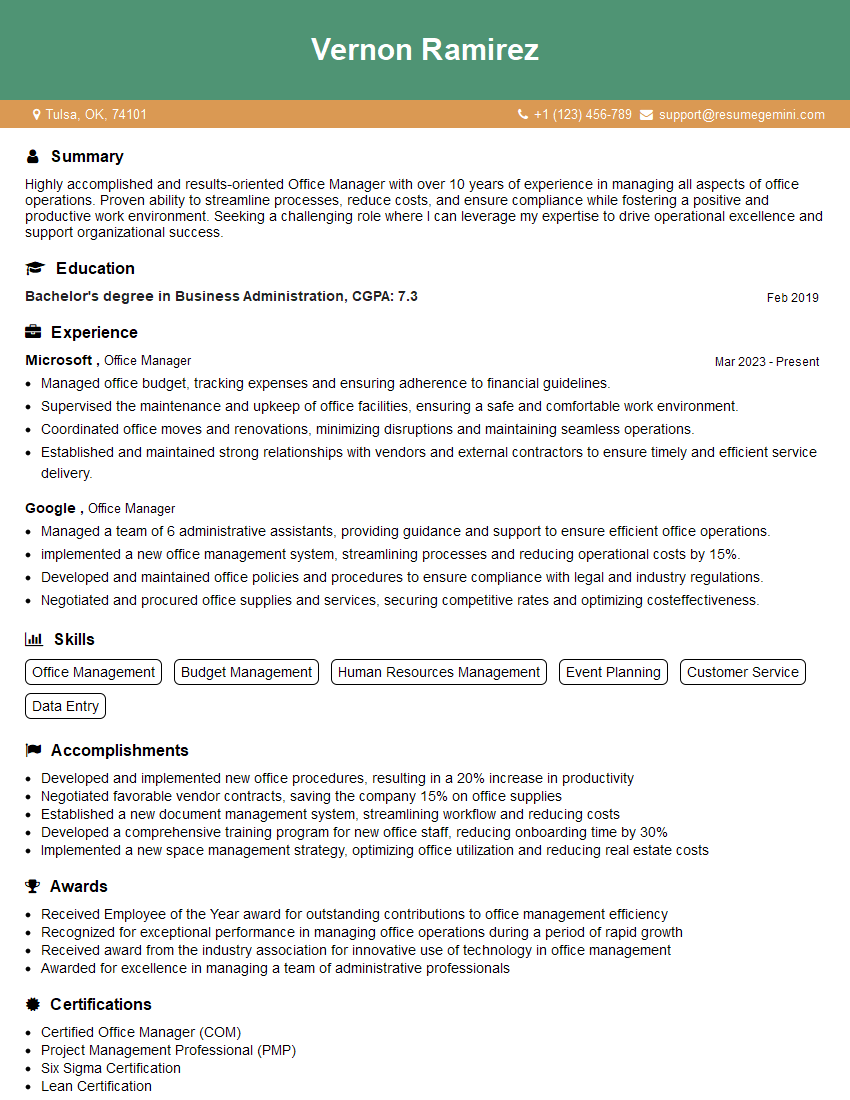
Office Manager Resume Sample
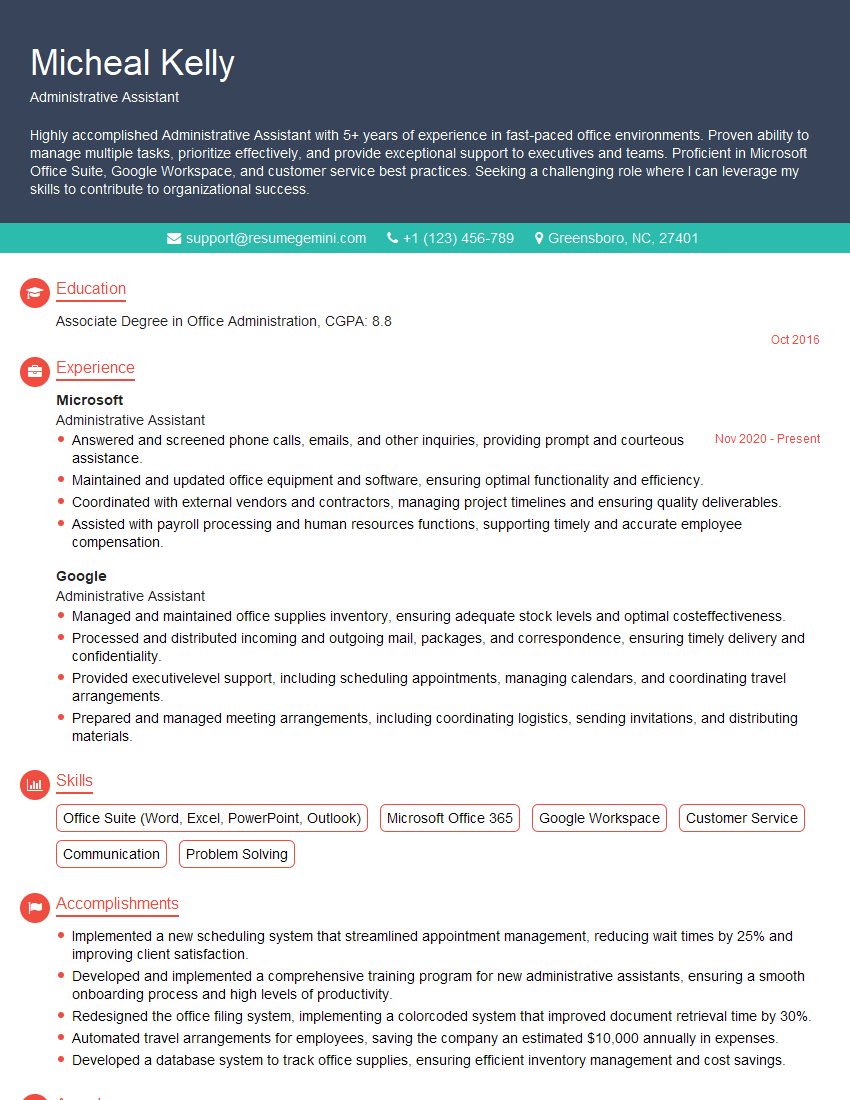
Administrative Assistant Resume Sample
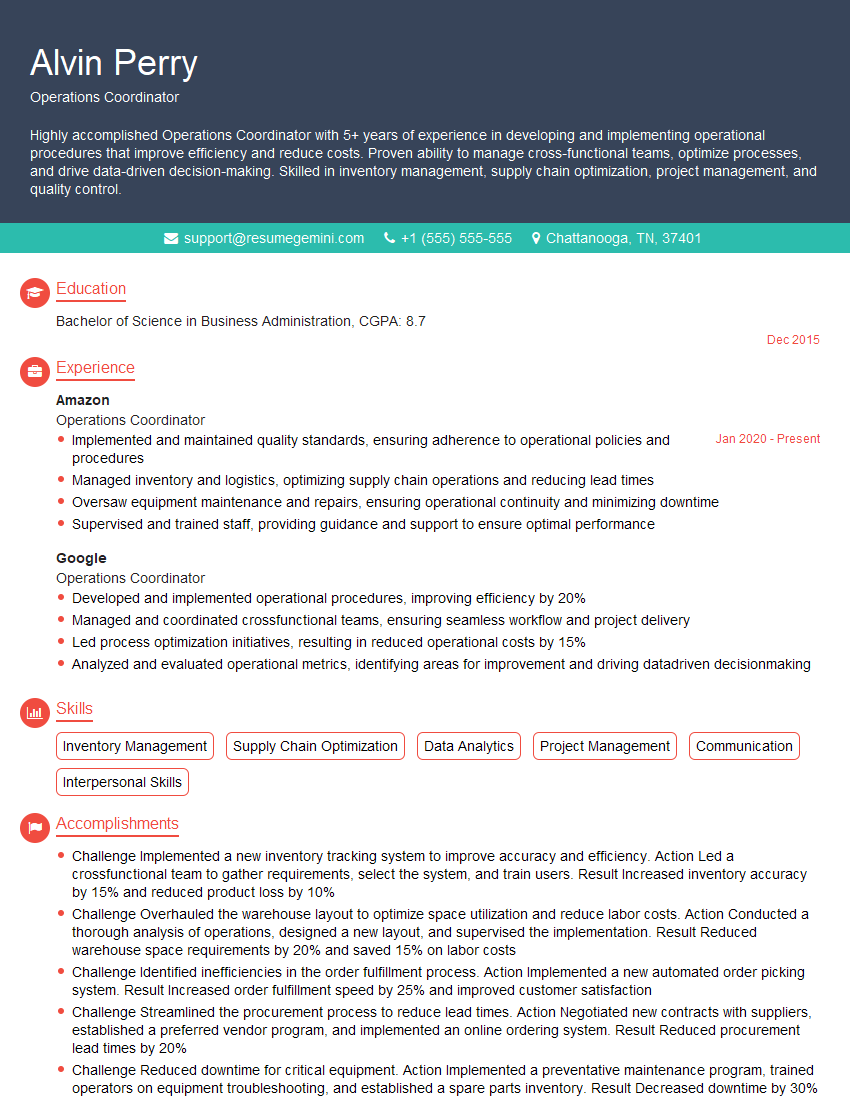
Operations Coordinator Resume Sample
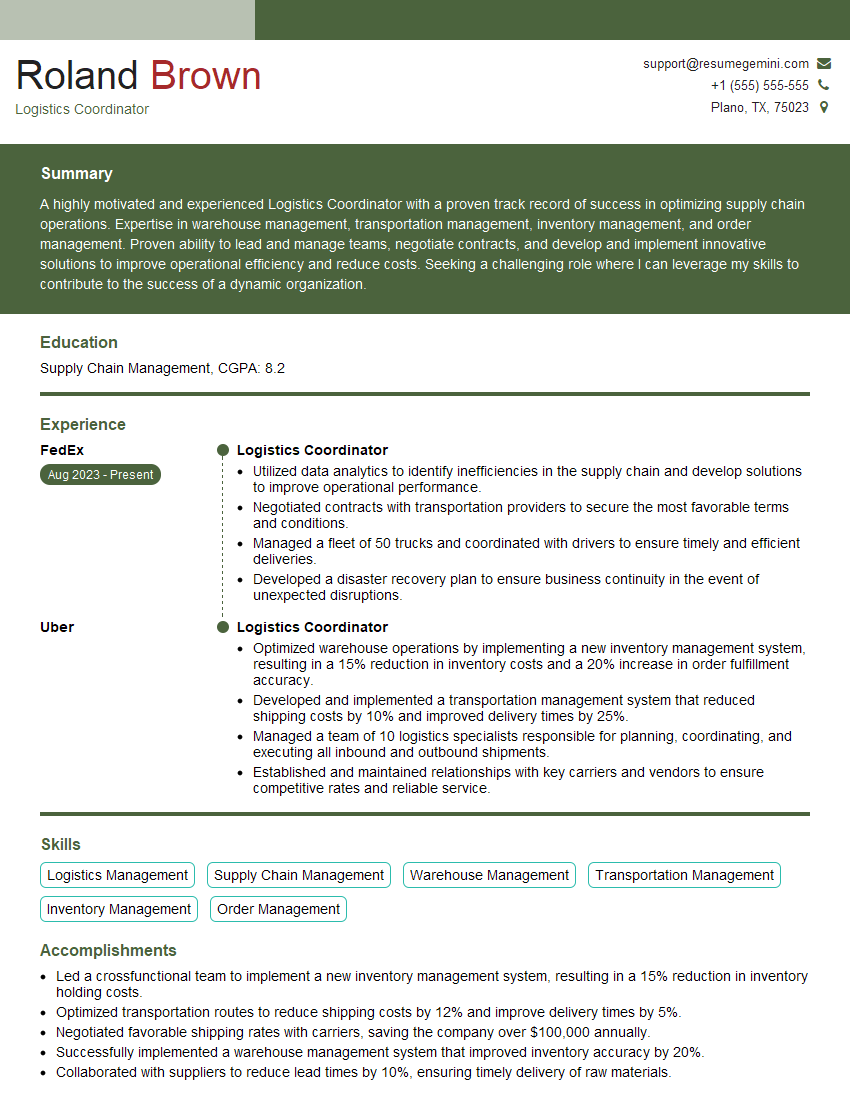
Logistics Coordinator Resume Sample
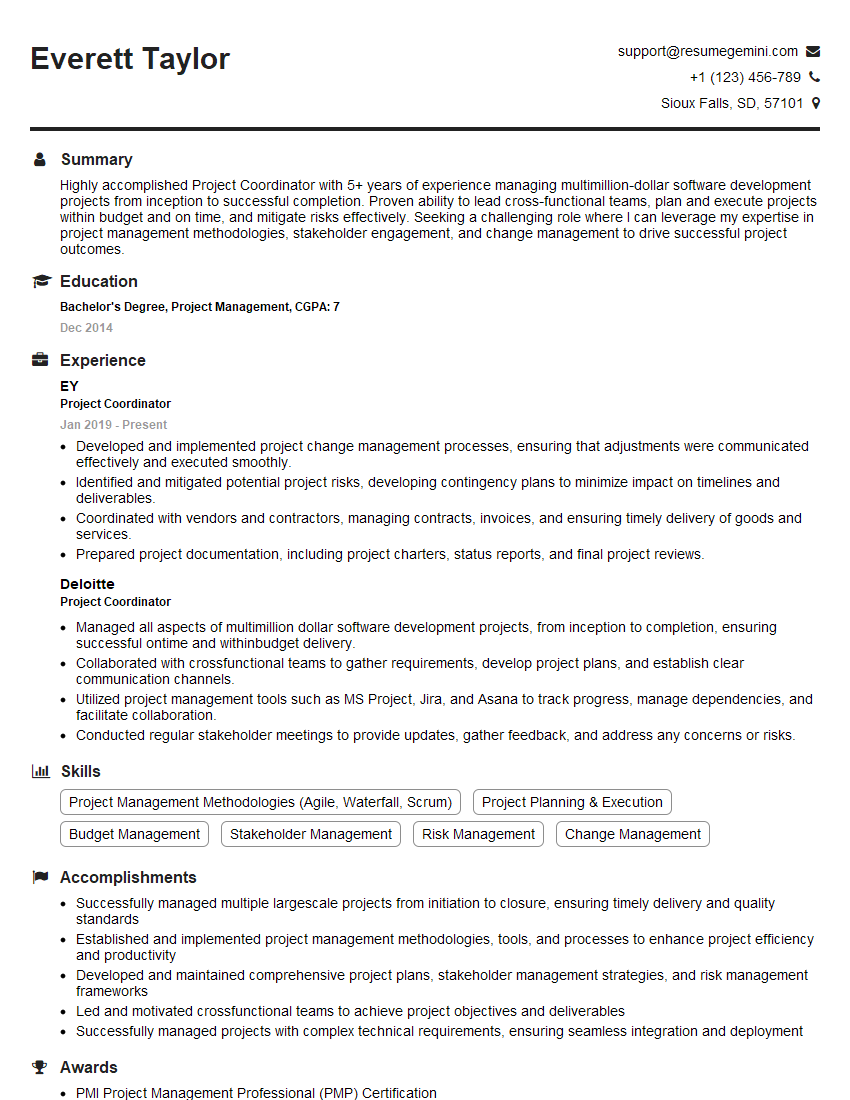
Project Coordinator Resume Sample
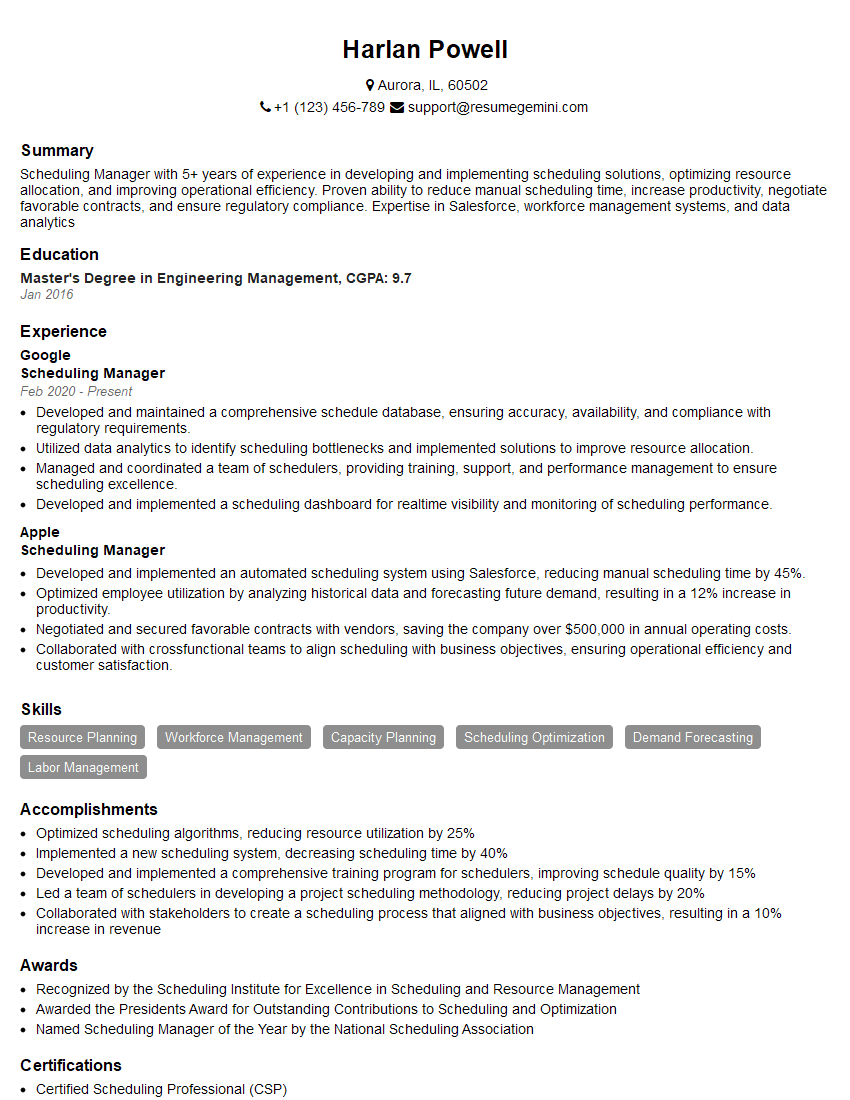
Scheduling Manager Resume Sample
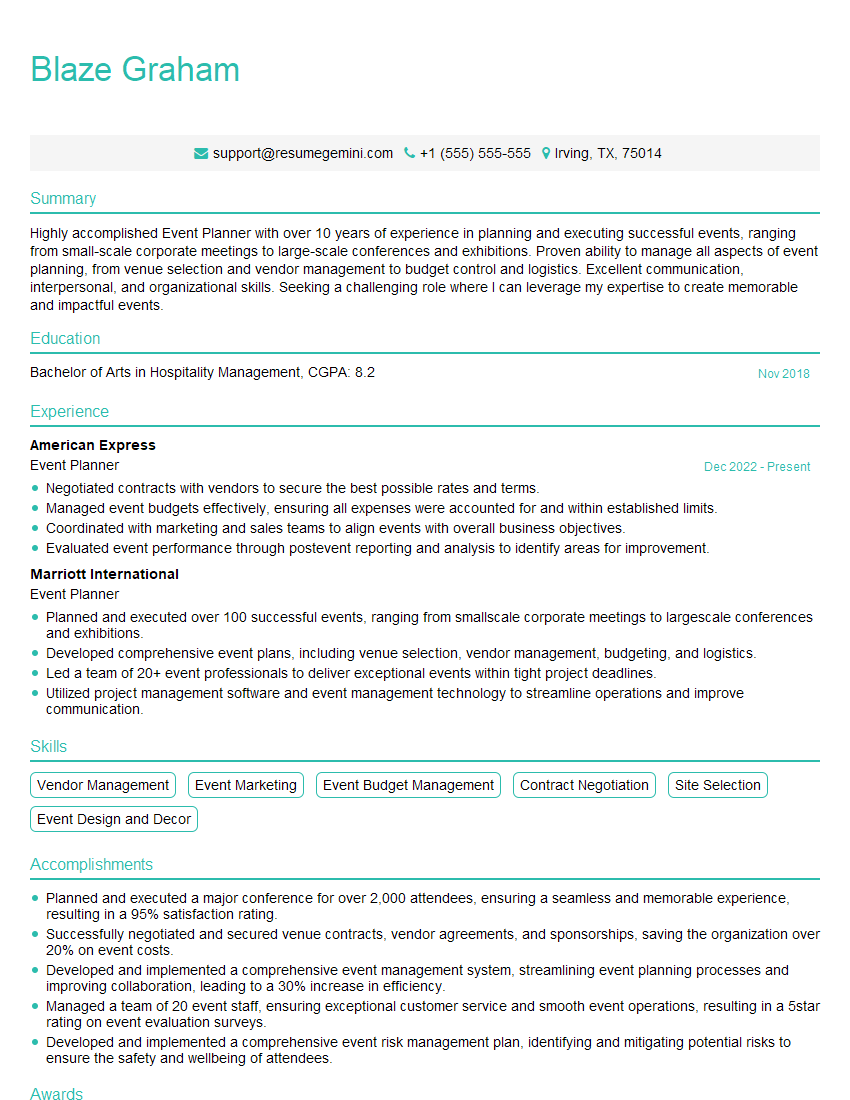
Event Planner Resume Sample

Scheduling Coordinator Resume Sample
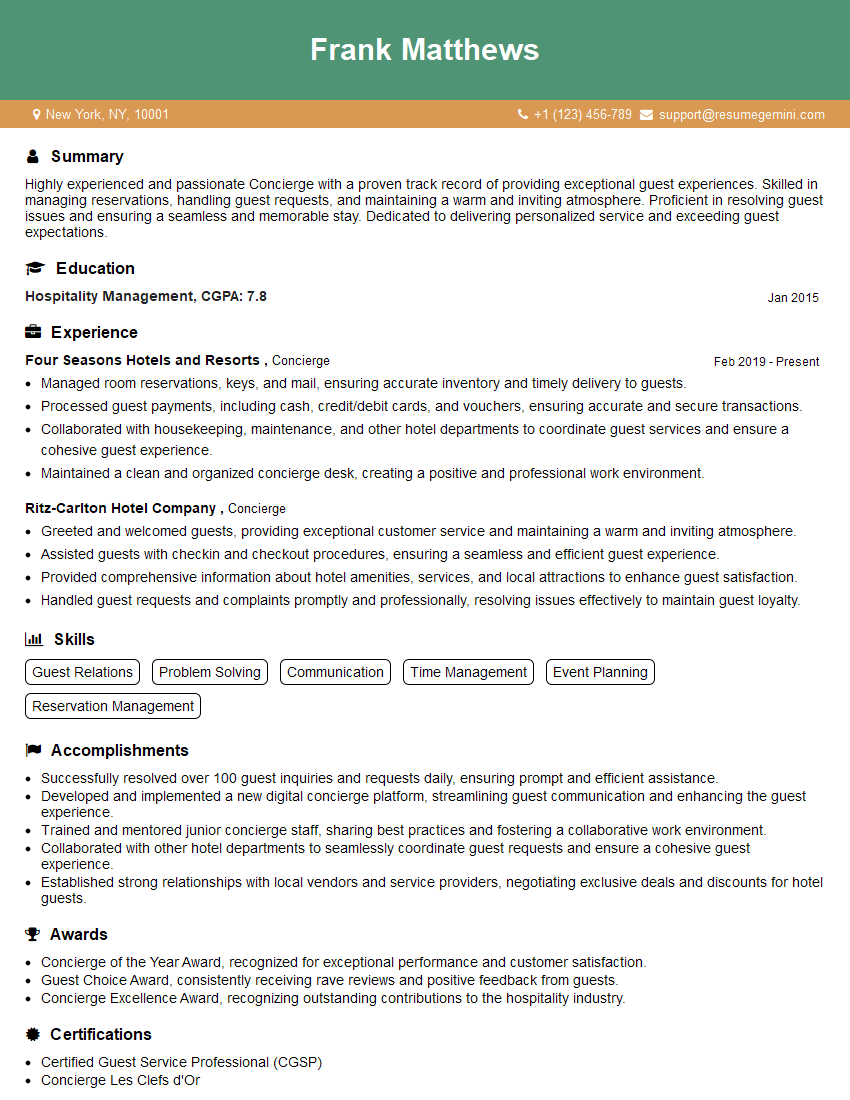
Concierge Resume Sample

Personal Assistant Resume Sample
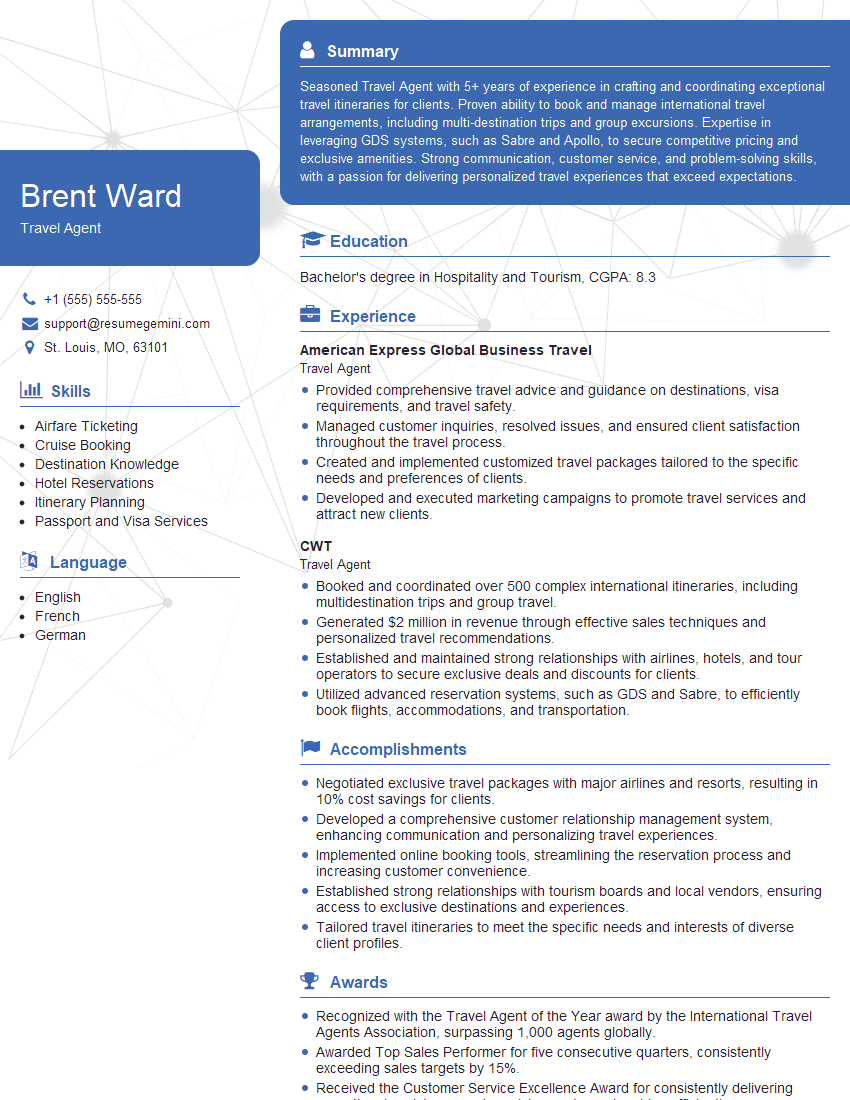
Travel Agent Resume Sample
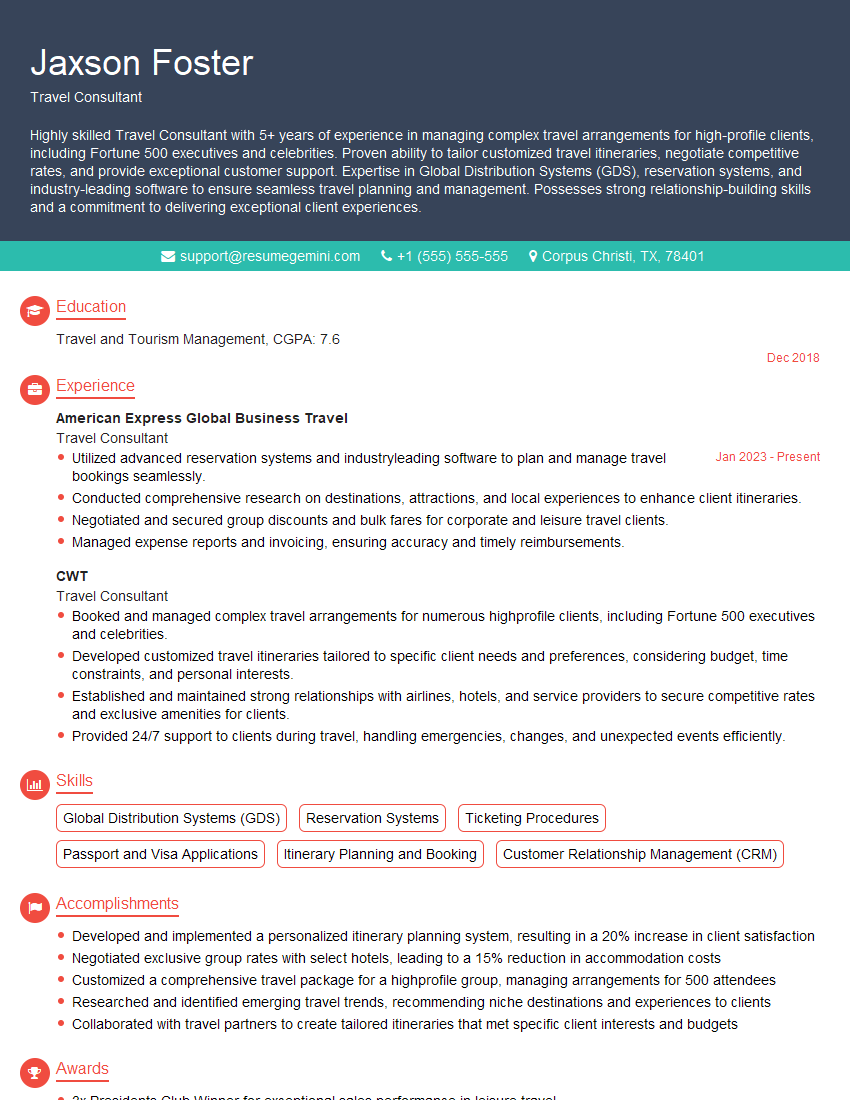
Travel Consultant Resume Sample
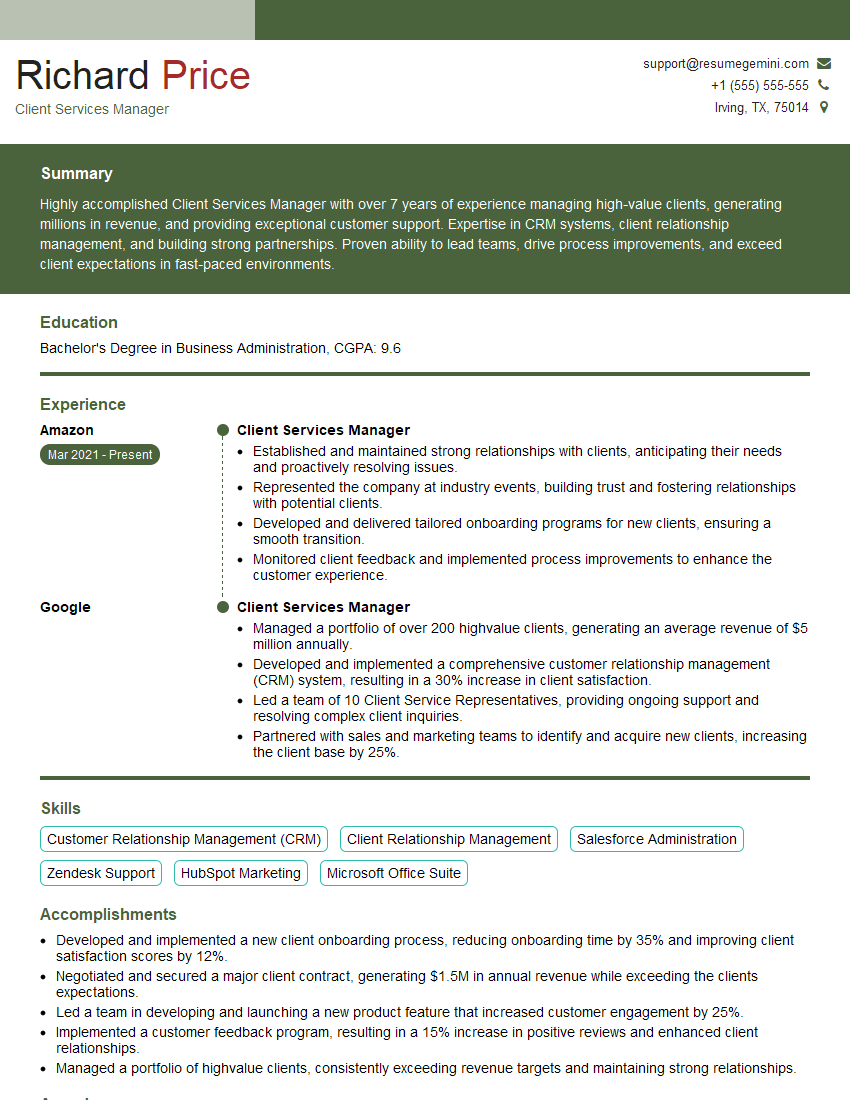
Client Services Manager Resume Sample
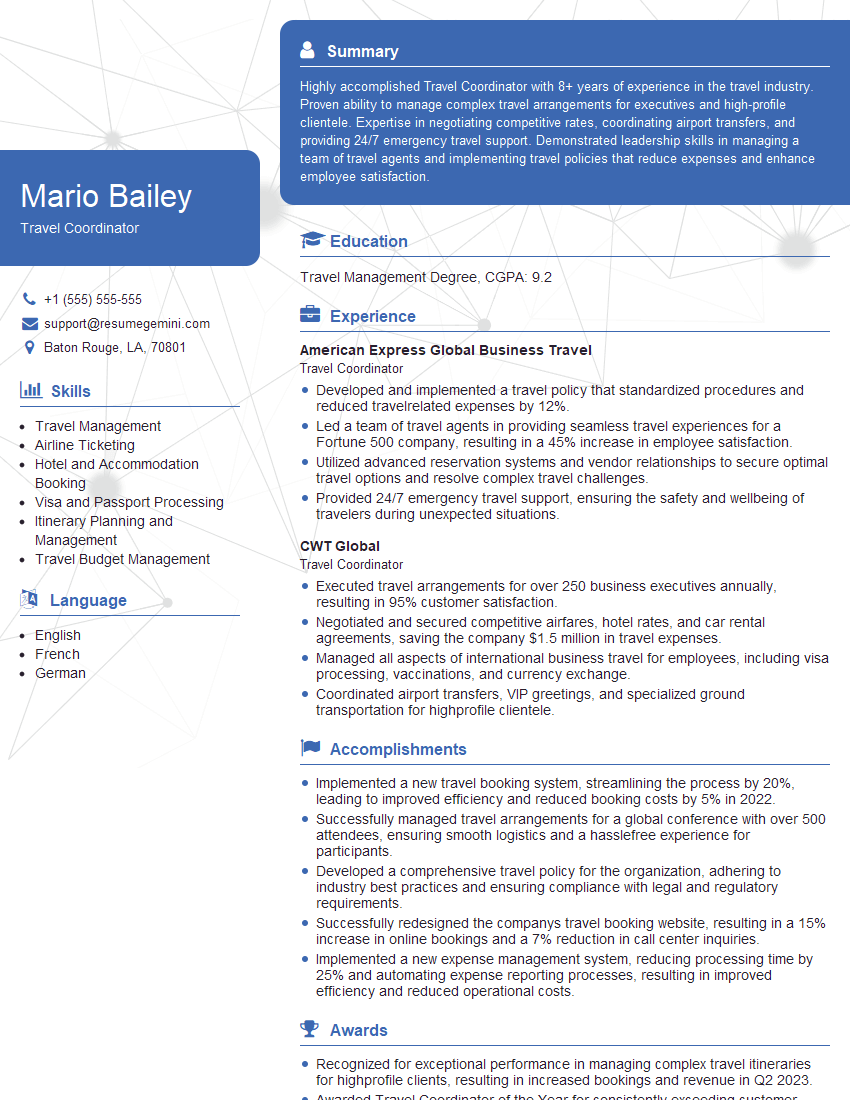
Travel Coordinator Resume Sample
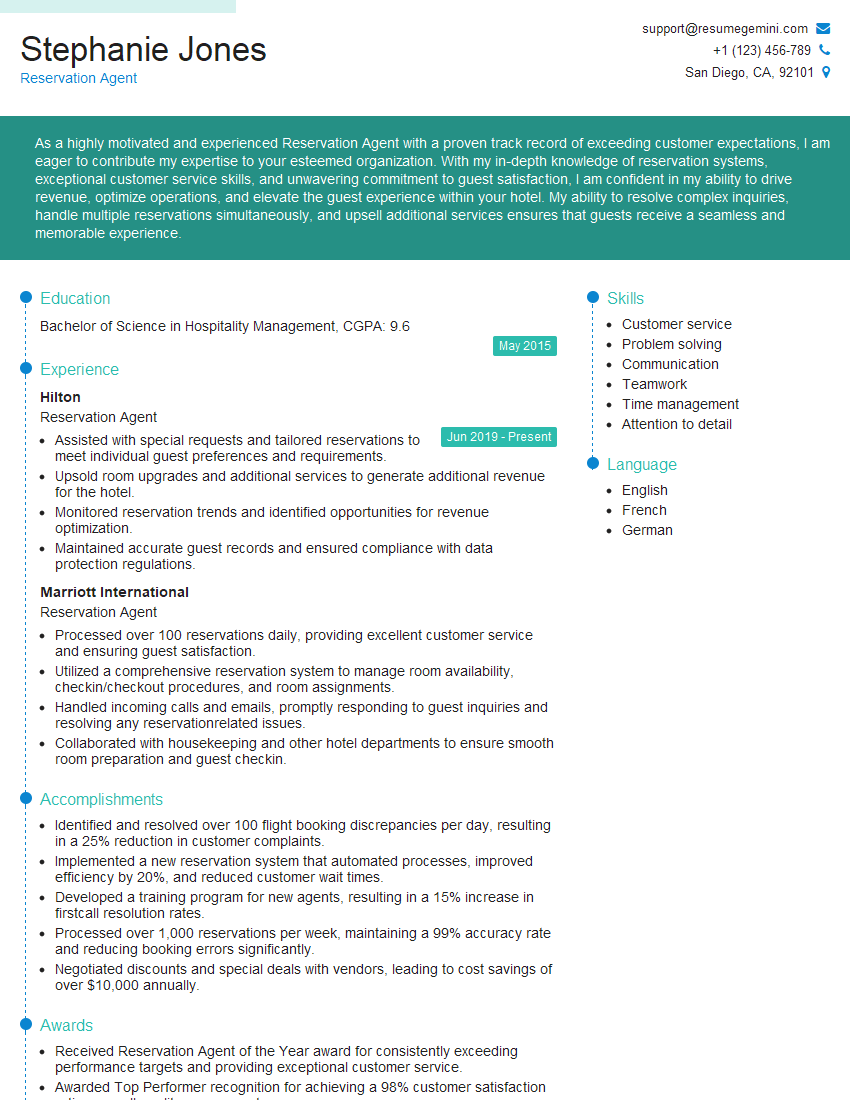
Reservation Agent Resume Sample
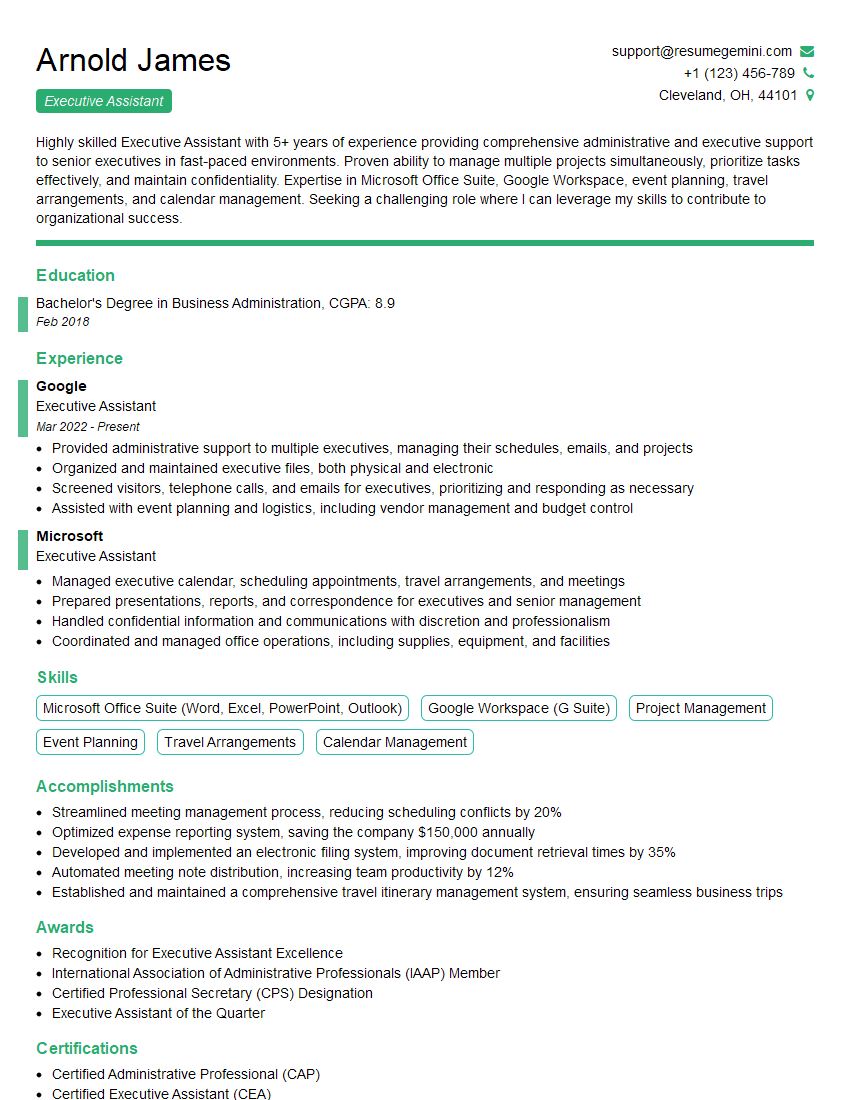
Executive Assistant Resume Sample
- Office Manager
- Administrative Assistant
- Operations Coordinator
- Logistics Coordinator
- Project Coordinator
- Scheduling Manager
- Event Planner
- Scheduling Coordinator
- Concierge
- Personal Assistant
- Travel Agent
- Travel Consultant
- Client Services Manager
- Travel Coordinator
- Reservation Agent
- Executive Assistant
Explore more articles
Users Rating of Our Blogs
Share Your Experience
We value your feedback! Please rate our content and share your thoughts (optional).
What Readers Say About Our Blog
I Redesigned Spongebob Squarepants and his main characters of my artwork.
https://www.deviantart.com/reimaginesponge/art/Redesigned-Spongebob-characters-1223583608
IT gave me an insight and words to use and be able to think of examples
Hi, I’m Jay, we have a few potential clients that are interested in your services, thought you might be a good fit. I’d love to talk about the details, when do you have time to talk?
Best,
Jay
Founder | CEO