The right preparation can turn an interview into an opportunity to showcase your expertise. This guide to Home-Based Interventions interview questions is your ultimate resource, providing key insights and tips to help you ace your responses and stand out as a top candidate.
Questions Asked in Home-Based Interventions Interview
Q 1. Describe your experience developing and implementing home-based intervention plans.
Developing and implementing home-based intervention plans requires a multifaceted approach that considers the individual’s or family’s unique needs, cultural background, and resources. It starts with a thorough assessment, followed by collaborative goal setting, plan development, implementation, monitoring, and evaluation. My experience spans various settings, including working with children with behavioral challenges, families facing substance abuse issues, and adults managing chronic illnesses. I’ve developed plans encompassing behavioral modification techniques, family therapy approaches, and skills training, always tailoring the plan to the specific context.
- Assessment: This involves detailed interviews, observation of family interactions, review of relevant records (medical, educational), and administration of standardized assessments when appropriate.
- Goal Setting: Collaborative goal setting with the family ensures buy-in and commitment. Goals are SMART (Specific, Measurable, Achievable, Relevant, and Time-bound).
- Implementation: This phase includes regular home visits, providing education, coaching, and support, and implementing the planned strategies. It’s crucial to maintain consistent communication and flexibility based on client progress.
- Monitoring and Evaluation: Regular progress monitoring using various tools – including checklists, observation notes, and feedback from family members – helps track effectiveness and inform necessary adjustments.
For example, in one case, I developed a plan for a family struggling with sibling rivalry. The intervention included developing clear communication skills for the children, implementing a reward system for positive behavior, and parent training on conflict resolution strategies. The plan was regularly reviewed and adjusted based on the family’s progress and feedback.
Q 2. How do you assess the needs of families and individuals in a home setting?
Assessing needs in a home setting demands sensitivity and a holistic approach. It’s not simply about identifying problems but understanding the context in which those problems arise. My assessment process combines several key elements:
- Observation: Observing family interactions provides valuable insight into dynamics, communication patterns, and environmental factors that may influence the issue at hand. For example, observing a child’s interaction with their parents during mealtime can reveal power struggles or communication difficulties.
- Interviews: Structured and semi-structured interviews with all family members, or individuals involved, gather information about their perspectives, concerns, and goals. It’s vital to use open-ended questions to encourage free-flowing conversations.
- Review of Records: Reviewing medical, educational, and other relevant records provides background information and a comprehensive understanding of the individual’s or family’s history.
- Ecological Assessment: This considers the individual’s environment – their home, school, community – as it significantly impacts behavior and well-being.
- Standardized Assessments (when appropriate): Depending on the presenting issue, I utilize standardized assessments like behavioral rating scales or developmental screenings to obtain objective data.
This multi-pronged assessment allows me to create a comprehensive picture of the client’s needs and challenges, enabling the development of a targeted and effective intervention plan.
Q 3. Explain your approach to building rapport and trust with clients and their families.
Building rapport and trust is fundamental to the success of any home-based intervention. It’s about establishing a safe and collaborative relationship based on mutual respect and understanding. My approach involves:
- Active Listening: Paying close attention to what clients are saying, both verbally and nonverbally, shows genuine interest and helps build a connection.
- Empathy and Validation: Acknowledging and validating clients’ feelings and experiences creates a sense of understanding and safety. For instance, if a parent is expressing frustration, validating their feelings by saying “It sounds like you’re feeling overwhelmed” can be powerful.
- Respectful Communication: Using clear, respectful, and non-judgmental language creates a positive interaction and shows that you value their perspectives.
- Cultural Sensitivity: Recognizing and respecting clients’ cultural beliefs and values is essential, especially when working with diverse populations.
- Consistency and Reliability: Being punctual, reliable, and following through on commitments fosters trust and demonstrates professionalism.
For instance, I might begin a session by engaging in small talk relevant to the family’s interests to establish a comfortable atmosphere before discussing more sensitive topics. I always let clients lead the conversation to a certain extent and make them feel empowered.
Q 4. What strategies do you use to overcome resistance to intervention?
Resistance to intervention can stem from various factors, including fear of change, distrust of the interventionist, or lack of understanding of the benefits. Overcoming resistance requires patience, understanding, and a collaborative approach. My strategies include:
- Motivational Interviewing: This technique focuses on exploring and resolving ambivalence towards change, helping clients identify their own reasons for wanting to change.
- Collaboration and Shared Decision-Making: Involving clients in the design and implementation of the intervention plan increases their ownership and commitment.
- Addressing Concerns and Misunderstandings: Openly addressing clients’ concerns and clarifying any misunderstandings builds trust and reduces resistance.
- Building on Strengths: Focusing on clients’ strengths and accomplishments helps foster a sense of self-efficacy and promotes engagement.
- Gradual Change: Introducing changes incrementally reduces the feeling of being overwhelmed and increases the likelihood of success.
For example, with a family resistant to engaging in family therapy, I started with individual sessions to build rapport and address each member’s concerns before introducing family sessions. This gradual approach helped reduce their initial resistance.
Q 5. How do you adapt interventions to meet the unique needs of diverse families and individuals?
Adapting interventions to meet diverse needs requires cultural humility and a commitment to understanding individual differences. This involves:
- Cultural Competence Training: Ongoing education and training helps me understand and appreciate different cultures and perspectives. This also involves being aware of my own biases and how they might impact my interactions with clients.
- Culturally Sensitive Assessment: Using assessment tools and methods that are appropriate for clients’ cultural backgrounds ensures that the assessment process is fair and accurate.
- Tailoring Intervention Strategies: Adjusting intervention strategies to align with clients’ values, beliefs, and preferences is crucial for effectiveness.
- Collaboration with Community Resources: Partnering with community-based organizations that can provide culturally relevant services enhances the intervention’s impact.
- Linguistic Adaptability: Using interpreters or bilingual staff when necessary ensures clear communication and reduces misunderstandings.
For instance, when working with a Latino family, I made sure to utilize culturally appropriate parenting strategies that align with their family values and also ensured the availability of Spanish speaking staff when necessary.
Q 6. Describe a time you had to modify an intervention plan based on client progress.
In one case, I was working with a young adult struggling with anxiety and depression. The initial intervention plan focused on cognitive behavioral therapy (CBT) techniques. However, after several sessions, it became clear that the client wasn’t fully engaging with the CBT exercises. Through further discussions, we discovered that the client felt overwhelmed by the structured nature of the CBT approach.
We modified the intervention plan by incorporating mindfulness practices, which the client found more accessible and engaging. We also reduced the intensity of the CBT exercises and focused on building self-compassion. This modification significantly improved the client’s engagement and progress. The key was flexibility and responsiveness to the client’s unique needs and preferences.
Q 7. How do you ensure the safety of clients and yourself during home visits?
Ensuring the safety of both clients and myself during home visits is paramount. My safety protocols include:
- Pre-Visit Planning: Before each visit, I research the address, check for potential safety concerns, and inform someone of my itinerary.
- Transportation: I drive a reliable vehicle and avoid travelling alone in high-risk areas. I never go into an unsafe environment.
- Communication: I maintain regular communication with my supervisor or team, providing updates and check-ins as needed.
- Personal Safety Measures: I avoid visiting clients at night unless absolutely necessary. During the visits, I remain aware of my surroundings and ensure that I have a clear exit strategy.
- Trust Your Instincts: If at any point I feel uneasy or unsafe, I immediately leave the premises and contact my supervisor.
- Agency Protocols: I strictly adhere to my agency’s safety policies and procedures, such as mandatory two-person visits for high-risk clients.
For example, if a client lives in a high-crime area, I would ensure that someone accompanies me for the visit and utilize appropriate transportation methods like a taxi rather than my own personal car. Safety always comes first.
Q 8. How do you collaborate with other professionals involved in a client’s care?
Collaboration is the cornerstone of effective home-based interventions. I believe in a multidisciplinary approach, regularly communicating with clients’ families, physicians, psychiatrists, social workers, and educators, as needed. This involves regular team meetings (either in person or virtually), shared electronic health records (where permitted and compliant with HIPAA regulations), and consistent updates on the client’s progress and any emerging concerns. For example, if a client is struggling with medication adherence, I’ll coordinate with their psychiatrist to explore adjustments or strategies for improved compliance, and share progress updates with the family to ensure consistent support at home. Clear and open communication is key; I use a consistent format for reporting, such as concise progress notes or brief summaries at the end of each visit, to maintain clarity and avoid misunderstandings.
Q 9. Describe your experience with crisis intervention in the home setting.
Crisis intervention in the home setting requires quick thinking, a calm demeanor, and a strong understanding of de-escalation techniques. My experience includes managing situations ranging from acute emotional distress to potential self-harm or harm to others. I prioritize safety first, assessing the immediate environment and the client’s level of distress. Then, I utilize active listening, empathy, and validation to help the client feel understood and safe. For instance, with a client experiencing a panic attack, I’d create a calming environment, use grounding techniques, and help them identify and manage their triggers. If the situation is beyond my scope of practice, I immediately contact emergency services, ensuring a smooth handoff to the appropriate professionals and providing them with a thorough report of the situation. Maintaining a calm and reassuring presence is crucial, ensuring both the client and those around them feel supported.
Q 10. How do you document your interventions and client progress?
Accurate and thorough documentation is essential. I utilize electronic health records (EHR) systems compliant with all applicable regulations, including HIPAA. My documentation includes a detailed description of each session, focusing on the client’s presentation, the interventions employed, and measurable outcomes. For instance, I might note the client’s mood, the specific coping skills practiced, any challenges encountered, and the client’s responses to the interventions. I also record significant events, changes in the client’s condition, and any relevant information shared by the client or family. Progress notes are detailed, objective, and follow a chronological order to ensure clarity and continuity of care. Regular progress reports are shared with the treatment team, illustrating the client’s overall progress and any adjustments to the intervention plan.
Q 11. What ethical considerations guide your practice in home-based interventions?
My practice is guided by several core ethical principles, including beneficence (acting in the client’s best interest), non-maleficence (avoiding harm), autonomy (respecting the client’s self-determination), justice (providing fair and equitable treatment), and fidelity (maintaining trust and loyalty). This includes obtaining informed consent before initiating any intervention, respecting the client’s privacy and confidentiality, maintaining professional boundaries, and being aware of and avoiding conflicts of interest. For example, I might decline a case if I have a personal connection to the client that could compromise my objectivity. I continuously reflect on my practice to ensure ethical conduct and seek supervision or consultation when facing ethical dilemmas.
Q 12. How do you maintain client confidentiality in a home setting?
Client confidentiality is paramount. I adhere strictly to HIPAA regulations and any other relevant privacy laws. This involves securing all client records, both electronic and paper-based, using password protection, encryption, and secure storage. I only share information with other professionals directly involved in the client’s care, and only when necessary for treatment planning and coordination. When discussing the client’s situation, I avoid using identifying information in public areas. I explain confidentiality policies clearly to clients and their families at the outset of our work together, ensuring they understand their rights and the limits of confidentiality. For example, I would inform them that I am mandated to report suspected child abuse or neglect.
Q 13. What are the legal and regulatory requirements for home-based interventions in your area?
Legal and regulatory requirements for home-based interventions vary by location and licensing board. In my area, these include obtaining appropriate licensure or certification, adhering to all relevant state and federal laws regarding privacy (HIPAA), reporting requirements (child abuse, neglect, elder abuse), and maintaining professional liability insurance. I must adhere to all codes of ethics set forth by my professional governing body. I am also required to maintain professional competence through ongoing training and continuing education, demonstrating an up-to-date understanding of best practices and legal requirements. Staying informed of any changes in legislation or regulations is a continuous process. I routinely review relevant legal documents and updates to ensure compliance.
Q 14. How do you manage your time and prioritize tasks when working in multiple homes?
Managing time effectively when working in multiple homes requires meticulous planning and organization. I utilize electronic scheduling tools to map out my day, accounting for travel time between appointments, client needs, and administrative tasks. Prioritization involves focusing on clients with the most urgent needs or those facing imminent crises. I utilize techniques such as time blocking and setting realistic goals for each visit. For instance, I might allocate a specific amount of time for direct intervention, documentation, and travel. Regular review of my schedule helps me anticipate potential scheduling conflicts and adjust accordingly. I also maintain clear communication with clients to ensure appointments are scheduled appropriately and any changes are communicated promptly. This includes setting clear boundaries regarding appointment times and respecting client’s schedules.
Q 15. Describe your experience with working with families experiencing specific challenges (e.g., substance abuse, domestic violence).
My experience working with families facing challenges like substance abuse and domestic violence is extensive. I’ve worked with numerous families, employing a trauma-informed approach that prioritizes safety and building trust. In cases of substance abuse, this involves collaborating with the family to develop a comprehensive plan including identifying triggers, establishing support networks, and connecting them with appropriate resources like addiction treatment centers and support groups like Al-Anon or Nar-Anon. With domestic violence, the focus shifts to ensuring the safety and well-being of all family members, often involving working with domestic violence shelters and legal aid organizations to secure protection orders and provide counseling. The key is to build a collaborative relationship based on empathy and respect, empowering families to take control of their situations.
For example, I worked with a family where the father was struggling with opioid addiction. We started by focusing on building a relationship with each family member, understanding their individual needs and concerns. We then developed a structured plan that included individual therapy for the father, family therapy sessions, and the establishment of clear rules and expectations within the home. This was all done in collaboration with the father’s addiction specialist. The results were positive: improved family communication, increased family stability, and a reduction in conflict.
Career Expert Tips:
- Ace those interviews! Prepare effectively by reviewing the Top 50 Most Common Interview Questions on ResumeGemini.
- Navigate your job search with confidence! Explore a wide range of Career Tips on ResumeGemini. Learn about common challenges and recommendations to overcome them.
- Craft the perfect resume! Master the Art of Resume Writing with ResumeGemini’s guide. Showcase your unique qualifications and achievements effectively.
- Don’t miss out on holiday savings! Build your dream resume with ResumeGemini’s ATS optimized templates.
Q 16. How do you handle challenging behaviors in the home setting?
Handling challenging behaviors in the home setting requires a multifaceted approach. It starts with identifying the root cause of the behavior through careful observation and assessment. Is it a result of stress, unmet needs, developmental delays, or underlying mental health conditions? Once the cause is understood, we can implement strategies tailored to the specific situation. Positive reinforcement techniques, such as rewarding positive behaviors, are incredibly effective. Conversely, clear and consistent consequences for negative behaviors are also necessary, but should always be implemented calmly and rationally. Functional Behavioral Assessment (FBA) is a valuable tool for creating an individualized intervention plan. This involves analyzing the behavior’s antecedents (what triggers it), the behavior itself, and the consequences. This helps to identify patterns and develop proactive strategies to prevent the challenging behavior from occurring.
For instance, a child exhibiting aggressive behavior might be doing so due to feeling overwhelmed or unheard. Through FBA, we might discover they are acting out right before bedtime when they are tired. We can then introduce a calming bedtime routine, such as a warm bath or reading a book, to reduce the likelihood of aggressive behavior.
Q 17. What are your strategies for promoting family engagement and participation?
Promoting family engagement and participation is crucial for the success of home-based interventions. I build rapport by actively listening to their concerns and validating their experiences. I ensure they are active partners in the process by collaboratively developing goals and strategies that align with their values and preferences. Regular check-ins, open communication, and building a sense of trust are essential. I might use motivational interviewing techniques to help family members identify their own intrinsic motivation for change. Family meetings are regularly scheduled to discuss progress, address challenges, and adapt our strategies as needed. I also emphasize the importance of celebrating successes, no matter how small, to foster a positive and supportive environment.
For example, I utilize family strengths and build upon them. If a parent excels in problem-solving, I will leverage that skill to solve challenges arising from the intervention. In one family, the parents were quite concerned about their children’s lack of engagement in schoolwork, however, the father showed exceptional patience and ability to help the children learn new concepts. We incorporated this into our homework routines as a result.
Q 18. How do you assess the effectiveness of home-based interventions?
Assessing the effectiveness of home-based interventions relies on a combination of quantitative and qualitative data. Quantitative data might include tracking behavioral changes (frequency, duration, intensity), measuring improvements in family functioning using standardized scales like the Family Assessment Device (FAD), and monitoring adherence to treatment plans. Qualitative data comes from direct observation, family interviews, and feedback sessions. I regularly review data to track progress, identify areas needing adjustment, and make data-driven decisions about the intervention. Ongoing monitoring and adjustments throughout the intervention period are key to maximizing positive outcomes.
For example, with a family dealing with parental conflict, we might use a conflict resolution scale to track improvements in communication and conflict resolution skills. We would also gather qualitative data through observation of family interactions during therapy sessions and through feedback from parents. Combining these would allow for a comprehensive view of the success of the intervention.
Q 19. Describe your experience using specific therapeutic modalities in a home setting (e.g., CBT, DBT).
I frequently utilize Cognitive Behavioral Therapy (CBT) and Dialectical Behavior Therapy (DBT) in home settings. CBT focuses on identifying and changing negative thought patterns and behaviors. In a home setting, this might involve teaching parents CBT skills to manage their children’s tantrums or helping adolescents identify and challenge their negative self-talk. DBT emphasizes emotional regulation, mindfulness, and distress tolerance skills. These skills are particularly helpful for families dealing with intense emotions or crisis situations. For example, we might teach mindfulness techniques to a parent struggling with anxiety or teach adolescents DBT skills to manage intense anger or emotional dysregulation. The home setting provides a natural environment to practice these skills in real-life situations.
For instance, with a child struggling with anxiety related to school, we would use CBT techniques to identify negative thoughts and develop more realistic and positive ones. We might use role-playing scenarios to practice coping mechanisms in the home before the child faces the real-life situation at school.
Q 20. What are your skills in working with diverse populations?
My skills in working with diverse populations are robust. I have experience working with families from various cultural, ethnic, socioeconomic, and religious backgrounds. This involves understanding and respecting diverse perspectives, beliefs, and values. I actively seek to understand the family’s unique cultural context and adapt my intervention strategies accordingly. It’s about tailoring my approach to be culturally sensitive, sensitive to religious beliefs, and appropriate to their specific needs.
I’ve worked with families from various countries and have been sensitive to language barriers, utilizing interpreters where necessary. Each family’s situation is unique and I strive to create an intervention that fits their specific beliefs and needs.
Q 21. How do you ensure cultural competence in your practice?
Ensuring cultural competence is paramount. This involves continuous learning and self-reflection on my own biases and assumptions. I actively seek out training and supervision on culturally responsive practices and regularly consult with colleagues and supervisors to address any questions or concerns. I prioritize building rapport by actively listening to families’ experiences and perspectives, and avoiding making assumptions about their cultural values or practices. I involve family members in the assessment and treatment planning process to ensure their voices are heard and respected. Adapting my intervention strategies to be congruent with their beliefs is key to ensuring success. If I encounter a cultural practice or belief I don’t understand, I actively seek clarification rather than making assumptions.
For example, in working with a family that practices a specific cultural tradition that has an influence on a member’s behavior, I work alongside them and collaborate with a specialist where needed to incorporate and appropriately respect that tradition.
Q 22. Describe your experience with technology and its use in home-based interventions.
Technology plays a crucial role in enhancing the effectiveness and efficiency of home-based interventions. My experience spans several areas, including telehealth platforms for remote monitoring and virtual therapy sessions. I’m proficient in using platforms like Zoom for video conferencing, allowing me to conduct sessions and provide real-time support. I also utilize various apps for data collection and progress tracking, such as those for medication adherence, mood monitoring, or activity levels. This data allows for personalized intervention adjustments and improved communication with the care team. For instance, I’ve successfully used a telehealth platform to monitor a client’s blood pressure remotely, adjusting their medication plan accordingly in collaboration with their physician, avoiding unnecessary hospital visits. Furthermore, I’m familiar with using secure messaging systems for confidential communication with clients and their families, maintaining HIPAA compliance.
Beyond these platforms, I integrate technology creatively. For example, I’ve used educational videos and interactive games on tablets to engage children in therapeutic activities, making learning fun and effective. The use of technology enhances client engagement, allows for more frequent contact, and enables data-driven decision-making for better outcomes.
Q 23. How do you manage transportation and logistical challenges related to home visits?
Managing transportation and logistical challenges is a significant aspect of home-based interventions. I meticulously plan my routes using GPS navigation and consider factors like traffic and public transportation schedules to optimize my time. I always confirm appointment times and locations well in advance, addressing any potential access issues proactively. For clients with mobility limitations, I coordinate transportation arrangements whenever necessary, working with family members, caregivers, or community transportation services. Sometimes, I’ll adjust my visit schedule to accommodate clients’ routines or appointments, demonstrating flexibility and understanding. For instance, I once arranged for a wheelchair-accessible taxi for a client who lived in a building without an elevator. This ensures that I can provide consistent and reliable support, regardless of the logistical complexities involved.
Q 24. What are the common challenges associated with home-based interventions?
Home-based interventions present unique challenges. One common issue is client accessibility; some clients may live in remote areas with limited or unreliable transportation. Another challenge involves maintaining client engagement and motivation, particularly in the absence of a structured clinical setting. Furthermore, maintaining confidentiality in a home environment can be complex, particularly if others are present during sessions. Environmental factors, such as distractions, noise levels, or even lack of privacy, can hinder the effectiveness of interventions. Finally, there can be safety concerns, particularly when working with clients who exhibit challenging behaviors or live in unsafe environments. A thorough risk assessment before each visit and adherence to safety protocols are essential to mitigate these concerns.
For example, I once encountered a client who lived in an area with limited public transportation. To address this, I worked with the client to establish a consistent transportation plan that included a combination of public transportation, ride-sharing services, and occasional home visits adjusted to my own schedule to ensure continuity of care.
Q 25. How do you maintain your own well-being and prevent burnout?
Maintaining my own well-being is paramount in this demanding profession. I prioritize self-care strategies such as regular exercise, a balanced diet, and sufficient sleep. I also set clear boundaries between my professional and personal life, ensuring that I have dedicated time for relaxation and hobbies outside of work. Regular supervision and peer consultation provide a crucial outlet for debriefing and processing challenging cases. It’s essential to discuss difficult situations with colleagues to avoid burnout and maintain a healthy professional perspective. Furthermore, I actively seek opportunities for professional development and continuing education to stay updated with the latest research and best practices, which also helps maintain a sense of professional fulfillment.
Q 26. Describe a situation where you had to deal with a conflict in the home environment.
In one instance, I was mediating a conflict between a parent and child during a family therapy session in the home. The conflict stemmed from the child’s refusal to follow household rules, leading to significant tension. I used conflict-resolution techniques to facilitate open communication and help them identify the underlying issues fueling the conflict. This involved active listening, encouraging empathy, and helping them brainstorm solutions collaboratively. I emphasized the importance of mutual respect and understanding within the family. Through guided discussion and collaborative problem-solving, we were able to create a family agreement outlining expectations and consequences, which successfully resolved the conflict.
Q 27. How do you integrate evidence-based practices into your home-based interventions?
Integrating evidence-based practices is core to my approach. I consistently review the latest research in my field to stay current with best practices. For instance, I utilize Cognitive Behavioral Therapy (CBT) techniques to help clients manage anxiety and depression. With children, I might incorporate play therapy approaches, adapted to their developmental stage. For individuals with substance use disorders, I employ motivational interviewing strategies. Furthermore, I regularly consult evidence-based treatment guidelines and adapt interventions based on client-specific needs and preferences. Each intervention plan is tailored to the individual, utilizing empirically supported methods that aim to produce the best possible outcomes. This evidence-based approach ensures that my interventions are not only effective but also aligned with the highest standards of care.
Key Topics to Learn for Home-Based Interventions Interview
- Client Assessment & Needs Identification: Understanding the client’s environment, family dynamics, and specific needs to tailor interventions effectively. This includes practical skills in conducting thorough home visits and utilizing assessment tools.
- Intervention Planning & Goal Setting: Developing individualized treatment plans with measurable goals, considering cultural sensitivity and client preferences. This involves practical application of evidence-based practices and collaborative goal setting.
- Implementation of Evidence-Based Interventions: Knowing and applying various therapeutic techniques suitable for the home environment, including behavioral therapies, family systems therapy, and motivational interviewing. This also includes demonstrating adaptability and problem-solving skills in real-world scenarios.
- Collaboration & Communication: Effectively communicating with clients, family members, and other professionals involved in the client’s care. This includes building rapport, managing conflict, and utilizing appropriate documentation and reporting methods.
- Ethical Considerations & Safety: Understanding and adhering to ethical guidelines, ensuring client safety, and recognizing potential risks within the home environment. This includes practical application of risk assessment protocols and crisis intervention strategies.
- Documentation & Reporting: Maintaining accurate and thorough records of client progress, interventions implemented, and any relevant observations. This includes familiarity with relevant regulatory requirements and professional standards.
- Program Evaluation & Outcomes Measurement: Understanding how to track client progress and evaluate the effectiveness of interventions, demonstrating accountability and continuous improvement. This includes familiarity with data collection methods and outcome measures.
Next Steps
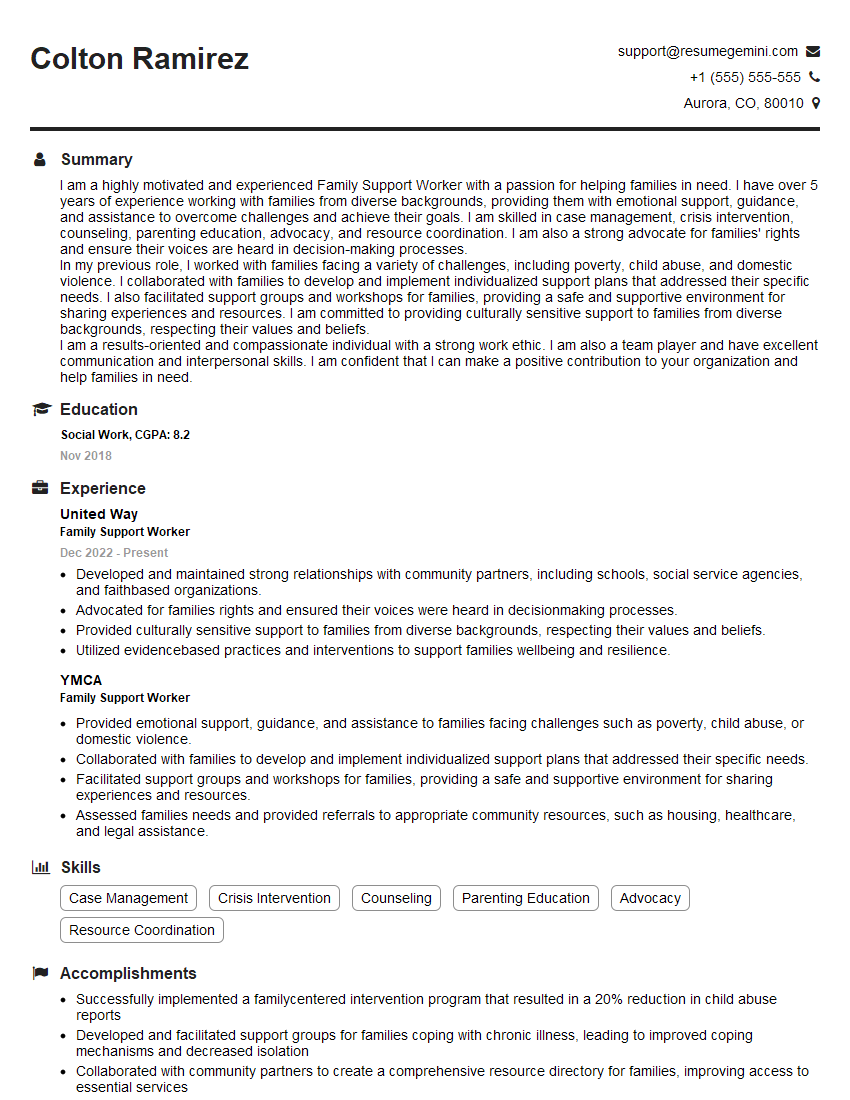
Mastering Home-Based Interventions is crucial for career advancement in the social work, healthcare, and behavioral health fields. It showcases your ability to provide comprehensive and effective care in diverse settings, highlighting your adaptability and client-centered approach. To increase your job prospects, create an ATS-friendly resume that effectively showcases your skills and experience. ResumeGemini is a trusted resource to help you build a professional and impactful resume. They provide examples of resumes tailored to Home-Based Interventions to guide you through the process. Invest the time to create a strong resume – it’s your first impression with potential employers.
Explore more articles
Users Rating of Our Blogs
Share Your Experience
We value your feedback! Please rate our content and share your thoughts (optional).
What Readers Say About Our Blog
I Redesigned Spongebob Squarepants and his main characters of my artwork.
https://www.deviantart.com/reimaginesponge/art/Redesigned-Spongebob-characters-1223583608
IT gave me an insight and words to use and be able to think of examples
Hi, I’m Jay, we have a few potential clients that are interested in your services, thought you might be a good fit. I’d love to talk about the details, when do you have time to talk?
Best,
Jay
Founder | CEO