Interviews are opportunities to demonstrate your expertise, and this guide is here to help you shine. Explore the essential Ability to Adapt to Changing Situations interview questions that employers frequently ask, paired with strategies for crafting responses that set you apart from the competition.
Questions Asked in Ability to Adapt to Changing Situations Interview
Q 1. Describe a time you had to quickly adjust your approach to a project due to unforeseen circumstances.
Adaptability is crucial in today’s dynamic work environment. Unexpected circumstances demand quick thinking and a willingness to adjust strategies. One project I was involved in involved developing a new mobile application. We were nearing the launch date when a major competitor released a similar app with superior functionality.
Initially, our marketing strategy focused on first-mover advantage. This became obsolete overnight. We quickly convened a team meeting to brainstorm alternative approaches. We decided to pivot our strategy to highlight our app’s unique features and superior user interface, using A/B testing to refine our messaging across various channels. We also accelerated development of a feature the competitor lacked, emphasizing this unique selling proposition in our marketing. This agile response, abandoning our initial plan and focusing on a refined, competitive advantage, allowed us to successfully launch and gain market share despite the late entry.
Q 2. How do you prioritize tasks when faced with competing deadlines and changing priorities?
Prioritizing tasks effectively under pressure requires a structured approach. I utilize a combination of methods, including the Eisenhower Matrix (urgent/important), to categorize tasks. This helps me visually identify what demands immediate attention and what can be delegated or scheduled.
When priorities shift, I revisit my prioritized list, reassessing deadlines and dependencies. Open communication with stakeholders is key. Regular check-ins help ensure everyone is aligned on adjusted expectations and potential roadblocks are addressed proactively. For instance, if a high-priority task suddenly emerges, I’ll communicate this to the team, re-prioritize tasks transparently, and adjust deadlines as needed. This collaborative approach ensures everyone stays informed and productive.
Q 3. Have you ever had to learn a new skill quickly to meet a project requirement? Explain the process.
Learning new skills rapidly is an essential component of adaptability. During a project requiring data visualization, I needed to master Tableau, a tool I had limited experience with. My approach involved a structured learning process.
- Goal Setting: I clearly defined what aspects of Tableau I needed to learn (data importing, chart creation, dashboard design).
- Resource Identification: I utilized online tutorials, Tableau’s official documentation, and sample projects.
- Hands-on Practice: I dedicated time each day to practice, focusing on small, manageable tasks.
- Seeking Feedback: I shared my work with colleagues, seeking their input and identifying areas for improvement.
This systematic approach allowed me to quickly gain proficiency in Tableau and deliver the required visualizations effectively.
Q 4. What strategies do you employ to manage stress and remain productive during periods of rapid change?
Managing stress and maintaining productivity during periods of rapid change requires a multifaceted approach. I prioritize self-care techniques like sufficient sleep, regular exercise, and mindfulness practices.
Furthermore, I implement time management strategies like the Pomodoro Technique to break down tasks into manageable chunks. This helps avoid feeling overwhelmed. Open communication with my team is crucial—sharing concerns and collaborating on solutions helps distribute the workload and reduces individual stress. Taking short breaks throughout the day to recharge helps maintain focus and productivity.
Q 5. Describe a situation where you had to adapt to a new team or work style.
Adapting to new teams and work styles requires empathy, observation, and open communication. I once joined a team that operated under a highly agile methodology—significantly different from my previous experience.
I actively listened to my team members, observing their communication patterns and workflow. I asked clarifying questions to understand their processes. I embraced the agile principles, participating actively in sprint planning, daily stand-ups, and retrospectives. This proactive approach allowed me to quickly integrate into the team and contribute effectively, leveraging the new work style to enhance my own efficiency.
Q 6. How do you stay informed about industry changes and incorporate that knowledge into your work?
Staying informed about industry changes is vital for continuous improvement. I subscribe to industry publications and newsletters, attend webinars and conferences, and actively engage in online professional communities.
I also actively seek feedback on my work, looking for ways to incorporate new methodologies or technologies. For example, learning about a new software tool that streamlines a particular workflow might lead me to incorporate it into future projects. This proactive approach helps me enhance my skills and adapt my strategies effectively.
Q 7. How do you handle unexpected setbacks or challenges in a project?
Unexpected setbacks are inevitable. My approach involves a structured response. First, I acknowledge and analyze the setback to understand its root cause. Next, I communicate the issue transparently with stakeholders. Then, I brainstorm solutions, identifying potential workarounds or alternative approaches. Finally, I implement the chosen solution, closely monitoring progress and making adjustments as necessary. A critical part of this is learning from the setback to prevent similar issues in the future. For example, if a critical piece of software malfunctions, I will document the failure, seek a resolution, and implement preventative measures like backups or redundancies.
Q 8. Give an example of a time you had to change your communication style to effectively reach a different audience.
Adapting communication style is crucial for effective messaging. It’s about understanding your audience and tailoring your approach to resonate with their background, knowledge, and preferences. For example, presenting complex technical information to a group of engineers requires a different approach than explaining the same concept to a group of non-technical stakeholders.
In a previous project, we were launching a new software product. Initially, I presented the features using highly technical jargon to the marketing team, only to find them confused and struggling to grasp the key selling points. I realized my mistake and adapted my communication. In subsequent meetings, I used simpler language, focusing on benefits rather than technical specifications, incorporating visual aids like diagrams and concise summaries. The result was significantly improved understanding and collaboration, leading to a much more effective marketing campaign.
Q 9. How do you proactively identify potential problems and develop contingency plans?
Proactive problem identification involves a combination of foresight, experience, and meticulous planning. I employ a risk assessment framework to identify potential obstacles. This involves brainstorming potential issues, analyzing their likelihood and impact, and prioritizing based on severity. Once identified, I develop contingency plans – alternate solutions or strategies to mitigate the impact of the potential problem should it occur.
For example, in a large-scale project, I might anticipate potential delays due to external vendor dependencies. My contingency plan would involve identifying alternative vendors, negotiating backup contracts, and establishing clear communication protocols to ensure timely updates and minimize disruption.
Q 10. Describe a time you failed to adapt to a situation. What did you learn from that experience?
One time, I failed to adapt to a rapid shift in project priorities. My team was deeply entrenched in a specific approach, and we resisted adjusting to new requirements. We clung to our original plan even as feedback indicated it was becoming obsolete. The result was wasted time, resources, and ultimately, a less-than-optimal outcome. The project was delayed and we missed key deadlines.
The crucial lesson learned was the importance of flexibility and embracing change. I now understand that rigidity can be detrimental. We should actively seek feedback, monitor progress closely, and be prepared to pivot when necessary. We now incorporate regular ‘check-in’ meetings and encourage open communication to allow us to respond efficiently to changes.
Q 11. How do you approach problem-solving when faced with ambiguous or incomplete information?
When faced with ambiguity, I employ a structured approach to problem-solving. First, I clearly define the problem, even if the details are incomplete. I then gather as much information as possible from various sources, using critical thinking to identify any assumptions or biases. Then, I explore multiple potential solutions, prioritizing those with the least risk and highest probability of success given the available information.
I might employ techniques like ‘what-if’ analysis or scenario planning to assess different outcomes based on various assumptions. This approach allows me to make informed decisions even with limited data, and also allows me to remain flexible and adjust strategies as more information becomes available.
Q 12. How do you evaluate the effectiveness of your adaptation strategies?
Evaluating the effectiveness of adaptation strategies requires a systematic approach. I typically use both qualitative and quantitative methods. Quantitative methods might include tracking key metrics such as project timelines, budget adherence, and customer satisfaction scores. I compare these metrics before and after implementing the adaptation strategy to gauge its impact.
Qualitative feedback is equally important. This involves soliciting feedback from team members, stakeholders, and customers through surveys, interviews, or informal discussions. This provides valuable insights into the effectiveness of the strategy from different perspectives. Based on this combined data, I identify areas for improvement and refine my strategies as needed.
Q 13. Explain how you would handle a situation where a key team member leaves unexpectedly.
The unexpected departure of a key team member presents a significant challenge, but it’s crucial to react swiftly and strategically. My approach would involve several steps: First, I’d immediately assess the impact of the departure on ongoing projects and team responsibilities. Then, I would immediately meet with the remaining team members to address concerns and reassure them. Next, I’d identify and assign interim roles, focusing on maintaining continuity and minimizing disruption. Simultaneously, I would initiate the recruitment process to replace the departed team member, keeping the team updated on progress.
Finally, I’d review existing workflows and processes to identify any areas for improvement or restructuring to lessen the team’s reliance on any single individual in the future. Open communication and proactive measures are paramount in minimizing the impact of unexpected departures.
Q 14. Describe your approach to managing change within a team environment.
Managing change within a team environment requires careful planning and transparent communication. I approach this using a phased approach. The first phase involves clearly communicating the need for change, explaining the rationale, and addressing any concerns. Transparency and open dialogue are vital at this stage. The second phase focuses on planning the change, identifying potential challenges, and developing strategies for overcoming them. This involves actively involving the team in the process to gain buy-in and foster ownership.
The third phase involves implementing the changes, providing training and support, and actively monitoring progress. Regular feedback sessions are crucial for identifying and addressing issues promptly. Finally, I evaluate the effectiveness of the change, making adjustments as necessary, and celebrating successes. Building trust and encouraging participation is key to successfully managing change within a team environment.
Q 15. How do you motivate yourself and others during times of uncertainty or organizational change?
Motivating myself and others during uncertainty hinges on fostering a sense of shared purpose and proactive problem-solving. I start by clearly communicating the overall goals and the why behind the change. Transparency is key; addressing concerns head-on builds trust. I then actively involve team members in the adaptation process, encouraging their input and recognizing their contributions. This empowers them and fosters a sense of ownership. I also emphasize the positive aspects of the change, highlighting opportunities for growth and development. For myself, I utilize techniques like breaking down large tasks into smaller, manageable steps, celebrating small wins along the way, and focusing on my strengths to maintain momentum. This prevents feeling overwhelmed and fosters a sense of accomplishment. Finally, I focus on maintaining open communication channels and providing regular updates to keep the team informed and engaged.
For example, during a recent company restructuring, I facilitated team discussions to identify concerns and collaboratively develop solutions. We celebrated small milestones, and I publicly recognized individual contributions to boost morale. This fostered a positive and productive atmosphere, ultimately leading to a smoother transition.
Career Expert Tips:
- Ace those interviews! Prepare effectively by reviewing the Top 50 Most Common Interview Questions on ResumeGemini.
- Navigate your job search with confidence! Explore a wide range of Career Tips on ResumeGemini. Learn about common challenges and recommendations to overcome them.
- Craft the perfect resume! Master the Art of Resume Writing with ResumeGemini’s guide. Showcase your unique qualifications and achievements effectively.
- Don’t miss out on holiday savings! Build your dream resume with ResumeGemini’s ATS optimized templates.
Q 16. How comfortable are you working with incomplete information or unclear instructions?
I’m very comfortable working with incomplete information or unclear instructions. In fact, I see it as a common challenge in many dynamic environments. My approach involves a structured process: I first clarify the overarching objective. Then, I actively seek out missing information, using available resources such as colleagues, documentation, or research to fill the gaps. I prioritize what information is crucial for immediate action, and proceed methodically. I embrace the iterative nature of problem-solving, understanding that adjustments will likely be needed as more information becomes available. I also readily communicate my assumptions and uncertainties to prevent misunderstandings or missed deadlines. This collaborative approach ensures everyone is on the same page and that decisions are informed, even in the face of ambiguity.
For instance, when tasked with launching a new product with limited specifications, I began by clarifying the core functionalities and target audience. Then, I proactively collected data through market research and stakeholder interviews to guide development decisions. This allowed us to launch a successful product, even with an initially incomplete blueprint.
Q 17. Describe a time you had to make a quick decision under pressure.
During a major system outage, I had to make a quick decision under immense pressure. Our e-commerce platform crashed, leading to significant revenue loss and customer frustration. My initial reaction was to assess the situation swiftly: I gathered the technical team, identified the critical issue (a database overload), and evaluated the potential solutions. While several options existed, a full system restart carried the highest risk of data loss, but a quicker fix with less data integrity loss was available. I opted for the faster, slightly riskier solution, understanding the potential consequences and communicating transparently with management and the technical team. The quicker fix resolved the issue within the hour and minimized further financial impact, though required additional time and resources for data recovery. This experience taught me the importance of calm, decisive leadership during crises, the value of thorough risk assessment even under pressure, and the vital role of clear, honest communication.
Q 18. How do you balance the need for speed with the need for accuracy when adapting to change?
Balancing speed and accuracy when adapting to change requires a strategic approach. It’s not an either/or situation, but rather a continuous recalibration. I often employ the 80/20 rule: focusing on the 20% of actions that deliver 80% of the results. This helps prioritize tasks and avoid getting bogged down in less critical details when time is of the essence. Simultaneously, I build in quality checks and validation points to ensure accuracy. For example, during a rapid product development cycle, I focused on the core functionalities first, ensuring they were fully tested and functioning correctly, before moving onto secondary features. This approach ensured a timely product launch without compromising quality. Finally, I embrace iterative development, recognizing that initial solutions may need refinement as more information becomes available. This allows for speed without sacrificing quality in the long run.
Q 19. What are your preferred methods for acquiring new knowledge or skills?
My preferred methods for acquiring new knowledge and skills are diverse and tailored to the specific context. I actively seek out mentorship and coaching from experienced professionals, benefiting from their insights and guidance. I also leverage online courses, workshops, and industry conferences to stay abreast of the latest trends and best practices. I find hands-on experience to be invaluable, actively seeking opportunities to apply newly acquired knowledge in real-world settings. Furthermore, I’m a proponent of continuous learning through reading industry publications, research papers and engaging in peer learning. I believe in leveraging a diverse approach allows for a holistic understanding of the subject and creates a lasting impact.
Q 20. How do you handle conflicting priorities or requests from multiple stakeholders?
Handling conflicting priorities and requests from multiple stakeholders demands a structured and collaborative approach. I begin by clearly documenting all requests, prioritizing them based on urgency, impact, and alignment with organizational goals. This often involves open communication with stakeholders to understand their individual needs and concerns. I then develop a prioritized action plan, ensuring transparency and keeping all stakeholders informed of progress and any potential roadblocks. When compromises are necessary, I strive to find solutions that satisfy the core needs of all parties, whilst remaining mindful of the broader organizational objectives. I’m adept at using tools like project management software to visualize progress and manage expectations effectively. Regular check-ins and open dialogue are crucial to address any arising conflicts and maintain a collaborative environment.
Q 21. How do you measure your success when adapting to a challenging situation?
Measuring success when adapting to a challenging situation goes beyond simply achieving the immediate goal. I assess success based on a combination of factors: Did we meet the core objectives within the constraints of time and resources? Was the solution sustainable and scalable? Did the process foster growth and development within the team? Did we build stronger relationships with stakeholders? I gather feedback from team members and stakeholders to gauge overall satisfaction and identify areas for improvement. Quantitative metrics (e.g., reduced downtime, increased efficiency) alongside qualitative feedback (e.g., improved morale, enhanced collaboration) provide a comprehensive view of success. For example, after navigating a successful company merger, the success wasn’t just measured by the financial outcome, but also by employee retention, enhanced team collaboration, and a positive company culture.
Q 22. Explain your approach to learning from mistakes, particularly those related to adaptation.
My approach to learning from mistakes, especially those related to adaptation, is a systematic process focused on both individual reflection and collaborative learning. I believe mistakes aren’t failures, but valuable learning opportunities. I start by objectively analyzing what happened, focusing on the facts rather than assigning blame. I use a framework like the 5 Whys to delve deeper into the root cause. For example, if I failed to anticipate a market shift, I’d ask: Why did I miss the shift? Why didn’t my research identify it? Why were my data sources inadequate? And so on. This helps me understand the systemic issues rather than just the surface-level symptoms. Then, I identify specific actions I could have taken differently and create a plan to avoid repeating the mistake. This plan includes concrete steps and measurable goals. Finally, I share my learnings with my team; this is crucial for collaborative growth. Open communication about failures fosters a culture of continuous improvement and helps prevent others from making the same mistakes.
For instance, in a previous project, we underestimated the time needed for testing a new feature due to insufficient initial planning. After a post-mortem analysis, we implemented a more rigorous planning process that incorporated contingency time and more frequent check-ins. This significantly improved our ability to adapt to unforeseen challenges in subsequent projects.
Q 23. Describe a time you had to adapt to a new technology or software.
During a recent project, we transitioned from a legacy CRM system to a cloud-based solution. I had some familiarity with cloud technology but needed to adapt quickly to the specifics of this new platform. My approach involved several steps: First, I took advantage of the platform’s training resources – online tutorials, webinars, and documentation. Second, I actively sought opportunities to use the new system, starting with smaller tasks to gain confidence. Third, I collaborated with colleagues, asking questions and sharing my learnings. Fourth, I created personal cheat sheets summarizing frequently used functions to expedite my workflow. Finally, I continuously evaluated my efficiency and looked for areas where I could improve. This multi-pronged approach enabled me to become proficient with the new CRM system within a relatively short time, contributing effectively to the team’s overall success. The transition wasn’t without challenges, but through proactive learning and collaboration, I overcame them efficiently.
Q 24. How do you maintain a positive attitude and morale during periods of significant change?
Maintaining a positive attitude and morale during significant change is crucial for both individual well-being and team success. I approach this with a combination of proactive strategies. First, I focus on understanding the reasons behind the change and the potential benefits. This helps me see the bigger picture and appreciate the long-term goals. Second, I actively seek out information and communicate openly with my colleagues to alleviate uncertainty and address concerns. Transparency builds trust and helps reduce anxiety. Third, I celebrate small wins and acknowledge the team’s efforts to build momentum and encourage a sense of achievement. Fourth, I consciously focus on what I *can* control rather than dwelling on aspects I can’t. Finally, I encourage teamwork and create opportunities for social interaction to foster a supportive environment. Just like a ship navigating a storm, maintaining a positive mindset is essential to steer through challenges and reach our destination.
Q 25. How do you identify your own strengths and weaknesses in adapting to change?
Identifying my strengths and weaknesses in adapting to change is an ongoing process. I use a combination of self-assessment and feedback from others. I regularly reflect on past experiences, noting which situations I handled well and where I struggled. For instance, I’ve found I excel at quickly grasping new concepts and communicating complex information effectively, which aids adaptation. However, I sometimes need to improve my proactive anticipation of potential obstacles. To gain external perspective, I seek feedback from colleagues and supervisors, asking for honest assessments of my performance during periods of change. Using tools like 360-degree feedback can also provide valuable insights. This combination of self-reflection and external feedback ensures I have a well-rounded view of my strengths and weaknesses, guiding me towards continuous improvement.
Q 26. How do you build consensus among team members during times of change?
Building consensus during times of change involves proactive communication and collaboration. I start by ensuring everyone understands the reasons behind the change and its potential impact. Openly addressing concerns and inviting feedback are vital. I facilitate discussions where team members can share their perspectives and concerns. I actively listen to understand different viewpoints, even those that contradict my own. I strive to find common ground and highlight shared goals. Sometimes, compromise is necessary, and I work towards solutions that accommodate diverse needs while staying aligned with overarching objectives. To foster a sense of ownership, I actively involve team members in the implementation process. By collaboratively shaping the change, we build buy-in and commitment, maximizing the chances of successful adaptation.
Q 27. What steps do you take to ensure you are adequately prepared for potential changes?
Preparing for potential changes involves proactive measures aimed at building resilience and adaptability. I stay informed about industry trends and technological advancements that could impact my work. I participate in professional development activities to enhance my skill set and broaden my knowledge. I regularly review and update my personal development plan to identify areas for growth and improvement. This could involve learning new software, mastering new methodologies, or improving communication skills. I also cultivate a strong network of colleagues and mentors who can offer support and advice during challenging times. Being adaptable also involves maintaining a flexible mindset and being open to new possibilities. Finally, I regularly assess potential risks and develop contingency plans to mitigate them. This proactive approach allows me to navigate changes confidently and effectively.
Q 28. Describe a situation where you had to adapt your communication style to resolve a conflict.
In a previous project, a disagreement arose between two team members regarding the best approach to a technical problem. One favored a more conservative, proven method, while the other advocated for a more innovative, yet riskier, solution. The conflict threatened to stall the project. To resolve this, I adapted my communication style to facilitate a collaborative problem-solving session. Instead of imposing a solution, I actively listened to both sides, encouraging them to articulate their reasons and concerns. I then reframed the discussion, focusing on finding a solution that incorporated the strengths of both approaches. By emphasizing shared goals and using neutral language that avoided judgment, I helped them see the situation from a different perspective. We eventually arrived at a hybrid solution that minimized risk while incorporating the desired innovation. This experience highlighted the importance of active listening and tailoring your communication to the specific needs of the situation and individuals involved.
Key Topics to Learn for Ability to Adapt to Changing Situations Interview
- Proactive Problem Solving: Identifying potential challenges and developing contingency plans before they arise. Practical application: Describe a situation where you anticipated a problem and took steps to mitigate it.
- Flexibility and Resourcefulness: Demonstrating the ability to adjust your approach, utilize available resources effectively, and think creatively when faced with unexpected obstacles. Practical application: Share an example where you had to improvise a solution due to limited resources or changing circumstances.
- Stress Management and Resilience: Maintaining composure and productivity under pressure. Practical application: Explain how you handled a high-pressure situation requiring quick thinking and adaptability.
- Learning Agility: Showcasing your ability to quickly acquire new skills and knowledge to meet evolving job demands. Practical application: Describe a time you had to learn a new skill quickly to complete a project or meet a deadline.
- Communication and Collaboration: Effectively communicating changes to team members and stakeholders, fostering collaboration during transitions. Practical application: Provide an example of how you communicated a significant change to your team and facilitated their adaptation.
- Decision-Making Under Uncertainty: Demonstrating your ability to make informed decisions with incomplete information and manage risks effectively. Practical application: Describe a situation where you had to make a crucial decision with limited data, explaining your decision-making process.
Next Steps
Mastering the ability to adapt to changing situations is crucial for career advancement. In today’s dynamic work environment, employers highly value candidates who can navigate uncertainty and thrive amidst change. Building an ATS-friendly resume that effectively showcases these skills is vital for increasing your job prospects. ResumeGemini is a trusted resource to help you craft a professional and impactful resume that highlights your adaptability. We provide examples of resumes tailored to showcase “Ability to Adapt to Changing Situations,” enabling you to present your qualifications compellingly and secure your dream role.
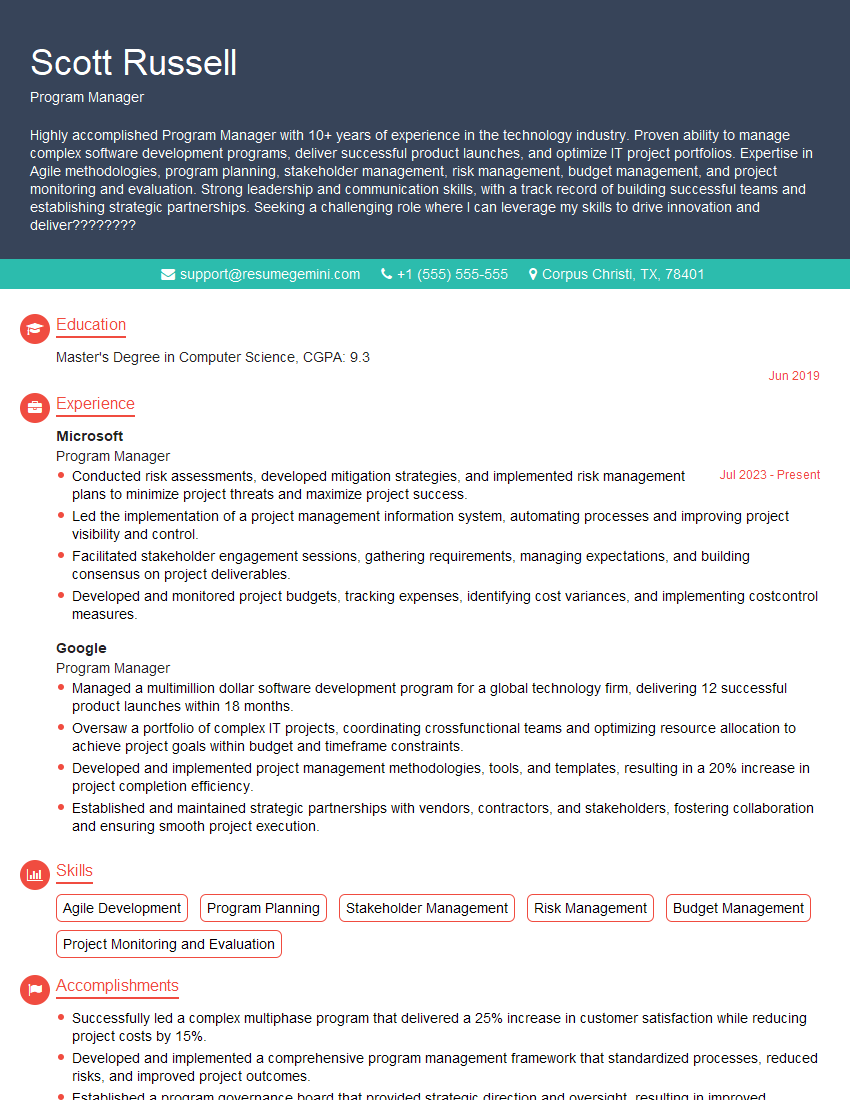
Program Manager Resume Sample

Operations Manager Resume Sample
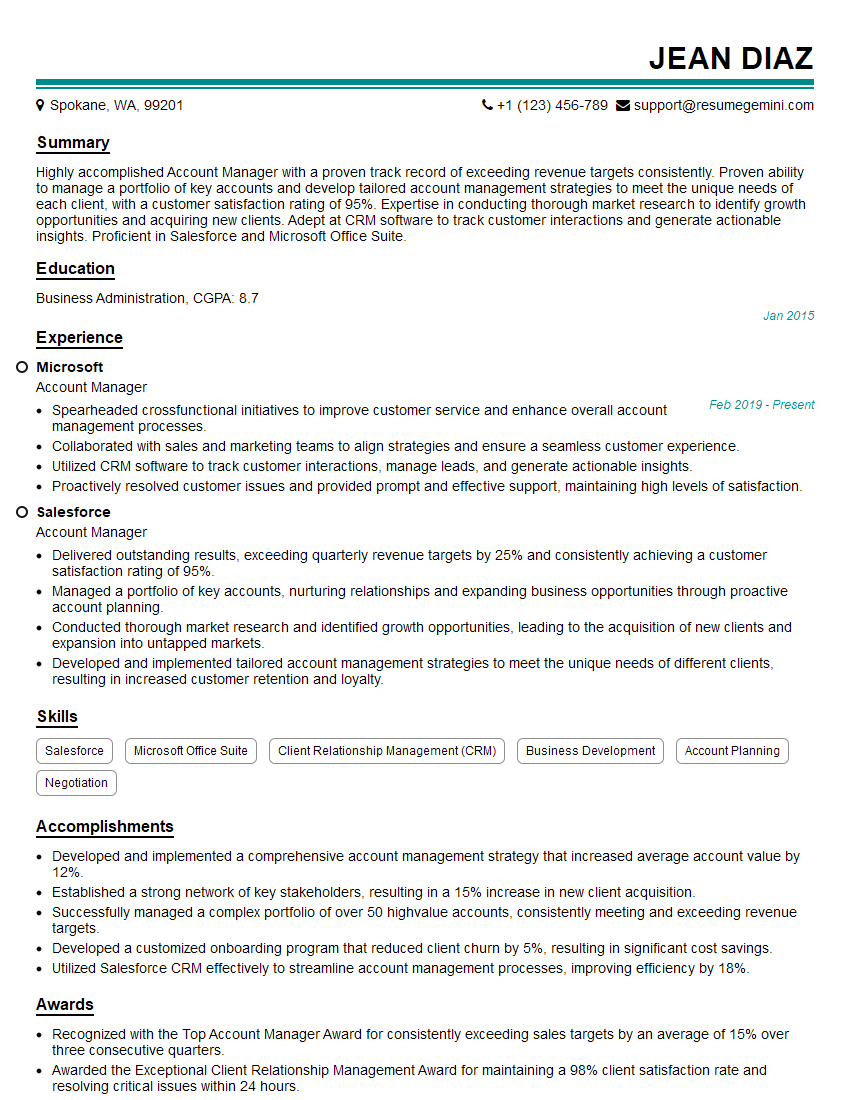
Account Manager Resume Sample
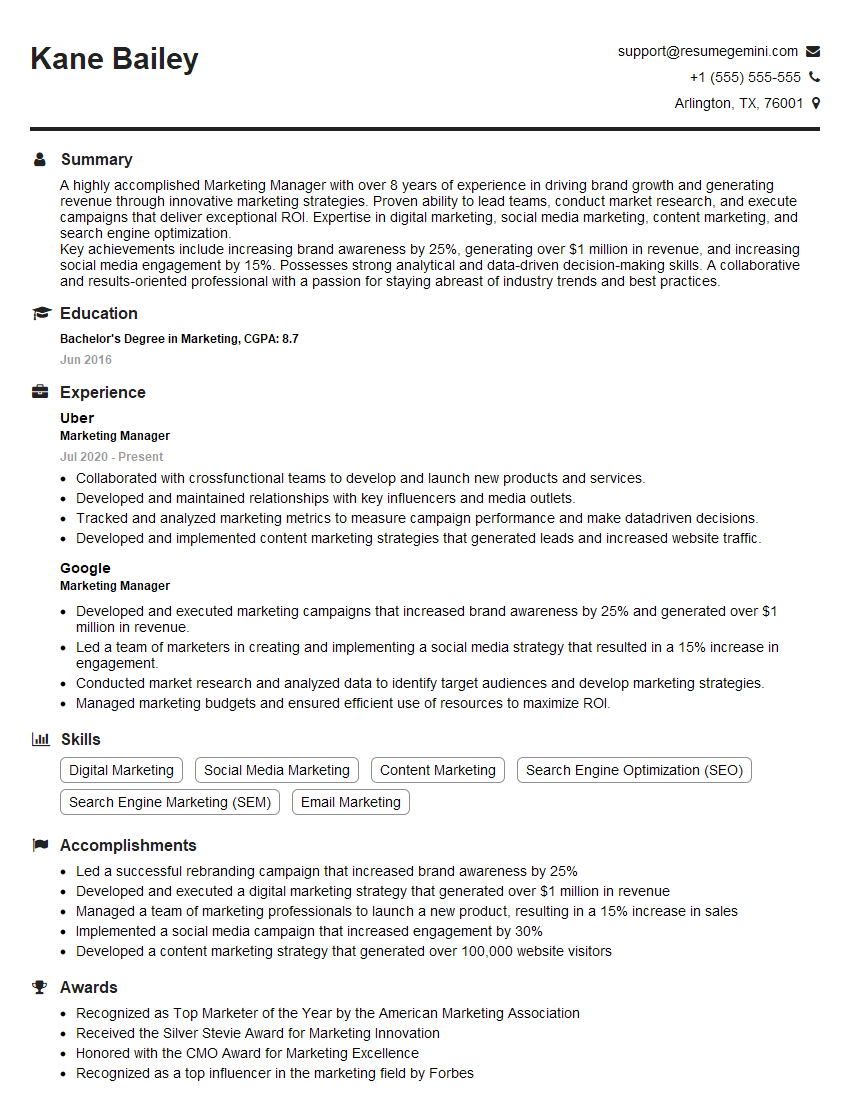
Marketing Manager Resume Sample
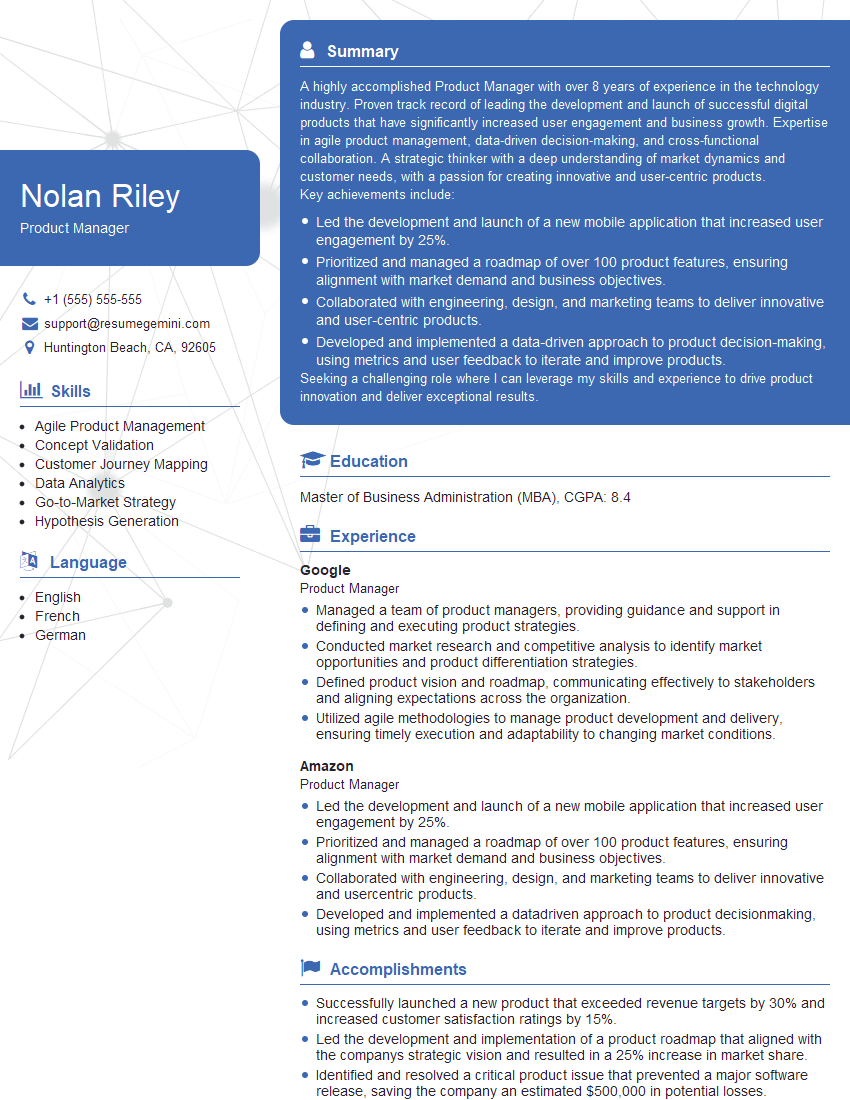
Product Manager Resume Sample
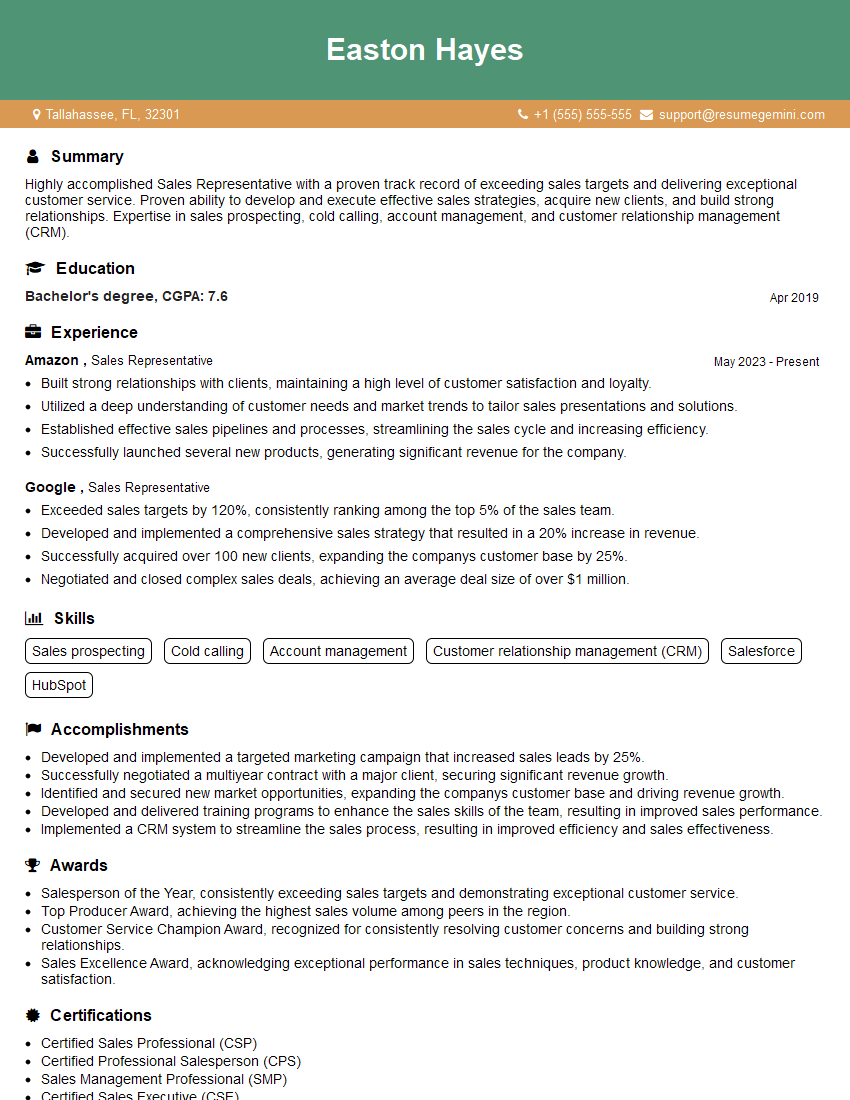
Sales Representative Resume Sample
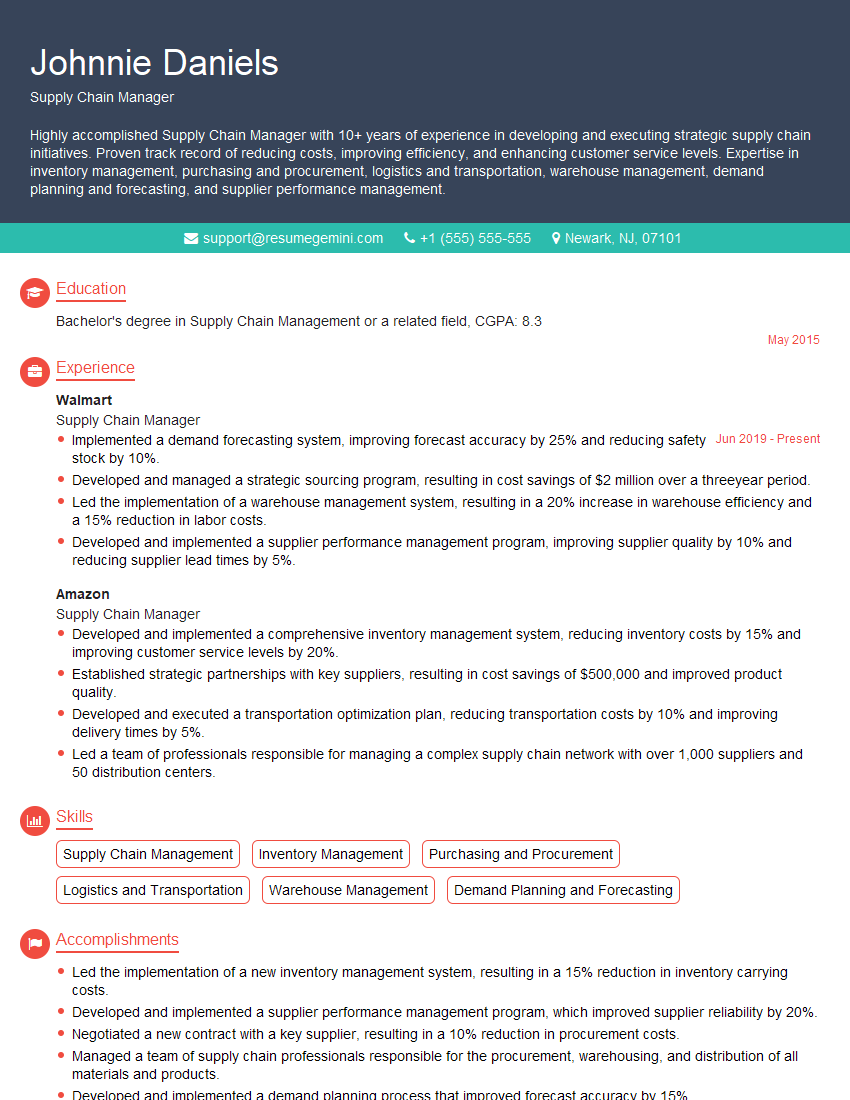
Supply Chain Manager Resume Sample
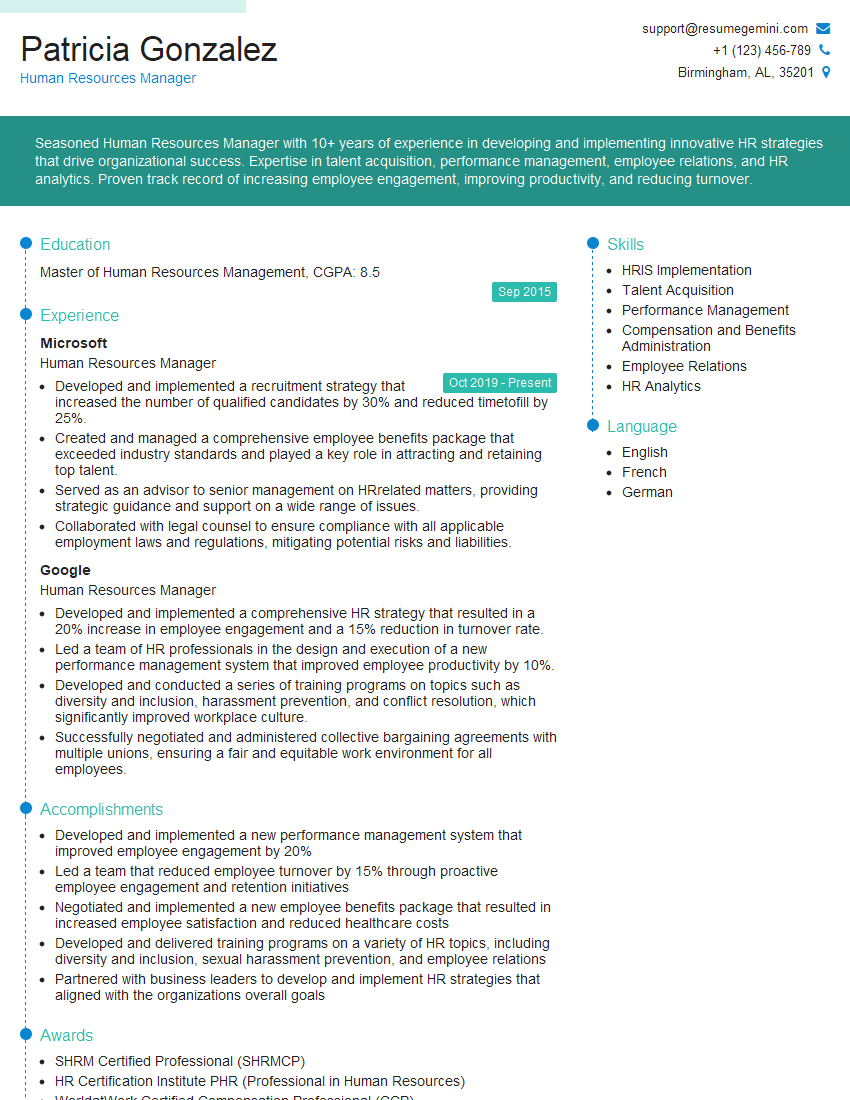
Human Resources Manager Resume Sample

Project Manager Resume Sample
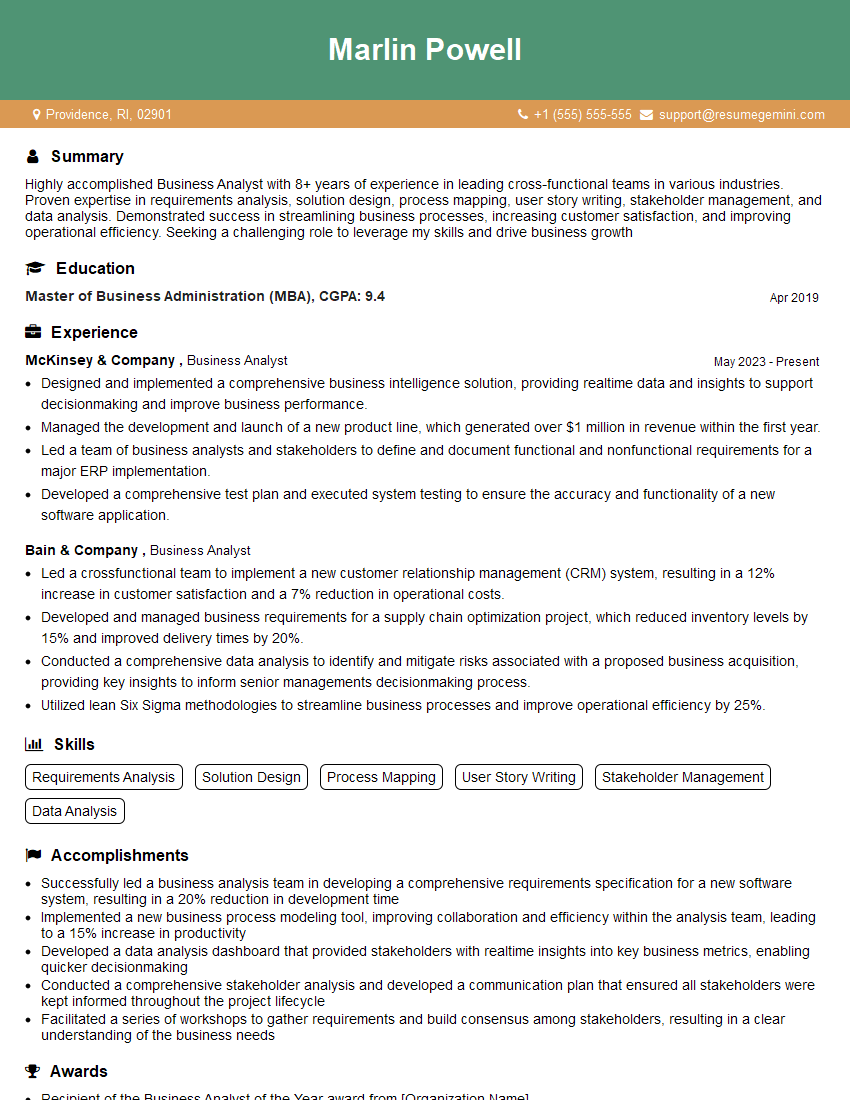
Business Analyst Resume Sample
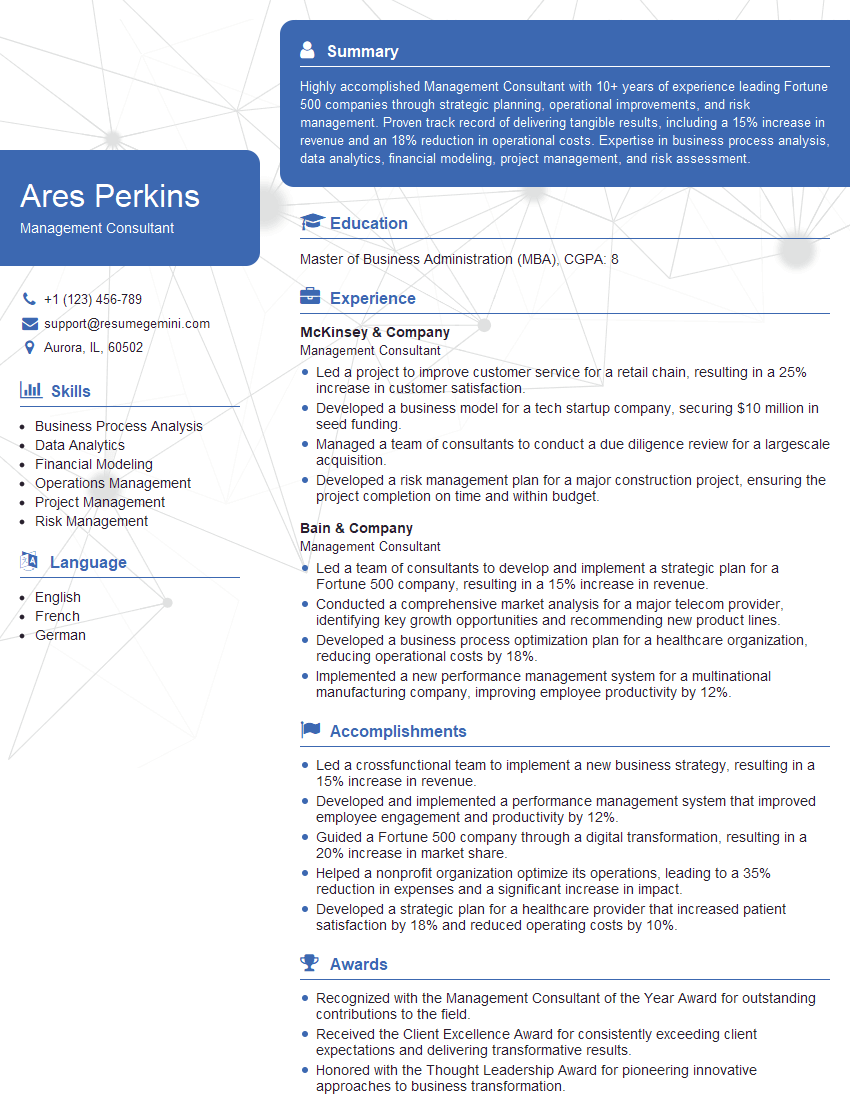
Management Consultant Resume Sample
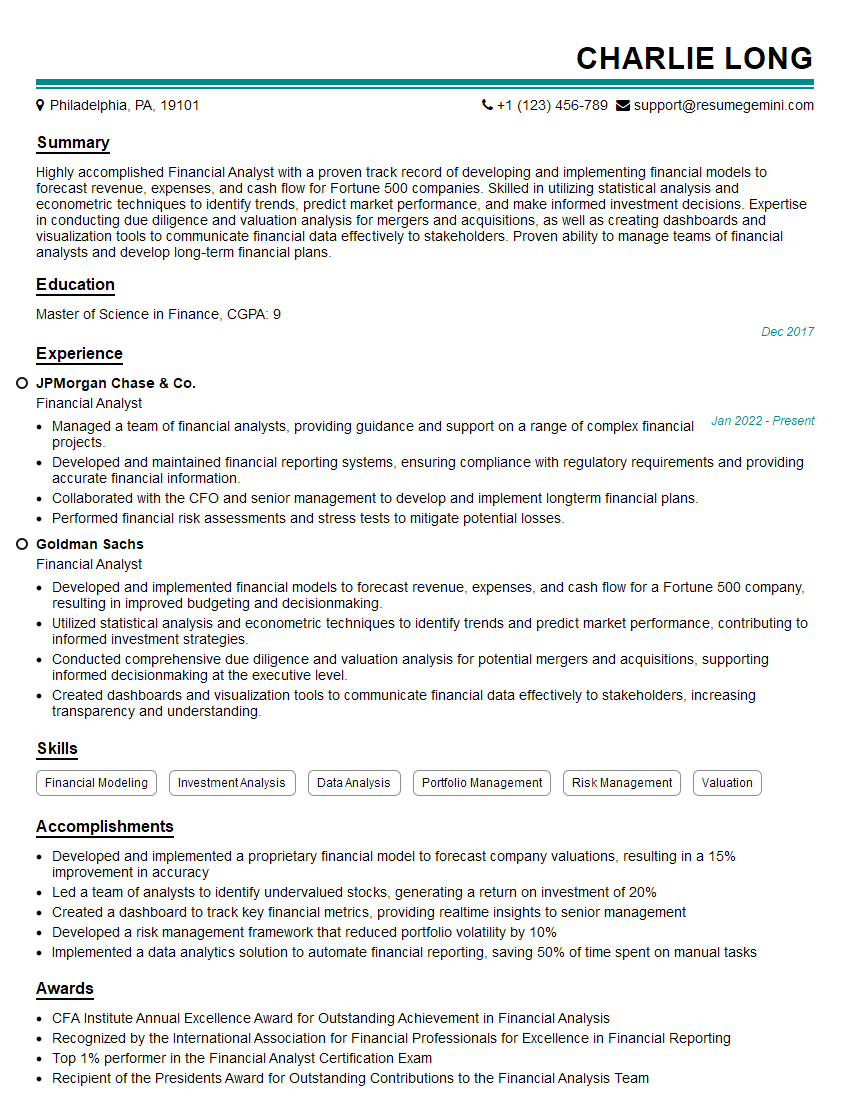
Financial Analyst Resume Sample
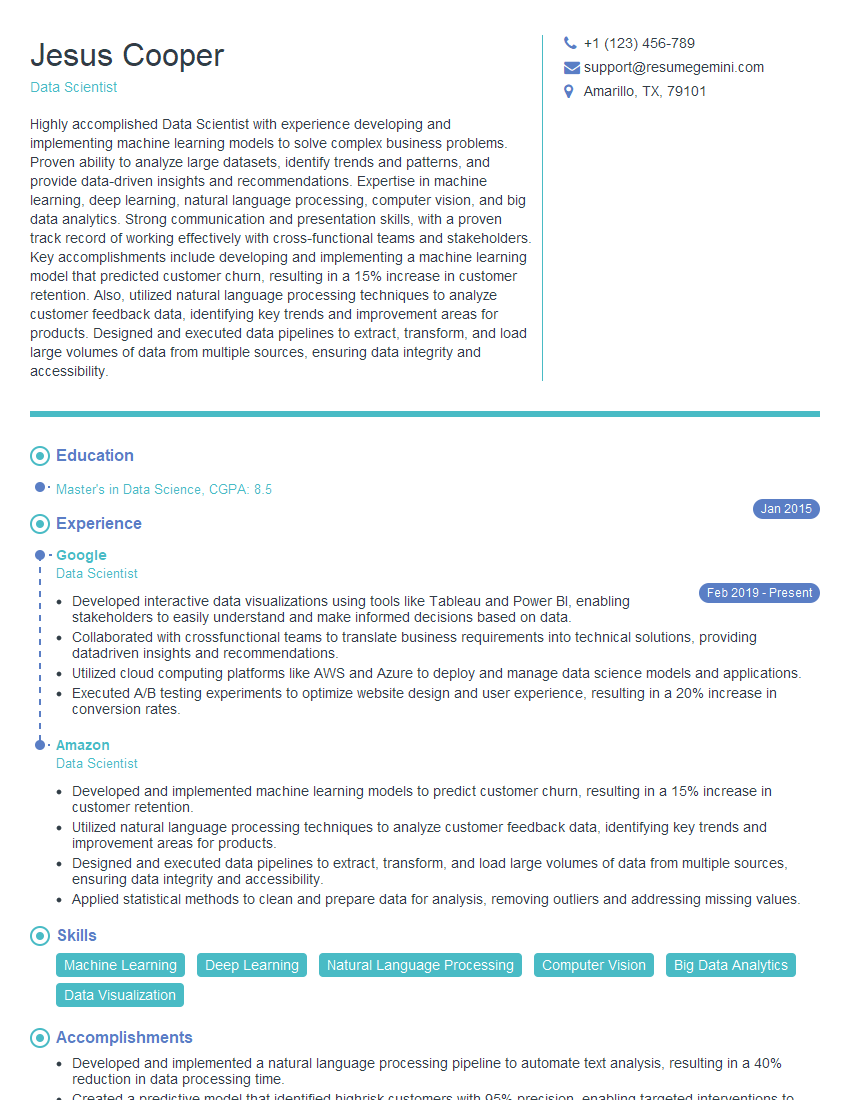
Data Scientist Resume Sample
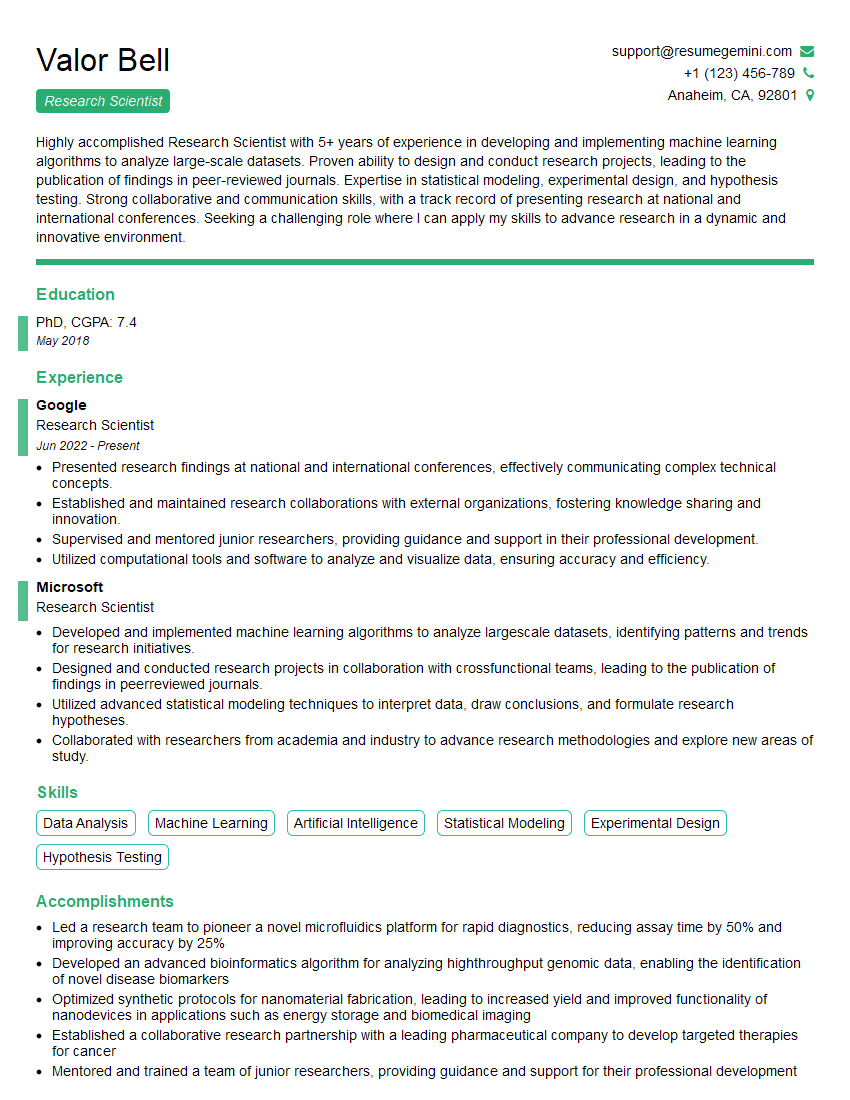
Research Scientist Resume Sample
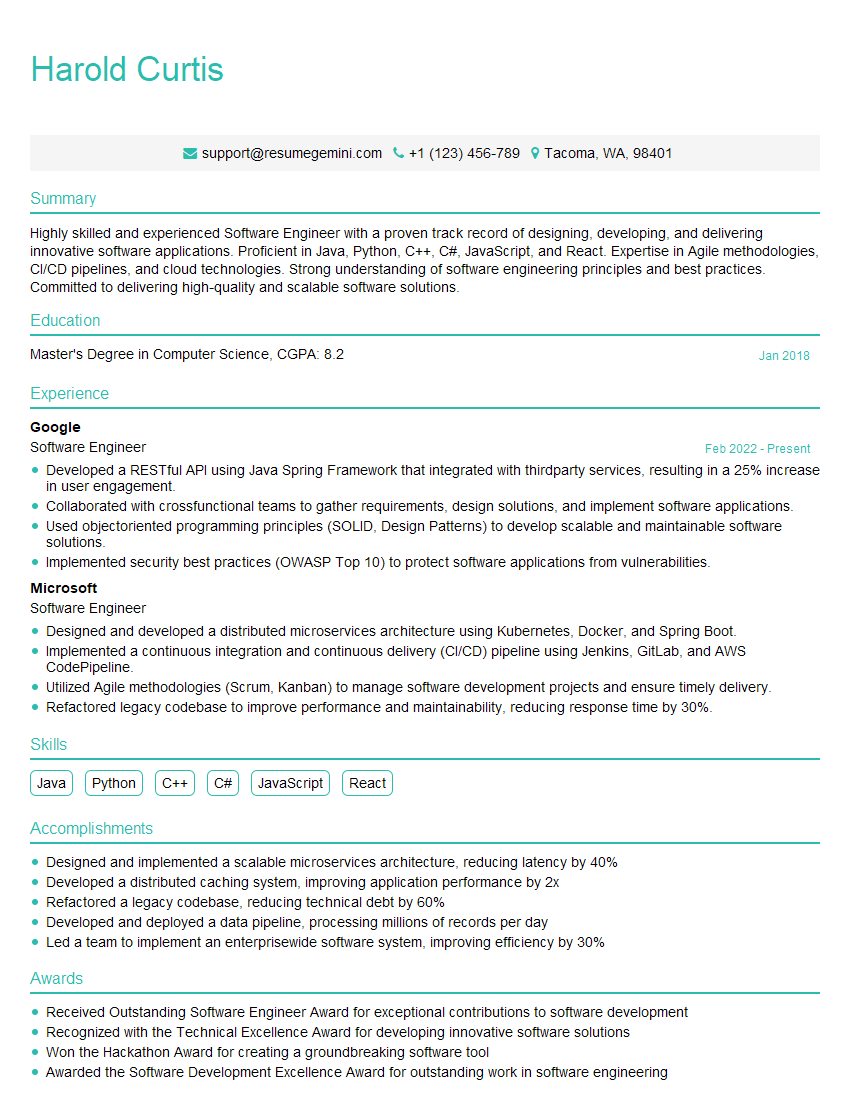
Software Engineer Resume Sample
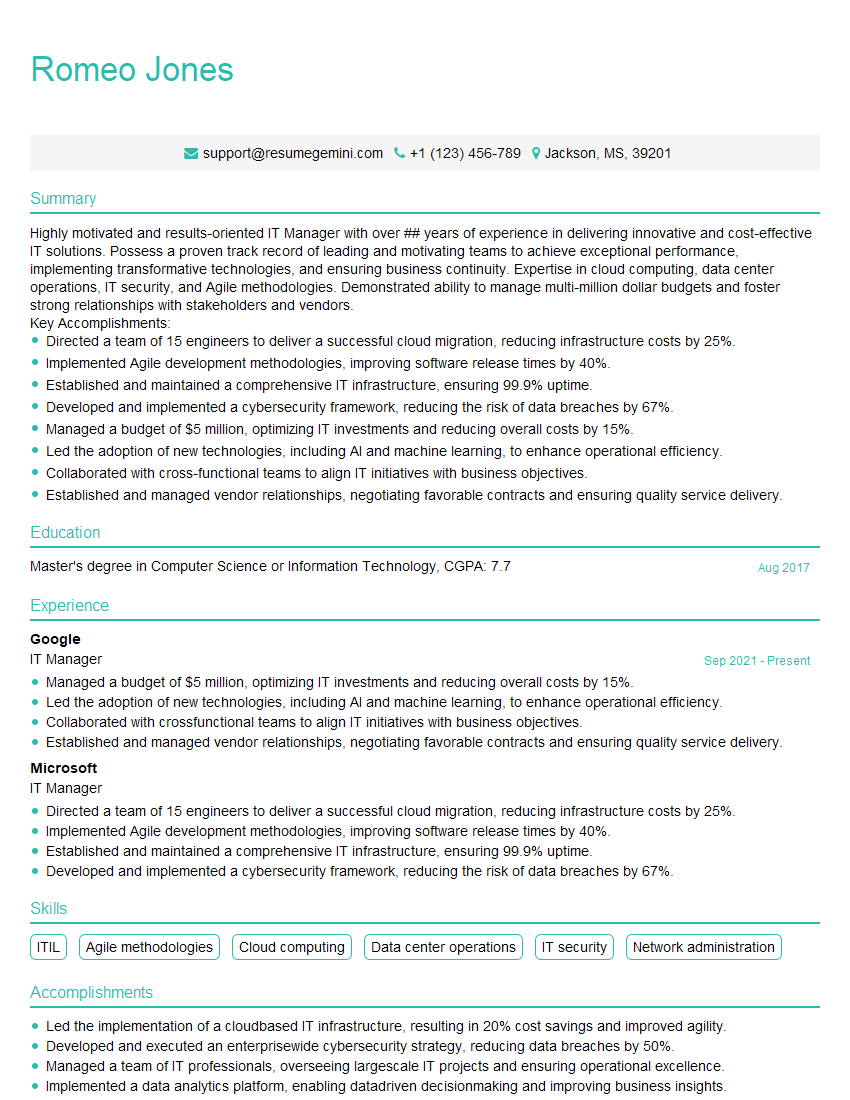
IT Manager Resume Sample
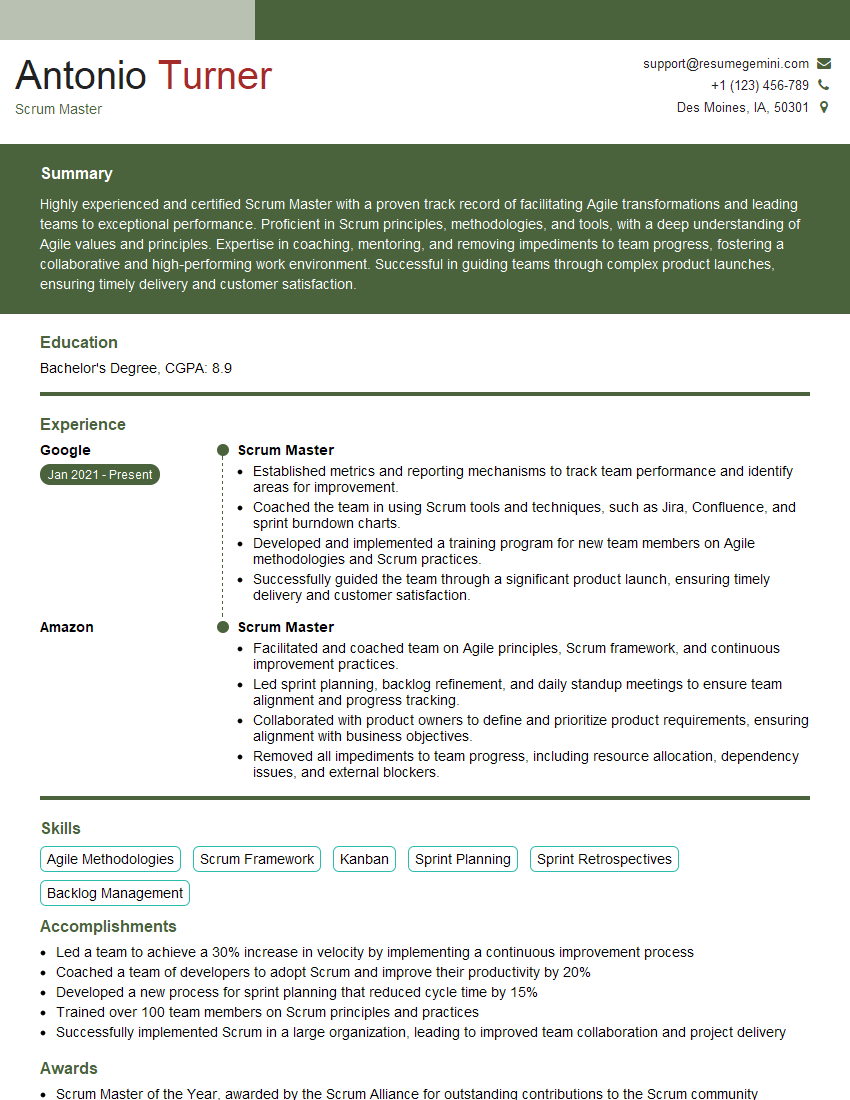
Scrum Master Resume Sample
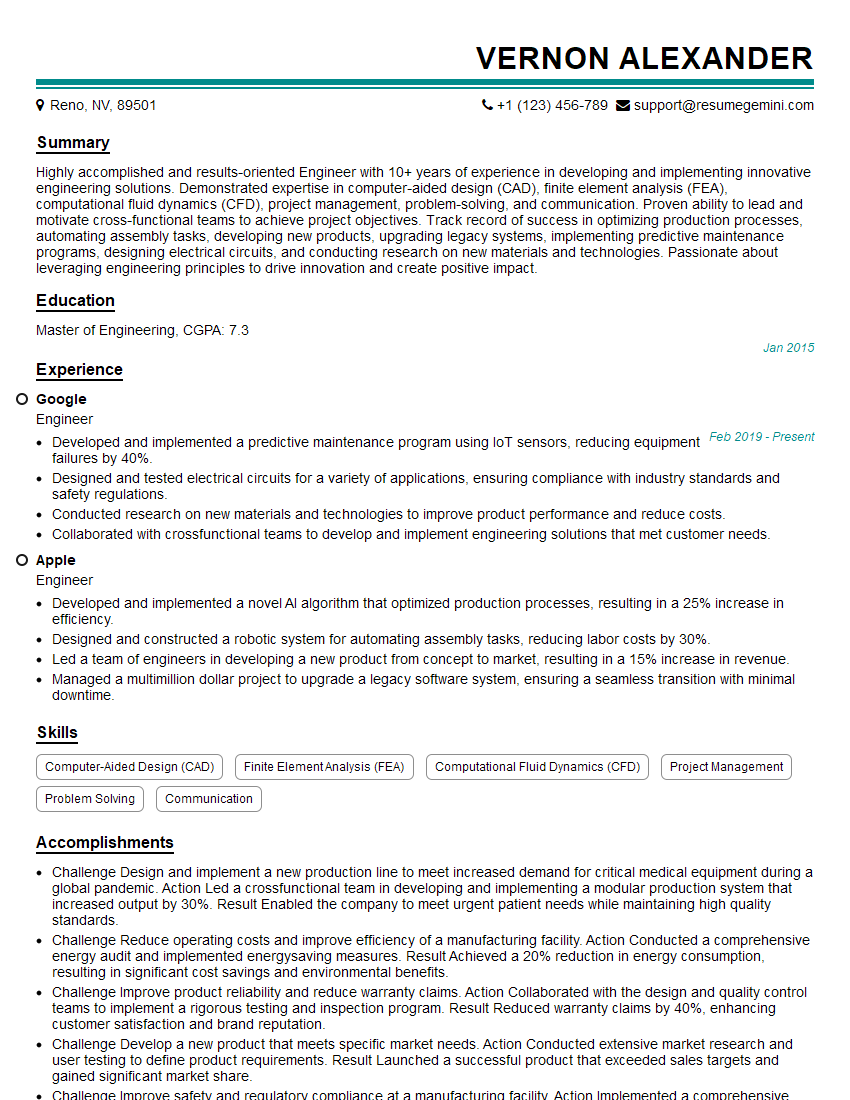
Engineer Resume Sample

Technical Writer Resume Sample
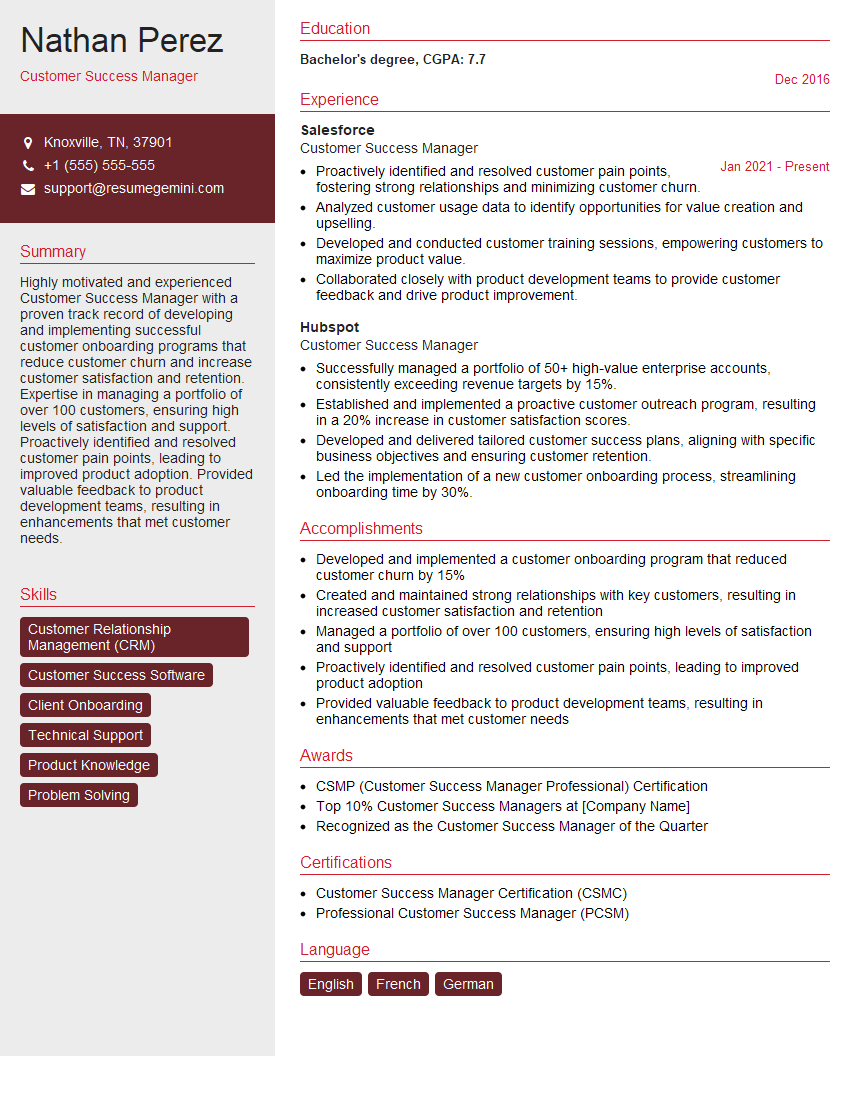
Customer Success Manager Resume Sample
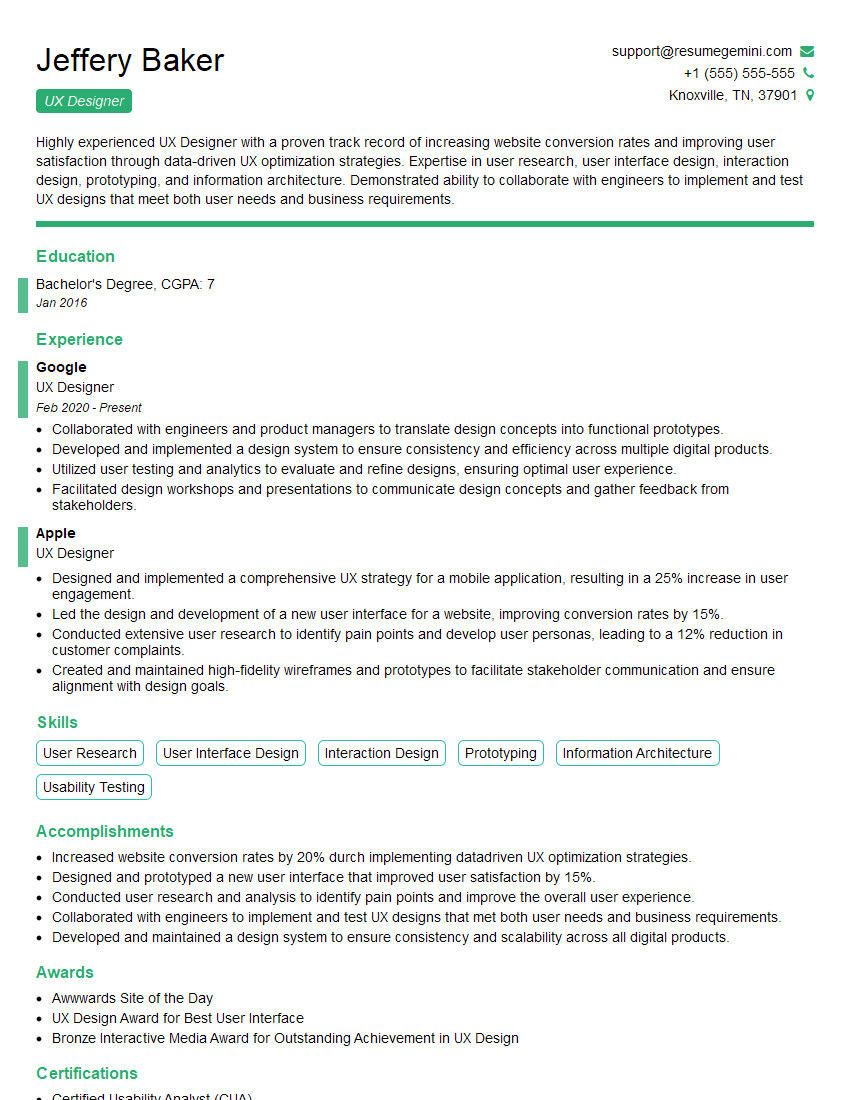
UX Designer Resume Sample
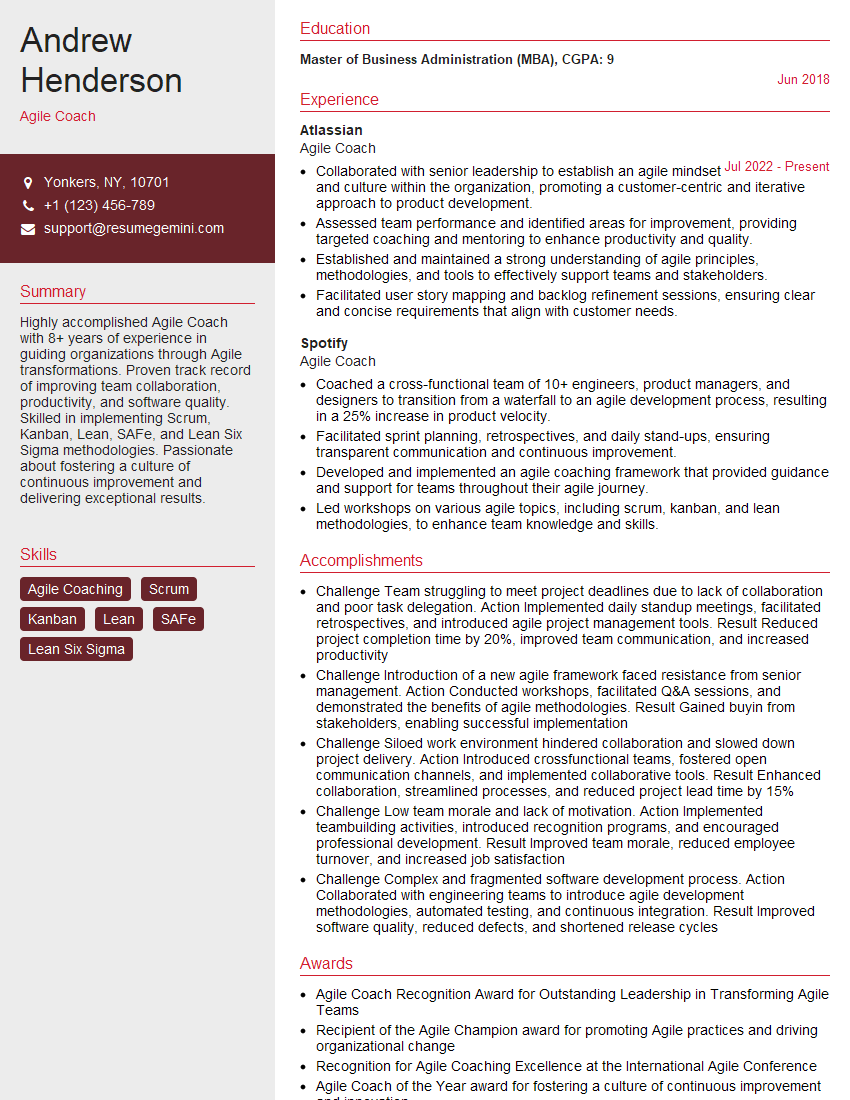
Agile Coach Resume Sample
- Program Manager
- Operations Manager
- Account Manager
- Marketing Manager
- Product Manager
- Sales Representative
- Supply Chain Manager
- Human Resources Manager
- Project Manager
- Business Analyst
- Management Consultant
- Financial Analyst
- Data Scientist
- Research Scientist
- Software Engineer
- IT Manager
- Scrum Master
- Engineer
- Technical Writer
- Customer Success Manager
- UX Designer
- Agile Coach
Explore more articles
Users Rating of Our Blogs
Share Your Experience
We value your feedback! Please rate our content and share your thoughts (optional).
What Readers Say About Our Blog
I Redesigned Spongebob Squarepants and his main characters of my artwork.
https://www.deviantart.com/reimaginesponge/art/Redesigned-Spongebob-characters-1223583608
IT gave me an insight and words to use and be able to think of examples
Hi, I’m Jay, we have a few potential clients that are interested in your services, thought you might be a good fit. I’d love to talk about the details, when do you have time to talk?
Best,
Jay
Founder | CEO