Unlock your full potential by mastering the most common Experience in Dealing with Difficult Customers interview questions. This blog offers a deep dive into the critical topics, ensuring you’re not only prepared to answer but to excel. With these insights, you’ll approach your interview with clarity and confidence.
Questions Asked in Experience in Dealing with Difficult Customers Interview
Q 1. Describe your approach to de-escalating a heated customer interaction.
De-escalating a heated customer interaction requires a calm, empathetic, and proactive approach. My strategy involves several key steps. First, I actively listen to the customer without interruption, letting them fully express their frustration. This demonstrates respect and allows me to understand their perspective. I use verbal cues like nodding and saying “I understand” to show I’m paying attention. Next, I validate their feelings, acknowledging their frustration is legitimate even if I don’t agree with their assessment of the situation. Phrases like “I can see why you’re upset” or “That sounds incredibly frustrating” can be powerful. Then, I aim to find common ground by focusing on shared goals. For example, if a customer is upset about a delayed shipment, I might say, “Our goal is to get your order to you as quickly and efficiently as possible, and I’m going to do everything I can to help.” Finally, I offer concrete solutions and follow through on my promises. This is crucial; broken promises only fuel the fire. If immediate resolution isn’t possible, I set clear expectations regarding timelines and communication.
For instance, I once dealt with a customer furious about a faulty product. Instead of getting defensive, I apologized for the inconvenience, validated their anger, and immediately offered a replacement or refund. The proactive solution diffused the situation considerably.
Q 2. How do you identify the root cause of a customer’s dissatisfaction?
Identifying the root cause of customer dissatisfaction goes beyond simply hearing their complaints. It requires active listening, careful questioning, and empathy. I start by letting the customer fully explain their issue, then ask clarifying questions to understand the details and context. I avoid interrupting or jumping to conclusions. Instead, I try to understand the situation from their perspective. I might ask questions like, “Can you tell me more about what happened?” or “What were your expectations?” I also look for patterns; is this a recurring issue, or is it an isolated incident? Sometimes, the stated problem is a symptom of a deeper issue. For example, a customer complaining about a late delivery might actually be more upset about the lack of communication throughout the process.
I often use a simple framework: I explore the situation (what happened), analyze the impact (how the customer was affected), and determine the root cause (what caused the problem). This process helps me get past surface-level complaints and address the underlying concerns.
Q 3. What techniques do you use to remain calm and professional under pressure from a difficult customer?
Remaining calm and professional under pressure is essential. My techniques include deep breathing exercises to manage my physiological response to stress. Taking a few deep breaths before responding helps me control my emotions and think clearly. I also utilize active listening and empathetic responses to defuse the situation. I remind myself that the customer’s anger is often directed at the situation, not at me personally. I focus on understanding their perspective and finding solutions rather than getting caught up in the emotional intensity of the interaction. Finally, I mentally separate myself from the interaction, acknowledging that this is a problem-solving exercise rather than a personal attack. This helps maintain objectivity and professionalism.
I visualize a calm, peaceful space to help manage my emotional response. This mental strategy helps me stay grounded and focused on finding solutions.
Q 4. Have you ever had to deal with an abusive customer? How did you handle it?
I have encountered abusive customers. My priority in such situations is my safety and the safety of others. If the situation becomes unsafe or threatening, I immediately alert my supervisor or security personnel. Before that point, I remain calm, avoid engaging in arguments, and reiterate my commitment to resolving the issue to the best of my ability while emphasizing that abusive behavior is unacceptable. I clearly and firmly set boundaries by stating things like, “I understand you’re upset, but I won’t tolerate abusive language.” I document the interaction thoroughly, recording the details of the conversation, the time, and any witnesses. I avoid escalating the conflict by avoiding personal responses, remaining neutral, and providing factual information. Ultimately, I aim to de-escalate the situation and end the interaction professionally, ensuring that my own well-being is safeguarded.
In one instance, a customer became verbally abusive. I calmly explained that I was there to help resolve the problem but couldn’t continue the conversation if the abusive language continued. I offered to provide the information in writing and ended the call when the abuse didn’t cease.
Q 5. Explain a time you successfully resolved a complex customer complaint.
I once had a customer who had ordered a custom-designed product that arrived damaged. The customer was understandably upset, as this was a significant purchase. They felt let down, and their trust in our company was shaken. The initial complaint was just about the damaged item, but I quickly realized the real issue was their disappointment and concern about the quality of our service. I started by sincerely apologizing for their negative experience, validating their feelings. I then outlined the steps we would take to remedy the situation: We offered a full refund, expedited shipping for a replacement, and a complimentary upgrade. I also followed up regularly with them to keep them updated on the progress, which further strengthened their trust in our commitment to resolution. The successful resolution went beyond just fixing the damage; it involved rebuilding their trust. We ended up turning a potentially disastrous situation into a positive experience. The customer eventually became a loyal advocate for our company, referring several new clients.
Q 6. How do you prioritize competing demands when dealing with multiple difficult customers simultaneously?
When juggling multiple difficult customers simultaneously, prioritization is key. I use a triage system, prioritizing customers based on urgency and impact. Customers with urgent needs or those whose issues could potentially escalate further are addressed first. I make use of multitasking techniques, such as creating brief notes or using a ticketing system to track each issue and its status. This allows me to quickly assess the situation and allocate my time effectively. Transparency with each customer is important; I let them know if there will be a delay in addressing their concerns due to other pressing matters. Open communication keeps them informed and manages expectations, reducing further frustration. If needed, I seek help from colleagues to ensure all customers receive prompt and satisfactory resolution.
Imagine having three customers simultaneously – one with a payment issue, another with a technical problem, and a third with a shipping delay. I would first help the customer with the payment issue since that could block their access to our services completely. Then I’d move to the technical issue because it usually needs more immediate attention, followed by the shipping delay.
Q 7. What strategies do you employ to build rapport with angry or frustrated customers?
Building rapport with angry or frustrated customers involves demonstrating empathy and understanding. I use active listening to show I’m truly hearing their concerns. I use mirroring techniques, such as matching their tone (while remaining calm) and body language to subtly build connection. I use their name frequently, personalize the interaction, and focus on the customer as an individual, not just a problem. I also use validating statements to show I understand their frustration. For example, I might say, “I know this is frustrating,” or “I understand your disappointment.” Positive language, a sincere apology for any inconvenience, and focusing on solutions instead of blame further enhance rapport. I show my commitment to helping them find a resolution, demonstrating my willingness to go the extra mile to address their needs. By building this connection, I create a space for more productive communication and resolution.
For instance, if a customer is upset about a long wait time, I acknowledge their frustration and sincerely apologize before providing the reasons for the wait and the steps I’m taking to expedite the process.
Q 8. Describe your process for documenting customer interactions, particularly difficult ones.
My process for documenting customer interactions, especially difficult ones, is meticulous and follows a standardized format to ensure accuracy and completeness. I begin by noting the date, time, and customer’s identifying information (name, account number, contact details, etc.) This is crucial for tracking and future reference.
Next, I create a detailed summary of the interaction, including the customer’s complaint, their emotional state (e.g., frustrated, angry, upset), and my attempts at resolution. I use clear, concise language, avoiding subjective opinions and focusing solely on objective facts. I document every step taken, including any promises made, solutions offered, and the final outcome of the interaction. For example, if a technical issue was involved, I would note the specific error codes or troubleshooting steps employed.
Finally, any subsequent actions required are logged – for example, if the issue needs escalation to another department, this is documented along with the date and time of escalation. All this is stored securely in our CRM system, ensuring easy accessibility and auditability. This rigorous approach allows for effective tracking, identifying recurring problems, and providing valuable insights for improving customer service across the board.
Q 9. How do you handle situations where a customer is unwilling to cooperate or follow company policies?
Handling uncooperative customers who refuse to comply with company policies requires a delicate balance of firmness and empathy. The first step is to actively listen to their concerns and validate their feelings, even if I don’t agree with their approach. This shows respect and builds rapport, often defusing initial tension.
I then calmly and clearly explain the company’s policies and procedures, using simple language, avoiding jargon. I emphasize the reasons behind the policies, focusing on how they protect both the customer and the company. I present options or alternatives within the framework of those policies, offering flexibility where possible, demonstrating my willingness to find a mutually beneficial solution.
If they still refuse to cooperate, I reiterate the company’s policies while acknowledging their frustration. I maintain a professional demeanor, avoiding arguing or getting defensive. In cases where their behavior becomes abusive or threatening, I will politely but firmly end the conversation and escalate the interaction to my supervisor immediately for safety and further guidance. The goal is to find common ground, but company policy is paramount and maintaining a safe work environment is always a priority.
Q 10. How do you know when to escalate a difficult customer interaction to a supervisor?
Escalating a difficult customer interaction is a critical decision that requires careful judgment. I typically escalate when I’ve exhausted all reasonable attempts to resolve the issue independently and the customer remains dissatisfied or their behavior becomes disruptive or abusive.
Other factors prompting escalation include situations involving significant financial implications, potential legal ramifications, or when the issue requires specialized knowledge or expertise beyond my capabilities. For instance, if a customer is threatening legal action, or if the issue requires a complex technical solution beyond my skillset, I would immediately escalate to my supervisor or the appropriate department.
Before escalating, I thoroughly document the interaction (as outlined in my previous response), including all steps taken and the customer’s responses. This documented history allows my supervisor to quickly grasp the situation and take informed action. Clear and concise communication during the escalation process is key to ensuring a swift and efficient resolution for the customer.
Q 11. What are some common causes of customer dissatisfaction in your experience?
In my experience, customer dissatisfaction stems from several common sources. One major cause is unmet expectations. Customers often have pre-conceived notions about service levels, product quality, or turnaround times. When these expectations aren’t met, disappointment leads to frustration.
- Product or Service Issues: Defects, malfunctions, or failure to deliver as promised.
- Poor Communication: Lack of clear, timely, or relevant information.
- Long wait times: Excessive hold times or delays in receiving assistance.
- Inconsistent Experiences: Different levels of service or product quality across various channels.
- Lack of empathy or understanding: Feeling ignored or dismissed by customer service representatives.
Addressing these root causes through proactive communication, improved product quality, streamlined processes, and consistent, empathetic service is crucial for minimizing customer dissatisfaction.
Q 12. How do you adapt your communication style to different personality types of customers?
Adapting my communication style to different customer personalities is crucial for effective conflict resolution. I avoid a one-size-fits-all approach. I observe the customer’s communication style and body language to gauge their personality type. For example, a direct, no-nonsense customer might appreciate a similarly concise and straightforward approach.
Conversely, a more emotional customer might need a more empathetic and patient response, allowing them to fully express their concerns before offering solutions. For some customers, providing detailed explanations and technical information might be necessary, while others might prefer simpler, less technical explanations.
Think of it like this: some customers are like puzzle pieces – you need to find the right approach to make them ‘fit’ and feel understood. Active listening, observation, and adjusting my language and tone according to the customer’s personality ensure a positive and effective interaction.
Q 13. Describe a time you had to apologize to a customer. How did you approach the situation?
I recall a situation where a customer experienced a significant delay in receiving their order due to an unforeseen logistical issue. While it wasn’t directly my fault, the delay caused considerable inconvenience, and the customer was understandably upset.
My approach was to first acknowledge their frustration and apologize sincerely for the delay. I didn’t make excuses but took ownership of the situation by explaining the circumstances leading to the delay in a transparent and honest manner. I then outlined the steps being taken to expedite delivery and offered a genuine compensation for the inconvenience – a discount on their next order and free expedited shipping.
By showing empathy, taking responsibility, and offering a tangible solution, I transformed a potentially negative experience into a more positive one. The customer appreciated the sincere apology and proactive compensation, leaving the interaction with a more favorable impression of our company.
Q 14. How do you maintain a positive attitude when dealing with consistently difficult customers?
Maintaining a positive attitude when dealing with consistently difficult customers can be challenging, but it is crucial for providing excellent service and reducing stress. I employ several strategies to achieve this:
- Focus on solutions, not problems: Rather than dwelling on the negative aspects of the situation, I concentrate on finding solutions and resolving the customer’s issues.
- Practice self-care: I prioritize my well-being outside of work through exercise, relaxation techniques, and hobbies to manage stress and maintain a positive outlook.
- Seek support from colleagues: I regularly discuss challenging situations with colleagues, seeking advice and emotional support.
- Remember the bigger picture: I remind myself that even the most difficult customers are still people with valid concerns.
- Celebrate small victories: Acknowledging successful resolutions, no matter how small, boosts morale and reinforces positive behavior.
By using these methods, I can maintain a professional and positive demeanor, even when confronted with difficult customers, creating a more positive customer experience and preventing burnout.
Q 15. How do you balance customer needs with company policies and procedures?
Balancing customer needs with company policies is a delicate act of negotiation and empathy. It’s about finding a solution that’s both fair to the customer and adheres to the company’s rules and regulations. I approach this by first actively listening to the customer’s needs and concerns. Then, I clearly explain the relevant company policies, explaining the rationale behind them in a transparent and non-confrontational way. I look for areas of flexibility within the policy. Perhaps there’s a little wiggle room, an exception that can be made, or an alternative solution that satisfies both sides. If no flexibility is possible, I clearly explain why, offering alternative solutions or compensation where appropriate. For example, if a customer wants a refund for a product outside the return window, I’d explain the company’s return policy. However, if they encountered a genuine manufacturing defect, I might be able to offer a replacement or store credit, even if a full refund is outside the standard procedure. This approach emphasizes understanding and collaboration over strict adherence to rules, ultimately building customer loyalty.
Career Expert Tips:
- Ace those interviews! Prepare effectively by reviewing the Top 50 Most Common Interview Questions on ResumeGemini.
- Navigate your job search with confidence! Explore a wide range of Career Tips on ResumeGemini. Learn about common challenges and recommendations to overcome them.
- Craft the perfect resume! Master the Art of Resume Writing with ResumeGemini’s guide. Showcase your unique qualifications and achievements effectively.
- Don’t miss out on holiday savings! Build your dream resume with ResumeGemini’s ATS optimized templates.
Q 16. How do you handle situations where a customer’s expectations are unrealistic?
Dealing with unrealistic customer expectations requires tact and clear communication. My approach involves validating their feelings, understanding their perspective, and then gently but firmly managing their expectations. I start by acknowledging their frustration and expressing understanding for their situation. For instance, I might say, “I understand your disappointment, and I want to help you find a solution.” Then, I clearly and calmly explain why their expectation isn’t feasible, perhaps due to logistical constraints, product limitations, or company policy. I’ll offer alternative solutions that are within the realm of possibility, focusing on what I *can* do to help rather than dwelling on what I *can’t*. For instance, if a customer demands an impossible turnaround time for a repair, I’ll outline the realistic timeline and offer a compensatory benefit for their patience, such as a discount on their next purchase. This approach helps to avoid escalating the situation and maintain a positive relationship, even if I can’t completely meet their initial request.
Q 17. How do you use active listening to understand a customer’s concerns?
Active listening is the cornerstone of effective customer service. It’s more than just hearing; it’s about truly understanding the customer’s perspective. I achieve this by employing several techniques. First, I maintain eye contact and use open body language, indicating my attention and engagement. Second, I paraphrase and summarize their concerns to ensure I understand them correctly. I might say, “So, if I understand correctly, you’re frustrated because…” This confirms my understanding and gives the customer a chance to clarify or correct any misconceptions. Third, I ask clarifying questions to delve deeper into their concerns, encouraging them to elaborate on their experiences. For example, instead of simply saying “What’s the problem?”, I might ask, “Can you tell me more about what happened?” This shows genuine interest and facilitates a deeper understanding of their issues. Finally, I avoid interrupting or formulating my response while they’re speaking, ensuring they feel heard and valued. I aim to create a safe space for the customer to express their emotions and concerns without feeling judged or rushed. This ensures I’m fully equipped to offer a targeted and effective solution.
Q 18. Describe your experience with using CRM software to manage customer interactions.
I have extensive experience utilizing CRM software, primarily Salesforce and Zendesk. These tools are invaluable in managing customer interactions efficiently and effectively. I use CRM systems to track all customer interactions, from initial contact to resolution. This includes detailed notes on each conversation, solutions offered, and the outcome. For example, I’ll note the specific issue, the steps taken to resolve it, and the customer's feedback. This detailed record helps to ensure consistency in service delivery and allows me to easily access past interactions when a customer contacts us again. CRMs also facilitate efficient case management, allowing me to prioritize urgent issues and ensure timely follow-up. They offer valuable data analytics, allowing me to identify trends in customer complaints and areas for improvement in our service. Using a CRM allows me to deliver personalized service, using customer data to anticipate their needs and provide tailored support. This ability to track customer history and preferences is key to building strong, lasting customer relationships.
Q 19. What are some key metrics you use to measure your success in handling difficult customers?
Measuring success in handling difficult customers goes beyond simple resolution rates. I focus on key metrics such as customer satisfaction (CSAT) scores, Net Promoter Score (NPS), and First Call Resolution (FCR) rates. CSAT directly measures how satisfied the customer is with the interaction, providing crucial feedback on my performance. NPS measures customer loyalty and willingness to recommend our services. A high NPS indicates that I’ve not only resolved the issue but also built a positive relationship. FCR tracks the percentage of issues resolved on the first contact, highlighting efficiency and effectiveness. Furthermore, I monitor average handling time (AHT), aiming to minimize resolution time without compromising quality. I also regularly solicit qualitative feedback, asking customers for comments or suggestions on how I could improve my service. These metrics provide a comprehensive view of my performance and help identify areas for growth and improvement, helping to build a better and more efficient system for resolving issues.
Q 20. How do you ensure customer satisfaction even when faced with challenging situations?
Ensuring customer satisfaction during challenging situations requires a multi-faceted approach that goes beyond simply resolving the immediate problem. I strive to create a positive experience even amidst difficulties by focusing on empathy, clear communication, and proactive problem-solving. I begin by actively listening and validating the customer’s feelings. This demonstrates understanding and builds rapport, even if I can’t immediately offer a solution. I keep the customer informed throughout the process, managing expectations and providing regular updates. Transparency builds trust and minimizes frustration. I proactively seek solutions, exploring all possible avenues to address their concerns, even if it means going beyond the standard procedures. Even if a perfect solution isn’t possible, offering a sincere apology, taking ownership of the issue, and explaining the steps being taken to prevent future occurrences, demonstrates a commitment to customer well-being. Finally, I always follow up to confirm their satisfaction and gather feedback, demonstrating a commitment to ongoing improvement. This proactive approach fosters goodwill and strengthens the customer relationship, converting a negative experience into a positive one.
Q 21. Explain your understanding of empathy and its role in customer service.
Empathy is the ability to understand and share the feelings of another. In customer service, it’s essential for building rapport and effectively resolving conflicts. It’s about stepping into the customer’s shoes and seeing the situation from their perspective, acknowledging their emotions, even if you don’t necessarily agree with their viewpoint. For example, if a customer is angry about a delayed shipment, empathy involves acknowledging their frustration and expressing understanding for the inconvenience, rather than focusing on the logistical reasons for the delay. This doesn’t mean you condone their behavior, but it does mean creating a safe space for them to express their feelings. By demonstrating empathy, you build trust and create a collaborative environment, fostering a more positive resolution. Empathy isn’t about agreeing with the customer; it’s about understanding their emotional state and using that understanding to tailor your communication and find a mutually acceptable resolution.
Q 22. How do you handle situations where a customer is making unreasonable demands?
Handling unreasonable demands requires a delicate balance of empathy and firmness. The key is to understand the underlying need behind the demand, even if the expression is unreasonable. I start by actively listening to the customer, validating their feelings (e.g., “I understand your frustration with…”), and then gently but firmly explaining the limitations or constraints. I avoid arguing or getting defensive. Instead, I focus on finding a mutually agreeable solution within the framework of company policy and what’s realistically possible. If a compromise can’t be reached, I clearly explain why, offering alternative solutions whenever feasible. For example, if a customer demands a full refund for a slightly damaged product despite our clear return policy, I’d acknowledge their disappointment, explain the policy, and then offer a partial refund or a replacement, depending on the situation. The goal is to de-escalate the situation and find a resolution that leaves the customer feeling heard and respected, even if it doesn’t fully meet their initial demand.
Q 23. What resources or tools do you use to resolve customer issues effectively?
Effective customer issue resolution relies on a combination of resources. First, I utilize our company’s knowledge base and internal documentation to quickly access information regarding policies, procedures, and product specifics. I also rely on CRM systems to track customer history and interactions, ensuring consistent service. Our internal communication tools allow me to quickly collaborate with colleagues in other departments (e.g., technical support, management) if a complex issue requires specialized expertise. Finally, I often leverage online resources and customer reviews to understand broader trends and potential solutions. For instance, if I’m frequently encountering a specific product defect, I’ll use customer reviews and online forums to identify potential workarounds or patterns that may help me assist customers more efficiently.
Q 24. Describe a time you had to negotiate a solution with a difficult customer.
I once had a customer who was furious because their order was delayed due to unforeseen logistical issues beyond our control. They demanded a significant discount and free expedited shipping. While I sympathized with their frustration, the discount they requested was far beyond our standard policy. I started by acknowledging their anger and empathizing with the inconvenience. I then explained the reasons for the delay transparently, providing evidence like tracking information. Instead of immediately rejecting their demands, I proposed a tiered solution. I offered a smaller discount coupled with free expedited shipping for their next order, which was within our company’s guidelines while still addressing their concerns regarding future purchases. This approach balanced the need to appease the customer with maintaining the company’s profitability and policy. The customer eventually accepted the compromise, showing a clear understanding that I had tried to fairly resolve the issue.
Q 25. How do you deal with customers who are resistant to solutions?
Dealing with resistance requires patience and a flexible approach. I avoid directly confronting their resistance and instead focus on understanding the underlying reasons. Sometimes, it’s a matter of miscommunication; other times, it’s a deep-seated distrust or a fear of change. I use active listening and open-ended questions to uncover these root causes. For example, I might ask, “Can you help me understand why you’re hesitant about this solution?” Once I understand their concerns, I tailor my approach accordingly. This may involve explaining the benefits of the solution more clearly, addressing their specific concerns directly, or exploring alternative solutions that better align with their needs. If necessary, I involve a supervisor or manager to provide a different perspective or escalate the issue.
Q 26. How do you manage your own emotions when dealing with difficult customer interactions?
Managing my emotions is crucial. Difficult customer interactions can be emotionally draining, but I’ve developed strategies to maintain composure. I utilize deep breathing techniques to regulate my stress response. I also make a conscious effort to separate the customer’s behavior from their inherent worth as a person. Remember, the customer’s frustration is usually not directed at me personally. I remind myself that I am there to help. Taking short breaks between calls or interactions allows me to reset emotionally. Furthermore, I debrief with colleagues after particularly challenging interactions to process my emotions and learn from the experience. This supportive environment helps prevent burnout and fosters a positive emotional balance.
Q 27. What steps do you take to prevent difficult customer situations from arising in the first place?
Preventing difficult situations involves proactive measures. Clear communication is paramount. This includes ensuring accurate and readily available product information, providing realistic timelines, and setting clear expectations. Proactive follow-up with customers, particularly after major purchases or service interactions, allows for early identification and resolution of potential issues. Effective training for staff on conflict resolution and customer service best practices also greatly reduces the likelihood of problems escalating. Moreover, continuously improving processes to minimize errors and delays prevents many issues before they even reach the customer. For example, regularly updating our FAQ section with commonly asked questions and solutions helps to resolve many issues before customers even contact us.
Q 28. How do you measure the effectiveness of your conflict resolution strategies?
Measuring the effectiveness of my conflict resolution strategies involves several metrics. First, I track customer satisfaction scores (CSAT) to assess the overall impact of my interactions. I also look at repeat business and customer retention rates to see if resolved issues have led to improved customer loyalty. Furthermore, I analyze the length and complexity of calls to track improvement in efficiency. Finally, I regularly solicit feedback from colleagues and supervisors to gain a comprehensive perspective on my performance. This holistic approach allows me to identify areas of strength and weakness, continuously refining my techniques and striving for consistent improvement in customer service. Tracking these metrics helps to assess whether my solutions are not just immediate fixes but lead to long-term positive relationships.
Key Topics to Learn for Experience in Dealing with Difficult Customers Interview
- Understanding Customer Needs: Identifying the root cause of the customer’s frustration, going beyond the surface complaint.
- Active Listening & Empathy: Demonstrating genuine understanding and validating customer feelings through attentive listening and empathetic responses. Practical application: Role-playing scenarios to practice active listening techniques.
- De-escalation Techniques: Employing calming communication strategies to diffuse tense situations. Practical application: Describing instances where you successfully de-escalated a challenging customer interaction.
- Problem-Solving & Solution-Oriented Approach: Focusing on finding practical solutions that meet the customer’s needs while adhering to company policies.
- Professional Boundaries & Self-Care: Maintaining professionalism while protecting your own emotional well-being. Practical application: Explaining your strategies for managing stress and preventing burnout.
- Communication Styles & Adaptability: Adjusting your communication style to match the customer’s personality and communication preferences.
- Documentation & Reporting: Accurately documenting customer interactions and escalating issues when necessary.
- Conflict Resolution Strategies: Applying effective negotiation and mediation skills to find mutually agreeable solutions.
Next Steps
Mastering the art of handling difficult customers is crucial for career advancement in virtually any customer-facing role. It showcases your resilience, problem-solving skills, and ability to maintain professionalism under pressure – all highly valued attributes by employers. To significantly improve your job prospects, building an ATS-friendly resume is essential. ResumeGemini can help you create a compelling resume that highlights your experience in this critical area, ensuring your qualifications are effectively communicated to potential employers. We provide examples of resumes tailored to showcasing “Experience in Dealing with Difficult Customers” to help you build a winning application.
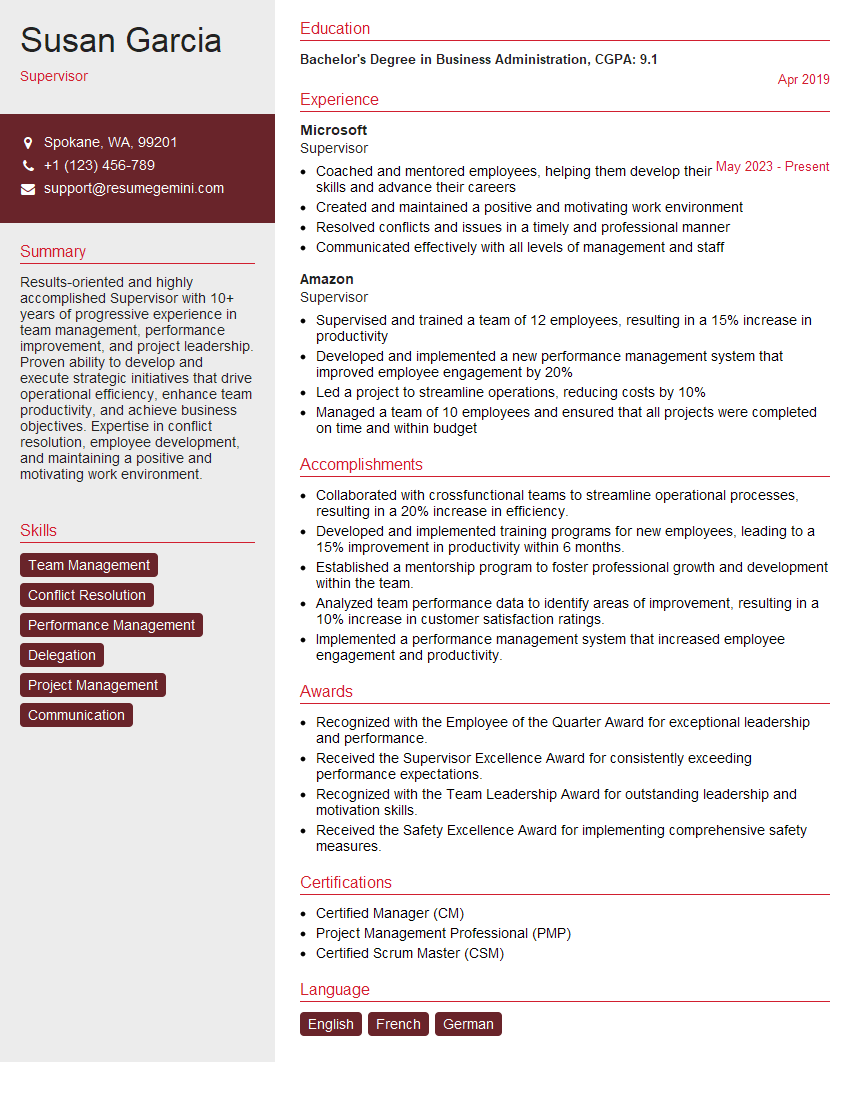
Supervisor Resume Sample

Operations Manager Resume Sample
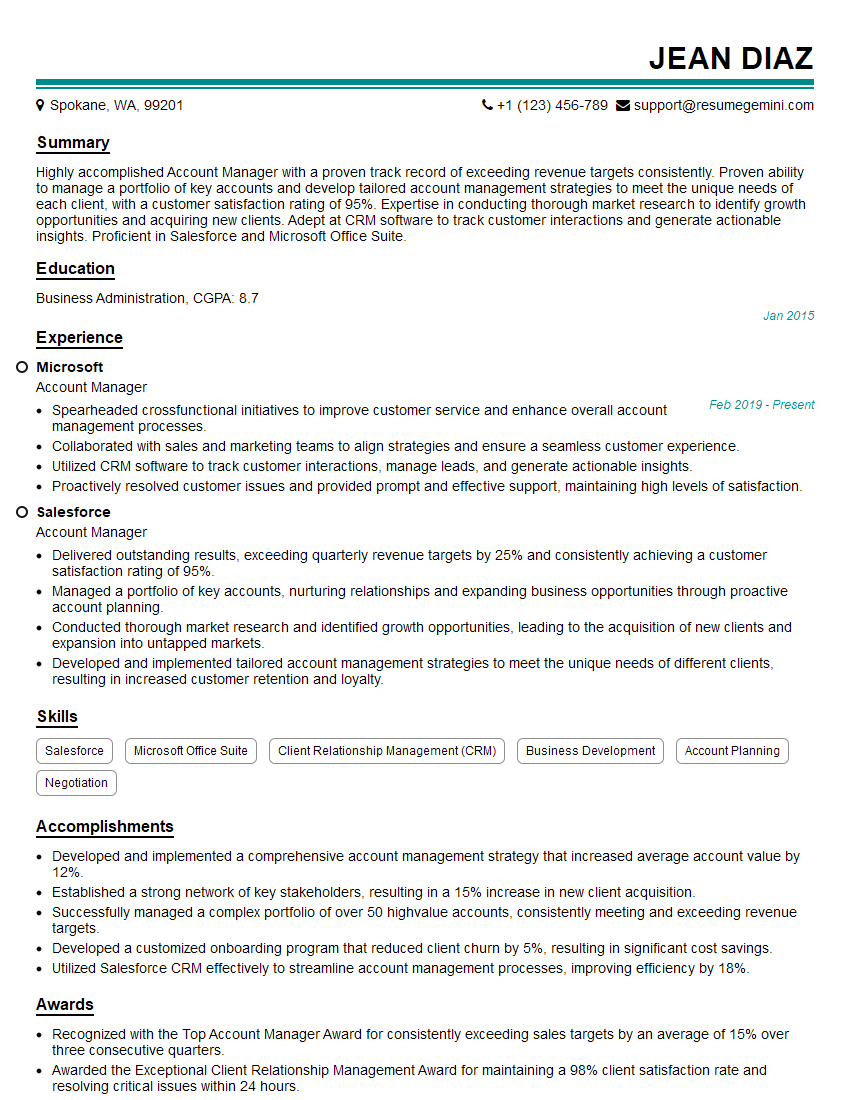
Account Manager Resume Sample
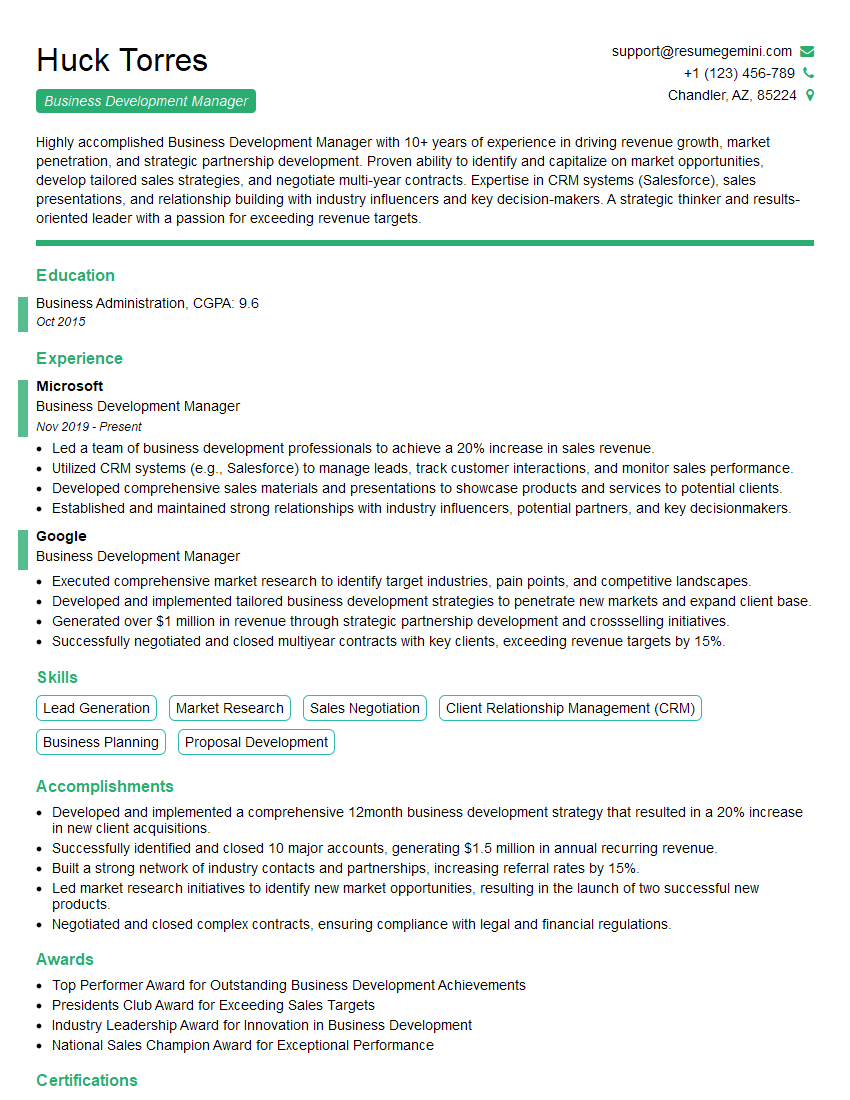
Business Development Manager Resume Sample
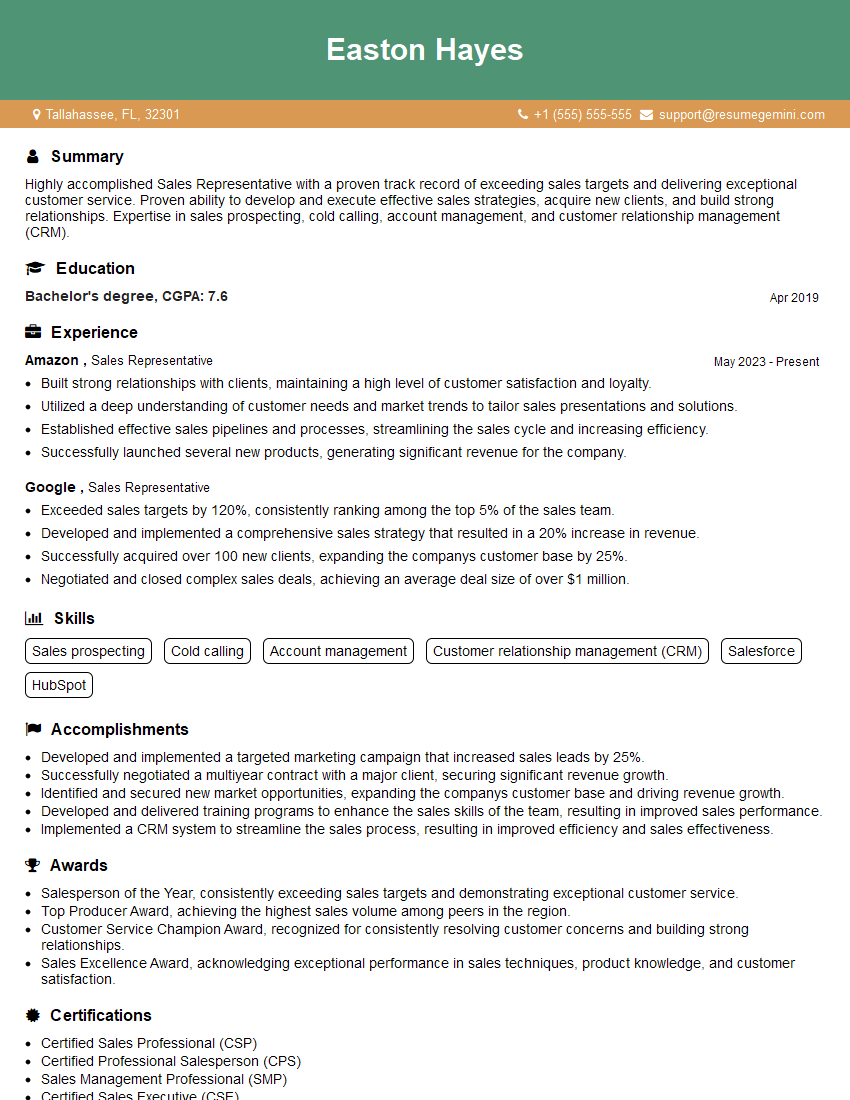
Sales Representative Resume Sample

Customer Service Manager Resume Sample
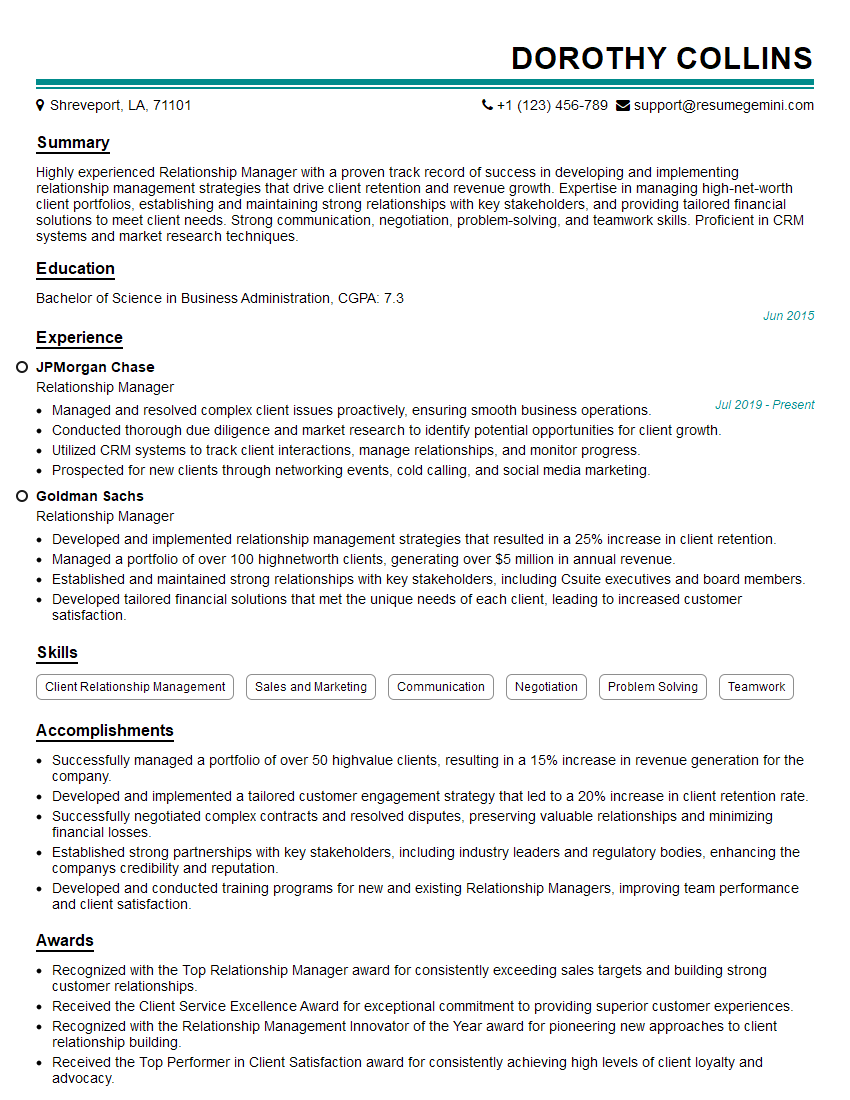
Relationship Manager Resume Sample
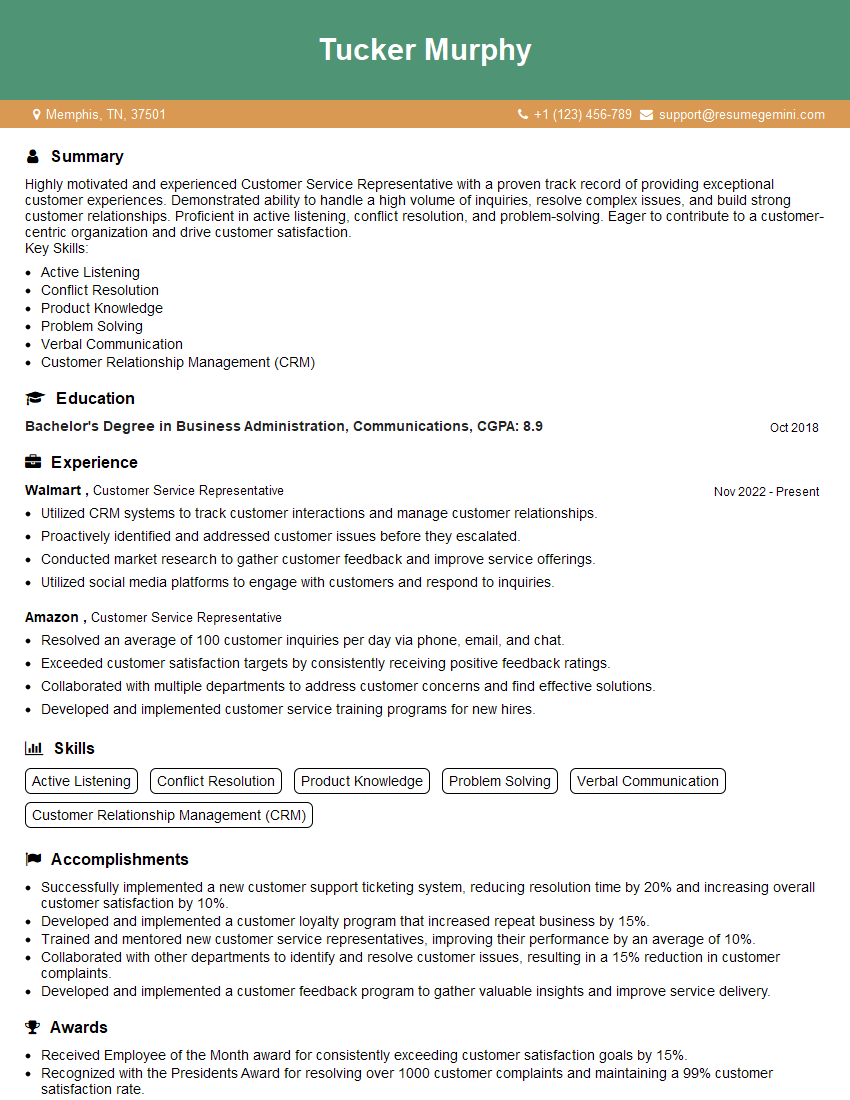
Customer Service Representative Resume Sample

Project Manager Resume Sample
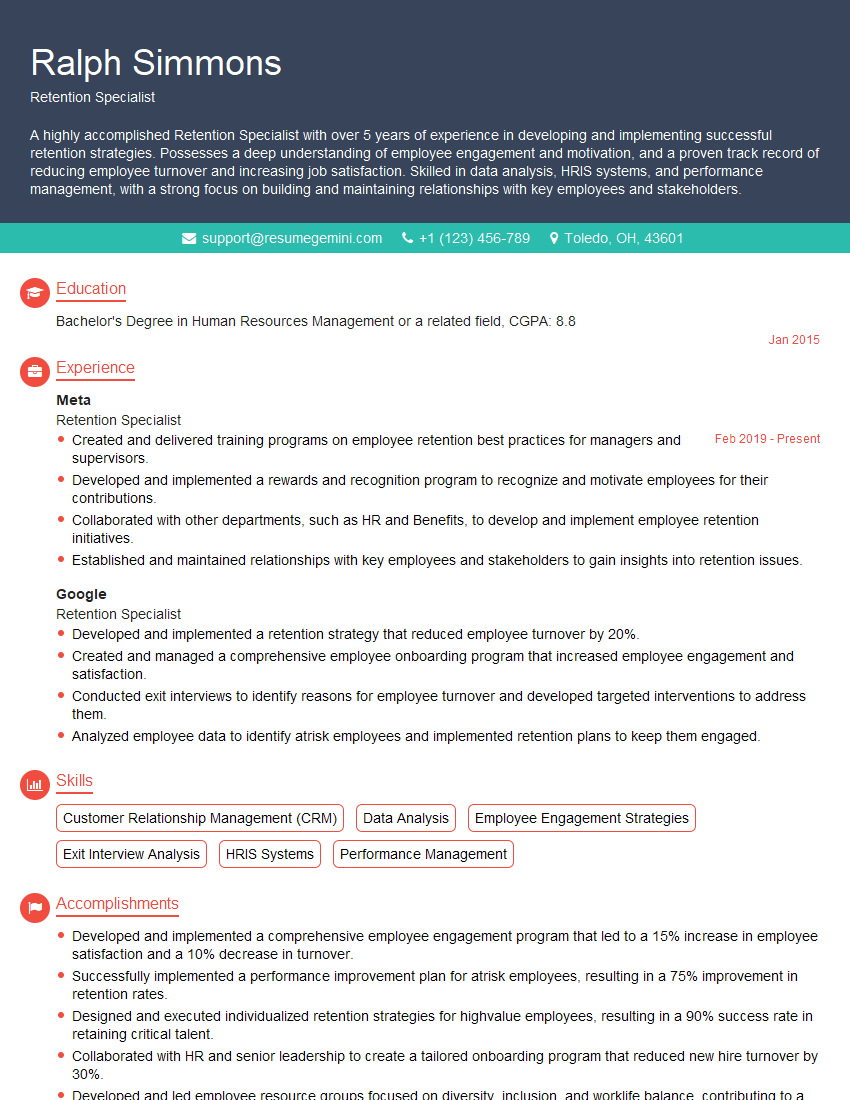
Retention Specialist Resume Sample
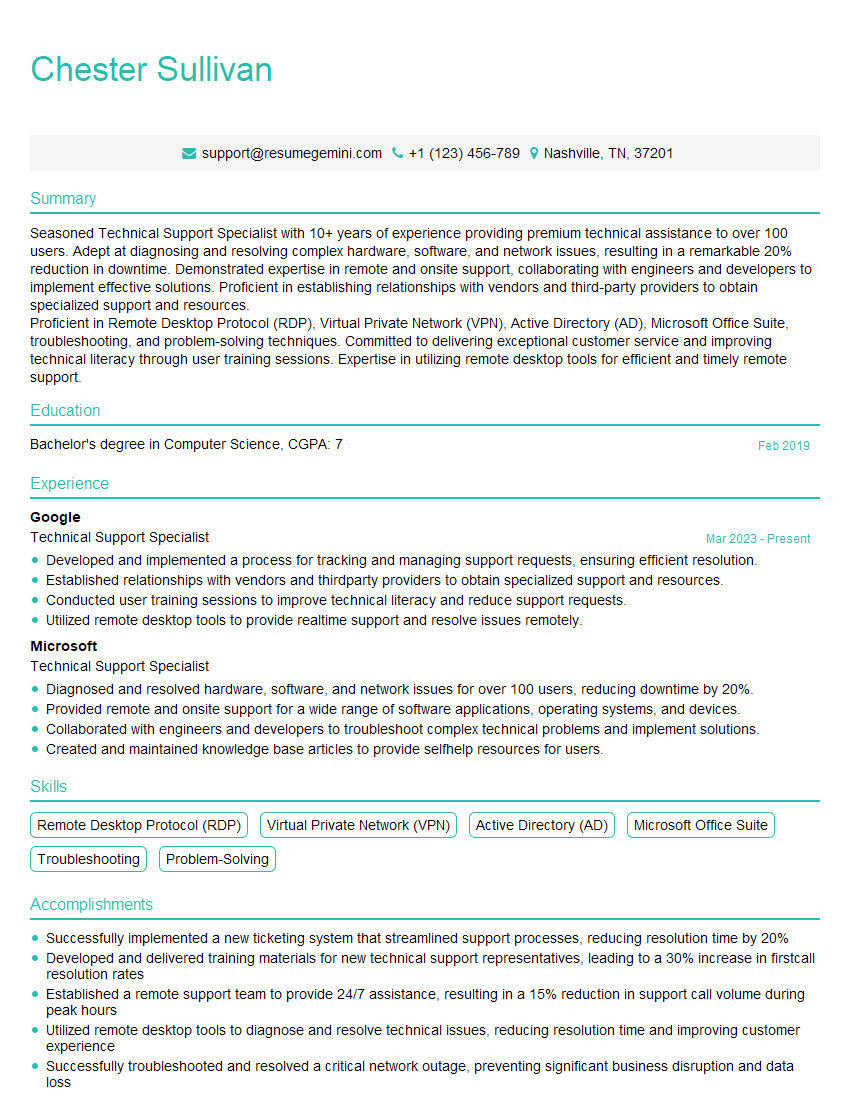
Technical Support Specialist Resume Sample
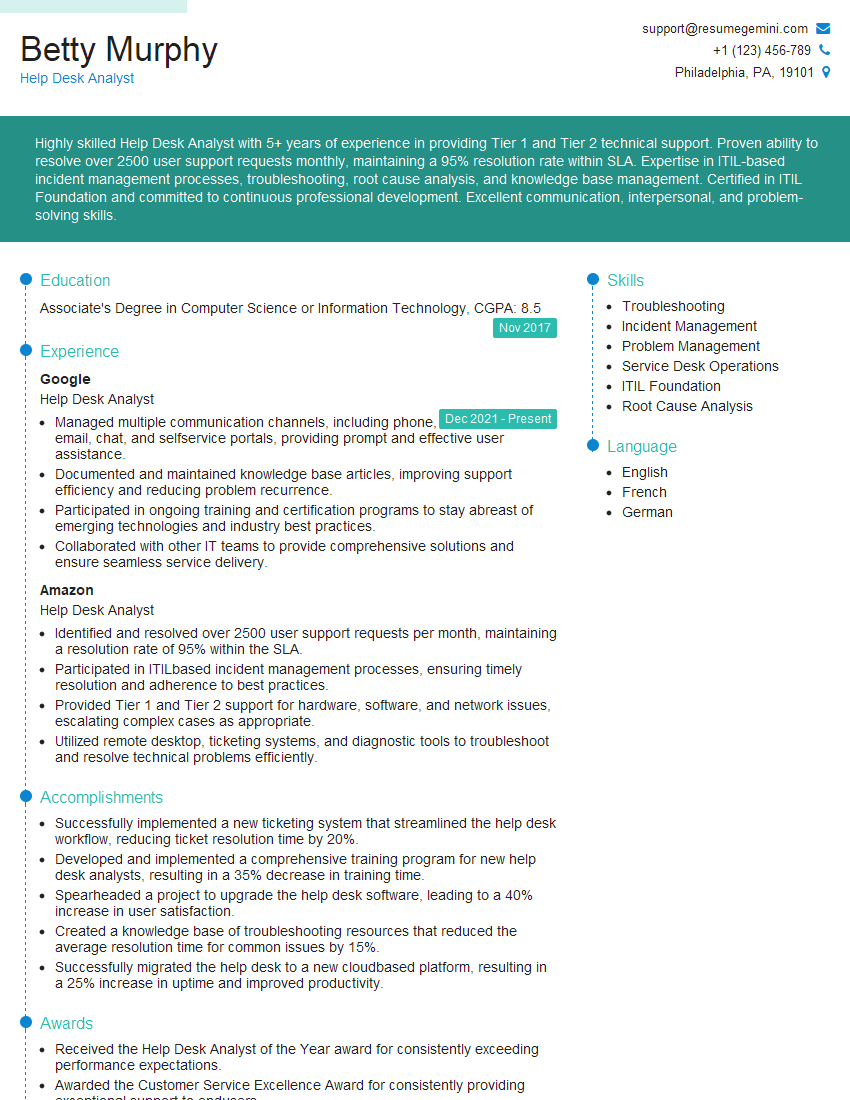
Help Desk Analyst Resume Sample

Call Center Agent Resume Sample
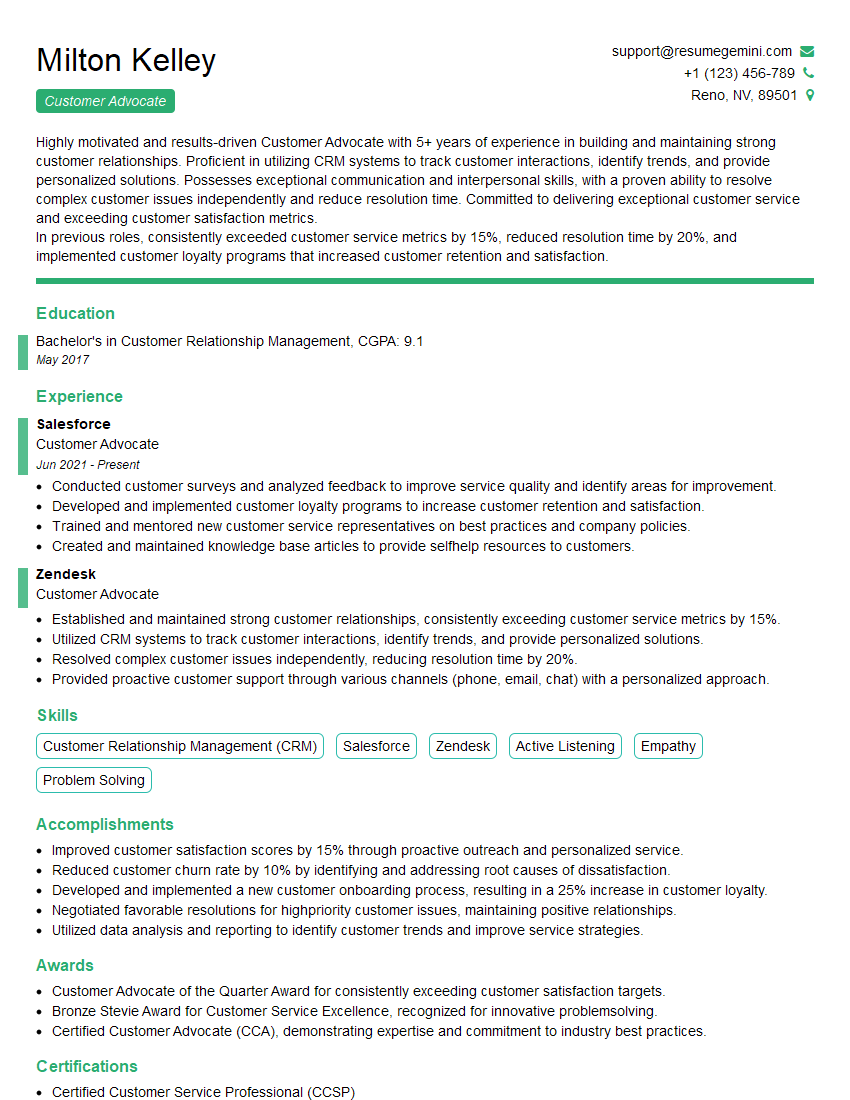
Customer Advocate Resume Sample
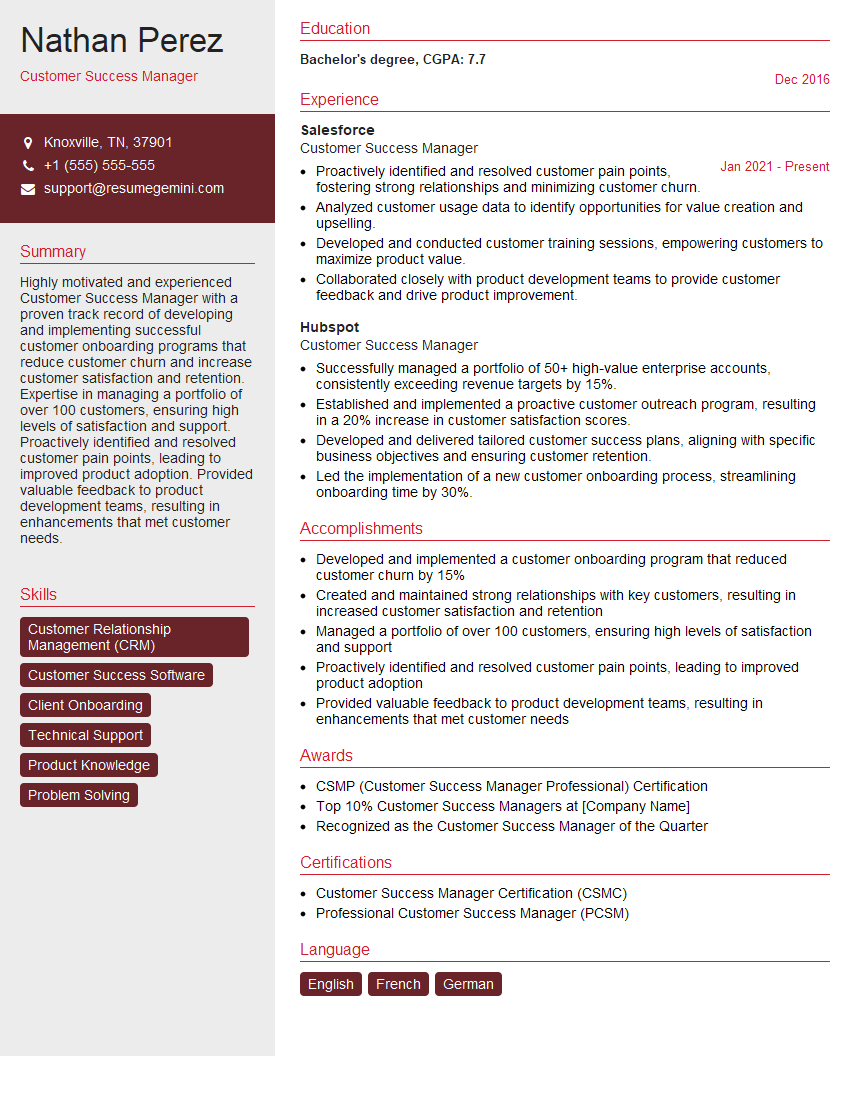
Customer Success Manager Resume Sample
- Supervisor
- Operations Manager
- Account Manager
- Business Development Manager
- Sales Representative
- Customer Service Manager
- Relationship Manager
- Customer Service Representative
- Project Manager
- Retention Specialist
- Technical Support Specialist
- Help Desk Analyst
- Call Center Agent
- Customer Advocate
- Customer Success Manager
Explore more articles
Users Rating of Our Blogs
Share Your Experience
We value your feedback! Please rate our content and share your thoughts (optional).
What Readers Say About Our Blog
I Redesigned Spongebob Squarepants and his main characters of my artwork.
https://www.deviantart.com/reimaginesponge/art/Redesigned-Spongebob-characters-1223583608
IT gave me an insight and words to use and be able to think of examples
Hi, I’m Jay, we have a few potential clients that are interested in your services, thought you might be a good fit. I’d love to talk about the details, when do you have time to talk?
Best,
Jay
Founder | CEO