Interviews are opportunities to demonstrate your expertise, and this guide is here to help you shine. Explore the essential Knowledge of Hotel Revenue Management interview questions that employers frequently ask, paired with strategies for crafting responses that set you apart from the competition.
Questions Asked in Knowledge of Hotel Revenue Management Interview
Q 1. Explain the concept of revenue management in the hotel industry.
Hotel revenue management is the science and art of optimizing hotel room pricing and inventory to maximize revenue and profitability. It’s about selling the right room to the right guest at the right price at the right time. Think of it like this: you wouldn’t sell a prime steak at the same price as a hamburger, right? Revenue management applies the same principle to hotel rooms, considering factors like demand, seasonality, lead time, and competitor pricing.
It involves strategically managing the availability of different room types and pricing them dynamically to match fluctuating demand. Instead of a static pricing strategy, revenue management uses data-driven insights to adjust prices in real-time, ensuring the hotel captures the maximum possible revenue from each room sold.
Q 2. What are the key performance indicators (KPIs) used in hotel revenue management?
Key Performance Indicators (KPIs) in hotel revenue management are crucial for measuring success and identifying areas for improvement. Some of the most important KPIs include:
- Revenue per Available Room (RevPAR): This is arguably the most important KPI, calculated as the average revenue generated per available room (RevPAR = Occupancy Rate x Average Daily Rate (ADR)). A higher RevPAR indicates better revenue generation.
- Average Daily Rate (ADR): The average revenue generated per occupied room. A higher ADR reflects a successful pricing strategy.
- Occupancy Rate: The percentage of available rooms occupied on a given day or period. While high occupancy is good, it’s crucial to balance occupancy with ADR to maximize RevPAR.
- Total Revenue: The overall revenue generated during a specific period, encompassing all revenue streams (rooms, F&B, etc.).
- Guest satisfaction scores (CSAT): Although not directly a revenue metric, high guest satisfaction can impact future bookings and loyalty.
- Cost per booking: Understanding the cost associated with acquiring a booking helps analyze the profitability of different marketing channels.
By monitoring these KPIs, revenue managers can track performance, identify trends, and make data-driven decisions to improve profitability.
Q 3. Describe the different revenue management strategies used in hotels (e.g., overbooking, dynamic pricing).
Hotels employ various revenue management strategies to optimize their revenue. Here are some key examples:
- Dynamic Pricing: This is the core of revenue management. Prices are adjusted based on real-time demand, competitor pricing, lead time, and other factors. For example, prices may be higher during peak season or for last-minute bookings and lower during off-season or when occupancy is low.
- Overbooking: This strategy involves selling more rooms than the hotel physically has available to account for cancellations and no-shows. It’s a calculated risk, with a proper strategy to handle potential overbookings.
- Yield Management: Yield management focuses on optimizing revenue by managing inventory and pricing across different segments. It’s similar to dynamic pricing but often involves more sophisticated algorithms and segmentation strategies.
- Package Deals: Offering bundled packages (e.g., room + breakfast, room + spa treatment) can incentivize bookings and increase revenue per guest.
- Segmentation: Identifying different customer segments (business travelers, leisure travelers, families) and offering tailored pricing and packages to each segment.
The choice of strategy depends on several factors, including the hotel’s size, location, target market, and competitive landscape.
Q 4. How do you use forecasting tools to predict future demand and optimize pricing?
Forecasting tools are essential for predicting future demand and optimizing pricing. These tools leverage historical data, market trends, seasonality, and external factors (like events or conferences) to generate demand predictions. Some common tools utilize statistical models like time series analysis, ARIMA models, or more sophisticated machine learning algorithms.
Once a demand forecast is generated, it informs pricing decisions. For instance, if the forecast predicts high demand for a specific date, the revenue manager can increase prices strategically. Conversely, lower demand forecasts can signal the opportunity to offer discounts or promotions to fill rooms. The tools often integrate with the property management system (PMS) for seamless data flow and real-time adjustments.
Example: A hotel might use a forecasting tool that predicts a 90% occupancy rate for a specific weekend due to a local festival. Based on this, the revenue manager might increase room rates by 15-20%, aiming to maximize revenue while considering competitor pricing and the elasticity of demand.
Q 5. Explain the concept of demand forecasting and its importance in revenue management.
Demand forecasting is the process of predicting the future demand for hotel rooms. It’s crucial because it provides the foundation for all other revenue management decisions. Accurate forecasting allows revenue managers to anticipate peak and low seasons, plan staffing levels, and adjust pricing strategies proactively.
Methods used in demand forecasting include historical data analysis (looking at past booking patterns), market research (analyzing local events and competitor activities), and external data sources (weather patterns, economic indicators). The more accurate the forecast, the better the hotel can optimize its inventory and pricing to maximize revenue and minimize losses.
Without accurate demand forecasting, hotels risk either overpricing during low demand periods or underpricing during high demand periods, leading to missed revenue opportunities. It’s like trying to navigate without a map—you might reach your destination eventually, but it’s much more efficient and effective with accurate information.
Q 6. How do you manage inventory to maximize revenue?
Inventory management is crucial for maximizing revenue. It involves strategically controlling the availability of hotel rooms to meet the anticipated demand while maximizing revenue. This goes beyond simply managing room occupancy.
Effective inventory management strategies include:
- Controlling Room Release: Setting the right time to release rooms for sale. Releasing too early can result in lower prices, while releasing too late can result in lost revenue.
- Differential Pricing: Using different pricing strategies for different room types and guest segments. Premium rooms are often priced higher than standard rooms, even if they are not always fully booked.
- Stay Restrictions: Imposing minimum stay requirements during peak periods to better control inventory and pricing.
- Overbooking Strategy: Strategically overbooking rooms based on historical cancellation and no-show rates, but with a clear plan for managing potential walk-ins.
By carefully managing inventory, hotels can balance occupancy rates and average daily rates to optimize revenue generation.
Q 7. What is the relationship between revenue management and distribution channels?
Revenue management and distribution channels are inextricably linked. Distribution channels (e.g., online travel agents (OTAs) like Expedia or Booking.com, global distribution systems (GDSs), the hotel’s website) are the avenues through which guests book rooms. The effectiveness of revenue management strategies heavily relies on how well these channels are managed.
Revenue managers need to consider the different commission structures, pricing policies, and customer segments associated with each channel. For example, OTAs often charge commissions, which need to be factored into pricing decisions. Furthermore, the mix of bookings from different channels can impact overall revenue and profitability.
Effective revenue management requires a holistic approach, considering both channel management and pricing strategies to maximize revenue across all distribution avenues. It’s crucial to balance the reach and cost of different channels to ensure optimal revenue generation.
Q 8. Explain the importance of segmentation in revenue management.
Segmentation in revenue management is crucial because it allows us to treat different customer groups differently, maximizing revenue potential. Instead of a one-size-fits-all approach, we identify distinct customer segments based on various factors like demographics (age, location), booking behavior (lead time, length of stay), and their price sensitivity. This enables us to tailor our pricing and offers to each segment, capturing the maximum possible revenue from each.
For example, business travelers are often less price-sensitive and willing to pay more for convenience and amenities, while leisure travelers might be more price-sensitive and respond better to discounts or package deals. By segmenting our market, we can offer higher rates to business travelers while using promotional strategies to attract leisure travelers who might otherwise choose a competitor.
- Demographic Segmentation: Targeting families with kids by offering family-friendly packages.
- Behavioral Segmentation: Offering last-minute discounts to fill empty rooms closer to the arrival date.
- Value-Based Segmentation: Providing higher-priced suites for customers who prioritize luxury.
Q 9. How do you handle unexpected events (e.g., cancellations, overbooking) that impact revenue?
Unexpected events like cancellations and overbookings are inevitable in hotel revenue management. A robust strategy is essential to mitigate their impact on revenue. For cancellations, I focus on proactive measures like implementing a strong reservation management system and carefully monitoring booking patterns. This helps identify potential cancellations early and allows us to implement strategies like upselling or re-marketing to fill vacant rooms. In case of overbookings, a well-defined overbooking policy is crucial. It involves working closely with the front desk team to manage guest expectations and finding alternative accommodations (at the hotel’s or a nearby partner hotel’s expense) if necessary. The focus is to minimize guest dissatisfaction and ensure smooth operations while minimizing financial losses.
For example, if we anticipate a high cancellation rate due to a major event being canceled, we would reduce our initial inventory allocation and aggressively promote last-minute deals to minimize losses.
Q 10. How do you analyze historical data to improve future revenue strategies?
Analyzing historical data is the backbone of effective revenue management. We use various analytical tools and techniques to understand past booking patterns, demand fluctuations, and the effectiveness of our pricing strategies. This involves reviewing data on occupancy rates, average daily rates (ADR), revenue per available room (RevPAR), and the length of stay. We identify seasonal trends, patterns related to specific events (e.g., conferences, festivals), and the impact of marketing campaigns. This analysis helps us to forecast future demand, optimize pricing strategies, and make informed decisions about inventory allocation.
For instance, if we find that demand is consistently higher during the summer months, we would adjust our pricing accordingly, increasing rates during peak periods and offering discounts during less busy times. We could also compare the success of different promotions to see which ones bring the highest return.
Q 11. Describe your experience with revenue management systems (RMS).
I have extensive experience with several revenue management systems (RMS), including [mention specific RMS systems, e.g., IDeaS, Duetto, Synxis]. My expertise encompasses not only using these systems for daily operations but also configuring them to align with our specific business objectives. This includes setting up optimal pricing strategies, forecasting demand, and managing inventory. I am proficient in using the reporting and analytical functionalities of RMS to track key performance indicators (KPIs) and make data-driven decisions. I am also familiar with integrating RMS with other hotel management systems (PMS) for seamless data flow.
For example, I’ve used an RMS to successfully implement dynamic pricing strategies, leading to a significant increase in RevPAR during a period of high demand.
Q 12. How familiar are you with different pricing strategies (e.g., hurdle pricing, value pricing)?
I am well-versed in various pricing strategies. Hurdle pricing involves setting different price points to capture various market segments. For example, we might offer a lower rate for a basic room and a higher rate for a suite. Value pricing focuses on the perceived value of the offering rather than solely on cost. This might involve highlighting unique features or amenities to justify a premium price. Other strategies include competitive pricing, cost-plus pricing, and yield management. The selection of the most appropriate strategy depends on several factors including market conditions, competitor actions, and the hotel’s unique selling propositions.
In a highly competitive market, understanding the various pricing strategies allows for the effective differentiation of products and services, even with similar amenities.
Q 13. How do you identify and capitalize on revenue opportunities?
Identifying and capitalizing on revenue opportunities requires a proactive approach that combines data analysis with market insights. We use historical data analysis to identify trends and patterns, and we monitor competitor pricing and promotions. We also actively look for opportunities to upsell and cross-sell products and services, such as spa treatments, dining experiences, or room upgrades. We leverage various marketing channels (online travel agencies, social media) to promote our offerings to target segments and run targeted advertising campaigns based on data analysis.
For example, if we notice a surge in bookings for a specific event, we could implement a strategy to increase our rates for rooms with a view and offer enhanced packages that include event tickets.
Q 14. Explain your understanding of total revenue management.
Total Revenue Management (TRM) is an integrated approach that goes beyond traditional revenue management by considering all revenue streams within a hotel. It’s not just about maximizing room revenue but also optimizing revenue from other sources like food and beverage, spa services, meeting rooms, and other ancillary services. TRM emphasizes collaboration between different departments within the hotel (e.g., rooms, food and beverage, sales) to coordinate pricing and inventory management across all revenue-generating areas. The ultimate goal is to maximize overall hotel profitability by leveraging synergies between different departments.
For instance, a TRM strategy might involve offering package deals that combine a room stay with a dinner at the hotel restaurant, increasing both room occupancy and restaurant revenue. This synergistic approach is key to maximizing overall profitability.
Q 15. How do you integrate revenue management strategies with marketing and sales efforts?
Revenue management isn’t an isolated function; it thrives on seamless integration with marketing and sales. Think of it as a three-legged stool – marketing attracts the guests, sales converts interest into bookings, and revenue management optimizes the profitability of those bookings. Effective integration involves a constant flow of information and aligned strategies.
Data Sharing: Marketing provides insights into guest demographics, preferences, and booking patterns (e.g., through website analytics and social media engagement). Sales informs on current demand, pricing sensitivity, and competitor activity. Revenue management uses this data to inform pricing strategies and inventory allocation.
Joint Goal Setting: Revenue management goals (e.g., maximizing RevPAR) should be aligned with marketing and sales targets (e.g., increasing website traffic, boosting direct bookings). This shared vision ensures everyone works towards common objectives.
Strategic Pricing Collaboration: Marketing campaigns can be tailored to specific segments identified by revenue management. For instance, a targeted email campaign offering a discounted rate during low-demand periods could be implemented. Sales can then leverage this information when negotiating deals with corporate clients or travel agents.
Forecasting and Planning: Revenue management forecasts are critical for marketing and sales planning. Knowing predicted occupancy levels allows for the strategic placement of marketing campaigns and enables sales teams to adjust their sales pitches and targets accordingly.
For example, if revenue management identifies a predicted dip in occupancy during a particular week, marketing could launch a promotion focused on that period, and the sales team could proactively reach out to potential clients with special offers.
Career Expert Tips:
- Ace those interviews! Prepare effectively by reviewing the Top 50 Most Common Interview Questions on ResumeGemini.
- Navigate your job search with confidence! Explore a wide range of Career Tips on ResumeGemini. Learn about common challenges and recommendations to overcome them.
- Craft the perfect resume! Master the Art of Resume Writing with ResumeGemini’s guide. Showcase your unique qualifications and achievements effectively.
- Don’t miss out on holiday savings! Build your dream resume with ResumeGemini’s ATS optimized templates.
Q 16. What are the challenges you’ve faced in revenue management, and how did you overcome them?
One of the biggest challenges I’ve faced is accurately predicting demand fluctuations, especially in the face of unforeseen circumstances like natural disasters or global events. In one instance, a major political event caused a significant drop in bookings. To overcome this, I implemented a more robust forecasting model that incorporates external data sources, such as news feeds and social media sentiment analysis. This provided more accurate insights into potential disruptions and allowed for timely adjustments to pricing and inventory strategies.
Another challenge is managing the delicate balance between maximizing revenue and maintaining a positive guest experience. For instance, aggressively raising prices during peak demand might alienate guests. The solution involves strategically balancing pricing with other factors, such as upselling opportunities and enhancing the guest experience to justify a premium price. We implemented a customer relationship management (CRM) system that enabled us to personalize guest interactions, track their preferences, and build loyalty, which compensated somewhat for the occasional higher pricing.
Q 17. How do you track and analyze the performance of your revenue management strategies?
Tracking and analyzing revenue management performance requires a multi-faceted approach. Key performance indicators (KPIs) are central to this process. These metrics are regularly monitored and analyzed to assess the effectiveness of our strategies.
RevPAR (Revenue Per Available Room): This is a crucial metric that measures the revenue generated per available room. A steady increase shows the effectiveness of the implemented strategy.
Occupancy Rate: This measures the percentage of occupied rooms and indicates demand levels.
ADR (Average Daily Rate): This reflects the average price paid per occupied room and indicates pricing efficacy.
GOPPAR (Gross Operating Profit Per Available Room): This is a more holistic metric than RevPAR, including operating costs to give a clearer picture of profitability.
We use a combination of revenue management software and business intelligence tools to collect, process, and visualize this data. Regular reports and dashboards provide a clear overview of our performance, allowing for prompt identification of areas for improvement and informed decision-making. For example, if we notice a sudden drop in ADR without a corresponding decrease in occupancy, we might investigate if there are issues with our pricing strategies or a need for targeted promotions.
Q 18. How do you stay updated on industry trends and best practices in revenue management?
Staying updated on industry trends is paramount in revenue management. This is done through a variety of channels:
Industry Publications and Journals: Regularly reviewing publications like Hospitality Net and Hotel News Now provides valuable insights into emerging trends and best practices.
Conferences and Workshops: Attending industry events such as the HSMAI (Hospitality Sales and Marketing Association International) conferences allows for networking and learning from experts.
Online Resources and Webinars: Participating in online courses and webinars offered by reputable organizations keeps me abreast of the latest technologies and methodologies.
Professional Networks: Engaging in online forums and professional networking groups provides opportunities to share knowledge and learn from other professionals’ experiences.
Competitive Analysis: Regularly monitoring competitor pricing and strategies helps to understand the market dynamics and adapt accordingly.
By actively participating in these activities, I can ensure that our revenue management strategies remain at the forefront of innovation and best practices.
Q 19. What is your experience with different booking channels (e.g., OTAs, GDS)?
I have extensive experience working with various booking channels. Each has its unique characteristics and requires a tailored approach.
OTAs (Online Travel Agencies): These are crucial for reaching a wide audience, but they often come with commission fees. The strategy involves negotiating favorable commission rates and optimizing listings to enhance visibility. We analyze the performance of each OTA partnership, adjusting our allocation strategies based on conversion rates and cost per acquisition.
GDS (Global Distribution Systems): These systems are particularly vital for corporate travel and group bookings. Effective GDS management requires maintaining accurate inventory and pricing information, ensuring seamless connectivity, and building strong relationships with travel agents.
Direct Bookings: Optimizing our website and implementing effective direct booking strategies are paramount. This involves enhancing website usability, offering attractive packages, and leveraging email marketing to convert website visitors into paying guests. We track the conversion rates and customer acquisition costs associated with various direct booking channels.
A balanced approach across all channels is essential. We constantly monitor the performance of each channel and adjust our strategies to maximize revenue and profitability, while minimizing costs and optimizing distribution.
Q 20. How do you manage pricing across different room types and segments?
Managing pricing across different room types and segments requires a sophisticated approach, considering various factors such as demand, seasonality, competitor pricing, and customer segmentation.
Segmentation: We identify different customer segments (e.g., leisure travelers, business travelers, families) and tailor our pricing strategies to their respective price sensitivities.
Room Type Differentiation: We consider the features and amenities of each room type (e.g., size, view, location) to justify price differences.
Dynamic Pricing: We utilize dynamic pricing algorithms that adjust prices in real-time based on current demand and other factors. This ensures that we capture maximum revenue during peak demand periods while offering attractive rates during low-demand periods.
Minimum Stay Requirements: We sometimes implement minimum stay requirements during peak seasons to optimize occupancy and pricing strategies.
Promotional Offers: We strategically use promotional offers and packages to attract specific segments or fill unsold inventory.
It’s a balance between maximizing revenue and optimizing occupancy. We continuously monitor market dynamics and adjust our pricing accordingly, leveraging a blend of automated systems and manual adjustments to maintain a competitive edge.
Q 21. Describe your experience with yield management software.
My experience with yield management software has been transformative. I’ve worked with several systems, each offering a unique set of features and functionalities. These tools are indispensable for managing inventory, forecasting demand, and optimizing pricing.
Data Integration: The software seamlessly integrates with various data sources, including our property management system (PMS), central reservation system (CRS), and online travel agencies (OTAs).
Forecasting and Simulation: It provides sophisticated forecasting capabilities, allowing us to simulate different pricing and inventory scenarios to determine optimal strategies.
Pricing Optimization: The software provides automated pricing recommendations, allowing us to dynamically adjust prices based on demand and other factors. This includes features that handle complex rate restrictions and pricing rules.
Reporting and Analytics: It provides comprehensive reporting and analytics dashboards that allow us to track key performance indicators (KPIs) and identify areas for improvement.
For instance, one system I used effectively predicted an upcoming surge in demand due to a local festival, allowing us to proactively adjust pricing and maximize revenue. The software also alerted us to potential overbooking situations, preventing costly issues. Without yield management software, reacting to market fluctuations and optimizing revenue effectively would be significantly more challenging and less precise.
Q 22. Explain the importance of competitor analysis in revenue management.
Competitor analysis is crucial in revenue management because it provides a benchmark against which to measure your own performance and adapt your strategies accordingly. Understanding your competitors’ pricing, promotions, and occupancy levels allows you to make informed decisions about your own pricing and inventory management. Without this information, you risk pricing yourself out of the market or leaving money on the table.
- Pricing Strategies: By analyzing your competitors’ pricing, you can identify opportunities to offer more competitive rates or differentiate your hotel through unique value propositions (e.g., superior amenities, exclusive packages).
- Promotional Activities: Monitoring competitor promotions helps you anticipate market trends and respond strategically. For instance, if a competitor launches a significant discount campaign, you might need to adjust your pricing or create a counter-offer.
- Occupancy Levels: Tracking competitor occupancy rates provides insights into overall market demand. High occupancy across the board suggests a strong market, while low occupancy may signal a need for more aggressive pricing or marketing efforts.
For example, if a competitor consistently outperforms you in occupancy during peak season despite similar room types, analyzing their marketing strategies and amenities could reveal areas for improvement in your own offerings.
Q 23. How do you measure the success of your revenue management initiatives?
Measuring the success of revenue management initiatives requires a multi-faceted approach that goes beyond simply looking at revenue generated. Key performance indicators (KPIs) should include:
- Revenue per Available Room (RevPAR): This is a fundamental metric calculated by multiplying average daily rate (ADR) by occupancy rate. It indicates the revenue generated per available room.
- Average Daily Rate (ADR): The average revenue generated per occupied room. A higher ADR suggests effective pricing strategies.
- Occupancy Rate: The percentage of available rooms occupied. While high occupancy is desirable, it must be balanced with ADR to maximize RevPAR.
- Total Revenue: The overall revenue generated, reflecting the effectiveness of pricing and sales strategies.
- Cost per Acquisition (CPA): This tracks the cost of acquiring a booking through marketing channels. It helps to assess the ROI of marketing initiatives.
By tracking these KPIs over time and comparing them to benchmarks (e.g., industry averages, past performance), we can assess the effectiveness of implemented revenue management strategies. For instance, a consistent increase in RevPAR over several months indicates a successful revenue management approach.
Q 24. How do you balance occupancy rates with maximizing revenue?
Balancing occupancy rates with maximizing revenue requires a delicate strategy that considers seasonality, market demand, and your hotel’s specific characteristics. The goal is not always to achieve 100% occupancy. Sometimes, strategically leaving some rooms vacant can lead to higher revenue.
- Demand Forecasting: Accurate forecasting of demand allows for dynamic pricing. During periods of high demand, you can increase rates, even if it means slightly lower occupancy. During low demand, a focus on occupancy may necessitate lower rates to attract more guests.
- Segmentation: Differentiating between various customer segments (e.g., business travelers, leisure travelers) and applying tailored pricing strategies maximizes profitability. Business travelers might be willing to pay more for convenience, while leisure travelers might be more price-sensitive.
- Revenue Management Software: Utilizing revenue management software allows for automated pricing adjustments based on real-time demand, ensuring optimal balance between occupancy and revenue.
Imagine a scenario during a major conference. While you could fill all your rooms at a lower rate, increasing the rate slightly and strategically leaving a small number of rooms vacant can often yield higher overall revenue. The demand is high enough to justify the higher price point for many of your guests.
Q 25. How do you use data analytics to inform revenue management decisions?
Data analytics is the backbone of effective revenue management. We leverage various data sources and analytical tools to make data-driven decisions.
- Historical Data: Past booking patterns, occupancy rates, ADRs, and demand fluctuations provide valuable insights into seasonal trends and market behavior.
- Real-time Data: Live booking data, competitor pricing, and online travel agent (OTA) performance provide a dynamic view of current market conditions.
- Market Intelligence: External data sources like tourism statistics, economic indicators, and event calendars help predict future demand.
- Predictive Analytics: Machine learning algorithms can forecast future demand, optimize pricing strategies, and personalize offers to individual customers.
Example: Using historical data, we can identify that our occupancy rate is consistently lower on Tuesdays during the off-season. By analyzing this data alongside competitor pricing, we could implement a targeted promotion specifically for Tuesdays to attract more guests.
Q 26. Describe your experience with revenue management in different seasons and market conditions.
My experience spans various seasons and market conditions. In peak seasons (e.g., summer holidays, major conferences), the focus shifts to maximizing revenue by strategically managing inventory and adjusting pricing based on real-time demand. We might use techniques like overbooking (with careful consideration of no-shows) to maximize occupancy and revenue.
During off-seasons or periods of low demand, the strategy adapts to focus on boosting occupancy rates. This might involve implementing attractive promotions, partnering with local businesses to offer packages, and targeting specific market segments with tailored offers. For example, a spa package could attract a different demographic during slower periods.
In volatile market conditions (e.g., economic downturns, global events), adaptability is paramount. We continuously monitor market trends, adjust our pricing and promotions accordingly, and actively engage in competitor analysis to maintain a competitive edge. Flexible cancellation policies can also be instrumental in attracting customers during uncertain times.
Q 27. How do you communicate revenue management strategies to other hotel departments?
Effective communication is crucial for the success of any revenue management strategy. I ensure all hotel departments understand the reasoning behind pricing decisions and how they can contribute to the overall revenue goals.
- Regular Meetings: Holding regular meetings with key departments (e.g., front desk, sales, marketing) keeps them informed of current strategies, upcoming promotions, and any adjustments to pricing.
- Training and Education: Providing training on revenue management principles empowers staff to understand and support these strategies. They can better answer guest questions and offer relevant packages.
- Transparent Communication: Openly sharing revenue performance data and explaining the rationale behind pricing decisions fosters trust and buy-in from all departments.
- Incentive Programs: Implementing incentive programs that reward staff for achieving revenue targets can increase engagement and encourage collaboration.
For instance, if we implement a price increase for weekends, I would clearly explain the rationale to the front desk staff, highlighting that this is based on higher weekend demand and will ultimately contribute to increased profitability for the hotel, benefiting everyone in the long run.
Key Topics to Learn for Your Hotel Revenue Management Interview
Ace your interview by mastering these key areas of Hotel Revenue Management. Remember, understanding the “why” behind the concepts is just as important as knowing the “how”.
- Demand Forecasting & Analysis: Understand various forecasting methods (e.g., time series, causal) and their application in predicting future occupancy and revenue. Practice analyzing historical data to identify trends and seasonality.
- Pricing Strategies & Optimization: Learn about different pricing strategies (e.g., yield management, competitive pricing, value-based pricing) and how to apply them to maximize revenue in various market conditions. Consider scenarios involving dynamic pricing adjustments based on real-time demand.
- Revenue Management Systems (RMS): Familiarize yourself with the functionality and capabilities of different RMS platforms. Understand how these systems integrate data, automate processes, and support revenue optimization decisions. Be prepared to discuss the pros and cons of different systems.
- Channel Management & Distribution: Understand the role of different distribution channels (e.g., OTAs, GDS, direct bookings) and how to manage them effectively to maximize revenue and minimize costs. Explore strategies for optimizing channel mix and managing online reputation.
- Market Segmentation & Targeting: Learn how to identify and target different customer segments (e.g., business travelers, leisure travelers) with tailored pricing and marketing strategies. Consider the implications of various customer preferences on revenue generation.
- Competitive Analysis & Benchmarking: Understand how to analyze competitor pricing strategies and performance metrics. Learn how to use benchmarking data to inform your own revenue management decisions and identify areas for improvement.
- Reporting & Performance Measurement: Be prepared to discuss key performance indicators (KPIs) used in revenue management, such as RevPAR, Occupancy Rate, ADR, and GOPPAR. Understand how to interpret these metrics and use them to track progress and identify areas for improvement.
Next Steps: Unlock Your Career Potential
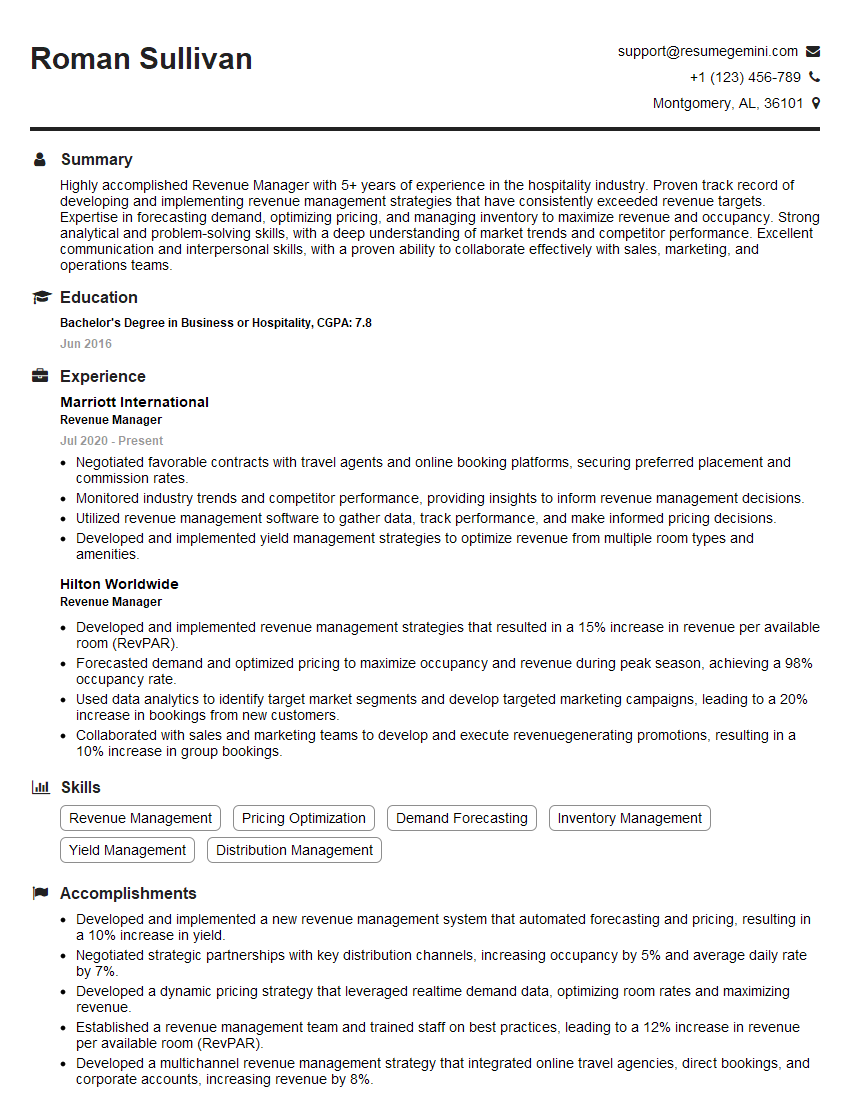
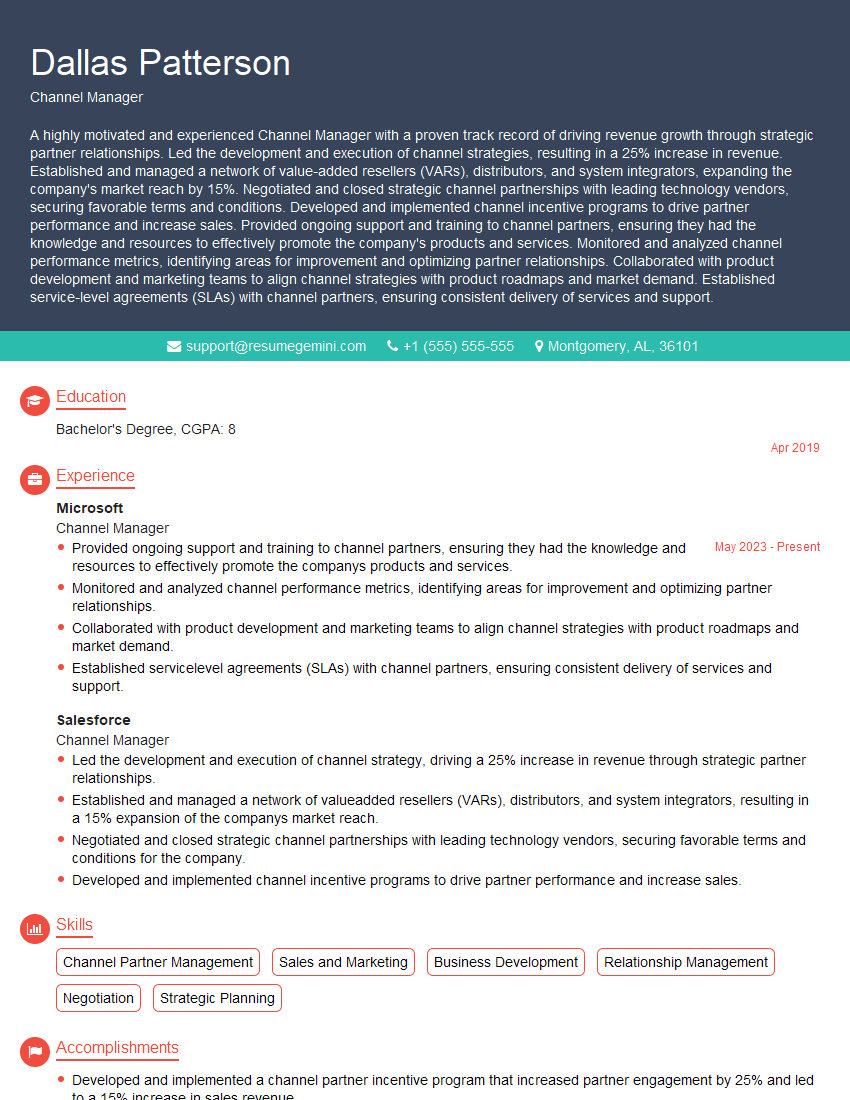
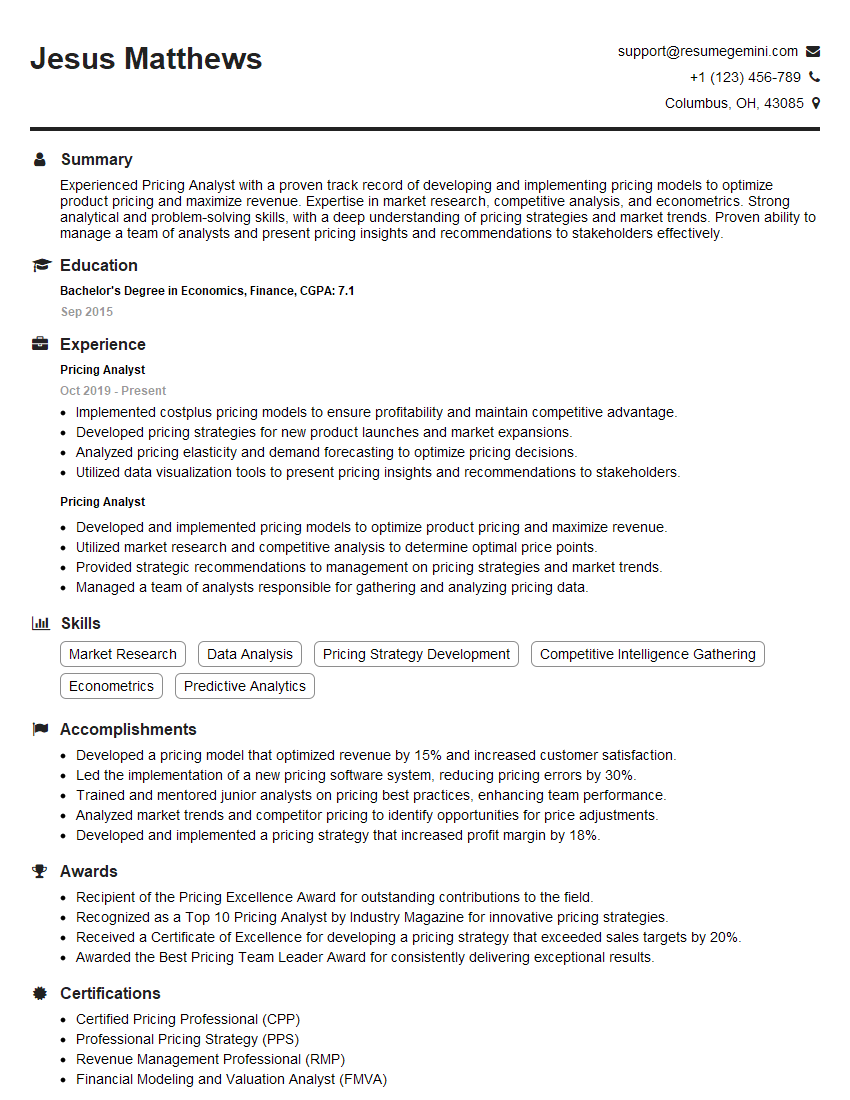
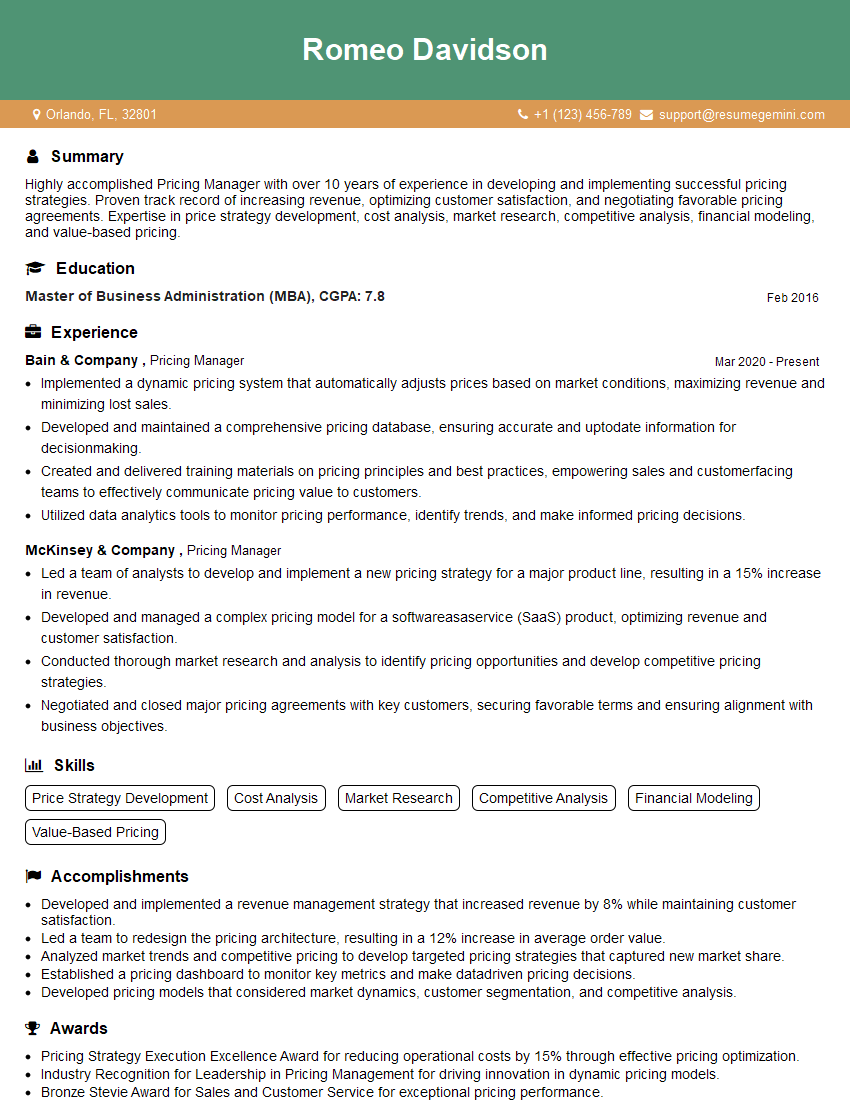
Mastering Hotel Revenue Management is crucial for career advancement in the hospitality industry, opening doors to exciting opportunities and higher earning potential. To significantly boost your job prospects, create an ATS-friendly resume that highlights your skills and experience effectively. ResumeGemini is a trusted resource that can help you build a compelling and impactful resume. We offer examples of resumes tailored specifically to showcasing expertise in Hotel Revenue Management, ensuring yours stands out from the competition. Take the next step towards your dream career today!
Explore more articles
Users Rating of Our Blogs
Share Your Experience
We value your feedback! Please rate our content and share your thoughts (optional).
What Readers Say About Our Blog
I Redesigned Spongebob Squarepants and his main characters of my artwork.
https://www.deviantart.com/reimaginesponge/art/Redesigned-Spongebob-characters-1223583608
IT gave me an insight and words to use and be able to think of examples
Hi, I’m Jay, we have a few potential clients that are interested in your services, thought you might be a good fit. I’d love to talk about the details, when do you have time to talk?
Best,
Jay
Founder | CEO