Every successful interview starts with knowing what to expect. In this blog, we’ll take you through the top Knowledge of Hotel Marketing and Sales interview questions, breaking them down with expert tips to help you deliver impactful answers. Step into your next interview fully prepared and ready to succeed.
Questions Asked in Knowledge of Hotel Marketing and Sales Interview
Q 1. Explain your understanding of Revenue Management in the hotel industry.
Revenue management in the hotel industry is the science and art of optimizing pricing and inventory to maximize revenue and profitability. Think of it like this: you have a limited number of rooms (inventory) and fluctuating demand throughout the year. Revenue management uses data and forecasting to predict demand, price rooms strategically, and manage inventory to sell the right room to the right guest at the right price.
It involves several key components:
- Demand Forecasting: Predicting future demand based on historical data, market trends, events, and seasonality.
- Pricing Strategies: Implementing dynamic pricing, adjusting rates based on real-time demand and competitor pricing.
- Inventory Control: Managing room availability across different rate classes and channels to ensure optimal occupancy and revenue.
- Overbooking Strategies: Strategically overbooking rooms to account for no-shows and cancellations, while minimizing the risk of walk-ups.
- Channel Management: Ensuring consistent pricing and availability across all distribution channels (OTAs, GDS, direct bookings).
For example, during a major city event, a hotel might increase its rates significantly because of the high demand. Conversely, during the off-season, they might lower their rates to attract more guests. Effective revenue management balances occupancy rates with maximizing profit per available room (RevPAR).
Q 2. Describe your experience with various hotel distribution channels (e.g., OTAs, GDS).
I have extensive experience working with various hotel distribution channels, including Online Travel Agencies (OTAs) like Expedia, Booking.com, and Kayak, and Global Distribution Systems (GDS) such as Amadeus and Sabre. I understand the nuances of each channel, including their strengths, weaknesses, commission structures, and the impact on overall sales.
My experience includes:
- Negotiating contracts with OTAs to secure favorable commission rates and optimal placement within their platforms.
- Managing channel inventory to ensure parity and avoid overbooking or double-booking across channels.
- Monitoring performance on each channel, tracking key metrics like bookings, revenue, and conversion rates to identify top-performing channels and areas for improvement.
- Implementing strategies to increase direct bookings through the hotel website and loyalty programs, reducing reliance on OTAs.
- Utilizing GDS to reach corporate clients and travel agents, particularly for group bookings and large-scale events.
For instance, I’ve successfully negotiated lower commission rates with OTAs by demonstrating the hotel’s consistent high occupancy and strong conversion rates, leading to increased profitability. I’ve also implemented strategies, such as targeted email marketing campaigns and special offers, to drive more direct bookings.
Q 3. How do you measure the success of a hotel marketing campaign?
Measuring the success of a hotel marketing campaign requires a multifaceted approach, focusing on both qualitative and quantitative data. We can’t just look at bookings; we need to understand the entire customer journey.
Key metrics I use include:
- Return on Investment (ROI): The overall profitability of the campaign, calculated by comparing the cost of the campaign to the revenue generated.
- Website Traffic and Engagement: Monitoring website visits, bounce rates, time spent on site, and conversion rates to assess campaign effectiveness in driving traffic and generating leads.
- Social Media Engagement: Tracking likes, shares, comments, and follower growth to measure brand awareness and reach.
- Booking Conversion Rates: The percentage of website visitors or leads who ultimately make a reservation.
- Brand Awareness and Sentiment: Measuring brand awareness through surveys and social listening, and analyzing customer sentiment to identify areas for improvement.
- Customer Acquisition Cost (CAC): The cost of acquiring a new customer through the marketing campaign.
For example, if a social media campaign increases brand awareness and drives significant website traffic that ultimately results in a high ROI, it would be considered highly successful. Conversely, a campaign with high website traffic but low conversion rates may indicate a need for improvements in the website design or marketing messaging.
Q 4. What are the key performance indicators (KPIs) you track in hotel sales?
In hotel sales, I track several key performance indicators (KPIs) to monitor performance and identify areas for improvement. These KPIs provide insights into revenue generation, sales efficiency, and customer satisfaction.
Here are some of the key KPIs I track:
- Revenue per Available Room (RevPAR): A crucial indicator of revenue generation, calculated as the average revenue generated per available room.
- Average Daily Rate (ADR): The average rate paid for rooms sold.
- Occupancy Rate: The percentage of occupied rooms to the total available rooms.
- Guest Satisfaction Scores (e.g., from surveys): A measure of customer happiness and experience.
- Sales Conversion Rate: The percentage of leads or inquiries that convert into actual bookings.
- Number of Group Bookings: Tracks success in attracting large groups.
- Length of Stay (LOS): The average number of nights guests stay at the hotel.
By regularly monitoring these KPIs, I can identify trends, assess the effectiveness of sales strategies, and make data-driven decisions to improve performance. For example, a low occupancy rate might indicate a need for better marketing or pricing strategies.
Q 5. Describe your experience with yield management strategies.
Yield management strategies are crucial for maximizing revenue by carefully managing inventory and pricing based on demand. It’s about making sure the right rooms are available at the right price to the right customer at the right time.
My experience with yield management includes:
- Forecasting demand: Analyzing historical data, seasonal trends, and future events to predict occupancy levels.
- Segmenting customers: Identifying different customer segments (e.g., leisure travelers, business travelers) and tailoring pricing and inventory strategies accordingly.
- Dynamic pricing: Adjusting room rates in real-time based on demand fluctuations and competitor pricing.
- Managing room types and packages: Offering various room types and packages to cater to different customer needs and maximize revenue.
For example, I’ve implemented strategies to increase ADR during peak season by offering attractive packages that bundle room rates with additional services like spa treatments or dining credits. During low seasons, I’ve reduced rates to increase occupancy while still maintaining a healthy profit margin.
Q 6. How do you utilize data analytics to improve hotel sales and marketing efforts?
Data analytics plays a pivotal role in improving hotel sales and marketing efforts. By leveraging data, we gain valuable insights into customer behavior, preferences, and market trends, enabling data-driven decision-making.
My approach involves:
- Collecting data from various sources: Gathering data from property management systems (PMS), CRM systems, OTAs, website analytics, and social media.
- Analyzing data to identify trends and patterns: Using data visualization tools to understand customer segments, booking patterns, pricing sensitivities, and marketing campaign effectiveness.
- Developing data-driven strategies: Using insights to optimize pricing, personalize marketing campaigns, and improve customer service.
- A/B testing marketing campaigns: Experimenting with different marketing messages, channels, and offers to determine what resonates most with customers.
- Predictive modeling: Using historical data to forecast future demand, optimize inventory, and manage pricing.
For instance, by analyzing website analytics, I identified that a significant portion of our website traffic was coming from mobile devices. This insight led to optimizing the website for mobile viewing, resulting in a considerable increase in bookings.
Q 7. What is your experience with CRM systems in a hotel setting?
I have significant experience using CRM systems in hotel settings, specifically to manage customer relationships, personalize communications, and improve customer loyalty. A CRM system is like a central hub for all customer interactions, providing a holistic view of each guest.
My experience includes:
- Implementing and managing CRM systems: Setting up and customizing CRM systems to meet the specific needs of the hotel, including data integration with other systems.
- Collecting and managing customer data: Ensuring data accuracy, completeness, and compliance with privacy regulations.
- Personalizing customer communications: Using CRM data to segment customers and tailor marketing messages, offers, and loyalty programs.
- Tracking customer interactions: Monitoring interactions across multiple channels (e.g., email, phone, social media) to understand customer preferences and improve service.
- Analyzing CRM data to improve sales and marketing: Using data to identify high-value customers, personalize offers, and improve customer lifetime value.
For example, I used a CRM system to segment guests into different categories (e.g., frequent travelers, business travelers, leisure travelers). This enabled me to send targeted email campaigns with tailored offers and promotions, resulting in a significant increase in bookings and revenue from these segments.
Q 8. Explain your understanding of hotel segmentation and targeting.
Hotel segmentation and targeting are crucial for effective marketing. Segmentation involves dividing the broad market into smaller, more homogeneous groups based on shared characteristics. These characteristics can be demographic (age, income, family status), geographic (location, proximity to the hotel), psychographic (lifestyle, interests, values), and behavioral (past booking behavior, loyalty status, spending habits). Once we’ve segmented the market, targeting involves selecting one or more segments to focus marketing efforts on. This allows for tailored messaging and offers that resonate specifically with those groups.
For example, a luxury hotel might segment its market by focusing on high-income business travelers and affluent leisure travelers. Their targeting strategy would then involve crafting marketing campaigns highlighting exclusive amenities, personalized services, and sophisticated experiences to appeal to these specific segments. Conversely, a budget-friendly hotel might target students, young professionals, and families looking for affordable accommodations, using different marketing channels and messaging that emphasizes value and affordability.
Q 9. How do you handle customer complaints or negative reviews online?
Handling negative reviews and customer complaints requires a swift, empathetic, and professional approach. My strategy involves a three-step process: Acknowledge, Address, and Appreciate.
- Acknowledge: I respond promptly and publicly to every complaint, thanking the guest for their feedback and acknowledging their concerns. This shows that we value their experience and are taking their feedback seriously.
- Address: I thoroughly investigate the complaint, apologizing sincerely for any shortcomings or negative experiences. I offer a concrete solution to rectify the situation, whether it’s a refund, upgrade on a future stay, or a complimentary service. The focus is on resolving the issue and restoring trust.
- Appreciate: I express gratitude for the guest’s time and feedback, emphasizing that their input helps improve our services. A genuine thank you can go a long way in turning a negative experience into a positive one, and prevents further escalation.
For online reviews, I always respond publicly to ensure transparency and demonstrate our commitment to customer satisfaction. Addressing negative feedback professionally can turn a potentially damaging review into an opportunity to show how we handle criticism and prioritize guest experience.
Q 10. Describe a time you had to manage a crisis impacting hotel sales or reputation.
During a period of significant local flooding, a hotel I worked with experienced significant damage and had to shut down operations temporarily. This directly impacted our sales and reputation. My immediate response involved several steps:
- Crisis Communication Plan Activation: We immediately activated our pre-existing crisis communication plan, notifying all stakeholders – guests, employees, and our management company – of the situation and our planned response. Transparency was key.
- Guest Relocation and Support: We collaborated with nearby hotels to relocate guests and covered their costs. This minimized disruption and ensured guest satisfaction, safeguarding our reputation.
- Damage Assessment and Repair: We conducted a thorough damage assessment, coordinating with insurance providers and contractors for speedy repairs. This was crucial for our hotel’s operational recovery.
- Proactive Marketing and Public Relations: Once operational again, we implemented a targeted marketing campaign emphasizing the hotel’s safety and renovation, showcasing our commitment to safety and quality. We also addressed any negative media coverage professionally and transparently.
This experience underscored the importance of robust crisis management planning and proactive communication in mitigating reputational damage and ensuring business continuity.
Q 11. What are your strategies for increasing hotel occupancy during off-peak seasons?
Boosting occupancy during off-peak seasons requires a multi-pronged approach focused on attracting price-sensitive travelers and offering enticing value propositions:
- Targeted Promotions and Packages: We offer attractive packages combining accommodation with other services, like spa treatments, dining discounts, or local excursions. These packages provide added value and incentivize bookings.
- Dynamic Pricing Strategies: Implementing revenue management systems (RMS) allows for adjusting prices in real-time, based on demand and competitor pricing. This maximizes revenue even during periods of low occupancy.
- Strategic Partnerships: Collaborating with local businesses (restaurants, tour operators) to create joint promotions attracts a wider audience and provides unique experiences for guests.
- Targeted Marketing Campaigns: We focus marketing efforts on segments who are more likely to travel during off-peak seasons, such as families, retirees, or budget travelers, using tailored messaging and channels.
- Enhance the Guest Experience: Focusing on exceptional service, comfortable amenities, and unique selling points helps attract guests even during slower periods, turning a lower-priced stay into a memorable experience.
By combining these strategies, we attract more guests during off-peak times while maximizing profitability.
Q 12. How familiar are you with various hotel software systems (e.g., PMS, RMS)?
I’m proficient in several hotel software systems. My experience includes extensive use of Property Management Systems (PMS) like Opera and Guesty, and Revenue Management Systems (RMS) like IDeaS and Duetto. I’m also familiar with Central Reservation Systems (CRS) and Customer Relationship Management (CRM) systems. I understand how these systems integrate to optimize operations and provide data-driven insights for marketing and sales decisions. I’m comfortable using these tools to analyze occupancy rates, revenue trends, guest preferences, and other key metrics.
For instance, I have used Opera PMS to manage reservations, track guest profiles, and generate reports on occupancy and revenue. Similarly, I have used IDeaS RMS to optimize pricing strategies and maximize revenue by analyzing demand forecasting and competitor pricing.
Q 13. Explain your experience with developing and executing a hotel marketing plan.
Developing and executing a hotel marketing plan involves a structured approach. It starts with a thorough market analysis, identifying target segments and competitive landscape. Then, I define specific, measurable, achievable, relevant, and time-bound (SMART) goals, outlining key performance indicators (KPIs) like occupancy rate, average daily rate (ADR), and revenue per available room (RevPAR). Next, I develop a comprehensive marketing strategy incorporating various channels (digital marketing, social media, public relations, email marketing, partnerships), tailoring the message and approach to each target segment.
I have developed and implemented plans for hotels, incorporating strategies such as search engine optimization (SEO), pay-per-click (PPC) advertising, social media marketing, content marketing (blog posts, articles), email campaigns, and local partnerships. Throughout execution, I continuously monitor KPIs, analyzing performance data, adjusting the strategy as needed to optimize results and achieve goals. Regular reporting and performance reviews ensure transparency and accountability.
Q 14. What are some common challenges you’ve faced in hotel sales and marketing, and how did you overcome them?
One common challenge is managing online reputation. Negative reviews can significantly impact bookings. I addressed this by implementing a robust strategy for responding to online reviews promptly and professionally, addressing concerns directly, and highlighting positive feedback. This strategy, combined with proactive reputation management tools, improved our online reputation and minimized negative impacts.
Another challenge is balancing marketing spend with return on investment (ROI). I tackled this by using data-driven marketing, focusing on channels and campaigns demonstrating the highest ROI. A/B testing different marketing approaches and closely monitoring performance metrics helped optimize spending and ensure maximum impact. This analytical approach ensured that our resources were allocated effectively to achieve our business objectives.
Q 15. How do you stay updated on the latest trends in hotel marketing and sales?
Staying ahead in the dynamic world of hotel marketing and sales requires a multi-pronged approach. I constantly monitor industry publications like Hotel News Now, Skift, and Hospitality Net for the latest trends and best practices. I also actively participate in industry events like the HSMAI (Hospitality Sales & Marketing Association International) conferences and workshops to network with peers and learn from leading experts. Furthermore, I subscribe to relevant newsletters and podcasts, following key influencers and thought leaders on social media platforms like LinkedIn and Twitter. Finally, I regularly analyze competitor strategies and review case studies of successful hotel marketing campaigns to identify emerging trends and adapt my own strategies accordingly. This holistic approach ensures I’m always informed and ready to leverage the newest techniques to boost hotel performance.
Career Expert Tips:
- Ace those interviews! Prepare effectively by reviewing the Top 50 Most Common Interview Questions on ResumeGemini.
- Navigate your job search with confidence! Explore a wide range of Career Tips on ResumeGemini. Learn about common challenges and recommendations to overcome them.
- Craft the perfect resume! Master the Art of Resume Writing with ResumeGemini’s guide. Showcase your unique qualifications and achievements effectively.
- Don’t miss out on holiday savings! Build your dream resume with ResumeGemini’s ATS optimized templates.
Q 16. Describe your experience with budgeting and forecasting in hotel sales and marketing.
Budgeting and forecasting are critical to the success of any hotel marketing and sales strategy. My experience involves collaborating with finance teams to develop comprehensive annual budgets, allocating resources across various marketing channels (digital marketing, PR, social media, etc.) and sales initiatives (corporate partnerships, group sales, etc.). I use a combination of historical data, market analysis, and industry benchmarks to create realistic revenue projections and manage expenses effectively. For example, I might forecast occupancy rates based on past performance, seasonality, and upcoming events, then allocate budget accordingly to maximize ROI on marketing campaigns targeting specific segments. Regular monitoring of key performance indicators (KPIs) such as RevPAR (Revenue Per Available Room) and occupancy rates allows for adjustments to the budget and forecast throughout the year. This data-driven approach helps to ensure that marketing and sales efforts remain aligned with the overall business objectives of the hotel.
Q 17. Explain your understanding of different pricing strategies in the hotel industry.
The hotel industry utilizes a variety of pricing strategies to optimize revenue and fill rooms. A fundamental strategy is revenue management, which dynamically adjusts prices based on demand, seasonality, and competitor pricing. This often involves using sophisticated software to analyze booking patterns and predict future demand. Value-based pricing focuses on the perceived value of the hotel’s offerings to the guest, adjusting prices based on amenities, location, and service quality. For example, a hotel with a stunning ocean view might charge a premium compared to a similar hotel without. Competitive pricing involves setting prices based on the rates offered by competing hotels in the market. Promotional pricing leverages discounts and packages to stimulate demand during off-peak periods or for specific target segments. Package pricing bundles services and amenities together to offer greater value to the guest and improve sales conversion. Understanding and applying the most appropriate mix of these strategies is vital to maximizing profitability.
Q 18. How would you build relationships with key travel agents and corporate clients?
Building strong relationships with key travel agents and corporate clients is paramount for sustained hotel success. I begin by identifying and segmenting these key players, understanding their specific needs and preferences. Regular communication is key; this includes personalized email campaigns, phone calls, and in-person meetings where appropriate. I offer exclusive deals, incentives, and marketing support to incentivize partnerships. For travel agents, this could include commission structures and joint marketing efforts. For corporate clients, this might involve tailored corporate rates, meeting room packages, and customized service offerings. Active listening, understanding their pain points, and proactively addressing their concerns are crucial for relationship building. Regular feedback mechanisms and follow-up communication solidify these relationships and ensure continued partnership success.
Q 19. How do you leverage social media to promote hotel offerings?
Social media is a powerful tool for promoting hotel offerings. My strategy would involve identifying the ideal platforms for reaching the target audience – Instagram for visually appealing content, Facebook for wider reach, and Twitter for real-time engagement. I’d create a consistent brand voice and high-quality, engaging content showcasing the hotel’s unique selling propositions, including stunning visuals, virtual tours, and behind-the-scenes glimpses. Running targeted advertising campaigns on platforms like Facebook and Instagram helps reach specific demographics and interests. Engaging with followers through comments and direct messages builds community and fosters loyalty. I’d also leverage user-generated content by encouraging guests to share their experiences using a branded hashtag. Tracking key metrics like engagement rates, website traffic, and bookings helps to optimize the social media strategy over time.
Q 20. What is your experience with email marketing in a hotel context?
Email marketing remains a highly effective channel for reaching potential and existing guests. I have experience developing targeted email campaigns using email marketing platforms such as Mailchimp or Constant Contact. This includes crafting compelling subject lines, personalized messaging, and calls-to-action that drive conversions. Segmenting the email list based on demographics, booking history, or guest preferences allows for delivering more relevant and effective messaging. Tracking open rates, click-through rates, and conversion rates is critical to optimizing email campaigns over time. A/B testing different subject lines, content, and call-to-actions helps improve campaign performance. Furthermore, I’d ensure compliance with email marketing regulations (like CAN-SPAM) and utilize automation tools to streamline processes and personalize the customer experience.
Q 21. How familiar are you with search engine optimization (SEO) for hotels?
I’m very familiar with SEO (Search Engine Optimization) for hotels. My understanding encompasses both on-page and off-page optimization techniques. On-page optimization involves optimizing the hotel’s website content, including meta descriptions, title tags, header tags, and image alt text, to improve search engine ranking. This also includes ensuring the website is mobile-friendly and loads quickly. Off-page optimization focuses on building high-quality backlinks from reputable websites, such as travel blogs and review sites. I’m proficient in using keyword research tools to identify relevant keywords that potential guests use when searching for hotels online. Local SEO is crucial for hotels; ensuring the hotel’s Google My Business profile is optimized and accurate is key for attracting local searches. Regularly monitoring website traffic, keyword rankings, and other SEO metrics helps assess the effectiveness of the SEO strategy and make necessary adjustments.
Q 22. Describe your experience with paid advertising (e.g., PPC) for hotels.
My experience with paid advertising, specifically PPC (Pay-Per-Click) for hotels, is extensive. I’ve managed campaigns across various platforms like Google Ads, Bing Ads, and even meta search engines. My approach is data-driven, focusing on maximizing ROI. This involves meticulous keyword research targeting specific demographics and travel intentions (e.g., ‘luxury hotels near Disneyland,’ ‘budget-friendly hotels in Miami’). I utilize sophisticated bidding strategies like automated bidding with target CPA (Cost Per Acquisition) or ROAS (Return on Ad Spend) to optimize budget allocation. A crucial aspect is A/B testing different ad creatives and landing pages to refine conversion rates. For example, I once managed a PPC campaign for a boutique hotel in Napa Valley. By targeting specific keywords related to wine tasting and romantic getaways, coupled with compelling visuals in our ads, we achieved a 30% increase in bookings within three months.
Beyond basic keyword targeting, I leverage audience segmentation and retargeting. This involves identifying past website visitors who haven’t booked and showing them personalized ads to encourage conversions. I also incorporate location targeting and device targeting to reach the right audience at the right time. Regular campaign monitoring and analysis are paramount, ensuring we stay on budget and adjust strategies based on performance data. Reporting includes key metrics such as click-through rates (CTR), conversion rates, cost per acquisition (CPA), and ROAS.
Q 23. How do you handle competitor analysis in the hotel market?
Competitor analysis is crucial in the highly competitive hotel market. My approach involves a multi-faceted strategy. Firstly, I perform a thorough online analysis, reviewing competitors’ websites, social media presence, and online reviews on platforms like TripAdvisor and Booking.com. This helps understand their pricing strategies, target audience, and brand positioning.
Secondly, I utilize various online tools to track competitors’ pricing and occupancy rates. This provides valuable insights into their revenue management strategies. Thirdly, I gather information on their marketing campaigns and promotional offers. This involves analyzing their advertising strategies, loyalty programs, and special packages. Finally, I conduct mystery shopping exercises to directly experience their services and identify areas for improvement for our own hotel.
All this data is compiled into a comprehensive report, highlighting key strengths and weaknesses of our competitors. This allows us to identify opportunities for differentiation, improve our own offerings, and fine-tune our marketing strategies to gain a competitive advantage. For instance, if a competitor is heavily promoting weekend packages, we might focus on mid-week deals to attract a different segment of travelers.
Q 24. Explain your experience with negotiating contracts with suppliers and vendors.
Negotiating contracts with suppliers and vendors is a key part of my role. My approach emphasizes building strong, long-term relationships based on mutual trust and understanding. I begin by thoroughly researching potential suppliers and comparing their pricing and services. I carefully review the contract terms and conditions, negotiating favorable rates and payment terms. I always aim for a win-win scenario, ensuring fair pricing and excellent service for both parties.
For example, when negotiating with a catering company, I’ll present a detailed list of our requirements, including specific menu items, quantity, and service expectations. I’ll then compare their quotes with other vendors before initiating negotiations. I’m skilled at leveraging competition to get better deals while maintaining professionalism and building positive relationships. Clear communication is vital, ensuring that both parties have a clear understanding of the agreement. Following the contract signing, I actively monitor the supplier’s performance to guarantee that the agreed-upon service levels are met. Documentation of every agreement is crucial for transparent and conflict-free collaborations.
Q 25. Describe your experience with hotel sales reporting and analysis.
Hotel sales reporting and analysis is crucial for making data-driven decisions. My experience involves creating comprehensive reports using various data sources, such as the Property Management System (PMS), Revenue Management System (RMS), and marketing analytics platforms. These reports provide insights into key performance indicators (KPIs) such as occupancy rates, average daily rate (ADR), revenue per available room (RevPAR), conversion rates, and customer acquisition cost (CAC).
I use data visualization tools like Excel and Tableau to present this data clearly and concisely. I regularly analyze trends and patterns to identify areas of strength and weakness in our sales performance. For example, a drop in occupancy during a specific period might highlight the need for a targeted marketing campaign. Conversely, high conversion rates from a particular marketing channel suggest the need for increased investment in that area. This analytical approach informs strategic decisions, such as adjusting pricing strategies, optimizing marketing campaigns, and improving operational efficiency.
Q 26. How do you manage your time effectively to achieve sales and marketing goals?
Effective time management is critical for achieving sales and marketing goals in the fast-paced hotel industry. My approach combines strategic planning with efficient execution. I begin by prioritizing tasks based on urgency and importance using methods like the Eisenhower Matrix (urgent/important). I break down large projects into smaller, manageable tasks to avoid feeling overwhelmed.
I utilize project management tools to track progress and deadlines. I also schedule dedicated time blocks for specific activities, minimizing distractions. Regularly reviewing my schedule and adjusting priorities as needed is crucial. Delegation is also a key component; I effectively delegate tasks to team members, leveraging their skills and expertise. Finally, I make time for reflection and planning, regularly reviewing performance against goals to make necessary adjustments.
Q 27. What is your approach to team building and collaboration in a hotel sales and marketing team?
Building a strong, collaborative team is essential for success in hotel sales and marketing. My approach focuses on fostering a positive and supportive work environment where team members feel valued and respected. This begins with clearly defined roles and responsibilities, ensuring everyone understands their contribution to the overall goals.
Regular team meetings provide a platform for communication, brainstorming, and problem-solving. I encourage open communication and feedback, creating a safe space for team members to share ideas and concerns. Team-building activities are incorporated to strengthen relationships and foster collaboration beyond the workplace. Recognizing and celebrating individual and team achievements reinforces positive behaviors and boosts morale. Ultimately, a cohesive, well-functioning team is more efficient, innovative, and motivated to achieve shared success.
Q 28. How do you adapt your sales and marketing strategies to different hotel brands and target audiences?
Adapting sales and marketing strategies to different hotel brands and target audiences is key to success. My approach starts with a thorough understanding of the unique brand identity, positioning, and target audience for each hotel. Luxury hotels require a different approach compared to budget-friendly chains. Similarly, targeting business travelers differs significantly from targeting leisure travelers.
For luxury hotels, marketing focuses on exclusivity, personalized experiences, and high-quality visuals. For budget-friendly options, the emphasis shifts to value, convenience, and affordability. Content marketing, for example, would vary greatly: a luxury hotel might highlight bespoke services and gourmet dining, while a budget hotel would focus on amenities and proximity to key attractions. Similarly, advertising channels would be carefully selected to align with each hotel’s brand and target audience. Data analysis of past performance helps refine these strategies over time, ensuring optimal results for each unique hotel and audience segment.
Key Topics to Learn for Your Hotel Marketing and Sales Interview
- Revenue Management Strategies: Understanding and applying techniques like yield management, pricing strategies, and forecasting to maximize hotel revenue. Consider practical examples of how you’ve adjusted pricing based on demand or seasonality.
- Digital Marketing & Online Distribution: Expertise in using various online channels (OTAs, social media, hotel website) to attract guests. Think about how you’ve analyzed website traffic data to improve conversion rates or targeted specific demographics on social media.
- Sales & Account Management: Developing and maintaining strong relationships with clients, including corporate accounts and travel agents. Prepare examples showcasing your ability to close deals and manage client expectations.
- Marketing Campaigns & Branding: Creating and executing effective marketing campaigns aligned with the hotel’s brand identity. Have examples of successful campaigns you’ve contributed to and be ready to discuss the metrics used to measure their success.
- Market Analysis & Competitive Intelligence: Understanding the competitive landscape, identifying target markets, and analyzing market trends. Discuss your experience conducting market research and how you’ve used that information to inform strategic decisions.
- Customer Relationship Management (CRM): Utilizing CRM systems to manage customer interactions, track preferences, and personalize the guest experience. Discuss your proficiency with CRM software and how you’ve leveraged its features to improve customer satisfaction.
- Data Analysis & Reporting: Interpreting key performance indicators (KPIs) to track marketing and sales effectiveness and make data-driven decisions. Be prepared to discuss your experience using data analytics tools and interpreting data to inform strategies.
Next Steps
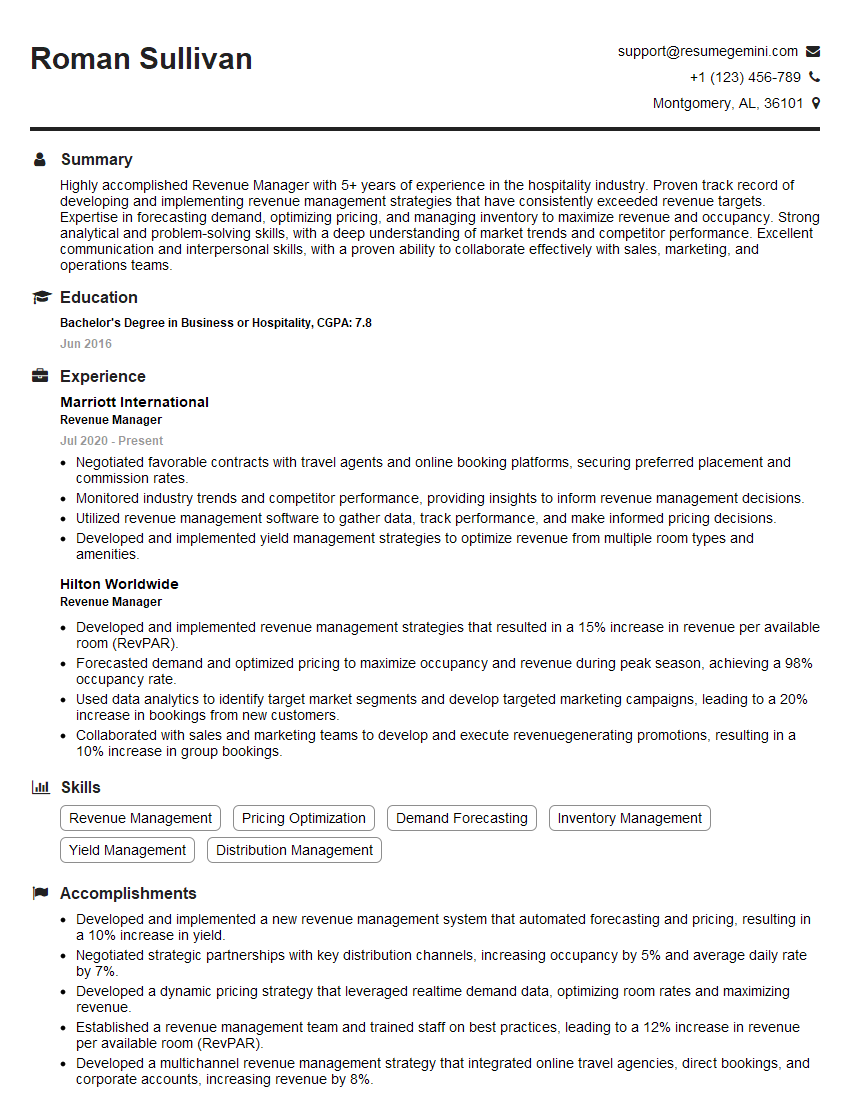
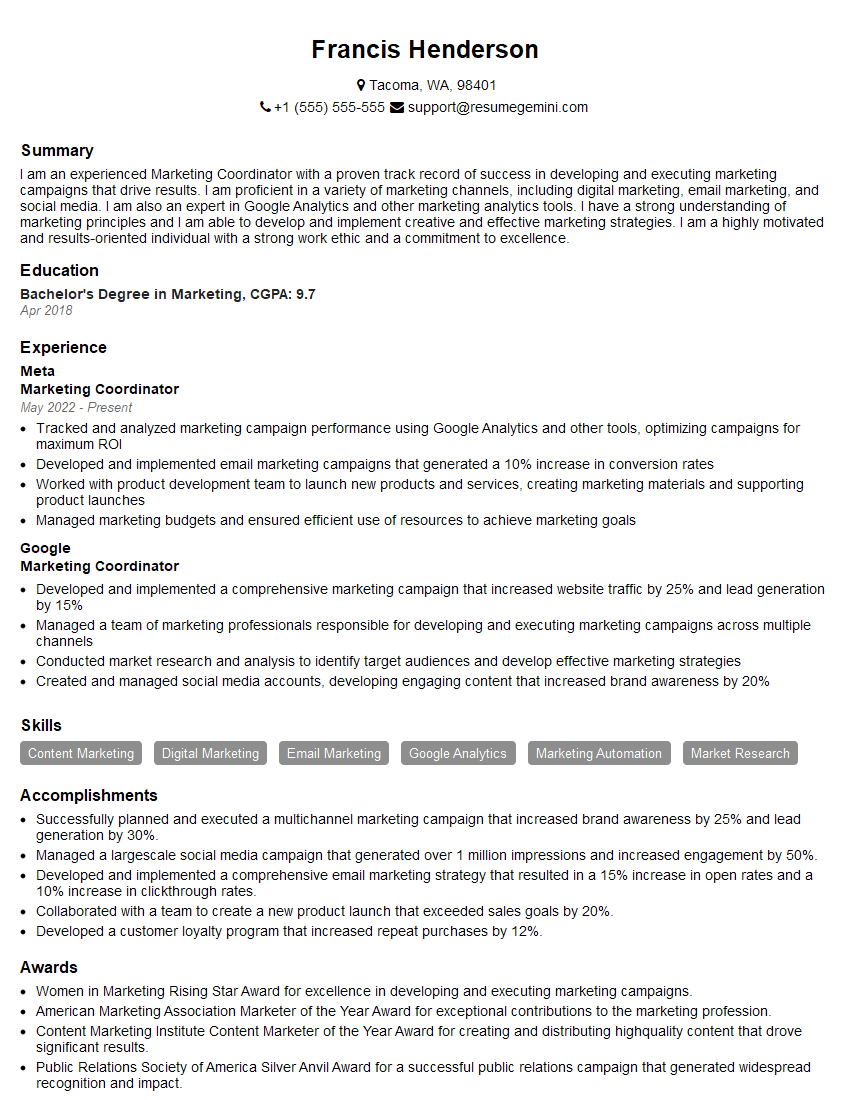
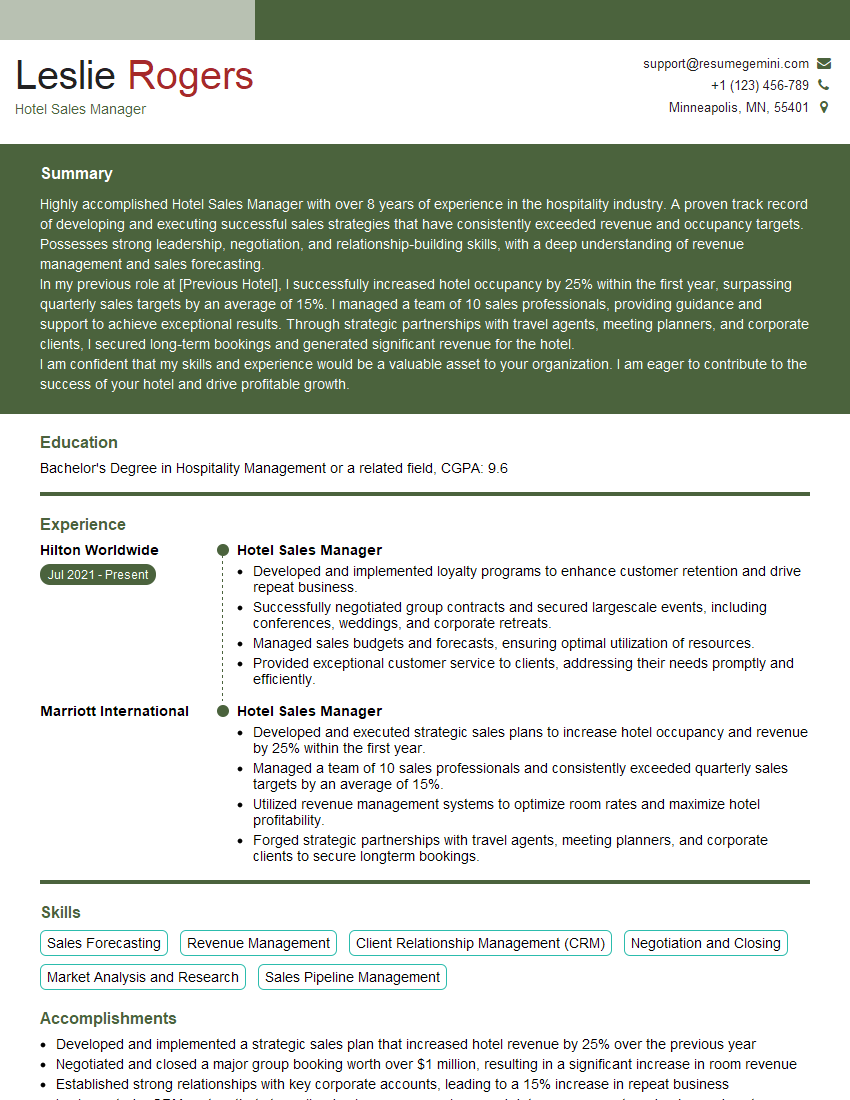
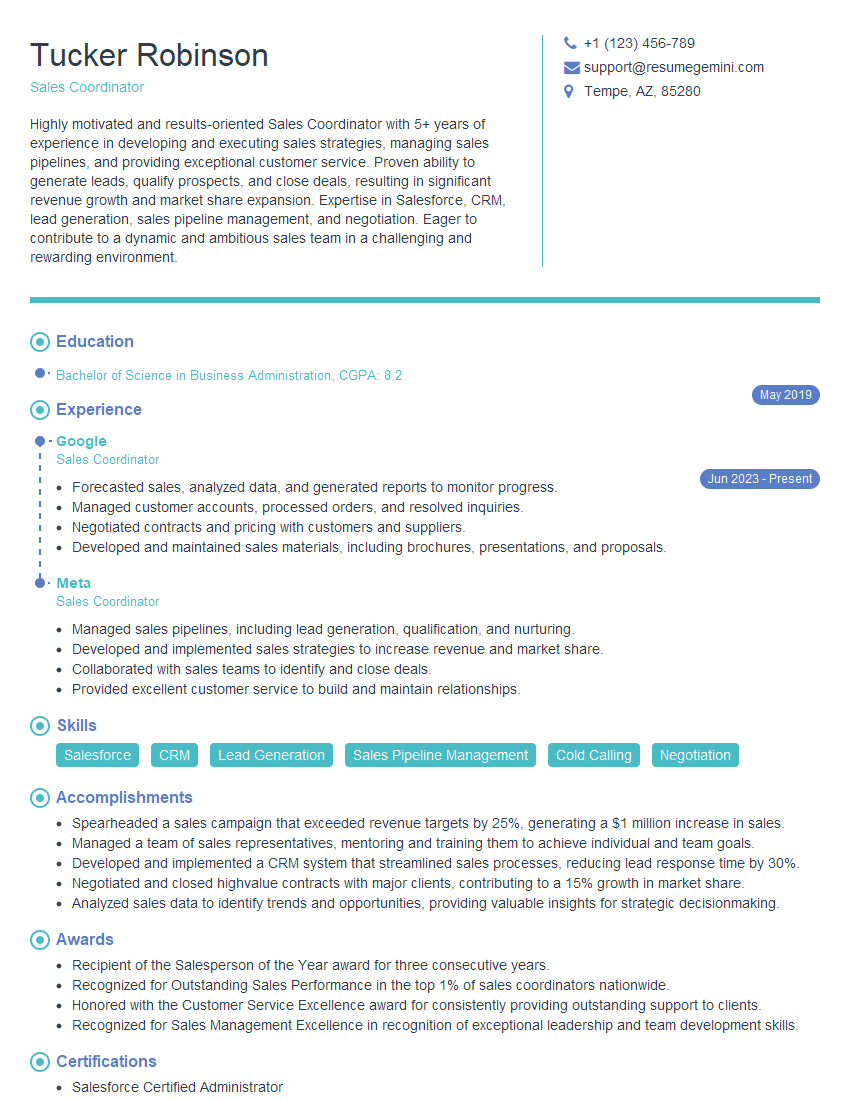
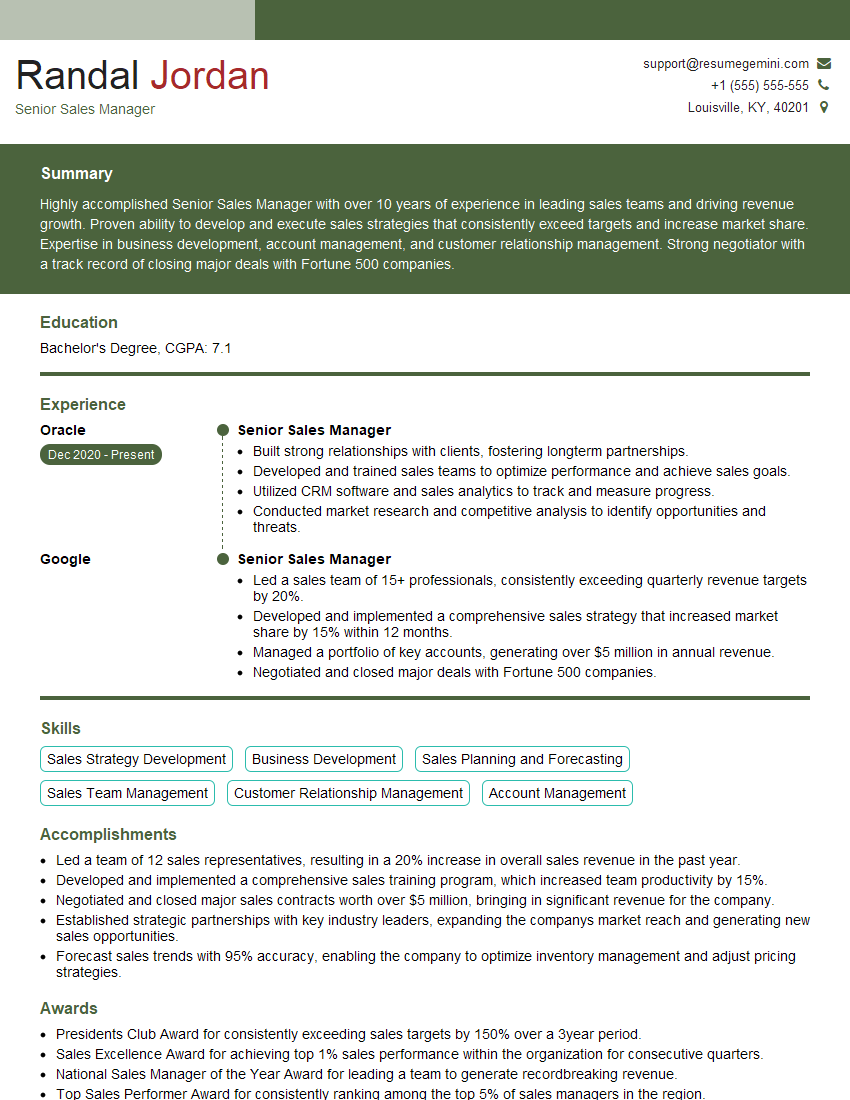
Mastering hotel marketing and sales is crucial for advancing your career in the hospitality industry. It opens doors to leadership roles, increased earning potential, and exciting opportunities to shape the future of hotel operations. To maximize your job prospects, it’s essential to create an ATS-friendly resume that highlights your skills and experience effectively. ResumeGemini is a trusted resource that can help you build a professional and impactful resume. They provide examples of resumes tailored to the specific requirements of hotel marketing and sales roles, giving you a head start in crafting your application materials. Take the next step towards your dream career today!

Explore more articles
Users Rating of Our Blogs
Share Your Experience
We value your feedback! Please rate our content and share your thoughts (optional).
What Readers Say About Our Blog
I Redesigned Spongebob Squarepants and his main characters of my artwork.
https://www.deviantart.com/reimaginesponge/art/Redesigned-Spongebob-characters-1223583608
IT gave me an insight and words to use and be able to think of examples
Hi, I’m Jay, we have a few potential clients that are interested in your services, thought you might be a good fit. I’d love to talk about the details, when do you have time to talk?
Best,
Jay
Founder | CEO