Every successful interview starts with knowing what to expect. In this blog, we’ll take you through the top Integrated Management Systems (IMS) interview questions, breaking them down with expert tips to help you deliver impactful answers. Step into your next interview fully prepared and ready to succeed.
Questions Asked in Integrated Management Systems (IMS) Interview
Q 1. Describe the core principles of an Integrated Management System (IMS).
An Integrated Management System (IMS) combines multiple management system standards, like ISO 9001 (Quality), ISO 14001 (Environmental), and ISO 45001 (Occupational Health and Safety), into a single, unified framework. The core principles revolve around a holistic approach to managing organizational risks and opportunities. This means integrating processes, procedures, and documentation to achieve common goals more efficiently and effectively. Key principles include:
- Customer focus: Understanding and meeting customer needs and expectations is paramount.
- Leadership: Top management commitment and active involvement drive the IMS implementation.
- Engagement of people: Empowering employees at all levels is crucial for success.
- Process approach: Managing interrelated processes as a system enhances efficiency and effectiveness.
- Improvement: Continuously improving the IMS’s performance is essential.
- Evidence-based decision making: Decisions should be data-driven.
- Relationship management: Building strong relationships with stakeholders is vital.
Imagine a manufacturing company integrating its quality, environmental, and health & safety systems. Instead of three separate systems with overlapping audits and documentation, they have one streamlined system, reducing redundancy and improving efficiency.
Q 2. Explain the benefits of implementing an IMS.
Implementing an IMS offers numerous benefits, including:
- Reduced costs: Eliminates redundancies in processes, audits, and training.
- Improved efficiency: Streamlined processes and integrated systems lead to greater efficiency.
- Enhanced compliance: Easier to meet multiple regulatory requirements simultaneously.
- Better risk management: Integrated approach allows for better identification and mitigation of risks across all areas.
- Improved stakeholder relationships: Demonstrates commitment to various stakeholder needs (customers, employees, communities, etc.).
- Increased competitiveness: A well-managed IMS can be a significant competitive advantage.
- Stronger corporate social responsibility profile: Enhanced reputation through demonstrable commitment to sustainability and ethical practices.
For example, a hospital integrating quality, environmental, and occupational health & safety management systems can improve patient care, reduce waste, and enhance staff safety, all while streamlining internal processes and reducing administrative overhead.
Q 3. What are the key differences between ISO 9001, ISO 14001, and ISO 45001?
While all three standards – ISO 9001, ISO 14001, and ISO 45001 – share the common framework of Plan-Do-Check-Act (PDCA), they focus on different aspects:
- ISO 9001 (Quality Management Systems): Focuses on meeting customer requirements and enhancing customer satisfaction through consistent product and service quality.
- ISO 14001 (Environmental Management Systems): Focuses on minimizing environmental impacts, complying with environmental regulations, and improving environmental performance.
- ISO 45001 (Occupational Health and Safety Management Systems): Focuses on creating a safe and healthy workplace, preventing work-related injuries and illnesses, and improving occupational health and safety performance.
The key differences lie in their specific requirements and scopes. ISO 9001 deals with product and service quality, ISO 14001 with environmental protection, and ISO 45001 with worker health and safety. However, all share similar underlying principles such as risk assessment, continuous improvement and management review.
Q 4. How does an IMS contribute to organizational performance?
An IMS significantly contributes to organizational performance by:
- Improving efficiency and productivity: Streamlined processes and reduced waste lead to better resource utilization.
- Reducing costs: Eliminating redundancies and preventing incidents saves money.
- Enhancing quality: Consistent processes and continuous improvement lead to higher quality products and services.
- Strengthening compliance: Reduces legal and regulatory risks and associated costs.
- Improving employee engagement and morale: Safer, healthier, and more efficient work environments boost morale.
- Enhancing reputation and brand image: Demonstrates commitment to sustainability and corporate social responsibility.
- Improving risk management: Proactive identification and mitigation of risks across all aspects of the business.
A company implementing an IMS might see a reduction in accidents, improved customer satisfaction scores, and a decrease in waste generation, all contributing to a stronger bottom line and a more sustainable business model.
Q 5. Describe the process of conducting an internal audit within an IMS.
An internal audit within an IMS is a systematic and independent examination to determine whether the IMS conforms to planned arrangements and whether these arrangements are implemented and maintained effectively. It involves the following steps:
- Planning: Defining the scope, objectives, resources, and schedule of the audit.
- Conducting the audit: Gathering evidence through interviews, document reviews, observations, and testing.
- Reporting: Documenting audit findings, including nonconformities and areas for improvement.
- Follow-up: Verifying that corrective actions are implemented and effective.
For example, an internal auditor might review documented procedures, observe workplace practices, and interview employees to assess compliance with safety regulations. The findings are then reported to management, who will take appropriate action to address any nonconformities.
Q 6. Explain the role of management review in an IMS.
The management review in an IMS is a formal process where top management reviews the IMS’s performance and effectiveness. It’s a critical element of the PDCA cycle. The purpose is to ensure the IMS remains suitable, adequate, and effective in achieving its objectives. The process typically includes:
- Review of performance indicators: Evaluating key performance indicators (KPIs) related to quality, environment, and safety.
- Review of audit reports: Assessing the findings of internal and external audits.
- Review of stakeholder feedback: Considering feedback from customers, employees, and other stakeholders.
- Identifying opportunities for improvement: Determining areas where the IMS can be improved.
- Making decisions: Taking action based on the review findings.
Think of it as a steering committee meeting where top management takes stock of the IMS’s overall health, making course corrections as needed to ensure continuous improvement.
Q 7. How do you handle nonconformances within an IMS framework?
Nonconformances within an IMS framework are deviations from the planned arrangements. Handling them effectively is vital for continuous improvement. The process typically involves:
- Identification: Identifying the nonconformity through audits, monitoring, or other means.
- Investigation: Determining the root cause of the nonconformity.
- Corrective action: Implementing actions to eliminate the nonconformity.
- Preventive action: Implementing actions to prevent similar nonconformities from occurring in the future.
- Verification: Verifying the effectiveness of the corrective and preventive actions.
- Documentation: Maintaining records of the entire process.
For instance, if a safety audit reveals a missing guard on a machine, the corrective action would be to install the guard immediately. Preventive action might involve improving the inspection process to prevent such omissions in the future. All actions and their effectiveness are meticulously documented.
Q 8. Describe your experience with corrective and preventative actions (CAPA).
Corrective and Preventative Actions (CAPA) are a crucial part of any effective Integrated Management System (IMS). They represent a systematic approach to addressing non-conformities – instances where a process or product fails to meet requirements – and preventing their recurrence. Think of it like this: a car mechanic doesn’t just fix a flat tire; they also investigate *why* it went flat (corrective action) and take steps to prevent it from happening again (preventative action), such as recommending tire rotations or checking tire pressure.
My experience with CAPA involves a structured process encompassing:
- Identification and Reporting: Thorough documentation of the non-conformity, including root cause analysis using techniques like the 5 Whys or Fishbone diagrams.
- Immediate Containment: Implementing temporary measures to prevent further occurrences of the non-conformity while the root cause is investigated.
- Root Cause Analysis: Identifying the underlying reason for the non-conformity, moving beyond superficial explanations.
- Corrective Action: Implementing solutions to eliminate the immediate non-conformity. This could include retraining staff, improving equipment, or revising procedures.
- Preventative Action: Implementing measures to prevent similar non-conformities from happening in the future. This might involve process improvements, updated documentation, or investment in new technology.
- Verification and Validation: Confirming the effectiveness of the implemented corrective and preventative actions through monitoring and auditing.
- Documentation and Review: Maintaining a complete record of the entire CAPA process, including the effectiveness of implemented actions. Regular reviews are essential to ensure continuous improvement.
In a previous role, I led the CAPA process for a manufacturing plant experiencing high rates of product defects. By implementing a structured CAPA process, we reduced defect rates by 60% within six months. This involved not only addressing immediate defects but also implementing significant process improvements to prevent future occurrences.
Q 9. How do you ensure the continuous improvement of an IMS?
Continuous improvement in an IMS is an iterative journey, not a destination. It’s about consistently striving to enhance performance and effectiveness across all aspects of the system. The key is to foster a culture of continuous improvement where every team member is actively involved in identifying areas for enhancement.
To ensure this, I employ several strategies:
- Regular Management Reviews: These formal meetings analyze the IMS performance against established objectives, identify trends, and pinpoint areas needing improvement. Data-driven discussions form the basis of these reviews.
- Internal Audits: Regular internal audits verify compliance with standards and identify gaps in the system’s effectiveness. These audits provide valuable feedback for improvement.
- Employee Engagement and Feedback: Actively soliciting feedback from employees through surveys, suggestion boxes, and regular communication channels. Their front-line perspective offers crucial insights.
- Benchmarking: Comparing the IMS’s performance against industry best practices and competitors to identify areas for improvement and innovation.
- Process Optimization: Continuously reviewing and optimizing processes to eliminate waste, reduce errors, and improve efficiency. Lean methodologies, such as Six Sigma, can be highly effective.
- Data Analysis: Regularly analyzing key performance indicators (KPIs) to identify trends and areas for improvement. This data-driven approach ensures that improvements are targeted and effective.
For instance, in one project, we used the PDCA cycle (Plan-Do-Check-Act) to systematically improve a specific manufacturing process. This iterative approach, combined with employee feedback, resulted in a 15% reduction in production time and a 10% increase in output quality.
Q 10. What are the key performance indicators (KPIs) you would use to measure the effectiveness of an IMS?
Selecting the right Key Performance Indicators (KPIs) is crucial for measuring the effectiveness of an IMS. The specific KPIs will vary depending on the organization’s context, industry, and specific goals, but some common and crucial metrics include:
- Compliance Rate: The percentage of regulatory and internal requirements met consistently. This reflects the IMS’s effectiveness in maintaining compliance.
- Number of Non-conformities: Tracking the frequency of identified non-conformities, including their severity and trends, helps highlight areas needing attention.
- Time to Resolve Non-conformities: Measuring the time taken to address and resolve non-conformities shows the IMS’s responsiveness and efficiency.
- Customer Satisfaction: Gathering feedback from customers about their experience and satisfaction helps assess the overall impact of the IMS on product or service quality.
- Employee Satisfaction and Engagement: A positive work environment and engaged workforce contribute significantly to the success of an IMS. Measuring employee satisfaction and engagement reflects this crucial aspect.
- Waste Reduction: Tracking waste reduction in terms of materials, energy, time, or other relevant resources, demonstrates efficiency improvements.
- Accident/Incident Rate: In safety-critical industries, tracking the frequency of accidents and incidents is a vital KPI for measuring effectiveness.
- Sustainability Indicators: Measuring environmental performance, including carbon footprint, water usage, and waste generation, is essential for organizations focused on sustainability.
It’s vital to establish baseline data before implementing improvements to measure progress effectively. Regularly reviewing and adjusting KPIs is essential to ensure they align with evolving organizational goals and priorities.
Q 11. Explain your understanding of risk assessment and management within an IMS.
Risk assessment and management are integral to a robust IMS. It’s a proactive approach to identifying, analyzing, and mitigating potential threats that could negatively impact the organization’s objectives. Essentially, it’s about anticipating problems before they arise.
My approach typically involves:
- Risk Identification: Systematically identifying potential risks through brainstorming sessions, hazard analysis, and reviewing historical data. This includes internal and external factors that could affect the IMS.
- Risk Analysis: Assessing the likelihood and potential impact of each identified risk. Techniques like risk matrices can help visualize and prioritize risks.
- Risk Evaluation: Determining the overall level of risk based on the likelihood and impact assessment. This prioritizes risks for mitigation efforts.
- Risk Treatment: Developing and implementing strategies to mitigate or eliminate identified risks. This could include avoidance, reduction, transfer, or acceptance of risks.
- Risk Monitoring and Review: Regularly monitoring and reviewing identified risks to ensure the effectiveness of implemented mitigation strategies and adapting to changing circumstances.
For example, in a project involving the implementation of a new software system, we conducted a thorough risk assessment, identifying potential risks such as data breaches, system failures, and user training challenges. We developed mitigation strategies for each risk, including robust security measures, redundancy systems, and comprehensive training programs. This proactive approach ensured a smooth and successful system implementation.
Q 12. How do you integrate sustainability principles into an IMS?
Integrating sustainability principles into an IMS enhances its effectiveness and aligns it with broader societal responsibilities. It’s about moving beyond mere compliance to actively contributing to environmental protection and social equity.
Key steps to achieve this integration include:
- Defining Sustainability Goals: Establishing clear and measurable sustainability objectives aligned with the organization’s overall strategy and industry best practices.
- Integrating Environmental Aspects: Identifying and managing environmental aspects throughout the organization’s operations, such as energy consumption, waste generation, and emissions. This often involves implementing environmental management systems (EMS).
- Resource Efficiency: Implementing measures to reduce resource consumption, improve energy efficiency, and promote the use of sustainable materials.
- Waste Management: Developing comprehensive waste management strategies to reduce, reuse, and recycle waste generated during operations.
- Emissions Reduction: Implementing strategies to reduce greenhouse gas emissions throughout the organization’s value chain.
- Stakeholder Engagement: Engaging with stakeholders—employees, customers, suppliers, and the community—to understand their concerns and incorporate their perspectives into sustainability initiatives.
- Compliance and Reporting: Ensuring compliance with relevant environmental regulations and reporting on progress towards sustainability goals.
For example, in a previous project, we helped a manufacturing company integrate sustainability principles into their IMS by implementing a comprehensive waste reduction program and switching to renewable energy sources. This not only reduced their environmental footprint but also led to cost savings and improved their brand image.
Q 13. How do you ensure stakeholder engagement within an IMS?
Stakeholder engagement is crucial for the success of any IMS. It’s about actively involving all interested parties – employees, customers, suppliers, regulatory bodies, and the community – in the development, implementation, and improvement of the system. It’s about ensuring that everyone has a voice and feels heard.
Effective stakeholder engagement involves:
- Identifying Stakeholders: Clearly identifying all stakeholders and their interests related to the IMS.
- Communication: Establishing effective communication channels to ensure transparent and regular communication with stakeholders.
- Collaboration: Actively seeking input from stakeholders throughout the IMS lifecycle, from planning and implementation to monitoring and review.
- Feedback Mechanisms: Implementing mechanisms for collecting feedback from stakeholders, such as surveys, focus groups, and suggestion boxes.
- Addressing Concerns: Addressing stakeholder concerns promptly and transparently, demonstrating responsiveness and accountability.
- Relationship Building: Building strong and trusting relationships with stakeholders through ongoing communication and collaboration.
In a recent project, we utilized online surveys and focus groups to gather stakeholder feedback on our proposed IMS improvements. This participatory approach resulted in a more robust and effective system that better met the needs of all stakeholders.
Q 14. Describe your experience with implementing or improving an IMS.
I have extensive experience in implementing and improving IMS, drawing upon my knowledge of ISO 9001 (Quality Management), ISO 14001 (Environmental Management), ISO 45001 (Occupational Health and Safety), and other relevant standards. My approach is always tailored to the specific needs and context of the organization.
My experience encompasses:
- Gap Analysis: Conducting thorough gap analyses to identify the differences between the organization’s current practices and the requirements of the chosen standard(s).
- System Design and Development: Designing and developing an IMS tailored to the organization’s specific needs and context, ensuring integration and synergy between different management systems.
- Implementation and Training: Implementing the IMS through training, documentation, and process improvement initiatives, focusing on practical application and employee engagement.
- Internal Auditing: Conducting internal audits to verify the effectiveness of the implemented IMS and identify areas for improvement.
- Management Review: Conducting regular management reviews to evaluate the IMS’s performance, identify trends, and make necessary adjustments.
- Continuous Improvement: Continuously monitoring and improving the IMS through the implementation of corrective and preventative actions and a focus on continuous improvement methodologies.
- Certification Support: Supporting organizations in achieving certification to relevant IMS standards.
In one project, I successfully led the implementation of an integrated QHSE (Quality, Health, Safety, and Environment) management system for a large construction company. This involved extensive stakeholder engagement, training programs, and process improvements, resulting in significant improvements in safety performance, reduced environmental impact, and improved project delivery.
Q 15. What challenges have you faced in implementing an IMS, and how did you overcome them?
Implementing an Integrated Management System (IMS) is a complex undertaking. One of the biggest challenges I’ve faced is overcoming resistance to change. People are often comfortable with existing processes, even if inefficient. To overcome this, I employed a phased approach, starting with a pilot project in a small department to demonstrate the benefits of the IMS. This allowed for early feedback and adjustments before full-scale implementation. Another challenge is integrating different management systems, such as ISO 9001 (Quality), ISO 14001 (Environmental), and ISO 45001 (Occupational Health and Safety). We tackled this by focusing on identifying commonalities and synergies between the standards, creating a unified documentation system and streamlining audits to avoid duplication of effort. We also made sure to involve representatives from each department in the integration process to secure buy-in and address specific concerns.
For instance, in one project, initially the marketing team was reluctant to adopt the new documentation control system. We addressed their concerns by showcasing how the new system would actually save them time by automating certain processes and improving the clarity of their marketing materials. Through active listening and tailoring the IMS implementation to their specific needs, we successfully integrated them into the system.
Career Expert Tips:
- Ace those interviews! Prepare effectively by reviewing the Top 50 Most Common Interview Questions on ResumeGemini.
- Navigate your job search with confidence! Explore a wide range of Career Tips on ResumeGemini. Learn about common challenges and recommendations to overcome them.
- Craft the perfect resume! Master the Art of Resume Writing with ResumeGemini’s guide. Showcase your unique qualifications and achievements effectively.
- Don’t miss out on holiday savings! Build your dream resume with ResumeGemini’s ATS optimized templates.
Q 16. How do you ensure the effectiveness of communication within an IMS?
Effective communication is the cornerstone of a successful IMS. I ensure effective communication through multiple channels and techniques. This includes regular meetings with management and staff, using both formal presentations and informal brainstorming sessions to foster collaboration. A well-defined communication plan is crucial, outlining who is responsible for what information, and how often it should be shared. We also use a centralized communication platform, such as a shared intranet or project management software, to ensure all relevant documents and updates are easily accessible. Furthermore, we actively solicit feedback through surveys and employee suggestion boxes to identify communication gaps and adjust our strategy accordingly.
For instance, during a recent implementation, we utilized a project management tool to provide real-time updates on progress, allowing employees to easily track milestones and report any issues. This transparent communication helped keep everyone informed and motivated throughout the entire process.
Q 17. What is your experience with documentation control within an IMS?
Documentation control is paramount in an IMS. It ensures the accuracy, accessibility, and version control of all relevant documents. My experience involves establishing a robust system using a dedicated document management system (DMS). This DMS provides version control, ensuring that only the most current version of a document is used. Clear procedures for document creation, review, approval, distribution, and archiving are essential, and these procedures must be documented themselves and regularly reviewed. Access control is also crucial; we implement restrictions to ensure that only authorized personnel can access and modify specific documents. Regular audits are performed to ensure adherence to established procedures and to identify any areas requiring improvement. We utilize a combination of electronic and hard copy storage, balancing the benefits of accessibility and data security.
For example, we once faced a situation where an outdated document was used, leading to a minor error. Following a thorough review of our documentation control process, we implemented more stringent version control measures, including automated email notifications upon document updates, significantly reducing the risk of similar incidents.
Q 18. How do you ensure compliance with relevant regulations and standards within an IMS?
Maintaining compliance with relevant regulations and standards is a key objective of any IMS. This is achieved through continuous monitoring of legal and regulatory changes, and incorporating these changes into the IMS. We utilize subscription services to stay updated on relevant legislation and regularly review our processes to ensure continued compliance. Gap analyses are performed against relevant standards (ISO 9001, ISO 14001, OHSAS 18001, etc.) to identify any non-conformities, and corrective actions are implemented to address these gaps. Furthermore, regular internal audits and management reviews are crucial for identifying and mitigating compliance risks. Robust record-keeping ensures traceability of compliance activities.
For example, when a new environmental regulation was introduced, we performed a gap analysis to identify how our existing environmental management system needed to be updated. This involved updating procedures, training staff, and modifying our monitoring programs to ensure full compliance with the new legislation.
Q 19. Describe your experience with leading or participating in IMS audits.
I have extensive experience in both leading and participating in IMS audits, both internal and external. Leading audits involves preparing audit plans, selecting audit teams, conducting opening and closing meetings, performing audits against the relevant standards, and reporting findings. This includes identifying non-conformities, evaluating corrective actions, and verifying their effectiveness. Participating in audits involves working with the audit team to gather evidence, answering questions, and providing relevant documentation. I have experience with a variety of auditing techniques, including document review, interviews, observations, and sampling. A key aspect is maintaining objectivity and professionalism throughout the process, ensuring a fair and unbiased assessment.
In one instance, I led an internal audit that revealed a significant gap in our safety procedures. The findings led to improvements in our safety training program and a reduction in workplace incidents.
Q 20. Explain your understanding of the Plan-Do-Check-Act (PDCA) cycle in the context of an IMS.
The Plan-Do-Check-Act (PDCA) cycle is a fundamental framework for continuous improvement within an IMS. It’s a cyclical process that drives iterative enhancement.
Plan: This stage involves defining objectives, identifying potential risks, developing processes, and allocating resources. It’s essentially the strategic planning phase where you decide what you want to achieve and how you’ll get there.
Do: This is the implementation stage where you put your plans into action. You implement the new processes, procedures, or training programs.
Check: Here you monitor and measure the effectiveness of the implemented changes. This often involves collecting data, analyzing results, and comparing them against the initial objectives. Internal audits and performance reviews fall under this stage.
Act: Based on the findings from the ‘Check’ stage, you either standardize successful changes, implement corrective actions to address any problems, or refine the process further. This is where you make adjustments and improvements based on what you’ve learned.
For example, if a process is causing delays, the PDCA cycle would involve planning a solution, implementing it, checking if it improves the process, and then either standardizing the improved process or making further adjustments.
Q 21. How do you measure the effectiveness of an IMS’s training programs?
Measuring the effectiveness of IMS training programs requires a multi-faceted approach. We use various methods to assess the impact of training, including pre- and post-training assessments to gauge knowledge gained. We also employ practical exercises and simulations to evaluate the application of learned skills. Furthermore, we track the performance of employees after training to assess the impact on their work. This might involve monitoring error rates, productivity levels, or compliance rates. Feedback surveys are crucial for understanding trainees’ perspectives and identifying areas for improvement. Ultimately, the effectiveness is measured by improved performance and a reduction in errors or non-conformities related to the training’s focus.
For example, after implementing a new safety training program, we saw a significant decrease in safety incidents, directly demonstrating the program’s effectiveness. We also used post-training surveys to gather employee feedback and make improvements for future training sessions.
Q 22. How do you maintain the integrity of an IMS during periods of organizational change?
Maintaining IMS integrity during organizational change requires a proactive and structured approach. Think of your IMS as a sturdy house; during renovations (organizational changes), you wouldn’t demolish it without a plan. You need to ensure that the core principles and processes remain intact while adapting to the new structure. This involves:
Communication: Keeping all stakeholders informed throughout the change process is crucial. Transparency builds trust and minimizes disruptions. Regular updates, town hall meetings, and clear communication channels are essential.
Risk Assessment: Identify potential risks to the IMS from the change. This might involve reviewing existing documentation, conducting workshops, and using risk matrices to understand potential impacts on quality, environment, or health and safety.
Integration: Incorporate the changes into the IMS documentation, processes, and training materials. This might involve revising procedures, updating risk assessments, and re-training employees on new processes.
Phased Implementation: Implementing changes gradually minimizes disruption and allows for adjustments based on feedback. Start with a pilot program in a small department before a full-scale rollout.
Auditing and Monitoring: Regularly audit the IMS to ensure its effectiveness and identify any gaps created by the organizational changes. This provides a feedback loop for continuous improvement.
For example, during a merger, integrating the IMS of two companies requires careful planning, aligning policies and procedures, and ensuring consistent application across the new organization.
Q 23. How do you balance the needs of different stakeholders in an IMS?
Balancing stakeholder needs in an IMS is about finding a common ground that respects all interests. It’s like orchestrating a symphony – each instrument (stakeholder) has its own unique part to play, but they need to harmonize to create beautiful music (a successful IMS). Key strategies include:
Stakeholder Mapping: Identifying all key stakeholders (employees, customers, suppliers, regulators, communities) and understanding their interests and concerns is the first step. This often involves surveys, interviews, and analyzing communication channels.
Collaboration: Actively involving stakeholders in the design, implementation, and review of the IMS. This might include establishing stakeholder groups, conducting workshops, and seeking their input on policies and procedures.
Communication: Regular communication keeps stakeholders informed and allows for feedback. This addresses concerns proactively and builds trust.
Transparency: Being open and honest about the IMS objectives, progress, and challenges. This ensures that stakeholders have a clear picture of how the system affects them.
Conflict Resolution: Establishing mechanisms for addressing conflicts and disagreements between stakeholders. This might involve mediation, negotiation, or a formal grievance process.
For instance, balancing the needs of shareholders focused on profitability with the needs of environmental groups concerned about sustainability requires a carefully crafted approach that demonstrates environmental responsibility while showing positive financial results.
Q 24. Describe your experience with using IMS software or tools.
I have extensive experience using various IMS software and tools, including ISOTools, Enablon, and Intelex. My experience covers the entire spectrum of IMS functions: document control, non-conformity management, corrective and preventative action (CAPA), internal auditing, and management review. I’m proficient in using these tools to streamline processes, automate tasks, and improve the efficiency of the IMS.
For example, in a previous role, I implemented ISOTools to manage our ISO 9001 quality management system. This resulted in a significant reduction in paperwork, improved traceability of documents, and an overall improvement in the efficiency of our quality processes. The software’s reporting capabilities enabled us to easily generate dashboards and reports that provided real-time insights into our performance.
Beyond the specific software, I’m adept at configuring and customizing these tools to align with specific organizational needs and requirements. I understand the importance of selecting the right tool for the specific context and integrating it seamlessly with existing systems.
Q 25. Explain your understanding of the concept of ‘business continuity’ within an IMS.
Business continuity within an IMS focuses on maintaining essential business functions during and after disruptive events. Think of it as a safety net for your organization. It ensures that you can continue operations even in the face of unforeseen circumstances, such as natural disasters, cyberattacks, or pandemics. Key aspects include:
Risk Assessment: Identifying potential threats and their impact on business operations. This involves analyzing vulnerabilities and determining the likelihood and severity of potential disruptions.
Business Impact Analysis (BIA): Determining which business functions are critical and the impact of their disruption. This helps prioritize recovery efforts.
Recovery Strategies: Developing plans to restore critical business functions in a timely manner. This may involve backup systems, alternative work locations, or communication plans.
Testing and Training: Regularly testing business continuity plans to ensure their effectiveness and training employees on their roles and responsibilities during an emergency. This ensures preparedness.
Communication Plan: Developing a communication plan to ensure effective communication during and after a disruptive event. This includes methods for internal and external communication.
A well-integrated business continuity plan is crucial for maintaining reputation, minimizing financial losses, and ensuring the safety of employees.
Q 26. How would you address resistance to change within an organization during IMS implementation?
Addressing resistance to change during IMS implementation requires a multi-faceted approach focused on understanding and addressing concerns. Think of it as navigating a river – you need to understand the currents (resistance) and adjust your course (implementation strategy) accordingly. Key strategies include:
Communication and Education: Clearly explaining the benefits of the IMS and how it will impact employees. This involves open and honest communication, addressing concerns, and providing training.
Involvement and Participation: Actively involving employees in the design and implementation of the IMS. This gives them ownership and reduces resistance.
Addressing Concerns: Listening to and addressing employee concerns in a timely manner. This shows respect and builds trust.
Championing the Change: Identifying and empowering change champions within the organization to promote the IMS and its benefits.
Incentives and Recognition: Providing incentives or recognition for employees who actively support the IMS implementation. This fosters a positive attitude toward the change.
For example, if employees are concerned about increased workload, implementing the IMS in phases and providing adequate training can alleviate these concerns.
Q 27. How do you identify and mitigate risks associated with the implementation of an IMS?
Identifying and mitigating risks associated with IMS implementation requires a systematic approach. Think of it as a journey – you need a map (risk assessment) to identify potential obstacles and plan your route (mitigation strategies). This involves:
Risk Assessment: Identifying potential risks during each stage of the implementation process. This might involve using techniques like SWOT analysis, brainstorming, and checklists.
Risk Analysis: Evaluating the likelihood and impact of each identified risk. This helps prioritize which risks need to be addressed first.
Risk Response Planning: Developing strategies to mitigate identified risks. These strategies may involve avoiding, reducing, transferring, or accepting the risk.
Monitoring and Review: Regularly monitoring the effectiveness of risk mitigation strategies and reviewing the risk assessment process. This ensures ongoing control and improvement.
Documentation: Documenting the entire risk management process, including identified risks, mitigation strategies, and their effectiveness. This ensures accountability and transparency.
For instance, a risk might be inadequate training leading to errors. The mitigation strategy could be to develop comprehensive training programs and conduct regular refresher courses.
Q 28. What are your salary expectations for this role?
My salary expectations for this role are in the range of [Insert Salary Range] annually. This is based on my experience, skills, and the responsibilities of the position. I’m open to discussing this further and am confident that my contributions will exceed the value of this compensation.
Key Topics to Learn for Integrated Management Systems (IMS) Interview
Preparing for an IMS interview requires a comprehensive understanding of the interconnectedness of various management systems. Focus your learning on these key areas:
- ISO Standards: Deeply understand the core principles and requirements of ISO 9001 (Quality), ISO 14001 (Environmental), and ISO 45001 (Occupational Health and Safety). Consider the similarities and differences between these standards and how they integrate.
- Integration & Synergies: Explore the practical benefits of integrating these systems. How can a unified approach to management improve efficiency, reduce costs, and enhance overall performance? Think about case studies illustrating successful IMS implementations.
- Risk Management & Compliance: Understand the role of risk assessment and mitigation within an IMS framework. How can integrated systems contribute to better compliance and regulatory adherence? Consider examples of risk identification and control measures within an IMS context.
- Internal Audits & Management Reviews: Familiarize yourself with the process of conducting internal audits and management reviews within an integrated system. Understand the purpose and effectiveness of these processes in continuous improvement.
- Continuous Improvement Methodologies: Explore the application of methodologies like Plan-Do-Check-Act (PDCA) and Six Sigma within the IMS framework. How can data analysis and performance monitoring contribute to continuous improvement across all integrated systems?
- Stakeholder Engagement & Communication: Understand the crucial role of effective communication and stakeholder engagement in the successful implementation and maintenance of an IMS. How can you ensure transparency and buy-in from all levels of the organization?
- Documentation & Record Keeping: Gain a clear understanding of the importance of proper documentation and record-keeping practices in an integrated system. How can effective documentation contribute to audit readiness and continuous improvement?
Next Steps
Mastering Integrated Management Systems is highly valuable for career progression, opening doors to leadership roles and showcasing your expertise in optimizing organizational performance and compliance. A strong resume is crucial for highlighting these skills to potential employers. Creating an ATS-friendly resume significantly increases your chances of getting noticed. ResumeGemini is a trusted resource that can help you build a professional and impactful resume tailored to the specifics of your IMS experience. Examples of resumes tailored to Integrated Management Systems (IMS) roles are available to help guide your resume creation.
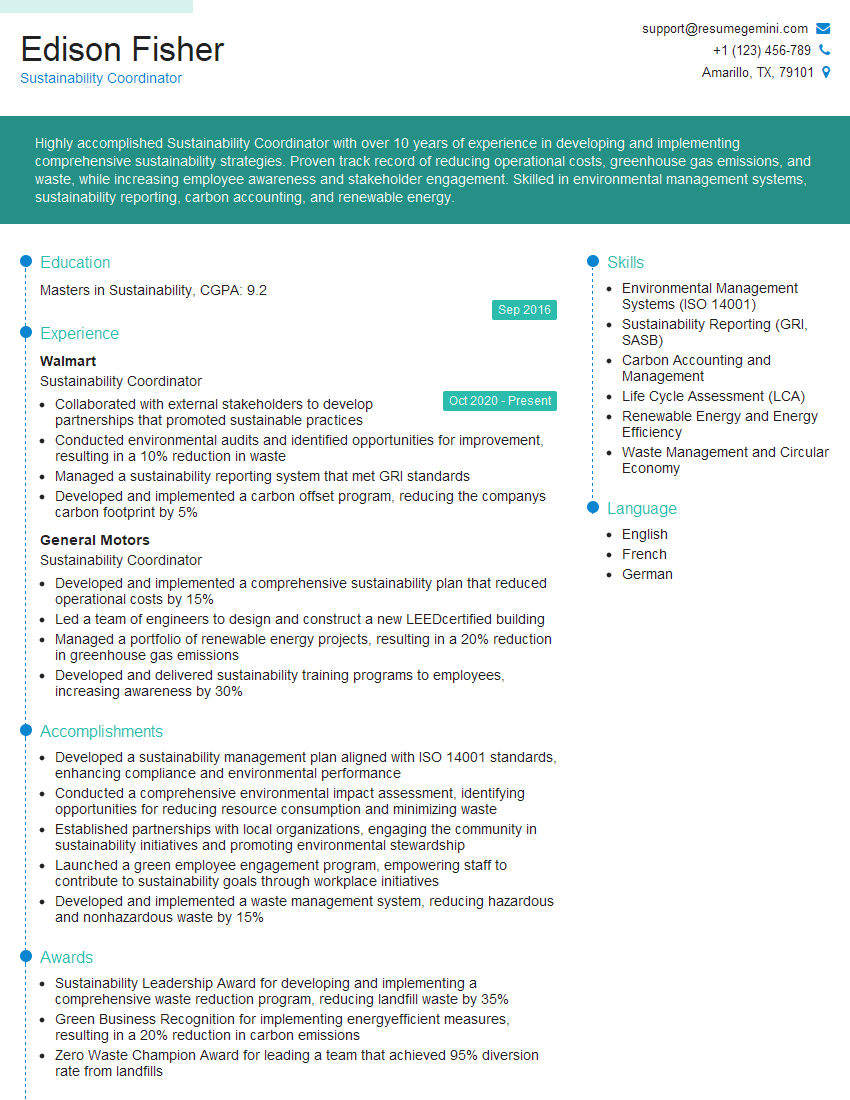
Sustainability Coordinator Resume Sample
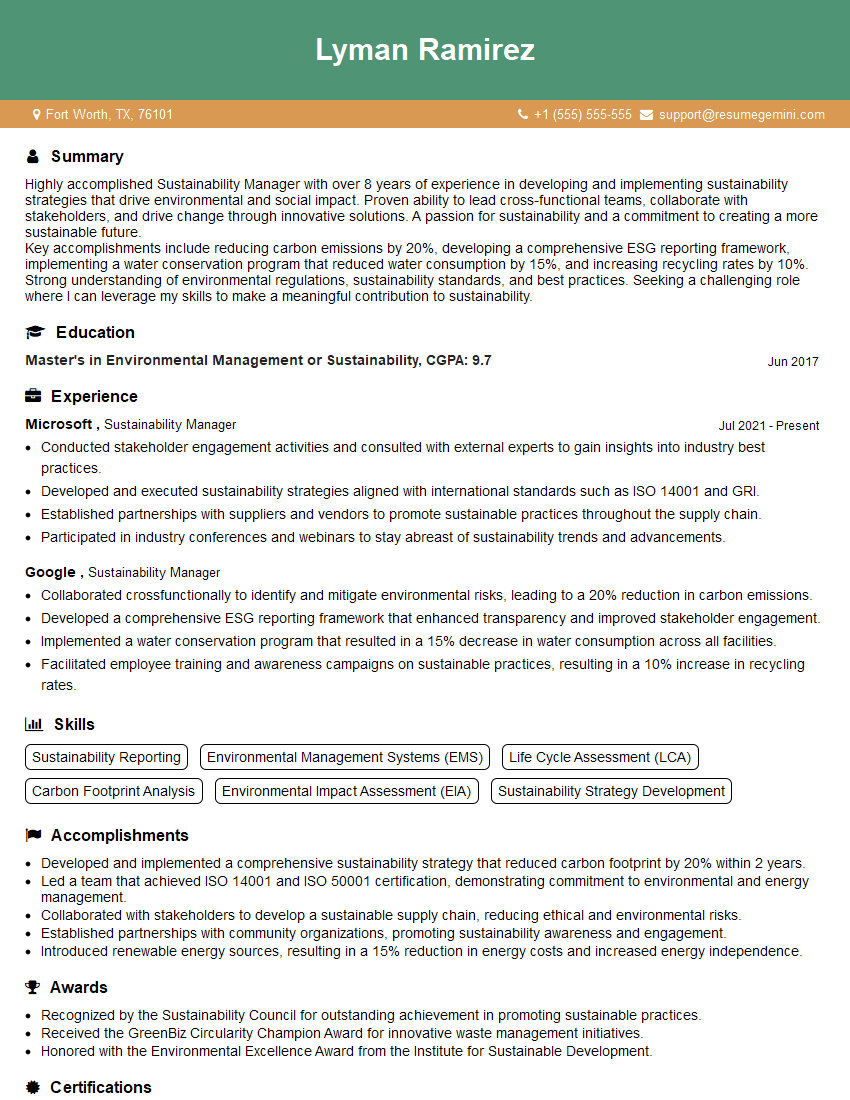
Sustainability Manager Resume Sample

Operations Manager Resume Sample
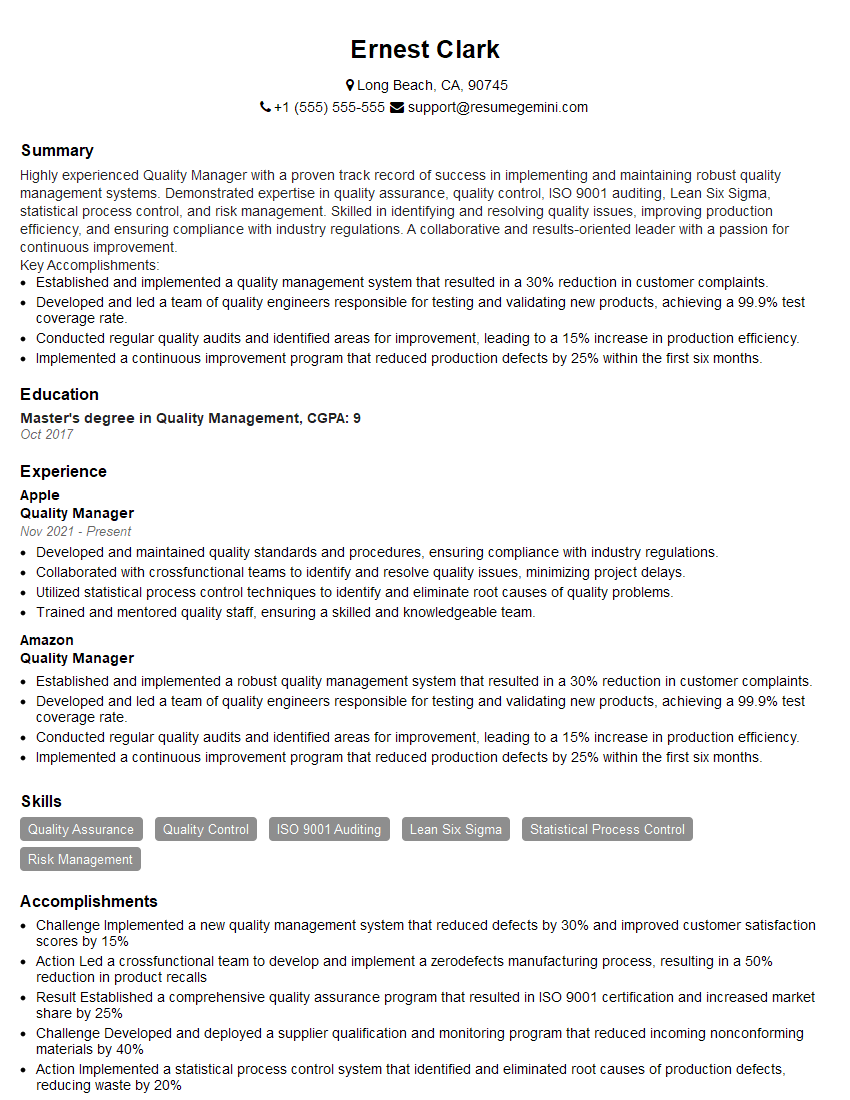
Quality Manager Resume Sample
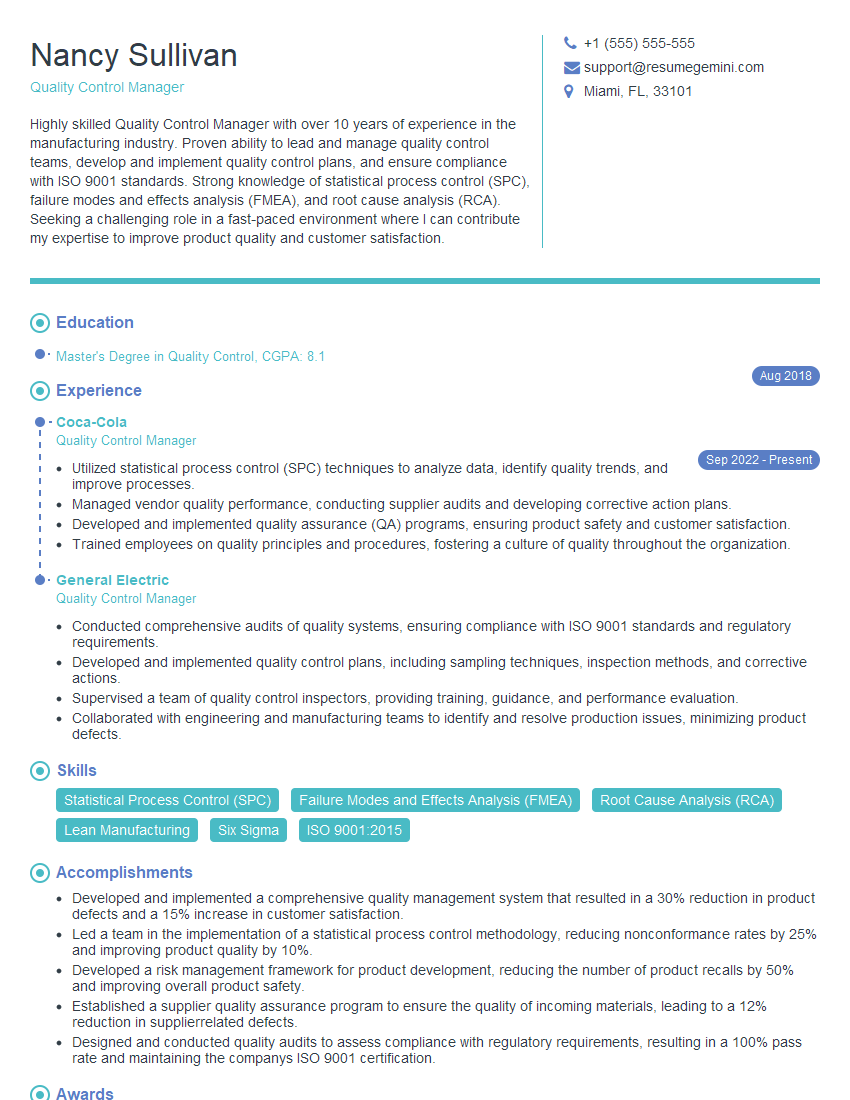
Quality Control Manager Resume Sample

Supply Chain Manager Resume Sample
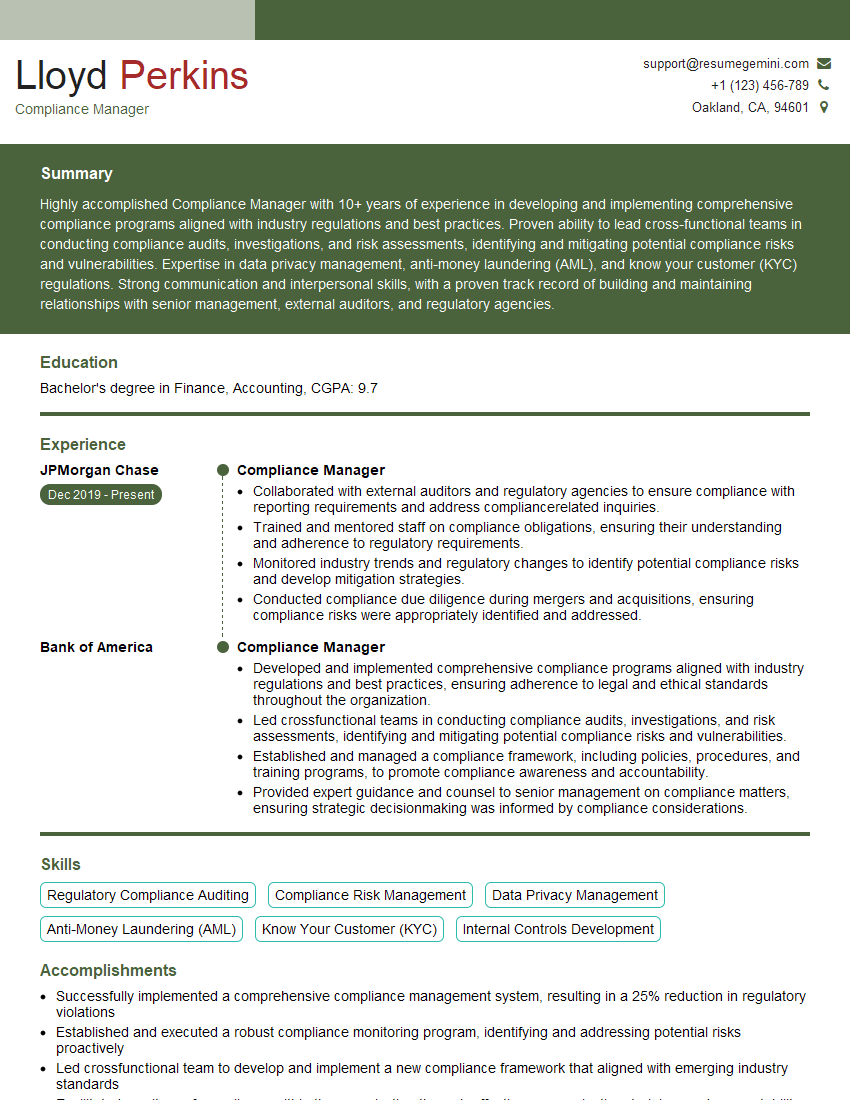
Compliance Manager Resume Sample
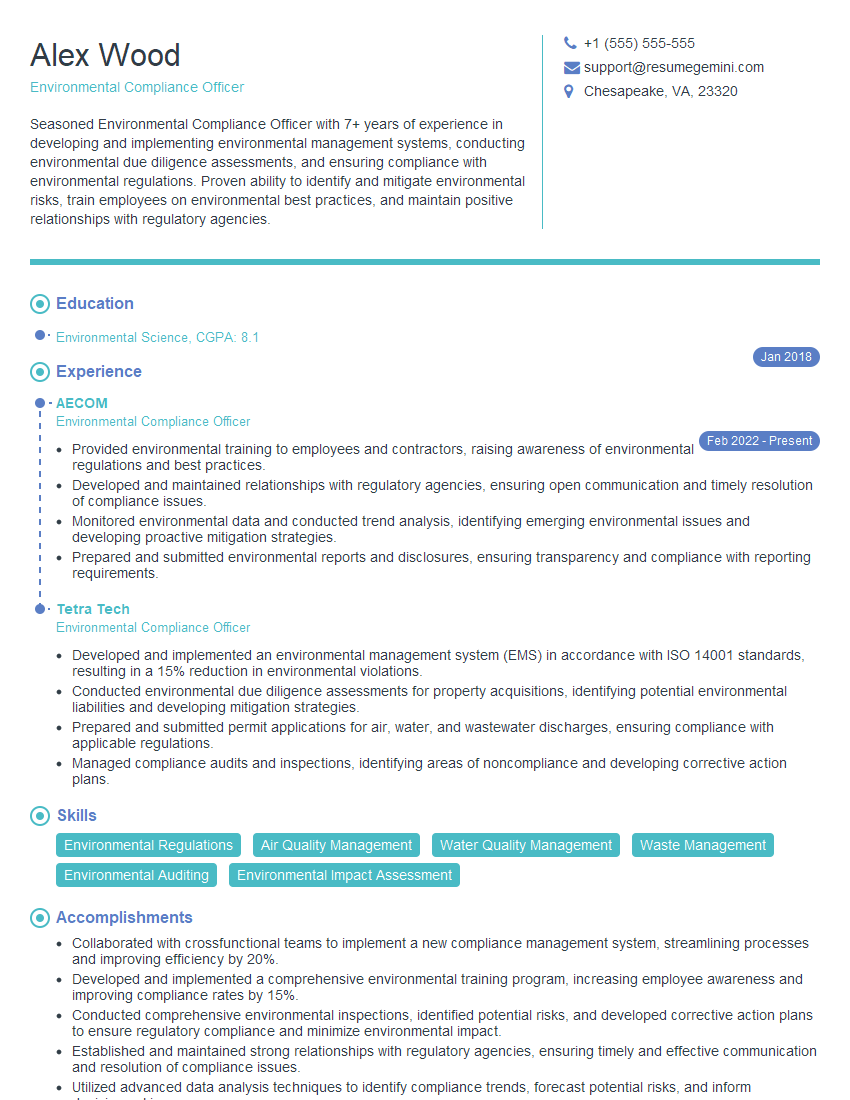
Environmental Compliance Officer Resume Sample
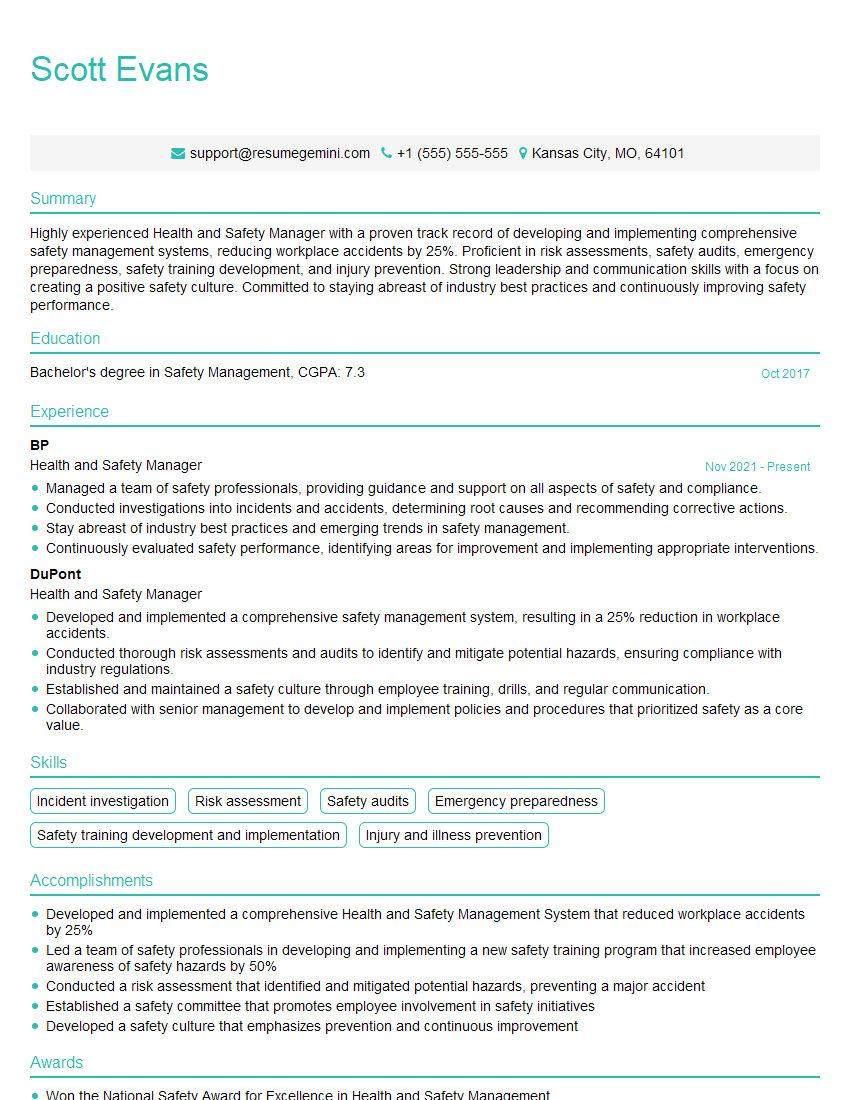
Health and Safety Manager Resume Sample
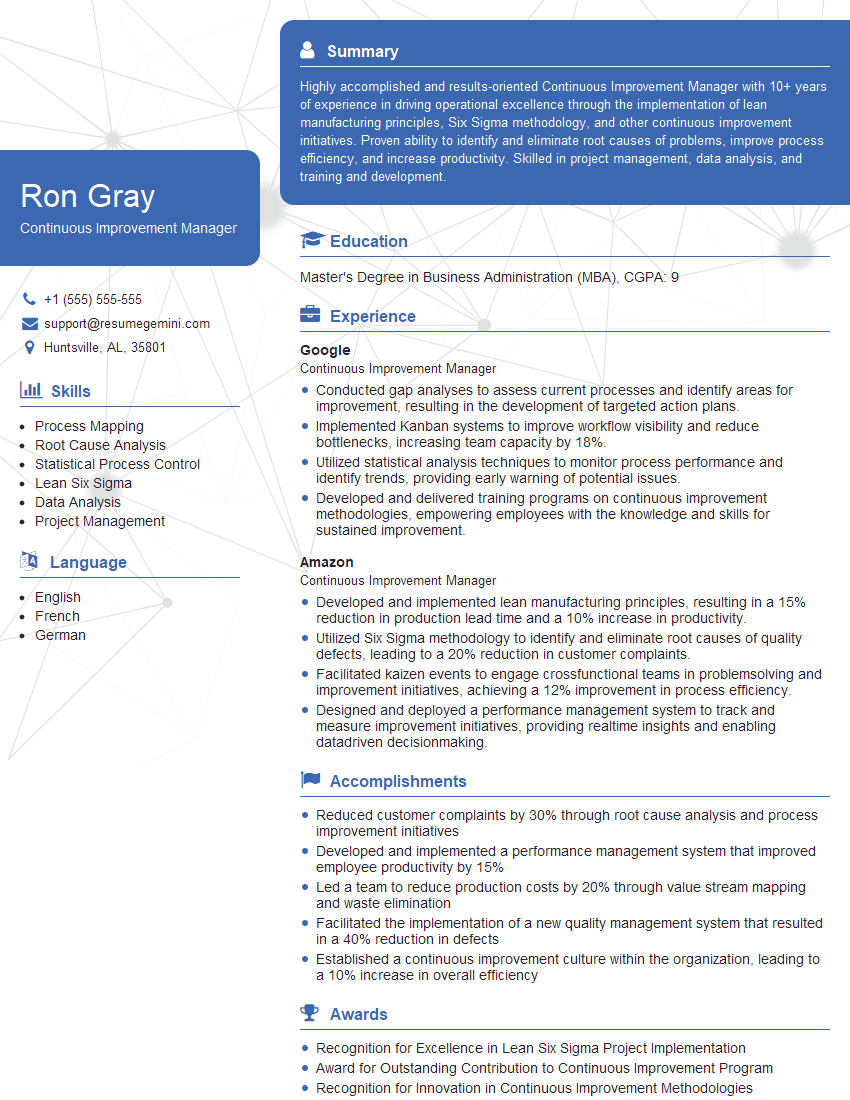
Continuous Improvement Manager Resume Sample
Explore more articles
Users Rating of Our Blogs
Share Your Experience
We value your feedback! Please rate our content and share your thoughts (optional).
What Readers Say About Our Blog
Really detailed insights and content, thank you for writing this detailed article.
IT gave me an insight and words to use and be able to think of examples