Feeling uncertain about what to expect in your upcoming interview? We’ve got you covered! This blog highlights the most important Team Coordination and Collaboration interview questions and provides actionable advice to help you stand out as the ideal candidate. Let’s pave the way for your success.
Questions Asked in Team Coordination and Collaboration Interview
Q 1. Describe your experience leading a team to achieve a common goal.
Leading a team to achieve a common goal requires a blend of strategic planning, effective communication, and motivational leadership. My approach begins with clearly defining the goal and breaking it down into smaller, manageable tasks. This ensures everyone understands their individual contribution and how it fits within the larger picture. I then facilitate collaborative planning sessions to leverage the diverse skills and perspectives of the team members. For instance, while leading a software development team to launch a new application, we used Agile methodologies with daily stand-up meetings to track progress, identify roadblocks, and maintain transparency. Regular check-ins and progress reports, along with open communication channels, helped us stay on track and adapt to unforeseen challenges. Ultimately, success hinged on fostering a culture of trust, accountability, and mutual support within the team.
Q 2. How do you handle conflict within a team?
Conflict is inevitable in any team, but how we handle it defines our success. My approach focuses on early intervention and constructive communication. I encourage open dialogue, creating a safe space where team members feel comfortable expressing their concerns without fear of judgment. I use active listening to understand the root cause of the conflict, focusing on the issues, not personalities. Sometimes, simply clarifying misunderstandings is enough to resolve the conflict. However, if a more structured approach is needed, I facilitate a structured discussion using a collaborative problem-solving technique, ensuring all viewpoints are heard and considered. For example, in one instance, a disagreement arose about the best approach to a design challenge. I facilitated a workshop where the team members presented their arguments, discussed the pros and cons of each approach, and ultimately reached a consensus on a hybrid solution that incorporated the best elements of both.
Q 3. What strategies do you use to improve team communication?
Improving team communication is crucial for collaboration. I employ a multi-pronged approach that includes regular team meetings (both formal and informal), utilizing various communication tools suited to the team’s needs and project phases. This could range from daily stand-ups and project management software (like Jira or Asana) to instant messaging platforms (like Slack) and video conferencing tools (like Zoom). Beyond the tools, I also focus on fostering a culture of open communication where team members feel comfortable sharing ideas, concerns, and feedback openly and honestly. Transparent communication, regular updates, and opportunities for feedback are vital for ensuring everyone is on the same page and feels valued. Finally, I ensure that everyone is aware of the appropriate channels for different types of communication, preventing miscommunication and confusion.
Q 4. Explain your approach to delegating tasks effectively.
Effective delegation is about assigning tasks to the right people at the right time. My approach considers individual skills, strengths, and workload. Before delegating, I ensure the team member understands the task’s scope, objectives, deadlines, and expected outcomes. I provide sufficient resources and support, offering guidance and mentorship as needed. I also empower team members by giving them the autonomy to manage their work, while maintaining clear lines of communication for updates and progress monitoring. For example, rather than simply assigning a task, I will discuss the requirements and challenges with the team member and engage in collaborative problem-solving to determine the optimal strategy for completion. I avoid micromanaging, allowing them the space to develop their skills and ownership. Regular check-ins provide support without undermining their independence.
Q 5. How do you ensure team members stay motivated and engaged?
Maintaining team motivation and engagement requires creating a positive and supportive work environment. I focus on recognizing and rewarding individual and team achievements, both big and small. This can be through formal recognition programs, informal praise, or simply acknowledging hard work and dedication. I encourage team building activities to foster camaraderie and strengthen relationships. Creating a shared vision and purpose, ensuring that each team member feels their contribution is valued and meaningful, is also critical. Additionally, providing opportunities for professional development and growth, empowering team members to take on new challenges and responsibilities, greatly enhances engagement and motivation. Regularly seeking feedback on team processes and individual well-being ensures that adjustments can be made to maintain a positive and productive work environment.
Q 6. How do you measure the success of a team project?
Measuring the success of a team project depends on clearly defined goals and metrics established at the outset. These might include quantitative measures such as on-time delivery, budget adherence, or specific performance indicators (KPIs) relevant to the project’s objectives (e.g., user engagement rates for a software application). Qualitative measures such as team satisfaction, customer feedback, and overall impact are equally important. A balanced scorecard approach, combining both quantitative and qualitative data, provides a comprehensive assessment. Regular progress tracking, using tools like project management software, allows for timely adjustments and problem-solving. Post-project reviews, including team retrospectives, facilitate lessons learned and continuous improvement for future projects. For example, in a marketing campaign, success could be measured by sales increases, website traffic, and brand awareness metrics. A post-project review will assess whether the campaign achieved its objectives and provide insights for future improvement.
Q 7. Describe a time you had to mediate a disagreement within a team.
In one project, a disagreement arose between the design and development teams concerning the feasibility of a particular design element. The designers felt their vision was crucial for user experience, while the developers raised concerns about technical limitations and timelines. I mediated the disagreement by facilitating a collaborative session where both teams clearly articulated their perspectives. I guided the discussion, ensuring respectful communication and focusing on finding a mutually acceptable solution. We explored alternative design options, considering both aesthetic appeal and technical constraints. Ultimately, we arrived at a compromise that incorporated aspects of both the original designs while addressing the development team’s concerns. This experience highlighted the importance of active listening, empathy, and a collaborative approach to resolving conflict while maintaining a focus on the project’s overall goals.
Q 8. How do you facilitate collaboration among team members with diverse skillsets?
Facilitating collaboration among diverse teams requires understanding and leveraging each member’s unique strengths. It’s like orchestrating a symphony – each instrument plays a vital role, and the conductor ensures harmony. My approach begins with a thorough understanding of individual skillsets through initial team meetings and ongoing check-ins. I then strategically assign tasks that align with these skills, fostering a sense of ownership and expertise. Furthermore, I create opportunities for knowledge sharing through cross-training sessions, mentorship programs, or even informal knowledge-sharing sessions. For example, in a recent project involving web development, I paired a seasoned front-end developer with a junior back-end developer, allowing the junior member to learn from the senior member’s experience while the senior member gained fresh perspectives on new technologies. This collaborative effort not only enhanced individual skills but also fostered a strong team dynamic.
Another crucial aspect is establishing clear communication channels and expectations. This might involve using a project management tool to track progress, hold regular team meetings, and establish clear guidelines for communication protocols. This ensures everyone is on the same page and reduces misunderstandings, which can be particularly crucial when dealing with diverse skillsets and communication styles.
Q 9. What tools or techniques do you use for project planning and execution?
Project planning and execution rely on a combination of tools and techniques tailored to the project’s complexity and team size. For smaller projects, I often utilize agile methodologies, using tools like Trello or Jira to visualize workflows, manage tasks, and track progress. These tools allow for flexibility and iterative development. Larger, more complex projects often benefit from a more structured approach, incorporating Gantt charts to visualize timelines, critical path analysis to identify dependencies, and risk management frameworks to proactively address potential roadblocks. Regardless of the project size, I always prioritize clear communication and documentation. This includes creating detailed project plans, assigning clear responsibilities, and establishing regular checkpoints for monitoring progress and making adjustments as needed. For example, in a recent marketing campaign, we used a Gantt chart to outline the timeline for different tasks, including content creation, social media scheduling, and email marketing, allowing us to manage deadlines effectively and identify potential conflicts.
Q 10. Describe your experience using collaborative software (e.g., Slack, Microsoft Teams).
Collaborative software like Slack and Microsoft Teams are essential for effective team communication and project management. I’ve extensively used both platforms across various projects, leveraging their features for both synchronous and asynchronous communication. Slack is particularly useful for quick questions, informal discussions, and sharing updates in dedicated channels. Microsoft Teams offers a more structured approach, with features like shared workspaces, video conferencing, and integrated applications that allow for seamless collaboration on documents and projects. For instance, during a recent product development project, we used Microsoft Teams to host daily stand-up meetings, share design documents, track progress on assigned tasks, and even conduct informal brainstorming sessions using the whiteboard feature. The integration of these platforms into our workflow significantly improved our communication efficiency and project organization.
Q 11. How do you manage competing priorities within a team environment?
Managing competing priorities requires a structured and proactive approach. I typically start by prioritizing tasks based on their urgency and importance using methods like the Eisenhower Matrix (urgent/important). This helps the team focus on the most critical tasks first. Open communication is crucial; I facilitate team discussions to openly identify and assess competing priorities, ensuring everyone understands the rationale behind the prioritization. This transparency fosters buy-in and prevents frustration. Regularly reviewing and adjusting priorities as the project progresses is also essential, as circumstances and deadlines may change. This might involve using agile methodologies that allow for flexibility and adaptation to changing requirements.
For example, if we face a tight deadline on one project while another project requires immediate attention, we may need to re-allocate resources or adjust timelines. This requires careful planning and clear communication to the stakeholders involved.
Q 12. How do you identify and address individual team member challenges?
Identifying and addressing individual team member challenges requires a combination of observation, communication, and empathy. I regularly check in with team members, both individually and during team meetings, to gauge their progress and identify potential roadblocks. This might involve informal conversations, performance reviews, or simply observing their work habits. If I identify a challenge, I proactively engage with the team member, offering support and guidance. This could involve providing additional training, mentoring, or reassigning tasks to better align with their skills and capabilities. Sometimes, personal challenges outside of work can affect performance; in such cases, I offer support and understanding while ensuring the team’s workflow isn’t significantly disrupted. Confidentiality and empathy are paramount in these situations.
Q 13. Describe your approach to providing constructive feedback to team members.
Constructive feedback is crucial for growth and improvement. My approach focuses on being specific, timely, and balanced. I avoid generalizations and focus on observable behaviors and their impact. For example, instead of saying “You’re not a good communicator,” I might say “In the last meeting, your presentation lacked clear objectives and the conclusion was abrupt. Let’s discuss ways to improve clarity and structure for future presentations.” I always frame feedback around the individual’s strengths and areas for development, promoting a growth mindset. The feedback is delivered privately, in a safe and supportive environment, and I encourage open dialogue and questions. Following up to monitor progress is equally important to ensure the feedback was received and acted upon effectively.
Q 14. How do you foster a positive and inclusive team culture?
Fostering a positive and inclusive team culture is paramount for success. I begin by establishing clear team values that emphasize respect, collaboration, and open communication. I actively promote diversity and inclusion, ensuring that everyone feels valued and respected regardless of their background or perspective. Team-building activities, both formal and informal, play a vital role in fostering camaraderie and trust. These can range from simple social gatherings to more structured activities designed to improve communication and problem-solving skills. I also actively listen to team members’ feedback and address any concerns promptly. Open communication, recognition of achievements, and a commitment to work-life balance are all essential components of a positive and inclusive team environment. Creating a safe space where everyone feels comfortable sharing their ideas and concerns is vital for driving innovation and productivity.
Q 15. What is your experience with Agile methodologies?
Agile methodologies are iterative approaches to project management emphasizing flexibility, collaboration, and customer satisfaction. My experience spans several years, working with Scrum and Kanban frameworks. In Scrum, I’ve facilitated daily stand-ups, sprint planning sessions, sprint reviews, and retrospectives, ensuring the team remained focused and delivered incremental value. With Kanban, I’ve implemented visual boards to track workflow, identify bottlenecks, and optimize team efficiency. I’m proficient in using tools like Jira and Trello to support these methodologies. For example, in a recent project using Scrum, we successfully delivered a complex software feature two sprints ahead of schedule by utilizing daily stand-ups to proactively address roadblocks and adjust sprint goals as needed. This showcased the adaptability and efficiency inherent in Agile.
Career Expert Tips:
- Ace those interviews! Prepare effectively by reviewing the Top 50 Most Common Interview Questions on ResumeGemini.
- Navigate your job search with confidence! Explore a wide range of Career Tips on ResumeGemini. Learn about common challenges and recommendations to overcome them.
- Craft the perfect resume! Master the Art of Resume Writing with ResumeGemini’s guide. Showcase your unique qualifications and achievements effectively.
- Don’t miss out on holiday savings! Build your dream resume with ResumeGemini’s ATS optimized templates.
Q 16. How do you ensure accountability within a team?
Accountability is fostered through clear roles, responsibilities, and expectations. This starts with a well-defined project charter outlining individual tasks and deliverables with clear deadlines. Regular check-ins, whether through daily stand-ups or weekly progress reports, keep everyone on track. Open communication is crucial – team members should feel comfortable discussing challenges and seeking help. Utilizing a project management tool to track progress visually also enhances accountability. For instance, if someone consistently misses deadlines, I would initiate a one-on-one conversation to understand the root cause – are there skill gaps, resource constraints, or other obstacles? Then, I collaborate with the individual to develop a plan for improvement, providing the necessary support and resources. Ultimately, accountability is a shared responsibility, built on trust, open dialogue, and mutual support.
Q 17. Describe a time you had to adapt your approach to team coordination due to unforeseen circumstances.
During a large-scale product launch, a key vendor unexpectedly delayed a critical component. Our initial timeline was severely jeopardized. My initial approach, based on a meticulously planned Gantt chart, was no longer viable. I immediately convened a team meeting to assess the impact and brainstorm solutions. We transitioned from a waterfall-like approach to a more agile, iterative one, prioritizing the most critical features first. We also re-allocated resources, leveraging the skills of team members who could fill the gap created by the vendor delay. This required open communication and flexibility from the entire team, and we successfully launched the product albeit with a slightly modified feature set, minimizing the impact of the unforeseen delay. The experience underscored the importance of adaptability and proactive problem-solving in team coordination.
Q 18. How do you handle a situation where a team member is underperforming?
Addressing underperformance requires a careful and supportive approach. I would first gather data – are they consistently missing deadlines, producing subpar work, or lacking engagement? A private, one-on-one conversation is crucial to understand the underlying causes. Perhaps there are skill gaps that require training, unclear expectations, or personal issues impacting their work. Once the root cause is identified, I’d collaboratively develop a performance improvement plan (PIP), setting clear, measurable goals and providing the necessary support and mentorship. Regular check-ins are crucial to monitor progress and offer guidance. If the performance doesn’t improve despite support, more formal steps, possibly involving HR, might be necessary. The goal is to help the individual succeed, but also to protect the team’s overall productivity and morale.
Q 19. How do you balance individual contributions with overall team goals?
Balancing individual contributions with overall team goals is achieved through clear communication and alignment. The team’s objectives need to be transparent and understood by every member. Individual roles and responsibilities should be clearly defined, yet flexible enough to accommodate changing priorities. Regular progress meetings and feedback sessions allow for open dialogue about individual challenges and opportunities to contribute to the broader goals. A strong team culture of collaboration and support encourages individuals to work together effectively. For instance, a team member might have expertise in a particular area, and their contributions to that aspect are vital even if it seems like a smaller portion of the overall project. Recognizing and celebrating both individual and collective achievements is essential to create a positive and productive environment.
Q 20. How do you measure team productivity?
Measuring team productivity isn’t solely about individual output; it’s about the effectiveness of the team as a whole. Key metrics can include: velocity (in Agile), defect rates, customer satisfaction, time to market, and adherence to deadlines. It’s important to choose metrics relevant to the specific project and goals. For example, in a software development team, velocity (the number of story points completed per sprint) can indicate team efficiency. However, a low defect rate and high customer satisfaction are equally crucial indicators of success. Regularly reviewing these metrics, along with qualitative feedback, provides a comprehensive view of team productivity and areas for improvement. Avoid relying on a single metric, as it might provide an incomplete picture.
Q 21. What are your preferred methods for documenting team progress?
I prefer a combination of methods for documenting team progress, prioritizing clarity, accessibility, and collaboration. Project management software like Jira or Asana provides a centralized repository for tasks, progress updates, and documentation. Regular meeting minutes, summarizing key decisions and action items, keep everyone informed. Visual progress boards (like Kanban boards) provide a clear overview of the workflow and identify bottlenecks. Finally, a shared online document, updated regularly, can track progress against milestones, including risks and dependencies. The choice of tools and methods should be tailored to the team’s size, project complexity, and communication preferences. The key is to ensure that documentation is easily accessible, regularly updated, and utilized by the entire team.
Q 22. Describe your experience with remote team collaboration.
Remote team collaboration requires a proactive approach to communication and task management. My experience spans several years working with geographically dispersed teams, utilizing various tools and strategies to ensure seamless workflows. I’ve successfully led and participated in projects involving international teams, overcoming challenges associated with language barriers and cultural differences. This involved establishing clear communication protocols, leveraging project management software, and focusing on building trust and rapport amongst team members.
For example, in a recent project involving a design team based in the US and a development team in India, we utilized Asana for task management, Slack for quick communication, and Zoom for regular team meetings and brainstorming sessions. This integrated approach allowed for transparency, accountability, and efficient progress tracking even across the significant time difference.
Q 23. How do you handle communication across different time zones or locations?
Managing communication across different time zones requires careful planning and the utilization of asynchronous communication tools. Simply scheduling meetings at times convenient for everyone is often unrealistic. Instead, I leverage tools like Slack and Microsoft Teams to facilitate ongoing conversations and updates. Asynchronous communication, where messages are sent and responded to at different times, is key. I also establish clear communication protocols outlining response times and preferred methods of contact for urgent matters. This is complemented by regular, scheduled sync-up calls or meetings to ensure alignment and address any critical issues collaboratively.
For instance, when working with a team spanning Europe and North America, we use a shared project management board that provides transparency into everyone’s progress, irrespective of their current working hours. We also schedule weekly briefings at a time that caters to the majority of the team, while asynchronous channels are kept open for quick questions and updates outside of these scheduled meetings.
Q 24. How do you prioritize tasks in a fast-paced environment?
Prioritizing tasks in a fast-paced environment necessitates a structured approach. I typically utilize a combination of methods including the Eisenhower Matrix (urgent/important), MoSCoW method (Must have/Should have/Could have/Won’t have), and agile methodologies like Scrum. This involves understanding the dependencies between tasks, assessing their impact on overall project goals, and considering resource constraints. Regularly reviewing and adjusting priorities is crucial, adapting to changing circumstances and unexpected challenges.
For example, if a critical bug is discovered, it would immediately become the top priority, even if it was not initially scheduled. Using a Kanban board helps visualize the workflow and allows for quick re-prioritization based on urgency and impact. Open communication about shifting priorities ensures team alignment and prevents misunderstandings.
Q 25. How do you build strong relationships with stakeholders outside your team?
Building strong relationships with stakeholders outside my team involves proactive communication, active listening, and a collaborative approach. I focus on understanding their needs, expectations, and concerns. Regular updates and transparent communication regarding project progress, risks, and challenges are crucial. This might involve tailored reports, informal check-in meetings, or presentations depending on the stakeholder’s preference and the nature of the communication required. I strive to build trust by consistently delivering on my commitments and being responsive to their feedback.
For instance, I regularly schedule brief meetings with key stakeholders to discuss project progress, address their questions and concerns, and solicit their input. I also send out regular email updates summarizing key milestones and achievements. The goal is to keep them informed and engaged, fostering a collaborative relationship.
Q 26. What is your experience with risk management in a team setting?
Risk management is an integral part of any team project. My approach involves identifying potential risks early in the project lifecycle, assessing their likelihood and potential impact, and developing mitigation strategies. This often involves using a structured risk register, where risks are documented, analyzed, and tracked. Regular risk reviews and updates ensure that the team remains proactive in managing emerging risks and adapting to changing circumstances.
For instance, in a software development project, a potential risk could be a delay in receiving critical third-party components. By identifying this risk early, we could develop a mitigation strategy, such as sourcing alternative components or building a contingency plan to delay non-critical features. Regularly reviewing this risk register allows for dynamic adaptation to any changes in the project context.
Q 27. How do you handle setbacks or failures within a team project?
Setbacks and failures are inevitable in team projects. My approach involves conducting a thorough post-mortem analysis, focusing on identifying the root causes of the issue without assigning blame. This involves a collaborative discussion amongst team members, aiming to understand what went wrong, what could have been done differently, and how to prevent similar situations in the future. The focus is on learning from the experience and improving team processes, not on dwelling on the negative aspects of the failure.
For example, if a project deadline is missed, we would hold a retrospective meeting to identify contributing factors – were there inadequate resources, unclear requirements, or unforeseen technical challenges? The output of this meeting would include actionable steps to improve processes and prevent similar delays in future projects.
Q 28. Describe your experience with performance management within a team.
Performance management within a team is a continuous process that involves setting clear expectations, providing regular feedback, and fostering a culture of continuous improvement. This involves establishing clear goals and objectives, tracking progress regularly, offering constructive feedback, and recognizing and rewarding achievements. Regular one-on-one meetings are crucial for providing personalized support and addressing individual concerns. I also encourage self-reflection and provide opportunities for skill development and growth.
For example, I conduct regular performance reviews with each team member, discussing their progress toward their individual goals, providing feedback on their strengths and areas for improvement, and collaboratively setting goals for the next review period. This allows for a fair and balanced assessment of individual performance and fosters a culture of continuous improvement within the team.
Key Topics to Learn for Team Coordination and Collaboration Interview
- Understanding Team Dynamics: Explore different team structures (e.g., hierarchical, matrix, self-managed), team roles (e.g., leader, facilitator, contributor), and the impact of individual personalities and communication styles on team effectiveness.
- Communication Strategies: Learn practical applications of active listening, clear and concise communication (written and verbal), conflict resolution techniques, and the effective use of collaboration tools (e.g., project management software, instant messaging platforms).
- Project Management Fundamentals: Grasp core project management principles like planning, execution, monitoring, and closure. Understand various project methodologies (e.g., Agile, Waterfall) and their application in different team contexts. Practice outlining project timelines and resource allocation strategies.
- Collaboration Tools & Technologies: Familiarize yourself with popular collaboration platforms and tools. Be prepared to discuss your experience with and proficiency in using these tools to enhance team productivity and communication.
- Conflict Resolution & Negotiation: Develop strategies for identifying, addressing, and resolving conflicts within a team environment. Understand the importance of constructive feedback and negotiation skills in maintaining positive team relationships.
- Performance Management & Feedback: Learn how to provide and receive constructive feedback effectively. Understand strategies for motivating team members and assessing individual and team performance.
- Virtual Team Collaboration: If applicable to the role, explore the unique challenges and solutions related to managing and coordinating virtual teams, including leveraging technology for effective communication and collaboration.
Next Steps
Mastering Team Coordination and Collaboration is crucial for career advancement. Strong teamwork skills are highly valued across all industries, leading to increased responsibility, higher earning potential, and greater job satisfaction. To maximize your job prospects, create an ATS-friendly resume that showcases your relevant skills and experience. ResumeGemini is a trusted resource to help you build a professional and impactful resume. We offer examples of resumes tailored to Team Coordination and Collaboration roles to guide you through the process. Invest time in crafting a compelling resume that highlights your strengths and makes you stand out from the competition.
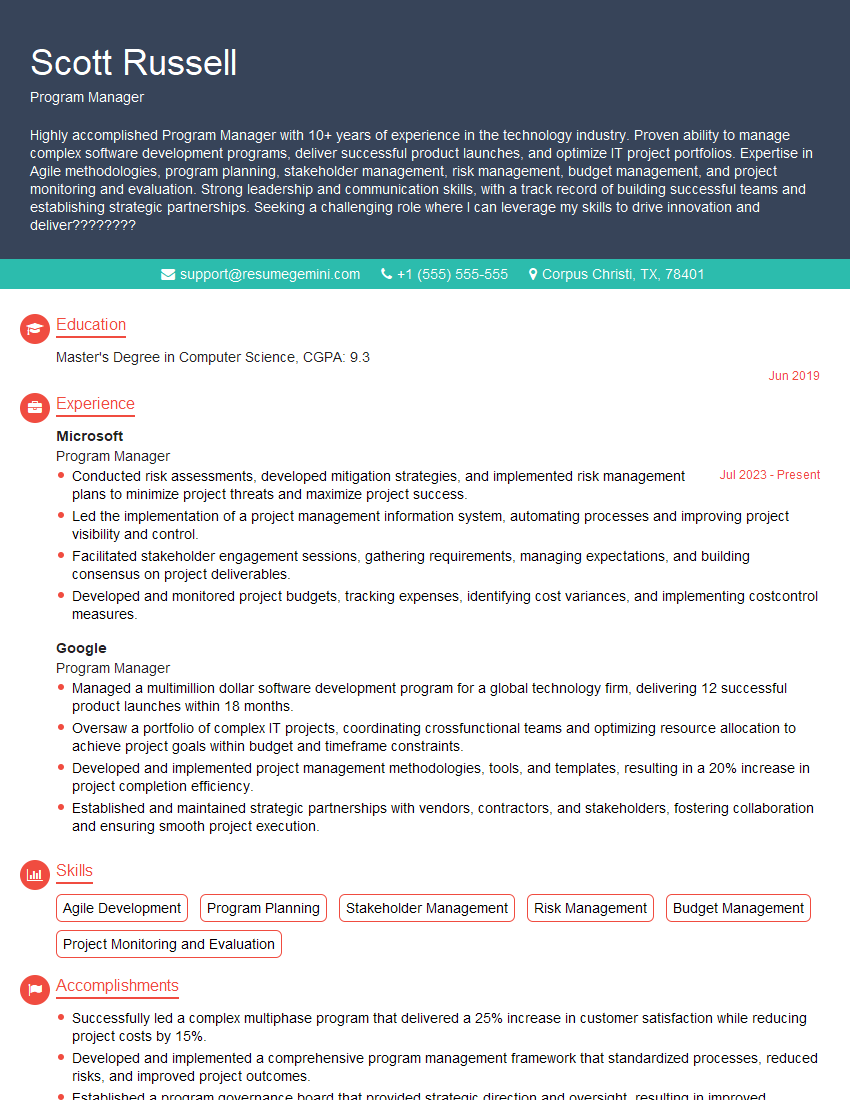
Program Manager Resume Sample
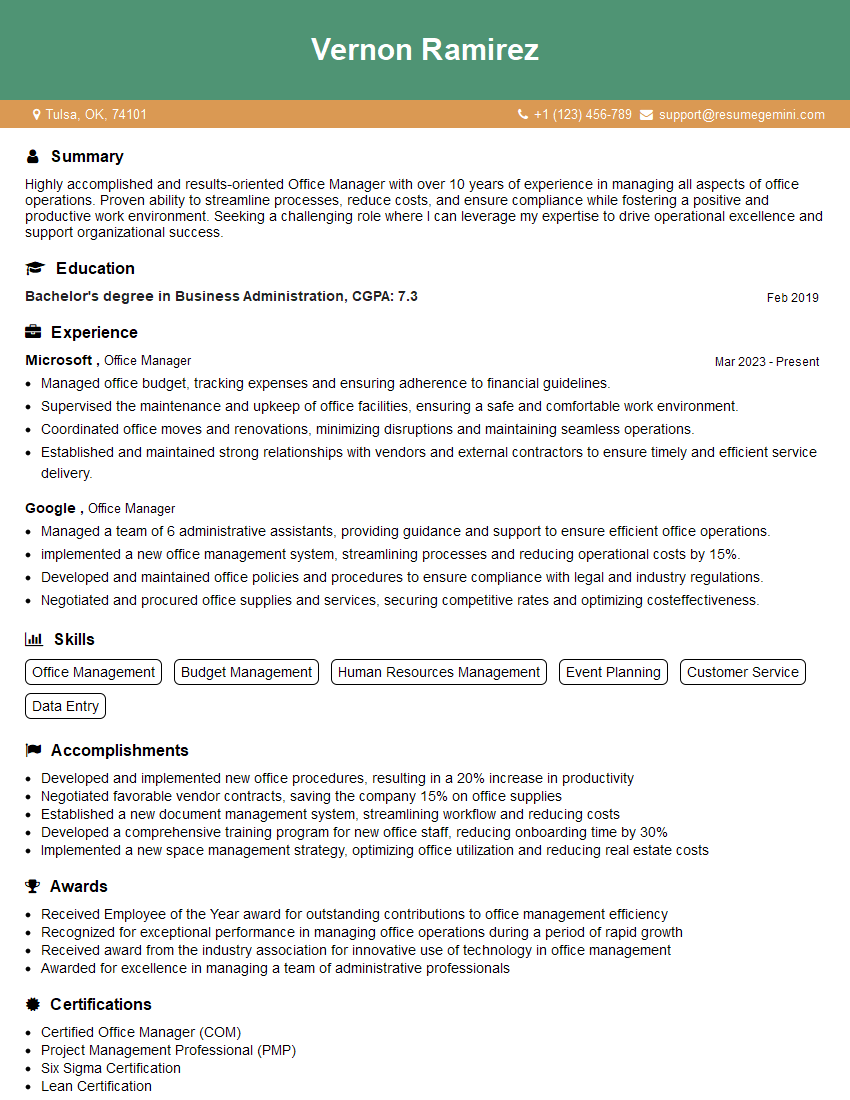
Office Manager Resume Sample

Operations Manager Resume Sample
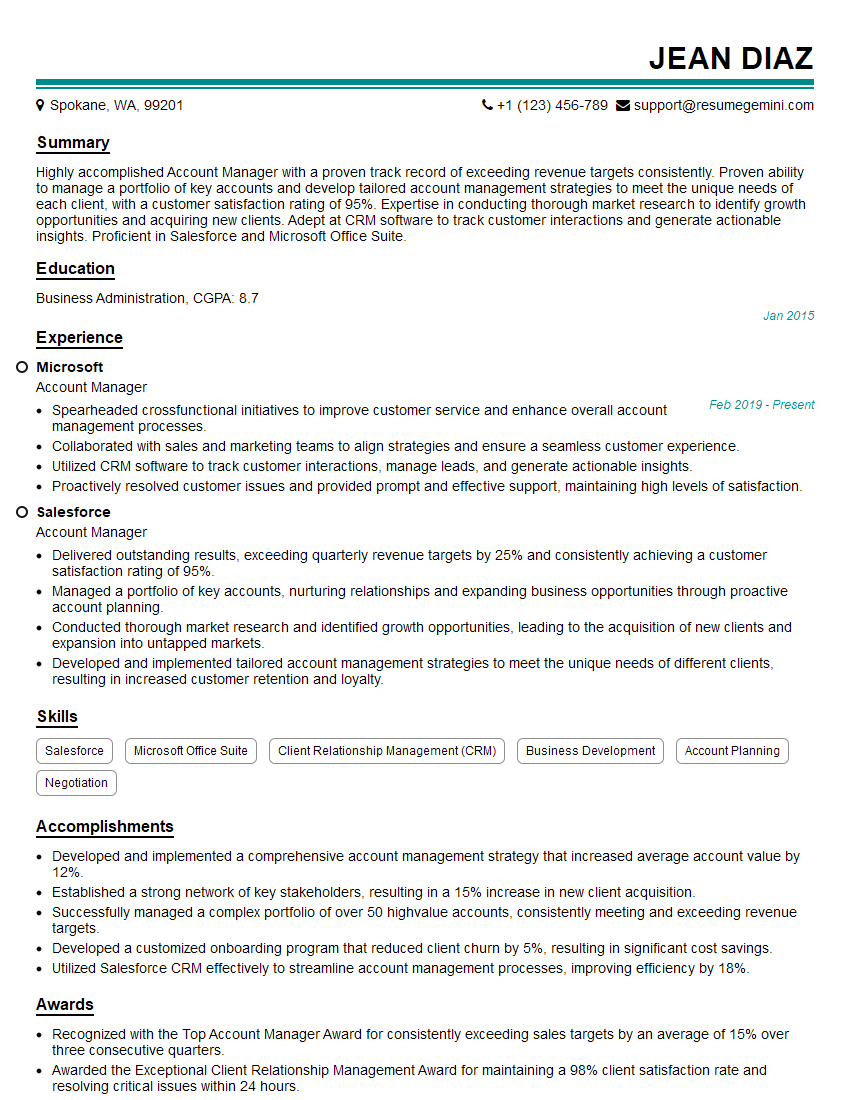
Account Manager Resume Sample
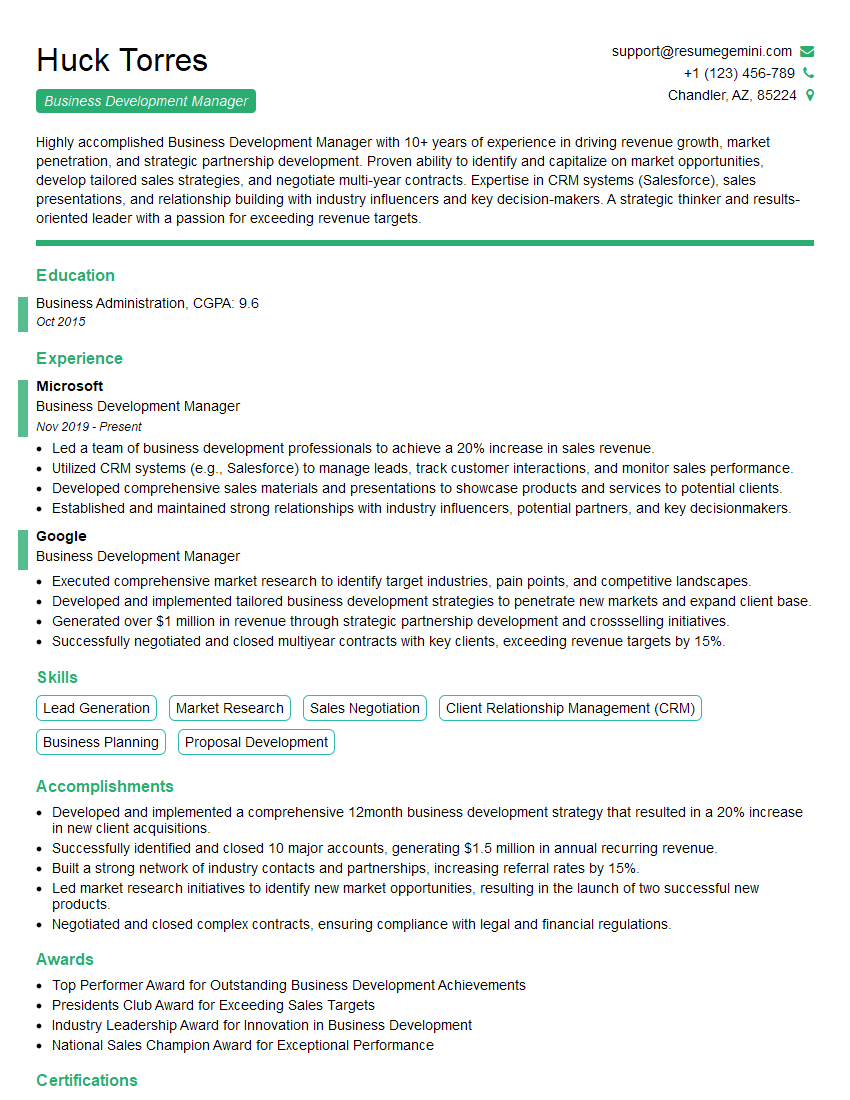
Business Development Manager Resume Sample
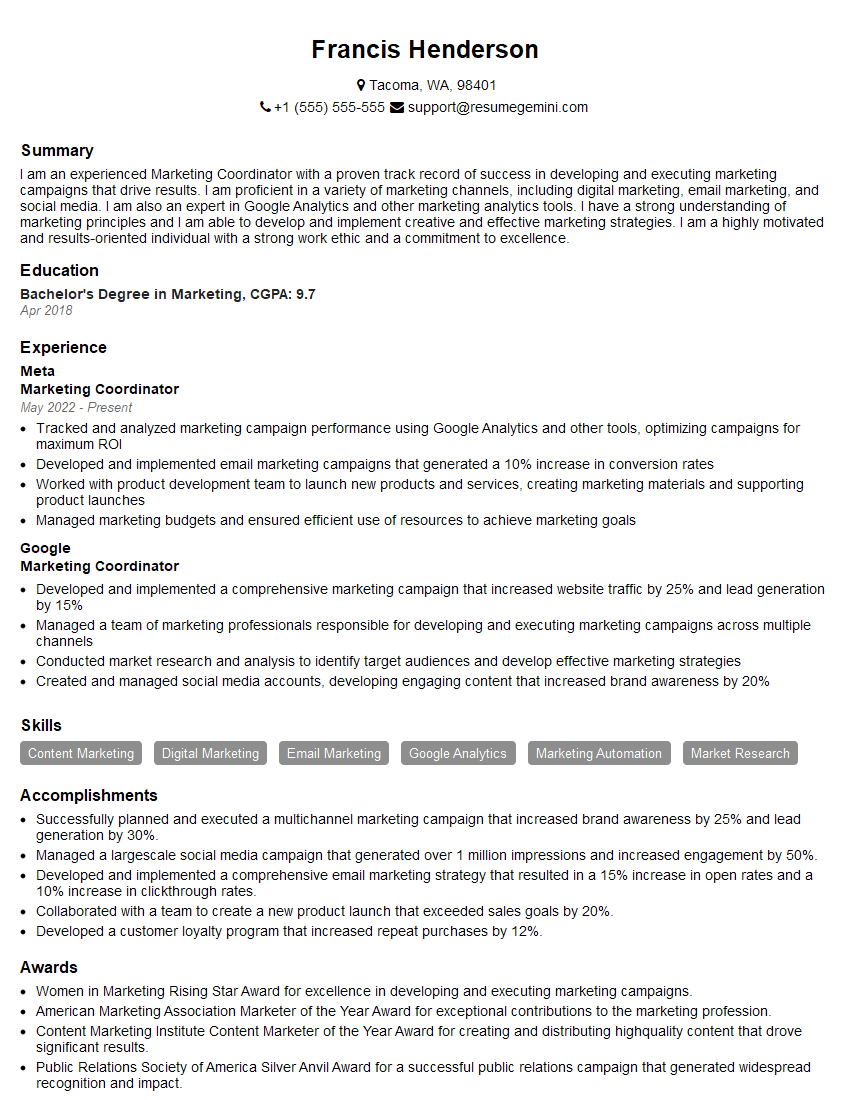
Marketing Coordinator Resume Sample
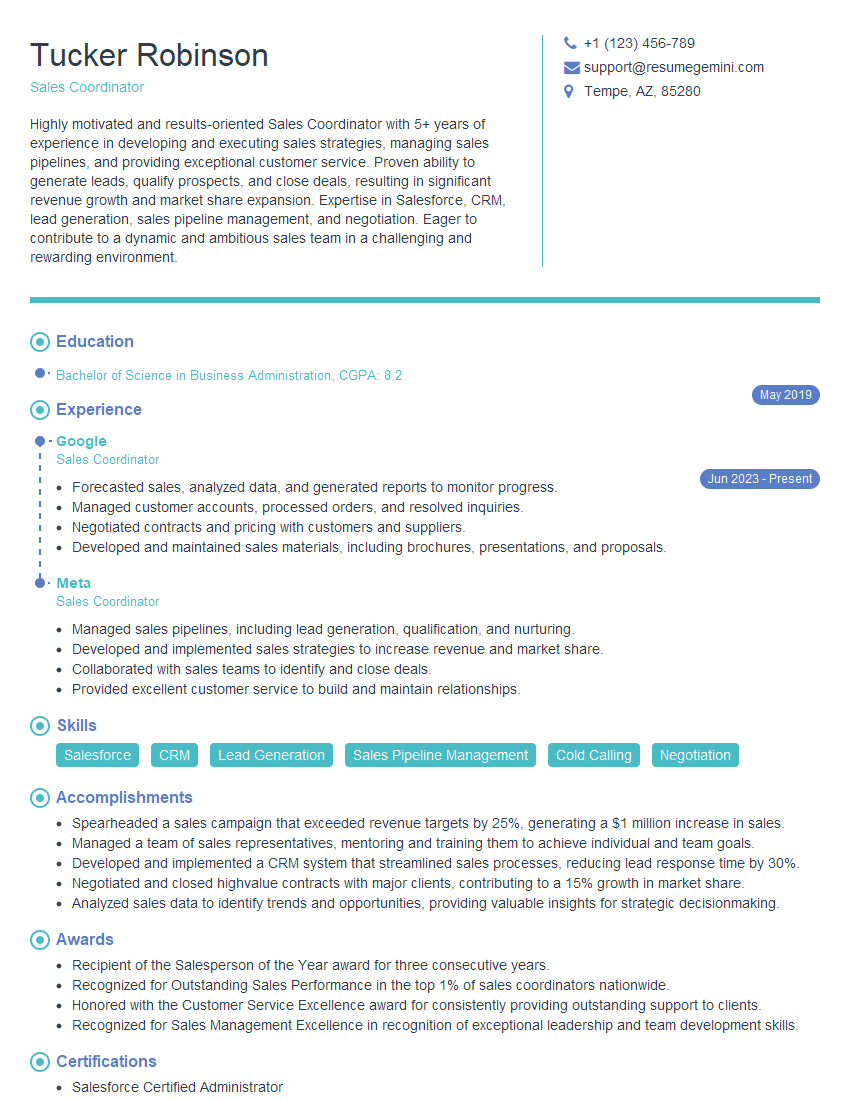
Sales Coordinator Resume Sample
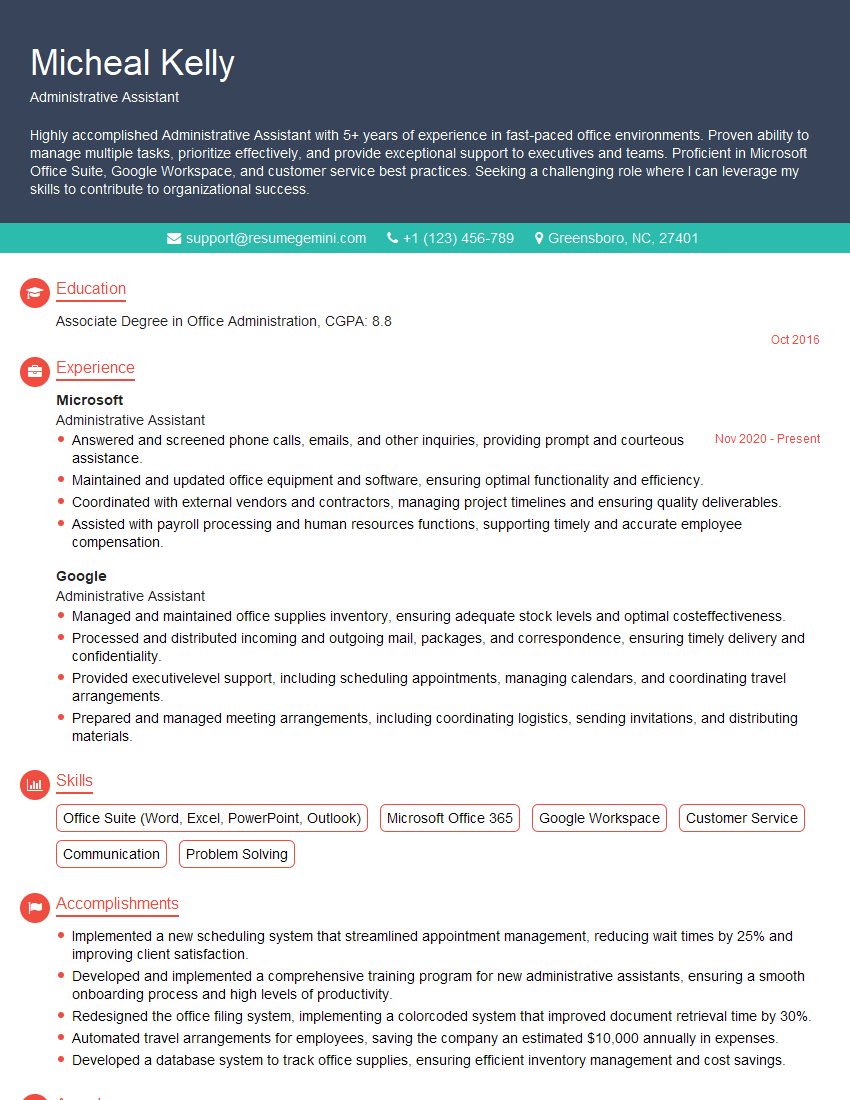
Administrative Assistant Resume Sample

Production Coordinator Resume Sample
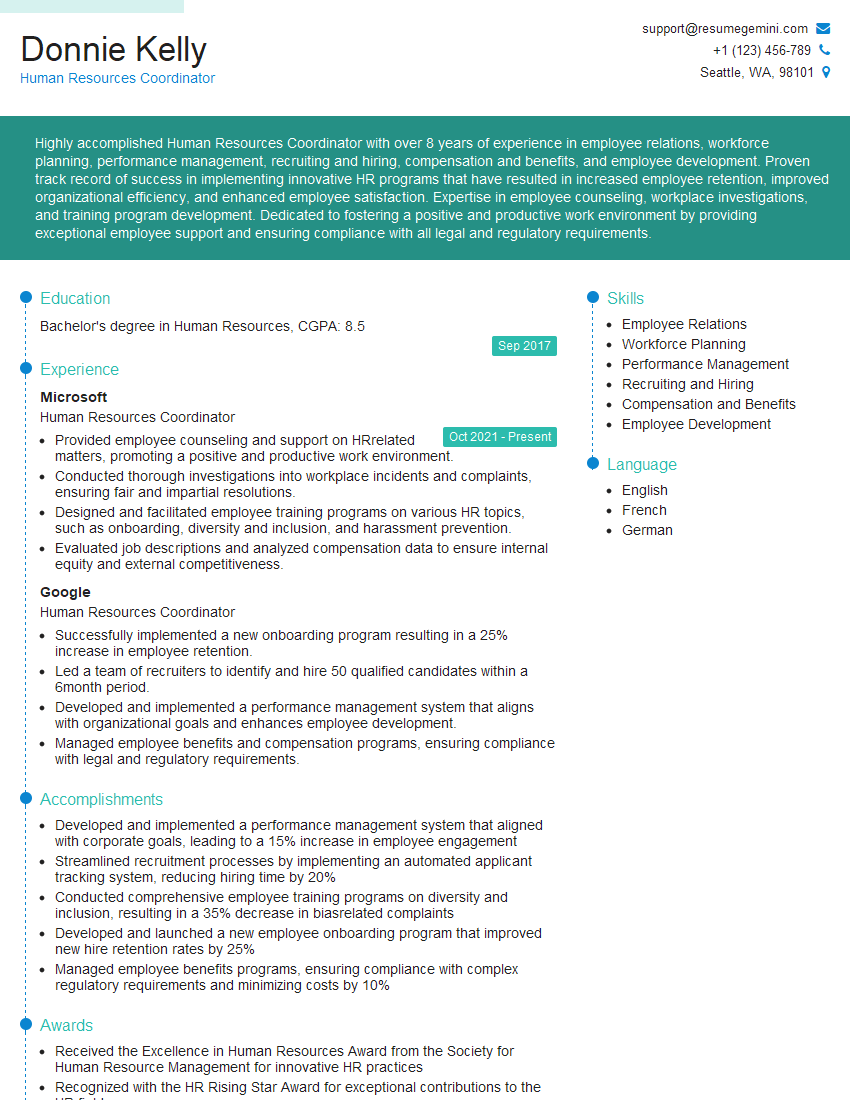
Human Resources Coordinator Resume Sample

Project Manager Resume Sample
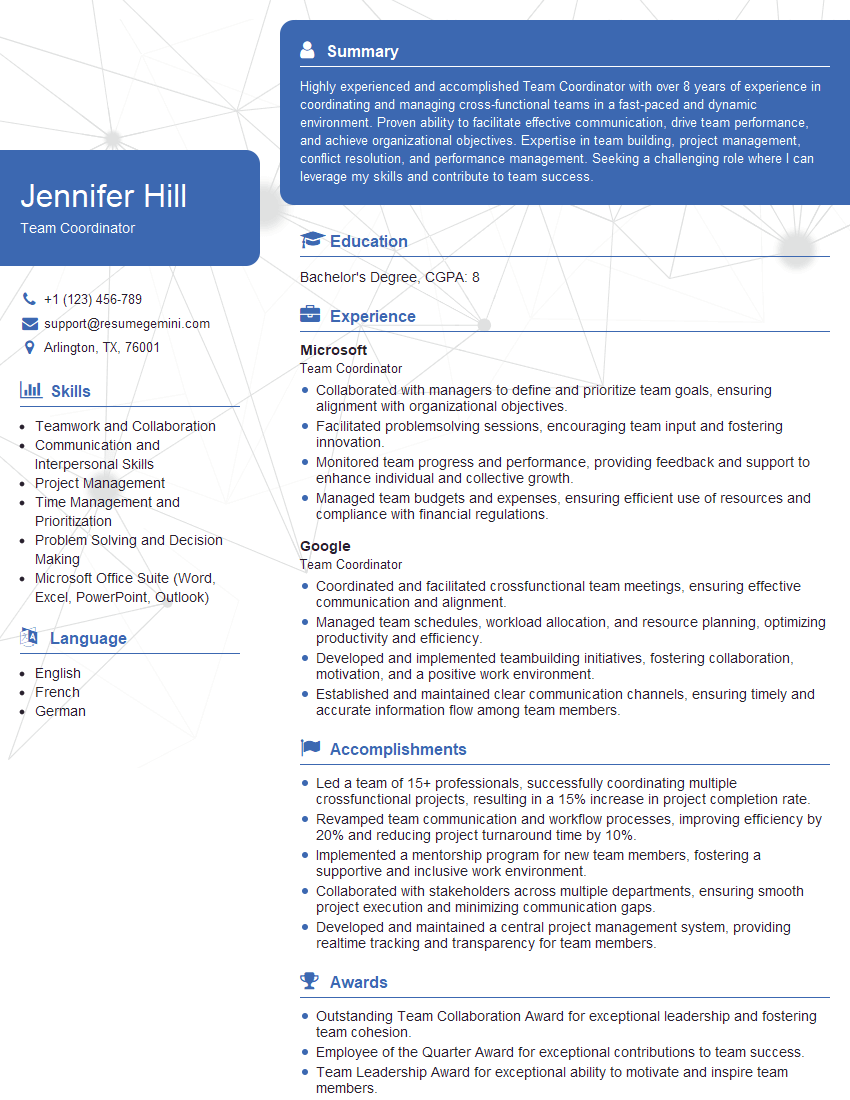
Team Coordinator Resume Sample
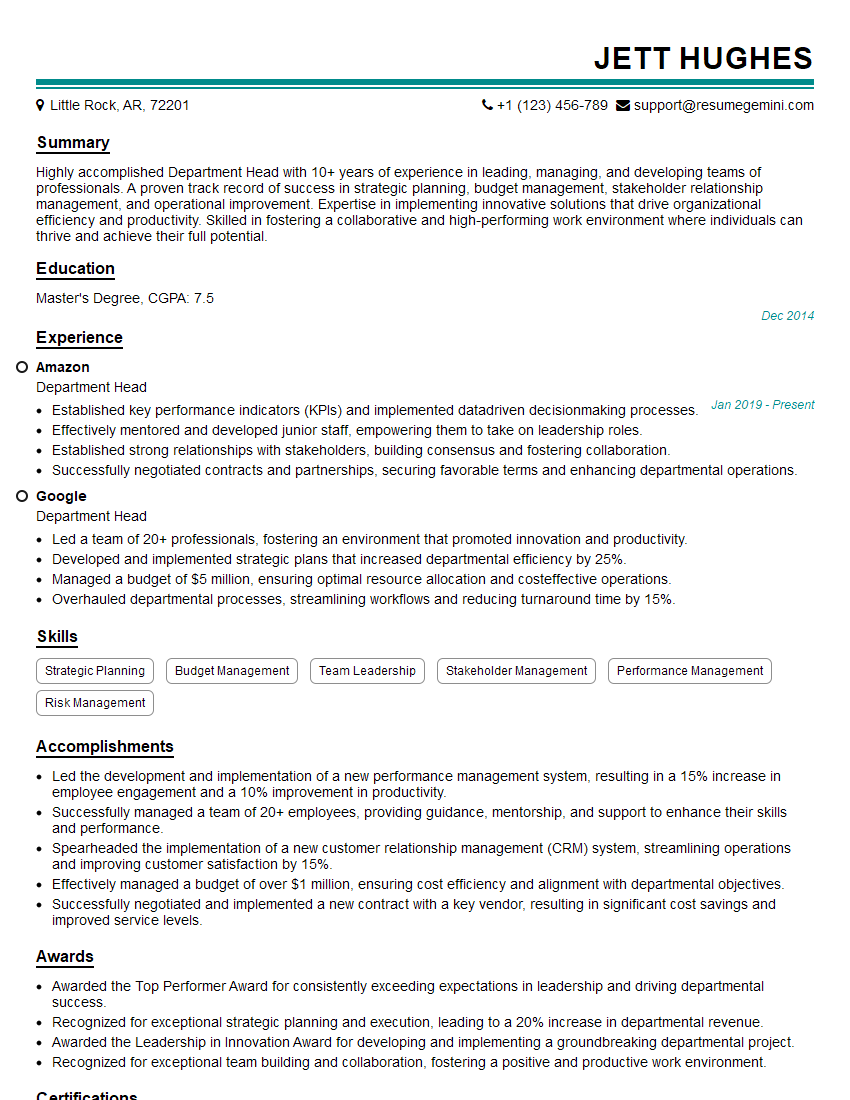
Department Head Resume Sample
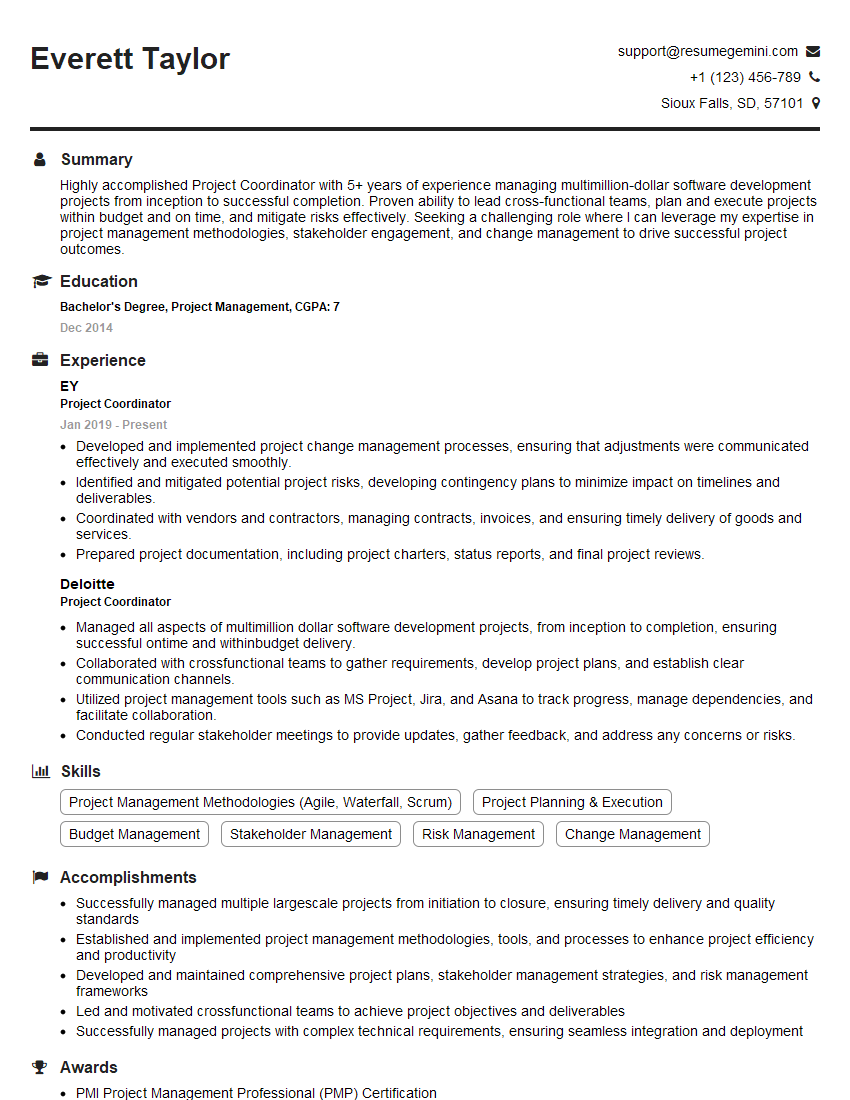
Project Coordinator Resume Sample
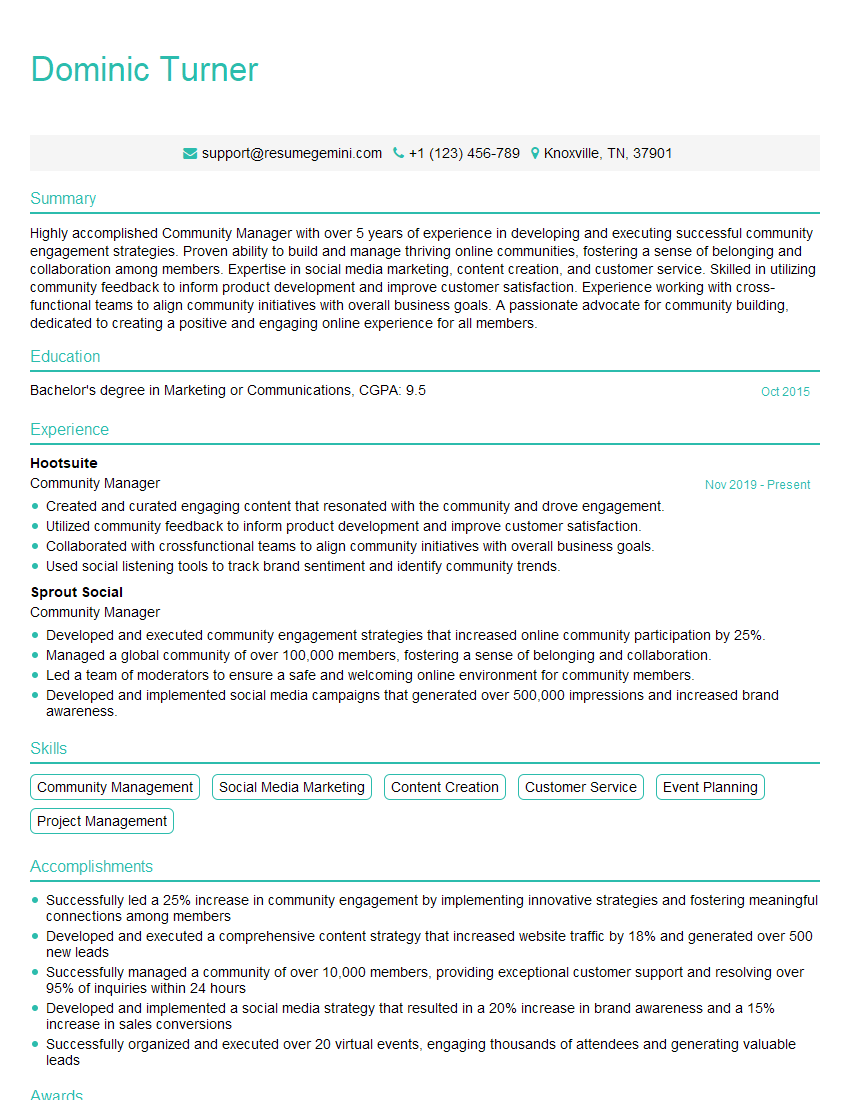
Community Manager Resume Sample
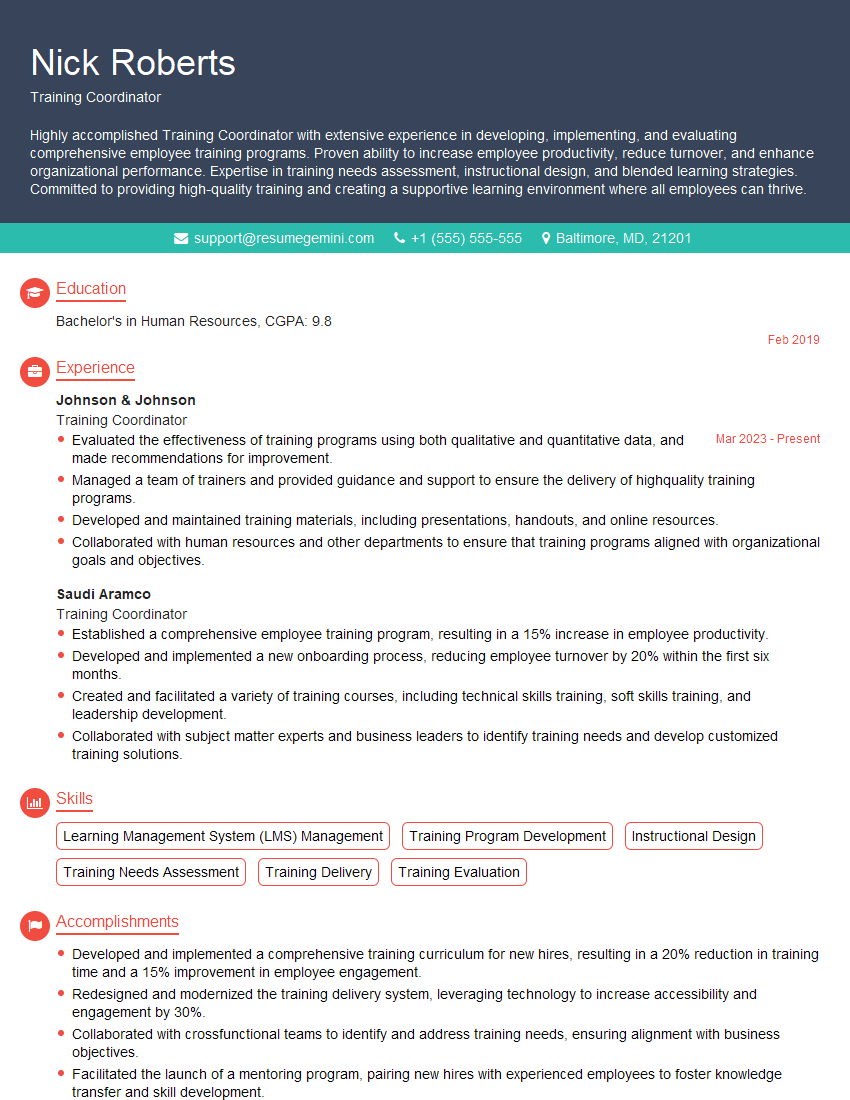
Training Coordinator Resume Sample
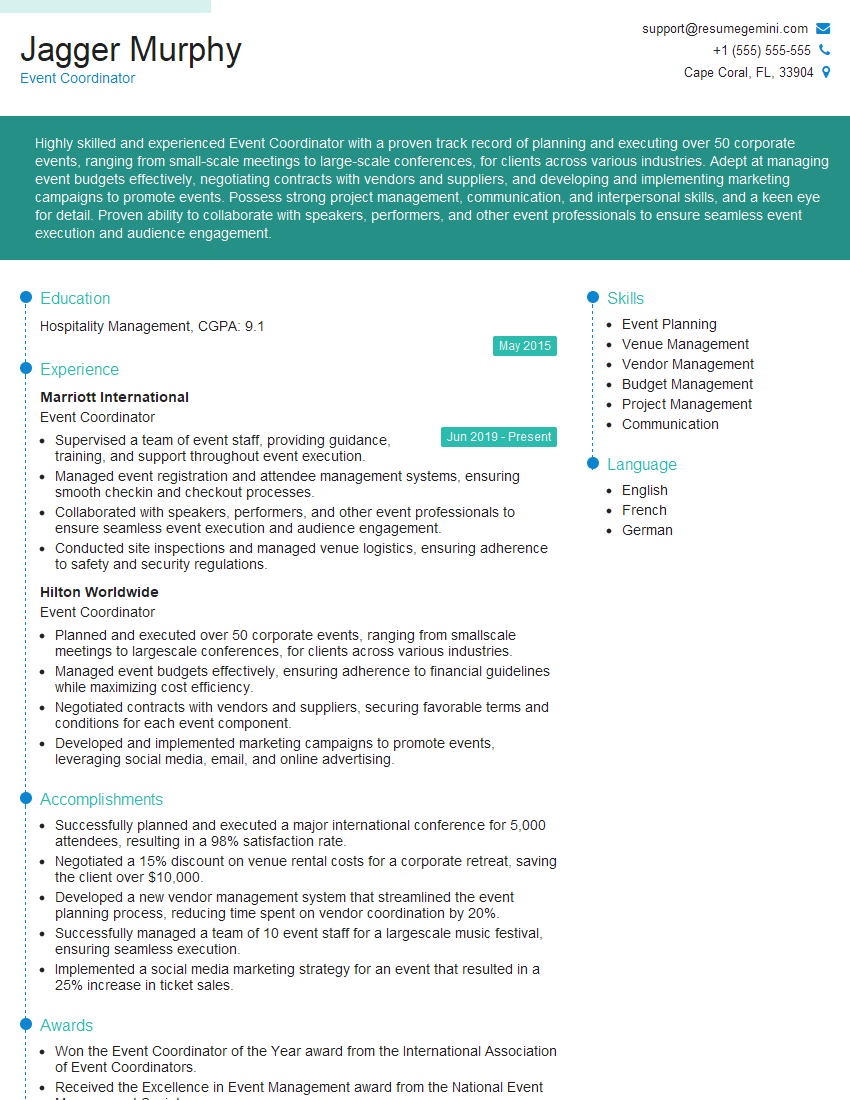
Event Coordinator Resume Sample
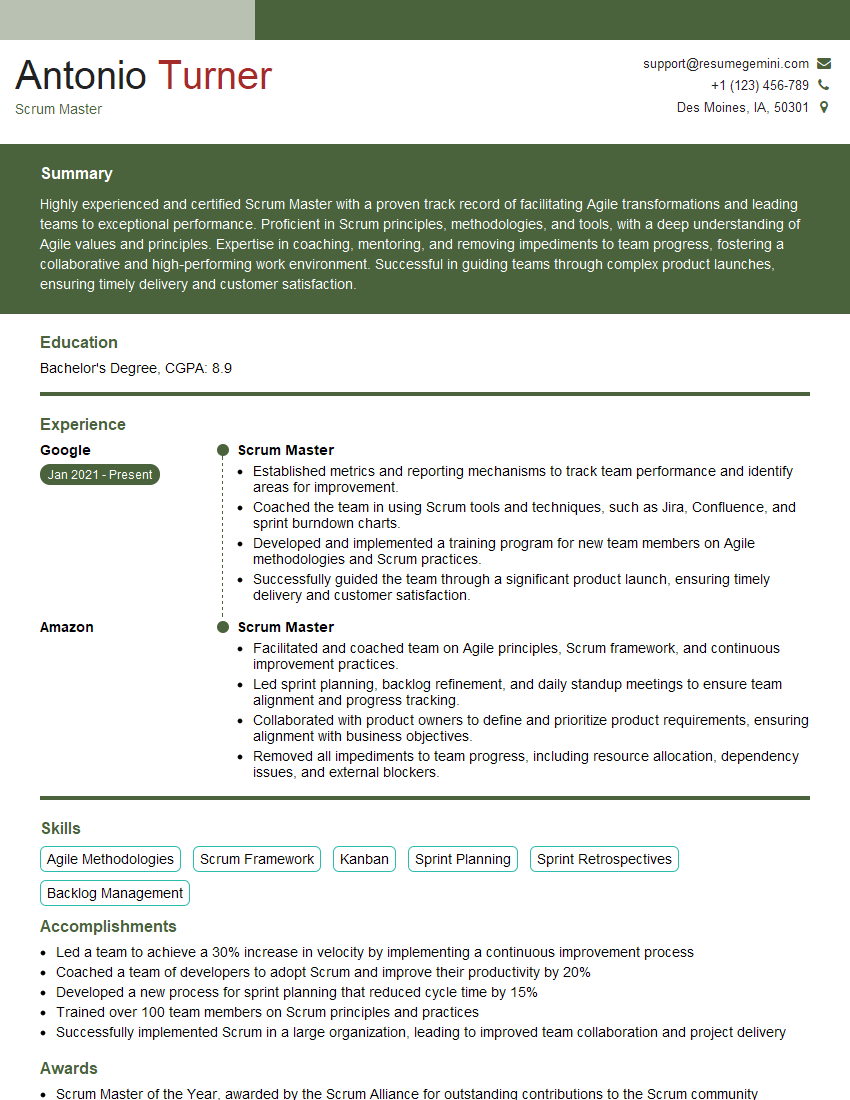
Scrum Master Resume Sample
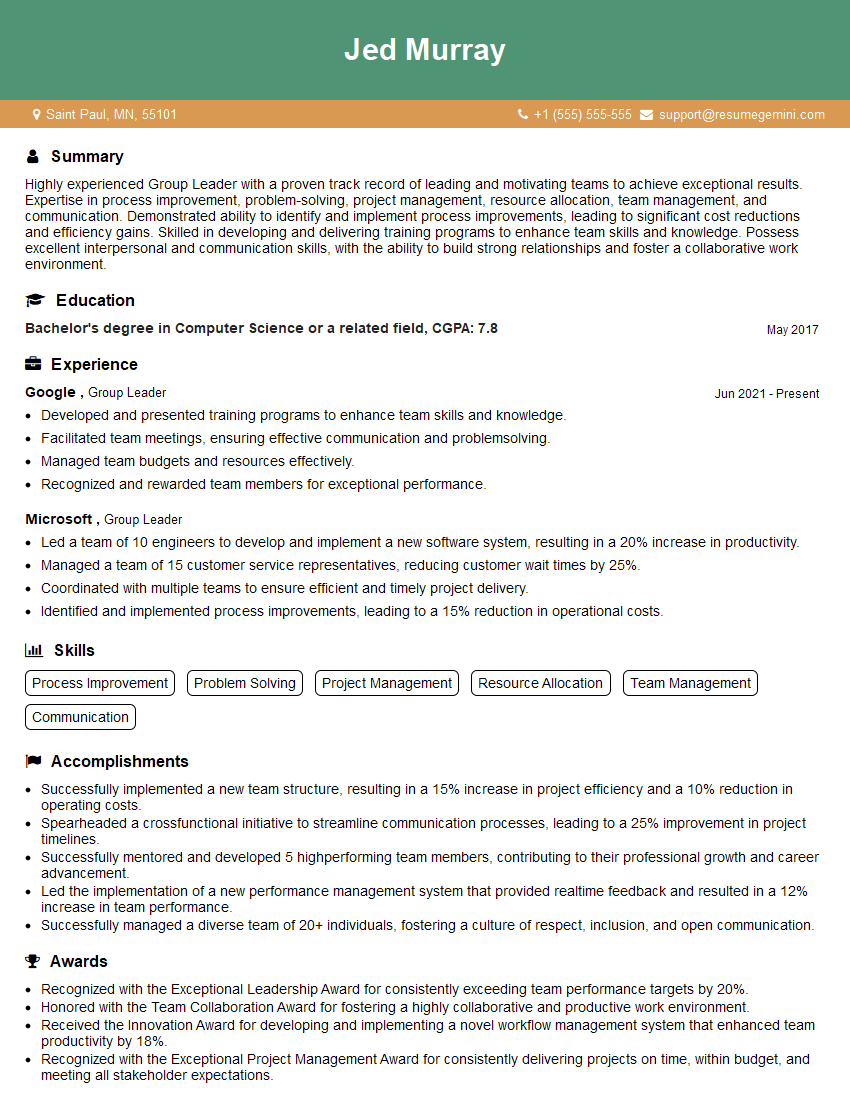
Group Leader Resume Sample
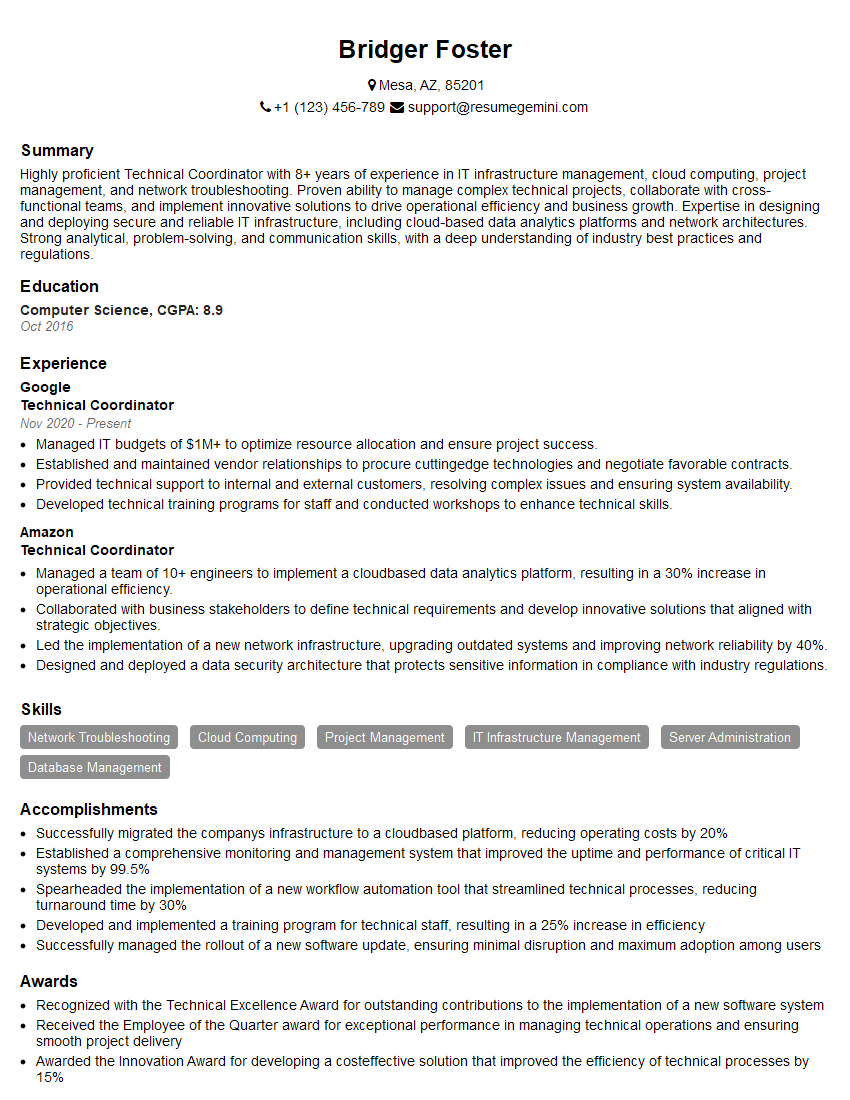
Technical Coordinator Resume Sample
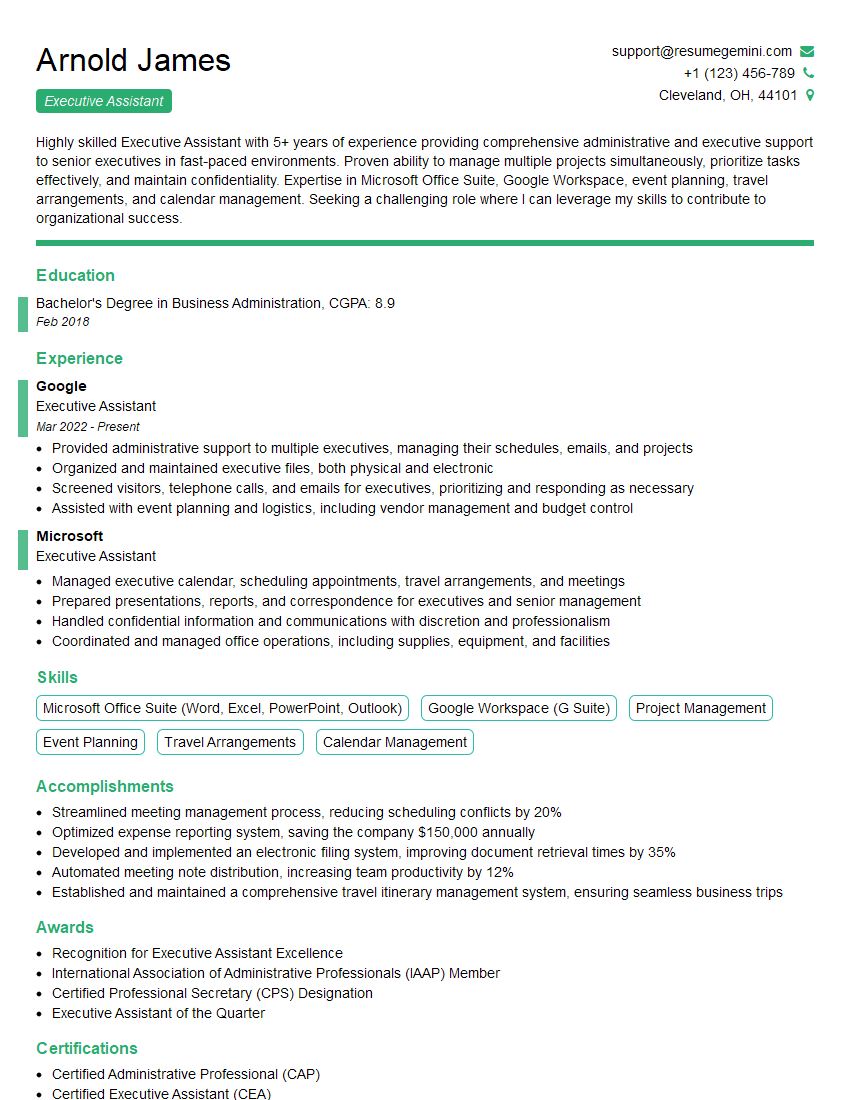
Executive Assistant Resume Sample
- Program Manager
- Office Manager
- Operations Manager
- Account Manager
- Business Development Manager
- Marketing Coordinator
- Sales Coordinator
- Administrative Assistant
- Production Coordinator
- Human Resources Coordinator
- Project Manager
- Team Coordinator
- Department Head
- Project Coordinator
- Community Manager
- Training Coordinator
- Event Coordinator
- Scrum Master
- Group Leader
- Technical Coordinator
- Executive Assistant
Explore more articles
Users Rating of Our Blogs
Share Your Experience
We value your feedback! Please rate our content and share your thoughts (optional).
What Readers Say About Our Blog
I Redesigned Spongebob Squarepants and his main characters of my artwork.
https://www.deviantart.com/reimaginesponge/art/Redesigned-Spongebob-characters-1223583608
IT gave me an insight and words to use and be able to think of examples
Hi, I’m Jay, we have a few potential clients that are interested in your services, thought you might be a good fit. I’d love to talk about the details, when do you have time to talk?
Best,
Jay
Founder | CEO