Are you ready to stand out in your next interview? Understanding and preparing for Consultation and Advocacy interview questions is a game-changer. In this blog, we’ve compiled key questions and expert advice to help you showcase your skills with confidence and precision. Let’s get started on your journey to acing the interview.
Questions Asked in Consultation and Advocacy Interview
Q 1. Describe your experience developing and implementing advocacy strategies.
Developing and implementing advocacy strategies requires a multifaceted approach. It begins with a deep understanding of the issue at hand, identifying the target audience, and defining clear, achievable goals. I start by conducting thorough research to understand the political landscape, relevant legislation, and existing advocacy efforts. This informs the development of a strategic plan that outlines specific tactics, timelines, and resource allocation.
For example, in a recent campaign advocating for improved access to mental healthcare services in underserved communities, I developed a strategy that included:
- Public Awareness Campaign: Utilizing social media, local news outlets, and community events to raise awareness about the issue.
- Lobbying Efforts: Directly engaging with policymakers to advocate for legislative changes.
- Community Partnerships: Collaborating with local organizations to provide support and resources to those affected.
- Data Collection and Analysis: Gathering data on the impact of the advocacy efforts to demonstrate progress and inform future strategies.
Successful implementation involves consistent monitoring, evaluation, and adaptation based on the results. This iterative process allows for course correction and maximizes the impact of the advocacy campaign.
Q 2. How do you identify and analyze stakeholders’ needs in a consultation?
Identifying and analyzing stakeholder needs is crucial for effective consultation. I employ a mixed-methods approach, combining qualitative and quantitative data collection techniques. This involves:
- Surveys: To gather broad data on stakeholder opinions and preferences.
- Focus Groups: To facilitate in-depth discussions and gather qualitative insights.
- Interviews: To conduct one-on-one conversations and explore individual perspectives.
- Document Review: To analyze existing reports, policies, and other relevant documents.
- Observation: To directly observe stakeholder behavior and interactions in their natural environment.
The data collected is then analyzed to identify common themes, patterns, and priorities. This helps to understand the diverse needs and concerns of all stakeholders, allowing for the development of tailored solutions that address their specific requirements. For example, during a consultation on a proposed urban development project, I conducted surveys to understand residents’ concerns about traffic congestion, access to green spaces, and affordability of housing. Focus groups helped in exploring the nuances of these concerns and understanding community dynamics, ensuring that the final plan addressed a wide range of issues.
Q 3. Explain your approach to conflict resolution in advocacy situations.
My approach to conflict resolution in advocacy situations is based on principles of collaboration and mutual respect. I believe that even seemingly opposing viewpoints can be reconciled through open communication and a willingness to find common ground. My strategies include:
- Active Listening: Carefully listening to all parties involved, seeking to understand their perspectives and concerns.
- Mediation: Facilitating dialogue between conflicting parties to help them identify shared interests and potential solutions.
- Negotiation: Working with stakeholders to find mutually acceptable compromises.
- Collaboration: Encouraging joint problem-solving and building consensus through shared decision-making.
For instance, during a community dispute over a proposed new school location, I facilitated meetings between residents, school officials, and local government representatives. By employing active listening and fostering open dialogue, I helped identify concerns and develop a solution that addressed everyone’s needs, minimizing disruptions and fostering collaboration.
Q 4. How do you measure the success of a consultation or advocacy project?
Measuring the success of a consultation or advocacy project requires a clear understanding of the project goals and objectives. Key performance indicators (KPIs) should be established upfront and regularly monitored. These KPIs might include:
- Quantitative Measures: Number of stakeholders engaged, policy changes achieved, budget adherence, media coverage, number of petitions signed.
- Qualitative Measures: Stakeholder satisfaction, improvements in community relations, changes in attitudes and behaviours, achievement of project goals.
Data collection methods can include surveys, interviews, focus groups, and document review. Regular reporting allows for evaluation of progress and adaptation of strategies. For example, in the mental health advocacy campaign, success was measured through the number of new policy changes implemented, the increase in awareness based on social media engagement, and improvements in access to mental health services reported by community members.
Q 5. Describe your experience working with diverse stakeholders in a consultation setting.
Working with diverse stakeholders requires sensitivity, cultural awareness, and an inclusive approach. I ensure that all voices are heard and respected, regardless of background or perspective. This involves:
- Cultural Competency Training: Understanding and appreciating the cultural backgrounds of all stakeholders.
- Language Access: Providing translation services when necessary.
- Accessibility: Ensuring that consultation materials and processes are accessible to individuals with disabilities.
- Inclusive Language: Using inclusive language that avoids stereotypes and generalizations.
- Representation: Seeking representation from diverse stakeholder groups in consultation processes.
For example, in a project focused on improving public transportation in a multicultural city, I ensured all materials were translated into multiple languages and that meetings were held in accessible locations with accommodations for people with disabilities. I also worked to ensure that diverse communities were represented in focus groups and consultations, incorporating their distinct perspectives into the project’s recommendations.
Q 6. How do you build rapport and trust with clients or stakeholders?
Building rapport and trust with clients or stakeholders is foundational to effective consultation and advocacy. This is achieved through:
- Active Listening and Empathy: Demonstrating genuine interest in their perspectives and concerns.
- Transparency and Honesty: Being open and honest about the process and potential challenges.
- Respectful Communication: Communicating respectfully and professionally, valuing their opinions.
- Relationship Building: Developing personal connections with stakeholders through regular communication and genuine interactions.
- Demonstrated Competence: Showing expertise and professionalism in your approach to the issue.
A personal example: In working with a community facing environmental injustice, I spent significant time simply listening to their experiences and concerns, validating their feelings before diving into strategy development. This built a foundation of trust crucial for collaborative action.
Q 7. How do you handle objections or resistance during a consultation or advocacy effort?
Handling objections or resistance requires a calm, respectful, and solution-oriented approach. I address objections by:
- Acknowledging Concerns: Validating stakeholders’ concerns and showing understanding.
- Providing Information: Offering additional information to address misconceptions or clarify points.
- Addressing Underlying Issues: Identifying the underlying reasons for resistance and addressing them directly.
- Finding Common Ground: Identifying areas of agreement and building from there.
- Compromise and Negotiation: Being willing to compromise and negotiate to find mutually acceptable solutions.
For instance, when facing strong opposition to a proposed policy change, I took the time to understand the reasons behind the opposition and worked collaboratively with the dissenting groups to modify the policy, achieving a more widely acceptable solution. This involved active listening, demonstrating empathy, and finding common ground to build consensus.
Q 8. Describe your experience in presenting complex information to different audiences.
Presenting complex information effectively hinges on understanding your audience and tailoring your message accordingly. I approach this by first analyzing the audience’s background, knowledge level, and primary concerns. For example, when presenting to a board of directors, I focus on high-level impact and financial implications, using concise bullet points and strong visuals. Conversely, when addressing community stakeholders, I use more accessible language, focusing on the tangible benefits and addressing their specific concerns with real-world examples and case studies. I also employ a variety of communication tools – from data visualizations and infographics to interactive sessions and Q&A periods – to ensure engagement and clarity. For technical audiences, I might include more detailed data and analytical insights, while simpler presentations might focus on compelling narratives and clear takeaways.
For instance, during a recent project advocating for improved public transportation, I presented complex ridership data to city council members using concise charts illustrating cost-effectiveness, and then later, simplified that same data into easily understood infographics to engage the broader public during a town hall meeting.
Q 9. How do you manage competing priorities in a consultation or advocacy project?
Managing competing priorities in consultation and advocacy requires a structured approach. I utilize project management techniques like prioritization matrices (e.g., Eisenhower Matrix) to identify urgent and important tasks. This helps to allocate resources effectively and ensure that critical deadlines are met. Clear communication with stakeholders is vital; regularly updating them on progress and any potential roadblocks allows for proactive adjustments. I use tools like Gantt charts and collaborative project management software to maintain transparency and track progress. Moreover, I proactively identify and mitigate potential conflicts by establishing clear timelines and deliverables at the outset of a project. This might involve negotiating realistic expectations and securing necessary resources upfront.
For example, during a campaign advocating for environmental protection, we had competing deadlines for submitting a proposal to the government and organizing a community awareness event. Using the Eisenhower Matrix, we prioritized the government proposal as the most urgent and important, allocating more resources to it while still ensuring the community event happened, albeit with adjusted timelines and a scaled-down scope. Consistent stakeholder communication was crucial in managing expectations.
Q 10. How do you adapt your communication style to different stakeholders?
Adapting communication style to different stakeholders is paramount. I tailor my language, tone, and presentation format to resonate with each audience. For example, when communicating with technical experts, I use precise terminology and delve into the specifics of the subject matter. With senior management, my focus is on the strategic implications and ROI of the advocacy efforts. When interacting with community members, I prioritize clear, concise language and focus on building trust and rapport. Active listening plays a crucial role – understanding the stakeholder’s perspective allows me to address their concerns effectively and build consensus. This also includes being mindful of different communication preferences – some people prefer written communication, others favor face-to-face meetings.
A recent example involved advocating for a new community park. I presented complex environmental impact assessments to the planning committee using technical language, and then later presented the project’s community benefits and recreational opportunities to residents using straightforward language and visuals during a public forum.
Q 11. Describe a time you had to negotiate a compromise in an advocacy situation.
Negotiating compromise is an essential skill in advocacy. In one instance, we were advocating for stricter environmental regulations for a local factory. The factory owners, initially resistant, argued that the new regulations would significantly impact their profitability and potentially lead to job losses. We understood their concerns and instead of an outright confrontation, we proposed a phased implementation of the regulations, allowing the factory time to adjust their operations and invest in cleaner technologies. We also worked to secure government funding to support their transition, making it a win-win situation. This compromise involved active listening, understanding their perspectives, and creatively finding solutions that addressed both their concerns and our advocacy goals. It required a flexible approach and a willingness to consider alternatives.
Q 12. Explain your experience in developing and delivering persuasive presentations.
Developing and delivering persuasive presentations relies on a strong understanding of narrative structure, compelling storytelling, and data-driven arguments. I start by crafting a clear and concise message, identifying the key takeaways I want the audience to remember. The structure of my presentations often follows a storytelling arc, beginning with a compelling hook, building to a logical argument with supporting evidence, and concluding with a clear call to action. I use visuals effectively – charts, graphs, and images – to communicate complex data in an engaging way. Rehearsing the presentation thoroughly helps to ensure smooth delivery and confident presentation. Tailoring the presentation to the specific audience is also crucial. I focus on addressing their specific concerns and interests, using language and examples they can readily understand.
For example, in a presentation to secure funding for a homeless shelter, I started by sharing a personal story of someone who benefited from such services, creating an emotional connection with the audience before presenting the detailed budget and strategic plan.
Q 13. How do you stay current on relevant policy and regulatory changes?
Staying current on policy and regulatory changes requires a proactive approach. I regularly monitor relevant government websites, subscribe to newsletters from key organizations and think tanks, and attend industry conferences and webinars. Networking with colleagues and experts in the field provides valuable insights and updates on emerging issues. I also utilize online databases and legal research tools to access relevant legislation and case law. Regularly reviewing relevant publications and journals ensures that I remain informed of emerging trends and best practices. This ongoing learning helps me to anticipate potential challenges and opportunities, allowing me to adapt my advocacy strategies effectively.
Q 14. How do you prioritize tasks and manage your time effectively?
Effective time management is essential in this field. I prioritize tasks using methods like the Eisenhower Matrix, focusing on urgent and important items first. I break down large projects into smaller, manageable tasks with clear deadlines. Utilizing project management software helps me to track progress, allocate resources, and manage deadlines effectively. Time blocking allows me to dedicate specific time slots to focused work, minimizing distractions. Regular review and adjustment of my schedule ensures that I am on track and able to adapt to changing priorities. Furthermore, I delegate tasks where appropriate and leverage the skills of my colleagues to maximize efficiency. Setting realistic expectations and avoiding overcommitment are equally vital aspects of effective time management.
Q 15. Describe your experience in working collaboratively with team members.
Collaborative teamwork is the cornerstone of successful consultation and advocacy. My experience involves consistently leveraging diverse skill sets within a team to achieve shared goals. I believe in open communication, active listening, and a shared understanding of roles and responsibilities. For example, in a recent project advocating for improved mental health services in underserved communities, I worked closely with a researcher to analyze data, a community organizer to build relationships with stakeholders, and a legal expert to ensure our strategies were legally sound. We held regular meetings, utilized project management tools to track progress, and ensured everyone felt heard and valued. This collaborative approach ensured we created a comprehensive and impactful advocacy campaign.
Furthermore, I understand the importance of conflict resolution. Disagreements are inevitable, but constructive dialogue and compromise are key. I actively seek feedback, am willing to adjust my approach based on team input, and always prioritize the overall project success above individual preferences. In one instance, differing opinions emerged on the best strategy for engaging a specific policymaker. Through respectful discussion, we weighed the pros and cons of each approach and ultimately chose a hybrid strategy that incorporated the strengths of both.
Career Expert Tips:
- Ace those interviews! Prepare effectively by reviewing the Top 50 Most Common Interview Questions on ResumeGemini.
- Navigate your job search with confidence! Explore a wide range of Career Tips on ResumeGemini. Learn about common challenges and recommendations to overcome them.
- Craft the perfect resume! Master the Art of Resume Writing with ResumeGemini’s guide. Showcase your unique qualifications and achievements effectively.
- Don’t miss out on holiday savings! Build your dream resume with ResumeGemini’s ATS optimized templates.
Q 16. Explain your understanding of ethical considerations in consultation and advocacy.
Ethical considerations are paramount in consultation and advocacy. My approach is guided by principles of integrity, transparency, honesty, and respect for autonomy. This means being upfront about potential conflicts of interest, obtaining informed consent from clients and stakeholders, and ensuring all actions are aligned with professional codes of conduct and relevant laws. For instance, I would never promise outcomes I cannot deliver or manipulate information to serve my own agenda. Maintaining confidentiality is critical; all information shared by clients is treated with the utmost discretion. Moreover, I believe in advocating for the best interests of my clients, even when those interests may be unpopular or challenging to pursue.
In situations where ethical dilemmas arise, I engage in thorough ethical reflection, considering all relevant factors and consulting with supervisors or professional ethics boards when necessary. The potential impact on all stakeholders is weighed carefully. This ethical framework ensures that my work maintains the highest standards of integrity and professionalism, promoting trust and building strong relationships with clients and stakeholders alike.
Q 17. How do you handle sensitive or confidential information?
Handling sensitive and confidential information is a top priority. I adhere to strict confidentiality protocols, including secure storage of documents (both physical and digital), password protection, and data encryption. I only share information on a need-to-know basis with authorized individuals and always obtain informed consent before disclosing any personal or sensitive data. Imagine a client sharing details about a traumatic experience. My commitment to confidentiality ensures they feel safe and empowered to engage fully in the advocacy process.
I utilize secure communication channels, such as encrypted email or secure messaging platforms, when discussing sensitive matters. Furthermore, I regularly review and update my security practices to ensure compliance with best practices and relevant regulations. My commitment to protecting confidential information builds trust and strengthens the client-advocate relationship.
Q 18. Describe your experience in using data to support advocacy efforts.
Data plays a crucial role in supporting advocacy efforts. My experience involves collecting, analyzing, and interpreting data to identify trends, support claims, and demonstrate the impact of our work. For instance, in an advocacy campaign to reduce homelessness, I used statistical data on homelessness rates, demographics of the homeless population, and the success rates of various interventions to create a compelling case for increased funding for supportive housing programs. This data was presented in user-friendly formats, such as infographics and presentations, to make it accessible to a broad audience.
I am proficient in utilizing various data analysis techniques, including statistical software packages like SPSS or R, to draw meaningful insights from quantitative and qualitative data. This data-driven approach ensures our advocacy efforts are evidence-based, enhancing our credibility and persuasive power.
Q 19. How do you identify and mitigate risks in a consultation or advocacy project?
Risk mitigation is an integral part of any consultation or advocacy project. My approach involves a proactive and systematic assessment of potential risks throughout the project lifecycle. This includes identifying potential legal, financial, reputational, and operational risks. I develop contingency plans to address these risks and regularly monitor the situation, adjusting my strategy as needed. For example, in a campaign challenging a discriminatory policy, we identified the potential risk of legal challenges and developed a comprehensive legal strategy, including securing legal counsel and building alliances with other organizations.
Furthermore, I employ a risk management framework involving regular risk assessments, documentation of mitigation strategies, and periodic reviews to assess the effectiveness of the implemented plans. Open communication with the team and clients is crucial to proactively addressing emerging risks and preventing escalation.
Q 20. Describe your approach to problem-solving in challenging situations.
Problem-solving in challenging situations requires a structured and creative approach. I typically employ a systematic process that involves clearly defining the problem, gathering relevant information, brainstorming potential solutions, evaluating the feasibility and potential impact of each solution, and selecting the optimal course of action. For example, when faced with unexpected opposition during a public hearing on a proposed policy change, I quickly adapted our strategy, incorporating elements of compromise while still maintaining our core advocacy goals.
I value flexibility and adaptability. I am comfortable navigating ambiguity and uncertainty. Furthermore, I actively seek diverse perspectives and collaborate with others to develop innovative and effective solutions, often employing techniques such as root cause analysis to identify the underlying issues contributing to the problem. I am also prepared to adjust our plans if necessary, based on new information or unforeseen obstacles.
Q 21. How do you build and maintain relationships with key influencers?
Building and maintaining relationships with key influencers is crucial for effective advocacy. My approach is based on mutual respect, open communication, and demonstrating the value of collaboration. I actively listen to their perspectives, acknowledge their expertise, and tailor my communication to resonate with their interests and concerns. I also regularly engage with them through various channels, such as meetings, emails, and social media, to maintain a strong connection.
I strive to build trust by demonstrating competence, integrity, and reliability. I am always prepared and professional in my interactions, and I consistently follow up on commitments. In addition, I seek to create a win-win situation by framing advocacy efforts in terms of shared goals and mutual benefits. For example, by highlighting the positive impacts of supporting a particular policy on their constituents, I demonstrate how collaboration can benefit all involved parties.
Q 22. Explain your experience in developing and implementing communication plans.
Developing and implementing effective communication plans is crucial for successful consultation and advocacy. It involves a strategic approach to disseminating information, building relationships, and persuading stakeholders. My process typically begins with a thorough needs assessment – identifying the target audience, their communication preferences, and the key messages that need to be conveyed.
For example, in a campaign advocating for improved public transportation, I would analyze the demographics of the community, their preferred media consumption (e.g., social media, local newspapers, community forums), and the specific benefits of improved transportation that resonate most with them. Then, I would create a detailed plan outlining the communication channels, messaging strategies, timelines, and budget allocation. This plan might involve press releases, social media campaigns, community events, and direct engagement with policymakers.
Furthermore, I ensure regular monitoring and evaluation of the communication plan’s effectiveness through metrics such as media coverage, social media engagement, and feedback from stakeholders. This iterative process allows for necessary adjustments and ensures the communication remains relevant and impactful.
Q 23. How do you leverage technology to improve consultation and advocacy effectiveness?
Technology plays a vital role in enhancing consultation and advocacy effectiveness. I leverage various tools to streamline communication, data analysis, and stakeholder engagement. For instance, I use CRM (Customer Relationship Management) software to manage contacts, track interactions, and segment audiences for targeted communication. This allows for personalized outreach and helps to ensure that our message resonates with specific groups.
Social media platforms like Twitter and Facebook are instrumental for disseminating information quickly and broadly, reaching a wider audience than traditional methods. Online survey tools are used to gather data for research, facilitating evidence-based advocacy. Furthermore, video conferencing platforms enable efficient collaboration with stakeholders across geographical locations.
I also employ data visualization tools to present research findings in a clear and compelling manner, enhancing the impact of our advocacy efforts. For instance, creating charts and graphs to demonstrate the impact of a policy change can be far more effective than presenting raw data. The key is to select the technology that best suits the specific campaign’s needs and audience.
Q 24. Describe your experience in conducting research to support advocacy efforts.
Conducting robust research is foundational to impactful advocacy. It provides the evidence needed to support our claims, strengthen our arguments, and persuade stakeholders. My experience involves a range of research methods, from quantitative analysis (e.g., statistical analysis of data) to qualitative methods (e.g., interviews, focus groups, case studies).
For example, in an advocacy campaign to increase funding for after-school programs, I would conduct research to understand the current state of funding, the needs of the community, and the positive impact of such programs on children’s well-being. This research might involve gathering data on student performance, analyzing budget allocations, and conducting interviews with parents, teachers, and community leaders.
The findings from this research would then be compiled into a comprehensive report that serves as a strong evidence base for our advocacy efforts. This detailed, data-driven approach is crucial for achieving buy-in from decision-makers and securing funding.
Q 25. How do you handle criticism or feedback on your work?
I view criticism and feedback as valuable opportunities for growth and improvement. I believe in actively seeking out diverse perspectives and incorporating constructive criticism into my work. My approach involves carefully listening to the feedback, understanding the concerns raised, and responding thoughtfully.
If the feedback is valid, I take responsibility for the shortcomings and outline steps to rectify them. I document the feedback and the actions taken to address it, demonstrating a commitment to continuous improvement. If the feedback is based on misunderstandings or inaccurate information, I provide clear explanations and additional context to clarify the situation. I always strive for a respectful and professional dialogue, even when faced with challenging criticism.
For example, if I receive feedback that a communication strategy was unclear, I would analyze what aspects were confusing, revise the communication accordingly, and solicit further feedback for refinement. This iterative process ensures high-quality, impactful advocacy work.
Q 26. Explain your understanding of different advocacy approaches and techniques.
Advocacy approaches are diverse, tailored to specific contexts and goals. Some common approaches include: Grassroots advocacy, which involves mobilizing community members to advocate for a cause; Lobbying, which focuses on directly influencing policymakers; Media advocacy, which uses media outlets to shape public opinion; and Legal advocacy, which employs legal means to pursue policy changes.
Techniques within these approaches vary widely. They might involve public awareness campaigns, coalition building, policy analysis, public speaking, letter-writing campaigns, legal challenges, or using social media to influence public opinion. The choice of approach and techniques depends on various factors, such as the issue at hand, the target audience, the available resources, and the political landscape.
For example, a grassroots campaign to improve local park facilities might involve organizing community meetings, petition drives, and engaging local media. Conversely, lobbying efforts might focus on building relationships with legislators and presenting data-driven arguments to support legislative proposals.
Q 27. How do you evaluate the effectiveness of different advocacy strategies?
Evaluating the effectiveness of advocacy strategies requires a systematic approach. It involves setting clear, measurable objectives at the outset of the campaign. These might include changes in policy, public opinion, or resource allocation. Once the campaign is complete, I use a variety of methods to evaluate progress toward those objectives.
Quantitative methods include analyzing changes in policy, tracking media coverage, and measuring shifts in public opinion through surveys. Qualitative methods, like conducting focus groups or interviews with stakeholders, provide valuable insights into the campaign’s impact and identify areas for improvement.
Key performance indicators (KPIs) are vital tools in evaluating success. For example, in a campaign to increase funding for a particular program, KPIs might include the amount of additional funding secured, the number of people who supported the campaign, and the number of media mentions. By regularly monitoring these indicators, we can assess the success of our advocacy strategies and adapt our approach as needed.
Q 28. Describe your experience in working within budget constraints.
Working within budget constraints is a common challenge in advocacy. My approach involves careful planning, resource allocation, and creative problem-solving. It begins with a thorough budgeting process where I estimate all anticipated costs, including personnel, materials, marketing, and technology. I prioritize cost-effective strategies, leveraging free or low-cost resources such as volunteer support, social media, and readily available data.
I also explore opportunities for grant funding, partnerships, and in-kind contributions to supplement available resources. For example, we might partner with a local business to provide office space or printing services, reducing our direct costs. I prioritize activities with the highest potential return on investment and carefully track spending against the budget, regularly reviewing expenditures and making necessary adjustments to ensure cost-effectiveness.
This proactive and strategic approach ensures that we maximize our impact despite financial limitations, focusing resources where they will be most effective in achieving our goals.
Key Topics to Learn for Consultation and Advocacy Interview
- Active Listening and Communication: Mastering the art of empathetic listening and clear, concise communication to understand client needs and effectively articulate solutions.
- Needs Assessment and Goal Setting: Developing a structured approach to identify client needs, define realistic goals, and collaboratively create action plans.
- Problem-Solving and Solution Development: Applying critical thinking skills to analyze complex situations, identify root causes, and propose creative, practical solutions aligned with client objectives.
- Advocacy Strategies and Techniques: Understanding different advocacy approaches, navigating bureaucratic processes, and building effective relationships with stakeholders.
- Ethical Considerations and Professional Boundaries: Maintaining confidentiality, adhering to professional codes of conduct, and recognizing potential conflicts of interest.
- Documentation and Reporting: Effectively documenting client interactions, progress, and outcomes to ensure accountability and transparency.
- Conflict Resolution and Negotiation: Employing strategies for de-escalation, mediation, and negotiation to resolve conflicts and achieve mutually beneficial outcomes.
- Cultural Competency and Sensitivity: Demonstrating awareness and respect for diverse perspectives and tailoring approaches to meet the unique needs of different client populations.
- Resource Identification and Management: Connecting clients with relevant resources, services, and support networks.
Next Steps
Mastering Consultation and Advocacy skills opens doors to fulfilling and impactful careers, offering opportunities for significant professional growth and the chance to make a real difference in the lives of others. To maximize your job prospects, crafting a compelling and ATS-friendly resume is crucial. ResumeGemini is a trusted resource to help you build a professional resume that highlights your unique skills and experience. Examples of resumes tailored to Consultation and Advocacy are available to help guide you. Take advantage of these resources to present yourself effectively and land your dream role.
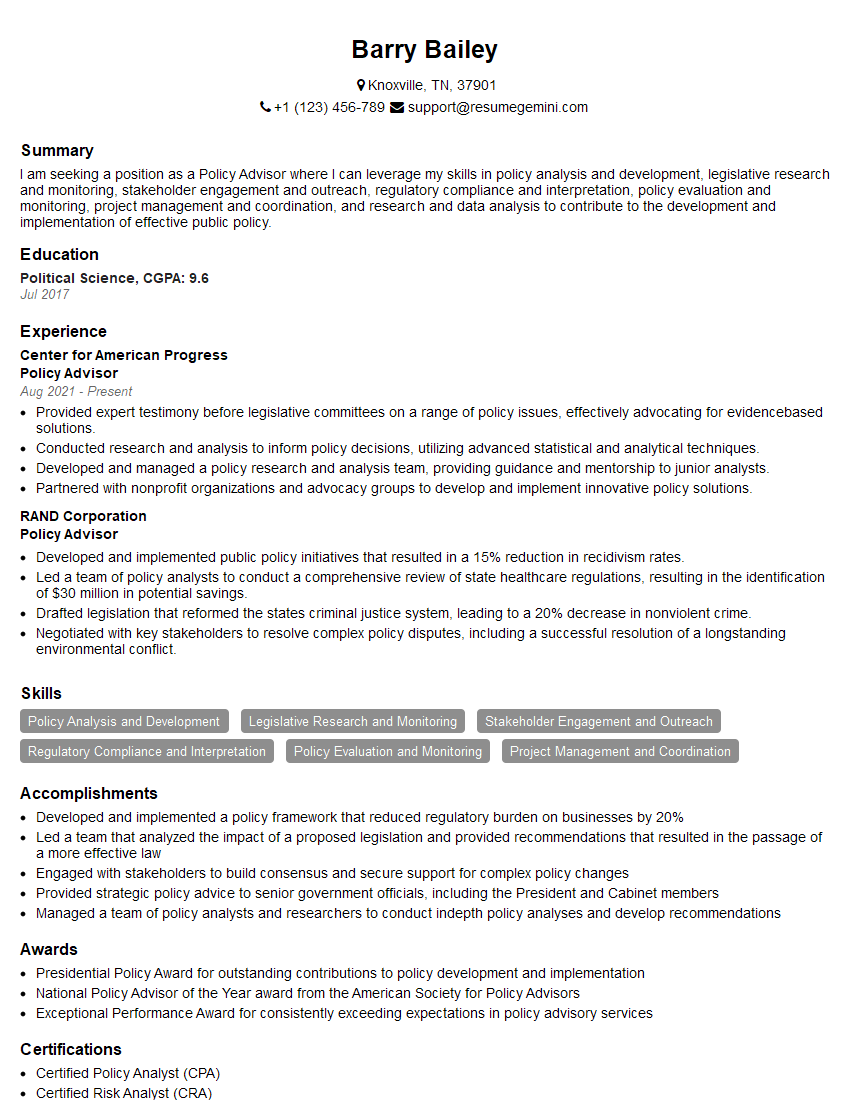
Policy Advisor Resume Sample
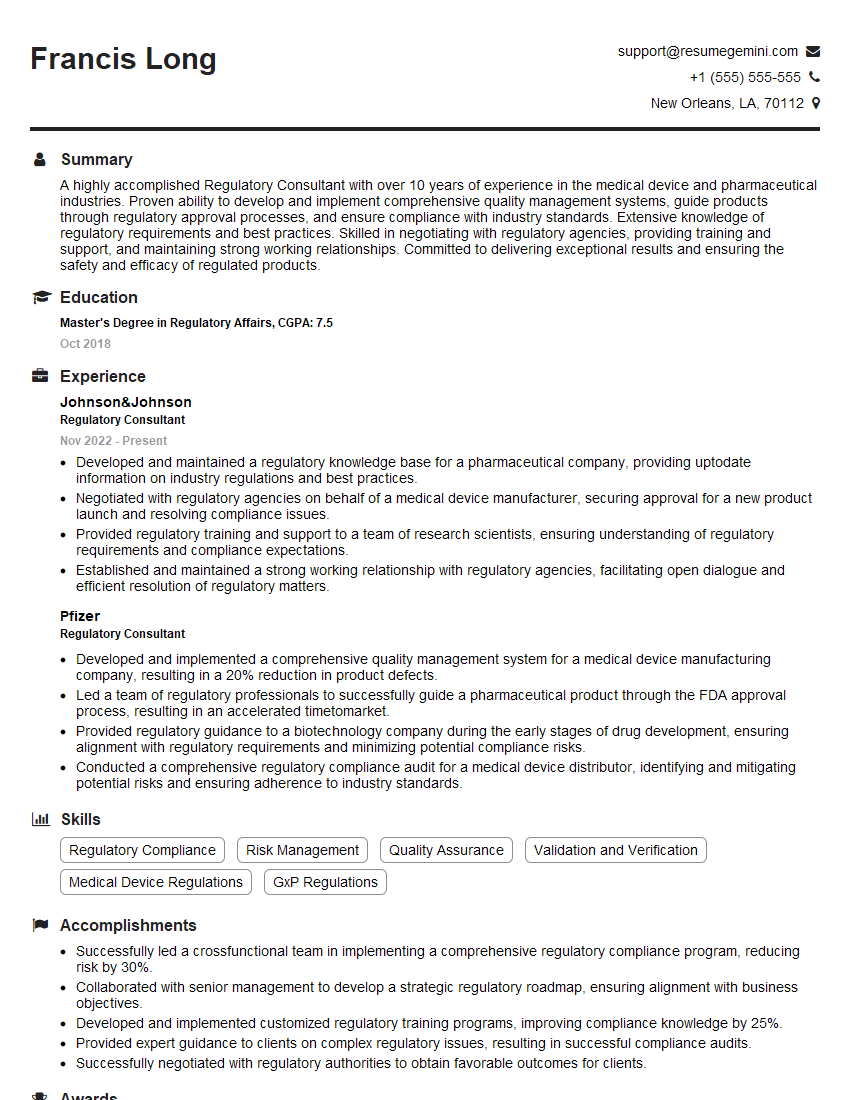
Regulatory Consultant Resume Sample
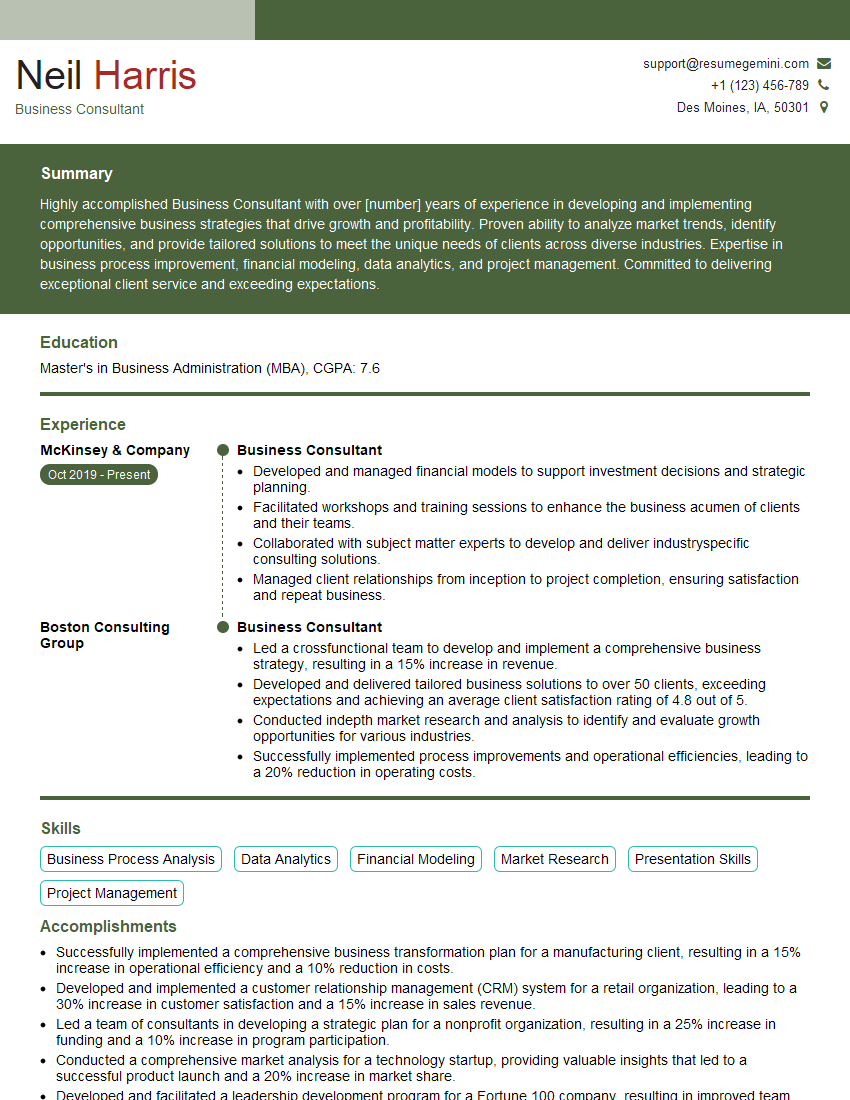
Business Consultant Resume Sample
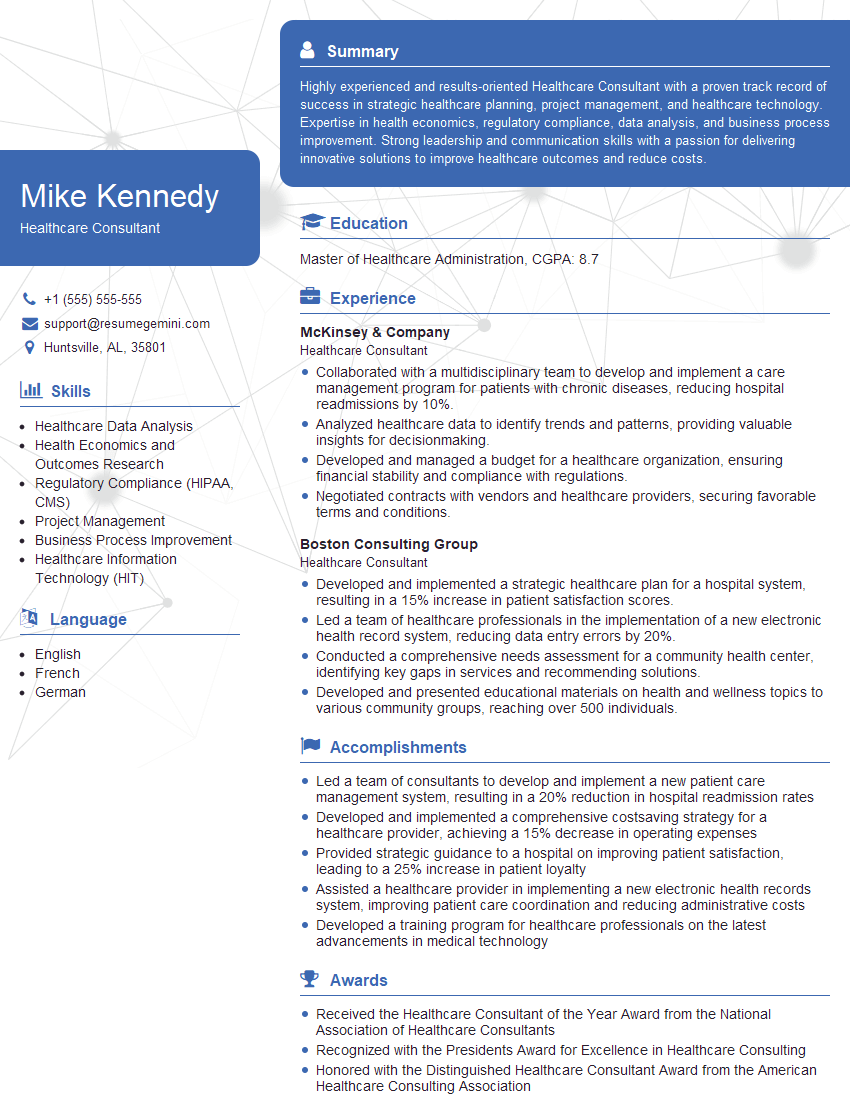
Healthcare Consultant Resume Sample
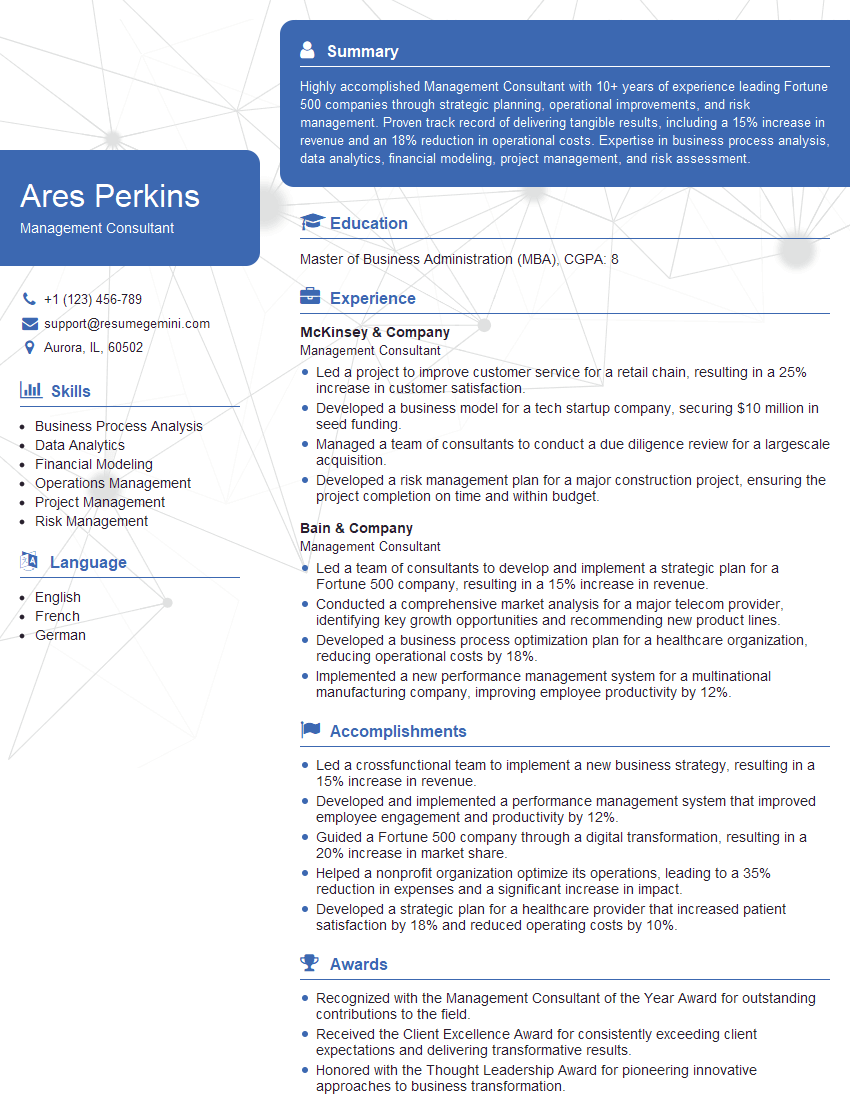
Management Consultant Resume Sample
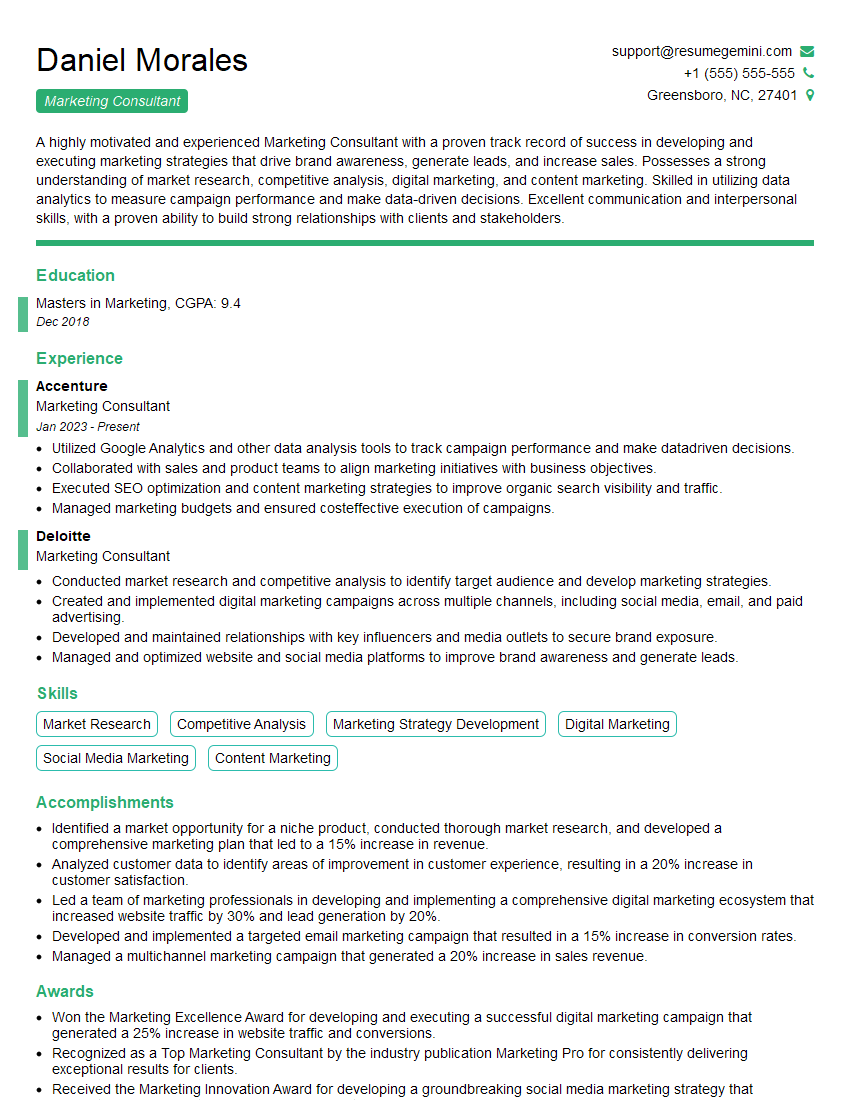
Marketing Consultant Resume Sample
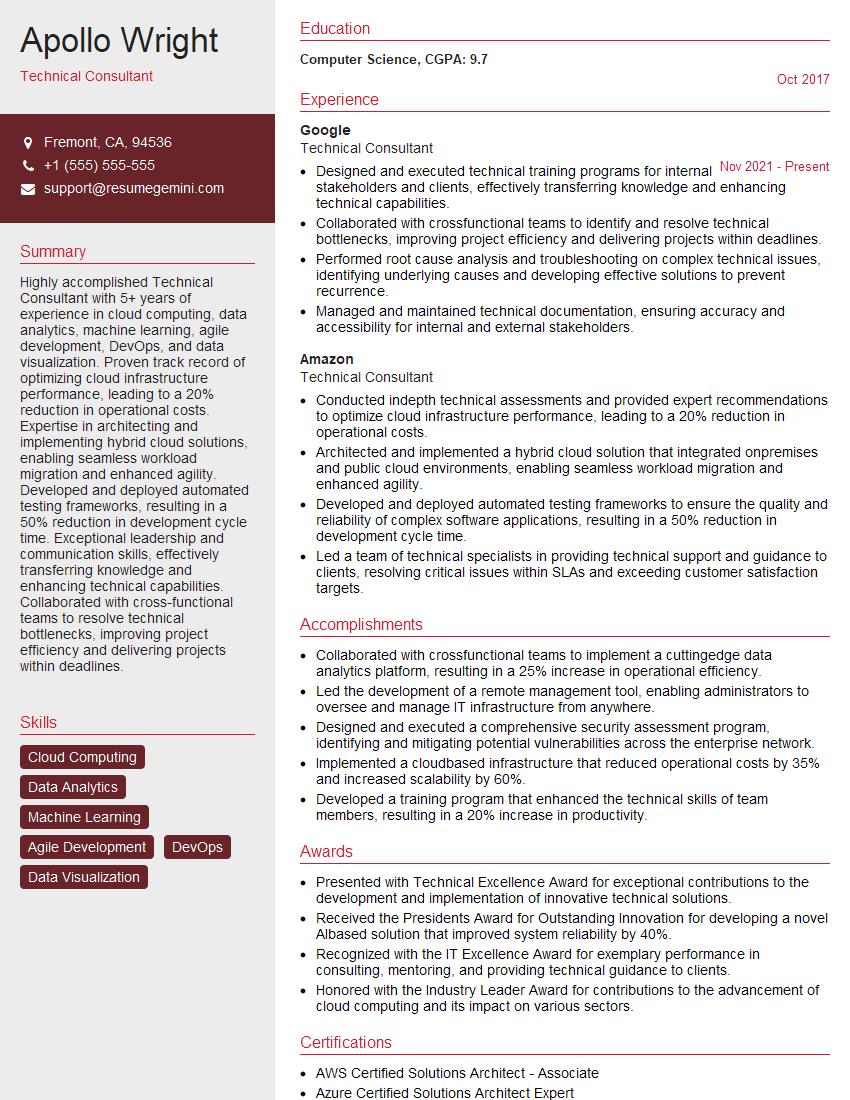
Technical Consultant Resume Sample

Sustainability Consultant Resume Sample
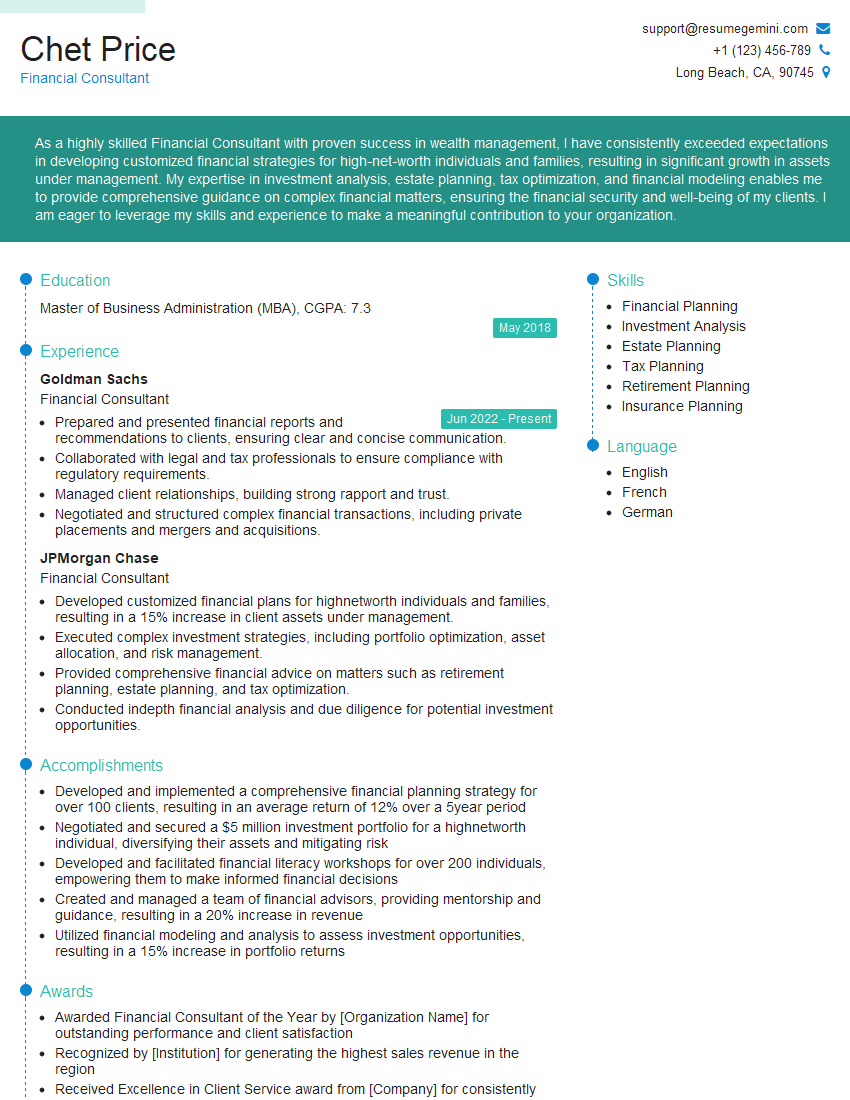
Financial Consultant Resume Sample

Communications Consultant Resume Sample
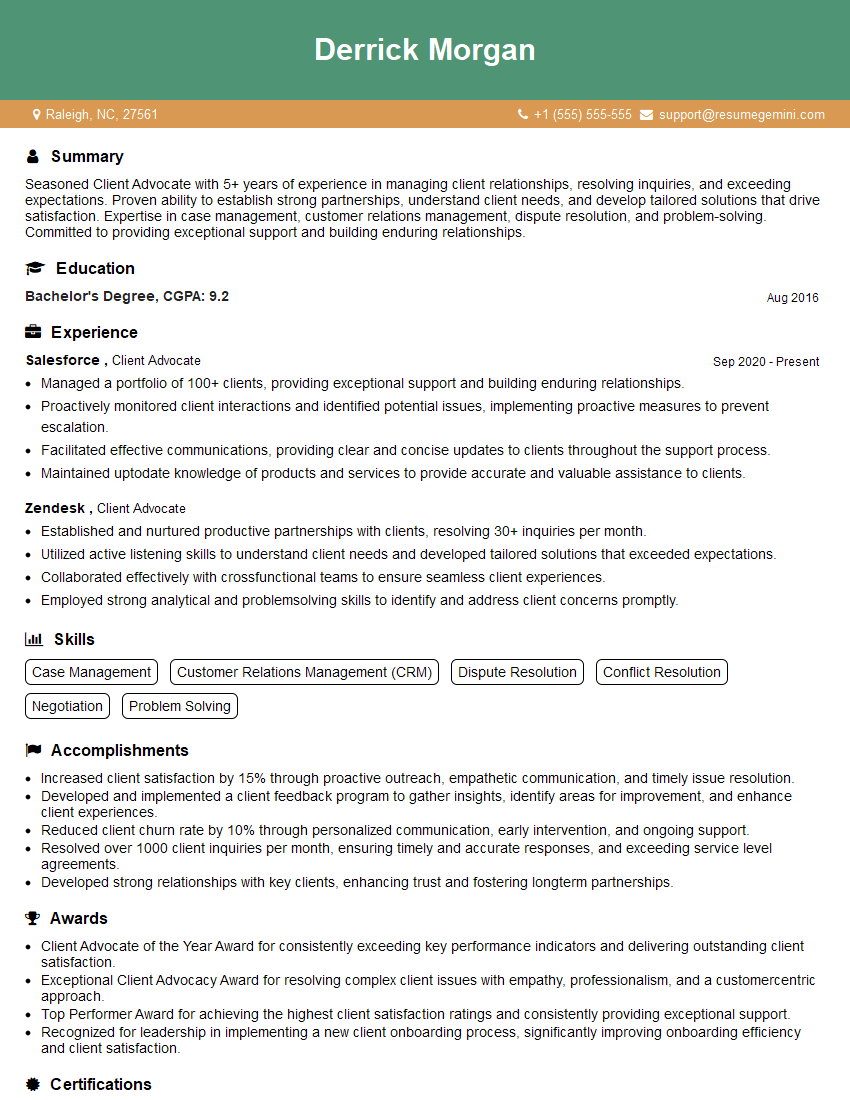
Client Advocate Resume Sample
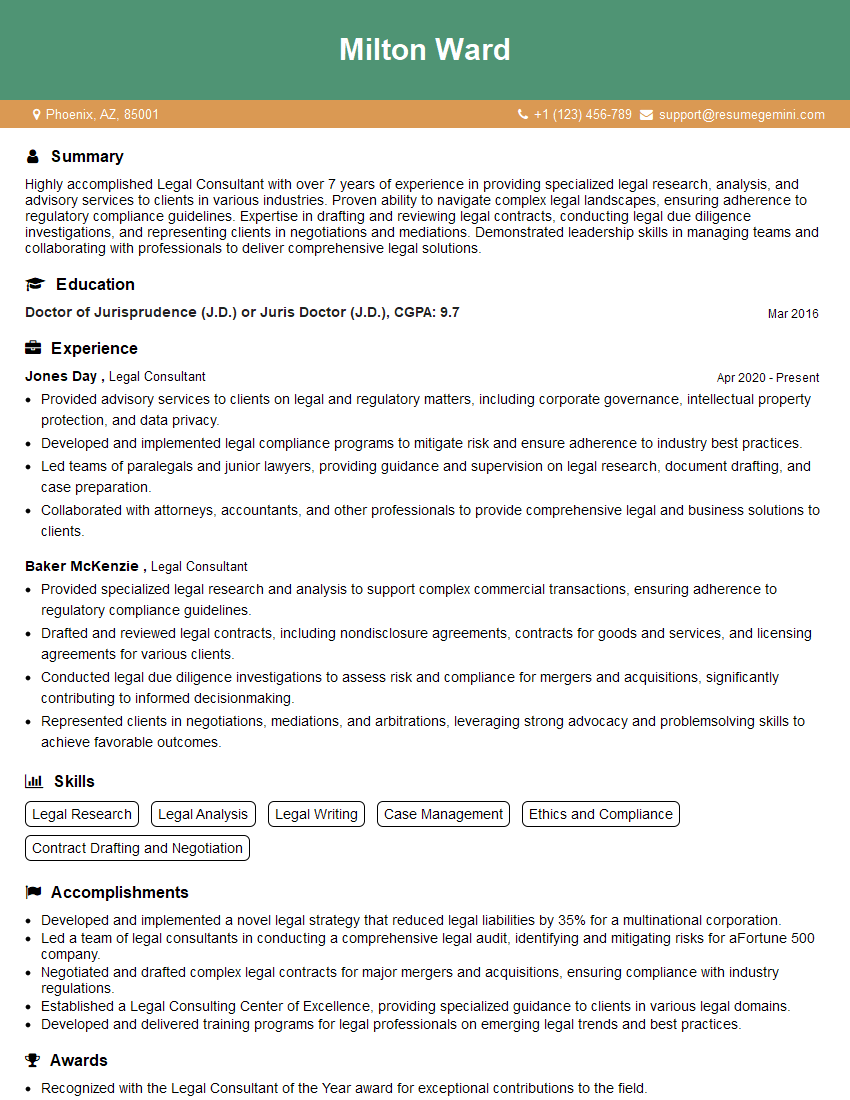
Legal Consultant Resume Sample
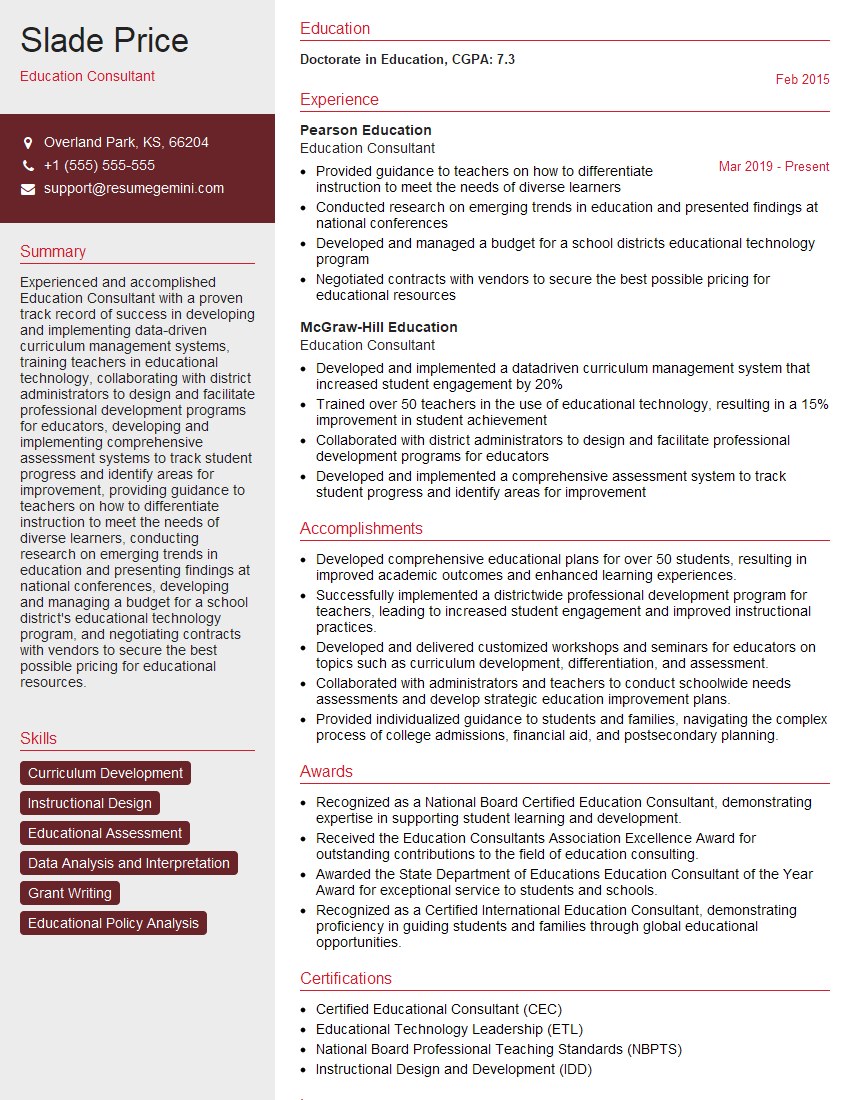
Education Consultant Resume Sample

Lobbyist Resume Sample
Explore more articles
Users Rating of Our Blogs
Share Your Experience
We value your feedback! Please rate our content and share your thoughts (optional).
What Readers Say About Our Blog
I Redesigned Spongebob Squarepants and his main characters of my artwork.
https://www.deviantart.com/reimaginesponge/art/Redesigned-Spongebob-characters-1223583608
IT gave me an insight and words to use and be able to think of examples
Hi, I’m Jay, we have a few potential clients that are interested in your services, thought you might be a good fit. I’d love to talk about the details, when do you have time to talk?
Best,
Jay
Founder | CEO