Are you ready to stand out in your next interview? Understanding and preparing for Strong work ethic and commitment to students interview questions is a game-changer. In this blog, we’ve compiled key questions and expert advice to help you showcase your skills with confidence and precision. Let’s get started on your journey to acing the interview.
Questions Asked in Strong work ethic and commitment to students Interview
Q 1. Describe a time you had to manage competing priorities while working with students.
Managing competing priorities is a daily reality for educators. It’s like juggling – you have multiple balls in the air (grading papers, lesson planning, parent communication, individual student needs), and you need to keep them all from dropping. One instance involved preparing for a major exam while simultaneously supporting a student struggling with a personal crisis. I prioritized the student’s immediate needs by scheduling a meeting to offer support and reassurance, finding a suitable time within my already demanding schedule. Then, I created a flexible exam schedule allowing the student to take the test in smaller chunks over several days without compromising the academic integrity of the assessment for other students. This required careful time management and clear communication with both the student and the other students in the class to minimize disruption. I utilized a digital calendar and to-do list to track all my tasks and deadlines, ensuring that neither the student nor the exam prep were neglected.
Q 2. How do you maintain a positive and productive work environment in a challenging classroom setting?
Maintaining a positive and productive classroom environment, particularly in challenging situations, requires a multi-faceted approach. Think of it as cultivating a garden; you need the right conditions for growth. First, I establish clear expectations and classroom rules collaboratively with students, fostering a sense of ownership. Next, I prioritize building strong, positive relationships with each student – understanding their individual learning styles, strengths, and challenges. This includes regular one-on-one check-ins, and celebrating successes, both large and small. Finally, I incorporate various interactive learning strategies, like group work and project-based learning, promoting teamwork and peer support. When conflicts arise, I address them calmly and fairly, focusing on restorative justice practices to help students understand the impact of their actions and learn to resolve conflicts constructively. A key aspect is creating a safe and inclusive space where students feel respected and valued, regardless of their backgrounds or academic abilities.
Q 3. Explain your approach to handling a student who consistently struggles to complete assignments.
Addressing a student’s consistent struggle with assignments requires a compassionate yet firm approach. I start by understanding the root cause. Is it a lack of understanding of the material, a lack of organizational skills, or something else entirely, such as learning disabilities, family issues, or lack of resources at home? I’d schedule a meeting with the student to discuss their challenges openly and collaboratively develop a plan. This might involve breaking down large assignments into smaller, manageable tasks, providing additional support through tutoring or one-on-one sessions, or adjusting assignment formats to better suit their learning style. In some cases, collaborating with parents or guardians is crucial to providing comprehensive support. It’s also important to celebrate small victories along the way, maintaining a positive and encouraging environment to build the student’s confidence and motivation. Regular check-ins are crucial to monitor their progress and adjust the support plan as needed. This process isn’t about fixing the student; it’s about empowering them to succeed.
Q 4. How do you adapt your teaching methods to meet the diverse needs of students?
Meeting diverse student needs requires employing a differentiated instruction approach. It’s akin to tailoring a suit; you wouldn’t use the same pattern for everyone. I assess students’ learning styles, strengths, and weaknesses through various methods such as observations, assessments, and informal conversations. I then adjust my teaching methods accordingly, providing different learning materials, activities, and assessment formats. This might involve offering visual aids for visual learners, providing hands-on activities for kinesthetic learners, or using group work for collaborative learners. I also cater to students with diverse needs, such as students with learning disabilities, gifted students, and English language learners. This could include modifying assignments, providing extra support, or utilizing assistive technologies. Regular feedback and communication with students are key to ensuring that the instructional adjustments are effective and addressing their individual needs.
Q 5. Describe a time you went above and beyond for a student.
One time, I went above and beyond for a student who was facing significant family challenges. She was struggling academically and emotionally. Beyond providing academic support during school hours, I reached out to her family, offering resources and connecting them with community support services. I also volunteered to mentor her after school, helping her manage her time, build organizational skills, and boost her confidence. Seeing her overcome her challenges and ultimately graduate with honors was incredibly rewarding. This experience highlighted the importance of developing strong relationships with students and going beyond the confines of the classroom to support their holistic well-being.
Q 6. How do you prioritize tasks to ensure that all student needs are met effectively?
Prioritizing tasks to ensure all student needs are met involves a structured approach. I use a combination of planning tools, including digital calendars and to-do lists, to organize my workload. I prioritize tasks based on urgency and importance, ensuring that immediate needs, like addressing student crises or preparing for critical assessments, take precedence. I also allocate dedicated time slots for specific tasks, such as lesson planning, grading, and parent communication. Regular review and adjustment of my schedule is essential to ensure that I’m staying on track and addressing all student needs effectively. This system also allows me to anticipate potential challenges and proactively address them. It’s a continuous process of refinement based on the ever-changing demands of the classroom.
Q 7. How do you stay organized and manage your workload effectively?
Staying organized and managing my workload effectively relies on a system that combines digital and analog tools. I use a digital calendar to schedule lessons, meetings, and deadlines. A detailed to-do list helps me break down large tasks into smaller, manageable chunks. I use color-coding and prioritization techniques within my to-do list (e.g., marking urgent items with red). I also utilize digital filing systems to organize student work, lesson plans, and other documents. Beyond digital tools, I maintain a physical planner to jot down quick notes and reminders. Regularly reviewing my schedule and adjusting it as needed helps to prevent overwhelm. A key element is setting realistic expectations, recognizing that perfection is unattainable, and embracing flexibility when unexpected events arise. This comprehensive system keeps me organized, efficient, and able to focus on what matters most— my students.
Q 8. How do you handle conflict with parents or guardians regarding a student’s progress?
Addressing parental concerns regarding a student’s progress requires a collaborative and empathetic approach. My first step is always active listening – understanding their perspective and concerns fully before responding. I believe in transparency; I share data, such as grades, assignments, and class participation, to provide a clear picture of the student’s performance. If there’s a discrepancy between the parent’s perception and the reality, I strive to bridge that gap by offering specific examples and discussing possible contributing factors. For instance, if a parent feels their child isn’t engaged, I might discuss specific instances in class and suggest strategies like creating a better study environment at home or adjusting assignment deadlines if necessary. If the issue requires behavioral intervention, I suggest involving the student in the conversation and work collaboratively to develop a behavior improvement plan. The ultimate goal is to create a partnership with parents, where we work together to support the student’s success.
For example, I once had a parent who was concerned about their child’s declining grades in math. After discussing their concerns and reviewing the student’s work, we discovered the student was struggling with a specific concept. By working together, we implemented extra tutoring sessions and adjusted the homework assignments to better suit the student’s learning style. This collaborative effort resulted in a significant improvement in the student’s grades and a stronger parent-teacher relationship.
Q 9. Describe a time you had to overcome a significant obstacle to achieve a goal with your students.
One significant obstacle I faced was helping a group of students who were significantly behind in reading comprehension. They lacked confidence and struggled with even basic reading tasks. My initial goal was to improve their reading skills by the end of the year. I knew simply assigning more reading wouldn’t work; I needed to find engaging ways to make learning fun and build their confidence. So, I incorporated interactive storytelling, drama activities, and collaborative projects. I created a classroom library with diverse books, catering to different interests and reading levels. I also partnered with a local library to organize weekly reading sessions. The progress wasn’t immediate, but gradually, I saw a transformation. Students started enjoying reading, their comprehension improved significantly, and most importantly, their self-esteem soared. The success demonstrated the importance of tailored support and the power of engagement in overcoming academic challenges.
Q 10. How do you use technology to enhance student learning and engagement?
Technology is an invaluable tool for enhancing student learning and engagement. I use a variety of digital resources, including interactive simulations, educational apps, and online learning platforms. For instance, I use educational games to make learning fun and interactive, especially for younger students. For older students, I incorporate online research tools and collaborative platforms to foster teamwork and critical thinking. I also utilize learning management systems (LMS) to organize assignments, provide feedback, and facilitate communication with students and parents. Moreover, I use educational videos and podcasts to cater to different learning styles and preferences. My approach is to thoughtfully select technology that supports and supplements classroom learning, not replace it. The goal is to create a blended learning environment that is engaging, accessible, and effective.
For example, I used a virtual field trip platform to take my class on a virtual tour of the Amazon rainforest, which brought the topic of ecosystems to life in a way traditional textbooks couldn’t. We were able to interact with the environment and learn at our own pace, creating a more engaging and immersive learning experience.
Q 11. How do you foster a positive and inclusive classroom environment?
Creating a positive and inclusive classroom environment is paramount to student success. I achieve this by fostering a culture of respect, empathy, and collaboration. I start by establishing clear classroom rules and expectations that emphasize kindness, fairness, and inclusivity. I actively promote diverse perspectives and ensure every student feels heard and valued. I use icebreaker activities and group projects to encourage interaction and build relationships among students. I make an effort to learn about each student’s individual needs and learning styles, adapting my teaching to cater to their diverse backgrounds and abilities. I also actively address any instances of bullying or discrimination immediately and firmly, ensuring every student feels safe and protected. My aim is to create a welcoming classroom where everyone feels a sense of belonging and is empowered to learn and grow.
For instance, I regularly use think-pair-share activities to encourage diverse perspectives and create an opportunity for students to learn from each other. This also allows me to observe and gauge each student’s level of understanding in a low-pressure environment.
Q 12. Describe your experience with differentiated instruction.
Differentiated instruction is a core element of my teaching philosophy. It acknowledges that students learn at different paces and in different ways. I implement differentiation through varied instructional methods, providing options for students to demonstrate their understanding. This might involve offering different levels of challenge in assignments, providing various learning materials (texts, videos, audio recordings), or allowing students to choose from a variety of assessment formats (written reports, presentations, projects). I regularly assess student progress and adjust my instruction based on their individual needs. This requires flexibility and careful observation to identify areas where students struggle and where they excel. This tailored approach ensures that all students are challenged and supported appropriately, maximizing their learning potential.
For example, when teaching a historical topic, I might offer students the option of writing a traditional essay, creating a multimedia presentation, or even role-playing historical figures. This allows students to showcase their understanding in a way that aligns with their strengths and learning preferences.
Q 13. How do you monitor student progress and provide timely feedback?
Monitoring student progress and providing timely feedback are crucial for student success. I use a multi-faceted approach. Firstly, regular formative assessments, like quizzes and classwork, give me immediate insights into student understanding. I also incorporate summative assessments, such as tests and projects, to evaluate overall learning. I provide regular feedback on assignments, highlighting areas of strength and areas needing improvement. I often use rubrics to provide clear criteria for assessment and facilitate self-assessment among students. I also maintain open communication with students, encouraging them to ask questions and seek clarification. Additionally, I use parent-teacher conferences and progress reports to communicate student progress to parents. The combination of these strategies ensures continuous monitoring and enables prompt adjustments to teaching strategies.
For instance, I use online grading platforms to provide immediate feedback on assignments, often incorporating personalized comments to help students understand their strengths and weaknesses. This allows students to address misunderstandings promptly and improve their performance.
Q 14. How do you collaborate with colleagues to support student success?
Collaboration with colleagues is essential for supporting student success. I actively participate in departmental meetings, sharing best practices and discussing challenges. I collaborate with colleagues on curriculum development, ensuring alignment and consistency across grade levels. When a student is facing difficulties, I consult with other teachers, counselors, and specialists to develop a comprehensive support plan. I believe in a shared responsibility for student well-being and academic progress. This collaborative approach leverages the expertise of multiple professionals and provides students with a holistic support system. Informal discussions and brainstorming sessions with colleagues are also valuable, as they provide opportunities to learn from each other’s experiences and to find creative solutions to shared challenges.
For instance, I collaborated with a special education teacher to create a modified curriculum for a student with learning disabilities, ensuring the student received appropriate support while still participating in mainstream classes. This teamwork resulted in improved academic performance and enhanced self-esteem for the student.
Q 15. How do you maintain your enthusiasm for teaching despite challenges?
Maintaining enthusiasm in teaching, even amidst challenges, is crucial for both my well-being and my students’ success. It’s a proactive process, not a passive state. I actively cultivate it in several ways. Firstly, I regularly reflect on why I chose this profession – the joy of witnessing a student’s ‘aha!’ moment, the satisfaction of nurturing their growth. Remembering this intrinsic motivation fuels my passion. Secondly, I actively seek professional development opportunities to refine my skills and stay updated with innovative teaching methods. This keeps my work engaging and prevents stagnation. Thirdly, I build strong relationships with my colleagues, creating a supportive network where we share ideas, challenges, and celebrate successes together. This shared journey helps combat feelings of isolation. Finally, I prioritize self-care, ensuring I have time for hobbies and activities outside of work to maintain a balanced and energized approach to teaching.
For example, last year I felt overwhelmed by the demands of a particularly challenging class. Instead of letting it burn me out, I joined a professional learning community focused on differentiated instruction. This provided me with new strategies, boosted my confidence, and renewed my enthusiasm for tackling the challenges head-on. The experience also fostered a positive ripple effect; my students benefited from my improved skills, and I felt more fulfilled in my role.
Career Expert Tips:
- Ace those interviews! Prepare effectively by reviewing the Top 50 Most Common Interview Questions on ResumeGemini.
- Navigate your job search with confidence! Explore a wide range of Career Tips on ResumeGemini. Learn about common challenges and recommendations to overcome them.
- Craft the perfect resume! Master the Art of Resume Writing with ResumeGemini’s guide. Showcase your unique qualifications and achievements effectively.
- Don’t miss out on holiday savings! Build your dream resume with ResumeGemini’s ATS optimized templates.
Q 16. How do you balance your work life and personal life while ensuring student needs are met?
Balancing work and personal life while prioritizing student needs is a constant juggling act, but a manageable one with careful planning and self-awareness. I start by setting clear boundaries. I dedicate specific times to grading, lesson planning, and communication with parents, avoiding blurring the lines between work and personal time. I also utilize technology effectively – for instance, using online platforms for communication and assignment submissions allows me to respond to students’ queries even outside of school hours without significantly impacting my personal time. Furthermore, I practice effective time management techniques such as prioritizing tasks based on importance and deadlines. This ensures that urgent student needs are addressed promptly while long-term projects are planned strategically. Finally, I actively engage in self-care activities – exercise, spending time with family, or pursuing hobbies – to recharge and prevent burnout. This ultimately enhances my ability to focus and be effective both in my personal life and professional capacity.
For example, I discovered a fantastic app for managing assignments and grades, which streamlines my workflow significantly. This app also allows for automated communication with parents which saves me many hours each week allowing me more time with my family.
Q 17. Describe your experience with Individualized Education Programs (IEPs).
My experience with Individualized Education Programs (IEPs) is extensive and deeply fulfilling. I’ve worked with students with a wide range of learning differences, including dyslexia, ADHD, and autism spectrum disorders. Understanding and implementing IEPs involves collaboration among teachers, parents, specialists, and the student themselves. My approach always starts with a thorough understanding of the student’s strengths, weaknesses, and learning styles, as outlined in the IEP. I then adapt my teaching strategies and classroom environment to meet the student’s specific needs. This might involve using assistive technology, modifying assignments, providing extra support, or adjusting the pacing of instruction. Regular communication with parents and specialists is crucial to monitor the student’s progress and make necessary adjustments to the IEP. It’s also essential to build a supportive and inclusive classroom environment where all students feel valued and respected, regardless of their learning abilities.
For instance, I worked with a student who had dyslexia. His IEP included strategies like providing him with audio books, allowing extra time on tests, and utilizing graphic organizers. Through consistent implementation of these strategies and close collaboration with his parents and the special education teacher, he not only met grade-level expectations but also developed a stronger sense of self-confidence and belief in his abilities.
Q 18. How do you use assessment data to inform your teaching practices?
Assessment data is the cornerstone of effective teaching; it provides invaluable insights into student learning and informs my instructional decisions. I use a variety of assessment methods, including formative and summative assessments, to gather comprehensive data. Formative assessments, such as quizzes, exit tickets, and class discussions, provide ongoing feedback on student understanding throughout the learning process. This allows me to adjust my teaching in real-time to address any misconceptions or gaps in learning. Summative assessments, such as tests and projects, measure student learning at the end of a unit or term. I analyze this data to identify areas of strength and weakness, both individually and as a class. This information helps me tailor my instruction to better meet the needs of all my students. The analysis might reveal that a particular concept requires additional explanation or that different teaching methods are needed for specific learning styles. This data-driven approach allows for continuous improvement in my teaching practices.
For example, if formative assessments consistently show students struggling with a particular math concept, I might incorporate more hands-on activities or use different visual aids to enhance understanding. Following a summative exam, if I notice a general weakness in essay writing across the class, I would incorporate more focused instruction on this skill in future lessons.
Q 19. How do you incorporate student feedback to improve your teaching?
Student feedback is invaluable for improving my teaching and creating a more student-centered learning environment. I actively solicit feedback through various channels, including anonymous surveys, informal classroom discussions, and individual student conferences. I encourage honest and constructive criticism, emphasizing that their feedback is essential for my growth as an educator. I carefully analyze this feedback, looking for patterns and identifying areas for improvement. This might involve adjusting my teaching style, modifying lesson plans, or creating more engaging learning activities. Addressing student feedback demonstrates my commitment to their learning and fosters a positive classroom culture.
One example involved a student survey where many students mentioned they found the pace of the lectures too fast. Based on this feedback, I restructured my lessons, incorporated more interactive activities, and provided more opportunities for students to ask questions and clarify concepts. The subsequent surveys showed a marked improvement in student satisfaction and comprehension.
Q 20. Describe a time you had to make a difficult decision concerning a student.
One particularly challenging situation involved a student who consistently disrupted the class, impacting the learning environment for others. Initially, I tried various disciplinary measures, but they were ineffective. The difficult decision I faced was whether to escalate the issue to the administration or to try a different approach. After careful consideration and consultation with colleagues and the student’s parents, I decided to adopt a restorative justice approach. This involved having a conversation with the student, seeking to understand the underlying reasons for their disruptive behavior. We explored potential solutions collaboratively, focusing on developing strategies to help the student manage their emotions and behavior constructively. This approach required patience, understanding, and a willingness to adapt my strategies. The outcome was transformative. The student’s behavior improved significantly, their engagement in class increased, and they showed greater respect for themselves and others. This situation reinforced the importance of considering the root causes of student behavior and seeking collaborative solutions, rather than relying solely on punitive measures.
Q 21. How do you promote critical thinking and problem-solving skills in your students?
Cultivating critical thinking and problem-solving skills is paramount in preparing students for success beyond the classroom. I integrate these skills into my teaching through various strategies. Firstly, I encourage open-ended questioning, prompting students to analyze information, evaluate different perspectives, and form their own conclusions, rather than simply memorizing facts. Secondly, I incorporate project-based learning, where students tackle complex problems requiring them to research, collaborate, and create solutions. This allows them to apply their knowledge in a practical and meaningful way. Thirdly, I use case studies and real-world scenarios to illustrate concepts, challenging students to analyze the situation, identify the problem, and propose solutions. Finally, I encourage healthy debate and discussion, fostering a classroom environment where students feel comfortable expressing their opinions, challenging assumptions, and learning from each other’s perspectives. These multifaceted approaches help students develop essential skills for lifelong learning and effective problem-solving.
For example, when teaching about environmental issues, instead of simply lecturing on the topic, I might assign students a project where they research a local environmental problem, propose solutions, and present their findings to the class. This allows them to apply their learning, engage in critical thinking, and develop their problem-solving skills.
Q 22. How do you address student behavioral issues effectively?
Addressing student behavioral issues requires a multi-faceted approach prioritizing understanding and positive reinforcement. I begin by observing the behavior objectively, identifying triggers and patterns. Is it a consistent issue, or a one-time occurrence? What’s the underlying cause? Is the student seeking attention, frustrated, or experiencing something outside the classroom impacting their behavior?
Once I understand the root cause, I implement strategies tailored to the individual student. This could involve:
- Positive reinforcement: Praising positive behaviors and rewarding effort, even small improvements. For example, if a student consistently disrupts class, I might focus on rewarding moments when they are engaged and attentive.
- Clear expectations and consequences: Establishing clear rules and consequences for breaking those rules, consistently enforced. This ensures fairness and predictability for all students.
- Restorative practices: Facilitating discussions between the student and those affected by their behavior to understand the impact and develop solutions collaboratively. This helps students take responsibility for their actions and fosters empathy.
- Collaboration with parents/guardians and support staff: Keeping parents informed and working with school counselors or psychologists to provide additional support, if needed.
For instance, I once had a student who consistently talked out of turn. After observing, I realized they were struggling to stay focused due to an undiagnosed learning disability. Working with the school psychologist, we implemented strategies like shorter assignments, frequent breaks, and preferential seating, leading to a significant improvement in their behavior.
Q 23. How do you incorporate technology into your curriculum to engage students?
Technology offers powerful tools for engaging students in learning. I strategically integrate technology to enhance various aspects of the curriculum, making learning more interactive and relevant. This involves using a blend of tools depending on the subject and students’ learning styles.
- Interactive simulations and virtual labs: For subjects like science, these offer hands-on experiences without the constraints of physical resources. For example, students can dissect a virtual frog without the mess and ethical concerns.
- Educational apps and games: These make learning fun and gamified, reinforcing concepts in an engaging way. Many apps offer personalized learning experiences catering to individual student needs.
- Collaborative platforms: Tools like Google Classroom or Microsoft Teams allow for seamless communication, assignment submissions, and peer-to-peer collaboration. This fosters a sense of community and provides opportunities for students to support each other.
- Multimedia resources: Videos, podcasts, and interactive presentations make learning more dynamic and cater to diverse learning preferences. Using varied media keeps students engaged and caters to different learning styles.
For instance, in a history lesson, I might use a virtual reality tour of an ancient city to bring the past to life, followed by a collaborative project using a digital storytelling platform, where students create their own presentations. This approach blends technology with traditional teaching methods to create a richer learning experience.
Q 24. How do you develop and maintain strong relationships with your students?
Building strong student relationships is paramount to effective teaching. It fosters a safe and supportive classroom environment where students feel comfortable learning and taking risks. I cultivate these relationships by:
- Showing genuine interest: Taking the time to learn about students’ interests, backgrounds, and aspirations beyond academics. A simple question about their weekend or favorite hobby can go a long way.
- Creating a welcoming classroom environment: Establishing a positive and inclusive atmosphere where students feel respected and valued, regardless of their background or abilities.
- Open communication: Maintaining open lines of communication with students, providing regular feedback and creating opportunities for them to share their thoughts and concerns.
- Fair and consistent treatment: Ensuring all students are treated fairly and consistently, regardless of their academic performance or behavior. This builds trust and reduces resentment.
- Accessibility and availability: Making myself readily available to answer questions and offer support, both during and outside of class time. This demonstrates commitment to student success.
For example, I always make time to have individual conversations with students during office hours, even if it’s just to chat about something unrelated to school. This shows that I care about them as individuals, not just as students. This creates an open dialogue and builds trust.
Q 25. Describe a time you had to work independently to complete a task.
During my master’s program, I had to independently design and conduct a research project. This involved extensive literature reviews, data collection, analysis, and writing a comprehensive thesis. Working independently required strong time management skills, self-discipline, and problem-solving abilities.
I created a detailed project timeline, breaking down the project into manageable tasks. This helped me stay organized and track my progress. I also proactively sought feedback from my advisor during regular meetings, ensuring I was on track and addressing any potential challenges early on. When I encountered unforeseen difficulties, such as limitations in data availability, I had to adapt my research methodology and consult additional resources to overcome the obstacles.
The successful completion of this independent project demonstrated my ability to manage my time effectively, my resilience in facing challenges, and my ability to produce high-quality work independently. It also significantly boosted my confidence in my research and analytical abilities.
Q 26. How do you build trust and rapport with students from diverse backgrounds?
Building trust and rapport with students from diverse backgrounds requires cultural sensitivity, empathy, and a commitment to inclusivity. I accomplish this by:
- Creating an inclusive classroom: Establishing a classroom environment where students feel safe and respected, regardless of their race, ethnicity, religion, gender, or socioeconomic background.
- Understanding cultural differences: Learning about the different cultural backgrounds of my students and adapting my teaching methods to accommodate their diverse learning styles and preferences. This might involve adjusting communication styles or incorporating culturally relevant examples into my lessons.
- Promoting equity and fairness: Ensuring that all students have equal opportunities to learn and succeed, regardless of their background or perceived abilities. This includes addressing any biases or stereotypes that might exist in the classroom.
- Active listening and empathy: Actively listening to my students’ experiences and perspectives, demonstrating empathy and understanding, particularly for those who may have faced challenges due to their background.
For example, I once had a student who was new to the country and struggling to adjust. I took the time to get to know them, learn about their culture, and provide them with extra support to help them adapt to the school environment. This helped them feel comfortable and confident in the classroom and allowed me to better understand their learning needs.
Q 27. How do you stay current with best practices in education?
Staying current with best practices in education is essential for effective teaching. I regularly engage in professional development activities to ensure my teaching methods are innovative and aligned with the latest research. This includes:
- Attending professional development workshops and conferences: Participating in workshops and conferences focused on innovative teaching strategies, curriculum development, and technology integration in education.
- Reading educational journals and research articles: Staying up-to-date on the latest research findings and best practices by reading educational journals and research articles. This provides valuable insights into effective teaching methodologies and curriculum design.
- Networking with other educators: Connecting with other educators to share ideas, discuss challenges, and learn from their experiences. This can involve joining professional organizations or attending local educator meetups.
- Exploring online resources: Utilizing online resources such as webinars, podcasts, and online courses to access a wide range of professional development opportunities. Many organizations offer free or low-cost resources that are relevant to educators.
For example, I recently completed an online course on incorporating project-based learning into my curriculum. This has significantly enhanced my teaching methods, providing students with more engaging and meaningful learning experiences.
Q 28. How do you handle a situation where a student is struggling emotionally or academically?
When a student is struggling emotionally or academically, a compassionate and proactive response is critical. I prioritize understanding the root cause of the struggle and providing appropriate support.
My approach involves:
- Open communication: Speaking with the student in a private setting to understand their concerns and challenges without judgment. This helps create a safe space for them to express themselves.
- Assessing the situation: Determining whether the struggle is primarily emotional, academic, or a combination of both. This will inform the type of support needed.
- Collaboration with support staff: Working with school counselors, psychologists, or special education teachers to provide additional support, particularly if there are underlying issues like anxiety, depression, or learning disabilities.
- Developing an intervention plan: Creating a tailored support plan that addresses the student’s specific needs and goals. This plan might include academic accommodations, counseling services, or behavioral interventions.
- Monitoring progress and adjustments: Regularly monitoring the student’s progress and adjusting the intervention plan as needed to ensure effectiveness.
For instance, a student experiencing anxiety might benefit from stress-management techniques taught by a counselor, while a student struggling academically might need additional tutoring or alternative teaching methods. The key is to address the individual’s unique needs to help them overcome the challenges and regain confidence.
Key Topics to Learn for Strong Work Ethic and Commitment to Students Interview
- Defining a Strong Work Ethic: Explore the meaning of a strong work ethic beyond simply “working hard.” Consider concepts like dedication, perseverance, responsibility, and proactive problem-solving.
- Demonstrating Commitment to Students: Think about practical examples showcasing your dedication to student success. This could include mentoring, extra help sessions, adapting teaching methods, or going the extra mile to support individual student needs.
- Time Management and Prioritization: Discuss how you effectively manage your time and prioritize tasks, especially when faced with competing demands (e.g., lesson planning, grading, student meetings, administrative tasks).
- Collaboration and Teamwork: Illustrate your ability to work effectively with colleagues, sharing resources and collaborating on projects to enhance the overall student experience. Consider examples of successful teamwork.
- Adaptability and Flexibility: Prepare to discuss how you adapt your teaching style or approach to meet the diverse needs of students and respond to unexpected challenges or changes in the educational environment.
- Professional Development and Growth: Highlight your commitment to continuous learning and professional development, showcasing how you actively seek opportunities to improve your skills and knowledge to better serve students.
- Handling Challenging Situations: Prepare examples of how you’ve handled difficult situations involving students (e.g., behavioral issues, academic struggles) and the strategies you used to resolve them positively.
Next Steps
Mastering the art of demonstrating a strong work ethic and commitment to students is crucial for career advancement in education. A well-crafted resume is your first impression – make it count! An ATS-friendly resume increases your chances of getting noticed by potential employers. Use ResumeGemini to build a professional, impactful resume that highlights your skills and experience effectively. Examples of resumes tailored to showcase a strong work ethic and commitment to students are available to help guide you. Invest the time to create a strong resume – it’s an investment in your future.
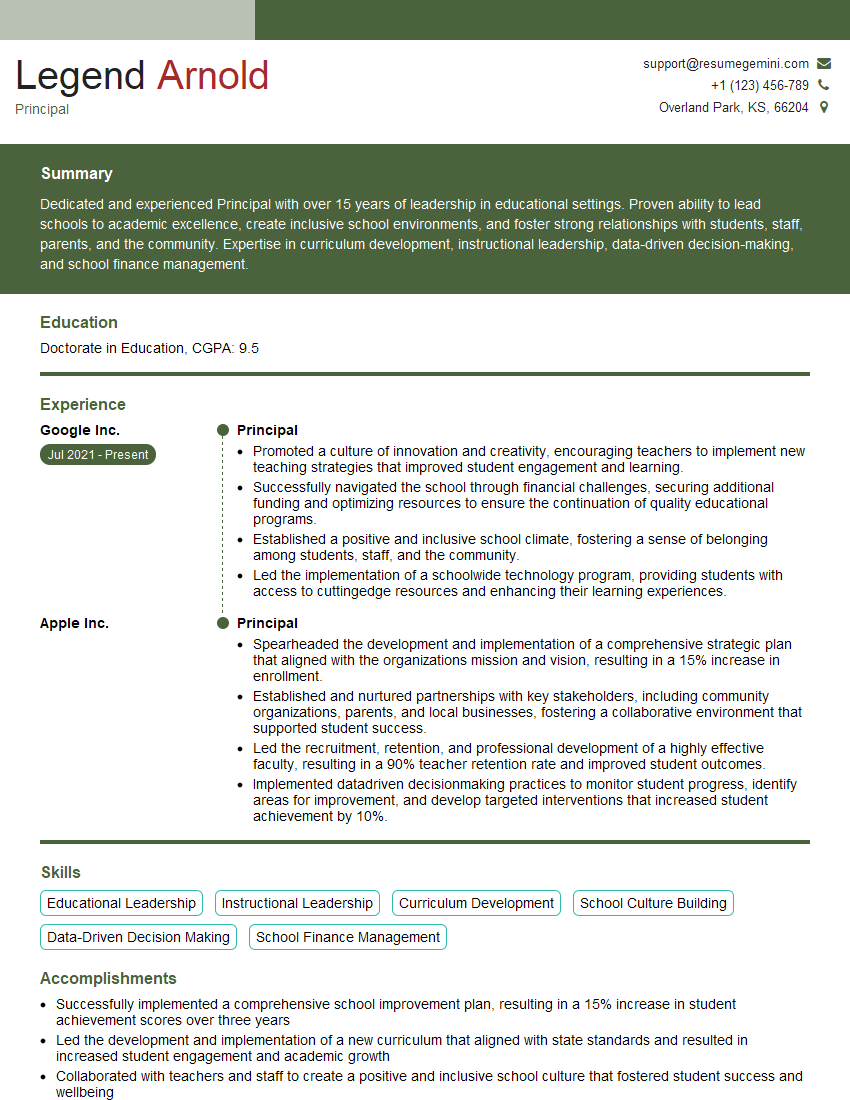
Principal Resume Sample
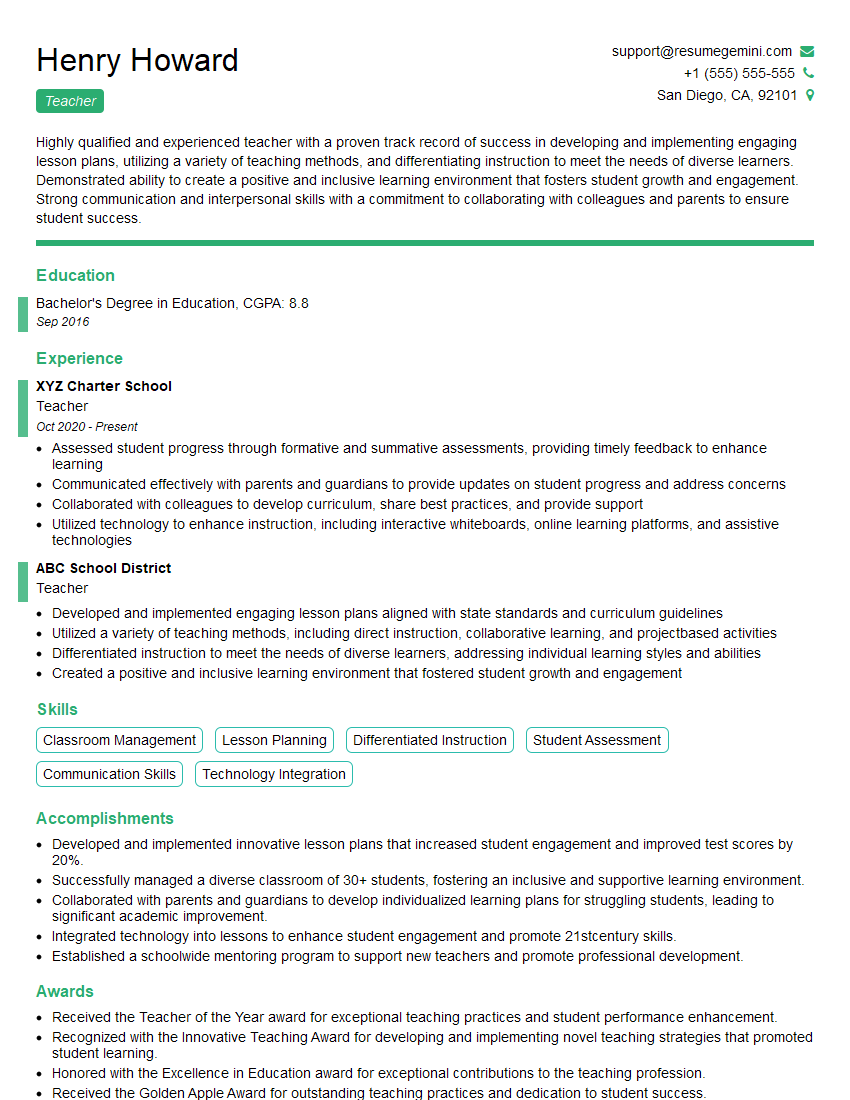
Teacher Resume Sample
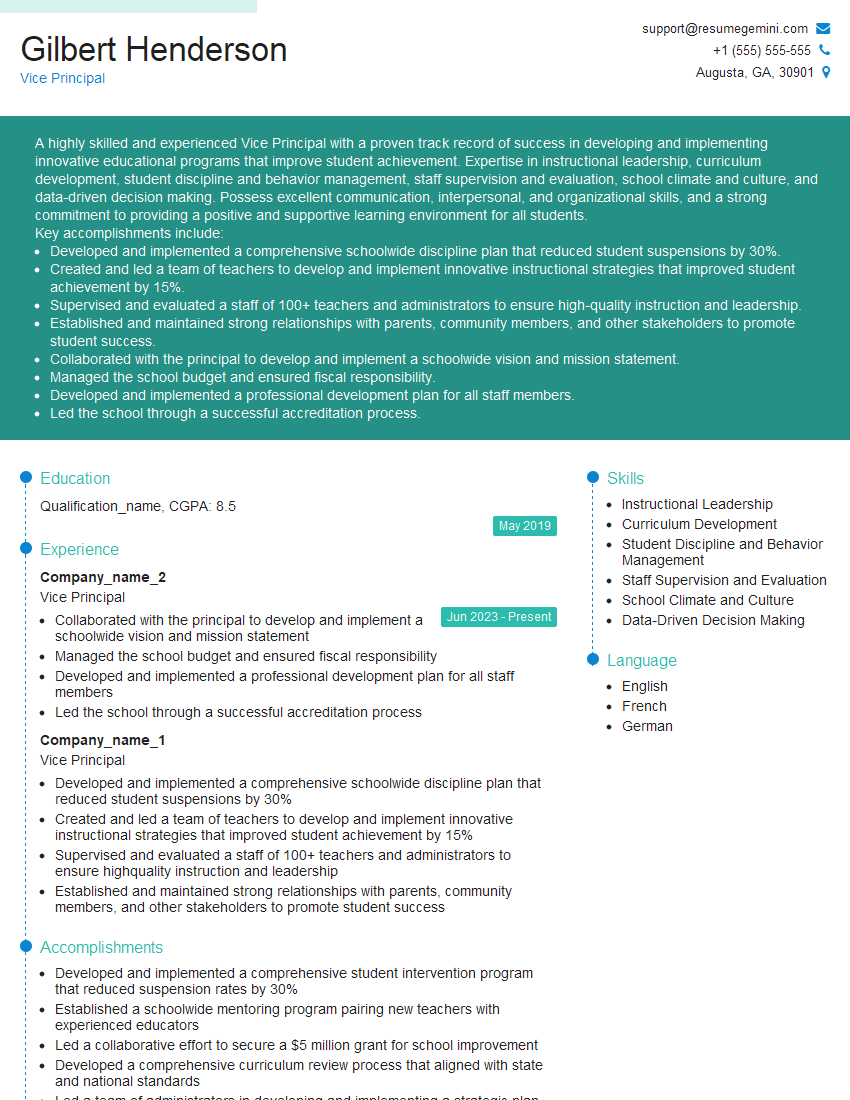
Vice Principal Resume Sample
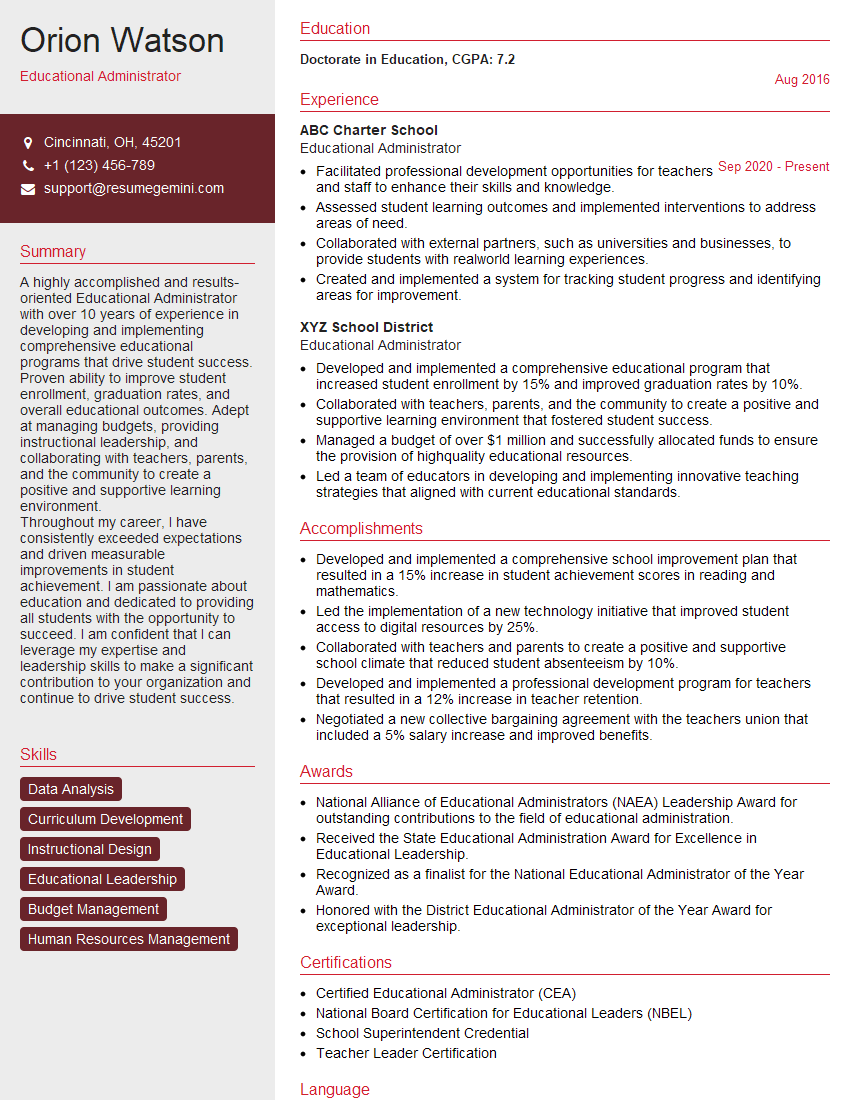
Educational Administrator Resume Sample
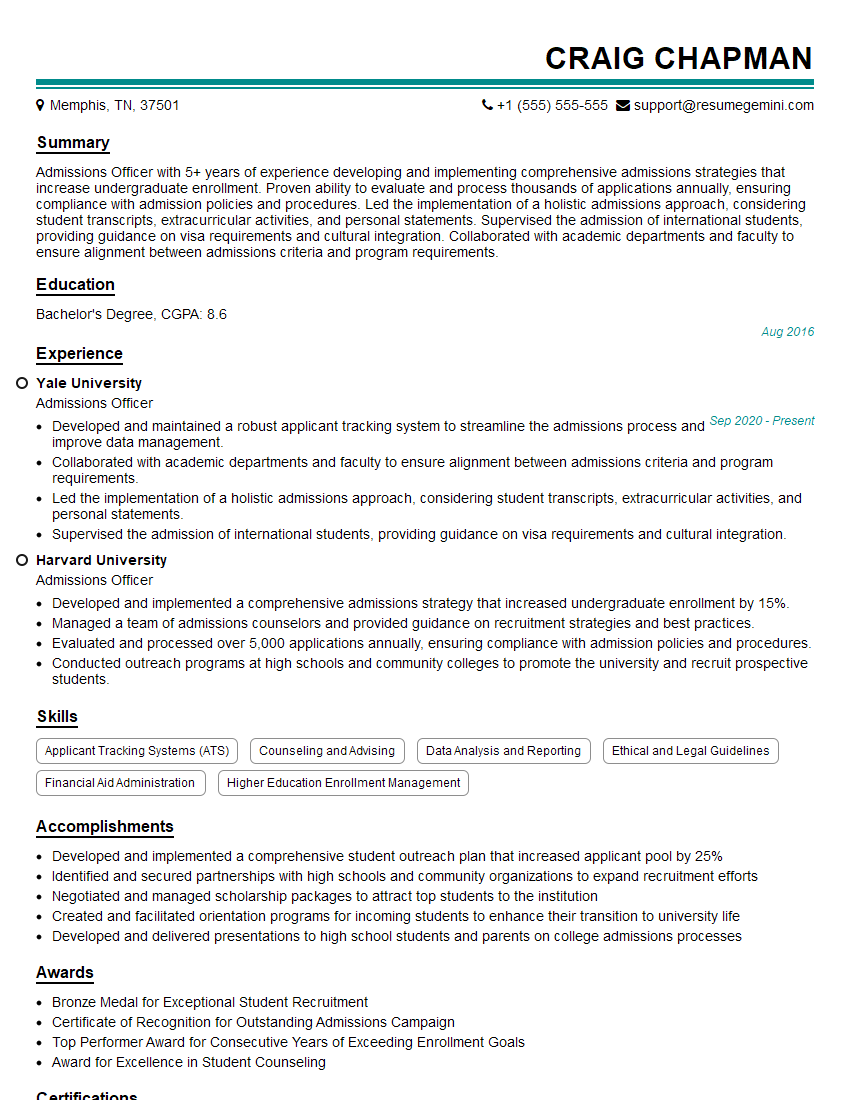
Admissions Officer Resume Sample
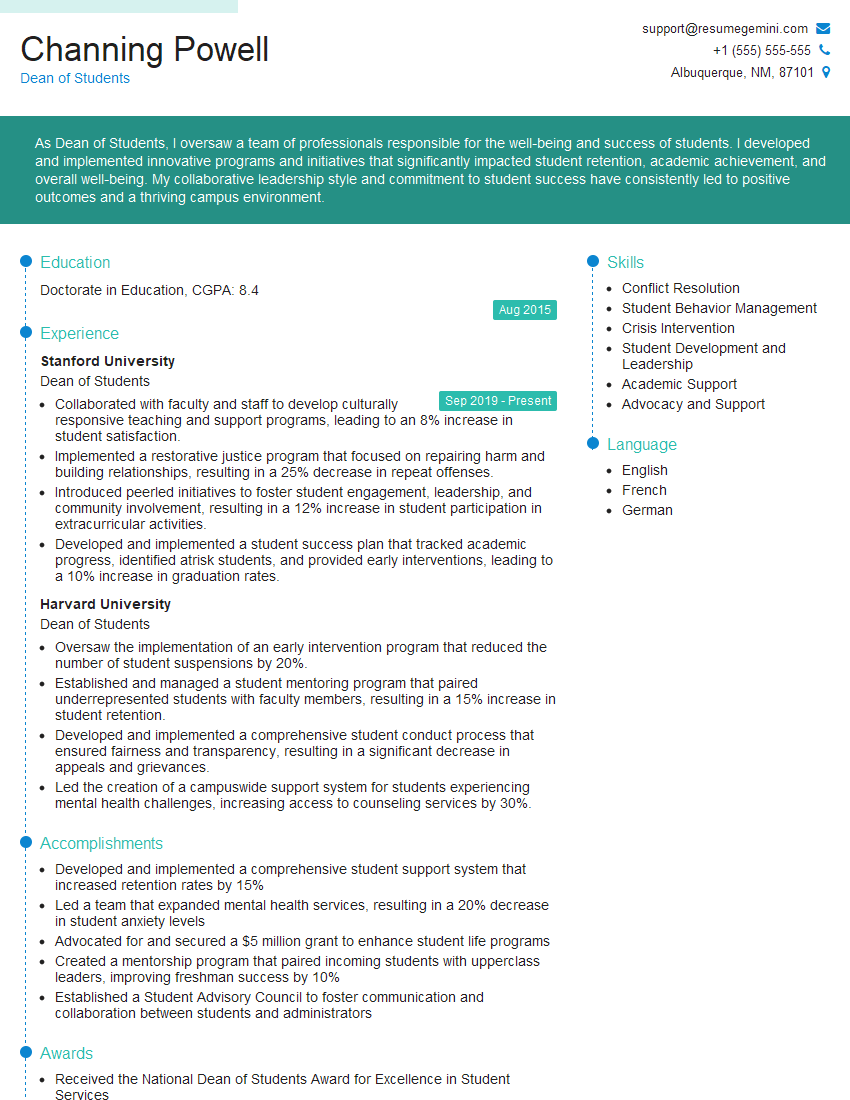
Dean of Students Resume Sample

Instructor Resume Sample

Professor Resume Sample

Curriculum Developer Resume Sample
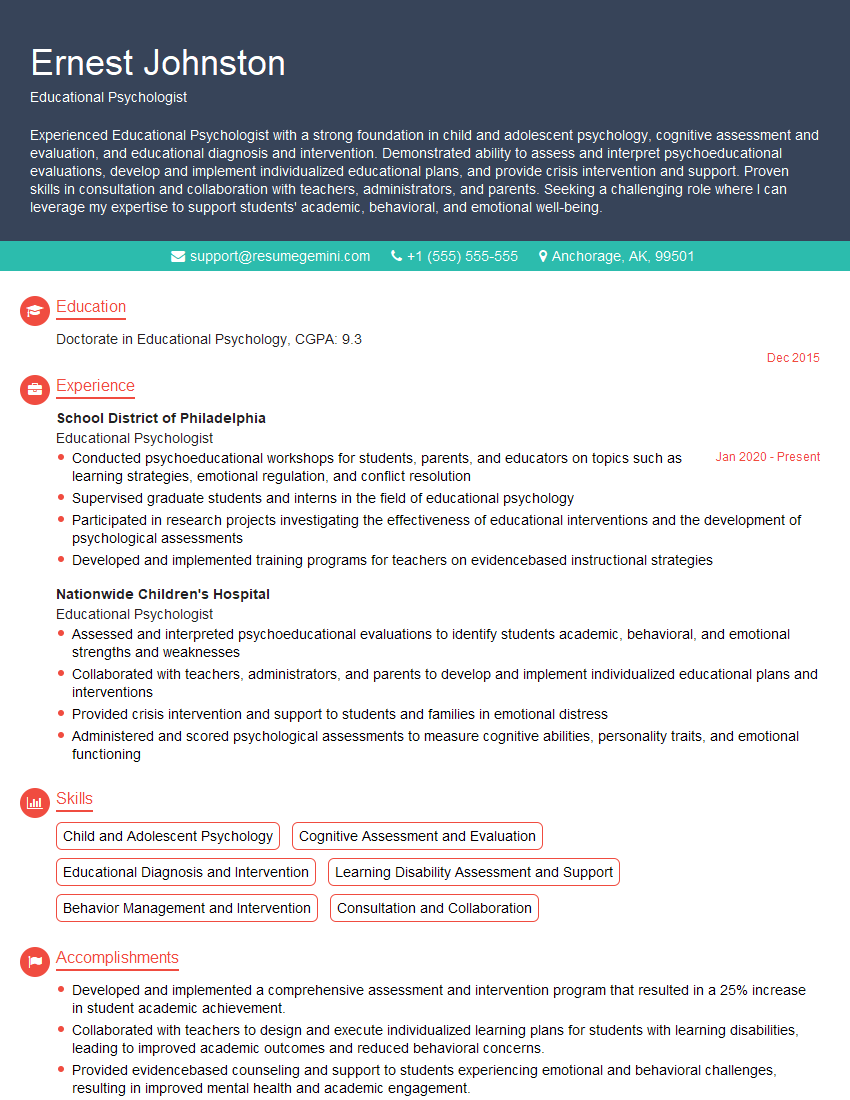
Educational Psychologist Resume Sample
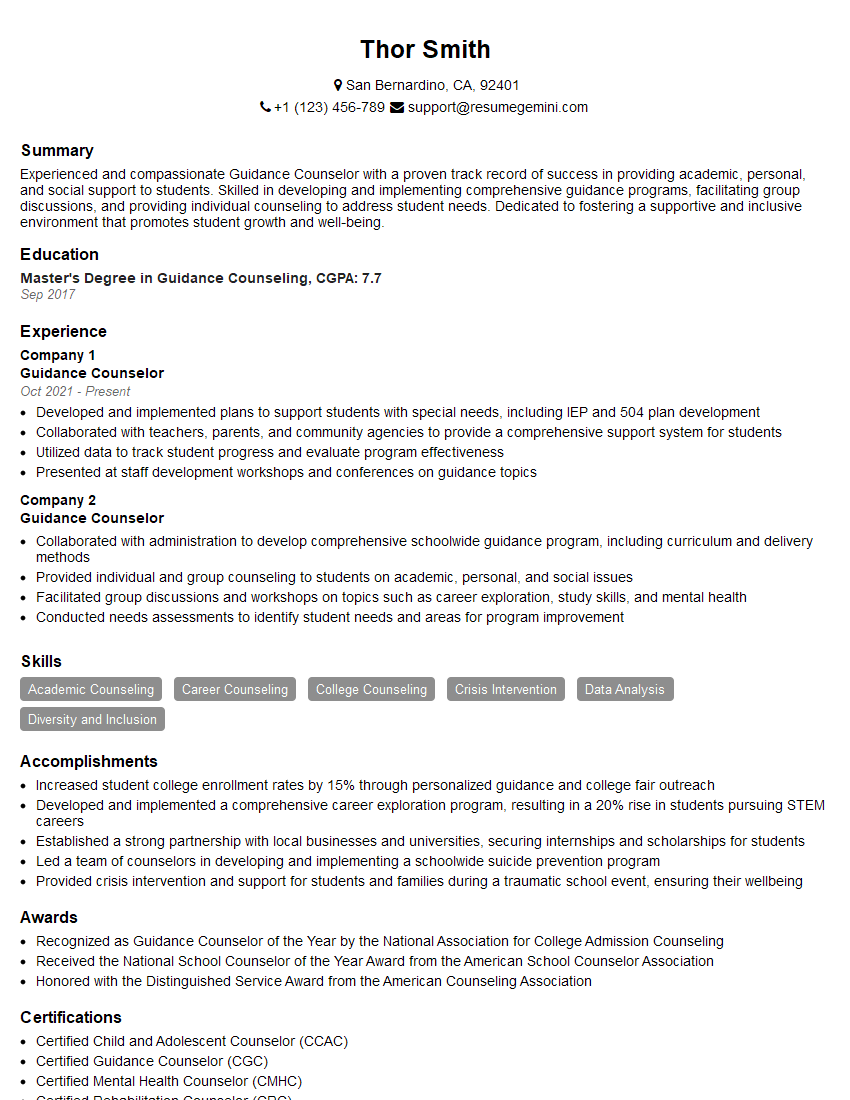
Guidance Counselor Resume Sample
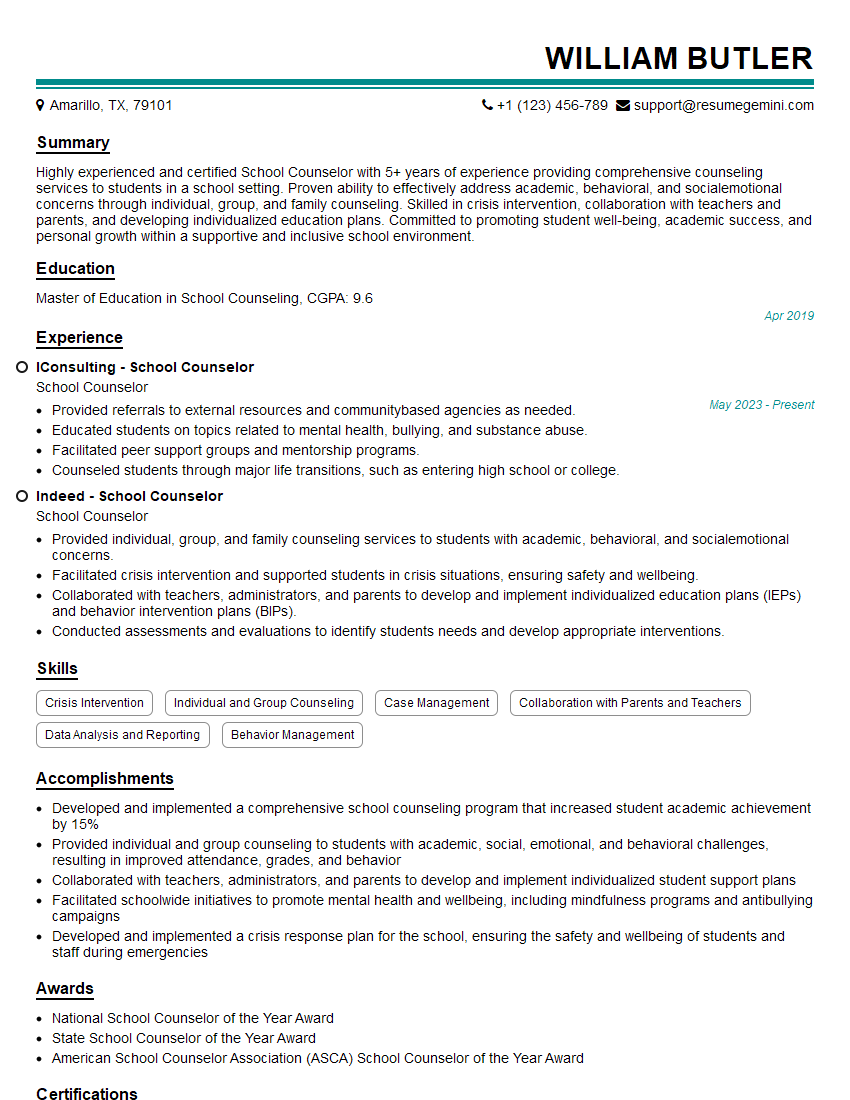
School Counselor Resume Sample
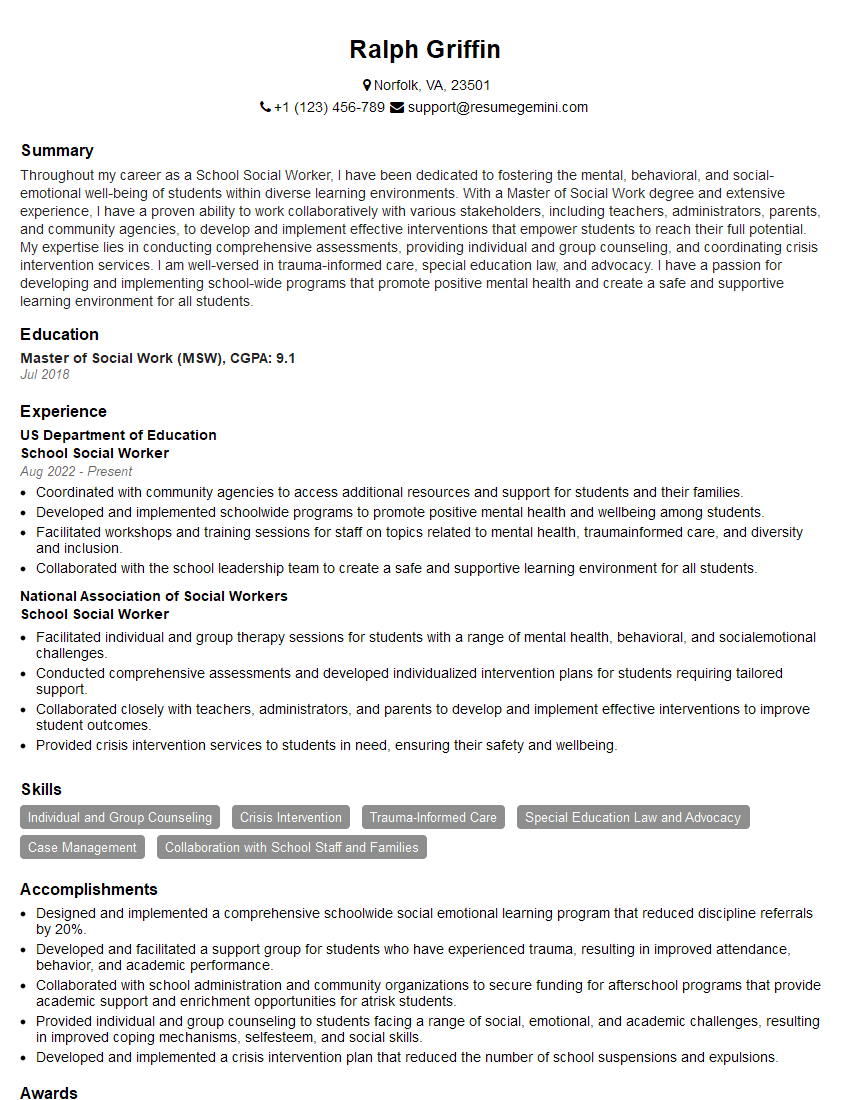
School Social Worker Resume Sample
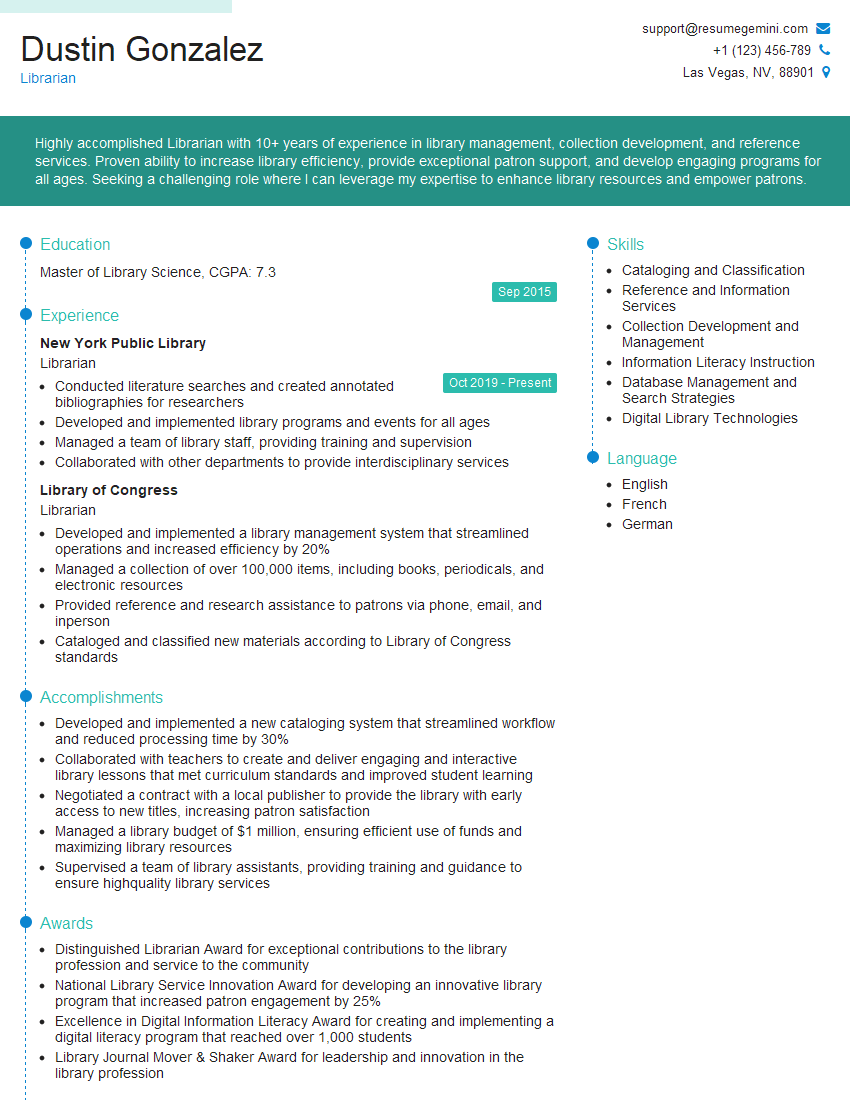
Librarian Resume Sample
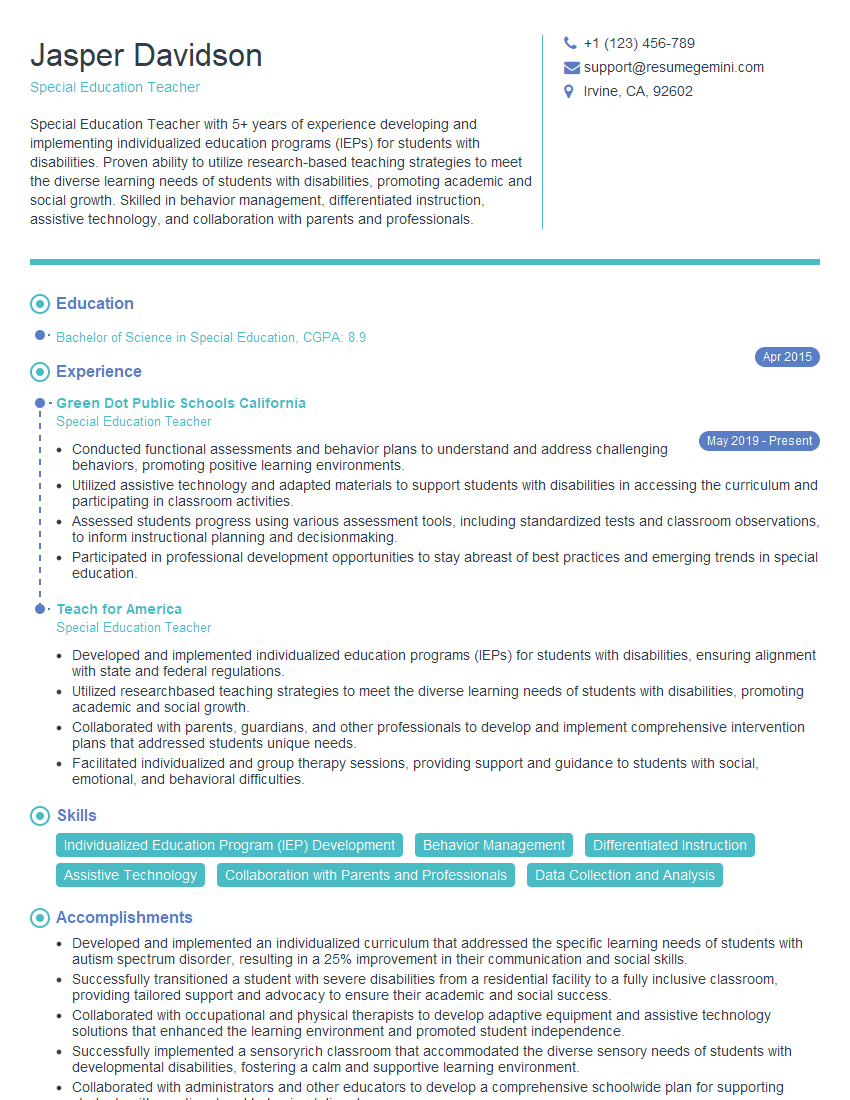
Special Education Teacher Resume Sample

Tutor Resume Sample

Teaching Assistant Resume Sample
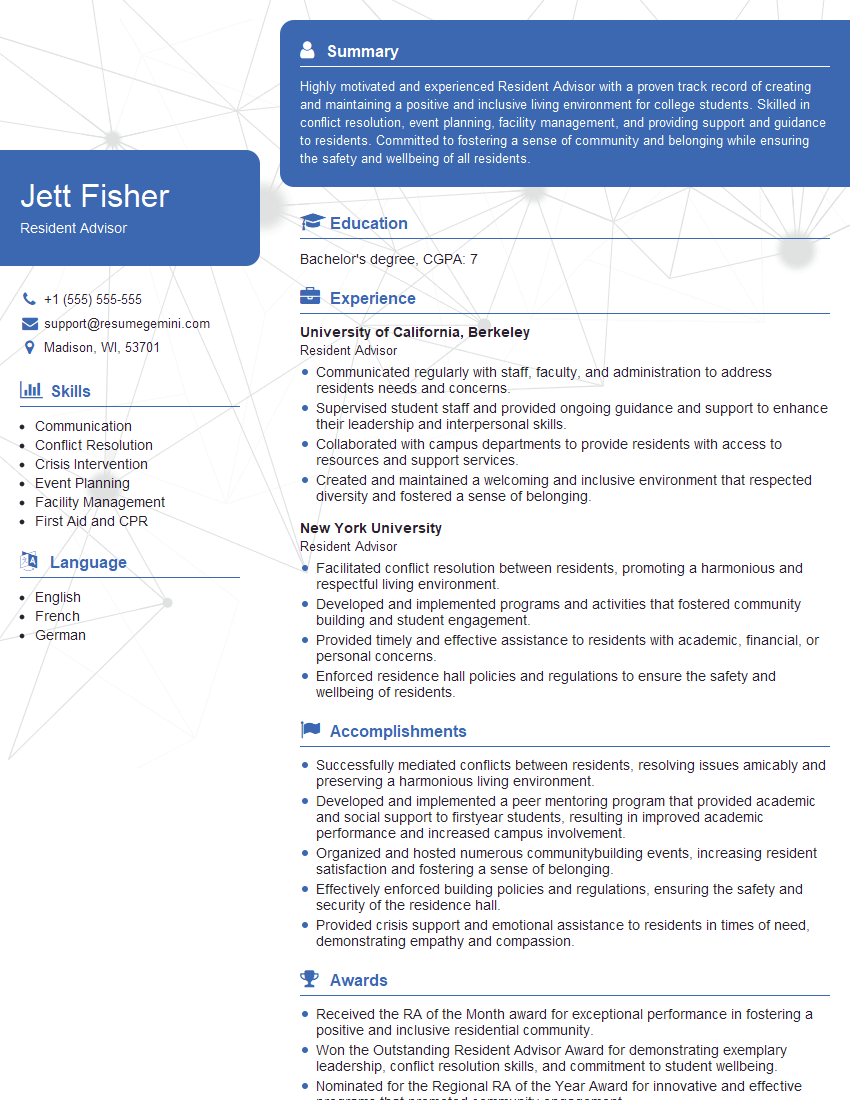
Resident Advisor Resume Sample
Explore more articles
Users Rating of Our Blogs
Share Your Experience
We value your feedback! Please rate our content and share your thoughts (optional).
What Readers Say About Our Blog
I Redesigned Spongebob Squarepants and his main characters of my artwork.
https://www.deviantart.com/reimaginesponge/art/Redesigned-Spongebob-characters-1223583608
IT gave me an insight and words to use and be able to think of examples
Hi, I’m Jay, we have a few potential clients that are interested in your services, thought you might be a good fit. I’d love to talk about the details, when do you have time to talk?
Best,
Jay
Founder | CEO