Interviews are opportunities to demonstrate your expertise, and this guide is here to help you shine. Explore the essential Navigation and Voyage Planning interview questions that employers frequently ask, paired with strategies for crafting responses that set you apart from the competition.
Questions Asked in Navigation and Voyage Planning Interview
Q 1. Explain the principles of celestial navigation.
Celestial navigation, also known as astronavigation, is the technique of determining a vessel’s position on Earth by observing the positions of celestial bodies – primarily the Sun, Moon, planets, and stars. It relies on the principles of spherical trigonometry and the precise knowledge of the celestial bodies’ positions at a given time. Imagine it like using the stars as giant, naturally occurring landmarks on a vast three-dimensional map.
The process involves measuring the altitude (angle above the horizon) of a celestial body using a sextant. This altitude, combined with the Greenwich Hour Angle (GHA) and declination (celestial latitude) of the body – obtained from nautical almanacs – allows us to calculate a line of position (LOP). The LOP represents all possible positions where the observed body could have been at that particular time and altitude. To obtain a fix (precise position), we need at least two LOPs, ideally from different celestial bodies, whose intersection determines the vessel’s position.
Historically, celestial navigation was critical for long ocean voyages where other navigational methods were unreliable. Although largely superseded by electronic navigation systems, understanding celestial navigation remains crucial for emergency situations where electronic equipment fails.
Q 2. Describe the process of calculating a great circle route.
A great circle route is the shortest distance between two points on the Earth’s surface, following the arc of a great circle. Calculating it involves using spherical trigonometry. It’s like finding the shortest path between two cities on a globe, rather than a flat map.
The process typically involves:
- Determining the coordinates (latitude and longitude) of the origin and destination points.
- Using navigational software or formulas (like the spherical law of cosines) to calculate the initial great circle heading (course) from the origin point. This heading will change constantly as the vessel moves along the route.
- Calculating the distance of the route.
- Breaking down the great circle route into shorter rhumb line segments for practical navigation. A rhumb line (loxodrome) is a line that intersects all meridians at a constant angle, simpler to follow than a constantly changing great circle course.
Note: Great circle routes might lead across challenging areas (ice fields, restricted waters, etc.), so adjustments might be necessary for safety and practicality. Many modern navigation systems automate the calculation and plotting of great circle routes.
Q 3. What are the different types of nautical charts and their uses?
Nautical charts are graphic representations of maritime areas providing important information for navigation. There are various types, each designed for a specific purpose:
- General charts: Covering large areas with less detail, used for planning long voyages and overview.
- Coastal charts: Showing coastal areas in more detail, indicating harbors, reefs, and other navigational hazards. These are essential for coastal navigation.
- Harbor charts: Providing detailed information about harbors, including depths, buoys, and docking facilities. Crucial for entering and maneuvering within ports.
- Special-purpose charts: Designed for specific purposes like showing ocean currents, magnetic variation, or areas with underwater obstructions.
The choice of chart depends on the intended voyage and the navigator’s requirements. A captain sailing a large vessel across the ocean will use vastly different charts compared to someone navigating a small boat into a tight harbor. They all share the common goal of safe passage, but each type serves that purpose at a different level of detail and scale.
Q 4. How do you use electronic chart display and information systems (ECDIS)?
Electronic Chart Display and Information Systems (ECDIS) are computer-based systems that display electronic navigational charts. They’re sophisticated tools that replace paper charts and offer many advantages.
Using ECDIS involves:
- Loading charts: ECDIS uses digital charts in various formats (e.g., S-57). These need to be correctly loaded and updated regularly.
- Route planning: ECDIS allows for easy planning of routes, including great circle routes and the addition of waypoints.
- Monitoring position: Real-time vessel position, obtained via GPS or other positioning systems, is overlaid on the electronic chart.
- Navigational warnings: ECDIS provides automated alerts regarding navigational hazards, safety warnings, and other important information.
- Data management: Managing various data like tide information, currents, and other relevant safety data.
ECDIS is a powerful tool, but it’s crucial to understand its limitations and always maintain a level of redundancy, such as paper charts, as a backup.
Q 5. Explain the process of conducting a passage plan.
A passage plan is a detailed scheme outlining the intended route and voyage plan for a ship, covering various aspects from departure to arrival. Think of it as a detailed itinerary that navigators prepare before a voyage.
The process involves:
- Information gathering: Collecting all necessary data like weather forecasts, navigational charts, tidal predictions, and relevant publications.
- Route planning: Selecting the most suitable route considering factors like distance, safety, and time.
- Determining position fixing methods: Deciding how the vessel’s position will be regularly determined, relying on both electronic and potentially traditional methods.
- Calculating estimated time of arrival (ETA): Calculating the time required to reach the destination based on the planned speed and route.
- Contingency planning: Planning for unforeseen circumstances such as bad weather, equipment failure, or other emergencies.
- Documenting the plan: Preparing detailed written documentation of the passage plan, including route, ETA, and contingency plans.
A well-executed passage plan is crucial for safe and efficient navigation. It minimizes risks, improves decision-making, and ensures that the voyage proceeds as planned.
Q 6. What are the COLREGs and how do they apply to various situations?
COLREGs, or the International Regulations for Preventing Collisions at Sea, are a set of rules that govern the behavior of vessels at sea to prevent collisions. They’re essentially the traffic laws of the ocean.
COLREGs cover many situations, including:
- Rules for vessels meeting head-on: Both vessels should alter course to starboard (right).
- Rules for overtaking: The overtaking vessel should keep clear of the vessel being overtaken.
- Rules for vessels crossing: The vessel on the starboard side has the right-of-way.
- Rules for restricted maneuverability vessels: Vessels with limitations in maneuverability (e.g., tugs, fishing vessels) have certain rights and responsibilities.
- Rules for vessels not under command or restricted in their ability to maneuver: These vessels have specific signals to indicate their status and require special considerations from other vessels.
Understanding COLREGs is critical for safe navigation. Navigators are expected to understand and apply these rules based on specific circumstances, ensuring safe passage for all vessels at sea. They are not absolute and require judgement based on the prevailing conditions.
Q 7. How do you determine tidal currents and their impact on navigation?
Tidal currents are the horizontal movement of water caused by the rise and fall of tides. They can significantly impact navigation, especially in shallow coastal waters and narrow channels.
Determining tidal currents involves:
- Consulting tidal atlases or online resources: These provide predictions of tidal currents, indicating speed and direction for specific locations and times.
- Using current charts: These show areas where tidal currents are particularly strong or have complex patterns.
- Observing local conditions: Experienced navigators can often estimate current strength and direction by observing surface markers like floating debris.
The impact of tidal currents on navigation includes:
- Increased or decreased speed over ground: Currents can either assist or hinder the vessel’s progress, requiring adjustments to speed and course.
- Increased risk of grounding: Strong currents can push a vessel aground, especially in shallow areas.
- Challenges in maneuvering: Currents can make it difficult to maintain a precise course and perform maneuvers, particularly in confined areas.
Understanding and accounting for tidal currents is vital for safe and efficient navigation, especially during harbor approaches and in complex coastal waterways.
Q 8. Describe your experience with using GPS and other navigational aids.
GPS (Global Positioning System) is the cornerstone of modern navigation, providing highly accurate latitude, longitude, and altitude data. My experience spans its use across various platforms – from handheld GPS receivers for hiking and small boat navigation to integrated GPS systems on large vessels, where it feeds into the Electronic Chart Display and Information System (ECDIS).
Beyond GPS, I’m proficient with other navigational aids like:
- Gyrocompass: Provides a highly stable heading reference, crucial in conditions where a magnetic compass is unreliable (e.g., near magnetic anomalies).
- Magnetic Compass: A simpler, robust system susceptible to magnetic deviation and variation, requiring regular correction.
- Automatic Radar Plotting Aid (ARPA): This system automatically tracks targets detected by radar, displaying their course, speed, and closest point of approach (CPA), enhancing collision avoidance.
- Electronic Chart Display and Information System (ECDIS): This integrates various navigational data sources, including GPS, charts, and other sensor inputs, providing a comprehensive navigational picture.
- Celestial Navigation Instruments (Sextant): Although less frequently used now, I’m skilled in using a sextant for celestial navigation, a valuable backup in case of electronic equipment failure.
I’ve consistently used these aids both independently and in combination to ensure safe and efficient navigation in various challenging conditions, including limited visibility and challenging weather.
Q 9. How do you handle an equipment malfunction affecting navigation?
Equipment malfunction is a serious concern in navigation. My approach involves a structured, prioritized response:
- Immediate Assessment: Identify the affected equipment and the extent of the malfunction. Determine the impact on safety and navigation.
- Fallback Systems: Immediately switch to backup systems. For example, if the GPS fails, I’d rely on the gyrocompass, magnetic compass, and paper charts. If the radar malfunctions, visual lookout becomes paramount.
- Damage Control: Attempt to troubleshoot the malfunction if it’s minor and time permits, but prioritize safe navigation over repairs.
- Risk Assessment: Evaluate the navigational risks based on the location, weather conditions, and available resources. This determines the next course of action.
- Decision Making: Decide whether to continue the voyage, alter course, or seek shelter, considering the limitations imposed by the equipment failure.
- Documentation: Meticulously record the malfunction, troubleshooting steps, and decisions made in the navigational log.
- Reporting: Report the malfunction to relevant authorities (e.g., coast guard) as required by regulations.
For example, during a voyage, if the ECDIS failed, I would immediately switch to paper charts and rely on traditional methods for position fixing until the system could be repaired or a suitable replacement found.
Q 10. Explain the concept of dead reckoning and its limitations.
Dead reckoning (DR) is a method of estimating a vessel’s position by using its known position (a fix) and then extrapolating forward based on its course and speed over time. Think of it like tracing a line on a map, assuming the vessel maintains a constant speed and direction.
It’s calculated using the formula: New Position = Old Position + Course + Speed x Time
Limitations of Dead Reckoning:
- Cumulative Errors: Any small error in course, speed, or time accumulates over time, leading to a significant position error.
- Unpredictable Factors: It doesn’t account for unforeseen events like currents, winds, or inaccuracies in speed measurement.
- Not a Primary Method: DR is not reliable for precise position determination. It serves best as a supplementary method or in emergencies when other navigation aids are unavailable.
Dead reckoning is most effective when used in conjunction with other navigation methods, acting as a check and as a backup.
Q 11. What are the different types of compasses and their error sources?
Several types of compasses are used in navigation, each with its own error sources:
- Magnetic Compass: This relies on the Earth’s magnetic field. Error sources include:
- Deviation: Caused by magnetic interference from the vessel itself (metal objects, electrical equipment).
- Variation: The difference between magnetic north and true north, which varies geographically.
- Gyrocompass: Uses a spinning gyroscope to maintain a stable heading reference. Errors can arise from:
- Gimbal Error: Caused by imperfect alignment of the gyroscope.
- Latitude Error: The gyroscope’s response changes slightly depending on the latitude.
- Fluxgate Compass: An electronic compass that provides a more stable and accurate heading than a traditional magnetic compass. Errors can arise from interference caused by electrical equipment.
Proper calibration and correction procedures are crucial to minimize these errors. For instance, deviation in a magnetic compass is corrected using deviation cards specific to the vessel, while variation is corrected using navigational charts.
Q 12. How do you use a sextant to determine latitude and longitude?
A sextant measures the angle between two points – typically, the horizon and a celestial body (sun, moon, stars). This angle, along with the time and the celestial body’s declination (angular distance from the celestial equator), is used to determine the observer’s latitude and, with additional calculations involving altitude, longitude.
Determining Latitude: The altitude of a celestial body at its culmination (highest point in the sky) is directly related to the observer’s latitude. This is due to the fact that the altitude of the celestial body at transit directly corresponds to the observer’s latitude.
Determining Longitude: Determining longitude requires knowing the Greenwich Hour Angle (GHA) of the celestial body at the exact moment of observation. This is calculated based on the celestial body’s right ascension and the sidereal time. The difference between the GHA and the local hour angle (LHA) provides the longitude. Precise timing is crucial for accurate longitude determination.
Celestial navigation is complex, demanding accurate measurements, precise timekeeping, and a thorough understanding of astronomical calculations. It’s a skill best honed through practice and experience.
Q 13. Explain the importance of maintaining accurate navigational logs.
Accurate navigational logs are paramount for several reasons:
- Legal Compliance: Many regulations mandate maintaining detailed navigational logs for safety and accountability purposes.
- Safety: Logs provide a record of the voyage, allowing for post-voyage analysis of incidents or near misses, aiding in preventative measures.
- Position Verification: A comprehensive log helps in verifying the accuracy of navigational procedures and resolving discrepancies.
- Investigation Support: In case of an accident or incident, the log serves as crucial evidence for investigations.
- Operational Efficiency: Well-maintained logs can improve voyage planning and decision-making in the future.
A good navigational log includes entries on position fixes, course changes, speed, weather conditions, equipment status, noteworthy events, and any corrective actions taken. The level of detail should reflect the complexity of the voyage.
Q 14. Describe your experience with using radar and ARPA.
Radar and ARPA are essential tools for safe navigation, especially in reduced visibility conditions. My experience encompasses utilizing both systems for collision avoidance, navigation in fog or heavy rain, and locating aids to navigation.
Radar: Provides a visual representation of surrounding objects based on radio waves. I’m experienced in interpreting radar images, identifying various targets (vessels, landmasses, weather phenomena), and estimating their range and bearing. Understanding the limitations of radar, such as range limitations and the effects of sea clutter, is also crucial.
ARPA (Automatic Radar Plotting Aid): This enhances radar capabilities by automatically tracking selected targets. I’m proficient in using ARPA to monitor the course, speed, and CPA of other vessels, helping to avoid potential collisions. ARPA provides valuable information for decision-making during close-quarters situations.
I regularly use both systems in conjunction with other navigational aids for a comprehensive understanding of the marine environment and to ensure safe navigation. Proper training and understanding of the limitations of both systems are necessary for effective use.
Q 15. How do you assess and mitigate navigational risks?
Assessing and mitigating navigational risks is a crucial aspect of safe voyage planning. It involves a systematic approach, starting with identifying potential hazards, analyzing their likelihood and severity, and then developing strategies to avoid or minimize their impact. This process is often referred to as a risk assessment matrix.
- Identifying Hazards: This includes identifying potential dangers like bad weather, shallow waters, piracy, equipment failures, human error, or congested traffic areas. Consider the specific route, time of year, and vessel type.
- Analyzing Risk: We assess the likelihood of each hazard occurring and the severity of its potential consequences. For example, the likelihood of encountering strong winds in a certain area at a certain time of year can be assessed using historical weather data. The severity might be the damage to the vessel or the delay to the voyage.
- Mitigation Strategies: Once risks are identified and analyzed, we develop strategies to reduce the likelihood or severity. This could involve altering the planned route, increasing the lookout frequency, performing preventative maintenance, implementing emergency procedures, or having a suitable response team onboard.
Example: During a voyage across the Bay of Biscay, known for its rough seas, a risk assessment might highlight the hazard of heavy weather. Mitigation could involve monitoring weather forecasts closely, adjusting the vessel’s speed to suit the conditions, and ensuring the crew is well-trained in heavy weather procedures.
Career Expert Tips:
- Ace those interviews! Prepare effectively by reviewing the Top 50 Most Common Interview Questions on ResumeGemini.
- Navigate your job search with confidence! Explore a wide range of Career Tips on ResumeGemini. Learn about common challenges and recommendations to overcome them.
- Craft the perfect resume! Master the Art of Resume Writing with ResumeGemini’s guide. Showcase your unique qualifications and achievements effectively.
- Don’t miss out on holiday savings! Build your dream resume with ResumeGemini’s ATS optimized templates.
Q 16. What are the procedures for entering and leaving a port?
Entering and leaving a port involves a precise sequence of procedures designed to ensure the safety of the vessel and other traffic. These procedures vary based on the port’s regulations and local conditions, but generally include:
- Pre-Arrival Planning: Before entering port, we’ll review the port’s pilot regulations, check the depth charts, and confirm the availability of berthing. We’ll also communicate our arrival time and details to the port authorities.
- Contacting the Pilot: A pilot, a local expert, is usually boarded before entering a port, especially in challenging waters. They guide the vessel through the narrow channels and into the berth.
- Navigational Maneuvers: Precise maneuvering is required to navigate through restricted waters, maintaining awareness of the vessel’s position, speed, and the surrounding environment. This involves using radar, AIS (Automatic Identification System), and other navigation tools.
- Docking Procedures: Once the pilot guides the vessel to the berth, a coordinated effort involving the crew ensures safe and secure mooring.
- Departure Procedures: Leaving the port involves a reverse process, ensuring safe passage from the berth, following the pilot’s instructions, and reporting to the port authorities.
Example: When entering a busy port like Rotterdam, precise communication with the pilot, tugboats, and port authorities is crucial. The use of AIS and radar helps in avoiding collisions with other vessels or fixed objects.
Q 17. How do you manage vessel traffic in congested waterways?
Managing vessel traffic in congested waterways requires vigilance, adherence to regulations, and effective communication. Key aspects include:
- Maintaining a Proper Lookout: Constant visual and radar monitoring of the surroundings is paramount to avoid collisions.
- Adherence to the Rules of the Road (COLREGs): Following the International Regulations for Preventing Collisions at Sea is crucial to establish a safe and predictable traffic pattern.
- Utilizing AIS: AIS helps visualize the position and movement of other vessels, allowing for informed decision-making.
- Communication: Using VHF radio to communicate with other vessels and port authorities is essential to avoid confusion and ensure safety.
- Traffic Separation Schemes (TSS): Following established TSS routes helps streamline traffic flow and reduce congestion.
Example: In the Strait of Malacca, a highly congested waterway, mariners must adhere strictly to the TSS, use AIS effectively, and maintain constant communication with other vessels to avoid incidents.
Q 18. Explain the concept of a safe speed and its calculation.
Safe speed is the speed at which a vessel can be maneuvered to avoid a collision. It’s not simply a fixed number but a dynamic value influenced by multiple factors.
- Visibility: Reduced visibility (fog, rain, night) necessitates a lower safe speed.
- Traffic Density: In congested waters, safe speed decreases to allow for more reaction time.
- State of the Sea: Rough seas may require reducing speed to maintain control and stability.
- Depth of Water: In shallow waters, reducing speed minimizes the risk of grounding.
- Maneuverability: The vessel’s maneuverability affects safe speed; a vessel with poor maneuverability should maintain lower speeds.
Calculation: There’s no single formula. It’s a judgment call based on the factors mentioned above. However, the concept of ‘stopping distance’ can be applied – a vessel should be able to stop within its visibility range.
Example: In dense fog with visibility reduced to 100 meters, a vessel should maintain a safe speed that allows it to stop within that distance, considering the vessel’s characteristics, speed, and sea conditions.
Q 19. What are the procedures for dealing with a navigational hazard?
Dealing with a navigational hazard requires a quick, decisive, and safe response. The steps typically involve:
- Identification and Assessment: Quickly identify the nature and extent of the hazard (e.g., floating debris, shallow water, other vessels).
- Action Plan: Develop a plan to avoid or mitigate the hazard. This might involve altering course, reducing speed, or taking evasive maneuvers, depending on the situation.
- Communication: Inform other vessels in the vicinity using VHF radio about the situation.
- Documentation: Record the details of the incident, including the time, location, and actions taken.
- Post-Incident Analysis: After overcoming the hazard, assess what could have been done differently to prevent it in future.
Example: If a vessel encounters a large floating object, it should immediately alter course to avoid collision, inform nearby vessels, and record details of the event.
Q 20. How do you use weather information to plan a voyage?
Weather information is critical for safe voyage planning. It informs decisions about route selection, speed, and potential delays.
- Forecasting: Meteorological forecasts are consulted before departure and regularly throughout the voyage. This includes wind speed and direction, wave height, visibility, and sea-state.
- Route Optimization: Based on the forecast, the route is planned to avoid areas of severe weather, or at least to traverse them during the least hazardous periods.
- Speed Adjustment: Speed can be adjusted to suit the conditions. Strong winds or rough seas might necessitate reducing speed to maintain stability and control.
- Contingency Planning: Alternative routes or plans are prepared in case of adverse weather conditions.
Example: If a strong cyclone is forecast to pass through the planned route, the voyage may be delayed until it passes, or an alternative route might be chosen to avoid it completely.
Q 21. Explain the importance of maintaining a proper lookout.
Maintaining a proper lookout is fundamental to safe navigation. It’s the continuous observation of the vessel’s surroundings to identify potential hazards and prevent collisions. It’s not simply looking, but actively searching and interpreting what you see.
- Visual Lookout: A dedicated lookout must visually scan the horizon, water surface, and nearby vessels.
- Radar Monitoring: Radar provides an electronic picture of the surrounding environment, extending visibility beyond the visual range. This needs interpretation and careful assessment.
- AIS Monitoring: AIS data enhances situational awareness by displaying the position and movement of nearby vessels.
- Chart Work: Continuously checking position against charts ensures the vessel stays on course and clear of hazards.
- Communication: Listen on the VHF radio for any important information or warnings.
Importance: A proper lookout minimizes the risk of collisions, groundings, and other incidents by providing early warnings of potential dangers. It’s a critical layer of defense in navigation.
Example: A lookout might spot a small fishing vessel hidden in a blind spot, allowing the larger vessel to take timely evasive action.
Q 22. Describe your experience with voyage data recorders (VDRs).
Voyage Data Recorders (VDRs) are essentially the ‘black boxes’ of ships, recording vital navigation and communication data. They’re crucial for accident investigation and safety analysis. My experience encompasses not just their operation but also data retrieval and interpretation for incident analysis. I’ve worked with various VDR manufacturers’ systems, understanding their different interfaces and data formats. This includes familiarization with the various parameters recorded, such as GPS position, heading, speed, engine rpm, and communication logs. For example, during an investigation into a near-miss collision, I was able to utilize VDR data to reconstruct the events leading up to the incident, analyzing vessel movements and communication exchanges to determine contributing factors and prevent future occurrences.
Beyond simply retrieving data, I understand the importance of data integrity and secure storage as mandated by international regulations. I have practical experience in ensuring VDR data is correctly downloaded, verified, and stored for future reference, adhering to strict protocols to maintain data authenticity and admissibility in official inquiries.
Q 23. How do you utilize AIS (Automatic Identification System)?
The Automatic Identification System (AIS) is a crucial tool for collision avoidance and situational awareness. I utilize AIS data in several ways. Firstly, I use it to identify nearby vessels, obtaining information such as their name, IMO number, course, speed, and destination. This allows me to anticipate potential conflicts and adjust our course accordingly. Secondly, I use AIS information to support voyage planning, by predicting potential vessel traffic density in a given area and selecting optimal routes to avoid congestion. Thirdly, I use AIS to monitor the position and movements of other vessels during critical maneuvers, such as entering or leaving port, significantly enhancing safety.
For instance, during a recent voyage through a busy strait, I monitored AIS data continuously. By observing the projected courses of other vessels, I was able to identify a potential crossing situation and make a timely course alteration to maintain a safe distance. This proactive use of AIS contributed to a smooth and safe passage.
Q 24. Explain the process of performing a parallel index.
A parallel index is a navigational technique used primarily for coastal navigation. It involves calculating the distance from a vessel to two or more known points, typically charted landmarks. By comparing these distances to the distances shown on the chart, a navigator can obtain a fix—determining the vessel’s precise location. This is especially useful in areas with limited electronic aids to navigation or when electronic systems are malfunctioning. This process is not performed electronically in modern systems, but I understand the principle from a historical context and its relation to modern positioning systems.
The process involves taking bearings or measuring distances (using range finders or radar) to at least two charted features. Then you would use those measurements to find the intersection point on the chart, which then gives your position. The parallel index method leverages the principle of triangulation. Think of it as drawing circles on a chart, with each circle representing the distance from a known point to your vessel. The point where these circles intersect gives your fix.
Q 25. How do you calculate the ETA (Estimated Time of Arrival)?
Calculating Estimated Time of Arrival (ETA) involves several factors, and accuracy is paramount for efficient voyage planning and scheduling. The most common method utilizes the distance to the destination and the vessel’s speed. However, a sophisticated calculation takes into account various factors:
- Distance: The great-circle distance between the current position and the destination port.
- Speed: The vessel’s average speed, considering potential variations due to weather, currents, and traffic conditions.
- Currents and Tides: These significantly impact speed and must be incorporated, especially in coastal waters.
- Weather: Adverse weather conditions can reduce speed and should be accounted for by using appropriate weather routing software.
- Port Delays: Potential delays in entering and leaving port due to traffic, pilotage, and other operational factors should also be incorporated.
Modern navigation systems automatically compute ETA, factoring in these variables. However, a skilled navigator understands the limitations of these systems and uses professional judgment, particularly when unusual circumstances arise (e.g., unexpected bad weather or delays).
Q 26. What is the difference between magnetic and true bearings?
The difference between magnetic and true bearings lies in the correction for magnetic variation. True bearing is the direction measured from true north—the Earth’s actual rotational axis. Magnetic bearing, however, is the direction measured from magnetic north—the direction indicated by a compass needle. Magnetic north varies geographically and over time; therefore, a correction (variation) is necessary to convert a magnetic bearing to a true bearing.
Imagine a compass needle pointing to magnetic north. This direction will be slightly off from true north depending on your geographical position. The difference between the direction the compass needle points and the direction of true north is the magnetic variation. We use the variation from navigational charts to convert between magnetic and true bearings. To go from magnetic bearing to true bearing, you add (or subtract, depending on the variation being East or West) the variation. Using the correct bearing ensures accurate navigation.
Q 27. Explain your understanding of the International Maritime Organization (IMO) conventions relevant to navigation.
My understanding of the International Maritime Organization (IMO) conventions relevant to navigation is extensive. Key conventions impacting navigation include the International Convention for the Safety of Life at Sea (SOLAS), the International Convention on Standards of Training, Certification and Watchkeeping for Seafarers (STCW), and the International Regulations for Preventing Collisions at Sea (COLREGs).
SOLAS mandates the carriage of various navigational equipment, including radar, GPS, and Electronic Chart Display and Information Systems (ECDIS), to ensure safe navigation. STCW sets minimum standards for the training and certification of seafarers, ensuring competency in navigation and other relevant areas. COLREGs establishes rules to prevent collisions between vessels, including proper use of lights, shapes, sound signals, and the conduct of vessels in various situations. Understanding and applying these regulations is essential for safe and compliant maritime operations. Non-compliance can result in serious consequences, including accidents, environmental damage, and significant legal repercussions. I am proficient in interpreting and applying these conventions in my daily work to ensure safe and lawful navigation.
Key Topics to Learn for Navigation and Voyage Planning Interview
- Chartwork and Navigation: Understanding chart types, symbols, and projections. Practical application: Interpreting charts to plan a safe and efficient route, considering tides, currents, and other navigational hazards.
- Electronic Chart Display and Information Systems (ECDIS): Proficiency in using ECDIS software, including route planning, safety contouring, and utilizing various data layers. Practical application: Demonstrating the ability to plan and monitor a voyage using ECDIS, addressing potential system failures.
- Position Fixing and Piloting: Mastering various position fixing techniques (GPS, visual bearings, etc.) and piloting procedures. Practical application: Explaining the process of entering and leaving a port safely and efficiently.
- Voyage Planning and Route Optimization: Developing efficient and safe voyage plans, considering factors like weather, traffic, and fuel consumption. Practical application: Optimizing a route to minimize transit time while maintaining safety margins.
- Collision Regulations (COLREGs): Thorough understanding and application of the International Regulations for Preventing Collisions at Sea. Practical application: Analyzing scenarios and explaining actions taken to avoid collisions.
- Meteorology and Oceanography: Understanding weather patterns, currents, and tides to predict and mitigate their impact on voyage planning. Practical application: Interpreting weather forecasts and adjusting voyage plans accordingly.
- Cargo Handling and Stability: Knowledge of cargo operations and their impact on vessel stability. Practical application: Explaining procedures for safe loading and unloading of cargo, and maintaining vessel stability.
- Navigation Equipment and Systems: Familiarity with various navigational instruments (gyrocompass, radar, etc.) and their limitations. Practical application: Troubleshooting common navigational equipment malfunctions and understanding their impact on navigation.
Next Steps
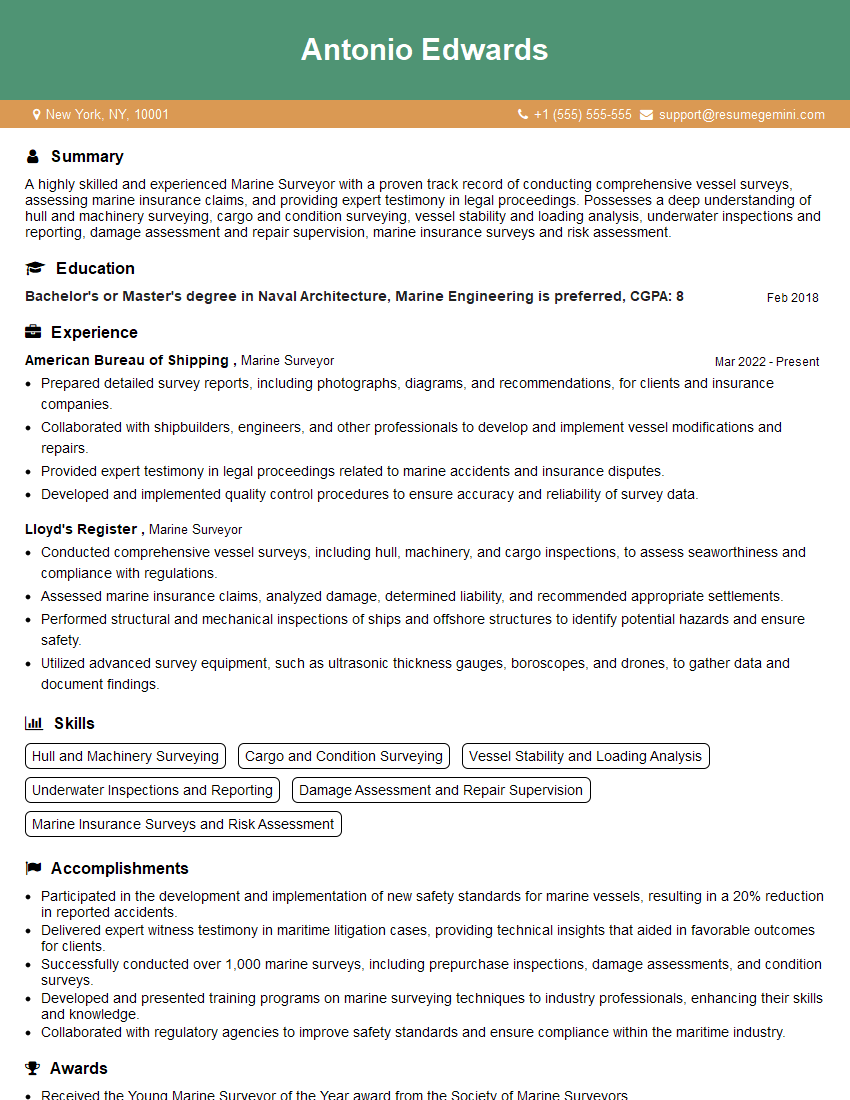
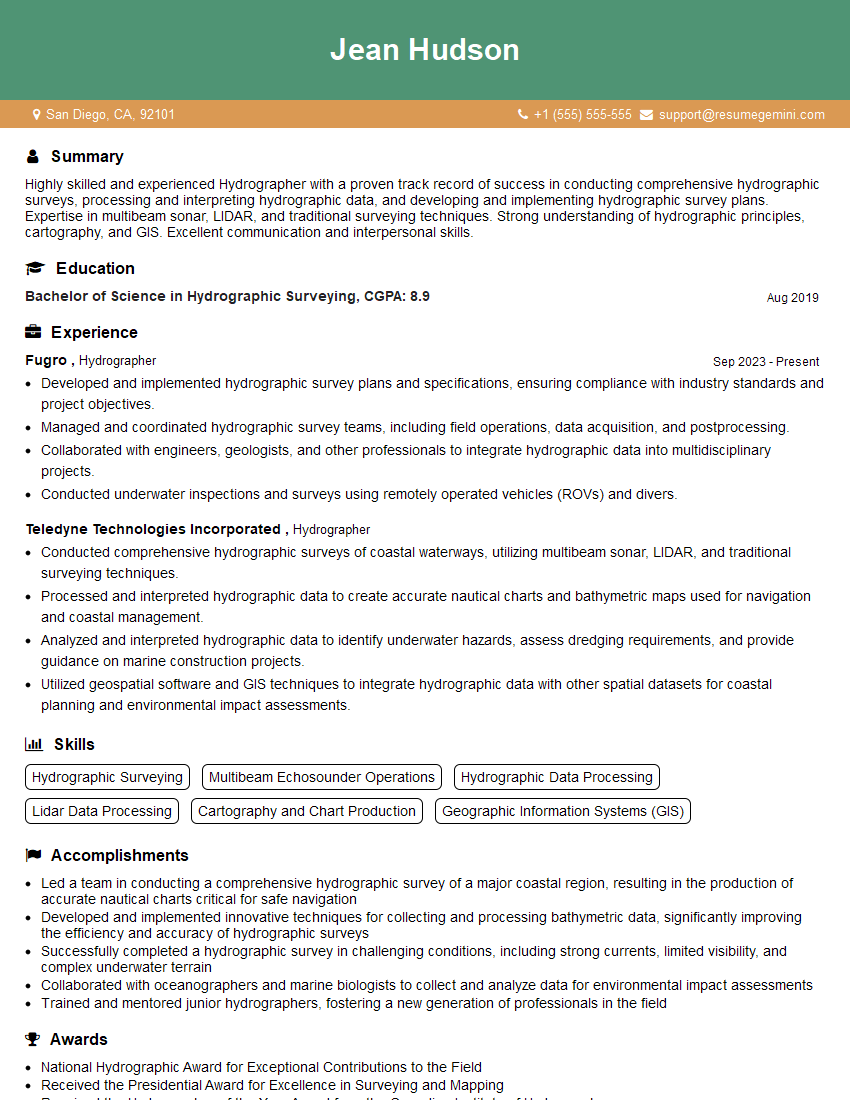
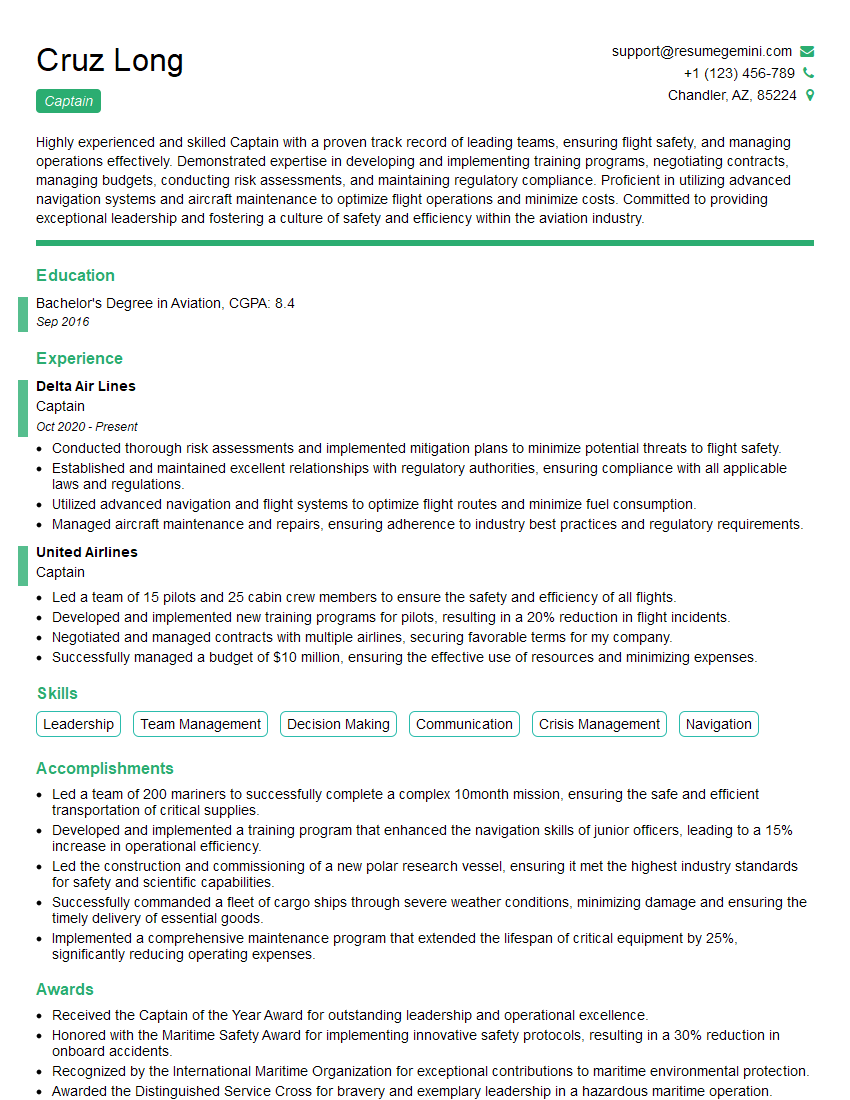
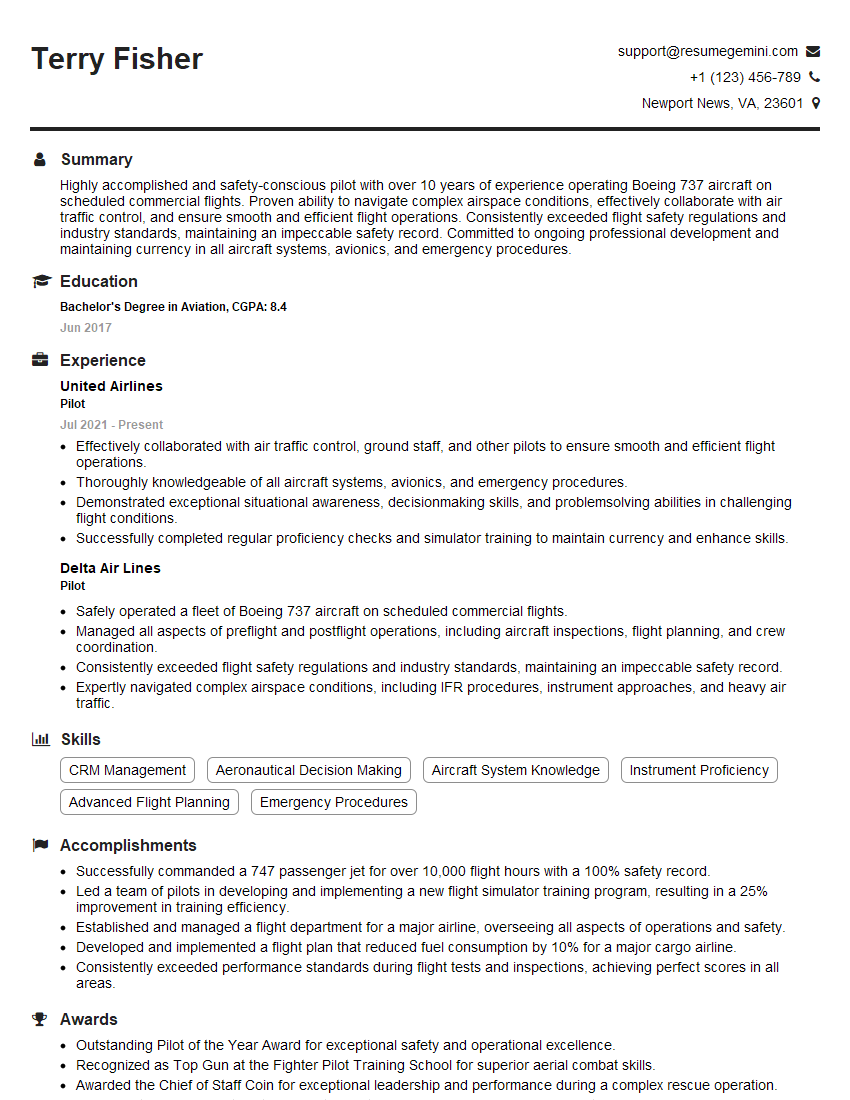
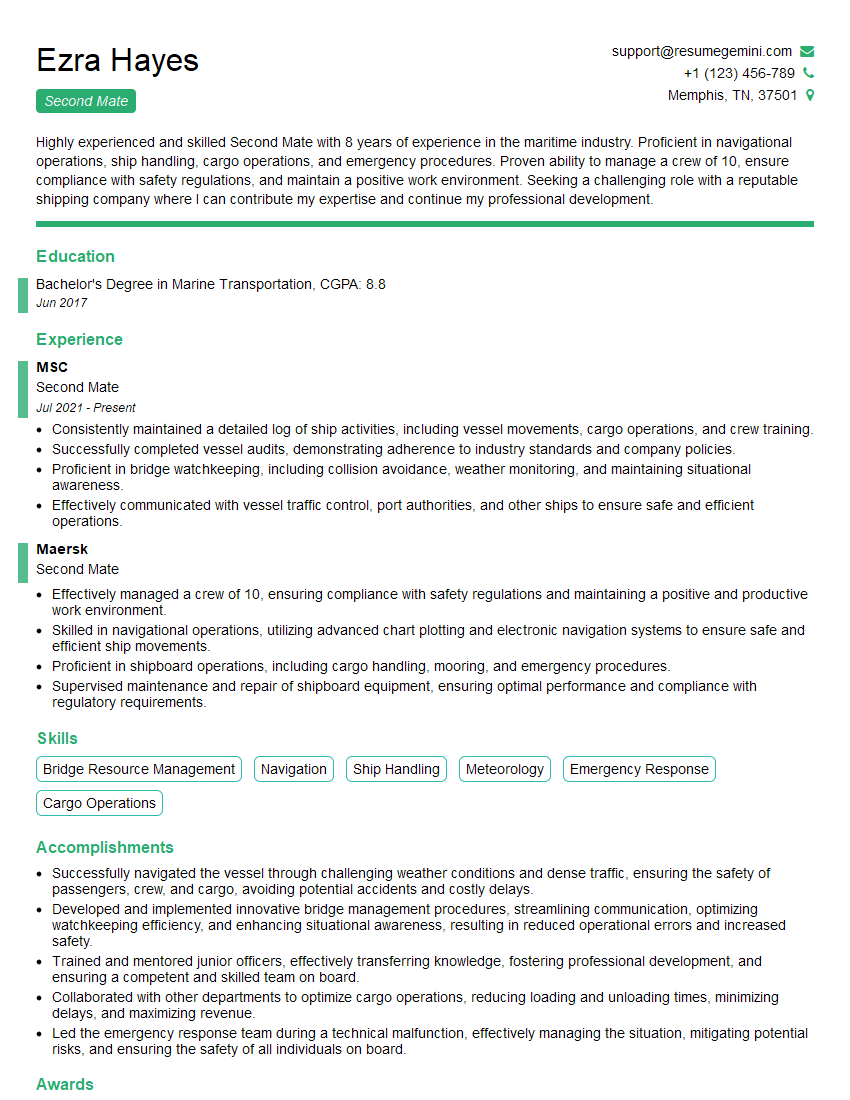
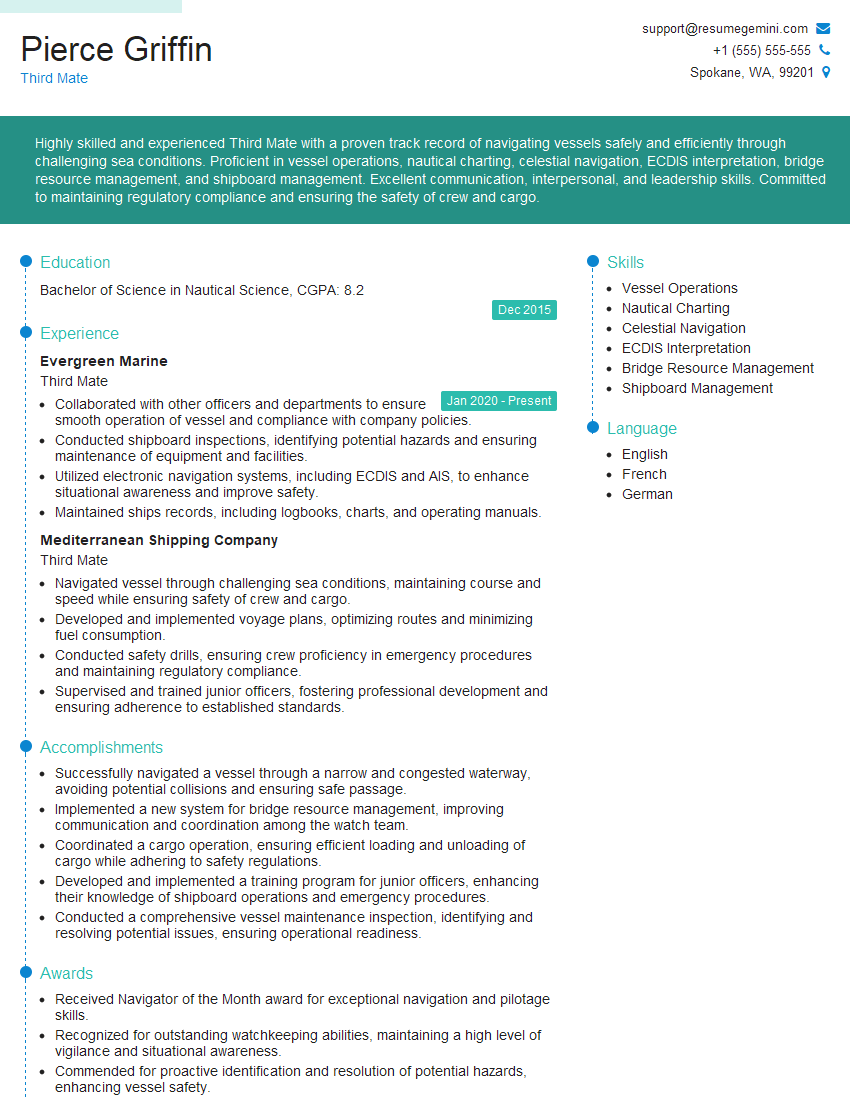
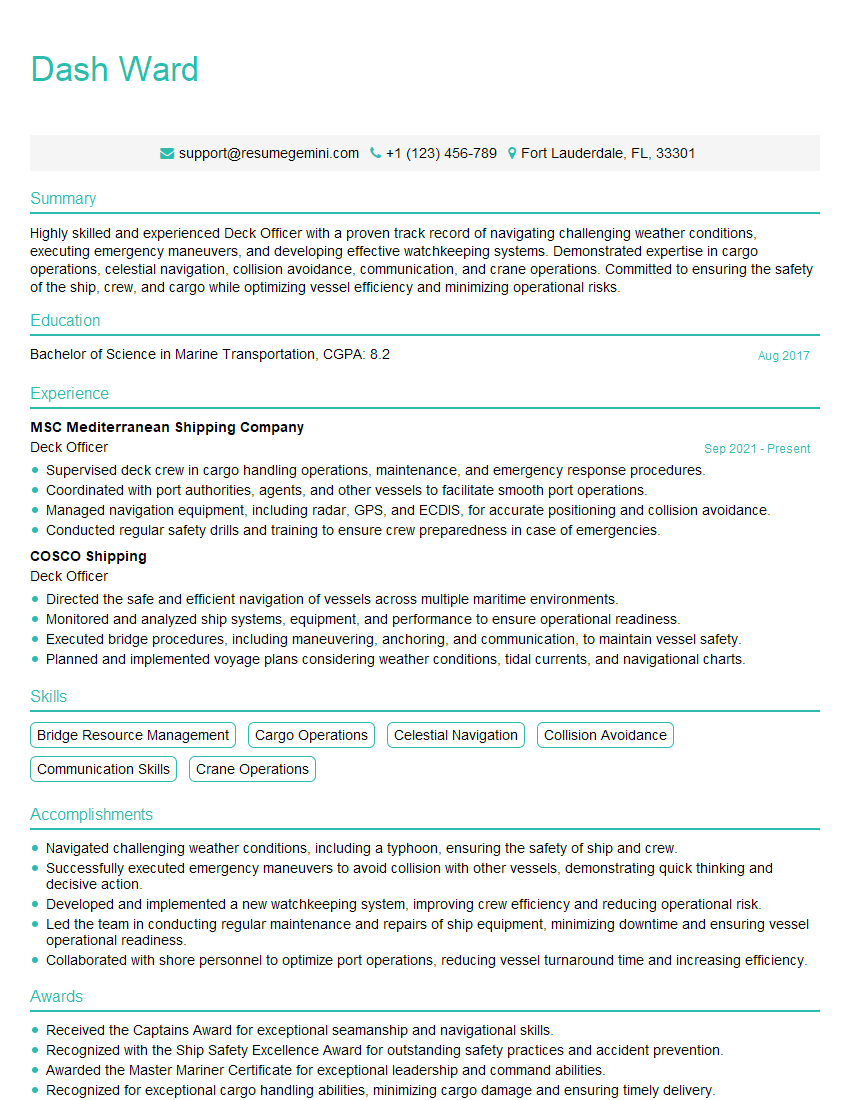
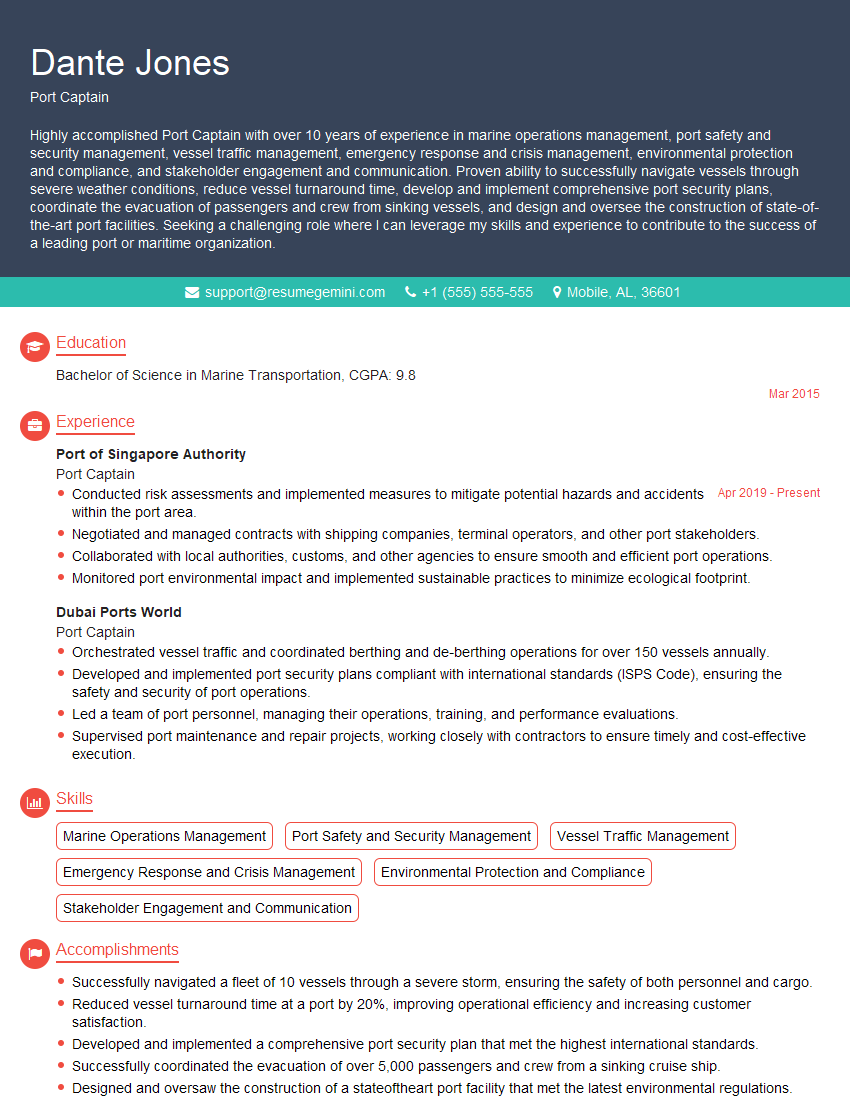
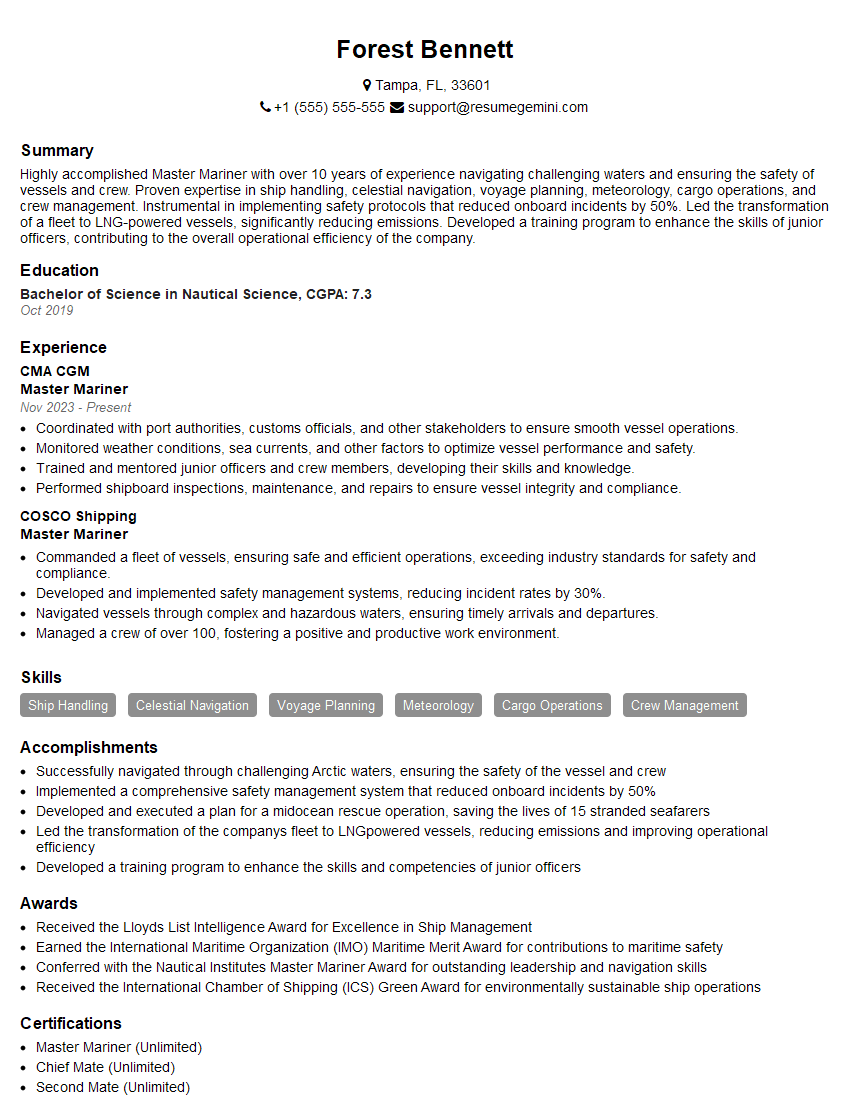
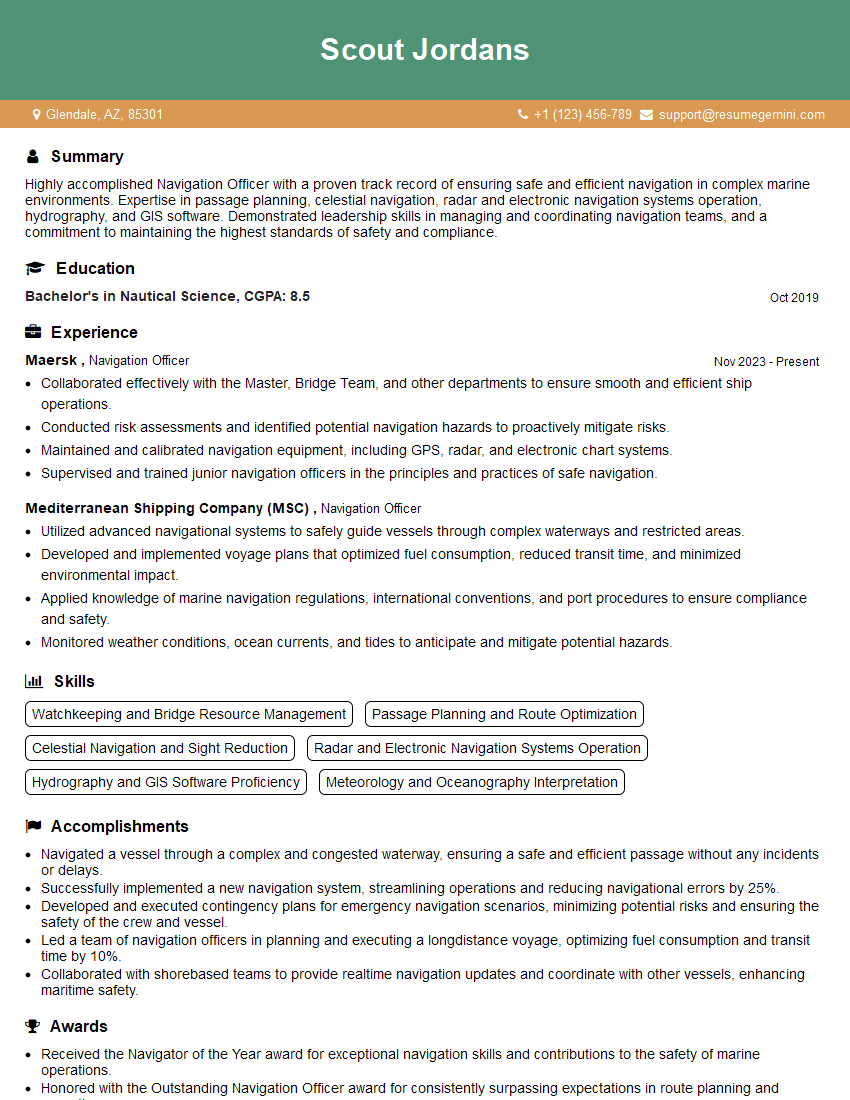
Mastering Navigation and Voyage Planning is crucial for career advancement in the maritime industry, opening doors to higher-paying positions and increased responsibility. A strong, ATS-friendly resume is essential for securing interviews. ResumeGemini is a trusted resource to help you create a professional and impactful resume that highlights your skills and experience. Examples of resumes tailored to Navigation and Voyage Planning are available to guide you. Invest time in creating a compelling resume; it’s your first impression on potential employers.
Explore more articles
Users Rating of Our Blogs
Share Your Experience
We value your feedback! Please rate our content and share your thoughts (optional).
What Readers Say About Our Blog
I Redesigned Spongebob Squarepants and his main characters of my artwork.
https://www.deviantart.com/reimaginesponge/art/Redesigned-Spongebob-characters-1223583608
IT gave me an insight and words to use and be able to think of examples
Hi, I’m Jay, we have a few potential clients that are interested in your services, thought you might be a good fit. I’d love to talk about the details, when do you have time to talk?
Best,
Jay
Founder | CEO