Interviews are opportunities to demonstrate your expertise, and this guide is here to help you shine. Explore the essential Emergency Response and Safety Management interview questions that employers frequently ask, paired with strategies for crafting responses that set you apart from the competition.
Questions Asked in Emergency Response and Safety Management Interview
Q 1. Describe your experience in developing and implementing emergency response plans.
Developing and implementing emergency response plans is a multi-stage process requiring a thorough understanding of potential hazards and a commitment to proactive mitigation. It begins with a comprehensive risk assessment, identifying potential emergencies – from fire and chemical spills to active shooter situations or natural disasters.
For example, during my time at a large manufacturing plant, we developed a plan that included detailed evacuation routes, assembly points, and responsibilities for each team member. We conducted regular drills to ensure everyone knew their roles and responsibilities. We also incorporated specific procedures for handling hazardous materials, including a detailed spill response plan. This involved training staff on the proper use of PPE (Personal Protective Equipment) and spill containment techniques. The plan was regularly reviewed and updated to reflect changes in operations and regulatory requirements.
Implementing the plan involved extensive training, regular drills, and ongoing communication with staff. We used a combination of classroom instruction, hands-on simulations, and tabletop exercises to ensure that everyone understood the plan and could execute it effectively. Post-drill evaluations provided invaluable feedback, allowing us to refine the plan and improve its effectiveness.
Q 2. Explain your understanding of OSHA regulations and their practical application.
OSHA (Occupational Safety and Health Administration) regulations are crucial for maintaining a safe and healthy work environment. My understanding encompasses a broad range of standards, from hazard communication and personal protective equipment (PPE) to emergency action plans and machine guarding. I’m particularly familiar with OSHA’s General Duty Clause, which mandates employers to provide a workplace free from recognized hazards.
In practical application, this means understanding and adhering to specific standards relevant to the industry and workplace. For instance, in a construction setting, this could involve ensuring proper fall protection, using appropriate scaffolding, and implementing lockout/tagout procedures for machinery. In an office environment, it might focus on ergonomics, fire safety, and emergency exits. I have experience conducting regular OSHA compliance audits, identifying potential violations, and developing corrective actions. This ensures our processes align with all applicable regulations, minimizing risk and preventing potential accidents and injuries.
For example, I helped a client implement a comprehensive respiratory protection program that included proper respirator selection, fit testing, and training. This greatly reduced the risks associated with airborne hazards.
Q 3. How would you handle a workplace accident involving multiple injuries?
Handling a workplace accident involving multiple injuries requires a swift and coordinated response. The first priority is to ensure the safety of everyone at the scene, including both victims and responders. This involves immediate actions to secure the area, preventing further injuries or hazards.
- Activate Emergency Services: Immediately call emergency medical services (EMS) and report the incident, specifying the number and nature of injuries and the location.
- First Aid and Triage: Trained personnel should begin administering first aid to the most critically injured individuals, prioritizing those with life-threatening injuries (triage).
- Secure the Scene: Prevent unauthorized access to the area to maintain order and preserve evidence. This includes cordoning off the accident area.
- Evacuate Uninjured Personnel: If necessary, safely evacuate uninjured personnel from the area to ensure their safety.
- Coordinate with Emergency Responders: Work closely with EMS and other emergency personnel arriving on the scene, providing them with information and facilitating access to the injured.
- Investigate the Incident: Once the immediate emergency has passed, an investigation must be launched to determine the root cause of the accident, focusing on preventing similar occurrences.
- Documentation: Thoroughly document the incident, including witness statements, photos, and a detailed accident report. This information is vital for any subsequent investigation or legal proceedings.
A well-rehearsed emergency response plan significantly improves efficiency during such scenarios, minimizing the impact of the event. Regular drills and training prepare personnel for effective action in high-pressure situations.
Q 4. What are your strategies for conducting effective safety training programs?
Effective safety training programs are crucial for fostering a safety-conscious culture and reducing workplace incidents. My strategies focus on making the training engaging, relevant, and easily digestible.
- Needs Assessment: Begin by identifying specific hazards and training needs within the workplace. A thorough risk assessment will guide this process.
- Interactive Methods: Use a variety of methods, including hands-on training, simulations, and interactive workshops, rather than just lectures. Engaging different learning styles improves knowledge retention.
- Scenario-Based Training: Develop realistic scenarios that mimic potential workplace emergencies. This helps trainees apply learned knowledge in practical situations.
- Regular Refresher Training: Safety training shouldn’t be a one-time event. Regular refresher training and updates ensure knowledge stays current and relevant.
- Feedback and Evaluation: Incorporate regular feedback mechanisms and assessments to evaluate the effectiveness of training and make necessary improvements. Post-training tests and surveys can determine understanding.
- Tailored to Audience: Training should be tailored to the specific knowledge and skills of the audience, taking into account factors such as language proficiency and literacy levels.
For example, I developed a safety training program for a construction company that involved virtual reality simulations to demonstrate proper scaffolding techniques and fall protection procedures. This immersive experience proved more effective than traditional methods.
Q 5. Describe your experience in risk assessment and mitigation.
Risk assessment and mitigation are fundamental to effective safety management. Risk assessment involves identifying potential hazards, evaluating their likelihood and severity, and determining the level of risk. Mitigation involves implementing controls to reduce or eliminate those risks.
My approach uses a structured methodology, often employing a framework such as HAZOP (Hazard and Operability Study) or bow-tie analysis. For instance, in a HAZOP study, we systematically examine the process or system, considering deviations from the norm and assessing potential hazards. This might include factors like equipment failure, human error, or environmental conditions.
Mitigation strategies vary depending on the specific risk. They might involve engineering controls (e.g., installing safety guards on machinery), administrative controls (e.g., implementing stricter work procedures), or personal protective equipment (PPE).
For example, I worked with a chemical plant to assess the risks associated with the handling of hazardous chemicals. We identified potential leak scenarios and implemented mitigation strategies, including improved containment systems, emergency shut-down procedures, and enhanced worker training.
Q 6. How do you prioritize emergencies and allocate resources effectively?
Prioritizing emergencies and allocating resources effectively requires a clear understanding of the situation and the available resources. This is often done using a triage system, which prioritizes incidents based on their severity and the potential impact.
Factors considered include the number of casualties, the potential for further harm, the availability of resources (personnel, equipment), and the potential for environmental damage.
For instance, a major fire in a densely populated area would naturally take precedence over a minor equipment malfunction in a remote location. Resource allocation involves strategically deploying personnel and equipment to effectively address the highest-priority incidents first. A well-defined emergency response plan, including pre-established resource allocation strategies, is vital. Clear communication channels are essential to ensure resources are directed to where they are needed most.
Real-time information updates and dynamic resource allocation are also key components of managing multiple simultaneous emergencies. This might involve using GIS (Geographic Information System) mapping to visualize incident locations and track resource deployment.
Q 7. Explain your familiarity with emergency communication systems and protocols.
Familiarity with emergency communication systems and protocols is paramount. This includes understanding various communication methods, their strengths, and limitations, and establishing robust protocols to ensure clear and timely information flow during emergencies.
Systems commonly used include two-way radios, pagers, mobile phones, and public address systems. Each has its advantages and disadvantages. For instance, two-way radios offer immediate communication but have limited range, whereas mobile phones have greater range but rely on network availability.
Protocols ensure that information is communicated efficiently and accurately. They should specify who is responsible for communication, the information to be conveyed, and the communication channels to be used. Regular testing and drills help validate communication systems and refine procedures. For example, a facility might use a pre-defined set of codes for different emergency situations. A code like ‘Code Red’ might signify a fire, while ‘Code Yellow’ indicates a medical emergency. This standardized approach eliminates confusion and enhances response efficiency. The development of emergency communication plans also involves integrating external communication with local authorities and emergency services.
Q 8. How would you manage a crisis situation involving media relations?
Managing media relations during a crisis requires a proactive and strategic approach. It’s about controlling the narrative while ensuring transparency and accuracy. My strategy involves establishing a dedicated media relations team, ideally with a spokesperson trained in crisis communication. This team would be responsible for crafting consistent messaging and disseminating accurate information promptly.
- Establish a central communication hub: A single point of contact for all media inquiries prevents conflicting information and ensures a coordinated response.
- Develop key messages: These concise, easily understandable messages address the most critical aspects of the crisis and should be repeated consistently across all communication channels.
- Proactive media briefings: Regularly scheduled briefings keep the media informed, reducing speculation and rumors. These briefings should be honest, transparent and avoid speculation.
- Monitor media coverage: Tracking media reports helps identify areas needing clarification and allows for prompt responses to inaccuracies or misinformation.
- Maintain a respectful relationship with the media: Treating journalists professionally, even under pressure, fosters cooperation and trust, leading to more accurate and balanced reporting.
For instance, during a chemical spill incident, we would immediately release a statement outlining the nature of the spill, steps being taken to mitigate the situation, and the potential impact on the surrounding community. We would then hold regular press briefings, ensuring updates are consistent across all platforms.
Q 9. What is your experience with incident investigation and reporting?
My experience with incident investigation and reporting is extensive. I’ve led numerous investigations, adhering to established methodologies like the ‘Five Whys’ and root cause analysis to understand the sequence of events and identify contributing factors. My approach ensures objectivity, thoroughness, and a focus on preventing future incidents.
- Fact-finding: This initial phase involves gathering evidence through interviews, reviewing documentation, and examining physical evidence.
- Analysis: The collected data is analyzed to determine the root cause, contributing factors, and sequence of events.
- Reporting: A detailed report is prepared, outlining the findings, recommendations for corrective actions, and strategies to prevent similar incidents.
- Follow-up: Implementation of recommendations is monitored to ensure effectiveness.
For example, in investigating a workplace accident, I would interview witnesses, review safety procedures, and examine the equipment involved. The final report would outline the root cause, perhaps a failure in training, and recommend updated training programs, improved equipment maintenance procedures, or changes to the work process.
Q 10. Describe your proficiency in using safety equipment and personal protective equipment (PPE).
My proficiency in using safety equipment and PPE is comprehensive. I’m certified in the use of various types of PPE, including respirators, safety glasses, protective clothing, and fall protection equipment. I understand the importance of selecting the appropriate PPE for specific hazards, ensuring proper fit, and following maintenance procedures.
- Proper Selection: Choosing the right PPE for the specific hazard is crucial. For example, a respirator is needed for airborne hazards, while chemical-resistant gloves are essential when handling hazardous substances.
- Fit Testing: Ensuring a proper fit is critical for effective protection. Respirators, for example, require fit testing to ensure they seal correctly.
- Maintenance and Inspection: Regular inspection and maintenance are essential to ensure PPE remains functional and protective. Damaged or expired PPE should be immediately replaced.
- Training and Education: Providing comprehensive training on the proper use, limitations, and care of PPE is crucial for effective protection.
I’ve personally used this knowledge in various scenarios, from assisting in hazardous material spill cleanup to conducting confined space entries. My experience ensures I can effectively utilize and manage PPE to maximize safety.
Q 11. Explain your knowledge of different types of emergency response teams and their roles.
Emergency response teams are specialized groups trained to handle various types of emergencies. Their roles vary depending on the nature of the incident, but there’s often overlap and collaboration.
- Fire Suppression Teams: These teams are responsible for extinguishing fires, rescuing trapped individuals, and controlling hazardous materials.
- Emergency Medical Services (EMS): EMS teams provide medical care to injured or ill individuals, ranging from basic first aid to advanced life support.
- Hazardous Materials (Hazmat) Teams: Hazmat teams are trained to handle hazardous materials spills, leaks, and other incidents involving dangerous chemicals.
- Search and Rescue Teams: These teams are responsible for locating and rescuing individuals lost or trapped in various environments.
- Disaster Response Teams: These teams handle large-scale emergencies like natural disasters, providing essential services including search and rescue, medical care, and logistical support.
Understanding the roles and capabilities of each team is crucial for effective emergency response coordination. For instance, in a building fire, fire suppression would focus on extinguishing the fire while EMS would provide medical care to injured occupants, often working in close coordination.
Q 12. How do you ensure compliance with safety regulations and standards?
Ensuring compliance with safety regulations and standards is paramount. My approach involves a multi-faceted strategy focused on proactive measures and continuous improvement.
- Stay updated on regulations: Regularly reviewing and updating knowledge on relevant safety regulations, standards, and best practices is essential.
- Develop and implement safety programs: Creating comprehensive safety programs covering all aspects of operations, including training, hazard identification, and emergency response planning.
- Conduct regular inspections and audits: Regular audits and inspections ensure adherence to safety protocols and identify potential hazards early.
- Provide comprehensive training: Training programs must cover relevant safety regulations, safe work practices, and the use of PPE.
- Investigate incidents thoroughly: Thorough investigation of incidents helps identify root causes and implement corrective actions to prevent recurrence.
For example, we ensure compliance with OSHA regulations by conducting regular safety inspections, maintaining accurate records, and providing employees with safety training. This proactive approach helps minimize risks and maintain a safe working environment.
Q 13. Describe your experience in conducting safety audits and inspections.
My experience in conducting safety audits and inspections is extensive. I utilize a structured approach, incorporating checklists, observations, and interviews to identify hazards and assess compliance with safety regulations.
- Planning and preparation: Before conducting an audit, I would review relevant regulations, standards, and previous audit findings.
- On-site inspection: This involves a thorough examination of the workplace, equipment, and procedures.
- Documentation: All observations, findings, and corrective actions are documented in detail.
- Reporting: A comprehensive report summarizing findings, recommendations, and corrective actions is prepared.
- Follow-up: Monitoring the implementation of corrective actions is crucial to ensure effectiveness.
For example, during a safety audit at a construction site, I would check for proper fall protection, compliance with lockout/tagout procedures, and adherence to personal protective equipment (PPE) requirements. The audit report would then outline any deficiencies and provide recommendations for corrective actions.
Q 14. What is your approach to identifying and addressing potential hazards in the workplace?
Identifying and addressing potential hazards requires a proactive and systematic approach. I use a combination of methods to ensure a safe workplace.
- Hazard identification through observation: Regularly walking through the workplace, observing operations, and identifying potential hazards.
- Job hazard analysis (JHA): Conducting JHAs for each job task to identify potential hazards and control measures.
- Near-miss reporting: Encouraging employees to report near-miss incidents to identify potential hazards before they result in accidents.
- Employee input and feedback: Valuing employee input in identifying hazards, as they often have firsthand experience with potential risks.
- Regular safety meetings: Holding regular meetings to discuss safety concerns, review incidents, and promote a safety-conscious culture.
For example, if I notice an area with inadequate lighting, I would immediately address the issue by requesting improved lighting. Similarly, if a near-miss incident involves a piece of equipment, I’d investigate to determine if maintenance or training was lacking. Addressing these issues proactively ensures a safer work environment.
Q 15. How do you promote a strong safety culture within an organization?
Building a strong safety culture isn’t a one-time event; it’s an ongoing process that requires consistent effort and commitment from everyone within the organization. It’s about embedding safety as a core value, not just a set of rules.
Leadership Commitment: Visible and active support from leadership is crucial. Leaders must champion safety initiatives, participate in safety training, and hold themselves and others accountable. For example, in a previous role, I spearheaded a company-wide safety campaign where senior management regularly participated in safety inspections and toolbox talks, fostering a sense of shared responsibility.
Employee Engagement: Safety should not be solely the responsibility of a safety officer. Encourage employees to report hazards, participate in safety committees, and contribute to improving safety procedures. Implementing suggestion boxes and regular safety meetings can facilitate this engagement. One successful strategy I used was to create a peer-to-peer safety recognition program that empowered employees to appreciate and acknowledge safe work practices.
Training and Education: Comprehensive and regular safety training is essential. This should cover relevant hazards, emergency procedures, and safe work practices specific to the workplace. Training should be engaging, relevant and tailored to different roles and responsibilities. I’ve found that incorporating interactive elements, such as simulations and scenario-based training, significantly improves retention and practical application.
Communication and Feedback: Open and transparent communication is vital. Regularly share safety performance data, incident reports (without compromising confidentiality), and best practices. Actively solicit feedback from employees on safety procedures and identify areas for improvement. This continuous feedback loop is critical for creating a culture of continuous improvement.
Accountability and Consequences: Establish clear expectations and consequences for unsafe behavior. This doesn’t necessarily mean punitive measures, but rather focusing on corrective actions and learning from mistakes. A just and fair system promotes a safer work environment. A robust reporting system that ensures anonymity when appropriate is critical.
Career Expert Tips:
- Ace those interviews! Prepare effectively by reviewing the Top 50 Most Common Interview Questions on ResumeGemini.
- Navigate your job search with confidence! Explore a wide range of Career Tips on ResumeGemini. Learn about common challenges and recommendations to overcome them.
- Craft the perfect resume! Master the Art of Resume Writing with ResumeGemini’s guide. Showcase your unique qualifications and achievements effectively.
- Don’t miss out on holiday savings! Build your dream resume with ResumeGemini’s ATS optimized templates.
Q 16. Explain your experience in developing and maintaining emergency response procedures.
My experience in developing and maintaining emergency response procedures spans over ten years and involves a multi-faceted approach. It begins with a thorough hazard analysis to identify potential threats specific to the organization, location and the type of work being performed.
Hazard Identification and Risk Assessment: This involves identifying potential hazards, analyzing their likelihood and severity, and determining appropriate control measures. This may involve using techniques like HAZOP (Hazard and Operability study) or FMEA (Failure Mode and Effects Analysis).
Procedure Development: Once hazards are identified, we develop clear, concise, and easily understandable emergency response procedures for each scenario. These procedures include step-by-step instructions, contact lists, evacuation routes, and responsibilities of individuals. This must be regularly reviewed and updated. In one case, I developed a detailed procedure for handling chemical spills, including emergency shut-off procedures, personal protective equipment (PPE) requirements, and spill containment strategies.
Training and Drills: Regular training and drills are crucial to ensure personnel are familiar with the procedures and can respond effectively in real situations. Drills should be realistic and involve regular review and feedback.
Documentation and Review: All procedures are meticulously documented and regularly reviewed and updated to reflect changes in the workplace, regulations, or lessons learned from incidents or near misses. This iterative process of review, revision and testing is key to the success of a robust emergency response plan.
Q 17. Describe your experience in post-incident analysis and improvement.
Post-incident analysis is critical for continuous improvement in emergency response capabilities. It’s not about assigning blame, but about identifying root causes, learning from mistakes, and preventing similar incidents in the future.
Fact-Finding: The first step involves gathering all relevant information, including witness statements, incident reports, and data logs. This is often done using formal investigation techniques, adhering to relevant regulatory guidelines.
Root Cause Analysis: Using tools such as the ‘5 Whys’ or fishbone diagrams, we delve deeper to understand the underlying causes that contributed to the incident. For example, if a fire occurred, we would not simply stop at identifying a faulty electrical appliance, but would further investigate the maintenance schedule, employee training on fire safety, and the effectiveness of the fire alarm system.
Corrective Actions: Based on the root cause analysis, we implement corrective actions to prevent recurrence. This might include modifying procedures, upgrading equipment, improving training, or implementing new safety controls.
Documentation and Communication: All findings, corrective actions, and lessons learned are documented and communicated to relevant stakeholders. These reports help to build organizational knowledge and continuously improve safety protocols.
In one instance, a post-incident analysis of a near-miss incident revealed a weakness in our communication protocols during an evacuation. Consequently, we implemented a new system utilizing text alerts and visual cues, significantly improving communication during emergency situations.
Q 18. How do you communicate effectively with employees during an emergency?
Effective communication during an emergency is paramount for minimizing risks and ensuring the safety of everyone involved. It requires a multi-channel approach and a clear, concise messaging strategy.
Pre-planned Communication Channels: Establishing multiple communication channels (e.g., email, text alerts, public address systems, radio communication) beforehand ensures redundancy and accessibility even if one system fails. Testing these channels regularly during drills is critical.
Clear and Concise Messaging: Messages should be clear, concise, and easy to understand, avoiding jargon. Instructions should be specific and actionable, such as ‘Evacuate the building via the nearest stairwell,’ rather than ‘Get out’.
Designated Spokesperson: Having a designated spokesperson helps to maintain consistent messaging and avoid confusion. This person should be well-trained in crisis communication and be able to address media inquiries efficiently.
Regular Updates: Provide regular updates to keep employees informed about the situation’s evolution and the actions being taken. Transparency builds trust and helps reduce anxiety.
Feedback Mechanisms: Ensure systems are in place to gather feedback from employees during and after the emergency to identify areas for improvement in communication strategies.
Q 19. Describe your experience in working with different stakeholders during an emergency response.
Emergency response often requires collaboration with a wide range of stakeholders, including employees, first responders, regulatory agencies, and the media. Effective coordination is key to a successful outcome.
Pre-established Relationships: Building strong relationships with external stakeholders (e.g., local emergency services) before an emergency occurs is essential for facilitating seamless collaboration during a crisis. Regular meetings and joint training exercises strengthen these relationships.
Clear Communication Protocols: Establish clear communication protocols with all stakeholders, outlining roles, responsibilities, and reporting procedures. This could involve using standardized forms, communication templates, or a dedicated communication system.
Common Operating Picture: Ensure all stakeholders have access to the same information, enabling coordinated actions. This could involve using shared databases, maps, or other information-sharing tools.
Regular Briefings: Provide regular briefings to stakeholders to keep them informed about the situation and the response plan’s progress. Transparency and collaboration foster mutual trust and support.
Post-Incident Debriefings: After the emergency, conduct debriefings with all stakeholders to review the response, identify areas for improvement, and document lessons learned.
Q 20. How do you ensure the effectiveness of emergency drills and exercises?
The effectiveness of emergency drills and exercises hinges on realistic simulations and thorough post-exercise evaluations. The goal is not simply to complete the drill but to identify weaknesses and improve response capabilities.
Realistic Scenarios: Drills should simulate realistic scenarios, mirroring potential threats and challenges faced by the organization. These exercises should test different aspects of the emergency response plan, including communication, evacuation procedures, and resource management.
Objective Evaluation: Conduct thorough evaluations after each drill using checklists, observation reports, and feedback from participants. These evaluations should assess the strengths and weaknesses of the response and identify areas for improvement.
Debriefing and Feedback: A comprehensive debriefing session is vital after each drill to review performance, address any shortcomings, and incorporate lessons learned into future exercises and emergency response procedures.
Documentation and Continuous Improvement: All drill activities, observations, and improvements should be documented. This information contributes to ongoing refinement of emergency response plans and enhances preparedness.
Regularity and Variety: Drills should be conducted regularly, with scenarios varied to challenge and enhance different aspects of the emergency response system. A diverse range of scenarios better prepares personnel for unforeseen events.
Q 21. How do you adapt your emergency response strategy based on different scenarios?
Adaptability is a crucial element of a robust emergency response strategy. A single, inflexible plan will likely be insufficient to address the complexities of various scenarios.
Scenario Planning: Develop a range of emergency response plans tailored to specific scenarios, such as fire, natural disasters, active shooter incidents, or chemical spills. Each plan should detail specific procedures, responsibilities, and resource allocation.
Flexible Response Teams: Organize flexible and adaptable response teams that can be deployed to different scenarios, ensuring personnel possess the necessary skills and training for various situations.
Scalability: The response plan must be scalable to accommodate different incident sizes and complexities. For instance, a minor chemical spill might require a localized response, while a major incident would necessitate broader organizational and community involvement.
Situational Awareness: Maintaining continuous situational awareness during an emergency is critical. Utilize monitoring tools and communication channels to gather up-to-date information and adapt the response as needed. This may involve dynamically adjusting resource allocation or modifying evacuation routes.
Post-Incident Review and Adaptation: Following every emergency response, conduct a thorough review to evaluate the effectiveness of the response strategy, identify areas for improvement, and incorporate lessons learned to enhance future preparedness.
For example, a plan for a localized power outage would differ significantly from a plan for a widespread hurricane. A flexible response considers such variations, ensuring personnel have the proper training, tools, and resources for the specific challenge at hand.
Q 22. What metrics do you use to measure the effectiveness of your safety program?
Measuring the effectiveness of a safety program requires a multi-faceted approach, going beyond simply tracking incident rates. We need to look at leading indicators – those that predict future incidents – as well as lagging indicators – those that reflect past performance.
- Leading Indicators: These include things like the number of safety training hours completed, the percentage of employees participating in safety audits, the number of near misses reported, and the effectiveness of our safety communication channels. A high number of near misses reported, for instance, shows a culture where employees feel comfortable reporting potential hazards, which is positive even though it means near misses are occurring. We analyse the underlying causes and implement corrective actions.
- Lagging Indicators: These are more traditional metrics like the total number of accidents, lost-time injury rates (LTIR), days away from work (DAFW), and medical treatment rates. A decrease in these numbers indicates improvement but only after incidents have occurred.
- Beyond Numbers: We also assess employee satisfaction with safety procedures through surveys and feedback sessions. A safe and engaged workforce is crucial.
By combining leading and lagging indicators, along with qualitative feedback, we get a holistic view of our safety program’s effectiveness. For example, a decrease in LTIR coupled with an increase in safety training participation indicates a successful program. Conversely, a low LTIR but low safety training participation might suggest complacency, potentially leading to future problems. This requires a closer look into the program to identify gaps.
Q 23. Explain your experience with emergency preparedness planning and execution.
My experience in emergency preparedness planning and execution spans over 15 years, encompassing roles in both private and public sectors. I’ve been involved in developing comprehensive emergency plans for various facilities, including hospitals, manufacturing plants, and large events. This involves several key steps:
- Hazard Identification and Risk Assessment: This crucial first step involves identifying all potential hazards, whether natural (earthquakes, floods) or man-made (fires, active shooters), and assessing their likelihood and potential impact. This often involves using tools such as Fault Tree Analysis (FTA) and HAZOP (Hazard and Operability) studies.
- Plan Development: Once hazards are identified, we develop detailed plans outlining procedures for various scenarios. This includes communication protocols, evacuation routes, emergency response teams, resource allocation, and post-incident recovery strategies.
- Training and Drills: Regular training and drills are vital to ensure that personnel are familiar with their roles and responsibilities. This includes tabletop exercises, functional exercises and full-scale simulations which progressively challenge and build upon the workforce’s preparedness. This helps identify weaknesses and refine our procedures.
- Plan Execution and Post-Incident Analysis: During an actual emergency, effective communication and coordination among various teams are crucial. Post-incident analysis is just as important as planning, allowing us to identify areas for improvement in our preparedness and response.
For example, during my time at a hospital, we conducted a full-scale disaster drill simulating a major earthquake. This revealed deficiencies in our communication systems, leading to immediate improvements and enhancing our overall preparedness.
Q 24. How would you manage an active shooter situation?
Managing an active shooter situation requires immediate and decisive action, prioritizing the safety of all individuals. The primary response follows the ‘Run, Hide, Fight’ strategy:
- Run: If possible, evacuate the area immediately, moving away from the shooter and seeking a safe location. Alert others to do the same.
- Hide: If evacuation isn’t possible, find a secure location to hide, locking and barricading doors, turning off lights, and remaining silent. Communicate your location to emergency services.
- Fight: As a last resort, and only when your life is in imminent danger, fight back using any available means to defend yourself and others. This is a tactic of absolute last resort.
Beyond immediate action, my approach would involve:
- Coordination with Law Enforcement: Maintaining clear and concise communication with law enforcement is paramount, providing them with accurate information about the shooter’s location, the number of casualties, and any other relevant details.
- Medical Response: Establishing a triage area to provide immediate medical attention to injured individuals is essential, until professional medical teams arrive on the scene.
- Communication with Families and Media: Establishing a central communication point to update families of victims and coordinate media responses will help mitigate rumours and confusion.
- Post-Incident Support: Providing psychological support and counselling services to victims, witnesses, and first responders is crucial for their well-being.
A critical element is proactive planning, including regular active shooter training for staff, clear communication protocols, and well-defined emergency response procedures. Regular drills and training sessions are vital to effectively implement the plan.
Q 25. Describe your experience in dealing with natural disasters or other large-scale emergencies.
My experience with large-scale emergencies includes responding to and recovering from both natural disasters and other major incidents. For example, I worked on the response to a major hurricane, coordinating relief efforts and assisting in the evacuation and relocation of thousands of people. This experience highlighted the importance of pre-planning, effective communication, resource management, and the establishment of robust logistical networks.
- Pre-Disaster Planning: The effectiveness of response is directly proportional to the thoroughness of pre-disaster plans, such as developing robust evacuation plans, identifying safe zones, securing essential supplies, and establishing communication channels.
- Resource Management: During a disaster, managing resources (personnel, equipment, supplies) efficiently is critical. This often involves collaboration with multiple agencies and organizations.
- Post-Disaster Recovery: The recovery phase is often long and complex and focuses on providing immediate aid and shelter, restoring essential services, and providing psychological support to affected communities.
- Inter-agency Coordination: Coordinating with various agencies (e.g., FEMA, Red Cross, local authorities) necessitates strong communication and a collaborative approach.
In the hurricane response, our pre-established communication system proved invaluable in coordinating rescue operations and resource allocation. Post-incident analysis led to improvements in our planning processes for future events, including more effective utilization of technology and better training for response teams.
Q 26. What is your understanding of different types of hazards and their associated risks?
Understanding hazards and their associated risks is fundamental to effective safety management. Hazards can be broadly classified into several categories:
- Physical Hazards: These include dangers like noise, vibration, radiation, extreme temperatures, and ergonomic hazards (repetitive strain injuries). The risk is determined by the severity of the potential harm and the probability of exposure.
- Chemical Hazards: These involve exposure to harmful substances, including gases, liquids, solids, and dusts. The risk assessment considers factors such as toxicity, flammability, and the potential for exposure routes (inhalation, ingestion, skin contact).
- Biological Hazards: These include risks from bacteria, viruses, fungi, parasites, and other biological agents. Risk is assessed based on the pathogen’s virulence, mode of transmission, and the vulnerability of the exposed population.
- Ergonomic Hazards: These involve physical factors in the workplace that can cause musculoskeletal disorders, such as awkward postures, repetitive motions, and forceful exertions. Risk is determined by the frequency, intensity, and duration of the exposures.
- Psychosocial Hazards: These are related to the workplace environment and include factors like stress, harassment, bullying, and violence. Risk is assessed by considering the prevalence of these factors and the impact on employee well-being and productivity.
Risk assessment involves evaluating the likelihood of a hazard causing harm and the severity of that harm. This allows us to prioritize control measures, focusing on the highest-risk hazards first. For instance, a highly likely and severe hazard requires immediate and robust control measures, whereas a less likely and less severe hazard might warrant less intensive controls.
Q 27. How do you utilize data and analytics to improve safety performance?
Data and analytics play a vital role in improving safety performance. We leverage data from various sources, including incident reports, near-miss reports, safety audits, and employee surveys. This data is then analyzed to identify trends, patterns, and root causes of incidents.
- Data Collection: We use a comprehensive safety management system to collect and record all relevant safety data consistently. This ensures data accuracy and reliability.
- Data Analysis: We employ statistical methods to analyze the data, identify trends, and pinpoint areas needing improvement. This might involve root cause analysis (RCA), fault tree analysis (FTA), or other techniques.
- Data Visualization: Visualizing data through charts, graphs, and dashboards allows for easy interpretation and communication of findings to stakeholders. This improves understanding and facilitates action planning.
- Predictive Analytics: In some cases, we use predictive analytics to anticipate potential safety issues based on historical data and identify areas that may require additional safety measures before an incident occurs.
For example, by analyzing incident reports, we identified a spike in slips, trips, and falls during a certain period. Further investigation revealed inadequate lighting in specific areas. Addressing this lighting issue significantly reduced the number of slips, trips, and falls. This data-driven approach allowed for targeted improvements, enhancing overall safety performance.
Q 28. Describe your experience in coordinating with external agencies during an emergency.
Coordinating with external agencies during an emergency is crucial for effective response. My experience includes collaboration with various agencies, including law enforcement, fire departments, emergency medical services (EMS), and government agencies. Effective coordination requires clear communication, established protocols, and a shared understanding of roles and responsibilities.
- Pre-Emergency Coordination: Building relationships and establishing communication protocols with external agencies *before* an emergency occurs is critical. This often involves joint training exercises and regular meetings to discuss potential scenarios and refine response plans.
- Communication During an Emergency: Utilizing various communication methods (radio, phone, email) to ensure seamless information sharing among all involved agencies is crucial. A designated communication center or point person can greatly enhance efficiency.
- Resource Sharing: Effectively sharing resources (personnel, equipment) among agencies maximizes response capabilities. This requires clear agreements and protocols for resource allocation.
- Post-Emergency Debriefing: Following an emergency, a thorough debriefing with all involved agencies is important to identify areas for improvement and refine response procedures for future events.
During a large-scale industrial accident, I successfully coordinated the response efforts of multiple agencies, including the local fire department, EMS, and the Environmental Protection Agency (EPA). Clear communication and pre-established protocols ensured a coordinated and efficient response, minimizing the impact of the incident.
Key Topics to Learn for Emergency Response and Safety Management Interview
- Emergency Response Planning & Procedures: Understanding the development and implementation of comprehensive emergency plans, including risk assessment, resource allocation, and communication strategies. Consider practical applications like developing a plan for a specific workplace hazard.
- Incident Command Systems (ICS): Mastering the principles and application of ICS, including roles, responsibilities, and communication protocols within an emergency response team. Think about how ICS principles would be applied during a large-scale incident.
- Hazard Identification & Risk Assessment: Proficiency in identifying potential hazards, evaluating their risks, and implementing control measures to mitigate those risks. Explore various risk assessment methodologies and their practical applications.
- Emergency Communication & Coordination: Understanding effective communication strategies during emergencies, including the use of various communication technologies and protocols. Consider scenarios requiring efficient information dissemination and coordination amongst multiple teams.
- Safety Regulations & Compliance: Demonstrating knowledge of relevant safety regulations and compliance requirements, including OSHA standards or industry-specific regulations. Prepare examples of how you ensured compliance in past roles.
- Emergency Response Technologies & Equipment: Familiarity with various technologies and equipment used in emergency response, including their operation and limitations. Discuss experience with specific technologies or equipment if applicable.
- Incident Investigation & Reporting: Understanding the process of investigating incidents, determining root causes, and preparing comprehensive reports. Consider how to conduct a thorough and unbiased investigation.
- Crisis Management & Leadership: Demonstrating leadership skills and the ability to manage crises effectively under pressure. Prepare examples showcasing your leadership capabilities in challenging situations.
- Occupational Health & Safety: Understanding principles of occupational health and safety, including hazard prevention and control, and worker protection programs. Be ready to discuss practical applications within specific work environments.
- Training & Education: Experience in delivering safety training and education programs to employees or community members. Prepare examples illustrating your training and instructional skills.
Next Steps
Mastering Emergency Response and Safety Management is crucial for career advancement, leading to greater responsibility and higher earning potential. An ATS-friendly resume is essential for maximizing your job prospects. ResumeGemini is a trusted resource to help you build a professional, impactful resume that highlights your skills and experience effectively. ResumeGemini provides examples of resumes tailored to Emergency Response and Safety Management, helping you showcase your qualifications and land your dream role.
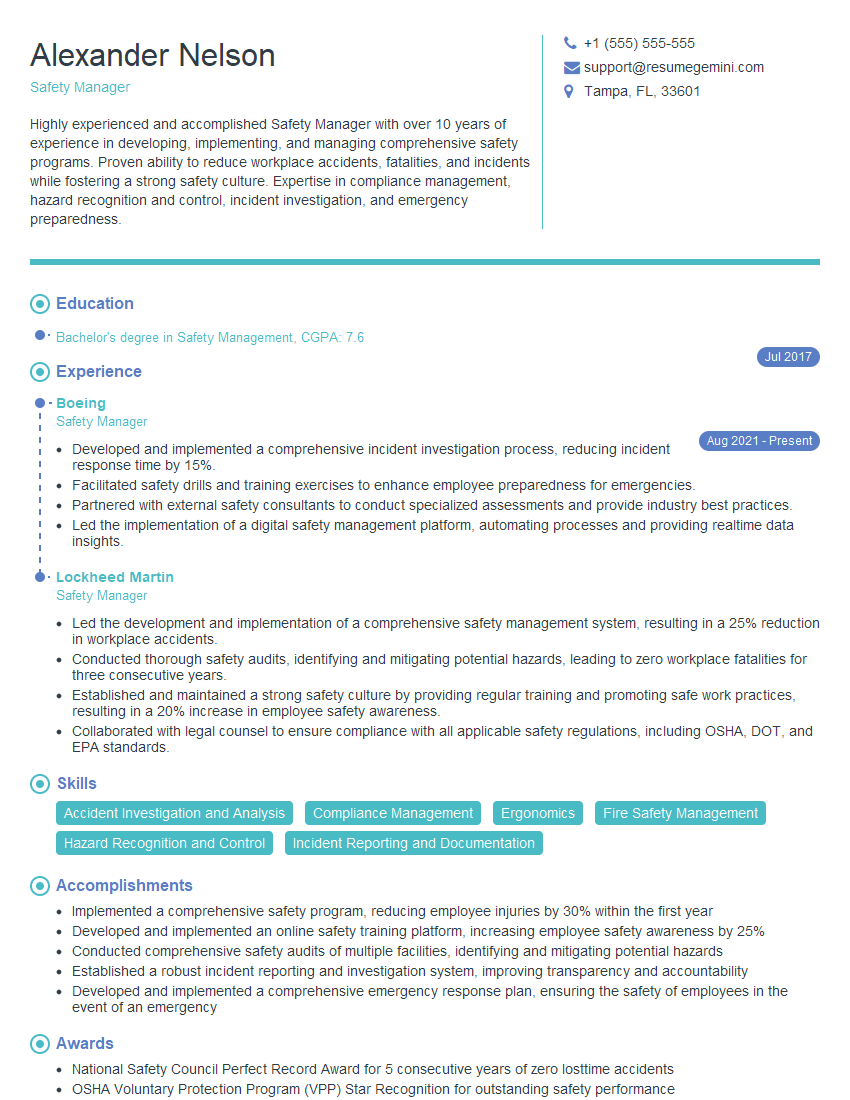
Safety Manager Resume Sample
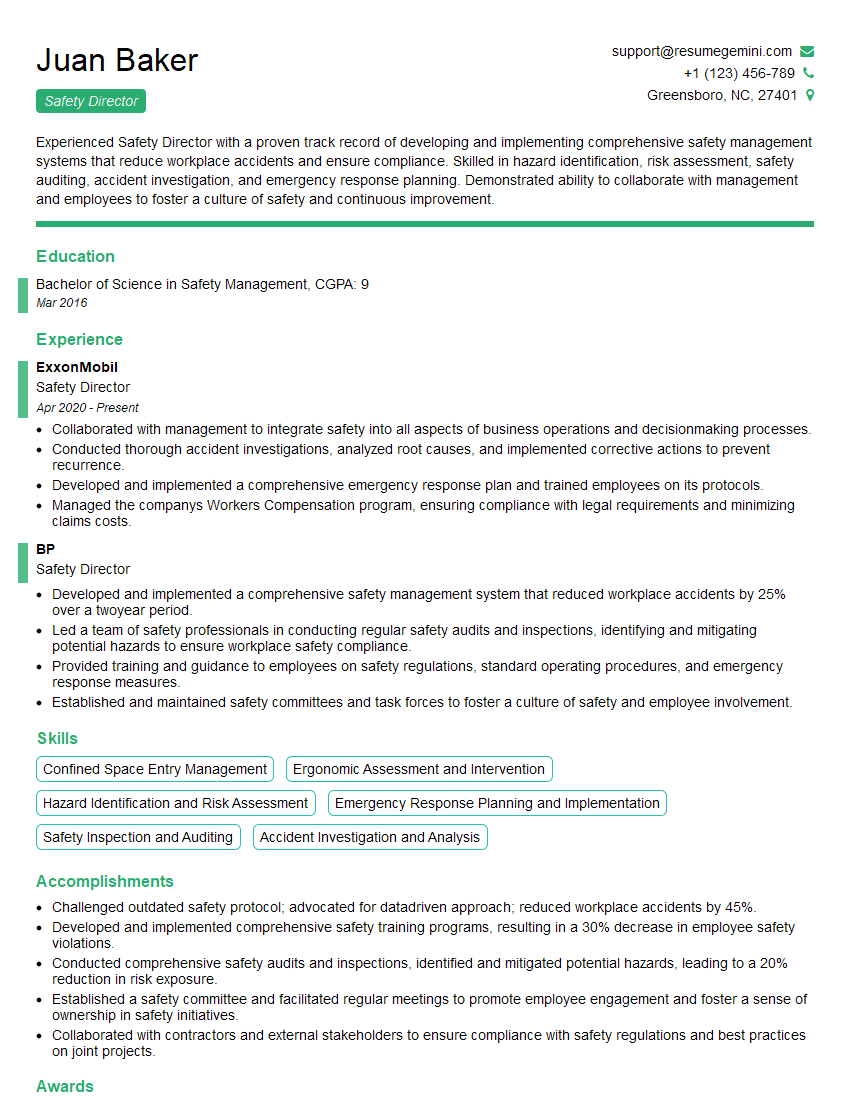
Safety Director Resume Sample
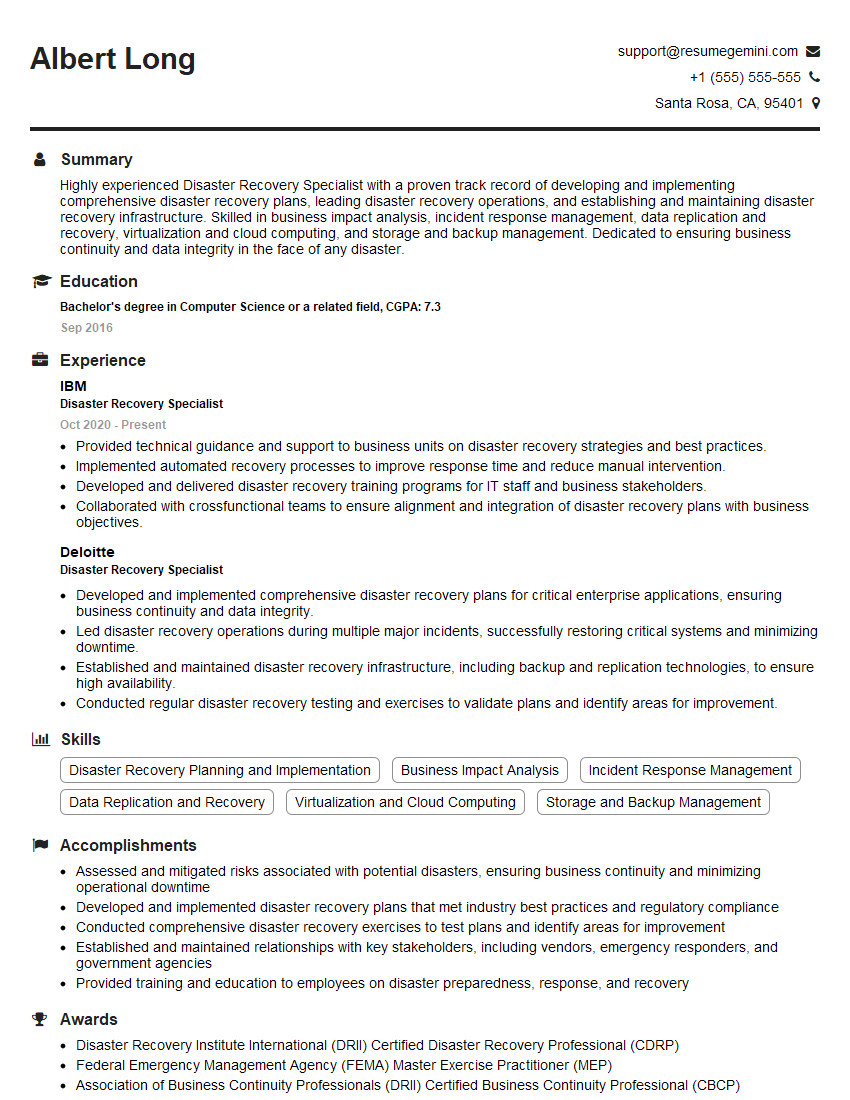
Disaster Recovery Specialist Resume Sample
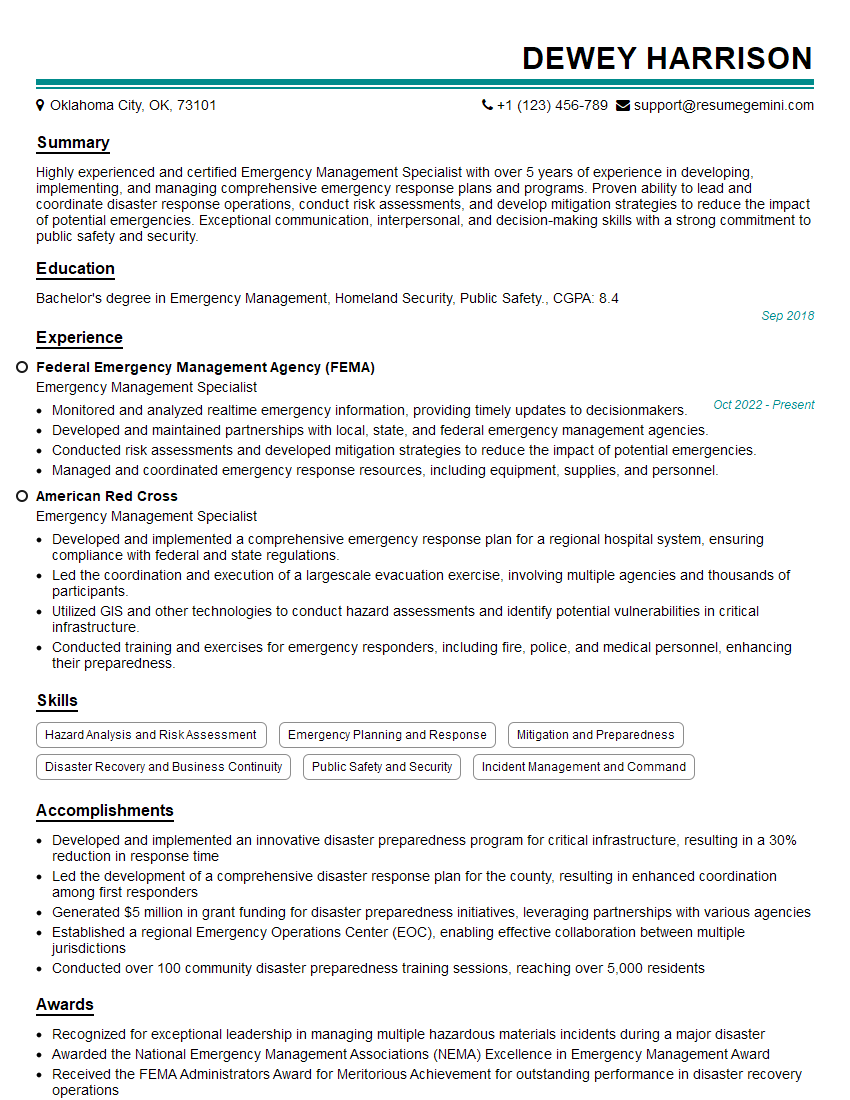
Emergency Management Specialist Resume Sample
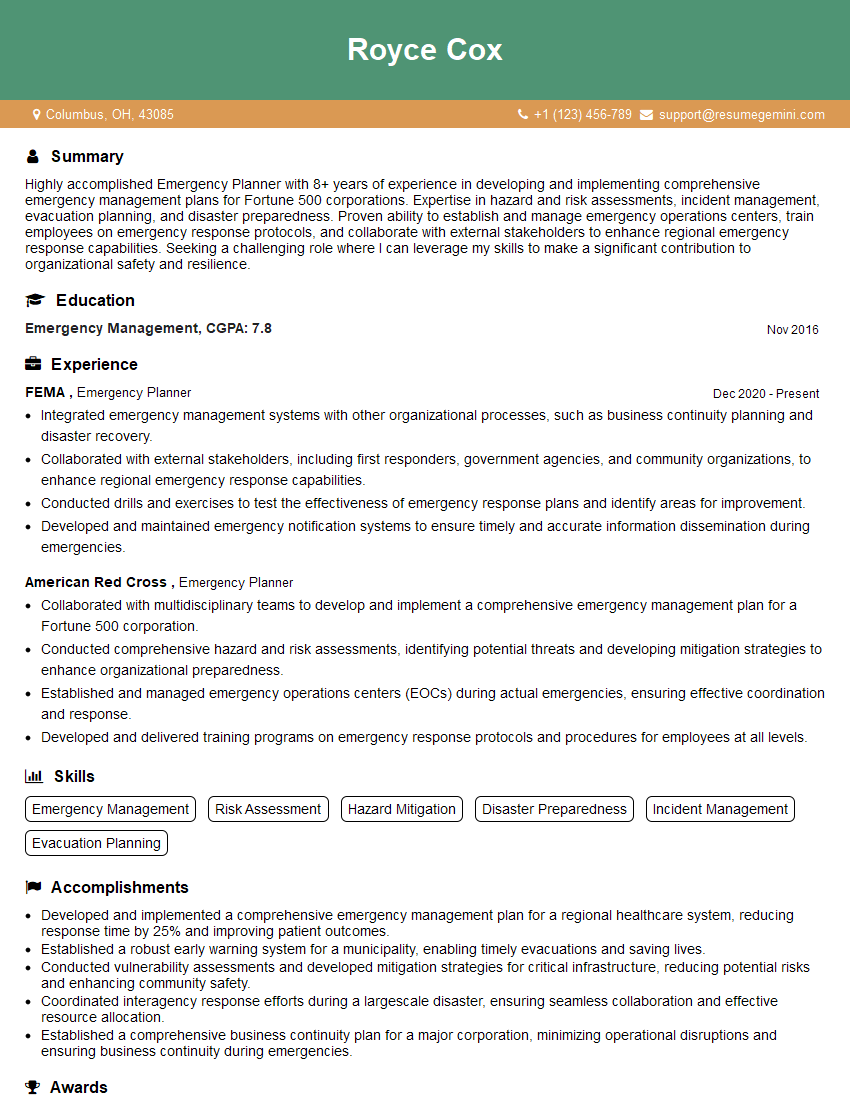
Emergency Planner Resume Sample
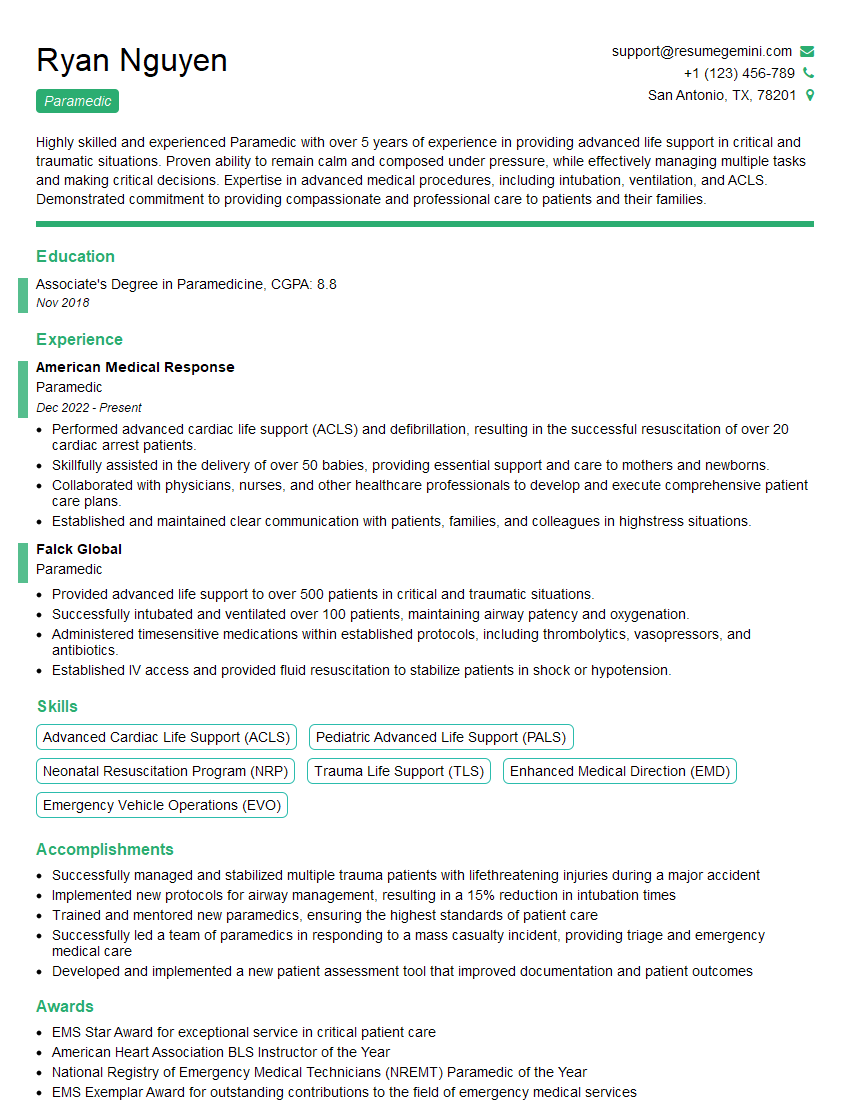
Paramedic Resume Sample

Compliance Officer Resume Sample
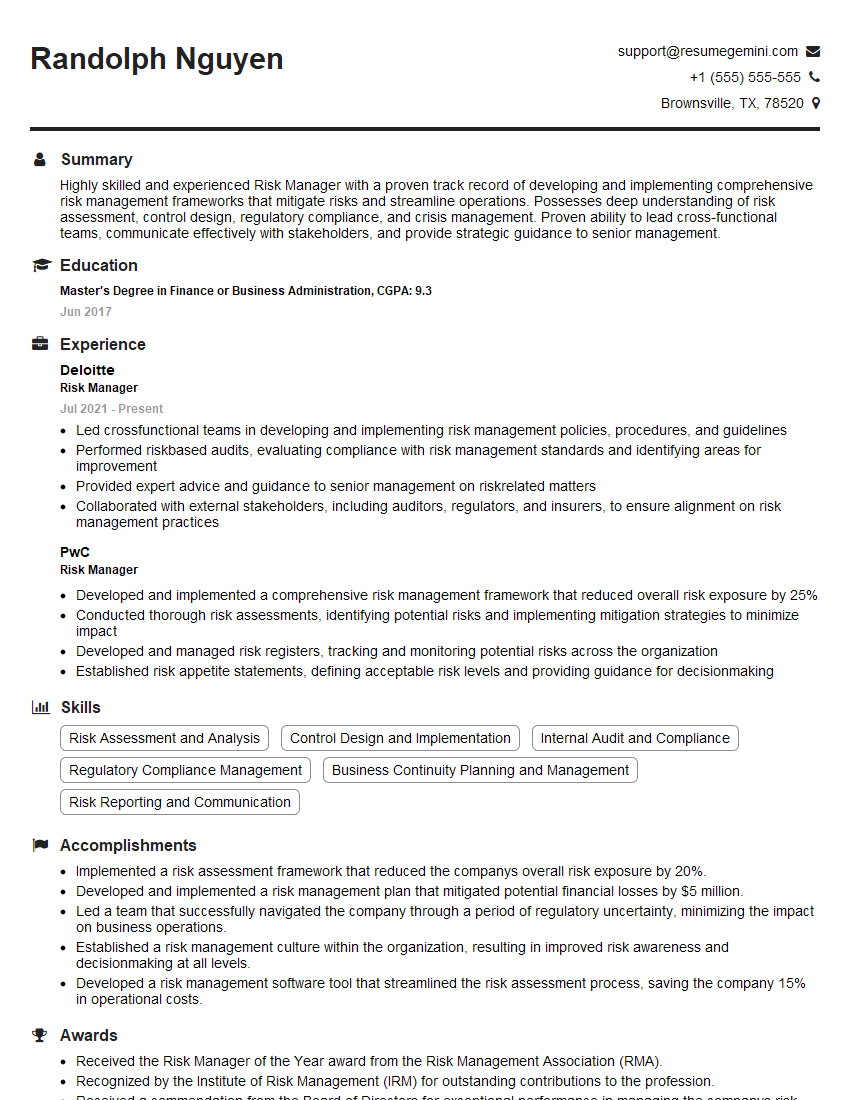
Risk Manager Resume Sample
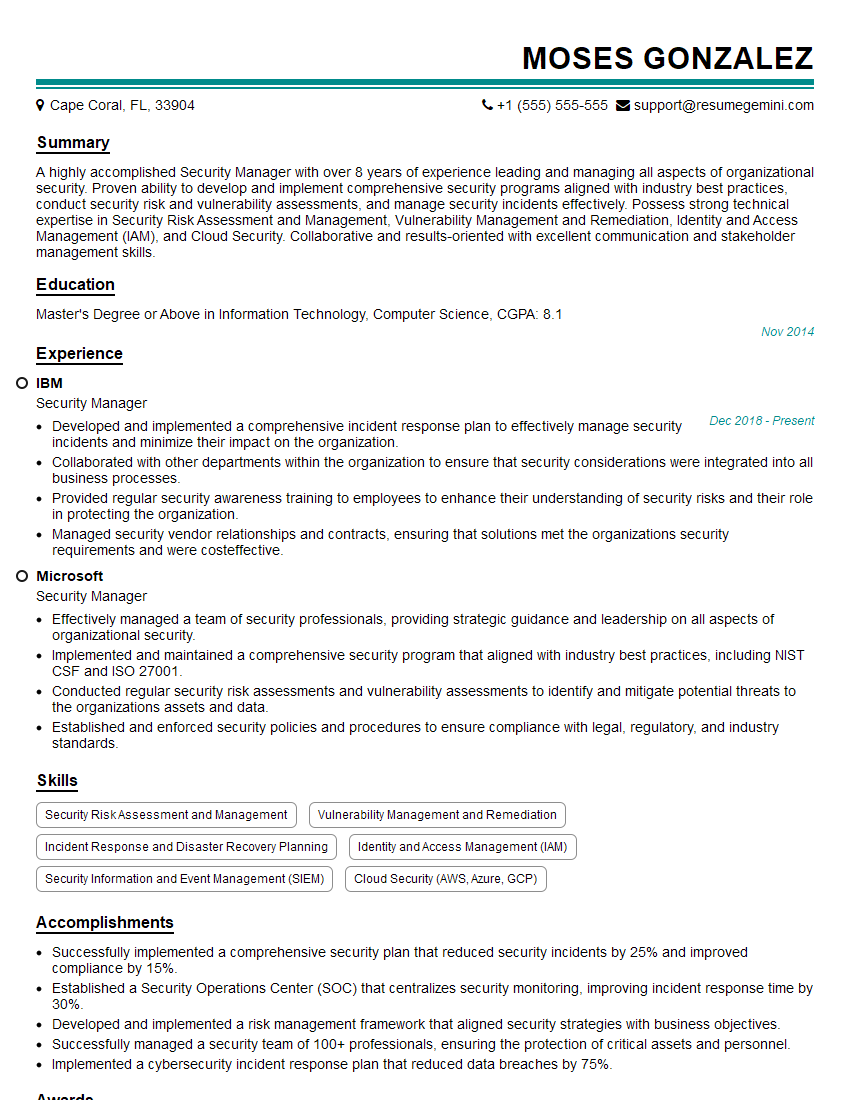
Security Manager Resume Sample
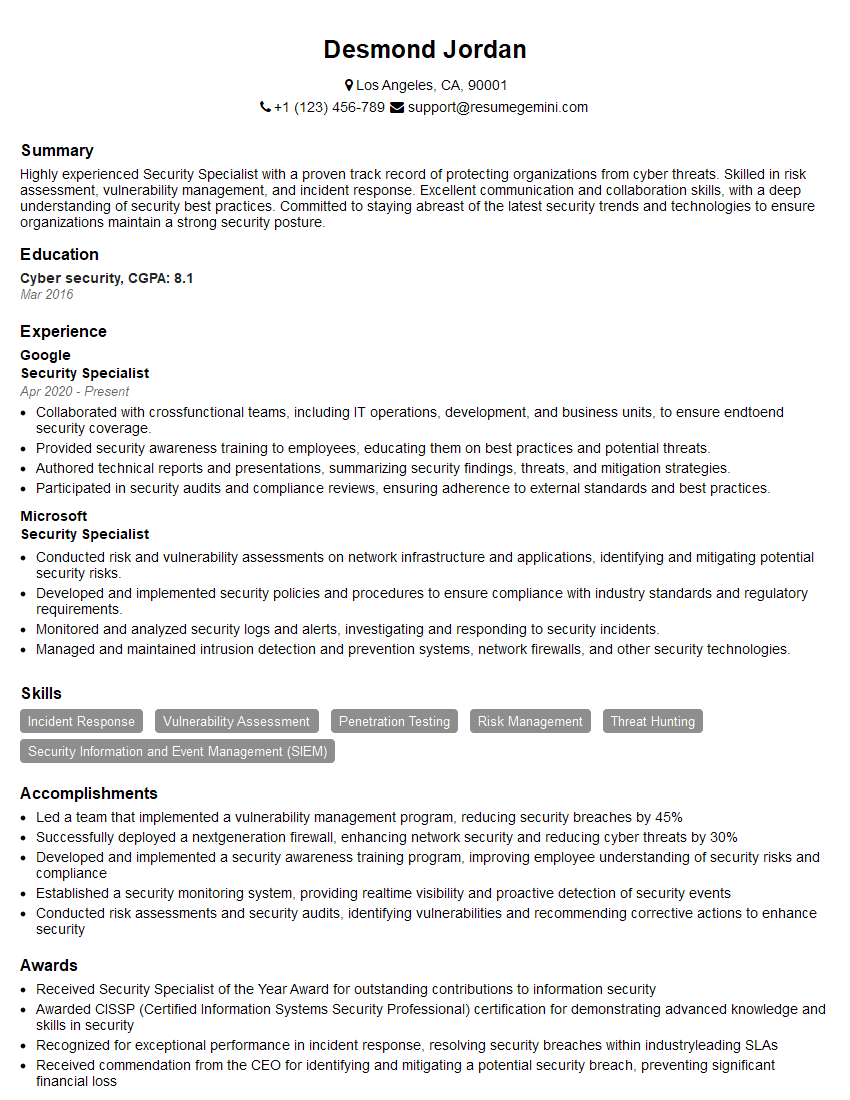
Security Specialist Resume Sample
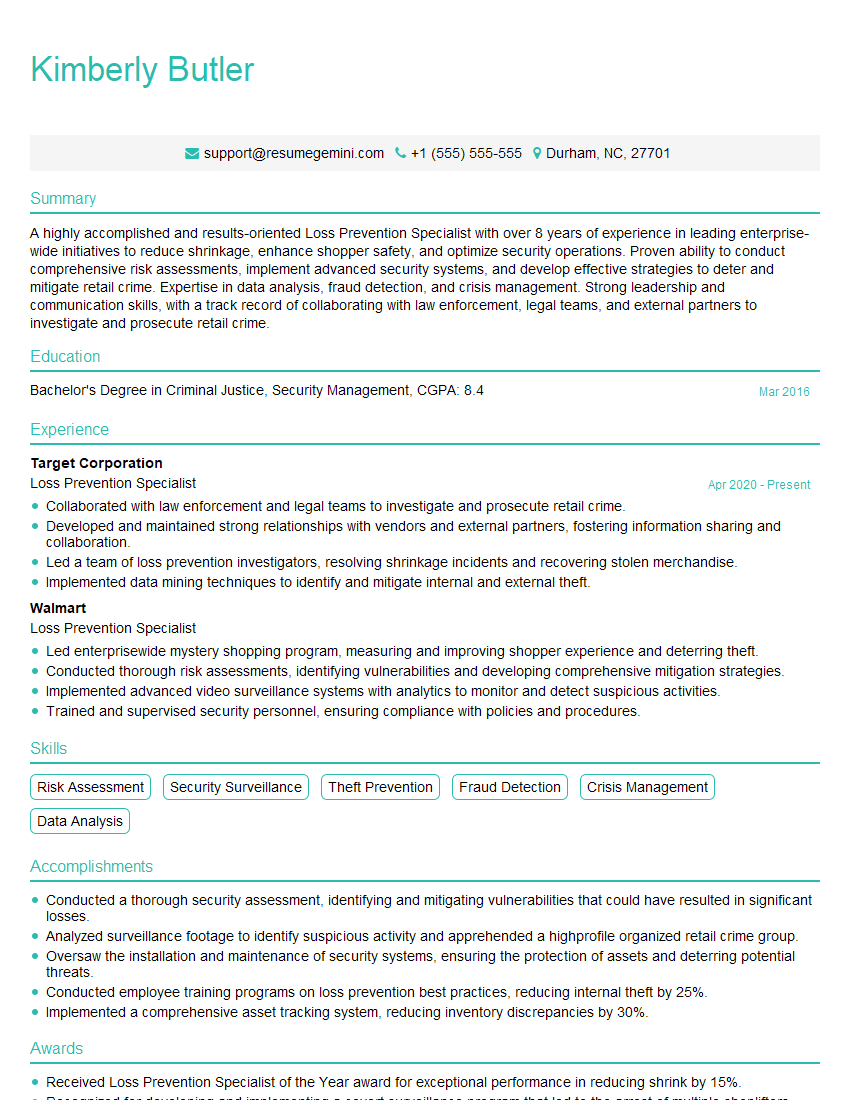
Loss Prevention Specialist Resume Sample
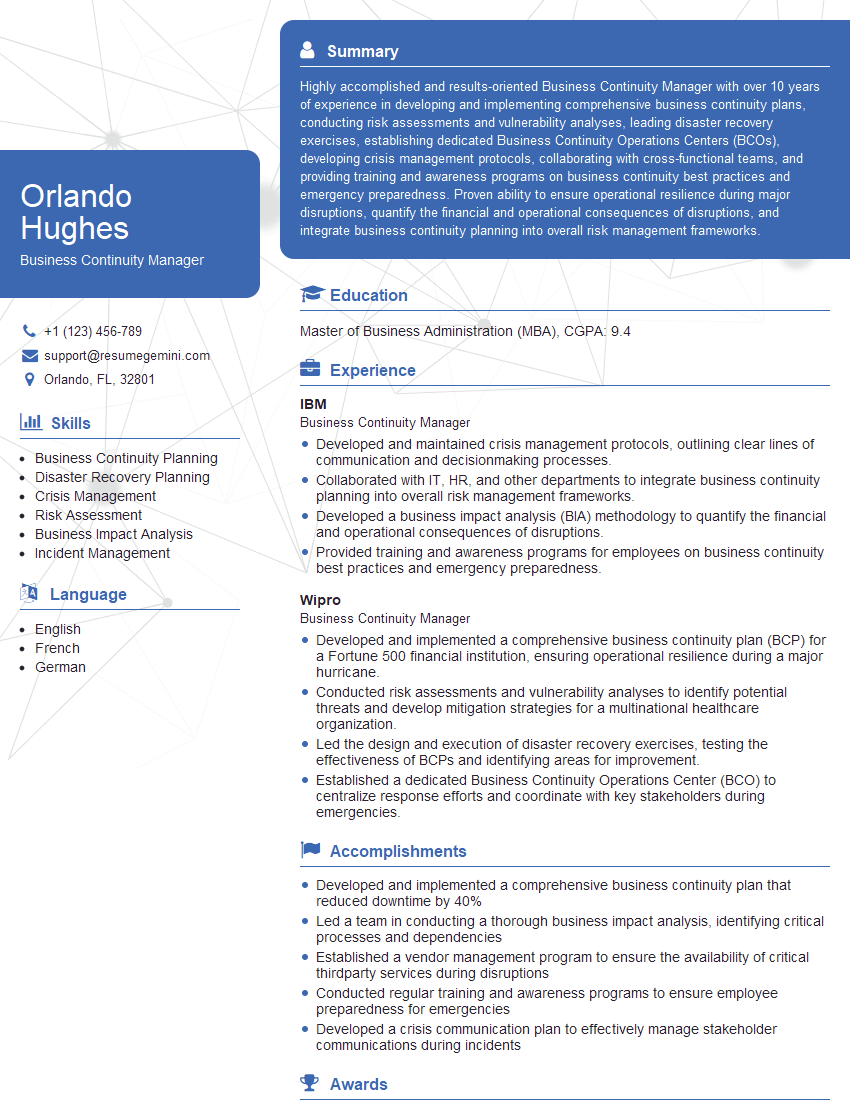
Business Continuity Manager Resume Sample
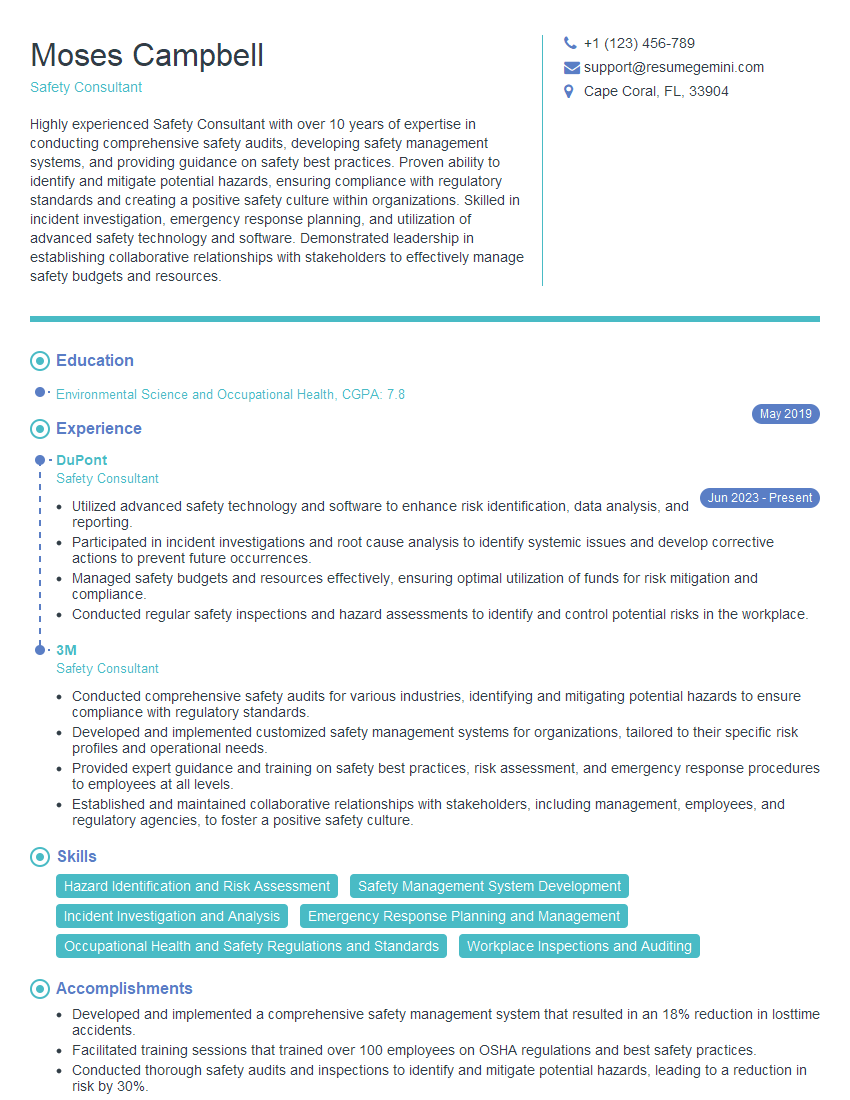
Safety Consultant Resume Sample
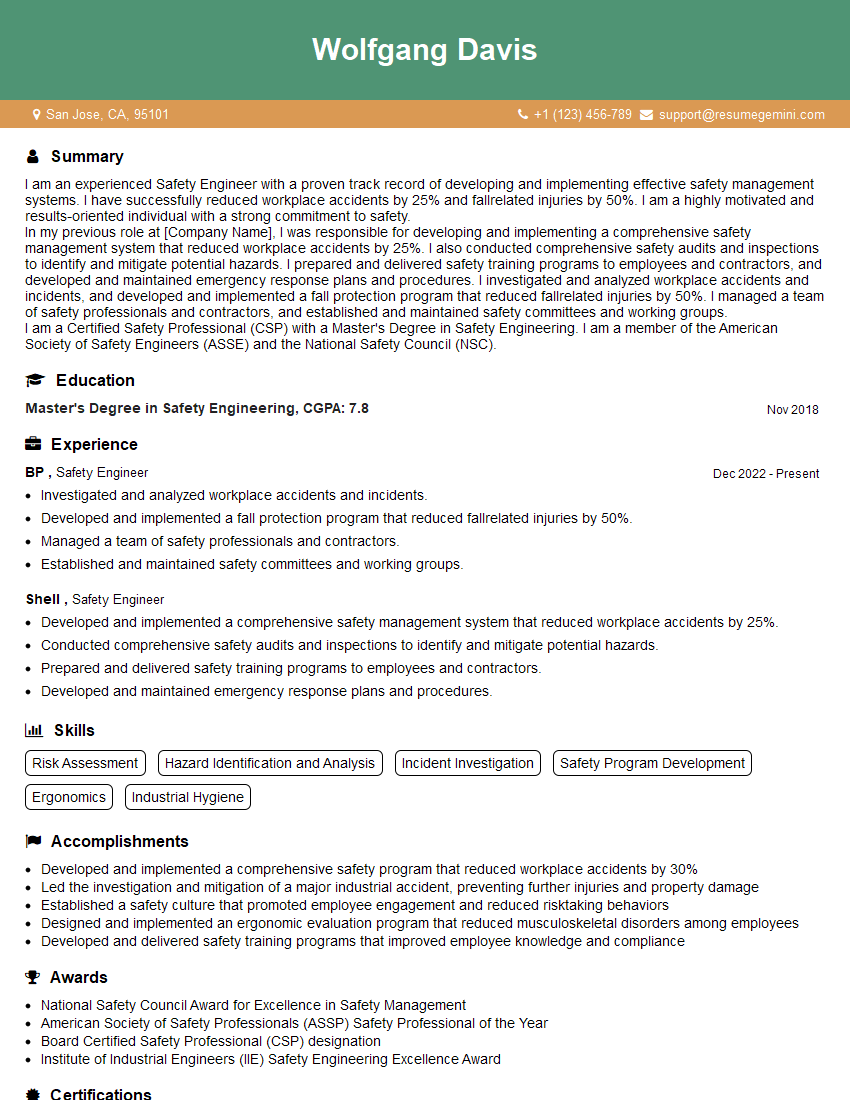
Safety Engineer Resume Sample
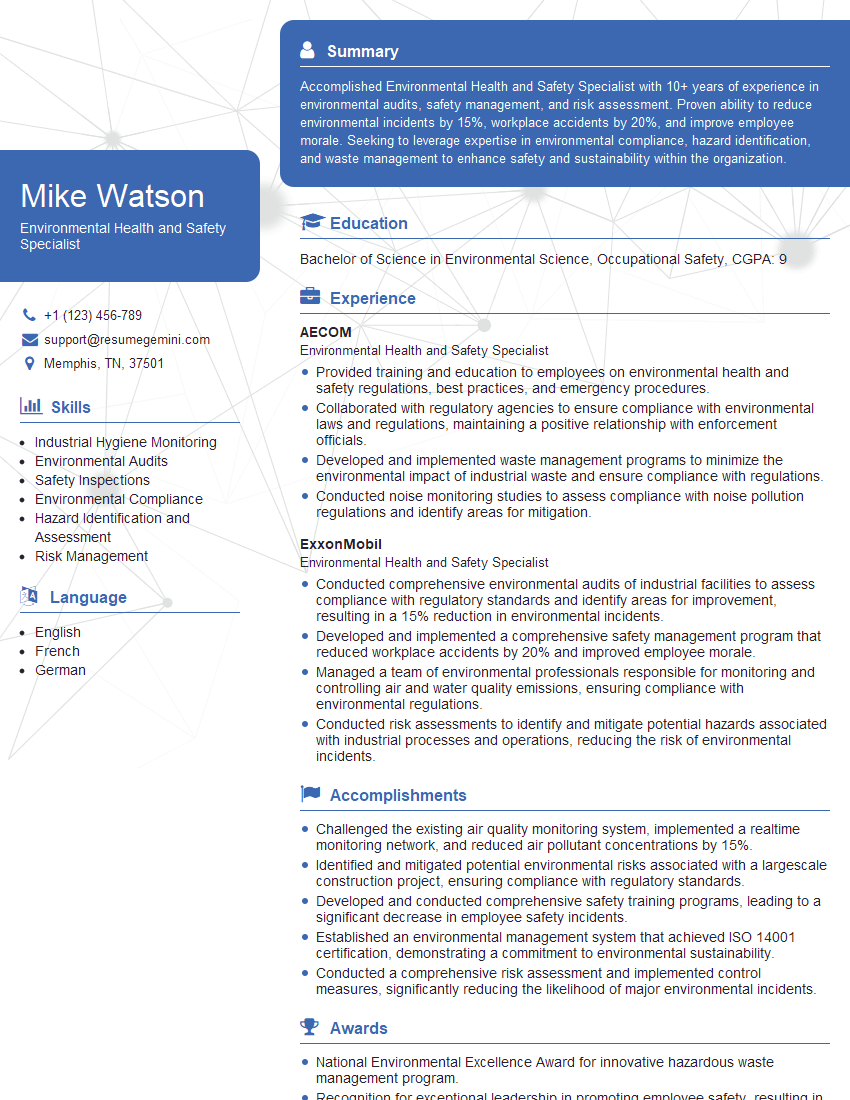
Environmental Health and Safety Specialist Resume Sample
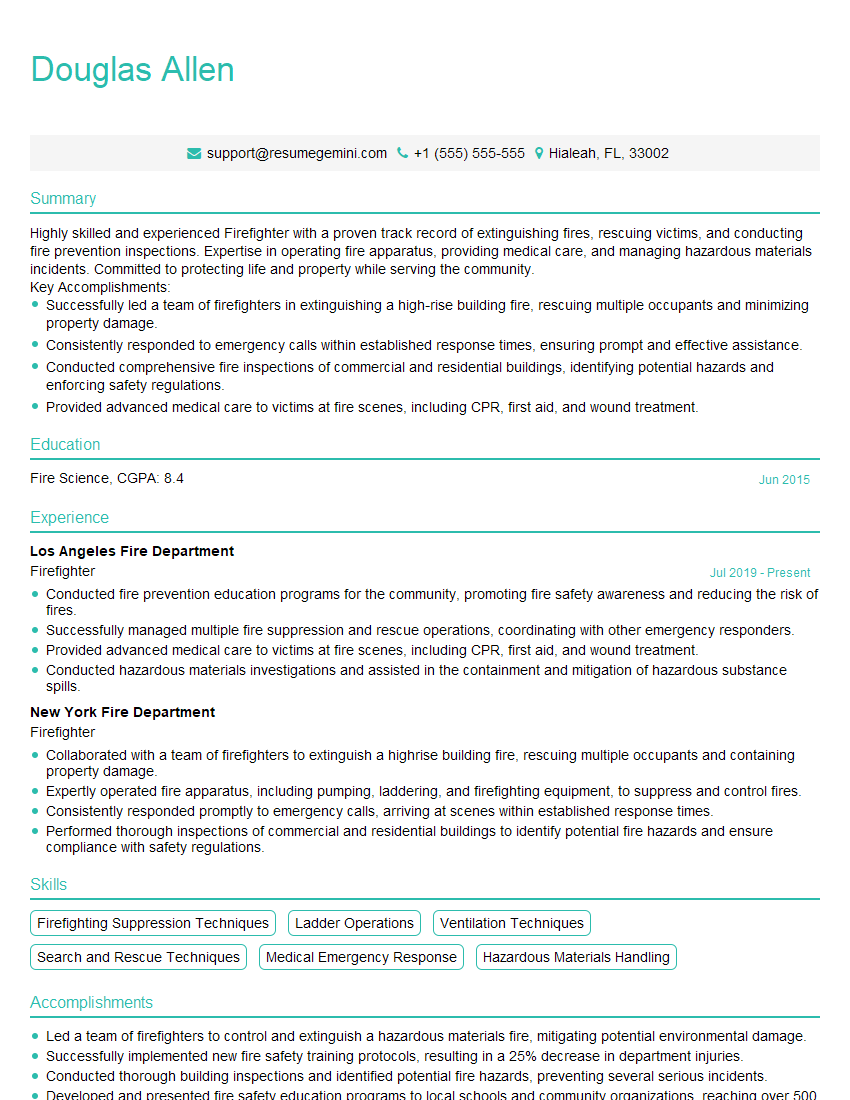
Firefighter Resume Sample
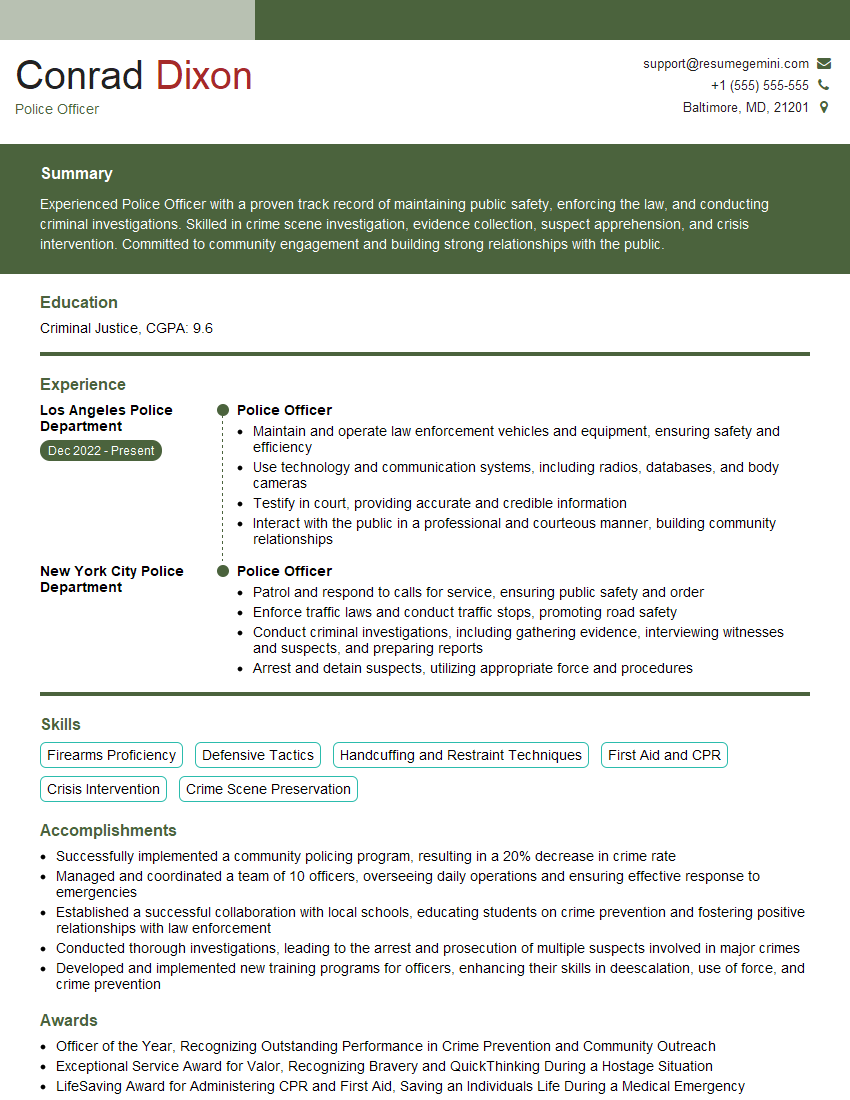
Police Officer Resume Sample
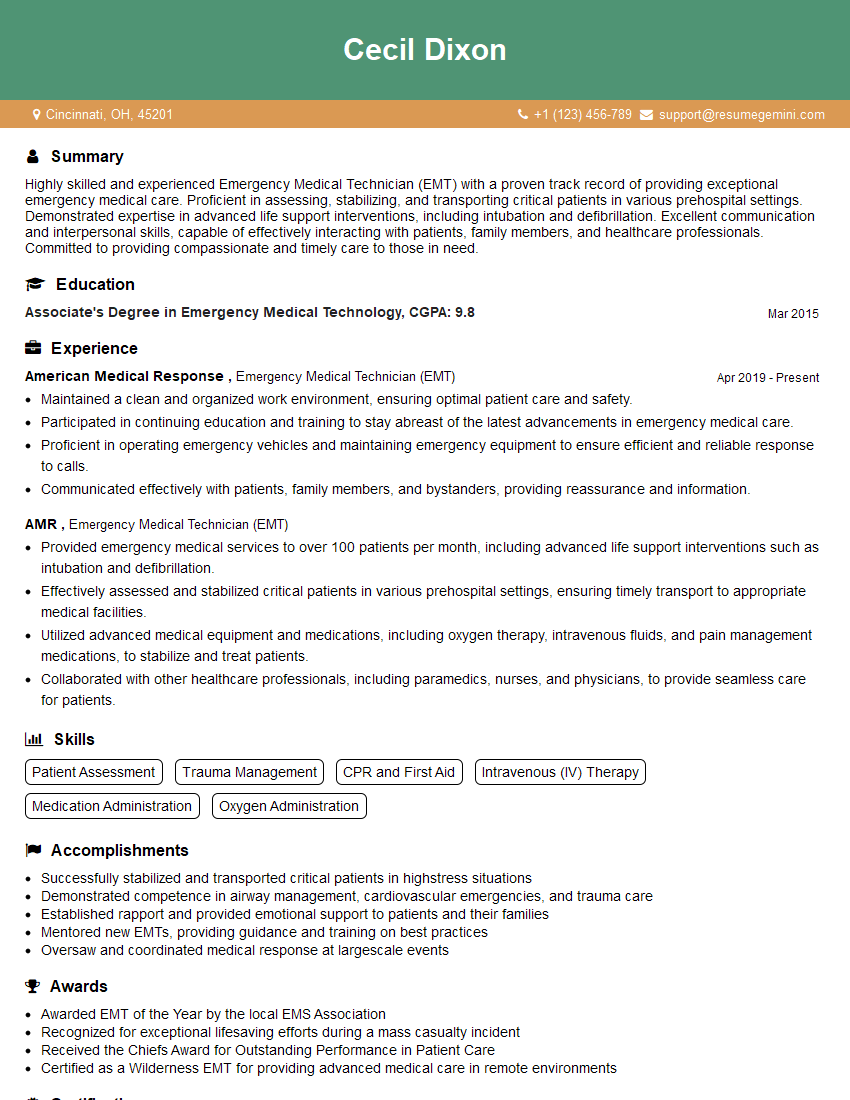
Emergency Medical Technician (EMT) Resume Sample
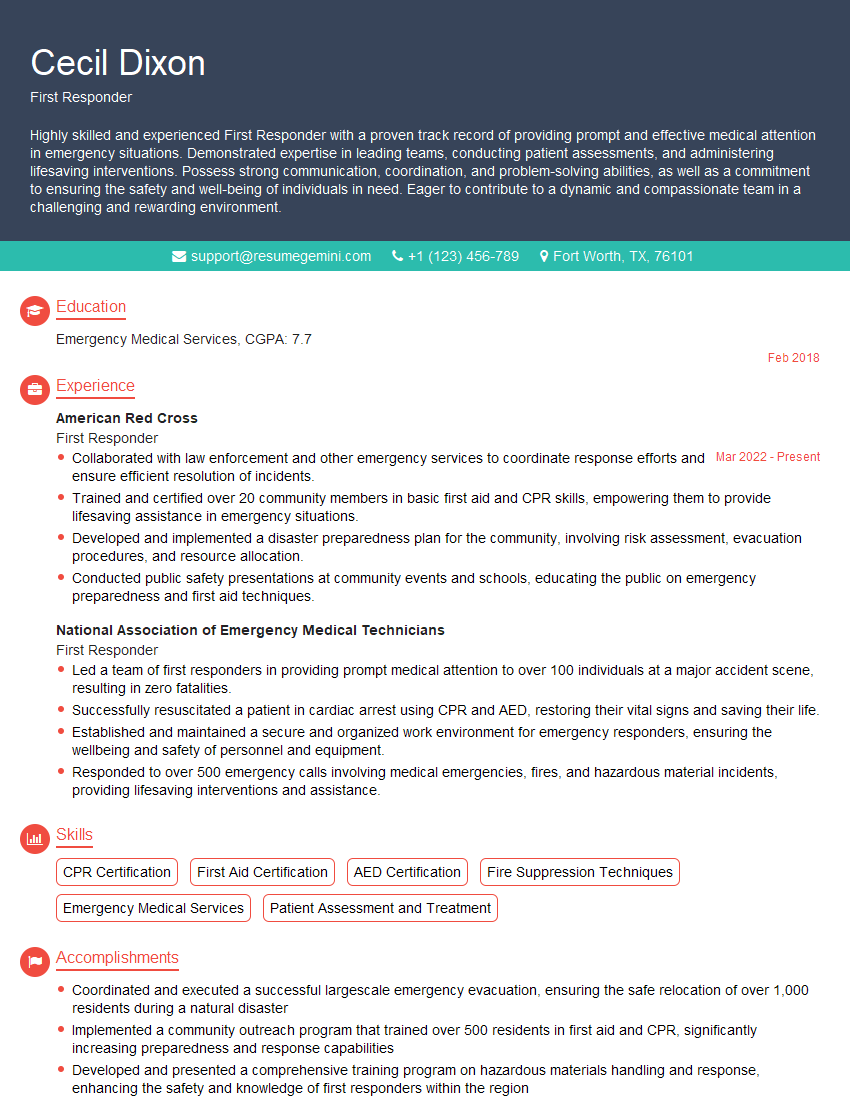
First Responder Resume Sample
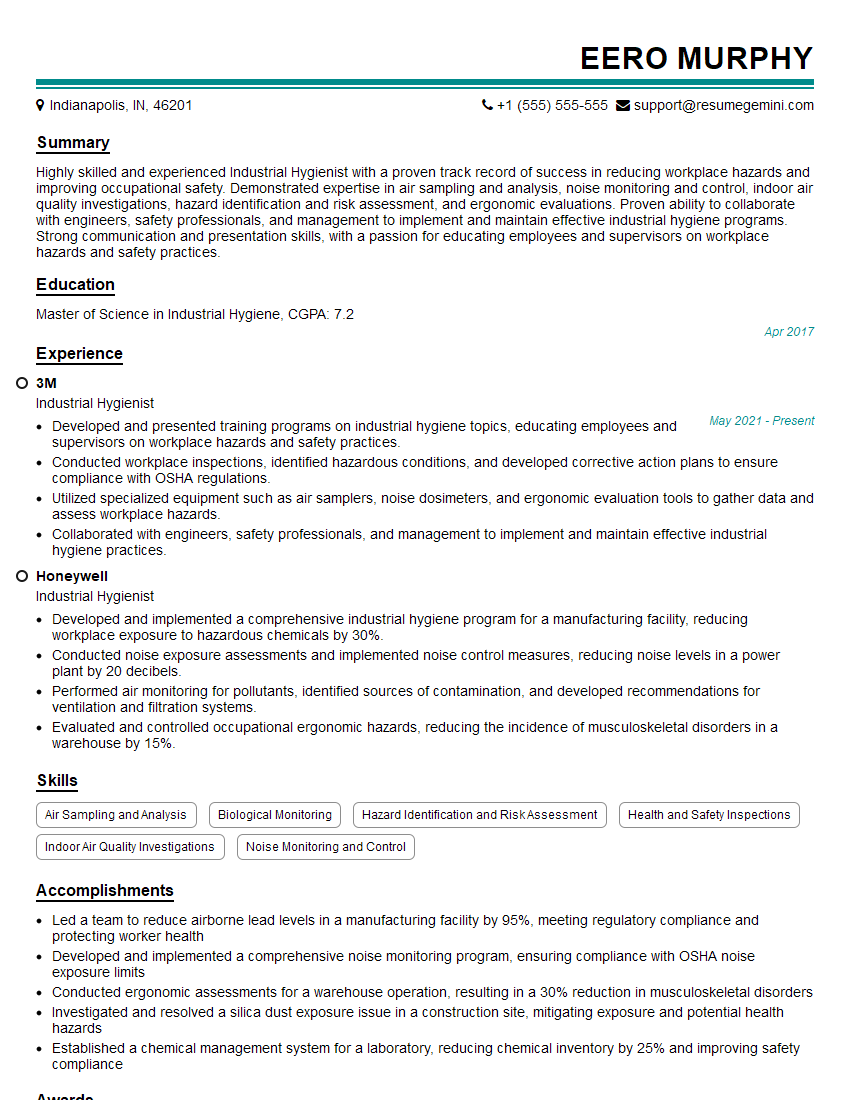
Industrial Hygienist Resume Sample
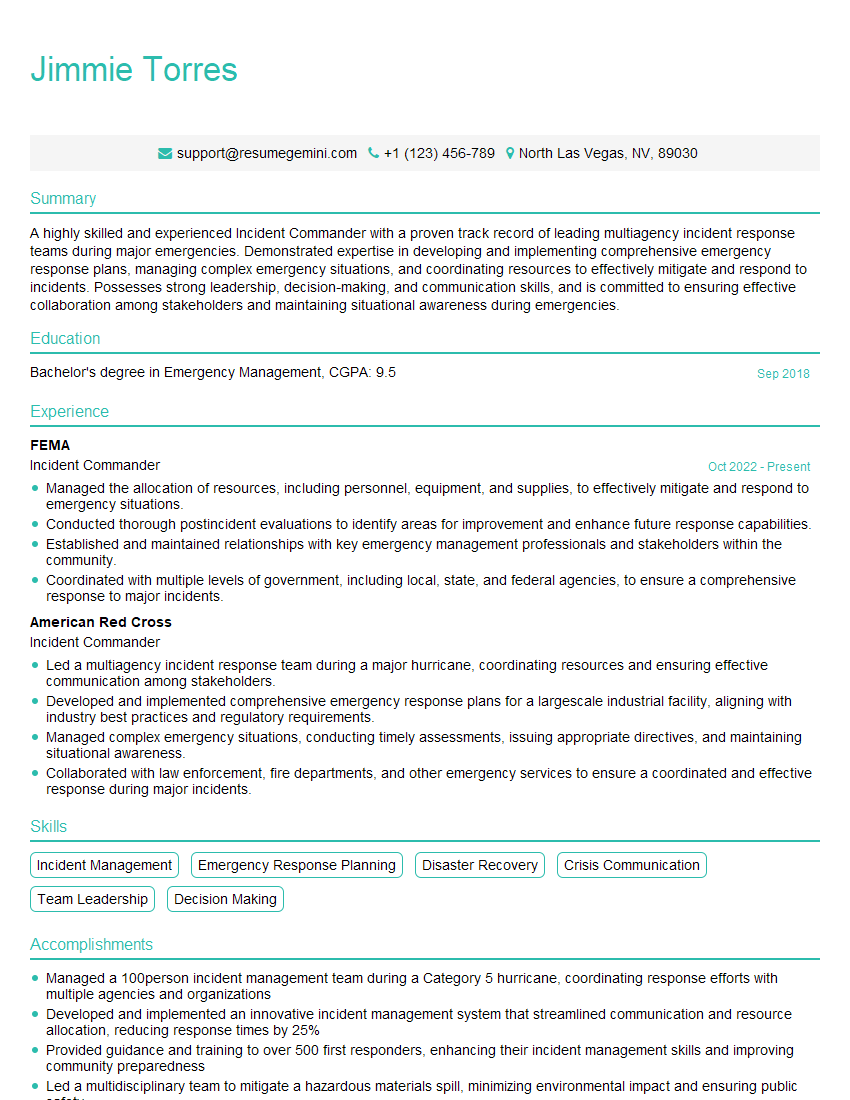
Incident Commander Resume Sample
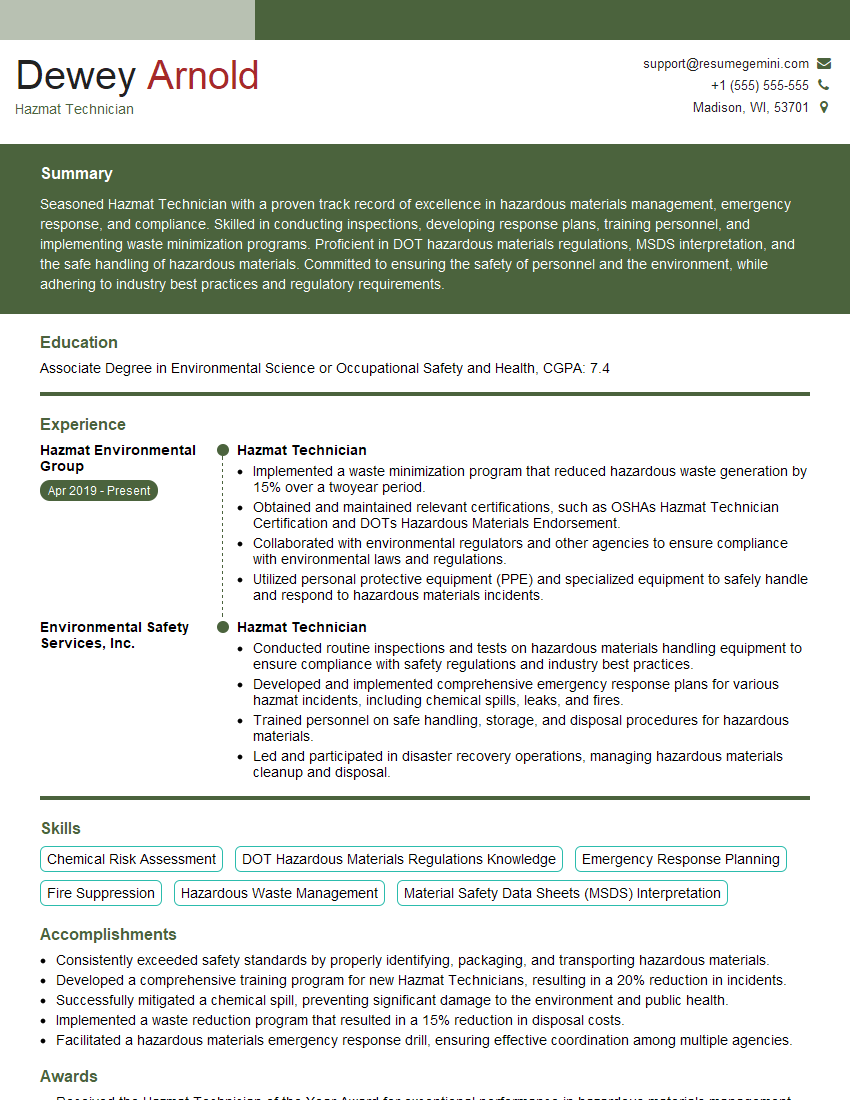
Hazmat Technician Resume Sample
- Safety Manager
- Safety Director
- Disaster Recovery Specialist
- Emergency Management Specialist
- Emergency Planner
- Paramedic
- Compliance Officer
- Risk Manager
- Security Manager
- Security Specialist
- Loss Prevention Specialist
- Business Continuity Manager
- Safety Consultant
- Safety Engineer
- Environmental Health and Safety Specialist
- Firefighter
- Police Officer
- Emergency Medical Technician (EMT)
- First Responder
- Industrial Hygienist
- Incident Commander
- Hazmat Technician
Explore more articles
Users Rating of Our Blogs
Share Your Experience
We value your feedback! Please rate our content and share your thoughts (optional).
What Readers Say About Our Blog
I Redesigned Spongebob Squarepants and his main characters of my artwork.
https://www.deviantart.com/reimaginesponge/art/Redesigned-Spongebob-characters-1223583608
IT gave me an insight and words to use and be able to think of examples
Hi, I’m Jay, we have a few potential clients that are interested in your services, thought you might be a good fit. I’d love to talk about the details, when do you have time to talk?
Best,
Jay
Founder | CEO