The thought of an interview can be nerve-wracking, but the right preparation can make all the difference. Explore this comprehensive guide to Ability to learn new technologies and tools quickly interview questions and gain the confidence you need to showcase your abilities and secure the role.
Questions Asked in Ability to learn new technologies and tools quickly Interview
Q 1. Describe your process for learning a new programming language.
My process for learning a new programming language is systematic and iterative. I begin by understanding the fundamental concepts and syntax. I find a good introductory tutorial or course – often online – that covers the basics. Think of it like learning the alphabet and grammar before writing a novel.
Next, I focus on hands-on practice. I start with small, manageable projects, gradually increasing complexity. This allows me to solidify my understanding and identify areas where I need further clarification. For example, if I’m learning Python, I might start by building a simple calculator or a text-based adventure game.
As my understanding grows, I delve into more advanced topics, exploring libraries and frameworks specific to the language. For instance, when learning JavaScript, I would explore React or Node.js. I actively search for real-world examples and try to apply what I learn to solve problems. Regular code reviews, either self-reviews or with colleagues, help to refine my coding style and identify potential flaws. This whole process is a feedback loop—learning, practicing, refining, and repeating.
Q 2. How do you stay updated with the latest technological advancements?
Staying updated with technological advancements requires a multi-pronged approach. I subscribe to relevant newsletters and podcasts, such as those from InfoQ or Hacker News, which provide summaries of important developments in the tech world. I also actively participate in online communities and forums, such as Stack Overflow or Reddit, where developers discuss the latest tools and techniques.
Attending webinars, conferences, and workshops provides invaluable opportunities to learn from experts and network with other professionals. Furthermore, I dedicate time to explore new technologies in my personal projects, allowing me to experiment with cutting-edge tools and techniques in a low-pressure environment. This continuous learning is akin to a gardener tending their garden – regular attention is crucial to keep things healthy and growing.
Q 3. What resources do you typically utilize to learn new technologies?
My go-to resources for learning new technologies are diverse and cater to different learning styles. Online courses from platforms like Coursera, edX, and Udemy offer structured learning paths. Interactive tutorials and documentation directly from the technology providers are crucial for understanding specific implementation details.
Books provide a deeper, more comprehensive understanding of complex topics. I often find that a good book complements online learning, offering a different perspective and more detail. Finally, I rely heavily on open-source projects on GitHub. Examining the code of experienced developers offers valuable insights into best practices and problem-solving techniques. This is like learning to cook by watching a master chef and then trying the recipe yourself – you gain invaluable knowledge from both.
Q 4. Explain a time you had to quickly learn a new tool or technology for a project. What was the outcome?
In a recent project, we needed to integrate a new payment gateway API within a tight deadline. I had no prior experience with this specific API, but I knew the general principles of API integration. I started by thoroughly reading the API documentation, focusing on the core functionalities and error handling.
I then built a small test application to experiment with the different API endpoints. This hands-on approach allowed me to quickly identify and resolve issues. I used a combination of online tutorials and the API’s sample code to guide my implementation. The result was a successful integration within the project timeline. While it was a steep learning curve, the methodical approach helped me master the API effectively and deliver on time.
Q 5. How do you handle situations where you encounter unfamiliar technologies or tools?
When encountering unfamiliar technologies or tools, my first step is to break down the problem into smaller, more manageable parts. I focus on identifying the core functionalities and how they interact. I utilize the available documentation, searching for examples and tutorials relevant to my specific need.
I leverage the power of online communities by asking questions on relevant forums or reaching out to experts. This collaborative approach often provides quick solutions and helps me grasp the technology faster. It’s like assembling a complex puzzle – one piece at a time, with the help of instructions and other puzzle solvers. The key is to not be afraid to ask for help; often, a simple question can unlock significant progress.
Q 6. What strategies do you employ to overcome the learning curve of new technologies?
Overcoming the learning curve of new technologies requires a structured approach. I start with a clear learning objective, defining what I need to achieve. I then break down the learning process into smaller, achievable milestones. This prevents feeling overwhelmed and keeps me motivated.
I actively seek feedback on my progress. This could be through code reviews, asking colleagues for help, or testing my implementation against specific use cases. Regular reflection and adjustment of my approach based on feedback help refine my understanding and improve my efficiency. Finally, I maintain a consistent learning schedule, allocating dedicated time to learn and practice, ensuring steady progress even during busy periods. It’s about creating a sustainable learning rhythm, not a sprint.
Q 7. Describe your experience with different programming paradigms (e.g., object-oriented, functional).
I have extensive experience with various programming paradigms. Object-oriented programming (OOP) is a cornerstone of my skillset. I’m comfortable using OOP concepts like encapsulation, inheritance, and polymorphism in languages like Java and C++. OOP allows for modular, reusable code, making large projects easier to manage. For example, I’ve designed and implemented numerous class structures for managing data and business logic in enterprise applications.
I’ve also worked extensively with functional programming (FP) principles, particularly in languages like JavaScript (using functional libraries like Ramda) and Python. FP’s emphasis on immutability and pure functions promotes cleaner, more testable code. For example, using map, reduce, and filter functions for data transformation simplifies code and improves readability. The choice of paradigm depends heavily on the project’s needs – OOP for complex systems and FP for data processing are often ideal choices.
Q 8. What is your preferred method for troubleshooting technical issues involving unfamiliar technologies?
My approach to troubleshooting unfamiliar technologies involves a structured, investigative process. I begin by breaking down the problem into smaller, manageable components. This often involves carefully examining error messages, logs, and documentation. I then utilize online resources like Stack Overflow, official documentation, and relevant community forums to research potential solutions. I find it helpful to recreate the issue in a controlled environment (if possible) to eliminate external variables and isolate the root cause. I prefer a systematic approach, testing one solution at a time and meticulously documenting my findings. This ensures that I can track my progress and avoid repeating steps. For example, if I encounter an issue with a new database system, I would first consult the system’s documentation to understand its architecture and common error codes. Then, I might systematically check the connection settings, data integrity, and permissions before exploring more advanced troubleshooting steps.
Q 9. How do you prioritize learning new technologies when faced with multiple competing demands?
Prioritizing learning new technologies amidst competing demands requires a strategic approach. I use a combination of techniques, including the Eisenhower Matrix (urgent/important), to categorize tasks. Technologies crucial for immediate projects take precedence. For less urgent but important technologies, I allocate specific time blocks for learning, perhaps 30 minutes to an hour each day or a few hours per week. I also leverage techniques like the Pomodoro Technique to maintain focus and avoid burnout. For instance, if I need to learn a new cloud platform for an upcoming project, that will obviously take priority over learning a niche programming language that’s not immediately relevant. However, I would still dedicate some time to the latter, perhaps on weekends, to broaden my skill set for long-term career growth.
Q 10. How do you determine which technologies are worth investing your time in learning?
I assess the value of a new technology based on several factors: market demand (is it widely used or becoming increasingly popular?), its relevance to my current projects or career goals, and its potential for long-term impact. I consider the technology’s maturity (is it stable and well-supported?), the availability of learning resources, and the community surrounding it. I often check job market trends and analyze industry publications to gauge its relevance and future prospects. For example, if a new framework offers significant performance improvements over existing solutions and is rapidly gaining traction in my industry, it becomes a worthwhile investment of my time. Conversely, a niche technology with limited adoption and scant resources might not be a top priority unless directly needed for a specific project.
Q 11. Have you ever had to learn a technology outside your comfort zone? How did you approach it?
Yes, I recently had to learn Kubernetes, a container orchestration system, which was initially outside my comfort zone. I approached it systematically, starting with introductory online courses to grasp the fundamental concepts. I then moved on to hands-on exercises using online labs and tutorials. I broke down the learning process into smaller, manageable modules, focusing on one aspect at a time (e.g., deployment, scaling, networking). Creating my own small-scale Kubernetes cluster allowed me to experiment and apply what I learned. This iterative process, combining theoretical knowledge with practical application, proved extremely effective. I found that actively contributing to open-source projects related to Kubernetes further solidified my understanding and allowed me to learn from experienced developers.
Q 12. What is your approach to learning complex technical concepts?
My approach to learning complex concepts involves a multi-faceted strategy: I start with a high-level overview to get a general understanding of the subject matter. Then I break down the complex concept into smaller, more digestible parts. I use visual aids like diagrams and flowcharts to represent these parts and how they relate. I actively seek diverse learning resources: books, online courses, tutorials, and documentation. I also value hands-on practice and actively apply the concept in small projects or experiments. Explaining the concept to someone else or teaching it helps to solidify my understanding. For example, when learning about machine learning algorithms, I started with a high-level understanding of supervised and unsupervised learning, then focused on specific algorithms like linear regression, one at a time. I worked through coding exercises and small projects implementing these algorithms.
Q 13. How do you measure your success in learning a new technology?
I measure my success in learning a new technology through a combination of factors. Firstly, I assess my ability to independently solve problems related to that technology. Successfully completing projects or tasks using the new technology is a key indicator of my progress. I also evaluate my understanding by explaining the concepts to others, answering complex questions, and contributing to discussions within relevant communities. Finally, I review my own learning process; were there any roadblocks, and how effective were my learning strategies? This reflective process helps refine my approach for future learning endeavors. For instance, if I can confidently build and deploy a web application using a new framework, and can effectively debug issues, I consider that a sign of successful learning.
Q 14. Describe a time you failed to learn a new technology effectively. What did you learn from the experience?
I once struggled to learn a new, highly specialized scripting language for automating infrastructure tasks. My initial approach was to try to master everything at once, leading to information overload and frustration. I failed to break down the learning into smaller, more manageable tasks. My mistake was not focusing on practical application early enough. The key learning experience from this was the importance of a well-structured learning plan with regular practice and incremental progress. I realized that focusing on small, achievable goals, coupled with frequent practical application, is far more effective than attempting to absorb everything at once. For future endeavors, I now emphasize active learning, frequent practice, and a more gradual and iterative approach to learning complex tools and technologies.
Q 15. What are some common challenges you face when learning new technologies?
Learning new technologies is rarely a smooth sail. Common challenges include the sheer volume of information to absorb, the initial steep learning curve, and the struggle to connect theoretical concepts to practical application. For instance, grasping the nuances of a new programming paradigm like functional programming (as opposed to object-oriented) can be initially confusing. Another frequent hurdle is debugging unfamiliar codebases or dealing with unexpected errors due to unfamiliarity with the technology’s specific quirks.
- Information Overload: The abundance of online resources can be overwhelming. Sifting through tutorials, documentation, and community forums to find relevant and accurate information requires discipline and effective search strategies.
- Conceptual Gaps: Sometimes, the documentation assumes a level of prior knowledge that I might not possess. This can lead to frustration and a feeling of being lost. For example, jumping into advanced React concepts without a solid grasp of JavaScript fundamentals would be detrimental.
- Practical Application Challenges: Bridging the gap between theoretical understanding and practical implementation is often difficult. A concept may seem clear in theory, but applying it to a real-world project can reveal unexpected complexities.
Career Expert Tips:
- Ace those interviews! Prepare effectively by reviewing the Top 50 Most Common Interview Questions on ResumeGemini.
- Navigate your job search with confidence! Explore a wide range of Career Tips on ResumeGemini. Learn about common challenges and recommendations to overcome them.
- Craft the perfect resume! Master the Art of Resume Writing with ResumeGemini’s guide. Showcase your unique qualifications and achievements effectively.
- Don’t miss out on holiday savings! Build your dream resume with ResumeGemini’s ATS optimized templates.
Q 16. How do you balance theoretical learning with hands-on practice when learning new technologies?
Balancing theory and practice is crucial for effective learning. I generally follow a cyclical approach. I begin with a high-level understanding of the theoretical foundations. This usually involves reading documentation, taking online courses, or reviewing relevant research papers. Once I have a foundational grasp, I immediately start working on small, focused projects. This allows me to test my understanding, identify knowledge gaps, and solidify my learning through practical application.
For example, while learning about RESTful APIs, I wouldn’t just read about them; I’d build a simple API using a framework like Flask (Python) or Express.js (Node.js). This hands-on experience significantly deepens my understanding. This iterative process, combining brief theoretical dives with immediate practical exercises, allows for a continuous feedback loop where I can refine my knowledge and skills.
Q 17. What are your preferred methods for collaborating with others when learning new technologies?
Collaboration is invaluable when learning new technologies. I prefer a combination of methods:
- Pair Programming/Coding: Working alongside someone more experienced allows me to learn from their problem-solving approach and best practices. It also provides immediate feedback and helps identify blind spots in my understanding.
- Code Reviews: Participating in code reviews, both giving and receiving feedback, is an excellent way to learn from others’ code and gain insight into different coding styles and approaches.
- Online Communities and Forums: Engaging with online communities dedicated to the technology, asking questions, and contributing solutions allows for broader exposure to different perspectives and problem-solving strategies.
- Knowledge Sharing Sessions: I actively seek opportunities to share my learning with others. This process of explaining a concept helps reinforce my own understanding.
For example, while learning a new framework, I might participate in a study group with colleagues, where we collaboratively build a small application and help each other troubleshoot issues.
Q 18. How do you ensure you retain information learned about new technologies?
Information retention is key. I utilize several strategies:
- Active Recall: Regularly testing myself on concepts helps identify weak areas and reinforces my understanding. This can involve self-quizzing, explaining concepts to others, or working through practice problems.
- Spaced Repetition: Revisiting information at increasing intervals strengthens long-term memory. Tools like Anki can be helpful for this.
- Building Projects: Applying knowledge to tangible projects allows for deeper understanding and retention. The act of creation solidifies what I have learned.
- Documentation and Notes: Taking detailed notes and creating personal documentation summarizing key concepts, code snippets, and best practices is essential for future reference.
- Teaching Others: Explaining the material to someone else helps me reinforce my understanding and identify any gaps in my knowledge.
For instance, after learning a new library, I’d build a small project using it and then document my learning process with detailed comments within the code. I would also create a summary document outlining its core features, usage patterns, and any common pitfalls I encountered.
Q 19. Explain your understanding of different software development methodologies (Agile, Waterfall, etc.)
Software development methodologies provide frameworks for managing and executing projects. Two prominent approaches are Agile and Waterfall:
- Waterfall: This is a linear, sequential approach where each phase must be completed before the next begins (requirements, design, implementation, testing, deployment, maintenance). It’s suitable for projects with stable requirements and little expected change. It is less flexible and adaptable to changes in requirements.
- Agile: Agile emphasizes iterative development, collaboration, and flexibility. It uses short development cycles (sprints) to deliver working software incrementally. Common Agile methodologies include Scrum and Kanban. Agile is better suited for projects where requirements may change or evolve during the development process.
I’ve worked with both, and my preference depends heavily on the project’s nature and scale. For example, a large-scale enterprise application might benefit from a Waterfall-inspired approach for foundational infrastructure, while the development of specific features would be best managed using Agile sprints.
Q 20. How do you approach debugging code in a new programming language?
Debugging in a new language requires a systematic approach. I typically follow these steps:
- Reproduce the Error: First, I ensure I can consistently reproduce the error. This helps eliminate any chance of a one-off occurrence.
- Read Error Messages Carefully: Error messages, although sometimes cryptic, provide valuable clues. I carefully analyze the error message, noting the type of error, its location in the code, and any other relevant information.
- Use the Debugger: Most IDEs have built-in debuggers that allow stepping through the code line by line, inspecting variables, and setting breakpoints. This is an invaluable tool for identifying the source of the error.
- Print Statements/Logging: strategically placed
printstatements (or logging statements in more complex projects) can be used to track the values of variables and monitor the program’s flow. This helps trace the program’s execution and pinpoint the error. - Consult Documentation and Online Resources: If the error message or debugging tools are inconclusive, I consult language-specific documentation, online forums, and community resources to find potential solutions and similar issues.
- Simplify the Code: Sometimes, the simplest approach is to comment out sections of code to isolate the problematic area. This helps narrow down the scope of the debugging effort.
For example, if I encounter a runtime error in Java, I would use the debugger to step through the code, examining variable values at each step to see where the program deviates from the expected behavior.
Q 21. Describe your experience working with version control systems (Git, SVN, etc.)
I have extensive experience with Git, the most popular distributed version control system. I’m proficient in using Git for branching, merging, rebasing, resolving conflicts, and managing pull requests. I understand the importance of committing changes frequently with clear, concise commit messages. I’m familiar with Git workflows such as Gitflow and GitHub flow. My experience extends to using Git through both the command line and various GUI clients.
While I’ve used SVN in the past, Git’s distributed nature and flexibility make it my preferred choice for most projects. I appreciate the ease with which Git facilitates collaboration and the powerful features it provides for managing code history. A specific example of my experience with Git includes utilizing pull requests on GitHub to review and merge code contributions with my team members. I also regularly use Git branching to develop and test features in isolation before merging them into the main branch.
Q 22. How comfortable are you with command-line interfaces?
I’m highly comfortable with command-line interfaces (CLIs). I consider them essential tools for efficient system administration and software development. My proficiency spans various shells, including Bash, Zsh, and PowerShell. I frequently utilize CLIs for tasks ranging from navigating file systems and managing processes to automating deployments and interacting with version control systems like Git.
For example, I routinely use grep and awk for text manipulation, find for searching files, and scripting with bash to automate repetitive tasks. This allows me to accomplish complex operations much faster than through graphical user interfaces (GUIs), especially when dealing with large datasets or numerous files.
Beyond basic navigation and file manipulation, I’m experienced in using CLIs to interact with databases (like MySQL using the mysql client), manage network configurations, and debug applications. This command-line fluency significantly boosts my productivity and problem-solving capabilities.
Q 23. What is your experience with cloud platforms (AWS, Azure, GCP)?
I have significant experience with major cloud platforms, including AWS, Azure, and GCP. My experience isn’t limited to just using their services, but also encompasses understanding their underlying architecture and best practices for deployment and management.
- AWS: I’ve worked extensively with EC2 (virtual machines), S3 (object storage), Lambda (serverless computing), and RDS (database services). I have experience deploying and managing applications using various services like Elastic Beanstalk and deploying containerized applications with ECS (Elastic Container Service) and EKS (Elastic Kubernetes Service).
- Azure: My experience with Azure includes working with Virtual Machines, Blob Storage, Azure Functions (serverless), and Azure SQL Database. I’ve built and managed applications utilizing Azure App Service and deployed containerized applications using Azure Kubernetes Service (AKS).
- GCP: On GCP, I’ve worked with Compute Engine, Cloud Storage, Cloud Functions, and Cloud SQL. I have also utilized Google Kubernetes Engine (GKE) for container orchestration.
In each platform, I prioritize cost optimization and security best practices. I understand the nuances of each platform’s pricing models and utilize tools for monitoring and resource management.
Q 24. How familiar are you with containerization technologies (Docker, Kubernetes)?
I’m very familiar with Docker and Kubernetes, two cornerstone technologies in modern software development. I understand the core concepts of containerization and orchestration and have practical experience in deploying and managing applications using these technologies.
Docker: I’m proficient in creating Dockerfiles for building custom images, managing containers using the Docker CLI, and working with Docker Compose for defining multi-container applications. This allows for consistent and reproducible application environments across different systems.
Kubernetes: I understand Kubernetes’ core concepts, including Pods, Deployments, Services, and Namespaces. I’ve used Kubernetes to orchestrate containerized applications, ensuring scalability, high availability, and efficient resource utilization. I’m comfortable managing Kubernetes clusters using tools like kubectl and managing deployments through YAML configurations.
For example, I’ve successfully used Docker and Kubernetes to deploy microservices-based applications, resulting in improved scalability, maintainability, and deployment efficiency compared to traditional monolithic architectures.
Q 25. Describe your experience with different databases (SQL, NoSQL).
My database experience covers both SQL and NoSQL databases. I understand the strengths and weaknesses of each type and can choose the appropriate database technology based on the specific requirements of a project.
- SQL Databases: I have extensive experience with relational databases like MySQL, PostgreSQL, and SQL Server. I’m proficient in writing SQL queries, optimizing database performance, and designing relational database schemas. I understand concepts like normalization, indexing, and query optimization.
- NoSQL Databases: I’ve worked with various NoSQL databases, including MongoDB, Cassandra, and Redis. I understand the differences between document, key-value, and graph databases and can select the appropriate database for specific use cases. For example, I’d choose MongoDB for a document-oriented application and Redis for caching.
I understand the importance of data modeling and database design for both SQL and NoSQL databases to ensure data integrity and efficient query performance.
Q 26. How do you handle pressure when learning a new technology under tight deadlines?
Handling pressure when learning new technologies under tight deadlines requires a structured and organized approach. I don’t panic; instead, I prioritize and break down the learning process into manageable steps.
- Prioritization: I identify the most critical aspects of the technology that need to be mastered first. This often involves focusing on core functionalities and leaving less critical features for later.
- Resource Allocation: I dedicate specific time blocks for focused learning, utilizing high-quality resources like official documentation, tutorials, and online courses. I also utilize online communities and forums to seek clarifications.
- Hands-on Practice: I believe in learning by doing. I build small projects or prototypes to reinforce my understanding and solidify my skills. This helps identify any gaps in my understanding early on.
- Seek Help When Needed: I’m not afraid to ask for help when I’m stuck. I leverage team expertise or online resources to overcome challenges.
- Time Management: I use task management tools and techniques, like the Pomodoro technique, to stay focused and manage my time effectively.
For example, when I had to quickly learn a new framework for a critical project, I followed this strategy, focusing on the essential components, building a simple test application, and seeking help from senior engineers. This allowed me to deliver on time and to a high standard despite the tight deadline.
Q 27. What steps do you take to ensure the security of new technologies you implement?
Security is paramount when implementing new technologies. My approach to ensuring security involves a multi-layered strategy that considers security from the initial design phase through deployment and ongoing maintenance.
- Secure Design Principles: I incorporate security best practices from the start. This involves using secure coding practices, adhering to least privilege principles, and implementing input validation and output encoding to prevent vulnerabilities like SQL injection and cross-site scripting (XSS).
- Vulnerability Scanning and Penetration Testing: I regularly use automated vulnerability scanning tools to identify potential weaknesses in the code and infrastructure. Penetration testing helps to simulate real-world attacks and identify vulnerabilities that automated tools might miss.
- Secure Configuration Management: I diligently configure systems and applications according to security best practices and use configuration management tools to enforce consistent security settings across environments. This reduces the risk of misconfigurations that could lead to vulnerabilities.
- Monitoring and Logging: Comprehensive monitoring and logging provide insights into system activity and help detect and respond quickly to security incidents. Regular review of security logs is a crucial part of my security process.
- Staying Up-to-Date: The threat landscape is constantly evolving, so I stay informed about the latest security vulnerabilities and best practices through industry publications, security blogs, and professional development opportunities.
Implementing these security measures helps to minimize the risk of security breaches and maintain the confidentiality, integrity, and availability of the systems and applications I work with.
Key Topics to Learn for Ability to Learn New Technologies and Tools Quickly Interview
- Learning Styles and Strategies: Understanding your own learning preferences (visual, auditory, kinesthetic) and adapting your approach accordingly. Exploring effective learning techniques like spaced repetition, active recall, and Feynman Technique.
- Resourcefulness and Information Gathering: Demonstrating the ability to efficiently locate and utilize relevant documentation, tutorials, and online communities to solve problems and acquire new skills. This includes effectively searching for information and critically evaluating its reliability.
- Problem Decomposition and Troubleshooting: Breaking down complex technical problems into smaller, manageable components. Explaining your systematic approach to troubleshooting and debugging, emphasizing iterative testing and refinement.
- Adaptability and Experimentation: Highlighting your comfort level with ambiguity and your willingness to experiment with different approaches. Showcasing a proactive attitude towards embracing new challenges and learning from mistakes.
- Transferable Skills: Articulating how skills learned in one technology or tool translate to others. For instance, explain how your experience with one programming language helped you quickly pick up another.
- Self-Directed Learning and Continuous Improvement: Showcasing a commitment to lifelong learning and your proactive approach to seeking out new opportunities for skill development, such as online courses, workshops, or personal projects.
Next Steps
Mastering the ability to quickly learn new technologies and tools is paramount in today’s rapidly evolving tech landscape. It significantly enhances your career prospects, demonstrating adaptability and a growth mindset – highly sought-after qualities by employers. To increase your chances of landing your dream role, building an ATS-friendly resume is crucial. ResumeGemini can help you craft a compelling resume that showcases your skills effectively. We offer examples of resumes tailored to highlight your ability to quickly learn new technologies and tools, helping you present your capabilities in the best possible light. Take advantage of these resources to build a strong and impactful resume that gets noticed.
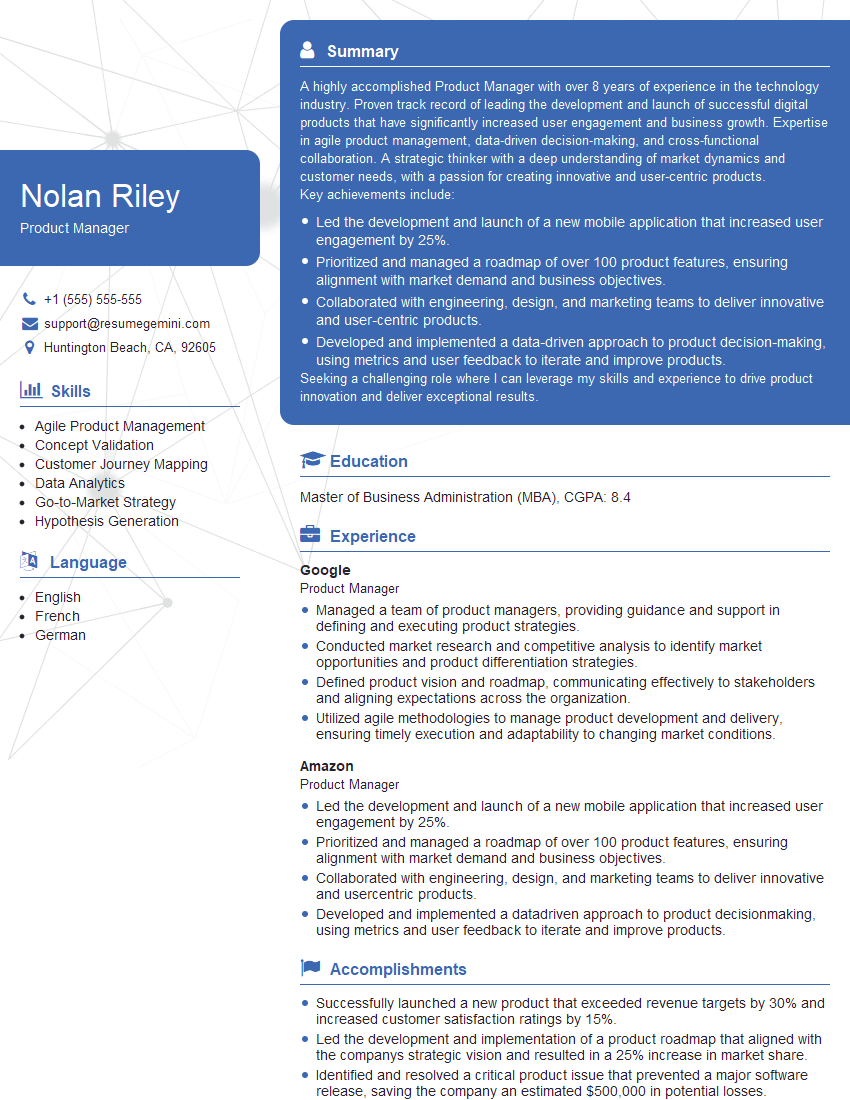
Product Manager Resume Sample

Project Manager Resume Sample
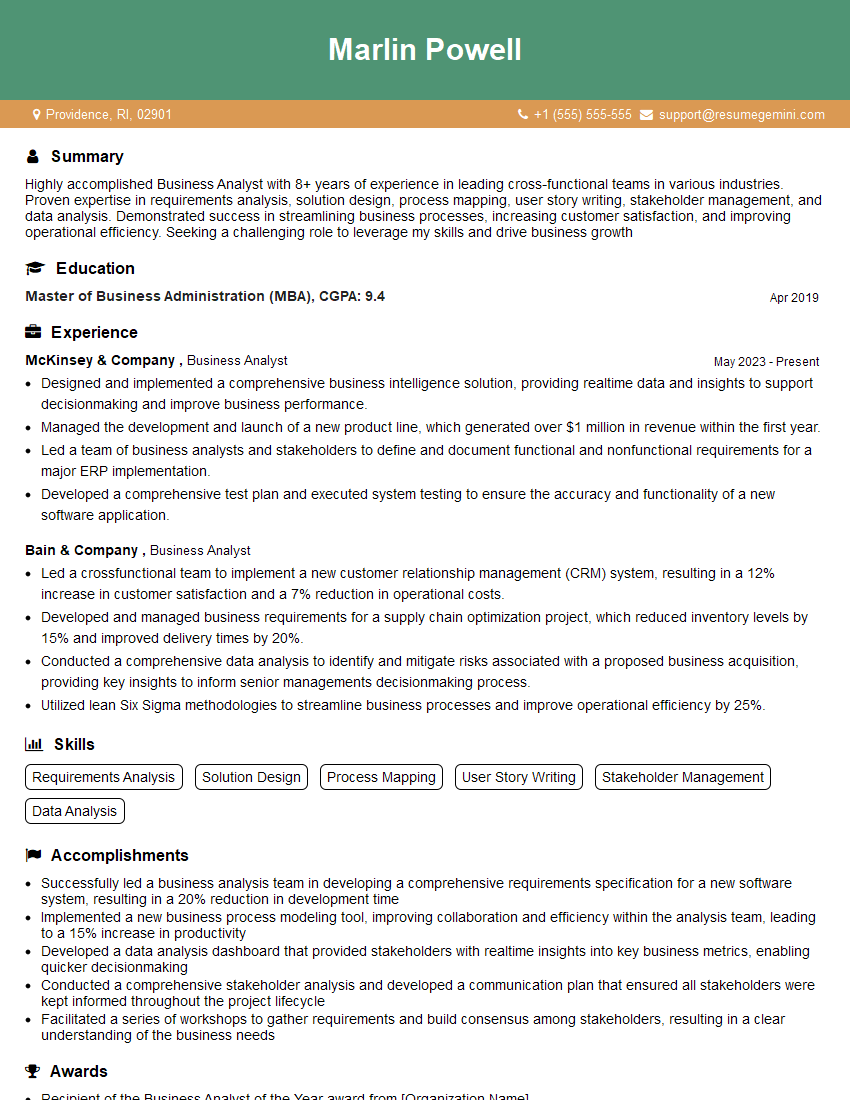
Business Analyst Resume Sample
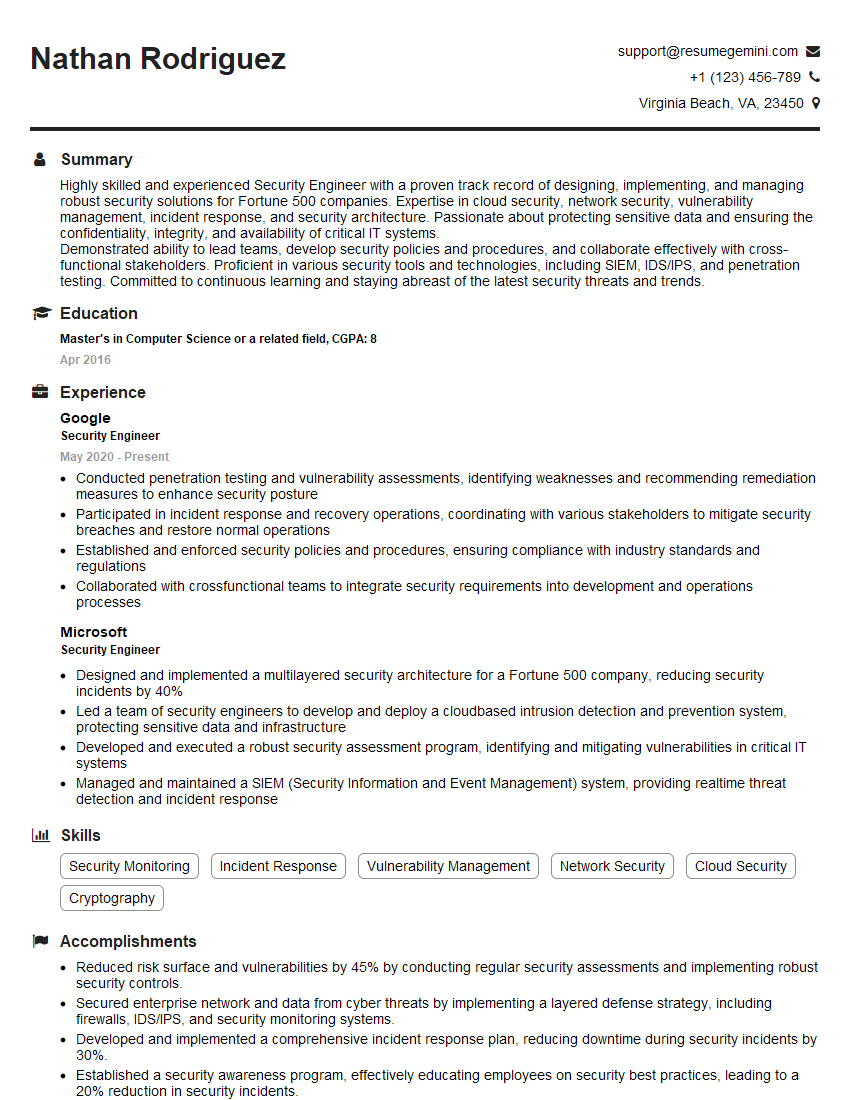
Security Engineer Resume Sample
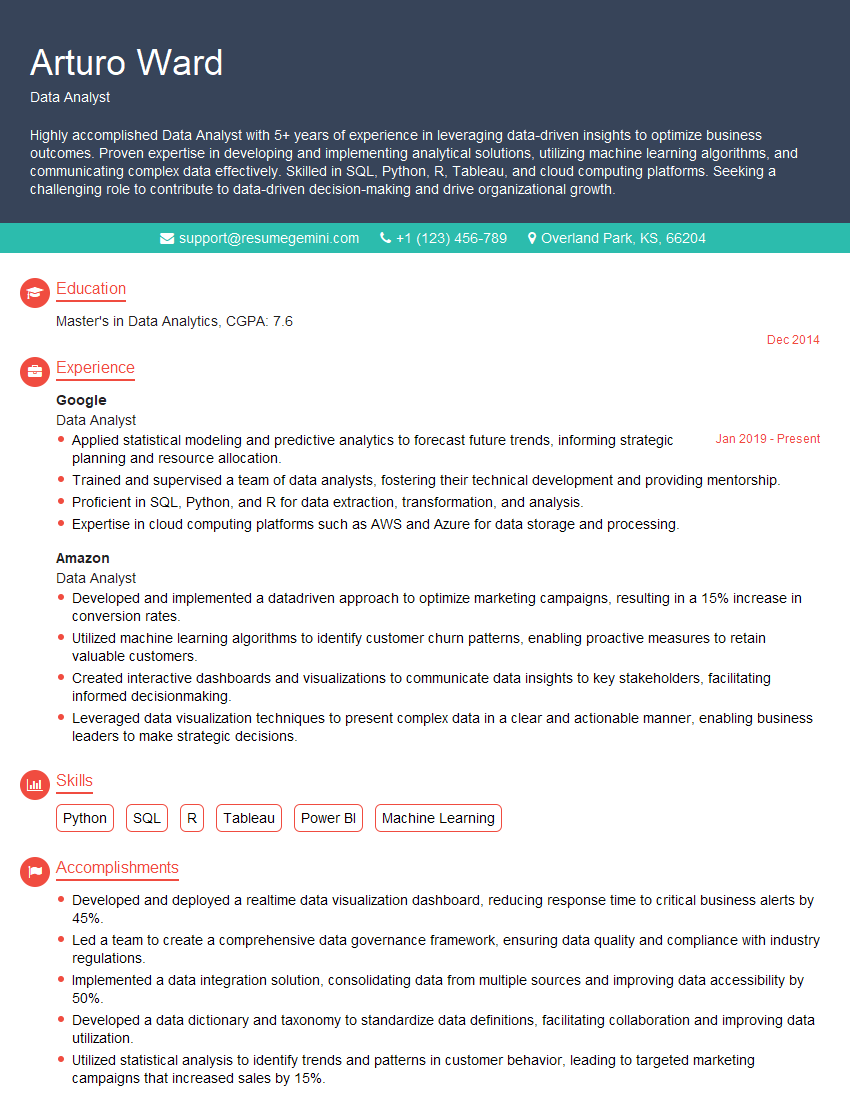
Data Analyst Resume Sample
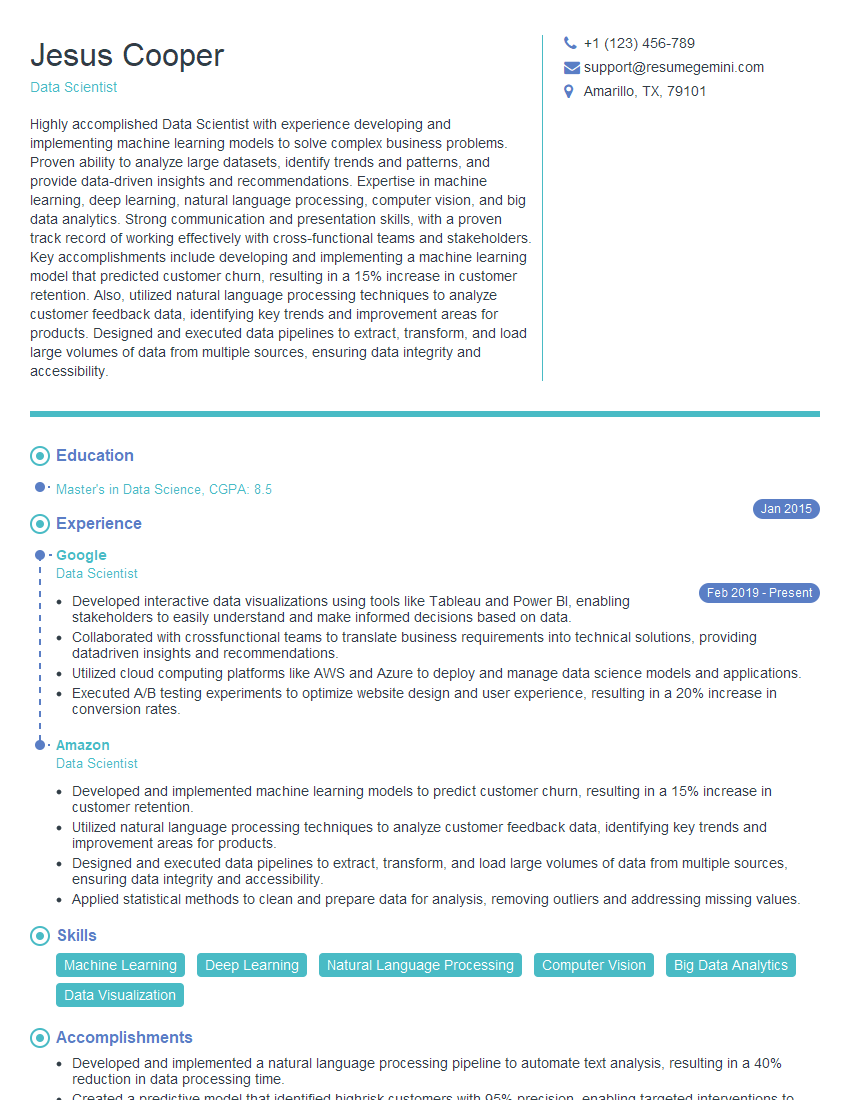
Data Scientist Resume Sample
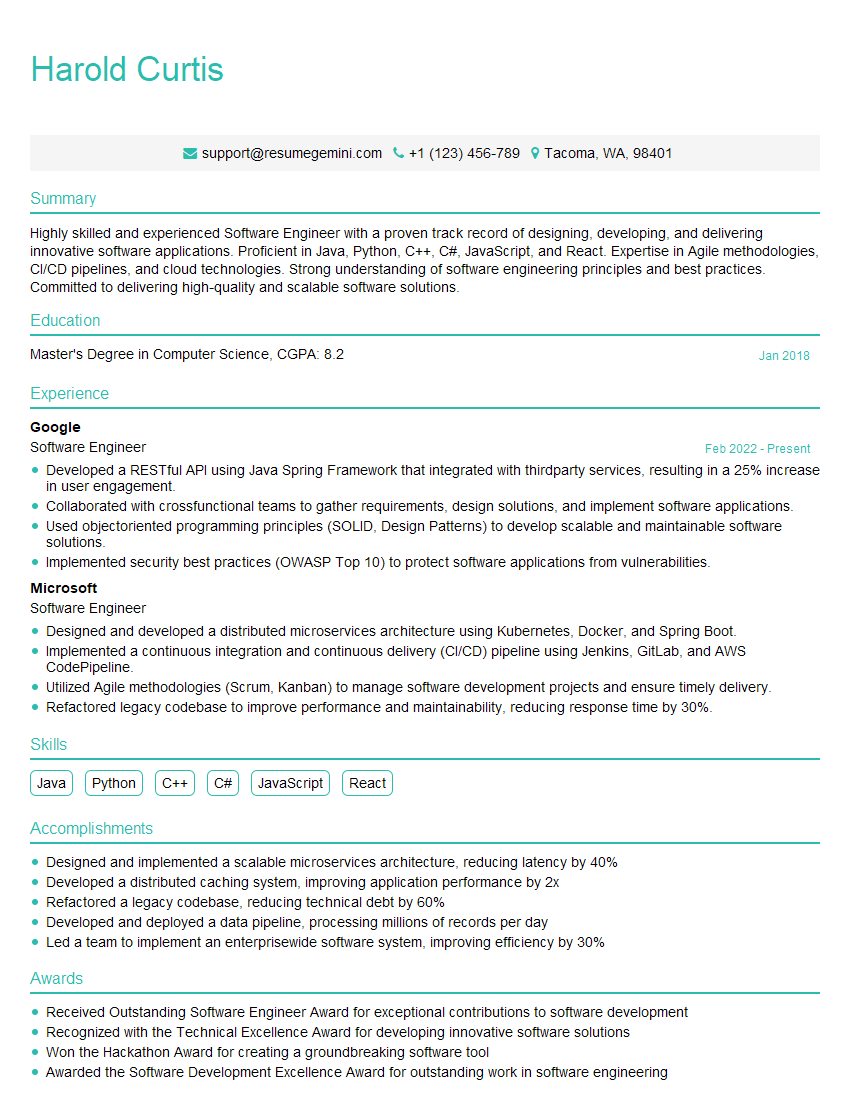
Software Engineer Resume Sample
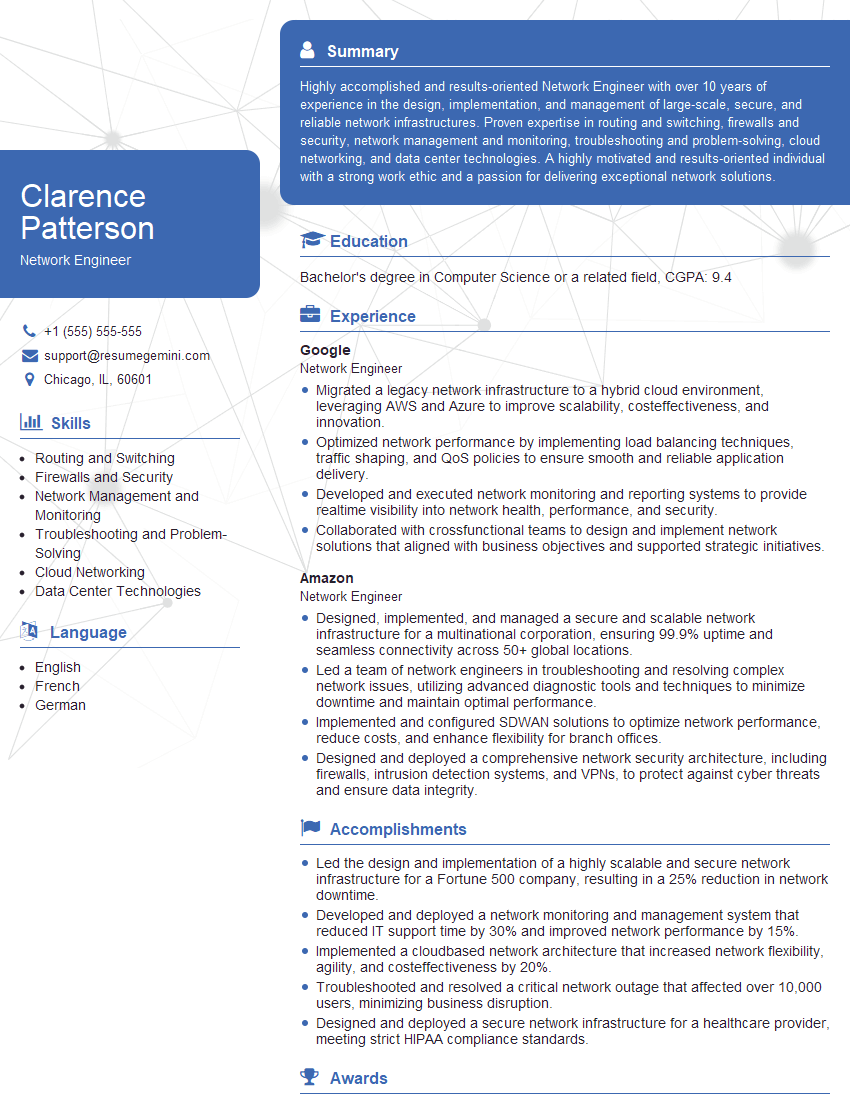
Network Engineer Resume Sample
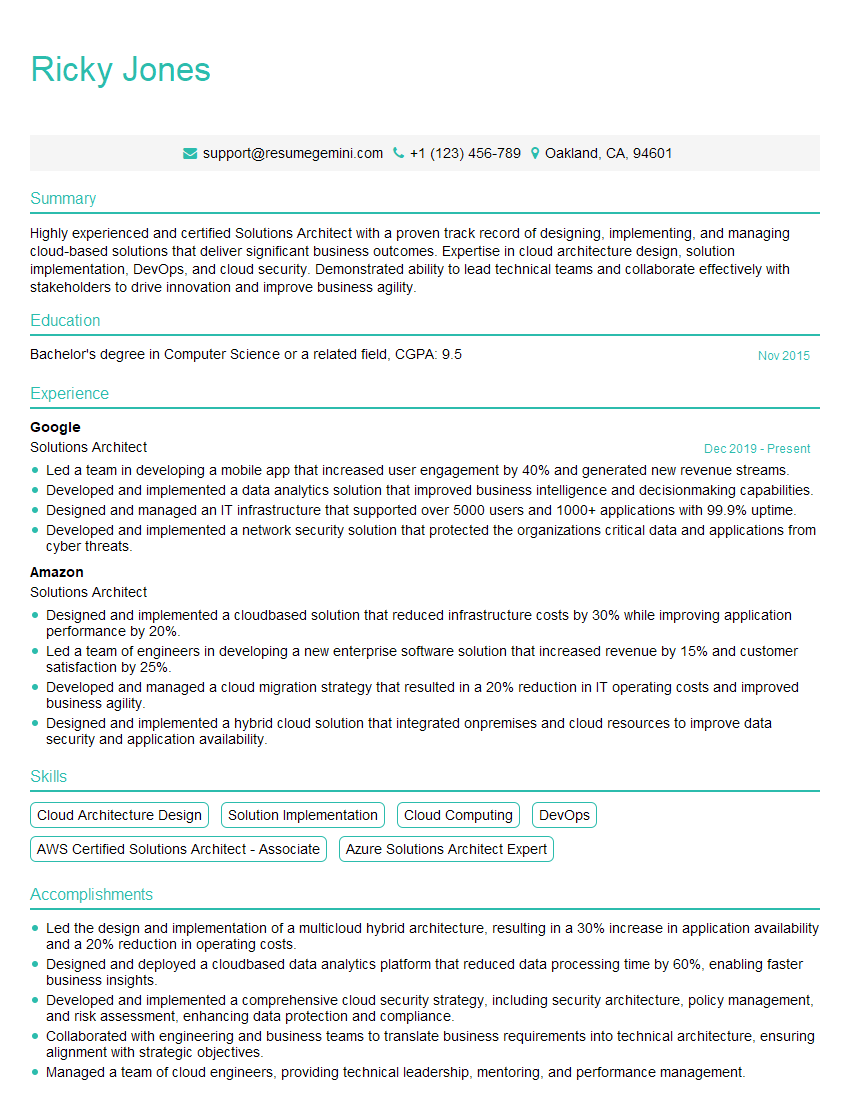
Solutions Architect Resume Sample
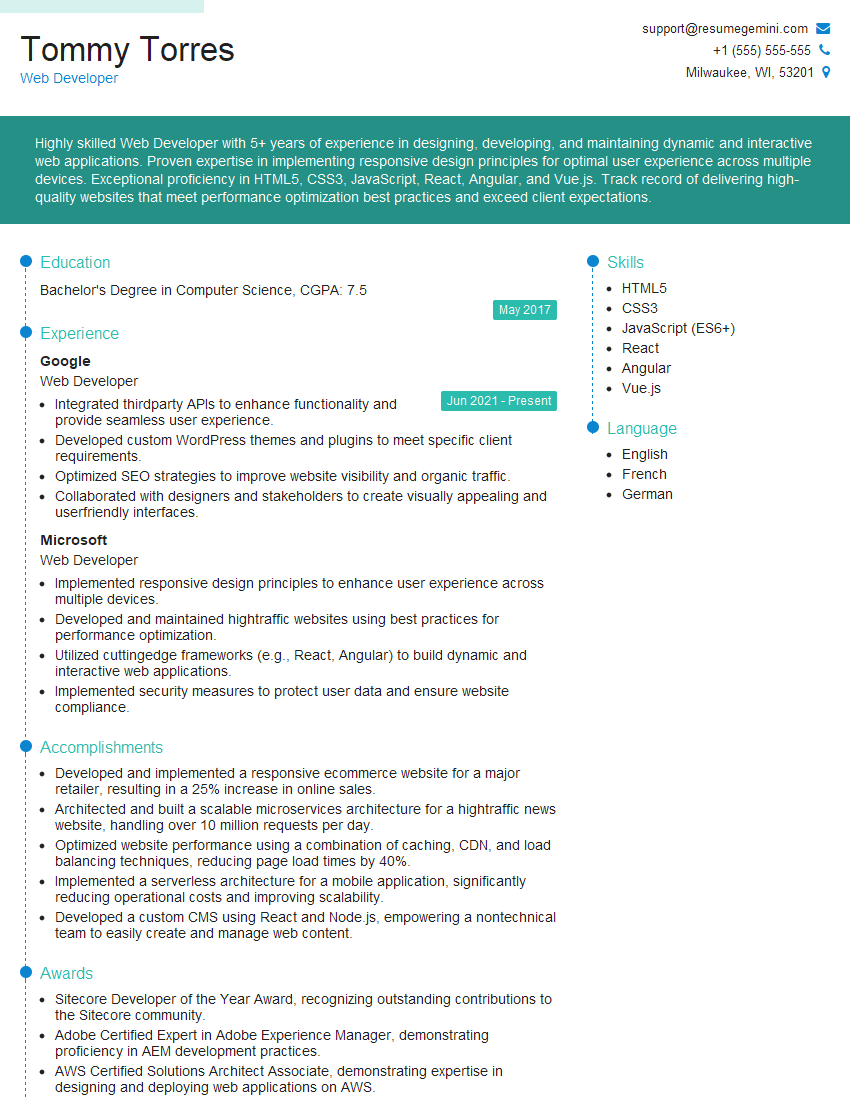
Web Developer Resume Sample
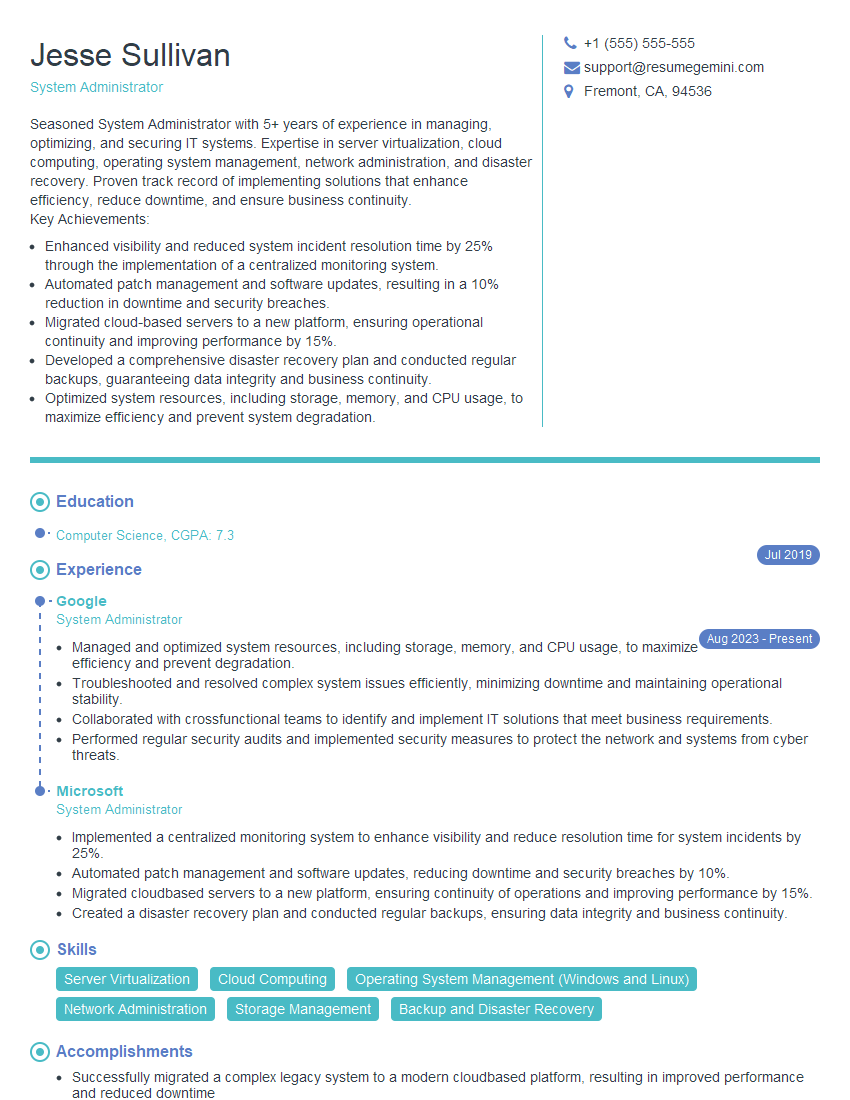
System Administrator Resume Sample
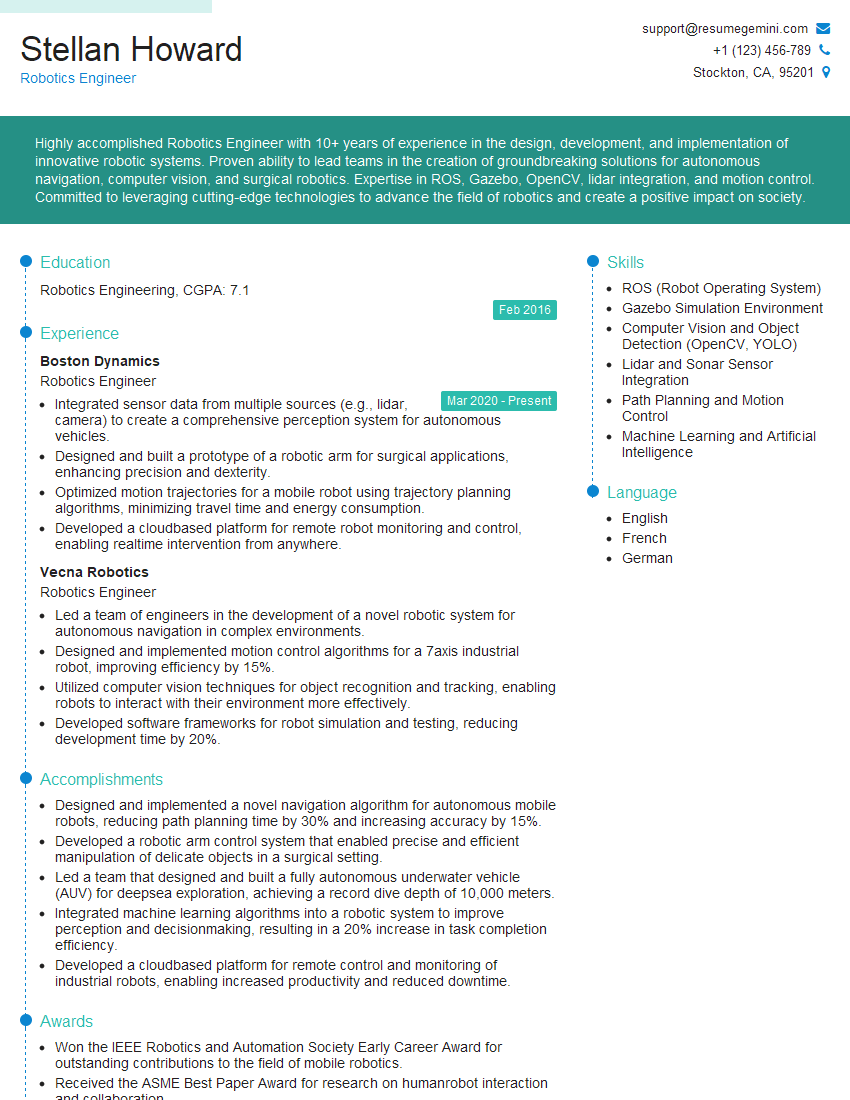
Robotics Engineer Resume Sample

Technical Writer Resume Sample
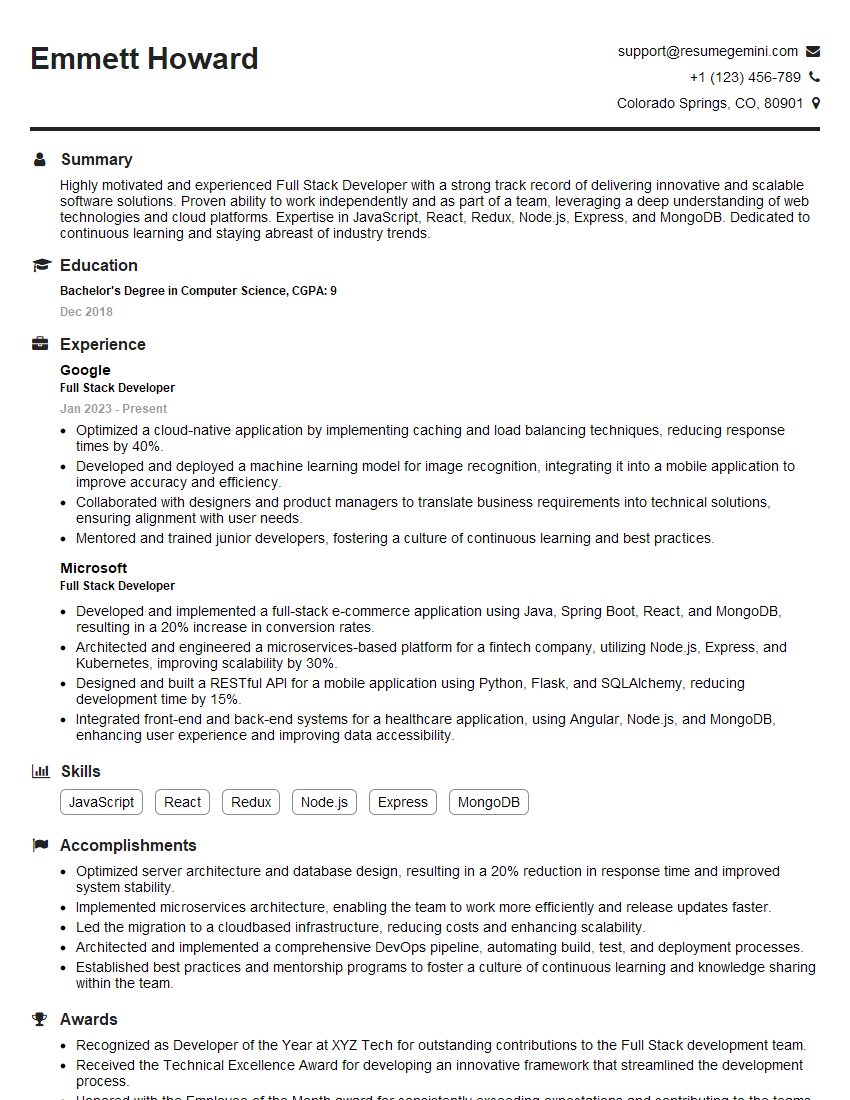
Full Stack Developer Resume Sample
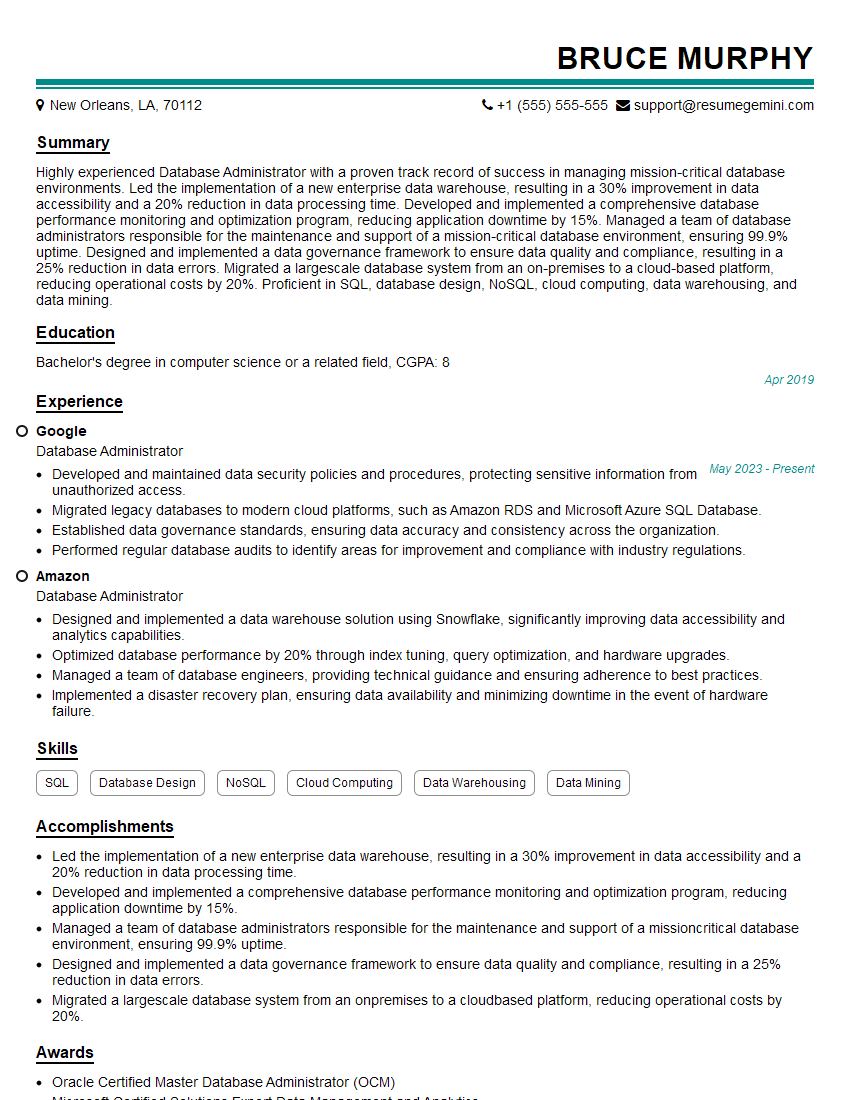
Database Administrator Resume Sample
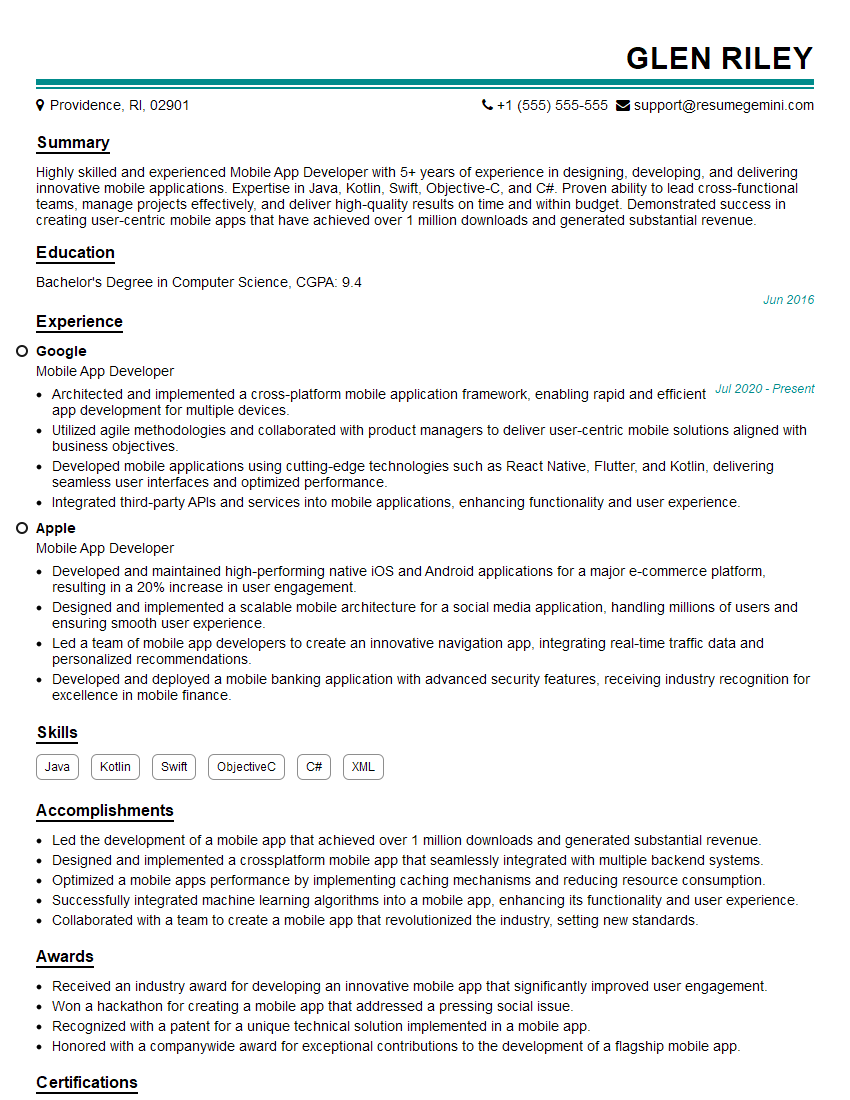
Mobile App Developer Resume Sample
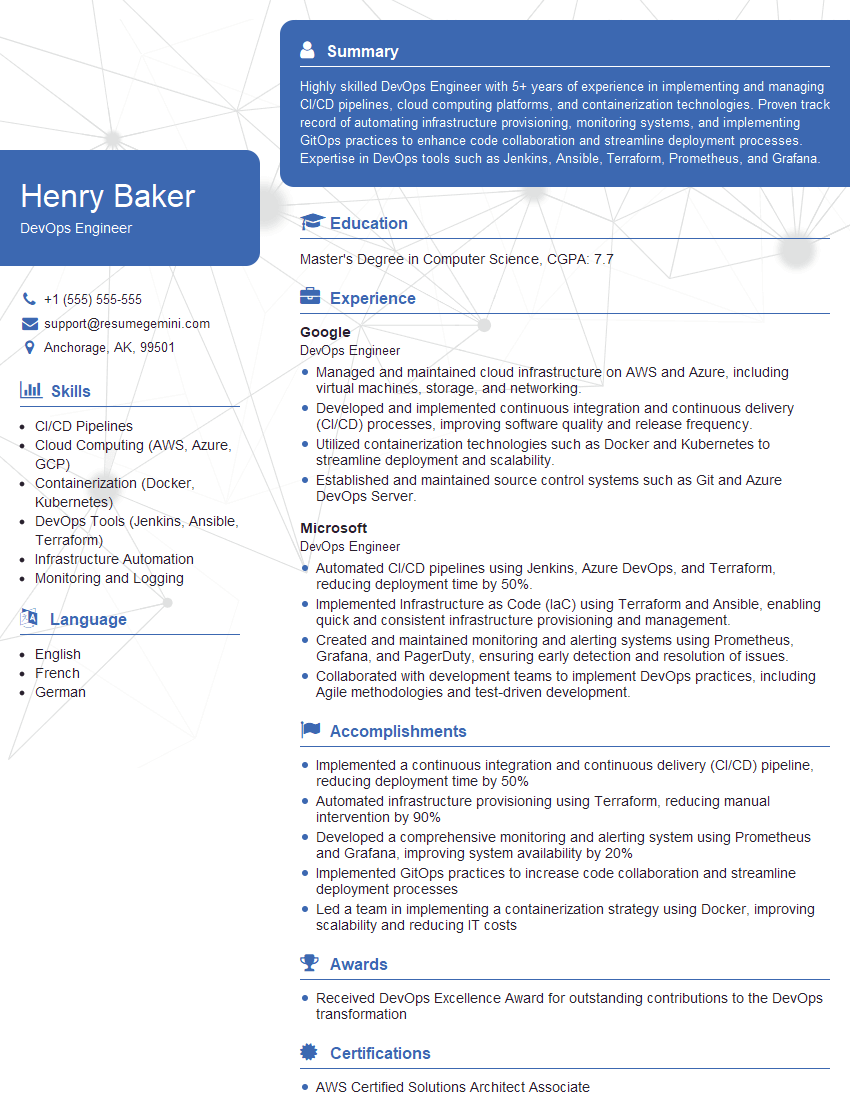
DevOps Engineer Resume Sample
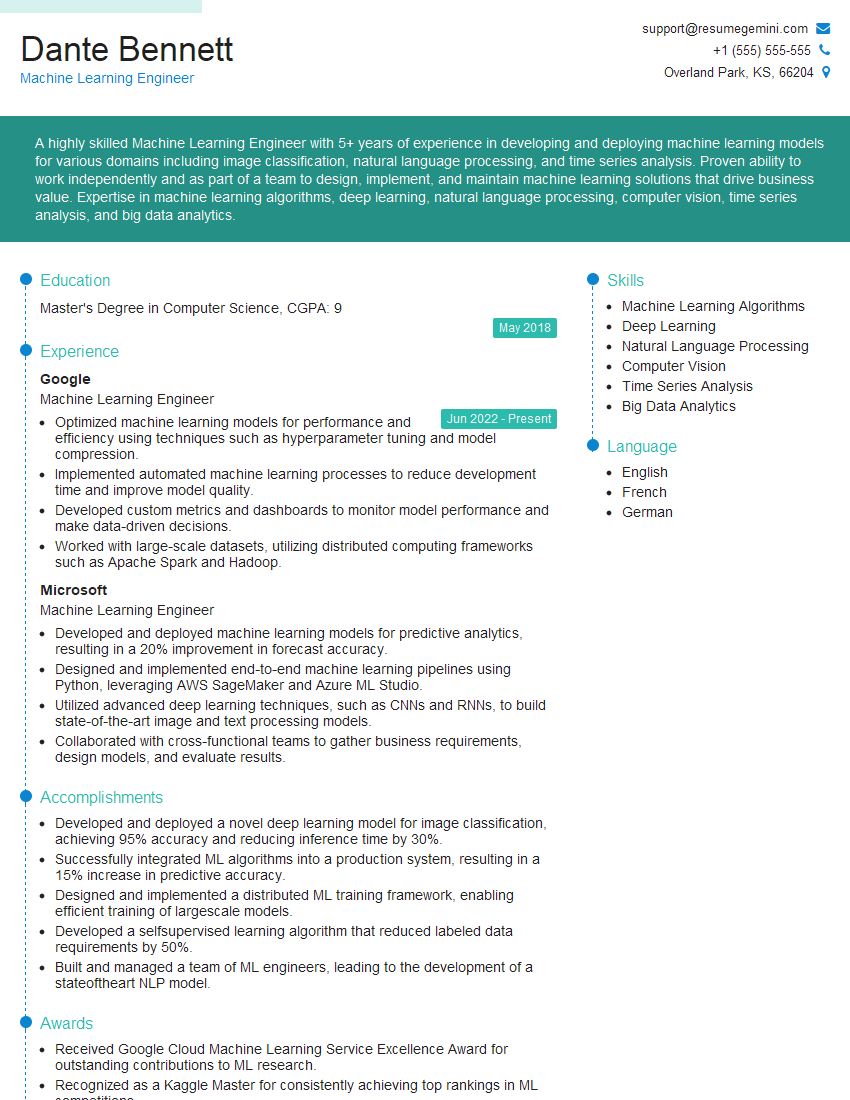
Machine Learning Engineer Resume Sample
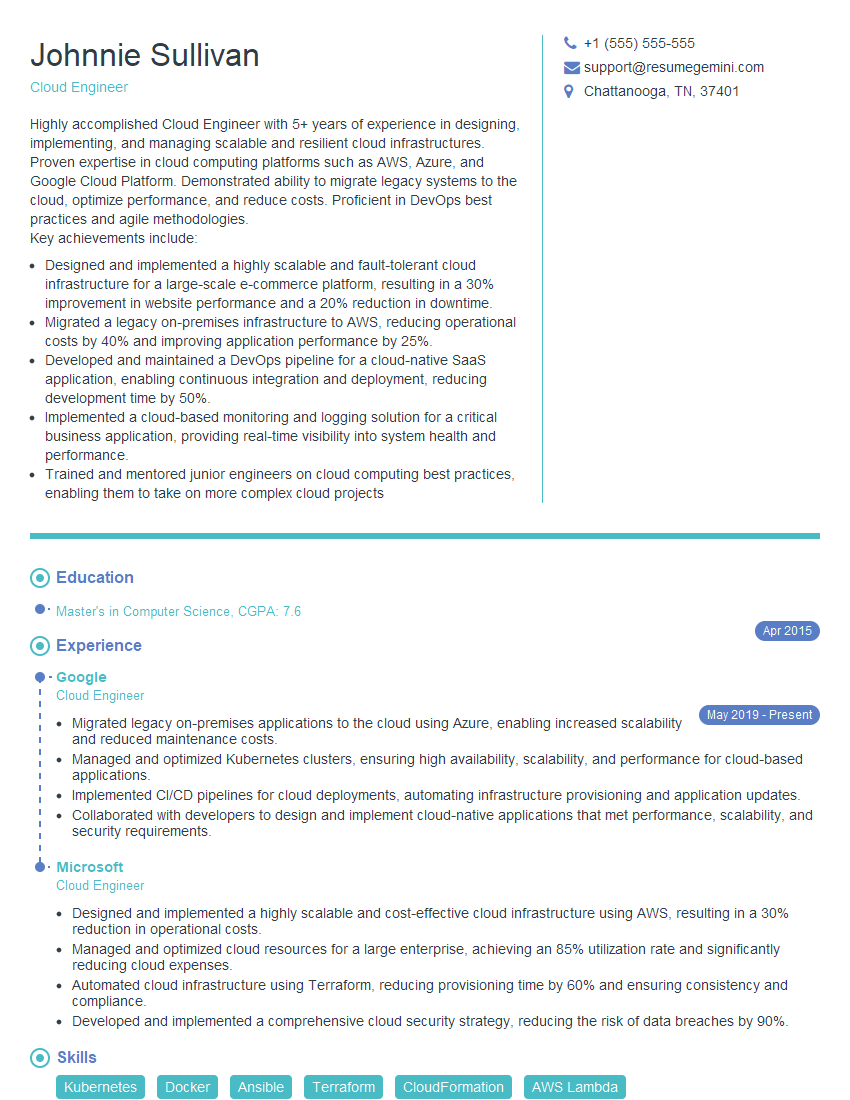
Cloud Engineer Resume Sample
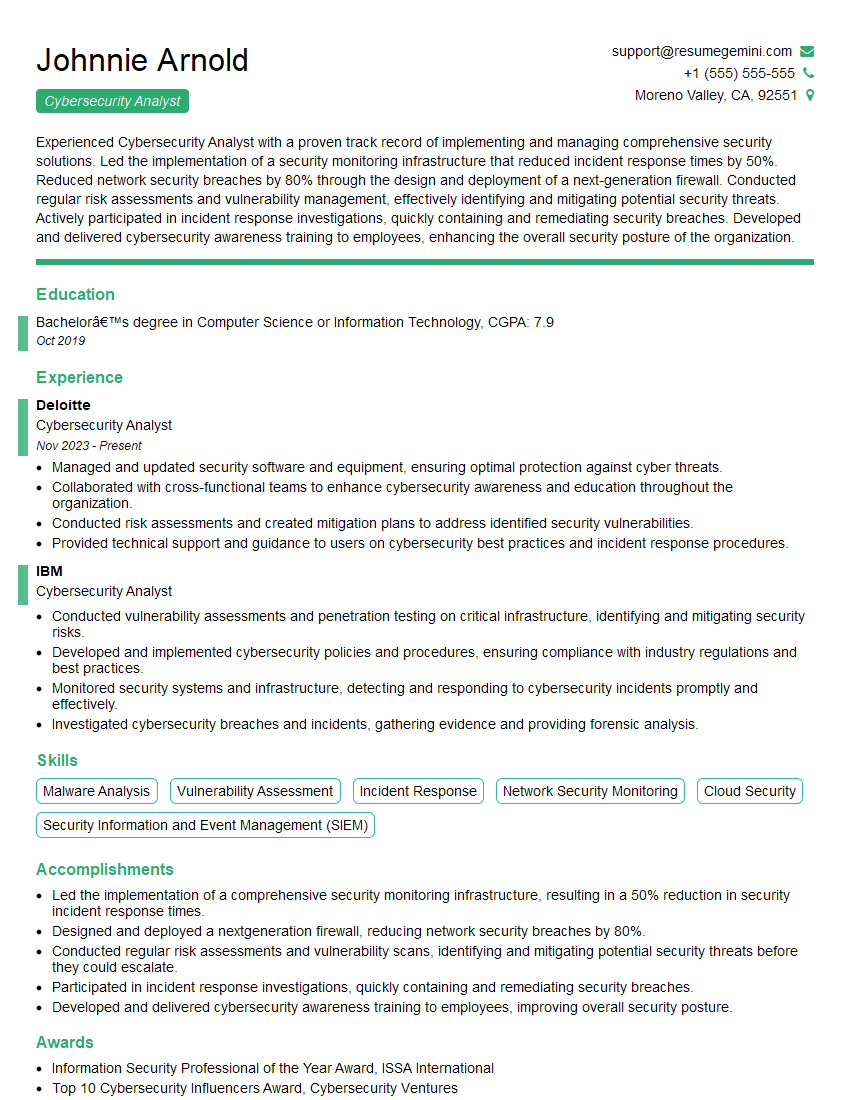
Cybersecurity Analyst Resume Sample
- Product Manager
- Project Manager
- Business Analyst
- Security Engineer
- Data Analyst
- Data Scientist
- Software Engineer
- Network Engineer
- Solutions Architect
- Web Developer
- System Administrator
- Robotics Engineer
- Technical Writer
- Full Stack Developer
- Database Administrator
- Mobile App Developer
- DevOps Engineer
- Machine Learning Engineer
- Cloud Engineer
- Cybersecurity Analyst
Explore more articles
Users Rating of Our Blogs
Share Your Experience
We value your feedback! Please rate our content and share your thoughts (optional).
What Readers Say About Our Blog
I Redesigned Spongebob Squarepants and his main characters of my artwork.
https://www.deviantart.com/reimaginesponge/art/Redesigned-Spongebob-characters-1223583608
IT gave me an insight and words to use and be able to think of examples
Hi, I’m Jay, we have a few potential clients that are interested in your services, thought you might be a good fit. I’d love to talk about the details, when do you have time to talk?
Best,
Jay
Founder | CEO