Interviews are opportunities to demonstrate your expertise, and this guide is here to help you shine. Explore the essential IT Governance and Compliance interview questions that employers frequently ask, paired with strategies for crafting responses that set you apart from the competition.
Questions Asked in IT Governance and Compliance Interview
Q 1. Explain the COBIT framework and its key principles.
COBIT, or Control Objectives for Information and Related Technologies, is a widely accepted framework for IT governance and management. It provides a holistic model for aligning IT with business objectives. Think of it as a roadmap for ensuring your IT investments support your overall business strategy, not just run independently.
Its key principles revolve around ensuring that IT resources are managed effectively and efficiently to meet business needs. These principles are often summarized as:
- Meeting Stakeholder Needs: Understanding and addressing the requirements of all stakeholders, including executives, users, and IT staff.
- Covering the Enterprise End-to-End: Applying governance and management across all aspects of the IT organization, from strategy to implementation.
- Applying a Single, Integrated Framework: Using a cohesive approach rather than disparate, disconnected processes.
- Enabling a Holistic Approach: Considering the interconnectedness of IT functions and their impact on the entire business.
- Separating Governance from Management: Distinguishing between strategic direction-setting (governance) and day-to-day operations (management).
For example, a company implementing COBIT might use it to define clear roles and responsibilities for IT security, ensuring compliance with regulations, and measuring the effectiveness of IT investments against business goals. They might use COBIT’s process model to improve efficiency and reduce risks.
Q 2. Describe the difference between IT governance and IT management.
While often used interchangeably, IT governance and IT management are distinct but related concepts. Think of IT governance as setting the ‘what’ and ‘why’, while IT management handles the ‘how’.
- IT Governance: Focuses on the strategic direction and oversight of IT. It’s about ensuring IT aligns with business objectives, managing risk, and making strategic decisions about IT investments. It’s the board-level responsibility, setting the rules of the game.
- IT Management: Handles the day-to-day operations of IT. This includes planning, budgeting, implementing, monitoring, and maintaining IT systems and services. It’s the operational level, playing the game according to the rules set by governance.
For instance, IT governance might decide to invest in cloud technology to improve scalability and reduce costs. IT management would then be responsible for selecting the cloud provider, migrating systems, and ensuring the ongoing security and performance of the cloud infrastructure.
Q 3. What are the key components of an effective IT risk management program?
An effective IT risk management program is built on several key components, working together like a well-oiled machine:
- Risk Identification: Identifying potential threats and vulnerabilities across the IT landscape. This involves assessing systems, applications, data, and processes.
- Risk Assessment: Evaluating the likelihood and impact of identified risks. This often involves assigning risk scores to prioritize mitigation efforts.
- Risk Response: Developing and implementing strategies to address identified risks. These strategies typically include avoidance, mitigation, transfer (insurance), and acceptance.
- Risk Monitoring and Review: Continuously monitoring the effectiveness of risk management activities and adapting strategies as needed. This is a continuous cycle.
- Communication and Reporting: Regularly communicating risk information to stakeholders and reporting on the overall risk posture.
- Policy and Procedures: Establishing clear policies and procedures to guide risk management activities and ensure consistent application.
For example, a risk assessment might reveal a vulnerability in a web application. The risk response might involve patching the vulnerability, implementing a web application firewall, and conducting security awareness training for employees.
Q 4. How do you conduct a risk assessment?
Conducting a risk assessment involves a systematic process:
- Define Scope: Clearly define the systems, data, and processes to be included in the assessment.
- Identify Assets: Identify all valuable IT assets, including hardware, software, data, and intellectual property.
- Identify Threats: Identify potential threats to these assets, such as malware, natural disasters, and human error.
- Identify Vulnerabilities: Identify weaknesses in security controls that could be exploited by threats.
- Assess Likelihood and Impact: Determine the likelihood of each threat exploiting a vulnerability and the potential impact on the organization.
- Calculate Risk Score: Combine likelihood and impact to determine a risk score for each threat.
- Prioritize Risks: Prioritize risks based on their scores, focusing on the highest-risk threats first.
- Develop Mitigation Strategies: Develop strategies to mitigate the identified risks. This could include implementing security controls, developing incident response plans, or transferring risk through insurance.
Imagine a bank conducting a risk assessment. They’d identify assets like customer data, threats like cyberattacks, and vulnerabilities like outdated software. They’d then assess the likelihood of a successful attack and the potential financial and reputational damage, leading to prioritized mitigation strategies.
Q 5. What are the common IT compliance frameworks (e.g., ISO 27001, NIST, HIPAA)?
Several common IT compliance frameworks help organizations meet regulatory requirements and establish best practices. These frameworks often overlap and complement each other.
- ISO 27001: An internationally recognized standard for information security management systems (ISMS). It provides a framework for establishing, implementing, maintaining, and continually improving an ISMS.
- NIST Cybersecurity Framework: Developed by the National Institute of Standards and Technology (NIST), it provides a voluntary framework for managing and reducing cybersecurity risk. It’s highly adaptable to various organizations.
- HIPAA: The Health Insurance Portability and Accountability Act, a US law requiring the protection of sensitive patient health information. It sets stringent requirements for data security and privacy.
- PCI DSS: Payment Card Industry Data Security Standard; mandates specific security controls for organizations that process credit card payments to protect cardholder data.
Each framework has specific requirements, but they all share the common goal of establishing robust security and compliance programs. For example, a healthcare provider would need to comply with HIPAA, while a credit card processor needs to meet PCI DSS requirements. Many organizations implement ISO 27001 as a foundational framework to support compliance with multiple other regulations.
Q 6. Explain the concept of data governance and its importance.
Data governance is the process of defining and managing the availability, usability, integrity, and security of company data. It’s about ensuring data is treated as a valuable asset, just like financial resources or intellectual property. It’s a crucial component of effective IT governance.
Think of it as establishing the rules of the road for how data is created, stored, accessed, used, and ultimately disposed of. This involves defining roles, responsibilities, policies, procedures, and standards for data management.
The importance of data governance stems from several factors:
- Compliance: Many regulations require organizations to manage their data in specific ways. Data governance ensures compliance with these laws.
- Risk Management: Data governance helps to identify and mitigate risks associated with data breaches, data loss, and inaccurate data.
- Data Quality: It ensures data is accurate, consistent, and reliable, supporting better decision-making.
- Business Value: Effective data governance unlocks the value of data, enabling organizations to leverage data for improved efficiency, innovation, and competitive advantage.
For instance, a retail company might establish data governance policies to ensure customer data is handled in accordance with privacy regulations, that data is accurate for marketing campaigns, and that data is properly archived when no longer needed.
Q 7. Describe your experience with implementing and maintaining an information security management system (ISMS).
In a previous role, I was responsible for implementing and maintaining an ISMS based on ISO 27001. This involved a multi-stage process:
- Scope Definition: Identifying the scope of the ISMS, including the systems, data, and processes to be covered.
- Risk Assessment: Conducting a thorough risk assessment to identify and prioritize risks.
- ISMS Development: Developing policies, procedures, and standards to address identified risks, aligning them with ISO 27001 requirements. This involved creating documents for access control, incident management, business continuity, etc.
- Implementation and Training: Implementing the ISMS controls and providing training to employees on security policies and procedures.
- Monitoring and Review: Regularly monitoring the effectiveness of the ISMS controls and conducting periodic reviews to ensure ongoing compliance.
- Continuous Improvement: Continuously improving the ISMS based on lessons learned and changes in the threat landscape.
Throughout this process, I collaborated closely with various teams, including IT, legal, and business units. We used a project management methodology to ensure timely and efficient implementation. Key to our success was a strong focus on risk management and a commitment to continuous improvement. We regularly conducted audits and self-assessments to ensure the ISMS remained effective and compliant with ISO 27001 and other relevant regulations.
Q 8. How do you ensure compliance with data privacy regulations (e.g., GDPR, CCPA)?
Ensuring compliance with data privacy regulations like GDPR and CCPA requires a multifaceted approach. Think of it like building a strong, secure house – you need a solid foundation and robust walls.
- Data Mapping and Inventory: First, we need a comprehensive inventory of all personal data we collect, process, and store. This includes understanding the source, type, purpose, and location of the data. Imagine creating a detailed blueprint of your house – each room representing a data set.
- Data Minimization and Purpose Limitation: We only collect and process the minimum amount of data necessary for specific, legitimate purposes. This is like only furnishing the rooms you actually need in your house, avoiding clutter and unnecessary expenses.
- Consent Management: We implement robust consent mechanisms, ensuring individuals understand how their data will be used and can easily withdraw consent. This is like having clear signage explaining the purpose of each room and giving guests the option to leave.
- Data Security Measures: Strong security measures, including encryption, access controls, and regular security audits are critical. This is like installing strong locks, security systems, and regular inspections to protect your house from intruders.
- Data Subject Rights: We must establish processes to handle data subject requests efficiently, such as access, rectification, erasure, and data portability. Imagine having a clear procedure for handling guest requests and inquiries.
- Incident Response Plan: A well-defined plan is crucial for handling data breaches, including notification procedures and remediation steps. This is like having a fire escape plan in case of emergency.
- Regular Audits and Assessments: We conduct regular audits and assessments to ensure ongoing compliance. This is similar to a regular home inspection to ensure everything is in good working order.
In a recent project, we implemented a GDPR compliance program for a healthcare provider. This involved data mapping, developing consent forms, and establishing processes for handling data subject access requests. We successfully passed an audit conducted by an independent firm.
Q 9. What are the key elements of a successful IT audit?
A successful IT audit is a systematic examination designed to assess the effectiveness and efficiency of an organization’s IT systems, processes, and controls. Think of it as a thorough health check for your IT infrastructure.
- Planning and Scoping: Clearly defining the objectives, scope, and methodology. Knowing exactly which areas of the IT infrastructure to focus on is crucial, like knowing which parts of a car to inspect during a service.
- Risk Assessment: Identifying and evaluating potential IT risks. It helps prioritize areas needing more attention, like identifying potential weak points in a building’s structure.
- Testing and Evidence Gathering: Performing tests to validate controls, collecting evidence to support findings. This involves thorough checks and documentation, like examining the building’s foundation and structural integrity.
- Reporting and Remediation: Documenting findings, recommending improvements, and tracking remediation efforts. This acts like a detailed report highlighting the areas that need work and suggesting solutions.
- Compliance and Standards Adherence: Checking the alignment with relevant industry standards, laws, and regulations. It ensures that the systems meet necessary benchmarks, similar to ensuring a building meets local building codes.
For example, during an audit of a financial institution’s network security, we identified vulnerabilities in their firewall configuration. We documented this finding, recommended remediation steps, and tracked their implementation to ensure the risks were mitigated. The result was a more secure and compliant environment.
Q 10. How do you handle IT security incidents and breaches?
Handling IT security incidents and breaches requires a structured approach, much like responding to a fire in a building. A well-defined incident response plan is vital.
- Preparation: This involves establishing clear roles and responsibilities, communication protocols, and pre-approved response procedures. This is akin to creating and practicing a fire drill plan.
- Detection: Identifying the incident, understanding its nature and scope. This involves using monitoring tools and staying vigilant, like having smoke detectors and security personnel.
- Analysis: Investigating the root cause of the breach. This involves meticulous forensic analysis, much like investigating the cause of a fire.
- Containment: Taking immediate steps to limit the impact of the breach. This involves isolating affected systems and limiting access, like containing a fire by closing doors and using fire extinguishers.
- Eradication: Removing the threat and restoring systems to a secure state. This involves cleaning up malicious software, patching vulnerabilities, and restoring data, much like cleaning up after a fire and rebuilding damaged areas.
- Recovery: Returning systems to normal operation. This involves gradually restoring services and functions, much like restoring building operations to normal.
- Post-Incident Activity: Conducting a thorough review to identify weaknesses and improve future response efforts. This is akin to conducting a post-fire review to assess the effectiveness of procedures and identify any improvements.
In one instance, we responded to a phishing attack that compromised employee credentials. We immediately contained the breach, investigated the attack vector, implemented remediation measures, and provided security awareness training to prevent future incidents.
Q 11. What are your experiences with IT security awareness training programs?
IT security awareness training is crucial for building a security-conscious culture. It’s like teaching your employees how to spot and avoid potential threats, much like educating people about fire safety.
- Needs Assessment: Identifying the specific training needs of the organization and its employees based on their roles and responsibilities.
- Curriculum Development: Creating engaging and relevant training materials, covering topics such as phishing, social engineering, password security, and data protection. This could involve interactive modules, videos, and quizzes.
- Delivery Methods: Using a variety of delivery methods, including online courses, workshops, and simulated phishing campaigns, to cater to different learning styles.
- Assessment and Evaluation: Measuring the effectiveness of the training through pre- and post-training assessments, tracking employee behavior, and analyzing incident reports.
- Continuous Reinforcement: Regularly reinforcing key concepts and updates through newsletters, reminders, and ongoing awareness campaigns. This could involve regular reminders and refresher courses.
I’ve designed and implemented security awareness training programs for various organizations. In one case, we used simulated phishing attacks to measure the effectiveness of our training, and we saw a significant decrease in the number of employees who fell victim to these attacks.
Q 12. How do you measure the effectiveness of your IT governance and compliance programs?
Measuring the effectiveness of IT governance and compliance programs requires a combination of qualitative and quantitative metrics. Think of it like tracking the progress of a construction project using various indicators.
- Compliance Audits: Regular audits to ensure adherence to relevant regulations and standards. This is like conducting regular inspections to ensure the building is compliant with building codes.
- Key Risk Indicators (KRIs): Monitoring key metrics that indicate potential risks, such as the number of security incidents or vulnerabilities identified. This is like monitoring factors like structural integrity or fire risks.
- Security Incident Response Times: Tracking the time it takes to identify and respond to security incidents. This assesses the efficiency of the response mechanism, much like evaluating the response time of firefighters to an emergency.
- Employee Awareness Training Completion Rates: Tracking the completion rate of security awareness training programs to ensure employees are adequately trained. This assesses the effectiveness of training programs, much like tracking attendance of safety training sessions.
- User Feedback: Gathering user feedback on the usability and effectiveness of IT systems and processes. This provides valuable insights for improvement, much like gathering feedback from building occupants.
We use dashboards and reporting tools to visualize these metrics and track progress over time. For example, we tracked a reduction in security incidents following the implementation of a new vulnerability management program, demonstrating the effectiveness of our governance initiatives.
Q 13. Describe your experience with vulnerability management and penetration testing.
Vulnerability management and penetration testing are critical for identifying and mitigating security weaknesses. Imagine it as a thorough inspection and stress test of your home’s security system.
- Vulnerability Scanning: Using automated tools to identify potential vulnerabilities in systems and applications. This is like using a scanner to detect weak points in a home’s security system.
- Vulnerability Assessment: Analyzing identified vulnerabilities to determine their severity and potential impact. This is like determining the risk level associated with identified security weaknesses.
- Penetration Testing: Simulating real-world attacks to assess the effectiveness of security controls. This is like attempting to break into the house to assess the effectiveness of its security measures.
- Remediation: Implementing fixes to address identified vulnerabilities. This is like reinforcing weak points in the home’s security system.
- Reporting: Documenting findings and recommendations for improvement. This is like documenting the results of the inspection and providing a detailed report.
In a recent engagement, we conducted penetration testing for a financial services company. We identified several critical vulnerabilities in their web application, leading to the implementation of security patches and improved security controls.
Q 14. What are your experiences with implementing and managing access control policies?
Implementing and managing access control policies is crucial for protecting sensitive information. Think of it as controlling access to different rooms in a house based on who needs to enter.
- Principle of Least Privilege: Granting users only the necessary access rights to perform their job functions. This is like only giving house keys to those who need access.
- Role-Based Access Control (RBAC): Assigning access rights based on user roles and responsibilities. This is like assigning access to specific rooms based on the occupants’ roles (e.g., children’s room, guest room).
- Access Control Lists (ACLs): Defining specific permissions for users or groups of users. This is like explicitly defining who can enter which room and what they can do within those rooms.
- Regular Access Reviews: Periodically reviewing and updating user access rights to ensure they remain appropriate. This is like periodically checking who still needs access to the house and its various rooms.
- Multi-Factor Authentication (MFA): Implementing MFA to enhance security by requiring multiple forms of authentication before granting access. This is like using a combination of lock and key, alarm system, and security cameras for additional layers of protection.
In a previous role, we implemented an RBAC system for a large organization. This improved security by reducing the risk of unauthorized access and simplified access management. We also implemented MFA across all critical systems, significantly enhancing security.
Q 15. Explain your understanding of different authentication methods.
Authentication methods verify the identity of a user, device, or other entity trying to access a system or resource. There are various methods, each with its strengths and weaknesses. Think of it like showing your ID at a club – you need to prove you are who you say you are to gain entry.
- Something you know: This is the most common method, using passwords, PINs, or security questions. While simple, it’s vulnerable to phishing and brute-force attacks. For example, your online banking password falls under this category.
- Something you have: This involves physical tokens like smart cards, USB security keys, or even mobile phones with authentication apps (like Google Authenticator). These add an extra layer of security as they are harder to steal than passwords.
- Something you are: This refers to biometric authentication using fingerprints, facial recognition, or iris scans. It’s generally more secure than passwords but can be susceptible to spoofing or privacy concerns.
- Something you do: This involves behavioral biometrics, analyzing typing patterns, mouse movements, or other actions to verify identity. It’s less intrusive than other methods but requires sophisticated technology.
- Somewhere you are: This utilizes location-based authentication, verifying your access based on your geographic location. Useful for restricting access to sensitive data based on location.
Choosing the right authentication method depends on the sensitivity of the data and the level of security required. Often, multi-factor authentication (MFA), which combines two or more methods, is the most effective approach to significantly enhance security.
Career Expert Tips:
- Ace those interviews! Prepare effectively by reviewing the Top 50 Most Common Interview Questions on ResumeGemini.
- Navigate your job search with confidence! Explore a wide range of Career Tips on ResumeGemini. Learn about common challenges and recommendations to overcome them.
- Craft the perfect resume! Master the Art of Resume Writing with ResumeGemini’s guide. Showcase your unique qualifications and achievements effectively.
- Don’t miss out on holiday savings! Build your dream resume with ResumeGemini’s ATS optimized templates.
Q 16. How do you ensure the confidentiality, integrity, and availability (CIA triad) of data?
The CIA triad – Confidentiality, Integrity, and Availability – forms the cornerstone of data security. Ensuring all three is crucial for maintaining trust and minimizing risk.
- Confidentiality: This ensures that only authorized individuals or systems can access sensitive data. We achieve this through access controls (user permissions, encryption), data loss prevention (DLP) tools, and secure storage solutions. For instance, encrypting customer credit card data at rest and in transit prevents unauthorized access.
- Integrity: This guarantees the accuracy and completeness of data, preventing unauthorized modification or deletion. This is achieved through version control, data validation rules, digital signatures, and regular data backups. A good example is using checksums to verify data hasn’t been corrupted during transmission.
- Availability: This ensures that authorized users have timely and reliable access to data and resources. This requires robust infrastructure, redundancy (backup systems), disaster recovery planning, and regular maintenance. Think of using a cloud service with multiple availability zones for high uptime.
A holistic approach combining technical safeguards (encryption, firewalls), procedural controls (access policies, change management), and physical security (data center access control) is vital to effectively secure data and maintain the CIA triad.
Q 17. How do you stay up-to-date with the latest IT governance and compliance trends?
Staying current in IT governance and compliance requires a multi-pronged approach. The landscape is constantly evolving with new regulations and threats.
- Professional Certifications: Pursuing certifications like CISM, CISA, or CISSP demonstrates a commitment to professional development and keeps me abreast of best practices.
- Industry Publications and Conferences: Regularly reading publications like ISACA Journal and attending industry conferences (like RSA Conference) exposes me to the latest trends and challenges.
- Online Courses and Webinars: Platforms like Coursera and edX offer valuable courses on specific compliance frameworks and emerging threats.
- Networking: Engaging with peers and industry professionals through online communities and professional organizations allows for knowledge sharing and insights into real-world experiences.
- Regulatory Updates: Actively monitoring government websites and regulatory bodies for updates on compliance standards and legal changes is essential.
This continuous learning process helps me adapt to the dynamic nature of the field and ensures my skills remain relevant and effective.
Q 18. Describe a time you identified a compliance gap and how you addressed it.
In a previous role, we conducted an audit and discovered a compliance gap related to PCI DSS (Payment Card Industry Data Security Standard). We weren’t properly segmenting our network, putting sensitive cardholder data at risk.
- Identification: The audit revealed the network segmentation issue through vulnerability scans and an assessment of our network architecture.
- Analysis: We determined the root cause – outdated network design and insufficient security controls – and assessed the potential impact (fines, reputational damage, data breaches).
- Mitigation: We implemented a phased approach: first, we prioritized the most critical systems requiring segmentation. Second, we deployed firewalls and intrusion detection systems to create secure network zones. Finally, we updated our security policies and provided training to staff.
- Monitoring: Post-implementation, we regularly monitored the effectiveness of the changes using network monitoring tools and repeated vulnerability scans.
This experience highlighted the importance of proactive risk management and the need for continuous improvement in IT security and compliance. The successful resolution demonstrated the value of a well-defined process for identifying, analyzing, mitigating, and monitoring compliance gaps.
Q 19. What are your experiences with SOX compliance?
My experience with SOX (Sarbanes-Oxley Act) compliance primarily focuses on ensuring the accuracy and reliability of financial reporting systems. This involves understanding the intricate controls surrounding financial data, from its origin to its reporting.
I’ve been involved in:
- IT General Controls (ITGC) assessments: Evaluating the effectiveness of controls over IT infrastructure, access management, change management, and application development to ensure the reliability of financial reporting systems.
- System and application audits: Reviewing the design and operational effectiveness of financial applications to identify any weaknesses that could affect the integrity of financial data.
- Developing and implementing SOX-compliant processes: Creating and enforcing policies and procedures to ensure compliance with SOX requirements, often involving collaboration with both IT and finance teams.
- Supporting external audits: Working with external auditors to provide necessary documentation and support during their reviews.
My understanding extends to the importance of segregation of duties, robust access controls, and regular testing of controls to maintain SOX compliance. I understand that SOX compliance is not a one-time event but an ongoing process requiring continuous monitoring and improvement.
Q 20. How do you handle conflicts between business needs and security requirements?
Balancing business needs and security requirements often involves finding creative solutions that minimize risk while allowing for operational efficiency. It’s a delicate act of negotiation, not a battle to be won.
My approach involves:
- Risk Assessment: Clearly identifying the risks associated with both options – compromising security versus hindering business operations. A quantitative risk assessment helps prioritize based on likelihood and impact.
- Collaboration and Communication: Open communication between IT, business stakeholders, and management is crucial to finding mutually acceptable solutions. This involves presenting the security implications clearly and proposing alternative solutions that meet business needs while addressing security concerns.
- Prioritization and Compromise: Sometimes, compromises are necessary. This could involve implementing layered security controls to mitigate risk or prioritizing security enhancements based on their impact on critical business processes.
- Documentation: Clearly documenting all decisions, rationale, and risk assessments provides an audit trail and demonstrates responsible risk management.
For example, if a business wants to implement a new application quickly, a phased rollout with careful security assessments and progressively enhanced controls can satisfy both business needs and security requirements.
Q 21. Describe your experience with IT policy development and enforcement.
I have extensive experience in IT policy development and enforcement, understanding that effective policies are not just documents but a living part of the organization’s culture.
My experience encompasses:
- Policy Creation: Participating in the development of IT security policies, access control policies, acceptable use policies, and other relevant policies, ensuring they are clear, concise, and aligned with industry best practices and regulatory requirements.
- Policy Communication: Effectively communicating policies to all stakeholders, using various methods such as training sessions, email announcements, and online resources, ensuring understanding and buy-in.
- Policy Enforcement: Implementing mechanisms for monitoring compliance with IT policies, including regular audits, security assessments, and user activity monitoring. This also includes disciplinary measures for non-compliance.
- Policy Review and Updates: Regularly reviewing and updating existing policies to ensure their continued relevance and effectiveness in a constantly changing threat landscape. This includes incorporating lessons learned from incidents and audits.
A successful IT policy framework is iterative; it requires continuous improvement based on feedback, changing needs, and regular reviews. My approach focuses on creating a culture of security and compliance where policies are not just rules to be followed, but rather guidelines to ensure the protection of assets and the organization’s reputation.
Q 22. What are your experiences with data loss prevention (DLP) tools and techniques?
Data Loss Prevention (DLP) involves implementing strategies and technologies to prevent sensitive data from leaving the organization’s control. My experience encompasses both technical implementation and policy development. This includes selecting and deploying DLP tools that monitor data movement across various channels – email, cloud storage, USB drives, and applications. I’ve worked with solutions like McAfee DLP and Symantec DLP, configuring them to identify and block sensitive data based on predefined rules and policies. For example, I implemented a policy that scanned emails for credit card numbers and social security numbers, automatically blocking messages containing these if they weren’t properly encrypted and sent to authorized recipients.
Beyond the technical aspect, I’ve also been heavily involved in educating employees about data security best practices. This includes training on recognizing phishing attempts, secure data handling procedures, and the importance of adhering to DLP policies. A successful DLP program isn’t just about technology; it’s about a culture of data security. I’ve found that combining strong technical measures with comprehensive employee training significantly reduces the risk of data breaches.
I also have experience implementing data classification schemes to help prioritize data protection efforts. This involves categorizing data based on sensitivity (e.g., confidential, public) and applying different levels of protection accordingly. This allows for a more targeted and efficient DLP strategy, focusing resources on protecting the most critical information. For instance, we implemented a system where highly sensitive data required multi-factor authentication and encryption, while less sensitive data had more relaxed access controls.
Q 23. How do you manage and mitigate third-party risks?
Managing third-party risk is crucial, as vulnerabilities in a vendor’s systems or practices can directly impact your organization. My approach is multifaceted and includes a rigorous due diligence process before engaging any third party. This involves assessing their security controls, reviewing their compliance certifications (like ISO 27001 or SOC 2), and conducting security questionnaires or audits. I also incorporate contractual clauses that clearly define security responsibilities and liabilities. Imagine a scenario where we outsource our payroll processing – a breach at the vendor could expose employee data. The contract needs to specify their obligations regarding data security and their liability in case of a breach.
Ongoing monitoring is just as important as initial assessment. We regularly review the vendor’s performance against agreed-upon security measures, and conduct periodic audits or assessments. Communication channels must be clearly established for reporting incidents or security concerns. A formal process for terminating the relationship if security standards are not met needs to be in place. Think of it like a building inspection – a one-time check isn’t enough. Regular inspections ensure the building remains safe and compliant over time.
Finally, I focus on building strong relationships with key vendors and establishing clear communication channels. Open communication fosters collaboration and allows for proactive identification and mitigation of potential risks.
Q 24. What is your experience with cloud security and compliance?
My experience with cloud security and compliance is extensive, covering various cloud platforms like AWS, Azure, and Google Cloud. I understand the shared responsibility model, where the cloud provider manages the underlying infrastructure and the customer is responsible for securing their data and applications within the cloud environment. I’ve designed and implemented security architectures for cloud deployments, incorporating technologies like virtual private clouds (VPCs), security groups, and IAM roles to manage access control and network security.
Compliance is a key focus. I’ve worked with clients to achieve compliance with regulations like HIPAA, PCI DSS, and GDPR in cloud environments. This involves implementing appropriate controls to protect sensitive data, including encryption, data loss prevention, and regular security assessments. For example, when working with a healthcare client needing HIPAA compliance, we implemented stringent access controls, data encryption at rest and in transit, and a robust audit trail to track all data access and modifications.
I also have experience utilizing cloud security posture management (CSPM) tools to monitor cloud environments for misconfigurations and security vulnerabilities. These tools provide real-time visibility into the security posture of cloud resources, enabling proactive remediation of potential risks.
Q 25. Explain your understanding of business continuity and disaster recovery planning.
Business Continuity and Disaster Recovery (BCDR) planning focuses on maintaining business operations during and after disruptive events. My experience encompasses developing comprehensive BCDR plans that address various scenarios, including natural disasters, cyberattacks, and equipment failures. These plans include detailed procedures for data backup and recovery, system failover, and business process resumption.
I typically follow a structured approach, starting with a business impact analysis (BIA) to identify critical business functions and their dependencies. This helps prioritize recovery efforts and allocate resources effectively. Then, we define recovery time objectives (RTOs) and recovery point objectives (RPOs) – specifying how quickly systems need to be restored and how much data loss is acceptable.
For instance, for a financial institution, the RTO for online banking might be minutes, while the RPO might be zero data loss. For less critical functions, these targets might be more relaxed. Based on the BIA and defined RTOs/RPOs, I develop recovery strategies, which could involve using redundant systems, cloud-based backup solutions, or offsite data centers. Regular testing and training are vital components to ensure the plan’s effectiveness and that employees know what to do in case of an incident. This isn’t a ‘set it and forget it’ plan; it requires regular updates and rehearsals to account for evolving risks and technologies.
Q 26. How do you communicate complex IT governance and compliance issues to non-technical stakeholders?
Communicating complex IT governance and compliance issues to non-technical stakeholders requires clear, concise language and relatable analogies. I avoid technical jargon and instead use simple terms and visual aids like charts and graphs to illustrate key concepts. For example, instead of explaining encryption algorithms, I might explain it as a secure lock protecting sensitive information.
I focus on explaining the ‘why’ behind compliance requirements and the potential consequences of non-compliance. Highlighting the business risks – financial penalties, reputational damage, or loss of customer trust – can be more effective than focusing solely on technical details. I tailor my communication style to the audience, considering their level of understanding and their specific interests.
Regular updates and interactive sessions, rather than one-off presentations, build trust and ensure ongoing engagement. I often use real-world examples and case studies to illustrate the importance of compliance and the potential impact of security breaches, making the information more relevant and memorable. This approach ensures everyone understands the importance of these critical issues and actively participates in the organization’s security efforts.
Q 27. Describe your experience with using GRC software and tools.
I have extensive experience with various Governance, Risk, and Compliance (GRC) software and tools, including ServiceNow, Archer, and MetricStream. These platforms provide centralized dashboards to manage and track risks, compliance requirements, and audits. I’ve used these tools to automate processes like risk assessments, policy management, and vulnerability scanning. This automation frees up time and resources, allowing us to focus on more strategic initiatives.
For instance, I implemented a system using ServiceNow to manage our vulnerability management program. This integrated vulnerability scan results with our risk register, automating the prioritization of remediation based on risk level and business impact. It also streamlined reporting for both internal and external audits.
The selection of the appropriate GRC tool depends on the organization’s size, complexity, and specific needs. The key is to choose a solution that integrates with existing systems and provides comprehensive functionality that aligns with business objectives. Successful implementation requires careful planning, user training, and ongoing maintenance and improvement. A poorly implemented GRC system can be as ineffective as having no system at all.
Key Topics to Learn for IT Governance and Compliance Interview
- Risk Management Frameworks: Understand frameworks like NIST Cybersecurity Framework, ISO 27001, COBIT, and their practical application in identifying, assessing, and mitigating IT risks. Consider how these frameworks support organizational objectives.
- Compliance Regulations: Familiarize yourself with relevant regulations like HIPAA, GDPR, PCI DSS, and SOX. Focus on the practical implications of these regulations and how they impact IT operations and security.
- Data Governance and Security: Explore data lifecycle management, data classification, access control, and data loss prevention (DLP) strategies. Be prepared to discuss real-world scenarios involving data breaches and their remediation.
- IT Auditing and Controls: Understand the role of IT audits in ensuring compliance and the types of controls (preventive, detective, corrective) used to safeguard IT assets and data. Be ready to discuss audit methodologies and reporting.
- Policy and Procedure Development: Discuss the process of creating, implementing, and maintaining effective IT policies and procedures that align with organizational goals and regulatory requirements. Consider the importance of stakeholder engagement.
- Incident Response and Management: Understand the phases of incident response (preparation, identification, containment, eradication, recovery, lessons learned) and how to effectively manage security incidents. Be prepared to discuss incident reporting and communication.
- IT Governance Frameworks: Explore the role of governance in aligning IT with business objectives. Discuss the importance of establishing clear roles, responsibilities, and accountability within the IT organization.
- Emerging Technologies and Compliance: Consider the compliance challenges presented by cloud computing, AI, IoT, and other emerging technologies. Discuss how existing frameworks can be adapted to these new environments.
Next Steps
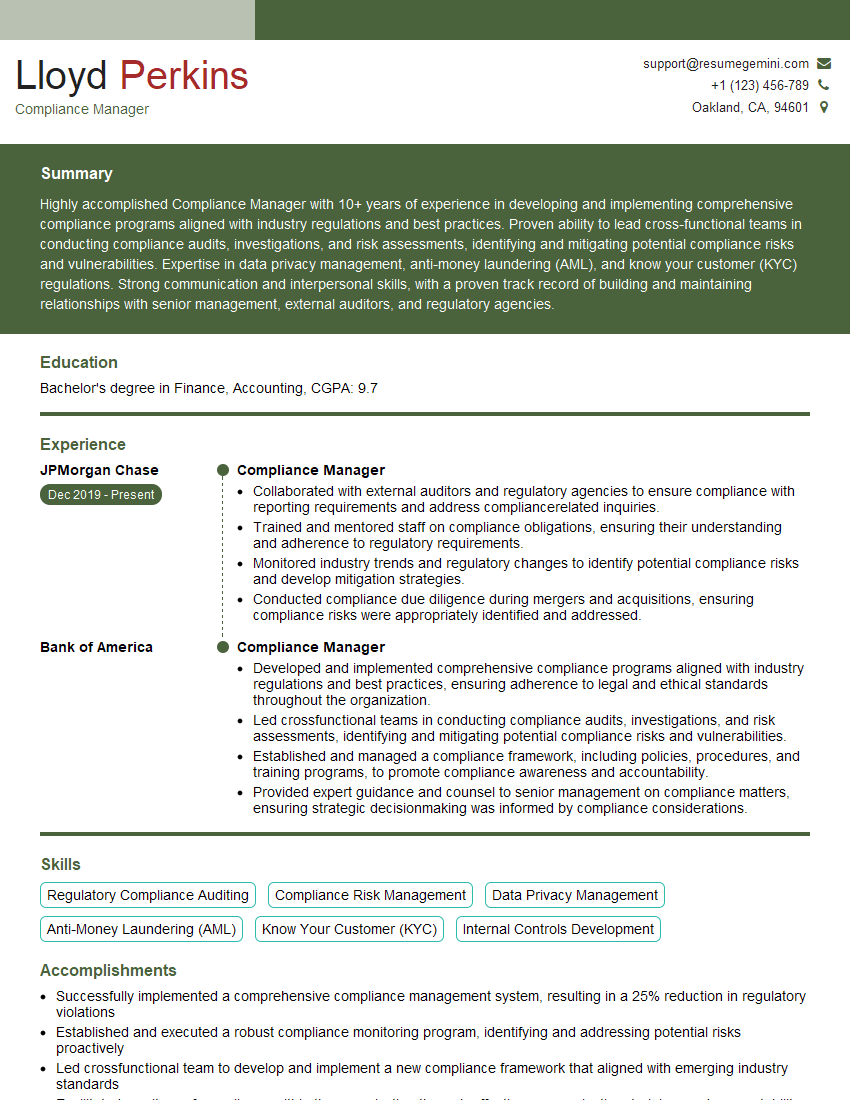
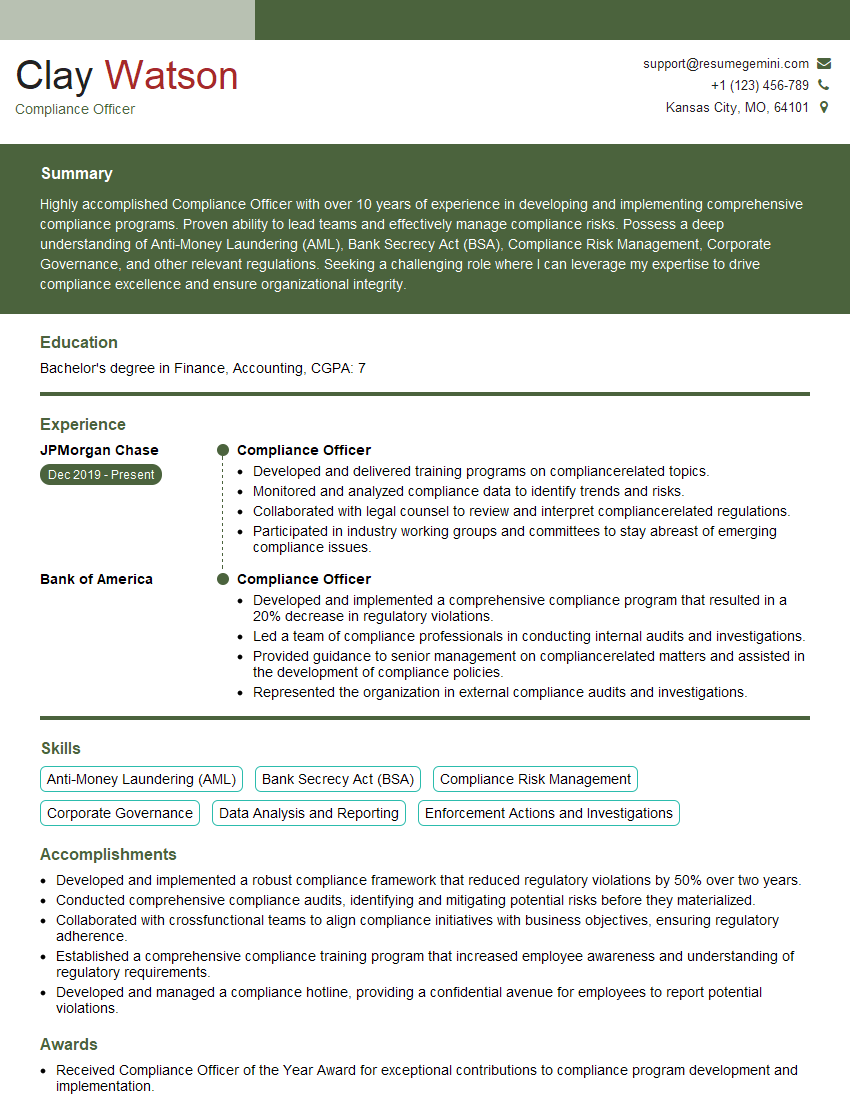
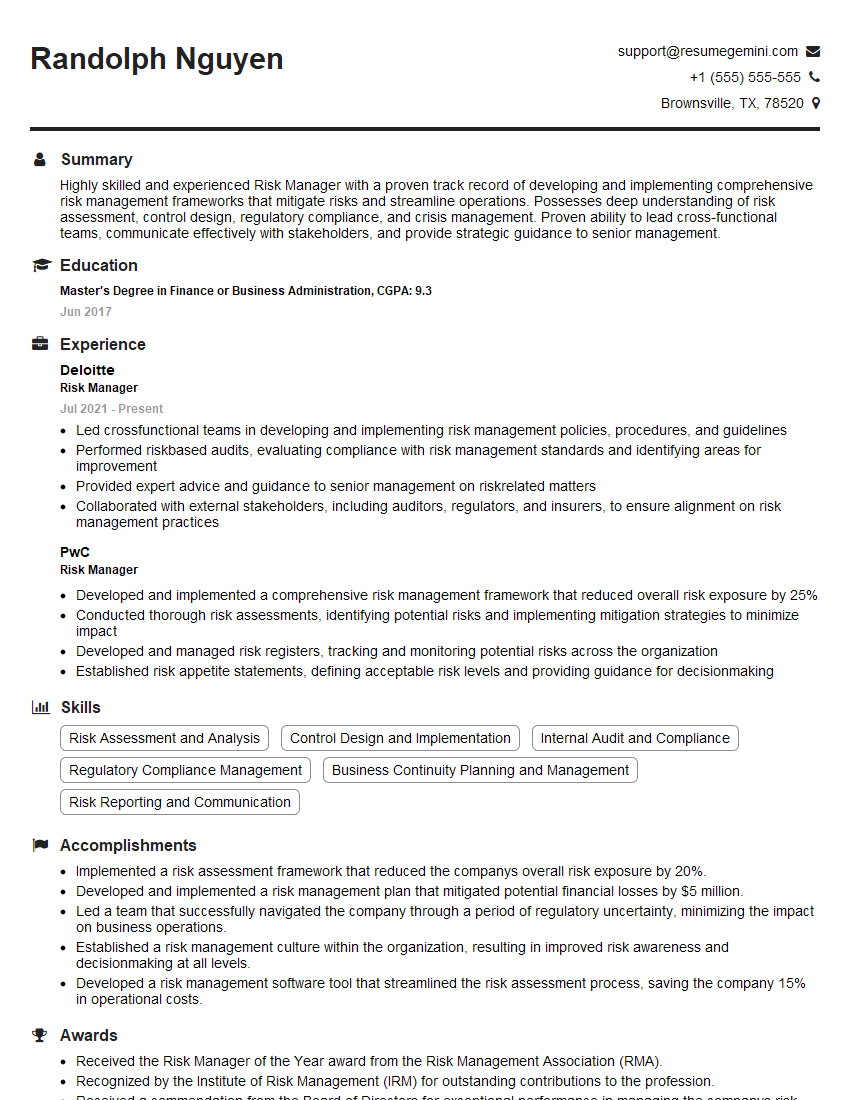
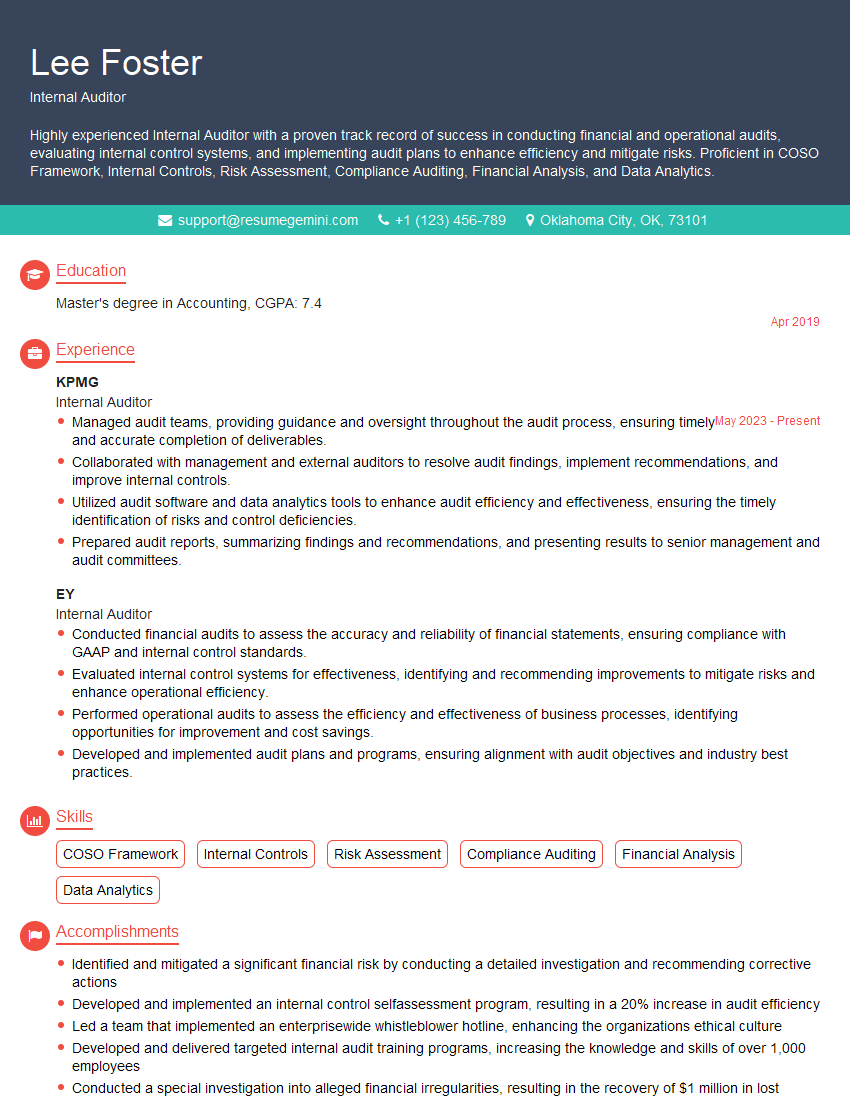
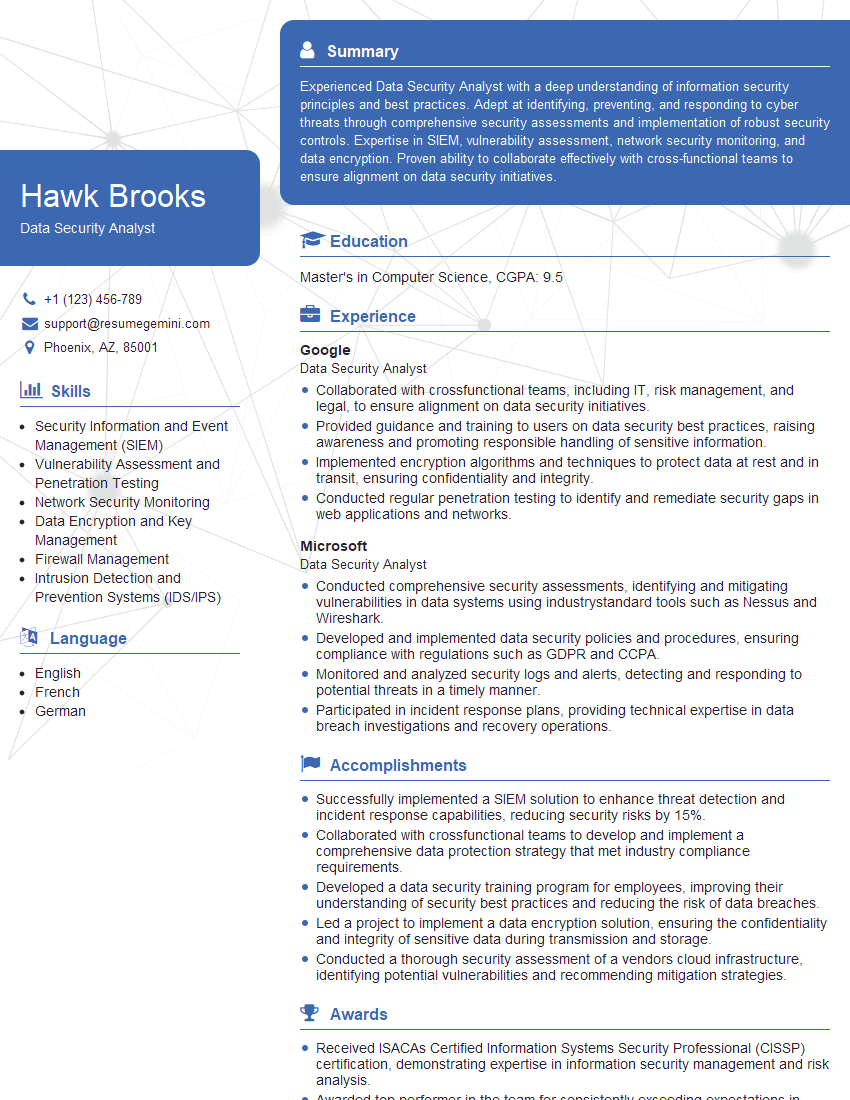
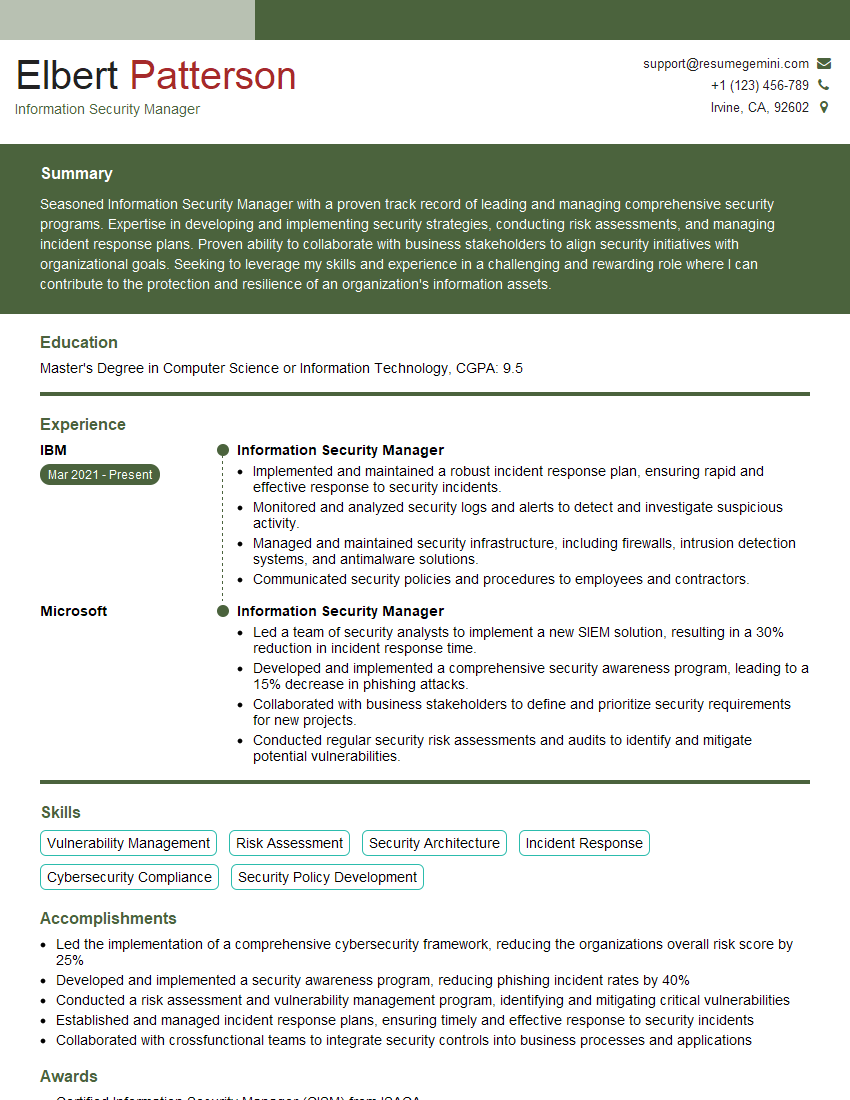
Mastering IT Governance and Compliance is crucial for career advancement in today’s dynamic IT landscape. Demonstrating a strong understanding of these concepts significantly enhances your value to prospective employers. To maximize your job prospects, create an ATS-friendly resume that highlights your relevant skills and experience. ResumeGemini is a trusted resource that can help you build a professional and impactful resume. We provide examples of resumes tailored to IT Governance and Compliance to guide you in crafting a compelling application.
Explore more articles
Users Rating of Our Blogs
Share Your Experience
We value your feedback! Please rate our content and share your thoughts (optional).
What Readers Say About Our Blog
I Redesigned Spongebob Squarepants and his main characters of my artwork.
https://www.deviantart.com/reimaginesponge/art/Redesigned-Spongebob-characters-1223583608
IT gave me an insight and words to use and be able to think of examples
Hi, I’m Jay, we have a few potential clients that are interested in your services, thought you might be a good fit. I’d love to talk about the details, when do you have time to talk?
Best,
Jay
Founder | CEO