Are you ready to stand out in your next interview? Understanding and preparing for Knowledge of the latest advancements in marine technology interview questions is a game-changer. In this blog, we’ve compiled key questions and expert advice to help you showcase your skills with confidence and precision. Let’s get started on your journey to acing the interview.
Questions Asked in Knowledge of the latest advancements in marine technology Interview
Q 1. Explain the advancements in underwater acoustic communication systems.
Advancements in underwater acoustic communication are crucial for enabling effective communication in the challenging marine environment. Historically, underwater acoustic communication was limited by low bandwidth, high latency, and susceptibility to noise and multipath propagation. However, recent developments have significantly improved this technology.
Improved Modulation Techniques: Modern systems utilize advanced modulation schemes like orthogonal frequency-division multiplexing (OFDM) to combat multipath interference and improve data rates. OFDM divides the signal into multiple sub-carriers, allowing for robust transmission even in noisy channels.
Adaptive Signal Processing: Sophisticated algorithms adapt the transmitted signal in real-time based on the changing underwater acoustic environment. This includes techniques like channel equalization and beamforming to focus the signal towards the receiver and minimize noise.
Networked Acoustic Communication: The development of underwater acoustic networks allows for communication between multiple underwater nodes, facilitating the operation of complex underwater systems like AUV swarms or underwater sensor networks. This enables cooperative tasks and data sharing.
Higher Frequency Acoustic Communication: While traditional systems primarily use lower frequencies, there’s increasing exploration of higher frequencies to achieve higher bandwidths and improved resolution. However, this also comes with reduced transmission range due to higher attenuation.
For example, imagine a team of AUVs inspecting an underwater pipeline. Networked acoustic communication allows them to share sensor data, coordinate their movements, and transmit findings back to the surface in real-time, significantly increasing efficiency and safety.
Q 2. Describe the latest developments in autonomous underwater vehicle (AUV) navigation.
AUV navigation has evolved dramatically with advancements in sensor technology and computing power. Accurate and reliable navigation in the complex underwater environment is crucial for successful missions.
Inertial Navigation Systems (INS): Highly accurate MEMS-based INS provide continuous position and orientation data, but their accuracy degrades over time due to drift.
Global Navigation Satellite Systems (GNSS): While GNSS is unavailable underwater, it can be used for surface positioning before and after dives.
Acoustic Positioning Systems: Long Baseline (LBL) and Ultra-Short Baseline (USBL) acoustic systems use underwater transponders to provide precise position updates. LBL offers high accuracy but requires a complex infrastructure, while USBL is more portable but less accurate.
Doppler Velocity Log (DVL): DVLs measure the vehicle’s velocity relative to the seabed, which is critical for dead-reckoning navigation between position fixes.
Sensor Fusion: Modern AUVs employ sensor fusion algorithms to integrate data from multiple sensors (INS, DVL, acoustic positioning, etc.) to achieve high accuracy and reliability. This involves using Kalman filters or other techniques to combine data and minimize uncertainties.
Computer Vision and AI: The increasing use of computer vision and AI enables AUVs to navigate using image-based methods such as feature matching and SLAM (Simultaneous Localization and Mapping). This allows for autonomous navigation in environments without external reference points.
Consider a scenario where an AUV needs to autonomously inspect a shipwreck. Sophisticated sensor fusion, aided by AI-driven obstacle avoidance and path planning algorithms, allows the AUV to navigate the complex, cluttered environment effectively and safely.
Q 3. Compare and contrast different types of remotely operated vehicles (ROVs) and their applications.
ROVs are remotely operated underwater vehicles, offering a versatile tool for various subsea tasks. Different types of ROVs cater to specific needs, differentiated primarily by their capabilities and application.
Work-Class ROVs: These are heavy-duty ROVs designed for complex deep-sea operations like pipeline inspection, subsea construction, and repair. They possess significant lifting capacity, high maneuverability, and can operate at considerable depths. They often include multiple manipulator arms for intricate tasks.
Observation-Class ROVs: These are smaller and lighter than work-class ROVs, primarily used for visual inspection and observation. They are more cost-effective and easier to deploy but have limited capabilities for manipulation and heavy lifting.
Inspection-Class ROVs: These fall between observation and work-class, providing a balance between inspection and some light manipulation capabilities. They are suitable for tasks requiring higher maneuverability than observation ROVs but not the heavy lifting of work-class systems.
Applications:
Work-Class: Oil and gas exploration and production, subsea cable repair, deep-sea mining.
Observation-Class: Environmental monitoring, scientific research, underwater archaeology, dam inspection.
Inspection-Class: Hull inspection of ships, bridge inspections, pipeline inspections in shallower waters.
Imagine the difference between inspecting a large offshore oil platform versus a small underwater structure. A work-class ROV would be necessary for the former with its heavy lifting capacity and precise manipulation, while an observation-class might suffice for the latter, providing cost-effective visual inspection.
Q 4. Discuss the role of artificial intelligence in marine robotics.
Artificial intelligence is revolutionizing marine robotics, enabling more autonomous, intelligent, and efficient underwater operations.
Autonomous Navigation: AI algorithms, such as reinforcement learning and deep learning, enable AUVs and ROVs to navigate complex and unstructured environments without human intervention. They can learn to avoid obstacles, plan optimal paths, and adapt to changing conditions.
Object Recognition and Classification: AI-powered computer vision systems can identify and classify objects underwater, facilitating tasks like seabed mapping, biological surveys, and anomaly detection. This can improve the efficiency and accuracy of underwater inspections.
Data Analysis and Decision Making: AI can analyze large datasets collected by underwater robots to detect patterns, anomalies, and make informed decisions. For example, AI can analyze sensor data to detect leaks in underwater pipelines or identify signs of marine life.
Cooperative Control: AI enables coordination and communication between multiple underwater robots, allowing them to work together to accomplish complex tasks. For example, a swarm of AUVs could collaboratively map a large area of the seabed more efficiently than a single vehicle.
Consider a scenario involving a search-and-rescue mission following a ship accident. An AI-powered AUV could autonomously search a large area, identify wreckage, and transmit its location to rescue teams with greater speed and efficiency than traditional methods.
Q 5. What are the current challenges and future trends in subsea engineering?
Subsea engineering faces many challenges, constantly pushing the boundaries of technology and innovation.
Extreme Environments: The deep ocean presents extreme pressures, temperatures, currents, and darkness. Designing and operating equipment that can withstand these harsh conditions is a significant challenge.
Corrosion and Biofouling: Subsea structures are subject to corrosion and biofouling (the accumulation of marine organisms), which can compromise their integrity and functionality. Developing robust materials and coatings is essential.
Connectivity and Communication: Reliable communication and data transmission in the underwater environment remain a challenge, especially in deep water. Advancements in underwater acoustic communication are crucial for addressing this.
Inspection and Repair: Inspecting and repairing subsea structures is difficult, time-consuming, and expensive. Autonomous and remotely operated vehicles are playing an increasingly important role in addressing this challenge, but sophisticated technologies and robust control systems are required.
Cost and Logistics: Subsea operations are inherently expensive and logistically complex. Reducing costs and improving efficiency are constant goals in subsea engineering.
Future Trends:
Increased Automation: Greater reliance on autonomous systems and AI for subsea operations.
Advanced Materials: Development of stronger, lighter, and more corrosion-resistant materials.
Improved Sensing and Monitoring: More advanced sensors and monitoring systems for improved data acquisition and analysis.
Sustainable Practices: Emphasis on environmentally friendly solutions and minimizing the environmental impact of subsea activities.
For example, the increasing use of autonomous inspection drones combined with advanced material science could lead to significant cost reduction and safety improvements in offshore wind farm maintenance.
Q 6. Explain the principles of underwater positioning and surveying techniques.
Underwater positioning and surveying techniques are fundamental to many subsea operations, providing accurate location data for various applications.
Acoustic Positioning Systems: These systems use sound waves to determine the position of underwater objects. Common types include:
Ultra-Short Baseline (USBL): A single transducer on the vessel measures the range and bearing to a transponder on the underwater object.
Long Baseline (LBL): Multiple transponders on the seabed provide highly accurate positioning through trilateration.
Inertial Navigation Systems (INS): Used for short-term navigation, INS tracks the movement of a vehicle, but their accuracy degrades over time.
Global Navigation Satellite Systems (GNSS): While not directly usable underwater, GNSS can be used to determine surface position before and after a dive.
Sonar: Sonar systems use sound waves to create images of the seabed or underwater objects. Side-scan sonar produces images of the seafloor, while multibeam echo sounders provide bathymetric data (water depth).
Surveying Techniques: These techniques use the above positioning systems in conjunction with other sensors to create detailed maps and models of the underwater environment. These maps can be used for various purposes, including pipeline route planning, wreck site investigation, and seabed habitat mapping.
For example, imagine constructing a new subsea pipeline. LBL systems are used to precisely position the pipeline on the seafloor, ensuring it avoids obstacles and complies with environmental regulations. Sonar systems simultaneously map the seafloor to aid in the planning and execution of the project.
Q 7. Describe the latest advancements in marine renewable energy technologies.
Marine renewable energy technologies harness the power of the oceans to generate clean energy. Several promising advancements are transforming this sector.
Tidal Energy: Tidal stream turbines and tidal barrages capture the kinetic energy of ocean currents and tides to generate electricity. Advancements focus on improving turbine efficiency, durability in harsh marine conditions, and reducing environmental impact.
Wave Energy: Wave energy converters (WECs) capture the energy of ocean waves through various mechanisms, including oscillating water columns, point absorbers, and overtopping devices. Recent advancements include improved energy conversion efficiency and enhanced survivability in extreme wave conditions.
Ocean Thermal Energy Conversion (OTEC): OTEC utilizes the temperature difference between warm surface water and cold deep water to generate electricity. Advancements in heat exchanger technology are making OTEC increasingly efficient and cost-effective.
Offshore Wind Energy: Floating offshore wind turbines are becoming increasingly important as they can be deployed in deeper waters with stronger and more consistent winds. Advancements in turbine design, mooring systems, and grid integration are crucial for this technology.
For example, the development of more durable and efficient wave energy converters, combined with improved grid integration, could lead to widespread adoption of wave energy as a reliable and sustainable source of electricity. Similarly, improvements in floating offshore wind turbine technologies will be critical to meeting the world’s growing demand for renewable energy.
Q 8. How are drones being used in marine applications?
Drones, or Unmanned Aerial Vehicles (UAVs), are revolutionizing marine applications. Their versatility allows for a wide range of uses, from surveying and monitoring to search and rescue operations. Imagine a scenario where a large oil spill occurs: drones equipped with high-resolution cameras can quickly assess the extent of the damage, providing critical data for cleanup efforts. This is far faster and safer than traditional methods.
- Surveying and Mapping: Drones equipped with LiDAR (Light Detection and Ranging) and high-resolution cameras create detailed maps of coastlines, underwater structures, and marine habitats. This is invaluable for coastal management, infrastructure planning, and environmental monitoring.
- Search and Rescue: Their aerial perspective makes them ideal for locating vessels in distress or searching for survivors after accidents. Thermal imaging capabilities can be particularly useful in low-light conditions.
- Inspection and Maintenance: Offshore platforms and vessels can be inspected more efficiently and safely using drones, reducing the need for risky manual inspections. They can identify corrosion, damage, or other issues that may require immediate attention.
- Anti-poaching and Fisheries Management: Drones are proving effective in monitoring illegal fishing activities and protecting endangered marine species. Their ability to cover vast areas quickly and discreetly enhances surveillance capabilities.
The use of drones is significantly reducing costs and risks associated with traditional marine operations, improving efficiency, and providing valuable data for informed decision-making.
Q 9. Discuss the impact of big data analytics on marine research and operations.
Big data analytics is transforming marine research and operations. The sheer volume of data collected from various marine sensors, satellites, and vessels is immense. Analyzing this data reveals patterns and insights that would be impossible to discern manually. Imagine a fisheries management scenario: analyzing historical catch data alongside environmental variables like water temperature and salinity can help predict fish stocks and optimize fishing quotas for sustainability.
- Predictive Modeling: Big data allows for the development of sophisticated models to predict weather patterns, ocean currents, and the movement of marine life. This is crucial for navigation, fisheries management, and disaster preparedness.
- Improved Safety: Analyzing vessel traffic data can identify potential collision risks and improve navigational safety. This is similar to how GPS and traffic flow applications work on land, but scaled to the marine environment.
- Environmental Monitoring: Analyzing data from various sensors can provide insights into ocean health, pollution levels, and the impact of climate change. This enables targeted interventions for pollution cleanup and the preservation of marine ecosystems.
- Optimized Operations: Analyzing data from vessels can optimize fuel consumption, reduce maintenance costs, and improve operational efficiency. For example, real-time data on ocean currents can help captains optimize routes, saving fuel and time.
The key to leveraging big data is the development and application of advanced analytical techniques such as machine learning and artificial intelligence, allowing us to make sense of the vast quantities of information and translate it into actionable insights.
Q 10. Explain the principles of marine hydrodynamics and their applications in vessel design.
Marine hydrodynamics is the study of how fluids (water) behave and interact with marine structures and vessels. Understanding these principles is essential for designing efficient and safe ships. Think of a sailboat: its shape is carefully designed to harness the power of the wind and water, maximizing speed and maneuverability.
- Resistance and Propulsion: Hydrodynamic principles determine the resistance a vessel encounters as it moves through the water. Efficient hull designs minimize this resistance, reducing fuel consumption and increasing speed. The design of propellers and other propulsion systems is also heavily influenced by hydrodynamics.
- Stability and Maneuverability: Hydrodynamic forces affect the stability and maneuverability of a vessel. The shape and size of the hull, along with the location of the center of gravity, determine how easily a vessel can be steered and its resistance to capsizing.
- Wave-Structure Interaction: Understanding how waves interact with vessels is critical for designing structures that can withstand the forces of the sea, particularly in extreme weather conditions. This understanding prevents structural damage and improves safety.
- Computational Fluid Dynamics (CFD): Modern vessel design relies heavily on CFD, which uses computer simulations to model the flow of water around a vessel. This allows engineers to test different designs virtually before constructing a physical prototype, saving time and resources.
In essence, marine hydrodynamics is the foundation of efficient and safe vessel design, ensuring that ships and other marine structures can operate effectively and safely in a dynamic fluid environment.
Q 11. What are the different types of sensors used in marine monitoring systems?
Marine monitoring systems rely on a diverse array of sensors to gather data about the ocean and its inhabitants. These sensors range from simple temperature gauges to sophisticated underwater imaging systems. Consider the importance of monitoring water quality: sensors continuously track parameters like temperature, salinity, and dissolved oxygen levels, providing crucial insights into the health of marine ecosystems.
- Temperature Sensors: Measure water temperature at various depths, providing data for climate studies and biological research.
- Salinity Sensors: Measure the salt concentration in seawater, influencing marine life and ocean currents.
- Dissolved Oxygen Sensors: Monitor oxygen levels crucial for marine life and ecosystem health.
- pH Sensors: Measure the acidity of the water, indicating potential pollution or environmental changes.
- Turbidity Sensors: Measure water clarity, reflecting sediment load and overall water quality.
- Acoustic Sensors (Sonar): Used for mapping the seafloor, detecting underwater objects, and studying marine life through sound waves.
- Optical Sensors: Include underwater cameras and spectrometers, providing visual data and information on water composition.
- Current Meters: Measure the speed and direction of ocean currents.
The data collected by these sensors is vital for scientific research, environmental monitoring, navigation, and various other marine operations.
Q 12. Describe the latest advancements in marine corrosion prevention techniques.
Marine corrosion is a significant challenge, costing billions annually. Preventing it requires a multi-pronged approach. Think about the rust on an old car: similar processes affect marine structures, leading to costly repairs and potential safety hazards.
- Protective Coatings: Applying specialized paints and coatings creates a barrier between the metal and the corrosive seawater. These coatings are formulated to resist degradation and provide long-term protection.
- Cathodic Protection: This electrochemical technique uses sacrificial anodes (metals that corrode more readily than the structure being protected) to prevent corrosion. The anode sacrifices itself, protecting the main structure. Think of it as a ‘shield’ for the marine structure.
- High-Strength Alloys: Using alloys with enhanced corrosion resistance reduces the susceptibility of marine structures to degradation. These materials are carefully engineered to withstand harsh marine conditions.
- Regular Inspection and Maintenance: Early detection of corrosion is crucial. Regular inspections, often aided by drones or underwater robots, help identify issues before they become major problems.
- Advanced Materials: Research is ongoing into new materials with enhanced corrosion resistance, including composites and polymer-based coatings.
The choice of corrosion prevention techniques depends on factors like the type of material, the marine environment, and the cost-effectiveness of different methods.
Q 13. Explain the principles of underwater welding and its challenges.
Underwater welding is a specialized technique used to repair or construct structures in submerged environments. It’s a challenging process due to the unique conditions and safety concerns. Imagine welding underwater pipelines: the process must account for water pressure, visibility issues, and the potential for currents to affect the weld quality.
- Types of Underwater Welding: Common methods include wet welding (performed directly underwater) and dry welding (where a dry environment is created around the weld). Wet welding uses specialized electrodes and techniques to counteract the effects of water. Dry welding involves creating a temporary dry chamber or using a bell that surrounds the weld area.
- Challenges:
- Reduced Visibility: Working underwater significantly reduces visibility, making precision welding difficult.
- Water Pressure: High water pressure affects the welding process, requiring specialized equipment and techniques.
- Safety: Underwater welding is inherently dangerous, and divers must adhere to strict safety protocols.
Underwater welding requires highly skilled personnel and meticulous planning to ensure the safety and quality of the weld.
Q 14. Discuss the environmental impact of marine technology and mitigation strategies.
Marine technology, while offering significant benefits, also has environmental impacts. The construction, operation, and disposal of marine vessels and infrastructure can lead to pollution and habitat disruption. Consider the impact of large container ships: their emissions contribute to air pollution, and accidental spills can have devastating consequences for marine life.
- Noise Pollution: The noise generated by ships and other marine equipment can disrupt marine animal communication and behavior.
- Water Pollution: Spills of oil, chemicals, and other pollutants can have devastating effects on marine ecosystems.
- Habitat Disruption: Construction of offshore structures and dredging can damage sensitive marine habitats.
- Greenhouse Gas Emissions: The operation of ships and other marine vehicles contributes to greenhouse gas emissions, exacerbating climate change.
Mitigation Strategies:
- Cleaner Fuels: Transitioning to cleaner fuels like liquefied natural gas (LNG) can reduce greenhouse gas emissions.
- Waste Management: Implementing stringent waste management practices to prevent pollution from ships and offshore structures.
- Sustainable Vessel Design: Designing ships and other marine structures with reduced environmental impact in mind.
- Regulations and Enforcement: Stricter regulations and enforcement of environmental protection laws are essential.
- Technological Advancements: Investing in research and development of environmentally friendly marine technologies.
A balanced approach is needed to harness the benefits of marine technology while minimizing its environmental footprint.
Q 15. How is 3D printing being used in marine applications?
3D printing, or additive manufacturing, is revolutionizing marine applications by enabling the creation of complex, lightweight, and customized parts. Think of it like a super-powered, underwater LEGO factory. Instead of traditional subtractive methods (like carving from a block), 3D printing builds objects layer by layer from a digital design.
- Prototyping: Designers can rapidly create and test prototypes of new components, such as propeller blades or underwater vehicle parts, before committing to expensive tooling. This significantly reduces design time and cost.
- Repair and Maintenance: Onboard 3D printers can be used to create replacement parts in remote locations, drastically reducing downtime. Imagine a fishing vessel needing a specific gear component; a 3D printer could generate a replacement in hours, preventing costly delays.
- Customizable Designs: The flexibility of 3D printing allows for the creation of highly customized parts tailored to specific needs. For example, creating specialized housing for underwater sensors or intricate structures for marine habitats.
- Lightweight Structures: 3D printing can generate complex lattice structures that are incredibly strong yet lightweight, ideal for marine applications where weight is a critical factor, like in underwater drones or autonomous vehicles.
- Materials Innovation: The technology is constantly evolving to utilize marine-grade materials like titanium alloys and high-performance polymers, increasing the durability and longevity of 3D-printed components.
For example, a company might use 3D printing to create a custom impeller for a specific type of water pump used in a desalination plant, optimizing its performance and efficiency.
Career Expert Tips:
- Ace those interviews! Prepare effectively by reviewing the Top 50 Most Common Interview Questions on ResumeGemini.
- Navigate your job search with confidence! Explore a wide range of Career Tips on ResumeGemini. Learn about common challenges and recommendations to overcome them.
- Craft the perfect resume! Master the Art of Resume Writing with ResumeGemini’s guide. Showcase your unique qualifications and achievements effectively.
- Don’t miss out on holiday savings! Build your dream resume with ResumeGemini’s ATS optimized templates.
Q 16. What are the safety protocols associated with operating ROVs and AUVs?
Operating Remotely Operated Vehicles (ROVs) and Autonomous Underwater Vehicles (AUVs) demands stringent safety protocols to ensure both the equipment and personnel are protected. These protocols encompass pre-dive checks, operational procedures, and emergency responses.
- Pre-dive Inspections: A thorough inspection of the ROV/AUV is critical before each deployment. This includes checking all systems, including cameras, thrusters, sensors, and communication links. A detailed checklist should be used and signed off by the operator and a supervisor.
- Emergency Procedures: Establishing clear emergency protocols is crucial. These include procedures for loss of communication, equipment malfunctions, and entanglement. Every operator must be thoroughly trained on these procedures and participate in regular drills.
- Communication Systems: Reliable communication between the surface support vessel and the underwater vehicle is essential. Redundant communication systems are often employed to account for potential failures. Acoustic modems are often used for deeper deployments.
- Environmental Monitoring: Before deploying an ROV/AUV, the environmental conditions should be assessed. This includes water currents, visibility, temperature, and the presence of any potential hazards.
- Personnel Training: Operators must receive comprehensive training on the operation and maintenance of the ROV/AUV, as well as safety procedures. This includes theoretical knowledge and hands-on experience under simulated and real-world conditions.
- Geographic limitations and navigation protocols: Operators need to be aware of any restrictions on operating in specific locations. This includes awareness of protected areas, restricted zones, and the potential presence of other maritime traffic.
Failure to follow these protocols can lead to equipment damage, loss of data, and even injury to personnel. For example, a lack of communication protocols could cause a costly ROV to get lost or damaged if a tether fails.
Q 17. Describe the role of marine simulation in training and operations.
Marine simulation plays a crucial role in both training and operational decision-making. It provides a safe and cost-effective environment to practice complex maneuvers and emergency responses before facing real-world scenarios. Think of it as a flight simulator for the maritime world.
- Crew Training: Simulators allow trainees to experience a wide range of situations, from routine navigation to emergency response scenarios, such as fire, flooding, and collisions. This hands-on experience improves crew competence and reduces the risk of human error in real-world operations.
- Vessel Design and Optimization: Simulators can be used to test different vessel designs and operational strategies. This allows for the optimization of vessel performance, fuel efficiency, and safety procedures, potentially leading to significant cost savings and improved operational effectiveness.
- Port and Harbor Management: Simulators help train port personnel and optimize port operations by simulating vessel traffic, berthing procedures, and emergency responses in the harbor environment. This improves efficiency and safety in busy ports.
- Environmental impact assessment: Marine simulators can be used to study and minimize the environmental impact of maritime activities. This is done by simulating different scenarios, such as oil spill response, ballast water management, and vessel waste disposal practices.
A prime example is the use of simulators to train captains in handling vessels in challenging weather conditions. This allows them to practice their skills without the risks and costs associated with real-world practice in severe weather.
Q 18. Explain the principles of marine seismic surveying.
Marine seismic surveying involves using sound waves to map the subsurface geology of the ocean floor. This is crucial for oil and gas exploration, as well as for understanding the geological processes shaping our planet. It’s like taking an underwater X-ray of the earth.
The process typically involves:
- Sound Source: An air gun array or other sound source generates powerful sound waves that penetrate the seabed.
- Wave Propagation: These waves travel through different layers of sediment and rock, reflecting and refracting at the boundaries between layers.
- Hydrophones: Arrays of hydrophones (underwater microphones) receive the reflected and refracted sound waves.
- Data Processing: The time it takes for the sound waves to travel to and from the reflectors is recorded, and sophisticated software processes this data to create a 3D image of the subsurface geology.
The different layers reflect and refract the sound waves at different speeds, allowing scientists to identify changes in rock type and structure, indicating potential hydrocarbon reservoirs or other geological features. This technique provides crucial information for safe and efficient offshore drilling and resource management.
Q 19. How are marine materials science advancements impacting vessel design and construction?
Advancements in marine materials science are leading to significant improvements in vessel design and construction. This involves creating materials that are stronger, lighter, more durable, and more resistant to corrosion and biofouling. This is akin to creating a super-ship that’s both efficient and eco-friendly.
- High-Strength Steels and Alloys: New high-strength steels and alloys allow for lighter weight vessels, reducing fuel consumption and increasing cargo capacity.
- Composite Materials: Composite materials like carbon fiber reinforced polymers (CFRP) are increasingly used in vessel construction due to their high strength-to-weight ratio, improved corrosion resistance, and design flexibility.
- Self-Healing Materials: Research into self-healing materials offers the potential to reduce maintenance costs and extend the lifespan of vessels by automatically repairing minor damage.
- Anti-Fouling Coatings: Improved anti-fouling coatings reduce the accumulation of marine organisms on the hull, reducing drag and improving fuel efficiency. This also minimizes the environmental impact associated with biofouling.
- Corrosion-Resistant Coatings and Alloys: The use of advanced corrosion-resistant materials and coatings extends the lifespan of vessels and minimizes the need for costly repairs.
For example, the use of CFRP in high-speed ferries allows for a significant reduction in weight, leading to better fuel efficiency and enhanced performance.
Q 20. Discuss the use of virtual and augmented reality in marine training and maintenance.
Virtual Reality (VR) and Augmented Reality (AR) are transforming marine training and maintenance. VR immerses users in a simulated environment, while AR overlays digital information onto the real world. This technology enables realistic and engaging training experiences, improving knowledge retention and operational efficiency.
- VR for Training: VR allows trainees to experience realistic simulations of various marine scenarios, including navigation, emergency response, and equipment operation. This hands-on experience significantly improves training effectiveness and reduces the reliance on expensive and potentially risky real-world training.
- AR for Maintenance: AR can overlay digital instructions and schematics onto real equipment, guiding technicians through complex maintenance and repair procedures. This reduces downtime, minimizes errors, and improves safety. Think of it as having a digital expert guide you through each step of the repair process.
- Collaborative VR Training: Multiple trainees can participate in simulated scenarios together, improving teamwork and communication skills. This approach replicates real-world team dynamics in a safe and controlled environment.
- AR for Remote Expert Support: AR can be used to connect technicians on-site with remote experts, allowing the experts to see what the technicians see and provide real-time guidance during complex repairs.
Imagine using AR glasses to see a 3D model of a ship’s engine overlaid on the actual engine during maintenance; this allows technicians to access real-time information and follow interactive instructions, making complex repairs significantly easier.
Q 21. Explain the advancements in underwater imaging and sensor technology.
Advancements in underwater imaging and sensor technology are constantly pushing the boundaries of our ability to explore and understand the ocean. This involves developing higher-resolution cameras, more sensitive sensors, and more sophisticated data processing techniques. It’s like giving us super-powered vision and hearing underwater.
- High-Resolution Cameras: Developments in high-resolution cameras and imaging systems provide increasingly detailed views of the underwater environment. This is particularly relevant for marine archaeology, biological research, and underwater infrastructure inspection.
- Sonar Technology: Improved sonar systems allow for better mapping of the seabed, detection of objects, and monitoring of marine life. This includes advancements in side-scan sonar, multibeam sonar, and synthetic aperture sonar.
- Optical Sensors: Sophisticated optical sensors can measure various parameters, including water clarity, temperature, salinity, and the presence of specific chemicals. This is vital for environmental monitoring and understanding oceanographic processes.
- Acoustic Sensors: Advanced acoustic sensors are used to monitor marine life, detect underwater sounds, and measure water currents. This is crucial for marine mammal research, oceanographic studies, and navigational safety.
- Data Processing and Analysis: Sophisticated algorithms and artificial intelligence (AI) are used to process and analyze the vast amount of data collected by underwater sensors, allowing for efficient detection, classification, and interpretation of underwater features and events.
For example, high-resolution cameras coupled with advanced AI algorithms can automate the identification and classification of marine species in underwater videos, accelerating marine biodiversity research significantly.
Q 22. What are the challenges in maintaining and repairing subsea infrastructure?
Maintaining and repairing subsea infrastructure presents unique challenges due to the harsh and inaccessible environment. The immense pressure, corrosive saltwater, strong currents, and often extreme depths create significant obstacles.
- Accessibility: Reaching the infrastructure requires specialized Remotely Operated Vehicles (ROVs) or Autonomous Underwater Vehicles (AUVs), which can be expensive to deploy and operate. Repairs often necessitate the use of divers, posing risks to human safety.
- Corrosion and Biofouling: Saltwater is highly corrosive, and marine organisms readily attach to subsea structures (biofouling), degrading materials and reducing efficiency. Regular inspections and specialized coatings are essential but only partially effective.
- Repair Complexity: Repairs are intricate and require skilled personnel and specialized equipment. Subsea welding, for instance, is far more complex than above-water welding, demanding sophisticated techniques and robust safety protocols.
- Environmental Concerns: Repair operations must minimize environmental impact. Oil spills or accidental damage to sensitive marine ecosystems must be avoided through careful planning and mitigation strategies. This involves strict adherence to environmental regulations and best practices.
- Cost: The combination of specialized equipment, skilled labor, and the inherent risks involved makes subsea maintenance and repair incredibly expensive.
For example, repairing a damaged pipeline on the seabed can require mobilization of a specialized vessel, ROV deployment, and potentially the use of hyperbaric welding techniques, resulting in significant downtime and costs.
Q 23. How are global positioning systems (GPS) and other navigational aids utilized in marine operations?
Global Positioning Systems (GPS) and other navigational aids are crucial for safe and efficient marine operations. They provide precise location data, enabling vessels to navigate accurately, avoid collisions, and optimize routes.
- GPS: Provides latitude and longitude coordinates, allowing vessels to determine their precise location. Differential GPS (DGPS) enhances accuracy by correcting for GPS errors.
- Electronic Chart Display and Information Systems (ECDIS): Integrates GPS data with electronic charts, providing a real-time picture of a vessel’s position relative to navigational hazards like shoals, reefs, and other vessels.
- Automatic Identification System (AIS): Allows vessels to automatically broadcast their position, course, speed, and other information to other vessels and shore-based stations. This improves situational awareness and collision avoidance.
- Radar: Detects other vessels and obstacles, even in low visibility conditions. Modern radar systems use advanced signal processing to provide clear and detailed images.
- Gyrocompass: Provides accurate heading information, independent of magnetic interference. Essential for maintaining accurate course in all weather conditions.
Consider a large container ship navigating a busy port. GPS and ECDIS work in concert to allow the captain to maintain a precise course, avoiding collisions with other vessels, navigational buoys, and port structures. AIS alerts the captain to the proximity of other ships, increasing safety.
Q 24. Describe the role of remote sensing in marine environmental monitoring.
Remote sensing plays a vital role in marine environmental monitoring by providing a cost-effective way to collect vast amounts of data over large areas. It involves using sensors and instruments to monitor various aspects of the marine environment without direct physical contact.
- Satellite Imagery: Provides broad-scale data on ocean surface temperature, chlorophyll concentration (indicating phytoplankton blooms), sea level changes, and the extent of sea ice.
- Aerial Surveys: Use airborne sensors to collect high-resolution data on coastal zones, mapping habitats and monitoring changes in coastal ecosystems.
- Autonomous Underwater Vehicles (AUVs): Equipped with various sensors, AUVs can collect detailed data on water quality, temperature, salinity, and marine life distribution in the water column.
- Sonar: Used to map the seabed, identify underwater features, and monitor changes in marine habitats such as coral reefs.
For example, remote sensing can be used to track the movement of oil spills after an accident, allowing for a quicker and more efficient response to minimize environmental damage. Similarly, monitoring changes in chlorophyll concentration over time can help scientists understand the health of marine ecosystems and the impact of climate change.
Q 25. What are the ethical considerations surrounding the development and use of marine technology?
The development and use of marine technology raise several ethical considerations. These need careful consideration to ensure responsible innovation and sustainable practices.
- Environmental Impact: Marine technology can disturb marine ecosystems through noise pollution (from sonar or seismic surveys), habitat destruction (from deep-sea mining), and pollution from ship traffic or accidental spills. Mitigation strategies are crucial.
- Data Privacy: The increasing use of sensors and data collection raises concerns about the privacy of information gathered, especially relating to fishing activities or vessel movements.
- Resource Exploitation: Deep-sea mining presents a significant ethical dilemma as it can severely disrupt deep-sea ecosystems. The balance between economic gain and environmental protection must be carefully assessed.
- Access and Equity: The benefits of marine technology must be shared equitably. Developed nations shouldn’t dominate access to advanced technology, potentially disadvantaging less developed countries.
- Military Applications: Autonomous underwater vehicles could have military applications with implications for international relations and potentially leading to an underwater arms race.
Ethical frameworks and regulations are needed to guide the development and deployment of marine technology, ensuring it is used sustainably and responsibly for the benefit of humanity and the protection of the marine environment.
Q 26. Explain the advancements in marine antifouling technologies.
Advancements in marine antifouling technologies focus on minimizing the growth of marine organisms on ship hulls and other submerged structures. Biofouling increases drag, reduces fuel efficiency, and can spread invasive species.
- Biocide-Free Coatings: The use of toxic biocides, like tributyltin (TBT), has been phased out due to their severe environmental impacts. Researchers are developing biocide-free coatings that use physical or chemical methods to prevent attachment. Examples include coatings with textured surfaces that make it difficult for organisms to settle, or coatings that release controlled amounts of non-toxic substances.
- Ultrasonic Technology: High-frequency sound waves can deter the attachment of biofouling organisms. This technology is still under development but shows promise for reducing biofouling.
- Electromagnetic Fields: Some studies explore the use of electromagnetic fields to prevent biofouling. This approach is still in its early stages of research and development.
- Improved Hull Design: Optimizing hull design can reduce the areas where biofouling readily attaches, minimizing its impact. This might involve smooth surfaces or features that promote water flow.
- Regular Cleaning: Combining advanced coatings with regular hull cleaning remains a cost-effective way to minimize biofouling. Methods include underwater hull cleaning using robots or divers.
The transition to sustainable antifouling technologies is a crucial step in minimizing environmental impact and improving the efficiency of marine vessels. The focus is now on environmentally friendly methods that reduce the reliance on toxic substances.
Q 27. Discuss the role of data visualization in marine operations and research.
Data visualization is essential in marine operations and research for transforming complex datasets into easily understandable formats, making it easier to identify trends, patterns, and anomalies.
- Navigation and Route Planning: ECDIS systems use visual representations of charts, vessel positions, and navigational hazards to improve safety and efficiency.
- Environmental Monitoring: Maps and charts can display water quality parameters, marine organism distribution, and ocean currents, helping scientists to identify pollution hotspots, areas of biodiversity, or oceanographic features.
- Predictive Modeling: Visualizations of weather forecasts, ocean currents, and sea ice can help to predict potential risks to navigation or the spread of pollutants.
- Fisheries Management: Visualizations of fish stocks, fishing effort, and marine protected areas assist in making informed decisions about sustainable fishing practices.
- Research and Analysis: Data visualization tools help researchers to explore and analyze large datasets, identify correlations, and communicate findings effectively to a wider audience.
Imagine a marine biologist studying the spread of a harmful algal bloom. Using data visualization, they can create a map showing the bloom’s extent over time, enabling them to track its progression and predict its potential impact on marine life and coastal communities. This helps inform public health and environmental management strategies.
Q 28. How are blockchain technologies being explored within the maritime industry?
Blockchain technology, known for its secure and transparent record-keeping, is being explored within the maritime industry for several applications.
- Cargo Tracking: Blockchain can provide a tamper-proof record of a cargo’s journey, from origin to destination, improving transparency and reducing the risk of fraud or theft. Each step in the supply chain can be recorded on the blockchain, making it easily auditable.
- Supply Chain Management: The entire supply chain, including documentation, payments, and customs processes, can be streamlined and secured through blockchain.
- Digital Documentation: Shipping documents, like bills of lading, can be digitized and stored on a blockchain, reducing paperwork and improving efficiency. This can significantly reduce the amount of time needed for clearance.
- Vessel Verification: Blockchain could be used to verify a ship’s compliance with regulations, reducing paperwork and fraud. This could simplify compliance checks by port authorities.
- Insurance and Finance: Blockchain could improve claims processing and risk management in the maritime insurance sector.
By providing a secure and transparent platform for recording transactions and tracking goods, blockchain technology has the potential to transform the maritime industry, improving efficiency, reducing fraud, and enhancing trust between stakeholders.
Key Topics to Learn for Knowledge of the latest advancements in marine technology Interview
- Autonomous Navigation Systems: Understand the principles behind autonomous vessels, including sensor fusion, AI-powered decision-making, and collision avoidance systems. Consider the practical implications for safety, efficiency, and environmental impact.
- Renewable Energy Integration: Explore the latest advancements in wind, solar, and wave energy technologies for marine applications. Discuss their potential to reduce reliance on fossil fuels and minimize the carbon footprint of maritime operations. Analyze the challenges in integrating these systems effectively.
- Subsea Robotics and Remotely Operated Vehicles (ROVs): Familiarize yourself with the capabilities of advanced ROVs and AUVs, including their applications in underwater inspection, maintenance, and repair. Discuss the challenges associated with deep-sea operations and the role of advanced materials and control systems.
- Advanced Materials in Marine Construction: Learn about the use of composite materials, high-strength steels, and other advanced materials in ship construction and offshore structures. Analyze their impact on durability, weight reduction, and cost-effectiveness.
- Digital Twin Technology in Maritime: Explore how digital twins are used for vessel design, performance monitoring, and predictive maintenance. Understand the benefits and limitations of this technology in optimizing operations and reducing downtime.
- Marine Data Analytics and IoT: Understand how data collected from various sensors onboard vessels and offshore platforms is used for improved efficiency, safety, and decision-making. Discuss the role of big data analytics and machine learning in the maritime industry.
- Environmental Monitoring and Sustainability: Familiarize yourself with the latest technologies for monitoring ocean health, reducing pollution, and promoting sustainable marine practices. Consider the role of marine technology in mitigating climate change.
Next Steps
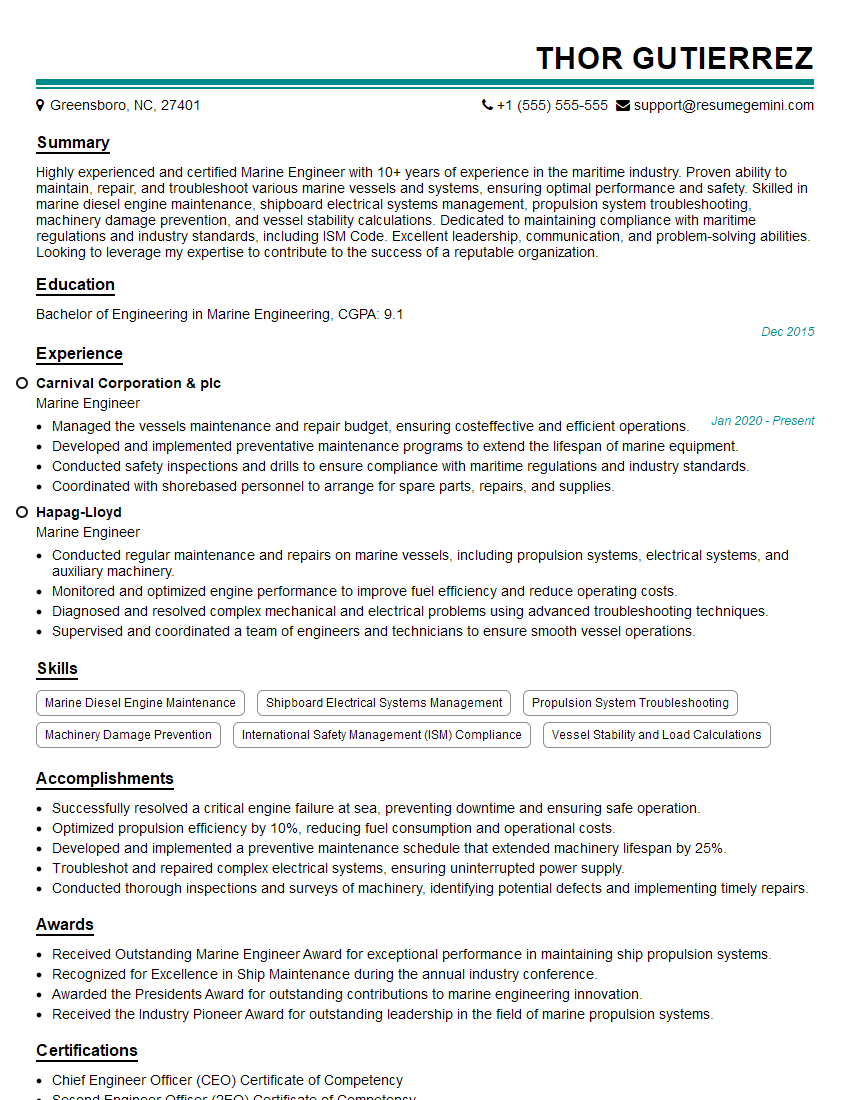
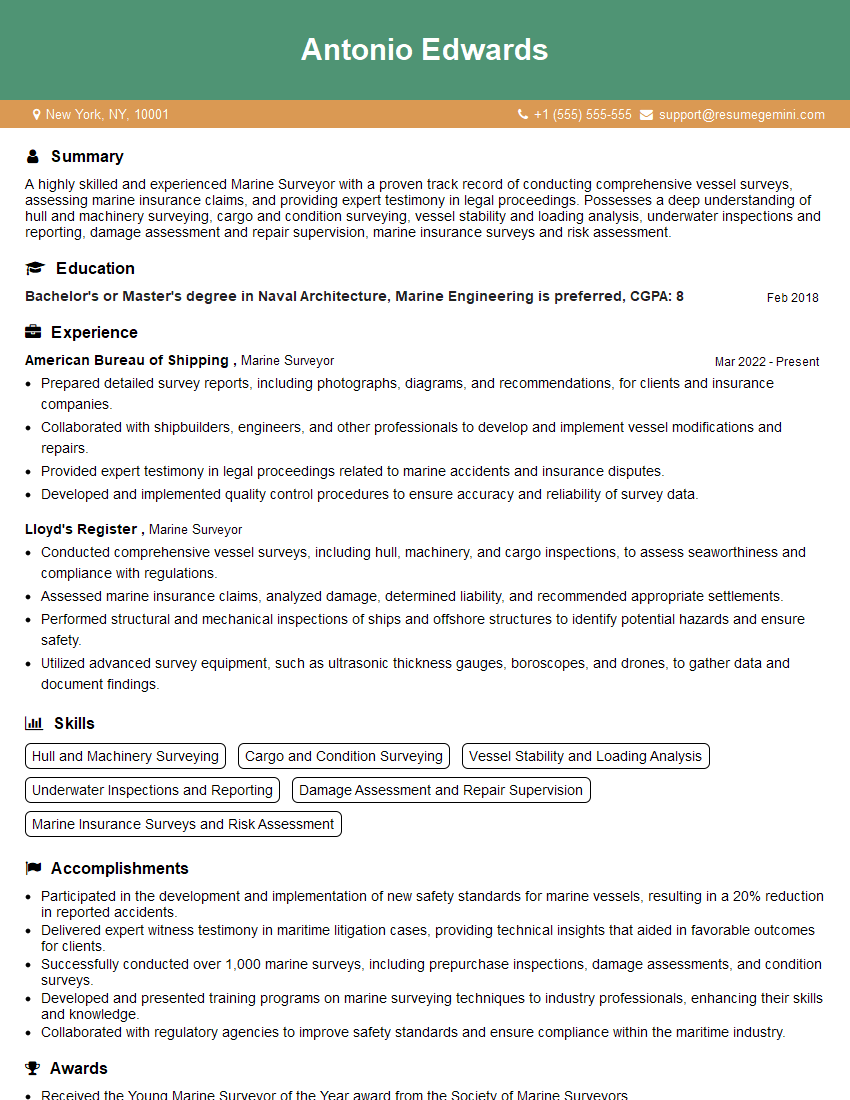
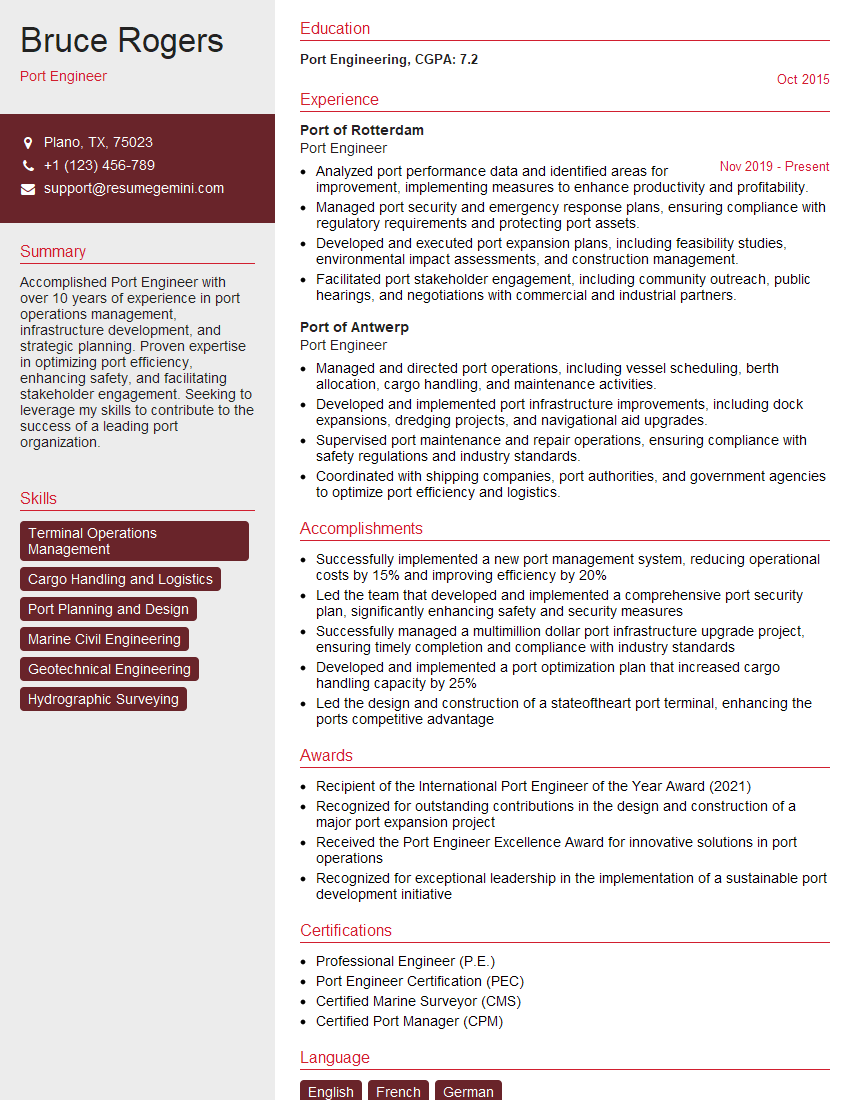
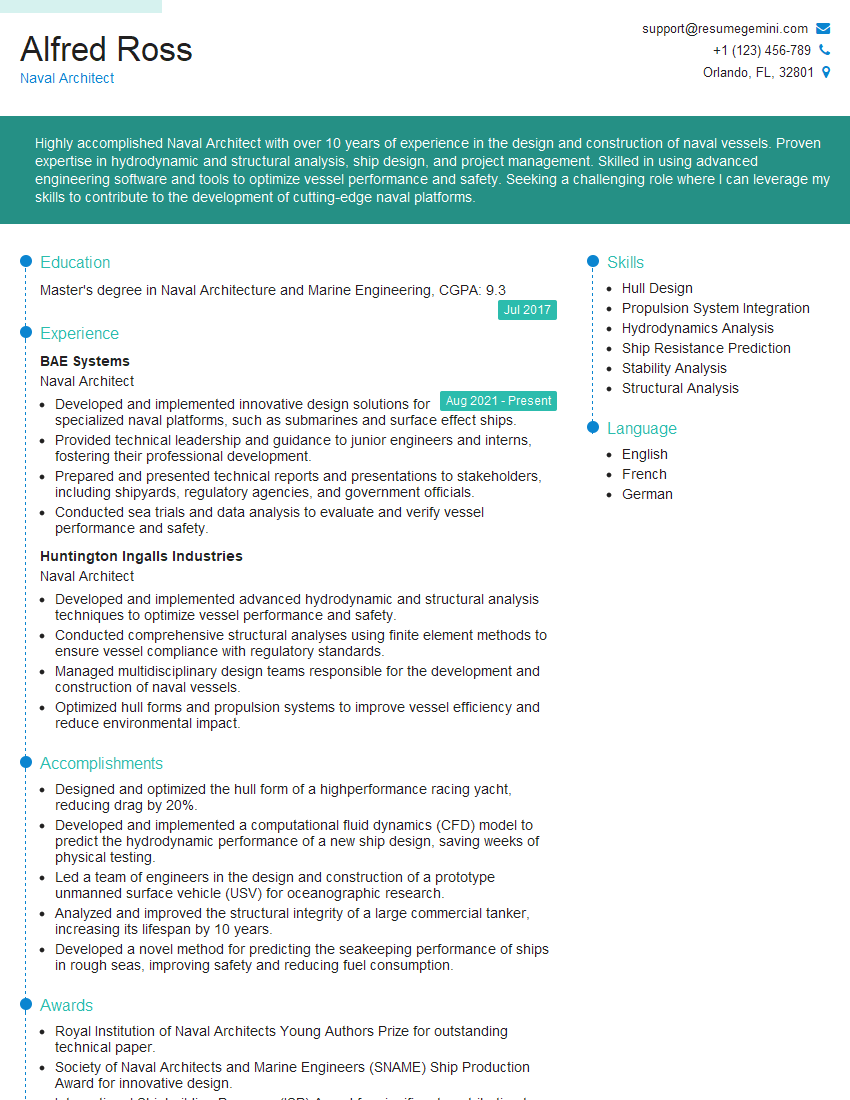
Mastering knowledge of the latest advancements in marine technology is crucial for career progression in this dynamic field. A strong understanding of these technologies will set you apart from other candidates and demonstrate your commitment to innovation. To maximize your job prospects, create an ATS-friendly resume that effectively highlights your skills and experience. ResumeGemini is a trusted resource that can help you build a professional and impactful resume tailored to the specific requirements of marine technology roles. Examples of resumes tailored to showcase expertise in the latest advancements in marine technology are available to guide your resume creation process.
Explore more articles
Users Rating of Our Blogs
Share Your Experience
We value your feedback! Please rate our content and share your thoughts (optional).
What Readers Say About Our Blog
I Redesigned Spongebob Squarepants and his main characters of my artwork.
https://www.deviantart.com/reimaginesponge/art/Redesigned-Spongebob-characters-1223583608
IT gave me an insight and words to use and be able to think of examples
Hi, I’m Jay, we have a few potential clients that are interested in your services, thought you might be a good fit. I’d love to talk about the details, when do you have time to talk?
Best,
Jay
Founder | CEO