Cracking a skill-specific interview, like one for Multiple Intelligences Theory, requires understanding the nuances of the role. In this blog, we present the questions you’re most likely to encounter, along with insights into how to answer them effectively. Let’s ensure you’re ready to make a strong impression.
Questions Asked in Multiple Intelligences Theory Interview
Q 1. Define Multiple Intelligences Theory (MI Theory).
Multiple Intelligences Theory (MI Theory), proposed by Howard Gardner, suggests that human intelligence is not a single, general ability, but rather a collection of distinct, independent intelligences. Instead of a single IQ score, individuals possess varying strengths and weaknesses across these different intelligences. This means someone might excel in musical intelligence but struggle with logical-mathematical intelligence, and vice-versa. This theory challenges the traditional view of intelligence, offering a more nuanced and comprehensive understanding of human cognitive abilities.
Q 2. Who is Howard Gardner and what is his contribution to MI Theory?
Howard Gardner is a renowned cognitive psychologist and developmental psychologist. His groundbreaking work, Frames of Mind: The Theory of Multiple Intelligences, revolutionized our understanding of intelligence. His central contribution is the MI Theory itself, which posits that individuals possess different types of intelligences, rather than a single, general intelligence. This has profoundly impacted education, business, and personal development, leading to more inclusive and personalized approaches to learning and working.
Q 3. List and briefly describe the eight intelligences proposed by Gardner.
Gardner’s MI Theory proposes eight intelligences:
- Linguistic Intelligence: Sensitivity to spoken and written language, the ability to learn languages, and the capacity to use language to accomplish certain goals (e.g., writers, poets, lawyers).
- Logical-Mathematical Intelligence: Capacity to analyze problems logically, carry out mathematical operations, and investigate issues scientifically (e.g., mathematicians, scientists, programmers).
- Spatial Intelligence: Potential to recognize and use the patterns of wide space and more confined areas (e.g., architects, artists, navigators).
- Bodily-Kinesthetic Intelligence: Abilities to control one’s body movements and to handle objects skillfully (e.g., dancers, athletes, surgeons).
- Musical Intelligence: Skill in the performance, composition, and appreciation of musical patterns (e.g., musicians, composers, music therapists).
- Interpersonal Intelligence: Capacity to understand the intentions, motivations, and desires of other people (e.g., teachers, social workers, salespeople).
- Intrapersonal Intelligence: Capacity to understand oneself, to appreciate one’s feelings, fears, and motivations (e.g., theologians, writers, psychologists).
- Naturalist Intelligence: Ability to recognize, categorize, and draw upon certain features of the environment (e.g., biologists, environmentalists, farmers).
Q 4. How can MI Theory inform curriculum design?
MI Theory significantly impacts curriculum design by advocating for differentiated instruction. Instead of a ‘one-size-fits-all’ approach, educators can design lessons that cater to the diverse intelligences of their students. For example, a history lesson might involve writing essays (linguistic), creating timelines (logical-mathematical), building models (spatial), role-playing historical events (bodily-kinesthetic), composing a song about a historical period (musical), group discussions (interpersonal), reflective journaling (intrapersonal), and analyzing environmental impact (naturalist). This approach ensures all students can engage with the material in ways that resonate with their strengths.
Q 5. Explain the difference between MI Theory and learning styles.
While both MI Theory and learning styles address individual differences in learning, they differ fundamentally. MI Theory focuses on the different kinds of intelligence an individual possesses, suggesting innate cognitive abilities. Learning styles, on the other hand, address preferred methods of learning, such as visual, auditory, or kinesthetic. Someone might be highly intelligent linguistically (MI Theory) but prefer a visual learning style (learning styles). Essentially, MI Theory looks at *what* you are good at, while learning styles look at *how* you best learn.
Q 6. How can teachers differentiate instruction using MI Theory?
Teachers can differentiate instruction using MI Theory by providing diverse learning activities that tap into different intelligences. For instance, when teaching about the solar system, they could:
- Have students write poems about planets (linguistic).
- Create models of the solar system (spatial).
- Act out the roles of planets (bodily-kinesthetic).
- Compose a song about planetary motion (musical).
- Work in groups to research different planets (interpersonal).
- Keep a personal journal reflecting on their learning (intrapersonal).
- Research the impact of asteroids on Earth’s ecosystem (naturalist).
By offering a variety of activities, teachers cater to the diverse learning preferences and strengths within their classroom.
Q 7. Describe a practical application of MI Theory in a workplace setting.
In a workplace setting, MI Theory can be applied to team building and task assignment. Understanding employees’ diverse intelligences helps managers create effective teams and allocate tasks efficiently. For example, a project requiring creative problem-solving might benefit from individuals strong in spatial and interpersonal intelligences, while a data analysis project would best utilize logical-mathematical intelligence. Recognizing these strengths allows for optimal task delegation, resulting in increased productivity and employee satisfaction. It can also inform training and development programs, providing tailored support to enhance individual skills.
Q 8. How can MI Theory be used to improve team dynamics?
Multiple Intelligences (MI) Theory, proposed by Howard Gardner, suggests that human intelligence is not a single, general ability, but rather a collection of distinct intelligences. Applying this to team dynamics means recognizing and leveraging the diverse strengths of each team member. Instead of assuming everyone learns and contributes in the same way, we can create a more collaborative and productive environment by understanding individual preferences and strengths.
Diverse Task Assignment: Assign tasks based on individual intelligences. For example, a team member strong in linguistic intelligence could handle written reports, while someone with spatial intelligence could design presentations.
Communication Strategies: Tailor communication styles to suit different intelligences. For a team member who learns best visually, use diagrams and charts; for one who’s kinesthetic, incorporate hands-on activities.
Conflict Resolution: Understanding individual intelligence profiles can help mediate conflicts more effectively. Addressing the root cause of a disagreement, considering diverse perspectives, might necessitate considering different communication styles.
Team Building Activities: Design team-building activities that cater to a variety of intelligences. This could include brainstorming sessions (linguistic), problem-solving games (logical-mathematical), or creative projects (spatial, musical).
For example, a marketing team might include a member excelling in interpersonal intelligence to build client relationships, another with strong intrapersonal intelligence to develop strategic plans independently, and a third with strong logical-mathematical intelligence for data analysis.
Q 9. What are some common misconceptions about MI Theory?
Several misconceptions surround MI Theory. One is that it suggests individuals possess only one dominant intelligence. In reality, everyone possesses a unique profile of intelligences, with some strengths being more pronounced than others. Another misconception is that MI Theory implies a ranking system where some intelligences are more valuable than others. All intelligences are equally important, and their relative strengths depend on the context.
Myth: Labeling individuals with only one dominant intelligence.
Reality: Individuals possess a unique profile of intelligences.
Myth: Some intelligences are superior to others.
Reality: All intelligences are valuable and contribute differently depending on the context.
Myth: MI Theory suggests abandoning traditional teaching methods.
Reality: MI theory enhances and supplements existing teaching methods.
For instance, believing someone is ‘only’ musically intelligent neglects their potential contributions in other areas. The theory encourages a holistic view of individual capabilities, not a reductionist one.
Q 10. What are the limitations of MI Theory?
While MI Theory is influential, it has limitations. One is the lack of robust empirical evidence to fully support the distinctness of all proposed intelligences. The operational definition and measurement of intelligences can also be challenging, leading to inconsistencies in assessment and interpretation. Additionally, the theory’s practical application can be complex, requiring significant resources and training for effective implementation.
Lack of Empirical Evidence: The theory relies more on observation and logical argument than on definitive empirical research to confirm the independence of all intelligences.
Assessment Challenges: Developing reliable and valid assessments for each intelligence remains a challenge.
Implementation Complexity: Designing instruction to fully cater to all intelligences is resource-intensive and demands teacher training.
In essence, while the theory offers a valuable framework, its limitations require careful consideration during practical application. Simply labeling a child as ‘visually intelligent’ without providing a tailored learning experience is not enough.
Q 11. How can assessments be used to identify individual intelligences?
Identifying individual intelligences involves a multifaceted approach. While there’s no single definitive test, a combination of methods provides a more comprehensive understanding. This includes self-assessments, observational methods, and performance-based assessments.
Self-Report Questionnaires: These questionnaires ask individuals to rate their abilities and preferences across different intelligences. These provide a subjective but insightful starting point.
Observational Assessments: Educators and professionals can observe students or employees in various settings, noting their strengths and preferences in different activities.
Performance-Based Assessments: These assessments involve tasks that require different intelligences. For example, solving a complex problem (logical-mathematical), creating a presentation (spatial), or writing a story (linguistic).
Combining these methods creates a more complete picture. For example, a self-assessment might suggest strong linguistic intelligence, which could be confirmed by observing excellent written communication and confirmed through a performance-based task requiring a written essay. It’s important to remember that these are indicators, not definitive labels.
Q 12. Discuss the ethical considerations of using MI Theory in education.
Ethical considerations when using MI Theory in education are crucial. Labeling students based on their perceived intelligence profile can lead to stereotyping and self-fulfilling prophecies. It’s important to avoid reducing individuals to a single intelligence profile and instead focus on nurturing all intelligences. Equitable access to resources and opportunities for developing diverse intelligences should also be ensured.
Avoiding Stereotyping: Ensure that assessments and subsequent teaching strategies avoid pigeonholing students. Each individual is more than their strongest intelligence.
Promoting Inclusive Education: All students should have equal access to resources and opportunities that cater to diverse intelligences.
Transparency and Informed Consent: Students (or their parents) should be informed about how MI assessments are used and have a say in the process.
Confidentiality: Assessment results should be kept confidential and used only for appropriate educational purposes.
For example, labeling a student as predominantly kinesthetic might lead to neglecting development of other intelligences. The goal is to leverage understanding of intelligences to support holistic growth, not limit opportunities based on perceived strengths and weaknesses.
Q 13. Explain how MI Theory can be used to address learning difficulties.
MI Theory can be particularly helpful in addressing learning difficulties by identifying strengths that can be leveraged to compensate for weaknesses. For example, a student struggling with reading (linguistic intelligence) might excel in hands-on activities (kinesthetic intelligence). By understanding the student’s learning profile, educators can create a more supportive learning environment, utilizing multiple modalities and approaches.
Differentiated Instruction: Adapt teaching methods to cater to individual learning styles. This could involve using visual aids, hands-on activities, group work, or technology, depending on the student’s profile.
Strengths-Based Approach: Build on existing strengths to support learning in weaker areas. For instance, use a student’s musical intelligence to aid in memorization of historical facts.
Collaborative Learning: Encourage peer learning, where students with different strengths can help each other.
A student with dyslexia might struggle with reading but demonstrate exceptional spatial reasoning abilities. By incorporating visual learning materials and hands-on projects, educators can address their reading difficulties while still engaging their spatial intelligence. This allows for a more personalized and supportive learning experience.
Q 14. How can MI Theory be used to promote creativity and innovation?
MI Theory can foster creativity and innovation by providing a framework for exploring diverse approaches to problem-solving and idea generation. By recognizing and valuing different ways of thinking and expressing ideas, we can create an environment where creativity flourishes. Different intelligences contribute in unique ways to the creative process.
Brainstorming Techniques: Utilize various brainstorming techniques that tap into different intelligences. For example, visual brainstorming (spatial), musical brainstorming (rhythmic), or narrative brainstorming (linguistic).
Multi-Modal Projects: Encourage projects that integrate multiple intelligences, such as creating a multimedia presentation, composing music with visuals, or designing a game with a narrative.
Diverse Collaboration: Teams with diverse intelligence profiles are more likely to generate innovative solutions. Different perspectives and approaches contribute to richer outcomes.
Imagine a product design team employing individuals with spatial intelligence for design, interpersonal intelligence for market research and user feedback, and logical-mathematical intelligence for technical analysis. This diversity will lead to more innovative and user-friendly product designs.
Q 15. How would you assess a student’s linguistic intelligence?
Linguistic intelligence, or word smart, involves sensitivity to spoken and written language, the ability to learn languages, and the capacity to use language to accomplish certain goals. Assessing a student’s linguistic intelligence goes beyond simply looking at their grades in English class. It involves observing their abilities across various contexts.
- Observational Assessment: Observe how fluently they speak and write, their vocabulary richness, their storytelling abilities, their ability to understand and use complex sentence structures, and their engagement with literature and creative writing.
- Formal Assessments: Use standardized reading comprehension tests, writing samples with prompts focusing on different writing styles (narrative, persuasive, expository), and vocabulary assessments. Analyzing their writing style— are they creative, precise, persuasive? — can provide insights.
- Informal Assessments: Engage students in discussions, debates, and presentations to gauge their communication skills. Ask them to explain complex concepts in simple terms, to summarize stories, or to create poems or songs. Look for their ease and creativity with language.
For example, a student might excel in debates, write compelling stories, or easily learn new languages, demonstrating strong linguistic intelligence. Conversely, a student might struggle with written expression but show exceptional oral communication skills. The key is to assess diverse aspects of language use.
Career Expert Tips:
- Ace those interviews! Prepare effectively by reviewing the Top 50 Most Common Interview Questions on ResumeGemini.
- Navigate your job search with confidence! Explore a wide range of Career Tips on ResumeGemini. Learn about common challenges and recommendations to overcome them.
- Craft the perfect resume! Master the Art of Resume Writing with ResumeGemini’s guide. Showcase your unique qualifications and achievements effectively.
- Don’t miss out on holiday savings! Build your dream resume with ResumeGemini’s ATS optimized templates.
Q 16. How would you foster logical-mathematical intelligence in a classroom?
Logical-mathematical intelligence, often called number smart, involves the capacity to analyze problems logically, carry out mathematical operations, and investigate issues scientifically. Fostering this intelligence in the classroom requires creating an environment that encourages critical thinking, problem-solving, and pattern recognition.
- Problem-solving activities: Incorporate puzzles, riddles, logic games, and brain teasers into lessons. These can be tailored to various subjects. For example, a history class might involve analyzing timelines and cause-and-effect relationships, while a science class might use experiments requiring data analysis.
- Hands-on activities: Students actively engaging with materials enhances understanding. Using manipulatives (blocks, counters) for mathematical concepts helps visualize abstract ideas. Science experiments that require data collection and analysis are also crucial.
- Pattern recognition exercises: Present students with sequences, patterns, or numerical relationships to identify and explain. This could involve coding exercises or simply identifying patterns in nature. For instance, the Fibonacci sequence or analyzing musical notation from a mathematical perspective.
- Real-world applications: Connect mathematical concepts to everyday life. For example, calculating the cost of groceries, estimating distances, or analyzing data from sports statistics.
Think of it like building a house: each mathematical concept is a brick, and problem-solving activities help students build the structure brick by brick, fostering a stronger foundation in logical-mathematical thinking.
Q 17. How can you leverage spatial intelligence in a design project?
Spatial intelligence, or picture smart, refers to the capacity to think in three dimensions. In design projects, leveraging this intelligence is key to creating effective and aesthetically pleasing products.
- Visual aids and models: Encourage the use of sketches, diagrams, and 3D models to visualize designs. Software like SketchUp or Tinkercad can aid in this process.
- Mind mapping and brainstorming sessions: These help students visually organize their ideas and explore different design possibilities.
- Real-world applications: Connect the design project to tangible objects and spaces. For example, designing a model house, a playground, or a furniture piece could enhance understanding and engagement.
- Creative exploration: Allow students to experiment with different materials and techniques to express their spatial ideas.
Imagine designing a new city park. Students could use spatial intelligence to create a 3D model, visualizing the layout, pathways, and placement of features like benches and play structures. This hands-on approach strengthens their understanding and fosters creativity.
Q 18. How can you support students with strong bodily-kinesthetic intelligence?
Bodily-kinesthetic intelligence, or body smart, involves the capacity to use one’s whole body or parts of the body to solve problems or create products. Supporting students with this strength requires creating opportunities for hands-on learning and movement.
- Hands-on activities and experiments: Science experiments, building projects, and art projects that involve physical manipulation are ideal. Think about using clay to build models, constructing robots, or performing experiments.
- Movement-based learning: Incorporate movement and physical activity into lessons. This could include role-playing, acting out historical events, or using charades to learn vocabulary.
- Kinesthetic learning strategies: Use techniques like flashcards, physical simulations, or dance to illustrate concepts.
- Adapt teaching methods: Tailor lessons to allow for physical expression and active participation. Allow students to move around the classroom while working on group projects.
For instance, teaching the solar system could involve building a scale model, acting out the planetary orbits, or using a physical representation of the planets to visualize their relative sizes and distances. This allows the student to learn through physical engagement and movement.
Q 19. How can musical intelligence be integrated into a lesson plan?
Musical intelligence, or music smart, is the capacity to recognize, create, reproduce, and reflect on music. Integrating it into a lesson plan can enhance memory, engagement, and understanding.
- Using music to introduce concepts: Start lessons with a relevant song or musical piece to create a stimulating atmosphere and engage students. For instance, a song about the solar system can help introduce the planets.
- Composing songs or raps: Have students create songs or raps to summarize information or explain concepts. This is particularly effective for memorizing facts or processes.
- Using musical instruments: Incorporate musical instruments into activities to enhance rhythm and timing in activities like math or language drills.
- Analyzing musical structures: Explore the structure of music to show parallels with other subjects, like the patterns in mathematics or the rhythmic nature of language.
Think of teaching the periodic table: a catchy tune about the elements could improve memorization. The rhythmic repetition of musical phrases can help students internalize information effectively.
Q 20. How can interpersonal intelligence be developed in a team setting?
Interpersonal intelligence, or people smart, is the ability to understand and interact effectively with others. Developing this in a team setting involves fostering communication, collaboration, and empathy.
- Collaborative projects: Engage students in group projects that require teamwork, communication, and negotiation. This allows them to learn from each other and build consensus.
- Role-playing and simulations: Use role-playing to simulate real-world scenarios where interpersonal skills are essential. This could involve solving problems or engaging in conflict resolution.
- Team building activities: Include icebreakers, team-building games, and discussions to enhance communication and trust within the team.
- Feedback and reflection: Encourage students to provide and receive feedback on their teamwork skills. Reflection on their group dynamics will aid in self-improvement.
For example, a group project requiring the design and construction of a model bridge necessitates cooperation, conflict resolution, and effective communication between team members, ultimately strengthening their interpersonal skills.
Q 21. How can intrapersonal intelligence be nurtured in individuals?
Intrapersonal intelligence, or self-smart, is the capacity to understand oneself, one’s feelings, and one’s motivations. Nurturing this involves fostering self-awareness, self-reflection, and self-regulation.
- Journaling and reflective writing: Encourage students to keep journals to reflect on their learning experiences, feelings, and goals. This promotes self-awareness and emotional regulation.
- Self-assessment activities: Provide opportunities for students to assess their strengths and weaknesses, and set goals for self-improvement. This helps them develop a deeper understanding of their learning style and preferences.
- Mindfulness and meditation exercises: Introduce mindfulness techniques to help students focus on the present moment and understand their thoughts and feelings.
- Independent learning projects: Allow students to pursue individual projects based on their interests. This fosters self-directed learning and self-motivation.
A student might keep a journal reflecting on their progress on a challenging project. This introspection helps them identify their learning barriers and create strategies for overcoming them. This self-awareness is a crucial aspect of intrapersonal intelligence.
Q 22. How can naturalist intelligence be utilized in environmental studies?
Naturalist intelligence, one of the multiple intelligences proposed by Howard Gardner, refers to a person’s ability to recognize, categorize, and draw upon patterns found in nature. In environmental studies, this intelligence is invaluable. Students with strong naturalist intelligence excel at observing, identifying, and classifying plants, animals, and ecosystems. They possess a deep understanding of ecological relationships and readily grasp complex environmental concepts.
- Field research: Naturalist intelligence is crucial for fieldwork, enabling students to meticulously collect data, identify species, and analyze environmental patterns in their natural settings. Think of a student effortlessly identifying various bird species by their song or a student effortlessly analyzing soil composition based on its texture and color.
- Data analysis: They often excel at interpreting environmental data, recognizing trends and patterns in biodiversity, pollution levels, or climate change indicators. Imagine a student quickly identifying a correlation between deforestation and local rainfall patterns from collected data.
- Conservation efforts: Their innate ability to understand natural systems makes them effective advocates for conservation and sustainability. For example, a student may design a compelling presentation showcasing the interdependence of various species in an ecosystem to advocate for its preservation.
Q 23. How do you adapt teaching strategies to accommodate diverse intelligences?
Adapting teaching to accommodate diverse intelligences requires a multifaceted approach. The core principle is to present information and assess learning in multiple ways, catering to different learning styles. Instead of a ‘one-size-fits-all’ lecture, we should embrace a variety of methodologies.
- Varied instructional methods: Incorporate visual aids (for visual learners), hands-on activities (kinesthetic learners), group discussions (interpersonal learners), and individual projects (intrapersonal learners). For example, use colorful charts and diagrams for visual learners, interactive simulations for kinesthetic learners, and debates for interpersonal learners.
- Diverse assessment strategies: Move beyond traditional written exams. Utilize presentations, portfolios, projects, and performance-based assessments. For instance, allow students to demonstrate understanding through a multimedia presentation, a scientific experiment, or a piece of artwork related to the subject matter.
- Individualized learning plans: Recognize that students have different strengths and weaknesses. Work with each student to develop a personalized learning plan that caters to their dominant intelligences. This could involve assigning projects that align with their preferred learning style, or offering extra support in areas where they struggle.
- Differentiated instruction: Design lessons that offer various pathways to learning the same material. For instance, students might learn about the same historical event by reading primary sources (linguistic), analyzing maps (spatial), or role-playing historical figures (interpersonal).
Q 24. What are the strengths and weaknesses of using MI Theory in professional development?
Multiple Intelligences Theory (MI Theory) offers valuable insights for professional development, but it also has limitations.
Strengths:
- Enhanced self-awareness: MI Theory encourages professionals to reflect on their own learning styles and preferences, leading to improved self-management and learning strategies.
- Improved teaching and training: It promotes the development of diverse and engaging teaching methods, catering to a wider range of learning styles and improving overall training effectiveness.
- Increased motivation and engagement: By tapping into individuals’ strengths, MI Theory can boost motivation and engagement in professional development activities.
Weaknesses:
- Lack of empirical evidence: While intuitively appealing, there’s limited robust scientific evidence to definitively support the distinctness and independence of the multiple intelligences proposed by Gardner.
- Difficulty in assessment: Accurately assessing a person’s intelligence profile based on MI Theory can be challenging and subjective.
- Oversimplification: The theory might oversimplify the complexity of human intelligence, neglecting the intricate interplay between different cognitive abilities.
Q 25. Describe a scenario where MI Theory was successfully implemented.
In a high school science class, a teacher utilized MI Theory to teach about the water cycle. Recognizing that students possessed various strengths, she implemented several activities: visual learners created diagrams, kinesthetic learners built a model of the water cycle, logical-mathematical learners worked on calculations involving water volume, and naturalist learners conducted a small-scale experiment observing water evaporation.
The result was remarkable. Students actively participated, showcasing their understanding in ways that resonated with their individual learning styles. The class’s comprehension of the water cycle significantly improved, demonstrating the successful integration of MI theory.
Q 26. How would you handle a situation where a student exhibits a lack of interest in a specific subject?
When a student shows disinterest in a subject, it’s crucial to understand the underlying reason. It’s not simply about the subject matter itself, but how it is presented. We need to find a connection to their strengths.
- Identify the student’s dominant intelligences: Use informal assessments, observe their behavior in class, and engage in conversations to uncover their preferred learning styles and strengths.
- Connect the subject to their interests: Find ways to relate the subject matter to their hobbies, passions, or real-world applications. For example, if a student loves video games, connect math concepts to game design principles.
- Provide alternative learning experiences: If a student struggles with traditional lectures, offer alternative learning experiences, such as hands-on activities, group projects, or multimedia presentations.
- Set realistic goals and offer positive reinforcement: Break down large tasks into smaller, manageable steps, celebrating even small achievements to build confidence and maintain motivation.
- Collaborate with parents or guardians: Keeping open communication channels with parents or guardians to understand the student’s learning environment outside of the classroom is vital for holistic support.
Q 27. How can you use MI theory to personalize learning experiences?
Personalizing learning experiences using MI Theory involves tailoring instruction to meet individual needs based on their dominant intelligences.
- Curriculum design: Design units of study that integrate multiple learning styles. Instead of relying solely on lectures, incorporate visual aids, interactive games, hands-on experiments, music, writing activities, and opportunities for group collaboration depending on identified student intelligences.
- Project-based learning: Offer students choice in their project assignments, allowing them to showcase their understanding using their preferred intelligence. For example, a student strong in musical intelligence might compose a song about the topic, while a student strong in spatial intelligence might create a 3D model.
- Technology integration: Use educational technology to enhance the learning experience. Apps and software catering to various intelligences can support individualized learning. For example, mind-mapping software for visual-spatial learners, interactive simulations for kinesthetic learners, and online collaboration platforms for interpersonal learners.
- Differentiated assessment: Allow for diverse modes of assessment. Students might demonstrate their understanding through presentations, essays, artwork, or practical applications depending on their preferred intelligence.
Q 28. Discuss the role of technology in enhancing the learning experience based on MI theory.
Technology plays a pivotal role in enhancing learning experiences based on MI Theory. It allows educators to create engaging and personalized learning environments catering to diverse learning styles.
- Interactive simulations and virtual reality: For kinesthetic learners, these technologies provide immersive experiences, allowing them to actively participate and manipulate elements in a virtual environment. Imagine a student dissecting a virtual frog without harming a real one, or exploring the inside of a volcano without physical risk.
- Multimedia presentations and videos: These are highly beneficial for visual and linguistic learners. Animations, videos, and interactive presentations can enhance understanding and engagement by appealing to multiple senses.
- Online collaborative platforms: Platforms that facilitate group projects and communication are ideal for interpersonal learners. They allow students to work together, share ideas, and contribute to a common goal.
- Adaptive learning software: These programs adjust to individual learning paces and styles, providing personalized feedback and support based on student performance. This can be especially beneficial for students who learn at different rates or have specific learning needs.
- Educational apps and games: Numerous educational apps and games are designed to target specific intelligences. For example, apps focusing on vocabulary building for linguistic intelligence, or puzzle games for logical-mathematical intelligence.
Key Topics to Learn for Multiple Intelligences Theory Interview
- Gardner’s Eight Intelligences: Understand the core principles of linguistic, logical-mathematical, spatial, bodily-kinesthetic, musical, interpersonal, intrapersonal, and naturalistic intelligences. Be prepared to discuss the strengths and limitations of each.
- Practical Applications in Education: Explore how Multiple Intelligences Theory informs diverse teaching methodologies and learning styles. Consider examples of adapting curriculum to cater to various intelligence profiles.
- Assessing and Identifying Intelligences: Familiarize yourself with different assessment methods used to identify individual strengths and weaknesses across the various intelligences. Discuss the ethical considerations involved in such assessments.
- Implications for Workplace Dynamics: Analyze how understanding Multiple Intelligences can improve team collaboration, communication, and leadership strategies within diverse work environments. Consider specific scenarios.
- Strengths and Criticisms of the Theory: Be prepared to discuss both the supporting evidence and criticisms of Multiple Intelligences Theory. This demonstrates a comprehensive understanding.
- Integrating Multiple Intelligences in Problem-Solving: Discuss how understanding different intelligence profiles can lead to more creative and effective problem-solving approaches. Provide examples.
- The Role of Culture and Context: Explore how cultural factors might influence the expression and identification of different intelligences.
Next Steps
Mastering Multiple Intelligences Theory demonstrates a valuable understanding of human potential and diverse learning styles, making you a more adaptable and effective professional in various fields. This knowledge is highly sought after in education, human resources, and other sectors emphasizing individual development and team dynamics. To further strengthen your job prospects, focus on building an ATS-friendly resume that highlights your relevant skills and experiences. ResumeGemini is a trusted resource to help you craft a compelling and effective resume. We provide examples of resumes tailored to showcasing your understanding of Multiple Intelligences Theory, demonstrating your practical application of this knowledge to potential employers.
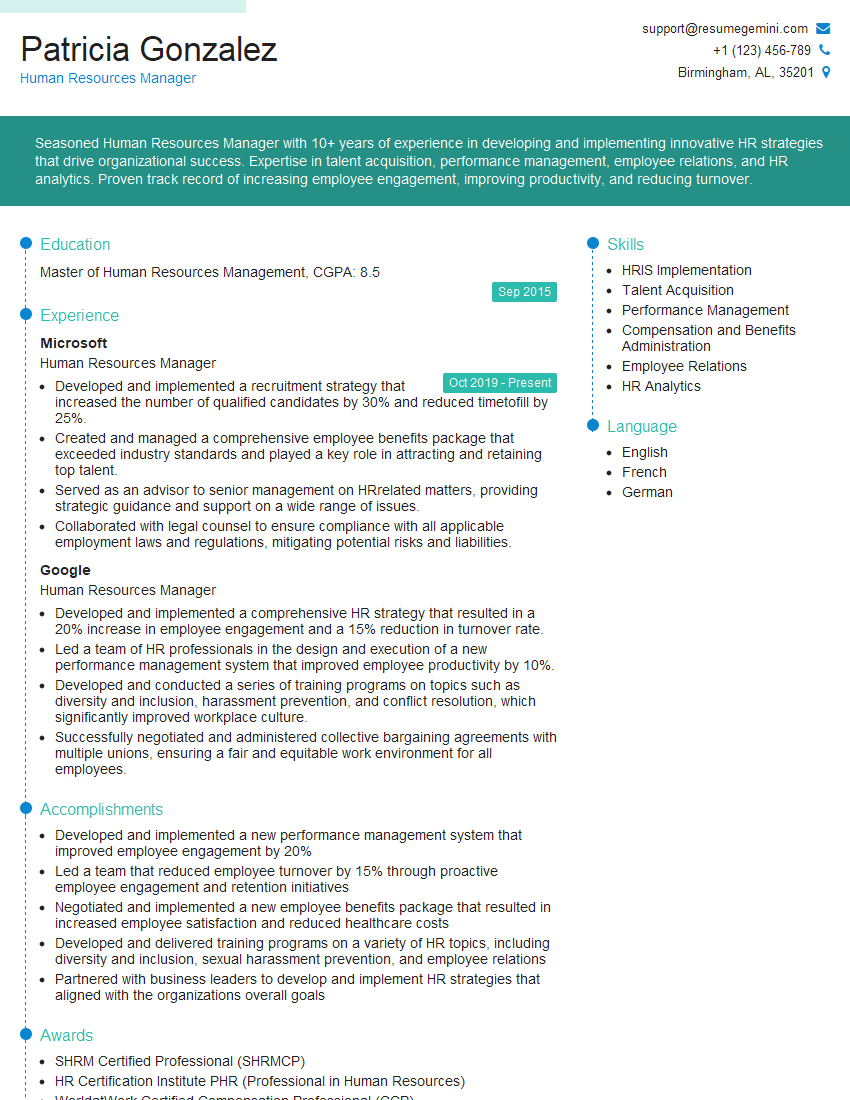
Human Resources Manager Resume Sample
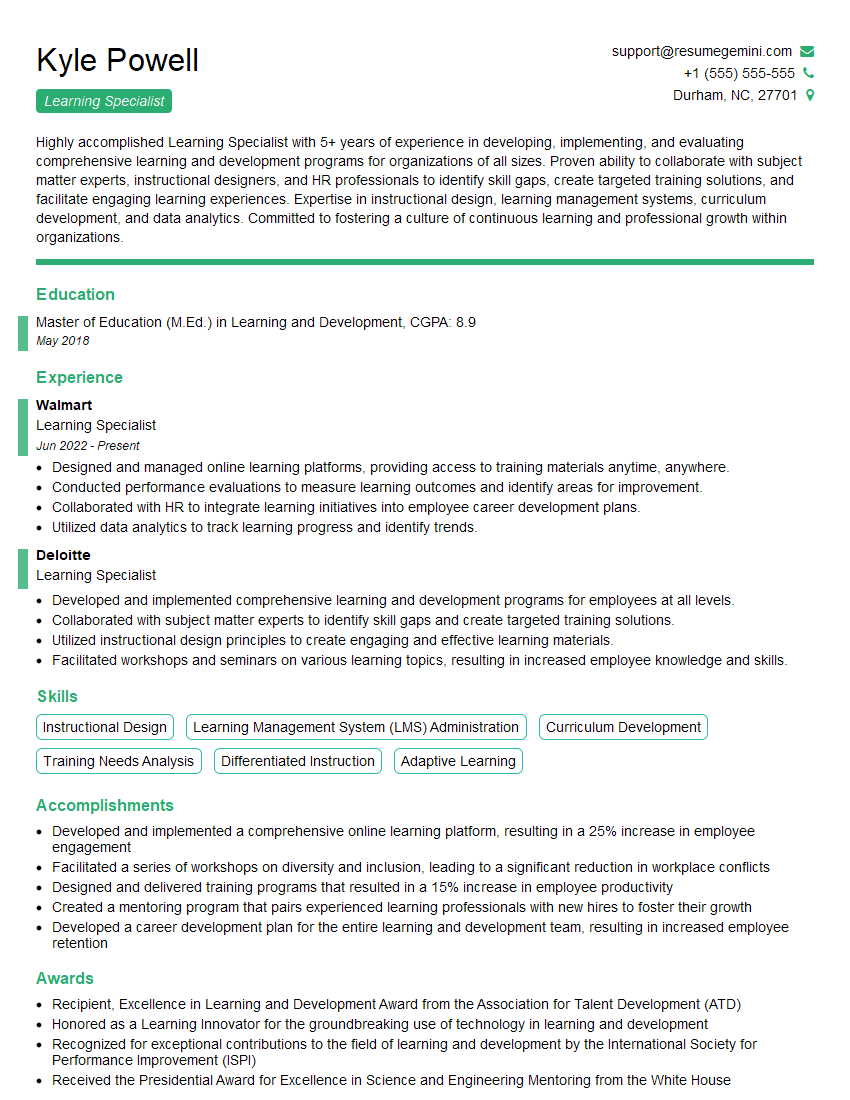
Learning Specialist Resume Sample
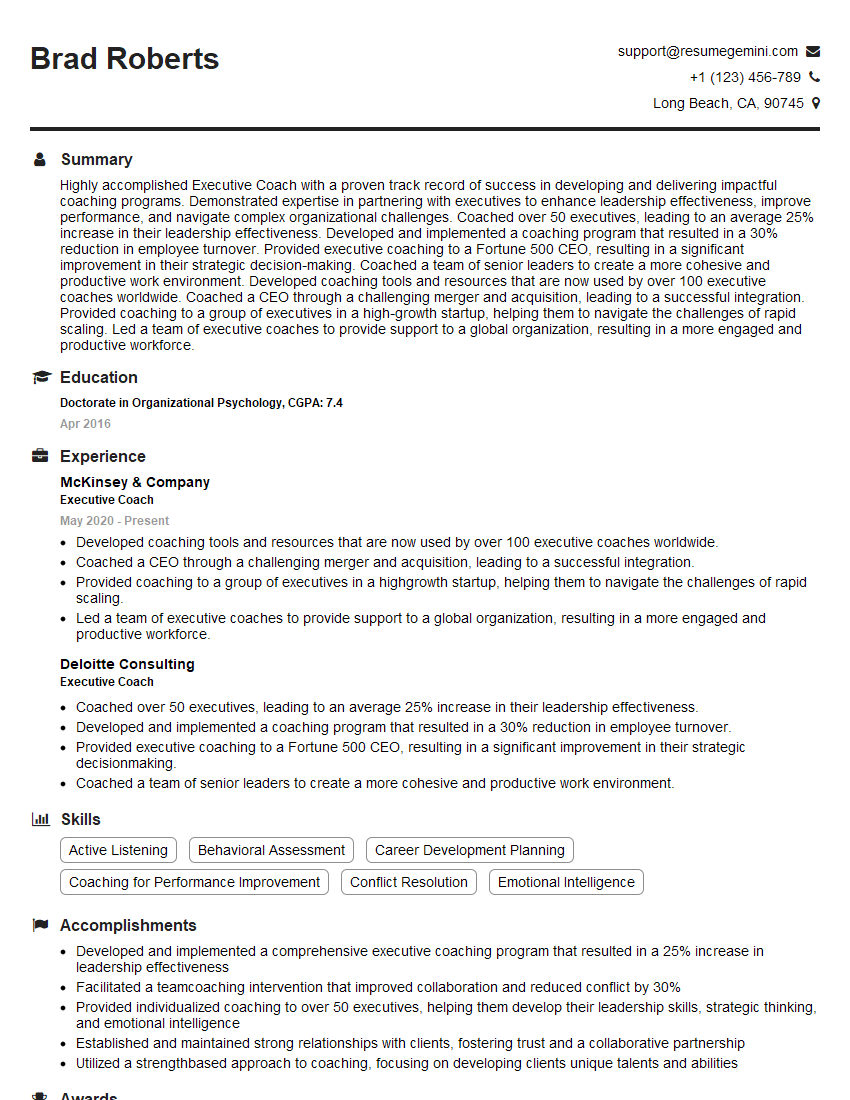
Executive Coach Resume Sample
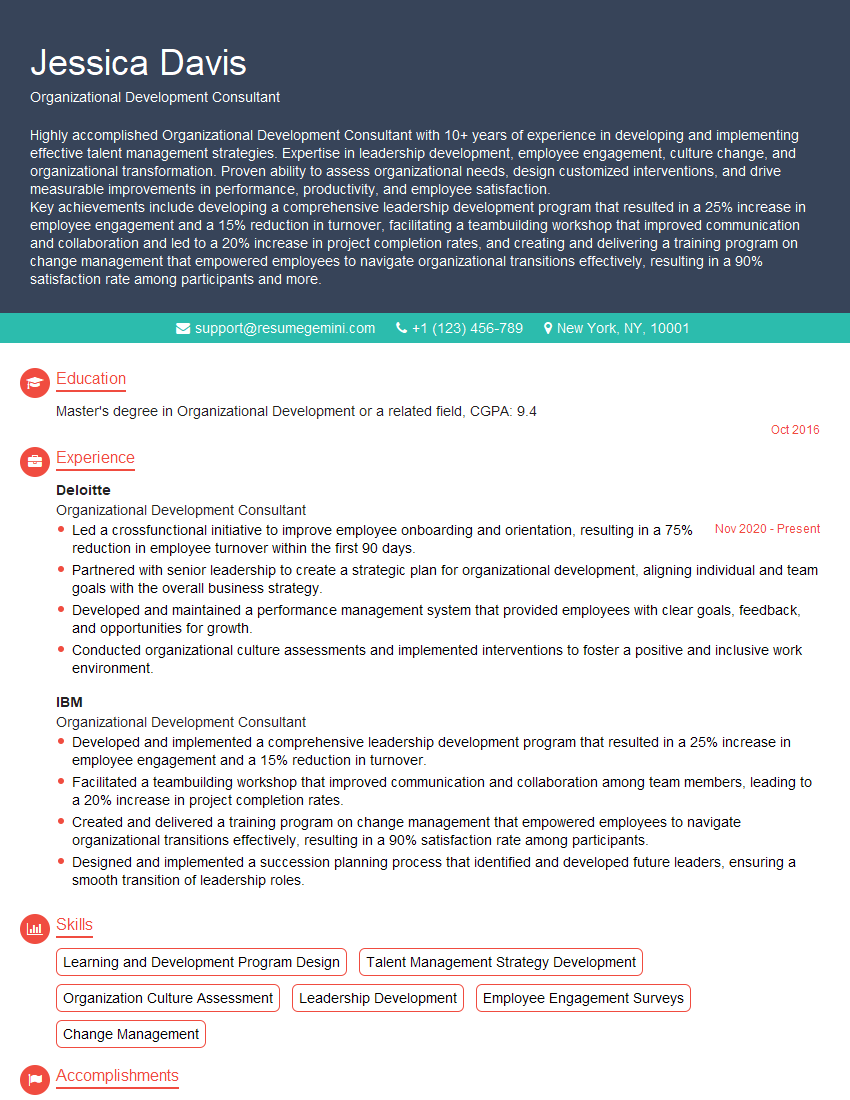
Organizational Development Consultant Resume Sample
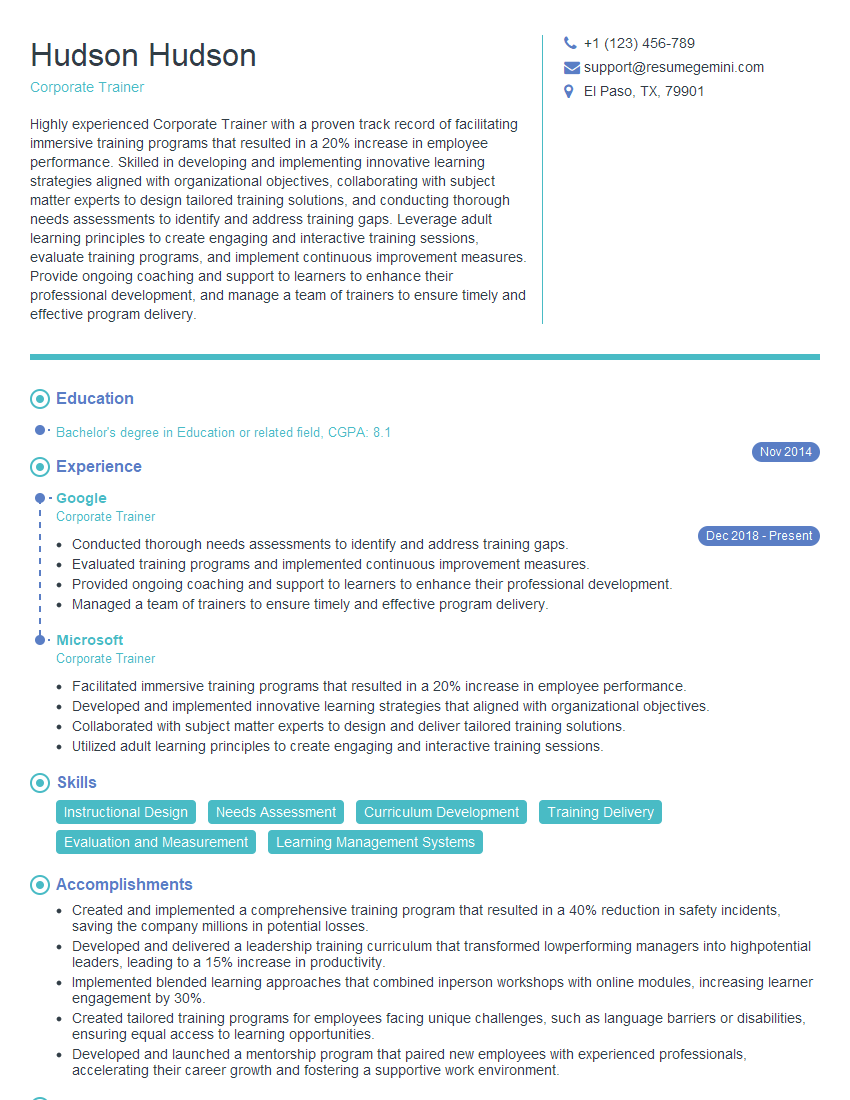
Corporate Trainer Resume Sample

Curriculum Developer Resume Sample
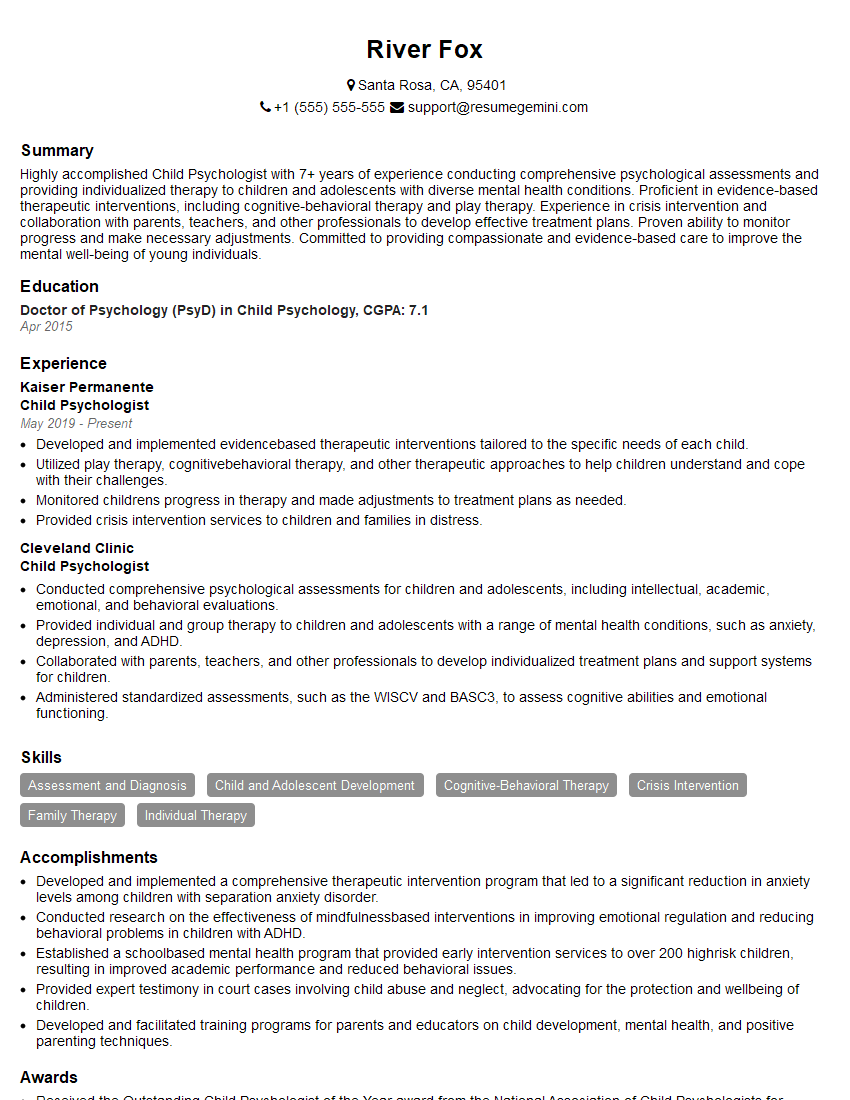
Child Psychologist Resume Sample
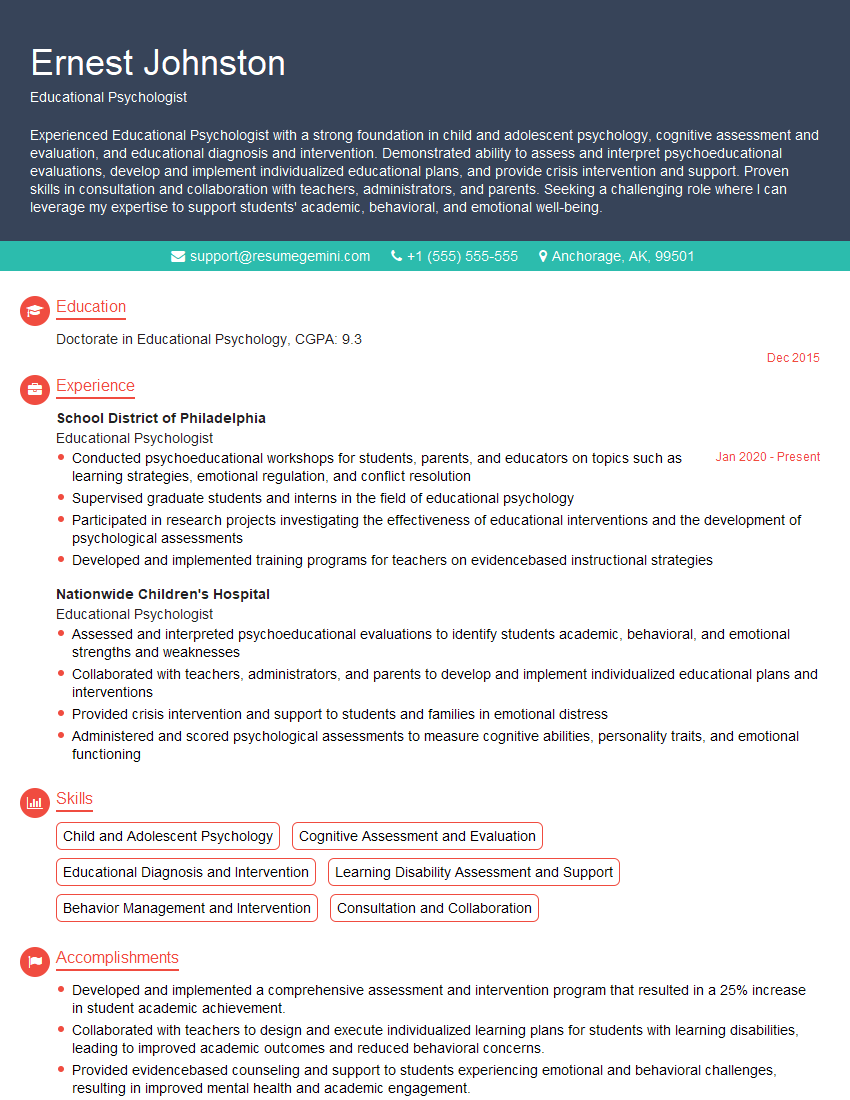
Educational Psychologist Resume Sample
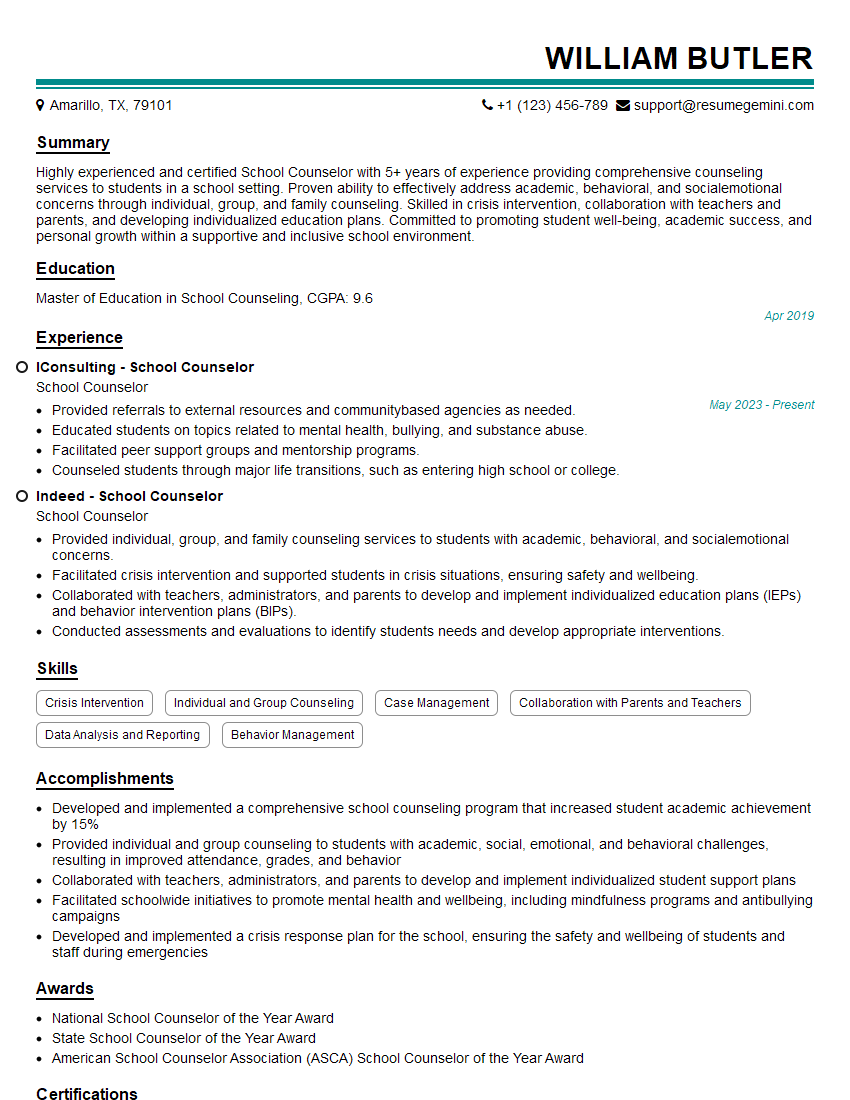
School Counselor Resume Sample
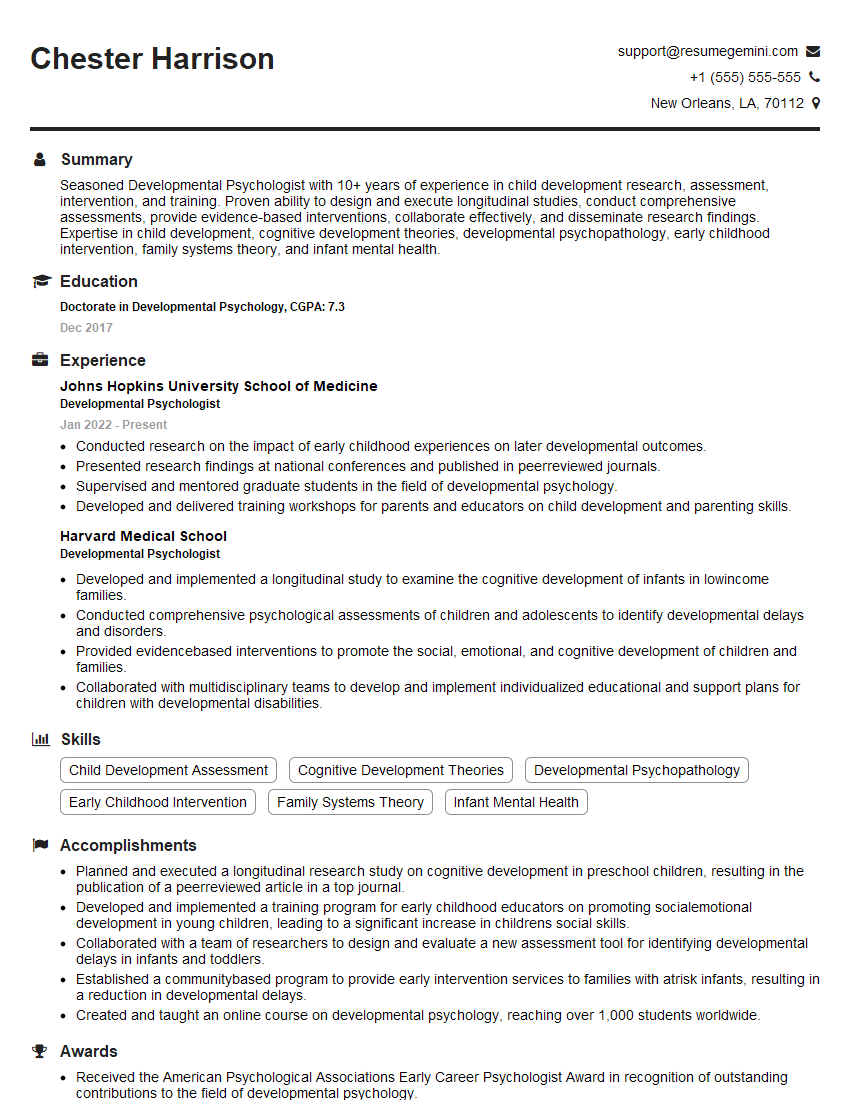
Developmental Psychologist Resume Sample
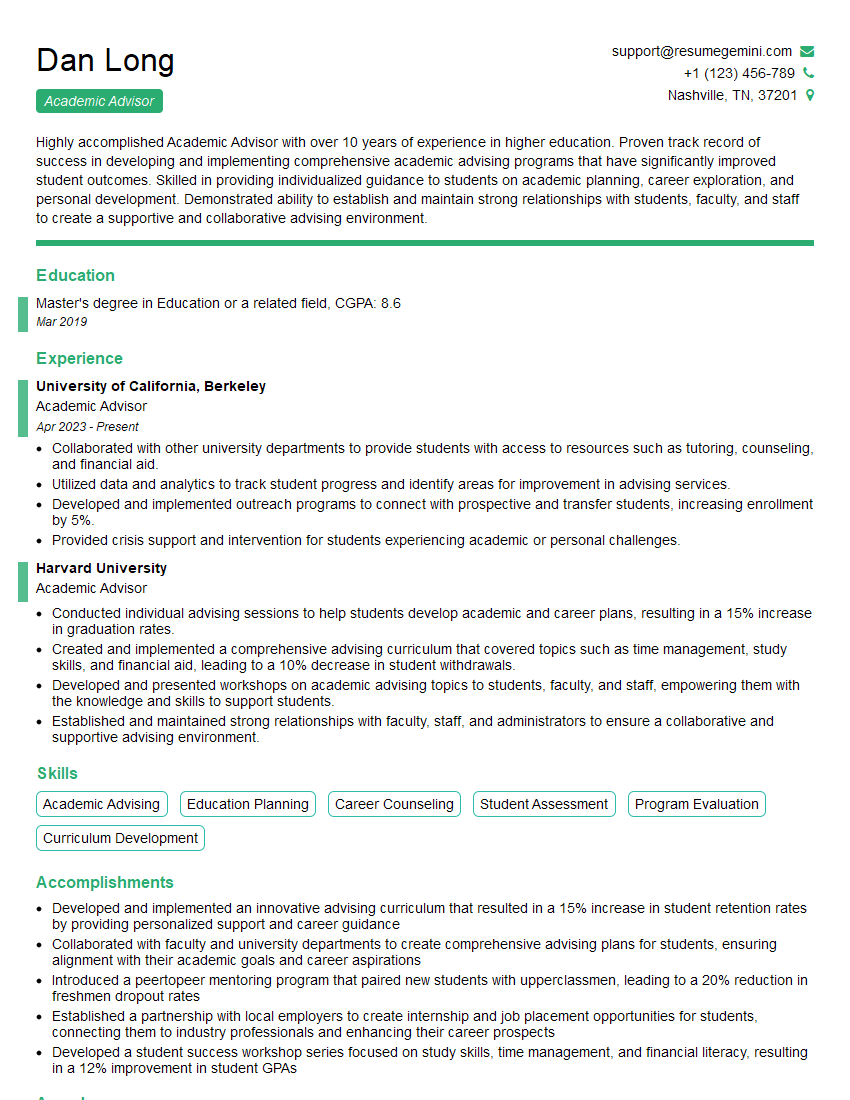
Academic Advisor Resume Sample
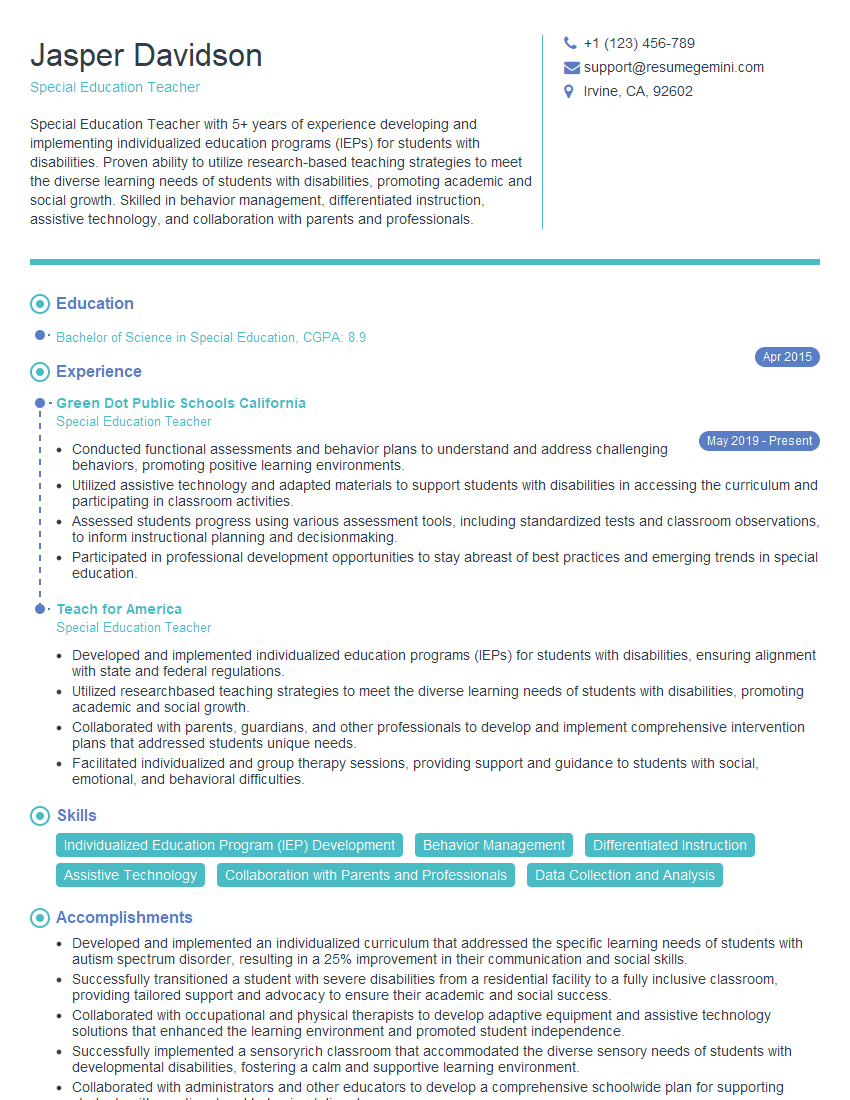
Special Education Teacher Resume Sample
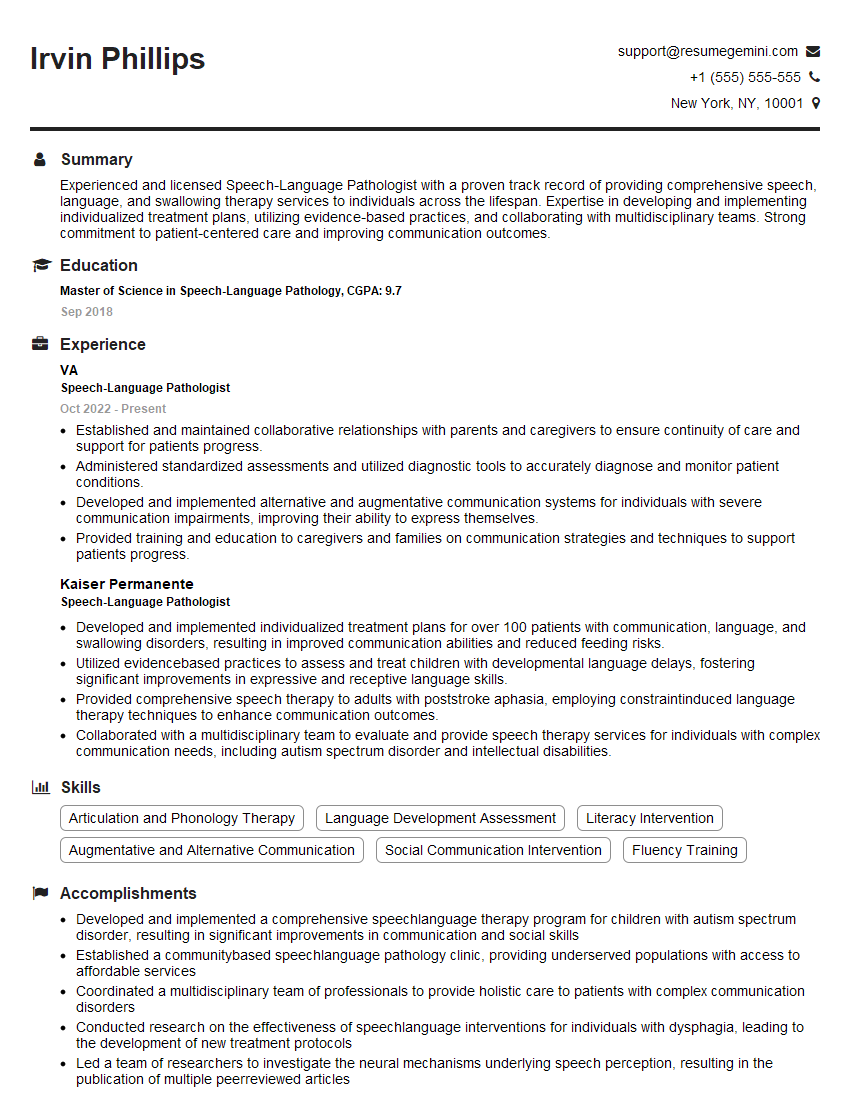
Speech-Language Pathologist Resume Sample

Tutor Resume Sample
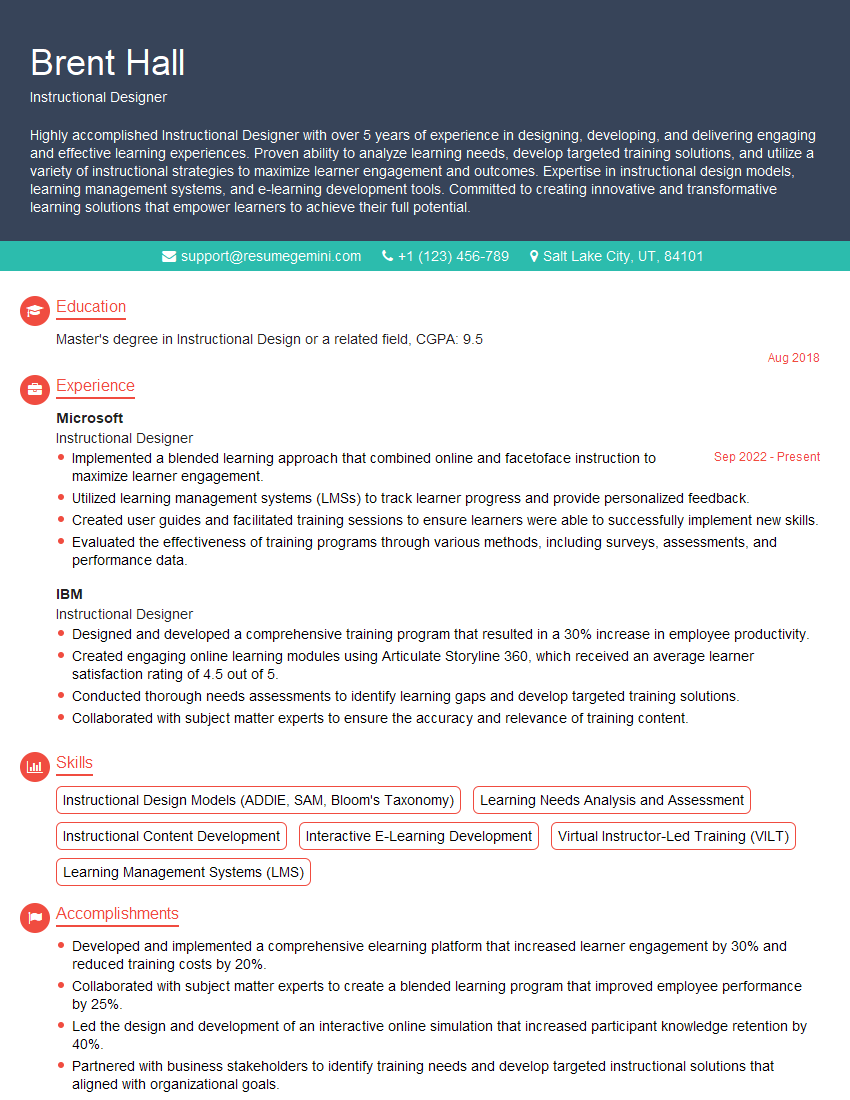
Instructional Designer Resume Sample
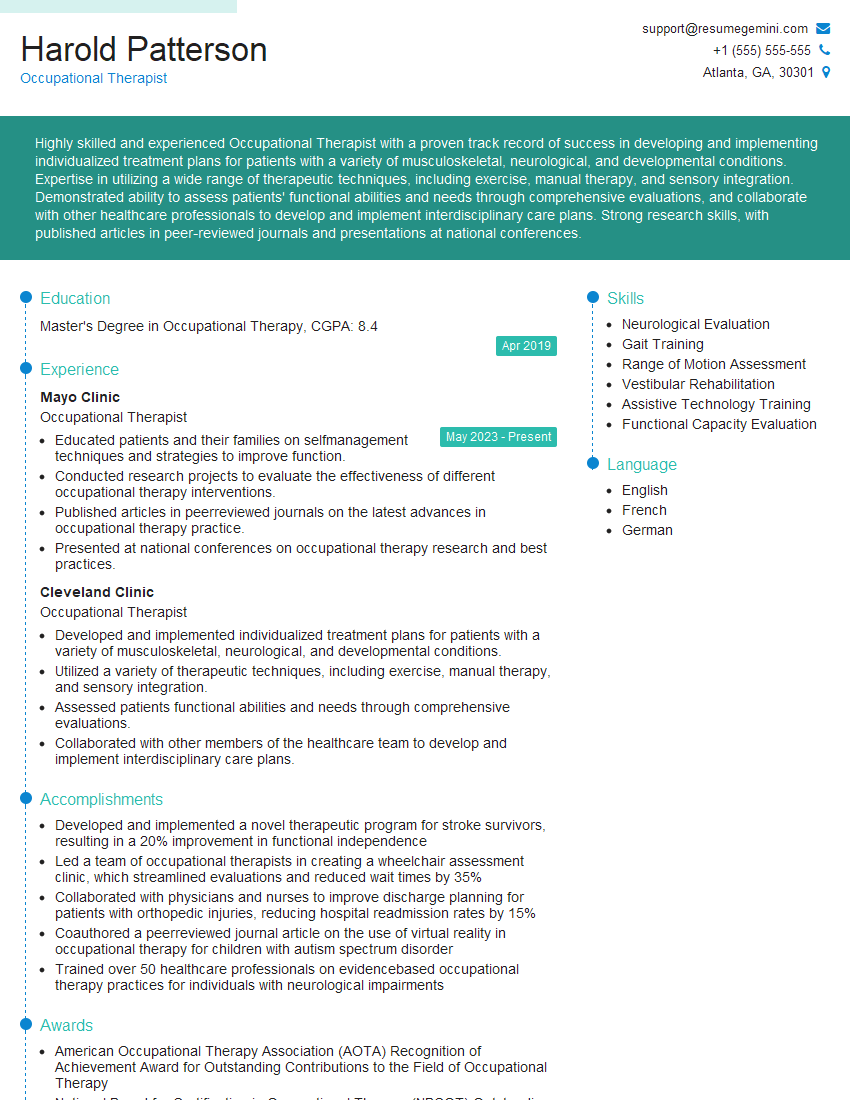
Occupational Therapist Resume Sample
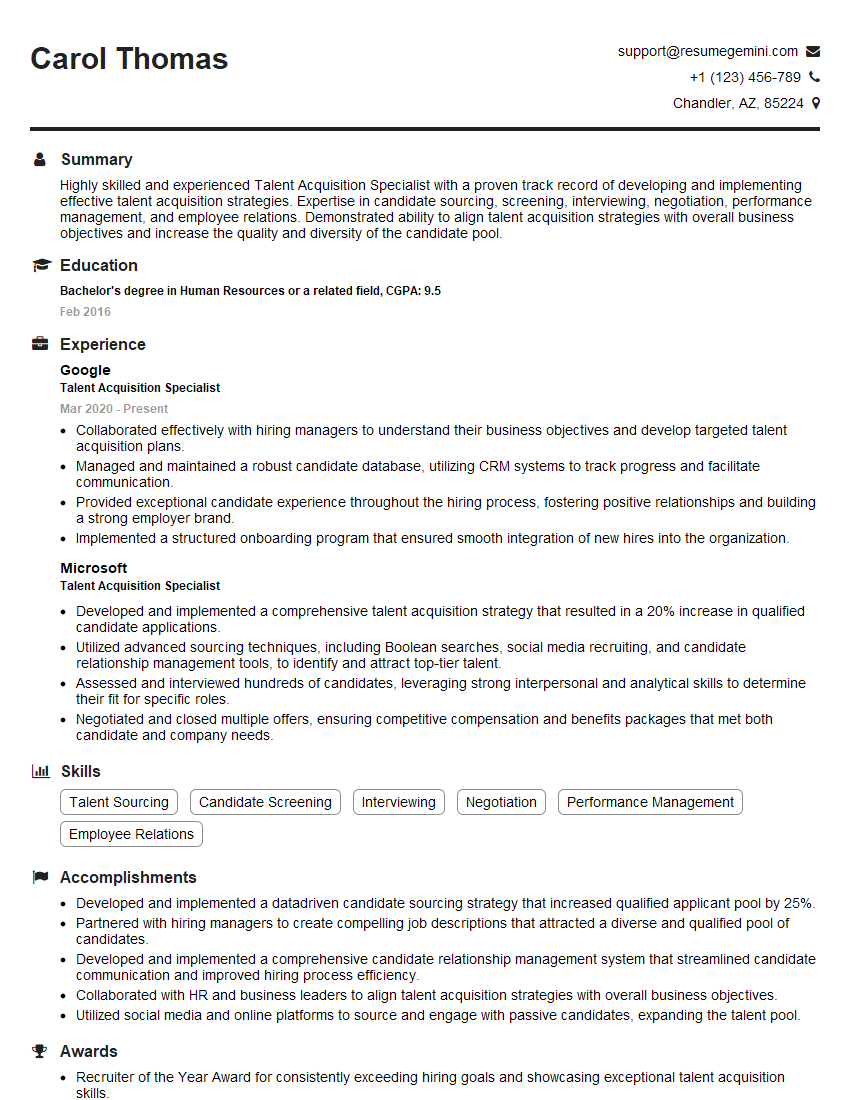
Talent Acquisition Specialist Resume Sample
- Human Resources Manager
- Learning Specialist
- Executive Coach
- Organizational Development Consultant
- Corporate Trainer
- Curriculum Developer
- Child Psychologist
- Educational Psychologist
- School Counselor
- Developmental Psychologist
- Academic Advisor
- Special Education Teacher
- Speech-Language Pathologist
- Tutor
- Instructional Designer
- Occupational Therapist
- Talent Acquisition Specialist
Explore more articles
Users Rating of Our Blogs
Share Your Experience
We value your feedback! Please rate our content and share your thoughts (optional).
What Readers Say About Our Blog
I Redesigned Spongebob Squarepants and his main characters of my artwork.
https://www.deviantart.com/reimaginesponge/art/Redesigned-Spongebob-characters-1223583608
IT gave me an insight and words to use and be able to think of examples
Hi, I’m Jay, we have a few potential clients that are interested in your services, thought you might be a good fit. I’d love to talk about the details, when do you have time to talk?
Best,
Jay
Founder | CEO