The thought of an interview can be nerve-wracking, but the right preparation can make all the difference. Explore this comprehensive guide to Artistic and Creative Skills interview questions and gain the confidence you need to showcase your abilities and secure the role.
Questions Asked in Artistic and Creative Skills Interview
Q 1. Describe your creative process.
My creative process is iterative and highly adaptable, but generally follows a few key stages. It begins with inspiration, which can come from anywhere – a conversation, a piece of music, a walk in nature, even a frustrating problem! I then move into a phase of research and brainstorming, where I explore different concepts and gather relevant information. This often involves sketching, mind-mapping, and experimenting with different materials or software. Next comes development and refinement, where I begin to translate my ideas into a concrete form. This involves a lot of trial and error, constantly evaluating and adjusting my work. Finally, I enter a phase of review and finalization, carefully assessing the piece and making any necessary adjustments before presenting the final product. This entire process is cyclical; feedback from others often leads me back to earlier stages for further refinement.
For example, when designing a logo, I might start with freehand sketches inspired by the client’s brand description. Then, I’d research competitor logos and relevant visual styles. I’d then develop several digital versions, refining them based on feedback and my own critical eye. The final logo would be the culmination of this iterative process.
Q 2. Explain your preferred design software and proficiency level.
My preferred design software includes Adobe Creative Suite (Photoshop, Illustrator, InDesign), and Figma. I’m highly proficient in all of these programs. My proficiency is such that I can efficiently utilize advanced features, including complex layer management, vector editing, and typography manipulation. I’m comfortable working with both raster and vector graphics, adapting my approach based on the project’s specific needs. For example, I use Illustrator for creating vector-based logos and illustrations, Photoshop for photo editing and retouching, InDesign for layout and publication design, and Figma for collaborative design and prototyping. I’m always exploring new features and plugins within these programs to further enhance my skills and workflow.
Q 3. How do you handle constructive criticism of your work?
I view constructive criticism as an invaluable opportunity for growth. I believe that no piece of art is ever truly ‘finished,’ and that feedback allows me to refine my work and better understand my strengths and weaknesses. I approach criticism with an open mind, actively listening and seeking to understand the perspective being offered. I don’t take criticism personally; rather, I see it as a tool for improvement. I ask clarifying questions if needed and carefully consider the suggestions before deciding how to integrate them into my work. Sometimes, the feedback might be something I initially disagree with, but I always strive to understand the underlying concerns and explore different solutions. This process has led to significant improvements in my work over time.
Q 4. Showcase a project where you overcame a creative challenge.
One challenging project involved designing a mural for a community center with a limited budget and a diverse group of stakeholders. The challenge was to create a design that resonated with the entire community – children, adults, and seniors – while also adhering to the budget constraints. I overcame this challenge by employing a collaborative design process. I held workshops with different community groups, using sketches and interactive exercises to gather ideas and feedback. I translated these diverse inputs into a cohesive design, using vibrant colours and symbolic imagery that represented the community’s values and aspirations. To meet the budget constraints, I explored cost-effective materials and partnered with local artists to assist with the painting process. The final mural was a resounding success, becoming a source of pride and community engagement.
Q 5. Describe your approach to understanding client needs.
Understanding client needs is paramount to my process. I begin by actively listening and asking insightful questions, going beyond simply what is explicitly stated. I aim to understand the client’s goals, target audience, and the overall message they want to convey. I often use mood boards and style guides to visually explore options and ensure we’re on the same page. I value open communication throughout the entire process, providing regular updates and seeking feedback to ensure the final product meets and exceeds expectations. I don’t just design; I collaborate to ensure that the artwork effectively serves the client’s vision. For instance, before designing a website, I’ll ask about the site’s purpose, target audience demographics, and desired user experience, ensuring the design reflects their business goals.
Q 6. How do you stay updated with industry trends and new technologies?
Staying updated with industry trends and new technologies is critical in this dynamic field. I achieve this through several methods. I regularly subscribe to design blogs, newsletters, and podcasts. I actively participate in online and in-person design communities and attend industry conferences and workshops. I follow leading designers and studios on social media platforms and explore design-related websites and publications. Experimentation is also crucial. I dedicate time to exploring new software features, experimenting with different techniques, and researching emerging technologies. This continuous learning ensures that I remain at the forefront of the industry and can offer clients the most innovative and effective solutions.
Q 7. Explain your understanding of color theory and its application.
Color theory is the foundation of my design work. I understand the relationships between colors – primary, secondary, tertiary, analogous, complementary, etc. – and how these relationships impact the mood, message, and overall visual impact of a design. For example, warm colors like reds and oranges evoke feelings of energy and excitement, while cool colors like blues and greens create a calming and serene atmosphere. I apply this understanding by carefully selecting color palettes based on the project’s goals and the desired emotional response. I use color contrast to ensure readability and visual hierarchy, and I am aware of cultural connotations and symbolism associated with different colors. For instance, using red in Western cultures might signify passion or danger, while in some Eastern cultures, it could represent good fortune. This nuanced awareness allows me to create designs that are not only aesthetically pleasing but also culturally sensitive and effective.
Q 8. How do you ensure your designs are accessible and inclusive?
Ensuring accessibility and inclusivity in design is paramount. It’s about creating experiences that are usable and enjoyable for everyone, regardless of their abilities or background. This involves considering a wide range of factors, including visual impairments, motor limitations, cognitive differences, and cultural nuances.
- Visual Accessibility: I use sufficient color contrast, ensuring text is easily readable against the background. I provide alternative text for images (alt text) so screen readers can describe them to visually impaired users. I avoid relying solely on color to convey information; I use clear textual labels and icons for better comprehension.
- Motor Accessibility: I ensure designs are usable with various input methods – mouse, keyboard, touchscreen. I design interactive elements large enough to be easily targeted, even with limited dexterity. I incorporate sufficient time limits for users to complete actions without feeling rushed.
- Cognitive Accessibility: I use clear and concise language, avoiding jargon. Information is presented logically and hierarchically, making it easy to scan and understand. I avoid sensory overload by using a clean and uncluttered layout. I follow established design patterns to provide predictable user experiences.
- Cultural Inclusivity: I research and understand the cultural context of my target audience. I avoid using imagery or language that could be considered offensive or insensitive. I ensure designs translate well across different languages and cultures.
For example, in a recent project designing a website for a museum, I ensured all images had descriptive alt text, used sufficient color contrast, and provided keyboard navigation throughout the site. This allowed users with visual impairments or motor limitations to fully experience the museum’s offerings online.
Q 9. Describe your experience with user research and testing.
User research and testing are fundamental to my design process. I believe in iterative design, constantly refining my work based on user feedback. My approach typically involves a mix of qualitative and quantitative methods.
- Qualitative Research: This involves understanding user needs and motivations through methods like user interviews, focus groups, and usability testing sessions. I observe users interacting with prototypes and gather feedback on their experiences, identifying pain points and areas for improvement. I often use open-ended questions to encourage users to share their thoughts freely.
- Quantitative Research: This involves measuring user behavior through data analysis. I use tools to track metrics such as task completion rates, error rates, and time on task. This data provides objective insights into usability and effectiveness.
For instance, in a recent project designing a mobile app, I conducted user interviews to understand the app’s target audience’s daily routines and technology usage patterns. This informed the design of the app’s user interface. I then conducted usability testing with a small group of users, observing their interactions and collecting feedback before iterating on the design. This iterative approach ensured the app was intuitive and user-friendly.
Q 10. How do you manage multiple projects simultaneously with deadlines?
Managing multiple projects simultaneously requires strong organizational skills and effective time management strategies. I utilize project management tools and techniques to prioritize tasks and meet deadlines.
- Project Prioritization: I use a system like the Eisenhower Matrix (urgent/important) to prioritize tasks across projects. High-priority tasks are tackled first, and less urgent tasks are scheduled appropriately.
- Task Breakdown: I break down large projects into smaller, manageable tasks, making them less daunting and easier to track progress on. This granular approach also allows for better time allocation.
- Time Blocking: I dedicate specific time blocks to individual projects, minimizing context switching and improving focus. This helps maintain momentum and prevents procrastination.
- Communication and Collaboration: Open communication with clients and team members is critical. Regular updates and clear expectations ensure everyone is aligned and aware of potential challenges. I often use collaborative tools to share progress and documents.
- Tools: I rely heavily on project management software such as Trello or Asana to keep track of tasks, deadlines, and progress across multiple projects.
For example, I might dedicate Monday mornings to project A, Tuesday afternoons to project B, and Wednesday mornings to project C, with specific tasks scheduled within these blocks. This structured approach ensures I meet deadlines without sacrificing the quality of work.
Q 11. Explain your understanding of typography and its impact on design.
Typography is more than just choosing fonts; it’s about crafting a visual hierarchy and conveying a specific message through the careful selection and arrangement of typefaces. A well-chosen typeface significantly impacts the overall design, influencing readability, brand identity, and emotional response.
- Readability: Choosing legible fonts with appropriate font sizes and leading (the space between lines of text) is vital. Consider the context: a website requires different typography than a printed poster.
- Visual Hierarchy: Using different font weights, sizes, and styles helps create visual hierarchy, guiding the reader’s eye through the content. Headings are typically larger and bolder than body text.
- Brand Identity: Typography can reflect a brand’s personality. A playful font might suit a children’s brand, while a more serious and refined font might suit a luxury brand.
- Mood and Tone: Different typefaces evoke different emotions. Serif fonts (like Times New Roman) often appear more traditional and formal, while sans-serif fonts (like Arial) are more modern and clean.
For example, I recently designed a website for a law firm. We opted for a classic serif typeface for the body text to convey professionalism and trustworthiness, while using a more modern sans-serif font for headings to add a touch of contemporary appeal. The careful selection of typography helped reinforce the firm’s brand identity.
Q 12. How do you balance creativity and functionality in your designs?
Balancing creativity and functionality is a core principle of good design. Creativity without functionality is useless, and functionality without creativity is boring. The ideal design is both aesthetically pleasing and user-friendly.
- User-Centered Approach: I begin by understanding user needs and goals. This informs the design’s functionality, ensuring it’s practical and effective. I conduct thorough user research to ensure the design solves a real problem.
- Iterative Design Process: I use an iterative process, involving sketching, prototyping, testing, and refining. This allows for creative exploration while maintaining a focus on functionality. Feedback from users plays a critical role in this process.
- Constraint-Based Creativity: Constraints, such as budget limitations or technical restrictions, can actually stimulate creativity. By working within limitations, I find innovative solutions that are both creative and practical.
- Aesthetics Enhance Functionality: A well-designed interface is both attractive and intuitive. Visual appeal can significantly improve user experience, making the design more engaging and enjoyable to use.
For example, a beautifully designed website with stunning visuals might fail if it’s difficult to navigate or find information. A simple and functional design is necessary but needs aesthetics to attract and engage the user. The balance lies in finding the perfect synergy between the two.
Q 13. Describe your approach to visual storytelling.
Visual storytelling is about using visual elements to communicate a narrative. It’s about engaging the audience emotionally and intellectually through compelling visuals that tell a story.
- Identifying the Narrative: The first step is identifying the core message or story you want to convey. What is the central theme, and what emotions do you want to evoke?
- Visual Elements: Select visuals (images, illustrations, typography, color palettes) that align with the narrative. The choice of imagery, color, and composition significantly impacts the mood and tone of the story.
- Sequencing and Pacing: The order in which visuals are presented is crucial. A well-paced narrative keeps the audience engaged. Visual elements should flow logically, building towards a climax or resolution.
- Emotional Resonance: Consider the emotional impact of your visuals. Do they evoke the desired feelings? Powerful visuals can create a lasting impact on the audience.
For instance, in a recent advertising campaign, we used a series of images showing a product’s journey from raw materials to the finished product. Each image was carefully chosen to reflect a stage in the story, creating an emotional connection with the audience and emphasizing the product’s craftsmanship.
Q 14. Explain your understanding of branding and its importance.
Branding is the process of creating a unique identity for a company or product. It encompasses all the visual and communicative elements that represent a brand’s values, personality, and promise to its customers. It’s about building trust, recognition, and loyalty.
- Visual Identity: This includes the logo, color palette, typography, imagery, and overall visual style. A consistent visual identity ensures brand recognition across all platforms.
- Brand Messaging: This involves defining the brand’s voice, tone, and messaging. What message does the brand want to communicate to its audience? This messaging should be consistent across all communication channels.
- Brand Values: What are the core principles that guide the brand’s decisions and actions? Understanding brand values helps maintain consistency and authenticity.
- Brand Experience: This is the overall experience a customer has with the brand. It encompasses every touchpoint, from customer service to packaging. A positive brand experience is crucial for building loyalty.
For example, Apple’s branding is renowned for its simplicity, elegance, and focus on user experience. Their minimalist logo, clean typography, and carefully crafted user interfaces reflect their brand values and create a consistent experience across all their products and services. This consistency has helped build incredible brand recognition and loyalty.
Q 15. How do you handle feedback from stakeholders with differing opinions?
Handling feedback, especially from stakeholders with differing opinions, is crucial for successful creative projects. It’s not about picking a ‘winner,’ but about synthesizing diverse perspectives to create the best possible outcome. My approach involves active listening, respectful communication, and a structured process for incorporating feedback.
- Active Listening: I begin by attentively listening to each stakeholder’s viewpoint, asking clarifying questions to fully understand their concerns and preferences. This shows respect and ensures I grasp the nuances of their feedback.
- Prioritization and Categorization: Once I’ve gathered all feedback, I categorize it based on its nature (e.g., technical issues, aesthetic preferences, brand alignment). Then, I prioritize the feedback based on its impact and feasibility. For example, a crucial technical flaw will take precedence over a minor aesthetic preference.
- Compromise and Negotiation: Sometimes, conflicting feedback requires compromise. I’ll present different options that address as many concerns as possible, explaining the trade-offs involved. This collaborative process helps stakeholders feel heard and involved in the decision-making process.
- Documentation and Transparency: Throughout the process, I maintain meticulous documentation of all feedback received, decisions made, and the rationale behind them. This promotes transparency and accountability.
For example, in a recent logo design project, one stakeholder preferred a minimalist approach, while another wanted a more maximalist design. By carefully considering both viewpoints, we created a logo that incorporated elements from each style, resulting in a design that satisfied both stakeholders.
Career Expert Tips:
- Ace those interviews! Prepare effectively by reviewing the Top 50 Most Common Interview Questions on ResumeGemini.
- Navigate your job search with confidence! Explore a wide range of Career Tips on ResumeGemini. Learn about common challenges and recommendations to overcome them.
- Craft the perfect resume! Master the Art of Resume Writing with ResumeGemini’s guide. Showcase your unique qualifications and achievements effectively.
- Don’t miss out on holiday savings! Build your dream resume with ResumeGemini’s ATS optimized templates.
Q 16. Describe your experience with different design styles (e.g., minimalist, maximalist).
My experience spans a wide range of design styles, from the clean lines of minimalism to the rich layers of maximalism. Understanding these styles and their applications is essential for effective design communication.
- Minimalism: I’ve worked extensively on projects requiring a minimalist approach, focusing on simplicity, functionality, and clean aesthetics. This often involves using a limited color palette, clean typography, and ample negative space to create a sense of calm and sophistication. For example, designing a mobile app interface required a minimalist approach to prioritize usability and prevent cognitive overload.
- Maximalism: In contrast, projects requiring a maximalist approach have allowed me to explore bolder aesthetics, incorporating layered textures, rich color palettes, and intricate details. This style is effective for creating a sense of opulence or excitement. For instance, designing marketing materials for a luxury fashion brand demanded a maximalist approach to reflect the brand’s high-end image.
- Other Styles: Beyond minimalism and maximalism, I’m proficient in other styles such as Art Deco, Scandinavian, and modern eclecticism. The appropriate style is always chosen based on the project’s objectives, target audience, and brand identity.
My adaptability allows me to seamlessly transition between various design styles, ensuring the final product aligns perfectly with the project’s requirements.
Q 17. How do you use data and analytics to inform your creative decisions?
Data and analytics play a crucial role in informing my creative decisions, moving beyond subjective preferences to data-driven design choices. This ensures that my designs are not only aesthetically pleasing but also effective in achieving their intended goals.
- User Research: I often start by gathering user data through surveys, A/B testing, and user interviews to understand user behaviors, preferences, and needs. This helps me create designs that resonate with the target audience.
- Analytics Tracking: Once a design is launched, I use analytics tools (like Google Analytics) to track key metrics such as click-through rates, conversion rates, and time spent on page. This data provides insights into how users interact with the design, allowing for data-driven improvements and optimizations.
- Heatmaps and Eye-Tracking: Tools that generate heatmaps and eye-tracking data offer visual representations of user attention and interaction patterns. This helps identify areas of the design that are effective and areas that need improvement.
For example, in a recent website redesign project, heatmap analysis revealed that users were consistently ignoring a crucial call-to-action button. By repositioning the button based on this data, we saw a significant increase in conversion rates.
Q 18. How do you incorporate feedback to improve your designs iteratively?
Iterative design is central to my creative process. Incorporating feedback is not a one-time event but a continuous cycle of refinement. I use a structured approach to ensure feedback is effectively integrated into the design process.
- Feedback Collection: I actively solicit feedback at various stages of the design process, from initial sketches to final prototypes. This involves using a variety of methods, including client presentations, user testing, and peer reviews.
- Prioritization and Analysis: Once feedback is collected, I analyze it to identify recurring themes and prioritize critical issues. This helps me focus on addressing the most impactful aspects first.
- Prototyping and Testing: I frequently create prototypes to visualize and test design changes based on feedback. This allows me to quickly identify and address any potential problems before the final design is implemented.
- Documentation and Iteration: I maintain a detailed record of all feedback received and changes made, ensuring transparency and traceability. This allows for effective communication and facilitates future iterations.
For instance, in a recent app design, user testing revealed navigation difficulties. Based on this feedback, I iterated the navigation system, creating a simpler, more intuitive flow. Subsequent testing showed significant improvement in user satisfaction.
Q 19. What are some common design pitfalls to avoid?
Avoiding common design pitfalls is crucial for creating effective and user-friendly designs. Some frequent issues to be wary of include:
- Ignoring User Needs: Failing to conduct thorough user research can lead to designs that don’t meet the user’s needs or expectations. Always prioritize understanding your target audience.
- Poor Typography: Using illegible fonts, inconsistent font sizes, or inadequate spacing can significantly impact readability and the overall user experience.
- Inconsistent Branding: A lack of consistent branding across different platforms can confuse users and weaken brand recognition. Maintain a unified visual identity.
- Overlooking Accessibility: Not considering accessibility guidelines can exclude users with disabilities. Ensure designs adhere to WCAG (Web Content Accessibility Guidelines) standards.
- Neglecting User Testing: Failing to test designs with real users can result in designs with usability issues that might otherwise be easily identified and addressed.
- Ignoring Data: Overlooking analytics and user data can lead to design decisions based on intuition rather than evidence, potentially resulting in ineffective designs.
By proactively addressing these common pitfalls, designers can create more effective and user-friendly products.
Q 20. Describe your experience with project management tools.
I’m proficient in several project management tools, allowing me to effectively manage projects of varying complexity. My experience includes using tools like:
- Asana: Excellent for task management, collaboration, and tracking project progress. I use Asana to assign tasks, set deadlines, and monitor the workflow.
- Trello: A visual project management tool using Kanban boards. Trello is great for visualizing workflows and tracking progress in a flexible manner.
- Jira: A powerful tool ideal for agile software development projects. Jira is particularly helpful for tracking bugs, managing sprints, and collaborating on code.
- Monday.com: A highly versatile platform that combines task management, project tracking, and team collaboration features. I use Monday.com for comprehensive project oversight.
My selection of tools depends on the specific project’s needs and the team’s preferences. I’m adept at adapting my approach to leverage the strengths of each tool to optimize project efficiency and communication.
Q 21. How do you maintain a consistent brand identity across multiple platforms?
Maintaining a consistent brand identity across multiple platforms is crucial for building brand recognition and trust. My approach involves creating a comprehensive brand style guide and adhering to it meticulously.
- Brand Style Guide: This document serves as a central repository for all brand assets, including logos, color palettes, typography, imagery style, and voice and tone guidelines. It ensures consistency across all platforms.
- Asset Management: I use a centralized asset management system to store and organize all brand assets, making them easily accessible to all team members. This prevents inconsistencies caused by using outdated or incorrect assets.
- Template Creation: Developing reusable templates for various platforms (e.g., social media posts, email newsletters, website banners) ensures consistency in design and messaging.
- Regular Audits: Periodically reviewing brand implementations across different platforms helps identify and rectify any inconsistencies that may have arisen.
- Collaboration and Training: Collaborating with marketing and other relevant teams and providing training on brand guidelines ensures everyone understands and adheres to the established standards.
For example, in a recent rebranding project, we created a comprehensive style guide that included detailed specifications for logo usage, color palettes, and typography. This ensured consistency across the website, social media platforms, and marketing materials, leading to a stronger and more recognizable brand identity.
Q 22. Explain your approach to creating a mood board.
Creating a mood board is the cornerstone of any successful creative project. It’s essentially a visual brainstorming tool, a curated collection of images, textures, colors, and even words that capture the essence of a project’s desired aesthetic and feeling. My approach is highly methodical and iterative.
- Define the Project’s Goals: Before gathering anything, I clearly define the project’s purpose, target audience, and desired emotional impact. This ensures focus.
- Initial Brainstorming: I begin with free-form brainstorming, jotting down keywords, sketching initial ideas, and searching for preliminary images that resonate with the project’s theme.
- Gather and Organize: I then actively gather relevant visual and textual elements. This could involve browsing online resources like Pinterest, Dribbble, or magazines, as well as taking my own photographs. I organize these elements digitally, often using a digital mood board tool, arranging them according to color palettes, themes, or key concepts.
- Refinement and Iteration: This isn’t a one-time process. I constantly review and refine my mood board. I might remove elements, add new ones, or rearrange existing pieces to ensure visual harmony and a strong narrative. This iterative process allows the mood board to evolve and truly reflect the project’s direction.
- Documentation: I ensure I have a clear record of the sources of my imagery and any textual elements, respecting copyright and intellectual property.
For example, when designing a website for a sustainable coffee company, my mood board would feature images of lush coffee plantations, earthy tones, recycled materials, and calming nature scenes, reflecting the brand’s values and target audience.
Q 23. How do you adapt your design process for various mediums?
Adapting my design process across various mediums—from digital painting to sculpture to graphic design—requires understanding the unique constraints and possibilities of each. While the fundamental principles of design remain consistent, the execution differs significantly.
- Digital Painting: My process focuses on layering, brush techniques, and color mixing within software like Photoshop or Procreate. I consider screen resolution and file formats.
- Sculpture: This involves material selection, considering properties like weight, texture, and durability. The process is more tactile and iterative, involving physical manipulation and adjustments.
- Graphic Design: I focus on typography, layout, and visual hierarchy within a specific context, such as print or web design. I need to understand different printing techniques and web standards.
The core of my adaptation lies in understanding the technical specifications, material limitations, and the intended audience’s interaction with the final artwork. For instance, a sculpture intended for an outdoor space requires different considerations (weather resistance) compared to a piece for a gallery setting.
Q 24. Describe your understanding of visual hierarchy.
Visual hierarchy is the arrangement of elements in a design to guide the viewer’s eye and communicate information effectively. It prioritizes certain elements over others to create a clear visual path and emphasize key messages. Think of it like a roadmap for the viewer’s attention.
- Size and Scale: Larger elements naturally draw more attention.
- Color and Contrast: Bright, contrasting colors stand out.
- Placement: Elements placed centrally or at the top tend to be seen first.
- Typography: Bold fonts, larger font sizes, and unique typefaces create visual emphasis.
- Whitespace: Strategic use of space creates visual breathing room and guides the eye.
For example, in a website design, the call to action button might be larger, brighter, and more centrally located than other elements to ensure users easily notice it. Poor visual hierarchy can lead to confusion and frustrate the user experience.
Q 25. What are your strengths and weaknesses as a creative professional?
My strengths lie in my conceptual thinking, my ability to quickly translate ideas into visual form, and my adaptability to different mediums and collaborative settings. I’m highly detail-oriented and consistently strive for excellence. However, my perfectionism can sometimes lead to spending excessive time on details, potentially affecting project timelines. I’m actively working on improving time management and delegating tasks when appropriate.
Q 26. Explain a time you had to compromise on your creative vision.
In a recent project designing a logo for a client, my initial vision was a more abstract and stylized design. However, the client preferred a more literal representation of their product. While I initially felt some disappointment in deviating from my artistic vision, I understood the importance of meeting the client’s needs. We engaged in a collaborative process, where I incorporated some aspects of my initial concept into a modified design that ultimately satisfied both the client and me. It reinforced the value of client communication and adaptability in achieving successful outcomes.
Q 27. Describe your experience working collaboratively on a creative project.
I recently collaborated on a large-scale mural project. Working with a team of three other artists required clear communication, mutual respect, and a shared artistic vision. We started by defining individual roles and responsibilities, creating a detailed plan for the mural’s composition, and establishing a consistent artistic style. We regularly held meetings to discuss progress, share ideas, and address any creative differences. This collaborative effort led to a finished piece that was far richer and more impactful than any of us could have achieved individually, highlighting the power of synergistic collaboration.
Q 28. How do you measure the success of a creative project?
Measuring the success of a creative project isn’t solely about aesthetics; it’s multifaceted. Success depends on the project’s goals.
- Client Satisfaction: Positive feedback and achieving the client’s vision are crucial.
- Audience Engagement: Positive reviews, high social media engagement, and increased brand awareness are key indicators.
- Project Goals Achievement: Did the project fulfill its purpose, whether it was raising awareness, driving sales, or communicating a message effectively?
- Personal Growth: Did the project push my creative boundaries and enhance my skills?
For example, the success of a marketing campaign can be measured by sales conversions, while the success of a museum installation might be judged based on visitor reviews and attendance figures. A balanced approach is necessary to evaluate the overall effectiveness and impact of the work.
Key Topics to Learn for Artistic and Creative Skills Interview
- Design Principles: Understanding fundamental principles like composition, color theory, typography, and visual hierarchy. Explore how these principles are applied across various mediums.
- Creative Process & Problem Solving: Discuss your approach to brainstorming, ideation, and problem-solving within a creative context. Be prepared to articulate your workflow and how you overcome creative blocks.
- Software Proficiency: Showcase your expertise in relevant design software (Adobe Creative Suite, etc.) and explain how you leverage these tools to achieve specific artistic goals. Highlight your ability to adapt to new software.
- Technical Skills (Specific to your area): Depending on your field (graphic design, illustration, animation, etc.), prepare to discuss your proficiency in relevant techniques and technologies. This could include 3D modeling, animation techniques, or specific printing methods.
- Portfolio Development & Presentation: Practice articulating the concepts and decisions behind your portfolio pieces. Be ready to discuss your creative choices and the impact you aimed to achieve.
- Collaboration & Communication: Demonstrate your ability to work effectively in teams, receive and incorporate feedback, and communicate your creative vision clearly to clients or colleagues.
- Industry Trends & Innovation: Stay updated on current trends and emerging technologies within your chosen creative field. Show your passion for continuous learning and professional development.
Next Steps
Mastering artistic and creative skills opens doors to exciting and fulfilling careers. A strong portfolio is crucial, but a well-crafted resume is your first impression. An ATS-friendly resume significantly increases your chances of getting noticed by potential employers. ResumeGemini is a trusted resource to help you build a professional and effective resume that highlights your unique skills and experience. We provide examples of resumes tailored to Artistic and Creative Skills to guide you in crafting your own compelling application.
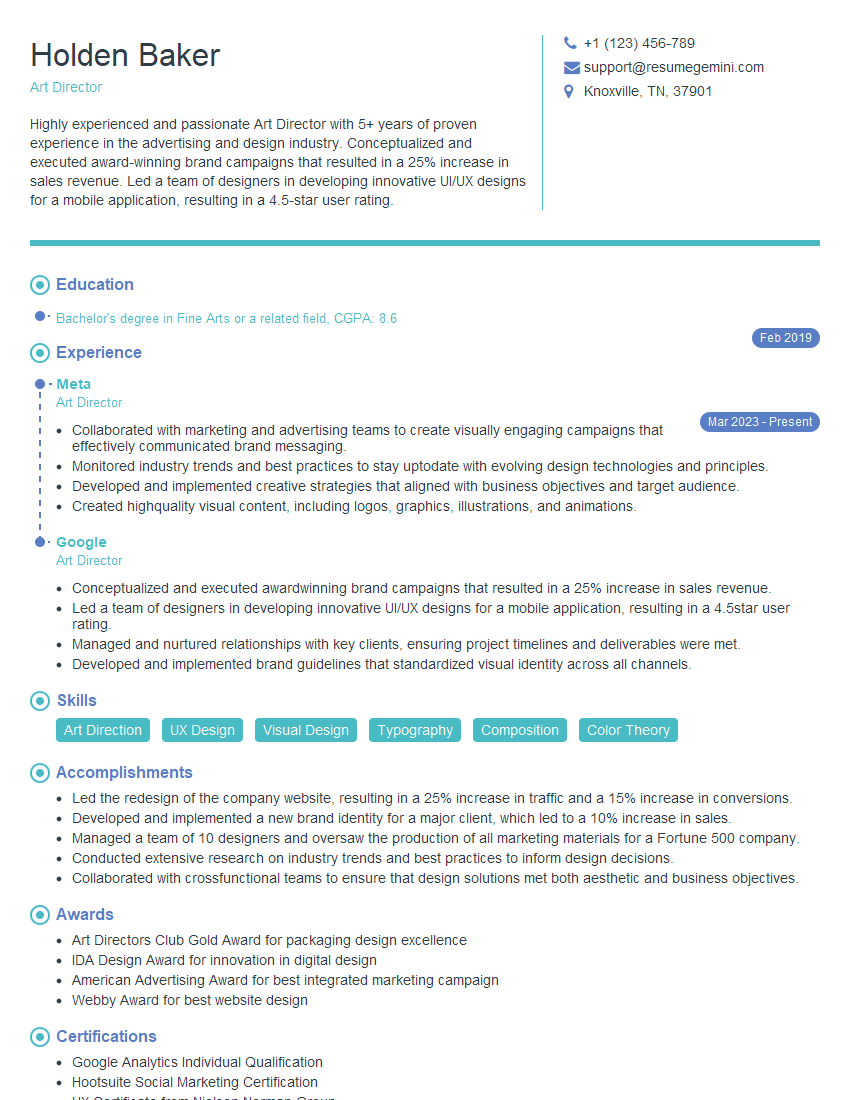
Art Director Resume Sample

Creative Director Resume Sample

Social Media Manager Resume Sample
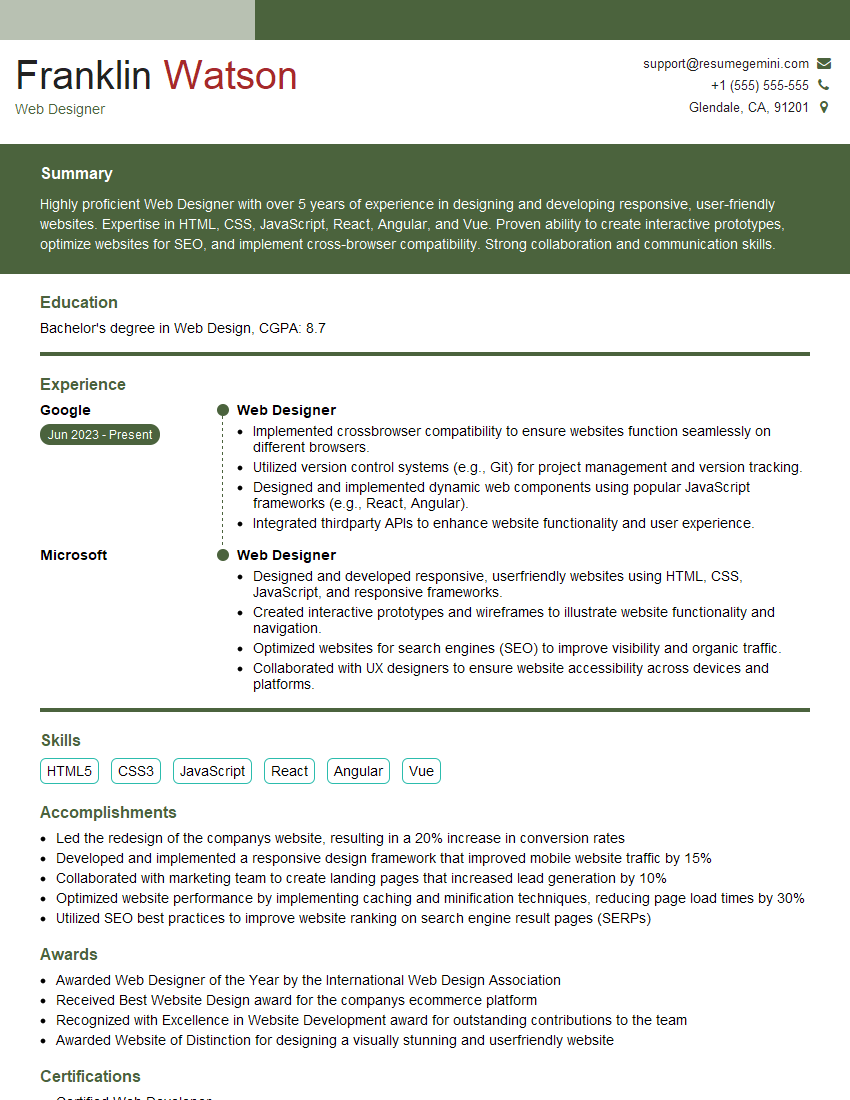
Web Designer Resume Sample
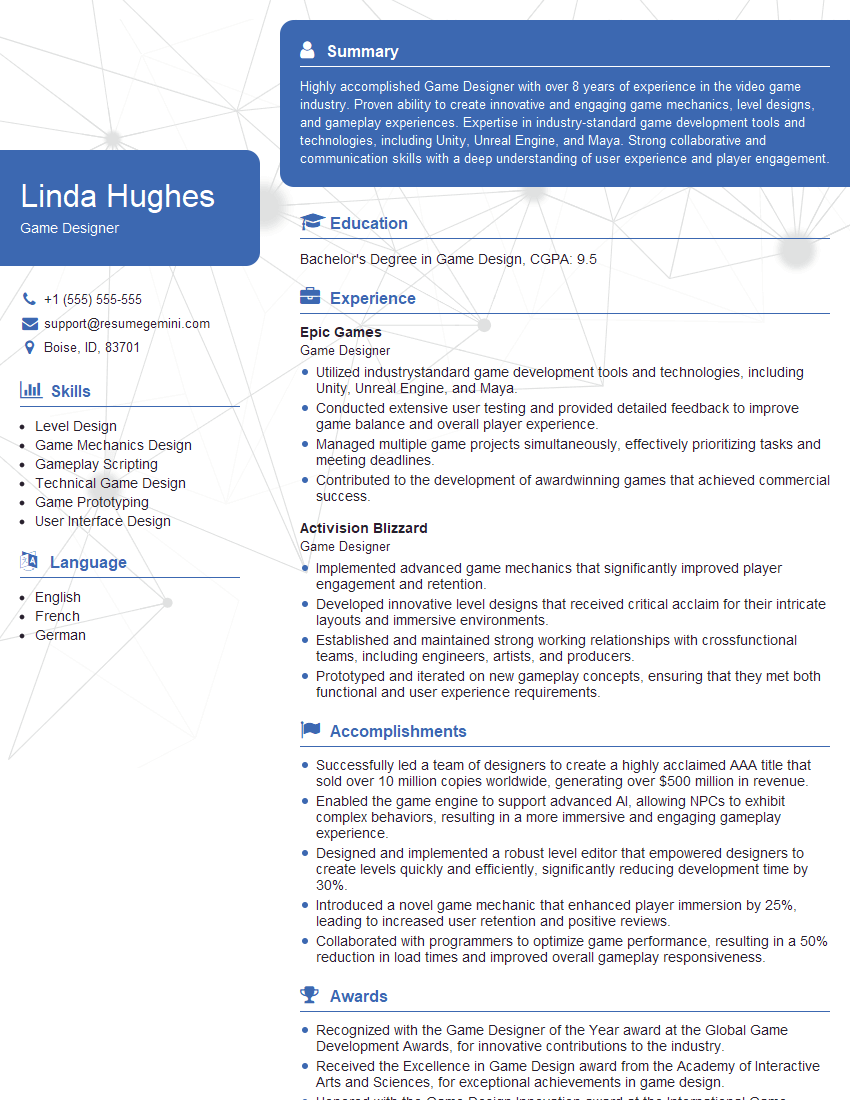
Game Designer Resume Sample
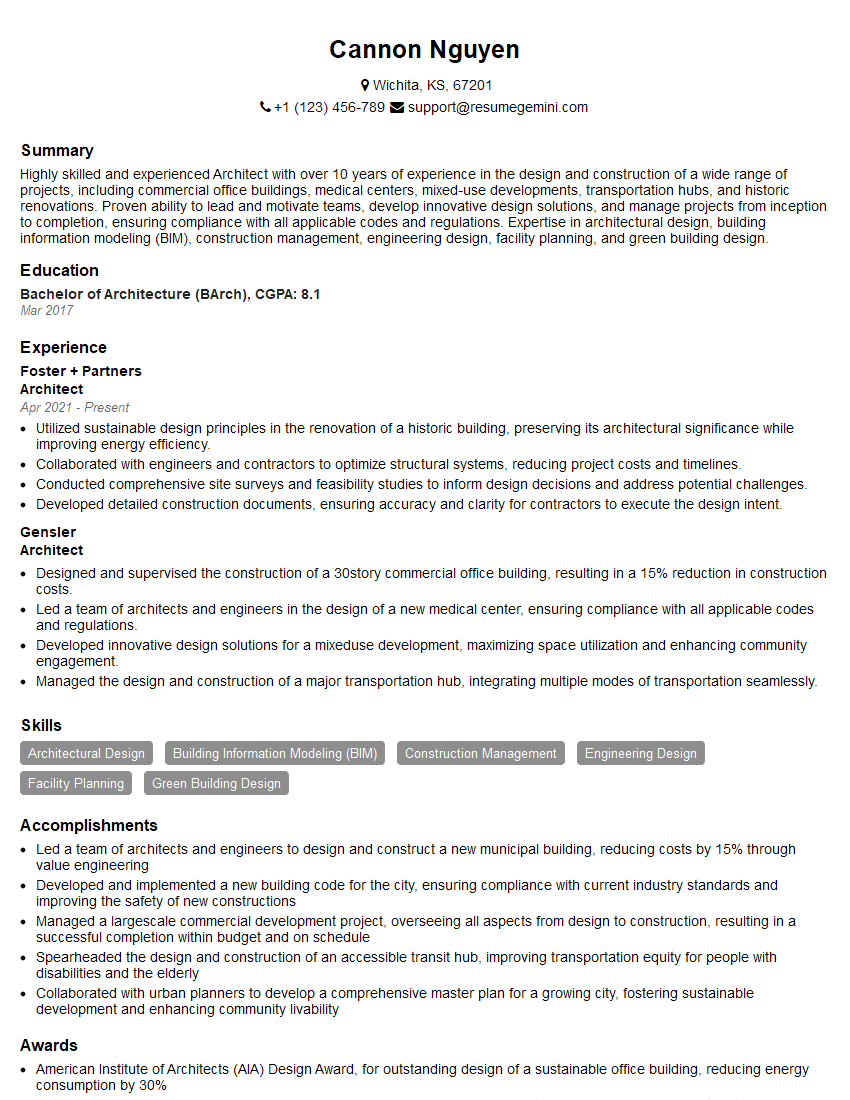
Architect Resume Sample
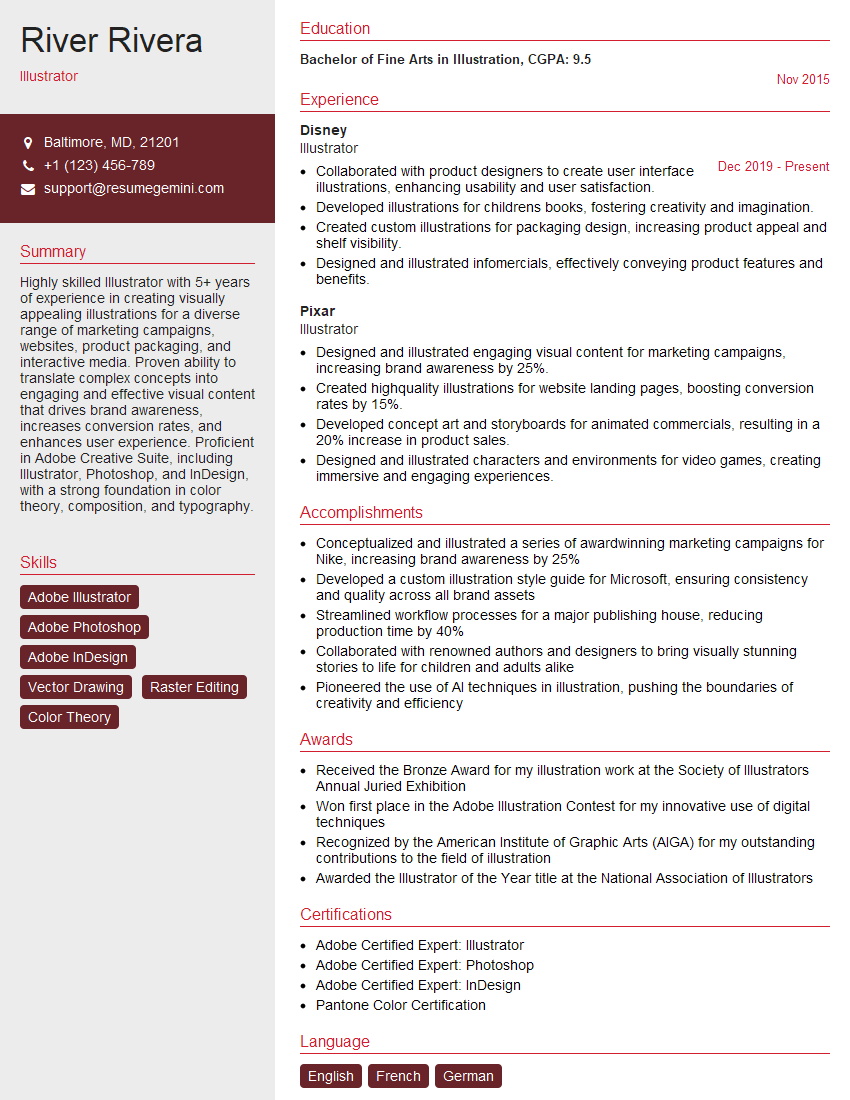
Illustrator Resume Sample
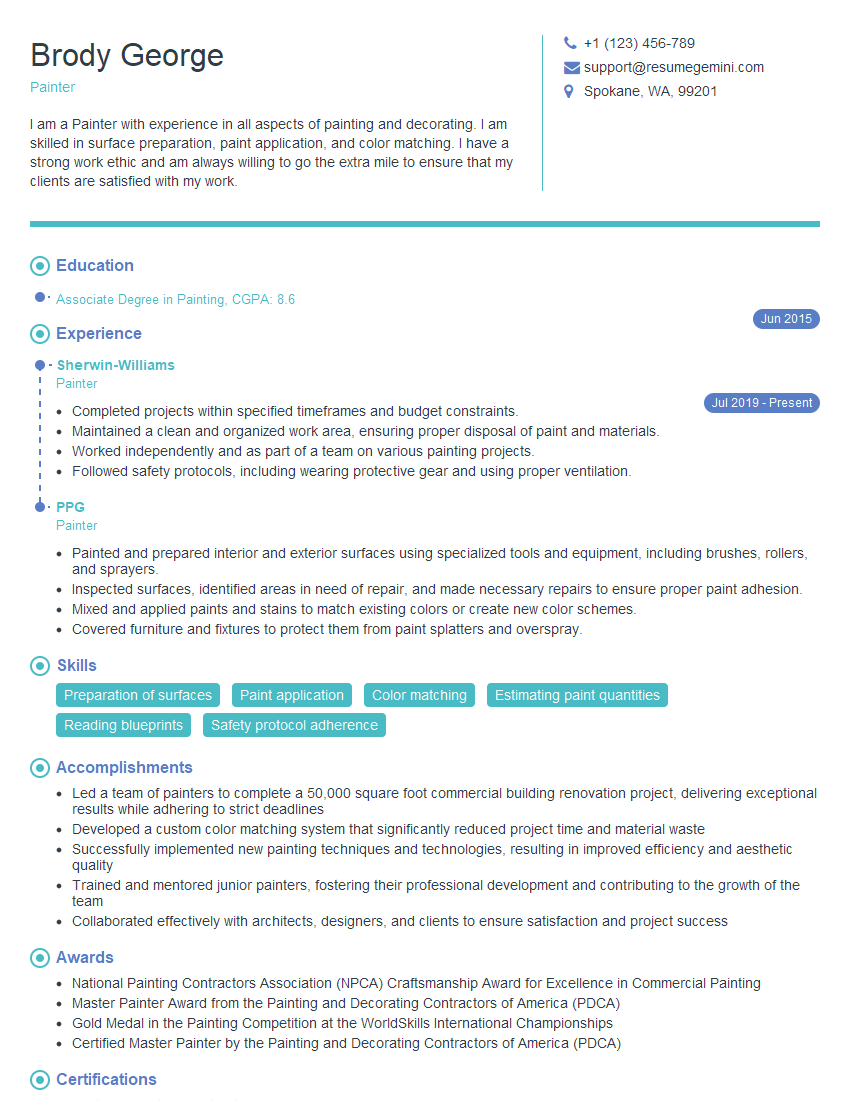
Painter Resume Sample
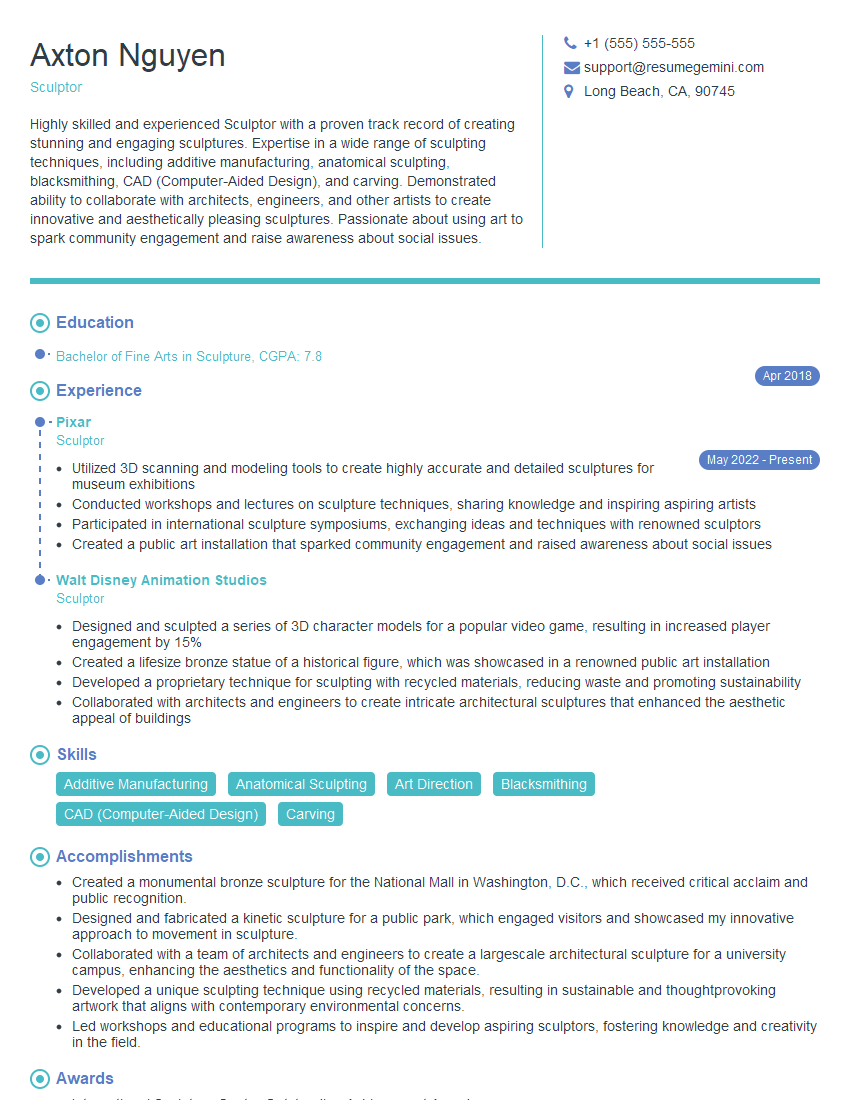
Sculptor Resume Sample
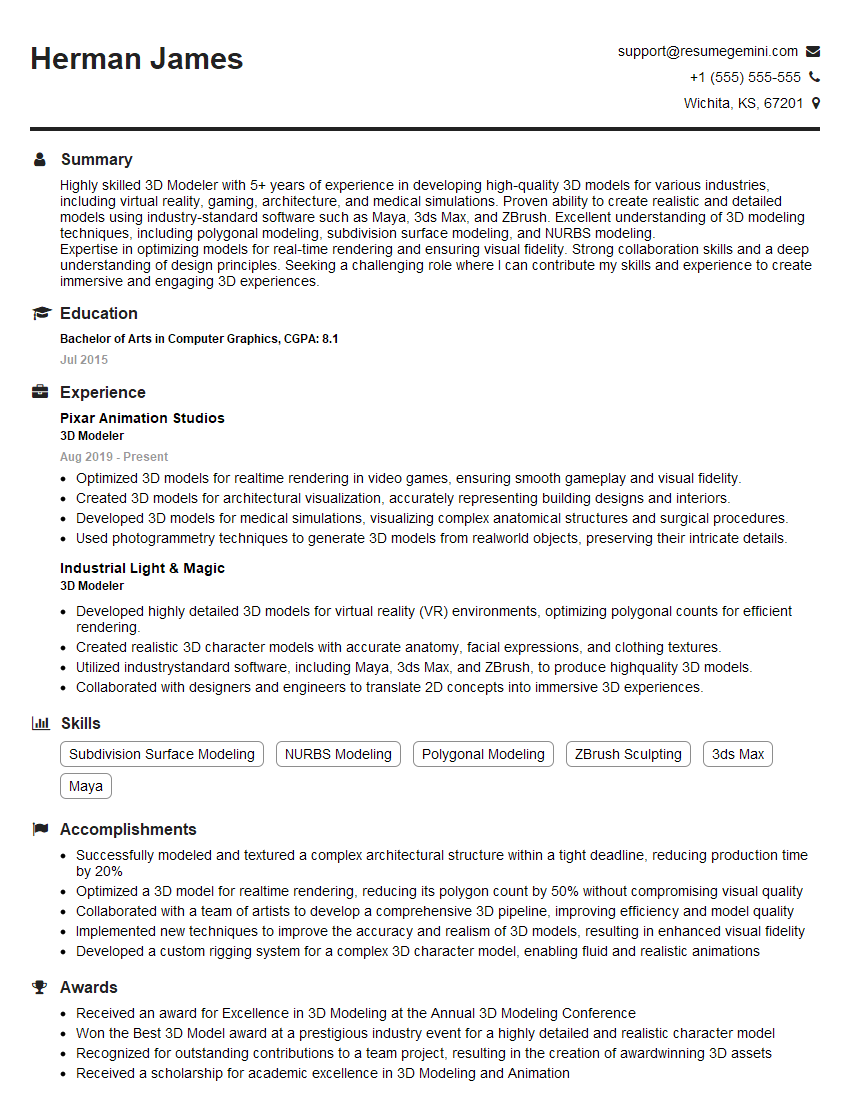
3D Modeler Resume Sample
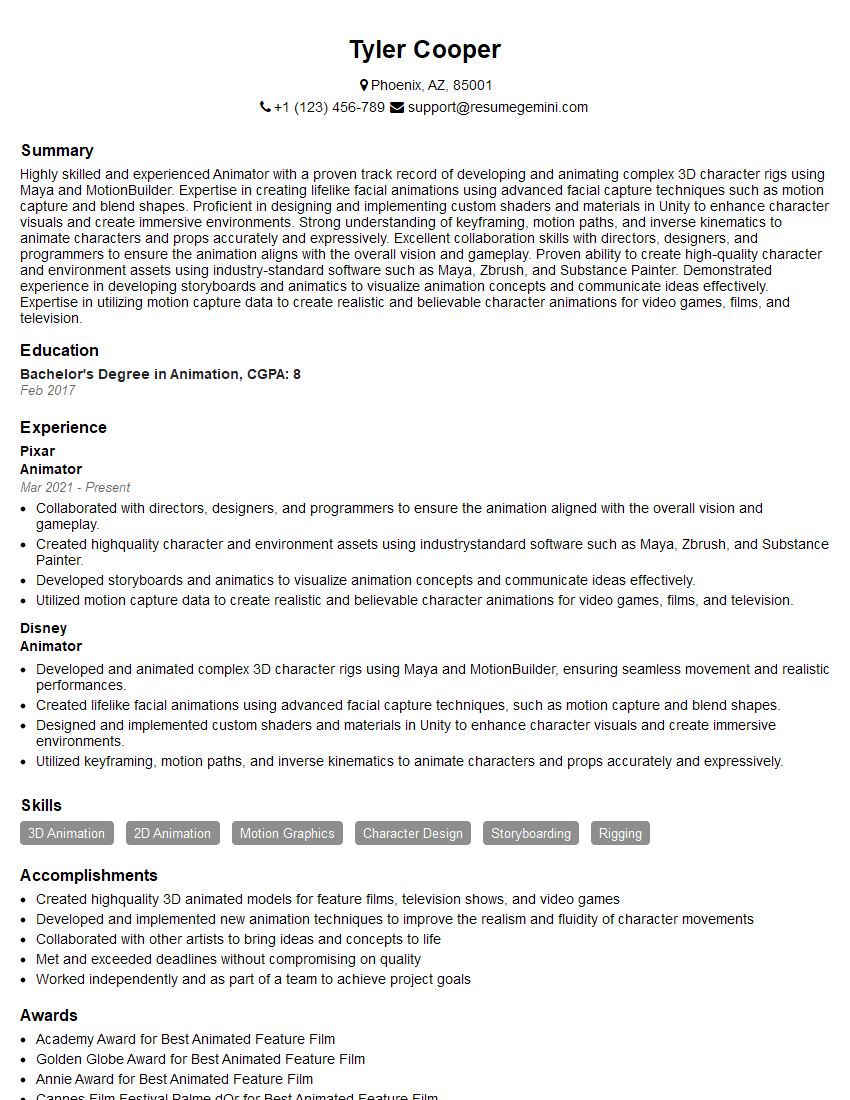
Animator Resume Sample
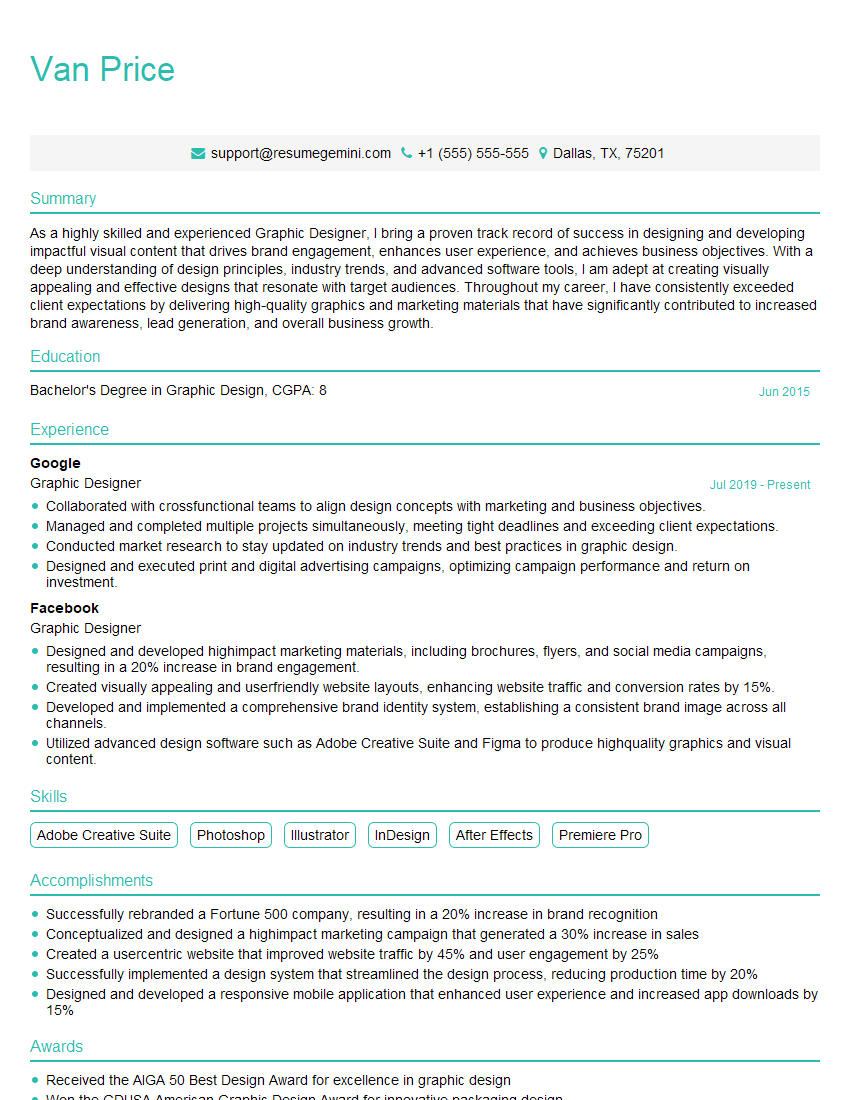
Graphic Designer Resume Sample
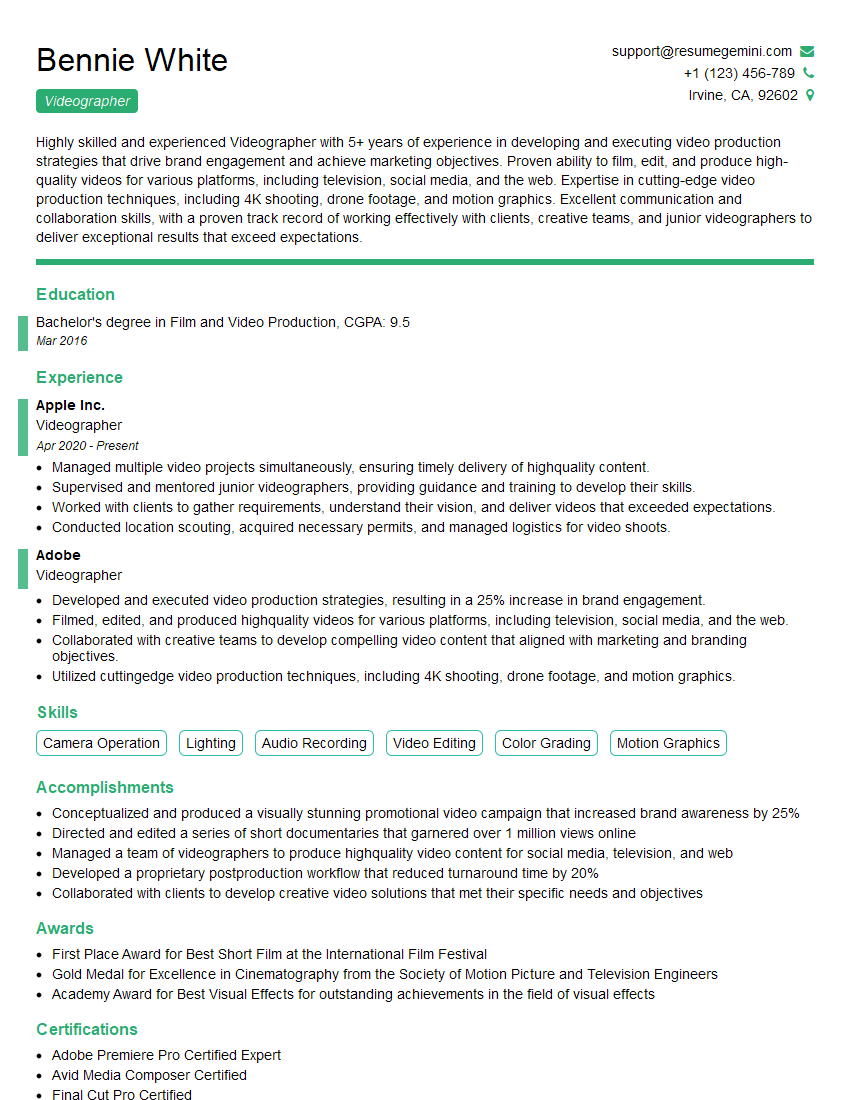
Videographer Resume Sample
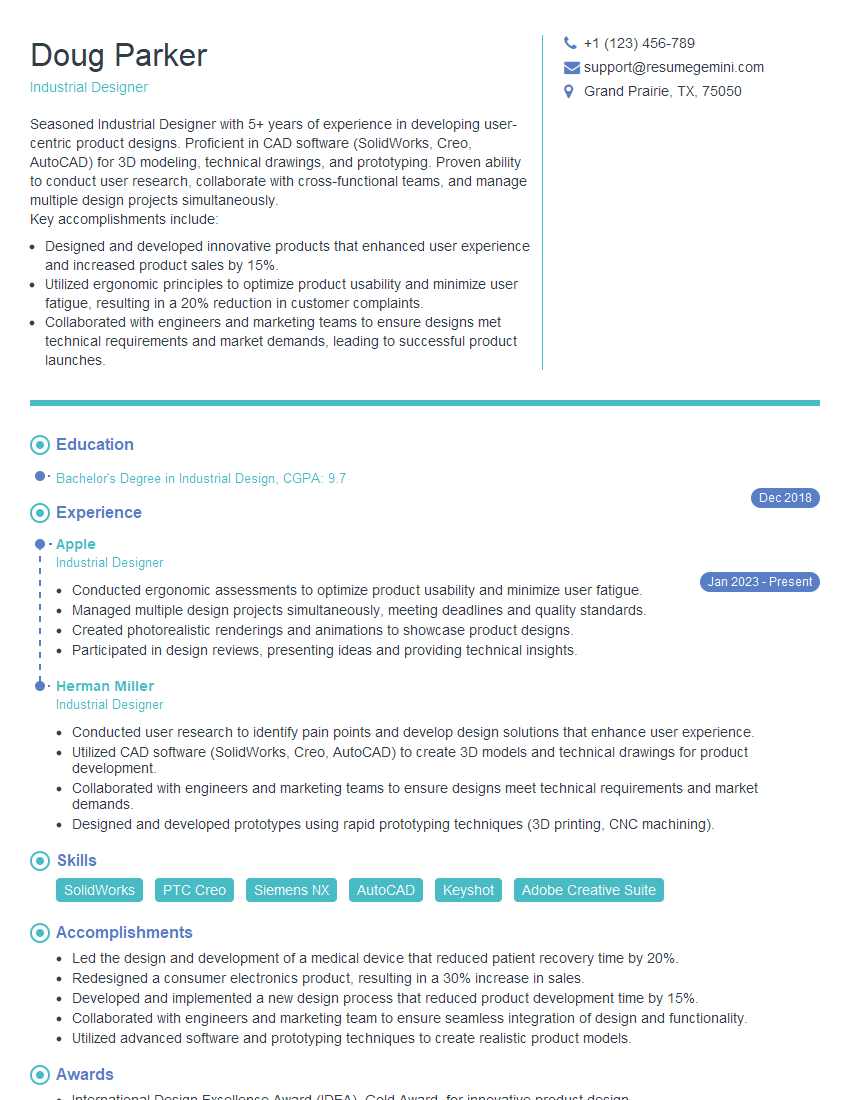
Industrial Designer Resume Sample
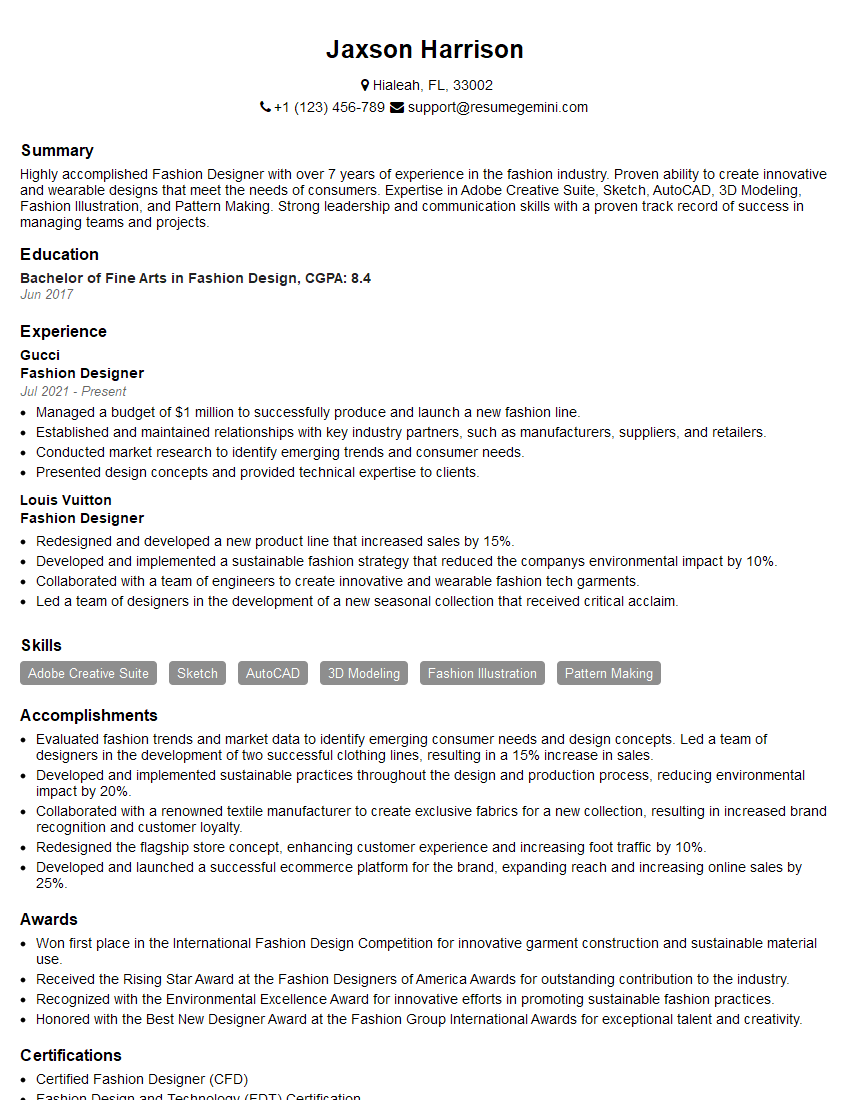
Fashion Designer Resume Sample
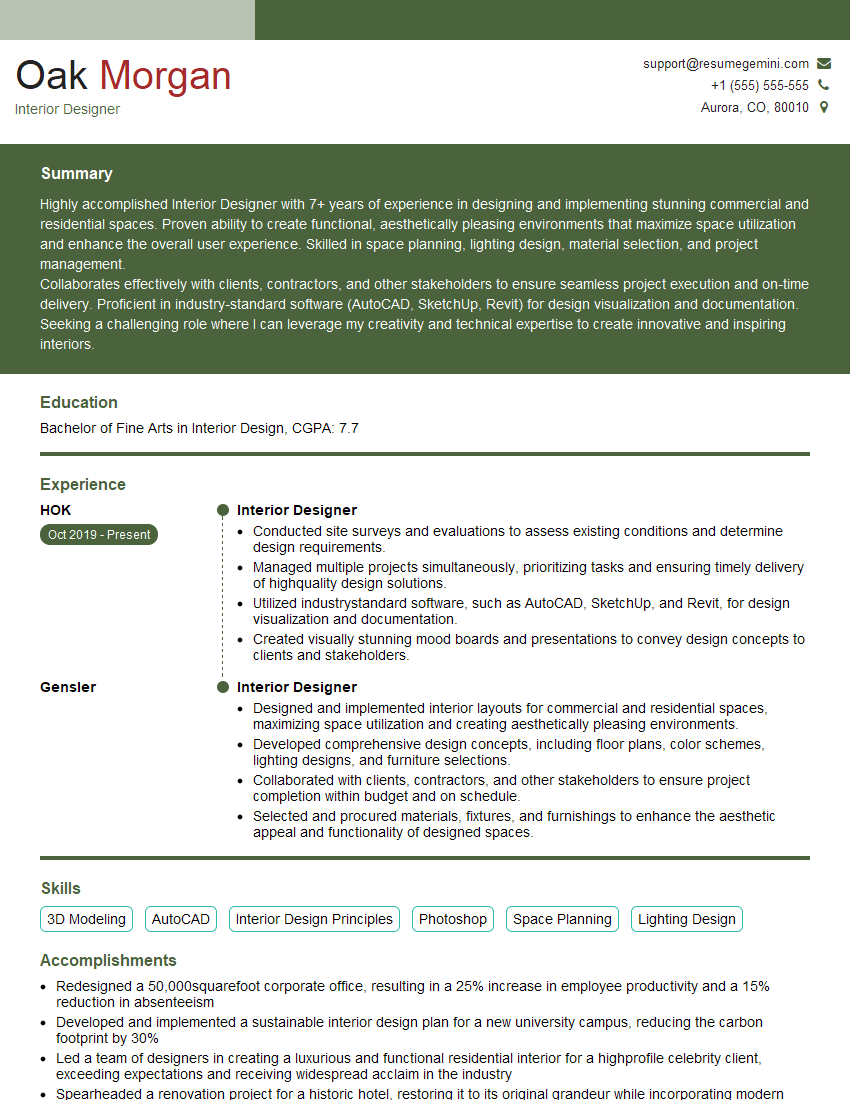
Interior Designer Resume Sample
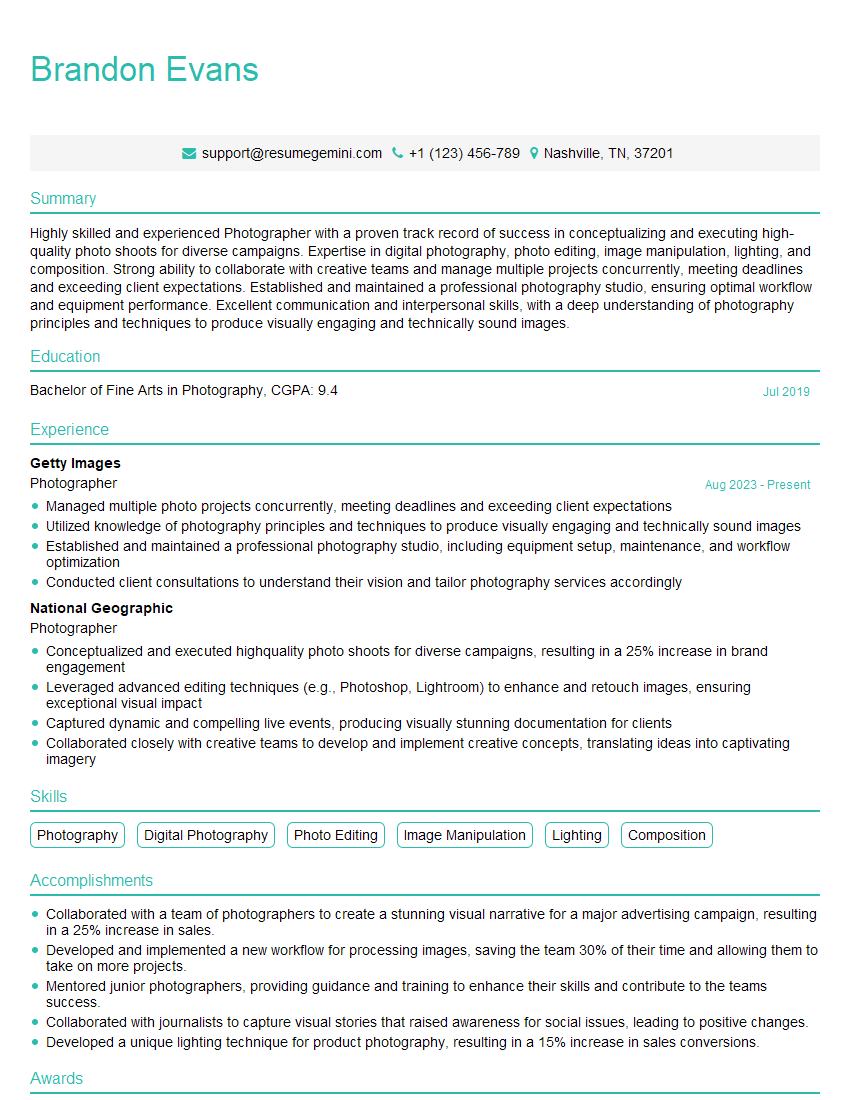
Photographer Resume Sample
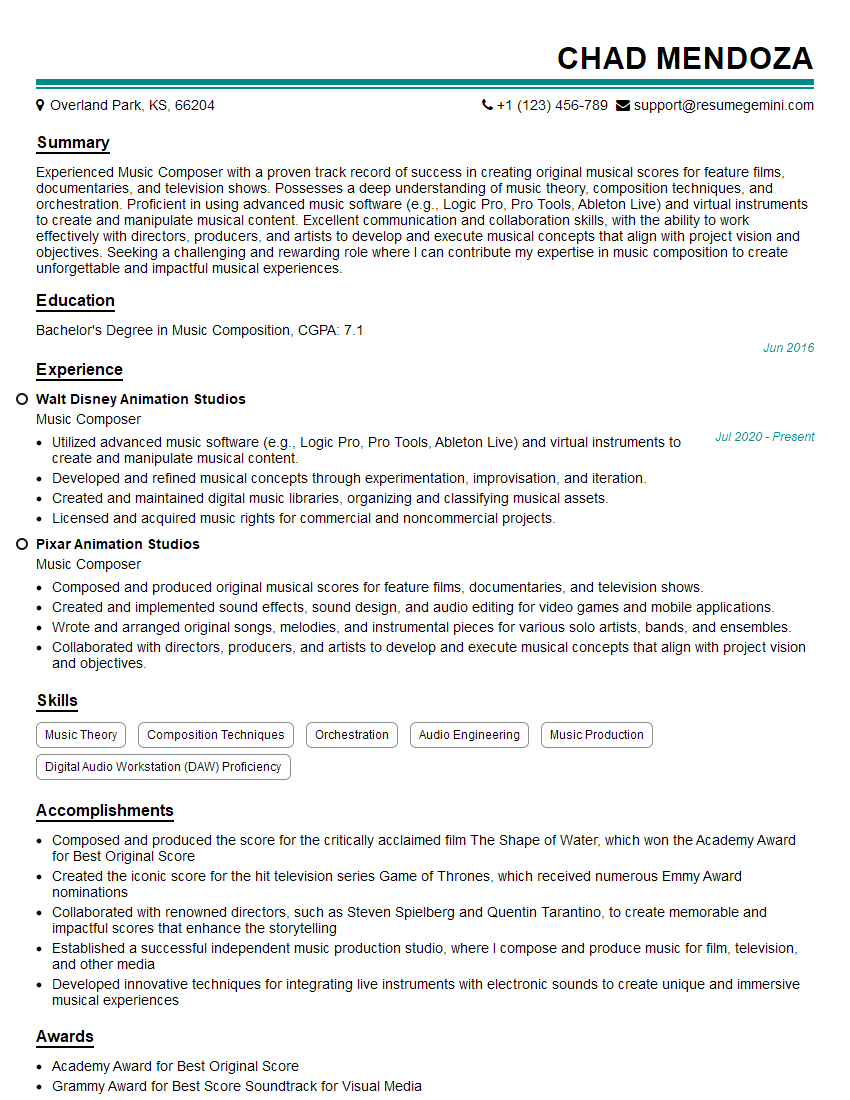
Music Composer Resume Sample

Copywriter Resume Sample

Content Creator Resume Sample
Explore more articles
Users Rating of Our Blogs
Share Your Experience
We value your feedback! Please rate our content and share your thoughts (optional).
What Readers Say About Our Blog
I Redesigned Spongebob Squarepants and his main characters of my artwork.
https://www.deviantart.com/reimaginesponge/art/Redesigned-Spongebob-characters-1223583608
IT gave me an insight and words to use and be able to think of examples
Hi, I’m Jay, we have a few potential clients that are interested in your services, thought you might be a good fit. I’d love to talk about the details, when do you have time to talk?
Best,
Jay
Founder | CEO