Feeling uncertain about what to expect in your upcoming interview? We’ve got you covered! This blog highlights the most important Gear Tooth Rounding interview questions and provides actionable advice to help you stand out as the ideal candidate. Let’s pave the way for your success.
Questions Asked in Gear Tooth Rounding Interview
Q 1. Explain the purpose of gear tooth rounding.
Gear tooth rounding, also known as fillet rounding or tip relief, is the process of modifying the sharp corners of gear teeth to create a smooth, rounded profile. This seemingly small alteration significantly impacts the performance and longevity of gears. The primary purpose is to reduce stress concentration at the root of the tooth and improve the meshing characteristics of the gears.
Imagine biting into an apple with a perfectly sharp knife versus a slightly rounded knife. The sharp knife is much more likely to cause cracking and damage. Similarly, sharp gear teeth are prone to stress fractures and premature failure under load.
Q 2. What are the different methods for achieving gear tooth rounding?
Several methods achieve gear tooth rounding, each with its own advantages and limitations:
- Manufacturing Processes: Hobbing, shaping, and grinding processes can be carefully controlled to incorporate rounding. The tool geometry is designed to inherently create the rounded profile during the cutting operation. This is a common and efficient method.
- Post-Processing: Techniques like polishing or shot peening can introduce minor rounding. These are often used to refine the tooth profile after initial machining, improving surface finish and reducing stress concentrations further.
- Additive Manufacturing: 3D-printing technologies like selective laser melting (SLM) allow for intricate control over tooth geometry, enabling precise rounding as part of the design.
- Roll Burnishing: This process uses rollers to plastically deform the tooth surface, smoothing out asperities and introducing controlled rounding. It’s particularly effective for improving surface finish and fatigue life.
The choice of method depends on factors like material, desired accuracy, production volume, and cost.
Q 3. How does gear tooth rounding affect gear meshing?
Gear tooth rounding significantly impacts gear meshing. Sharp teeth experience high contact stresses concentrated at a single point, leading to impact loading, noise, and vibration. Rounding distributes the contact stress over a larger area, leading to a smoother, quieter, and more efficient mesh. This reduced impact also helps to lessen wear and tear on the gears. The contact ratio (the number of teeth in contact simultaneously) can also be slightly affected, potentially improving load-carrying capacity.
Think of it like two Lego bricks. If the studs were sharp, they’d only touch at the tips, leading to instability. With rounded studs, the contact area is larger, leading to a more stable and robust connection.
Q 4. Describe the benefits of rounded gear teeth compared to sharp teeth.
Rounded gear teeth offer several key advantages over sharp teeth:
- Reduced Stress Concentration: This is the most crucial benefit. Rounding significantly reduces stress at the root of the tooth, making the gear much less susceptible to fatigue failure.
- Smoother Meshing: The contact is distributed over a larger area, leading to reduced noise and vibration.
- Increased Load Capacity: While the overall strength might be slightly lower than a perfectly involute tooth in theory (because slightly less material), the improved stress distribution and reduced risk of fatigue failure often lead to a higher effective load-carrying capacity.
- Improved Efficiency: Smoother operation minimizes energy losses due to friction and impact.
- Enhanced Durability: The lower stress and smoother operation lead to prolonged gear life.
Q 5. What are the limitations of gear tooth rounding?
Despite the numerous benefits, gear tooth rounding has limitations:
- Slight Reduction in Strength (in theory): While practically resulting in increased durability, some minimal amount of material is removed which in theory reduces the overall tooth strength. This reduction is often negligible when compared to the improved fatigue resistance.
- Increased Manufacturing Complexity: Achieving precise rounding can be challenging and more costly, especially for high-precision gears.
- Potential for Undercutting: Excessive rounding can lead to undercutting, weakening the tooth profile, so careful design and manufacturing control are crucial.
The benefits typically outweigh these limitations, making rounding a valuable design consideration in most applications.
Q 6. How does gear tooth rounding affect gear strength and durability?
Gear tooth rounding significantly impacts gear strength and durability. As previously discussed, the primary effect is a reduction in stress concentration at the tooth root. This reduction dramatically improves fatigue strength, meaning the gear is much less likely to fail due to repetitive loading. The smoother meshing also reduces wear and tear, contributing to overall gear durability. The net result is increased lifespan and reliability.
It’s important to note that while the overall material is slightly reduced by rounding, the improved stress distribution makes the gear stronger and more durable in practice, often exceeding the performance of a gear with sharp teeth.
Q 7. How is the amount of rounding determined?
The amount of rounding is determined through a combination of factors, including:
- Gear Material: Stronger materials can tolerate more aggressive rounding.
- Operating Conditions: Higher loads and speeds necessitate more conservative rounding.
- Application Requirements: The desired level of noise, vibration, and efficiency dictate the optimal amount of rounding.
- Manufacturing Capabilities: The precision and capabilities of the manufacturing process limit the achievable level of rounding.
- Finite Element Analysis (FEA): Sophisticated FEA simulations are often employed to optimize the rounding profile for maximum strength and durability under specific operating conditions.
Typically, the rounding radius is specified as a fraction of the module (a fundamental gear design parameter) or as a specific dimension. The final decision often involves a trade-off between maximizing strength, minimizing noise, and considering manufacturing feasibility.
Q 8. What factors influence the selection of a specific rounding method?
The selection of a gear tooth rounding method hinges on several crucial factors, all aiming for optimal gear performance and longevity. These factors interact, and the best method is often a compromise.
- Application Requirements: High-speed, high-load applications necessitate different rounding profiles than low-speed, low-load applications. A high-speed gear might benefit from a gentler rounding to reduce impact forces, while a high-load gear may need a stronger, more robust profile to resist wear.
- Material Properties: The material’s hardness, toughness, and fatigue strength greatly influence the choice. Harder materials can tolerate sharper profiles, while softer materials may demand more generous rounding to prevent premature wear and chipping.
- Manufacturing Capabilities: The chosen method must be achievable with the available manufacturing technology. Complex rounding profiles require advanced machining techniques, which may not be feasible or cost-effective for all production scales.
- Cost Considerations: More intricate rounding methods generally increase manufacturing costs. The selection often involves a trade-off between performance benefits and economic feasibility.
- Noise and Vibration Goals: Certain rounding profiles are designed to minimize noise and vibration. This is a key factor, especially in sensitive applications where quiet operation is crucial.
For instance, a high-precision instrument gear might use a highly controlled, precise rounding method, while a heavy-duty industrial gear might employ a simpler, more robust method.
Q 9. Explain the relationship between rounding radius and gear life.
The relationship between rounding radius and gear life is significant and generally inverse, within reason. A larger rounding radius (more generous rounding) typically leads to increased gear life.
Imagine two gears: one with sharp teeth and one with generously rounded teeth. When the sharp-toothed gear meshes, the contact point experiences high stress concentration, leading to rapid wear and potential fatigue failure. The rounded teeth distribute the load over a larger area, reducing stress concentrations and promoting smoother, more even wear. This results in a longer lifespan. However, excessively large rounding radii can weaken the tooth, reducing load capacity. The optimal rounding radius balances wear resistance and strength.
Think of it like distributing weight: a concentrated point load (sharp teeth) causes damage, while spreading the load over a surface (rounded teeth) prevents it.
Q 10. How does tooth rounding affect gear noise and vibration?
Tooth rounding significantly impacts gear noise and vibration. Sharp, poorly rounded teeth generate higher impact forces during meshing, resulting in increased noise and vibration. This is because the impact is concentrated on a small area, leading to impulsive forces. Rounded teeth, on the other hand, create a more gradual engagement, reducing these impulsive forces and leading to quieter, smoother operation.
Consider the analogy of dropping a ball on a hard surface versus dropping it on a soft surface. The hard surface produces a loud, sharp sound, while the soft surface absorbs the impact, resulting in a quieter sound. Similarly, rounded teeth ‘absorb’ the impact better than sharp teeth, reducing noise and vibration.
The degree of noise and vibration reduction is related to the amount and type of rounding; finer, more controlled rounding will generally lead to quieter operation.
Q 11. Describe the effect of tooth rounding on load capacity.
Tooth rounding affects load capacity in a complex way. While overly aggressive rounding can weaken the tooth, reducing load capacity, moderate rounding can actually improve it by altering the stress distribution.
Rounded teeth distribute the load over a larger area, reducing stress concentration at the contact point. This reduced stress concentration can improve the fatigue strength of the tooth, thus increasing the load capacity. However, excessive rounding reduces the effective tooth thickness, making it more susceptible to bending failure, ultimately decreasing load capacity. Therefore, an optimum level of rounding exists to maximize load capacity.
It’s a delicate balance: insufficient rounding leads to high stress and potential failure, while excessive rounding weakens the tooth. The ideal level depends on the specific gear design and application requirements.
Q 12. What are the common causes of excessive tooth wear in gears?
Excessive tooth wear in gears can stem from various causes, often interconnected:
- Overloading: Exceeding the gear’s designed load capacity leads to premature wear.
- Poor Lubrication: Insufficient or improper lubrication results in increased friction and wear.
- Misalignment: Improper alignment of gear shafts causes uneven load distribution and accelerated wear.
- Material Defects: Internal flaws or inconsistencies in the gear material can predispose it to wear.
- Manufacturing Defects: Inaccurate tooth profiles or surface imperfections promote faster wear.
- Incorrect Gear Ratio: A poorly selected gear ratio can create excessive stress on the teeth.
- Contamination: Foreign particles in the lubricant can act as abrasives, increasing wear.
- Insufficient Rounding: Inadequate rounding of the gear teeth concentrates stress on a small area, promoting rapid wear.
Identifying the root cause is crucial for addressing the problem effectively. Often, it involves a combination of factors rather than a single cause.
Q 13. How can you measure the amount of rounding on a gear tooth?
Measuring the amount of rounding on a gear tooth typically involves using specialized tools and techniques.
- Profilometer: A profilometer uses a stylus to trace the tooth profile, providing precise measurements of the rounding radius.
- Optical Measuring Systems: These systems utilize optical techniques, like confocal microscopy, to generate high-resolution 3D profiles of the tooth surface, accurately capturing rounding details.
- Coordinate Measuring Machine (CMM): A CMM can measure the tooth profile by probing multiple points along the tooth surface to create a point cloud, which can then be used to determine the rounding.
The specific method chosen depends on the desired accuracy and the available resources. For instance, a quick visual inspection might be sufficient for some applications, while others require very precise measurements using sophisticated equipment.
Q 14. What are the inspection techniques for assessing gear tooth rounding?
Inspection techniques for assessing gear tooth rounding fall into several categories:
- Visual Inspection: A basic visual check using a magnifying glass or microscope can detect gross rounding inconsistencies. This method is suitable for a quick preliminary assessment.
- Dimensional Inspection: Using tools like profilometers, CMMs, or optical measuring systems, precise measurements of the tooth profile are obtained. These measurements quantify the amount of rounding present.
- Surface Roughness Measurement: Analyzing the surface roughness using a profilometer provides information about the surface texture, indicating the quality of the rounding process.
The choice of inspection method depends on factors like the required level of accuracy, the availability of equipment, and the specific requirements of the application. Often a combination of methods is used to get a comprehensive assessment of gear quality.
Q 15. How does gear tooth rounding impact gear efficiency?
Gear tooth rounding, also known as tip relief, significantly impacts gear efficiency. While it might seem counterintuitive to modify the perfect involute profile, rounding the tooth tips offers several advantages that outweigh the minor efficiency losses. In perfectly involute gears, contact between teeth is initially concentrated at a single point. This point contact results in high stress concentrations, increased wear, and noise. Rounding the tips introduces a gradual contact area, distributing the load more evenly across the tooth flanks. This reduces stress concentrations, leading to smoother operation and increased lifespan.
The minor efficiency reduction comes from a slightly reduced contact ratio. The contact ratio defines how many pairs of teeth are in contact simultaneously during meshing. Rounding can slightly reduce this, leading to a minimal loss in power transmission. However, this loss is usually far outweighed by the increased durability and quieter operation gained from reduced stress and impact.
Imagine trying to push two perfectly flat pieces of wood together. The pressure is immense at the point of contact. Now imagine rounding the edges slightly; the contact area increases, distributing the force and making the process smoother. This analogy perfectly describes the effect of gear tooth rounding on load distribution.
Career Expert Tips:
- Ace those interviews! Prepare effectively by reviewing the Top 50 Most Common Interview Questions on ResumeGemini.
- Navigate your job search with confidence! Explore a wide range of Career Tips on ResumeGemini. Learn about common challenges and recommendations to overcome them.
- Craft the perfect resume! Master the Art of Resume Writing with ResumeGemini’s guide. Showcase your unique qualifications and achievements effectively.
- Don’t miss out on holiday savings! Build your dream resume with ResumeGemini’s ATS optimized templates.
Q 16. Explain how finite element analysis (FEA) can be used in gear tooth rounding design.
Finite Element Analysis (FEA) is a powerful computational tool used extensively in optimizing gear tooth rounding designs. FEA allows engineers to simulate the stresses and deformations within the gear teeth under various loading conditions. By creating a virtual model of the gear, engineers can precisely define the rounding profile and material properties. They can then simulate different loading scenarios, such as torque, speed, and misalignment, observing the stress distribution, contact pressure, and deformation in real-time.
This allows for iterative design optimization. For example, an engineer might start with a standard rounding profile and, through FEA simulations, identify high-stress zones. They can then modify the rounding profile, re-run the simulation, and observe the impact of these changes. This iterative process helps in creating a design that minimizes stress concentrations, maximizing durability and preventing premature failure. FEA can also accurately predict the fatigue life of the gears, ensuring the design meets the required operational life.
In short, FEA facilitates a data-driven approach to gear tooth rounding, replacing trial-and-error methods with a precise, efficient, and cost-effective design process.
Q 17. What software tools are commonly used for gear tooth rounding analysis and design?
Several sophisticated software tools are commonly employed for gear tooth rounding analysis and design. These packages often integrate CAD capabilities with FEA solvers and specialized gear calculation modules. Popular choices include:
- ANSYS Mechanical: A robust FEA package widely used for its advanced capabilities in stress analysis and fatigue life prediction.
- Abaqus: Another highly regarded FEA software, known for its versatility in handling complex material models and contact interactions.
- KISSsoft: Specialized gear design software that integrates comprehensive gear calculation modules with CAD and FEA capabilities.
- Romax: Primarily known for its gearbox design software, but also incorporates robust gear analysis and optimization capabilities.
The selection of software depends on several factors, such as the complexity of the gear geometry, the required analysis depth, and the budget. Many companies also use in-house developed tools or scripts integrated within general-purpose FEA packages tailored to their specific needs.
Q 18. How does material selection affect the suitability for tooth rounding?
Material selection is crucial in determining the suitability of a gear for tooth rounding. Materials with high yield strength and fatigue resistance are preferred to withstand the stresses introduced during operation. The material’s hardness also influences wear resistance, as rounded teeth are more susceptible to wear at the contact points compared to sharp involute profiles.
For example, high-strength steels, such as alloy steels and case-hardened steels, are widely used due to their excellent balance of strength, hardness, and fatigue resistance. However, other materials, such as specialized ceramics or advanced composites, may be considered for applications requiring extremely high wear resistance or operating under harsh conditions.
The selection process involves considering the operating conditions, including loads, speeds, and environmental factors. Materials with high toughness are essential to withstand sudden impacts, and the material’s elastic modulus is a factor in determining the contact stiffness and resulting stress distribution.
Q 19. Describe the process of manufacturing gears with rounded teeth.
Manufacturing gears with rounded teeth utilizes various methods depending on the gear’s size, precision requirements, and production volume. Common methods include:
- Hobbing with modified hob: A hob with a modified profile is used to generate the rounded tooth form directly during the hobbing process. This is a cost-effective method for mass production.
- Shaping with modified shaping cutter: Similar to hobbing, shaping uses a cutter with a modified profile to generate the rounded teeth. This method is often used for gears with complex profiles or smaller batch sizes.
- Grinding: Grinding offers the highest precision and surface finish, enabling the creation of highly accurate rounded teeth. It is often employed for gears requiring high accuracy and durability, though it can be more time-consuming and expensive.
- Electro-discharge machining (EDM): EDM provides a versatile approach capable of creating complex geometries and is used for producing intricate tooth profiles, including customized rounding.
The choice of manufacturing method depends on the required precision, production volume, and cost considerations. Many times, a combination of methods might be utilized. For example, a gear might be hobbed initially and then subjected to fine grinding to achieve a highly precise surface finish and accurate rounding.
Q 20. What are the tolerances typically associated with gear tooth rounding?
Tolerances associated with gear tooth rounding vary significantly depending on the application and the gear’s precision requirements. These tolerances define the allowable deviations from the ideal rounded profile. They are typically specified in terms of:
- Radius of the rounded tip: This specifies the radius of the circular arc used for the rounding.
- Transition curve shape and dimensions: Precise specifications ensure a smooth transition between the involute profile and the rounded tip, preventing stress concentration.
- Surface roughness: The surface finish of the rounded tooth impacts wear resistance and noise generation. This is often specified as Ra (average roughness) or Rz (maximum height of profile irregularities).
Tolerances are defined using standards such as ISO or AGMA, providing precise specifications for different precision classes. Higher precision gears naturally have tighter tolerances, often demanding more advanced manufacturing techniques and stricter quality control. The tolerances are crucial because deviations from the specified profile can lead to noise, vibration, and premature wear.
Q 21. How does gear tooth rounding affect the backlash in a gear mesh?
Gear tooth rounding affects backlash in a gear mesh. Backlash refers to the clearance between meshing gear teeth when no load is applied. Rounding the tooth tips subtly increases the backlash. This is because the contact area is reduced at the point where the teeth first come into contact, requiring a slightly larger clearance to avoid interference. The amount of this increase depends on the degree of rounding.
In some applications, a slight increase in backlash due to rounding might be acceptable, even desirable, as it can reduce the impact loads and noise during meshing. However, excessive backlash is detrimental, leading to poor accuracy and potential damage. The design process must carefully balance the benefits of rounding (reduced stress, smoother operation) with the potential drawback of increased backlash. FEA simulations are crucial in predicting and optimizing the backlash based on different rounding profiles and other design parameters.
Q 22. Explain the concept of tip relief in gear tooth design and its relation to rounding.
Tip relief, in gear tooth design, refers to the intentional modification of the tooth profile near the tip, creating a slight concave curve. Instead of a sharp point, the tip is slightly rounded or relieved. This rounding is crucial because it prevents high stress concentrations at the tooth tip during meshing. Without tip relief, the very tip of the tooth would bear the brunt of the load, leading to premature wear, pitting, or even breakage. Think of it like easing a sharp corner on a metal object to prevent it from chipping. The relief is carefully controlled, usually by a small amount, to improve the load distribution across the entire contact surface and significantly extend the gear’s lifespan.
Tip relief is closely related to overall tooth rounding. While tip relief focuses solely on the tooth’s apex, rounding considers the entire profile, blending sharp edges and corners throughout. They complement each other: Tip relief enhances the effectiveness of overall rounding by managing point stresses specifically, while rounding contributes to smoother operation and reduced noise.
Q 23. How does the type of gear (spur, helical, bevel) influence the tooth rounding considerations?
The type of gear significantly impacts tooth rounding considerations. Spur gears, with their straight teeth, have simpler rounding requirements compared to helical or bevel gears. In spur gears, rounding primarily focuses on reducing stress concentrations and improving meshing. Helical gears, with their angled teeth, require more intricate rounding to manage the progressive contact along the tooth flank. The curvature needs to accommodate this continuous engagement. Bevel gears present an even greater challenge because of their conical shape and varying tooth lengths. Rounding needs to account for the complex geometry to maintain smooth, quiet operation and avoid uneven wear. The manufacturing processes also differ: spur gears might use simpler hobbing techniques, while helical and bevel gears often necessitate more advanced shaping or grinding operations to achieve precise rounding.
Q 24. Discuss the impact of rounding on gear dynamic behavior.
Rounding significantly impacts gear dynamic behavior. Proper rounding reduces impact forces during meshing. Imagine two gears with sharp teeth colliding – it’s a jarring impact! Rounding softens this collision, resulting in lower noise levels and reduced vibrations. This smoother engagement decreases dynamic loads, extending gear life and improving efficiency. Reduced impact also means less wear on bearings and associated components. On the other hand, insufficient or uneven rounding can lead to increased noise, vibration, and premature failure. It can create localized stress points, promoting pitting and wear, and negatively impact the overall efficiency of the gear system.
Q 25. What are some common quality issues associated with gear tooth rounding processes?
Several quality issues can arise during gear tooth rounding. These often stem from inconsistencies in the process.
- Uneven Rounding: This leads to inconsistent meshing, increased noise, and premature wear. It’s like trying to mesh two slightly mismatched puzzle pieces – it’s a bumpy and imperfect fit.
- Insufficient Rounding: Sharp edges remain, creating stress concentration points and prone to fatigue failures.
- Over-Rounding: Too much rounding weakens the tooth, affecting load-carrying capacity.
- Surface Imperfections: Scratches, burrs, or other surface defects introduced during rounding will compromise gear life.
- Dimensional Inaccuracies: Incorrect rounding dimensions can affect the gear’s overall performance and its meshing with other gears in the system.
Q 26. How can you troubleshoot problems related to gear tooth rounding in production?
Troubleshooting gear tooth rounding problems in production requires a systematic approach.
- Inspect the finished gears: Use optical comparators or CMMs to check dimensional accuracy and surface finish.
- Analyze the rounding process: Evaluate machine settings (e.g., cutting tools, feed rates, and depth of cut) to identify any deviations from specifications.
- Examine the cutting tools: Worn or damaged tools can produce poor rounding. Regular tool maintenance is essential.
- Assess material properties: The gear material’s hardness and machinability can influence the rounding process. Ensure the material meets the specifications.
- Analyze the root cause: Based on the inspections and analysis, identify the root cause of the problem, whether it’s machine settings, tooling, or material issues.
- Implement corrective actions: Once the root cause is identified, implement appropriate corrective measures to resolve the problem and prevent recurrence.
Q 27. Describe a situation where gear tooth rounding was critical to a successful design.
In the design of a high-speed, high-precision robotic arm, gear tooth rounding was crucial. The arm needed to operate smoothly and quietly at very high speeds, making any gear noise or vibration unacceptable. The initial design used gears with sharp teeth. While they functioned, the noise and vibration were significant, impacting the arm’s overall accuracy and requiring excessive maintenance. By incorporating highly precise tooth rounding, we reduced the impact forces during meshing, dramatically decreasing noise and vibration. This subtle change led to significant improvements in accuracy, speed, and longevity, resulting in a much more effective and commercially viable product.
Q 28. What are the latest advancements in gear tooth rounding technologies?
Recent advancements in gear tooth rounding technologies focus on increased precision and efficiency.
- Advanced CNC machines: Offer superior control and accuracy over traditional methods, enabling the creation of highly precise tooth profiles.
- High-precision grinding techniques: Provide smoother surfaces and improved dimensional accuracy, leading to better gear performance and extended life.
- Laser-based rounding: Offers non-contact rounding, minimizing surface damage and improving quality. It’s particularly advantageous for difficult-to-machine materials.
- Advanced simulation and modeling: Help optimize rounding parameters for specific gear applications and materials, leading to improved design and manufacturing processes.
- AI-assisted quality control: Using AI algorithms to analyze images and other data for identifying and classifying defects in real-time provides early detection of problems.
Key Topics to Learn for Gear Tooth Rounding Interview
- Fundamental Gear Geometry: Understanding involute profiles, pressure angles, module, and diametral pitch. This forms the bedrock of any gear design discussion.
- Types of Gear Tooth Rounding: Familiarize yourself with various methods and their implications on gear performance, including the effects on load distribution and contact ratio.
- Effects of Rounding on Gear Strength and Durability: Explore how rounding influences stress concentration, fatigue life, and overall gear lifespan. Be prepared to discuss practical examples.
- Manufacturing Considerations: Understand the limitations and challenges in manufacturing gears with specific rounding profiles. This includes tooling, process capabilities, and quality control aspects.
- Finite Element Analysis (FEA) Application: Discuss how FEA is used to analyze stress and deformation in rounded gear teeth under different loading conditions. Prepare to discuss software or methodologies.
- Standards and Specifications: Know relevant industry standards (e.g., AGMA) and how they guide the design and acceptance criteria for gear tooth rounding.
- Troubleshooting and Root Cause Analysis: Be ready to discuss how gear tooth rounding affects common gear failures, such as pitting, wear, and noise. Practice diagnosing issues based on symptoms.
- Material Selection’s Impact: Understand how material properties affect the performance and lifespan of rounded gear teeth under different operating conditions.
Next Steps
Mastering Gear Tooth Rounding significantly enhances your expertise in mechanical engineering, opening doors to advanced roles in design, manufacturing, and research. A strong understanding of this crucial area demonstrates a deep commitment to precision and a high level of technical proficiency. To maximize your job prospects, ensure your resume clearly highlights your knowledge and experience. Creating an ATS-friendly resume is crucial for getting noticed by recruiters. We strongly encourage you to leverage ResumeGemini, a trusted resource for building professional and impactful resumes. ResumeGemini provides examples of resumes tailored to Gear Tooth Rounding and related fields to help you present your qualifications effectively.

Production Supervisor Resume Sample

Project Engineer Resume Sample

Applications Engineer Resume Sample

Research and Development Engineer Resume Sample

Aerospace Engineer Resume Sample

Manufacturing Engineer Resume Sample

Materials Engineer Resume Sample

Metallurgical Engineer Resume Sample
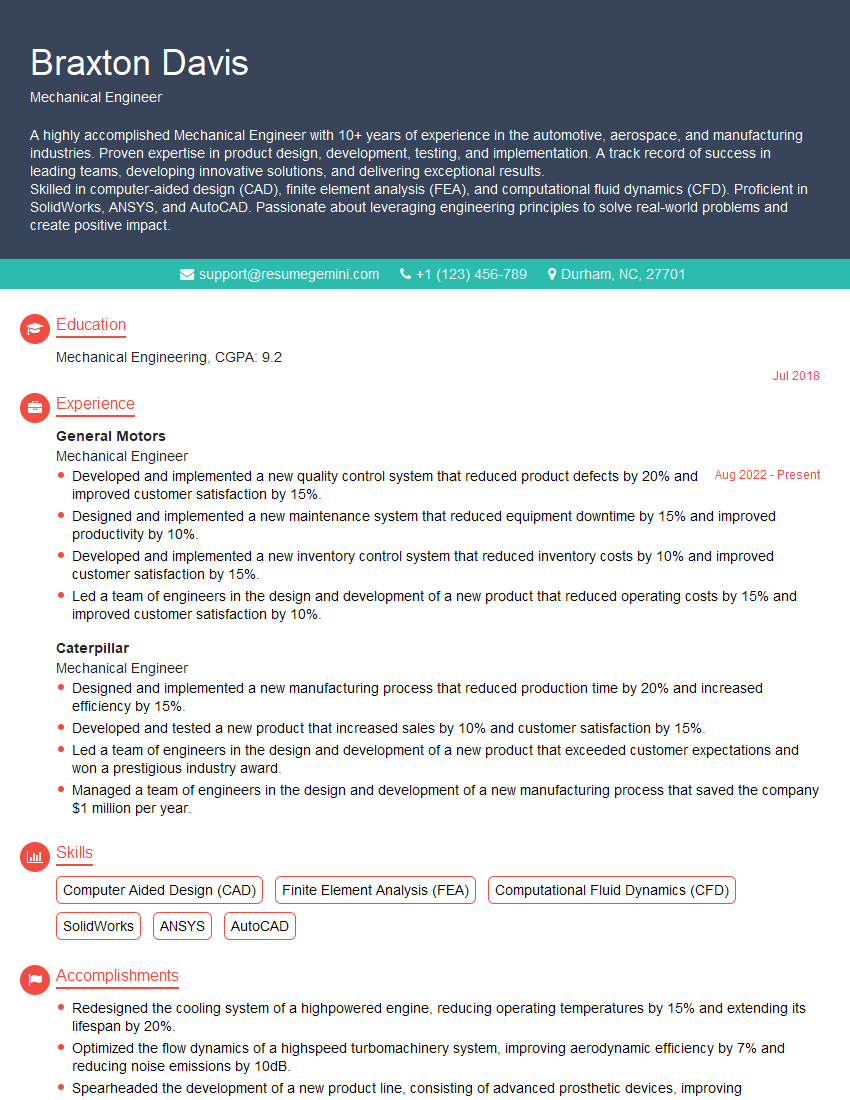
Mechanical Engineer Resume Sample

Tooling Engineer Resume Sample
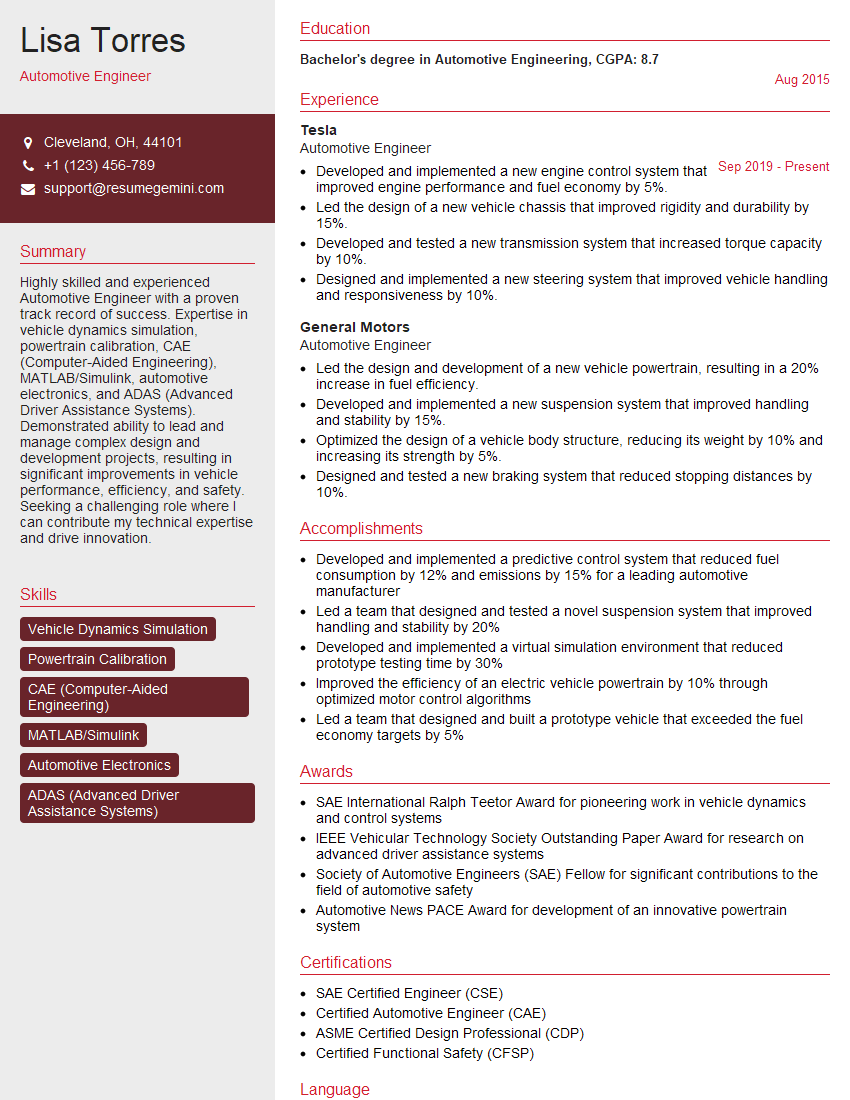
Automotive Engineer Resume Sample

Manufacturing Process Engineer Resume Sample

Robotics Engineer Resume Sample

Precision Machinist Resume Sample

Quality Control Inspector Resume Sample
- Production Supervisor
- Project Engineer
- Applications Engineer
- Research and Development Engineer
- Aerospace Engineer
- Manufacturing Engineer
- Materials Engineer
- Metallurgical Engineer
- Mechanical Engineer
- Tooling Engineer
- Automotive Engineer
- Manufacturing Process Engineer
- Robotics Engineer
- Precision Machinist
- Quality Control Inspector
Explore more articles
Users Rating of Our Blogs
Share Your Experience
We value your feedback! Please rate our content and share your thoughts (optional).
What Readers Say About Our Blog
I Redesigned Spongebob Squarepants and his main characters of my artwork.
https://www.deviantart.com/reimaginesponge/art/Redesigned-Spongebob-characters-1223583608
IT gave me an insight and words to use and be able to think of examples
Hi, I’m Jay, we have a few potential clients that are interested in your services, thought you might be a good fit. I’d love to talk about the details, when do you have time to talk?
Best,
Jay
Founder | CEO