Every successful interview starts with knowing what to expect. In this blog, we’ll take you through the top Physical Assistance interview questions, breaking them down with expert tips to help you deliver impactful answers. Step into your next interview fully prepared and ready to succeed.
Questions Asked in Physical Assistance Interview
Q 1. Describe your experience assisting patients with transfers and mobility.
Assisting patients with transfers and mobility requires a deep understanding of safe techniques and individual patient needs. It’s about minimizing risk of injury to both the patient and the caregiver. My experience spans various transfer methods, from simple stand-pivot transfers to more complex techniques using assistive devices like gait belts, slide boards, and hoists.
For instance, I’ve worked with patients recovering from stroke who require significant assistance with weight-bearing and balance. In these cases, I carefully assess their strength and mobility limitations before choosing the appropriate transfer method. I always explain the process to the patient, emphasizing their participation to build confidence and reduce anxiety. A successful transfer might involve using a gait belt, providing verbal cues, and offering physical support to prevent falls.
Conversely, I’ve also assisted patients with limited mobility due to conditions like arthritis or spinal stenosis. Here, using a slide board or a mechanical lift might be necessary to minimize strain and maximize patient comfort. Each patient’s needs are unique, and my approach is always tailored to their individual capabilities and limitations. Accurate assessment and appropriate technique are paramount to ensure a safe and dignified transfer.
Q 2. How do you prioritize tasks when assisting multiple patients?
Prioritizing tasks when assisting multiple patients requires a systematic approach. My method relies on a combination of urgency and patient needs. I use a combination of techniques, including a visual aid such as a whiteboard or a digital checklist, to keep track of tasks and priorities. This ensures that time-sensitive tasks, such as medication administration or toileting needs, are addressed immediately.
The ABCs (Airway, Breathing, Circulation) take precedence in emergency situations. Beyond immediate medical needs, I assess the severity of each patient’s needs, considering factors like pain levels, mobility limitations, and overall dependence. Patients requiring assistance with essential activities like eating, toileting, or medication take precedence over less urgent tasks. I also consider the patient’s individual risk factors for falls or complications, adjusting the task priority accordingly. Clear and concise communication with my colleagues is crucial for efficient teamwork and effective task management.
For example, if one patient needs immediate assistance with a fall risk while another is awaiting a scheduled medication, the patient requiring immediate safety assistance gets priority. It’s about efficient multitasking and recognizing what truly requires immediate attention. I am always mindful to document actions taken and update any relevant care plans accordingly.
Q 3. Explain your understanding of infection control procedures.
Infection control is a cornerstone of safe patient care. My understanding of these procedures encompasses a wide range of practices aimed at preventing the spread of infectious diseases. This includes adherence to strict hand hygiene protocols, using appropriate personal protective equipment (PPE) like gloves, gowns, and masks, and following proper procedures for cleaning and disinfecting equipment and surfaces.
I understand the importance of standard precautions, which treat all patients as potentially infectious, and transmission-based precautions, implemented based on the type of infection. This might involve contact, droplet, or airborne precautions, each requiring different PPE and environmental controls. For example, when caring for a patient with a respiratory infection, I would diligently use a mask, and potentially eye protection, to prevent the spread of airborne pathogens. I’m also very careful about cleaning and disinfecting surfaces following patient care, correctly using appropriate disinfectants.
Proper waste disposal is another crucial aspect. I’m trained in handling medical waste properly, ensuring all contaminated items are placed in the appropriate containers to prevent cross-contamination. I regularly review and update my knowledge on infection control guidelines to remain proficient in preventing the spread of infections.
Q 4. What are your methods for ensuring patient safety?
Ensuring patient safety is my top priority. My methods include a comprehensive risk assessment for each patient, considering their physical capabilities, medical conditions, and environmental factors. This assessment helps identify potential hazards and develop personalized safety plans. For example, a patient with a history of falls might need bedside rails, non-slip mats, and regular monitoring.
I use appropriate assistive devices, like gait belts and transfer boards, to aid with mobility and reduce the risk of falls. Regular checks on patients’ conditions are crucial, monitoring for any changes in vital signs or unexpected deterioration. I report any concerns immediately to the appropriate healthcare professionals. I communicate openly with patients and their families, explaining safety measures and involving them in the care plan. Clear communication, combined with a risk-focused approach, helps me ensure patient safety.
Proper documentation of patient’s needs and incidents is also crucial to ensure continued and consistent safety. Keeping accurate and up-to-date documentation is key to maintaining clear communication between healthcare providers.
Q 5. How do you handle a patient exhibiting aggressive behavior?
Handling aggressive behavior requires a calm and measured approach. My priority is to de-escalate the situation and ensure the safety of both the patient and myself. I begin by removing any potential triggers, such as excessive noise or overcrowding, and maintaining a safe distance from the patient. I use clear and calm communication, speaking in a soothing tone and avoiding confrontational language. I try to understand the underlying cause of the aggression, whether it’s pain, fear, frustration, or medication side effects.
I might offer the patient a quiet space to calm down, or a comfort item like a blanket. If verbal de-escalation fails, I would involve other healthcare professionals, such as nurses or security personnel. My training includes techniques for physical intervention only as a last resort and only when my safety or the patient’s safety is at immediate risk. Physical restraint is only used under strict protocols and with appropriate supervision.
Following the incident, I document the event thoroughly, including the triggers, the interventions used, and the outcome. This helps identify patterns of aggressive behavior and inform future strategies for de-escalation and prevention.
Q 6. Describe your experience with assisting patients with personal hygiene.
Assisting patients with personal hygiene requires respect, dignity, and attention to detail. My approach is always patient-centered, ensuring their privacy and comfort. I explain each step of the process clearly and involve the patient as much as possible, encouraging their participation based on their capabilities. I utilize appropriate assistive devices, such as shower chairs or bath benches, and maintain strict infection control protocols.
I ensure the patient’s comfort by paying close attention to the water temperature, providing assistance with dressing and undressing, and maintaining appropriate hygiene standards. For example, when assisting a patient with bed bathing, I would ensure the bed is properly protected, and I would use appropriate techniques to reduce the risk of skin breakdown or injury. I always respect the patient’s modesty and maintain their dignity throughout the process. I provide support and encouragement without rushing and ensure appropriate environmental comfort. I consistently focus on maintaining the patient’s comfort and independence in every step of the process.
Following completion of the task, I promptly clean and disinfect all equipment and the area appropriately. Maintaining a safe, clean, and respectful environment for hygiene tasks is paramount for preserving patient dignity and preventing infections.
Q 7. How do you communicate effectively with patients and their families?
Effective communication with patients and their families is essential for providing quality care. I use clear, concise language, avoiding medical jargon unless specifically requested by the patient or family. I actively listen to their concerns and questions, and I respond honestly and respectfully. I tailor my communication style to the individual, considering their age, cognitive abilities, and cultural background. I always ensure the patient is well-informed about their care plan and any changes that occur.
For family members, I communicate regularly to keep them updated on their loved one’s progress. I encourage their participation in the care process and involve them in making decisions whenever appropriate. I am sensitive to their emotional needs and offer support and empathy. I use a variety of communication tools, such as written reports, verbal updates, and visual aids, to ensure everyone is well-informed. When challenges arise, I use clear and compassionate language to explain the situation, and seek collaborative solutions with the patient and family.
Building trust and rapport is essential for effective communication. This requires clear communication, respect, and responsiveness. I understand that building a good rapport takes time and consistent, empathetic communication. I ensure I clearly understand their concerns and effectively communicate how I can assist.
Q 8. Explain your knowledge of medical terminology related to physical assistance.
My understanding of medical terminology related to physical assistance is extensive. It encompasses a broad range of terms, from basic anatomical references (like proximal and distal to describe limb locations) to more complex conditions and procedures. For instance, I’m familiar with terms related to musculoskeletal injuries like sprains, strains, fractures, and osteoporosis. I understand terminology associated with neurological conditions impacting mobility, including paraplegia, hemiplegia, multiple sclerosis (MS), and Parkinson’s disease. Furthermore, I’m proficient in understanding terms related to respiratory conditions like COPD and pneumonia, which often affect a patient’s ability to ambulate or participate in physical therapy. Finally, I’m also conversant with terms describing pain levels (e.g., using the visual analog scale) and medication side effects that might impact mobility or strength.
Understanding this terminology is crucial for effective communication with healthcare professionals, accurately documenting patient progress, and ensuring patient safety. For example, knowing the difference between a strain and a sprain dictates the type of support and exercises a patient may need.
Q 9. Describe your experience documenting patient care activities.
My experience in documenting patient care activities is thorough and precise. I meticulously record all relevant information, adhering to established standards and regulations, including HIPAA guidelines. My documentation includes the patient’s condition at the start of the session, the interventions provided (e.g., range-of-motion exercises, ambulation assistance, transfer techniques used), the patient’s response to those interventions, and any observed changes in their condition. I also document any incidents or unusual occurrences, along with any modifications made to the care plan. I use clear and concise language, avoiding jargon whenever possible, to ensure that anyone reviewing the documentation can easily understand the care provided. For example, I wouldn’t simply write ‘patient ambulated’; instead, I would document the distance, assistive devices used, the patient’s gait pattern, and any observed difficulty or limitations.
I utilize electronic health records (EHR) systems proficiently, ensuring accurate and timely data entry. My documentation always includes the date, time, and my signature or electronic equivalent. This detailed record-keeping is essential for continuity of care, effective communication among the healthcare team, and legal protection.
Q 10. How do you maintain confidentiality of patient information?
Maintaining patient confidentiality is paramount and I strictly adhere to all relevant privacy regulations, primarily HIPAA (Health Insurance Portability and Accountability Act) in the US. I never discuss patient information with unauthorized individuals. I only access patient records when necessary for providing direct care, and I always ensure that I log out of electronic systems securely after each session. I treat all patient information with the utmost discretion, recognizing its sensitive nature. Conversations concerning patients are kept private and confidential; even casual discussions in common areas are avoided to prevent accidental breaches.
If a family member or friend inquiries about a patient’s condition, I explain that I’m unable to discuss details due to confidentiality regulations and direct them to the appropriate healthcare professional. My commitment to confidentiality extends beyond just the verbal exchange, including the secure disposal of any documents that contain patient data.
Q 11. How do you adapt your approach to assisting patients with varying needs and disabilities?
Adaptability is crucial in physical assistance. I approach each patient individually, tailoring my techniques to their specific needs and limitations. I conduct a thorough assessment before each session to understand the patient’s medical history, current condition, physical capabilities, cognitive abilities, and preferences. This assessment guides my approach. For example, a patient with limited mobility due to arthritis requires different techniques and support than a patient recovering from a stroke.
For patients with visual impairments, I offer verbal guidance and ensure clear communication. For patients with hearing impairments, I use visual cues and written communication as needed. I also adapt to different levels of cognitive function, ensuring that instructions are clear and easy to understand. The key is open communication and active listening; understanding the patient’s individual challenges and preferences is paramount in providing effective and respectful care.
Q 12. What are your strategies for managing stress and maintaining professionalism in a demanding environment?
Working in a demanding environment requires effective stress management strategies. My approach is multifaceted. Firstly, I prioritize self-care. This includes maintaining a healthy lifestyle through regular exercise, balanced nutrition, and sufficient sleep. Secondly, I employ mindfulness techniques, such as deep breathing exercises or short meditation sessions, to manage stress in the moment. Thirdly, I maintain a positive attitude and focus on the rewarding aspects of my work – knowing I’m making a difference in patients’ lives. This focus helps me stay motivated and grounded even during challenging situations.
Maintaining professionalism requires clear boundaries and effective communication. I maintain a respectful and compassionate demeanor with patients, colleagues, and supervisors, even under pressure. I proactively communicate my needs and any challenges I encounter to my supervisor, ensuring that support is provided when needed. Regular debriefing with colleagues can also help to process difficult situations and maintain emotional well-being.
Q 13. Describe your experience with using assistive devices (e.g., walkers, wheelchairs).
I have extensive experience using various assistive devices, including walkers, wheelchairs, canes, crutches, and transfer boards. My proficiency extends beyond simple operation; I understand the principles of proper fitting and adjustment for optimal safety and patient comfort. For example, when using a walker, I ensure it is properly adjusted to the patient’s height and gait. I also teach patients how to use these devices safely and effectively, incorporating specific instructions for proper posture, weight distribution, and maneuvering techniques. My experience also encompasses the use of specialized equipment, such as gait belts and Hoyer lifts, for safe patient transfers. I regularly assess the need for assistive devices and recommend adjustments as the patient’s condition evolves.
Safety is my top priority. I follow established safety protocols when using assistive devices, ensuring that the equipment is in good working order and that the patient is appropriately supported. I also take into account the patient’s individual needs and abilities, making any necessary adaptations or modifications to the device’s use.
Q 14. How do you recognize and respond to changes in a patient’s condition?
Recognizing and responding to changes in a patient’s condition is a crucial aspect of physical assistance. I carefully monitor the patient throughout each session, observing their physical state, level of exertion, and overall well-being. Any deviations from the baseline assessment, such as increased pain, shortness of breath, dizziness, or changes in vital signs (if monitoring is within my scope of practice), are immediately noted. I use my knowledge of the patient’s medical history to contextualize any observed changes. For instance, a sudden increase in respiratory distress in a patient with COPD warrants immediate attention and notification of the appropriate healthcare professional.
My response involves accurately documenting the observed changes, implementing appropriate immediate interventions (like rest breaks or adjusting the activity level), and promptly notifying the nurse or physician. My actions are always driven by patient safety and the need to prevent further complications. Effective communication and accurate documentation are key to ensuring that appropriate medical intervention can be provided promptly.
Q 15. Explain your understanding of body mechanics and its importance in patient handling.
Body mechanics refers to the efficient and safe use of the body to perform tasks. In patient handling, it’s paramount to prevent injury to both the patient and the caregiver. Understanding principles like proper posture, leverage, and weight distribution is crucial. For instance, imagine lifting a heavy object: bending at the waist puts immense strain on your back. Instead, bending your knees, keeping your back straight, and using your leg muscles significantly reduces the risk of injury.
In patient handling, this translates to using assistive devices like gait belts and transfer boards, maintaining a stable base of support, and getting help when needed. For example, when transferring a patient from a bed to a wheelchair, using a sliding board and a gait belt allows for smoother movement and significantly reduces the strain on both the patient and caregiver’s bodies. Ignoring proper body mechanics can lead to muscle strains, back pain, and even serious injuries like herniated discs for the caregiver, while potentially causing pain or injury for the patient.
Career Expert Tips:
- Ace those interviews! Prepare effectively by reviewing the Top 50 Most Common Interview Questions on ResumeGemini.
- Navigate your job search with confidence! Explore a wide range of Career Tips on ResumeGemini. Learn about common challenges and recommendations to overcome them.
- Craft the perfect resume! Master the Art of Resume Writing with ResumeGemini’s guide. Showcase your unique qualifications and achievements effectively.
- Don’t miss out on holiday savings! Build your dream resume with ResumeGemini’s ATS optimized templates.
Q 16. How do you ensure the accuracy and timeliness of patient care documentation?
Accurate and timely documentation is essential for continuity of care and legal compliance. I ensure accuracy by meticulously recording all relevant information, including vital signs, observations, treatments administered, and patient responses. This includes using precise medical terminology and avoiding ambiguous language. Timeliness is maintained by documenting immediately after completing a task or observation, preferably using electronic health records (EHR) which auto-time-stamp entries.
For example, if a patient experiences a fall, I’d immediately document the time of the fall, the patient’s condition before, during, and after the fall, any interventions provided, and the subsequent notification to the physician. Any deviations from the care plan or unexpected changes in the patient’s condition are also thoroughly documented and reported. This comprehensive and timely documentation ensures the best possible care and protects both the patient and the healthcare provider.
Q 17. Describe your experience with range-of-motion exercises and other therapeutic activities.
I have extensive experience with range-of-motion (ROM) exercises and other therapeutic activities. ROM exercises help maintain joint mobility and flexibility, preventing contractures and stiffness. I assist patients with active ROM, where the patient moves their joints independently, and passive ROM, where I move the patient’s joints for them. This requires a gentle, controlled approach, always respecting the patient’s pain limits.
Beyond ROM, I’ve assisted with various therapeutic activities, including light exercises like walking, chair stands, and simple strength training exercises tailored to individual patient needs and capabilities. For instance, I worked with a post-stroke patient to regain arm mobility through regular ROM exercises and functional activities like practicing buttoning their shirt. A collaborative and supportive approach, combined with clear communication and careful monitoring, ensures the patient’s comfort and progress.
Q 18. What are your techniques for preventing patient falls and injuries?
Preventing patient falls is a top priority. My techniques involve a multi-pronged approach. Firstly, I conduct thorough risk assessments identifying factors like medication side effects, mobility limitations, and environmental hazards (e.g., loose rugs, cluttered pathways). Secondly, I implement appropriate preventative measures. This includes using assistive devices like walkers or canes, ensuring adequate lighting, and modifying the environment to reduce fall risks.
Thirdly, I educate patients and their families on fall prevention strategies and encourage them to report any dizziness or weakness. For example, I might work with a patient on improving their balance through specific exercises or provide them with a bedside commode to reduce the need to get up at night. In addition, bed alarms and regular checks, especially during nighttime, are important safety measures that are implemented when necessary.
Q 19. How do you contribute to a positive and supportive team environment?
Contributing to a positive and supportive team environment is crucial for providing high-quality patient care. I achieve this through open communication, active listening, and a willingness to collaborate. I readily share information, assist colleagues when needed, and respect diverse viewpoints. I believe in a team-based approach where everyone’s contributions are valued.
For example, if I notice a colleague struggling with a patient transfer, I offer assistance immediately. Similarly, during team meetings, I actively participate in discussions, offering suggestions and contributing to problem-solving. A positive and supportive atmosphere fosters a sense of mutual respect and shared responsibility, ultimately leading to improved patient outcomes and job satisfaction.
Q 20. Describe your experience with meal preparation and feeding assistance for patients.
My experience with meal preparation and feeding assistance involves understanding individual dietary needs, preferences, and any swallowing difficulties. I assist patients with eating, ensuring proper posture and providing support to prevent choking. This includes setting up meals attractively and offering a variety of food choices to promote appetite and nutritional intake.
I’ve worked with patients who require modified diets due to medical conditions. For instance, I prepared pureed food for a patient with dysphagia (difficulty swallowing), ensuring the consistency was appropriate and safe. I always follow prescribed dietary restrictions and document any difficulties or changes in the patient’s eating habits. Patient dignity and comfort are paramount during mealtime; fostering a relaxed and supportive environment enhances their experience.
Q 21. Explain your understanding of HIPAA regulations and patient privacy.
HIPAA (Health Insurance Portability and Accountability Act) regulations are crucial for protecting patient privacy. I understand that patient health information (PHI) must be kept confidential and only accessed by authorized personnel. This includes adhering to strict protocols regarding the storage, sharing, and disposal of patient records.
I am very mindful of avoiding discussions of patient information in public areas and only accessing PHI through authorized channels. For example, I would never discuss a patient’s condition with a friend or family member outside of work, and I always ensure that computer screens displaying PHI are not visible to unauthorized individuals. Respecting patient privacy is not just a legal requirement but a fundamental ethical responsibility.
Q 22. How do you utilize effective communication techniques to build rapport with patients?
Building rapport with patients is crucial for effective physical assistance. It’s about creating a trusting and collaborative relationship based on mutual respect and understanding. I achieve this through active listening, empathetic communication, and clear, concise explanations.
- Active Listening: I pay close attention to both verbal and nonverbal cues, showing genuine interest in the patient’s concerns and experiences. For example, if a patient expresses fear about a procedure, I wouldn’t interrupt but instead acknowledge their feelings and offer reassurance.
- Empathetic Communication: I strive to understand the patient’s perspective and communicate my understanding. I might say something like, “I understand this can be challenging, and I’m here to support you every step of the way.”
- Clear and Concise Explanations: I avoid medical jargon and explain procedures and exercises in simple terms, using visuals or demonstrations when appropriate. For instance, when explaining a range-of-motion exercise, I’ll demonstrate it and then have the patient repeat it under my guidance.
By consistently practicing these techniques, I create a comfortable and safe environment where patients feel empowered to participate actively in their care.
Q 23. Describe your approach to conflict resolution in a patient care setting.
Conflict resolution in patient care requires a calm, professional, and collaborative approach. My strategy involves active listening, clear communication, and finding mutually agreeable solutions.
- Active Listening: I listen attentively to all parties involved, understanding their perspectives without judgment. This helps identify the root cause of the conflict.
- Clear Communication: I use clear, concise language to explain the situation and propose solutions. I avoid accusatory language and focus on finding common ground.
- Collaborative Problem-Solving: I work with all parties to brainstorm solutions that address everyone’s needs and concerns. This might involve adjusting the care plan, involving other healthcare professionals, or simply clarifying misunderstandings.
- Documentation: I meticulously document the conflict, the steps taken to resolve it, and the outcome. This is crucial for transparency and accountability.
For example, if a patient and family member disagree on a treatment plan, I would facilitate a discussion where I present the medical facts, listen to their concerns, and collaboratively explore alternative options that align with the patient’s goals and preferences. Ultimately, the patient’s autonomy is paramount.
Q 24. What are your strategies for promoting patient independence and self-care?
Promoting patient independence and self-care is a cornerstone of effective physical assistance. My approach involves a gradual progression of support, focusing on skill development, education, and positive reinforcement.
- Gradual Progression: I start by assessing the patient’s current abilities and gradually increase the level of independence as they improve. For example, I might start by assisting with all transfers and gradually reduce my assistance as the patient regains strength and balance.
- Skill Development: I teach patients the necessary skills for self-care, such as dressing, bathing, and mobility techniques. This involves clear instructions, demonstrations, and supervised practice.
- Education: I educate patients and their families about their condition, treatment plan, and self-care strategies. This ensures they understand the importance of their role in their recovery.
- Positive Reinforcement: I offer encouragement and praise for their progress, building their confidence and motivation.
For example, if a patient is struggling with walking, I’d start with assisted walking using a walker, then progress to using a cane, and eventually encourage independent walking with close supervision. Throughout this process, I’d emphasize the importance of each step and celebrate their achievements.
Q 25. Explain your experience with providing emotional support to patients and families.
Providing emotional support is an integral part of physical assistance. Patients often experience a range of emotions, from fear and anxiety to frustration and depression. I address these concerns with empathy, understanding, and appropriate interventions.
- Active Listening and Empathy: I create a safe space for patients to express their feelings without judgment. I validate their emotions and acknowledge their challenges.
- Providing Information and Reassurance: I offer accurate information about their condition and treatment plan, helping to alleviate anxiety and uncertainty.
- Connecting Patients with Resources: When necessary, I connect patients with appropriate resources, such as support groups, therapists, or social workers.
- Supporting Families: I provide emotional support to families, helping them cope with the patient’s condition and navigate the challenges of caregiving.
For instance, I remember supporting a patient recovering from a stroke. She was incredibly frustrated with her loss of mobility. I actively listened to her concerns, acknowledged her feelings, and helped her set realistic goals for her recovery. This, coupled with positive reinforcement, significantly boosted her morale and motivation.
Q 26. How do you maintain current knowledge and skills in the field of physical assistance?
Maintaining current knowledge and skills is vital in the dynamic field of physical assistance. I achieve this through continuous professional development.
- Continuing Education Courses: I regularly attend workshops and seminars on new techniques, technologies, and best practices in physical assistance.
- Professional Organizations: I actively participate in professional organizations, accessing resources and staying updated on research and guidelines.
- Professional Journals and Publications: I review professional journals and publications to stay informed about the latest advancements in the field.
- Mentorship and Collaboration: I actively seek mentorship and collaborate with experienced colleagues to share knowledge and learn from their experiences.
For example, I recently completed a course on advanced mobility techniques for patients with neurological disorders. This enhanced my skills and broadened my ability to provide better care.
Q 27. How do you handle emergency situations and react to unexpected events?
Handling emergency situations requires quick thinking, decisive action, and adherence to established protocols. My approach is based on assessment, action, and communication.
- Assessment: In an emergency, I quickly assess the situation and the patient’s condition. This involves identifying the immediate threat and determining the appropriate response.
- Action: I take immediate action to address the emergency, prioritizing the patient’s safety and well-being. This might involve calling for help, providing first aid, or initiating emergency procedures.
- Communication: I communicate clearly and effectively with the patient, their family, and other healthcare professionals. This ensures coordinated efforts and minimizes confusion during a stressful situation.
- Documentation: Following the emergency, I meticulously document the event, the actions taken, and the outcome. This is crucial for learning and improving future responses.
For example, if a patient experiences a fall, I’d immediately assess for injuries, call for assistance, ensure the patient’s safety, and provide necessary first aid while waiting for medical professionals. Post-incident, a thorough report documenting the event, injuries sustained, and actions taken would be filed.
Q 28. Describe your experience with working collaboratively with other healthcare professionals.
Collaborative teamwork is essential in healthcare. I actively participate in interprofessional teams, contributing my expertise and working effectively with other healthcare professionals.
- Effective Communication: I communicate clearly and concisely with other healthcare professionals, sharing relevant information and actively listening to their input.
- Respectful Collaboration: I respect the expertise and roles of other team members, contributing my skills to achieve shared goals.
- Shared Decision-Making: I actively participate in shared decision-making processes, ensuring the patient’s needs and preferences are prioritized.
- Regular Communication and Updates: I ensure regular communication and updates on patient progress with other healthcare professionals involved in the patient’s care.
For example, I regularly collaborate with physical therapists, occupational therapists, and nurses to develop a comprehensive care plan for patients. I communicate my observations of the patient’s progress and any challenges they might be experiencing to ensure coordinated and effective care.
Key Topics to Learn for Physical Assistance Interview
- Body Mechanics and Safe Patient Handling: Understanding proper lifting techniques, utilizing assistive devices, and preventing injury to both yourself and the patient. Practical application includes demonstrating knowledge of different transfer methods and equipment.
- Patient Mobility and Transfer Techniques: Mastering techniques for assisting patients with ambulation, transfers (bed to chair, chair to toilet, etc.), and wheelchair mobility. Consider the variations needed based on patient conditions and limitations.
- Range of Motion Exercises and Assisting with ADLs: Knowledge of assisting with activities of daily living (ADLs) such as bathing, dressing, and eating, and performing or assisting with range-of-motion exercises. Understanding the importance of patient comfort and dignity.
- Emergency Response and First Aid: Familiarity with emergency procedures, recognizing signs of distress, and basic first aid techniques. This includes understanding when to escalate concerns to a supervisor or other healthcare professional.
- Communication and Interpersonal Skills: Effective communication with patients, families, and healthcare professionals. Demonstrating empathy, patience, and the ability to build rapport are crucial.
- Infection Control and Hygiene: Understanding and adhering to infection control protocols, practicing proper hand hygiene, and utilizing personal protective equipment (PPE) as needed.
- Documentation and Reporting: Accurately documenting patient care, reporting any changes in patient condition, and maintaining confidentiality.
- Ethical Considerations and Professional Boundaries: Understanding and upholding professional ethical standards, maintaining patient confidentiality, and respecting patient autonomy.
Next Steps
Mastering the skills and knowledge related to Physical Assistance is crucial for a successful and rewarding career in healthcare. It allows you to make a tangible difference in the lives of patients, providing essential support and contributing to their well-being. To significantly boost your job prospects, create an ATS-friendly resume that highlights your abilities and experience effectively. ResumeGemini is a trusted resource that can help you build a professional and impactful resume. Examples of resumes tailored to Physical Assistance roles are available to guide you. Take the next step towards your dream career today!
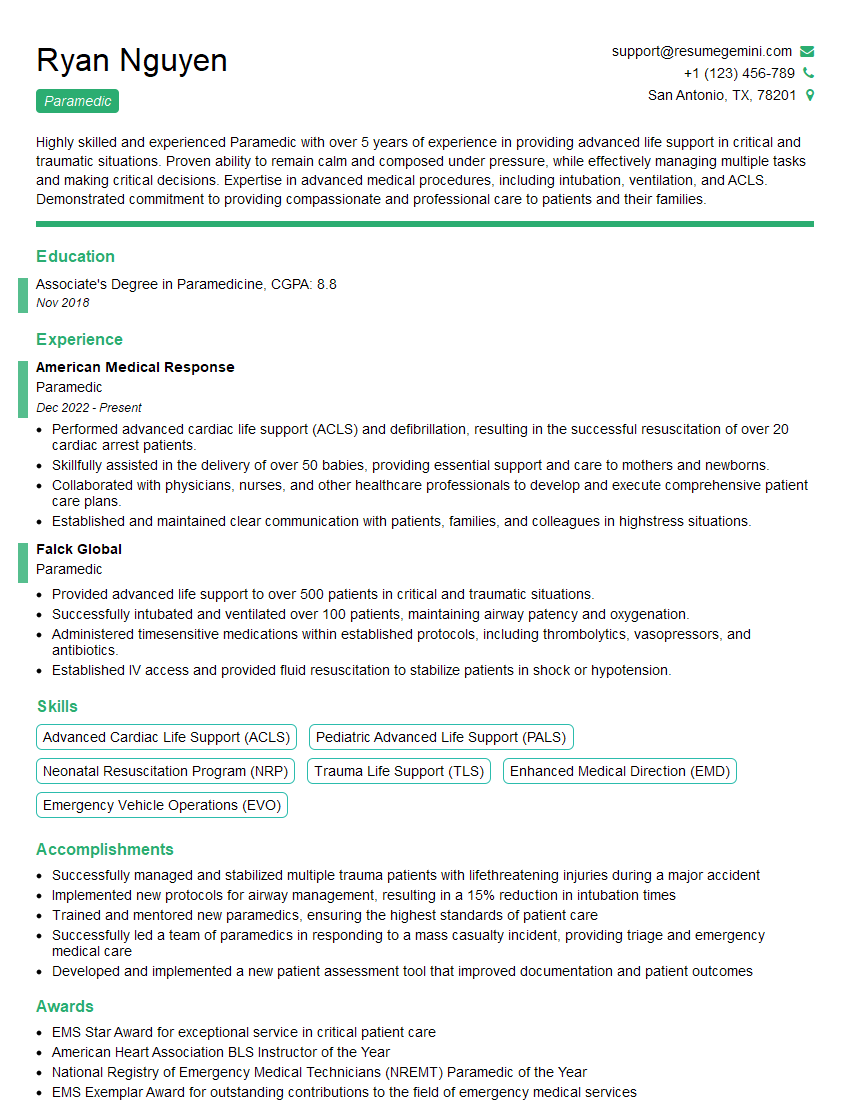
Paramedic Resume Sample
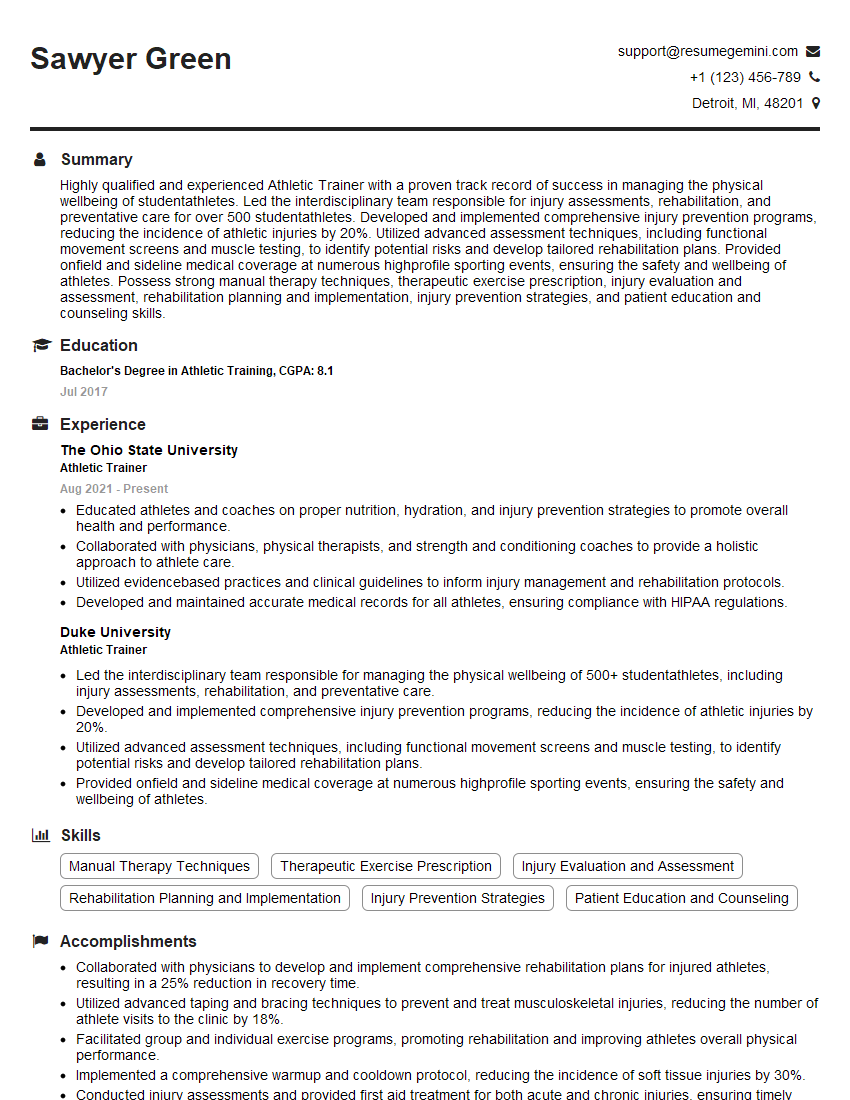
Athletic Trainer Resume Sample
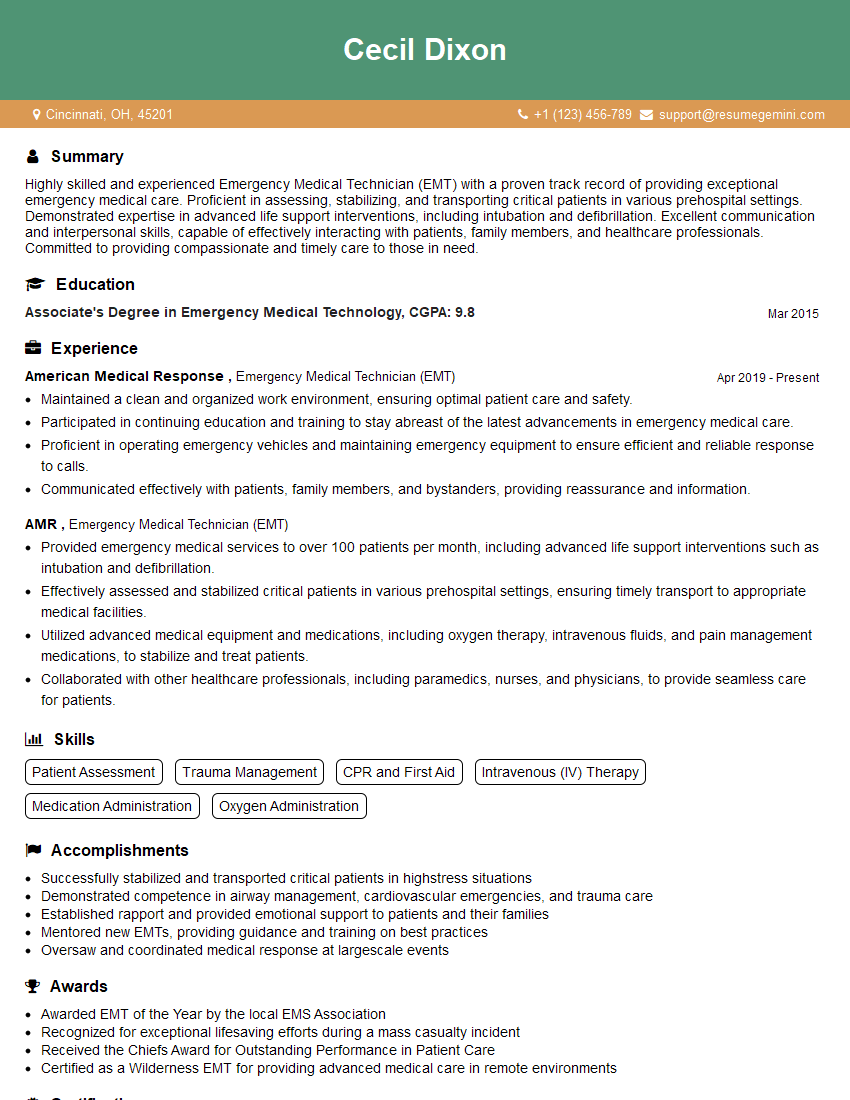
Emergency Medical Technician (EMT) Resume Sample
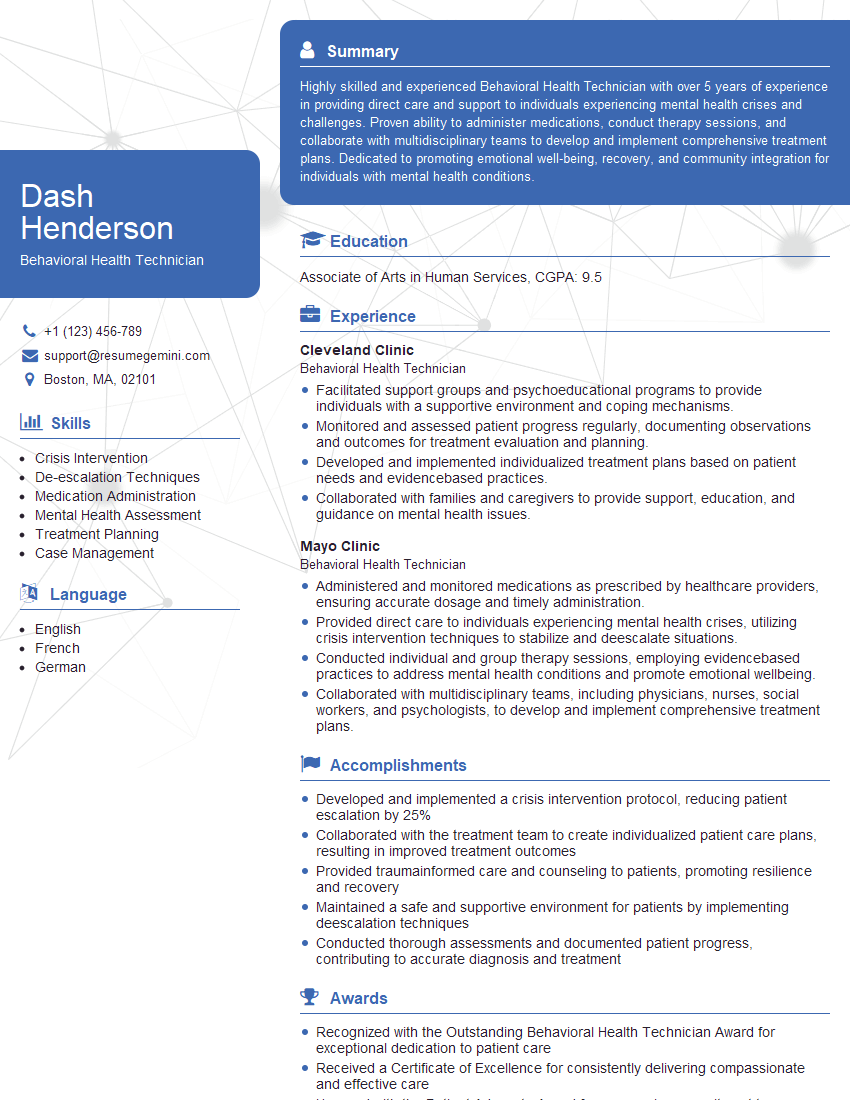
Behavioral Health Technician Resume Sample
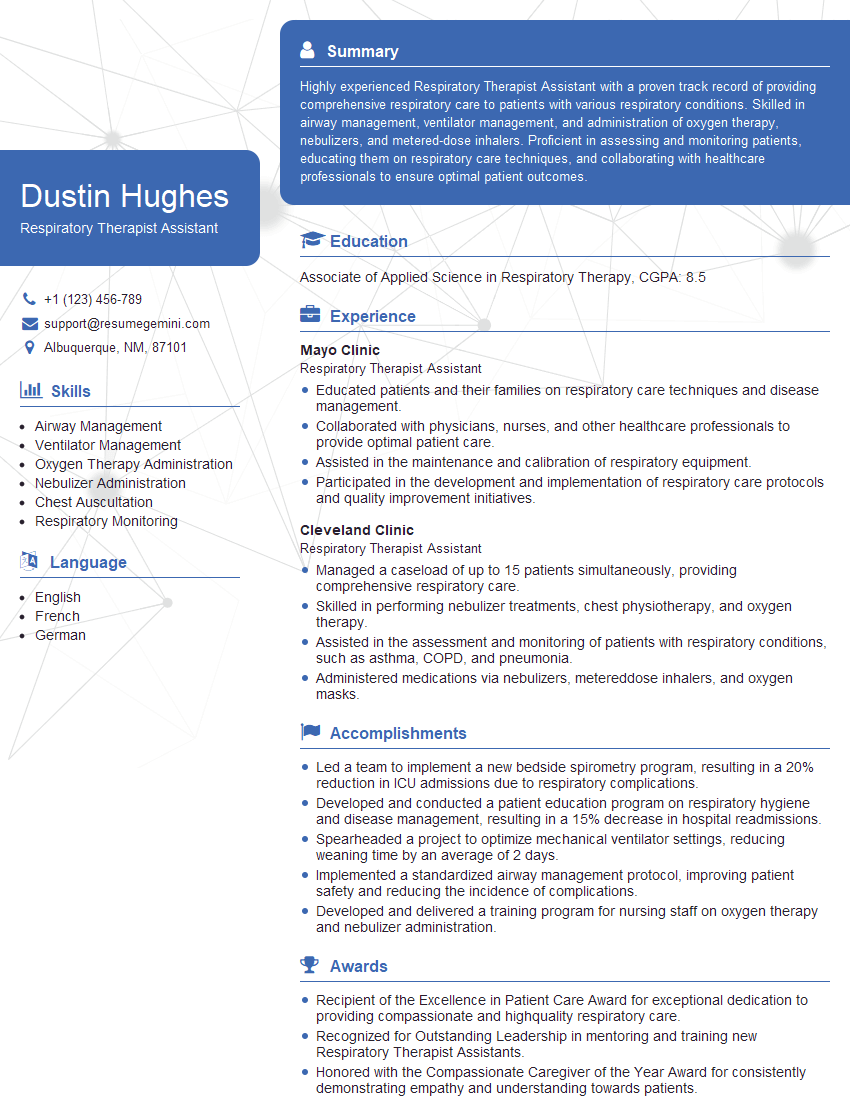
Respiratory Therapist Assistant Resume Sample
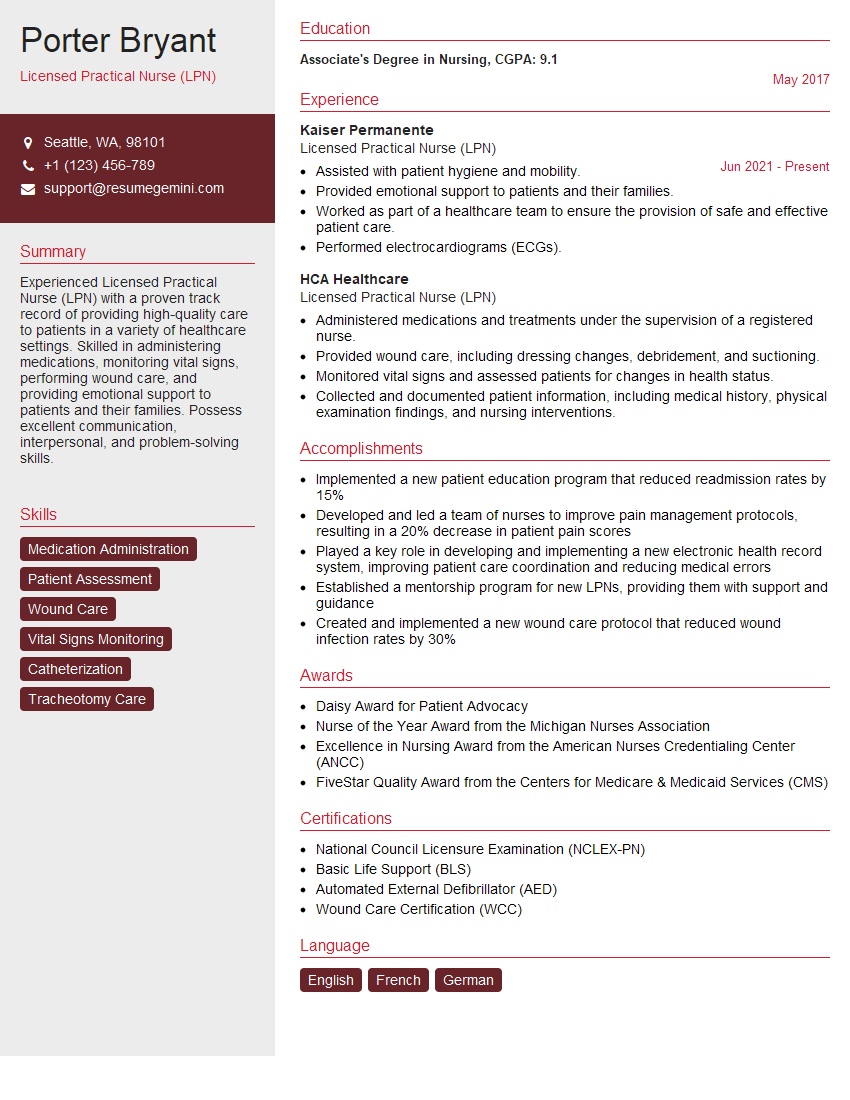
Licensed Practical Nurse (LPN) Resume Sample
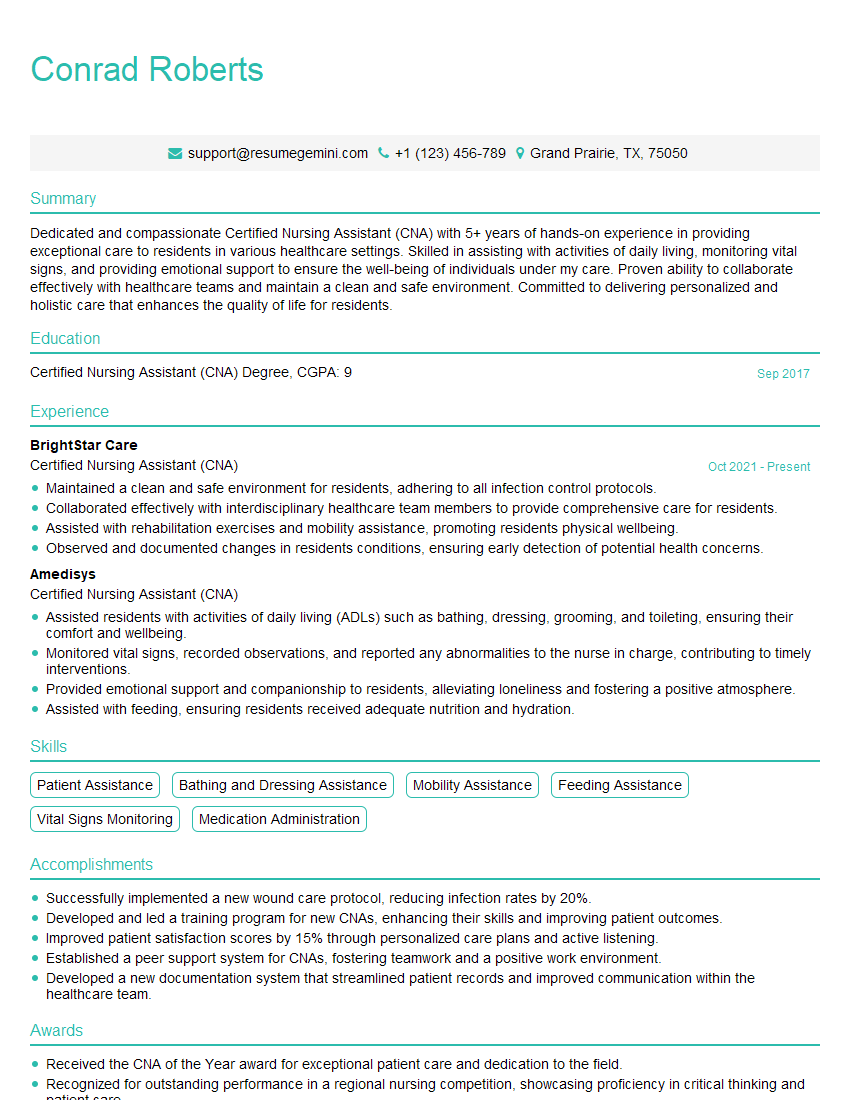
Certified Nursing Assistant (CNA) Resume Sample
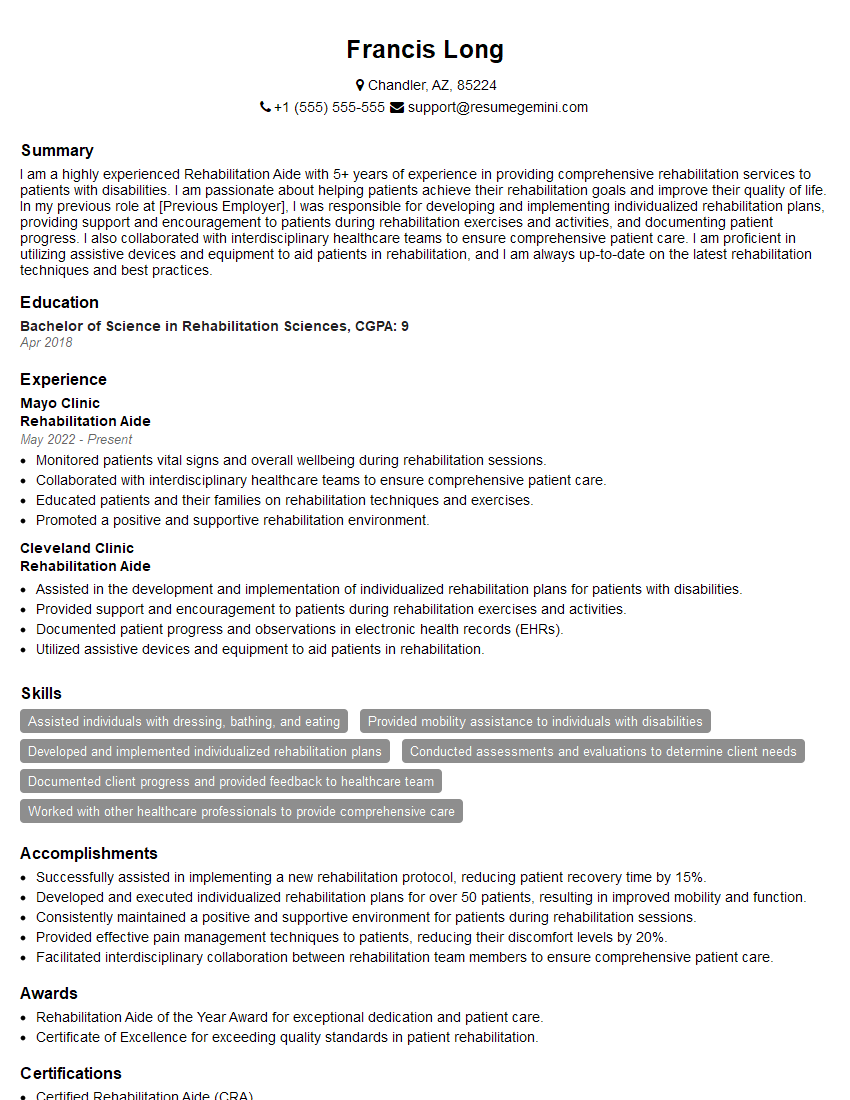
Rehabilitation Aide Resume Sample
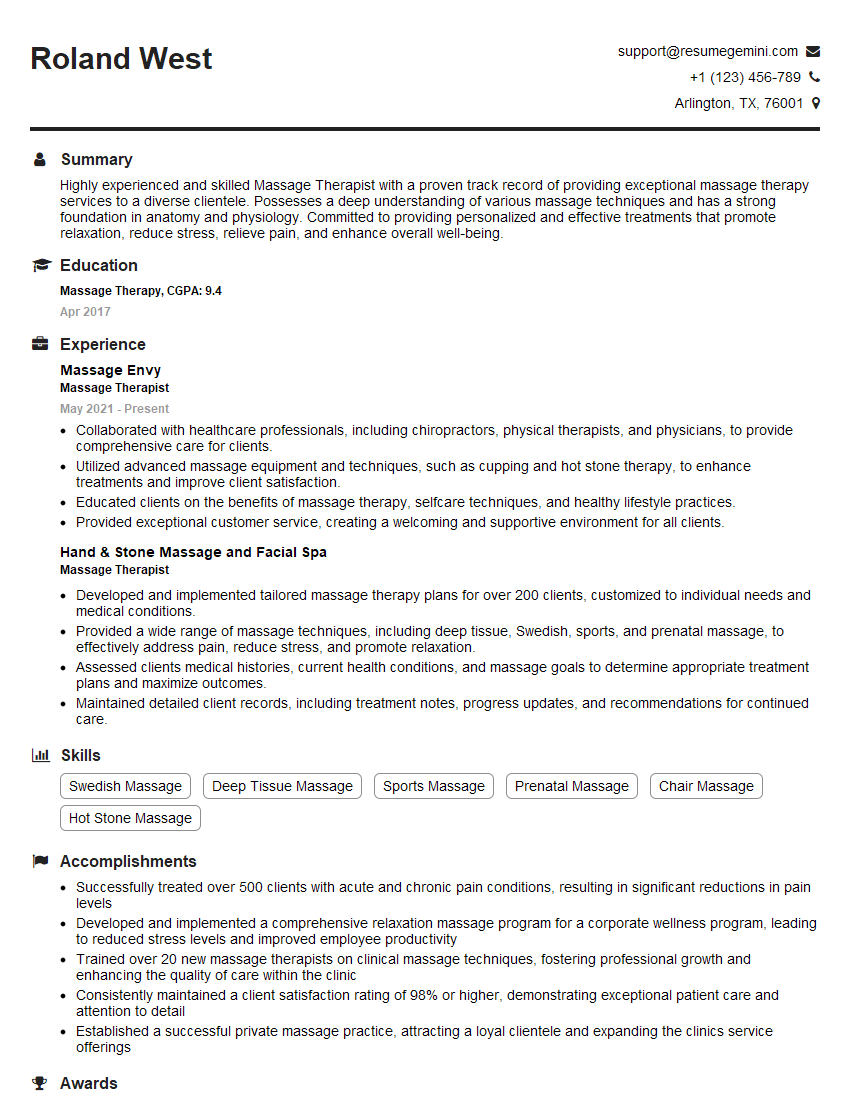
Massage Therapist Resume Sample
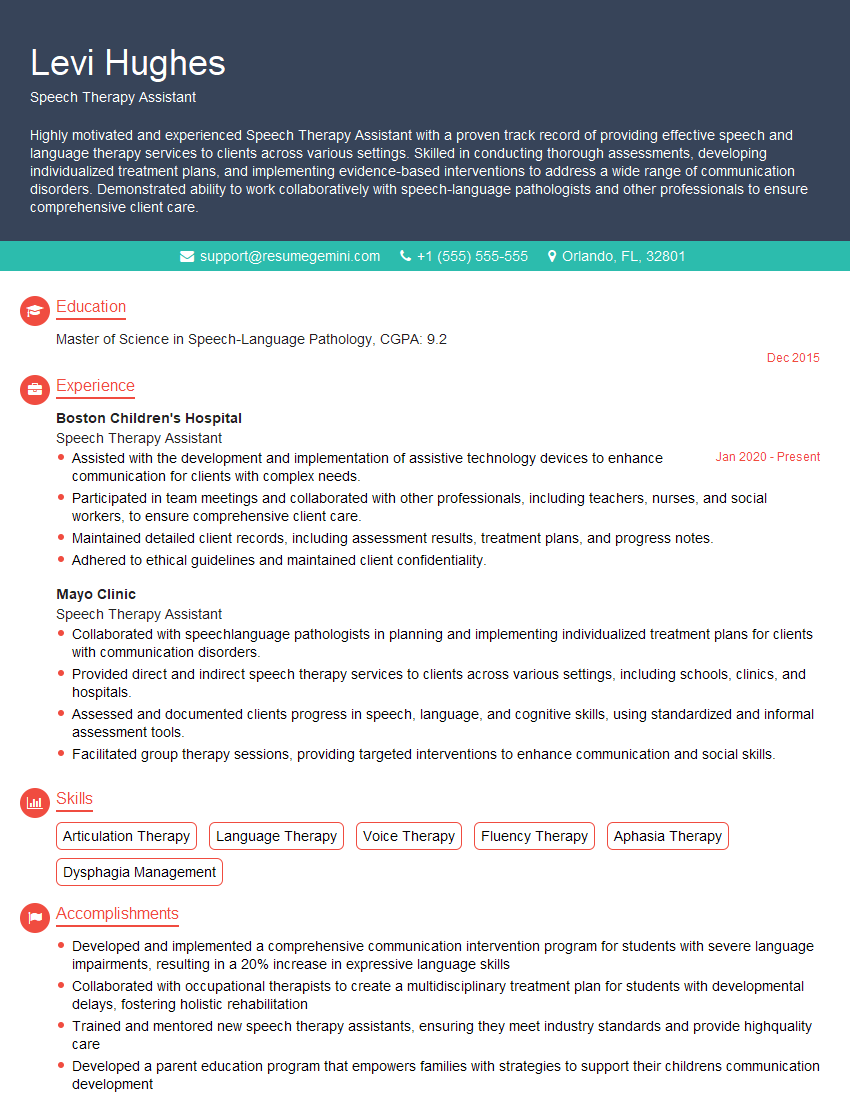
Speech Therapy Assistant Resume Sample
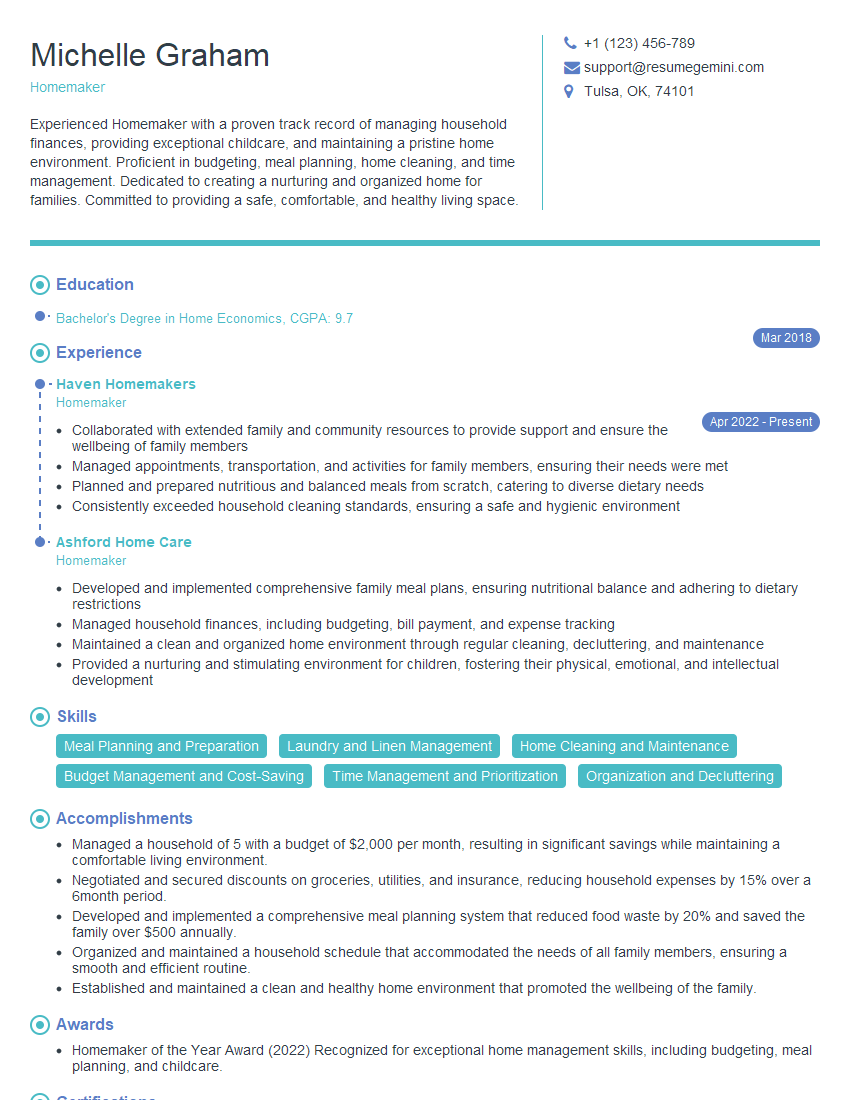
Homemaker Resume Sample
Explore more articles
Users Rating of Our Blogs
Share Your Experience
We value your feedback! Please rate our content and share your thoughts (optional).
What Readers Say About Our Blog
I Redesigned Spongebob Squarepants and his main characters of my artwork.
https://www.deviantart.com/reimaginesponge/art/Redesigned-Spongebob-characters-1223583608
IT gave me an insight and words to use and be able to think of examples
Hi, I’m Jay, we have a few potential clients that are interested in your services, thought you might be a good fit. I’d love to talk about the details, when do you have time to talk?
Best,
Jay
Founder | CEO