Preparation is the key to success in any interview. In this post, we’ll explore crucial School-Wide Positive Behavior Support interview questions and equip you with strategies to craft impactful answers. Whether you’re a beginner or a pro, these tips will elevate your preparation.
Questions Asked in School-Wide Positive Behavior Support Interview
Q 1. Describe your experience implementing a School-Wide Positive Behavior Support (SWPBS) plan.
My experience implementing School-Wide Positive Behavior Support (SWPBS) spans over eight years, working with diverse school populations from elementary to high school. In one instance, at a middle school experiencing high rates of suspension and classroom disruptions, we collaboratively developed a SWPBS plan. This involved identifying key behavioral expectations (e.g., respect, responsibility, safety) and teaching them explicitly through school-wide rules, positive reinforcement systems, and consistent discipline procedures. We started by analyzing existing data on student behavior to pinpoint areas needing improvement. Then we created a matrix with clear behavioral expectations in different school settings. We trained staff on consistent implementation of these expectations and on using positive reinforcement techniques (e.g., praise, reward systems). We also actively involved students in developing the rules and selecting rewards, creating a sense of ownership and buy-in. The results were impressive: a significant reduction in office referrals, improved classroom climate, and a more positive school culture overall. This success was directly attributed to the team’s commitment and the consistent application of the SWPBS framework.
Q 2. How do you collect and analyze data to inform SWPBS interventions?
Data collection and analysis are crucial to successful SWPBS implementation. We use multiple methods to gather data, providing a comprehensive understanding of student behavior. This includes:
- Office Discipline Referrals (ODRs): Tracking the frequency, type, and location of disciplinary incidents provides a clear picture of problem areas.
- Direct Observation: Staff members systematically observe student behavior in various settings, using checklists or rating scales to assess adherence to expectations.
- Self-Reporting: Students might complete surveys or questionnaires to share their perceptions of school climate and behavior.
- Teacher/Staff Surveys: Gathering feedback from staff on their experiences with student behavior and the effectiveness of SWPBS interventions.
Once data is collected, we analyze it to identify trends and patterns. This might involve creating graphs and charts to visualize data or conducting statistical analyses to determine the effectiveness of interventions. For example, if ODRs for disruptive behavior in the cafeteria increase after lunch, we investigate possible contributing factors (e.g., insufficient supervision, long lunch lines) and adjust strategies accordingly. Data-driven decision making ensures that our interventions are evidence-based and effective.
Q 3. What are the key components of a successful SWPBS framework?
A successful SWPBS framework rests on several key components:
- Clearly Defined Behavioral Expectations: These expectations should be positive, concise, and easily understood by all stakeholders. Often, these are distilled into 3-5 key words (e.g., Respectful, Responsible, Safe).
- Effective Instruction and Positive Reinforcement: Students need explicit instruction on expected behaviors and consistent positive reinforcement when they meet expectations. This is far more effective than solely focusing on punishment. We utilize a system of rewards, ranging from verbal praise to school-wide celebrations.
- Consistent Implementation: All staff members must understand and consistently apply the behavioral expectations and consequences across all settings. Training and ongoing support are critical for consistency.
- Data-Based Decision Making: Regular data collection and analysis are essential to monitor the effectiveness of interventions and make adjustments as needed. This ensures your plan remains relevant and effective.
- Collaboration and Communication: Successful SWPBS requires strong collaboration among staff, students, parents, and administrators. Open communication ensures everyone is informed and working toward the same goals.
Q 4. Explain the role of proactive strategies in SWPBS.
Proactive strategies are the cornerstone of a successful SWPBS plan. They focus on preventing problem behaviors before they occur. These strategies include:
- Explicitly Teaching Expectations: Students need to be explicitly taught what is expected of them in various school settings. We use role-playing, modeling, and visual aids to make these expectations clear.
- Positive Reinforcement Systems: Recognizing and rewarding positive behaviors is more effective than solely focusing on punishing negative behaviors. This creates a positive school climate and encourages desired behavior. Systems can range from simple verbal praise to school-wide reward systems.
- Environmental Modifications: Altering the physical environment can reduce problem behaviors. For example, rearranging furniture in a classroom to improve visibility and reduce distractions.
- Building Positive Relationships: Creating a supportive and caring school climate where students feel safe, respected, and valued is crucial to preventing problem behaviors. This includes teaching conflict resolution strategies.
Think of it like preventative medicine; proactively addressing potential issues avoids larger problems later. For example, clearly defining hallway expectations and consistently praising students who follow them prevents congestion and accidents.
Q 5. How do you address challenging behaviors within a SWPBS framework?
Within a SWPBS framework, challenging behaviors are addressed using a tiered system of support. This is often referred to as a ‘three-tiered model’.
- Tier 1: Universal Interventions: This involves implementing school-wide strategies to prevent problem behaviors and support all students. This is the proactive approach discussed earlier.
- Tier 2: Targeted Interventions: For students who continue to exhibit challenging behaviors despite Tier 1 interventions, more intensive supports are provided. This could involve small group interventions, behavior contracts, or functional behavioral assessments (FBAs) to understand the function of the behavior.
- Tier 3: Intensive Interventions: Students requiring intensive support receive individualized interventions. This might involve individual therapy, specialized instruction, or collaboration with outside agencies. FBAs are used heavily at this level to develop a clear intervention plan.
A functional behavioral assessment (FBA) is a systematic process to understand the ‘why’ behind a behavior. We analyze the antecedents (what triggers the behavior), the behavior itself, and the consequences (what maintains the behavior). This provides information to guide the development of effective interventions.
Q 6. What are some common challenges encountered during SWPBS implementation, and how do you overcome them?
Implementing SWPBS faces challenges. Common ones include:
- Lack of buy-in from staff: Some staff members may resist change or lack the training needed to implement SWPBS effectively. Addressing this requires providing comprehensive training, ongoing support, and opportunities for collaboration and feedback.
- Inconsistency in implementation: SWPBS requires consistency across all staff and settings. Regular monitoring and ongoing professional development are critical to ensure consistency.
- Time constraints: Developing and implementing SWPBS requires a significant time commitment. This requires clear timelines and prioritizing key elements initially.
- Resistance from parents: Some parents may not understand or support SWPBS. Open communication and collaboration with parents are crucial to address concerns and build support.
Overcoming these challenges involves proactive planning, ongoing communication, consistent monitoring, data-driven decision making, and providing ample professional development and support for staff.
Q 7. How do you build collaborative relationships with staff, students, and parents to support SWPBS?
Building collaborative relationships is paramount to successful SWPBS. We use several strategies:
- Regular meetings: We hold regular meetings with staff, students, and parents to discuss progress, address concerns, and make decisions collaboratively. This involves both large group meetings and smaller, more targeted meetings.
- Shared decision-making: We actively involve staff, students, and parents in the development and implementation of SWPBS. This fosters a sense of ownership and improves buy-in.
- Open communication: We use various communication methods, including newsletters, emails, and parent-teacher conferences, to keep everyone informed about SWPBS progress and initiatives. Transparency is key.
- Professional development: We provide ongoing professional development opportunities for staff on SWPBS principles and practices. This ensures consistent and effective implementation.
- Building trust and rapport: We prioritize building positive relationships with all stakeholders based on mutual respect and trust. This creates an environment where everyone feels comfortable sharing their ideas and concerns.
Collaboration isn’t just a component; it’s the very foundation of a successful and sustainable SWPBS initiative.
Q 8. Describe your experience with functional behavioral assessments (FBAs).
Functional Behavioral Assessments (FBAs) are systematic processes used to understand the function or purpose of a student’s challenging behavior. Instead of simply labeling the behavior as ‘bad,’ an FBA helps us identify the triggers, antecedents, and consequences that maintain the behavior. Think of it like detective work – we’re trying to solve the mystery of why a student is behaving in a certain way.
My experience includes conducting direct observations, interviewing students, teachers, and parents, and reviewing relevant data like school records and disciplinary reports. For example, I worked with a student who frequently disrupted class. Through the FBA process, we discovered he was seeking attention and escaping demanding academic tasks. This understanding was crucial in developing effective interventions.
A well-conducted FBA typically follows these steps:
- Gathering information: This involves collecting data through various methods like interviews, observations, and record reviews.
- Identifying the problem behavior: Clearly defining the specific behavior that needs to be addressed.
- Hypothesizing the function of the behavior: Determining the reason behind the behavior—is it to get attention, escape a task, access something, or self-stimulate?
- Developing an intervention plan: Creating a plan to address the behavior based on the identified function.
- Monitoring and evaluating the intervention: Regularly tracking the effectiveness of the plan and making adjustments as needed.
Q 9. How do you differentiate instruction and support for students with diverse needs within a SWPBS framework?
SWPBS recognizes that students have diverse needs and learning styles. Differentiating instruction and support within a SWPBS framework means tailoring strategies to meet individual student requirements while maintaining a consistent, positive school-wide climate. We do this by:
- Tiered Support System: SWPBS employs a tiered system. Tier 1 provides universal supports for all students, Tier 2 targets students needing additional assistance, and Tier 3 focuses on intensive, individualized interventions. This allows us to provide support that’s both proactive and responsive to individual needs.
- Universal Design for Learning (UDL): Incorporating UDL principles ensures that learning materials and environments are accessible to all learners. This might include offering multiple means of representation, action and expression, and engagement.
- Individualized Education Programs (IEPs) and 504 plans: SWPBS complements IEPs and 504 plans by providing a school-wide framework of positive behavior supports that reinforce the specific strategies outlined in those individualized plans.
- Collaborative Team Approach: Regular meetings with teachers, specialists, parents, and the student (when appropriate) help customize strategies and ensure everyone is on the same page. For instance, a student with ADHD might benefit from frequent check-ins, organizational supports, and modified assignments within the context of the school-wide expectations.
Q 10. How do you integrate SWPBS with existing school-wide initiatives?
Integrating SWPBS with existing school-wide initiatives requires a thoughtful, collaborative approach. It’s not about replacing existing programs but rather aligning them to support a common goal of positive behavior and academic success. For example:
- School-wide discipline policies: SWPBS can inform and refine discipline policies, ensuring that consequences are consistent, fair, and restorative. This often involves shifting from a punitive approach to a proactive, preventative one.
- Curriculum initiatives: Social-emotional learning (SEL) programs and character education initiatives can be seamlessly integrated into the SWPBS framework, providing explicit instruction on social skills and positive behavior.
- Parent involvement programs: SWPBS should actively engage parents through workshops, training, and consistent communication, ensuring consistency between home and school expectations. Parent input is also crucial during FBA and BSP development.
- Professional development programs: Training staff on SWPBS principles and practices is essential for successful implementation. This includes consistent reinforcement of the school-wide expectations and effective application of intervention strategies.
Essentially, SWPBS becomes the overarching framework that unites and strengthens all other school-wide initiatives focused on student well-being and learning.
Q 11. What is your experience with developing and implementing behavior support plans (BSPs)?
Developing and implementing Behavior Support Plans (BSPs) is a key component of SWPBS, particularly at Tier 2 and 3. A BSP is an individualized plan designed to address the specific needs of a student exhibiting challenging behaviors. It’s built upon the findings of an FBA and outlines strategies to replace inappropriate behaviors with more adaptive ones.
My experience involves collaboratively developing BSPs with teachers, parents, and support staff. The process includes:
- Identifying the target behavior: Clearly defining the behavior to be changed.
- Developing replacement behaviors: Identifying alternative behaviors that will serve the same function as the problem behavior.
- Creating proactive strategies: Implementing strategies to prevent the problem behavior from occurring.
- Designing reactive strategies: Developing plans for how to respond to the behavior if it does occur.
- Monitoring progress: Regularly tracking the student’s progress and making adjustments as needed.
For instance, I helped develop a BSP for a student who exhibited aggression. The plan included teaching alternative communication skills, providing emotional regulation strategies, and creating a calm-down area.
Q 12. Describe a time you had to adapt a SWPBS plan due to unexpected circumstances.
In one school, we had implemented a school-wide reward system for positive behavior. Unexpectedly, a significant number of students were absent due to a flu outbreak. This disrupted the established routines and impacted the effectiveness of the reward system. It was crucial to adapt.
We quickly responded by shifting our focus to virtual engagement and communication. We used online platforms to provide positive reinforcement, share success stories, and maintain a sense of community. We also adapted the reward system to offer virtual recognition and rewards. This allowed us to maintain a positive school climate even during the challenging circumstances. This situation highlighted the importance of flexibility and adaptability in SWPBS implementation, as well as a focus on continuous monitoring and evaluation.
Q 13. How do you ensure that the SWPBS plan is culturally responsive and inclusive?
Ensuring cultural responsiveness and inclusivity in SWPBS is paramount. It’s not enough to simply have a plan; it must be implemented in a way that respects the diverse backgrounds and experiences of all students and families. This involves:
- Understanding cultural norms and values: Recognizing that different cultures may have different interpretations of behavior and discipline. This requires culturally competent staff training and building relationships with families and community members.
- Using culturally relevant teaching practices: Tailoring teaching methods and materials to reflect the cultural backgrounds of the students.
- Involving families and community members: Seeking input from families and community members in the development and implementation of the SWPBS plan.
- Avoiding culturally biased assessments and interventions: Ensuring that assessments and interventions are fair and equitable for all students, regardless of their background.
- Celebrating diversity: Highlighting and celebrating the cultural richness of the school community.
For example, we might adapt our school-wide expectations to reflect the values of our diverse student population, ensuring that language and cultural nuances are considered during implementation.
Q 14. How do you measure the effectiveness of your SWPBS plan?
Measuring the effectiveness of a SWPBS plan involves a multi-faceted approach that goes beyond simple disciplinary data. We use a combination of quantitative and qualitative data to monitor progress and make necessary adjustments.
- Office Discipline Referrals (ODRs): Tracking the number of ODRs helps identify trends and the overall effectiveness of the plan in reducing disciplinary incidents. However, it’s crucial to consider this in conjunction with other data points.
- Positive behavior data: Monitoring positive behaviors, like acts of kindness, helpfulness, or following school rules, provides a more holistic view of the school climate. We might track this through observations, self-reports, or peer nominations.
- Teacher and student surveys: Gathering feedback from teachers and students on the school climate, their perceptions of safety, and the effectiveness of the interventions implemented. This provides valuable qualitative insights.
- Behavioral observations: Using structured observations to systematically monitor student behavior in different settings provides more objective data on the effectiveness of interventions.
- Data analysis and reporting: Regularly reviewing data, identifying trends, and reporting progress to stakeholders, including teachers, administrators, parents, and students, ensures accountability and facilitates necessary adjustments.
We use this data to make data-driven decisions and continually refine our SWPBS plan, ensuring it remains effective and responsive to the needs of the school community.
Q 15. What specific data points do you track to monitor progress in SWPBS implementation?
Monitoring the progress of a School-Wide Positive Behavior Support (SWPBS) implementation requires tracking a range of data points to get a holistic view of its effectiveness. This isn’t just about numbers; it’s about understanding the trends behind them. We look at both behavioral and academic data to see the interconnectedness.
- Office Discipline Referrals (ODRs): A decrease in ODRs indicates improved student behavior. We analyze the types of infractions to identify patterns and areas needing further intervention.
- Positive Behavior Interventions and Supports (PBIS) Matrix Data: This data shows the frequency of positive behaviors observed in various school settings. Are students demonstrating expected behaviors consistently across different areas?
- Teacher Surveys: Gauging teacher perceptions about the effectiveness of SWPBS is crucial. This helps to identify any challenges or areas needing adjustment from the educator’s perspective.
- Student Surveys (age-appropriate): Student feedback provides valuable insights into their experience with the SWPBS program, helping us understand its impact from their viewpoint.
- Academic Performance Data: We analyze attendance rates, GPA, and standardized test scores to assess the correlation between positive behavior and academic success. A reduction in disruptions often leads to improved learning outcomes.
- Behavioral Observation Data: Direct observation of student behavior in various settings provides firsthand evidence of the effectiveness of interventions. This might include observations during classroom instruction, transitions between classes, or in the cafeteria.
For example, in one school, we saw a 25% decrease in ODRs after implementing a school-wide reward system, coupled with a 10% increase in student engagement as measured by teacher observation data. This gave us clear evidence of the program’s positive impact.
Career Expert Tips:
- Ace those interviews! Prepare effectively by reviewing the Top 50 Most Common Interview Questions on ResumeGemini.
- Navigate your job search with confidence! Explore a wide range of Career Tips on ResumeGemini. Learn about common challenges and recommendations to overcome them.
- Craft the perfect resume! Master the Art of Resume Writing with ResumeGemini’s guide. Showcase your unique qualifications and achievements effectively.
- Don’t miss out on holiday savings! Build your dream resume with ResumeGemini’s ATS optimized templates.
Q 16. How do you communicate the SWPBS plan to stakeholders (students, staff, parents)?
Effective communication is the backbone of any successful SWPBS implementation. We utilize a multi-pronged approach to ensure that all stakeholders – students, staff, and parents – are well-informed and involved.
- School-Wide Assemblies: Interactive assemblies introduce the SWPBS framework, expectations, and reward systems to the entire student body. Age-appropriate language and engaging activities are crucial here.
- Staff Meetings and Professional Development: Dedicated professional development sessions equip staff with the knowledge and skills to implement SWPBS effectively in their classrooms. This includes training on behavior management strategies and data collection techniques.
- Parent Workshops and Newsletters: Regular workshops and newsletters keep parents informed about the program’s progress and provide them with strategies to support their child’s positive behavior at home.
- Visual Supports: Clear posters, visual schedules, and social stories are used to communicate expectations and procedures to students. This is especially important for students with diverse learning needs.
- Parent-Teacher Conferences: Individual conferences provide a platform for open communication about students’ behavior and any support that might be needed.
- Website and Social Media: A dedicated school website section or social media page can provide updates, resources, and FAQs.
For example, we successfully engaged parents by hosting family nights with activities focused on positive behavior strategies and games. This fostered collaboration and made the program more accessible.
Q 17. What professional development have you undertaken to enhance your SWPBS expertise?
My professional development in SWPBS has been continuous and multifaceted. I’ve actively sought opportunities to enhance my expertise through a variety of avenues:
- PBIS Leadership Training: I’ve completed intensive training programs focusing on the implementation, monitoring, and evaluation of SWPBS. This involved learning data-based decision-making, effective behavior management techniques, and creating positive school climates.
- Workshops and Conferences: I regularly attend professional conferences and workshops on topics such as restorative practices, trauma-informed care, and culturally responsive behavior management.
- Mentorship Programs: I’ve benefited from mentorship opportunities with experienced SWPBS professionals who have shared their practical insights and guidance.
- Independent Study and Research: I actively read scholarly articles and research findings on SWPBS to stay up-to-date with the latest developments and best practices.
- Collaboration with Colleagues: Networking and exchanging ideas with colleagues from different schools enriches my understanding and provides valuable perspectives.
For instance, attending a national PBIS conference allowed me to learn about cutting-edge strategies used in diverse school settings and network with leading experts in the field.
Q 18. How familiar are you with various behavioral intervention strategies (e.g., positive reinforcement, token economies)?
I am very familiar with a wide range of behavioral intervention strategies, recognizing that a multi-faceted approach is often most effective. Positive reinforcement and token economies are just two tools in a comprehensive toolbox.
- Positive Reinforcement: This involves rewarding desired behaviors to increase their frequency. This can range from verbal praise and acknowledgment to tangible rewards or privileges. It is crucial to ensure that the rewards are meaningful and age-appropriate for students.
- Token Economies: A token economy uses tokens (points, stickers, etc.) as a system for rewarding positive behaviors, which students can then exchange for larger rewards. Clarity of expectations and consistency in implementation are key.
- Functional Behavioral Assessment (FBA): An FBA is a process used to understand the function or purpose of a student’s challenging behavior. This is essential for developing effective and individualized interventions.
- Behavior Intervention Plans (BIP): Based on FBAs, BIPs outline specific strategies to address a student’s challenging behaviors, including positive reinforcement, antecedent modifications (changing triggers), and consequence interventions.
- Social Skills Training: This focuses on teaching students the social skills they need to interact effectively with peers and adults. Role-playing and modeling are common techniques.
- Self-Monitoring Strategies: Students learn to track their own behavior and set goals for improvement. This fosters self-awareness and promotes self-regulation.
For example, we successfully used a token economy in a classroom setting to address disruptive behavior. Students earned points for positive actions which they exchanged for class privileges, resulting in a significant reduction in disruptions.
Q 19. How do you ensure the sustainability of SWPBS initiatives after your involvement concludes?
Ensuring the long-term sustainability of SWPBS initiatives after my involvement requires a strategic approach focused on building capacity within the school community. It’s not about creating a program dependent on me; it’s about empowering the school to own it.
- Leadership Development: Identifying and training school leaders (principal, assistant principals, counselors) to champion SWPBS is paramount. They need the skills to oversee the program, monitor data, and advocate for its continued implementation.
- Team Building: Establishing a strong SWPBS team composed of teachers, administrators, support staff, and parents fosters collaboration and shared ownership of the initiative.
- Documentation and Training Materials: Creating comprehensive documentation of the SWPBS program, including policies, procedures, and training materials, enables staff to understand and continue the program.
- Data-Based Decision Making: Equipping the team with the skills to monitor and interpret data enables them to make informed adjustments and maintain the program’s effectiveness.
- Ongoing Professional Development: Providing ongoing professional development for school staff ensures they stay updated on current practices and can address any challenges that arise.
- Community Engagement: Sustained communication with parents and the wider community ensures ongoing support and understanding of the SWPBS program.
For example, we developed a comprehensive training manual for the school staff and created a mentorship program that paired experienced teachers with new teachers to share their knowledge and insights.
Q 20. What is your understanding of the relationship between academic achievement and positive behavior?
There’s a strong and undeniable link between positive behavior and academic achievement. Students who feel safe, supported, and respected are more likely to engage in learning and achieve their academic potential. It’s not a simple cause-and-effect relationship; it’s interconnected.
- Reduced Disruptions: Positive behavior leads to fewer classroom disruptions, allowing for more focused instruction and learning time.
- Improved Teacher-Student Relationships: When students behave positively, teachers can build stronger relationships with them, leading to improved classroom climate and better learning experiences.
- Increased Engagement and Motivation: Students who feel safe and supported are more likely to be engaged in their learning and motivated to achieve their goals.
- Better Attendance and Reduced Absenteeism: Students who feel a sense of belonging are more likely to attend school regularly, leading to better academic outcomes.
- Improved Social and Emotional Learning (SEL): SWPBS often incorporates SEL components, fostering students’ self-regulation, empathy, and social skills – all vital for academic success.
For example, a study showed a direct correlation between a decrease in suspension rates and an increase in standardized test scores in schools implementing SWPBS. This demonstrates the powerful impact positive behavior has on academic outcomes.
Q 21. Explain your understanding of restorative practices and their integration with SWPBS.
Restorative practices are a powerful complement to SWPBS. While SWPBS focuses on preventing and addressing problem behaviors, restorative practices emphasize repairing harm and building relationships. They work synergistically.
- Focus on Relationships: Restorative practices prioritize building positive relationships between students, staff, and the community. This creates a more supportive and inclusive school environment.
- Addressing Harm: When conflict or misbehavior occurs, restorative practices emphasize repairing the harm caused, rather than simply punishing the offender. This might involve circles, mediation, or other restorative conferencing techniques.
- Community Building: Restorative practices focus on fostering a sense of community and belonging among students. This reduces isolation and strengthens school culture.
- Problem-Solving Approach: Restorative practices encourage students to take responsibility for their actions and work collaboratively to solve problems. This promotes self-regulation and conflict resolution skills.
- Integration with SWPBS: Restorative practices can be seamlessly integrated into a SWPBS framework by using them to address more serious behavior infractions or as a proactive measure for relationship building.
For example, in a school we integrated restorative circles into the SWPBS system to address bullying incidents. This involved bringing together the student who bullied, the victim, and peers to discuss the situation and create a plan to repair the harm caused. This process was far more effective than suspension in fostering empathy and preventing future incidents.
Q 22. Describe your experience with creating and using visual supports within a SWPBS system.
Visual supports are crucial in a School-Wide Positive Behavior Support (SWPBS) system because they make expectations clear and accessible to all students, regardless of their learning styles or abilities. I have extensive experience designing and implementing visual supports, ranging from simple picture schedules for young children to complex social stories addressing specific behavioral challenges for older students.
For example, in one school, we created a visual classroom behavior chart with clear pictures representing expected behaviors (e.g., listening attentively, raising hand to speak, working quietly). Each student had a small token that moved along the chart as they demonstrated positive behaviors. This provided immediate feedback and motivated students to meet expectations. We also used visual timers to help students manage transitions and expectations of task completion. In another instance, we developed social stories for students struggling with anger management, detailing scenarios, appropriate responses, and the consequences of their actions, all supported by visuals.
The key to effective visual supports is to keep them simple, consistent, and easily understood. I work closely with teachers and support staff to ensure the visuals align with the school-wide expectations and are regularly reviewed and updated based on student needs and feedback.
Q 23. How do you use data to inform decision-making in your SWPBS work?
Data is the lifeblood of a successful SWPBS system. I use data-driven decision making at every stage of the process, from identifying problem behaviors to evaluating the effectiveness of interventions. We regularly collect data on student behavior using various methods such as direct observation, teacher checklists, and office discipline referrals. This data is then analyzed to identify patterns and trends.
For instance, if we notice a spike in office referrals for disruptive classroom behavior during certain times of day, we can investigate the potential causes. This might involve examining the classroom schedule, teaching strategies, or the need for additional support for specific students. We might also use data to track the impact of different interventions, such as a new classroom management strategy or a specific behavior support plan for an individual student. If an intervention isn’t effective, we analyze the data to understand why and adjust our approach accordingly.
We utilize data visualization tools like graphs and charts to make the data easily understandable for all stakeholders. This allows for collaborative discussions, informed decisions, and ensures transparency in our approach to supporting student behavior.
Q 24. How do you manage conflict resolution within a school using PBIS principles?
Conflict resolution within a PBIS framework emphasizes proactive strategies and restorative practices. Instead of focusing solely on punishment, we aim to teach students problem-solving skills and encourage them to take responsibility for their actions. We establish clear expectations for behavior and teach students how to resolve conflicts peacefully. This often involves teaching students active listening skills, empathy, and negotiation techniques.
For example, we might use a peer mediation program where trained students facilitate conversations between students in conflict. We also utilize restorative circles, where students and staff gather to discuss the impact of a student’s actions and collaboratively develop solutions. We might use conflict resolution role-playing scenarios to give students practice with different conflict resolution strategies. The goal is to build a positive and respectful school climate where students feel empowered to resolve conflicts peacefully and effectively.
Additionally, we provide staff with training in conflict resolution techniques, including de-escalation strategies and how to effectively facilitate restorative conversations. This is critical in ensuring consistent application of the PBIS framework across the school.
Q 25. Describe your familiarity with different PBIS frameworks (e.g., Tiered systems of support).
I am very familiar with tiered systems of support, a core component of most PBIS frameworks. This model provides a framework for addressing student behavioral needs at three levels of intensity: Tier 1, Tier 2, and Tier 3.
- Tier 1: This is the universal level, focusing on creating a positive school-wide environment for all students. It involves implementing school-wide expectations, positive behavior interventions, and proactive strategies to prevent problem behaviors.
- Tier 2: This is the targeted level, designed to address the needs of students who are not responding to Tier 1 interventions. It involves providing more intensive support through small group interventions, such as check-in/check-out systems or social skills groups.
- Tier 3: This is the intensive level, focusing on students who require highly individualized support due to significant behavioral challenges. This typically involves individualized behavior intervention plans (BIP), specialized instruction, and collaboration with outside agencies.
Understanding the tiered system allows for efficient and effective allocation of resources and ensures that students receive the appropriate level of support based on their individual needs. I have experience implementing and evaluating the effectiveness of each tier, adjusting interventions as needed to ensure optimal student outcomes.
Q 26. How do you build a strong and collaborative PBIS team?
Building a strong and collaborative PBIS team is essential for successful implementation. I believe in fostering a culture of shared responsibility and collective efficacy. I start by identifying key stakeholders, including administrators, teachers, support staff, parents, and even students. This team needs to represent diverse perspectives and expertise.
Regular meetings are crucial for team communication and collaboration. These meetings provide a forum for data review, problem-solving, and planning. We establish clear roles and responsibilities for each team member, ensuring that everyone understands their contribution to the overall goals. Open communication, active listening, and respect for diverse viewpoints are paramount. I often utilize collaborative problem-solving techniques to encourage brainstorming and consensus-building.
Providing professional development opportunities for team members is also crucial for maintaining their skills and knowledge in PBIS strategies. This might include training on data analysis, effective intervention strategies, or restorative practices. Building a strong team takes time and effort but is essential for sustaining a positive and effective PBIS system.
Q 27. What strategies do you employ to promote positive school climate and culture?
Promoting a positive school climate and culture is a continuous process that requires a multifaceted approach. We focus on building positive relationships among students and staff, promoting a sense of belonging, and recognizing and celebrating successes.
Some strategies I employ include implementing school-wide positive behavior expectations that are clearly communicated and consistently enforced. We use positive reinforcement systems, such as reward programs, to acknowledge and encourage positive behaviors. We also create opportunities for students to participate in school-wide activities and events that foster community and a sense of shared purpose. For example, we might organize school-wide assemblies to celebrate student achievements, involve students in school improvement projects, or create opportunities for student leadership.
It’s also crucial to address issues of bullying, harassment, and discrimination proactively. This involves implementing clear anti-bullying policies, providing training to staff and students on identifying and responding to these issues, and fostering a culture of empathy and respect. Regular feedback surveys and focus groups help us assess the school climate and make data-driven adjustments to our strategies.
Q 28. How would you handle a situation where a student’s behavior is escalating despite implemented interventions?
If a student’s behavior is escalating despite implemented interventions, it’s crucial to revisit the intervention plan and explore additional strategies. First, I would conduct a functional behavior assessment (FBA) to understand the function of the behavior (what the student is getting out of it). This might involve observing the student’s behavior in different settings, interviewing staff and parents, and reviewing available data.
Based on the FBA, we would develop a revised behavior intervention plan (BIP). This might involve adjusting existing strategies, implementing new interventions, or seeking additional support from specialists, such as school psychologists or counselors. Collaboration with parents and other stakeholders is critical at this stage.
If the behavior continues to escalate, we may need to consider more intensive interventions, including behavioral consultations, referral to outside agencies, or even consideration of alternative educational placements. Throughout this process, the student’s safety and well-being are paramount, and ethical considerations will always guide our decision-making. Regular review and adjustment of the BIP based on ongoing data are critical for ensuring the effectiveness of interventions.
Key Topics to Learn for School-Wide Positive Behavior Support Interview
- Defining SWPBS: Understanding the core principles and philosophy of School-Wide Positive Behavior Support, including its proactive and preventative nature.
- Behavioral Frameworks: Familiarity with relevant theoretical frameworks such as applied behavior analysis (ABA) and positive reinforcement techniques within an educational setting.
- Data-Based Decision Making: Understanding the importance of collecting, analyzing, and interpreting behavioral data to inform intervention strategies. This includes familiarity with various data collection methods and graphing techniques.
- Teamwork & Collaboration: Demonstrating understanding of the collaborative nature of SWPBS implementation, including working effectively with teachers, administrators, parents, and support staff.
- Creating a Positive School Climate: Discussing strategies for fostering a positive school culture that promotes student success and well-being. This includes understanding the role of school-wide expectations, consistent discipline, and positive reinforcement systems.
- Functional Behavior Assessments (FBAs) & Behavior Intervention Plans (BIPs): Understanding the process of conducting FBAs to identify the function of challenging behaviors and developing BIPs to address these behaviors effectively.
- Equity and Inclusion: Demonstrating awareness of the importance of culturally responsive practices and equitable implementation of SWPBS for all students, regardless of background or learning needs.
- Sustainability & Evaluation: Understanding the importance of ongoing monitoring, evaluation, and refinement of SWPBS programs to ensure effectiveness and long-term success.
- Practical Application: Be prepared to discuss specific examples of how you would implement or adapt SWPBS strategies in various school settings and with diverse student populations.
- Problem-Solving: Show your ability to analyze challenging situations, brainstorm solutions, and articulate a reasoned approach to addressing complex behavioral issues within the SWPBS framework.
Next Steps
Mastering School-Wide Positive Behavior Support significantly enhances your career prospects in education, demonstrating your commitment to student well-being and a data-driven approach to improving school climate. An ATS-friendly resume is crucial for getting your application noticed. ResumeGemini is a trusted resource to help you create a compelling and effective resume that highlights your SWPBS expertise. Examples of resumes tailored to School-Wide Positive Behavior Support are available to guide you. Invest time in crafting a professional resume—it’s your first impression on potential employers.
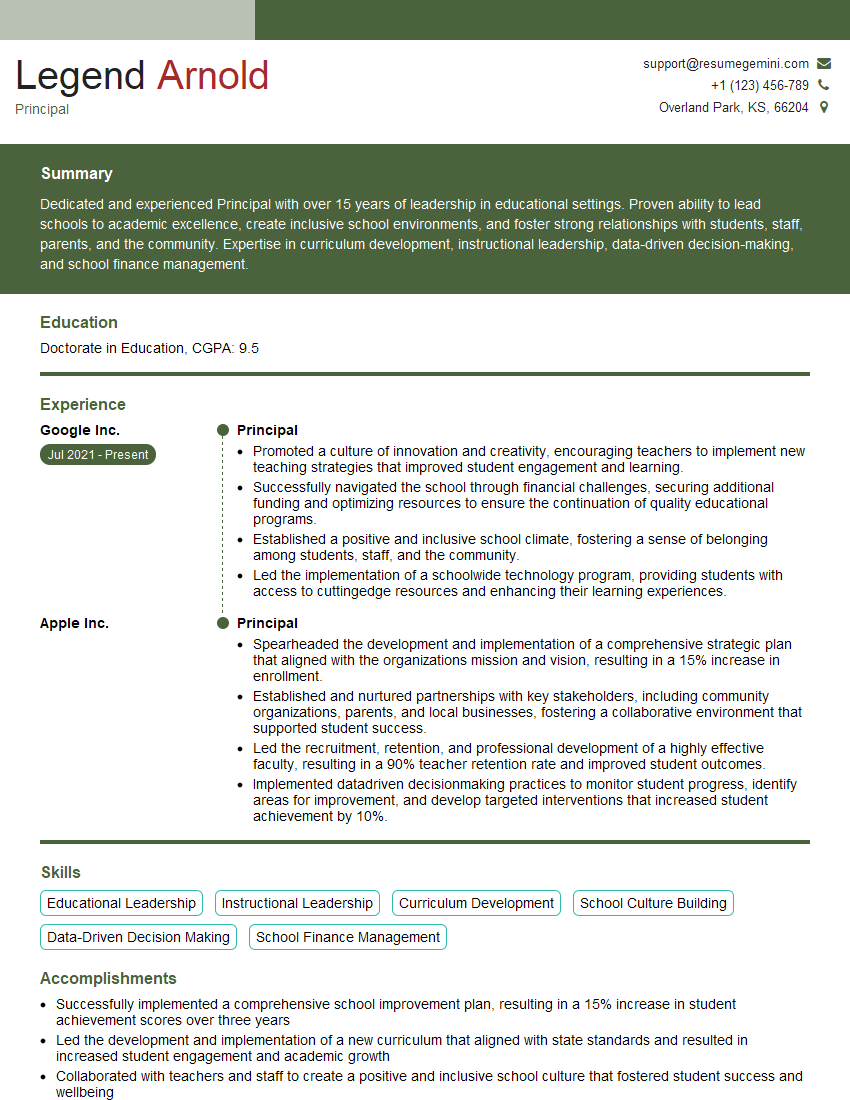
Principal Resume Sample
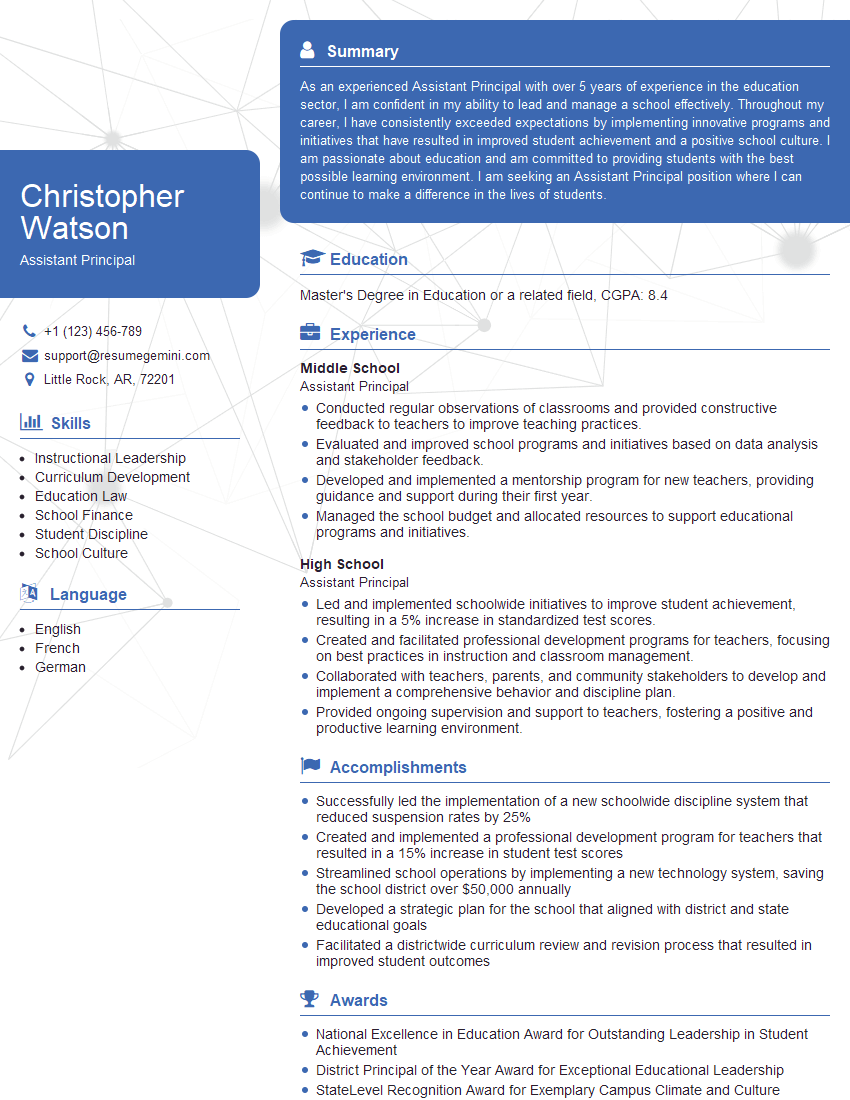
Assistant Principal Resume Sample
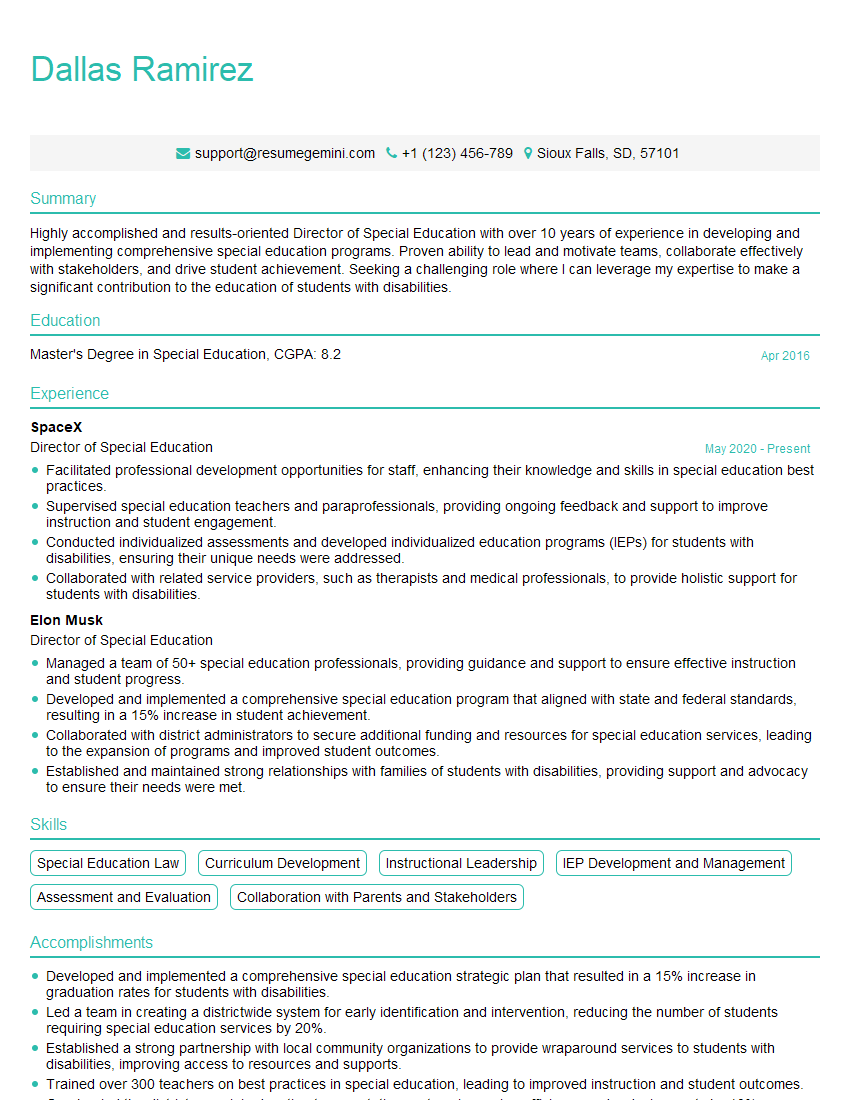
Director of Special Education Resume Sample
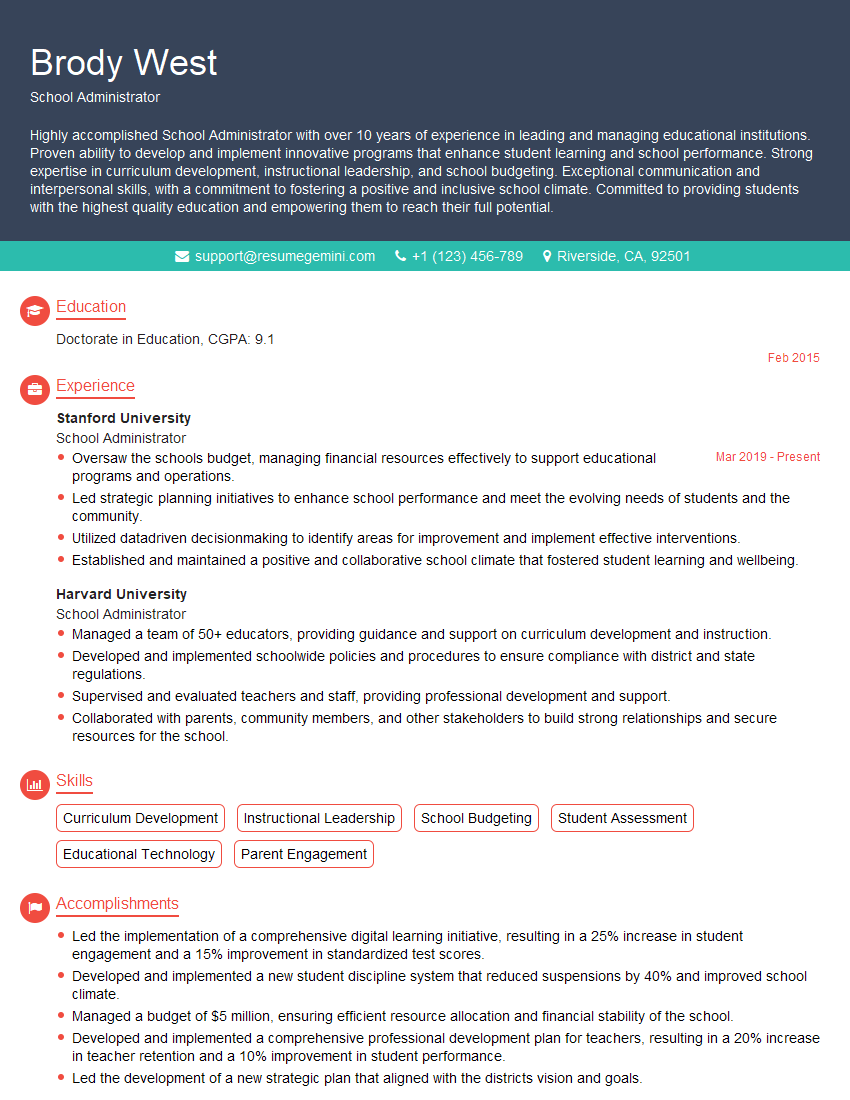
School Administrator Resume Sample
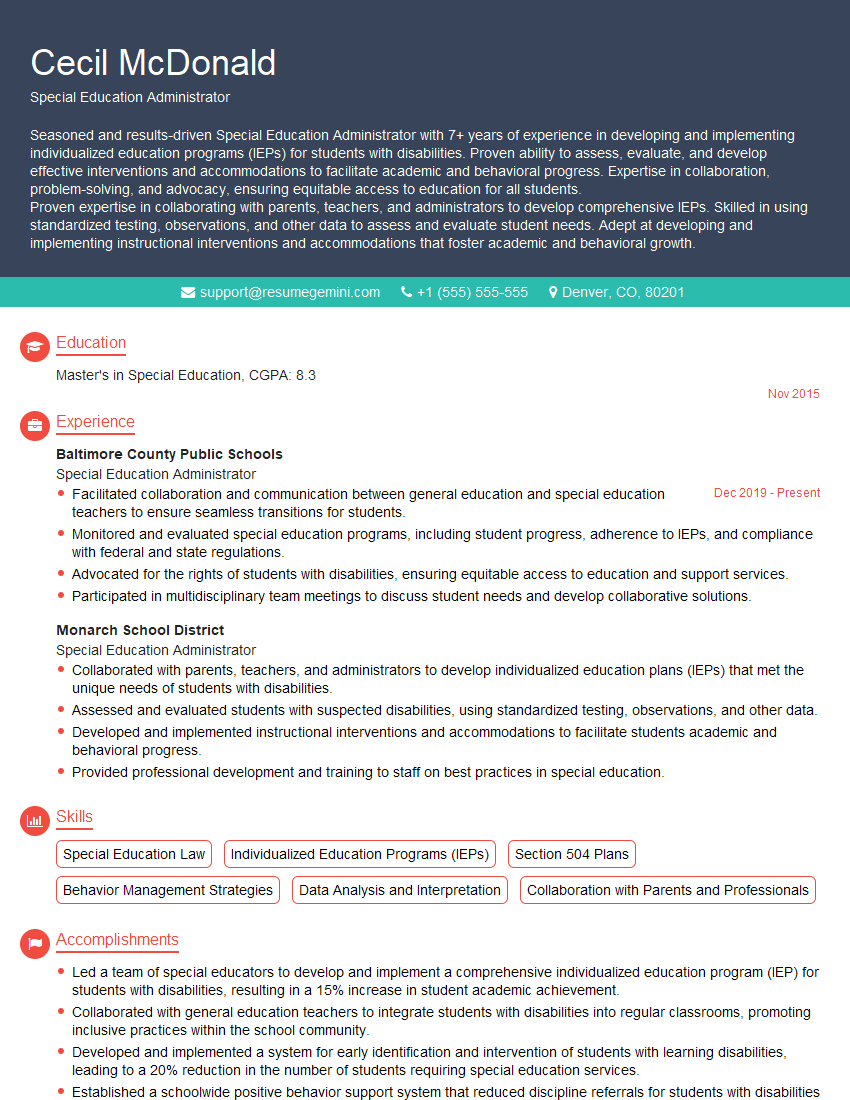
Special Education Administrator Resume Sample
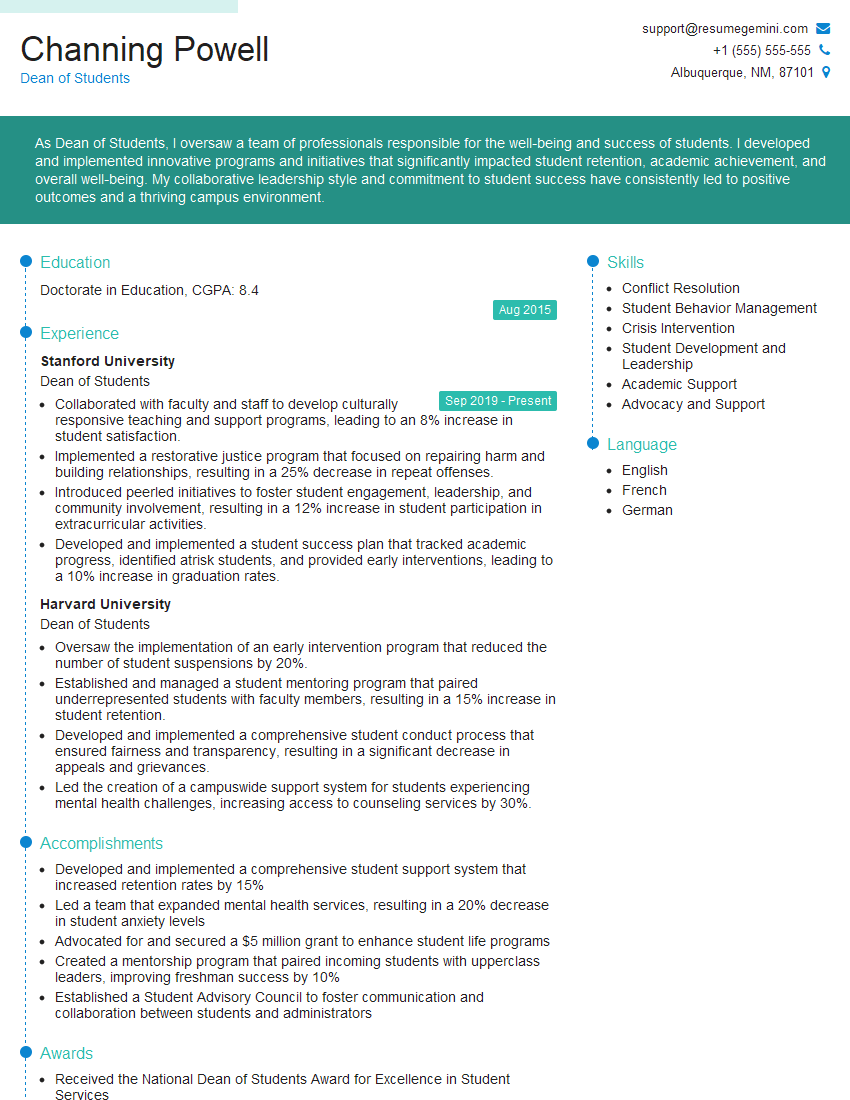
Dean of Students Resume Sample
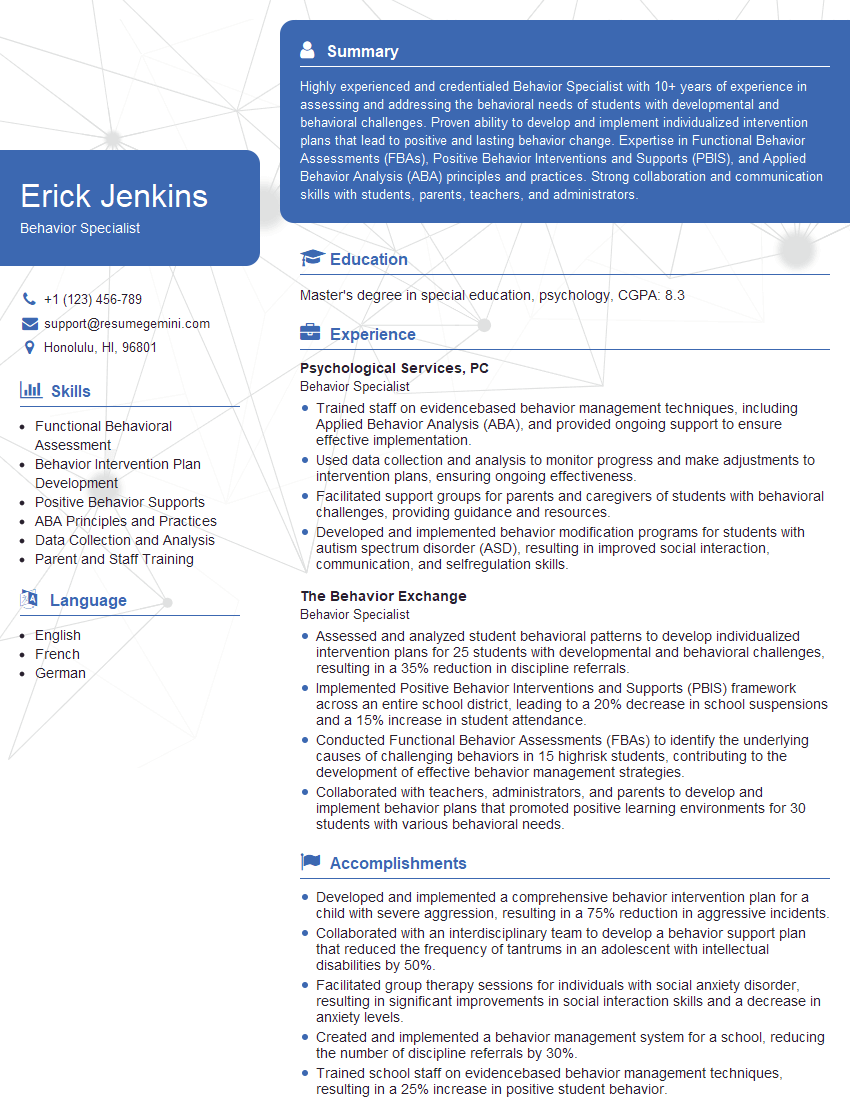
Behavior Specialist Resume Sample
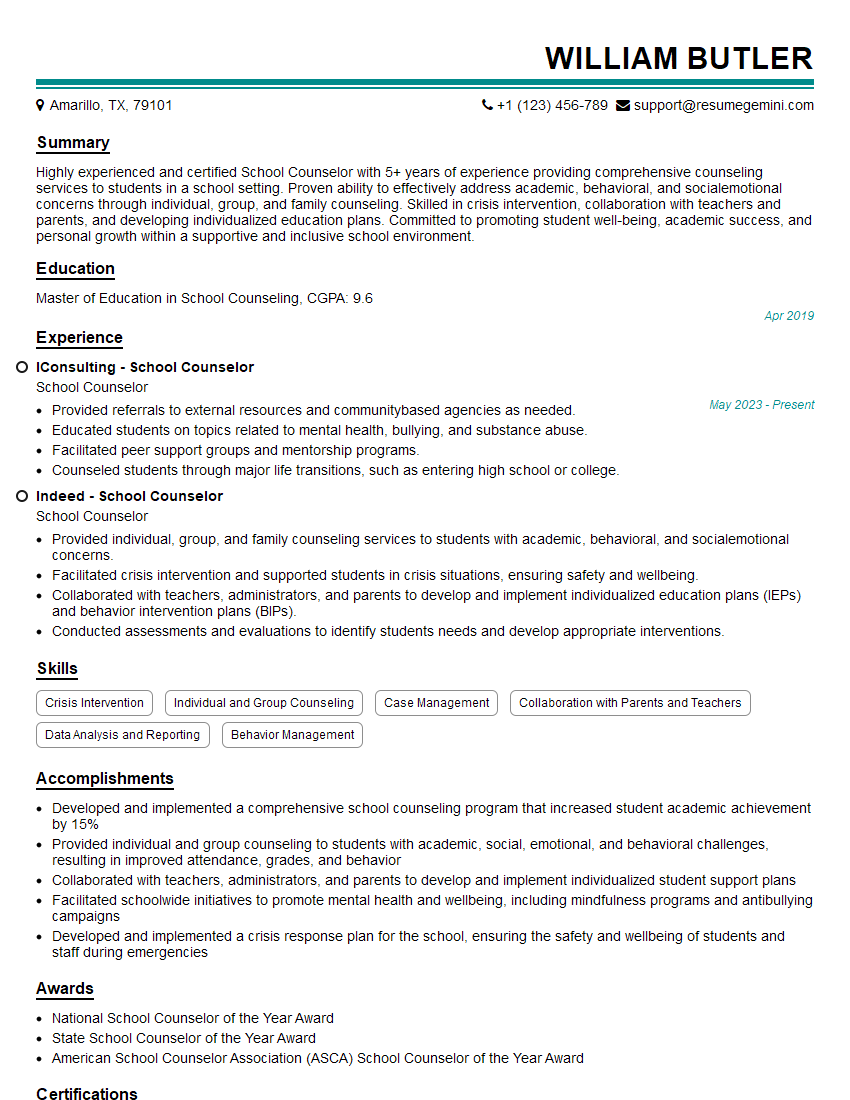
School Counselor Resume Sample
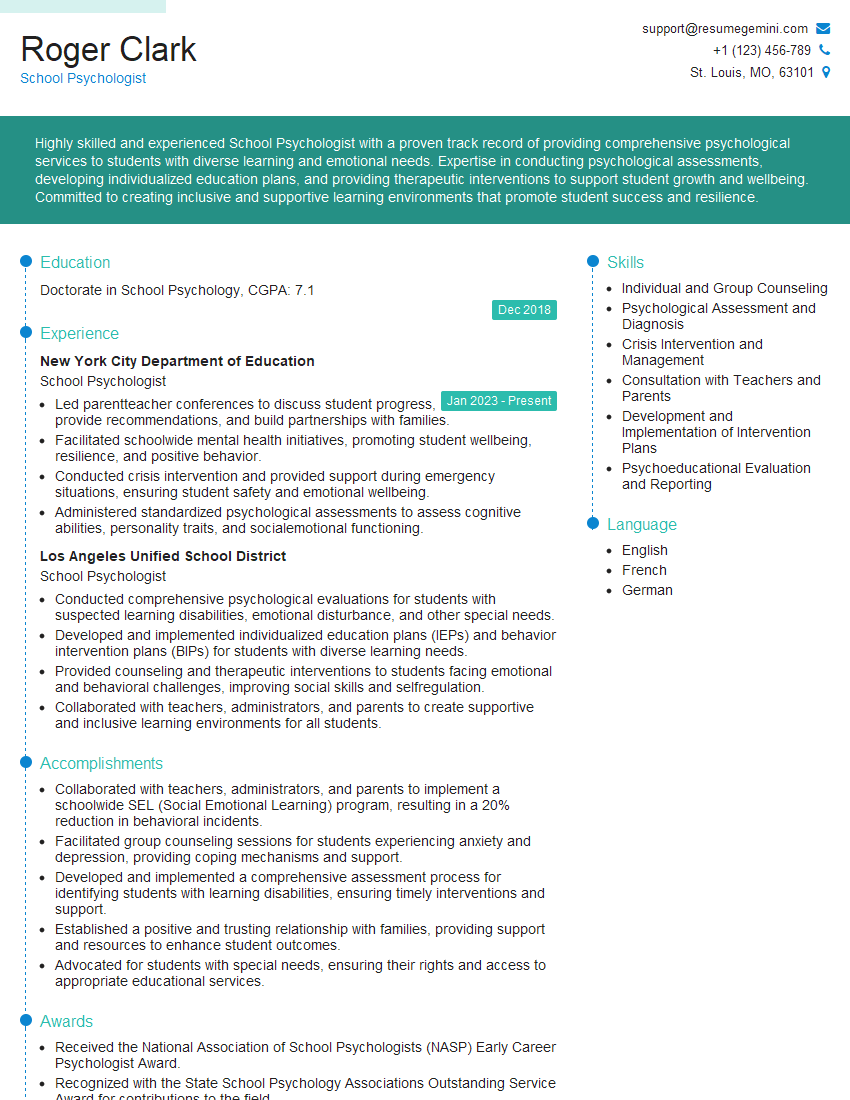
School Psychologist Resume Sample
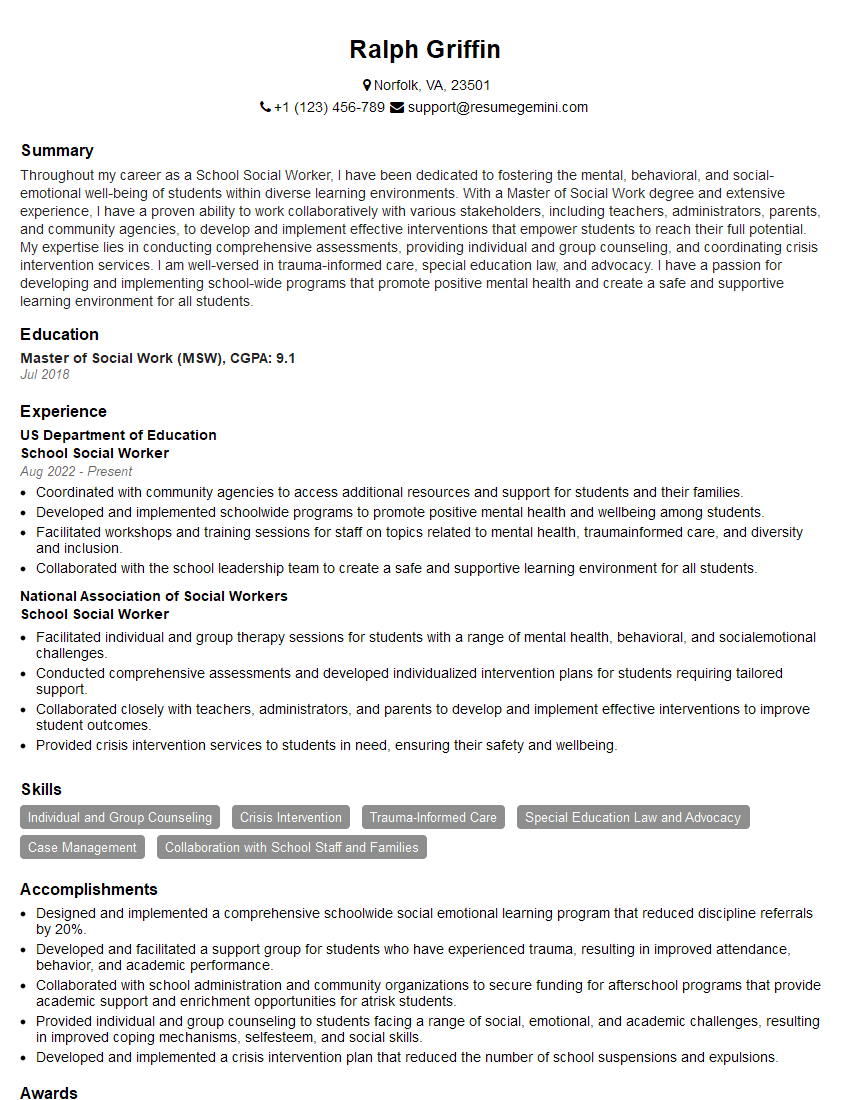
School Social Worker Resume Sample
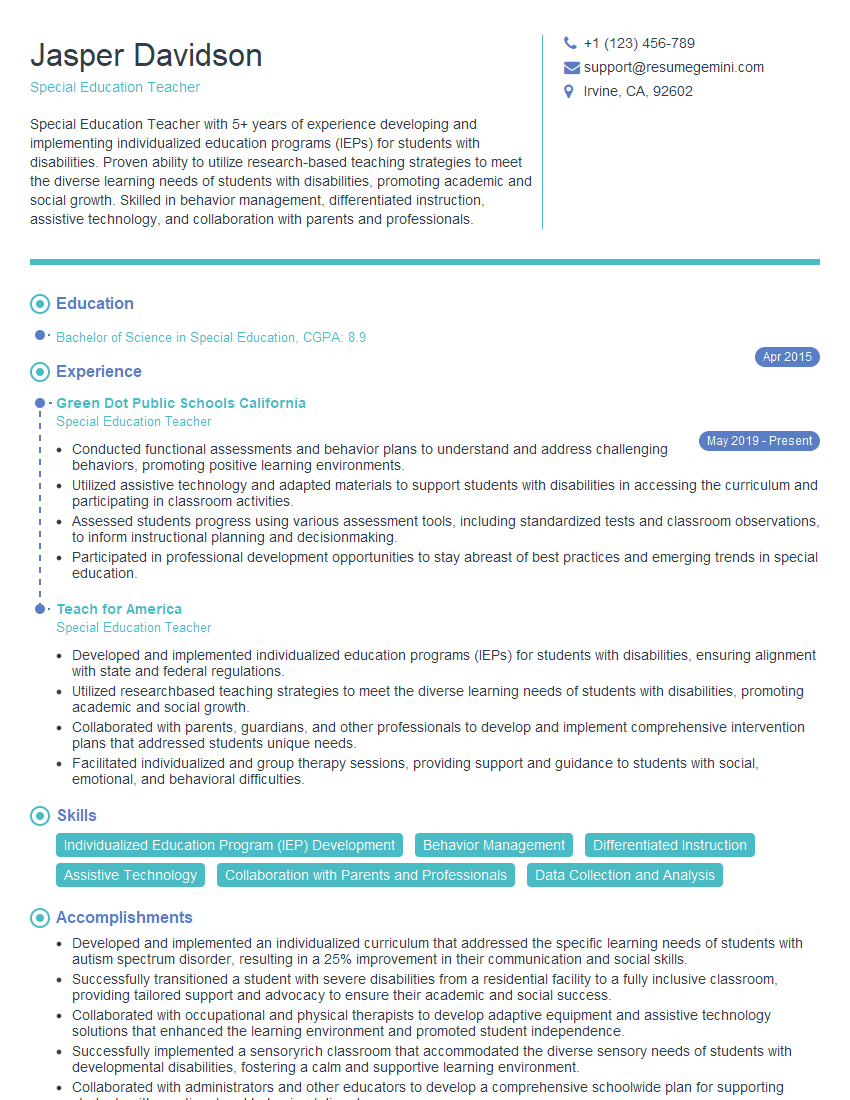
Special Education Teacher Resume Sample
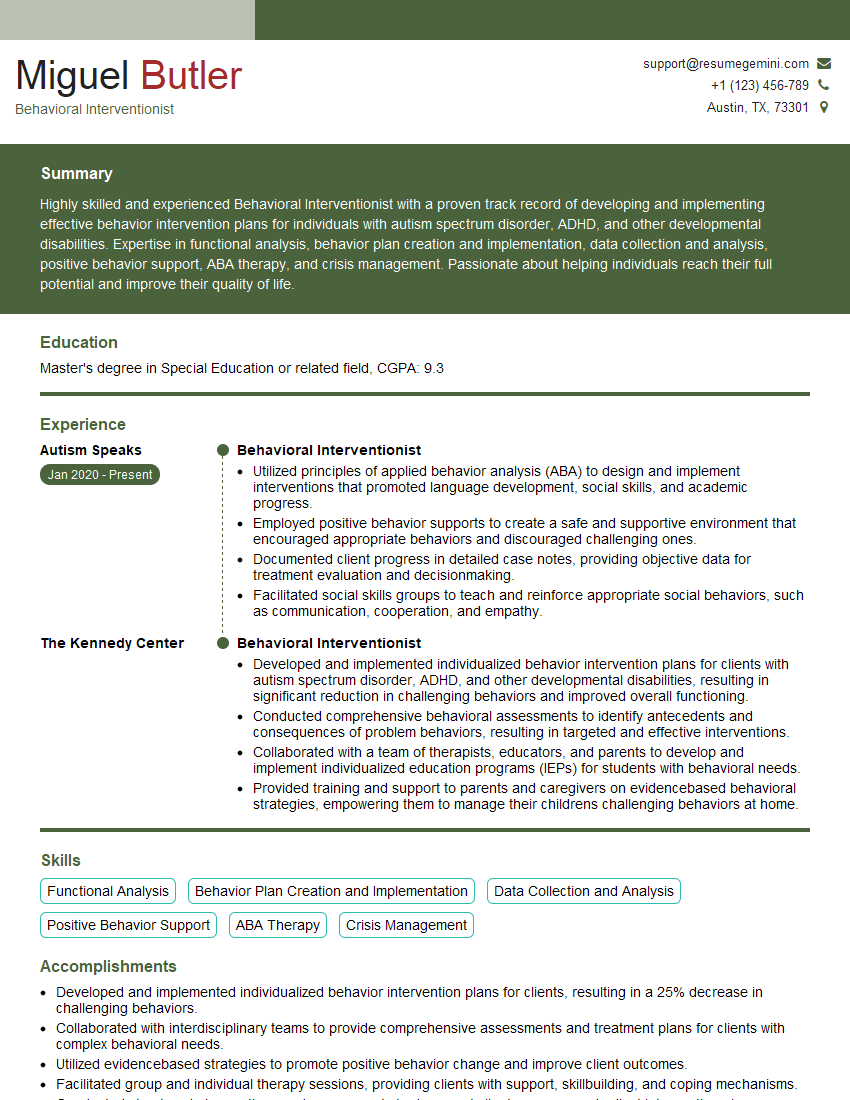
Behavioral Interventionist Resume Sample
Curriculum Specialist Resume Sample
Explore more articles
Users Rating of Our Blogs
Share Your Experience
We value your feedback! Please rate our content and share your thoughts (optional).
What Readers Say About Our Blog
Really detailed insights and content, thank you for writing this detailed article.
IT gave me an insight and words to use and be able to think of examples