Cracking a skill-specific interview, like one for Emergency Response and Safety, requires understanding the nuances of the role. In this blog, we present the questions you’re most likely to encounter, along with insights into how to answer them effectively. Let’s ensure you’re ready to make a strong impression.
Questions Asked in Emergency Response and Safety Interview
Q 1. Describe your experience in developing and implementing emergency response plans.
Developing and implementing emergency response plans involves a systematic approach, starting with a thorough risk assessment to identify potential hazards. This is followed by the creation of detailed procedures outlining actions to be taken during various emergencies. My experience includes leading the development of plans for diverse settings, from manufacturing facilities to large-scale public events. For instance, at a manufacturing plant, we identified the risks of chemical spills and equipment malfunctions, leading to the creation of evacuation routes, emergency shutdown procedures, and specialized training programs for personnel. In the event of a public event, we focused on crowd control, communication infrastructure, and the establishment of designated medical and assembly points. Following the plan’s creation, rigorous testing and regular drills are crucial to ensure its effectiveness and identify any shortcomings. Post-incident reviews are also vital for continuous improvement and adaptation to evolving circumstances.
The implementation phase involves clear communication and training for all stakeholders. This includes ensuring everyone understands their roles and responsibilities and feels confident in their ability to execute the plan. I’ve found that using clear visuals, regular drills, and interactive training methods significantly improve understanding and retention. Finally, effective monitoring and documentation are essential to track performance, make necessary adjustments, and ensure compliance with regulations.
Q 2. Explain your understanding of different types of emergency situations (e.g., fire, natural disaster, chemical spill).
Emergency situations vary widely, and understanding their unique characteristics is crucial for effective response. We categorize them based on their origin and impact. Natural disasters like earthquakes, hurricanes, or floods pose wide-ranging threats, requiring community-wide coordination and often significant logistical challenges like resource allocation and mass casualty management. Fires necessitate immediate action, focusing on evacuation, containment, and fire suppression, requiring specialized equipment and trained personnel. Chemical spills demand a different approach, emphasizing containment, decontamination, and the potential need for specialized hazmat teams. Each requires different safety protocols, communication strategies, and resource deployment. For example, responding to a chemical spill demands immediate risk assessment to identify the substance and its potential hazards, followed by containment to prevent further spread, and finally, decontamination of affected areas and personnel. This contrasts sharply with a fire, where the primary focus is immediate evacuation and fire suppression.
Other emergency situations include acts of violence (requiring security measures and potentially law enforcement coordination), power outages (requiring backup systems and communication strategies), and cybersecurity breaches (demanding rapid response from IT teams to contain the breach and prevent further damage). Understanding these diverse threats allows for creating tailored plans and protocols to mitigate their potential impact.
Q 3. How would you prioritize tasks during a large-scale emergency?
During large-scale emergencies, prioritization is paramount. I employ a structured approach based on the principle of saving lives first. This involves a three-tiered system:
- Immediate Life-Saving Actions: This involves immediate actions to save lives and prevent further injuries. Examples include evacuating those in immediate danger, administering first aid, and securing hazardous areas.
- Stabilization and Containment: Once immediate threats are addressed, the focus shifts to stabilizing the situation. This could include controlling the spread of a fire, containing a chemical spill, or providing emergency medical care to injured individuals.
- Long-Term Recovery and Mitigation: Once the immediate crisis is over, the focus shifts to the long-term recovery process. This involves assessing the damage, providing support to affected individuals and communities, and implementing measures to prevent future similar occurrences. For example, in a flood, this could involve debris removal, infrastructure repair, and the development of flood mitigation strategies.
This tiered approach is dynamic and adapts to the evolving situation. Clear communication and effective coordination with all stakeholders – emergency services, community leaders, and volunteers – are crucial for the successful implementation of this prioritization framework.
Q 4. Describe your experience with risk assessment and mitigation strategies.
Risk assessment is fundamental to proactive safety management. It involves identifying potential hazards, evaluating their likelihood and potential impact, and implementing mitigating strategies. My experience includes utilizing various methods, from simple checklists to sophisticated software programs, to conduct comprehensive risk assessments. For instance, in a manufacturing plant, I employed a Failure Modes and Effects Analysis (FMEA) to identify potential failure points in machinery and establish preventative maintenance schedules. Similarly, for a large public gathering, we employed a detailed risk assessment matrix to identify various potential threats (terrorism, natural disaster, accidents) and their probability and potential impact, allowing us to tailor security measures accordingly. Mitigation strategies are then developed based on the assessment. This might involve implementing engineering controls (e.g., safety guards on machinery), administrative controls (e.g., safety training programs), and personal protective equipment (e.g., hard hats, safety glasses). The key is to create a balance between managing risks effectively and not over-regulating to the point of hindering productivity.
Q 5. What are your methods for communicating effectively during an emergency?
Effective communication is crucial during emergencies. My approach involves a multi-faceted strategy employing various communication channels. This includes:
- Pre-established communication protocols: Clear communication channels and procedures (e.g., a designated emergency contact list, a robust communication network) must be in place before an emergency occurs.
- Multi-channel communication: Utilizing a combination of communication methods such as radios, cell phones, public address systems, and social media (depending on the emergency and available resources) ensures information reaches all stakeholders.
- Consistent messaging: Ensuring consistent messaging across all channels minimizes confusion and maintains public trust.
- Regular updates: Providing frequent and timely updates to all involved parties keeps them informed and allows for appropriate adjustments to the response plan.
- Feedback mechanisms: Creating avenues for feedback from responders and the public helps to identify communication gaps and optimize future responses.
For example, during a chemical spill, using designated radios for first responders while employing text message alerts for the public, alongside social media for situation awareness is an effective strategy. Clear and concise messaging is critical, focusing on the essential information, avoiding jargon, and using plain language.
Q 6. How do you ensure compliance with relevant safety regulations and standards?
Ensuring compliance with safety regulations and standards requires a proactive and multi-faceted approach. This starts with a thorough understanding of all applicable local, state, and federal regulations. Regular audits and inspections are essential to monitor compliance, identify any gaps, and take corrective actions. Comprehensive safety training for all personnel is a must, ensuring that everyone is aware of their responsibilities and how to comply with safety standards. Proper record-keeping is critical for demonstrating compliance and providing evidence in case of an audit. My experience involves utilizing various compliance management software to streamline the process, automate tasks, and easily track compliance-related documentation. It also involves regularly reviewing and updating the emergency response plan to reflect any changes in regulations or best practices.
Active participation in relevant professional organizations and keeping abreast of current best practices further enhances our compliance efforts. This proactive approach ensures our operations are not only compliant but also reflect industry best practices, minimizing risks and safeguarding the safety of everyone.
Q 7. How would you handle a conflict between safety regulations and production deadlines?
Conflicts between safety regulations and production deadlines are a common challenge. My approach centers on finding a balance that prioritizes safety without compromising production completely. This involves a collaborative approach involving all stakeholders, including production managers, safety personnel, and legal representatives. The first step involves a thorough risk assessment of the situation to assess the risks associated with not adhering to the safety regulations, weighing those against the potential consequences of delays in production. This informs a decision-making process that seeks to implement alternative solutions that meet both safety standards and production goals. This might include adjusting the production schedule, implementing alternative procedures, or investing in additional safety equipment to enable compliance. Documentation of this process, including the rationale for decisions made, is crucial for transparency and accountability. The key is open communication and a shared understanding that prioritizing safety is paramount, even if it means some temporary delays in production. Ultimately, ignoring safety regulations can lead to far more significant and costly consequences in the long run.
Q 8. Describe your experience with incident investigation and reporting.
Incident investigation and reporting are crucial for preventing future incidents and improving safety protocols. My experience involves a structured approach, starting with securing the scene, interviewing witnesses, collecting evidence (photos, videos, statements), and analyzing the root causes using techniques like the ‘5 Whys’ to drill down to the fundamental issues. I’ve utilized various reporting methodologies, including creating detailed written reports with comprehensive findings, causal analysis, and recommended corrective actions, and presenting findings to management and stakeholders. For instance, during an incident involving a near-miss fall from height at a construction site, my investigation revealed inadequate safety harness inspections and a lack of proper training on fall protection equipment. This led to the implementation of a new inspection program and mandatory refresher training for all personnel.
My reports always follow a standard format to ensure consistency and clarity, including a detailed description of the incident, timeline, contributing factors, and recommendations for improvement. I’ve also utilized incident management software to effectively track, analyze, and report on incidents, enhancing efficiency and improving data analysis capabilities.
Q 9. What is your experience with emergency response training and drills?
I have extensive experience in planning, conducting, and evaluating emergency response training and drills, across various settings including manufacturing plants, hospitals, and large-scale events. This involves developing training programs tailored to specific hazards and scenarios, designing realistic drills that simulate emergency situations, and actively participating in the drills to assess team performance and identify areas for improvement. I’ve coordinated drills involving multiple teams, including fire safety, medical response, and evacuation teams. For example, I’ve designed and executed a full-scale emergency evacuation drill at a large manufacturing facility, simulating a fire outbreak and requiring the coordination of over 500 employees. The post-drill evaluation identified critical areas for improvement in communication and the efficiency of the evacuation routes. This led to implementing clear signage, designated assembly points, and improved communication protocols.
My approach emphasizes practical, hands-on training, using simulations and realistic scenarios to enhance participant engagement and knowledge retention. Post-training evaluations ensure that training objectives have been met and identify any gaps in training needs.
Q 10. How do you maintain up-to-date knowledge of emergency response procedures and best practices?
Staying current in the ever-evolving field of emergency response requires a multi-faceted approach. I actively participate in professional development programs, attend conferences and workshops, and regularly review updated safety standards, regulations, and best practices published by organizations such as OSHA (Occupational Safety and Health Administration), NFPA (National Fire Protection Association), and relevant industry bodies. I also subscribe to industry publications and online resources to stay informed about the latest trends and technological advancements. For example, I recently completed a course on managing active shooter events and implemented a new response protocol based on best practices from the training. Continuous learning ensures that my knowledge base remains current and adaptable to new challenges.
Q 11. Explain your experience with emergency equipment and its usage.
My experience encompasses a wide range of emergency equipment, including fire suppression systems (sprinklers, fire extinguishers), personal protective equipment (PPE like respirators, safety harnesses), first-aid supplies, and emergency communication devices. I am proficient in the proper use, inspection, maintenance, and testing of this equipment, ensuring its readiness for emergencies. For example, I’ve led regular inspections of fire extinguishers, ensuring they are fully charged and properly located, and provided training to staff on their correct usage. I also possess experience with specialized equipment like AEDs (Automated External Defibrillators) and am certified in their operation. I emphasize the importance of regular maintenance and training to ensure equipment functionality and personnel competency.
Understanding the limitations of equipment and knowing when to call for specialized support are critical aspects of my approach.
Q 12. Describe your experience with evacuation procedures and safety protocols.
Developing and implementing effective evacuation procedures and safety protocols requires a thorough understanding of the site’s layout, potential hazards, and the specific needs of the occupants. My experience involves creating detailed evacuation plans, including designated escape routes, assembly points, and communication systems. These plans are regularly reviewed and updated to reflect any changes in the facility or potential hazards. I conduct regular drills and simulations to ensure the plan’s effectiveness and identify any areas for improvement. For example, in a recent project, I revised the evacuation plan for a large office building, incorporating improvements based on a previous evacuation drill that highlighted bottlenecks in the stairwells. The revised plan included designated marshals to guide people during evacuation and improved communication during emergencies. I also emphasize the importance of safety protocols beyond evacuation plans including workplace hazard assessments, safe operating procedures, and emergency preparedness training for personnel
Q 13. How would you manage a situation involving injured personnel during an emergency?
Managing injured personnel during an emergency requires a swift, coordinated response. The first step is to ensure the safety of both the injured and responders by securing the scene. Next, I would initiate the emergency response protocol which involves prioritizing the most critical injuries using triage (a system for prioritizing patients based on the urgency of their need for medical care), then contacting emergency medical services (EMS). Simultaneously, I would coordinate with other responders to provide first aid, administer CPR if needed, and ensure the injured are moved to a safe location for treatment. Communication is critical. Keeping EMS and command informed ensures efficient resource allocation and prevents delays. After the immediate crisis is addressed, a post-incident analysis will be performed to identify areas for improvement in response times and medical treatment.
Q 14. How would you coordinate with different emergency response teams during a large-scale event?
Coordinating multiple emergency response teams during a large-scale event requires clear communication, a well-defined command structure, and pre-planned response protocols. This usually involves establishing a command post to oversee the entire operation. Using a common communications system (such as radios) is crucial for effective communication among different teams. I would assign clear roles and responsibilities to each team, ensuring there is a designated leader for each group and clear lines of authority. Regular briefings and updates throughout the event are crucial to maintain situational awareness among all responders. A pre-event meeting with all relevant agencies to coordinate efforts and establish communication protocols is paramount. Post-event debriefings are equally important to evaluate the response and identify areas for improvement in future large-scale events. This proactive approach greatly enhances inter-agency coordination and minimizes confusion and response time.
Q 15. What is your experience with first aid and CPR?
My first aid and CPR certifications are current and I’ve maintained proficiency through regular recertification and practical application. I’ve been certified as an EMT-B for the past 8 years, responding to a wide variety of medical emergencies including trauma, cardiac arrest, and respiratory distress. This experience has provided me extensive hands-on training and experience in delivering life-saving interventions. For example, I once successfully performed CPR and used an AED on a construction worker who suffered cardiac arrest at a job site, ultimately contributing to their survival. Beyond formal certifications, I regularly participate in refresher courses to stay updated on the latest techniques and guidelines.
Career Expert Tips:
- Ace those interviews! Prepare effectively by reviewing the Top 50 Most Common Interview Questions on ResumeGemini.
- Navigate your job search with confidence! Explore a wide range of Career Tips on ResumeGemini. Learn about common challenges and recommendations to overcome them.
- Craft the perfect resume! Master the Art of Resume Writing with ResumeGemini’s guide. Showcase your unique qualifications and achievements effectively.
- Don’t miss out on holiday savings! Build your dream resume with ResumeGemini’s ATS optimized templates.
Q 16. Describe your experience with hazardous materials handling and response.
My hazardous materials (HazMat) experience encompasses both theoretical knowledge and practical field experience. I hold a HazMat Technician certification and have participated in numerous emergency response exercises and real-world incidents involving spills, leaks, and releases of various hazardous substances. My experience includes identifying and classifying hazardous materials, using specialized detection equipment, implementing containment and mitigation strategies, and properly decontaminating personnel and equipment. For instance, I was part of the team that responded to a chemical spill at a manufacturing plant, successfully containing the leak and preventing further environmental contamination. We utilized specialized PPE, including Level A suits, and followed established protocols to ensure the safety of responders and the public.
Q 17. How would you assess the risks associated with a particular work environment?
Assessing workplace risks involves a systematic approach. I utilize a combination of methods, including job hazard analysis (JHA), walkthrough inspections, and reviewing safety data sheets (SDS). The JHA involves breaking down a task into individual steps, identifying potential hazards at each step, and determining the appropriate control measures. Walkthrough inspections provide a visual assessment of the work environment, identifying potential hazards such as trip hazards, electrical hazards, or fire hazards. SDSs provide detailed information on the potential hazards associated with specific chemicals or materials used in the workplace. After this assessment, I develop a comprehensive risk assessment report with recommendations for reducing identified risks. For example, while assessing a construction site, I might identify inadequate scaffolding as a significant fall hazard. The subsequent risk assessment report would detail this hazard, propose corrective measures (like installing proper guardrails), and outline timelines for implementation.
Q 18. What are your strategies for preventing workplace accidents and injuries?
Preventing workplace accidents and injuries requires a multi-faceted strategy focusing on proactive measures and employee engagement. This involves implementing robust safety programs, providing comprehensive safety training, conducting regular safety inspections, utilizing appropriate engineering controls, and establishing clear safety policies and procedures. Promoting a strong safety culture through active communication and employee participation is also crucial. We use methods like safety meetings, toolbox talks, and near-miss reporting systems to ensure consistent awareness and engagement. For example, we implemented a ‘Stop Work Authority’ policy allowing any employee to halt unsafe work practices, ensuring that safety is a collective responsibility. This fosters a proactive safety culture where individuals feel empowered to contribute to a safer workplace.
Q 19. Describe your experience with personal protective equipment (PPE).
My experience with personal protective equipment (PPE) is extensive, covering a wide range of equipment depending on the specific hazard. I’m proficient in selecting, fitting, inspecting, and using various types of PPE, including respirators, gloves, eye protection, hearing protection, and protective clothing. Proper PPE selection depends on the hazard identified during the risk assessment, ensuring the appropriate level of protection is implemented. For instance, while handling asbestos, proper respirator use with appropriate filters is critical. Regular training and competency assessments ensure correct use and maintenance of all PPE. We also emphasize the importance of proper disposal and decontamination procedures for used PPE to maintain a safe and sanitary work environment.
Q 20. How would you manage the stress and pressure associated with emergency response situations?
Emergency response situations are inherently stressful. My strategies for managing this stress include maintaining a strong physical and mental well-being through regular exercise, proper nutrition, and sufficient sleep. I prioritize teamwork and communication, ensuring effective coordination and support within the team. Additionally, I utilize stress management techniques like deep breathing exercises and mindfulness practices to remain focused and composed under pressure. After stressful incidents, debriefing sessions are critical for processing emotions, analyzing the response, and identifying areas for improvement. This fosters a culture of psychological safety, enabling team members to openly share their experiences and improve future responses. Access to professional counseling and peer support groups is also invaluable in mitigating the long-term effects of workplace stress.
Q 21. What is your understanding of OSHA regulations?
My understanding of OSHA regulations is comprehensive. I’m familiar with the various OSHA standards related to workplace safety and health, including hazard communication, personal protective equipment, confined space entry, lockout/tagout, and emergency action plans. Staying updated on the latest OSHA guidelines and changes in regulations is vital to ensure compliance. I am also experienced in conducting OSHA compliance inspections and developing corrective action plans to address any identified violations. Regular training on OSHA regulations ensures I can effectively implement and enforce these standards in the workplace, protecting employees from workplace hazards and ensuring a safe working environment. For example, understanding the requirements of OSHA’s Hazard Communication Standard (HazCom) allows us to develop and implement effective chemical safety programs.
Q 22. Describe your experience in conducting safety inspections.
Safety inspections are crucial for proactive risk mitigation. My approach involves a systematic process combining planned inspections with random spot checks. I begin by reviewing existing safety documentation, including permits, risk assessments, and previous inspection reports, to understand the site’s specific hazards. The inspection itself follows a pre-defined checklist tailored to the specific environment (e.g., a construction site versus a laboratory will have different critical hazards). This checklist covers areas like fire safety equipment, emergency exits, personal protective equipment (PPE) usage, machine guarding, and adherence to safe work practices. During the inspection, I meticulously document any non-conformances – deviations from established safety standards – using photographs and detailed descriptions, including location and severity. After the inspection, I prepare a comprehensive report summarizing findings, including recommendations for corrective actions and a timeline for implementation. For example, in a recent inspection of a manufacturing plant, I identified a faulty fire extinguisher and inadequate emergency lighting, which were immediately rectified. Follow-up inspections verify the effectiveness of the corrective actions.
Q 23. How would you create and deliver safety training programs?
Developing and delivering effective safety training requires careful planning and execution. It starts with a thorough needs assessment – identifying the specific knowledge and skills gaps among employees. This involves interviews, surveys, and reviewing incident reports to understand common causes of accidents. Based on this assessment, I design a training program that incorporates various learning methods. This often includes interactive modules, hands-on exercises, simulations, and real-life case studies to ensure engagement and retention. For example, for a construction crew, I might include a practical session on proper scaffolding erection and dismantling. The training format is tailored to the audience – short, frequent sessions are often more effective than lengthy ones. The training material itself is carefully designed to be clear, concise, and visually appealing, utilizing videos, infographics, and interactive elements to avoid monotony. Finally, I regularly evaluate the training effectiveness through post-training assessments, observation of on-the-job performance, and feedback mechanisms. I’ve found incorporating gamification, like quizzes and leaderboards, is highly effective in improving participation and knowledge retention.
Q 24. How would you evaluate the effectiveness of a safety program?
Evaluating a safety program’s effectiveness is ongoing and multifaceted. Key metrics include the leading indicators, which predict future incidents (e.g., number of safety training hours completed, number of near misses reported), and lagging indicators, which reflect past incidents (e.g., lost-time injury frequency rate (LTIFR), number of accidents). I analyze these data regularly, looking for trends. For instance, a rising number of near misses might signal a need for additional training or a review of safety protocols. Beyond the numbers, regular safety audits and employee feedback surveys are crucial. Employee feedback provides valuable insights into areas where the program might be falling short. For example, anonymous surveys can highlight areas where employees feel unsafe or unsure about procedures. Also, comparing our safety performance to industry benchmarks helps identify areas for improvement and demonstrates our commitment to continuous enhancement. A thorough analysis of incidents, including root cause analysis (RCA), is crucial; RCA helps identify systemic issues rather than just blaming individuals. By using this combination of quantitative and qualitative data, I develop a holistic understanding of the program’s effectiveness and identify areas needing improvement.
Q 25. Describe your experience with emergency communication systems.
My experience with emergency communication systems is extensive. I’ve worked with various systems, from basic two-way radios to sophisticated integrated systems incorporating phone lines, paging systems, and computer-aided dispatch (CAD). Understanding the limitations and capabilities of each system is crucial. For instance, the range of a radio system might be limited compared to a cell phone network. A well-designed emergency communication system must be reliable, readily accessible, and user-friendly. It should include procedures for escalating communication – for instance, automatically alerting higher-level personnel in case of a major incident. Regular testing and maintenance are critical to ensure reliability. In one instance, we implemented a new integrated system that reduced response times significantly by automatically dispatching the closest emergency personnel and providing real-time location tracking. It’s also important to consider redundancy; having backup systems in place ensures communication even if the primary system fails.
Q 26. How would you handle a situation where safety protocols are not being followed?
Addressing situations where safety protocols aren’t followed requires a multi-pronged approach that balances safety with fairness. The first step involves a calm and thorough investigation to understand why the protocols were not followed. Were there unclear instructions? Lack of training? Equipment failure? Once the root cause is understood, corrective action is taken. This could involve retraining, equipment repair, or process improvement. Depending on the severity of the non-compliance, disciplinary actions might be necessary, but it’s crucial to remember that punitive measures should only be a last resort. Communication is critical; reinforcing safety protocols and explaining the rationale behind them can significantly improve compliance. Regular safety talks, toolbox meetings, and visual aids (posters, etc.) can help maintain a strong safety culture. In a scenario where an employee repeatedly disregards safety rules, progressive discipline might be necessary, which could involve warnings, temporary suspension, or ultimately, termination. The goal is to promote a culture of safety where employees understand the importance of following protocols and feel empowered to speak up about safety concerns.
Q 27. Explain your understanding of emergency response command structures.
Emergency response command structures are hierarchical systems designed to ensure efficient and coordinated responses to emergencies. The most common structure is the Incident Command System (ICS), which uses a standardized organizational structure to manage resources and personnel. ICS typically includes roles such as Incident Commander (overall responsibility), Operations Section Chief (managing field operations), Planning Section Chief (gathering and analyzing information), Logistics Section Chief (managing resources), and Finance/Administration Section Chief (managing finances and administrative tasks). This clear chain of command prevents confusion and duplication of effort during stressful situations. The size and complexity of the ICS structure adapt to the scale of the emergency; a small incident might only require a few key personnel, while a large-scale disaster would need a more extensive structure. Understanding this structure is critical for effective communication and collaboration among responders. Regular ICS training ensures that personnel are familiar with their roles and responsibilities and can seamlessly integrate with other agencies during multi-agency responses.
Q 28. How would you adapt emergency procedures to different types of emergencies?
Adapting emergency procedures to different types of emergencies is paramount. While general principles of emergency response remain consistent (e.g., securing the scene, evacuating personnel, providing first aid), specific procedures must be tailored to the nature of the event. For example, a fire emergency requires different protocols than a chemical spill or a natural disaster. A fire emergency necessitates evacuation routes, fire suppression methods, and specific communication channels. A chemical spill requires understanding the hazardous material involved, using appropriate personal protective equipment (PPE), and having specific containment and decontamination procedures in place. A natural disaster necessitates coordination with external agencies, mass casualty management, and considerations for potential secondary hazards (e.g., power outages, flooding). A well-prepared emergency response plan should include flexible procedures and checklists adaptable to various scenarios. Regular drills and exercises are vital to practice these procedures, ensuring preparedness and efficiency in diverse emergency situations. The key is to maintain a flexible framework while ensuring core principles, such as safety and efficient resource allocation, are always prioritized.
Key Topics to Learn for Emergency Response and Safety Interview
- Incident Command Systems (ICS): Understanding ICS principles, roles, and responsibilities is crucial. Consider practical applications like managing a simulated multi-casualty incident.
- Hazard Identification and Risk Assessment: Learn how to identify potential hazards, assess their risks, and develop mitigation strategies. Practice applying this to various scenarios, from workplace safety to natural disasters.
- Emergency Response Planning and Procedures: Familiarize yourself with developing and implementing emergency response plans, including evacuation procedures, communication protocols, and post-incident analysis.
- Emergency Medical Response (First Aid/CPR/AED): Demonstrate a strong understanding of basic life support and emergency medical techniques. Highlight practical experience or certifications.
- Safety Regulations and Compliance: Be prepared to discuss relevant safety regulations and compliance procedures within your field. This includes OSHA standards and other industry-specific guidelines.
- Communication and Teamwork: Effective communication and teamwork are paramount in emergency situations. Be ready to discuss your experience collaborating under pressure.
- Crisis Management and Decision-Making: Practice making quick, informed decisions under pressure. Consider case studies that illustrate your problem-solving abilities in crisis situations.
- Personal Protective Equipment (PPE): Demonstrate knowledge of appropriate PPE for various hazards and situations, and the importance of its proper use and maintenance.
- Post-Incident Analysis and Reporting: Understand the importance of reviewing incidents to identify areas for improvement and prevent future occurrences. Be ready to discuss your experience with incident reporting and investigation.
Next Steps
Mastering Emergency Response and Safety principles is vital for career advancement in this critical field. It opens doors to leadership roles and opportunities to make a real difference. To maximize your job prospects, it’s essential to create an ATS-friendly resume that effectively showcases your skills and experience. ResumeGemini is a trusted resource that can help you build a professional and impactful resume. We provide examples of resumes tailored to Emergency Response and Safety to guide you through the process. Invest time in crafting a compelling resume – it’s your first impression on potential employers.
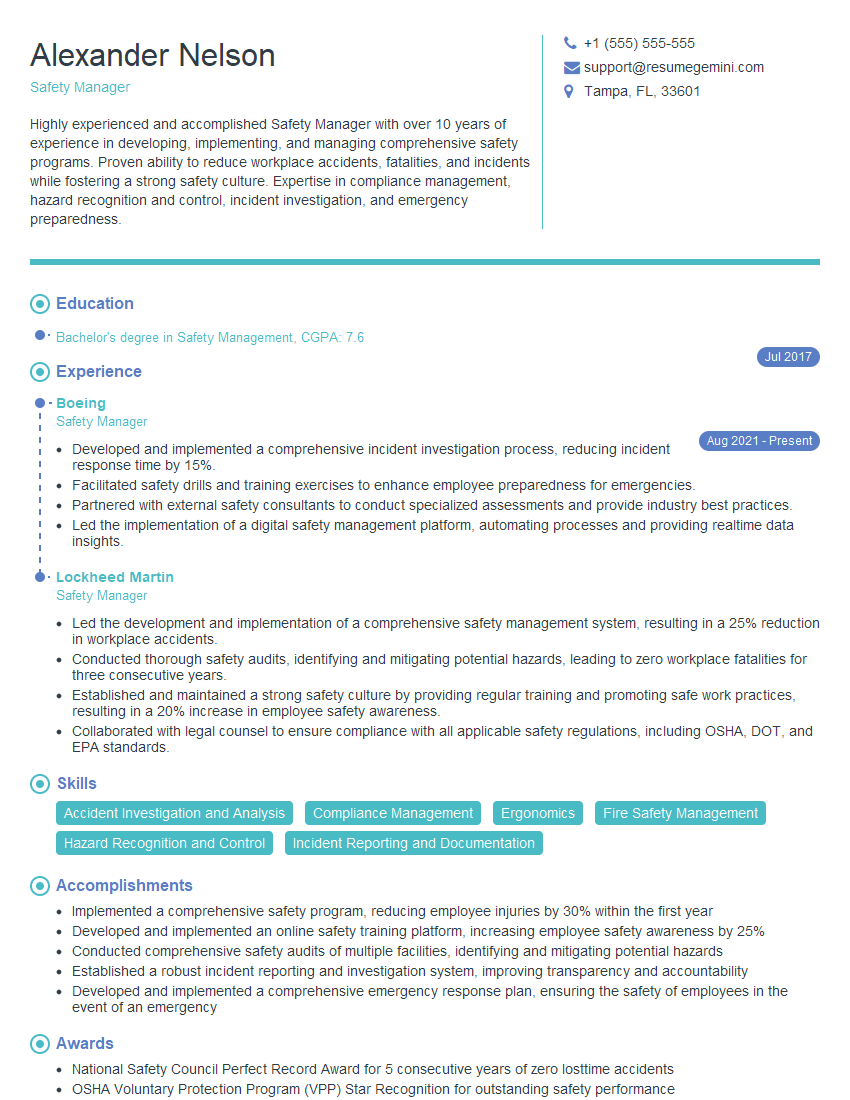
Safety Manager Resume Sample
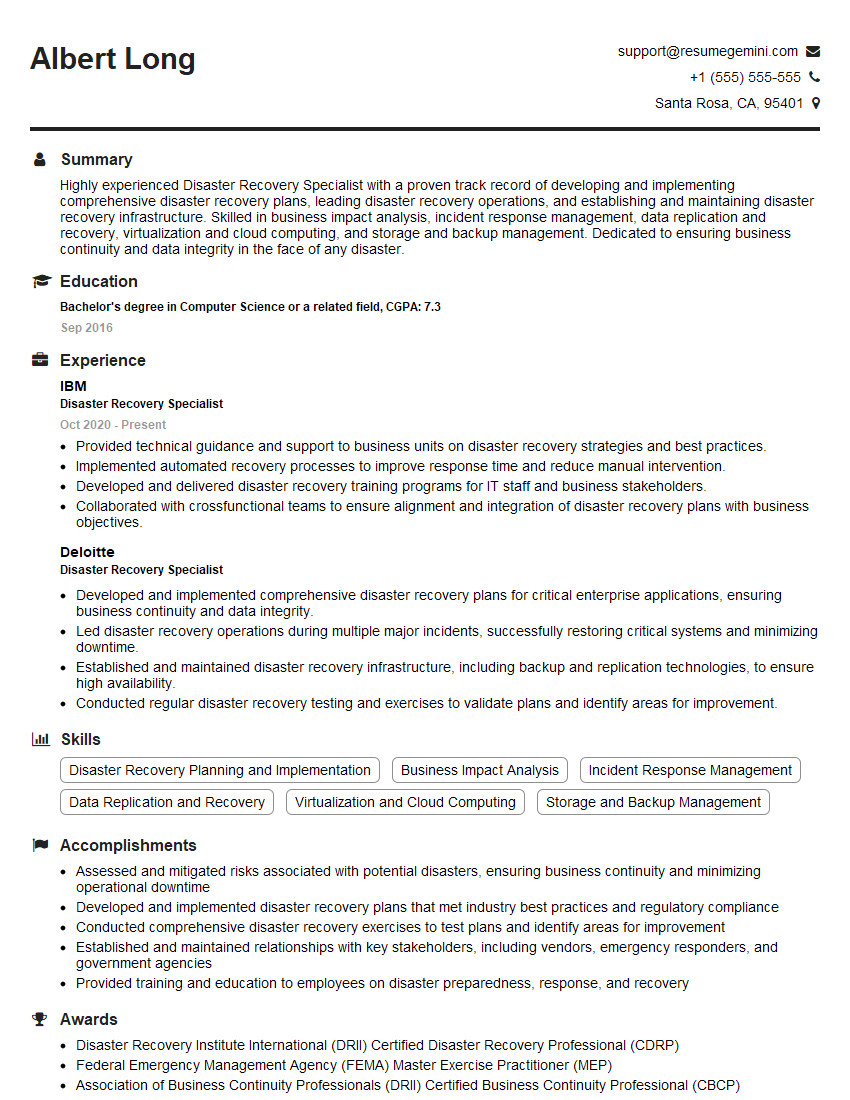
Disaster Recovery Specialist Resume Sample
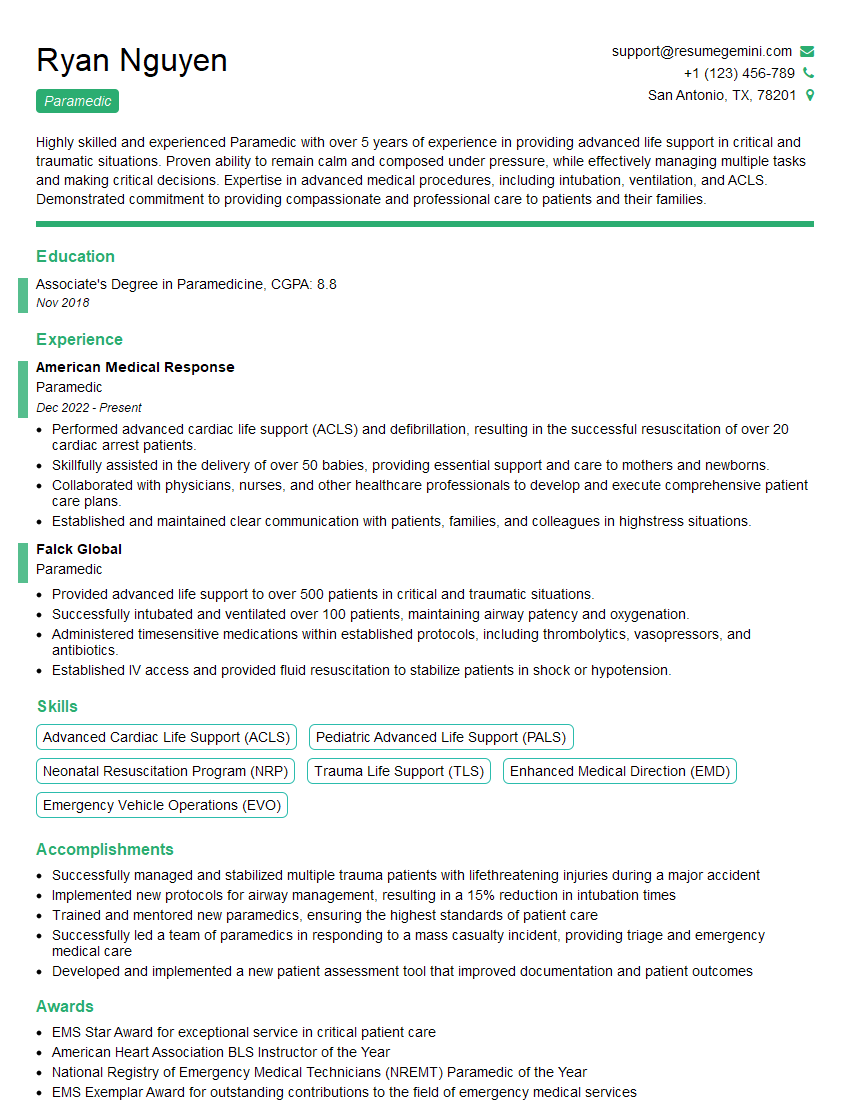
Paramedic Resume Sample

Compliance Officer Resume Sample
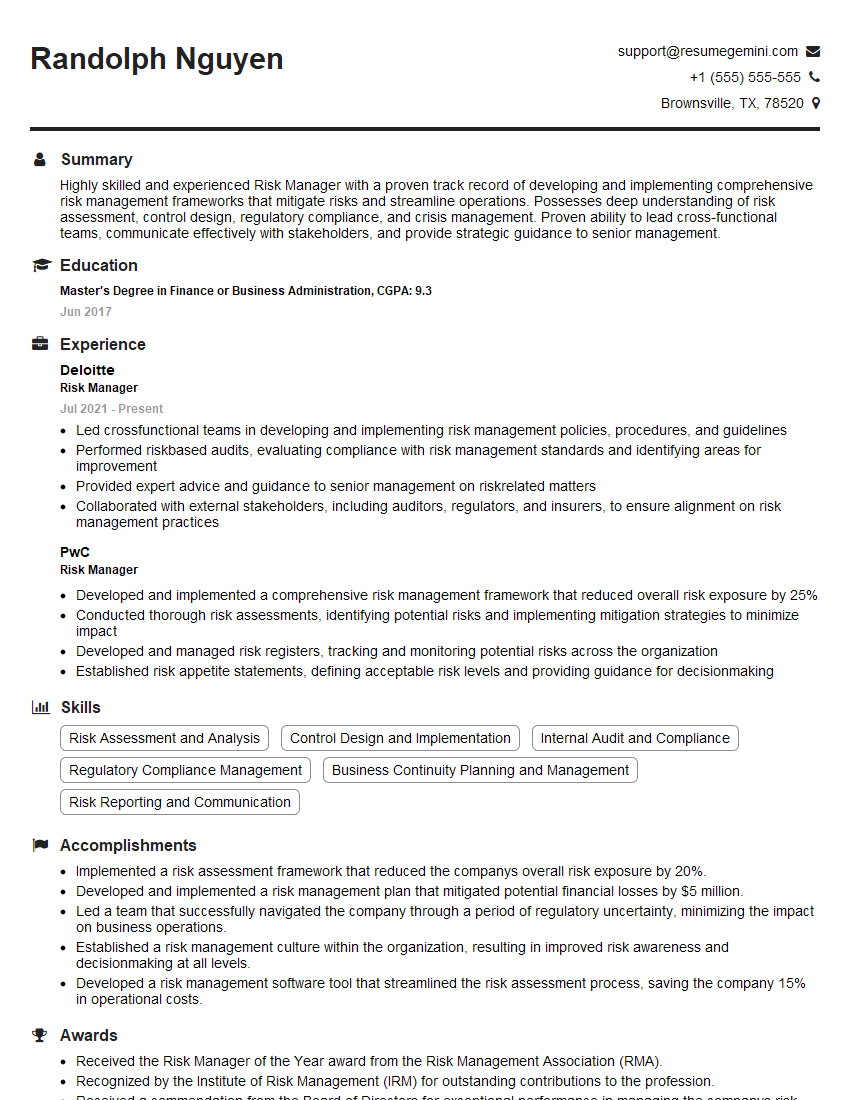
Risk Manager Resume Sample
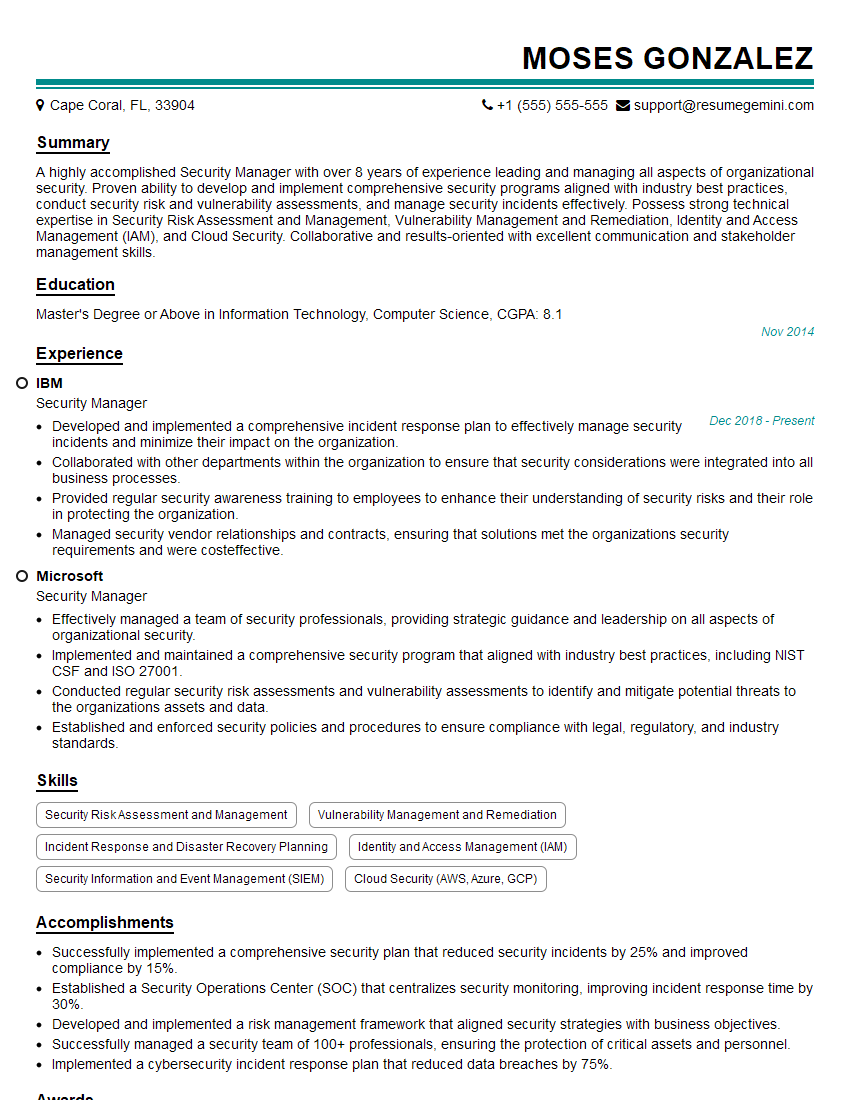
Security Manager Resume Sample
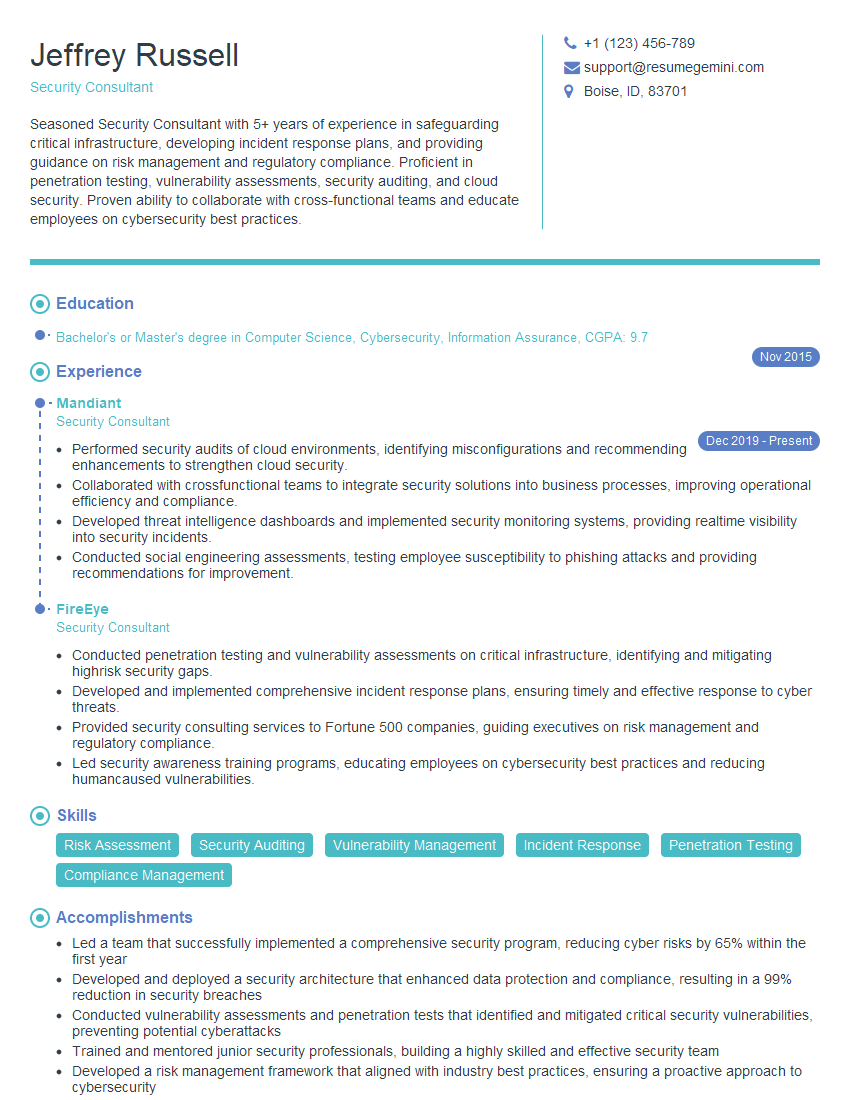
Security Consultant Resume Sample
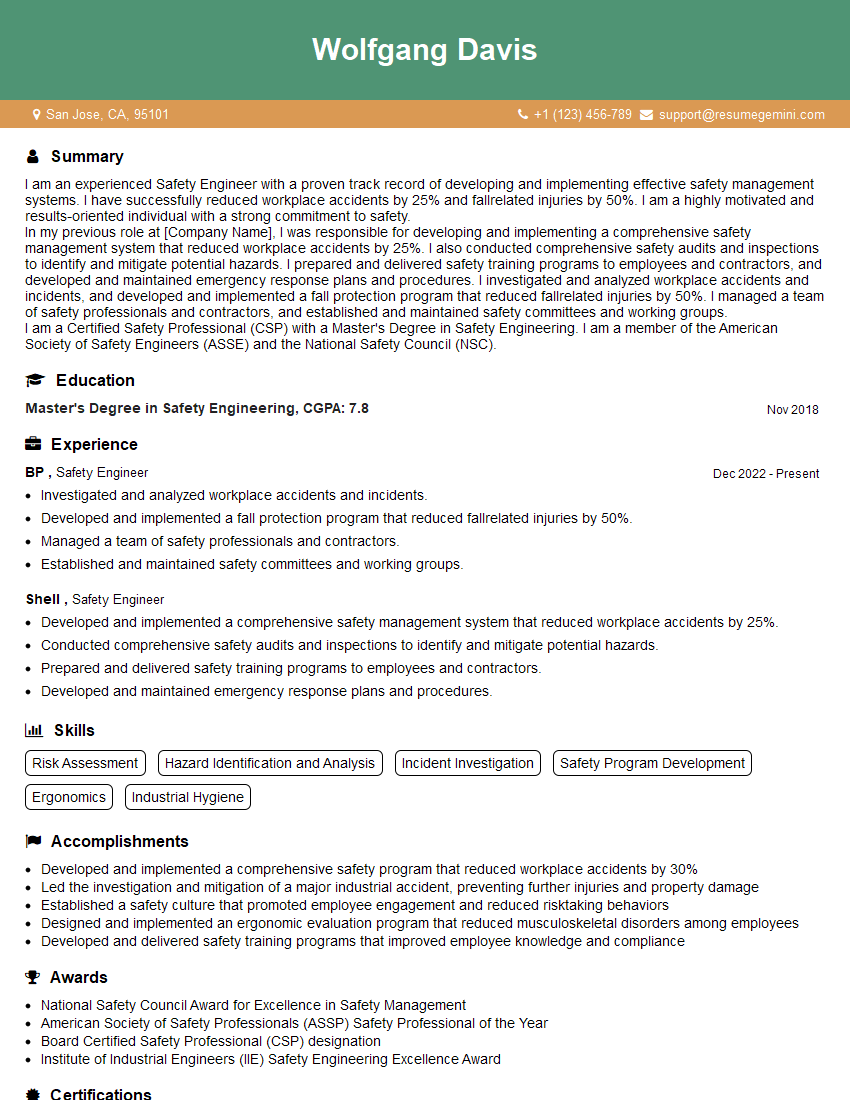
Safety Engineer Resume Sample
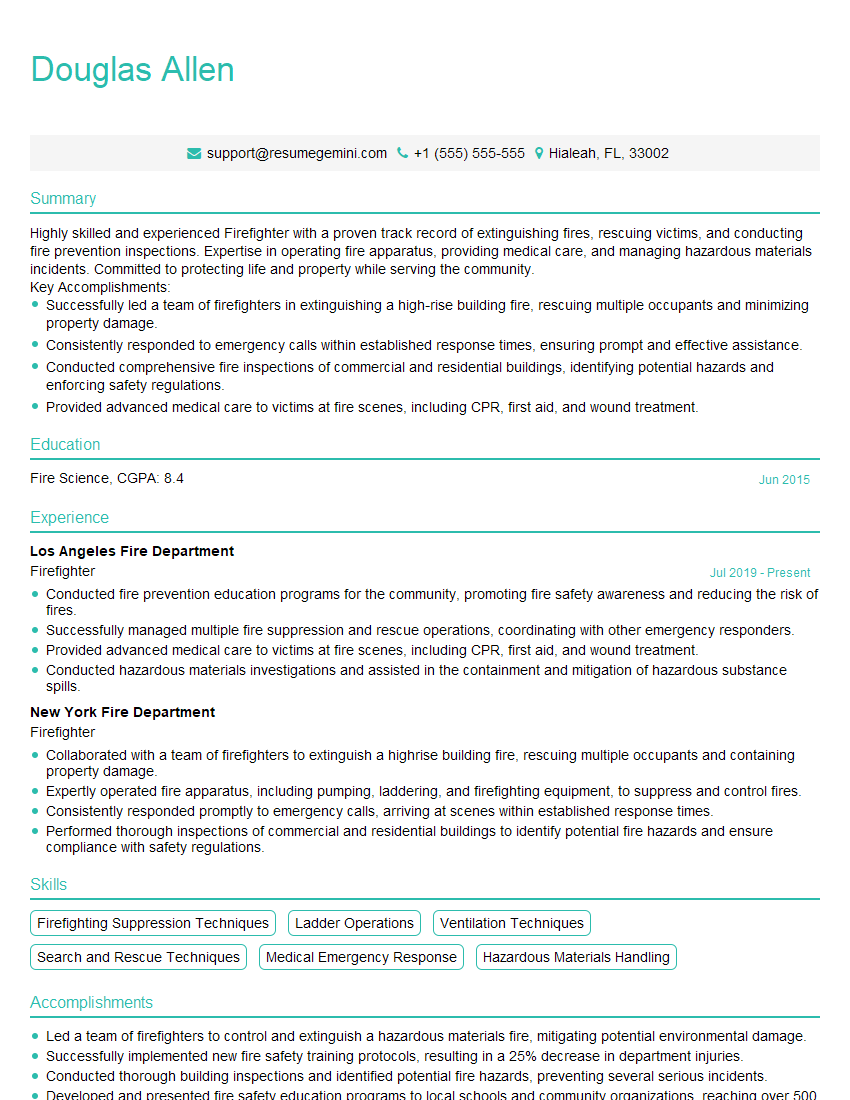
Firefighter Resume Sample
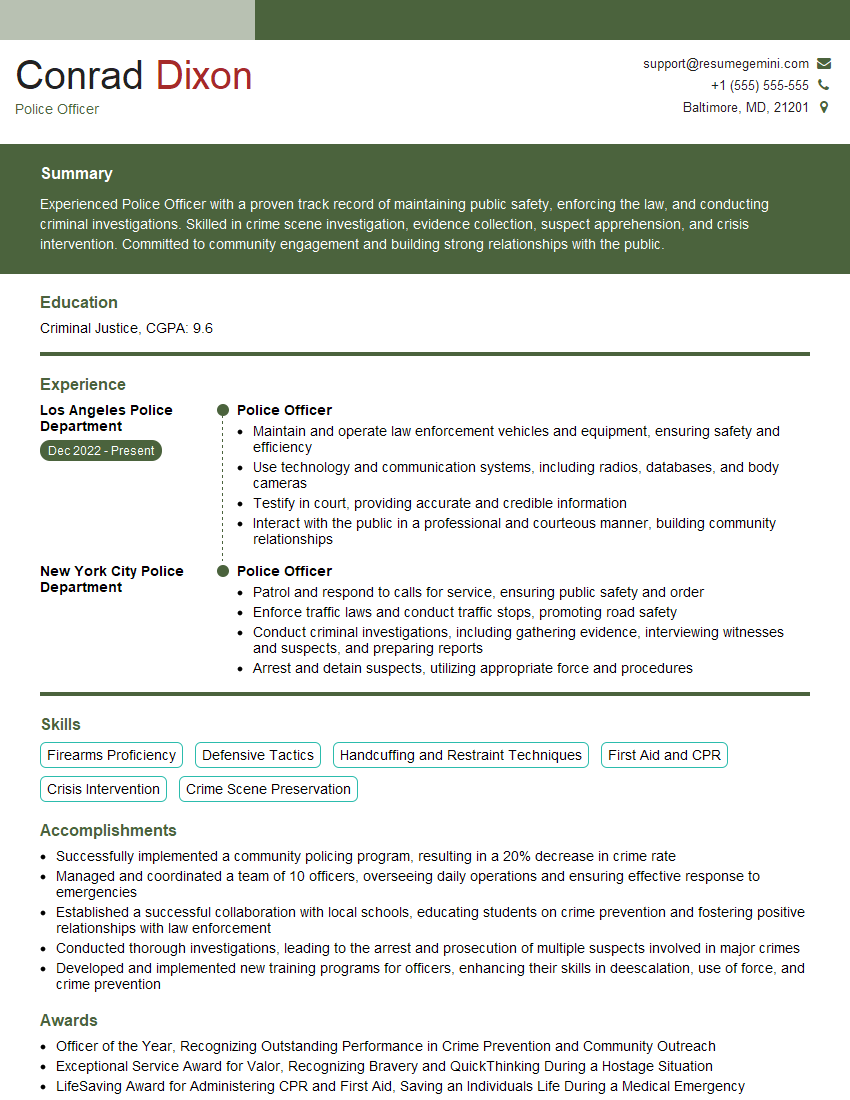
Police Officer Resume Sample
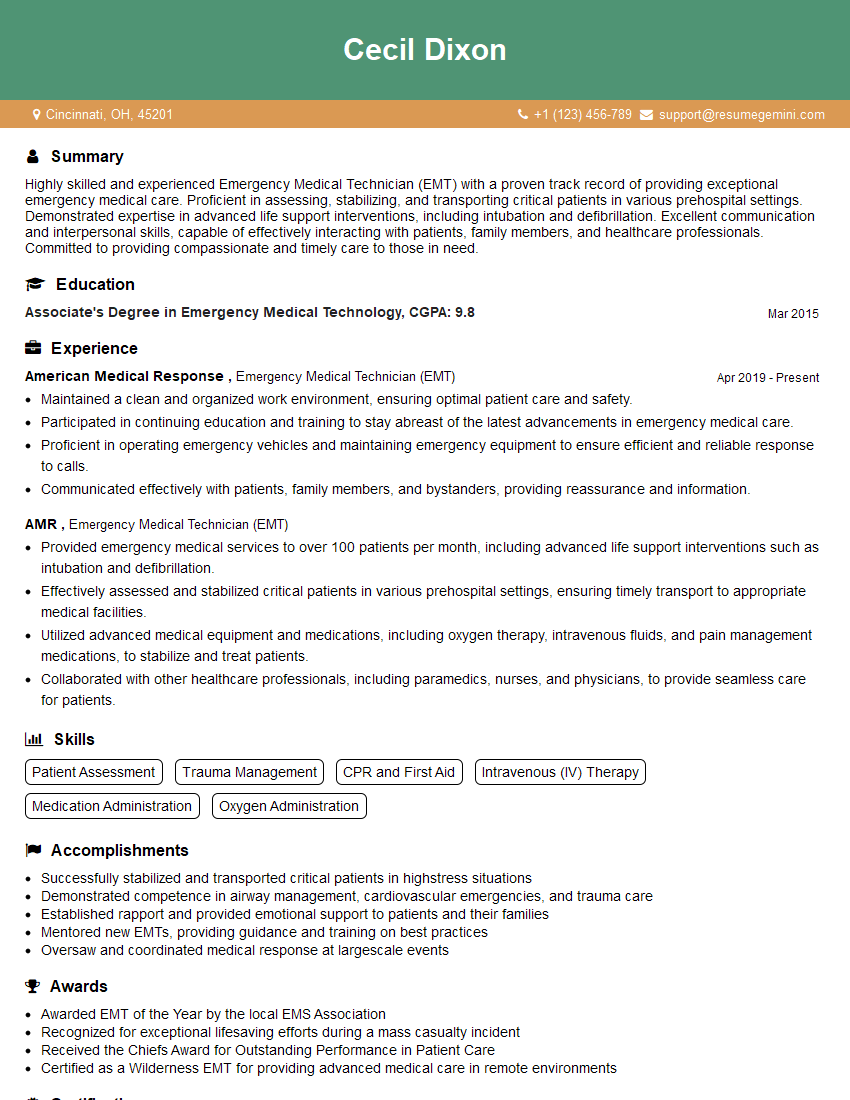
Emergency Medical Technician (EMT) Resume Sample
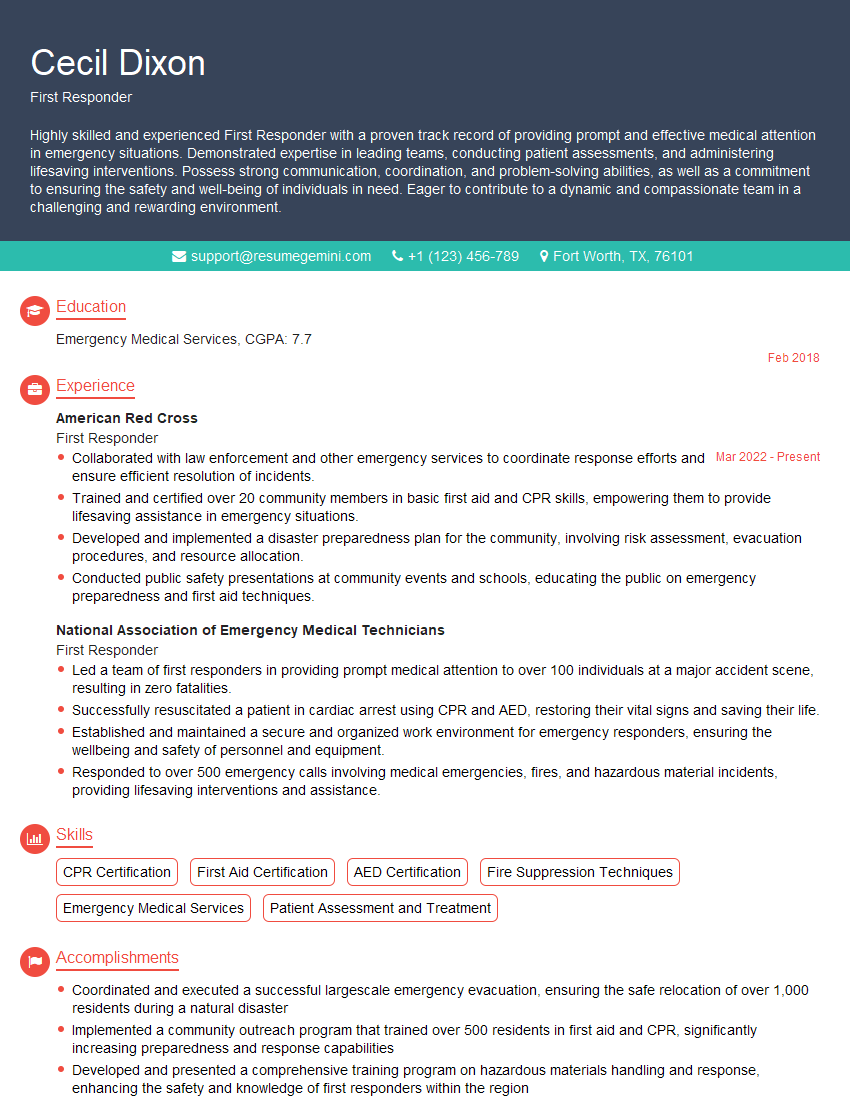
First Responder Resume Sample
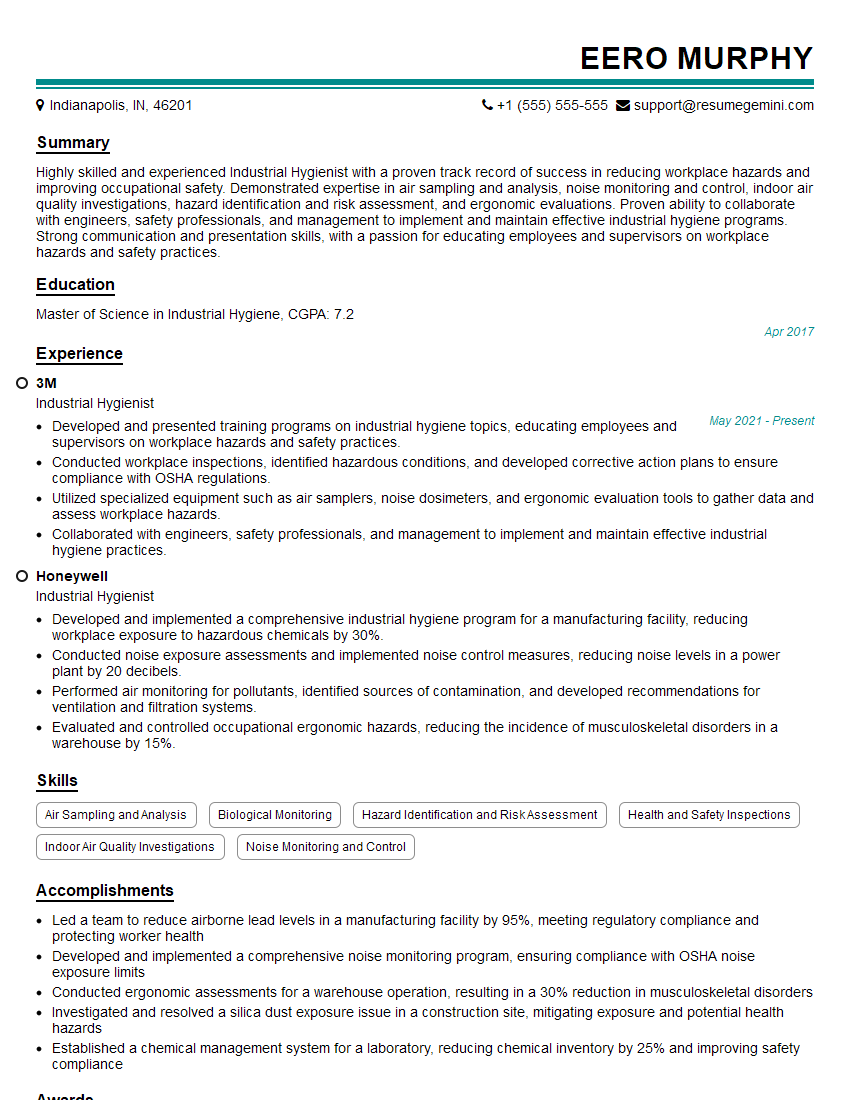
Industrial Hygienist Resume Sample
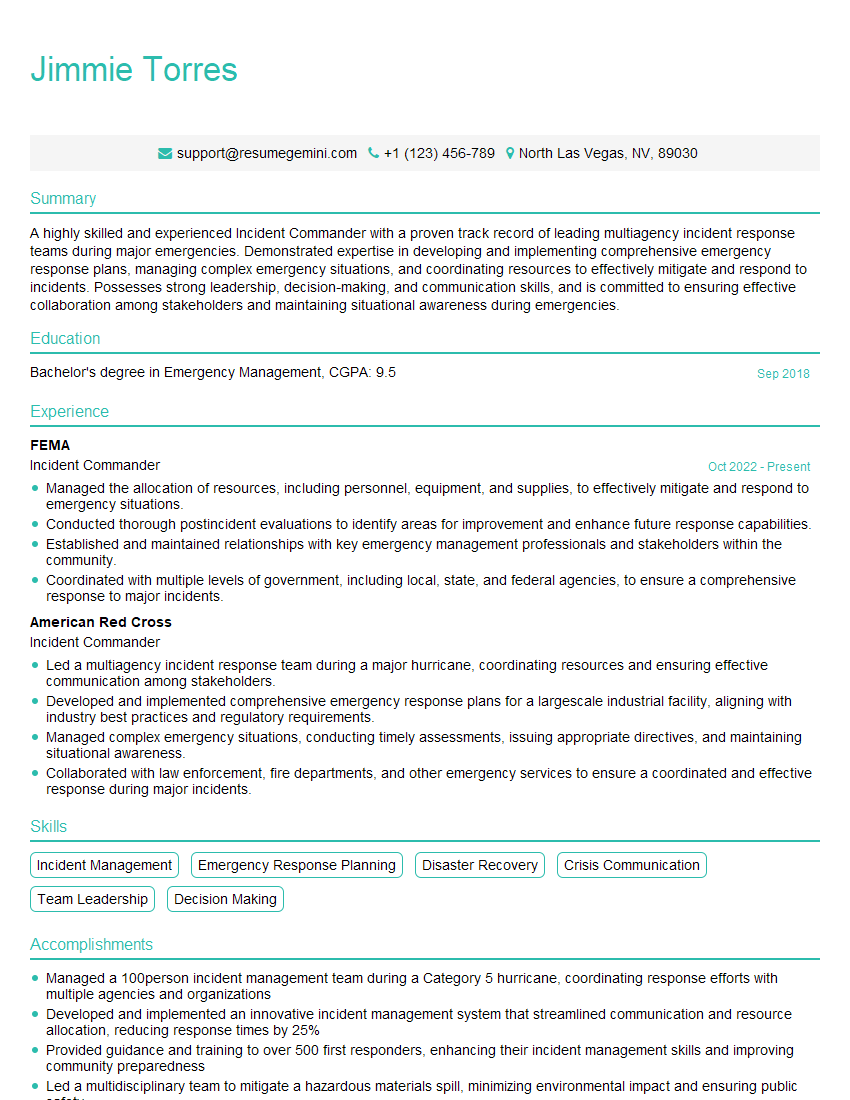
Incident Commander Resume Sample
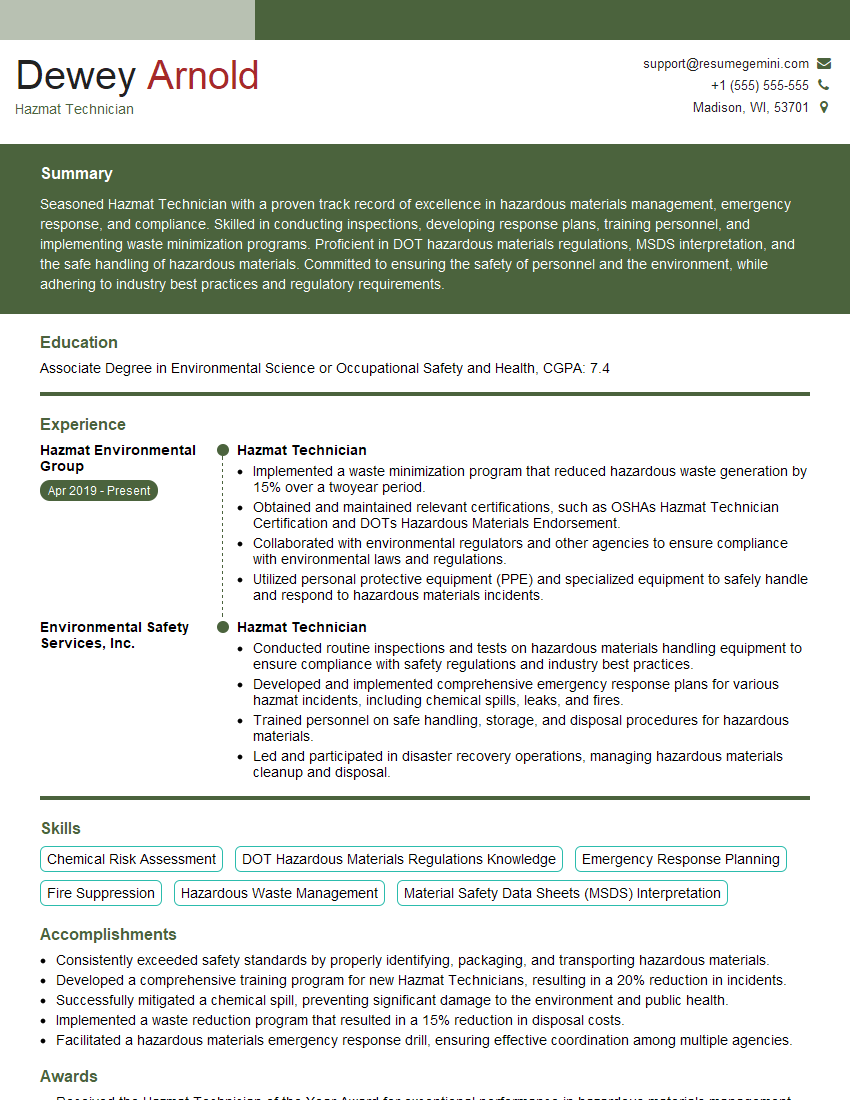
Hazmat Technician Resume Sample
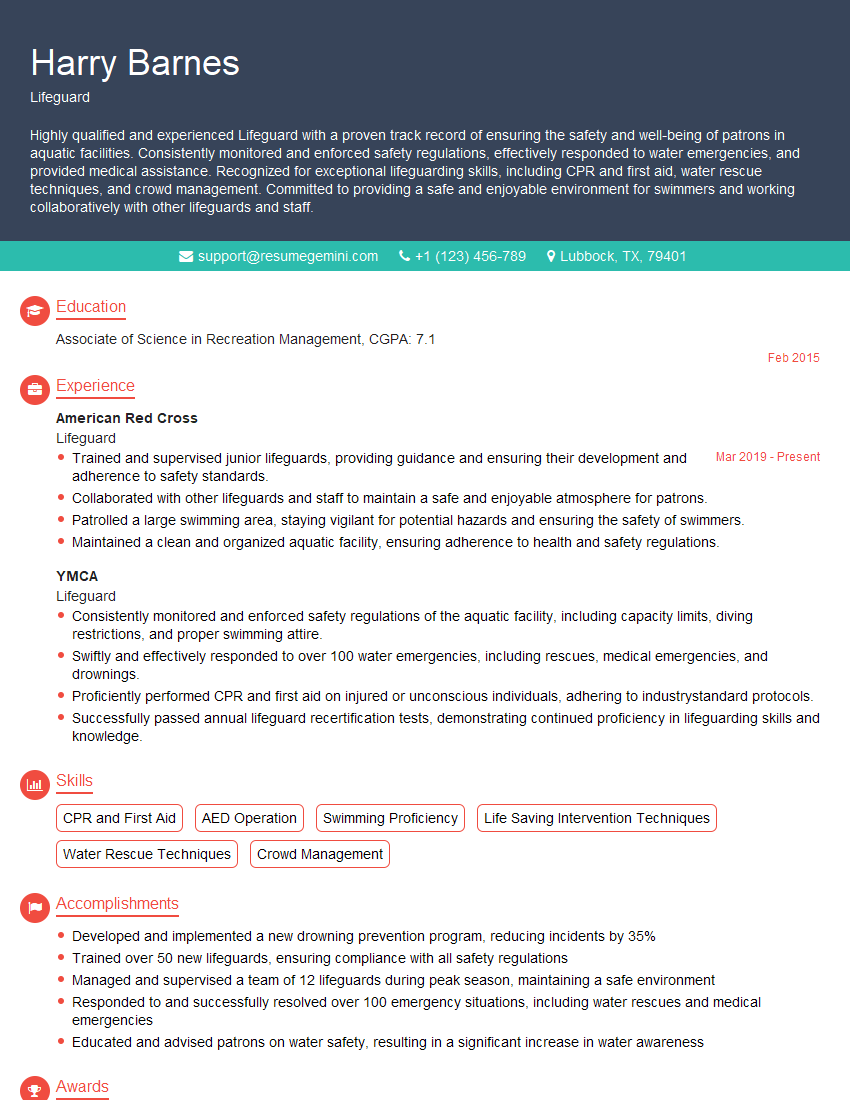
Lifeguard Resume Sample
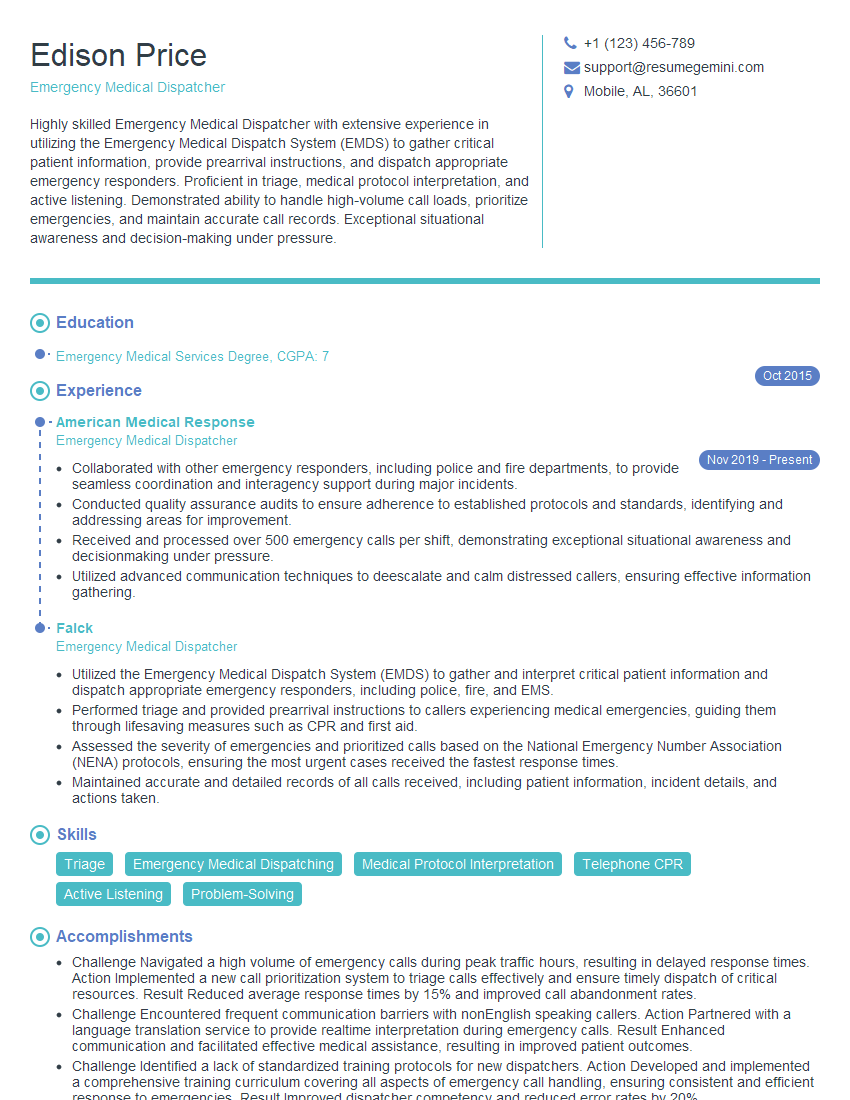
Emergency Medical Dispatcher Resume Sample
- Safety Manager
- Disaster Recovery Specialist
- Paramedic
- Compliance Officer
- Risk Manager
- Security Manager
- Security Consultant
- Safety Engineer
- Firefighter
- Police Officer
- Emergency Medical Technician (EMT)
- First Responder
- Industrial Hygienist
- Incident Commander
- Hazmat Technician
- Lifeguard
- Emergency Medical Dispatcher
Explore more articles
Users Rating of Our Blogs
Share Your Experience
We value your feedback! Please rate our content and share your thoughts (optional).
What Readers Say About Our Blog
Really detailed insights and content, thank you for writing this detailed article.
IT gave me an insight and words to use and be able to think of examples